I’m not anti-egg. I am just a little… egg-fatigued. You’re in the right place if you’ve ever looked at a carton in the fridge as if it had done something to you personally.
These breakfasts are all high-protein and egg-free, made for real mornings, whether you’re rushing out the door, you’re feeling lazy, or you need something substantial to tide you over until that sleeve of crackers at 10:30. Some are sweet and some are savory, and none require heroic cooking skills to whip up before that first coffee.
1) Yogurt Bowl

I keep plain Greek yogurt around like some people keep batteries: not exciting, but weirdly essential. A few nuts change it from a “snack” to a “stick-to-your-ribs breakfast” in no time. If you want more protein, just increase the yogurt and decrease the granola (granola is delicious, but it is mostly there for the crunch). I may or may not admit to eating this standing at the counter far more times than I would like to admit.
2) Cottage Cheese Bowl
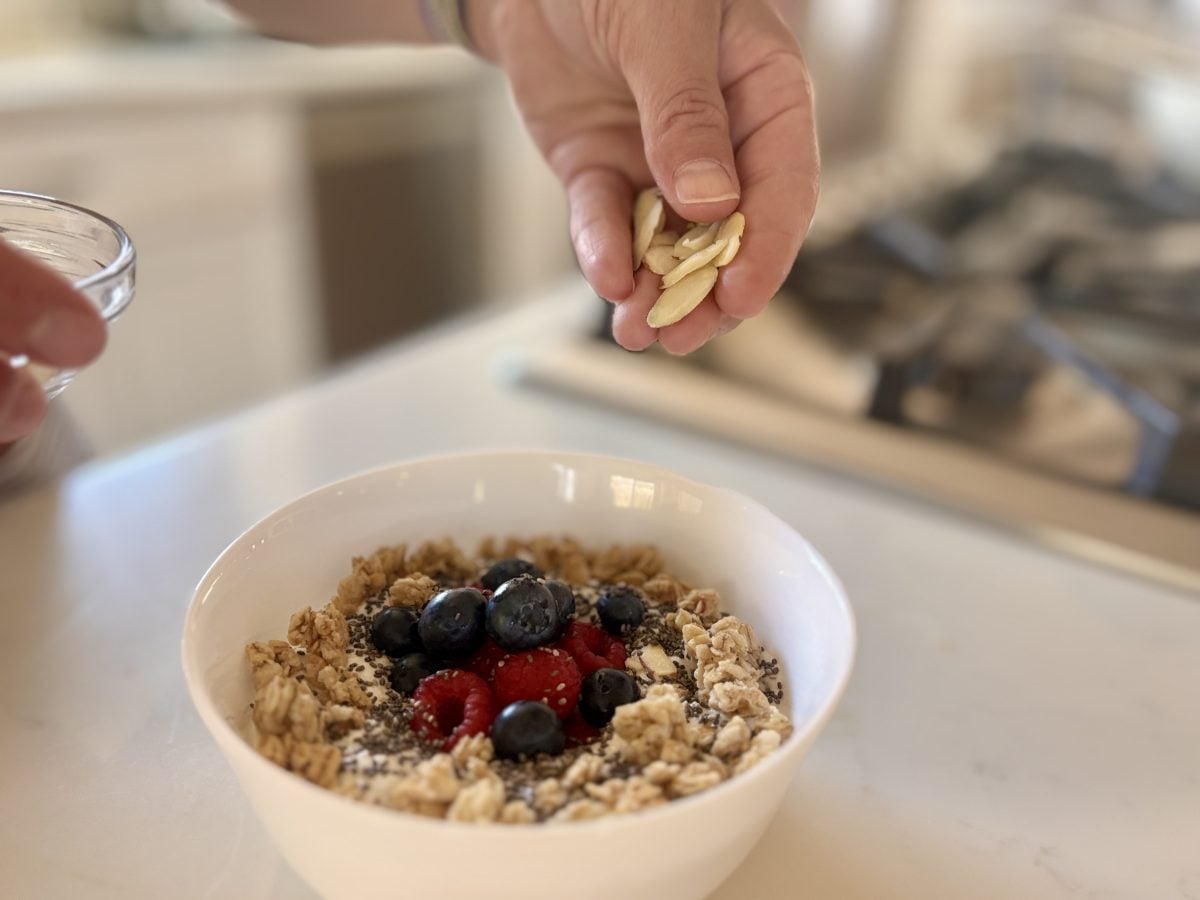
Cottage cheese is finally having its moment and deserves every bit of attention it is getting
Pairing sweet fruit with something salty and creamy may sound like something from a 1970s diet plate, but it oddly works. If the texture is a concern, it can be small curd. If its not plain and whip it for a moment then so it becomes smooth. When I want protein but don’t want to cook, this is the breakfast I prepare.
3) Skyr Bowl
Skyr is like Greek yogurt’s more muscular cousin. It normally contains a lot of protein, and if you add a bit of honey, it almost tastes like dessert. Almonds add a crunch and a slight toastiness that suggests a level of effort that isn’t really there. This can help most people remain more consistent if they tend to slump mid morning.
4) Overnight Oats
Overnight oats are designed for meal prep, but in reality, it is more like me taking a jar and mixing stuff together while I wait for my coffee to brew. Throw in some protein powder and it’s not just carbs in cute clothing. If possible, use one of the protein milks, as almond is low for protein.
5) Chia Pudding
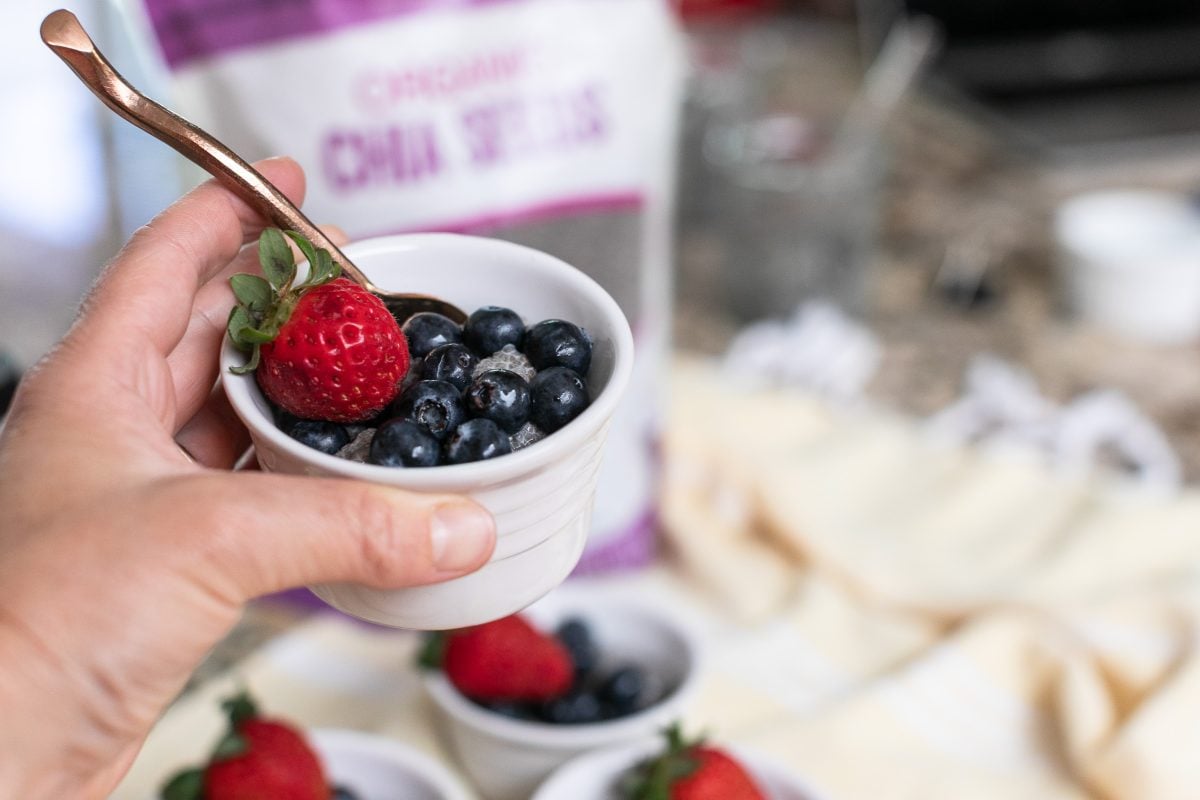
Chia Seed pudding may seem weird at first, a moodier version of tapioca, but it will grow on you.
Mix the protein powder with the liquid first before adding the chia seeds so it doesn’t clump (I figured that one out the messy way). After spending a night in the fridge, it transforms into a delightfully spoonable treat. You may really like this if you like texture.
6) Protein Smoothie
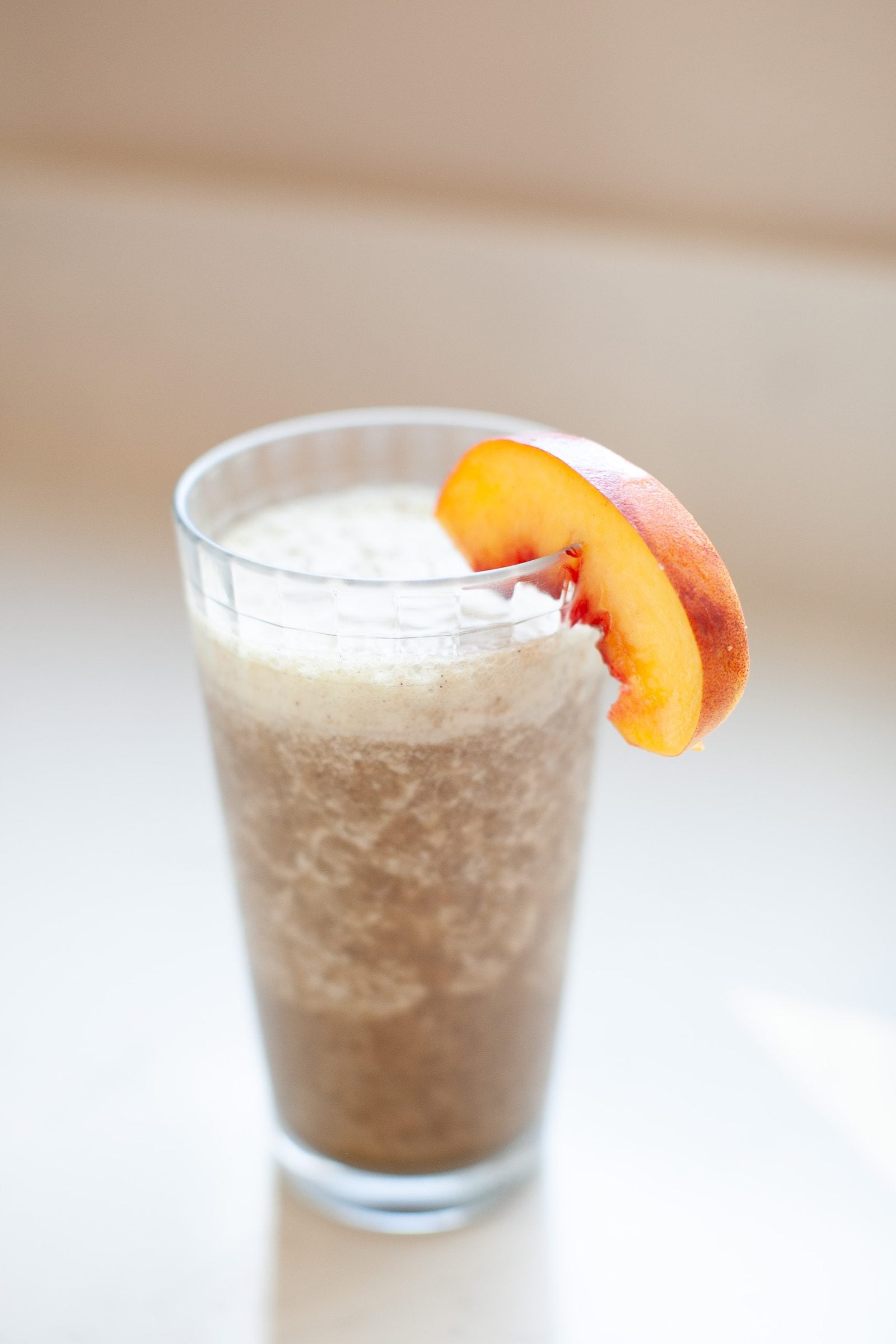
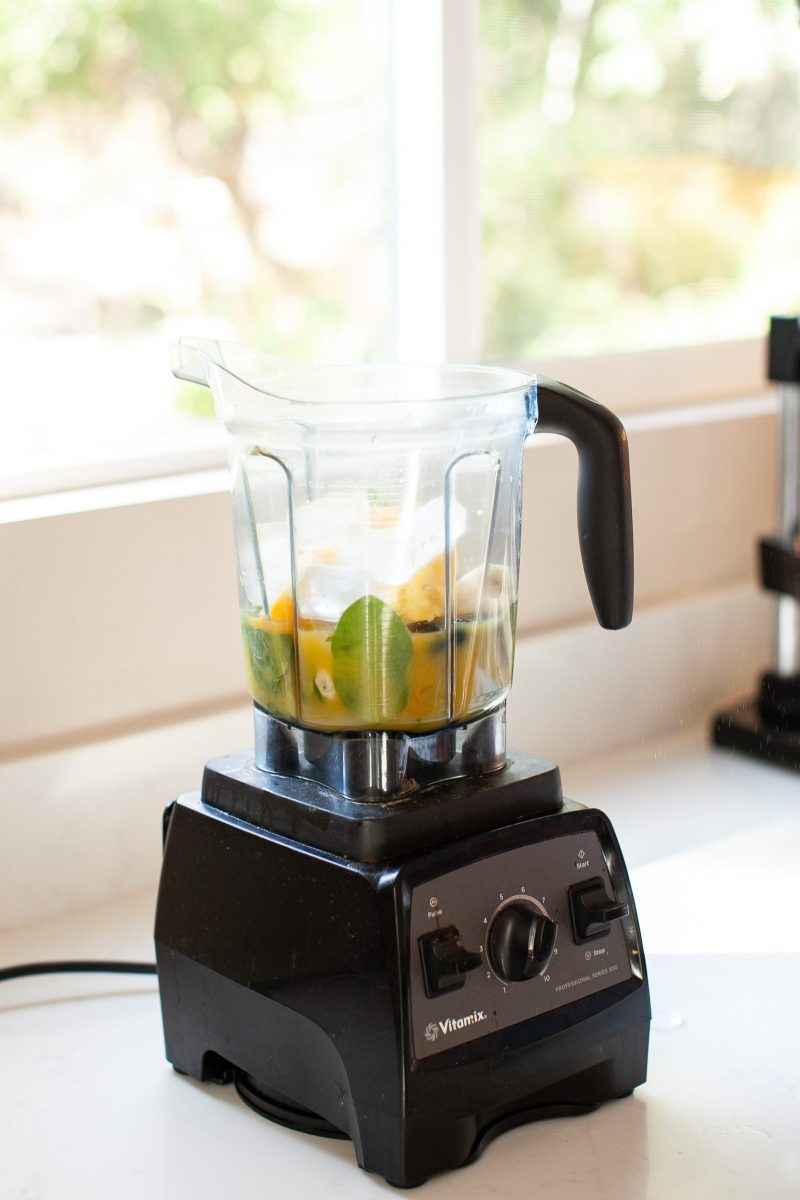
A smoothie can either be an actual breakfast or a sugar bomb; the difference is some protein and a little self control. The foundational structure here is protein powder (or Greek yogurt) combined with frozen fruit. You can add spinach if you’d like, but just remember, it’ll turn swamp green, and that’s not a moral failing. Mine is usually berry-peanut-butter because I am predictable.
7) Kefir Smoothie
Kefir is a drinkable yogurt that has a tangy flavor that can be a little bit refreshing. Mix it with banana and cinnamon, and you’ve got a breakfast drink you can sip on while responding to those emails you’d prefer to ignore. It’s also a simple way to add protein without a blender being full of ingredients. If you are sensitive to tangy flavors, begin with equal parts kefir and milk.
8) Peanut Butter Toast
Classic for a reason, it is quick and does fill you up. Use a hearty bread (whole grain tends to help) and be generous with the peanut butter. To increase the protein content further, add a glass of milk or soy milk on the side. I eat this when I need to leave the house in five minutes and still want some semblance of normalcy.
 Nathaniel’s Pantry Notes: The 20g Protein Floor (Why Most Breakfasts Don’t Make It to Lunch)
For years, my breakfasts have consisted of either a slice of toast with butter or, on more ambitious days, oatmeal with brown sugar. By 10am I would almost definitely be hungry and be eating anything I could find in the office kitchen. I assumed this was normal.
Next, I attempted to hit 20 grams of protein at breakfast for two weeks. The 10am snack disappeared. The 3pm slump softened. This was the first time in years that I felt truly full. The determining factor ended up being the protein number.
A breakfast with less than 20 grams of protein won’t last you until lunch. Around mid-morning, you’ll find yourself hungry; then around eleven, you’ll experience a mental fog, and inevitably, you’ll reach for another dull snack.
Most breakfast cereals contain around 5g. A slice of toast with peanut butter weighs around 10 grams. A properly built yogurt parfait is 25g. The protein number is the actual lever. Once you know how to hit it, the rest of your day becomes more relaxed.
• 20g protein floor. This is the threshold below which the next four hours feel hungry. Some people need 25-30g; most are fine at 20.
• Easy 20+ protein hits. A cup of Greek yogurt with seeds and berries (~25g). Cottage cheese with fruit and nuts (~28g). A scoop of protein powder in a smoothie (~30g). Two slices of turkey on toast (~22g).
• Fakes-it-but-doesn’t list. Avocado toast (~6g). Bagel with cream cheese (~10g). A bowl of cereal with milk (~12g). Granola with yogurt sounds high but the granola is mostly carbs (~15g).
• Pair to top up. A handful of nuts (5-7g). A spoonful of nut butter (4g). A jammy boiled egg if you have them (6g each). Stacking small protein adds gets you over the line.
• Cold versus hot doesn’t matter. Yogurt bowls hit. Oatmeal with whey powder hits. Sardine toast hits. Don’t get attached to the format. Hit the number.
Chasing 40-50g of protein at breakfast is not on the list, protein bars in place of actual meals are not on the list (they are great in a pinch, but most are candy with a shot of whey) and no, you don’t need to revolve your meals around protein forever. (If you get a good breakfast in, the rest of the day tends to take care of itself, the breakfast floor is the lever).
9) Salmon Toast
Even if you’re wearing the same hoodie as yesterday, smoked salmon gives your breakfast the feeling of doing something right in life. It is protein centred and has a saltiness that goes well with a bright crunch from something like a cucumber. If you have capers in stock, that’s good; if not, it’s not the end of the world. This is one I make on the weekends if I have a spare two minutes and a clean plate.
10) Tuna Toast

I’ll admit it: tuna for breakfast sounds crazy, but you won’t get it until you try it. You just made a protein hack: mix tuna with Greek yogurt or mayo, and add in some diced celery along with lemon and pepper to taste, and you’re good to go.
If the thought of fish first thing in the morning makes you cringe, it’s probably best to save this for brunch or a late-morning meal. It might surprise you, but most people enjoy it and it helps keep them fuller for longer.
Or just go straight tuna melt and call it a day.
11) Turkey Roll-Ups
This adds to the charm. Roll deli turkey around cheese, maybe add mustard if you’re into it, and suddenly you have a no-cook protein breakfast. I’ve eaten this while standing in front of an open fridge, like a raccoon, pondering my options. It’s straightforward, slightly salty, and reliable.
12) Sausage Bowl
Chicken sausage will be an almost guaranteed hit if you enjoy savory breakfasts. Serve it with quick rice or some leftover potatoes and you have a dish that feels like a diner plate, without the diner. Some brands are high in sodium, check labels if this is an issue for you. I enjoy this in the mornings after a workout when sugary items don’t feel right.
13) Breakfast Hash
A hash is a breakfast version of “clean out the fridge.” Brown ground turkey with onions and spices, toss in diced potatoes (leftovers are your friend), and let it get crisp at the edges.
It stands on its own, you don’t need eggs. The first time I served it without eggs, no one even noticed, which felt like winning, just a lot more quietly.
14) Tofu Scramble
Tofu scramble is one of those dishes that gets hated on by people that have never had a good one. Get something savory and filly by crumbling firm tofu and mixing it with turmeric, garlic, and veggies. If you’re looking for that egg-like aroma, black salt (kala namak) will do the trick. People have varied reactions to tofu, so scale the amounts to your personal preference.
15) Tempeh Toast
The nutty texture of tempeh works well in ‘bacon-ish’ applications. Crisp it in a pan with some soy sauce and maple (or buy pre-seasoned) and pile it on the toast with tomato and lettuce. It’s messy in a way that requires a napkin and a moment of focus. This one’s a keeper if you enjoy the sweet and savory combination.
16) Protein Pancakes
Protein pancakes can be tragic if they’re too dry, so I lean on cottage cheese or yogurt in the batter for moisture. You can also use a regular mix and put in some protein powder; just don’t go overboard, or they will become chalky.
Toaster ovens bring these back to life! Let’s just say there have been some run ins with rubbery pancakes in my kitchen, but we don’t need to discuss that.
17) Protein Waffles
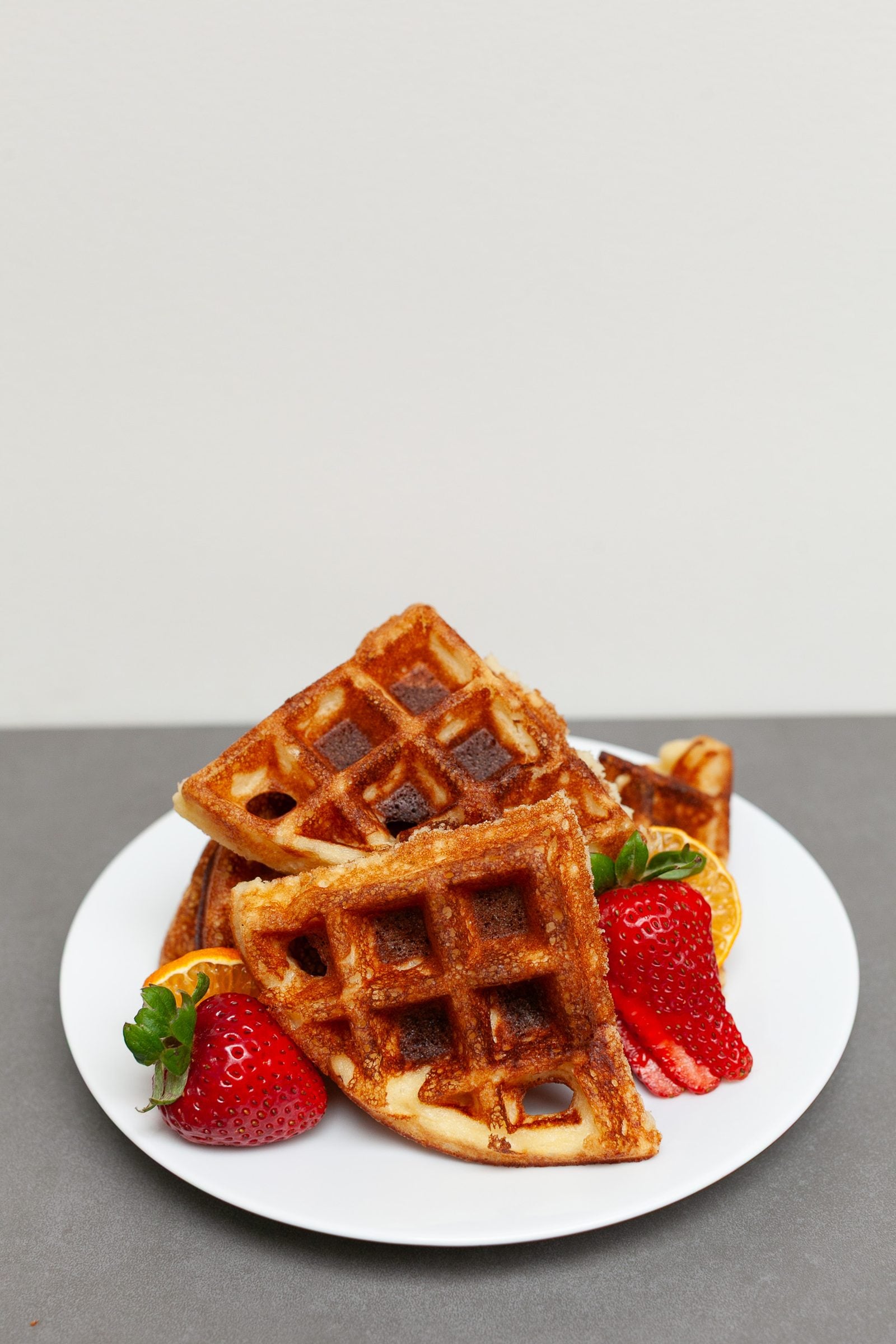
A waffle maker will make breakfast for you in the future. Choose a recipe with protein powder and oats, or use Greek yogurt or a high protein yogurt, and then once they’re solid, bag the leftovers after freezing them in a single layer first. This breakfast is the one I crave when I want something warm and filling
18) Protein Oatmeal
People call oatmeal boring, but they’re just under-seasoned. For more protein, cook it with milk (or soy milk), then take it off the heat and stir in Greek yogurt. Cinnamon and a pinch of salt do more than people think. This is my cold weather emergency like putting a warm coat on.
19) Quinoa Bowl
Quinoa for breakfast feels a little earnest, but it works. It is high in protein, and the flavor is a little nutty. You can add texture and warmth by mixing in berries and nuts then warming it with milk and cinnamon.
I started making this when I saw the cooked quinoa in my fridge, which was starting to look like a science experiment.
20) Granola And Skyr
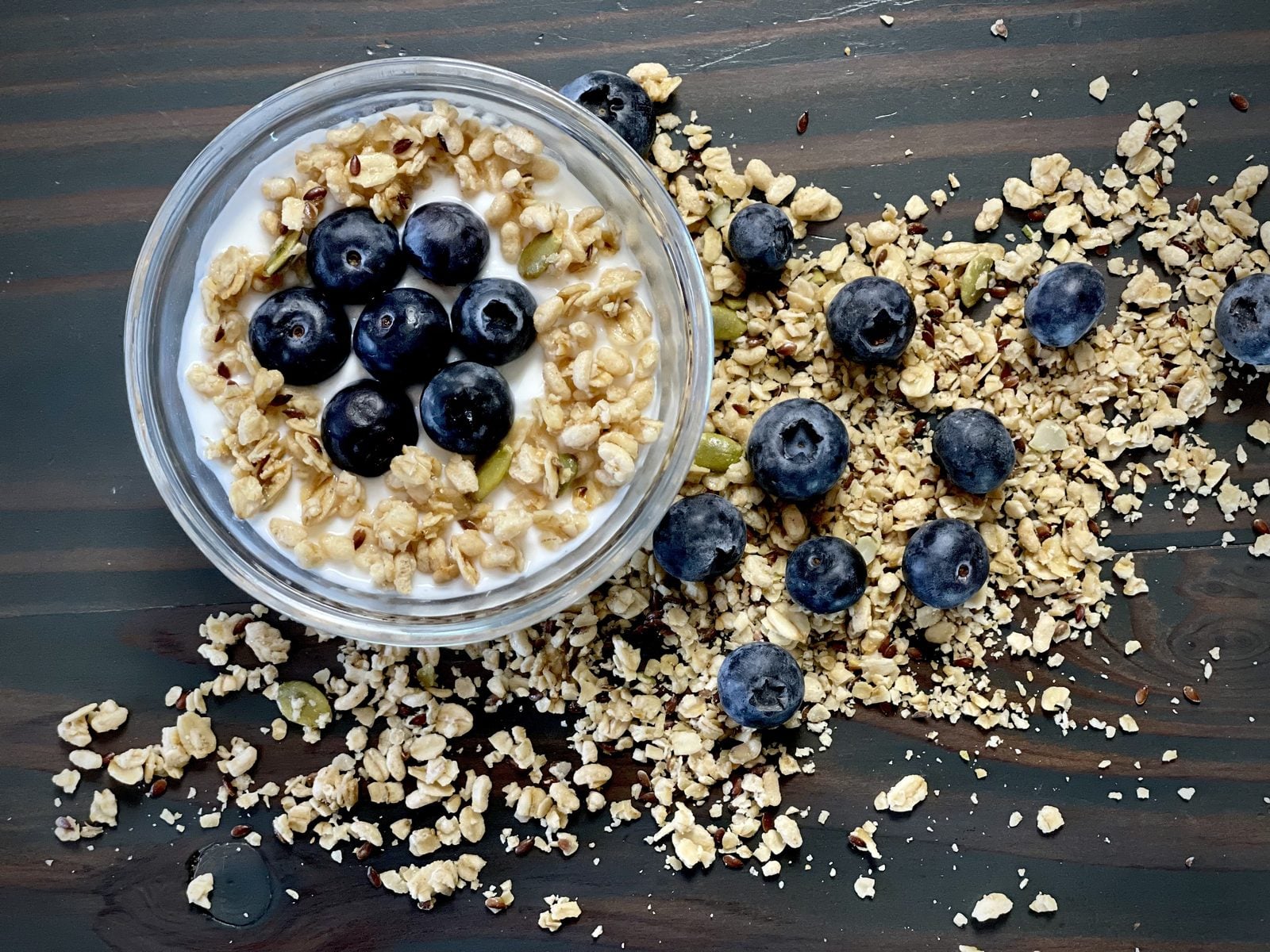
The challenge is to find a granola that isn’t just dessert disguised as cereal. Mixing it with skyr or Greek yogurt will give you a good creamy and crunchy combo. If you’re really hungry, treat yogurt as the base and granola as the topping and put extra yogurt on top! I’ve definitely been one to “measure a reasonable amount” and then some, so do as you please.
21) Rice Bowl
Breakfast doesn’t have to be sugary and it doesn’t have to be Western either. Edamame is a clean solid protein source and it fits nicely with rice and a bit of seasoning. Miso combined with butter or olive oil gives a warm, savory touch. Rice bowl is especially great if you wake up craving something salty instead of sweet.
22) Beans On Toast
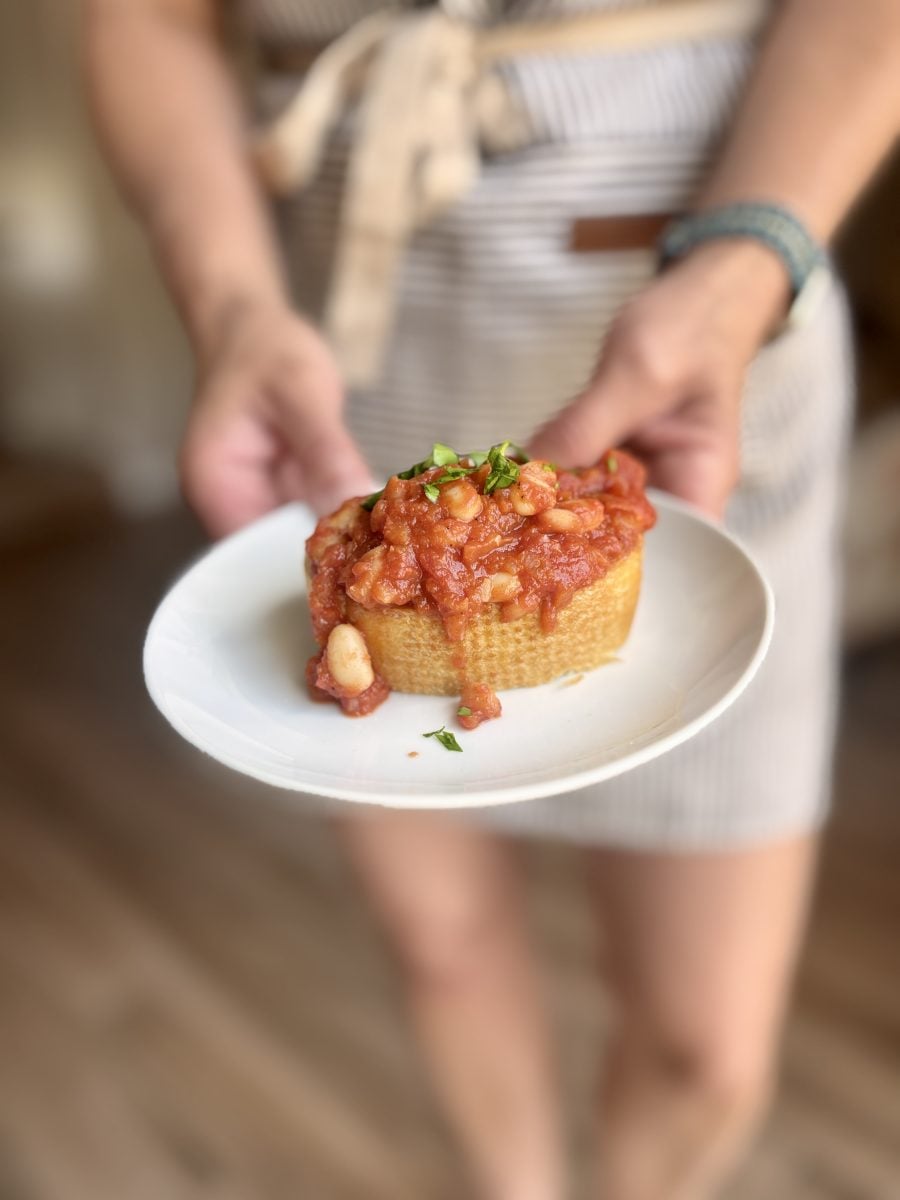
I understand why beans on toast is a classic dish in the UK. It is warm, easy to make from usual pantry staples, and quite filling.
You can make either baked beans or white beans with garlic seasoning, olive oil, and a tiny bit of tomato. I was also a skeptic, but everything changed for me when I had it for the first time on a morning where it was raining.
23) Lentil Bowl
If you enjoy savory foods, then breakfast lentils might actually be something worth trying. For a filling bowl that has very little chance of causing a spike and crash, try warm lentils, with salsa and avocado, and possibly a squeeze of lime. Using leftovers is a great idea. I’ve eaten this directly out of the pot before, and while I was packing a bag, it felt a bit savage, but it also was pretty efficient.
24) Breakfast Burrito
You can make a breakfast burrito that tastes good and holds together without using eggs. If you want more protein, you can add chicken or tofu, but the base is beans, cheese, and sautéed peppers. Tight wraps that are toasted in a dry pan give a portable and crispy wrap. Eating this breakfast makes your commute a little less miserable.
25) Turkey Toast
Avocado toast is great, but avocado toast with turkey is a meal. Hemp seeds provide a mild nutty flavor and a bit of extra protein without altering the overall profile. Use a lot of lemon and salt; the avocado needs direction. I prepare this when I want something fresh, but I still want it to qualify as breakfast.
26) Sardines On Toast
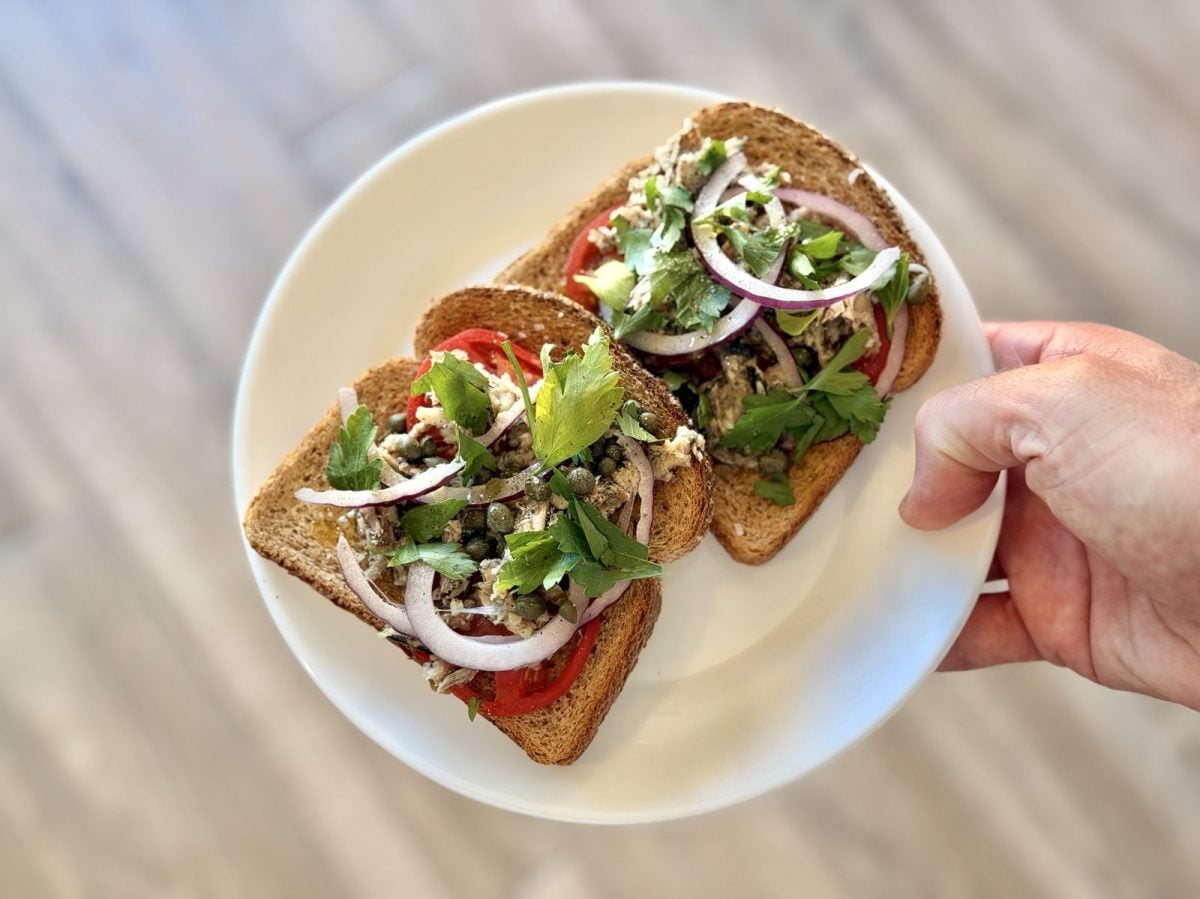
I respect that sardine toast is not for everyone. Sardines are protein-rich and convenient, but they have a very specific personality. If that’s too strong in the morning, a simple salmon pouch combined with a bit of yogurt and lemon is an easier way to start. In any case, keep it simple: bread, something creamy, something bright.
 Nathaniel’s Pantry Notes: The Tin-Fish Breakfast Argument (Sardines Before Noon)
When I placed my sardine toast breakfast in front of my American friends, they looked at me like I was eating some kind of roadkill. Those same friends would have gladly consumed sardines at a wine bar in Portugal that evening. The fish hadn’t changed. The time of day had. The concept of what constitutes breakfast is about a century old and doesn’t reflect what the global population has been doing for centuries.
In coastal Europe, half of Asia, and almost all of South America, having canned fish for breakfast is commonplace. The protein content is significant (a single can of sardines contains 20-25g). In the morning, your brain craves omega-3 oils.
It feels more like butter than seafood. Cultural inertia is likely the only reason fish are excluded from most American breakfasts. Once you move past that, you’ve included some of the cheapest and most nutritious breakfasts available in the rotation.
• Sardines on toast. Sourdough or whole-grain, smashed with a squeeze of lemon, salt, olive oil. 25g protein, $2 cost, 4 minutes.
• Smoked salmon on bagel or toast. The gateway tin-fish breakfast (technically not tinned but adjacent). Cream cheese, capers, red onion. Familiar and respectable.
• Tuna mashed with avocado on toast. The tuna-melt energy without the melt. Add hot sauce and a fork.
• Anchovy butter on toast. Mash 2-3 anchovy fillets into a tablespoon of soft butter. Spread on toast. The flavor is bigger than the visible amount of fish.
• Pickled herring on rye. Scandinavian breakfast classic. Cold, sharp, intense. About 20g protein per serving. The most acquired-taste option, but devoted fans exist.
What’s NOT on the list, for now: salmon patties (great, but they’re more of a brunch project), anything described as a seafood scramble (which probably involves eggs and we’re working around eggs here), and breakfast oysters (real thing in some cultures, but logistically harder than canned).
A simple way to add variety to your morning routine and increase protein is with a tin-fish breakfast. Next time you go shopping, remember to buy some cans of sardines. Open it on a Tuesday and let me know what you see.
27) Protein Coffee
Chewing doesn’t seem required some mornings. Protein coffee is just as it sounds: a coffee and protein shake mix or coffee with protein powder blended with some milk. It’s not a complete breakfast for all, but can fill the void on busy mornings. I reserve it for an emergency plan for the kind of mornings that just erupt into chaos and stay there.
28) Protein Muffins
A good high protein muffin is your insurance policy. Use Greek yogurt, cottage cheese, or some protein powder in your baking, and you’ll have the baked breakfasts for the week that are easy to grab and go. Watch for sugar; some recipes sneak in dessert level amounts. I enjoy these with coffee while sitting down for a change as I pretend to be someone with good habits.
Pantry & Tools I Reach For on Protein-Forward Mornings
Affiliate links: HomeViable makes a small commission when you go through them, and it doesn’t cost you anything extra!
- MUNBYN Digital Food Scale. The single most useful tool for staying honest about a 20 gram protein floor.
- Hontent Glass Food Storage Containers with Lids. For the chia pudding batch, the overnight oats spillover, and the leftover tofu scramble that becomes Thursday’s breakfast burrito filling.