
Dive into the world of authentic Italian cuisine with this ultimate eggplant parmesan recipe. For countless generations, this treasured dish from Italy’s culinary tradition has not just filled the stomach, but has also warmed the heart. Our detailed guide will show you how to make a delicious meal that embodies the spirit of classic cuisine.
Eggplant parmesan combines simple ingredients with incredible flavor, transforming humble eggplant into a culinary masterpiece. This recipe will help you create a fantastic meal that will impress your family and friends, no matter if you’re an experienced chef or a beginner.
From selecting the perfect eggplants to mastering the art of layering and baking, we’ll share every secret to creating an authentic eggplant parmesan that tastes straight from an Italian grandmother’s kitchen. Prepare for a wonderful journey to the center of Italy through cooking.
Contents
- What Makes Authentic Eggplant Parmesan Special
- Essential Ingredients for the Perfect Eggplant Parmesan Recipe
- Selecting and Preparing Fresh Eggplants
- Breading and Coating Techniques
- Making the Perfect Marinara Sauce
- Cheese Selection and Layering Tips
- Step-by-Step Eggplant Parmesan Assembly
- Baking Temperature and Timing Guide
- Common Mistakes to Avoid
- Make-Ahead and Storage Instructions
- Serving Suggestions and Side Dishes
- Healthier Variations and Dietary Modifications
What Makes Authentic Eggplant Parmesan Special
True eggplant parmesan is a real treasure of Italy’s many centuries of culinary tradition and regional ingenuity. This timeless recipe showcases the essence of Mediterranean cuisine and the incredible ability of basic elements to create an immensely gratifying dish.
Origins of Eggplant Parmesan
Eggplant parmesan originated from southern Italy, especially from Sicily and Campania. The ingenuity of Italian home cooks who transformed simple vegetables into extraordinary culinary creations is showcased in their traditional preparation techniques. During the Arab conquests, eggplant reached Italy and was rapidly integrated into Italian cuisine as a fundamental component.
- Originated in Southern Italy
- Introduced during Arab conquests
- Developed as a peasant dish
- Became popular in the 18th century
Traditional vs Modern Preparation Methods
Unlike modern interpretations, traditional methods for preparing authentic eggplant parmesan require thorough attention to detail. Classic methods stress the importance of hand slicing the eggplants, salting to extract the bitterness, frying, and then layering with the sauce and cheese.
| Traditional Method | Modern Method |
|---|---|
| Hand-sliced eggplant | Machine-sliced eggplant |
| Deep-frying in olive oil | Baking or air-frying |
| Handmade marinara | Store-bought sauce |
| Layered manually | Quick assembly techniques |
Though today’s techniques make things quicker, real devotees of Italian cuisine value the tradition that gives eggplant parmesan the care and love that generations have passed down the recipe.
Essential Ingredients for the Perfect Eggplant Parmesan Recipe
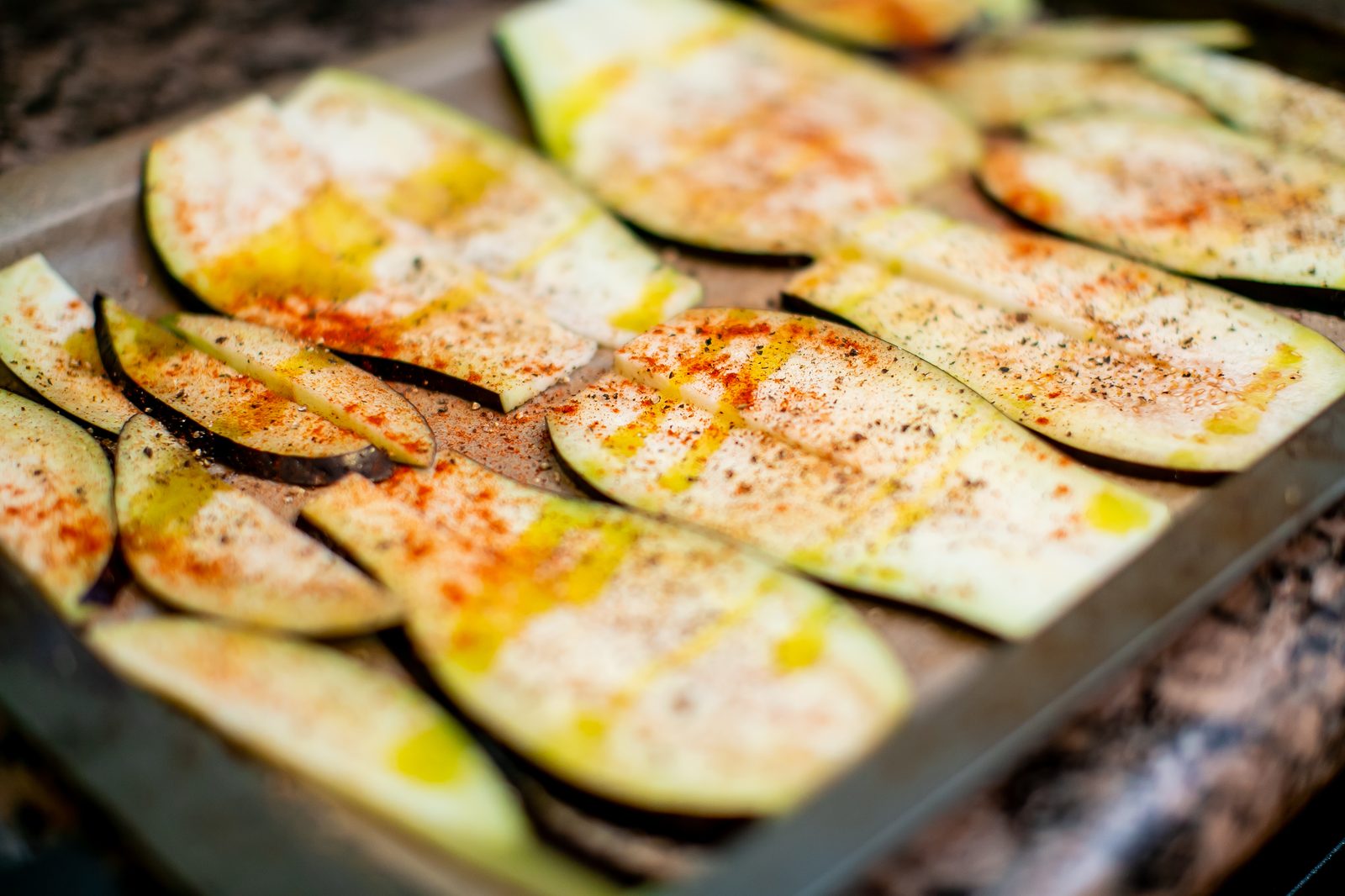
To prepare a mouthwatering eggplant parmesan, the first step is to choose the quality eggplant parmesan ingredients. The secret to a great eggplant parmesan is the use of quality, fresh ingredients and how they are combined to produce rich, authentic taste.
Let’s examine the key elements you’ll need to create a superb eggplant parmesan:
- Fresh Eggplants: Choose firm, glossy purple eggplants with no blemishes
- High-Quality Olive Oil: Extra virgin olive oil for best flavor
- Breadcrumbs: Preferably Italian-style or homemade
- Eggs: Fresh, large eggs for breading
- Cheeses: Blend of mozzarella, parmesan, and optional ricotta
The quality of your ingredients is crucial when it comes to making the best eggplant parmesan. Great food starts with great ingredients.
| Ingredient | Recommended Type | Quantity (Serves 4-6) |
|---|---|---|
| Eggplant | Globe or Italian variety | 2-3 medium eggplants |
| Mozzarella | Fresh, whole milk | 1 pound, shredded |
| Parmesan Cheese | Freshly grated | 1/2 cup |
| Marinara Sauce | Homemade or high-quality jarred | 3 cups |
| Breadcrumbs | Italian seasoned | 1 cup |
When preparing eggplant parmesan, always remember to pat dry your eggplant slices to cut down on moisture and bitterness. Cette méthode garantit que votre parmigiana d’aubergines sera croustillante et pleine de saveur, comme le parmigiana d’aubergines de votre restaurant préféré.
Selecting and Preparing Fresh Eggplants
The first step to making the best eggplant parmesan is choosing and preparing your eggplants with care. Choosing and preparing ingredients properly can greatly influence the taste and texture of your dish.
How to Choose the Best Eggplants
When choosing eggplants, keep the following key factors in mind:
- Smooth, shiny skin with no blemishes
- Firm texture without soft spots
- Deep purple color (for classic varieties)
- Medium size – about 6-8 inches long
- Lightweight for its size
Salting and Draining Techniques
Before cooking, eggplants must be salted and drained. This process helps eliminate extra moisture and diminishes any potential bitterness. Here’s a simple method:
- Slice eggplants into desired thickness
- Sprinkle kosher salt generously on both sides
- Let sit on paper towels for 30 minutes
- Pat dry with clean towels
- Rinse off excess salt if desired
Proper Slicing Methods
Proper slicing of the eggplant allows for both even cooking and a more appealing final product. Utilize a serrated knife and adhere to the following:
- Cut into uniform 1/4 to 1/2 inch thick slices
- Slice lengthwise for longer pieces
- Cut crosswise for round medallion shapes
- Keep slices consistent to ensure even cooking
When you perfect these techniques for selection and preparation, you lay the groundwork for an incredible eggplant parmesan that your family and friends will love.
Breading and Coating Techniques
Perfecting your technique for breading eggplant is essential for making a tasty eggplant parmesan. The way your dish is coated will affect the final texture and flavor. With the right breading techniques, eggplant can be made into crispy, golden perfection.
To get the best breading on your eggplant for parmesan, you’ll want to set up three essential stations for coating.
- Flour station for initial coating
- Egg wash for binding
- Breadcrumb mixture for final crispy layer
The best breadcrumb mixture consists of multiple components, such as:
| Ingredient | Purpose | Recommended Quantity |
|---|---|---|
| Panko breadcrumbs | Creates extra crispiness | 1 cup |
| Grated Parmesan cheese | Adds rich flavor | 1/4 cup |
| Dried Italian herbs | Provides aromatic seasoning | 2 tablespoons |
| Salt and pepper | Enhances overall taste | To taste |
Breading eggplant is easier when you pat the slices dry beforehand, and use a consistent, thin layer of breadcrumbs. Remove extra breading to avoid clumping and to ensure a light and crispy texture.
- Pat eggplant slices dry with paper towels
- Dredge in flour
- Dip in beaten eggs
- Coat thoroughly with seasoned breadcrumb mixture
- Gently shake off excess breading
The aim is to have an even coating and avoid excessive breading that could become soft when cooked.
Making the Perfect Marinara Sauce
The secret to a superb eggplant parmesan is making an excellent homemade marinara sauce. The right sauce can take your dish from good to great by bringing genuine Italian flavors directly to your home.
Fresh vs Canned Tomatoes
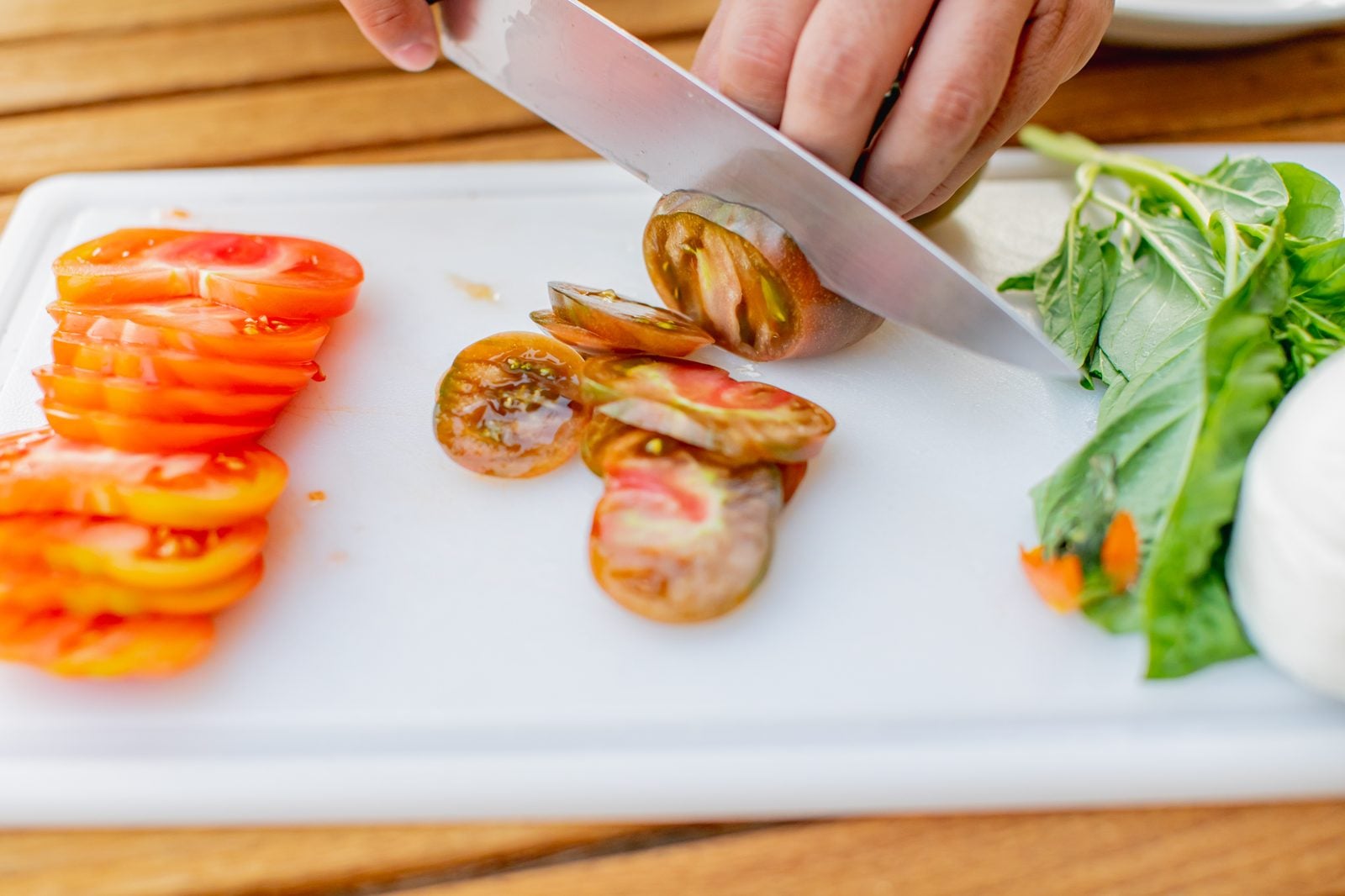
Choosing the right tomatoes is the key to making your own perfect marinara sauce. You can use either fresh, or canned tomatoes in your eggplant parmesan sauce as they each have their own unique qualities.
| Tomato Type | Pros | Cons |
|---|---|---|
| Fresh Tomatoes | Bright, vibrant flavor | Seasonal availability |
| Canned Tomatoes | Consistent quality year-round | Less intense fresh flavor |
Essential Herbs and Seasonings
The herbs and spices are what make a marinara sauce great. Here are the main ingredients that will elevate your sauce:
- Fresh basil leaves
- Dried oregano
- Garlic
- Extra virgin olive oil
- Sea salt
- Fresh ground black pepper
Simple Marinara Sauce Recipe
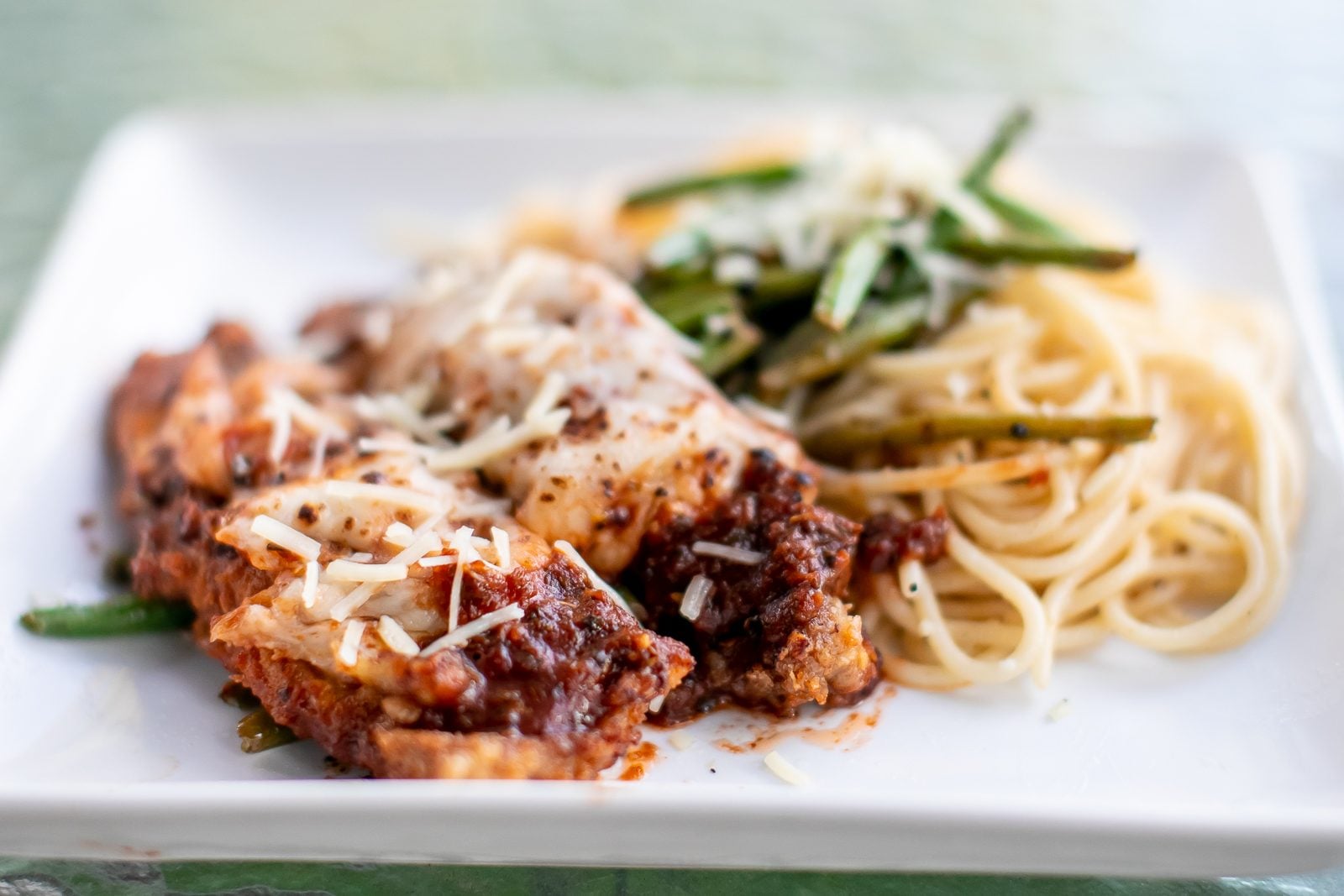
Here’s how to make a delicious homemade marinara sauce to accompany your eggplant parmesan:
- Heat olive oil in a large pan
- Sauté minced garlic until fragrant
- Add crushed tomatoes
- Sprinkle in herbs and seasonings
- Simmer for 30-45 minutes
- Taste and adjust seasonings
Pro tip: Take your time with the sauce and let it simmer slowly to develop the rich, deep flavors that will elevate your eggplant parmesan sauce to the next level.
Cheese Selection and Layering Tips
Choosing the appropriate cheese can make a significant difference in the quality of this Italian classic dish, Eggplant Parmesan. The cheese is very important in forming a rich and creamy texture and a strong flavor profile that makes eggplant parmesan so popular.
Focusing on key varieties when choosing cheese for eggplant parmesan is important because:
- Fresh mozzarella – provides creamy melting texture
- Parmesan – adds sharp, nutty undertones
- Ricotta – creates smooth, delicate layers
Layering eggplant parmesan takes some finesse. Begin with a slight layer of marinara sauce. After that, layer the breaded eggplant slices and the cheese alternately. The aim is for an even distribution that guarantees the inclusion of several flavor elements in every bite.
| Cheese Type | Flavor Profile | Layering Recommendation |
|---|---|---|
| Mozzarella | Mild, creamy | Middle and top layers |
| Parmesan | Sharp, aged | Grated between layers |
| Ricotta | Soft, delicate | Optional smooth layer |
Tip: Grate cheese right before use. The melting and general texture of your eggplant parmesan may be affected by anti-caking agents, which are frequently found in pre-shredded options.
Step-by-Step Eggplant Parmesan Assembly
Care and precision are needed to assemble an eggplant parmesan. This Italian culinary work of art will utilize the layering technique to create fully developed flavors from basic ingredients, sure to impress your dinner guests.
Creating a Solid Foundation
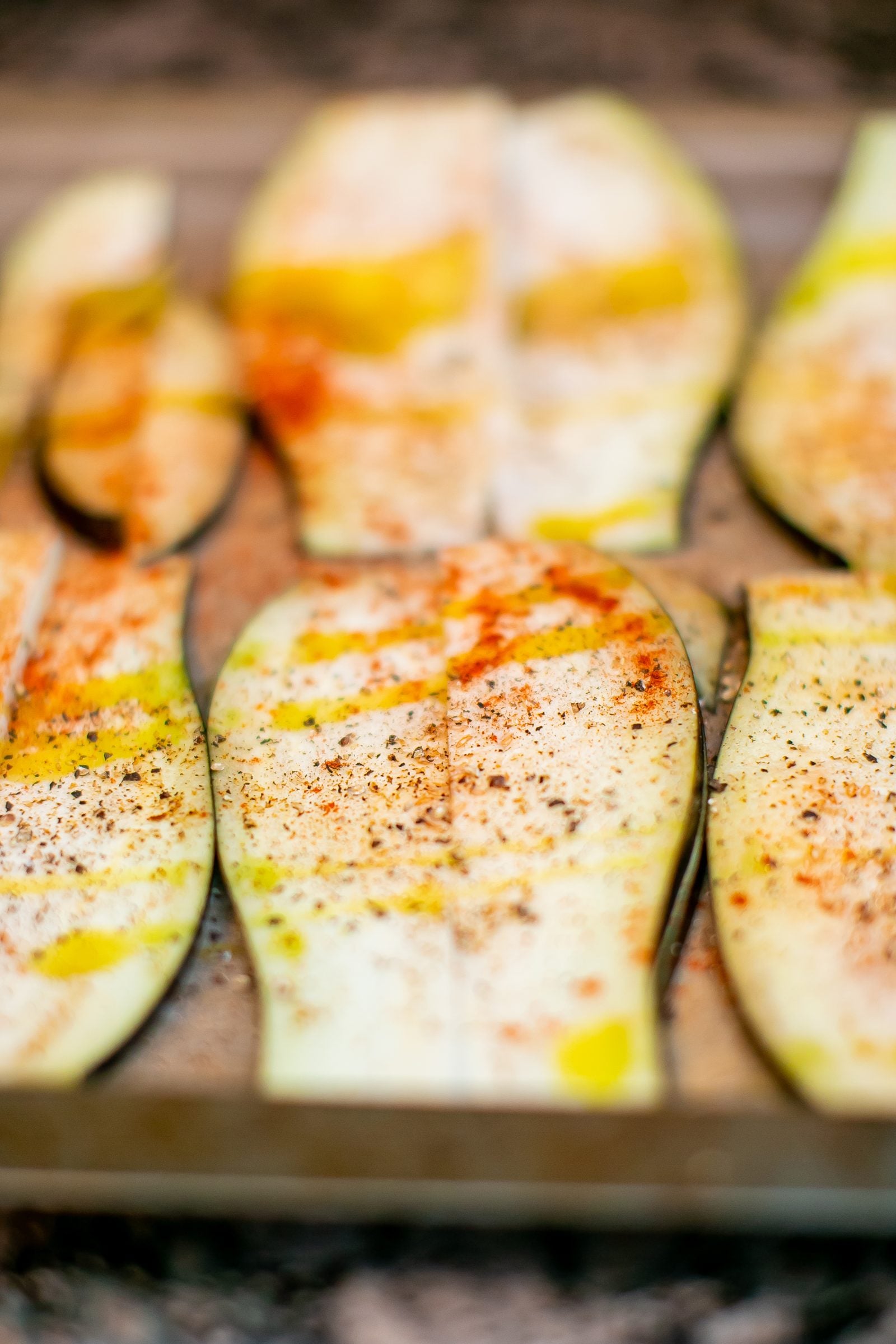
Use a well prepared baking dish as your canvas. To stop it from sticking and give it flavor, spread a thin layer of marinara sauce on the bottom. This base layer is essential for building the moist and delicious eggplant parmesan.
Mastering the Layering Technique

Eggplant parmesan needs a careful method for construction. For optimal results, adhere to the following steps:
- Arrange a single layer of breaded eggplant slices
- Cover with marinara sauce
- Sprinkle a generous amount of cheese mixture
- Repeat the layers
Final Cheese Topping Perfection
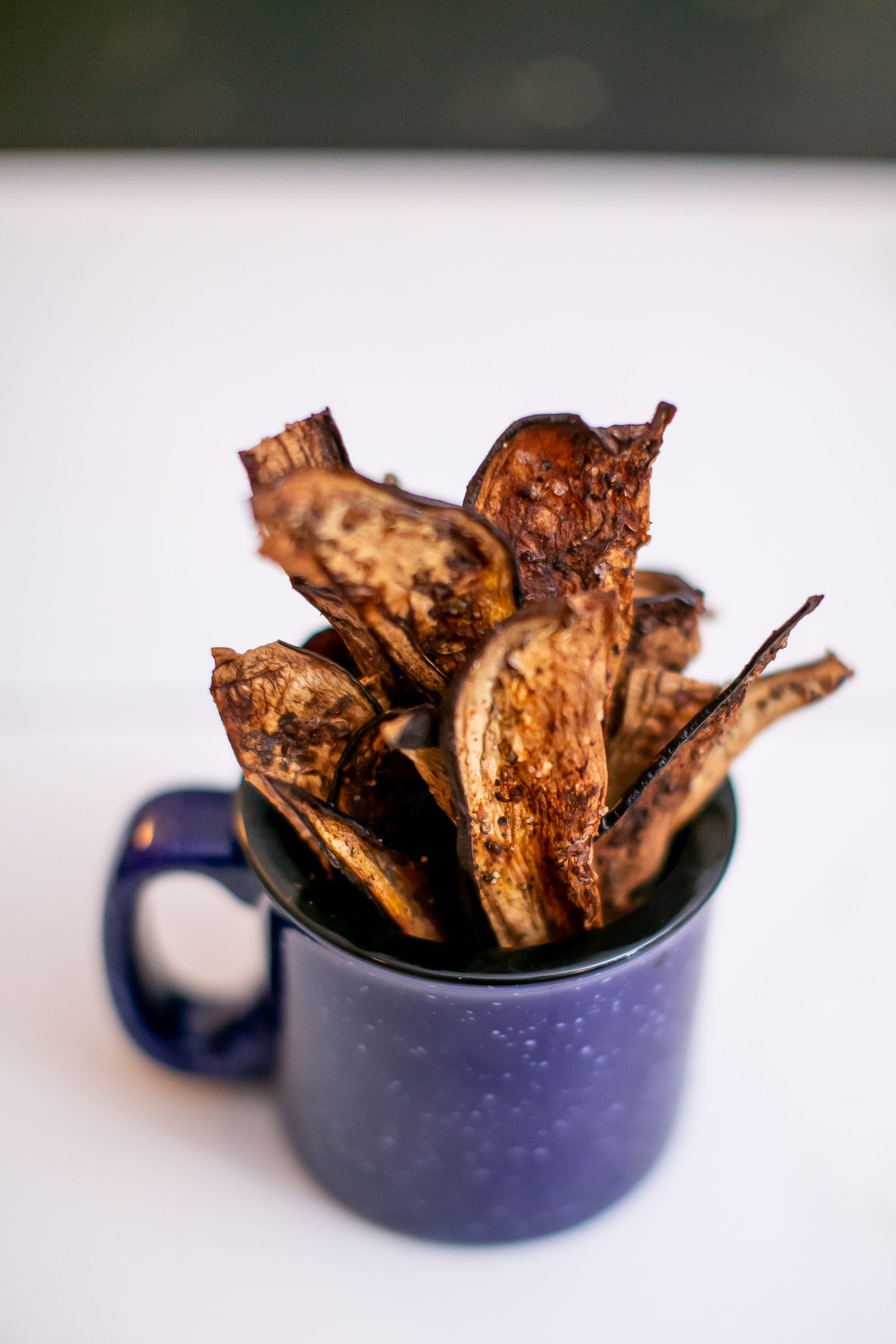
The final layer of cheese is the crowning glory of your eggplant parmesan. Combine mozzarella and Parmesan for a golden and crispy topping that will make your dish impossible to resist!
| Layer | Ingredients | Purpose |
|---|---|---|
| Base | Marinara Sauce | Prevent sticking, add moisture |
| First Layer | Breaded Eggplant, Sauce, Cheese | Create foundational flavor |
| Middle Layers | Repeat Previous Layer | Build depth of flavor |
| Top Layer | Mozzarella, Parmesan | Create golden crispy crust |
Pro tip: For a well-balanced dish, aim to include about 3-4 layers of eggplant. The secret to excellent layering in eggplant parmesan is keeping layers consistent in thickness and evenly spreading the ingredients.
Baking Temperature and Timing Guide
A critical component in perfecting baking eggplant parmesan is masterful control of time and temperature. The proper technique will guarantee a crispy exterior and a tender interior that will pleasing to your palate.
To get the best results for the eggplant parmesan, please preheat the oven to 375°F, or 190°C. This temperature is perfect for cooking the dish evenly and forming a golden-brown crust.
Recommendations for Cooking Time of Eggplant Parmesan:
- Standard 9×13 inch dish: 35-45 minutes
- Smaller individual servings: 25-30 minutes
- Deeper casserole dishes: 45-55 minutes
When baking eggplant parmesan, look for these signs of doneness:
– Cheese is melted and has a light golden brown color
– Sauce is bubbling along the edges
– Internal temp is at 165°F
Different types of ovens can affect how long something takes to cook. Gas ovens may be marginally quicker in cooking than their electric counterparts. For perfect results every time, use a kitchen thermometer.
Pro Tip:
To prevent excessive browning, cover the dish with aluminum foil for the first 25 minutes. For that ideal crispy finish, take the foil off during the last 10-15 minutes.
Keep in mind that various recipes, the depth of the dish, and the specifics of your oven will affect the cooking times for the eggplant parmesan. To optimize the best results, make adjustments and check your dish regularly.
Common Mistakes to Avoid
Spending time on each individual element will be rewarded by an impressive eggplant parmesan. Many home chefs come across various erroneous cooking techniques that may affect the taste and consistency of the dish. By understanding these possible issues, you can prepare an Italian classic that is both authentic and delicious.
There are many potential roadblocks which can get in the way of your culinary success while making eggplant parmesan. Tips for making eggplant parmesan are key to getting that restaurant-quality result everyone wants.
- Skipping the Salting Process: Never rush through preparing your eggplant. Salt the slices and let them sit for 30 minutes to remove excess moisture and bitterness.
- Overcrowding the Baking Dish: Ensure proper spacing between layers to prevent soggy results.
- Using Too Much Oil: Excessive oil leads to greasy, heavy eggplant parmesan. Lightly brush or spray eggplant slices instead.
Many cooking errors tend to come from being impatient, or simply missing important steps in the prep work. The most frequent mistakes are:
- Not draining eggplant properly before breading
- Using low-quality cheese
- Overcooking the eggplant, resulting in mushy texture
In making eggplant parmesan, proper temperature control is very important. Bake at the suggested temperature for a crispy outside and soft inside. Set your sights on a top that is golden brown with bubbling cheese that hasn’t burnt!
Experts suggest that after baking, the meal should be allowed to rest for 10 to 15 minutes. This helps the layers stick together and makes it easier to serve the eggplant parmesan without having it fall apart on the plate.
Make-Ahead and Storage Instructions
Making eggplant parmesan ahead of time can be a huge time saver in the future and guarantee that you always have a great meal ready to go. To keep the quality and taste of eggplant parmesan, it needs to be stored with care.
Freezing Guidelines
An excellent way to store this classic dish for meals is by freezing eggplant parmesan. Consider these alternative methods to successfully freeze food:
- Cool the dish completely before freezing
- Use an airtight, freezer-safe container
- Wrap tightly with plastic wrap or aluminum foil
- Label with the date and contents
- Store in the freezer for up to 3 months
Optimal Storage Techniques
Store eggplant parmesan in the fridge in an airtight container to lock in moisture. When refrigerated correctly, the dish should keep its quality for 3-4 days.
Reheating Methods
The method to preserve flavor and texture while reheating eggplant parmesan is careful. Here are the best approaches:
- Oven Method (Recommended):
- Preheat oven to 350°F
- Cover with aluminum foil to prevent drying
- Heat for 15-20 minutes until warmed through
- Microwave Option:
- Use medium power
- Heat in 30-second intervals
- Stir between intervals to ensure even heating
Suggestion: For optimal results, take the dish out of the fridge 30 minutes prior to reheating to let it get closer to room temp.
Serving Suggestions and Side Dishes
Bringing eggplant parmesan to the table is an artistry that makes a simple dish a wonderful experience. With the correct accompaniment, you can enhance this traditional Italian dish and provide a well-rounded dining experience that will please your guests.
Traditional sides for eggplant parmesan pair well with the dish’s deep and savory taste. Take a look at these delicious choices:
- Fresh garden salad with light vinaigrette
- Garlic bread or crusty Italian bread
- Roasted seasonal vegetables
- Simple pasta with olive oil and herbs
Wine pairing can improve the way of serving eggplant parmesan. Various wines highlight different flavors in food.
| Wine Type | Flavor Profile | Recommended Pairing |
|---|---|---|
| Chianti | Medium-bodied, acidic | Perfect with tomato-based dishes |
| Pinot Noir | Light, fruity | Complements cheese and eggplant |
| Barbera | Low tannin, high acidity | Matches rich, cheesy textures |
If you are looking for lighter side dishes to go with eggplant parmesan, these healthy choices might work:
- Quinoa salad with fresh herbs
- Steamed green beans with almonds
- Grilled zucchini with lemon
- Arugula salad with parmesan shavings
Your serving technique can elevate eggplant parmesan from being an ordinary dish to a restaurant-style dish. Try out various sides and find your ultimate pairing!
Healthier Variations and Dietary Modifications
Preparing an eggplant parmesan dish that’s healthy doesn’t mean you have to give up taste. Cooks focused on wellness can change this traditional Italian recipe by altering some ingredients. To make eggplant parmesan that is gluten free, use almond flour or crushed pork rinds instead of traditional breadcrumbs. These alternatives give a crispier coating while decreasing the amount of carbohydrates.
People who love vegan eggplant parmesan can make a tasty plant-based alternative by using nutritional yeast in place of dairy cheese. Cheese alternatives based on cashew nuts replicate the creamy texture and taste of conventional mozzarella. Nutrition yeast also provides B-vitamins and protein which are essential for a plant-based diet. It adds a delicious cheesy flavor.
There are easy ways to cut calories with some adjustments when making eggplant parmesan. Baking the eggplant slices instead of frying them reduces the oil content significantly. To add flavor without extra calories, try using mozzarella that is part-skim and adding fresh basil and oregano. Using these techniques can provide a dish that is more health-conscious while still being able to provide the exquisite taste that many love.
If you have specific dietary restrictions, you can try different ingredients to make your own version of this family favorite. Thanks to some inventive cooking techniques, this classic Italian dish can be enjoyed gluten-free, or even fully vegan, if that’s your preference.
