
The Mediterranean diet is not a rigid meal plan. It is a flexible style of eating that emphasizes vegetables, beans, whole grains, fruits, nuts, olive oil, and seafood, with some dairy and limited red meat. For those just starting out, an ideal strategy would be to develop a handful of habits that make healthy choices feel more like an everyday thing, rather than something that requires work. The following tips are designed to be straightforward, adaptable, and practical for weeks that are particularly busy. Choose a few to begin with and add more as they become habitual.
Contents
- 1) Cook With Olive Oil
- 2) Make Veggies The Main
- 3) Keep A Snack Shelf
- 4) Half-Plate Vegetables
- 5) Eat Beans Often
- 6) Choose Whole Grains
- 7) Fruit For Dessert
- 8) Eat Fish Regularly
- 9) Limit Red Meat
- 10) Flavor With Herbs
- 11) Keep Greek Yogurt
- 12) Weekly Salad Prep
- 13) Simple Vinaigrette
- 14) Pantry Pasta Night
- 15) Meatless Dinner Night
- 16) Stock The Freezer
- 17) Add Nuts And Seeds
- 18) Choose No-Sugar Drinks
- 19) Add Olives And Capers
- 20) Mediterranean Breakfast
- 21) Repeatable Lunch Ideas
- 22) Keep Quick Protein
- 23) Soup For Dinner
- 24) Use Cheese Lightly
- 25) Simple Cooking Methods
- 26) Mediterranean Snack Plate
- 27) Enjoy Sweets Occasionally
- 28) Portion Healthy Fats
- 29) Mostly Plants Mindset
- 30) Start With Two Changes
1) Cook With Olive Oil
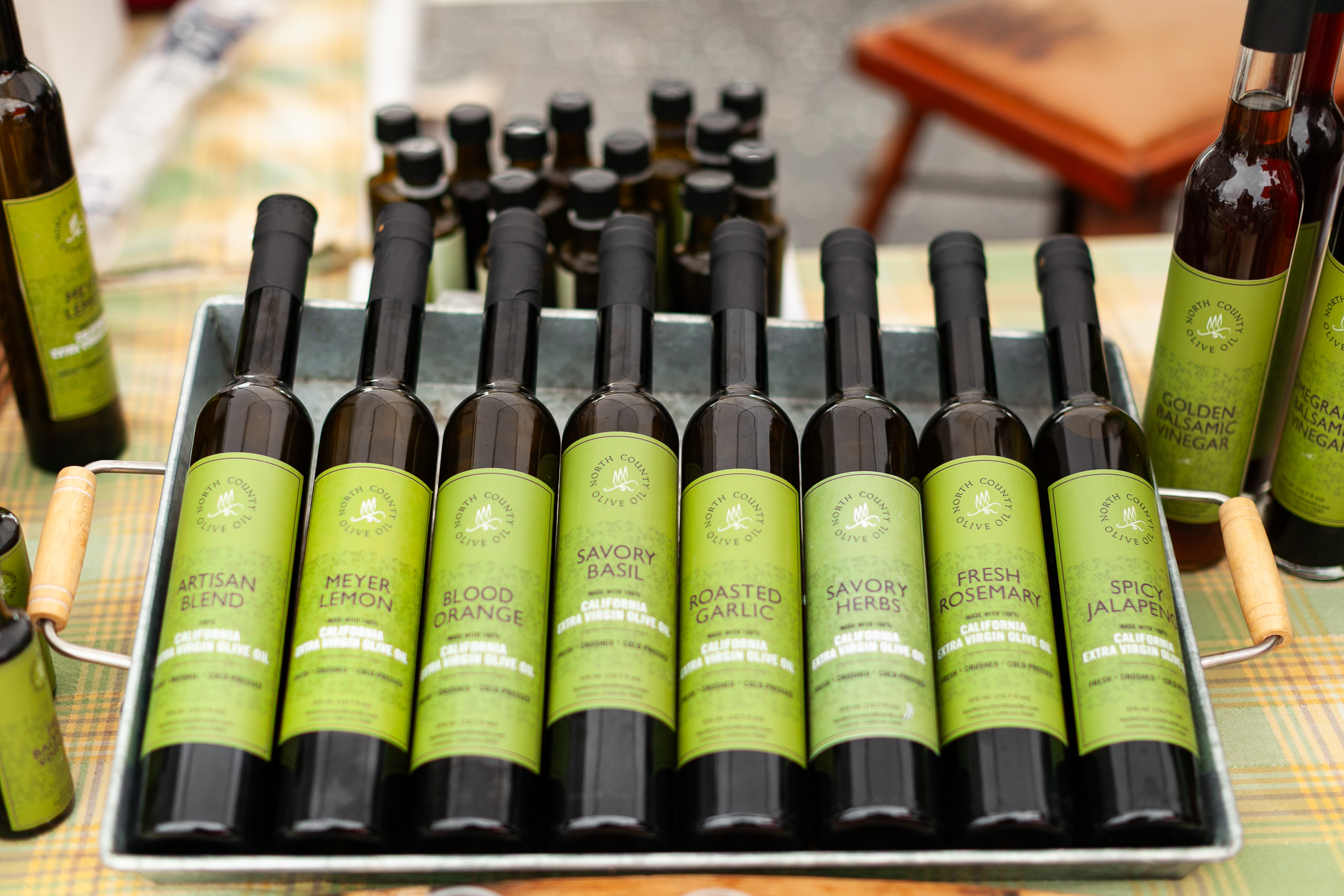
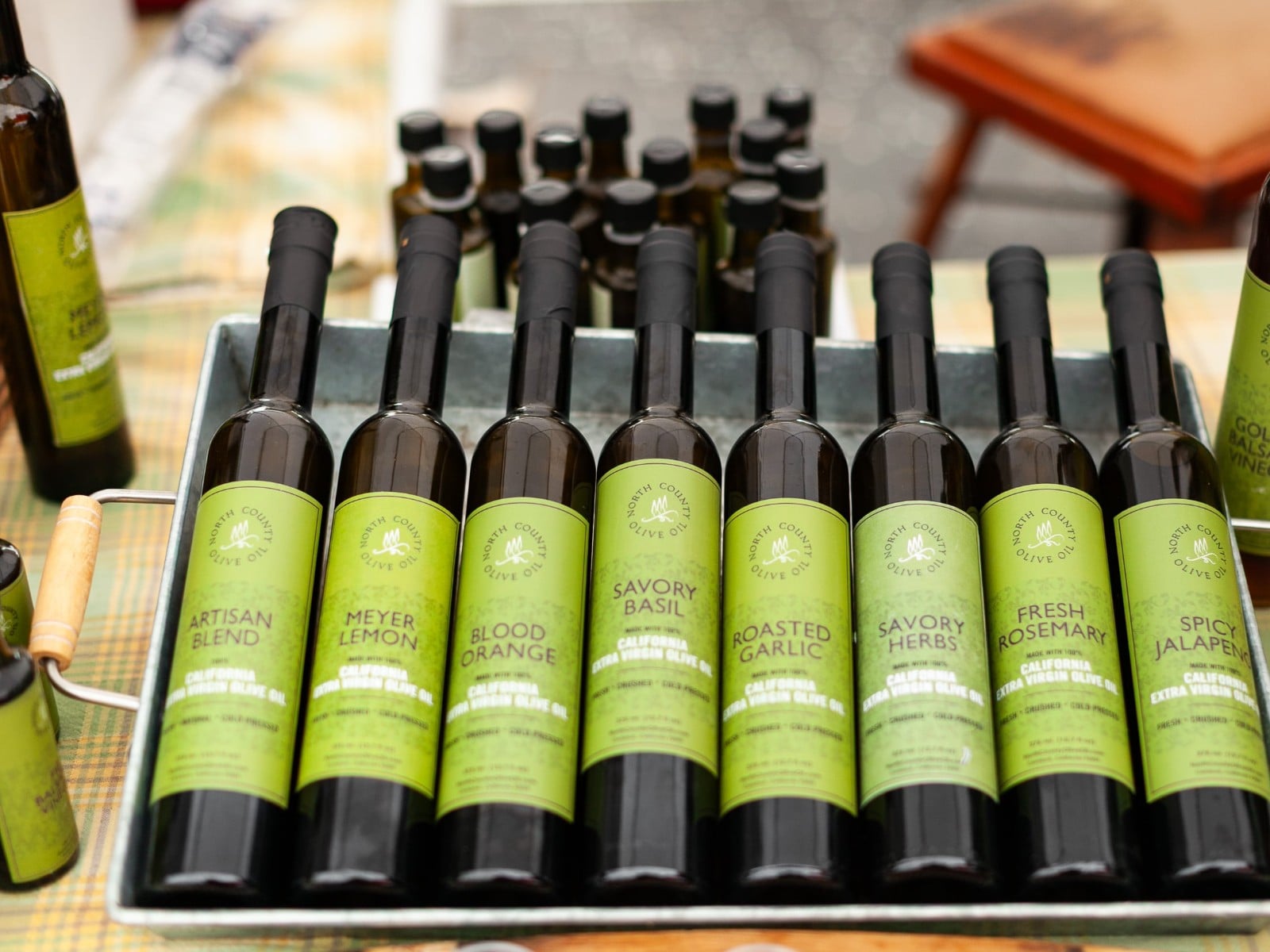
Extra-virgin olive oil is perfect for making salad dressings, sautéing, and as a finishing drizzle at the table. It’s a staple for Mediterranean-style eating, and it’s a simple substitute if you use butter or other fats. Save one bottle for cooking and a nicer one for drizzling on soups, vegetables, or beans. Start with one tablespoon so you don’t add more calories than you intended.
2) Make Veggies The Main
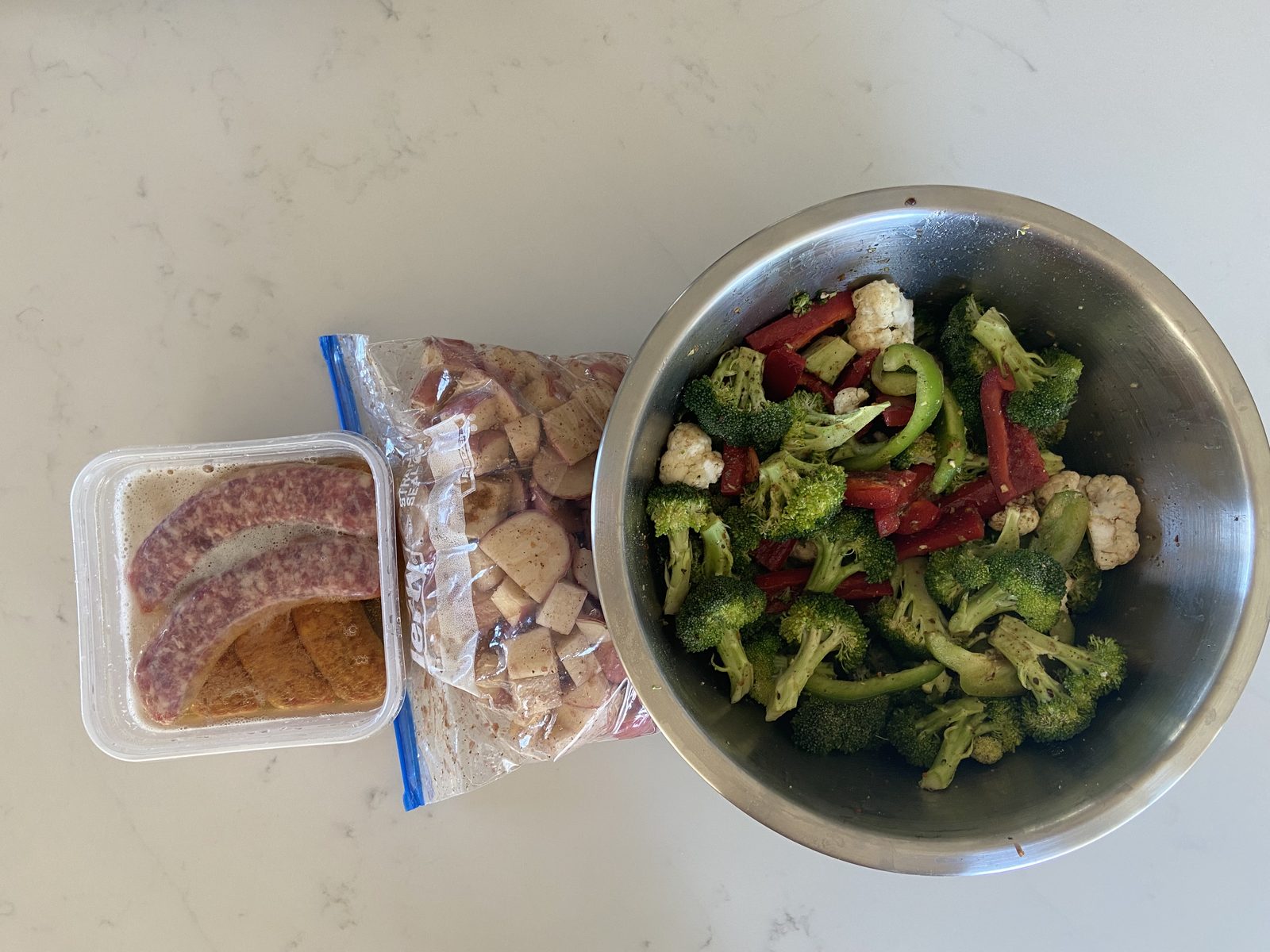
Consider the protein as the side character and the main role to be played by the vegetables. An easy way to do this would be to plan out your veggie dish first ( such as a roasted veggie dish with zucchini and peppers or a large salad) and then figure out what else will work with that. You’ll probably consume more fiber and have plates that look more colorful and satisfying. This is the only adjustment that makes the entire pattern clear if you are familiar with “meat + side.”
3) Keep A Snack Shelf
Prepare snacks appropriate to the style: nuts, fruits, plain yogurt, hummus, and sliced vegetables. When hunger strikes, convenience is prioritized over willpower. If you are likely to eat straight from the bag, portion the nuts into smaller containers. This maintains snacks filling without turning into an unintended meal.
4) Half-Plate Vegetables
You don’t need macros to eat well; visual cues help. Fill half your plate with vegetables such as leafy greens, cucumbers, tomatoes, broccoli, peppers, and mushrooms. The other half can be divided with whole grains and proteins like beans, fish, or chicken. This easy rule is simple enough to practice at home and in restaurants.
5) Eat Beans Often
Beans are cost-effective, substantial, and quintessentially Mediterranean. Consider chickpeas in salads, lentils in soups, or white beans that have been warmed with garlic and olive oil. Canned beans are acceptable, just rinse them to remove some sodium. If you’re just starting to eat more beans, begin with small portions and gradually increase them.
6) Choose Whole Grains
Barley, oats, brown rice, whole-wheat pasta, and farro are all examples of whole grains that provide fiber and a steady source of energy. Gradually replace them instead of replacing everything overnight. If the texture feels new, to begin with, mix half whole-grain and half refined. Typically, with time your taste buds tend to adjust.
7) Fruit For Dessert
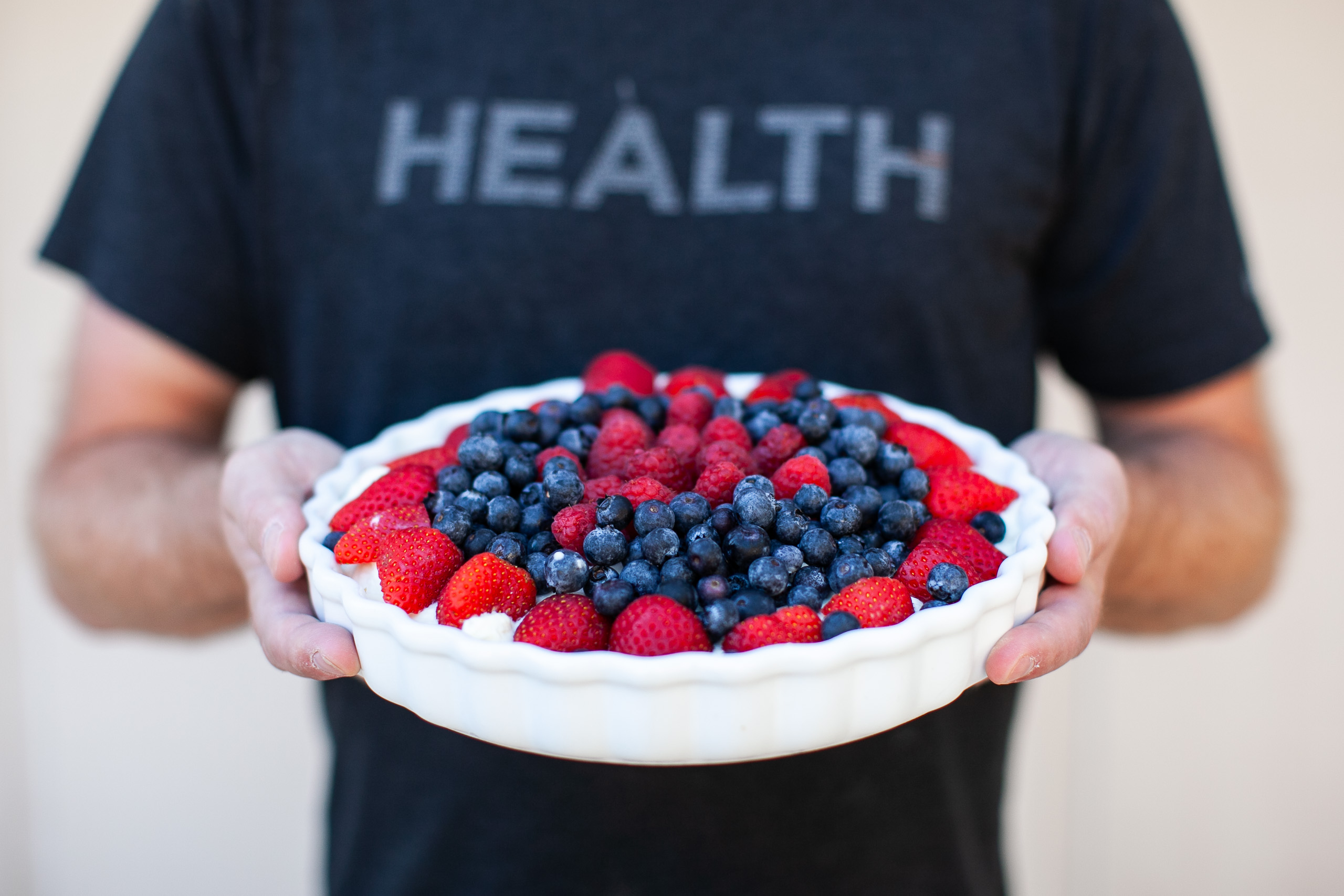
In Mediterranean cultures fruit is a traditional “sweet finish” and it’s an easy practice that diminishes dependence on sugary confections. Place fruits on the counter and they will become the most accessible option. If you’re looking for a more filling option, consider pairing it with some plain yogurt or a handful of nuts. This is especially effective after dinner when cravings tend to hit the most.
8) Eat Fish Regularly
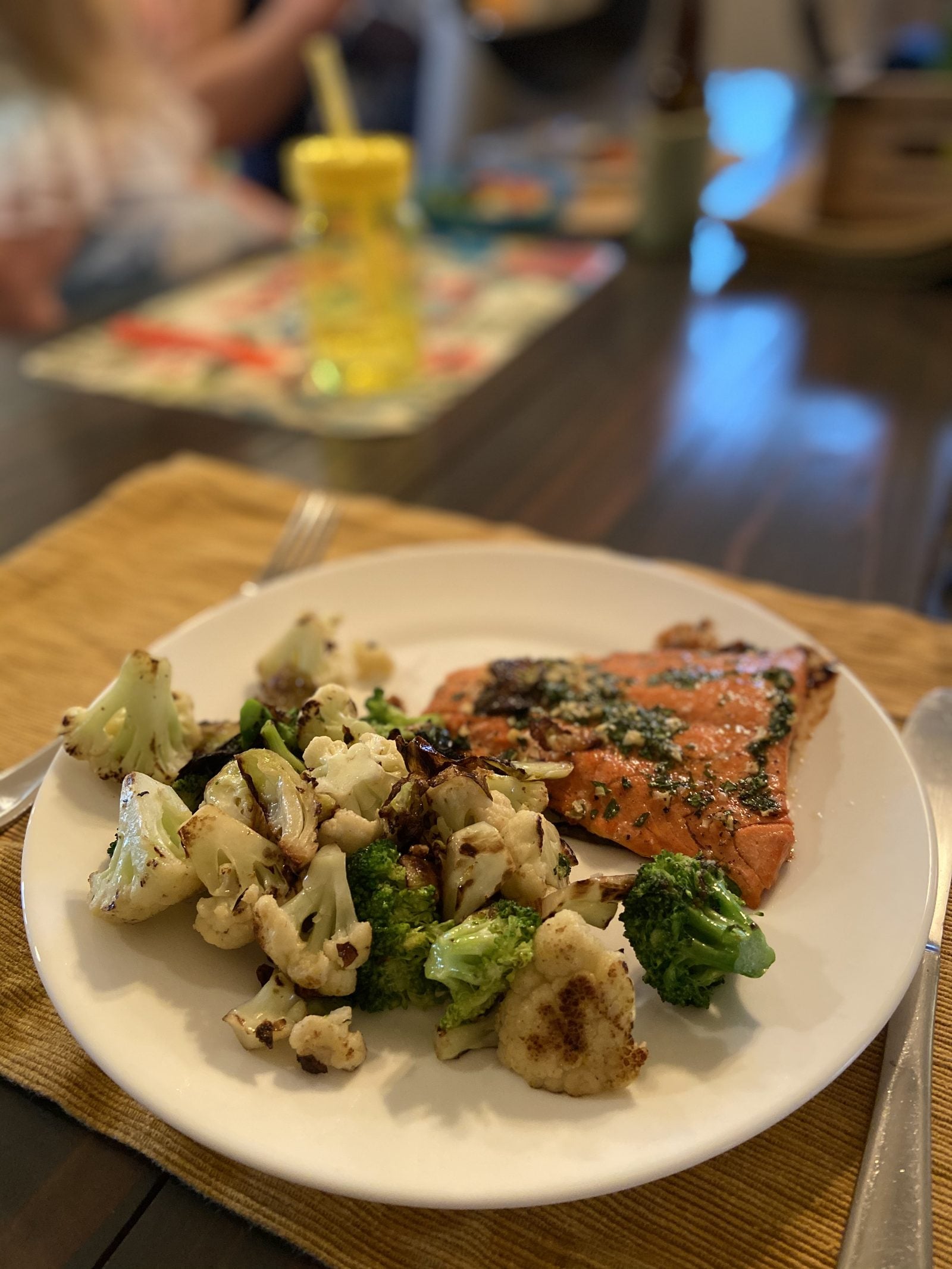
The Mediterranean diet frequently includes seafood, especially fatty fish such as salmon, sardines, and mackerel, which are high in omega-3 fatty acids. If you haven’t cooked fish before, a good place to start is a basic bake with olive oil, salt, pepper, and lemon. You can count on canned fish when it comes to fast lunches. Select options preserved in olive oil or water and season them as you wish.
9) Limit Red Meat
You don’t need to ban red meat, but most Mediterranean patterns use it less frequently. Try to eat red meat only occasionally, and shift your diet to include fish, beans, and poultry more often. If you are going to cook it, consider smaller portions and combine it with some vegetables. This change may also help decrease grocery shopping costs.
10) Flavor With Herbs
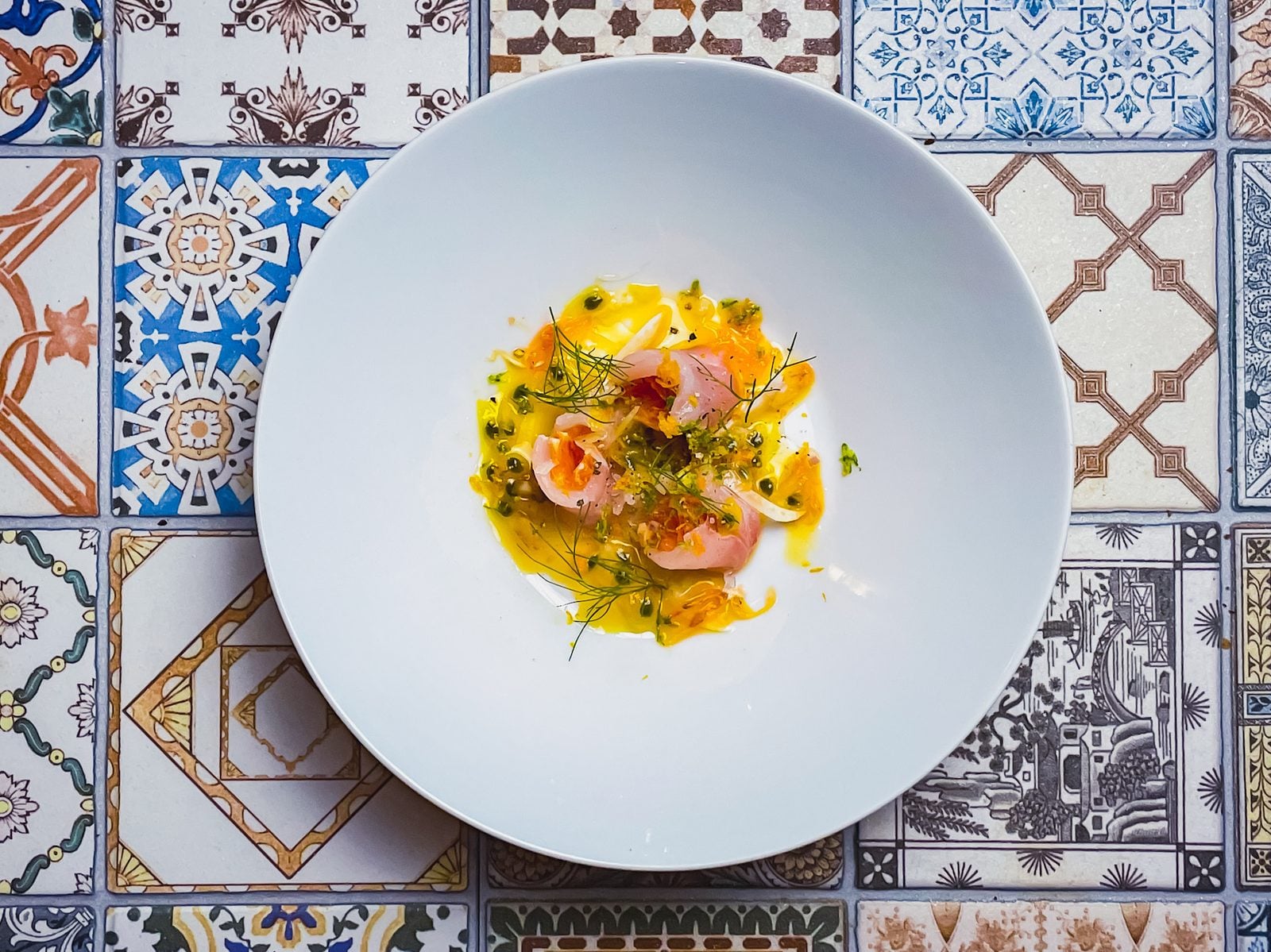
Mediterranean cuisine allows you to enjoy delicious flavors without heavy sauces. Stock up on the basics like garlic, oregano, cumin, paprika, black pepper, and when possible, lemons and fresh herbs. A little lemon and a splash of olive oil do wonders for beans, fish, and veggies. This is also a great means to reduce excess salt intake without feeling deprived.
11) Keep Greek Yogurt

Plain yogurt can serve three purposes: as a breakfast base, a snack, or a sauce. You can have it in the morning along with nuts and fruits or you can stir it with garlic and cucumber to make a quick tzatziki-style dip. Many dishes can also use it as a convenient substitute for sour cream. Select unsweetened so you can manage the sweetness yourself.
12) Weekly Salad Prep
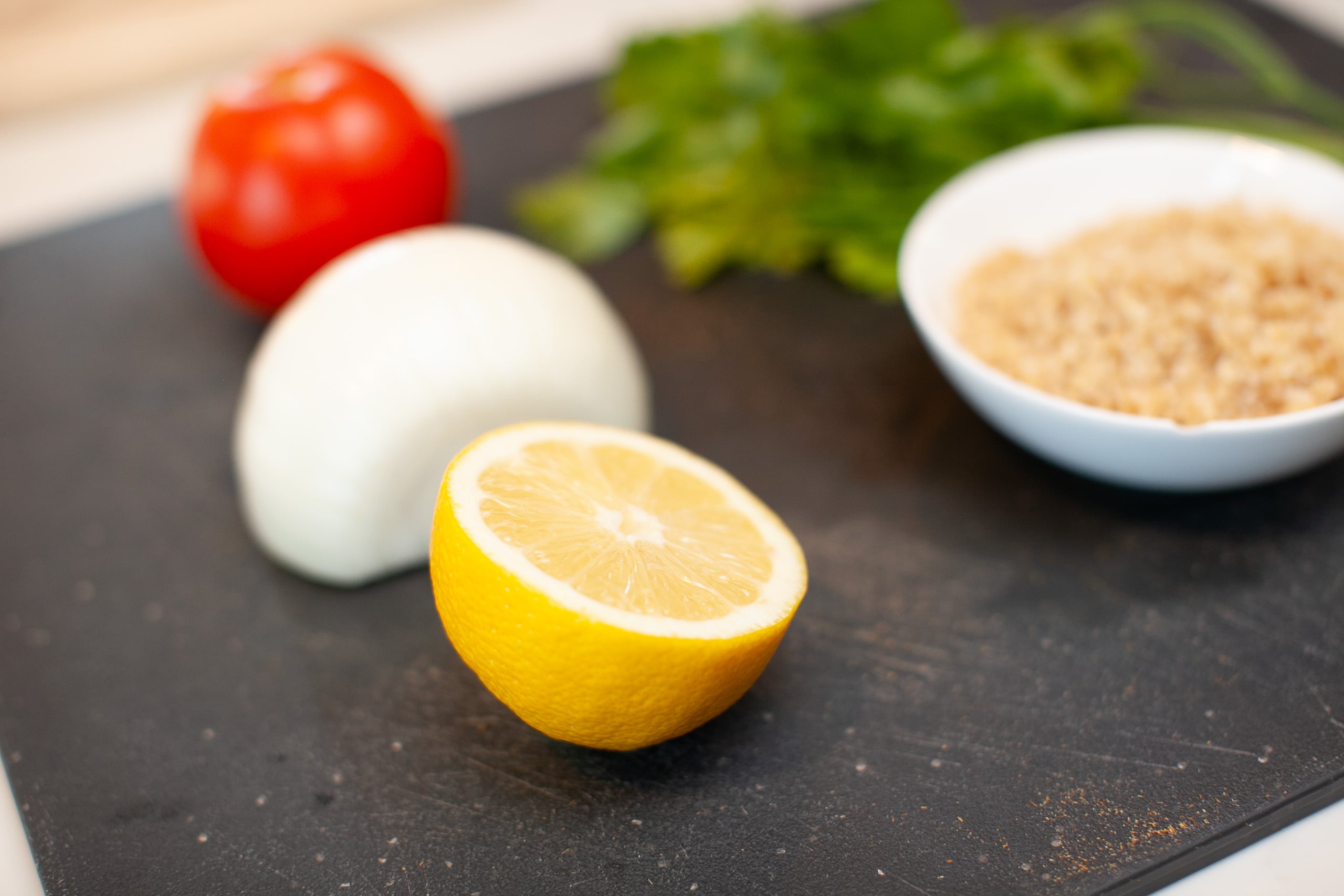
Instead of prepping entire meals, prep ingredients that make meal assembly simple. Wash and chop some greens, slice some cucumbers, or roast some vegetables on a tray. You can make quick lunches with beans, tuna, or leftover chicken in minutes. With this routine, you can consume more vegetables without needing to put in extra work during your day.
13) Simple Vinaigrette
Salads and grain bowls are much more enticing with a homemade dressing. For a basic recipe, use a ratio of 3 parts olive oil to 1 part lemon or vinegar. You can also add salt, pepper, and a dash of mustard or garlic. Adjust and taste until it’s correct for you. Wanneer jy ‘n gunsteling opdiening het, hou groente op om soos ‘n takenaar te voel.
14) Pantry Pasta Night
This is the Mediterranean take on a dependable weeknight dinner. Keep whole wheat pasta, canned tomatoes, garlic, olive oil, and greens stored. Top with herbs and add chickpeas or canned tuna for protein. It is quick and convenient and doesn’t need a specific grocery run.
15) Meatless Dinner Night
Occasionally abstaining from meat helps you become familiar with beans and vegetables as the main components of the dish. Good starters include lentil soup, chickpea curry-style stews, and white bean bowls. Be sure to include a side of whole grains. Olive oil and herbs are also great to include. It will not feel like a “substitute” meal after a few tries.
16) Stock The Freezer
Frozen vegetables also make it easier to cook at home even when fresh produce runs out. A great option for those evenings when you do not have time to cook is frozen fish fillets, which can be baked directly from the freezer. Choose plain options without breading or heavy sauces. Feel free to add your own olive oil, lemon and spices to keep control of the flavors.
17) Add Nuts And Seeds
Nuts and seeds provide healthy fats and a more prolonged feeling of fullness, while adding crunch. Just a few walnuts, almonds, pistachios, or pumpkin seeds can turn a salad into a filling meal. If you’re watching portions, you may want to measure once or twice to see what a serving looks like. Dry pan toasting nuts quickly increases flavor.
18) Choose No-Sugar Drinks
This is one of the quickest methods to cut back on added sugar without altering what you eat. If you enjoy the sensation of bubbles, keep some sparkling water on hand. You can add mint or citrus slices for flavor and skip the sweeteners. If you drink juice, perhaps try diluting it with water first.
19) Add Olives And Capers
Olives and capers can make boring food exciting because they add a wonderful salty, briny flavor. Include some olives in your salad, some capers in your pasta and over your roasted veggies. Because of the intensity of the flavors, only small amounts are needed. If sodium is a concern, use less sodium and balance with fresh lemon.
20) Mediterranean Breakfast
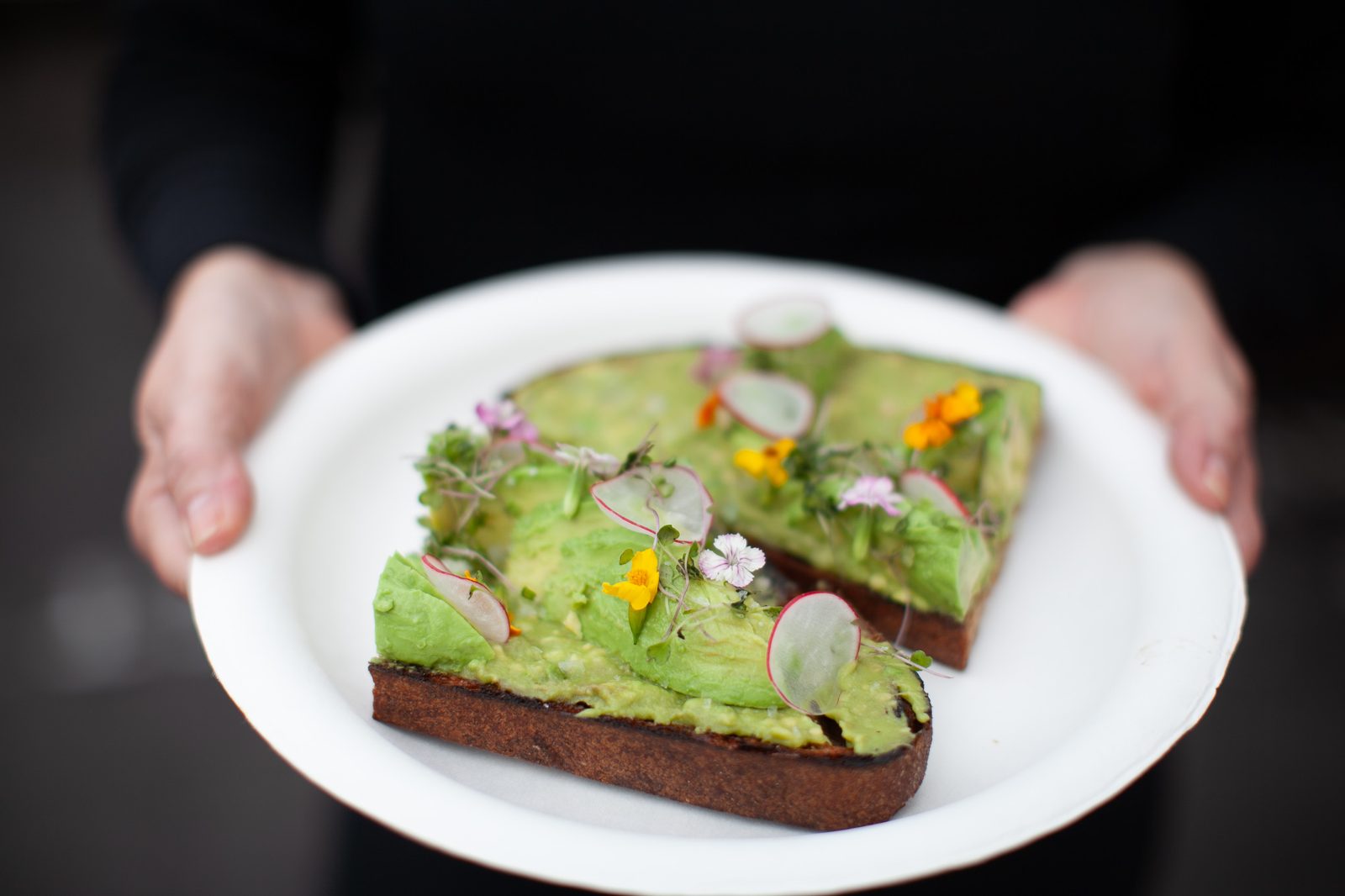
Satisfying breakfast doesn’t need to be sweet. You can have oats with some fruit and nuts, yogurt with berries, or whole-grain toast topped with olive oil and tomato. Eggs, especially when accompanied by vegetables, make a wonderful meal. The objective is to have a balanced beginning that will not leave you famished in an hour.
21) Repeatable Lunch Ideas
Efficiency is at play in lunch repetition, not boredom. Choose two formulas you like, for example, a chickpea salad bowl and a lentil-and-roasted-vegetable bowl. Substitute the herbs, dressing, or vegetables for whatever is currently in season. This simplifies your week whilst giving you still some variety.
22) Keep Quick Protein
Having protein readily available often differentiates success for beginners. Prepare a batch of cooked lentils, shredded chicken, or canned tuna/sardines, so meal prep doesn’t get stalled. You can quickly transform grains and vegetables into an actual dinner. It also helps with late lunches that might otherwise turn into mindless grazing.
23) Soup For Dinner
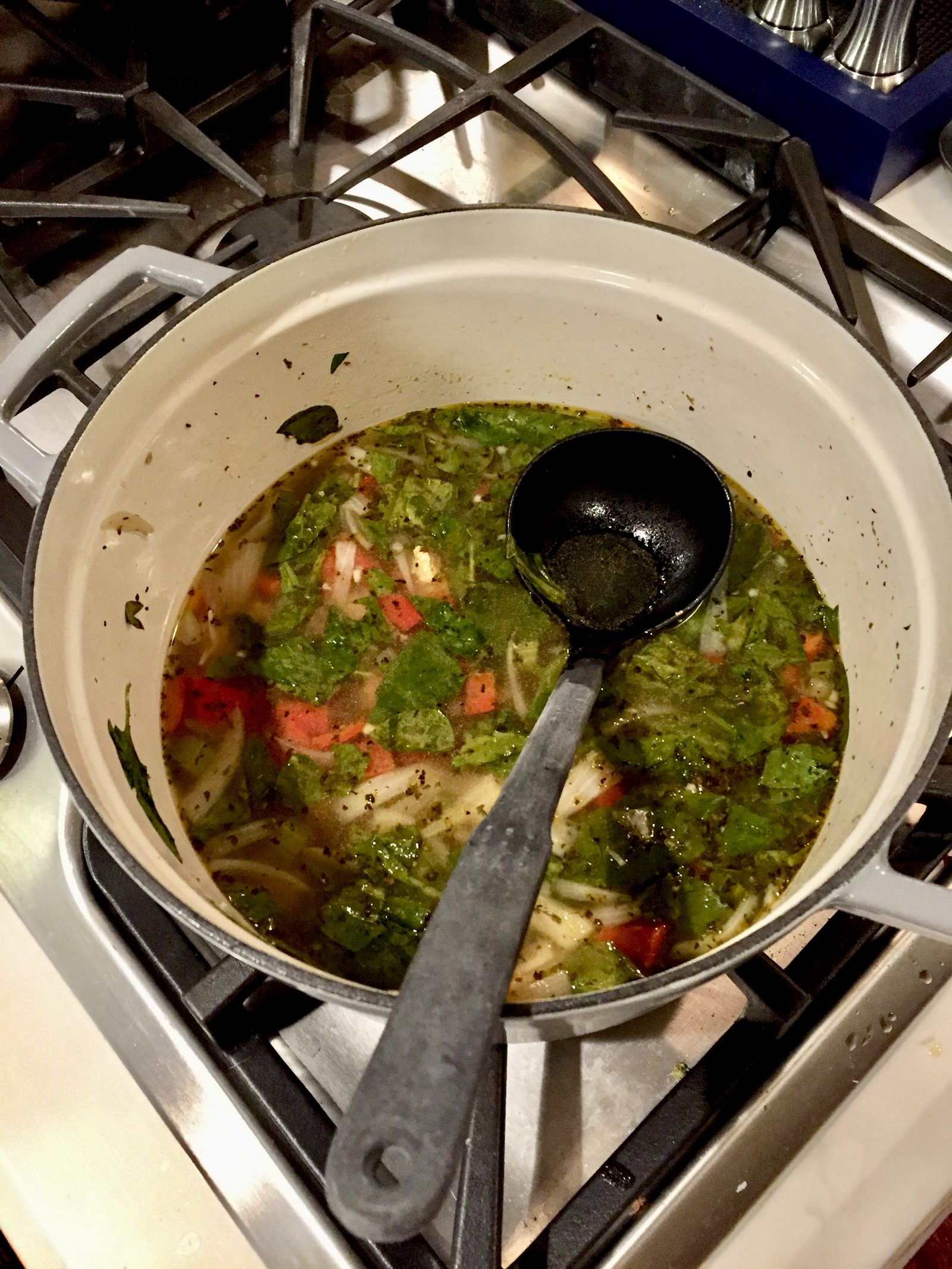
Soup is a simple way to combine vegetables, beans, and olive oil into one cozy bowl without much effort. Give lentil soup, minestrone style soups, or basic tomato and white bean soup a try. Prepare a large batch and, to make future meals easier, freeze some in portions. For a complete meal, you can add a side salad or a slice of whole grain bread.
24) Use Cheese Lightly
Cheese can be seen in Mediterranean diets but mostly in less quantities. Sprinkling some feta or parmesan cheese adds flavor without weighing down the dish. If you typically enjoy meals with extra cheese, consider reducing the amount used by half and incorporating some herbs or lemon instead. You will still receive richness, just expressed in a lighter manner.
25) Simple Cooking Methods
You can eat well without needing complicated recipes. Sweetness naturally comes out in roasted vegetables, and the time spent simmering beans or soup is short due to the depth of flavors it adds. Use good-quality ingredients and keep your techniques simple. When you become accustomed to these methods, cooking on weeknights gets much simpler.
26) Mediterranean Snack Plate
If you’re feeling peckish between meals, prepare a small plate of hummus, some vegetables, a couple of olives, and possibly some whole grain crackers. It feels like real food, not some random grab. These types of snacks are often more satisfying than chips and candy. This also allows you to practice the flavors and balance of the diet in a low-pressure situation.
27) Enjoy Sweets Occasionally
The Mediterranean diet doesn’t typically include daily desserts but it also doesn’t require perfection. If you would like something sweet, opt for a smaller serving and enjoy it mindfully. Dark chocolate goes well with fruit. When meals are more filling and balanced, many people find that cravings ease up.
28) Portion Healthy Fats
Mediterranean-style meals include satisfying ingredients such as nut dishes, avocados, and olive oil which increase the flavor of the food. The important thing is to use them thoughtfully because of their calorie density. Every so often measuring can show you what “a little” actually looks like. Removing something after it’s mixed in is more difficult than adding something.
29) Mostly Plants Mindset
It doesn’t need to be perfect every day for this to work. You’re on the right track if your meals mostly contain plants, olive oil, beans, whole grains, and seafood. Holidays, social meals, and hectic weeks are all parts of everyday life. More than any individual plate, what matters most is consistency over time.
30) Start With Two Changes
Choose two tips that you can realistically implement, for example, incorporating a salad into dinner and replacing butter with olive oil. Perform those until they feel automatic, then include two more. This approach prevents the diet from feeling like a complete overhaul. After a few months, little adjustments add up to a very Mediterranean way of eating.
