
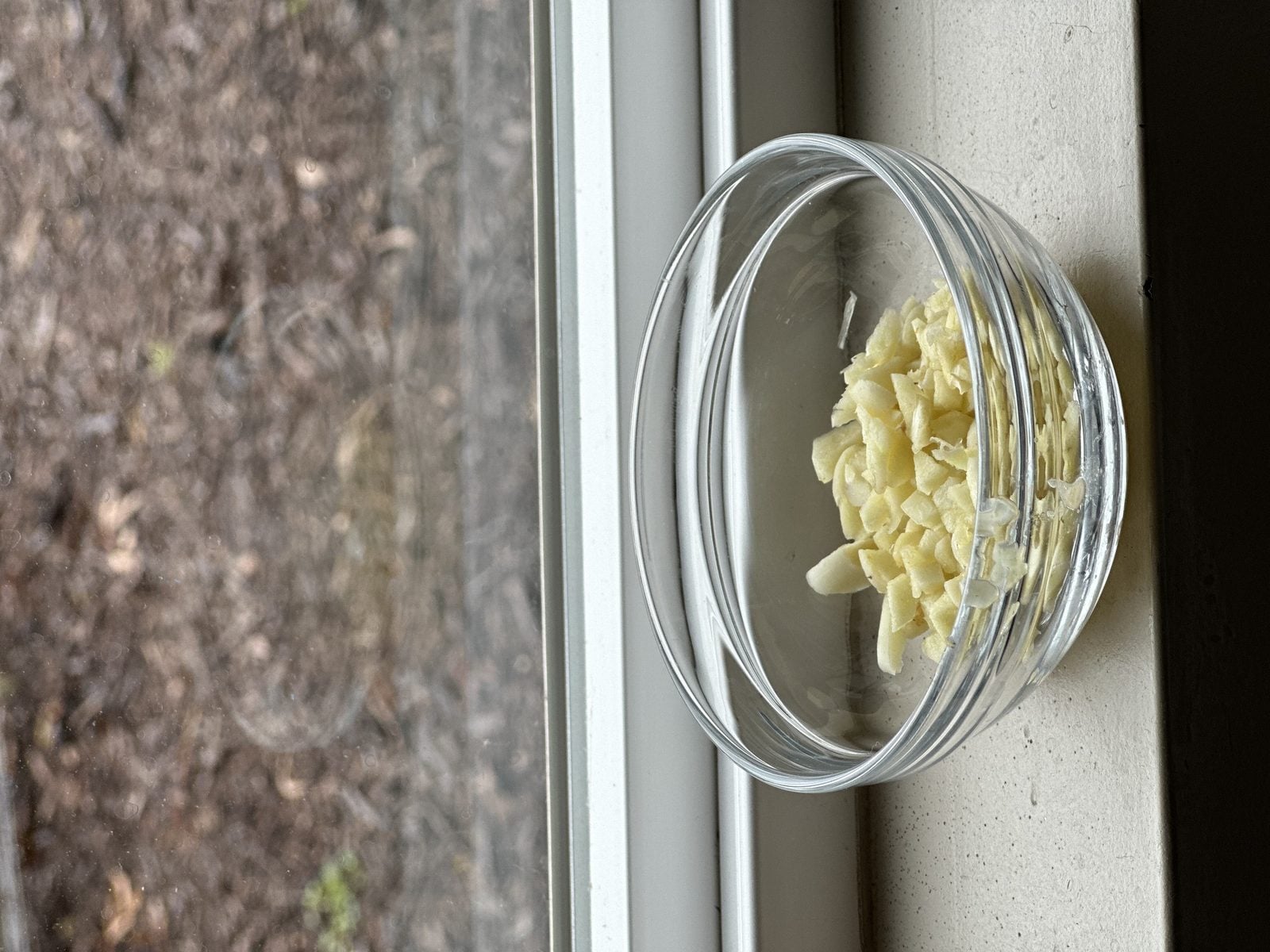
Indulge in the ultimate in Italian comfort food with this exquisite Parmesan Garlic Pasta recipe. Combining al dente pasta, a rich and creamy garlic butter sauce, and freshly grated Parmesan cheese, this dish is a surefire hit for any occasion. Whether you’re looking for a quick and easy weeknight dinner or a satisfying meal to impress your guests, this 20-minute recipe is sure to become a staple in your culinary repertoire.
Contents
- Why This Creamy Garlic Pasta Will Become Your Go-To Dish
- Essential Ingredients for Perfect Parmesan Garlic Pasta
- Kitchen Tools and Equipment Needed
- Parmesan Garlic Pasta Recipe
- Step-by-Step Cooking Instructions
- Tips for Achieving the Perfect Creamy Texture
- Common Mistakes to Avoid When Making Garlic Pasta
- Storage and Reheating Guidelines
- Variations and Customization Options
Why This Creamy Garlic Pasta Will Become Your Go-To Dish
Imagine a weeknight dinner that’s comforting, crowd-pleasing, and easy to prepare – that’s exactly what you’ll get with this creamy Parmesan garlic pasta. This dish is a true kitchen staple that checks all the boxes for busy home cooks.
One of the key reasons this recipe stands out is its versatility. Whether you’re hosting a family gathering or looking for a satisfying comfort food option, this crowd-pleaser can adapt to various occasions and dietary preferences. The rich, velvety sauce pairs perfectly with al dente pasta, creating a balanced and flavorful meal that’s sure to delight.
What makes this Parmesan garlic pasta so appealing is its simplicity. With a handful of everyday ingredients and a straightforward cooking process, you can have this weeknight dinner on the table in no time. The end result is a restaurant-quality dish that requires minimal effort, making it an ideal choice for busy weeknights or when you want to impress your guests.
Beyond its convenience and versatility, this creamy Parmesan garlic pasta dish is also a crowd-pleaser in terms of flavor. The combination of rich Parmesan, fragrant garlic, and a silky sauce creates a symphony of tastes that satisfies even the most discerning palates. Whether you’re serving it as a main course or as a side, this pasta is sure to become a family favorite.
Essential Ingredients for Perfect Parmesan Garlic Pasta
Creating a delectable Parmesan garlic pasta dish requires the perfect blend of high-quality ingredients. From choosing the right pasta shape to selecting the finest Parmigiano-Reggiano cheese and fresh garlic, each element plays a crucial role in achieving the ultimate flavor profile.
Choosing the Right Pasta Shape
The pasta shape you select can greatly impact the overall texture and mouthfeel of your Parmesan garlic pasta. Opt for pasta types that can capture the creamy sauce, such as:
- Fettuccine: The long, wide noodles provide the perfect surface area for the sauce to cling to.
- Penne: The ridged texture and tubular shape of penne pasta help the sauce nestle into every nook and cranny.
- Linguine: The long, thin strands of linguine are ideal for twirling and picking up the rich, garlicky sauce.
Selecting Quality Parmigiano-Reggiano Cheese
When it comes to Parmesan garlic pasta, the quality of the Parmigiano-Reggiano cheese is paramount. Look for a block of Parmigiano-Reggiano that has been aged for at least 12 months, as this will provide a deeper, more complex flavor. Grate the cheese freshly just before adding it to the dish to ensure maximum aroma and taste.
Fresh vs. Pre-minced Garlic Guide
While pre-minced garlic may seem like a convenient option, using fresh garlic is the key to unlocking the true essence of this dish. Fresh garlic not only boasts a more vibrant flavor but also provides a superior aroma that can elevate the overall experience. When preparing the pasta, mince the garlic just before adding it to the pan to capture its fragrant essence.
Kitchen Tools and Equipment Needed
To prepare the perfect Parmesan Garlic Pasta, you’ll need a few essential kitchen tools and equipment. These items will help you efficiently chop, measure, and mix the ingredients, ensuring a seamless cooking process.
- A large pasta pot for boiling the noodles
- A colander to drain the cooked pasta
- A garlic press or mincer to finely mince the garlic
- A sharp cheese grater for grating the Parmesan cheese
- A sturdy wooden spoon or tongs for stirring and mixing the ingredients
- A medium-sized saucepan for simmering the sauce
- Measuring cups and spoons for accurate ingredient portioning
These kitchen essentials will make the Parmesan Garlic Pasta preparation process a breeze, ensuring that you can create a delicious and creamy pasta dish with ease.
Parmesan Garlic Pasta Recipe
Base Ingredients List
The foundation of this delectable Parmesan garlic pasta recipe includes a few essential ingredients. You’ll need a package of your favorite pasta, such as spaghetti, linguine, or fettuccine, along with freshly grated Parmesan cheese. Unsalted butter and minced garlic are also crucial components that will create the rich, creamy garlic butter sauce.
Seasoning Components
To infuse the pasta with mouthwatering flavor, you’ll want to incorporate a blend of dried herbs and seasonings. Some popular choices include dried basil, dried oregano, salt, and black pepper. These herb seasonings will complement the garlic and Parmesan flavors perfectly.
Optional Add-ins
While the base ingredients and seasoning components are the foundation of this pasta recipe, you can also consider adding optional ingredients to customize the dish to your taste. Some delicious add-ins include:
- Fresh cherry tomatoes
- Sautéed spinach or kale
- Grilled or sautéed chicken or shrimp
- Toasted breadcrumbs or panko for a crunchy topping
These optional add-ins can transform the Parmesan garlic pasta into a more substantial and versatile main dish.
By combining the essential pasta recipe ingredients, flavorful seasonings, and optional add-ins, you can create a restaurant-quality Parmesan garlic pasta dish right in your own kitchen. The possibilities are endless for customizing this simple yet delicious recipe to suit your tastes.
Step-by-Step Cooking Instructions
Preparing the perfect Parmesan Garlic Pasta is a delightful culinary journey that any home cook can master. By following these easy-to-understand steps, you’ll discover the secrets to achieving restaurant-quality pasta dishes right in your own kitchen.
Boiling the Pasta
Begin by bringing a large pot of salted water to a rapid boil. Once the water is at a rolling boil, gently add the pasta and stir occasionally to prevent sticking. Cook the pasta according to the package instructions, typically around 8-12 minutes, until it reaches the desired al dente texture.
Preparing the Garlic Butter Sauce
While the pasta is cooking, melt the butter in a separate skillet over medium heat. Add the minced garlic and sauté for 2-3 minutes, stirring frequently, until the garlic becomes fragrant and starts to brown slightly. Be careful not to burn the garlic, as this can create a bitter flavor.
Combining the Pasta and Sauce
Once the pasta is cooked to perfection, reserve a cup of the starchy pasta water before draining the pasta. Add the drained pasta directly to the skillet with the garlic butter sauce. Toss the pasta to coat it evenly in the sauce, adding a splash of the reserved pasta water as needed to create a creamy, emulsified texture.
Finishing Touches
Remove the skillet from the heat and stir in the grated Parmesan cheese. Continue tossing the pasta until the cheese is fully melted and incorporated. Season with salt and black pepper to taste, adjusting the seasoning as needed.
Serve the Parmesan Garlic Pasta hot, garnished with a sprinkle of additional Parmesan cheese and freshly chopped parsley, if desired. Enjoy the perfect balance of garlic, cheese, and al dente pasta in every bite!
Tips for Achieving the Perfect Creamy Texture
Crafting a creamy, velvety pasta sauce is an art form, and the secret lies in mastering a few key techniques. Whether you’re whipping up a classic creamy pasta sauce or experimenting with cheese melting techniques, these expert tips will help you achieve pasta perfection every time.
Pasta Water Secrets
The starch-rich water left behind after cooking your pasta is a valuable asset in creating a luscious creamy pasta sauce. Reserving a cup or two of this flavorful liquid and incorporating it into your sauce can help emulsify the ingredients, resulting in a silky-smooth texture.
Proper Cheese Integration
- Grate or shred your Parmesan cheese into fine, even pieces to ensure it melts seamlessly into the sauce.
- Avoid adding the cheese all at once, as this can lead to clumping. Instead, incorporate it in small batches, stirring continuously to promote even distribution.
- Maintain a gentle simmer when adding the cheese to prevent the proteins from seizing up and creating a grainy texture.
Temperature Control Tips
- Keep your creamy pasta sauce at a consistent, gentle heat to prevent the dairy from curdling or the cheese from turning gritty.
- Avoid boiling the sauce, as high temperatures can cause the proteins to tighten up and the texture to become undesirable.
- If the sauce starts to thicken too much, gradually stir in a bit of the reserved pasta water to thin it out and restore the creamy consistency.
By mastering these pasta cooking tips and cheese melting techniques, you’ll be well on your way to creating the perfect, creamy Parmesan Garlic Pasta every time.
Common Mistakes to Avoid When Making Garlic Pasta
Crafting the perfect Parmesan Garlic Pasta can be a delightful culinary adventure, but it’s not without its challenges. As an experienced copywriting journalist, I’ve observed that even the most seasoned home cooks can fall victim to a few common pitfalls when preparing this beloved dish. In this section, we’ll explore the most prevalent cooking errors, pasta troubleshooting tips, and strategies to prevent garlic from burning, ensuring your Parmesan Garlic Pasta is nothing short of perfection.
Overcooked Pasta
One of the most frequent mistakes in making Parmesan Garlic Pasta is overcooking the noodles. Soft, mushy pasta can ruin the entire dish, leaving you with a disappointing texture. To avoid this, be sure to set a timer and follow the package instructions carefully, testing the pasta a minute or two before the recommended cooking time to achieve the perfect al dente bite.
Burnt Garlic
Burnt garlic can quickly turn your Parmesan Garlic Pasta from savory delight to bitter disappointment. To prevent this, start by mincing the garlic or using a garlic press to ensure even cooking. Additionally, be mindful of the heat and cook the garlic gently, stirring frequently to prevent it from scorching.
Improper Seasoning
Achieving the right balance of seasoning is crucial for Parmesan Garlic Pasta. Underseason, and the dish will lack flavor; overseasoned, and it can become overwhelmingly salty. Taste as you go, adjusting the salt, pepper, and other spices to suit your personal preferences.
Sauce Separation
A common issue with Parmesan Garlic Pasta is the sauce separating, leaving you with an unappetizing, oily mess. To combat this, be sure to gradually introduce the cheese, allowing it to melt slowly and incorporate smoothly into the sauce. Likewise, maintain a consistent, gentle heat to prevent the cheese from seizing up.
By addressing these common cooking errors, pasta troubleshooting techniques, and strategies to prevent garlic burning, you’ll be well on your way to crafting a Parmesan Garlic Pasta that will become a go-to favorite in your household.
Storage and Reheating Guidelines
Proper storage and reheating techniques are crucial for maintaining the delicious flavor and texture of your Parmesan Garlic Pasta leftovers. By following these guidelines, you can enjoy your creamy pasta dish for days to come while ensuring food safety.
Proper Storage Methods
To store leftover leftover pasta storage, transfer the pasta and sauce into an airtight container. Avoid leaving the pasta in the original cooking pot, as this can lead to drying and uneven refrigeration. Ensure the container is clean and dry before adding the leftovers. Refrigerate the pasta within 2 hours of cooking for maximum freshness and safety.
When it comes to food safety, the recommended refrigeration time for Parmesan Garlic Pasta is 3-4 days. Beyond this timeframe, the pasta may begin to spoil and develop harmful bacteria. Always inspect the leftovers before reheating and discard any that appear discolored, have an off odor, or show signs of mold growth.
Best Reheating Practices
Reviving your leftover pasta reheating techniques is simple and easy. The microwave is a quick and convenient option, but it can sometimes lead to uneven heating and a rubbery texture. For the best results, reheat the pasta on the stovetop over medium heat, stirring frequently, until it’s heated through. You can also add a splash of water or milk to the pan to help rehydrate the pasta and recreate the creamy sauce consistency.
Alternatively, you can reheat the pasta in the oven. Preheat your oven to 350°F (175°C), transfer the pasta to an oven-safe dish, and cover it with aluminum foil. Bake for 10-15 minutes, or until the pasta is hot and bubbly. This method helps to evenly distribute the heat and prevent the pasta from drying out.
By following these storage and reheating guidelines, you can enjoy your delicious Parmesan Garlic Pasta leftovers for days, without sacrificing flavor or food safety.
Variations and Customization Options
The beauty of this creamy Parmesan Garlic Pasta recipe is its versatility. You can easily customize it to suit your personal preferences or dietary needs. Whether you’re in the mood for a vegetable-packed dish or want to add a protein boost, the possibilities are endless.
For a veggie-centric variation, consider sautéing mushrooms, spinach, or sun-dried tomatoes and tossing them with the pasta. Grilled chicken, shrimp, or Italian sausage can also be incorporated to make it a heartier main course. If you’re looking for a dairy-free option, try substituting the Parmesan cheese with a plant-based alternative, such as nutritional yeast or almond-based “parmesan.”
To enhance the flavors, experiment with different herbs and spices. Fresh basil, oregano, or thyme can add a burst of freshness, while a sprinkle of crushed red pepper flakes or a squeeze of lemon juice can brighten the dish. The possibilities are endless, so don’t be afraid to get creative and make this recipe your own.
