
What I’ve learned about eating well is that it’s not really about any one meal. It’s about having a handful of go-to items in each category that you actually enjoy and that don’t require a 90-minute project. Breakfast, lunch, dinner, snack, repeat. The fancy stuff is fine for Saturdays. The ‘healthy’ that matters most is the version you’ll actually do on a Tuesday at 7am while looking for your other shoe.
A few rules of thumb I’ve found work better than any food rule. Buy things you’d actually want to eat, even if they’re slightly more expensive; cheap-but-unappealing healthy food doesn’t get eaten and isn’t really cheap. Lean on the staples (eggs, beans, oats, frozen vegetables, lemons, olive oil) more than you think; they’re more flexible than they look. And give yourself permission to assemble more often than you cook. A meal can be a snack plate. Below are 40 ideas across breakfast, lunch, dinner, and snacks. Each has a why-pick-this hook so you can scan, a real preparation cue (with timing for cooked items, texture for assembled ones), and a swap if you don’t have the headline ingredient.
Contents
- 1) Overnight Oats
- 2) Yogurt Parfait
- 3) Veggie Omelet
- 4) Avocado Toast
- 5) Cottage Cheese Bowl
- 6) Green Smoothie
- 7) Chia Pudding
- 8) Apple Cinnamon Oatmeal
- 9) Salmon Toast
- 10) Lentil Soup
- 11) Mixed Greens Salad
- 12) Grain Bowl
- 13) Quinoa Salad
- 14) Turkey Hummus Wrap
- 15) Chickpea Salad Sandwich
- 16) Tomato Bean Soup
- 17) Loaded Sweet Potato
- 18) Tofu Stir-Fry
- 19) Salmon Dinner
- 20) Sheet Pan Chicken
- 21) Turkey Chili
- 22) Zucchini Noodles
- 23) Whole Wheat Pasta
- 24) Shrimp Tacos
- 25) Baked Cod
- 26) Burrito Bowl
- 27) Hummus Plate
- 28) Cauliflower Fried Rice
- 29) Stuffed Peppers
- 30) Spinach Salad
- 31) Tuna Salad
- 32) Sardines On Toast
- 33) Snack Plate
- 34) Carrots And Hummus
- 35) Hard Boiled Eggs
- 36) Edamame Snack
- 37) Roasted Chickpeas
- 38) Dark Chocolate And Almonds
- 39) Fresh Fruit Salad
- 40) Trail Mix
1) Overnight Oats
Why pick this morning: The breakfast I make on Sunday night so my Monday brain has one fewer decision. Eight hours in the fridge does what a stovetop does in fifteen minutes.
Stir half a cup of rolled oats (not steel cut, not instant) with three-quarters of a cup of milk or unsweetened almond milk, a tablespoon of chia seeds, a pinch of salt, and a teaspoon of maple syrup. Top with whatever you have: berries, sliced banana, a spoonful of peanut butter, a dusting of cinnamon. Cover and refrigerate at least 4 hours, ideally overnight. The texture you want is pudding-loose, not cement; the chia seeds plump up and bind everything. If it’s stiff in the morning, stir in a splash more milk to loosen.
Swap: Greek yogurt instead of half the milk gives it a tangy, much-thicker finish (closer to dessert). Skip the chia if you don’t have it but use 1 extra tablespoon of oats to make up the thickness.
2) Yogurt Parfait
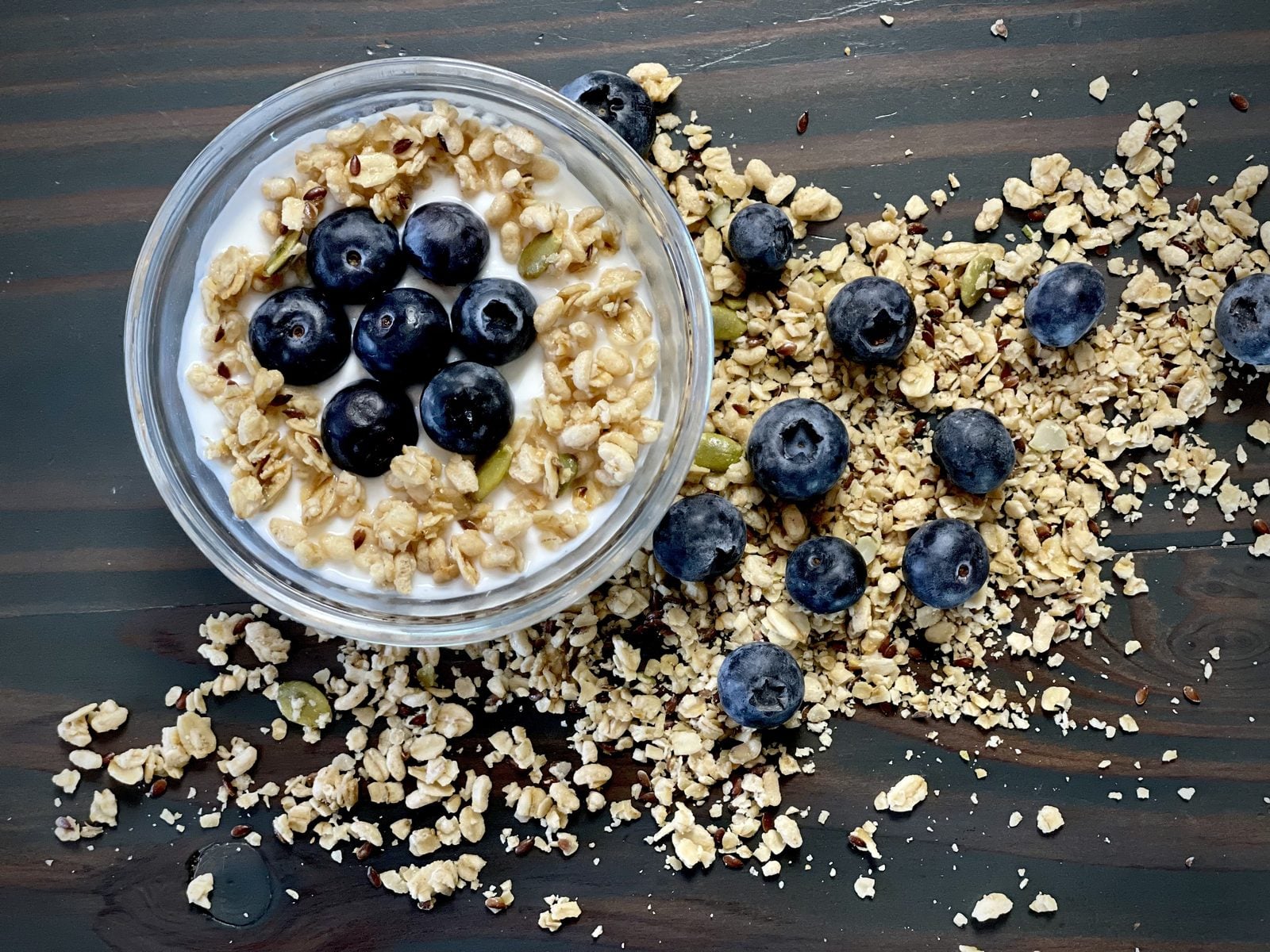
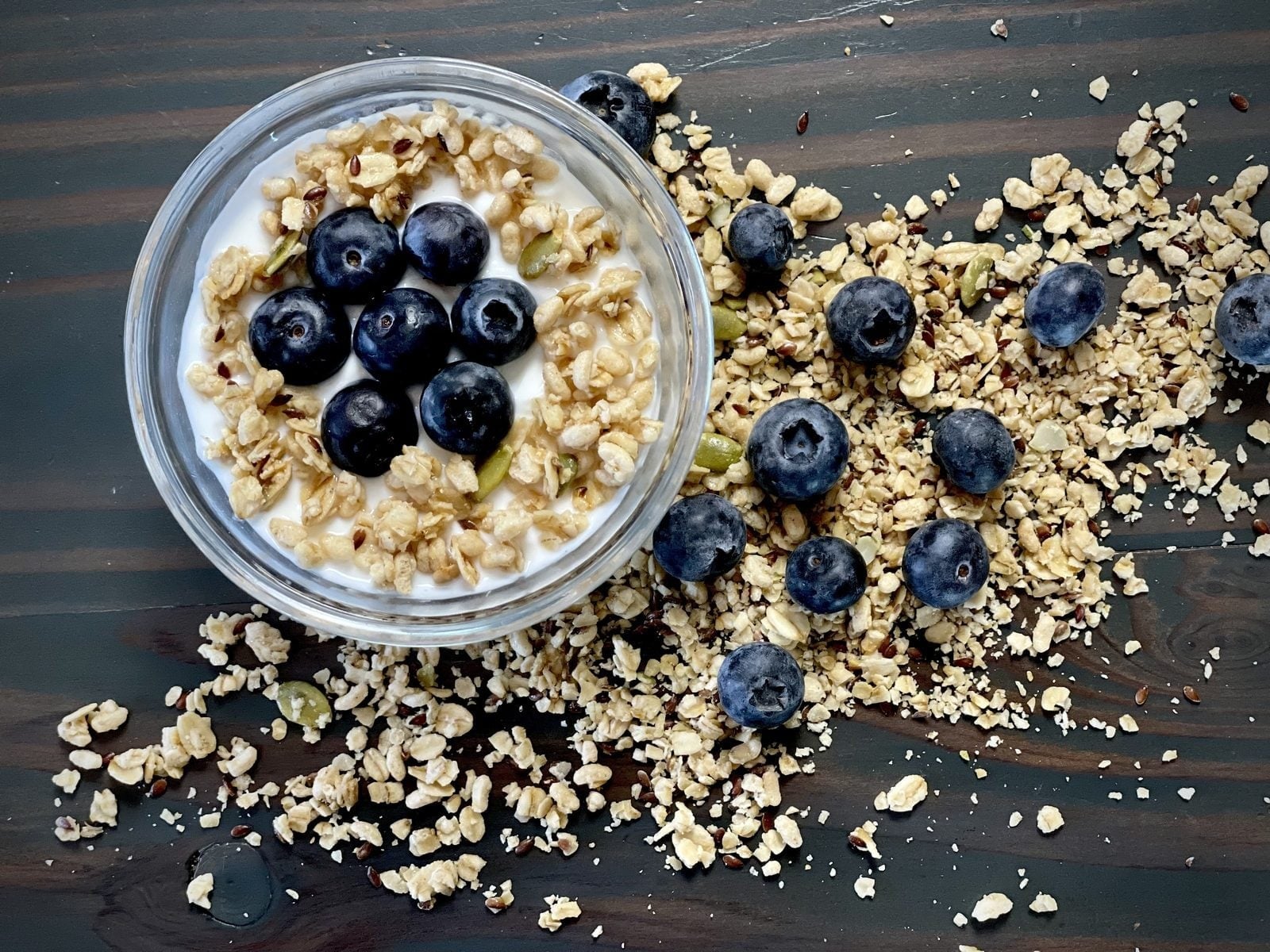
Why pick this morning: Looks fancier than it is, takes ninety seconds to assemble, and gets me to actually eat fruit before noon. The trick is using real Greek yogurt (not the sweet version) so the berries do the sweetening.
Spoon a layer of plain, unsweetened Greek yogurt (full-fat or 2%, the 0% goes chalky) into a tall glass. Add a layer of berries (fresh or thawed frozen, both work). Add a layer of granola; a tablespoon, not a fistful. Repeat. The texture cue: the yogurt should hold its shape when you scoop a layer, the berries should still be intact and recognizable, the granola should still crunch. If you assembled this last night, the granola is now stale, that’s the price.
Swap: Cottage cheese for yogurt gives a different (saltier, more textured) base, also great. Use stewed apples plus cinnamon instead of berries in winter. Skip the granola and use chopped nuts if you want lower sugar.
3) Veggie Omelet
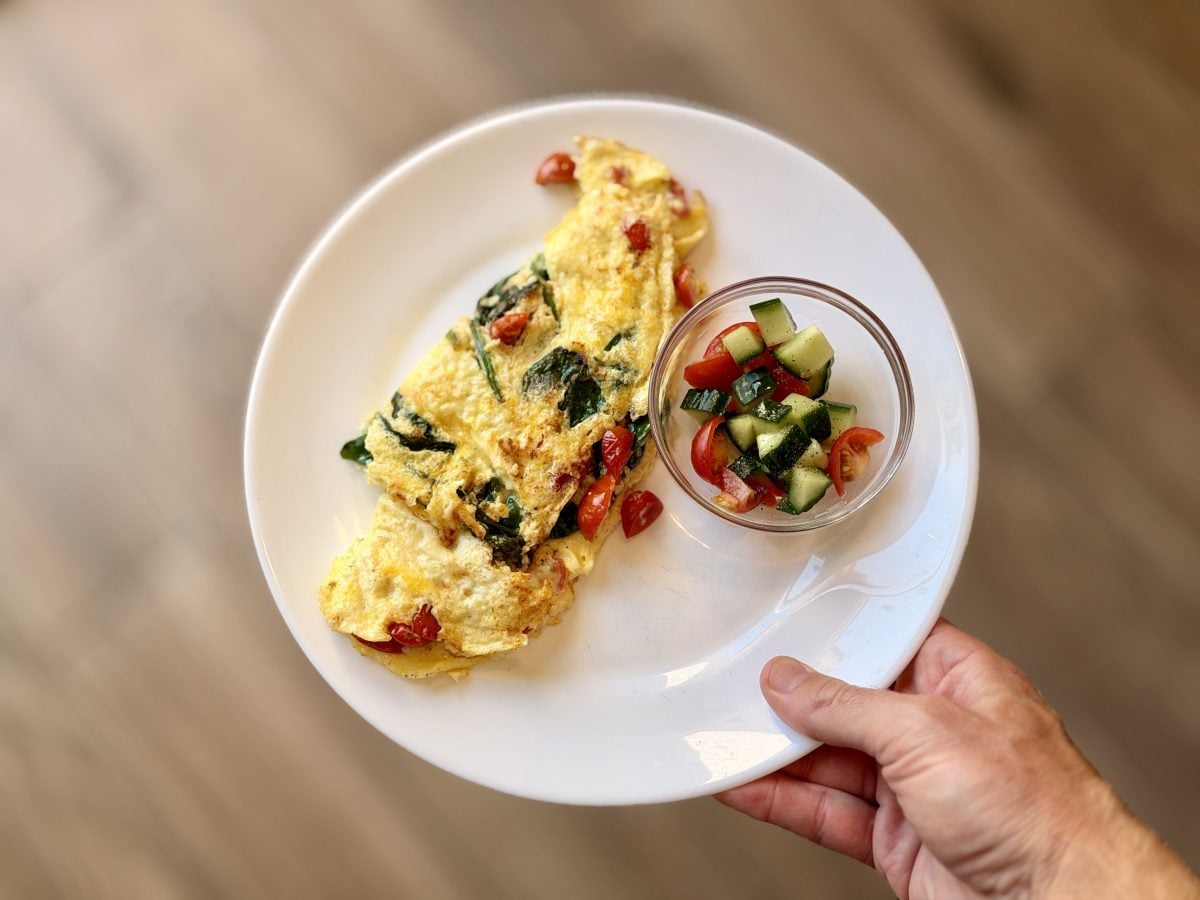
Why pick this morning: Five minutes from cracking the eggs to sitting down. Vegetables you’d otherwise let die in the produce drawer have a job here.
Whisk three eggs with a pinch of salt and a splash of water (not milk, water steams and makes the eggs fluffier). Heat a tablespoon of butter or olive oil in an 8-inch nonstick over medium-low. Sauté chopped onion, bell pepper, and spinach (or whatever’s in the fridge) for 2 minutes until soft. Pour in the eggs. Wait without touching for about 45 seconds, then push the set edges toward the center with a spatula and tilt the pan to let raw egg flow to the edges. When the top is still just barely glossy (not fully dry) and the bottom slides freely, fold and serve. The egg should be tender, not browned underneath. Browned means overcooked.
Swap: Whatever cheese you have works; a tablespoon of crumbled feta, goat cheese, or grated cheddar. Frozen spinach works (squeeze out the water first), and pre-chopped frozen onion-pepper mix saves the morning chop.
4) Avocado Toast
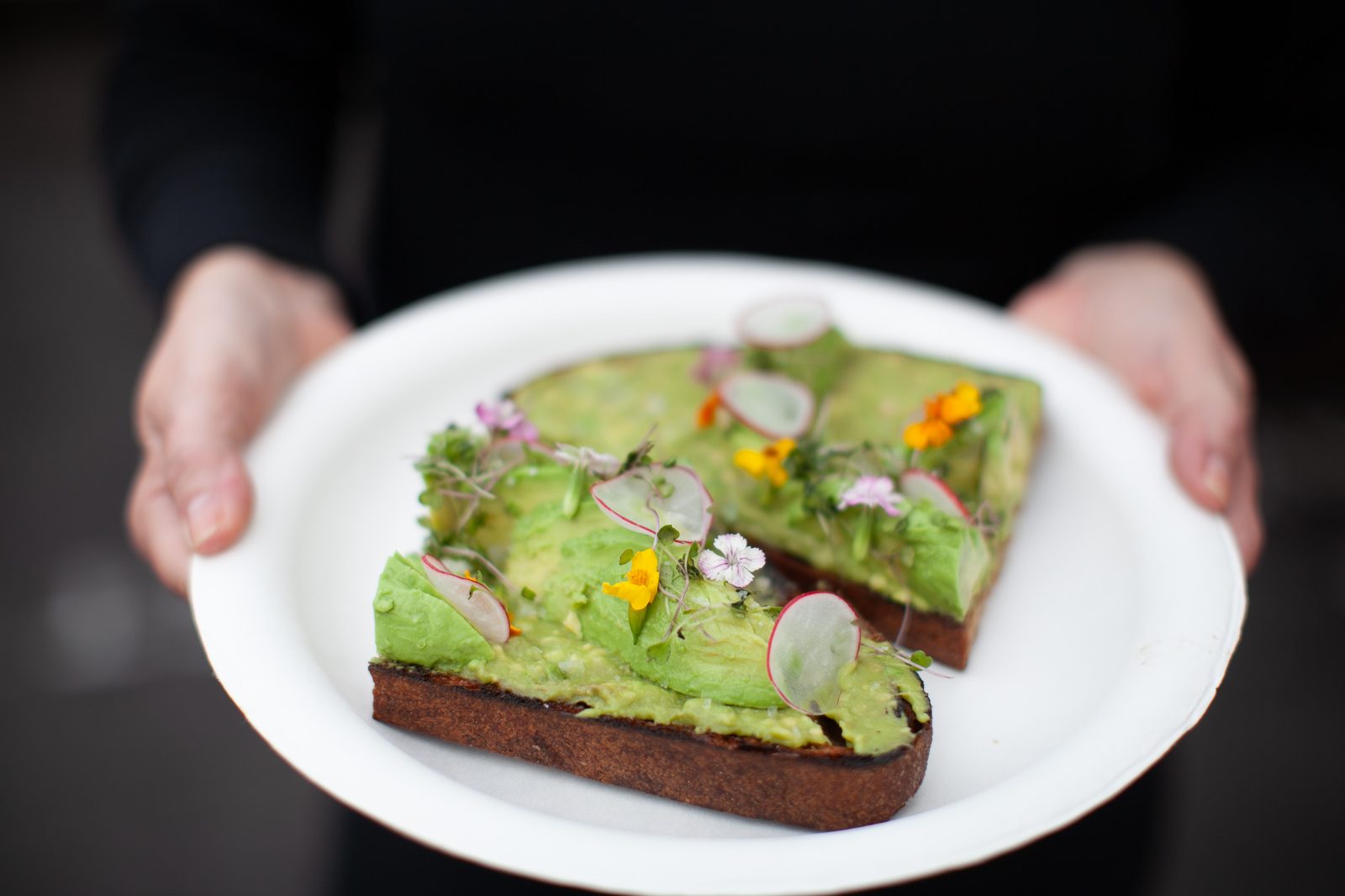
Why pick this morning: Cliche for a reason. The fat in the avocado keeps you full longer than a bowl of cereal will, and the toast does the chewing work the avocado can’t.
Toast a thick slice of good sourdough or a sturdy whole-grain bread until it’s golden and audibly crispy. Halve a ripe avocado (the one that yields slightly to a squeeze, not the rock-hard one), scoop into a bowl, and mash with a fork to a chunky paste, not a puree. Add a squeeze of lemon juice (it stops the brown), a pinch of flake salt, and chili flakes. Pile onto the toast in a thick layer. Optional: a poached or fried egg on top turns this into lunch.
Swap: Mashed white beans (cannellini) with the same lemon-salt-chili treatment is a great avocado-free version. Cottage cheese on toast topped with everything bagel seasoning is the lazier 30-second cousin.
5) Cottage Cheese Bowl
Why pick this morning (or lunch): Twenty grams of protein in a bowl that takes ninety seconds. The cottage cheese renaissance is real and it’s mostly because savory cottage cheese is one of the best snacks you can build.
Spoon a cup of full-fat cottage cheese into a bowl. For sweet, top with berries, a drizzle of honey, and a pinch of flaky salt (the salt is what makes it work). For savory, top with chopped tomato, cucumber, olive oil, salt, pepper, and a handful of herbs (dill is the right call, basil also works). The texture cue: cottage cheese curds should still be visible and intact, the toppings should be sitting on top, not stirred in.
Swap: Greek yogurt works for either sweet or savory but goes thinner; cottage cheese has more chew. If the texture of cottage cheese has historically been your problem, try the 4% small-curd version (Good Culture or Daisy), it’s the closest to ricotta and the most universally tolerated.
6) Green Smoothie
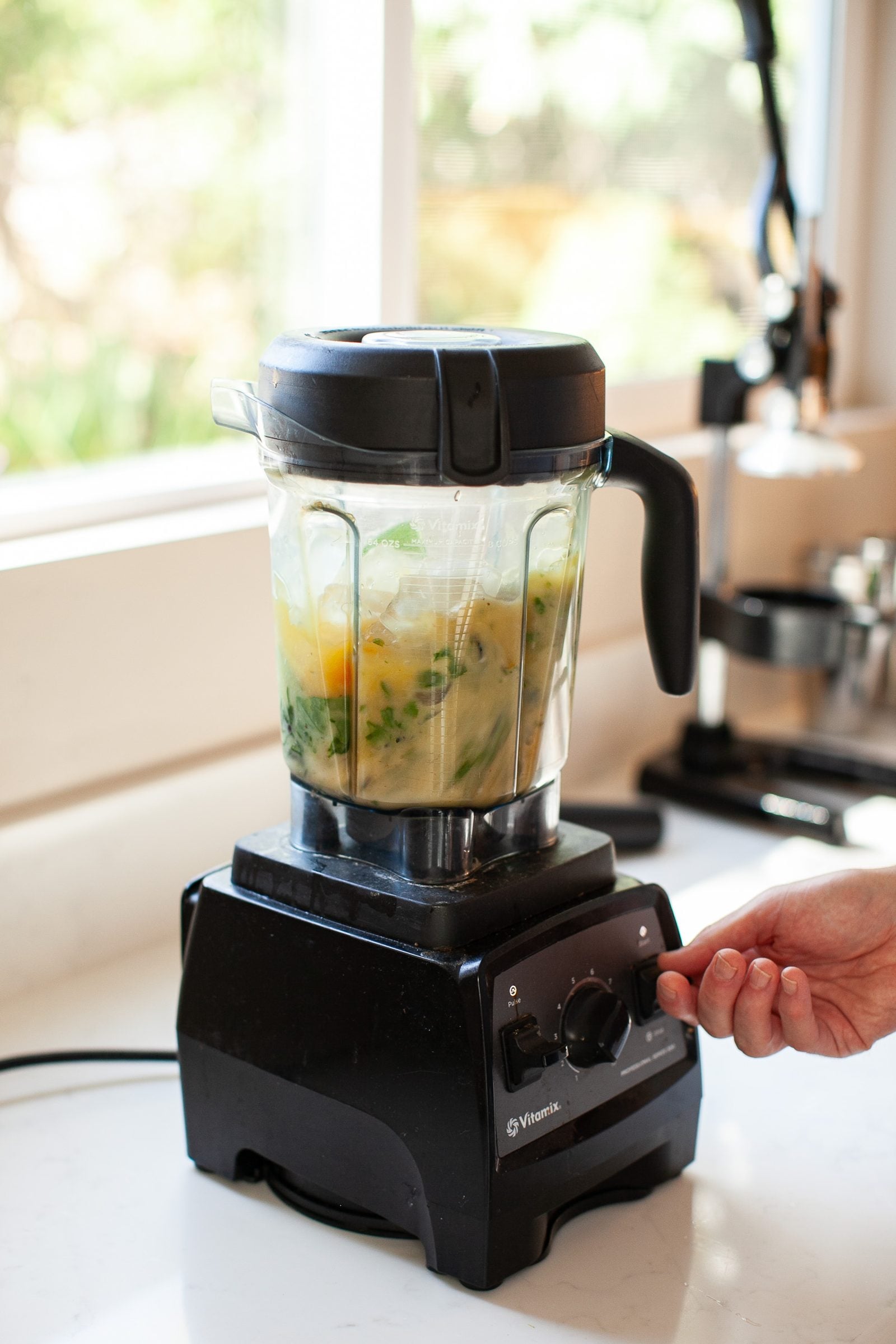
Why pick this morning: Drinkable breakfast that’s actually filling if you build it right (which most people don’t). The key is protein and fat, not just fruit and ice.
To a blender add a cup of unsweetened almond milk or oat milk, a fistful of spinach (you won’t taste it), half a frozen banana, half a cup of frozen pineapple or mango, a tablespoon of nut butter, a scoop of protein powder OR a tablespoon of chia seeds, and a few ice cubes. Blend on high for a full minute, longer than you think. The texture: thick enough that you can taste it on your tongue rather than just drink it through a straw. If it’s watery, add a quarter banana or a tablespoon of oats and blend again.
Swap: Greek yogurt instead of protein powder gives a creamier (and less powdery) finish. Frozen cauliflower (yes) makes any smoothie thicker without adding flavor. Skip the banana if you don’t want it sweet and use frozen avocado for the body.
7) Chia Pudding
Why pick this morning: The dessert breakfast. Three minutes of stirring at night, a tapioca-pudding texture in the morning, no cooking.
Whisk three tablespoons of chia seeds with a cup of unsweetened almond milk (or any milk), a teaspoon of maple syrup, a teaspoon of vanilla, and a pinch of salt. Whisk again 5 minutes later, the chia seeds will already be starting to bind. Cover and refrigerate at least 4 hours, ideally overnight. The texture you want: thick pudding that holds the shape of a spoon, individual seeds visible but plump and gel-coated. If yours is liquid at the top with seeds at the bottom, you didn’t stir enough at the start.
Swap: Coconut milk for half the almond milk gives a richer, almost-dessert version. Cocoa powder + a touch more maple turns this into chocolate pudding. Top with whatever fruit and nut combination is in the kitchen.
8) Apple Cinnamon Oatmeal
Why pick this morning: The breakfast that tastes like dessert and isn’t. The cooked apples melt into the oats and you get a bowl that feels indulgent without being sweet enough to send you crashing at 10am.
Bring a cup of water (or half water, half milk for richer) to a simmer. Add half a cup of rolled oats, a chopped apple (skin on, cored), a teaspoon of cinnamon, a pinch of salt, and a small handful of raisins or chopped dates. Simmer 5 minutes, stirring once. You’re waiting for the oats to be tender (not chewy, not mush) and the apple pieces to have softened to the point where they break apart with a spoon but still hold some shape. Stir in a spoonful of nut butter and a drizzle of maple syrup at the end.
Swap: Pear instead of apple is a softer, sweeter swap and cooks 2 minutes faster. Steel cut oats work but need 20-25 minutes; if you have time on a weekend, the texture is better.
9) Salmon Toast
Why pick this morning: The breakfast that drags my Saturday brunch energy into a Tuesday. Smoked salmon, good bread, a smear of something creamy, and you’ve eaten better than the cafe down the street.
Toast a slice of sourdough or pumpernickel until it’s audibly crisp. Spread with cream cheese, labneh, or Greek yogurt mixed with a squeeze of lemon. Layer thinly sliced smoked salmon (about 2 ounces) on top. Add capers, thinly sliced red onion, dill, and a generous crack of black pepper. The texture cue: the toast should crackle on first bite, the cream cheese should be cool and thick, the salmon should be silky, not dried out.
Swap: Tinned sardines or trout on toast works the same way for half the price. Cottage cheese for the spread cuts calories and adds protein. Skip the capers if you don’t have them but add an extra squeeze of lemon.
10) Lentil Soup
Why pick this for lunch: Cheap, filling, freezes well, and the kind of lunch that doesn’t crash you at 3pm. Lentils have the satisfying-without-bloating thing that makes a big difference for an afternoon you have to function through.
Sauté chopped onion, carrot, and celery in olive oil for 5 to 7 minutes until soft. Add minced garlic, ground cumin, smoked paprika, and a teaspoon of tomato paste, cook 1 minute until fragrant. Add a cup of dried green or brown lentils, four cups of vegetable or chicken broth, a can of diced tomatoes, salt, and pepper. Simmer 25 to 30 minutes. You’re waiting for the lentils to be tender (they should break easily under a spoon but still hold their shape, not mush). Finish with a squeeze of lemon and a fistful of spinach or kale stirred in at the end.
Swap: Red lentils cook faster (15 minutes) and break down completely, giving you a thicker, dal-like soup. Coconut milk for half the broth turns this into a Thai-leaning lentil soup that’s wildly different in a good way.
 Nathaniel’s Pantry Notes: The Boring Pantry That Makes Healthy Eating Doable

There’s a pattern I notice with people who eat well: their pantry is boring. Not minimalist boring. Just stocked with the same 8 things over and over, none of which would impress a food magazine.
The pantry is what makes the difference between ‘I’d like to eat better’ and ‘I will, tonight, on a Tuesday.’ Not the recipe you saved, not the cookbook you’re going to read. The dumb stuff in your fridge and cupboard, ready to be assembled into food when you’re tired.
• Eggs. A dozen at all times. Cheaper than almost any other protein and impossible to ruin past edible. Scrambled, hard-boiled, fried on toast, in a frittata with whatever vegetables are dying.
• Canned beans. Black, chickpea, white, kidney. Rinse them well and they go into anything (soup, salad, bowl, mashed onto toast). Cheaper than meat, more filling than rice.
• Frozen vegetables. Spinach, peas, broccoli, edamame, mixed bag. The freezer aisle is your time machine for the days you didn’t make it to the produce section.
• Olive oil, lemons, and kosher salt. The three-piece kit that makes a sad bowl of anything taste like it had a plan. If you only buy one thing on the list, buy decent olive oil.
• Oats. Steel cut on Sunday, rolled the rest of the week. Cheaper than cereal, more filling, and you can stir literally anything into them.
What’s NOT on the list, deliberately: specialty flours, expensive seeds you bought once, anything labeled ‘superfood,’ protein powder you don’t use, fancy salts. None of these are bad. They’re just not where eating-well happens. Eating well happens where the eggs are.
11) Mixed Greens Salad
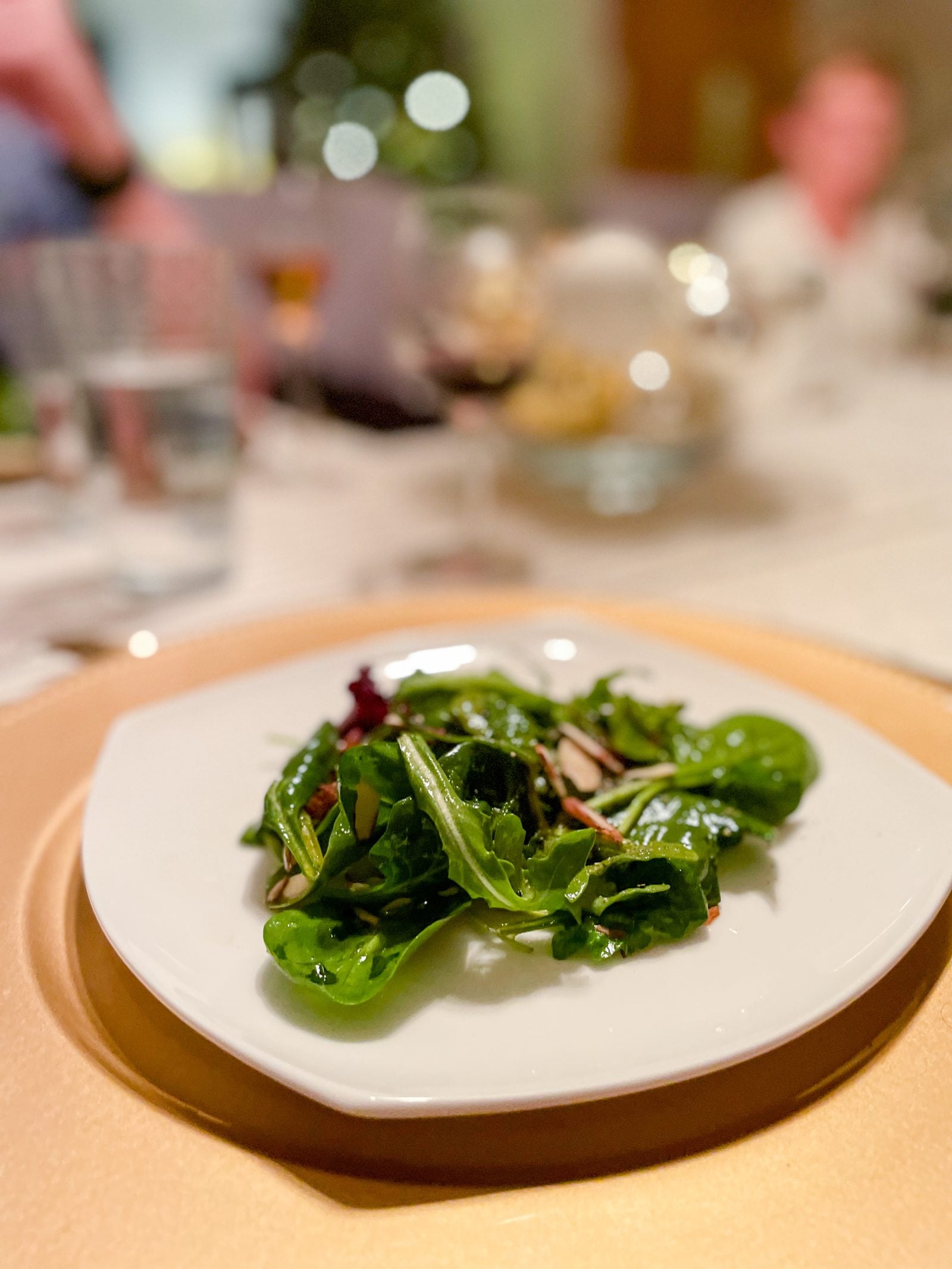
Why pick this for lunch: The salad that doesn’t leave you hungry an hour later. The trick is treating greens as the vehicle, not the meal, and loading on actual filling things on top.
To a big bowl add 3 to 4 cups of mixed greens (arugula, spinach, baby kale, whatever). Layer on protein (rotisserie chicken, hard-boiled eggs, canned tuna, chickpeas, leftover salmon, halloumi), cheese (feta, parmesan, goat cheese), a real fat (avocado, olives, nuts), and crunch (cucumber, peppers, radishes, jicama). Dress with a real vinaigrette (see the dressings note below), tossed thoroughly so every leaf is coated, not just the top layer. The texture cue: the greens should be glossy and slightly wilted from the dressing, not dry-looking with vinegar puddled at the bottom.
Swap: Canned beans for the protein make this a vegetarian lunch that doesn’t feel like a sacrifice. Pre-cooked grains (farro, quinoa, brown rice) added to the bowl turn this into a grain bowl in disguise.
12) Grain Bowl
Why pick this for lunch: The fridge-clearing lunch with a structure: grain + protein + roasted veg + something punchy. Once you’ve got the structure, you have a lunch that’s never the same twice but always works.
To a bowl add a cup of cooked grain (farro, brown rice, quinoa, barley, all good). Add a portion of protein (a few ounces of chicken, fish, tofu, beans, or a soft-boiled egg). Pile on roasted or raw vegetables (whatever you have: roasted sweet potato, raw shredded carrot, sliced cucumber, blistered cherry tomatoes). Top with something punchy: pickled onion, kimchi, hot sauce, lemon zest, capers, fresh herbs, crumbled cheese. Drizzle with a sauce (tahini-lemon, peanut, a yogurt-herb thing). The texture cue you want: distinct components, each visible and tasted separately, then mixing as you eat. Not a uniform mush.
Swap: Skip the grain entirely and use a bed of greens for a lower-carb version, the bowl still works. Make a big batch of grain on Sunday and the assembly all week is 4 minutes.
13) Quinoa Salad
Why pick this for lunch: Tabbouleh’s North American cousin. Quinoa cooked Sunday, dressed and bowled all week. The lemon-and-herb amount is the secret.
Cook a cup of quinoa according to the package (about 15 minutes, drain well, fluff with a fork). Let it cool. Toss with chopped cucumber, halved cherry tomatoes, diced red onion, a fistful of chopped parsley and mint, crumbled feta, and toasted pine nuts or almonds. Dress with olive oil, the juice of two lemons, garlic, salt, and pepper. The texture cue: the quinoa grains should be visible and distinct (not gummy), the herbs should be a real green presence (not just a sprinkle), and there should be more vegetable than grain.
Swap: Bulgur wheat is the traditional choice and tastes more like real tabbouleh. Skip the cheese and use chickpeas if you want it vegan. Add diced grilled chicken or chickpeas to bump the protein.
14) Turkey Hummus Wrap
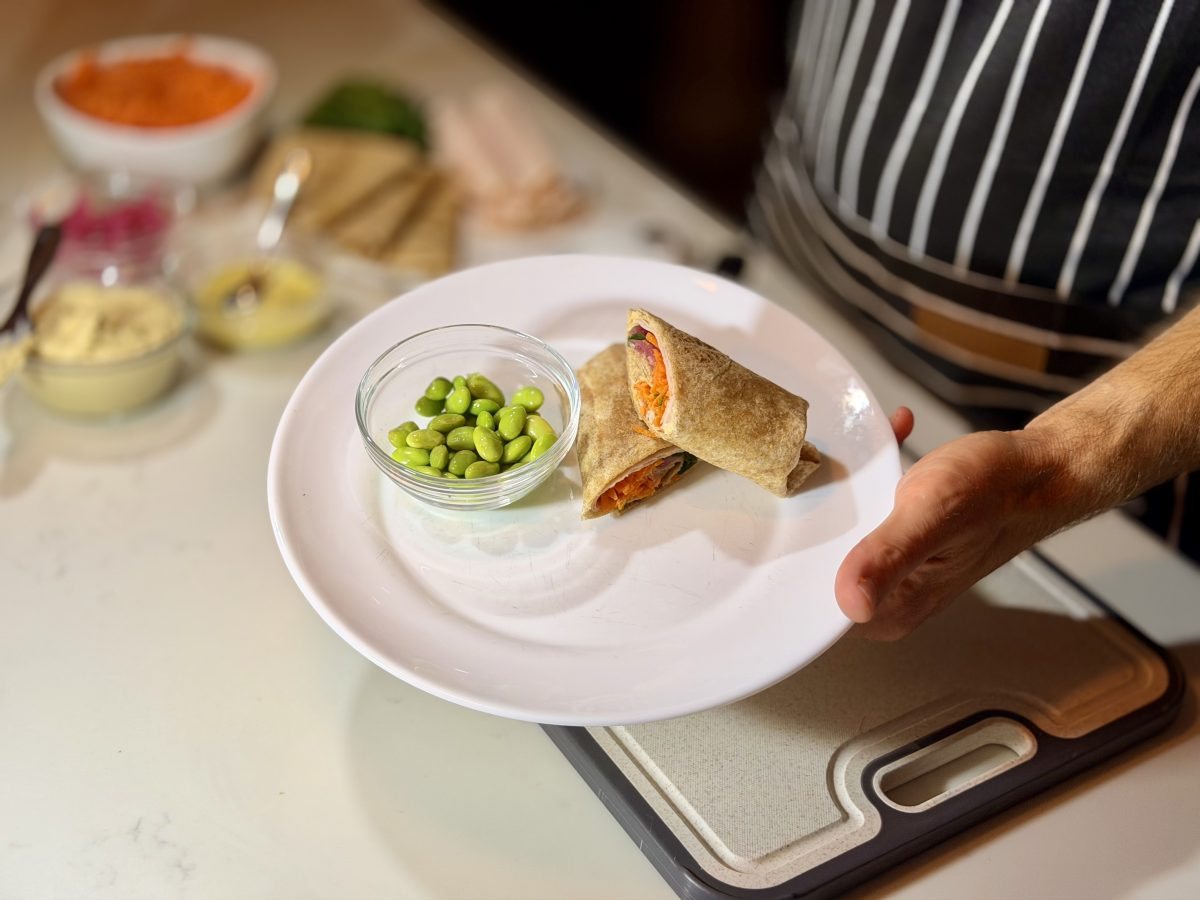
Why pick this for lunch: The lunchbox classic with a real sandwich’s structure. Hummus is the secret; it acts as both the spread and a hidden protein boost.
Lay a large whole-grain or spinach tortilla flat. Spread a thick layer of hummus across the lower two-thirds. Layer on a few slices of roasted turkey (the deli kind that doesn’t list 12 ingredients), thinly sliced cucumber, shredded carrot, a handful of greens, and a few slices of avocado if you have one. Roll up tightly from the bottom, tucking in the sides as you go. Cut on the diagonal. The texture cue: the wrap should hold together without falling apart when you bite, and the hummus-to-vegetable ratio should leave the wrap moist, not dry-sandwich dry.
Swap: Lavash or a large lettuce leaf instead of a tortilla cuts the carbs significantly. Smashed white beans with lemon and herbs is a vegan stand-in for the turkey and feels surprisingly close.
15) Chickpea Salad Sandwich
Why pick this for lunch: The vegetarian tuna salad that’s better than tuna salad. Mashed chickpeas have a similar texture to flaked tuna and they don’t smell up your office at 2pm.
Drain and rinse a can of chickpeas. Mash with a fork (chunky, not pureed; some whole chickpeas should remain). Stir in two tablespoons of mayo or Greek yogurt, a teaspoon of Dijon, diced celery, diced red onion, chopped pickles, a squeeze of lemon, salt, and pepper. Pile thickly between two slices of whole-grain bread with a leaf of romaine or butter lettuce. The texture you want: chickpeas should be broken up enough to hold together when pressed but still have some intact pieces for chew.
Swap: Add a few capers and a teaspoon of dill for a more bright/briny version. Use mashed white beans (cannellini) instead of chickpeas for a softer, smoother filling that’s closer to actual tuna salad.
16) Tomato Bean Soup
Why pick this for lunch: Pantry meal masquerading as restaurant soup. Two cans, fifteen minutes, and the kind of bowl that makes a grilled-cheese feel optional but irresistible.
Sauté chopped onion and minced garlic in olive oil for 4 minutes until soft. Stir in a can of crushed tomatoes, a can of cannellini beans (rinsed), a cup of broth, dried oregano, smoked paprika, salt, and a pinch of red pepper flakes. Simmer 12 to 15 minutes, partially covered. You’re waiting for the soup to thicken slightly (a spoon should leave a brief trail when you drag it across the bottom of the pot), the beans to be heated through, and the tomato sharpness to mellow. Finish with a generous drizzle of olive oil, fresh basil, and a handful of grated parmesan.
Swap: Chickpeas or great northern beans work the same as cannellini. Add a parmesan rind to the simmer if you have one in the freezer; it deepens the soup more than you’d believe.
17) Loaded Sweet Potato
Why pick this for lunch (or dinner): The vegetable that’s secretly a meal. A roasted sweet potato split open and piled with toppings is the lunch I make when I want to feel fed instead of just sustained.
Scrub a medium sweet potato, prick all over with a fork, and roast at 425°F for 45 to 55 minutes (or microwave 6 to 8 minutes if you’re rushed). You’re waiting for the flesh to be completely soft when pierced with a knife and for some of the sugars to caramelize and bubble out the cracks (this is the moment, do not skip it). Split open, fluff the inside with a fork, salt and pepper. Top with whatever bowl-style toppings you’d put on a grain bowl: black beans, salsa, avocado, a drizzle of yogurt, scallion. Or peanut butter, banana, and cinnamon for the sweet version.
Swap: Regular baked potato works but you’ll need to add more flavor (sweet potato has its own sweetness as a base). Pre-roast two on Sunday and reheat in the microwave for a 90-second lunch all week.
18) Tofu Stir-Fry
Why pick this for dinner: A vegetable stir fry that actually fills you up. The trick is pressing the tofu (most people don’t) and getting the pan hot enough (most people don’t).
Press extra-firm tofu between paper towels under a heavy pan for 20 minutes. Cut into cubes, toss with a tablespoon of cornstarch. Heat a tablespoon of neutral oil in a large skillet or wok until shimmering. Add tofu in a single layer and let it cook undisturbed for 3 to 4 minutes until the bottom is deeply golden. Toss, cook 2 more minutes for the other sides. Push to one side, add chopped garlic, ginger, scallion, and a mix of vegetables (broccoli, peppers, snap peas, mushrooms). Stir-fry over high heat 3 to 5 minutes. You’re waiting for the vegetables to be crisp-tender (still bright in color, with a little char), not soft. Add a sauce of soy sauce, rice vinegar, sesame oil, and a teaspoon of honey or hoisin. Toss to coat. Serve over rice.
Swap: Chicken thighs cut into strips work the same way. Frozen stir-fry vegetable mix saves the chopping; just thaw and drain first so they don’t water down the pan.
19) Salmon Dinner
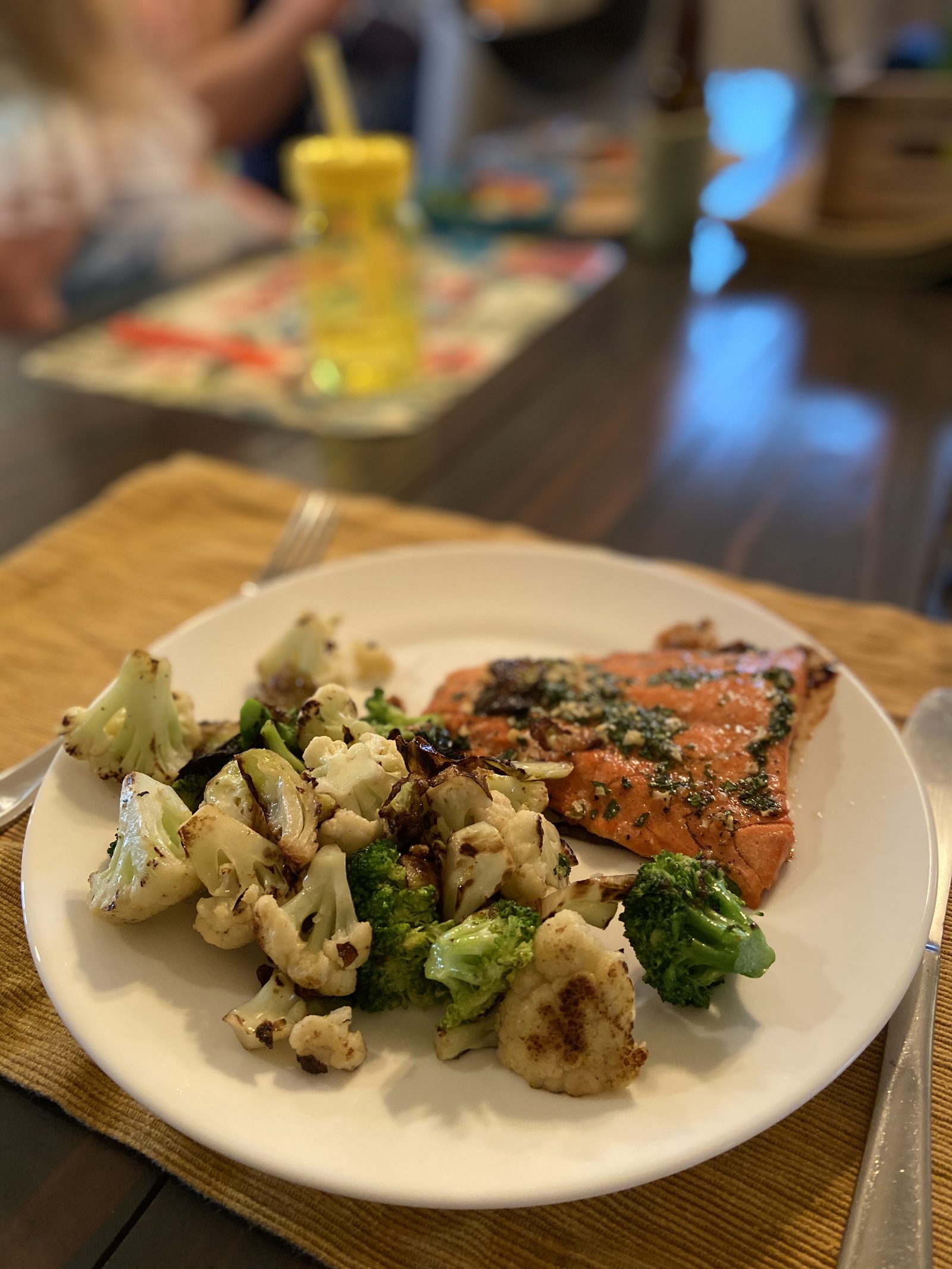
Why pick this for dinner: The fancy-feeling dinner that takes 18 minutes. Salmon plus a vegetable plus a starch, all on one sheet pan, all done at the same time.
Pat salmon filets dry and place skin-down on a parchment-lined pan. Brush with olive oil, salt, pepper, and a squeeze of lemon. Surround with halved baby potatoes (give them a 15-minute head start at 425°F first) and asparagus or green beans (add at the same time as the salmon). Roast at 425°F for 12 to 16 minutes after the salmon goes in. You’re waiting for the salmon to flake just under fork pressure with the flakes pulling apart in pearl-pink sections, the potatoes to be browned and tender, and the asparagus to be bright green and crisp-tender. Finish with lemon wedges and a sprinkle of flaky salt.
Swap: Trout, arctic char, or steelhead work the same way and are usually cheaper. Frozen salmon is fine if you fully thaw and pat dry first; it cooks slightly faster, check at 10 minutes.
20) Sheet Pan Chicken
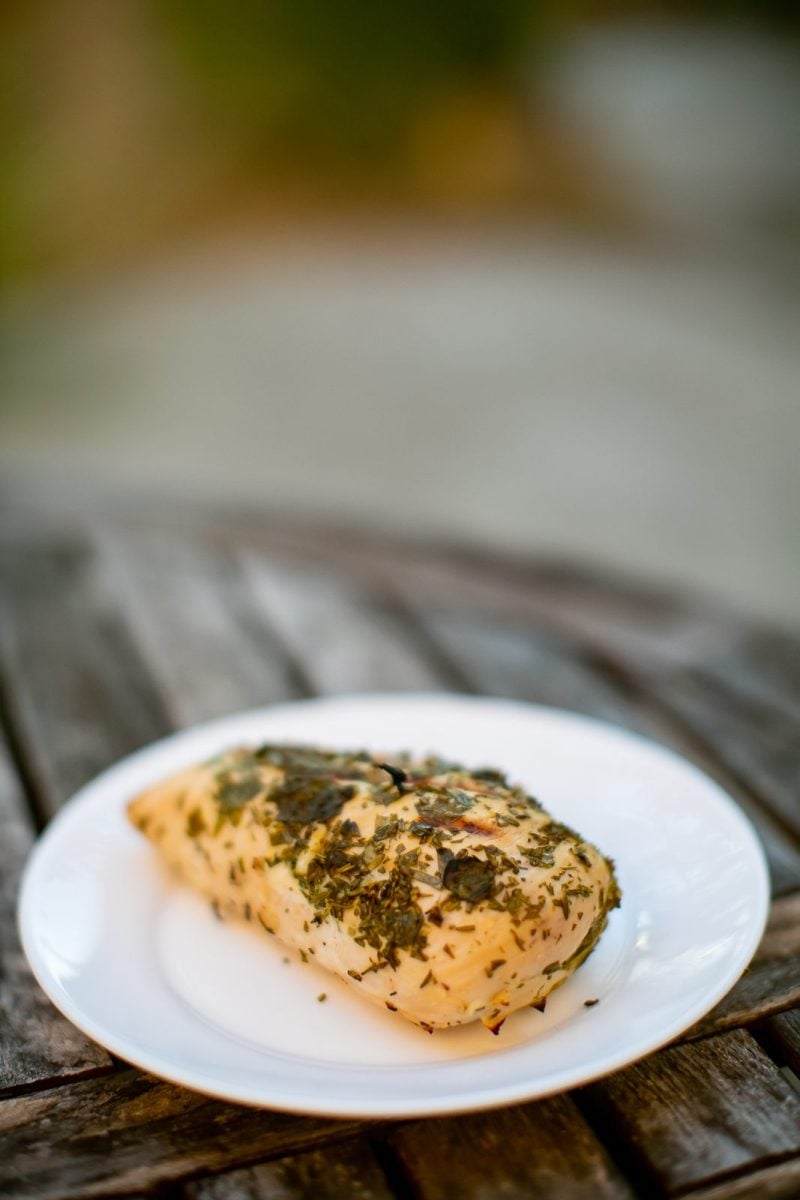
Why pick this for dinner: The unfussy version. Olive oil, salt, herbs, hot oven, one pan. Sometimes this is the meal and that is fine.
Pat bone-in skin-on chicken thighs dry, salt them generously, and toss with olive oil, garlic, and dried herbs (oregano, thyme, rosemary, whatever you have). Spread on a sheet pan with halved baby potatoes, quartered onion, and chunks of bell pepper or zucchini. Roast at 425°F for 35 to 40 minutes. You’re waiting for the chicken skin to be deeply golden and crisp, the potatoes to have browned bottoms and tender insides, and the vegetables to have some char at their edges. Squeeze fresh lemon over the pan the second it comes out, while the skin is still hot.
Swap: Bone-in breasts work but cook a little faster (28 to 32 minutes). For a heavier-veg version, double the vegetables and use boneless thighs (cook 22 to 25 minutes).
21) Turkey Chili
Why pick this for dinner: One pot, freezes great, and the leftovers somehow get better. Ground turkey absorbs the spices in a way ground beef doesn’t, which is the whole reason this version exists.
Brown a pound of ground turkey in olive oil in a large pot, breaking it up into small pieces, until it’s lost all its pink color (about 6 minutes). Add chopped onion and bell pepper, cook 5 minutes. Add garlic, chili powder, cumin, smoked paprika, oregano, and a tablespoon of tomato paste; stir 1 minute. Pour in a can of diced tomatoes, a can of kidney beans, a can of black beans (both rinsed), and a cup of broth. Simmer 25 to 30 minutes. You’re waiting for the chili to thicken (a spoon should leave a brief trail), the flavors to meld, and the beans to be heated through. Salt at the end, not the start, so you can taste before adjusting. Top with diced avocado, sliced scallion, and a dollop of yogurt or sour cream.
Swap: Ground chicken works the same but is a touch drier; add an extra tablespoon of olive oil. Vegetarian version: skip the meat and use three cans of beans (kidney, black, pinto), the chili still works.
22) Zucchini Noodles
Why pick this for dinner: The low-carb pasta substitute that’s only good if you cook it right. Most zoodles fail because people serve them watery. The fix is salt and quick heat.
Spiralize 2 to 3 medium zucchini (or buy them pre-spiralized). Toss with a teaspoon of salt and let sit in a colander 10 minutes; squeeze out the water with paper towels or a clean kitchen towel (this step is non-negotiable). Heat olive oil in a large skillet over medium-high. Add minced garlic and red pepper flakes, cook 30 seconds. Add the dried zoodles and stir-fry 2 to 3 minutes only. You’re waiting for them to be just barely tender (still some bite, no longer raw) and still slightly green-bright. If they’re limp and gray, you cooked them too long. Toss with pesto, a quick tomato-and-anchovy sauce, or olive oil and parmesan.
Swap: Half zoodles, half regular pasta gives you the satisfaction of pasta with half the carbs. Spaghetti squash works similarly but takes 40 minutes to roast.
Nathaniel’s Pantry Notes: What Most “Healthy” Labels Actually Mean (and Don’t)

The ‘healthy’ label on a package is mostly marketing. The real information is in the ingredient list and the nutrition box, and you only need to know three things to read it.
Most of what gets sold as healthy is engineered to LOOK healthy in a 10-foot ad and to TASTE like a snack you’d want twice a day. The way you cut through that isn’t with brand loyalty. It’s with three numbers and one sentence in the ingredient list.
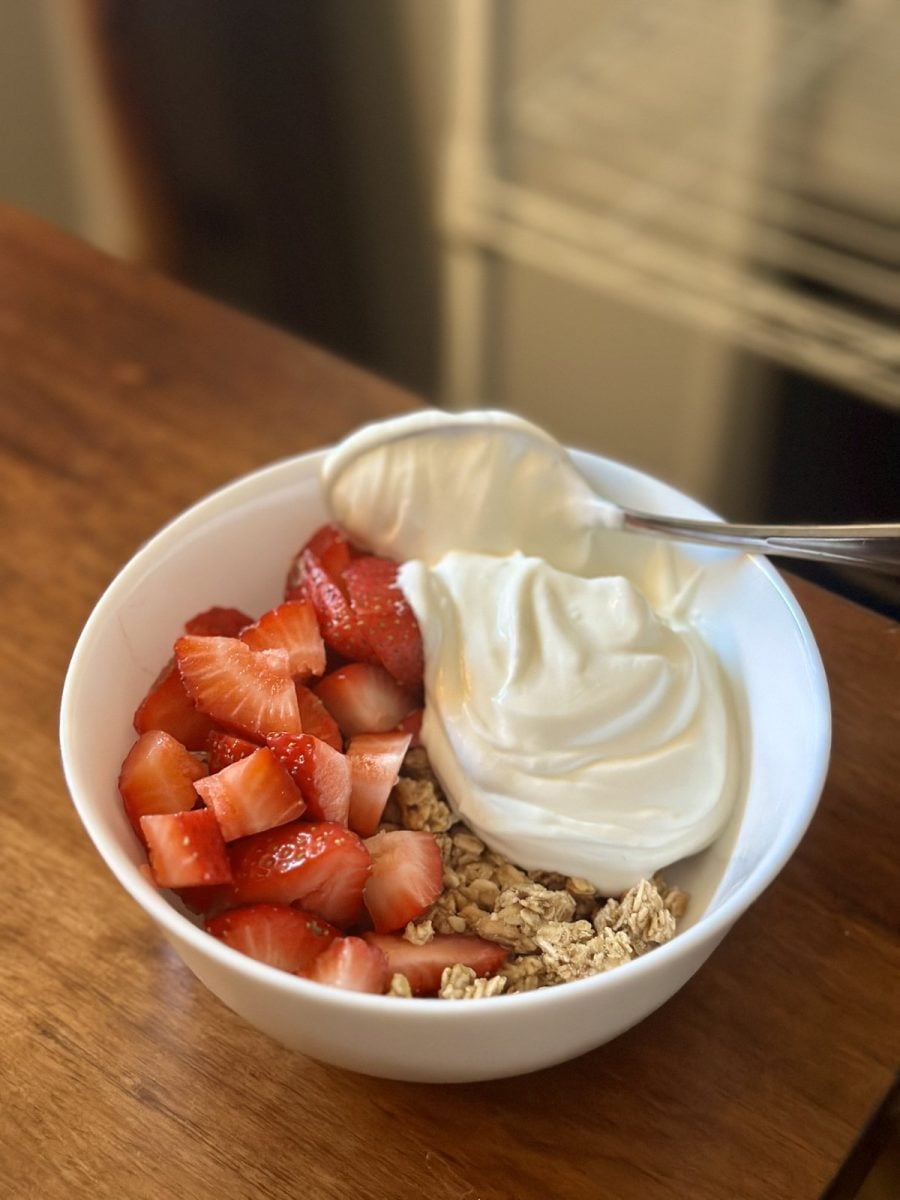
• Sugar grams per serving. Anything over 8g of added sugar in something you’d call a meal is a dessert. A ‘healthy’ yogurt with 14g of sugar is closer to ice cream than to actual yogurt. The 0g and 5g versions exist and taste fine after a week of adjustment.
• Fiber grams per serving. Real whole-grain bread has 3 to 5g of fiber per slice. ‘Whole grain’ bread with 1g of fiber is white bread with the first ingredient changed. Read the actual fiber number, not the front of the bag.
• Protein-to-calorie ratio. For a snack to be filling, it wants roughly 10g of protein for 100 to 200 calories. Greek yogurt clears this. Most granola bars don’t. Most cheese-and-crackers don’t either.
The one sentence to read in the ingredient list: count to four. If the first four ingredients include anything ending in -ose, -syrup, or the phrase ‘natural flavors,’ the food is doing flavor chemistry, not feeding you. Real food has short, short lists with words you recognize.
What I don’t bother with: organic vs. non-organic on most things (it costs more, the evidence is mixed). Gluten-free if you don’t have celiac. Anything labeled ‘superfood’ (the word is meaningless). ‘Plant-based’ on a package full of seed oils and sugar.
23) Whole Wheat Pasta
Why pick this for dinner: Real pasta, made the way Italian grandmothers make it (vegetable-forward, sauce-light), so it’s filling without being heavy. The whole wheat adds fiber and a nutty depth.
Boil a pot of well-salted water (it should taste like seawater, this is the only chance to season the pasta). Cook whole wheat penne or spaghetti for 1 minute less than the package time. Meanwhile, in a large skillet, sauté minced garlic in olive oil over medium-low (don’t brown it), add halved cherry tomatoes and a splash of white wine or pasta water, cook 4 minutes until the tomatoes burst. Add cooked pasta with a half cup of starchy pasta water, toss vigorously over heat for 90 seconds. The texture cue: the sauce should be glossy and clinging to every strand, not pooled at the bottom of the bowl. Finish with torn basil, grated parmesan, and a final drizzle of olive oil.
Swap: Chickpea pasta works (Banza or similar) and adds more protein, but cook it 1 minute LESS than the package time; it goes mushy fast. Spaghetti squash makes a real lower-carb version that still tastes like pasta.
24) Shrimp Tacos
Why pick this for dinner: Twenty-minute dinner that feels like a Friday night out. The shrimp cook so fast the rest of the prep is the actual work.
Toss peeled, deveined shrimp with olive oil, chili powder, cumin, garlic, salt, and lime juice. Heat a skillet over medium-high until smoking. Add shrimp in a single layer and cook 90 seconds per side. You’re waiting for the shrimp to turn pink with charred edges and curl into tight Cs (loose Cs are still cooking, tight Os are overcooked). Meanwhile, char small corn tortillas directly over a gas flame or in a dry skillet for 30 seconds per side. Build tacos with shrimp, shredded cabbage tossed with lime and salt, sliced avocado, a drizzle of yogurt or sour cream, and pickled red onion or salsa.
Swap: Cubed white fish (cod, mahi) works the same way and cooks 2 to 3 minutes per side. Black beans or grilled mushrooms make a vegetarian version that still feels like a real taco.
25) Baked Cod
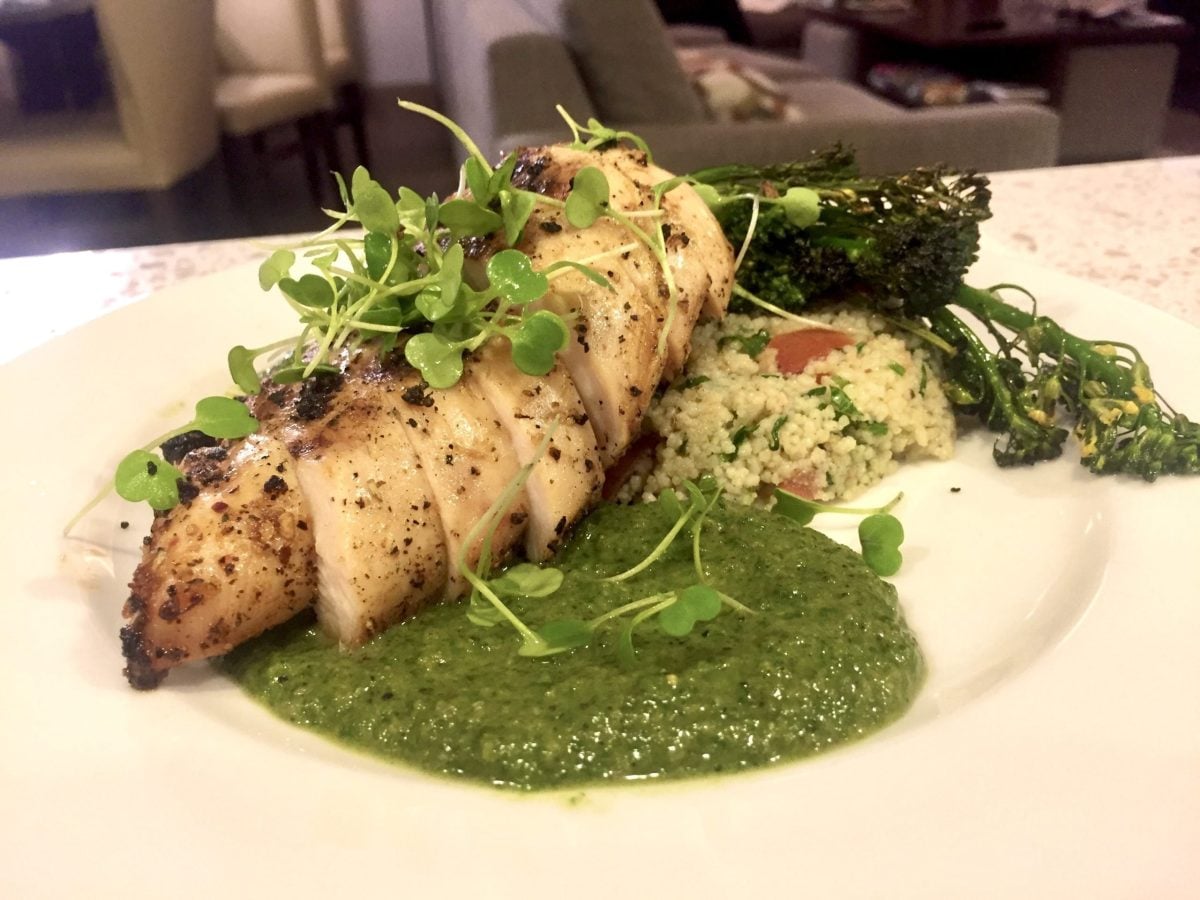
Why pick this for dinner: Mild, flaky white fish in 15 minutes. The dinner I make on a Wednesday when I want something that won’t sit in my stomach for the next four hours.
Pat cod filets very dry, season with salt, pepper, lemon zest, and garlic powder. Place on a parchment-lined pan with halved cherry tomatoes, sliced zucchini, and lemon wheels around the fish. Drizzle generously with olive oil. Bake at 400°F for 12 to 16 minutes depending on thickness. You’re waiting for the cod to flake easily when nudged with a fork, with the flakes pulling apart in pearl-white sections, not translucent at the center. The tomatoes should be burst and a little jammy. Finish with chopped parsley and a final squeeze of lemon over the whole pan.
Swap: Halibut or haddock work identically. Frozen cod is great here (and cheaper); fully thaw and pat dry before seasoning, or it’ll steam instead of bake.
26) Burrito Bowl
Why pick this for dinner: The Chipotle-style bowl built at home for half the cost and twice the vegetables. The trick is treating each component like it matters; brown the meat, season the rice, dress the lettuce.
To a bowl add a cup of cooked brown rice (or cilantro-lime rice if you want to bother). Add a portion of seasoned protein (ground turkey or chicken cooked with cumin, chili powder, garlic, lime). Add black beans (heated, salted, lime-juiced). Top with sliced romaine, halved cherry tomatoes, diced red onion, corn (frozen is fine, just thaw), diced avocado, and a spoonful of salsa. The structure cue you want: distinct components visible and tastable separately. If you stirred it all together, you made a burrito-flavored mush, not a burrito bowl.
Swap: Cauliflower rice for half the rice cuts carbs and adds vegetable volume without changing the experience much. Pulled rotisserie chicken is a faster protein than browning ground meat.
27) Hummus Plate
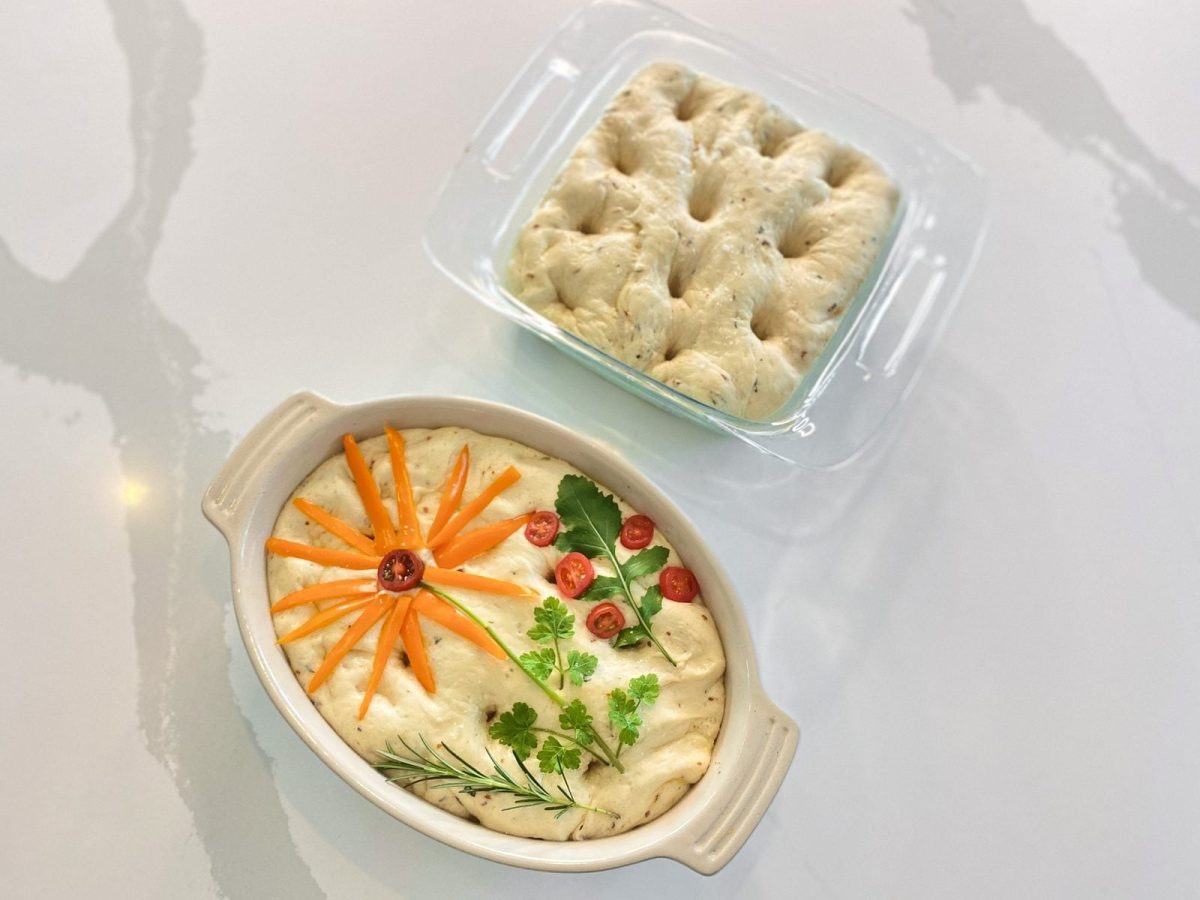
Why pick this: The mezze approach. A spread of small things on a plate is more satisfying than the same calories piled in a sandwich. It also looks like you tried, even when you didn’t.
Spread a generous amount of hummus across a plate or shallow bowl, swirled with the back of a spoon to make valleys. Drizzle olive oil into the valleys, dust with paprika, and add a few whole chickpeas on top. Surround with cucumber slices, halved cherry tomatoes, sliced radish, kalamata olives, crumbled feta, and a small handful of pita chips or warm pita wedges. The texture cue: the hummus should be the thick, dippable centerpiece (not a thin smear) and the vegetables should be the crunch contrast, fresh and cold.
Swap: Whip your own hummus from a can of chickpeas, tahini, lemon, garlic, and ice water (the ice water is the secret to creamy). Sub in baba ganoush, white bean dip, or labneh as the central spread.
28) Cauliflower Fried Rice
Why pick this for dinner: The low-carb stand-in that’s actually good if you cook it right. The trick is treating the cauliflower like rice, not like cauliflower; high heat, dry pan, don’t stir constantly.
Pulse a head of cauliflower in a food processor until it looks like rice grains (or buy pre-riced from the freezer aisle, defrosted and drained well). Heat a tablespoon of oil in a large skillet or wok over high. Scramble two eggs first and set aside. Sauté diced onion, garlic, and ginger for 2 minutes, add frozen peas and carrots, cook 2 more minutes. Push everything to the side, add the cauliflower ‘rice’ in a single layer. Let it sit, undisturbed, for 3 to 4 minutes so the bottom gets some color. Toss, cook 3 more minutes. You’re waiting for the cauliflower to be tender but still hold its grain-like texture (not mushy), with some lightly browned bits. Stir in soy sauce, sesame oil, the scrambled eggs, and sliced scallion.
Swap: Add cubed chicken, shrimp, or tofu for protein. If you don’t have a food processor, the bagged riced cauliflower from the freezer aisle is what I actually use most weeks.
29) Stuffed Peppers
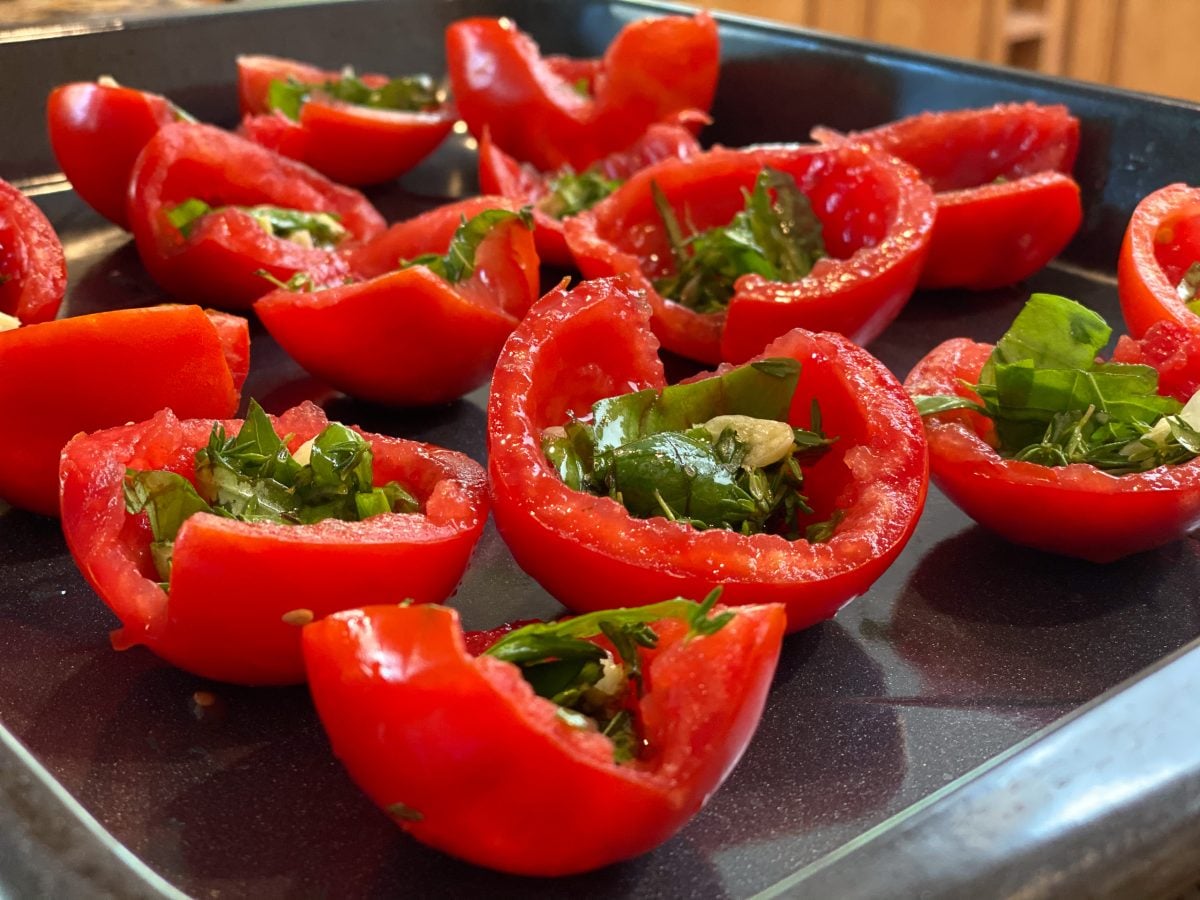
Why pick this for dinner: The dinner where the vegetable is also the bowl. One-pan, looks like you tried, and the leftovers reheat beautifully for lunch.
Halve bell peppers (any color) lengthwise, remove seeds. Arrange cut-side up on a baking sheet, brush with olive oil and salt. Roast at 400°F for 10 minutes to soften slightly. Meanwhile, brown ground turkey or beef with onion and garlic. Stir in cooked rice or quinoa, a can of diced tomatoes, cumin, paprika, salt. Fill each pepper half with the mixture, top with shredded cheese. Return to the oven for 18 to 22 more minutes. You’re waiting for the peppers to be tender at a knife tip (not crisp anymore, but holding their shape, not collapsed), the filling to be hot through, and the cheese to be melted and lightly browned in patches.
Swap: Skip the rice and add an extra can of beans for a lower-carb, higher-protein version. Vegetarian: use a mix of lentils, black beans, and cooked grain instead of meat.
30) Spinach Salad

Why pick this: The salad that’s better warm than cold. Spinach wilts just slightly under warm toppings and the dressing actually gets into the leaves instead of running to the bottom of the bowl.
To a bowl add a few cups of baby spinach. Cook 4 strips of bacon until crisp, drain on paper towels, crumble. Sauté sliced mushrooms in a tablespoon of the bacon fat over medium-high for 4 to 5 minutes until deeply browned. Slice a hard-boiled egg or two. Pour the warm mushrooms over the spinach (just enough to wilt the leaves slightly), top with crumbled bacon, eggs, halved cherry tomatoes, and thinly sliced red onion. Dress with a warm bacon vinaigrette (whisk a tablespoon of bacon fat with 2 tablespoons red wine vinegar, a teaspoon of mustard, and a pinch of sugar). The texture cue: spinach should be barely wilted (slightly limp at the edges, still green and structural), not collapsed and dark.
Swap: Skip the bacon and use a few anchovies in the warm dressing for a similar umami punch. Mushrooms can be swapped for roasted Brussels sprouts or chickpeas.
Nathaniel’s Pantry Notes: Bottled Dressings Are Mostly Soybean Oil and Sugar
If you bought one bottle of salad dressing in the last month and you’re trying to eat better, this is where the cheating happens. Bottled dressing is usually 60 to 80% soybean oil, some vinegar, sugar, and ‘natural flavors.’ The ‘ranch’ part is mostly a vibe.
Making your own dressing takes 60 seconds and tastes objectively better. The bottled stuff exists because the convenience was real before vinaigrettes were a Saturday morning hobby; the inertia continues because nobody told you it’s a 60-second job.
• The base ratio: 3 parts oil to 1 part acid. Three tablespoons olive oil, one tablespoon vinegar (or lemon juice, or both). That’s the math. Whisk in a jar with a lid, shake, done.
• The 4 add-ins that make it actually taste like something. Salt (real, not a dusting), Dijon mustard (1 teaspoon, it emulsifies AND adds depth), a teaspoon of honey or maple, and one allium (a teaspoon of minced shallot or garlic). Five seconds each.
• Variations that work without thinking. Lemon-tahini: skip the vinegar, use 2 tablespoons lemon juice and 1 tablespoon tahini. Italian: red wine vinegar and dried oregano. Asian: rice vinegar, soy sauce, sesame oil, and grated ginger.
When bottled is fine: Caesar (the anchovy-and-egg structure is hard to fake at 7pm), ranch (if you genuinely love it, don’t fight it), and any dressing where you just need it to be edible and not interesting. Brands worth buying: Tessemae’s, Primal Kitchen, the Bragg’s organic vinaigrette line. They’re not perfect but they’re real food.
The case I’d make: keep one bottled dressing for emergencies and replace the rest with the 3:1 jar you mix on Sunday and use all week. The salads will be better. The bottle aisle will be cheaper. Nobody will know.
31) Tuna Salad
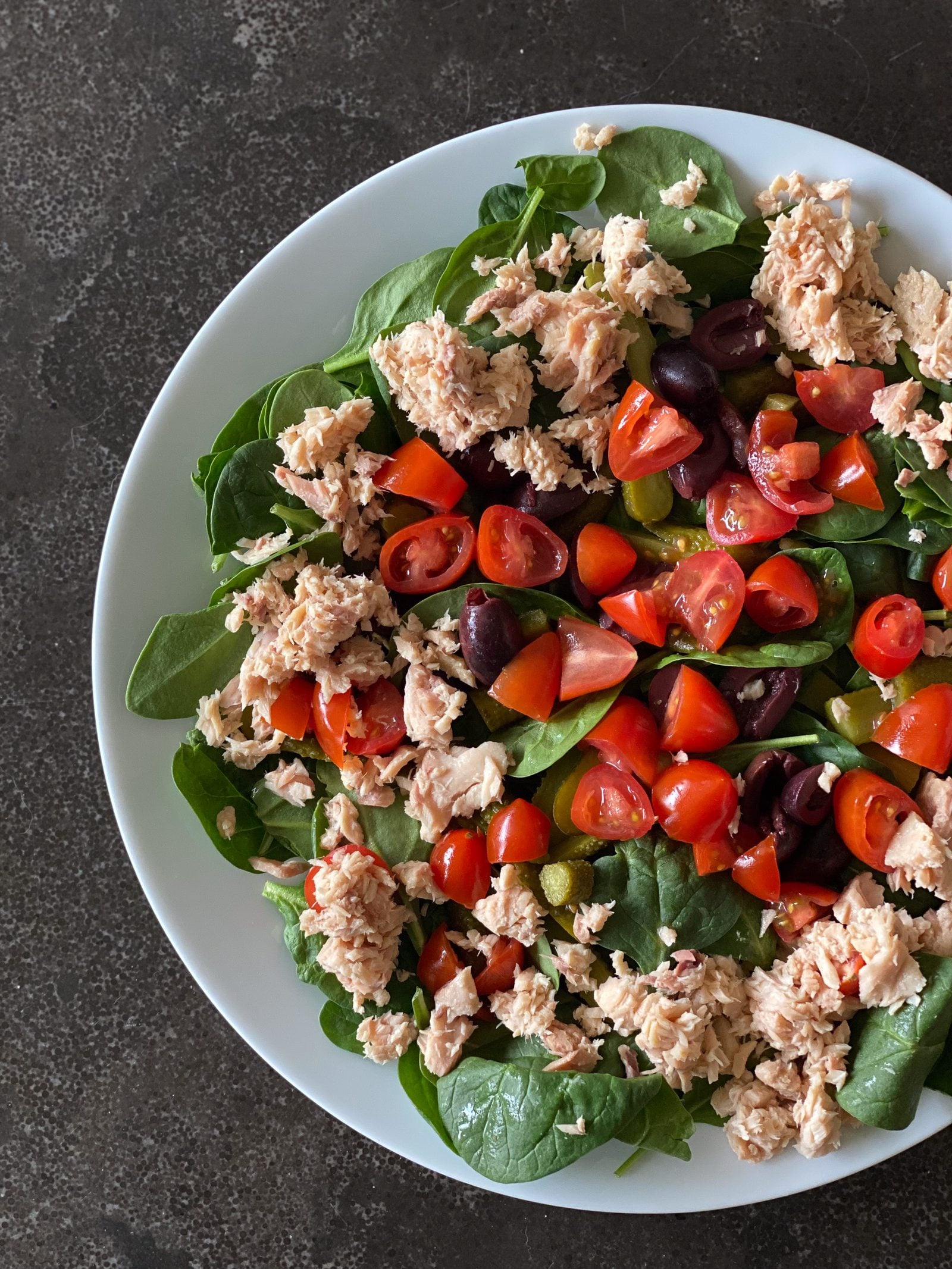
Why pick this: The lunch I make when I forgot to plan one. Two cans, ten minutes, and a sandwich that’s better than anything I’d buy from a cafe.
Drain two cans of olive-oil-packed tuna very well (the oil-packed kind is meaningfully better than water-packed; this is the one canned-fish argument I’ll have with you). Flake into a bowl. Add diced celery, diced red onion, capers, a squeeze of lemon, a tablespoon of mayo OR Greek yogurt, a teaspoon of Dijon, salt, and pepper. Mix gently with a fork; you want big flakes of tuna visible, not a homogenized paste. Pile onto a slice of sourdough or a bed of greens. The texture you want: tuna in chunks, vegetables giving crunch, dressing just enough to bind, not pool.
Swap: Canned salmon works identically and might be more nutritious. Swap the mayo for an extra tablespoon of olive oil plus a splash of red wine vinegar for a Mediterranean tuna salad that doesn’t need refrigeration.
32) Sardines On Toast
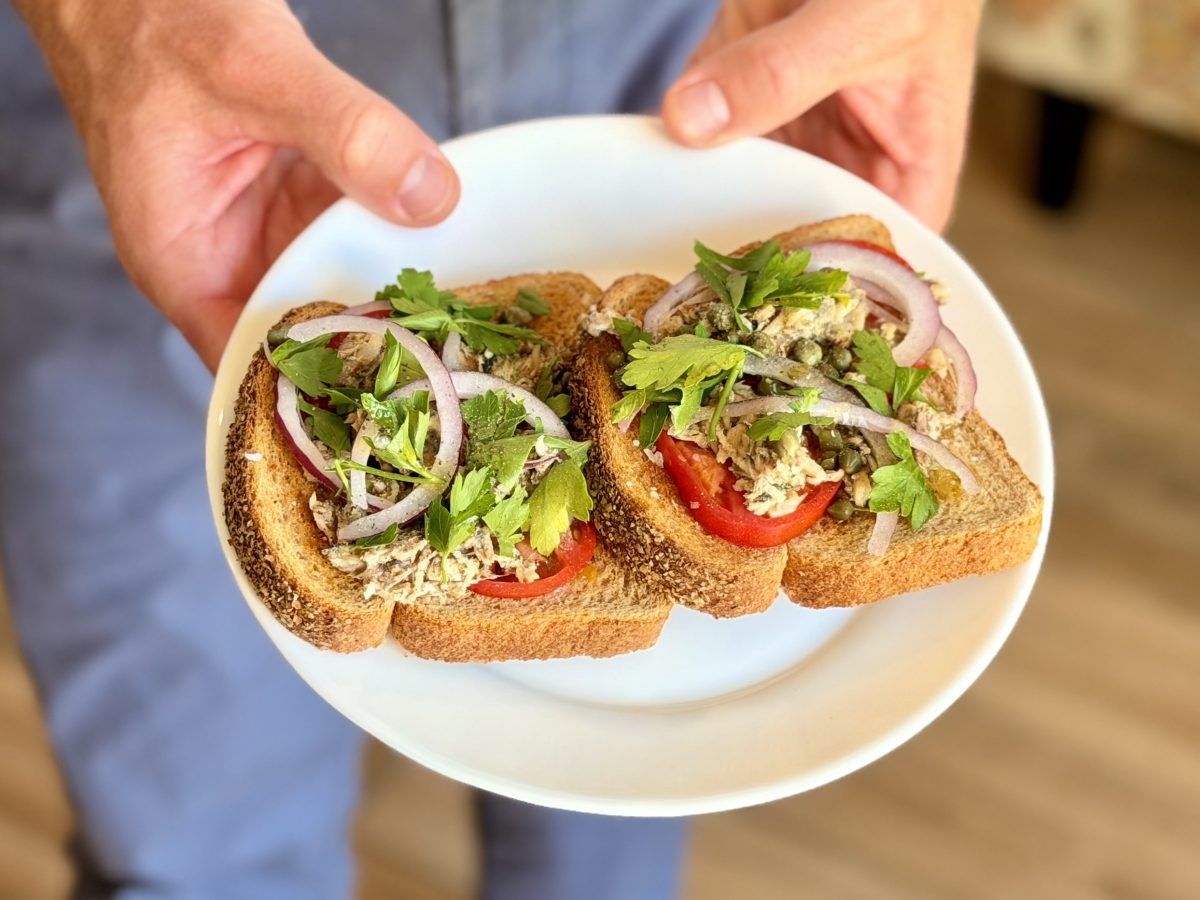
Why pick this for lunch: The lunch that people are afraid of and shouldn’t be. Sardines packed in olive oil are one of the best protein sources you can buy and the cost-per-meal is absurd.
Toast a thick slice of sourdough until audibly crisp. Rub the warm toast with a halved garlic clove (the toast acts as the grater, the garlic disappears into the bread). Drizzle with olive oil. Lay 3 to 4 sardines (drained, oil-packed) across the toast. Squeeze fresh lemon over the top, add a generous crack of black pepper, chili flakes, and a small fistful of fresh parsley or dill. The texture cue: the sardines should still be intact (you should see their stripes), the toast underneath should be soaked through with olive oil and fish juices in the best way.
Swap: Smoked trout or canned mackerel work the same way. For someone afraid of the texture, mash the sardines with a fork into a sort of paste first; it’s a totally different sensory experience and might be the gateway.
33) Snack Plate
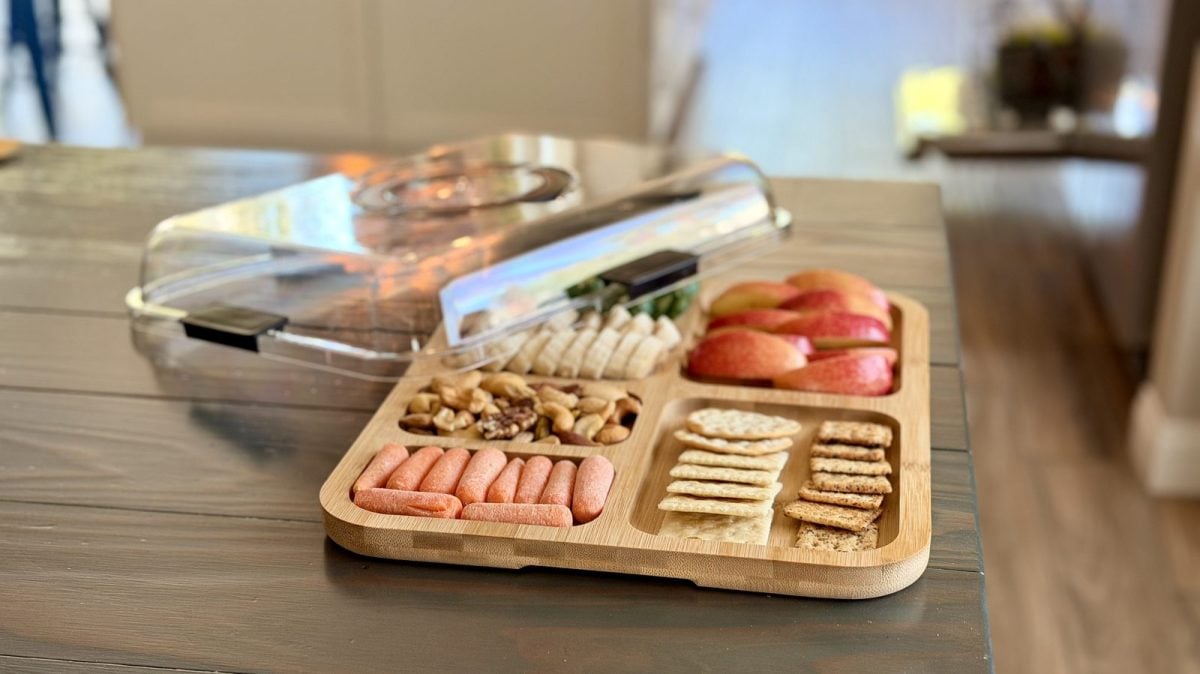
Why pick this: The dinner that’s not really dinner. Sometimes you just don’t want to cook, and a thoughtful plate of small things is more satisfying than any ‘meal’ you’d force yourself through. This is also the most popular lunch in my house with my kids.
On a plate or small board, arrange: a hard-boiled egg or two, a few slices of good cheese, a handful of olives, sliced cucumber and bell pepper, halved cherry tomatoes, hummus or a smear of mustard, a few crackers or pita wedges, and a small pile of fruit (grapes, apple slices, or whatever’s in season). The structure cue: keep things separate (different bowls or zones on the plate) so each component reads as itself, not stirred into a single thing. Variety is the whole point.
Swap: Tinned fish (sardines, mackerel, tuna) instead of cheese gives a higher-protein version. Anchovies on toast or smoked salmon roll-ups upgrade this from snack-plate to dinner-with-wine.
34) Carrots And Hummus
Why pick this snack: The classic. The reason it works isn’t novelty, it’s that the crunch-to-creamy ratio is correct and the protein in the hummus actually does the work of keeping you full.
Cut carrots into sticks (skinny enough to fit into a tub of hummus, thick enough to hold up to scooping). Cold water in the bag they’re stored in keeps them crisp for a week. Scoop hummus generously; the texture cue is that hummus should cling to the carrot in a thick coat, not slide off. If your hummus is too thin, drain it for an hour over a coffee filter (yes, really) or just buy a better brand.
Swap: Other crunchy vegetables work; bell pepper strips, cucumber spears, sugar snap peas, jicama. Tzatziki, white bean dip, or labneh are great alternatives to hummus.
35) Hard Boiled Eggs
Why pick this snack: Six grams of protein for 70 calories, no preparation when you want them. Once you batch-cook six at a time on Sunday, you’re set for the week.
To boil six eggs cleanly: place in a single layer in a pot, cover with cold water by an inch, bring to a hard boil, then cover, remove from heat, and let sit 10 to 12 minutes (10 for slightly jammy yolks, 12 for fully set). Transfer immediately to an ice bath for 5 minutes; this is what makes them peel easily. The texture cue: at 11 minutes, the yolk is bright yellow with a barely-soft center, no green ring (the green ring means overcooked). Peel under running water if they’re being stubborn. Sprinkle with flaky salt and chili flakes when you eat.
Swap: For prep day, an Instant Pot does eggs in 5 minutes with a 5-minute pressure release; they peel even more easily. Soft-boiled eggs (7 minutes) over rice or toast turn a snack into a meal.
36) Edamame Snack
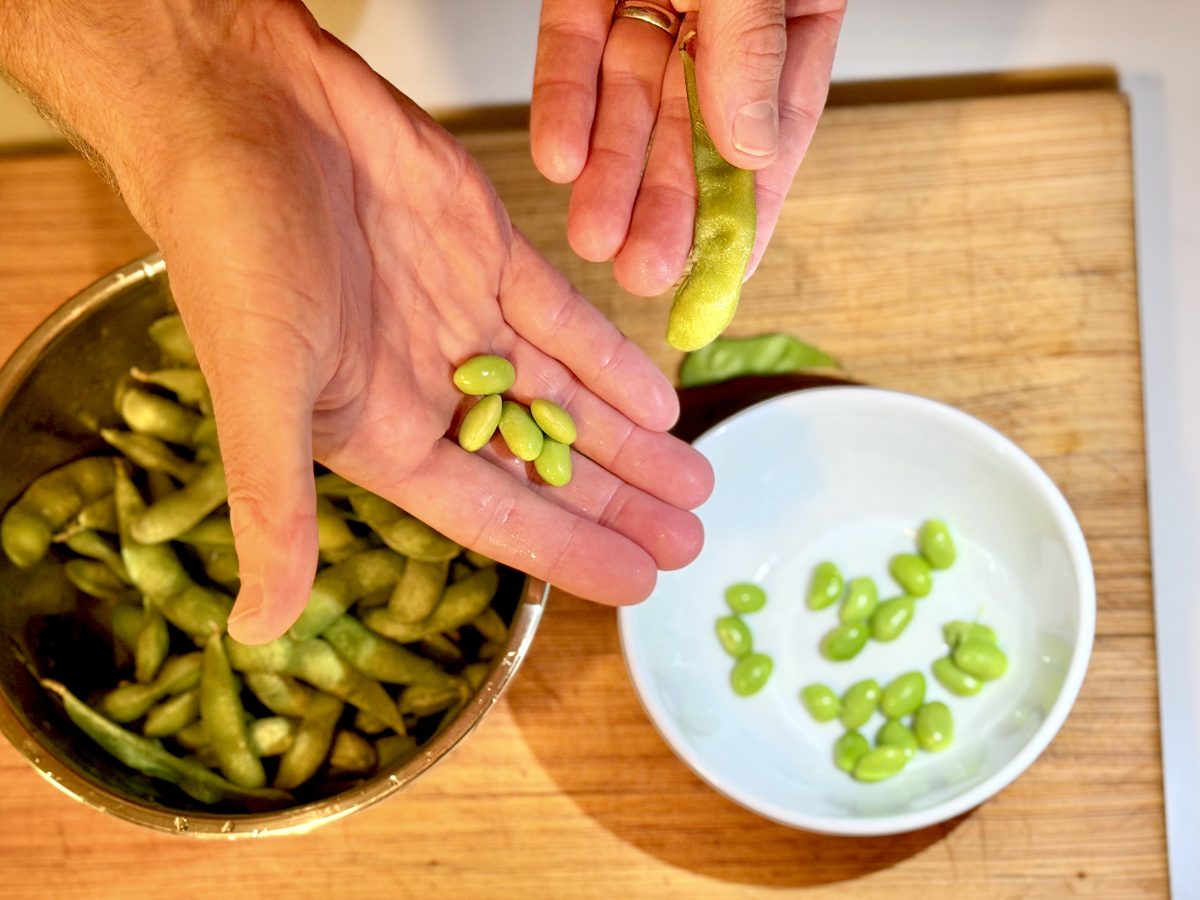
Why pick this snack: The snack that gives you something to do with your hands. The squeeze-and-eat ritual slows you down enough to actually register that you’re snacking.
Buy frozen edamame in pods. Boil a few cups for 4 to 5 minutes in salted water, drain, sprinkle with flaky salt while still hot (the salt sticks to the wet pods). Eat by squeezing the beans out of the pods into your mouth, one at a time. The texture cue: pods should be bright green and tender, beans inside should be firm with a slight bite (mealy = overcooked). Add chili flakes, sesame seeds, or a dust of furikake for variety.
Swap: Shelled edamame from the freezer aisle can be stirred into salads, grain bowls, or stir-fries. Sugar snap peas (raw) deliver a similar satisfaction with even less prep.
37) Roasted Chickpeas
Why pick this snack: Crunchy, salty, savory. The healthier cousin of a pretzel and the more interesting cousin of a nut. The drying step is what makes or breaks them.
Drain and rinse a can of chickpeas. Spread on a kitchen towel and rub dry (this is what gets them crunchy; wet chickpeas steam in the oven and stay chewy). Toss with olive oil, salt, smoked paprika, garlic powder, cumin, and a pinch of cayenne. Spread in a single layer on a sheet pan. Roast at 425°F for 25 to 35 minutes, shaking the pan once. You’re waiting for the chickpeas to be a deep golden-brown and to crackle audibly when pressed with a spoon. If they’re soft in the middle, they need 5 more minutes. They crisp up further as they cool, but they should already be crackly before you pull the pan.
Swap: Skip the paprika and dust with cinnamon and a teaspoon of maple for a sweet version. Black beans roast the same way for a different (smokier, earthier) snack.
38) Dark Chocolate And Almonds
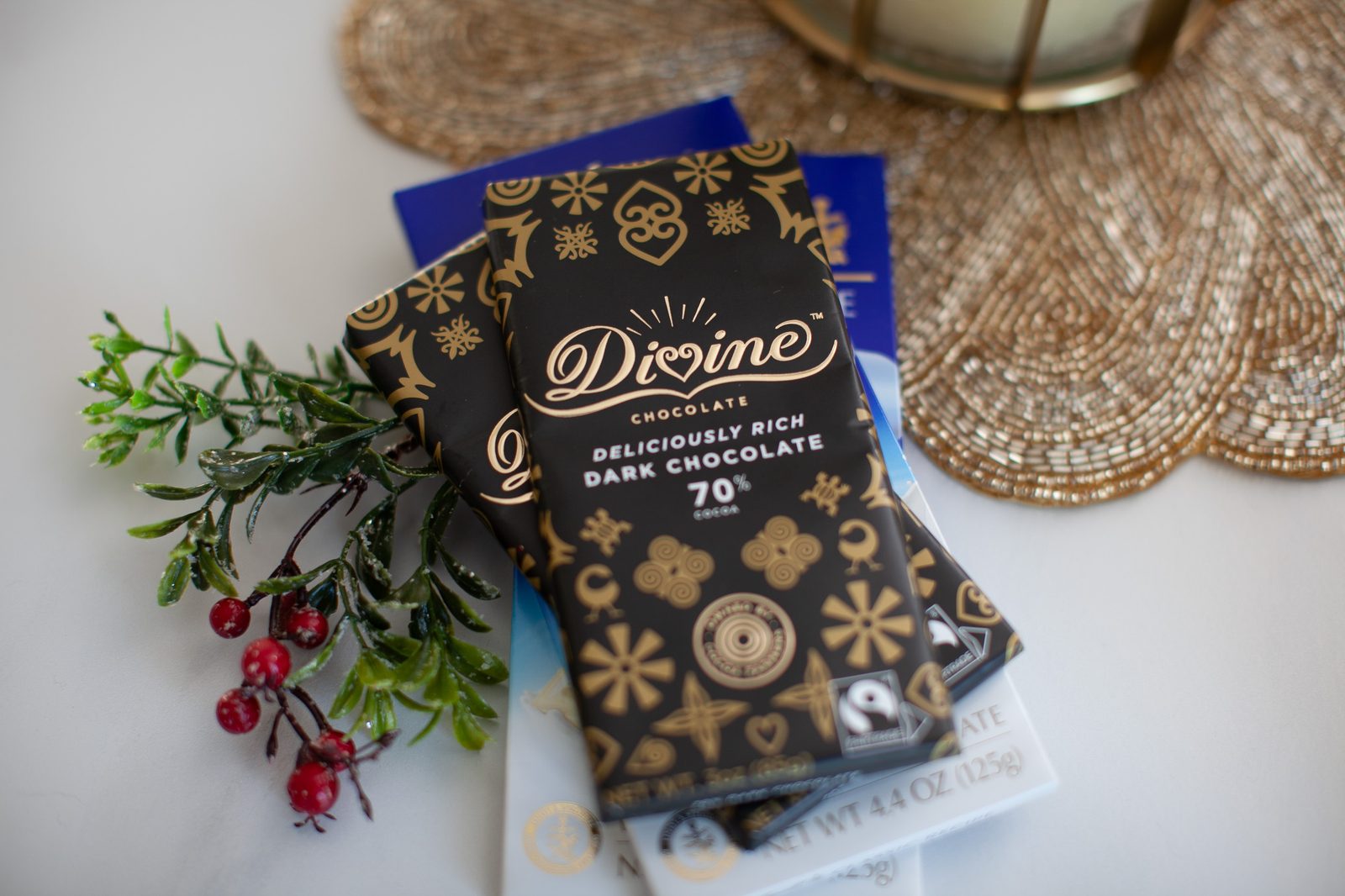
Why pick this snack: The afternoon pick-up that’s mostly fat and doesn’t crash you. Dark chocolate (70% or higher) has less sugar than people think, and the almonds keep you steady.
Portion two squares of 70%-or-higher dark chocolate (about an ounce) and a small handful of raw or dry-roasted almonds (about 14 almonds, which is genuinely satisfying despite sounding sad). The trick is portioning before you start eating; the chocolate-from-the-fridge approach inevitably becomes a whole bar. The texture cue: the chocolate should still snap when broken (a sign of good temper), the almonds should crunch (raw, never roasted-and-salted with seed oils). Eat slowly. Drink water.
Swap: Walnuts, pistachios, or cashews work the same way; almonds are the cheapest. A square of dark chocolate plus a few cubes of cheese and dried cherries makes a sophisticated 3pm version.
39) Fresh Fruit Salad
Why pick this snack: The snack that’s not really an effort. A bowl of fruit you’ve actually cut up is the difference between eating fruit and meaning to eat fruit.
Cube whatever fresh fruit is in good condition: strawberries, melon, pineapple, grapes (halved), apple, mango, kiwi, berries. Mix gently in a large bowl. Squeeze a fresh lime over the whole thing (it stops the browning AND brightens every flavor) and a tiny pinch of flaky salt. Optional: a few torn mint leaves. The structure cue: at least three different fruits, cut to roughly the same size, the mix bright-looking and not weeping water into the bottom of the bowl. If yours is sitting in juice, the fruit was past its prime or you mixed too far ahead.
Swap: A few spoonfuls of Greek yogurt and granola turn this into breakfast. A drizzle of honey and a sprinkle of chopped pistachios upgrades it into a real dessert.
40) Trail Mix
Why pick this snack: The hike-and-desk snack that’s portable and dense enough to actually fill you. Most store-bought trail mix is mostly sugar (cranberries, M&Ms, candied nuts), so making your own is a real upgrade.
In a bowl combine: a cup of raw or dry-roasted nuts (almonds, walnuts, cashews, pistachios, whatever you like), a half cup of pumpkin or sunflower seeds, a half cup of unsweetened dried fruit (raisins, chopped apricot, mulberries, NOT sweetened cranberries), and a quarter cup of dark chocolate chips or chopped chocolate. Mix and store in a jar. The texture cue: the mix should look mostly brown and tan, not jewel-toned. Jewel-toned trail mix is sugar.
Swap: For salty rather than sweet, skip the dried fruit and chocolate and add pretzel pieces, roasted edamame, or sesame sticks. Coconut flakes add chew without sugar.
The two I make most often from this list are the cottage cheese bowl and the snack plate. Both feel like cheating, neither of them takes more than four minutes, and they keep me out of the cabinet at 3pm in a way no granola bar has ever done. The other one I want to talk you into trying is the loaded sweet potato, which sounds dull and somehow is the most satisfying lunch I’ve made in months. Start there. The other thirty-seven will still be here on Thursday.
