
I have to be honest there was a time I thought about one pot pasta with a lot of skepticism. I thought it would be too easy of a meal with a mud looking sauce, and sticky noodles, plus that awful cafeteria smell. But I decided to try it on the night the sink was full and my patience was low. To be honest, I could see what they meant about how easy this meal was from how clean the pot looked. And I guess you would think that the spaghetti was glossy and clingy and well seasoned too. It even felt a little sketchy like finding a twenty dollar bill in an old jacket.
This version uses what one pot spaghetti does best by using the normally ignored starch to emulsify the sauce, creating a uniformly creamy texture. Start with the aromatics and build a basic tomato sauce. Then, add some dried spaghetti to the pot, allowing the noodles to soak up the sauce as they cook. I like to finish with butter and a generous sprinkle of Parmesan, and I usually hang out by the stove to ‘check for salt’ three times while everyone else sets the table (or hovers with a fork poised).

The Cheat Sheet
- One-Pot Spaghetti That Tastes, the short story: Spaghetti cooked directly in a quick tomato sauce (no separate pasta water) for a cohesive, glossy finish.
- Why it works: The pasta’s starch thickens the sauce as it cooks, making it clingy and restaurant-y without extra steps.
- Timing: 5 minutes prep, 15 to 18 minutes cooking, 2 minutes to finish.
- Flavor profile: Bright tomato, garlic-forward, gently spicy if you want, with a creamy-salty Parmesan finish.
- Key tips: Use enough liquid to keep pasta submerged; stir early to prevent sticking; stop cooking when it’s just shy of done and finish off-heat.
- Best pot: Wide Dutch oven or deep sauté pan (more surface area means more even cooking and less breakage).
Ingredients
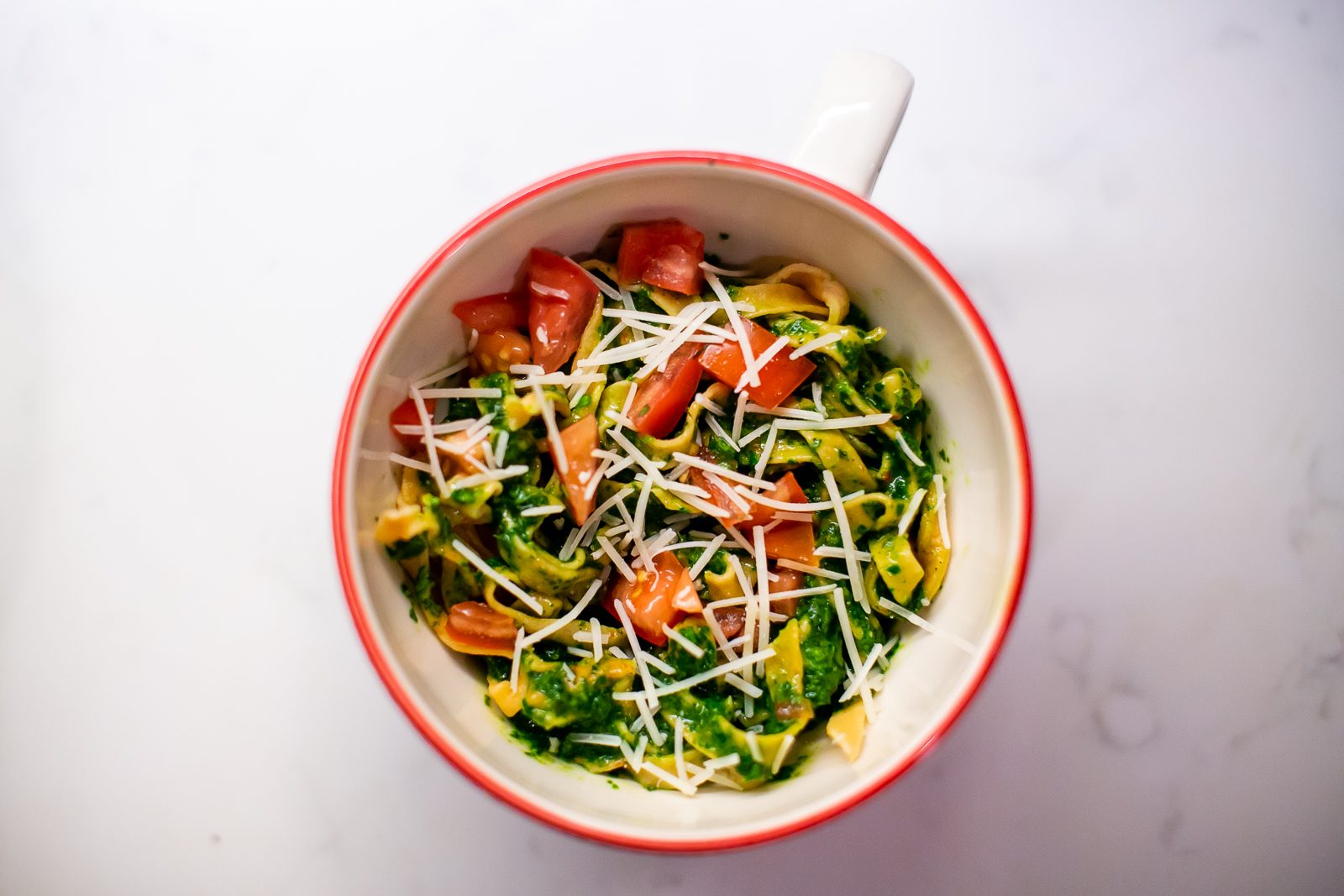
This is an example of a statement that is positive and one that is negative. Understanding specifics of a recipe is important, especially if it’s flexible. Use a large pot so you won’t need to break the spaghetti. In this way, the noodles can soften and be immersed under the water. Choose tomatoes you actually like, because they’re doing most of the talking here. Add plenty of salt. Unlike traditional pasta which is boiled in salted water, one-pot pasta gets seasoned while it is cooking.
- Olive oil (2 tablespoons): The base for sautéing and for that faint fruity roundness. Extra-virgin is nice, but use what you’ve got.
- Onion (1 small, finely chopped): Adds sweetness and body. If you hate onion texture, grate it on a box grater and it will melt away.
- Garlic (4 to 6 cloves, minced): This is not the moment for timid garlic. I like it assertive, not harsh.
- Tomato paste (2 tablespoons): Concentration and depth. It turns a quick sauce into something that tastes simmered.
- Crushed tomatoes (1 can, 28 ounces): The main sauce. A good can makes a noticeable difference.
- Water or broth (3 1/2 to 4 cups): Water is clean and lets tomatoes shine; broth adds savory backing. You can mix.
- Spaghetti (12 ounces): Standard dried spaghetti works best. Thin spaghetti cooks faster; thick takes longer and needs more stirring.
- Salt (1 1/2 teaspoons, plus more to taste): Start here, then adjust at the end after cheese.
- Black pepper (1/2 teaspoon): Freshly ground if possible.
- Dried oregano (1 teaspoon): Optional but comforting. A little goes a long way.
- Red pepper flakes (1/4 to 1/2 teaspoon): Optional, but I almost always add them.
- Butter (1 to 2 tablespoons): Off-heat, for sheen and that “why is this so good?” richness.
- Parmesan (1/2 to 3/4 cup, finely grated, plus more to serve): Use a fine grate so it melts instead of clumping.
- Fresh basil or parsley (a handful): For lift and a little green swagger at the end.
Master Ratio (Easy To Scale)
- Per 8 ounces (225 g) dried spaghetti: 1 tablespoon olive oil, 1 tablespoon tomato paste, 18 to 20 ounces crushed tomatoes, 2 1/4 to 2 1/2 cups water/broth, 1 teaspoon salt, garlic to taste.
Example: cooking for two? You use 8 ounces of spaghetti, 1 tablespoon oil, 1 tablespoon paste, about 1 (14-15 oz) can of crushed tomatoes, a little extra, and 2.5 cups of water. You can just use a smaller pot and shorter simmer. Cooking for a crowd? Scale up, but make sure your pot is wide. Narrow stock pots make stirring a wrestling match.
Ingredient Choices That Change Flavor
In this part, you are allowed to change everything pertaining to the pot without needing to shift to a new recipe. For a base, you may use tomato, garlic and onion; all others are flexible.
| Choice | What to use | Flavor effect | Notes |
|---|---|---|---|
| Liquid | Water | Bright, tomato-forward | My default; adjust salt more carefully. |
| Liquid | Chicken or veggie broth | Deeper, more savory | Great if your tomatoes are a little sharp. |
| Tomatoes | Crushed tomatoes | Classic spaghetti-sauce texture | Most reliable for one-pot consistency. |
| Tomatoes | Passata | Smoother, silkier sauce | May need a touch less liquid. |
| Heat | Red pepper flakes | Gentle warmth | Add early so it blooms in the oil. |
| Finish | Butter + Parmesan | Glossy, round, comforting | Off-heat so cheese doesn’t seize. |
| Finish | Olive oil + basil | Fresh, lighter | Great for hot weather, less “cozy.” |
Optional Add-Ins (Protein and Veg)
- Italian sausage (8 ounces): Brown it first in the pot, then proceed. You may need a splash more water.
- Ground beef or turkey (8 to 12 ounces): Same idea; season it well as it cooks.
- Mushrooms (8 ounces, sliced): Sauté until their moisture cooks off. They add a meaty depth.
- Spinach (2 big handfuls): Stir in at the end to wilt.
- Olives or capers (a small handful): Salty-briny punctuation. Reduce added salt slightly.
Instructions
**1) Sauté aromatics**. Place a large Dutch oven or deep sauté pan on the stove and set the heat to medium. Now, add the chopped onion along with a pinch of salt. Stirring occasionally, cook until the onion is soft and translucent, about 3 to 5 minutes. Add the garlic and cook for 30 more seconds to 1 minute, or until its smell becomes noticeable. If garlic goes brown, it can taste bitter and spoil your enjoyment. Ask me how I know.)
2) Toast the tomato paste. Add the tomato paste to the mixture along with the oregano and, if you like, red pepper flakes. Stir and cook for about a minute until the paste darkens and the odor becomes sweet and strong. This little action is what makes the difference between a “quick tomato” and an “oh, hello.”
**3) Prepare the cooking liquid.** Add the crushed tomatoes, then add 3 and 1/2 cups of water or broth. Stir in salt and black pepper to taste. Bring to a simmer. If the pot seems to be drying before the pasta is done cooking, keep a kettle or measuring cup of hot water on hand.
4) Place the spaghetti into the water. If your pot is small, you may have to snap the spaghetti in half or thirds. For wide pans, you can leave it long if you want to twirl. After 30 seconds, stir it. If you stir too early, one lump might stick together until it’s too late.
**5) Simmer, stir, and babysit a little.** Adjust the heat to keep it at a steady simmer. In the first few minutes of cooking, stir frequently to distribute heat evenly. Then continue to cook for 10-12 minutes, stirring every 1-2 minutes. The sauce will combine with the fully softened spaghetti. If the sauce thickens too quickly or the pasta looks dry, add hot water in increments of 1/4 cup. The goal is to have enough sauce to coat the noodles and for the noodles to be just under al dente.
**6) Finish off heat for silk.** Once the spaghetti is the right texture and there’s still sauce in the pot, turn off the burner. Stir vigorously to develop an even coat that is silky and shiny. Add any desired salt and pepper. If the sauce becomes too thick, add a splash of the hot water and stir to combine. This may feel a bit wrong, but it is just the starch from the pasta doing its work with the liquid.
7) Rest, then serve. After cooking, let the pot rest for 2 minutes. This allows the sauce to adhere to the noodles better. Add some Parmesan cheese and herbs. Feel free to serve from the pot. You earned that honor. Or, you know, you’re just trying to avoid washing another dish.
Variations Worth Trying
- One-pot spaghetti and meat sauce: Brown 8 to 12 ounces ground beef or Italian sausage first, then remove excess fat and proceed.
- Spaghetti alla vodka-ish: Add 2 tablespoons vodka after the paste, simmer 30 seconds, then proceed; finish with a splash of cream instead of butter (or do both, no one’s watching).
- Arrabbiata style: Double the red pepper flakes, add extra garlic, finish with parsley and no butter.
- Veg-heavy pantry pot: Add sliced mushrooms with the onion, then stir in spinach at the end.
- Lemon-basil brightener: Finish with lemon zest and basil, plus a drizzle of olive oil instead of butter.
- Cheesy baked-top illusion: After finishing, sprinkle mozzarella on top, cover 2 minutes to melt, then crack the lid and serve.
On the Table Together
- Salad: Crisp romaine with a sharp vinaigrette (you want acid to cut the richness).
- Vegetable side: Garlicky broccolini or roasted green beans with lemon.
- Bread: A hunk of crusty bread for swiping the pot edges, or buttery garlic toast if you’re leaning into comfort.
- Protein add-on: Simple roasted chicken thighs, or a tin of good sardines for a briny, grown-up twist.
- Wine: Sangiovese or Barbera; if you don’t do wine, sparkling water with lemon feels oddly fancy.
- Finishing extras: Chili oil, toasted breadcrumbs, shaved Parmesan, or a drizzle of peppery olive oil.
Rescue Notes
- Pasta is sticking: Stir more often in the first 3 minutes. Also make sure you’re simmering, not scorching; lower the heat.
- Too thick before pasta is done: Add hot water 1/4 cup at a time. Cold water drops the simmer and slows cooking.
- Too watery at the end: Keep simmering 1 to 3 minutes, stirring, until reduced. Or turn off heat and let it sit; it thickens quickly.
- Sauce tastes flat: Add more salt first, then a pinch of red pepper flakes, then a teaspoon of vinegar or a squeeze of lemon. Finish with more Parmesan.
- Tomatoes taste too sharp: Butter helps. So does a small pinch of sugar (start with 1/4 teaspoon) if your can is aggressively acidic.
- Cheese clumped or got grainy: Heat was too high. Always add Parmesan off-heat and use a fine grate.
- Spaghetti broke into short bits: No tragedy, just vibes. Use a wider pot next time or break it deliberately so you feel in control.
- Don’t walk away: This is not the recipe where you fold laundry for 10 minutes. One distracted scroll and the bottom can scorch.

Nutrition and Storage Notes
The comfort bowl has slight variations in nutritional value depending on how much cheese, butter, and meat you add. The bowl has a lot of carbs, and also has a fair amount of onions and tomatoes, as well as a decent amount of protein due to the added cheese. You should try to use less cheese and more greens like kale or spinach at the end. Also, you can replace the butter with olive oil to make it lighter.
As the mixture cools, pour it into an airtight container. It will can be refrigerated for four days. To reheat the mixture, do it gently on the stovetop. If you’re going to do this, add a bit of water to loosen the sauce. Also, the pasta will probably absorb the water, so plan to let it soak overnight. If you’re going to use the microwave instead, make sure to stir it halfway and add one or two teaspoons of water so it does not dry out at the edges.
Free lesson · 3 min
Watch The Hot Pan Rule, free from the Technique Library
Real Runs of This Recipe
Test batch one: This was made on a Tuesday, and while I was doing it, the child next door was (in my mind, heroically) playing the trumpet right next door. I swapped out the broth for water and finished it with butter, parmesan, and basil. The sauce had some brightness and clarity which, along with the starch, made it coat like a sauce that had been simmered longer. It was the first time I felt that I had made dinner in a clever way instead of having to do battle with it.
A second run: Another night, I cooked half a pound of spicy Italian sausage, and then I made the spaghetti, using the same pot. Thanks to the sausage fat and tomato paste, the base had a deeper and almost smoky taste. Since I thought the sausage and Parmesan would be strong ingredients, I decided to hold off on adding salt until the end. I also added another half cup of water while the mixture was simmering. While everyone was going for seconds, I spotted the pot was almost empty, and I used some bread to take ‘samples’ of the few red streaks that remained.
The Before-You-Cook Rundown
- Choose a wide pot or deep sauté pan.
- Chop onion fine; mince garlic.
- Toast tomato paste for 1 minute (don’t skip).
- Use 3 1/2 to 4 cups hot liquid total, adding as needed.
- Stir often in the first few minutes to prevent sticking.
- Stop cooking when pasta is just al dente and sauce is still loose.
- Turn off heat; stir in butter and finely grated Parmesan.
- Rest 2 minutes, then serve with herbs and extra cheese.
Cook’s Vocabulary
- Al dente: Pasta cooked until tender but still slightly firm in the center.
- Bloom: Warming spices (like chili flakes) in fat to release flavor.
- Reduce: Simmering liquid to evaporate water and concentrate flavor and thickness.
- Emulsify: Forcing fat and water-based liquid to combine into a smooth, glossy sauce (stirring butter and cheese into starchy liquid helps).
- Fond: The browned bits on the bottom of the pot that add depth when scraped up.
- Passata: Smooth pureed tomatoes, usually strained, for a silkier sauce.
Asked and Answered
So I do not need to boil the pasta apart?
Not here. The starch will thicken the sauce and absorb the extra liquid as the pasta cooks. That’s the whole trick.
Can I use different pasta shapes? As long as the shape is sturdy and cooks evenly, then yes. This includes long shapes, like linguine and fettuccine, and short shapes, like penne. However, for short shapes, it may be necessary to stir more frequently to avoid sticking to the bottom.
What makes my one-pot spaghetti poorly seasoned? Most of the time, it is due to undersalting. Since you will not be salting a large pot of boiling water, you will have to salt the sauce instead. Especially after adding the Parmesan, you want to salt towards the end.
***Are gluten-free diets possible?*** Yes! You can even use gluten-free pasta. Just keep an eye on your gluten-free pasta. Different brands have different cooking times and some lose a lot of starch. In that case, try using less water and more careful stirring to prevent breakage.
To avoid burning the sauce, keep the heat on medium or medium-low, stir it often, and add liquid as needed. If the scent of burning tomatoes is concerning, you can lower the heat and add some water just to be safe.
**Can I double the recipe?** Yes, you can! Make sure you have a big enough pot, because if the pot is too small, the spaghetti won’t be able to move around freely, and overcrowding can cause it to stick together. If you’re worried about it, it’s best to make two batches instead.
Parting Notes
One pot spaghetti is an unusual weeknight cooking technique that doesn’t feel like you’re making a compromise once you learn the steps: simmer, stir, add a bit, finish off the heat. In the best way possible, it’s like having training wheels for dinner. Carrying the ONE pot to the sink will fill you with inexplicable pride, like you’ve pulled off some kind of caper.
