
A traditional pasta primavera recipe encapsulates the spirit of springtime beautifully. As the season changes, we celebrate with this dish bursting with color, flavor, and joy. As an enthusiastic home cook, this active Italian-American dish stands out for its celebration of seasonal produce and remarkable transformation of simple ingredients.
Its beauty lies in celebrating fresh vegetables at their peak. My version of pasta primavera is more than a recipe; it is an experience that transports you to a garden. Each bite captures the essence of spring, renewal and freshness.
What’s special about this dish is its versatility. Pasta primavera is perfect for family dinners or spring gatherings. You can utilize your creative abilities with all of the colorful, fresh, in-season vegetables available at the market.
In the following chapters, I will provide detailed information on creating the perfect pasta primavera, suggesting the best possible ingredients and techniques that will help you refine your skills further. Get ready to change your kitchen into a spring flavor paradise!
Contents
- What Makes Pasta Primavera a Perfect Spring Dish
- Essential Ingredients for the Perfect Pasta Primavera
- My Fool-Proof Step-by-Step Cooking Method
- Customizing Your Pasta Primavera Experience
- Tips for Achieving Restaurant-Quality Results
- Storing and Reheating Leftover Pasta Primavera
- Pairing Suggestions for a Complete Meal
What Makes Pasta Primavera a Perfect Spring Dish
With the arrival of spring, chefs have the opportunity to incorporate the new season’s essence into their dishes. No dish embodies the essence of the season like pasta primavera. From my perspective as an engaged home cook, this fresh pasta recipe captures the spirit of cooking with the seasons. The brilliance lies in transforming fresh, seasonal ingredients into something extraordinary.
The Origins of This Vibrant Recipe
The first creations of pasta primavera originated in the American cuisine scene in New York City during the 1970s. At this time, chefs were trying to create a dish that would be visually appealing, light, and showcase seasonal fresh ingredients. What started as an improvisation became a culinary sensation that motivated both amateur cooks and professional chefs.
Why Fresh Vegetables Matter
Vegetables are the foundation of pasta primavera. Selecting seasonal produce brings a unique quality to the meal that cannot be attained with produce that is picked out of season. Spring vegetables bring a fresh crunch and vivid hue that transforms an ordinary pasta dish into an extraordinary culinary experience.
Seasonal Ingredient Selection Guide
- Look for bright, firm asparagus with tight tips
- Choose baby carrots with fresh, green tops
- Select sugar snap peas that are plump and glossy
- Pick zucchini that are small and firm
- Seek out fresh herbs like basil and parsley
Exceptional pasta primavera relies on knowing how to use seasonal ingredients. Selecting the finest vegetables will enable you to prepare a dish that captures the spirit of spring, full of freshness and flavor.
Essential Ingredients for the Perfect Pasta Primavera
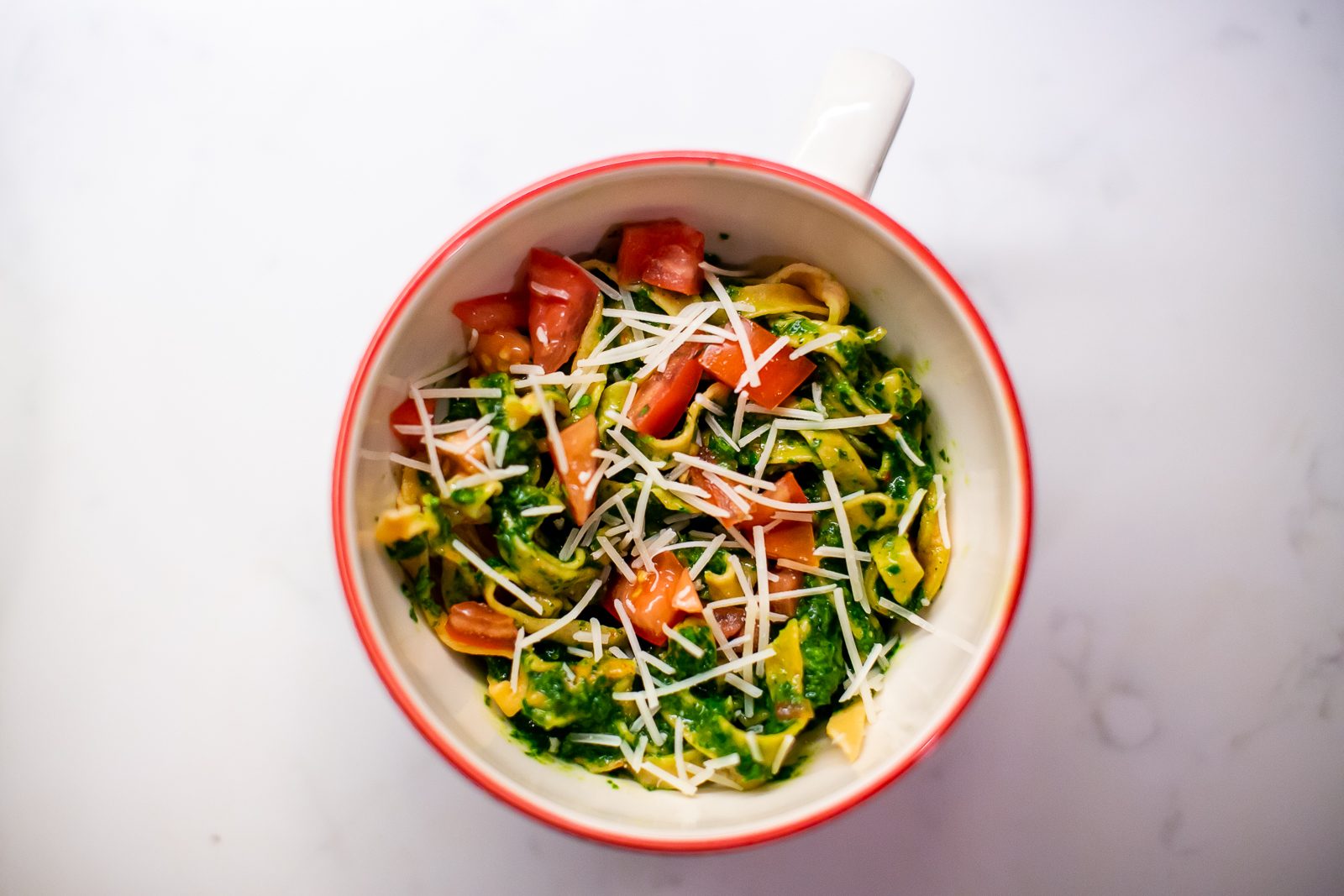
Selecting quality ingredients for pasta primavera is the foundation of a great vegetable pasta dish. I will walk you through some fundamentals that can transform a simple meal into a work of art.
I recommend using pasta shapes like penne or farfalle as the base. The different textures are ideal for cradling veggies and catching the garlic herb sauce.
- Pasta Options:
- Penne
- Farfalle
- Rotini
Selecting the proper vegetables is crucial for an authentic pasta primavera. I enjoy a mixture that has added value in terms of flavor and health advantages to the food.
- Fresh Vegetables:
- Zucchini
- Bell peppers (red, yellow, green)
- Cherry tomatoes
- Asparagus
- Broccoli florets
There are a few key elements that change the entire dish in my signature garlic herb sauce. Using fresh herbs creates a flavor profile that is restaurant quality.
- Garlic Herb Sauce Ingredients:
- Extra virgin olive oil
- Fresh garlic (minced)
- Chopped basil
- Fresh parsley
- Grated Parmesan cheese
- Red pepper flakes (optional)
When preparing your pasta primavera, be sure to incorporate fresh and seasonal vegetables, as they will improve flavor and nutritional value.
My Fool-Proof Step-by-Step Cooking Method
Cooking the ideal pasta primavera demands careful consideration and detail. With my detailed cooking instructions, you will learn how to transform simple ingredients into a fine dining experience featuring freshly prepared vegetables and pasta cooked to perfection.
Prepping Your Ingredients with Precision
When making pasta primavera, preparation of the ingredients is key. Before starting, I recommend collecting all of your ingredients. This assures a smooth cooking process and helps to avoid overcooking.
- Wash and chop vegetables uniformly
- Select fresh, seasonal produce
- Have all cooking tools ready
Mastering Pasta Cooking Techniques
Achieving the perfect al dente pasta takes practice. To ensure that the texture of my pasta dishes comes out perfect every single time, I always use a big pot of salted water and follow these important steps.
- Fill pot with 4-6 quarts of water
- Add 1-2 tablespoons of kosher salt
- Bring water to a rolling boil
- Add pasta and stir immediately
- Cook 1-2 minutes less than package instructions
Crafting the Signature Sauce
The sauce gives your pasta primavera a phenomenal difference. I utilize a light and flavorful combination that enhances the vegetables, rather than overwhelms them.
| Ingredient | Quantity | Purpose |
|---|---|---|
| Olive Oil | 1/4 cup | Base for sauce |
| Garlic | 3 cloves | Aromatic flavor |
| Fresh Herbs | 2 tablespoons | Brightness and depth |
Using these cooking instructions, you will prepare a vibrant and delicious pasta primavera that tastes and looks like it was made by a professional.
Customizing Your Pasta Primavera Experience
There are countless ways to adapt pasta primavera, and that is one of the most exciting aspects of the dish. I relish showing home cooks how they can transform this classic vegetarian pasta dish into a one-of-a-kind culinary masterpiece. There are various combinations that work with the dish. To further personalize the dish to your liking, consider adding protein or experimenting with various combinations of vegetables.
For those wanting to increase their protein intake, I recommend the following delicious options:
- Grilled chicken breast, sliced thin
- Sautéed shrimp for a seafood twist
- Crispy tofu cubes for a vegetarian protein boost
- Roasted chickpeas for extra texture
The options for variations on pasta primavera are countless. Incorporating seasonal vegetables can completely change a dish’s profile. During summer, my preference includes yellow squash, zucchini, and cherry tomatoes. Asparagus and fresh peas are both nutritious and aesthetically pleasing. The two create a bright and vivid palette of greens in spring.
This should not concern readers with dietary restrictions. Adapting this recipe is easy. The gluten-free pasta can also be made vegan with the addition of plant-based cheese substitutes or nutritional yeast for a rich and cheesy taste.
The key to a fabulous pasta primavera is experimenting to discover your ideal combination. My advice? Start with the basic recipe, then begin exploring new ingredients that may be more stimulating to your palate.
Tips for Achieving Restaurant-Quality Results
An impressive Pasta Primavera cannot be made just by following a recipe. I have experience as a home cook and have learned some techniques from professional chefs that can elevate your dish to the next level. I want to share some secrets for cooking pasta that will help elevate your skills.
Food presentation is a major component in impressing your guests. Noted chefs know that the taste of a dish is just as important as its appearance. I will teach you some advanced techniques that will make your Pasta Primavera look like it was prepared in a five-star restaurant.
Common Mistakes to Avoid
- Never overcook your pasta – it should be al dente
- Avoid using cold vegetables in your sauce
- Don’t rinse pasta after cooking
- Skip using pre-cut, frozen vegetables when possible
Professional Chef Secrets
- Reserve some pasta water to help create a silky sauce
- Finish cooking pasta directly in the sauce for maximum flavor absorption
- Use high-quality extra virgin olive oil
- Season each component of the dish separately
Plating Techniques
| Technique | Description |
|---|---|
| Height Variation | Use tongs to create height and dimension on the plate |
| Garnish Placement | Strategically place fresh herbs for color and freshness |
| Sauce Drizzling | Create elegant sauce patterns around the pasta |
These professional chef techniques will elevate your Pasta Primavera to the level of high-end restaurants. Remember that cooking is an art, and the way you present it is your canvas.
Storing and Reheating Leftover Pasta Primavera
Pasta primavera, non, deve essere l’origine della delusione. Try these effective leftover pasta storage methods to maximize the freshness and quality of your dish over the next several days. I will share my best meal prep tips so you can maximize the flavor and quality of the leftover pasta.
How to properly refrigerate pasta primavera is highly significant. To optimally store your leftover pasta, please adhere to the following recommendations:
- Cool the pasta completely before storing
- Use airtight containers to prevent moisture loss
- Store in the refrigerator within two hours of cooking
- Consume within 3-4 days for best quality
Great care is needed to reheat pasta primavera to ensure its texture remains unchanged. I like to reheat my pasta primavera using a skillet, adding some water or olive oil. This helps revitalize the vegetables and prevents the pasta from drying and getting tough.
Creative leftover meal prep can transform unused food into fresh, unique, and enticing dishes. Attempt these quick changes:
- Cold pasta salad with fresh herbs
- Frittata with leftover pasta and vegetables
- Soup base with additional broth and fresh ingredients
- Stuffed bell peppers with pasta filling
Store pasta and vegetables separately to prevent sogginess. For optimal taste and texture, mix them again when reheating.
Pairing Suggestions for a Complete Meal
I aim to create a wholesome and delightful experience with my Pasta Primavera. The ideal combination of wine and pasta can elevate your dining experience from good to extraordinary. The light and vegetable ingredients in this dish pair beautifully with a crisp Pinot Grigio. The wine’s acidity contrasts with the creamy sauce and enhances the flavors of the fresh ingredients.
Adding Italian sides will enhance your Pasta Primavera to a fully immersive dining experience. I like to serve a simple arugula salad with a lemon vinaigrette, and I also like to serve garlic toast as a side dish. These additions bring balance to meal ideas and satisfy both hunger and the palate. A small antipasto plate with marinated olives and fresh mozzarella can also provide delightful contrast.
For a non-alcoholic option, you can choose sparkling water with a hint of lemon or a homemade iced tea with fresh herbs. The trick is to select companions that enhance but do not overshadow the delicate flavors of Pasta Primavera. I suggest that you keep the sides light, fresh and complementary to the main dish.
Remember that an excellent dining experience is achieved through ensuring balance on the plate. Whether your choice of libation is wine or a seasonal spring-sip, the goal is to curate a dining experience that pays homage to the lively, seasonal spirit of Pasta Primavera.
