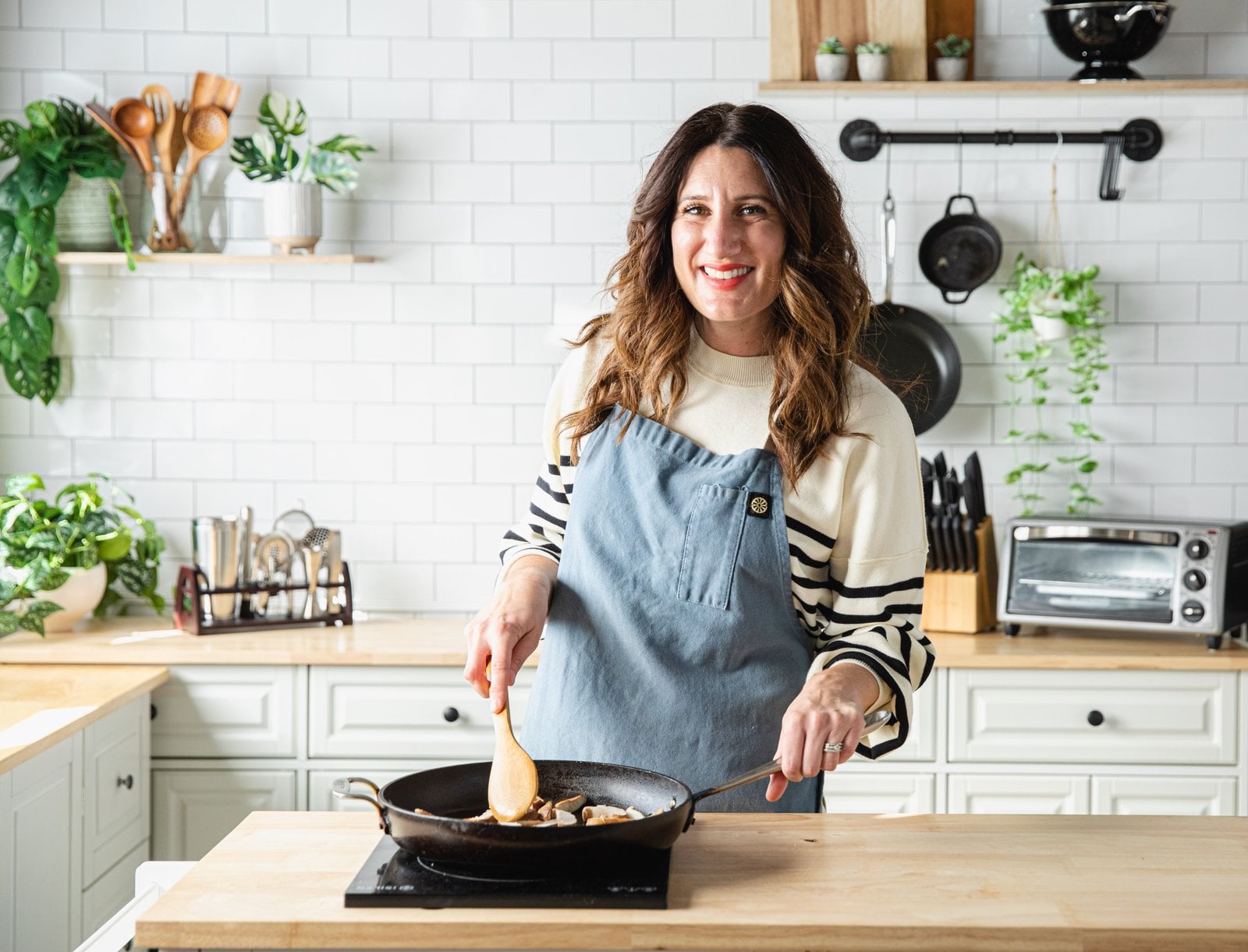
When I want to eat better without making it a whole production, there’s a rotation I rely on. It’s mostly Mediterranean. It’s all “what’s in the pantry” cascading not “what do I need to drive to four shops for” (e.g. olive oil, veggies, beans, fish, maybe a chicken thigh). None of these are showcase dinners. They are the reason a Tuesday feels manageable.
This post has Amazon affiliate links. If you buy through them, HomeViable earns a small commission at no extra cost to you.
These are some rules I’ve learned from my experience: let them choose by energy level, not by hunger (tired = sheet pan; curious = big stew; showing off = mussels). The vegetable haul is more important than the protein. You can substitute proteins, but you can’t substitute a tired cucumber. Olive oil is the tool, not just the fat.
If you are rationing it, the entire rotation becomes duller. I rotate through 29 different dinners. Each one has a quick reason it earns the plate, a doneness cue with a real time so you don’t have to guess, and a swap if you don’t have the headline ingredient.

1) Tuna Pasta
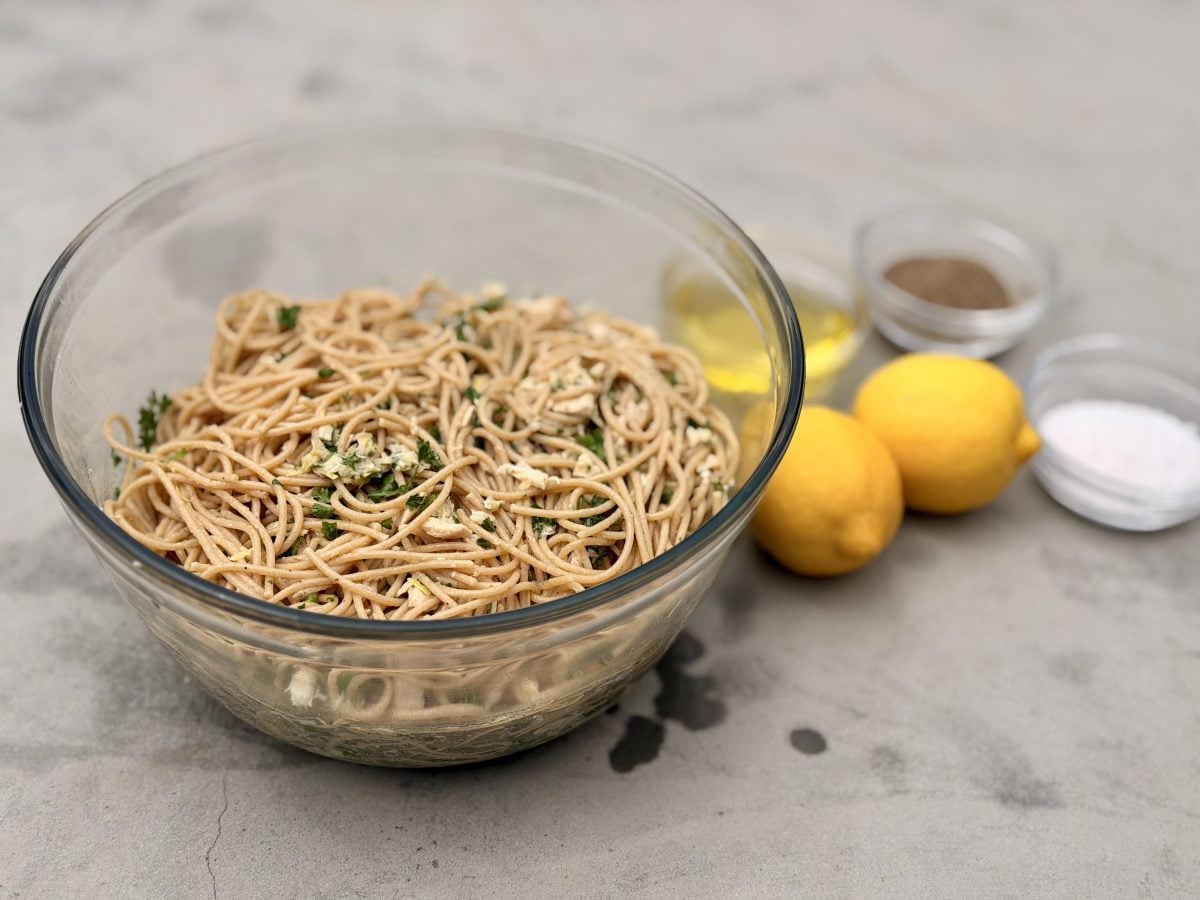
Why Tuna Pasta pulls its weight: 12 minutes, 2 cans, 1 pan. A dinner that you prepare to avoid the temptation of ordering takeout.
Boil whole-wheat pasta in water with salt until al dente.
Drain pasta with 90 seconds less than the instructions say because the remaining heat will finish the cooking process.
Be sure to keep one cup of pasta water before draining it. After, in the now empty saucepan, add oil packed tuna, lemon zest and juice, a lot of parsley, crushed garlic, red chili flakes, and a splash of olive oil. Mix with the pasta and add the reserved water until every strand is coated in sauce.
Swap: Use White beans for a vegetarian option (be sure to drain and rinse first). For more flavor a smaller portion of Anchor tuna would be best.
2) Caprese Chicken
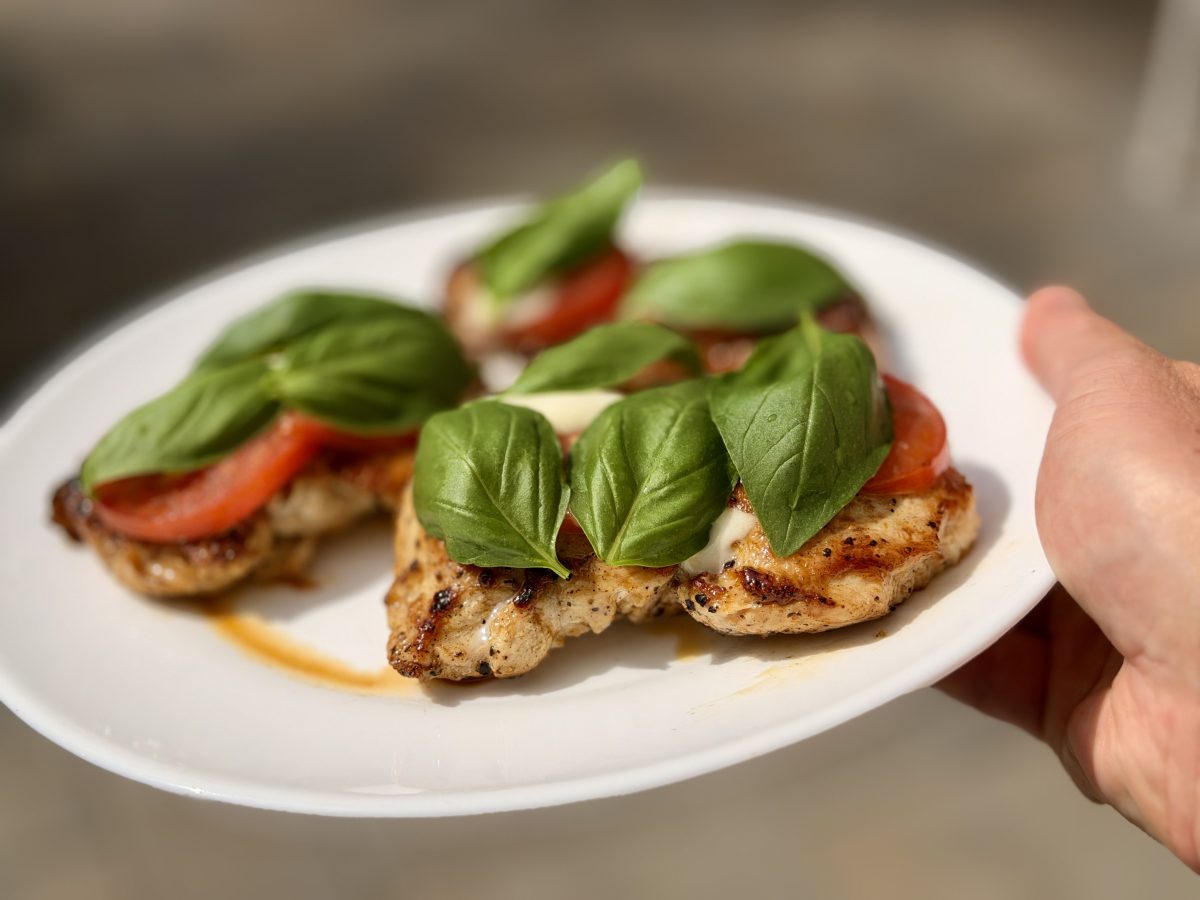
What stands out tonight: The weeknight preparation of caprese chicken couldn’t be simpler. Do not make this dish in February. The summer tomato elevates the entire dish.
Sear chicken cutlets ( ½ inch thick) in olive oil for 3 minutes until golden brown on both sides. Then, on each cutlet place sliced ripe tomatoes, fresh mozzarella and some torn basil. Cover the pan for 90 seconds just long enough for the cheese to soften and slump without completely melting. Finish with a drizzle of balsamic glaze.
Swap: Use eggplant rounds instead of chicken ( first roast for 20 minutes at 425 and then top and broil for 2 minutes).
3) Sardine Toasts
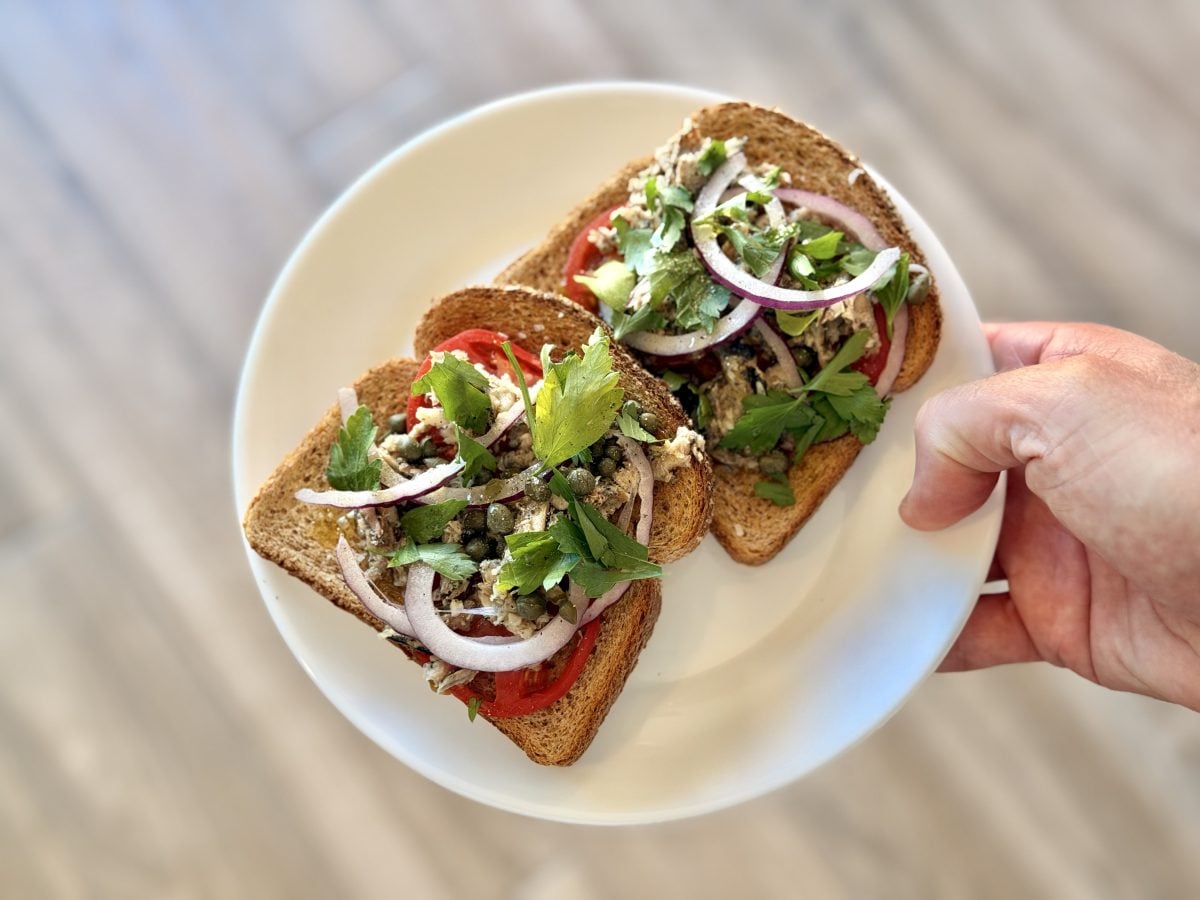
Where do Sardine Toasts receive the distinct honor of being placed? It’s dinnertime from a can in 8 minutes. An entire meal may sound simple, but it can arrive quite plentiful.
Take some country bread, and toast the slices until firm and a little bit charred on the edges. While warm rub a half a garlic clove on each slice (the toast acts as the grater), and drizzle some good olive oil on it. On top, add slices of ripe (and salted) tomatoes, some tin sardine flakes (and oily packed ones, of course), thin slices of red onions, capers, and some torn pieces of parsley.
You can substitute those with mackerel, smoked trout, or even sardines. Even though it seems very not-Mediterranean, I won’t say it’s exceptional and very not-Mediterranean.
Nathaniel’s Pantry Notes: Oil-Packed Fish (Anchovies, Sardines, Tuna)
Those who have purchased tinned fish and found it unappetizing are usually judging it based on the wrong tin. The inexpensive items are truly horrible. But the good stuff has one of the best dollars-to-flavor ratios in your pantry, and it’s the base for three of the dinners on this list.
Three rules:
• Buy oil-packed, not water-packed. Water-packed fish is for people who want to feel virtuous about a tuna sandwich. Oil-packed has the texture and the flavor; the oil itself is part of the recipe.
• Buy in glass when you can. Glass jars don’t impart that metallic edge that cheap cans sometimes do. Trader Joe’s smoked sardines in glass are $3 and excellent. Wild Planet tuna in glass is the upgrade pick for the pasta on this list.
• Anchovies are seasoning, not a topping. The recipe says “two anchovies” but unless you’re making the sardine toast, you’re using them as a building block. They melt into the oil while the garlic toasts. By the time the dish is finished, you don’t taste fish. You taste depth. Anyone who says they don’t like anchovies has only had them as a topping.
Canned fish brands I keep in the cupboard are Ortiz oil packed tuna (splurge), Wild Planet (every day), Cole’s anchovies (workhorse), and King Oscar sardines.
4) Turkey Meatballs
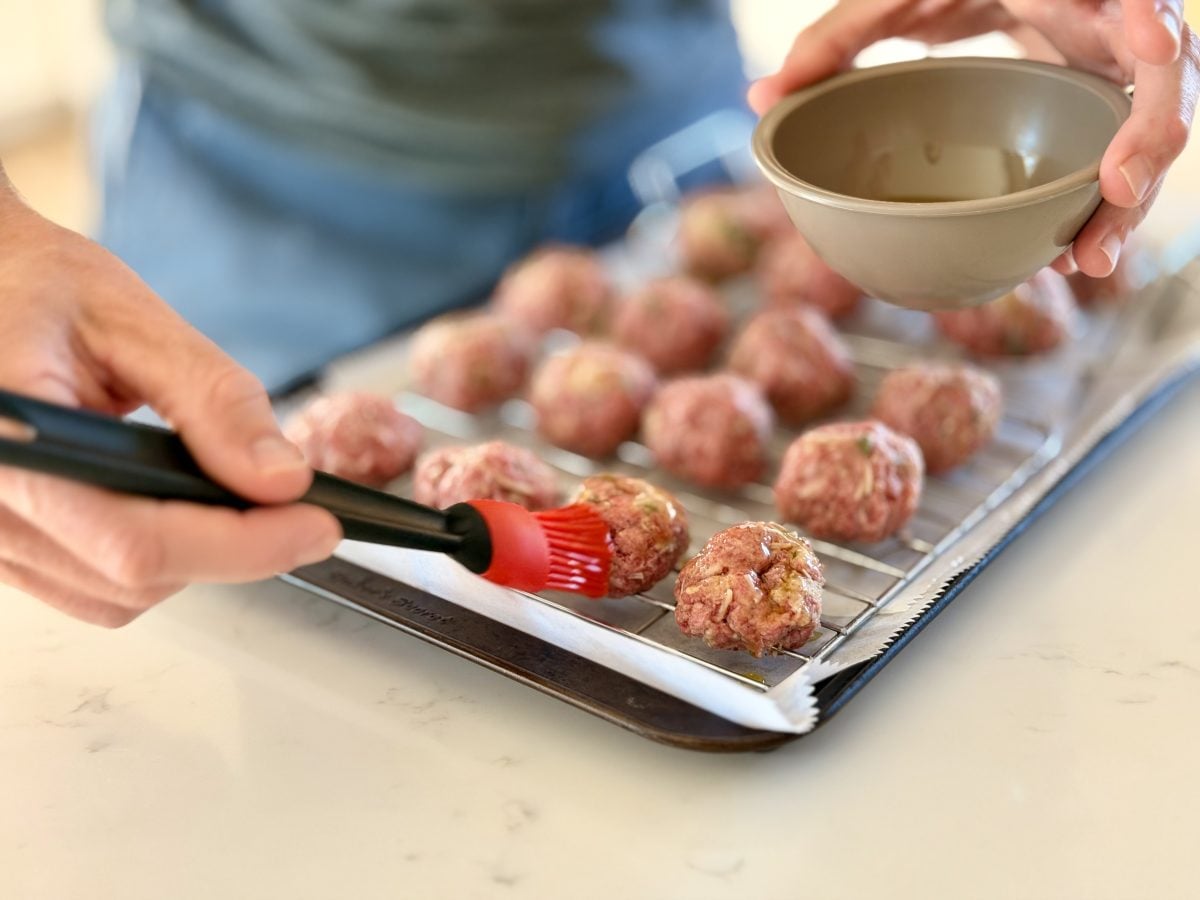
What works with Turkey Meatballs: It’s lighter than beef and it’s not as though you’re punishing anyone. Zucchini keeps them moist.
Mix ground turkey with grated zucchini (that has been squeezed relatively dry), as well as onion, garlic, breadcrumbs, an egg, and some herbs. Form the mixture into balls of about 1.5 inches. Sear all sides in some olive oil over medium-high heat for about
Ground chicken works as well. If you want a more robust mixture, use beef and pork, and omit the zucchini because the fat will keep them tender on their own.
5) Greek Salad
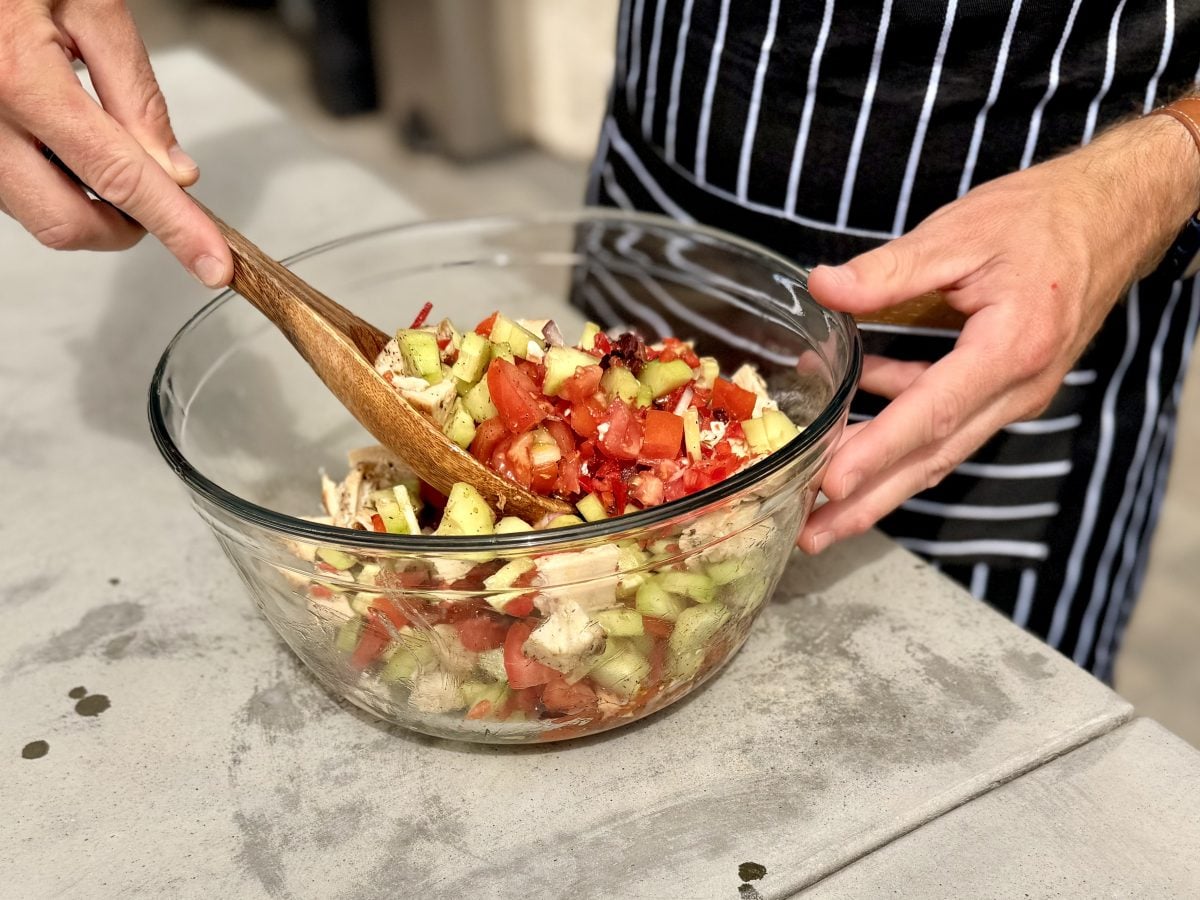
What Greek Salad gets you: The salad you make when it’s so hot that you can’t think. After five minutes of grilling and then ten minutes of chopping, you’re done.
Grill chicken breasts (marinated in olive oil, lemon, oregano, and garlic) over medium-high heat for 5-6 minutes per side, until the thickest part reaches 160°F internal. Carryover takes it to 165. Rest for 5 minutes before slicing. This is non-negotiable.
If you don’t, the juices end up on the cutting board instead of remaining in the chicken. Mix cut tomatoes, cucumbers, red onions, Kalamata olives, and bell peppers with some olive oil, red wine vinegar, oregano, salt, and pepper. Top with sliced chicken and a generous pebble of feta.
If you don’t want to use the grill, you can substitute with grilled shrimp or grilled chickpeas.
6) Shakshuka
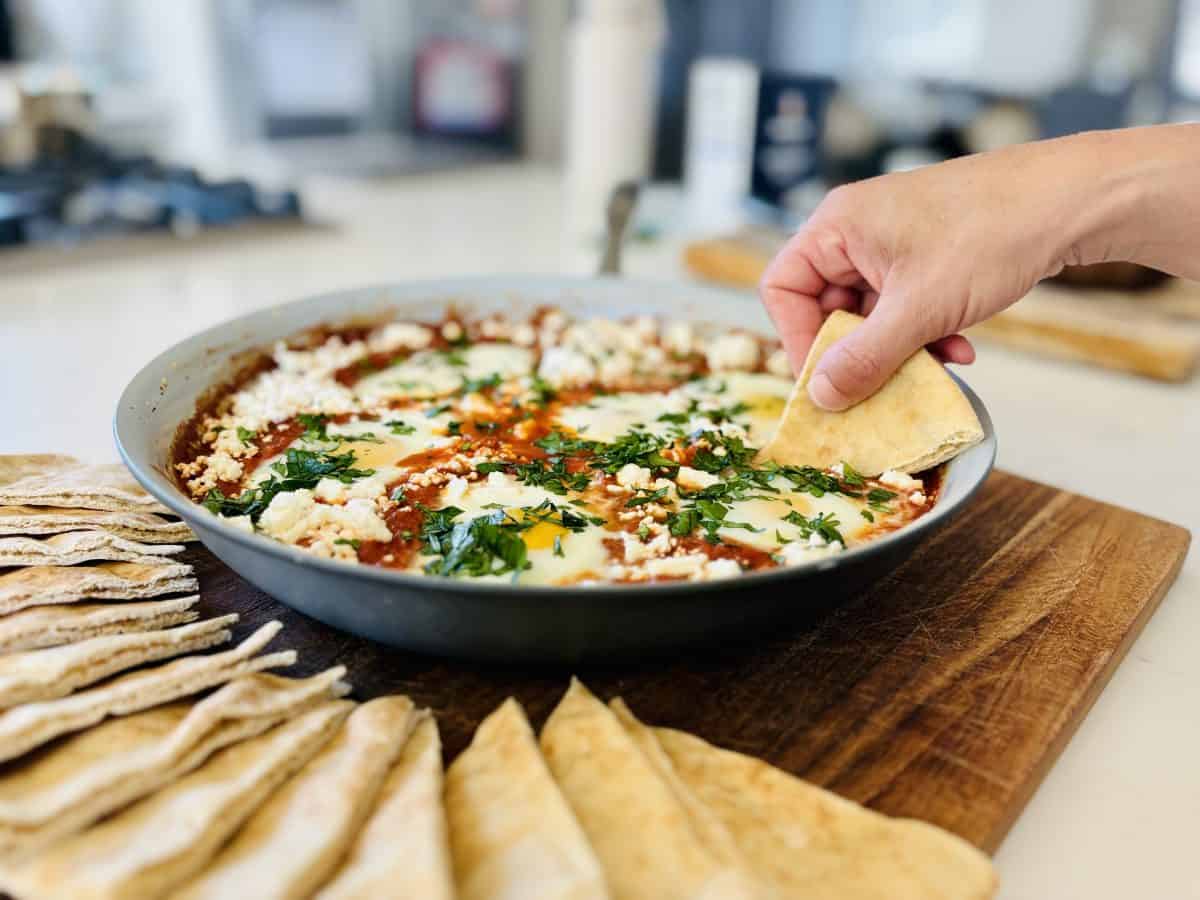
Why Shakshuka belongs here: Breakfast for dinner without having to say it. This is basically a fancier way of saying it’s a can of tomatoes and whatever is going to wilt in your fridge.
In an oven-safe skillet, heat some olive oil and sauté the onion and bell pepper for 6-7 minutes until they are soft and some of the edges are caramelized. Add the garlic, cumin, paprika, and a pinch of cayenne and let it bloom for 30 seconds. Add a can of crushed tomatoes (28 ounces) and let it cook for 8 minutes so that it can thicken.
Using a spoon, create 4-6 indentations and crack an egg into each. Cover and cook for 6-8 minutes. You can remove the pan when the whites are cooked and the yolks are still jiggly.
They can also be substituted with crumbled feta or labneh. Adding spinach before the eggs also adds a vegetable so that you don’t have to serve a side dish.
7) Roasted Chicken
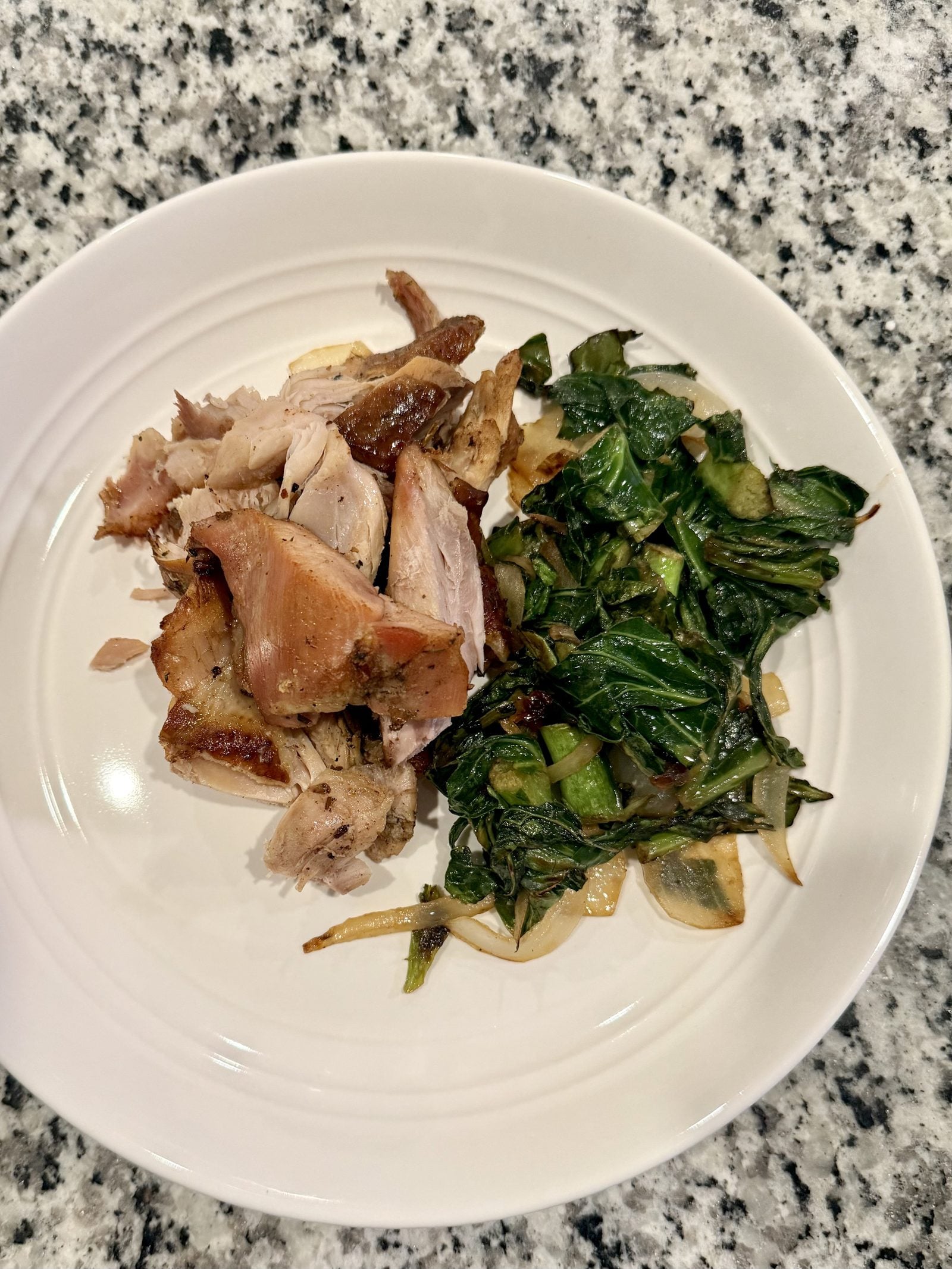
What makes this a good choice tonight: This is a showpiece dinner that requires only 10 minutes of prep and then 75 minutes of oven time.
Pat a 4-pound whole chicken dry, really dry. Prepare the chicken with a side of sliced fennel bulbs, orange slices, and red onion that have been drizzled with olive oil.
The thigh should reach 165F at the joint, and the chicken is done when juices run clear. Carve after 15 minutes of resting the chicken, and roast for 60 to 75 minutes at 425F. Many home chefs stop here, giving up too soon.
Instead of using a whole bird, you can use bone-in chicken parts (this will lower the cooking time to 40 minutes). If fennel and oranges are not available, lemon and rosemary can be used as substitutes.
8) Sheet Pan Chicken
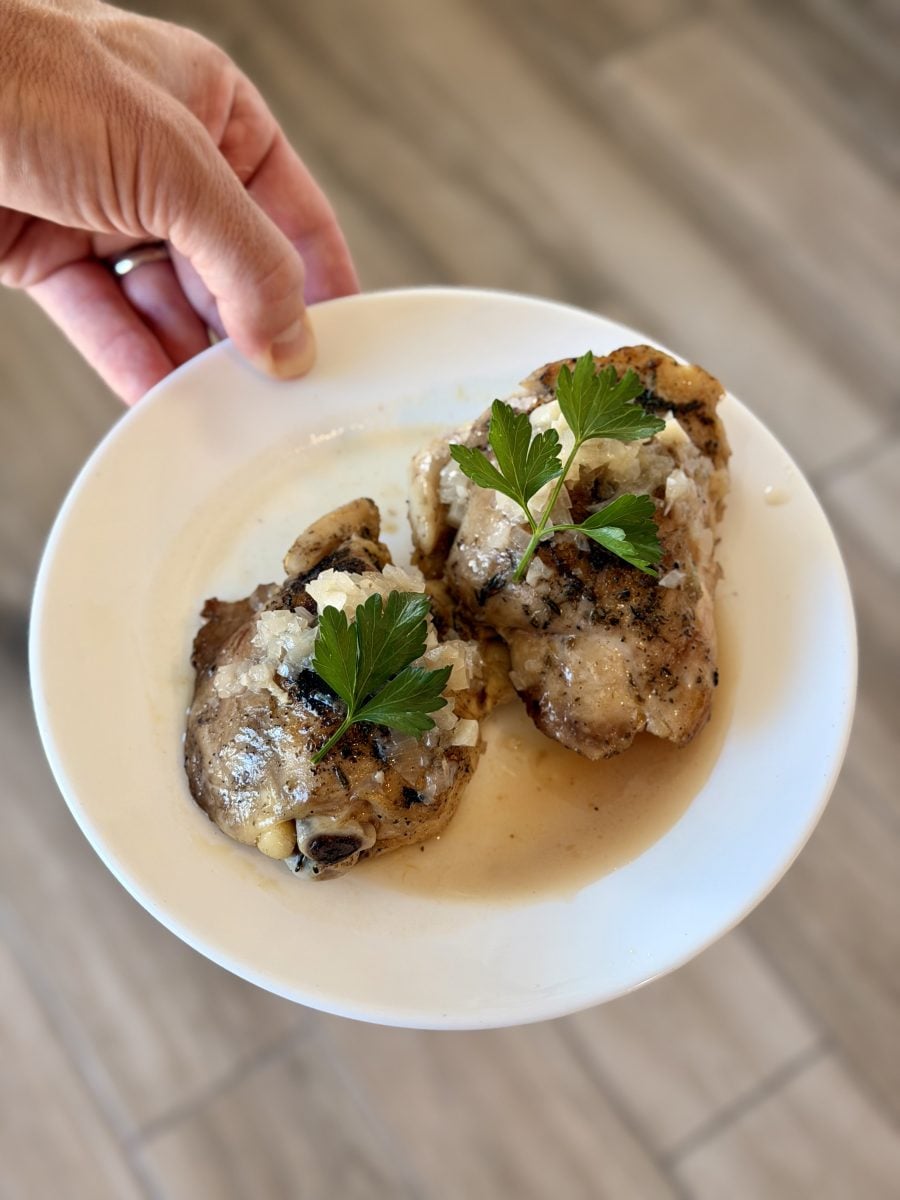
Why Sheet Pan Chicken makes the cut: One pan, no watching, and the chicken fat does most of the seasoning for the veggies. This is the dinner I make when I know I’m not going to be standing over the stove.
Toss bone-in, skin-on thighs and chopped zucchini, peppers, red onion, and cherry tomatoes with olive oil, lemon juice, oregano, garlic, salt, and pepper. Roast for 30-35 minutes at 425°F. You are waiting for the thigh skin to become a deep golden brown and for the cherry tomatoes to collapse and look a little shameful. Before serving, drizzle some fresh lemon juice over the entire pan so that the juice combines with the rendered fat.
Swap: Any vegetable that can withstand high heat. Fennel, broccoli, and halved baby potatoes (if you’re trying baby potatoes for the first time or don’t want it to take forever to cook, give the potatoes a 10-minute head start). If you don’t want it to go away quickly, avoid having it with leafy greens or spinach.
Nathaniel’s Pantry Notes: Olive Oil
Olive oil is present in 27 of these 29 dinners. It’s not “fat.” It’s just seasoning. The quickest way to make a Mediterranean rotation taste flat is to treat it like a commodity.
A few things to know:
• Two bottles, not one. A cooking oil which you don’t think twice about (this is what softens the onions and roasts the chicken thighs) and a finishing oil which you actually do think twice about (this is what gets drizzled on the bread, the salad, the shakshuka before it leaves the pan). Don’t cook with the good one. The heat will prevent you from tasting it. Avoid choosing the cheaper alternative. It tastes like nothing.
• Buy by harvest date, not brand. For cooking, use any extra virgin olive oil that has a harvest date on the back. The brand California Olive Ranch Everyday is what I have in my pantry. About $12 for a big bottle. For finishing, I rotate: whichever single-estate, recently harvested bottle I last picked up.
• Fresh beats fancy. The point isn’t the brand; it’s that the bottle is fresh. Olive oil oxidizes. A bottle that has spent a year sitting on a sunny shelf is a very different ingredient than one harvested four months ago.
• Test before you trust. Pour a small amount on bread and try it. If there’s a slight cough and a peppery taste at the back of your throat, it’s still alive. If it has a slightly odd, buttery flavor, it’s expired, and you should purchase a new bottle.
A little nutrition upside, too: olive oil is rich in monounsaturated fats that can help protect against heart disease, along with antioxidants and anti-inflammatory compounds.
9) Garlic Shrimp
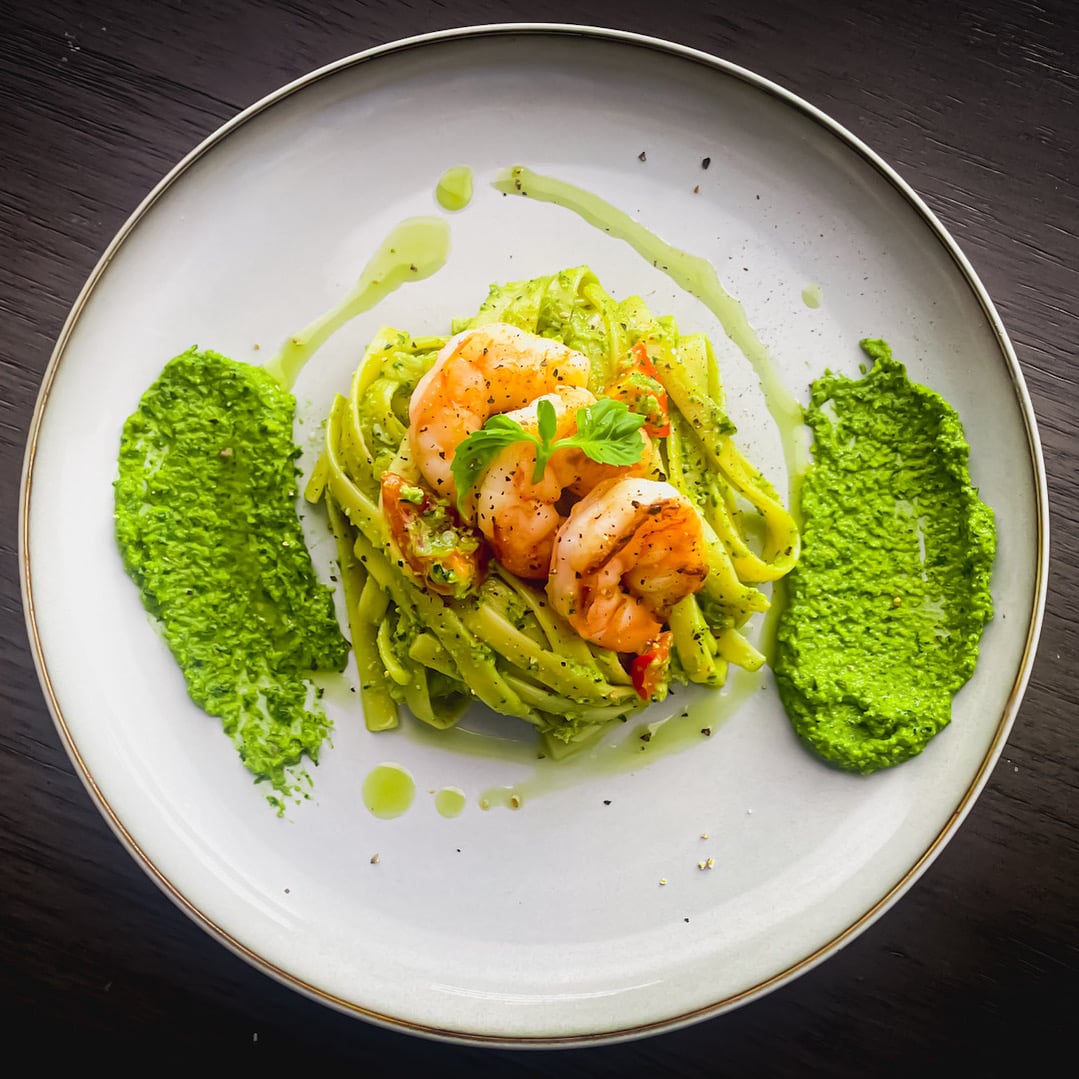
Why this one for tonight: It takes just twelve minutes from start to finish, and the shrimp leave behind flavors the canned beans. Frozen shrimp count.
For two minutes, warm olive oil with lots of sliced garlic. You want it fragrant, not burnt, so take the pan off the heat the instant you smell garlic, not the smell of regret. Add halved cherry tomatoes and cook for 4 to 5 minutes, or until they burst and become slumpy. Cook for a total of 5-6 minutes while flipping the shrimp once. Add the drained white beans and shrimp. Garnish with parsley and add a splash of lemon.
Swap: No shrimp? Firm white fish, such as cod or halibut, can be replaced with scallops or pieces of any assorted firm white fish. Add fish later than your instinct says. 4 minutes total for cutting 1-inch pieces.

10) Baked Salmon
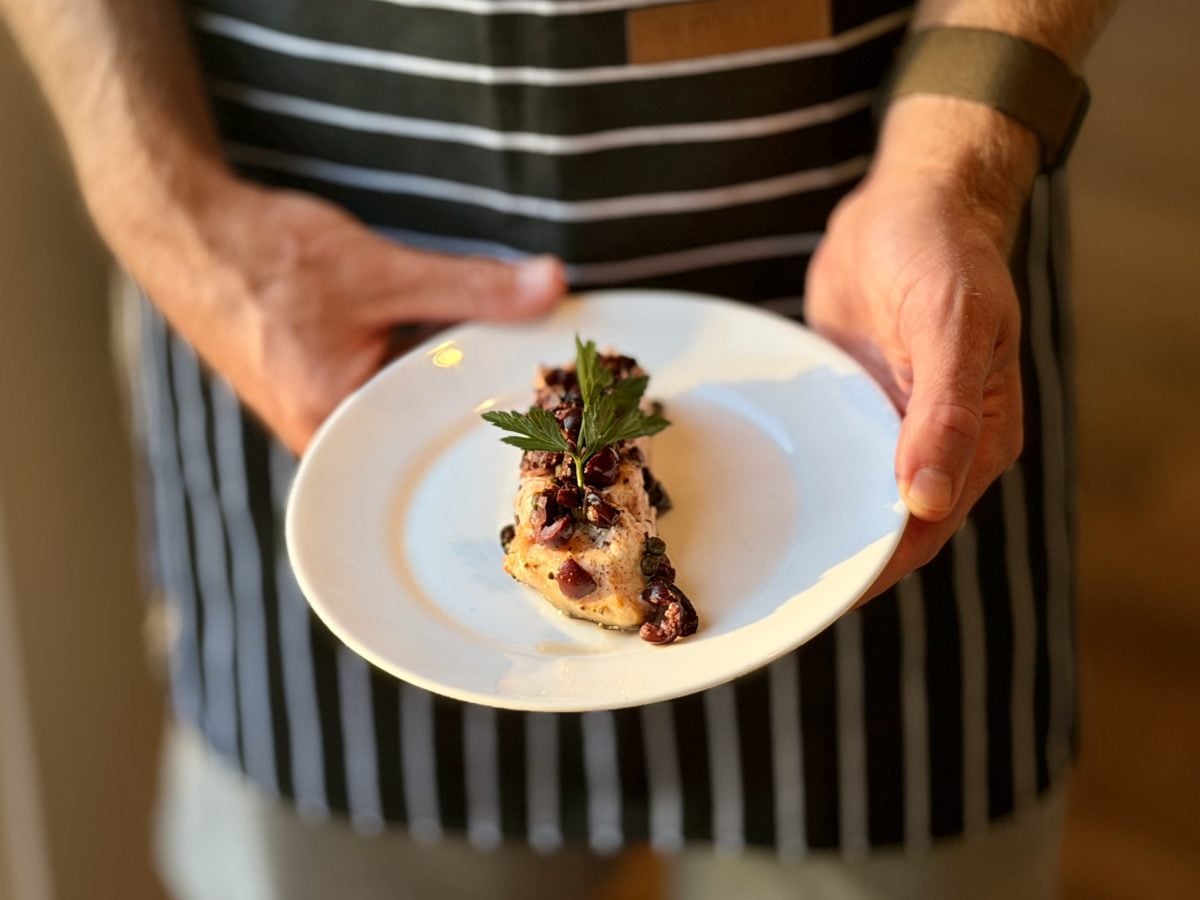
All the flavors come from the olives and the capers.
Place salmon fillets on ‘s assigned pan and cover with parchment paper. After doing this, place on ‘s assigned pan and also on ‘s assigned pan the mix of chopped Kalamata olives/capers, lemon zest, garlic, and olive oil. Bake for 12-15 min at 400 degrees. Remove from heat when salmon flakes with little pressure and the center is still rosy. It finishes with carryover heat while plating.
Trout and arctic char are interchangeable. Cod is also permitted, although it needs to be baked (in contrast to the rest of the fish) for 2 to 3 more minutes because it is leaner and takes longer to flake.
11) Chickpea Stew
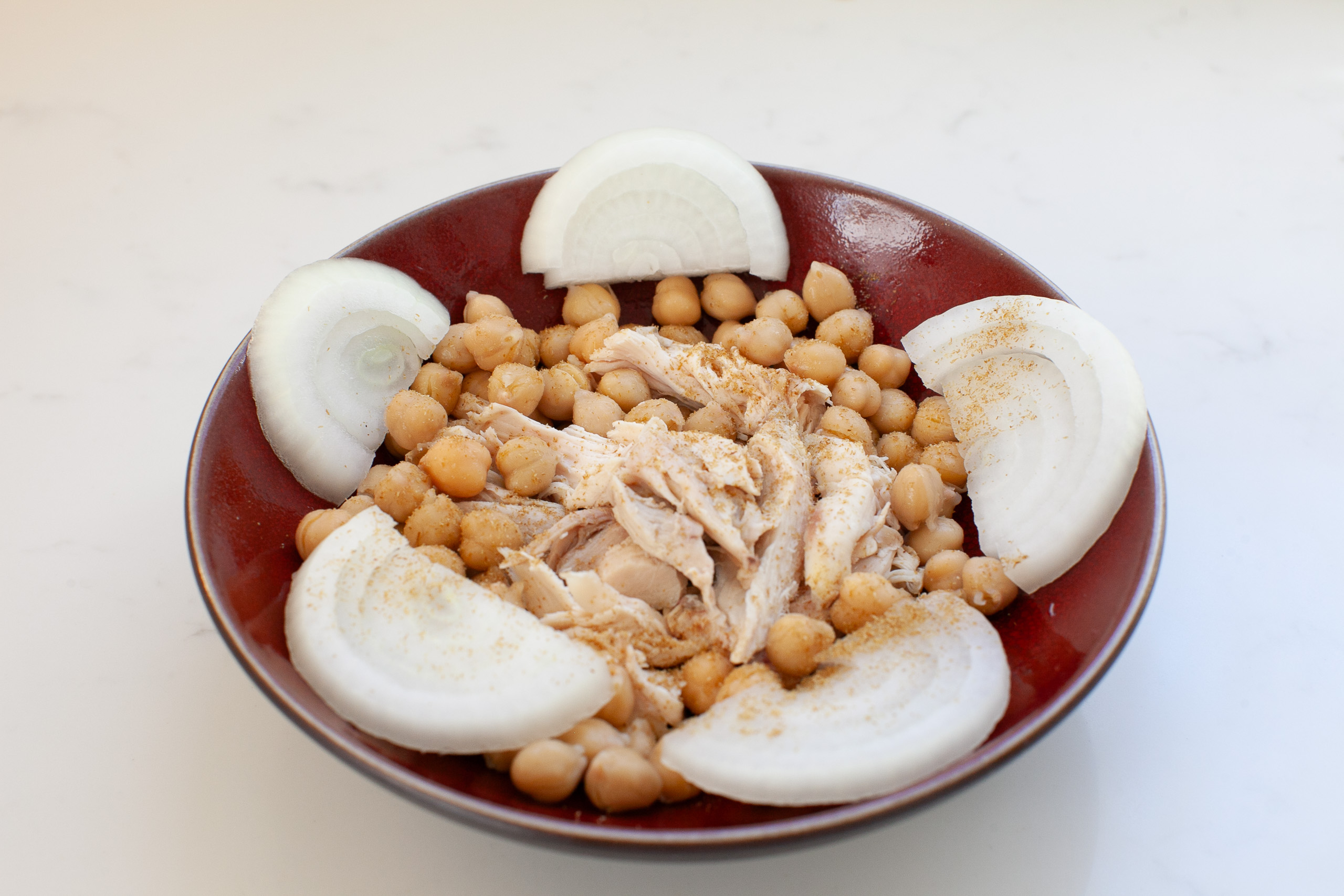
The pitch for Chickpea Stew: Pantry-only on a Tuesday when you forgot to defrost anything. It is strangely satisfying and is almost free – twenty minutes.
Sauté chopped onions and minced garlic in some olive oil for 4-5 minutes until the onion is translucent and the garlic is just starting to smell like it’s about to misbehave. Add some cumin and continue toasting for 30 seconds. This is the step that most people skip and then ask themselves why their stew tastes so bland.
Combine the canned chickpeas, tomatoes, and some broth, then simmer for 10 minutes or until thick. In the last minute of cooking, add the spinach and cook it until it wilts.
Spinach can be replaced with kale, but be advised that this will take a bit longer, about 3 to 4 minutes. Kale is much more stubborn when it comes to wilting. If using frozen spinach, it will be okay as long as you squeeze all the moisture out of the spinach before adding it to the pot.
12) Chicken Souvlaki Bowls
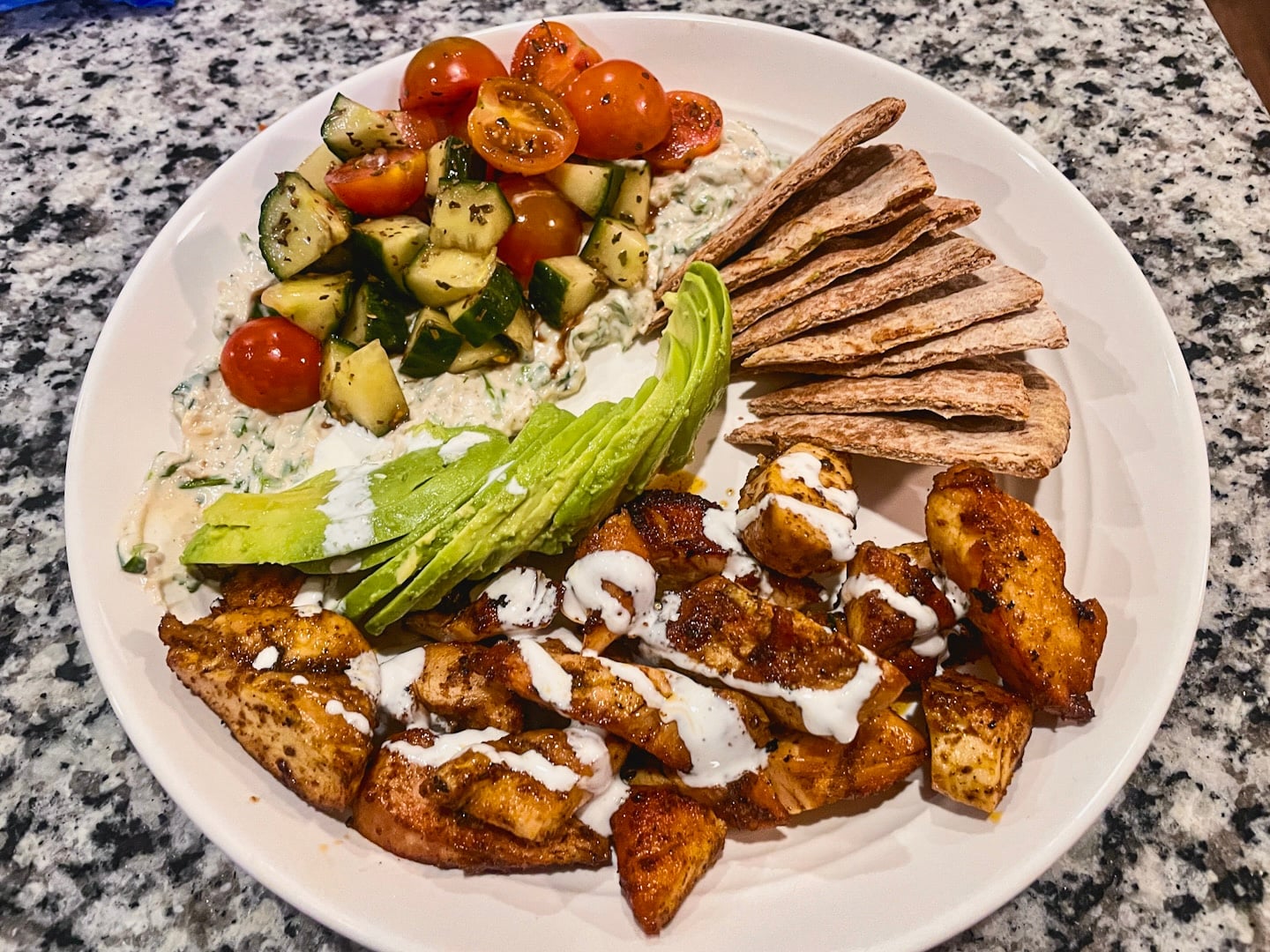
What it brings: You can marinate it at lunch and eat it at dinner. The 30 minutes of yogurt does the heavy lifting without having to turn on a burner.
Chicken thigh chunks should be marinated for a minimum of thirty minutes in plain yogurt, lemon juice, crushed garlic, oregano, and olive oil (4 hours is ideal). Sear for 3-4 minutes on each side in a hot cast-iron skillet over medium-high heat.
Leave the pieces as they are until they release themselves. If you have to wrestle the pan, then it isn’t ready. Build bowls over rice or orzo with cucumber, tomato, red onion, and a spoonful of tzatziki.
Swap: The same works for cubed pork tenderloin. To get a richer flavor, use lamb shoulder. Since lamb cooks more quickly than the thigh, reduce the searing time by one minute.
13) Lentil Salad Plate
Where Lentil Salad Plate earns its spot: Cooks while you roast.
A task has been created for . Job title: peak meal-prep candidate and eats well cold.
Prepare green or French lentils. Chop sweet potatoes, carrots, and red onions, season them with salt and oil, and spread them evenly on a baking sheet. Bake for 25 to 30 minutes at 425°F, or until the edges are slightly charred. While the oven is working, warm lentils in olive oil and lemon juice, add mustard and herbs to help them soak up the dressing. On each plate, place a layer of lentils, roasted vegetables, and add a spoonful of yogurt or hummus.
Swap: To use no-simmer lentils, warm the dressing with the canned lentils for 2 minutes.
14) Farro Risotto
What makes Farro Risotto work: Payoff of risotto without the babysitting involved. You stir twice, total.
Slice the mushrooms and sauté them in olive oil over medium-high heat. Do not stir for the first 3 minutes. Then stir and allow them to cook for an additional 4-5 minutes until they are browned. Add the chopped onion and garlic and cook for another four minutes.
Then add 1 cup of farro and toast it for 2 minutes (you should smell it becoming nutty). Finally, add 3 cups of hot broth, cover and let it simmer for 25-30 minutes, (stirring twice) until farro is tender and the liquid is mostly absorbed. During the last two minutes, mix in the spinach and parmesan cheese.
Swap: You can cook pearled barley in the same way and it has the same cook time.
15) Baked Cod
Why Baked Cod is worth it: Simple, quick, and mindless. Just watch the clock. The breadcrumb topping does the work for you.
Pat dry the cod fillets. If the fish is wet, it will be steamed instead of baked, which is why you’ll want the firm flakes of fish instead of chunks of fish. Bake and then top with a mix of panko, parsley, lemon zest, minced garlic, and olive oil The fish should also be baked for 12-15 min at 400F. The fish should be flaky with a gentle nudge and the topping should be golden (not blonde). If the topping looks undercooked, broil it for 60 seconds but watch it closely.
Swap: Hake, haddock, or halibut are perfectly acceptable. As stated above, adjust timing based on thickness. For thin sole or flounder, steer clear. There will be less than half the topping.
16) Roasted Vegetable Orzo
What you should know about Roasted Vegetable Orzo: It’s like casserole, but you eat it like pasta. It tastes better the second day.
Cut the eggplant into cubes and mix it with plenty of olive oil and a generous sprinkling of salt (eggplant absorbs oil, so don’t be shy). Bake on a tray for 25 to 30 minutes and, without opening the oven, stir the eggplants until they turn a chocolate brown and silky.
The orzo should be boiled in salt water for 8 minutes and removed before it is fully cooked (in my case I still had 1 minute left as it was not cooked properly). In a large bowl, mix the orzo with roasted eggplant, halved cherry tomatoes, torn basil, crumbled feta, and olive oil. Warm the mixture in order to melt the cheese a little as you stir.
Swap: Replace with the zucchini (this reduces roast time to 20 minutes). Instead of orzo, you can use Israeli couscous as they have the same cooking time.
17) One Pan Chicken
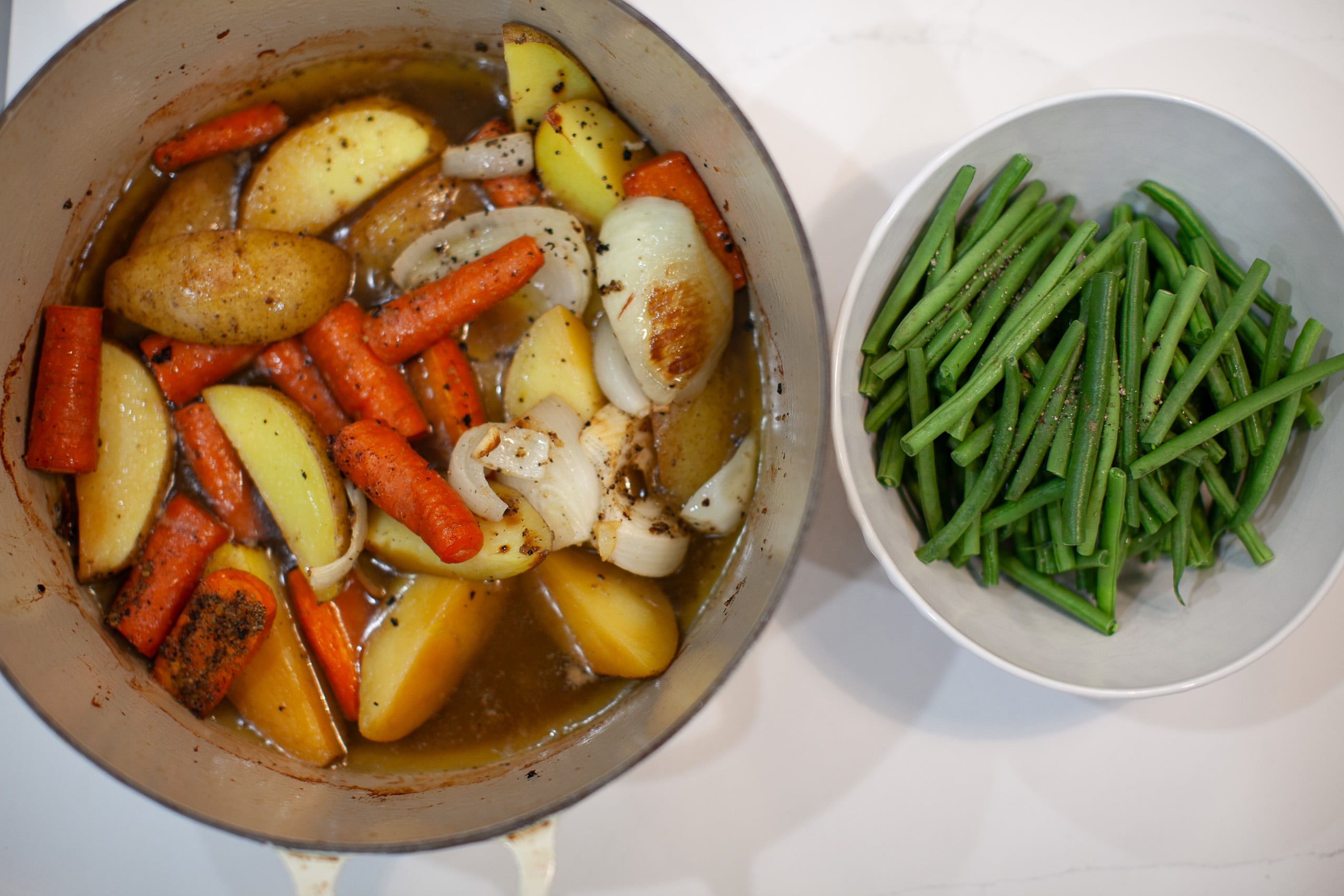
Why One Pan Chicken belongs here: One dirty pan, cast iron + oven combo. Achieve crispy skin without the need to deep fry.
Season your bone-in chicken thighs with salt, pepper, and dill. Using a cast iron skillet sear for 8 minutes at a medium-high setting, skin side down. Do not touch them. They will be ready when the time is right. Add the pan and turn over some trimmed green beans, lemon slices, and garlic.
Bake the entire dish for 15 to 18 minutes at 400°F, or until the chicken reaches a temperature of 175°F at the bone.
Replace: Instead of green beans, you can add asparagus (add it when there’s 8 minutes left). It cooks faster. You can also use boneless chicken thighs, but if that’s the case, you should reduce the baking time to 10-12 minutes.
18) Vegetable Minestrone
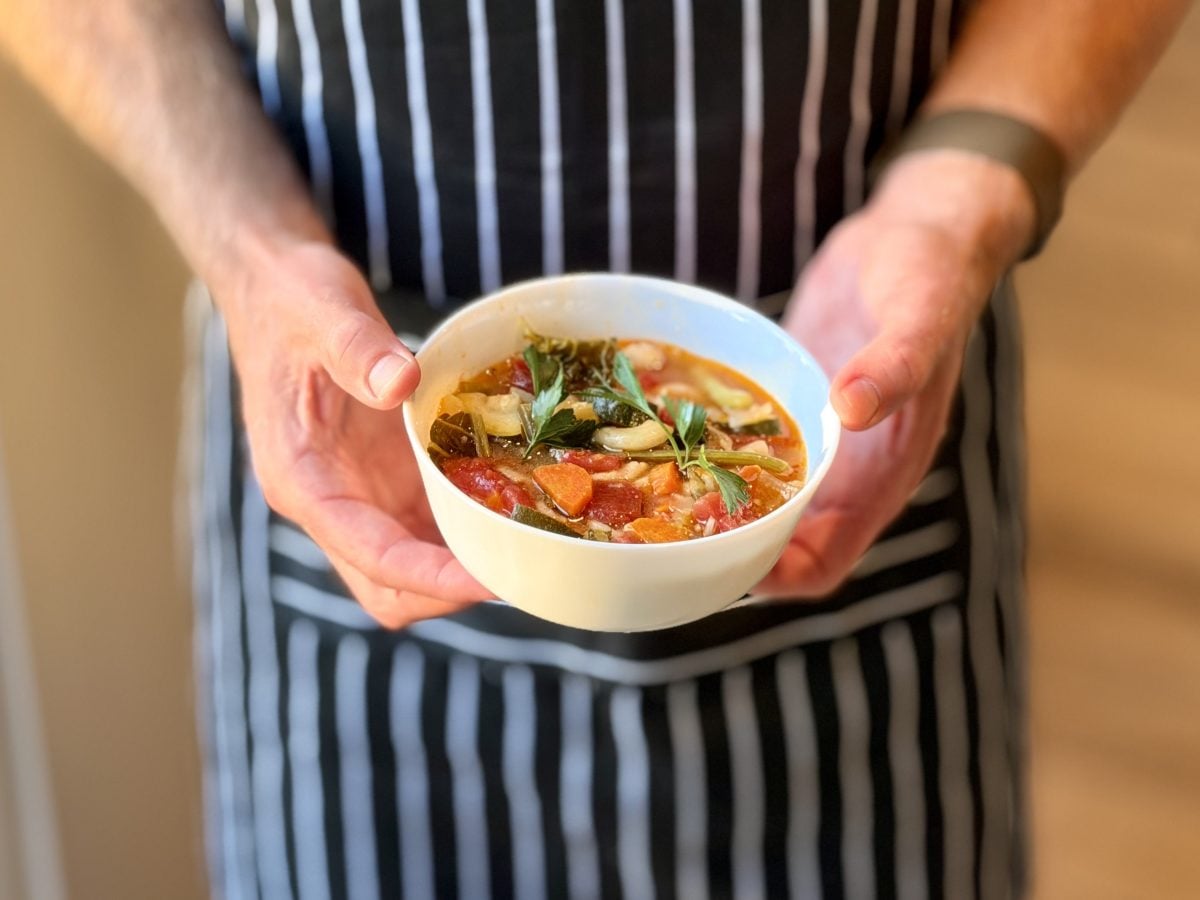
Why we included Vegetable Minestrone: it’s soup. You can drink it for dinner. It even tastes better the next night.
Add diced onion, carrot, and celery into olive oil over medium heat for 8 to 10 minutes until softened and just starting to color (this is the sofrito and it’s where the whole flavor base lives. Don’t rush it). Add minced garlic and cook for 30 seconds, then add a 28- ounce can of diced tomatoes, with 6 cups of broth, a Parmesan rind if you have one, and any firm, chopped vegetables (like zucchini, green beans or kale). Simmer for 25 minutes.
In the final 10 minutes, add one cup of small pasta and canned white beans. Drizzle with olive oil and top with grated parmesan.
Replace: You can skip the pasta and add another can of beans for a low-carb version. The right way to cheat is pesto mixed in at the end (alla genovese).
19) Shrimp Pita Wraps
The pitch for Shrimp Pita Wraps: An onboard interactive dinner experience that doesn’t require sitting at the table. Build it, fold it, and eat it while standing.
Marinate the shrimp for 15-20 minutes. In a bowl, mix the following shrimp marinade: olive oil, lemon, garlic, oregano, and a touch of cayenne (make sure to add this last as the lemon juice will start to “cook” the shrimp). Thread the skewers and then grill or broil them for 2 Minutes on each side until they turn pink and opaque.
Once done, they curl into a ‘C’ shape and overcooked shrimp turn into a tight ‘O’ shape. Also warm pitas. Top with shrimp, shredded lettuce, diced tomatoes, red onions, feta, and a nice big drizzle of tzatziki.
Swap: Chicken thigh chunks (5 minutes per side) and halloumi (3 minutes per side) operate the same way.

20) Salmon Quinoa Bowls
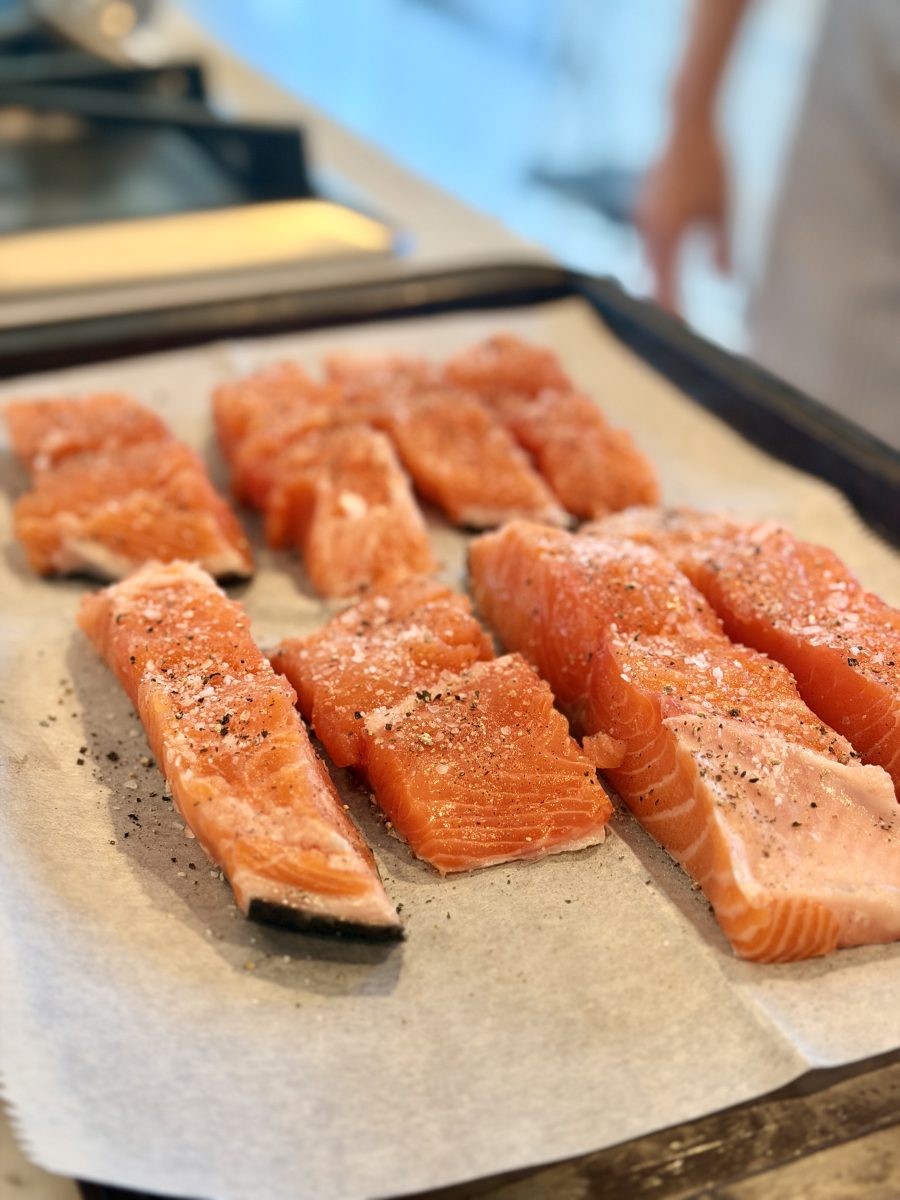
The case for Salmon Quinoa Bowls: Meal-prep magnet. Each component has a delay of 3 days and the yogurt is the main thing.
Quinoa is prepared in salted water or broth using a ratio of 1 cup of quinoa to 2 cups of water/broth. Simmer covered for 15 minutes then it should sit off the heat for an additional 5. To cook the salmon, start with the skin side down in olive oil over medium-high heat for 4 minutes. Then flip and cook for 2 minutes more. The skin should be extremely crispy.
You can replace quinoa with farro or brown rice. Also, if you want it vegetarian and cheaper, you can replace salmon with canned chickpeas.
21) Pasta E Fagioli
Why Pasta E Fagioli deserves its place: A pot of this is the most inexpensive option for comfort food we have. It costs about $6 to feed four.
First, for eight minutes, cook the chopped onion, carrot, celery and garlic in olive oil. Then, add your tomato paste, and cook for one minute, or until your paste darkens and starts to smell like caramel. Then, add two cans of mashes cannellini beans (make sure you mash about a third of the beans), a Parmigiano-Reggiano rind, four cups of broth, and a pinch of red pepper flakes.
Allow to simmer for 20 minutes and then add a cup of small pasta (like ditalini or tubetti) in the last 10 minutes of simmering. Make sure the pasta is a little undercooked to your liking so that it can soften more in the leftovers. Finally, add olive oil and Parmigiano-Reggiano.
Swap: Use borlotti or chickpeas instead of cannellini beans. And, even if the recipe doesn’t specify, you should add a Parmigiano-Reggiano rind, because it makes everything taste like it cooked for hours.
22) Grilled Chicken
Why Grilled Chicken earns its place: Salad that’s a side but really acts like a main. Most of the work is done by the herbs.
To make tabbouleh, soak fine bulgur in cold water for 15 minutes.
After 15 minutes, drain the bulgur and then dry it by twisting it in a clean towel. Soggy bulgur is what makes tabbouleh a wet mess. Mix together chopped parsley (really, use an entire bunch), some chopped mint, diced cucumber, and diced tomato, then add lemon juice, olive oil, and salt to taste. Toss well.
Grill the chicken breasts for 5 minutes per side until the internal temperature is 160 degrees F. Then slice and lay on top.
Swap: Bulgar can be substituted by quinoa (be sure to cook, cool and then add it). Instead of chicken, use lamb skewers. For lamb, cook about 4 minutes per side.
23) Stuffed Bell Peppers
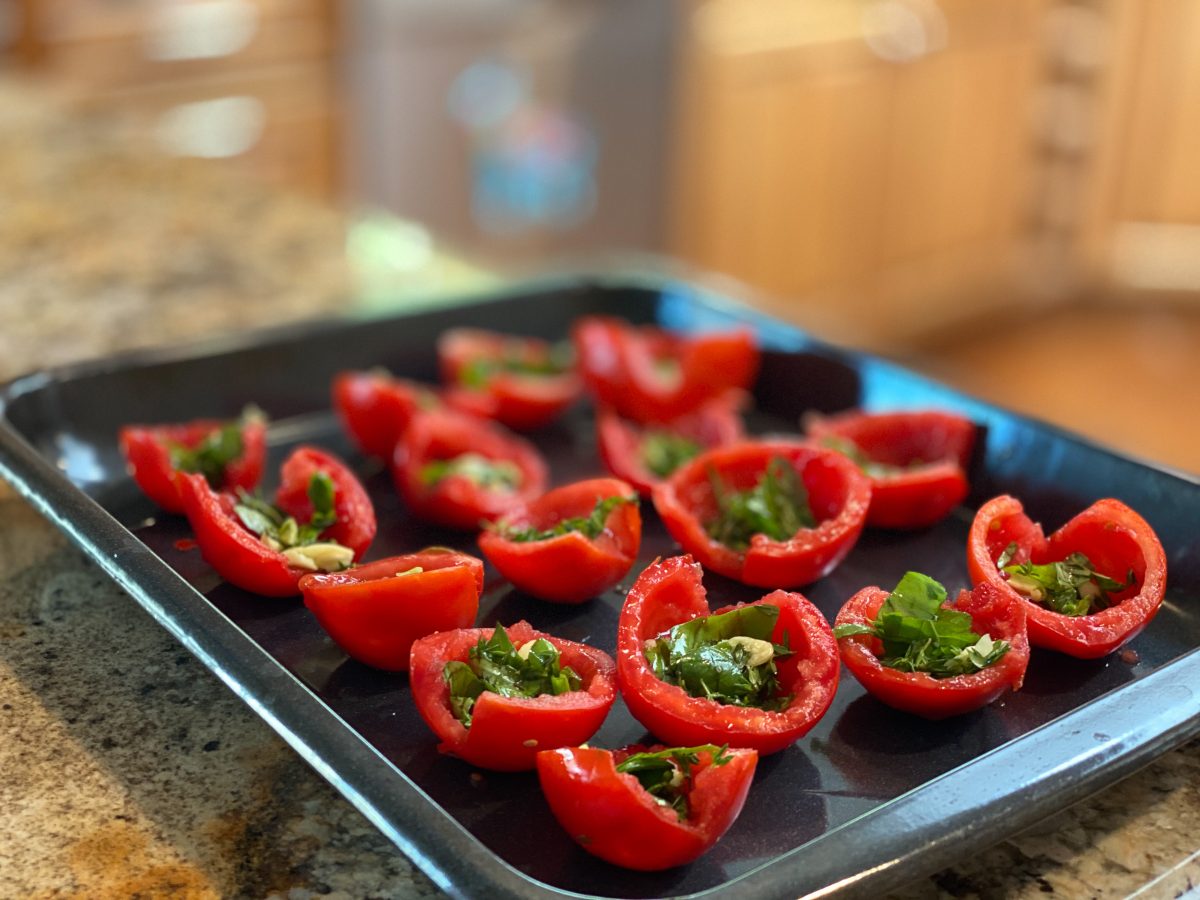
What makes Stuffed Bell Peppers work: Sunday-cooking, Monday-eating. The filling reheats more effectively than the pepper.
Halve bell peppers and remove the seeds. Pre-bake them cut-side up at 400 degrees for 15 minutes. While that cooks, sauté an onion and some garlic with one chopped tomato. Then mix it with the cooked brown rice and drained chickpeas, along with cumin, paprika, parsley, and crumbled feta.
Stuff the pre-baked peppers with the mix. Add extra feta on top and bake for another 20-25 minutes until the peppers just start to collapse and the tops are a little golden.
For a more meaty version, add ground turkey to the filling. Quinoa or farro is better than rice for reheating, and either works instead of rice.
24) Chicken Niçoise Salad
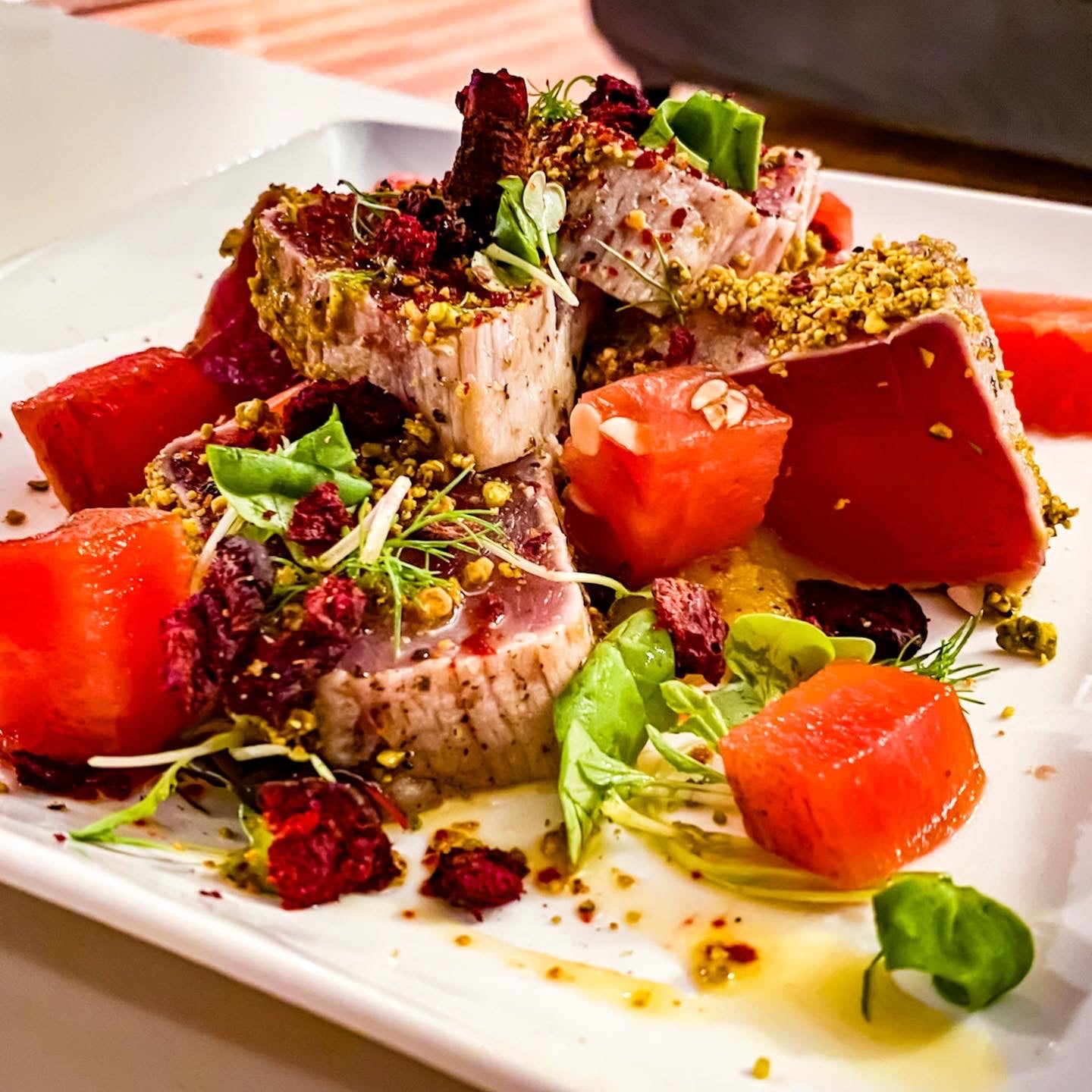
What you get with Chicken Niçoise Salad: A layered salad that is filling enough to be classified as an entree.
The quality of the effort put in to make a meal on a Friday pays off when you note how good the leftovers are.
After boiling the potatoes for 12 minutes, or until a knife goes through them easily, add the green beans to the same water for 3 minutes, then ice water to preserve the snap. Sear chicken breast (pounded to ½ inch thick) over medium-high in olive oil, 3 minutes on each side, rest for 5 minutes, then slice.
The salad contains lettuce, sliced potatoes, and green beans in addition to chopped hard-boiled eggs, Kalamata olives, diced cherry tomatoes, and chicken. Drizzle with Dijon vinaigrette but do not toss the salad. Niçoise is a type of composed salad, not a chopped one.
Original recipe: For the seared tuna, cook it rare and for 90 seconds on each side. For a faster version, you can use canned tuna or salmon.
25) Pesto Chickpea Pasta
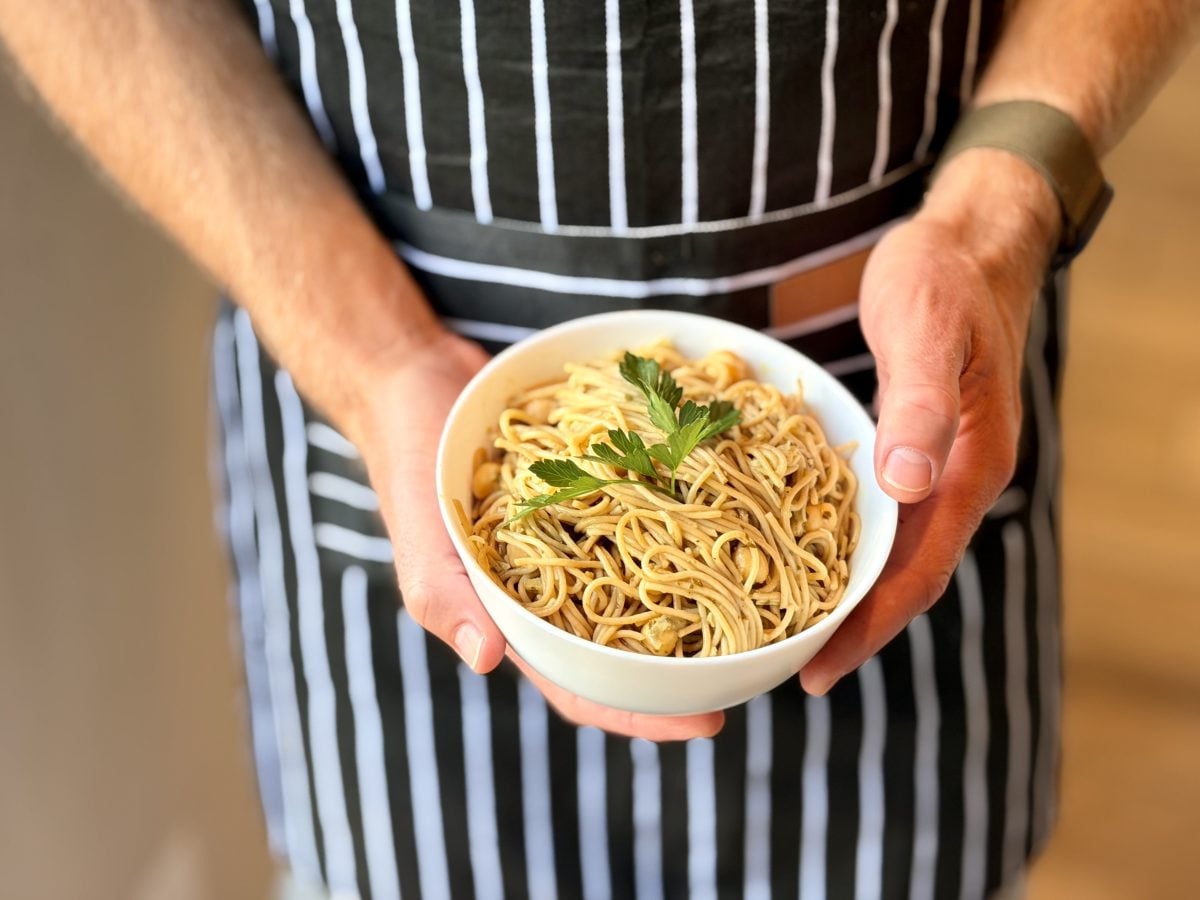
Why Pesto Chickpea Pasta is placed here: From the moment it leaves the pantry, it will take only twelve minutes to reach your plate. Then, it’s not just an oily dish of noodles because the chickpeas add substance.
Cook the pasta in salted water until it reaches the al dente stage. Before you drain it, set some of the pasta water aside.
While it’s still hot, combine the hot pasta with the drained canned chickpeas, the prepared olive oil-based pesto (the green cap kind with no dairy thickener works best), and a splash of the pasta water so that everything is glossy. Finish with a squeeze of lemon and grated Parmesan.
Hiccups: sub frozen peas for the chickpeas (add them to the pasta water for the last 60 seconds). For a different vibe entirely, sun-dried tomato pesto.
26) Hummus Grain Bowls
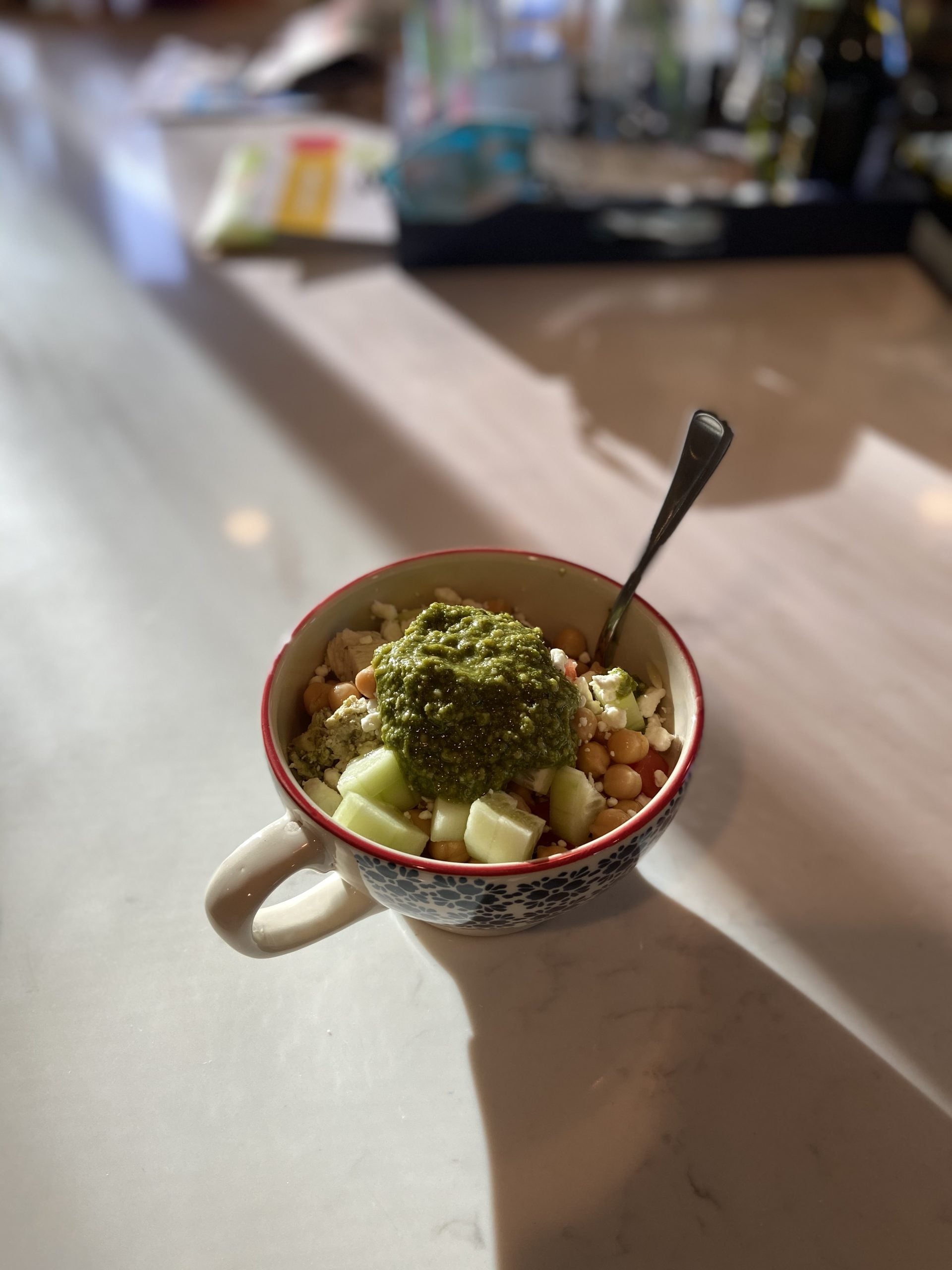
Best reason to pick this tonight: Assembly. You can roast it once on Sunday and have it four times this week.
At 425°F, roast a sheet pan of mixed vegetables (sweet potatoes, broccoli, cauliflower, red onion) coated in olive oil, salt, and za’atar for 25-30 minutes. Stir once after 15 minutes; you want the edges to be caramelized, not look pale. Construct the bowls with warm grains like farro, brown rice, or couscous, crumbled feta, a sprinkle of fresh herbs, and thinned hummus (with lemon juice and warm water until it is pourable).
Swap: Tahini-lemon dressing instead of hummus. For a meatier protein hit, use crispy chickpeas (roasted with the veggies).
27) Ratatouille Skillet
What qualifies Ratatouille Skillet: It’s late summer, and the Farmer’s Market has zucchini which is selling for a dollar a pound.
In a large skillet, cook onions in olive oil for 5 minutes. Then, add diced eggplant and cook for 8 minutes until softened and lightly browned.
Next, add the diced zucchini, bell pepper, garlic, and herbs (thyme or oregano) and cook for another 6 to 7 minutes.
After that, add the chopped tomatoes and let it simmer for 8 minutes until everything is jammy and most of the liquid evaporates. Make wells and crack eggs in each one. Cover the skillet and cook for about 6-8 minutes until the egg whites are fully cooked and the yolks are still jiggling.
Modification: Remove the eggs and serve on polenta. You may add white beans at the end for additional protein.
28) Tomato Mussels
Why should you buy Tomato Mussels: Restaurant meal delivered to you for $15. Total time is even 20 minutes. Toast is mandatory.
With cold running water, clean the mussels and remove the beards. Throw away the mussels that are open and you cannot close by tapping them. Those are dead. In a big pot, put some olive oil and sauté chopped garlic and red pepper flakes for 1 minute.
Add a little white wine and the canned crushed tomatoes and then simmer for 8 minutes. Once the mussels have opened, cover and cook for 4 to 6 minutes. Toss any mussels that remained closed. Serve in shallow bowls with broth poured on and grilled garlic toast for dipping. The broth is what really matters.
Clams are the same (5-7 minutes covered). If you don’t drink, just skip the wine and put more tomato juice.
29) Veggie Omelet
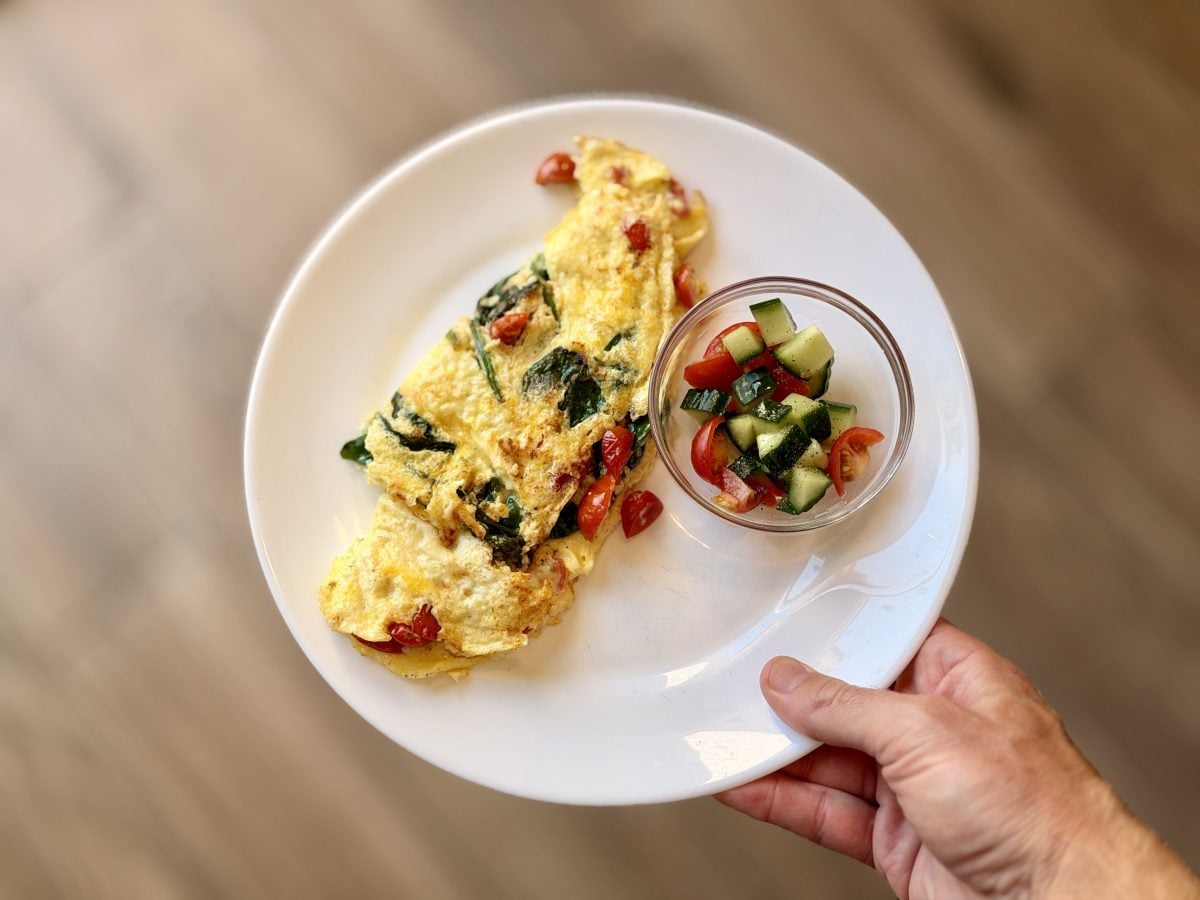
Reason to choose this this evening: Dinner for breakfast, and a good one at that. You can easily justify this as a meal that took 5 minutes to prepare.
Beat 3 eggs and add salt, pepper and a teaspoon of water. Pour the olive oil into an 8-inch non-stick pan and heat it on medium.
Add diced tomatoes, spinach, and crumbled feta into the pan and cook for 90 seconds until the spinach wilts. Add the eggs and let them set for 30 seconds. Using a silicone spatula, carefully push the sides into the middle and tilt the pan so the uncooked egg moves to the other side. Cook for another 2 minutes and fold the egg over, then place it next to the cucumber and tomato salad.
For a French leaning version, Swap in Sautéed mushrooms and Gruyère. If you add olives and red peppers it leans heavier into the Mediterranean.
You will not be able to complete all 29 in one month, so choose five that fit within your week. One from each category: sheet pan, soup, pantry stew, fish, breakfast for dinner, and run them in a loop until you stop looking at the recipe, then swap one for a new one. That’s the whole game.
It’s not about menu planning for dinner every night. It’s about having 10 dinners you can make on autopilot so the 11th can be a new choice.
Tools and pantry items I reach for on Mediterranean nights
The kit that quietly does the heavy lifting across this rotation. Affiliate links: if you buy through them, HomeViable earns a small commission at no extra cost to you.
- AGRIDÈ Ohlivia Extra Virgin Olive Oil: The Olive Oil Pantry Notes spell out the case for a finishing oil worth caring about.
- Za’atar by Tyme Foods: Called out by name in the Hummus Grain Bowls section.
- Rubbermaid Box Grater: For zest, shredded Parmesan, and crumbling feta across the rotation.