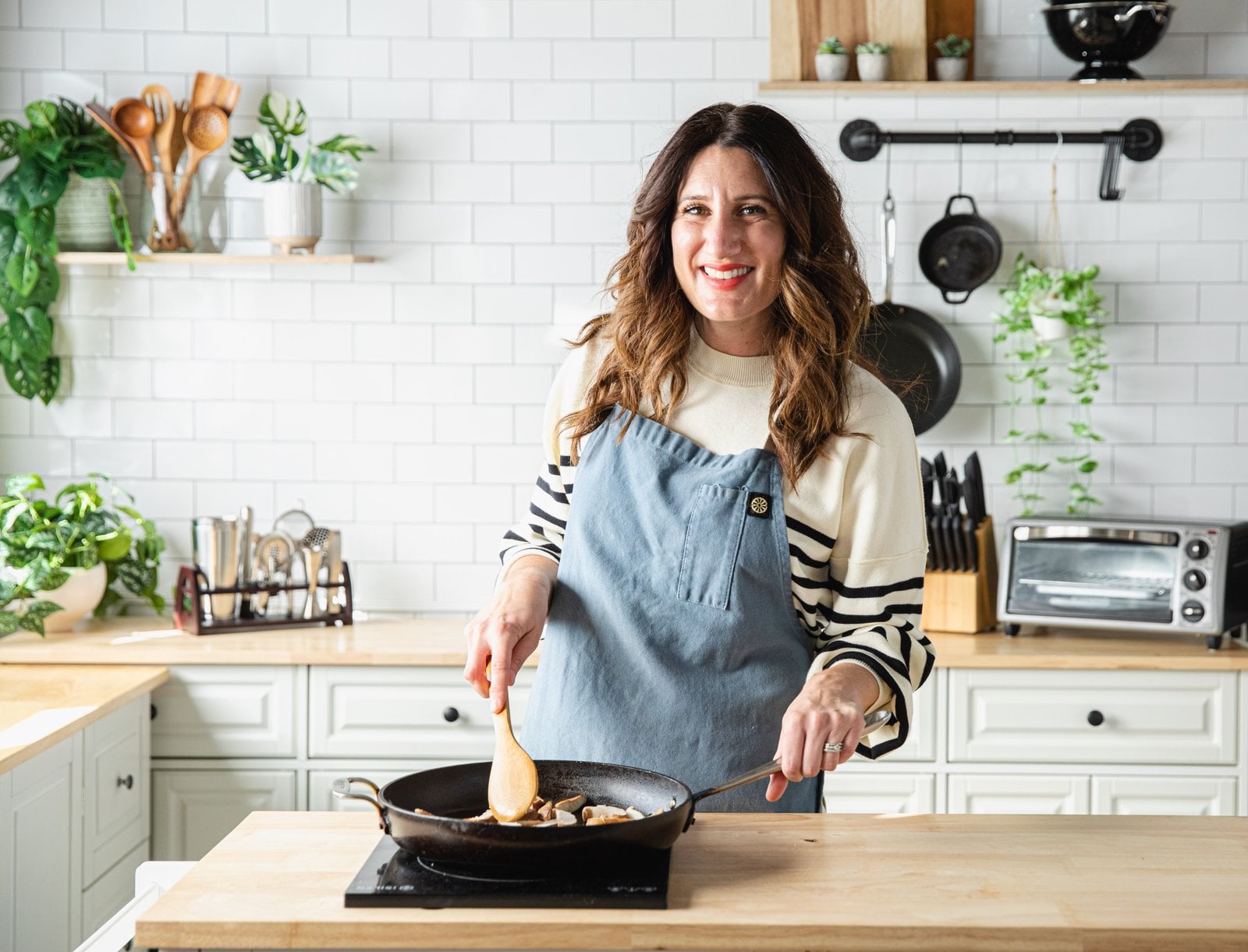
In weekday evenings, I have devised an operational method for preparing meals that does not really involve cooking, but more like planning. I simply have to prepare the ingredients and set the timer (one hour) before the lighting fixture goes out.
Nothing extravagant is done with the preparation for cooking the meal. I have taken an ordinary Tuesday and made it an event where my family was eating (all together), the dishwasher was only used on one rack, and I sat down before 8:00.

1) Lemon Garlic Chicken
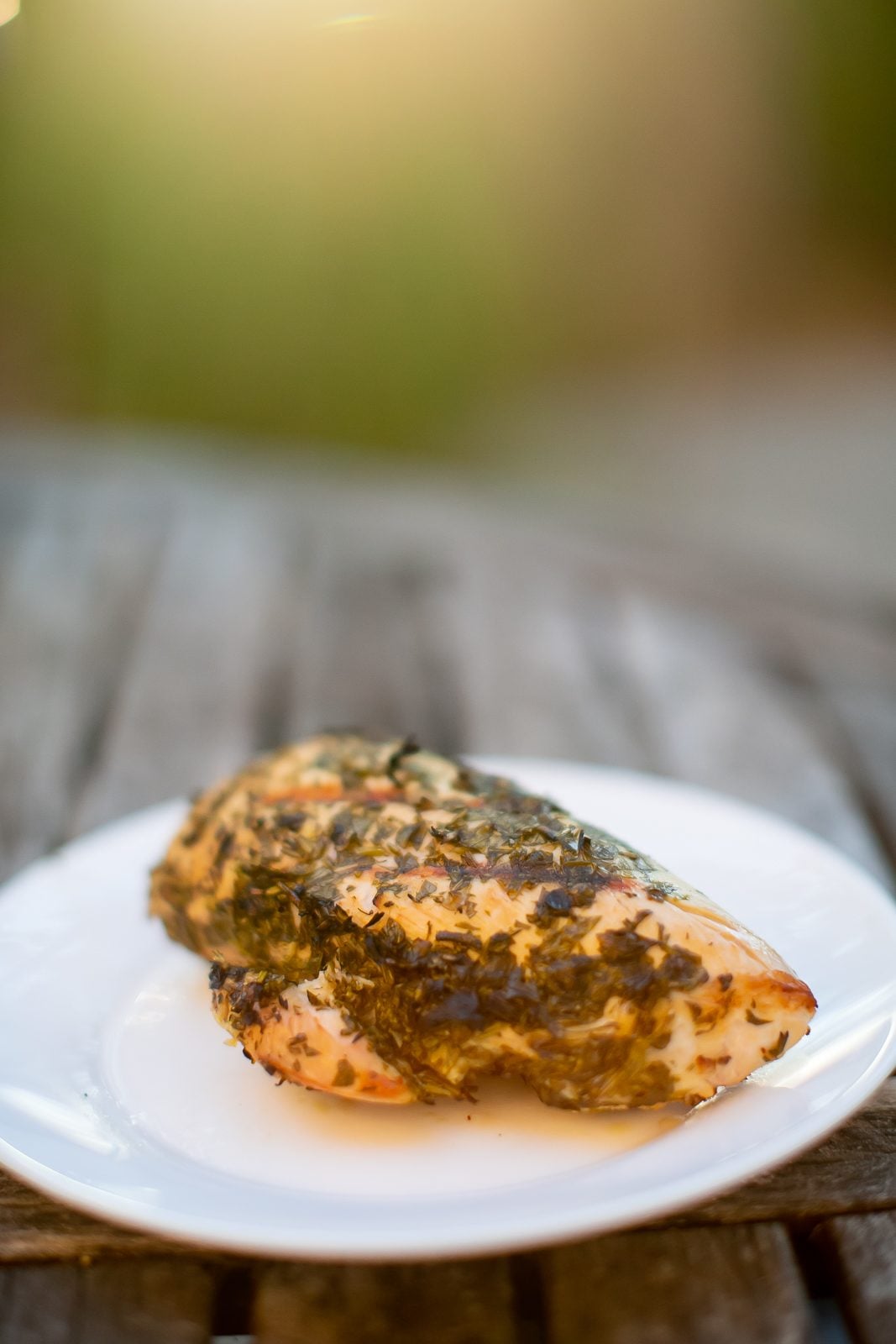
The essence of Lemon Garlic Chicken: It’s sharpness and chicken fat, plus the active prep time is only six minutes. This is the recipe I use when I want the kitchen to smell like a restaurant, but don’t want to do any of the work involved in a restaurant.
Pat dry the chicken thighs, season with salt (if possible, do this an hour in advance, but can also be done right before popping them in the oven). Coat with olive oil, and generous amounts of crushed garlic. Combine lemon zest, oregano, salt, and pepper. Place them in the pan with the skin side up. Drizzle oil over the top and roast for 35 to 40 minutes at 425°F.
You’re waiting for the skin to become crackly and a deep golden brown, for the fat to render and collect at the base of each thigh, and for the meat to hit about 175°F at the joint. The moment it comes out of the oven, squeeze some lemons over the skin while it’s hot so it absorbs the juice. If you have bone-in breasts, those are fine. They cook faster, so take them out at 28 to 32 minutes when the juices run clear. You can still use thighs, but you’ll be missing out on that fat that makes this dish.
2) Sausage and Peppers
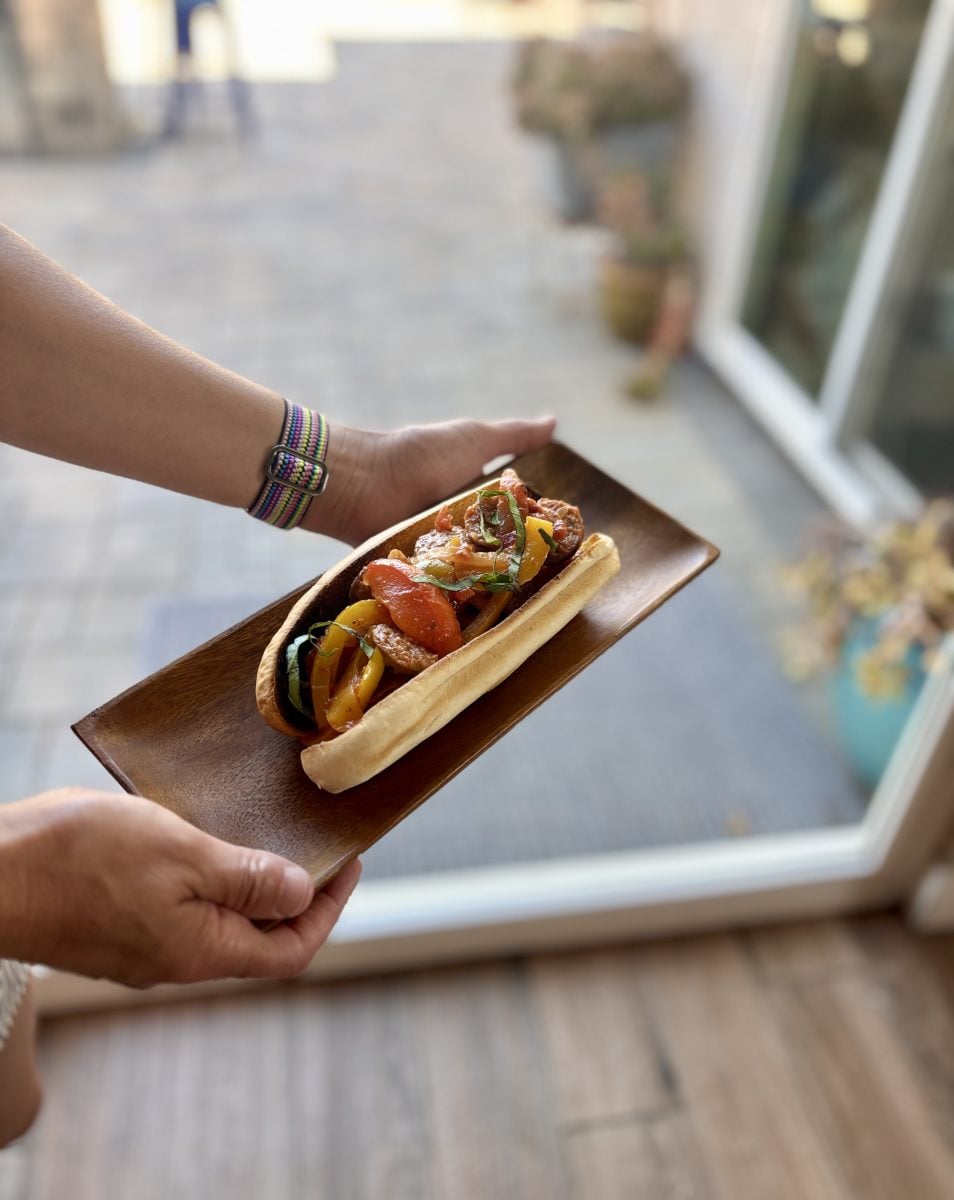
Why Choose this Tonight: It’s Smoky & Sweet with Jammy Notes It tastes like filling for a fantastic sandwich or taco, and even better, it requires almost no work to do.
Take Italian sausages and slice them into two-inch pieces. For the bell peppers, red and yellow ones are preferable, and do the same with the red onion. When it comes to the ‘strips,’ don’t make the mistake of cutting them too thin. Thick cut strips preserve their form while thin cuts will lose it. Now throw in some olive oil, oregano, fennel seed, salt and pepper and mix.
Spread it out evenly and roast at 425 for 25-30 minutes. There will be some stirring half way done, but you have to wait for the sausage to be brown on one side at least, some of it will have to be charred at the edges, and some of the onion should be translucent and sweet. You can also mix it all up in a tortilla or serve it on polenta. Or you can skip the dishes and eat it straight out of the oven.
If you want to make it a little lighter you can use chicken sausage but then you will have to add an extra teaspoon of olive oil to the pan since it won’t produce any fat, and you might want to check it a few minutes earlier.
3) Sheet Pan Salmon
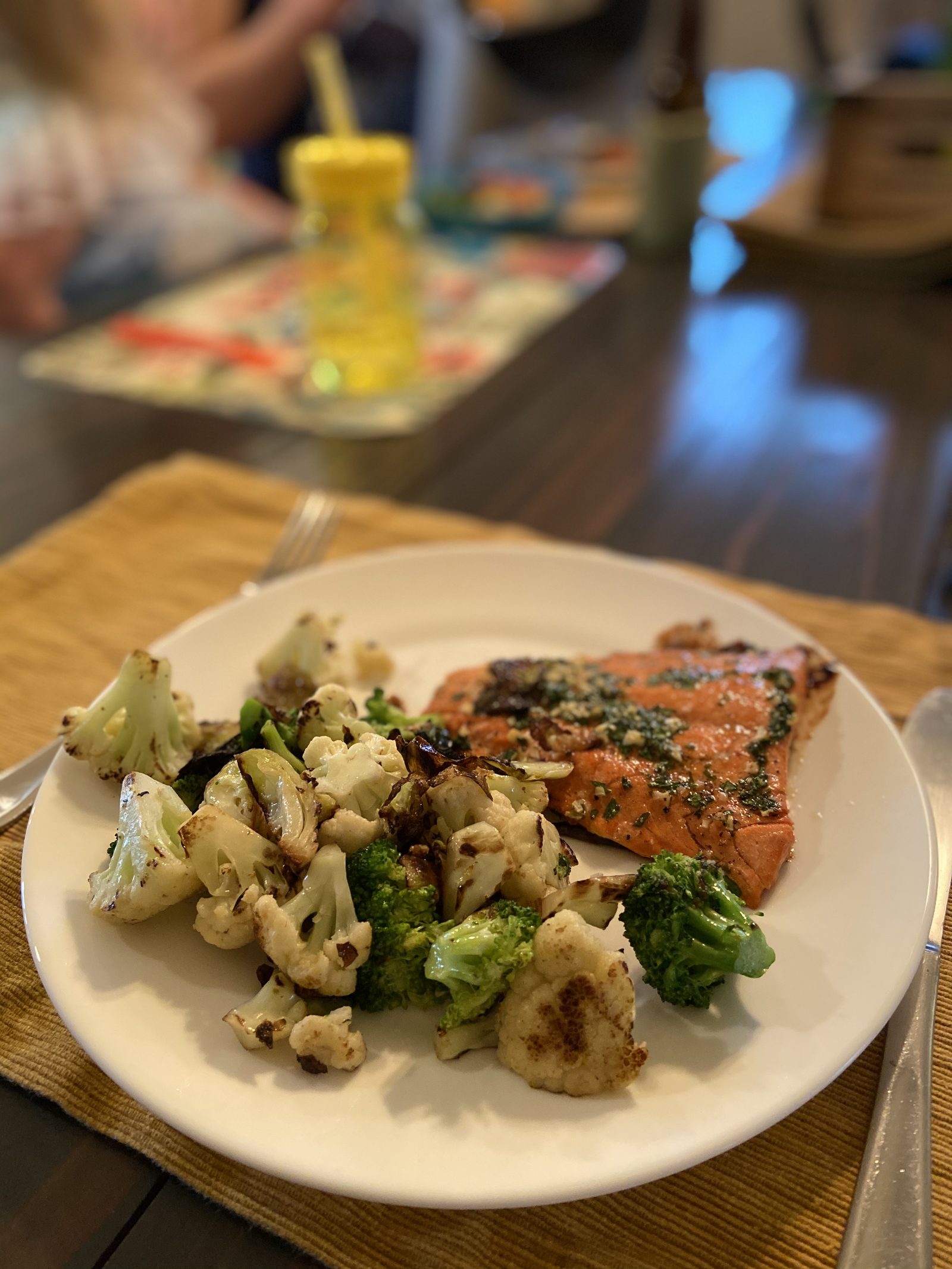
Sheet Pan Salmon is worth it. It only takes twenty minutes to prepare, and it feels a little healthier than other options. You’d definitely get more value for your money compared to a sushi counter for $14. You can purchase a 1 to 1.5 pound side of salmon for approximately the same price.
To prepare, place a 1 to 1.5 pound side of salmon, skin-side down, on a pan lined with parchment paper. Drizzle with some olive oil, and season with some salt, pepper, lemon zest, and a small amount of dill or thyme. For your side vegetables, use halved cherry tomatoes and sliced zucchini, and for your salmon, add wheels of lemon.
For salmon fillets that are 1 inch thick, you’d want to cook for about 12 to 16 minutes at a temperature of 425 degrees Fahrenheit. The goal is to reach a point where the top will look matte and the fillets will be flaky enough to separate with a fork. The tomatoes should also be soft and a little jammy after cooking. Squeeze out the juice from the roasted lemon wedges over everything for some added flavor.
If you want to try something different, steelhead trout behaves almost the same and is usually a couple of dollars less than salmon. If you purchase a thicker piece, add 2 to 3 minutes more as you should trust the look (matte top, flakes parting) over the clock for checking doneness.
4) Gnocchi and Sausage
Crispy gnocchi changed my life when it comes to dinner. Roasted gnocchi is way better compared to boiled gnocchi because Chewy with a crisp shell roasted gnocchi gives the dish a totally different experience.
On a baking sheet, place a pound of shelf-stable gnocchi (you do not need to boil it) along with some halved Italian sausages, cherry tomatoes, red onion (sliced), and a few handfuls of kale (torn). Season with olive oil, minced garlic, salt, and pepper. Spread out the mix so that it is in a single layer with a bit of space between everything.
Cook for 22 to 27 minutes at 425 F and stir halfway. You want the gnocchi to puff up and turn a deep gold color on at least one side, the sausage to brown and render some fat, and for the kale to become crisp at the edges. As soon as the dish comes out of the oven, top with grated Parmesan and a drizzle of balsamic vinegar.
Swap: Using frozen cauliflower gnocchi is acceptable. Just check on it at twenty minutes since it may get a bit softer. If you want it lighter, you can sub in chicken sausage. Just add a teaspoon more oil since it doesn’t render any fat.
5) Honey Mustard Pork Chops
Why Honey Mustard Pork Chops belong here: The glaze has a sweet and sharp flavor that has a nice golden color, but isn’t burnt. Pork chops are much easier to cook on a sheet pan compared to in a frying pan.
In a medium bowl, combine Dijon mustard, honey, olive oil, minced garlic, and salt and pepper to taste. Add a splash of apple cider vinegar for tang. Spread a generous layer of the mixture on 1 inch thick bone-in pork chops. In addition, place trimmed green beans and halved baby potatoes on the sheet pan. Start the baby potatoes first as they are larger, and will need a 10 minute head start to allow them to roast all the way through. Cook everything at 425°F.
With a meat thermometer, check the pork chops to see if the internal temperature has reached 140°F in the thickest part of the meat, as this is the point that it is considered safe to eat. This usually takes 18 to 22 minutes and at this time, the glaze should be a dark amber caramelized crust but should not be burnt. Once finished, allow the pork chops to rest for 5 minutes before cutting into them to allow time for the juices to redistribute throughout the meat.
This recipe also works well with boneless pork chops; however, they will take 14 to 16 minutes to cook, and you will miss out on the flavor of the bone marrow. Therefore, it is best to use bone-in pork chops if you can.
6) Sheet Pan Shrimp Boil
Why Sheet Pan Shrimp Boil is worth it: The entire meal is done in 30 minutes and feels like a vacation on the Gulf Coast. All you have to do is dump the shrimp boil from the pan to the serving bowl for the clean up.
You will need to half the baby red potatoes and cut the corn cobs into 2 inch pieces and mix them with melted butter, Old Bay seasoning, garlic, salt, and some lemon juice. These potatoes and corn will need to be roasted with for 20 minutes at 425° F. After that is done, you can add one pound of peeled and deveined shrimp along with one pound of smoked sausage that you sliced into thick coins.
Mix everything one more time and then bake it for another 6 to 9 minutes. You will want to see the shrimp change to a pink color and curl in the shape of a C, the edges of the sausage should be crispy, and the potatoes should be tender enough to easily pierce them with a fork. You should add some chopped parsley and a lemon before you serve it.
Swap: If you are able to source it, Andouille would be a good substitute as it has a stronger chile bite than kielbasa. If you aren’t able to get that, then you can use kielbasa, but be sure to increase the Old Bay by a teaspoon.
7) Za’atar Chicken
Why I like Za’atar Chicken: It takes five ingredients and one pan, and it is so good it feels like you’ve traveled. Every time I cook with Za’atar, I feel proud and excited. Because of this, I’ve started buying it in bulk.
To start, drizzle some olive oil on the chicken thighs (they should have bone and skin) and season with za’atar, salt, and a little black pepper. Then Arrange them on the baking sheet over thick slices of red onion and some lemon wheels. It should take 35 to 40 minutes at 425 degrees.
You want the skin to be crispy, the herbs should be a vibrant color and not gray on the surface, the onion rings should be softened and brown at the edges, and the lemon wheels should be toasted and have some charred spots. The sauce is made from all the juices that gather in the pan while cooking. When you serve this dish, make sure to spoon this sauce over the chicken.
Substitution: If you happen to not have Za’atar, try mixing dried thyme with sesame seeds as well as sumac (or just leave the sumac out, but do add thyme with a heavy hand of lemon zest). It will be a different dish but the structure still works.
8) Steak Bites
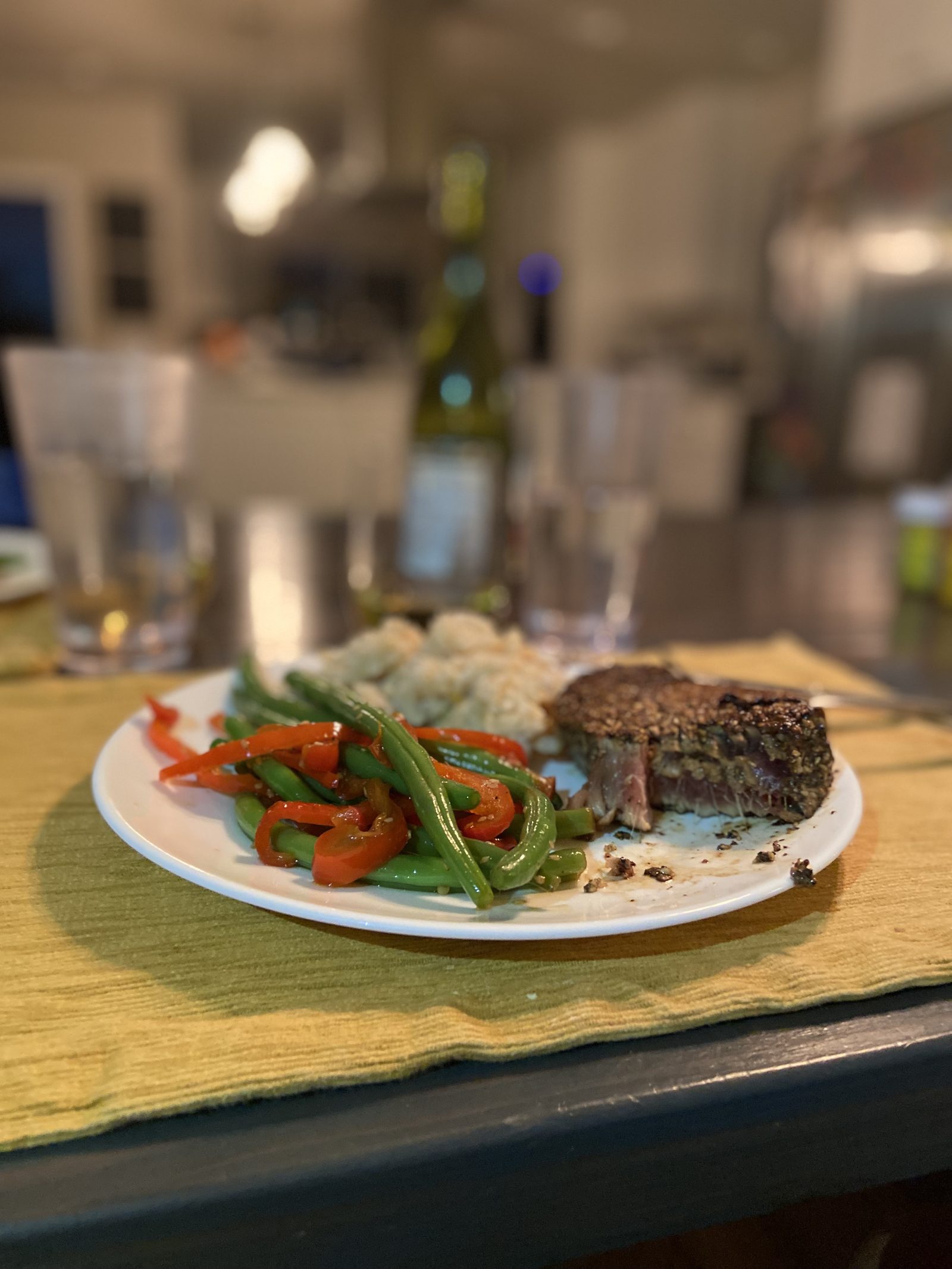
This is a great dinner recipe that can be prepared in under 15 minutes. It’s not recommended to reheat it as it affects the flavor like steakhouse appetizers, so only prepare what you will eat for dinner tonight.
To prepare, cube the trimmed sirloin or strip steak into 1-inch pieces. Once cubed, pat the steak really dry, then mix it with a little oil, salt and pepper, and sprinkle some garlic powder. Spread the mixture over a baking sheet with halved baby potatoes that have already been roasted for 20 minutes at 425°F.
Wait until the potatoes are brown to add the steak. The goal is to set the oven to 475°F and cook the steak for an additional 6 – 9 minutes. The steak should develop a dark brown crust on at least one side, and the inside should be soft and not firm when pressed. Once completed, toss the cooked steak in garlic butter and chopped parsley.
Steaks that can be used for swapping include skirt or flank steak, but be sure to slice the steak after cooking. For a lower carb alternative, replace the potatoes with mushrooms and give the mushrooms a 5-minute head start in the oven.
Nathaniel’s Pantry Notes: The Sheet Pan You Actually Want
In this piece, there are 36 sheet pan meals that all require one specific piece of equipment. If yours is different, none will work as intended.
What you want is a heavy, half-sheet pan (around 13 x 18 inches), with a 1-inch rim all the way around, light anodized aluminum, and no non-stick coating. Heavy means it will not warp at 425°. A lighter color means that the bottom will not overbrown before the top is done. Do not use non-stick pans. The coating breaks down over 400° and the whole point of this type of cooking is to use high heat.
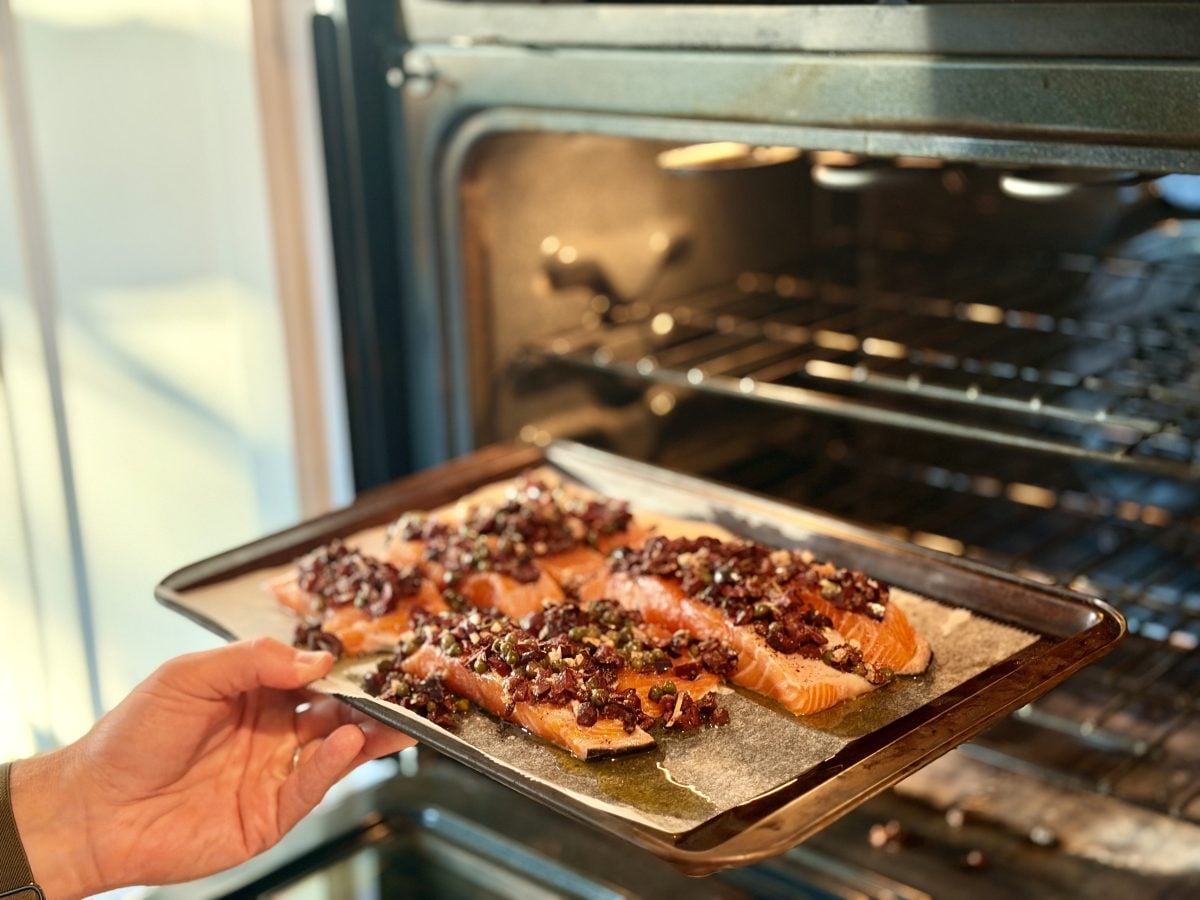
- Grab the store’s selection of thick aluminum pans. If it feels like the typical cheap cookie sheets, put it back since real half sheets weigh around two pounds.
- Choose a rimmed sheet instead of a flat one. With flat sheets, the rendered fat will run off onto the bottom of the oven and set off your smoke alarm. A rimmed one catches the stanky juices and seasons your food.
- Choose a light colored sheet. Darker pans will absorb more heat and burn the bottoms of your food before the tops are browned. Aluminum pans are lighter in color.
My purchases include Nordic Ware Naturals Aluminum Half Sheet. They are around $20 on Amazon. I have three, which allows me to avoid cross-contamination of seasonings by designating one for sweets, one for fish, and one for everything else.
You have a warped pan if, when pouring a tablespoon of water onto the pan at room temp, the water collects in a corner instead of the middle. If the water puddles somewhere other than the middle, the pan isn’t flat anymore and your food will collect oil on one side while running dry on the other. It’s time to retire it.
9) Sheet Pan Chicken Shawarma
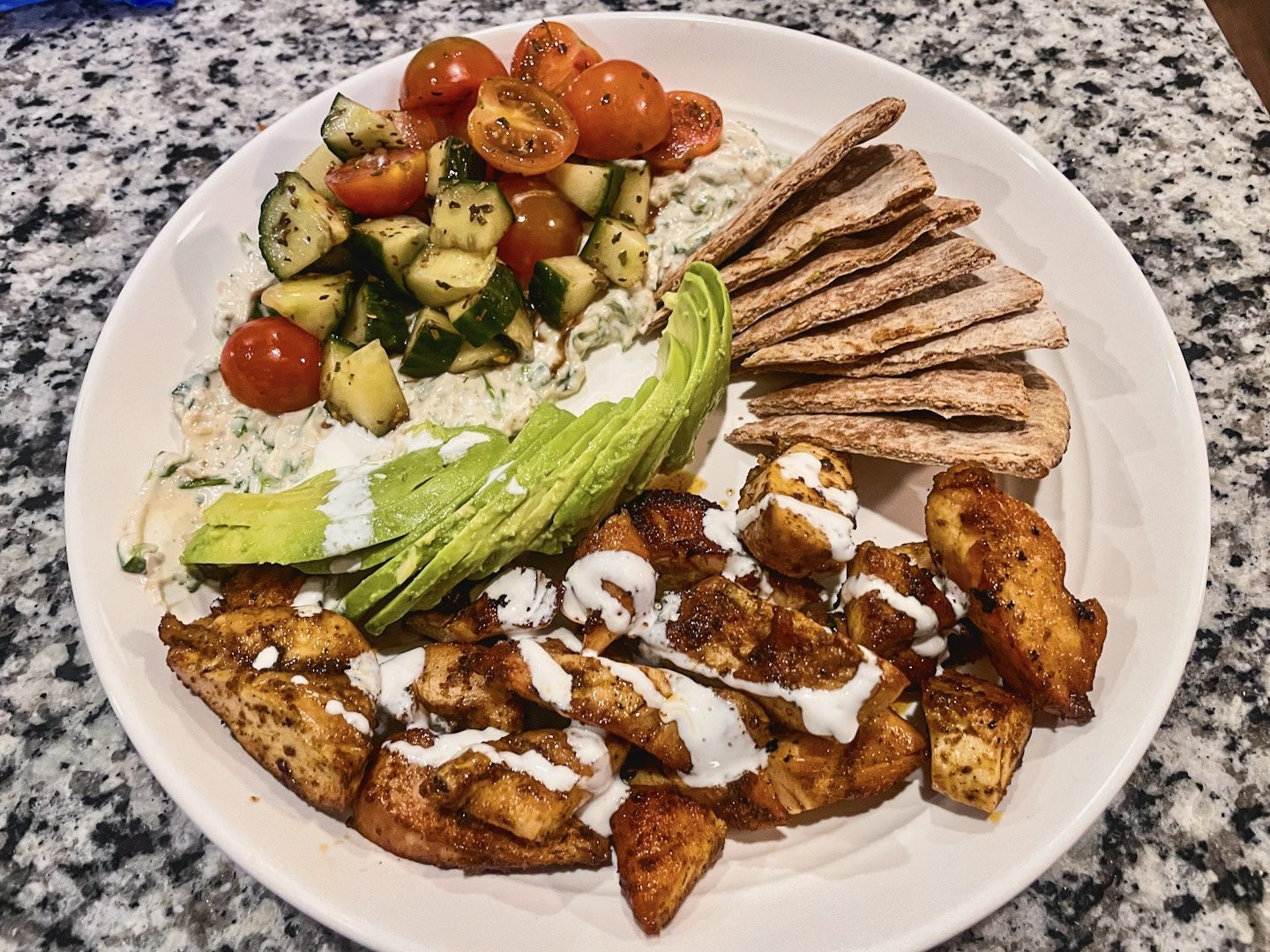
Where Sheet Pan Chicken Shawarma earns its spot: The shawarma sandwich without having a vertical spit. It is mainly about having the right spice mixture and the commitment to high temperature cooking.
Slice the skinless and boneless chicken thighs into strips. Combine with olive oil, cumin, paprika, garlic, turmeric, allspice, cinnamon, cardamom, and salt, and ample lemon juice. It can be fine to marinate for 20 minutes but, the longer, the better. Spread the mixture over a pan together with red onion wedges.
Roast for 22-28 minutes at 425°F, tossing once. You’re hoping for the chicken’s edges to become deeply brown frizz, the tips of the onions to blacken a little, and the spices to become more toasted than raw. Stuff into warm pita with tahini, pickled turnips, and a handful of parsley.
Substitute: It is okay to use chicken breasts, but then the meat will be drier, so pull them at 18 minutes and go by the looks. You can reduce the spice mix to a tablespoon of pre made shawarma seasoning, but you might want to add some more cumin and lemon zest because most jarred pre made shawarma seasoning is under spiced.
10) Miso Glazed Salmon
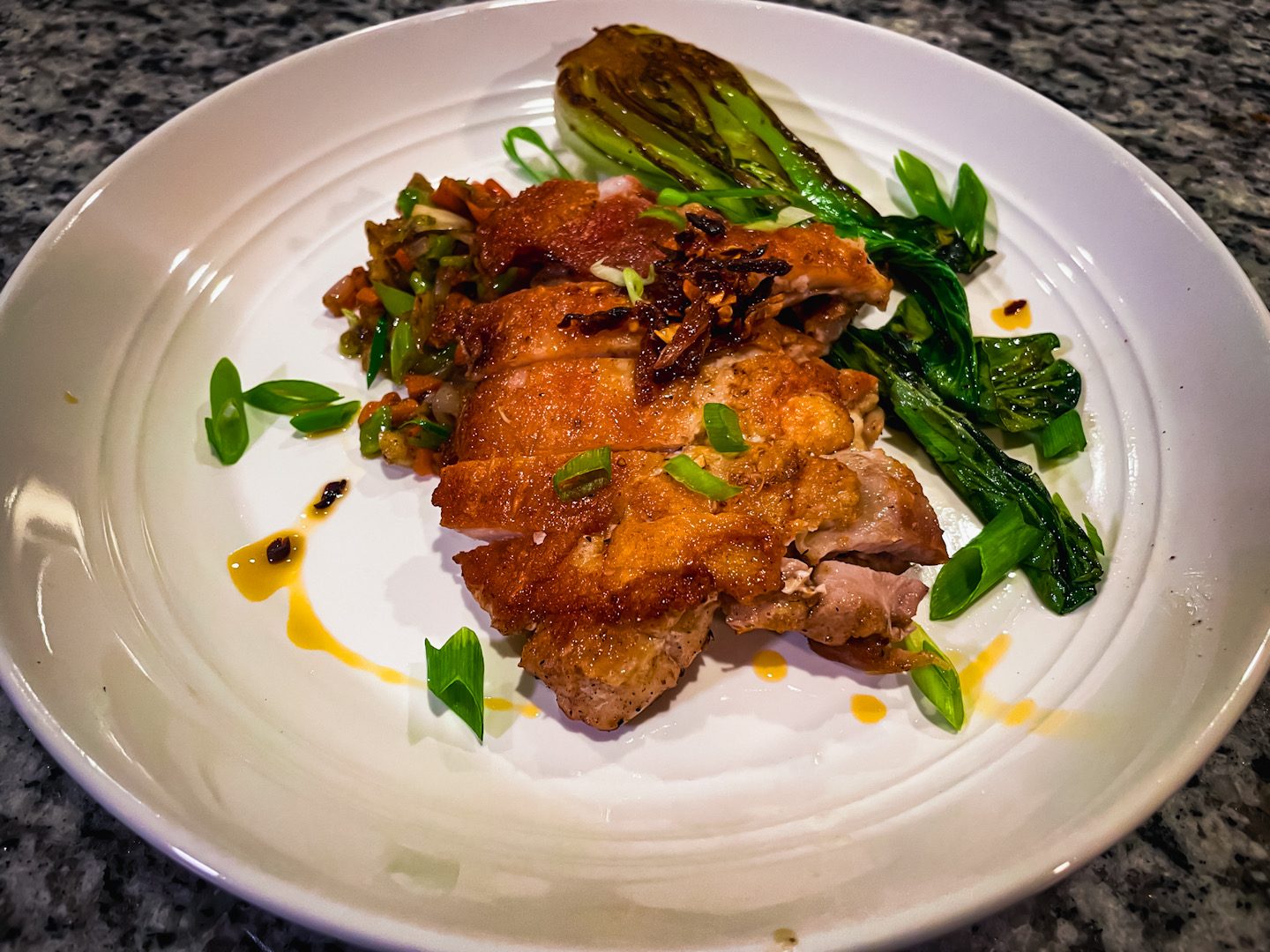
Experience the simple magic of restaurant-style cooking with our salty-sweet broiler glaze. Most of the work is already done by the miso.
Combine white miso, mirin, soy sauce, a little brown sugar, some grated ginger, and a teaspoon of sesame oil. Spread half of this mix over the salmon filets and let them marinate for 15 to 30 minutes. To the same pan, add bok choy and scallions that you have brushed with the rest of the glaze.
Roast for 8 minutes at 400° and then move to the broiler for 2 to 4 minutes. You are looking for the glaze to go mahogany with maybe one of two char spots, and for the salmon to just flake under fork pressure. The leaves should be just a little crispy and the stems should be tender.
For the authentic option, black cod (sablefish) is unbelievable here, but it is pricey, so trout will do just fine. If you don’t have miso, hoisin sauce can work as a substitute, but the flavor will go from earthy fermented to sweet.
11) Chicken Parmesan
The win with Chicken Parmesan is that you still get the satisfaction without the work of standing over a pot of frying oil. The pan essentially does the same thing as the skillet would have done but without the mess. Coat chicken breast (pound them to an even half inch first) in flour, then dip them in a beaten egg, and cover them with a mixture of panko and grated parmesan, oregano, and garlic powder.
Drizzle olive oil on the tops so the crust can crisp up without having to flip the cutlets. Place the cutlets on a pan lined with parchment paper. Roast them for 12 minutes at 425 degrees. After that, return the pan back to the oven for 6 to 9 minutes after spooning some marinara on each cutlet and adding shredded mozzarella. You should wait for the cheese to melt and brown in some spots, while the breading stays visibly crisp under the sauce. Also, when you cut the thickest part, the juices should run clear.
For a swap: Chicken thighs work great and they stay juicier but they need a few extra minutes, so check them at 16 minutes total before you add the cheese. You can also use jarred marinara sauce which is okay, but just don’t use the thin ones.
12) Sheet Pan Tofu
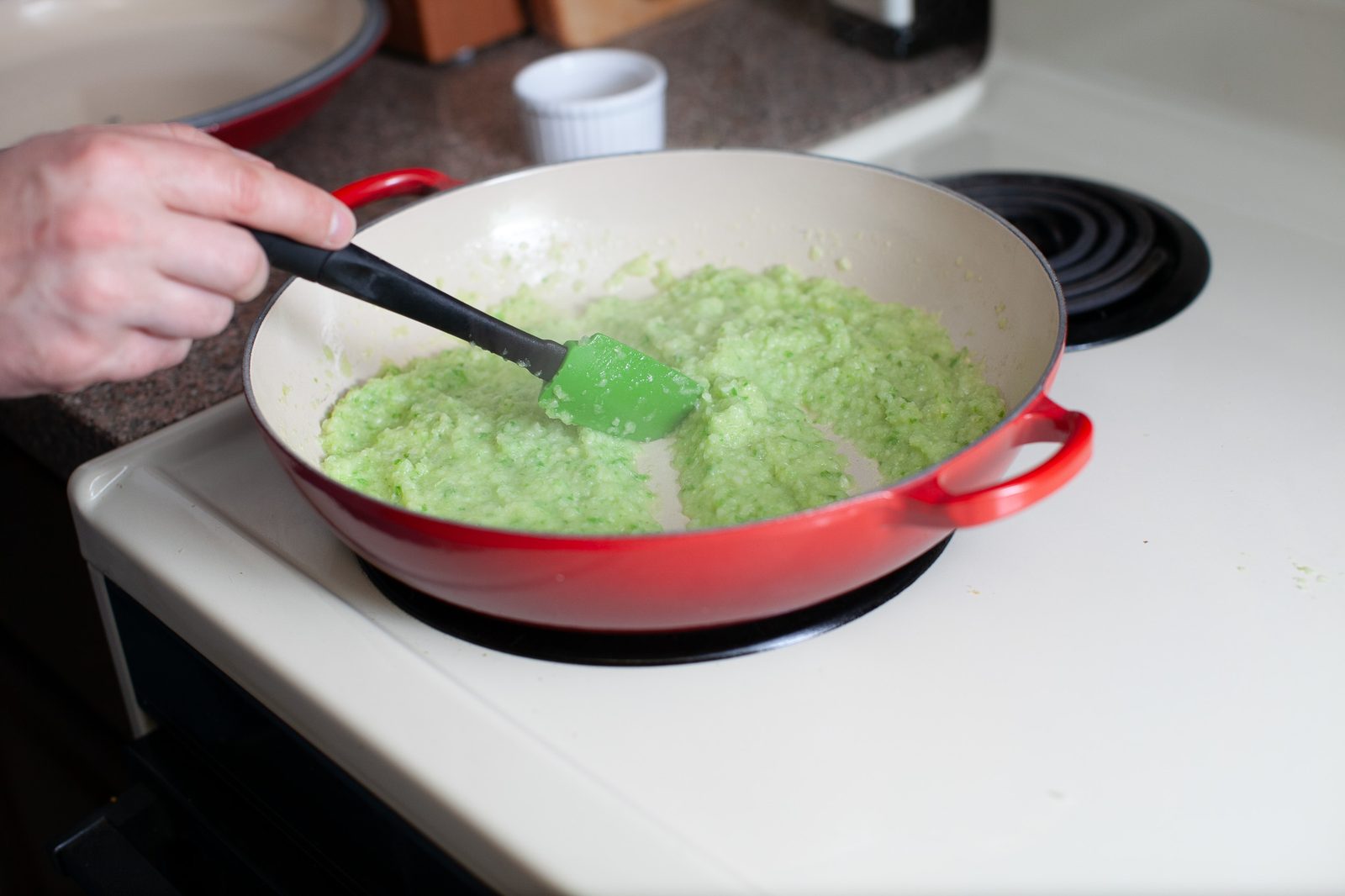
Why Sheet Pan Tofu deserves accolades: The tofu that changed my mind. Actually doing the work (instead of the 30-second task) is what separates a mediocre meal from a meal you will look forward to.
For the extra-firm tofu, use paper towels and a weight to press the tofu for 30 minutes. Cut it into 1″ cubes. Toss the tofu in cornstarch (that’s the secret) along with soy sauce, sesame oil, garlic, and ginger. Broccoli florets and bell pepper strips mixed with a bit of oil and salt should also be laid out on a parchment paper-lined pan.
Cook everything for 22 to 28 minutes at 425F, stirring once. You want the tofu to have puffed up and be brown on 2 or more sides. The tofu should also not have a wet look at all. You want the broccoli to char on the edges while making sure the stems retain a crunch. To finish, drizzle peanut or sweet chili sauce over the meal.
Tempeh (steam it for 10 minutes to reduce bitterness) will yield the same result, and do not try this with soft/silken tofu. No amount of cornstarch can save that.
13) Cajun Chicken
What makes Cajun Chicken a Fancy Dinner: Smoky, spicy, and downright delicious! Cajun seasoning pairs nicely with anything!
To start, in a bowl, combine some chicken thighs (bone-in or boneless), generous amounts of Cajun seasoning (which includes ingredients like paprika, garlic powder, onion powder, oregano, thyme, cayenne, salt, and pepper), and drizzle with olive oil. Then, arrange the halved baby potatoes, sliced bell peppers, and onion wedges that have been quartered on a roasting tin.
For reference, it takes 35-40 minutes to roast thighs with the bone in and 22-26 minutes if they’re boneless at a temperature of 425°F. You want the skin of each thigh to be very dark brown (almost mahogany) and have the seasonings toasted (not burned) and the potatoes should be tender while having some brown edges. The bell pepper should be charred. Most of the heat will be offset with a final squeeze of lemon.
Alternately, you can use chunks of Andouille sausage instead of chicken (roasting time should be decreased to 22- 25 minutes since sausages cook more quickly). You can also lower the heat by reducing cayenne pepper to half and adding a bit of smoked paprika.
14) Sheet Pan Meatballs
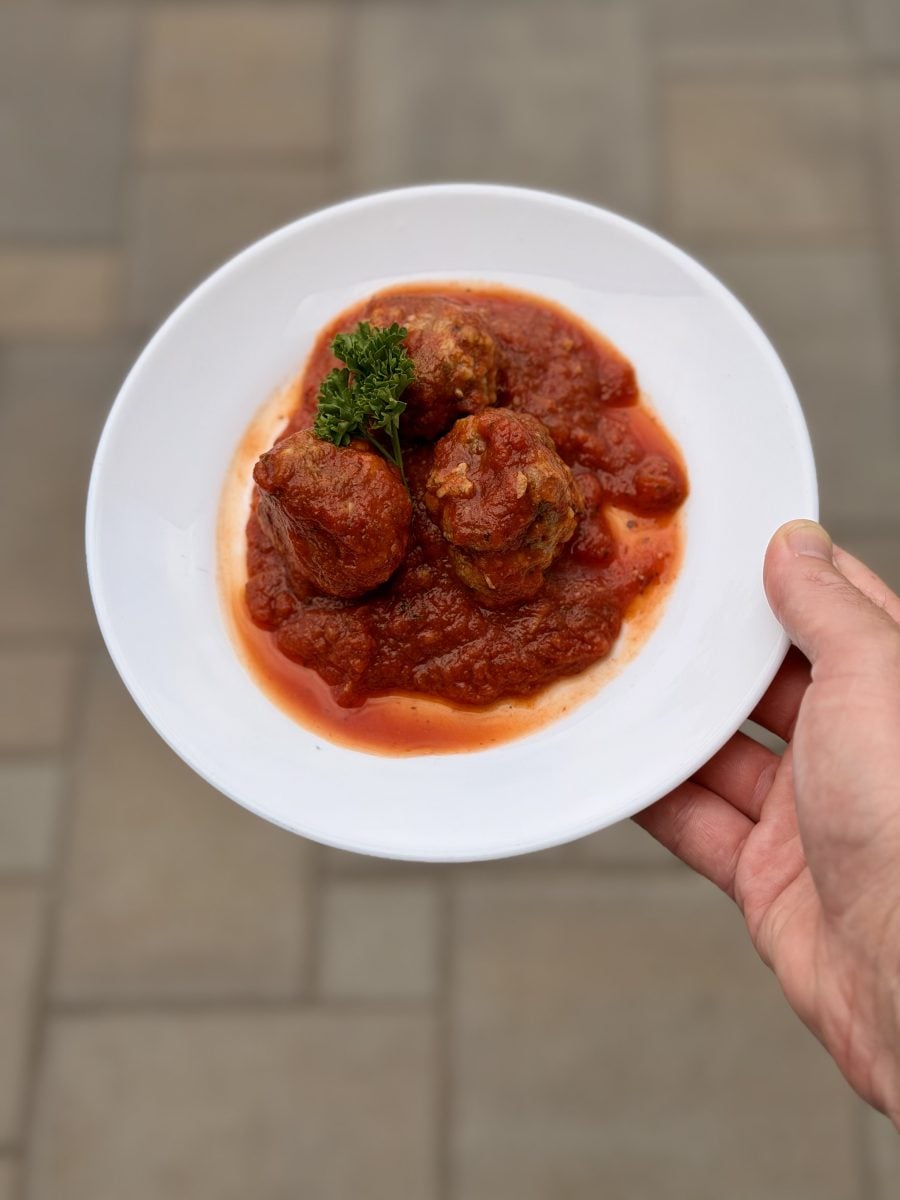
There will be no more standing at a frying pan and flipping each individual meatball! The tops will brown beautifully give them space, and their bottoms will be nice and crispy on the parchment.
Combine ground beef (80/20) or a beef and pork mixture with milk-soaked breadcrumbs, grated Parmesan cheese, an egg, chopped garlic, parsley and add salt, pepper, and a pinch of chili flakes. Shape into 1.5-inch balls. Put them on a parchment-lined pan with space in between each cookie. Roast for 18 to 22 minutes at 425°F.
You must wait until the tops brown deeply and the bottoms pull away cleanly from the parchment when you nudge them with a spatula. The meatballs shouldn’t feel hard and overcooked; they should give a little when pressed. You can serve with pasta and marinara or on a roll with melted provolone.
Swap: Ground turkey is fine, but decrease the time by 3 minutes and add an additional tablespoon of olive oil to the mix since turkey is drier. The meatballs end up falling apart without more breadcrumbs and an additional egg.
15) Greek Chicken
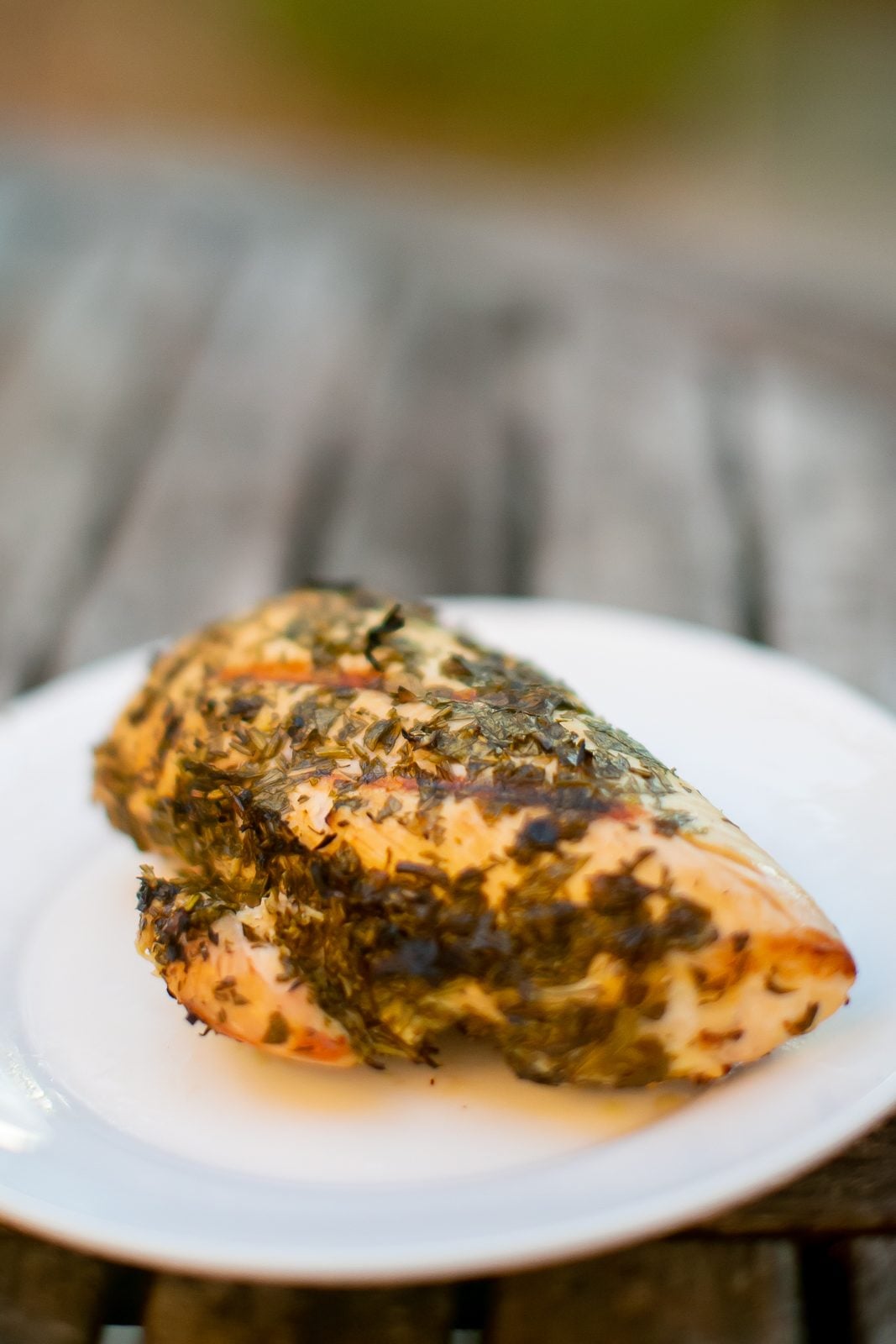
I still need to choose basil or oregano as the herb for chicken thighs. The chicken thighs marinated in basil or oregano, lemon juice, honey, and garlic or onion. My first thought is that most of these flavors seem to make it like we are going to be in the Mediterranean.
During dinner, drizzle olive oil, lemon juice, garlic, and honey over chicken thighs. Let them marinate for at least 20 minutes before making the sheet pan dinner. Cut cherry tomatoes in half, slice a red onion into wedges, and dice a zucchini. Toss on a baking sheet and bake at 425°F for 28-32 minutes.
In the last five minutes of baking, sprinkle feta on top and allow it to get a little brown but not melt completely. You want the skin of the chicken to be golden brown, the tomatoes to collapse, and the feta to look pearl-like with some browning around the edges. Before serving, chop some parsley and Kalamata olives and drizzle olive oil on top.
Boneless thighs are acceptable and will take 22-25 minutes to cook. If you don’t have good feta, then use a creamier sheep’s milk feta instead of the pre-crumbled dry stuff in the plastic container.”
16) Sheet Pan Pesto Chicken
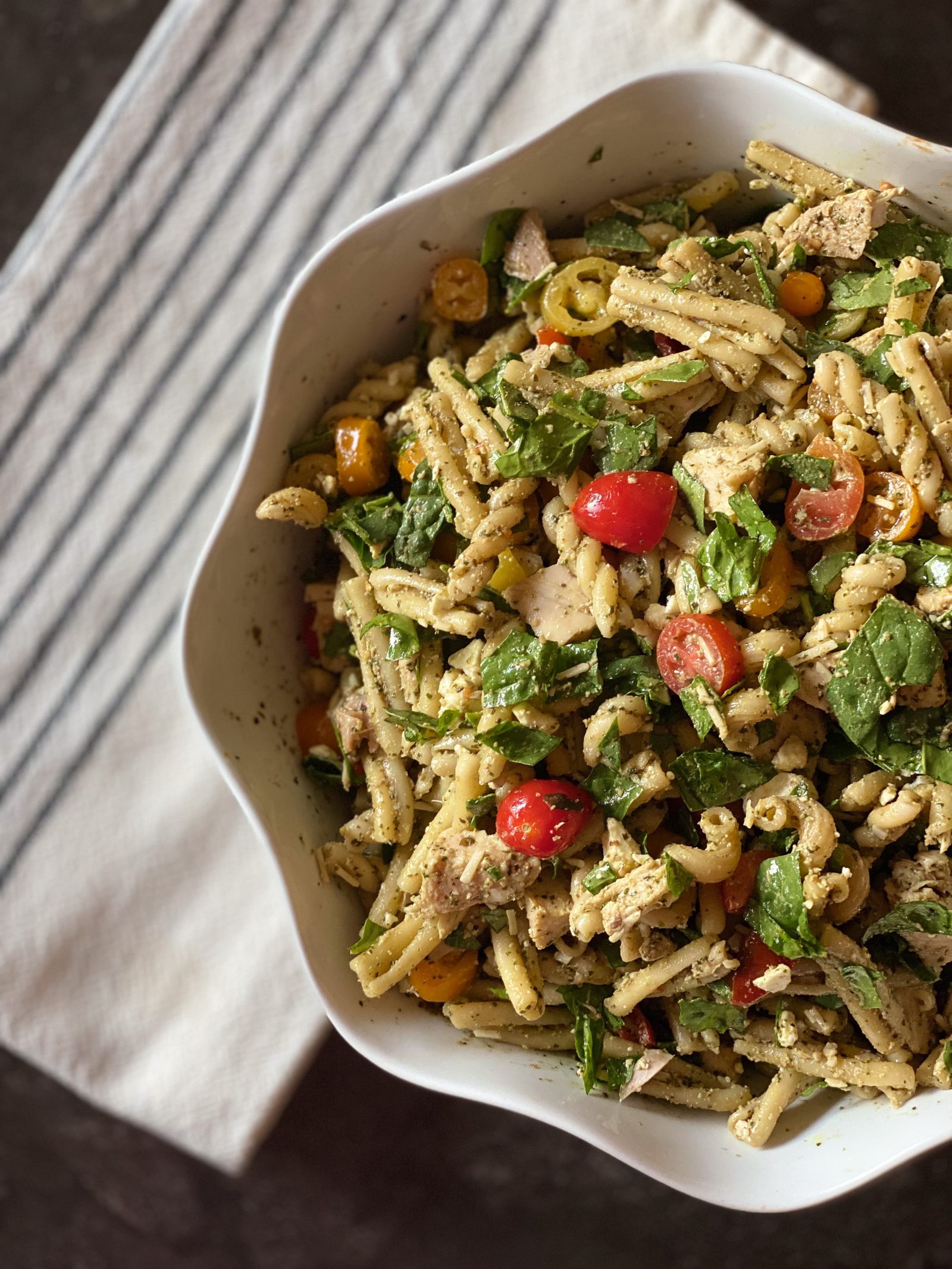
Reason for inclusion of Sheet Pan Pesto Chicken: Pesto is often seen as an unorthodox condiment because it burns easily when used at high cooking temperatures, causing the pesto to transform into a thick, brown sauce. However, when combined with chicken and roasted at high temperatures, the oil from the pesto and roasted chicken will turn golden brown and the chicken will absorb a lot of flavor from the basil.
Pat dry the chicken breast (or thighs), rub them side with olive oil and season with salt and add a generous layer of pesto. Arrange them on the same pan with halved cherry tomatoes, sliced zucchini, and cheese (don’t add it earlier than 5 min from the end, otherwise it will dry out). Roast them all together at 425°F for 22 to 28 min.
You just need to keep an eye on when the pesto becomes dark and looks like it is cracking. You also want just the right timing for the cheese to become soft and slumped, but please make sure the mixture doesn’t become stringy! And lastly, at the thickest part of the chicken, it should read 165°F.
Making your own pesto sauce is good, but as for this particular case, it really just needs some light stirring and it is transformed from passable dressing to something way better by simply adding some olive oil and a squeeze of lemon. Same rules apply to sun-dried tomato pesto as well. It is richer still, and just as with the green pesto, a little manipulating (light stirring) will transform it from passable to something great.
17) Sheet Pan Teriyaki Chicken
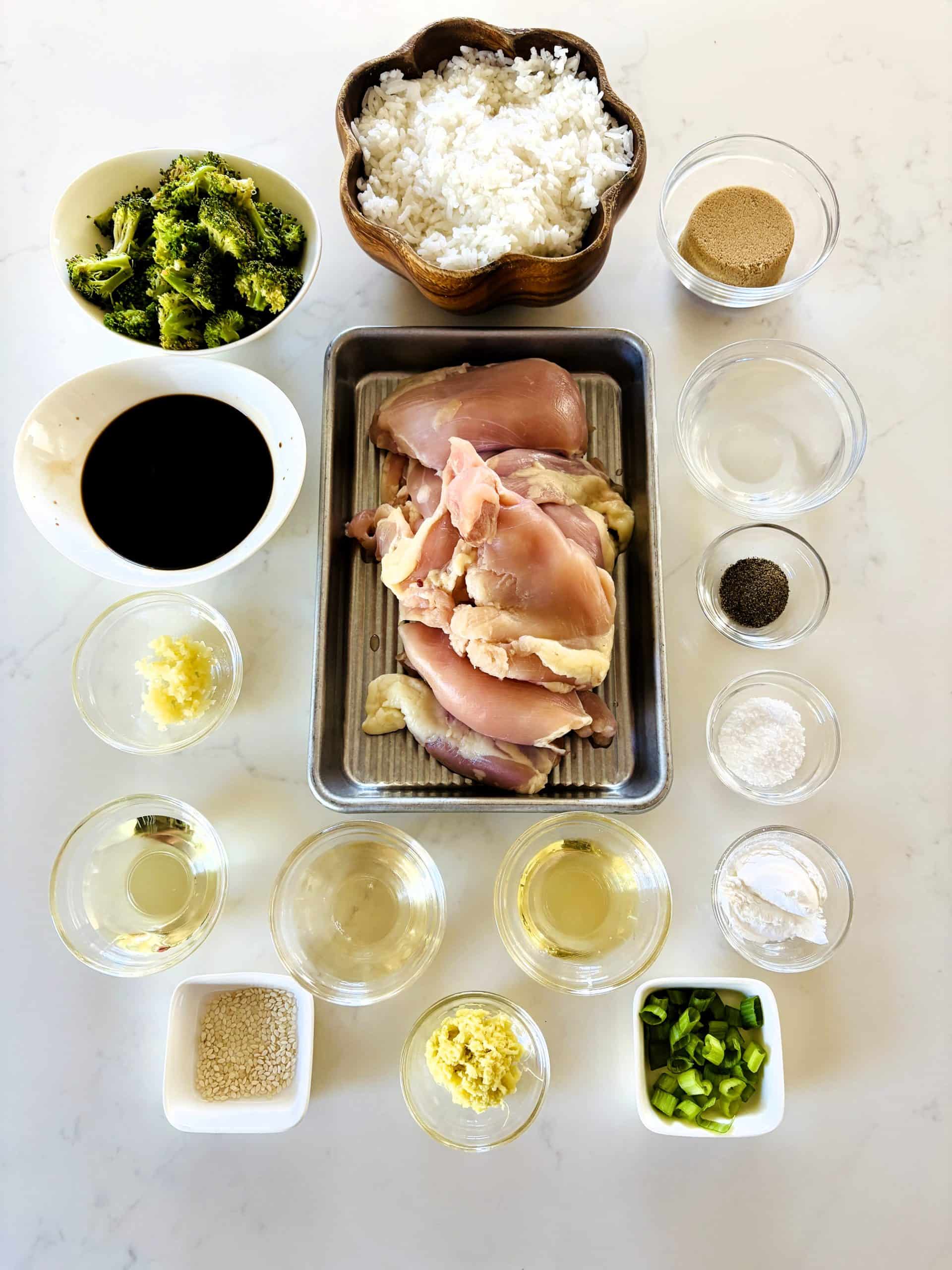
The Teriyaki Chicken pitch: Sticky, glossy, and mahogany-glazed. Plus, it’s the type of dinner that gets reheated for lunch and actually tastes better the next day.
Combine soy sauce, mirin, brown sugar, some minced ginger and garlic, and 1 tsp of rice vinegar. Brush half of this glaze mixture over chicken thighs ( boneless and skinless works fine, but bone-in and skin-on is better). Cook it for 20 mins at 425°F, then brush with the other half of the glaze mixture.
Cook for 5-8 mins more. We want the glaze to be dark brown and shiny with maybe a few charred spots on the edges and for the chicken to be at 165°F. Remove the chicken from the oven and let it rest for 5 mins. Drizzle the chicken with pan juices from the baking dish, then add sliced scallions and toasted sesame seeds.
Store bought teriyaki sauce can work in a pinch, but it usually ends up being too sweet and lacking flavor. To help balance this out, combine it with an additional 1 tablespoon of soy sauce and 1 tsp of grated ginger.
18) Sheet Pan Panko Cod (with Green Beans)
What makes Sheet Pan Panko Cod (with Green Beans) work is fish that crisps up without having to fry it. The panko coating absorbs the oil, and becomes perfectly golden and crisp in the oven just like it would if it was fried in a pan, but without the mess.
Pat the cod filets very dry, and give each a light coating of flour, a dip in a beaten egg, and a coating of panko which has been mixed with grated Parmesan cheese, lemon zest, dill (dried), salt and pepper. Place the filets on a baking pan which has been lined with parchment paper and give each a generous drizzle of olive oil (this will give them their golden color).
Roast in the oven for 12 – 15 minutes at 425°F. The panko should be a deep golden brown and should be crackly when struck with a fork. As the fish flakes apart, it should reveal opaque sections that are pearl white and have no translucent center. Serve with lemon wedges and tartar sauce.
You can use other firm white fish filet alternatives like haddock, halibut, etc. You might try tilapia as well, but you will need to cook it for 2 minutes less since the filets are thinner.
Nathaniel’s Pantry Notes: Guidelines Regarding The Single Layer Rule
If a single rule could be taught regarding the art of sheet pan cooking, it would be the single-layer rule. Nothing on the sheet pan can touch.
When components make contact, the moisture created has no way to escape. It sits between the two as steam, and steam at 425°F is still steam. You end up with food that is cooked, yet looks like it has the surface of a container that has been left sitting in the fridge.
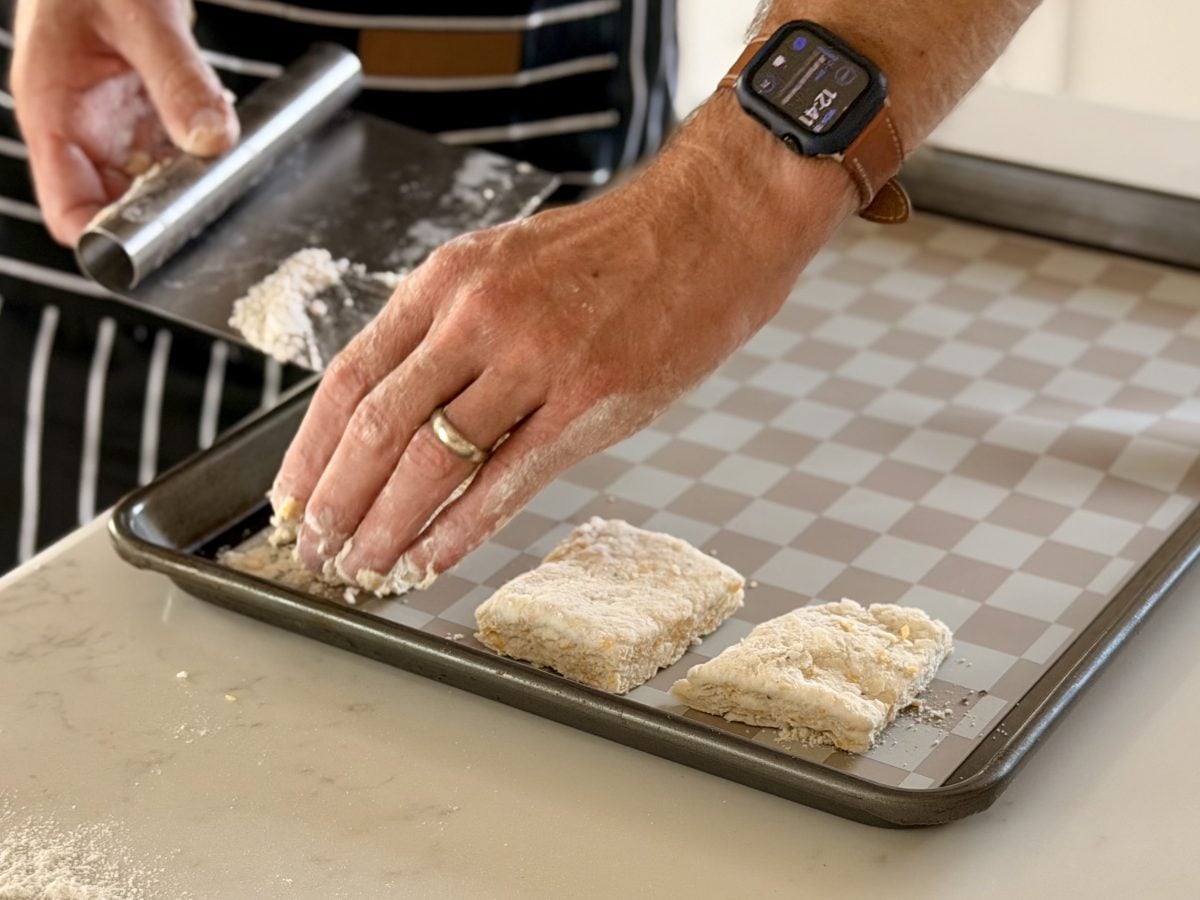
Use two pans if it won’t fit on one. Two pans of properly spaced food is better than one pan of crowded food. The oven is big enough.
Check it in the middle of cooking. At the halfway mark, pull the pan out to look. If you can see the pan between pieces, you’re roasting. If it looks like a wet quilt with no gaps, you’re steaming. Move half to a second pan and put both back in.
Another thing not mentioned is that convection helps with crowding. If you have convection, use it for sheet pan dinners. Moving steam off food helps the browning process.

19) Chicken and Cabbage
Why Chicken And Cabbage make the cut: Chicken and cabbage is the most underrated vegetable for sheet pans because it gets crispy like a chip on the edges, then, silky like cream on the inside. Plus, it stretches one pound of cooked chicken into a real dinner.
Cut a head of green cabbage into wedges, each 1 inch thick (make sure to leave the core so the wedges stay together). If you have them, brush the caraway seeds, olive oil, salt, and pepper on them. Bone-in chicken thighs will go next to them. They are brushed with oil and sprinkled with salt.
Roast everything together for 30 to 35 minutes at 425 degrees Fahrenheit. You want the cabbage edges to be charred dark brown (black bits are correct). The cores should be knife-tender, and the chicken needs to be at 175°F at the thigh joint. A yogurt-dill drizzle or a zesty mustard sauce will balance the richness.
Swap: Napa cabbage is fine, but cooks quicker, so add it in halfway. You can do pork chops instead of chicken roast, they take about the same time and go just as well with cabbage.
20) Sheet Pan Turkey Kielbasa
Why Sheet Pan Turkey Kielbasa pulls its weight: More zesty than a pork kielbasa, but more smoky than a chicken sausage. Twenty-five minutes, nearly no cleaning up to do, and no whining at the table.
Cut the turkey kielbasa into thick, half-inch coins. Mix them with the halved baby potatoes, sliced red onion, bell pepper (cut into pieces), and some olive oil, smoked paprika, garlic powder, salt, and pepper. Spread everything evenly on the tray and roast for 25 to 30 minutes at 425°F, flipping them halfway. You are waiting for the edges of the coins to crisp and the cuts to turn brown.
The potatoes should be tender with golden undersides while the peppers soften with a few char marks. Right at the end, add a teaspoon of grainy mustard to the pan juices for the final touch.
Substituting products: Normal pork kielbasa is richer and provides more fat to the pan (in a good way). You may use chicken sausage, but you will need to add a teaspoon of oil, since it doesn’t render.
21) Harissa Chickpeas
Harissa Chickpeas are a fast option with the benefit of being vegetarian and only requiring 15 minutes of hand on time. The chickpeas will crackle instead of squishing, and harissa makes the roasted veggies seem like real effort.
Drain and dry two cans of chickpeas (drying is important; if chickpeas are too moist, they will steam instead of crisp). Toss with olive oil, a heaping tablespoon of harissa paste, some smoked paprika, cumin, salt, and a squeeze of lemon. Add in pieces of sweet potato, wedges of red onion, and cauliflower florets.
Spread evenly on a baking sheet and roast at 425°F for 28 to 32 minutes, stirring once. You want the chickpeas to be a deep brown-red and crackle when pressed, the sweet potatoes to be fork tender, and the cauliflower florets to be charred. At the table, to cool the heat, drizzle with yogurt.
Swap: If harissa is too spicy for you, do half harissa and half tomato paste. Butternut squash can replace sweet potato as it offers a sweeter finish with less starch.
22) Sheet Pan Chicken Tikka
Why Sheet Pan Chicken Tikka belongs here: Tikka, but done without the skewers or grilling. THe yogurt marinade not only tenderizes the chicken but also helps the spices stick when roasting.
Combine full-fat yogurt with the following ingredients: garam masala, ground coriander, turmeric, ginger, garlic, lemon juice, and salt. Whisk and combine with cubed chicken thigh boneless skinless, and marinate for thirty minutes to hours (the longer the better). Coat a pan with some oil, and add red onion wedges and strips of bell pepper.
Toss once then roast for 22-27 minutes at 425°F. You want the chicken to have dark charred spots from the yogurt caramelizing, the onion to be soft and blackened around the edges, and the peppers should be softened and brown with crispy edges. Enjoy with naan or basmati rice and mint chutney and yogurt with cilantro drizzled on top.
Substitution: Boneless chicken breast. The Cubes are effective, but the cooking time is between 18 to 22 minutes. They will remain slightly drier. Please do not skip the yogurt marinade. The tofu cubes are surprisingly effective. Remember to press the tofu first as indicated in the Sheet Pan Tofu recipe.
23) Bacon Wrapped Chicken
Bacon adds flavor to the chicken like a marinade would but better. During cooking, the bacon fat will season the vegetables that you put underneath it, and the bacon will still be nice and crispy.
Take a chicken breast (that has been pounded for even cooking) along with two slices of bacon, tucking the ends under. Place on a pan above the halved baby potatoes and Brussels sprouts that you’ve combined with olive oil and salt. Bacon Glaze with a hint of sweetness from Dijon and a bit of Maple/Brown Sugar. Roast for 25 to 32 minutes at 425 degrees Fahrenheit. You’re looking for the bacon on top to have dark rippled crispness, as well as the chicken to reach 165°F at the thickest part, and the Brussels sprouts to be tender. Broil for an additional two minutes if the bacon looks pale.
Swap: You can also use chicken thighs (they can be boneless and skinless) which will work better and keep juicier. However, chicken thighs already have a lot of fat so we will forgo the maple syrup glaze. Some plain salt and pepper bacon will do it.
You can use prosciutto for this as well, just keep in mind it will not crisp up the same so you might want to do some broiling at the end to get it how you want. 24) Sheet Pan Pork Tenderloin Where Sheet Pan Pork Tenderloin earns its spot: It’s hard to go wrong with pork tenderloin; it always feels special. You can use the leftovers for sandwiches the next day and it takes twenty-five minutes to make from beginning to end.
24) Sheet Pan Pork Tenderloin
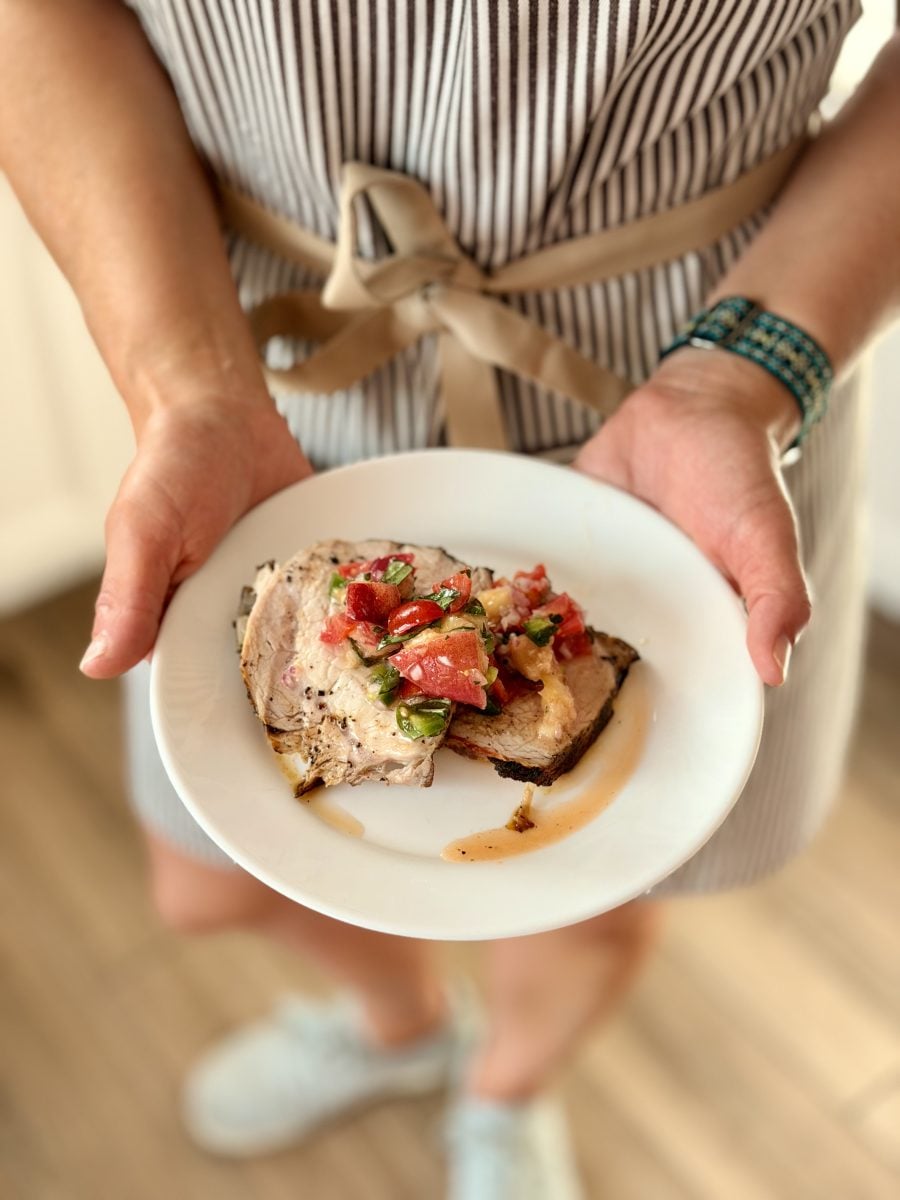
Pat and season the pork tenderloin (weighing 1-1.5 lbs) using a spice mix of your choice that includes garlic powder, smoked paprika, brown sugar, salt, and pepper with a pinch of cumin. Toss the trimmed green beans and sliced fingerling potatoes with olive oil and salt, then spread everything on a sheet pan.
While the pork tenderloin is roasting, check the internal temperature; it should be 140°F (the ideal temperature is not 165°F, pork is safe at 145°F). It should also have a nice, dark brown crust. After resting for about 7-10 minutes, cut the pork to retain the juices. Then, cut it into 1/2 inch medallions, slicing against the grain.
You can substitute the tenderloin with a small pork loin, but it will take longer (about 35-45 minutes) to cook. Also, it will be a bit leaner and drier than a pork tenderloin, so plan on using a little more glaze. You can also use chicken tenderloins as an alternative. These can take just 15 minutes.
25) Sheet Pan Chicken and Squash
How about some butternut squash with a maple-mustard drizzle this evening? Roast chicken and chicken skin, and maple-mustard drizzle. No matter what the calendar says, it still tastes like fall.
Remove skin from butternut squash then chop it into 1 inch cubes. Toss with olive oil, salt, pepper, cinnamon, and a pinch of cayenne. Place on the same pan as bone-in chicken thighs, which were rubbed with olive oil, salt, and dried sage. Roast everything for 35 to 40 minutes at 425 degrees.
Wait for the squash to be tender with caramelized edges (some pieces will be close to candied at the tip) and for the chicken skin to be crispy with juices running clear or when the temp reaches 175 degrees. In the last 5 minutes of cooking, add a mixture of maple syrup, Dijon, and a bit of apple cider vinegar to the pan to glaze everything (don’t burn it).
Ingredients can be swapped: Acorn squash or delicata can be used instead and do not have to be peeled. Cooking time will be about the same when using sweet potato cubes instead.
26) Sheet Pan Chickpeas
What Sheet Pan Chickpeas get you: Chickpeas that are crispy take center stage, which is not common. If you place a grain base layer and some yogurt drizzle on top, you can make a complete meal in under 40 minutes.
Rinse the chickpeas thoroughly before combining them in a bowl with olive oil, smoked paprika, cumin, garlic powder, coriander, and a touch of cinnamon. Add diced zucchini, halved cherry tomatoes, and chopped red onion. Roast for 25-30 minutes at 425°F, tossing once. The chickpeas should be golden-brown and will pop when you press them with a spoon. The tomatoes should burst, and the zucchini should be tender with browned edges. Serve with garlic yogurt and chopped herbs on top of a bed of couscous or rice.
I can’t use lentils for this since they get mealy. Crispy canned fava beans will work but are more difficult to locate. If you want more protein, you can add tofu cubes; just make sure to press them first.
27) Sheet Pan Chicken
What makes Sheet Pan Chicken work: It’s the uncomplicated weeknight version without any unique spices to find. Salt, pepper og en varm ovn. Sometimes that is the meal.
Use a patting motion to dry off the chicken thighs or drumsticks that have been bone-in and skin-on. Mix with olive oil, salt, and pepper, and a small handful of garlic cloves (you don’t have to peel them because they will become a paste as they cook in the oven). Combine with halved baby potatoes, and some red onion that has been sliced, and also a decent amount of dried herbs (you can use oregano, thyme, rosemary, etc.).
Spread everything in a single layer on the pan and roast at 425°F for 35 to 40 minutes. The goal is to get the skin nice and dark on the gold and crispy side, while the garlic and potatoes turn soft and have done a nice browning on the bottom. The garlic cloves will also turn a nice brown on the inside and the skin husk. Before serving the dish, use a squeezing motion to get the garlic out since it will be soft from the heat and spread it onto the chicken or bread.
You can also use bone-in chicken, but they’ll be done before the others (28 to 32 minutes) so take them out when the juices are running clear. Without skin and with bones on the chicken thighs, the cooking time will decrease to 22 to 25 minutes and you will also won’t be able to experience the nice skin that is crackling.
28) Sheet Pan Turkey Cutlets
Meal Selection for Today: One of the best meals for Thursday evening is turkey cutlets. They take less time than chicken, are easier to digest than pork, and can have a sweet sauce on them.
Spray some oil and then add some salt, pepper, and a small touch of dijon mustard on the pan with the turkey breast cutlets (about half-an-inch thick). Place them in a sheet pan with some sliced apples and chicken that has been split in half, brussels sprouts, and quartered red onions. Mix them with olive oil and a tablespoon of maple syrup. Bake for 15 to 18 minutes at 425 degrees Fahrenheit. The cutlets need to be at 160°F at the thickest part (they’ll carryover to 165°F off the heat), Brussels sprouts should be deep brown on their outer leaves, and the apples should be softened and caramelized on the edges. Slice the cutlets against the grain and serve them over the apple and brussel mixture.
em{Swap}: Chicken cutlets take 12 to 14 minutes to prepare and cook (they are lighter and drier). Pork chops of the same size will also work, but increase the time to 18 to 22 minutes and remove them at 140°F internal.
Nathaniel’s Pantry Notes: Parchment, Foil, or Naked?
All sheet pan dinners have a similar question. What is put between the food and the metal? Most people get surprised at the result.
Browning is at it best with a naked pan. The metal draws heat from itself and conducts it quickly to whatever is in contact, so the bottom of your potato wedges or chicken thighs crisp to perfection. The cleanup is the real cost. Rendered fat, baked-on lemon juice, and sugars from caramelized onions create a stubborn layer that takes serious scrubbing to remove. An example of a successful bare-pan night ends with hot soapy water and a flexible bench scraper.
- Parchment paper provides the easiest clean up. Just slide the paper off and throw it away and the pan is basically clean. You lose contact with the pan and parchment may cause some browning on the bottom. Use parchment for fish, tofu, anything sticky-glazed (miso, teriyaki) and any night you don’t feel like scrubbing the pan.
- Aluminum foil and parchment paper have the same insulation problem. Foil, however, reflects heat upwards. This means that if you want more browning on the top side, it will be useful. The downside is that foil reacts with marinates that include acid (lemons, tomatoes, and vinegar) which can lead to a metallic taste and should not be used with those types of marinades.
- Baring the pan leads to the best browning and should be used for sturdier proteins such as chicken thighs, sausages, and pork tenderloin as well as any root vegetables. This does mean, however, that you will have to scrub the pan.
Having done a considerable amount of dinners, I have adopted the rule of using parchment with fish and glazed foods, nothing for the rest and using foil as little as possible. If you want to have better browning while still having easy clean up using a parchment paper, just put it on the bottom of the pan and leave the edges of the food open so they are exposed to the metal.
29) Sheet Pan Kielbasa
What you get with Sheet Pan Kielbasa is the classic pork kielbasa. This version is for when you want the smoky and fatty payoff because the turkey kielbasa won’t cut it. One pan, 25 minutes, no excuses.
Slice the pork kielbasa into thick coins. Mix it with halved baby potatoes, sliced bell peppers, red onions into wedges, and cabbage. Drizzle with olive oil and season with smoked paprika, ground caraway seeds, salt, and pepper. Spread in a single layer on the pan and roast for 25 to 30 minutes at 425°F, turning once.
For the kielbasa to be deeply browned with cut ends almost toasted, the potatoes to be fork-tender with golden crisp bottoms, and the cabbage to have dark brown charred edges. A Polish grandma has visited if you add a teaspoon of grainy mustard and a bit of apple cider vinegar to the pan juices at the end and whisk them together.
Andouille sausage has more chile heat and a different smoke profile, both of which are positive. Smoked turkey sausage is lower in calories but lacks rendered fat, so choose that option and add an extra tablespoon of oil.
30) Lemon Chicken
Pat dry the bone-in skin-on chicken thighs, sprinkle with salt, and brush with olive oil. Distribute the ingredients over a marble contact grill, some thick slices of lemon (2 lemons), sliced garlic, fresh rosemary or thyme, and halved and oiled baby potatoes. Add 1/2 cup chicken broth or white wine around the chicken. Roast 35 to 40 mins at 425°F until the skin is golden and crispy, the lemon slices turn soft and pulpy, and the potatoes are tender and brown. The sauce is in the pan juices, don’t waste it.
You can use bone-in breasts, but they cook quicker (in 28 to 32 mins). If you want a milder lemon flavor, go with Meyer lemons. They are sweeter and less pungent.
31) Sheet Pan Steak
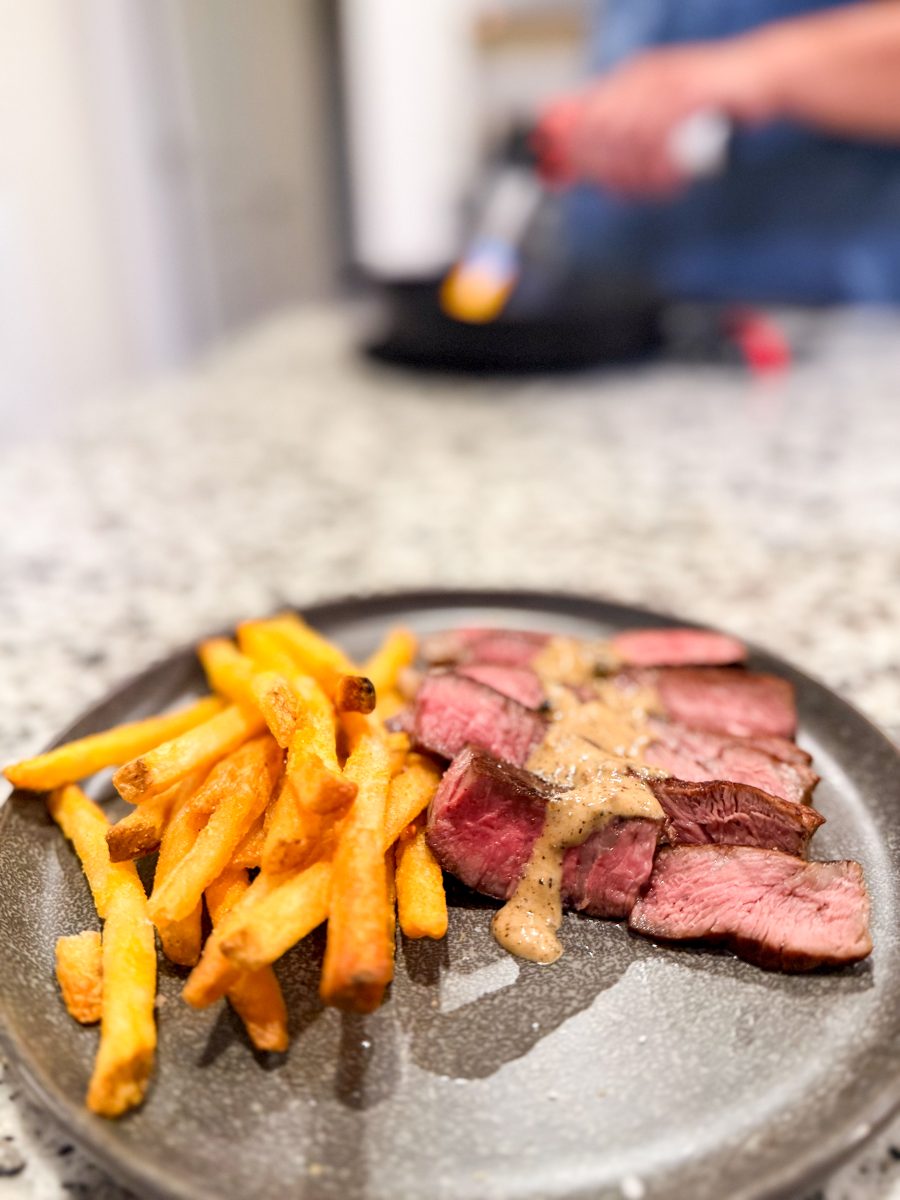
Why Sheet Pan Steak belongs here: Yes, you can roast an entire steak on a sheet pan, and yes, it actually works. Great for a thick cut where a frying pan would smoke up the whole house.
Steaks that are 1.5 – 2 inches thick, such as new york strip or ribeye, should be generously salted 30 minutes before cooking, or even better, a few hours before. While the steak is cooking, prepare a baking tray with the steak along with halved mushrooms, asparagus, and baby potatoes (potatoes should go in 15 minutes earlier at 425 °F before the other vegetables).
Drizzle some olive oil on the steak and vegetables, and cook everything for 10-14 minutes at 425° F. The steak should have a nice brown crust and the center should be 125°F for medium-rare. If the crust is too pale, then broil for an additional 2 minutes. After the steak is done cooking, wait 8-10 minutes to slice in the direction of the grain.
Skirt and flank steaks also cook much faster at 5-7 minutes, and should be done at 120°F. If you are without pans, feel free to reverse sear the pan for a better crust.
32) Sheet Pan Chicken and Potato
Crisp chicken with flaky skin along with potatoes that have all the chicken fat is sure to satisfy.
The next time you make a Mediterranean chickpea dish, grab a red or Yukon gold potato, quarter it, and toss it in olive oil, salt, and pepper. Arrange the potatoes in an even layer on a baking tray and set a timer for 15 minutes at 425°F. While the potatoes are roasting, get a bone-in, skin-on chicken thigh (preferably thawed) and pat it dry. Rub olive oil, garlic, and some dried herbs (rosemary, thyme, or oregano) on the thigh and toss it on the tray.
After the potatoes have roasted, add the chicken, and set the timer for another 30-35 minutes. When the timer goes off, you will want the skin on the chicken to be a deep, crackled brown, and the potatoes need to be brown and crispy on the outside, with soft insides. You’ll also want to see a good amount of chicken grease on the bottom of the pan. Coat the potatoes in chicken grease, that’s the point.
If you want to substitute chicken, bone-in breasts are good, but pull them when the juices run clear (around 25-30 minutes of roasting). If you want to switch the regular potatoes out for sweet potatoes, they’ll need a 10 minute head start on roasting because they caramelize faster.
33) Sheet Pan Mediterranean Chickpeas
Reason to choose this meal tonight: Mediterranean chickpeas are based off pantry staples so it’s super easy to make, and it tastes delicious!
Allow the two cans of chickpeas to drain and dry. Combine them with olive oil, oregano, garlic powder, lemon zest, salt, and pepper. Additionally, add halved cherry tomatoes, sliced red onion, whole (pitted) kalamata olives, and zucchini cut into chunks. Spread them on a pan and roast at 425°F for 22 to 28 minutes, tossing once.
The ideal results are golden and crackly chickpeas, jammy collapsed tomatoes, softened onions, and slightly wrinkled olives due to the heat. In the last 3 minutes of cooking, add the feta so it warms and softens but doesn’t completely melt. Finally, fresh lemon juice should be poured over the entire pan.
While black olives are acceptable, kalamata olives are more exciting. As for the chickpeas, white beans (cannellini) can be used in place of them, but they cook faster and become a little softer. So for those, pull them out at 18 to 22 minutes.
34) Buffalo Chicken
Where Buffalo Chicken earns its spot: All the buffalo wing payoff with no frying involved. The sauce caramelizes on the chicken like no plate-of-fried-wings ever could.
Thighs, drumsticks, and wings are bone-in chicken pieces. Make the skin crispier by adding a small amount of baking powder and salt to the chicken pat dry. Bake the chicken at 425°F for 30 to 35 minutes (22 to 28 for wings). Five minutes before the chicken is done, glaze it with the following sauce: melted butter and Frank’s RedHot, 1 teaspoon garlic powder, and a little apple cider vinegar.
After that, put it back in the oven for 5 minutes to allow the sauce to set and caramelize. The chicken skin should be brown, sticky, shiny, and coated. It should be so sticky that it will stick to your fingers. The internal temperature of the joint needs to be 175°F. To get the full experience, offer blue cheese dressing and celery sticks alongside the chicken.
You can use boneless skinless thighs, but you won’t get the crispy skin and have to cook it for 18 to 22 minutes in total. If you think Frank’s is too thin, use Crystal hot sauce, as it is thicker and won’t run off the chicken.
35) Balsamic Chicken
What makes Balsamic Chicken so special? While cooking, the Balsamic Vinegar will bubble and create a syrupy glaze that coats the chicken and makes any vegetables underneath it sweet. It only takes 25 minutes of work to feel like you did an hour.
Take balsamic vinegar, olive oil, dijon mustard, and garlic, honey, salt and pepper, and a few sprigs of fresh thyme and whisk them together. Marinate chicken thighs (bone-in skin-on or boneless skinless) for at least 20 mins. Spread halved cherry tomatoes and quartered red onions throughout the pan.
Roast for 30 to 35 minutes at 425 degrees Fahrenheit (for boneless, 22 to 26 minutes). You’re waiting for the balsamic to reduce and turn into a glossy lacquer, for the tomatoes to collapse and become candy-like on the edges, and for the chicken to reach 175 degrees Fahrenheit at the joint. Prior to serving, drizzle the dark, sticky pan juices over the chicken.
Swap: At the top of the ingredients list, you need to combine red wine vinegar for balsamic vinegar. However, you must add an additional tablespoon of honey to counteract the sharpness. Chicken breasts can be used, but the meat will dry out more, so pull it out at 25 minutes, and trust your instincts.
36) Breakfast For Dinner
What makes Breakfast For Dinner work: This dinner is the most loved meal in my house and it is the most simple to put it together when there is no motivation to actually plan anything out. This works without having three pans on the stove. Sheet pan eggs and sheet pan bacon.
Line a sheet pan with parchment paper. On one side of the pan, place strips of bacon in a single layer. On the other side, distribute halved cherry tomatoes and sliced bell peppers, along with torn pieces of bread that have been drizzled with olive oil. Roast in the oven for 10 minutes at 400 degrees Fahrenheit. Once the timer goes off, take the pan out of the oven and crack eggs into the empty spaces around the vegetables.
If you’re feeling hungry, you can crack more than one egg into a space. Season the eggs with salt and pepper, then return the pan to the oven for another 5-8 minutes. At this point, you’re hoping the bacon has crisped up and rippled, the egg whites are set, the egg yolks are still jiggly, you can shake the pan gently and the bread should be golden and toasted. For garnishing purposes, adding some fresh chives or scallions to the top is a nice touch.
If you’re out of bacon, you can substitute for sausage patties, although you should mix those in with the vegetables at the start. For that classic diner feel, pre-baked hash browns from the freezer aisle are a must. You can also top them with eggs, which is a great touch.