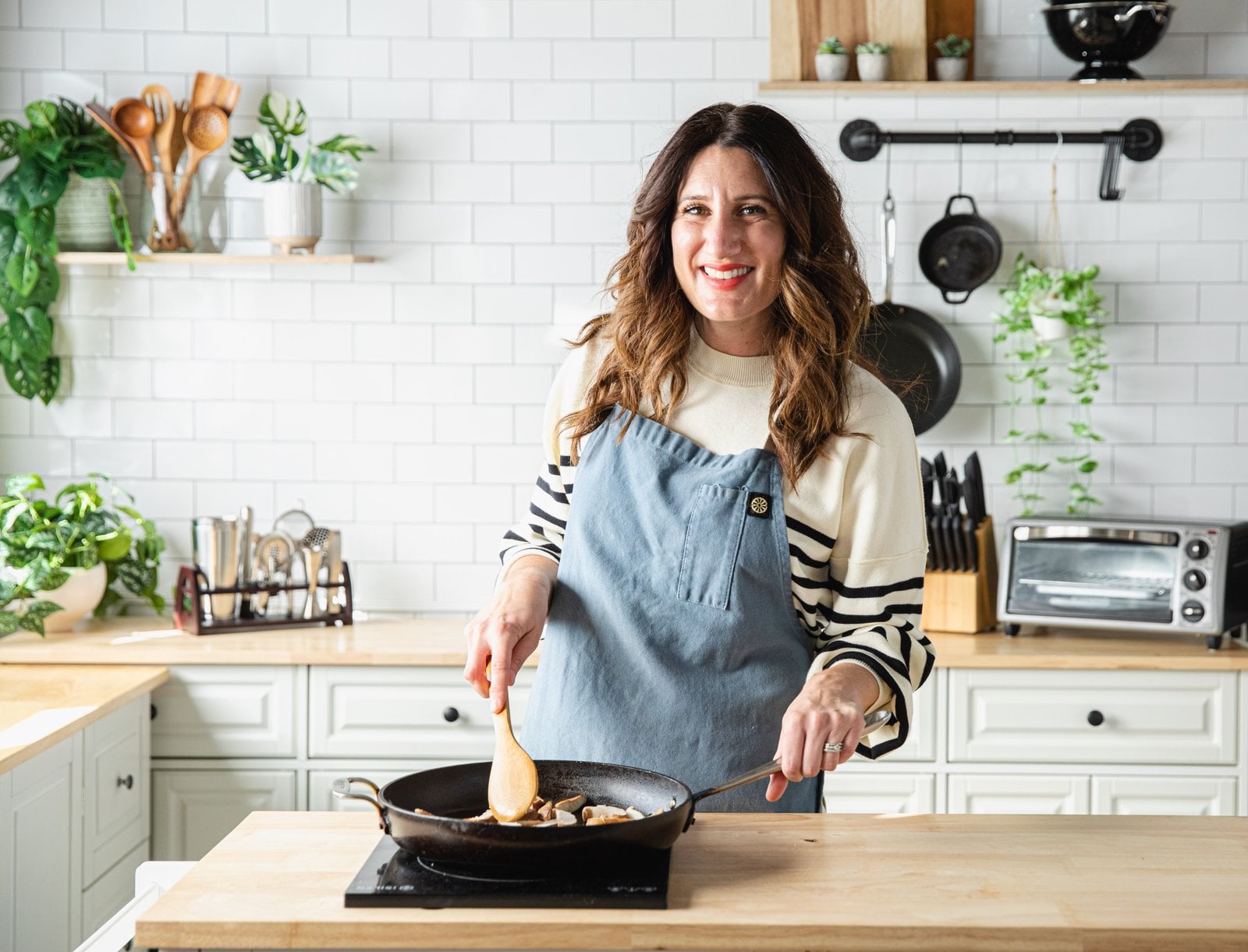
When I anticipate that the upcoming week will be busy, I develop a particular habit for my Sundays.
It’s mostly Mediterranean and it’s mostly about momentum: one tray of something roasting, one pot of something simmering, one cutting board worth of vegetables, and a couple of containers that go straight to the fridge.
Below is the rotation I rely on. There’s no need to go extremely out of the way or spend three hours in the kitchen.
Rachael’s Nutrition Note
The Mediterranean diet can reduce systemic inflammation, lower the risk of several chronic diseases, and promote a longer lifespan.
I learned from firsthand experience of my lunches which consisted of gray broccoli and a lot of soggy foods that dressings must be added to meal bowls right before you eat them and not packed with the meal. Since the prep time for grain is the longest, they should be done first.
While the grains are cooking, you can start the timer, and then season the chicken with salt. I have a total of 25 different meal prep ideas that I rotate through. For all of the ideas, I provide a rational for the time spent prepping, describe how the meal prep container should be organized when finished, and I give a substitution for the main ingredient in the title.

1) Lemon Herb Chicken
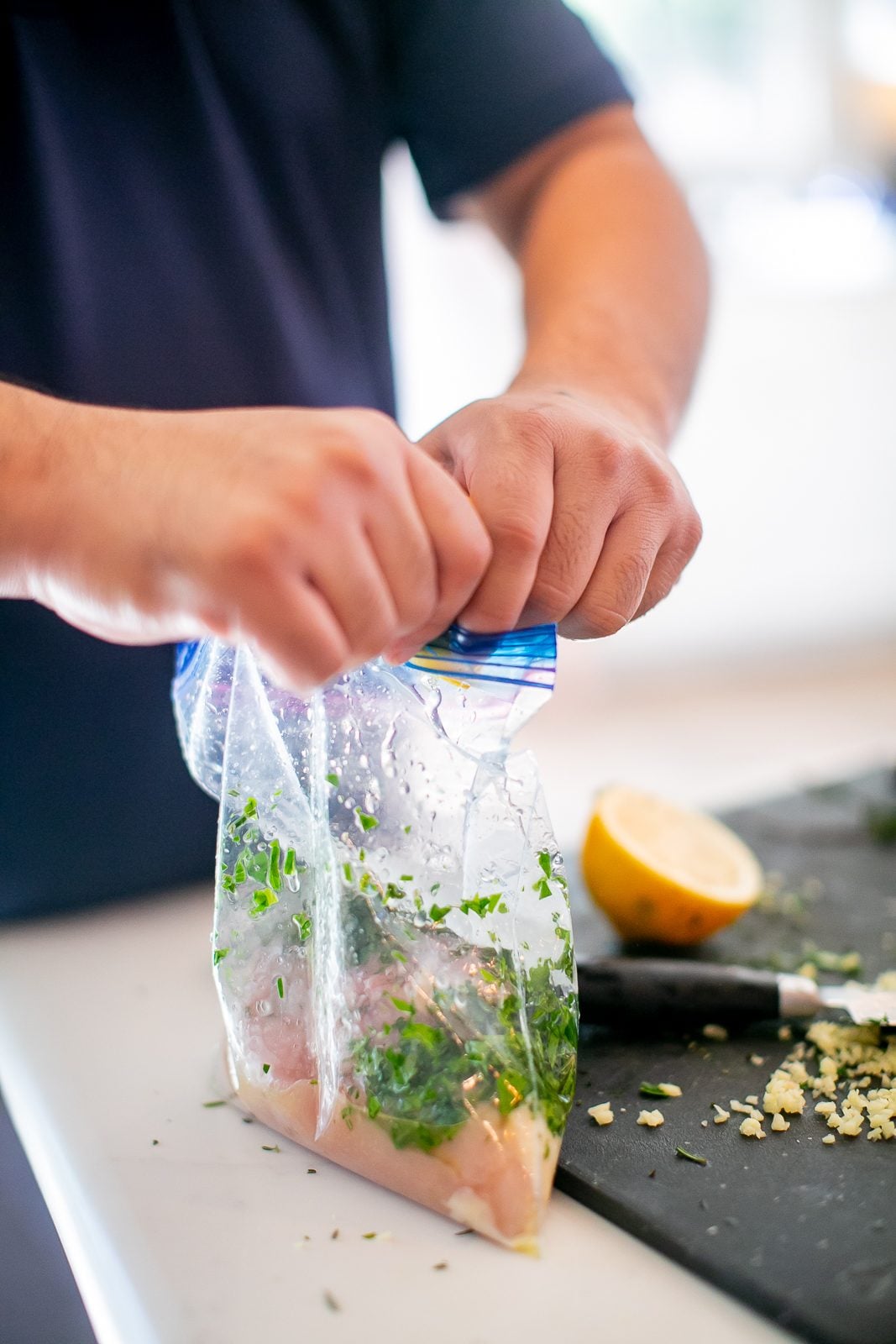
Lemon Herb Chicken Pitch: Meal prepping the chicken cutlets is super simple! You can cook the chicken in 8 minutes! They also slice easily when taken out of the fridge. With lemon and herbs, you won’t forget about these cutlets on your Tuesday lunch menu.
First, prepare the quinoa, as it takes the longest to cook. Next, take some boneless chicken cutlets and pound them so they are an even thickness. Then, season and coat the chicken cutlets with olive oil, lemon zest, minced garlic, oregano, salt, and pepper. After that, sear the chicken in a hot pan for 3 – 4 minutes on each side. Ideally, the edges of the chicken should be deep golden brown, while the center should be slightly opaque or at a temperature of 165°F. To avoid the juices running onto the cutting board, let the chicken rest for 5 minutes before slicing the chicken.
Although boneless thighs will work, they will remain juicier on the third day. Increase the cooking time by 2 minutes on each side, and remove them from the heat when they reach 170 degrees.
2) Sheet Pan Salmon
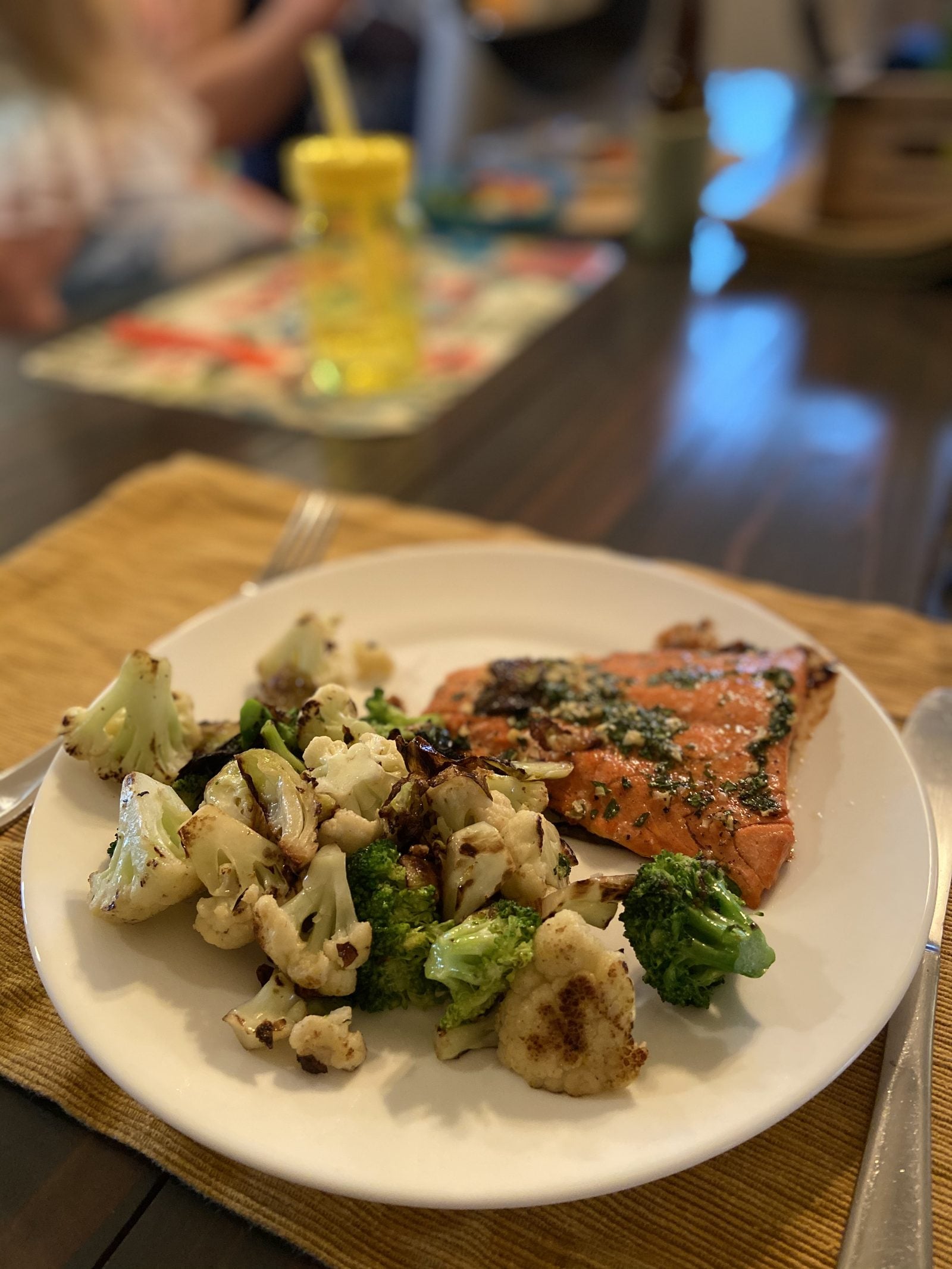
What makes Sheet Pan Salmon worth it: Salmon is a great protein choice and the fact that it can be served cold is an added bonus. This is what makes it a salad that you will actually look forward to eating at your desk as opposed to one you eat out of obligation.
Set the oven to 400°F to start warming up. If you would like to include more herbs, you can drizzle olive oil with the herbs and season it. Add the salmon fillets to the sheet pan lined with foil (skin side down) with the lemon, salt, and pepper, and dill, parsley, oregano, or other herbs.
Depending on how thick the salmon is, it can take 10 to 12 minutes to roast. The salmon is done cooking when the thickest part (pulled with a fork) flakes easily, and the inside color of the salmon has changed from translucent to opaque and is still a little dark pink. Once cooking is done, let the salmon cool. You can keep it in the skin, and skin it before eating.
The cooking time will still remain the same. While Arctic char option can also be used, that fish fillet would be much cheaper (around half the cost).
3) Greek Salad Bowls
What Greek Salad Bowls gets you: Farro is a grain that holds up over time in the fridge. Its texture remains chewy, cucumber juice gets soaked up instead of dominating, and dressing won’t turn it mushy.
Add 1 cup of farro to boiling salted water for 25 minutes. While farro is cooking, chop cucumber, cherry tomatoes, and red onion. (To make raw onion taste less strong, rinse for 30 seconds under cold water). Crumble feta cheese. Once farro is cool, add olive oil, red wine vinegar, oregano, salt, and pepper, and mix. Add veggies and feta on top. Put dressing in a separate small container.
Cooking time goes up by five minutes. Though, Pearled barley is more economical than farro and has a similar texture.
4) Tuna Bean Salad
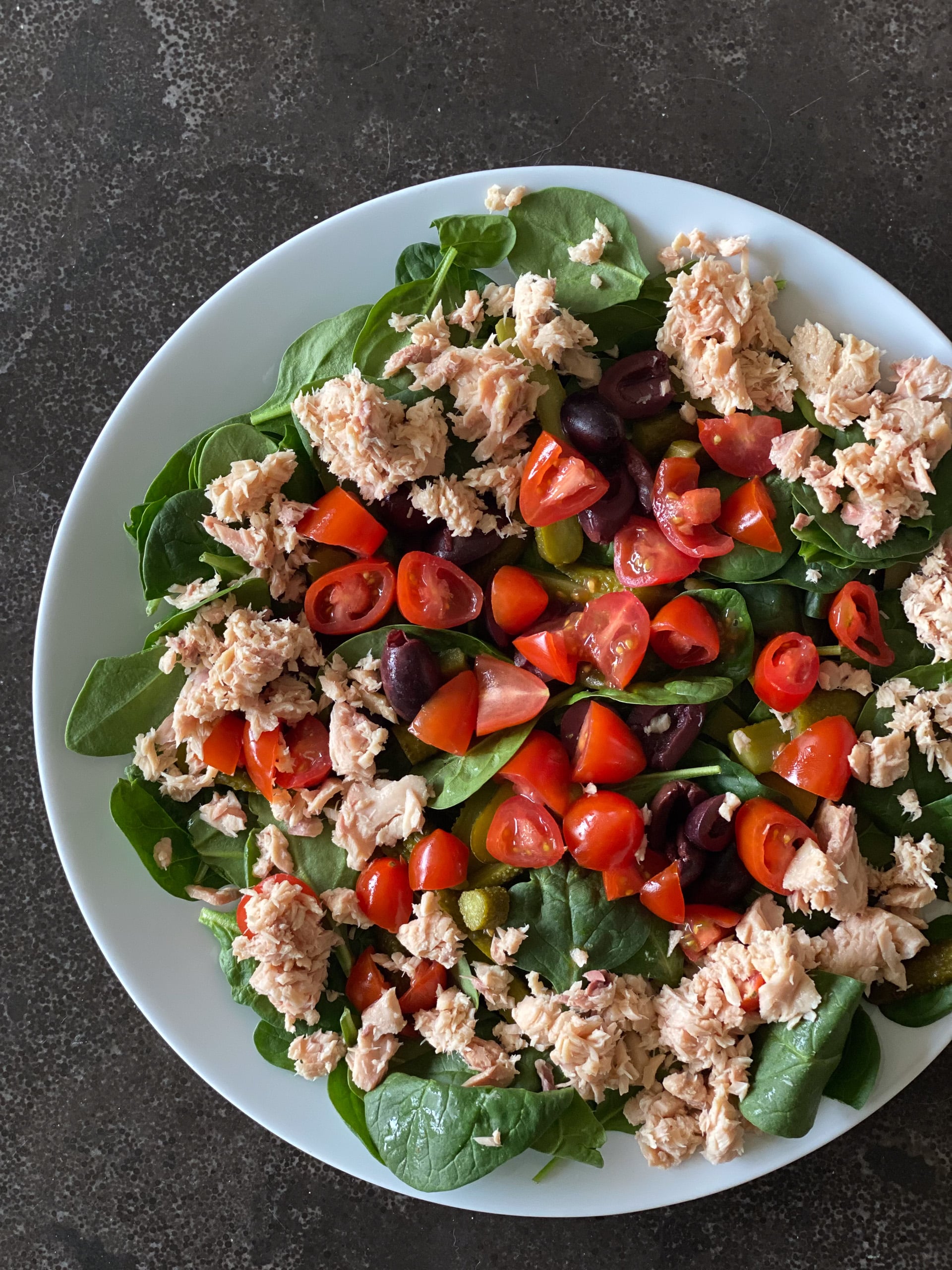
This lunch is light but filling.
Mix canned tuna (in water or olive oil) with rinsed white beans, chopped celery, dill, and lots of lemon.
An olive oil drizzle and a sprinkle of salt and pepper tie it all together.
Pair with greens or whole-grain crackers. It’s really that simple, so I won’t bore you with a long-winded description of it.
5) Turkey Meatballs
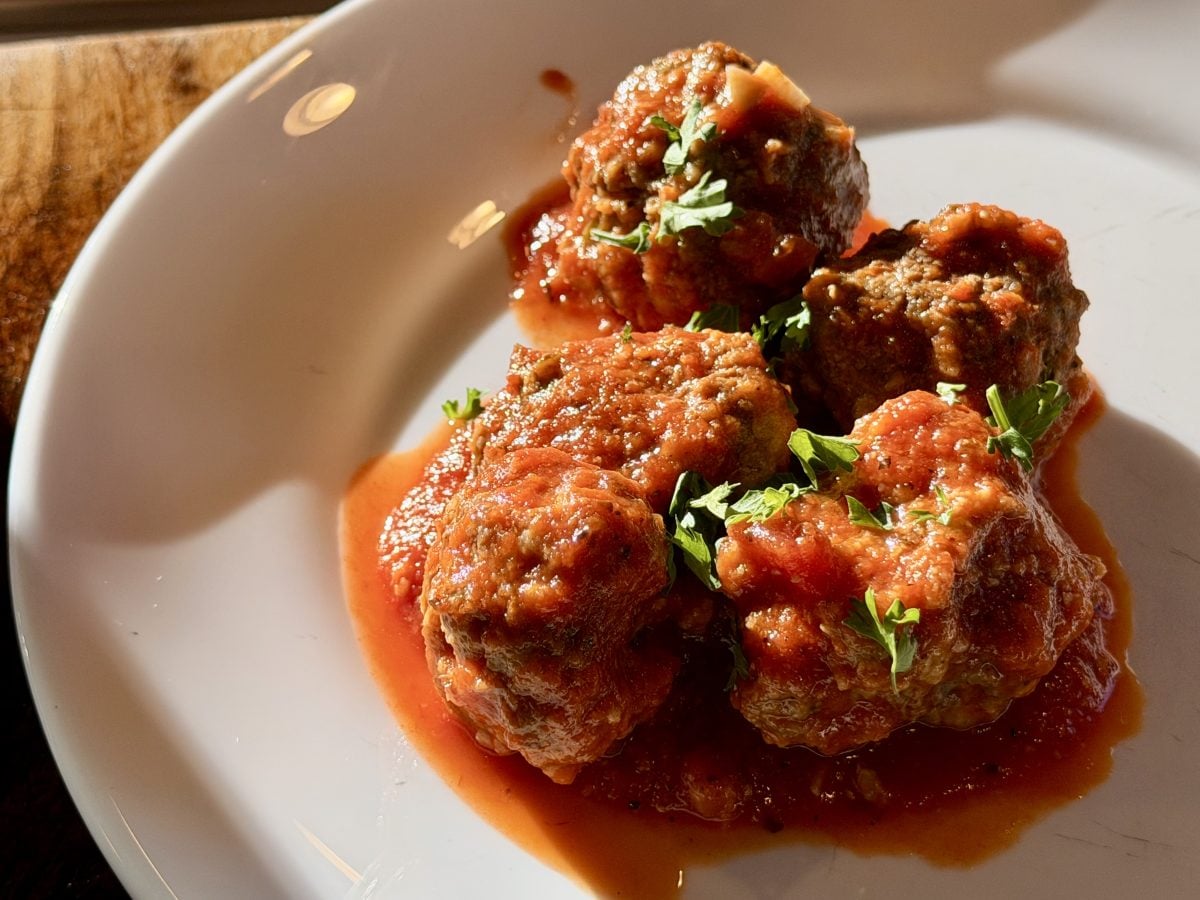
Reasons Turkey Meatballs were included: Turkey meatballs are very versatile and can be paired with many different bases including orzo, rice, salad, pita and even on their own. They also provide great value for your trip since they can be frozen and reheated, turkey meatballs can be used for a week’s worth of meals.
Combine 1 pound of ground turkey with chopped spinach, minced garlic, 1 egg, 1/4 cup of breadcrumbs, and salt, pepper, and oregano to your liking. Form the mixture into meatball-sized portions and bake for 15 – 18 minutes at 400°F. They are done when the internal temperature reaches 165°F and they are browned. Be sure not to overcrowd the pan, otherwise, the meatballs will steam instead of getting browned.
Mix 2 tablespoons of olive oil into the ground chicken mixture to help it keep some moisture. You may use ground beef as well; just remember to drain the excess fat from the pan before discarding it.
6) Lentil Bowls
Why I Like Lentil Bowls: My top pick for meal prepping has to be lentils. They are super easy to make, inexpensive, and safe to store in the fridge for up to five days. This is not the case for most foods.
To ensure cooking time stays under 40 minutes, use steamed lentils (less than $2 at Trader Joe’s). Otherwise, you will need to take an additional 20-25 minutes to simmer green or French lentils (with salt) until tender, but not falling apart. Once cooled, lentils can be added to roasted veggies like zucchini, peppers, and sweet potatoes, along with some salad greens, a drizzle of olive oil and lemon. Finally, add some crumbled feta on top.
Red lentils take about twelve minutes to cook, but they completely disintegrate. For this reason, they are better suited for soup than for bowls. While black beluga lentils are more costly, they are the best choice for lentils that keep their shape.
7) Egg Muffins
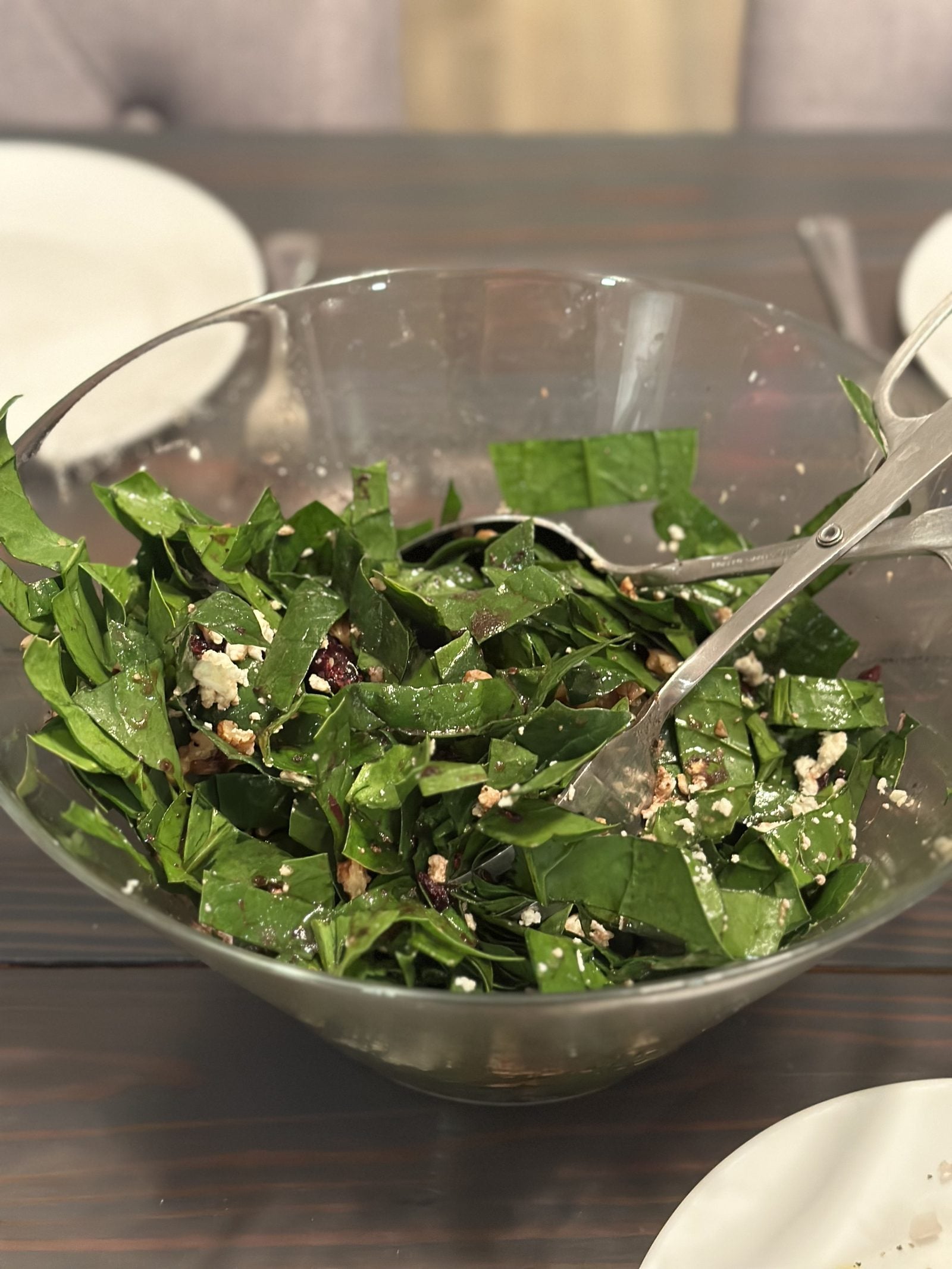
Handheld Egg Muffins also have a lot of respect for that. You can prepare a week’s worth of breakfasts in under 10 minutes using six eggs, and it’s easy to go on your phone and eat them.
Whisking 6 eggs, add a dash of milk, salt, and pepper. Add cooked spinach, chopped bell peppers, some feta, and any other roasted veggies you have. Grease the muffin tin and add the mixture. Bake for 18 to 22 minutes at 375 degrees. They will be done once the tops are risen and when the centers (not jiggling) feel set when touched. After 5 minutes, pull them out of the tin.
Using cottage cheese instead of milk will provide even more protein and give a softer texture. For a tangier option, go for goat cheese instead of feta.
 Nathaniel’s Pantry Notes: The Sunday Cook Order (Grain First, Protein Last)
I used to begin every Sunday meal prep session by searing the chicken. Then, I’d check the rice and realize it needed twenty-five more minutes. I’d end up standing there with the chicken cooked in the pan for thirty minutes waiting for the rest to finish. By the time the chicken hit the temperature of regret, the rice was finally done.
An embarrassingly simple solution is to always start with the slowest cooking items. For instance, you should always begin with your grains and beans since they like to be left alone and undisturbed. After that, you should add your roasted vegetables to the oven since they need to be in a hot oven that is not being opened for a few minutes to allow other vegetables to roast or cook. Finally, your protein is the last item that should go in since it requires a lot of attention and a hot pan, and will only take about eight minutes to finish cooking.
• Grains first. Bulgur, farro, quinoa, brown rice, lentils. Put them on, set a timer, walk away. They’re the only thing you can’t speed up by paying more attention.
• Oven next. Once the grain is going, get the sheet pan in the oven. Vegetables, chickpeas, sweet potatoes, salmon. The oven does the work, you don’t.
• Stovetop vegetables after that. Anything you’re sautéing (zucchini, peppers, greens) goes on once the oven is humming. These cook in 8-12 minutes and don’t need babysitting.
• Protein last. Chicken cutlets, shrimp, meatballs. These cook in eight minutes or less and they need the hot pan and your eyes on them. Save them for when nothing else is competing.
• Sauces and dressings during the gaps. Whisk the tahini sauce, blend the pesto, mix the yogurt dressing in the dead time while something else is cooking.
Intentionally left off the list are cooking methods that require you to actively do multiple tasks at once. If you try to simultaneously sauté chicken, stir rice, flip eggs, and monitor a sauce, you will burn something. Sunday meal prep is not a cooking show. The idea is that you are only cooking for around 15 minutes total. Most of the time is spent waiting.
8) Shrimp Noodles
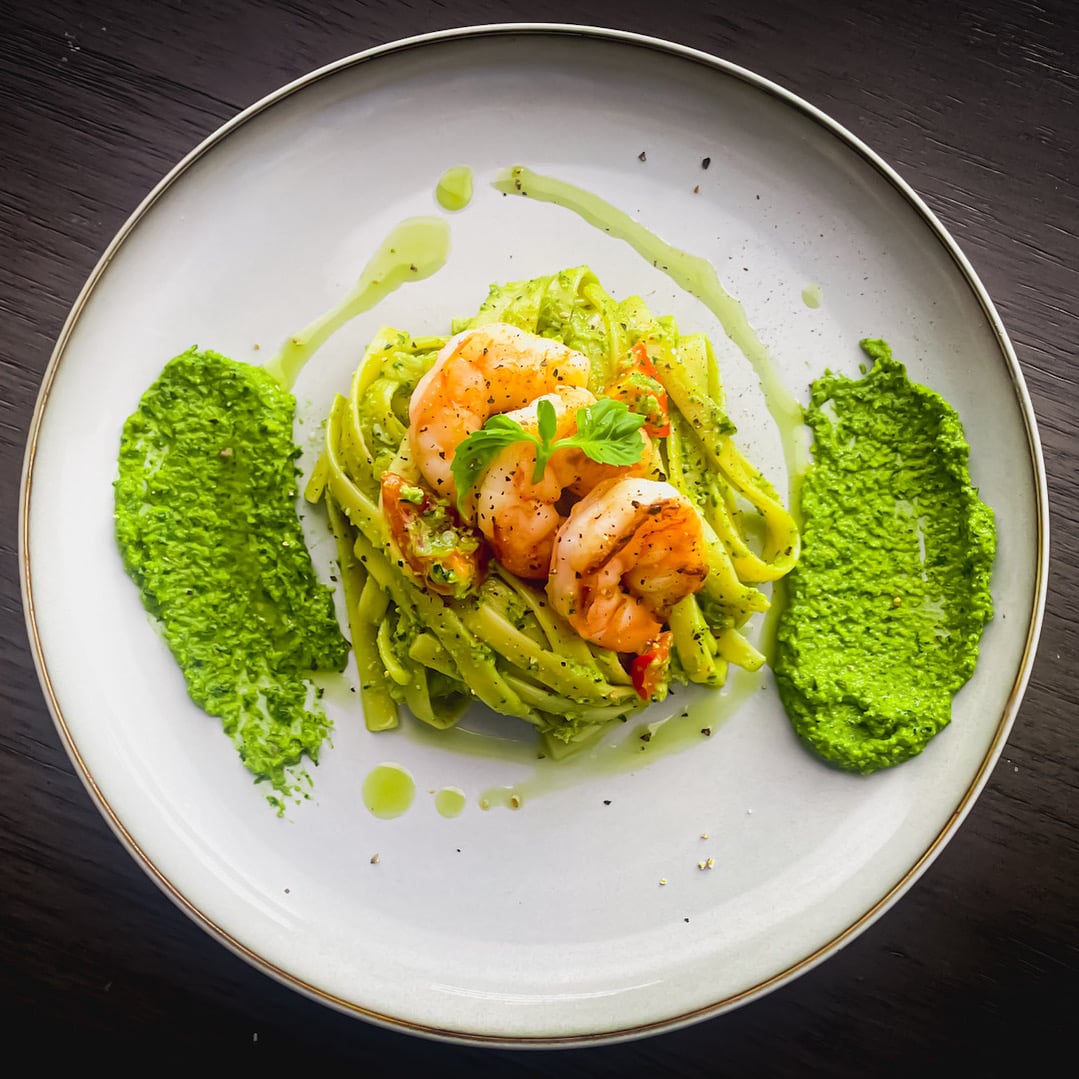
Shrimp noodles provide a balanced meal because the shrimp will cook in just a few minutes and also provide a quick source of protein. This meal also works as a prep and forget option. It is also great because the noodles can be eaten cold or warmed up.
Start boiling some water for the pasta. When the water is at a rolling boil, add the pasta. Cook the pasta until it is al dente. When the time is up, drain the pasta and mix it with a bit of olive oil to ensure it does not stick together. While the pasta is cooking, add some minced garlic to the oil and cook it for about 30 seconds. Make sure it does not brown, so keep an eye on it. Shrimp should be cooked total for 2-3 minutes and should be flipped at least once in the middle of cooking.
Make sure to add some raw shrimp, some salt, and a little bit of red pepper. The shrimp are done once they curl up into a loose C shape and turn a light pink and opaque color. Combine everything with some cherry tomatoes, chopped parsley, and a little bit of lemon.
When using frozen pre-cooked shrimp you must be cautious when re-heating them. They should only be warmed through, about 90 seconds in the pasta water, otherwise they will become rubbery.

9) Hummus Pita Boxes
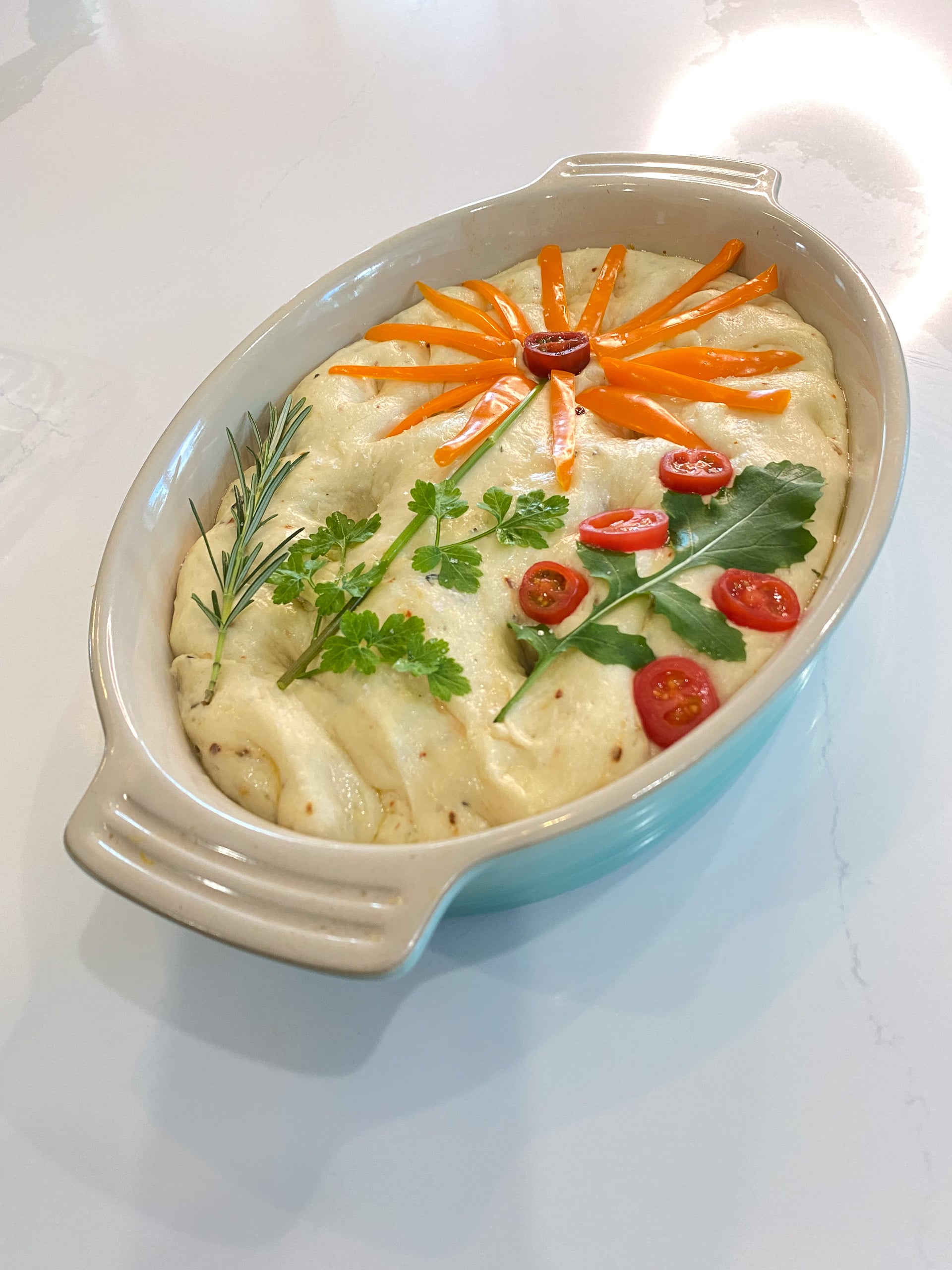
Why Hummus Pita Boxes belong here: First, there is no need to do any type of reheating. It also doesn’t have any disgusting components, and is therefore, super easy to prepare. This meal is intended for situations when an office lunch is left until 4pm.
To begin, combine olive oil, salt, and oregano. Toss this mixture with the sliced bell peppers and cherry tomatoes. Roast these ingredients in the oven for 18-20 minutes at 425 degrees F. The bell peppers will be ready for roasting once the skins are charred, wrinkly, and split.
Be sure to allow the roasted ingredients to cool completely. Warm ingredients will make the hummus taste odd and ruin the recipe. For assembling the meal, use a meal prep container and section off space for the hummus as well as the roasted vegetables, and then place some pita wedges with cucumber sticks for scooping on top. Remember to keep all of the components of this recipe separated and dry stored to keep the ingredients fresh.
If you’d like something different that has more of a yogurt flavor, you can replace the tzatziki with one of the following options: hummus or baba ghanoush.
10) Avocado Toast Boxes
The pitch for Avocado Toast Boxes: This meal prep idea is for people who don’t really want to meal prep.
Individual packing of each component is needed. Assembly at your workstation takes 90 seconds.
To keep your sliced wholegrain bread from getting toasted, you could wrap them in foil, or just toast them the morning you leave. Make sure to include uncut avocados, since cutting them will make them brown. Also include lemon wedges, sea salt, and pack separately either an oil-sardine, a smoked salmon, a roasted cherry tomato pack, or a 6-minute egg pack. You can do a smash on the toast, make sure to do lemon juice, sea salt, and also some other dressing on top.
Sourdough is better than soft sandwich bread for toasting the next day. If you are putting sardines in your lunch (which you should try once), the oil packed ones tastes the most like dinner and the least like a tin.
11) Shawarma Bowls
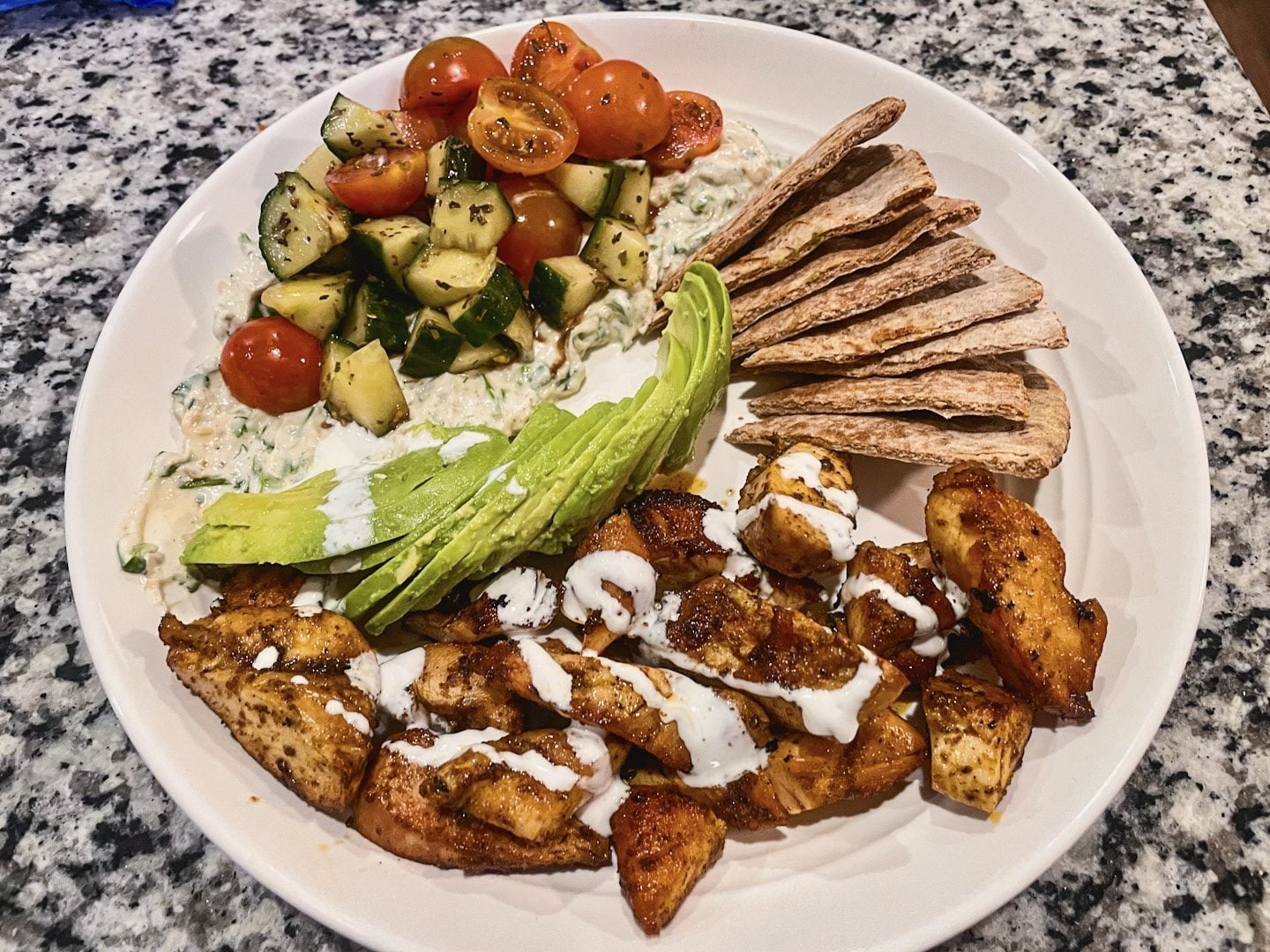
The chicken will be sliced or shredded and cooked before the salad is finished being prepped. Regarding the spice blends, they are going to have a strong smell, maybe enough for you to recall you packed your lunch.
The sliced chicken thighs are coated with olive oil, cumin, paprika, coriander, garlic, and salt, cinnamon optional. Sear the chicken in a maximum heated pan for 3 to 4 minutes on each side until blistering and the center is opaque. Then make the bowls with rice or cauliflower rice, cucumber, tomato, red onion, and a dollop of garlic yogurt sauce. Lastly, pack the yogurt sauce separately.
Swap: Chicken breast works but slice it thinner (about a quarter inch) and watch it closely.
The transition occurs in approximately thirty seconds. If you can get it, lamb takes the herbs even better.
12) Pesto Pasta Salad
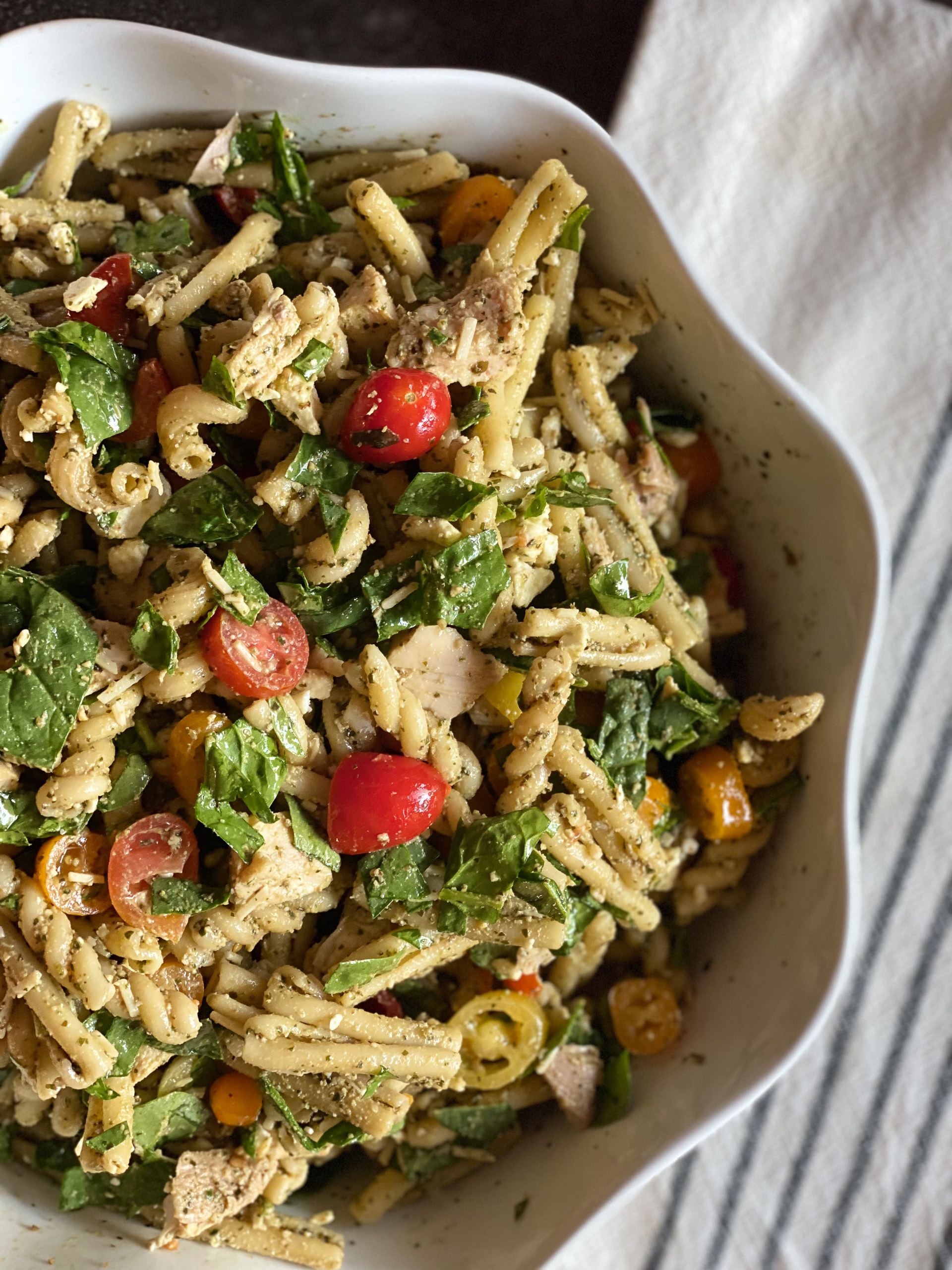
What gets me about Pesto Pasta Salad: I usually find cold pasta to be pathetic, but I will eat Pesto Pasta Salad as I actually enjoy cold pasta with pesto.
Whole wheat pasta must be cooked firmer than al dente because it will harden in the fridge. Once the pasta is drained, you need to add some olive oil to it immediately so that it won’t stick as it cools to room temperature. After that, you can stir in some basil pesto (store-bought or homemade), halved cherry tomatoes, baby mozzarella, and if you want, grilled chicken or chickpeas for extra protein. Lastly, make sure to add salt and lemon at the end!
Sun-dried tomato pesto instead of basil offers a more interesting salad that will keep for more than two days. Replace the mozzarella with chickpeas.
13) Couscous Bowls
Why Couscous Bowls are included: The couscous only takes five minutes to make and can be combined with virtually any roasted item. This meal can be made while the oven is on for another dish.
To start, grab a small pot and place it on the stove. Then, add one cup of your preferred broth (chicken or vegetable) and a dash of olive oil, and bring it to a boil. Add one cup of couscous, cover it, and remove it from the heat. Let it rest for 5 minutes, then use a fork to separate the grains from each other. For the vegetables roast, peel and cube the sweet potatoes, slice the zucchini, and cut the red onion into wedges.
Roast these for 22-25 minutes at 425 degrees Fahrenheit, and check that the sweet potatoes have charred on the edges and have become tender on the inside. Finally, to complete your dish, add some couscous, your roasted veggies, followed by a few chickpeas to finish. Drizzle with a tahini-lemon sauce.
Pearl couscous (the larger variety) has a simmering time of 12 minutes which means it is chewier. It is also beneficial for a day with lower activity.
14) Caprese Chicken
Reasons for Choosing Caprese Chicken: The roasted cherry tomatoes produce a sauce that prevents chicken from drying out even in the fridge. It is one of the few meal prep proteins that reheats well in the microwave.
Sear the chicken cutlets for 3 to 4 minutes on both sides. Then, place them on a sheet pan with an ample amount of cherry tomatoes and put them in a 400°F oven. Roast for another 10 to 12 minutes until the tomatoes collapse and the chicken cutlets are at 165°F. For presentation, top with fresh mozzarella and a piece of torn basil.
Please note that substituting ingredients will make the chicken thighs juicier, and will increase oven time by 3 to 4 minutes. Additionally, if you are going to eat burrata (instead of mozzarella) in three days, you should consider that as well.
15) Falafel Patties
What to expect: You will get most of the falafel experience without the messy cleanup from the deep fryer and pan-fried patties. You can reheat them in a skillet without becoming soggy.
Drain the chickpeas and put them in a food processor with the parsley, garlic, cumin, coriander and salt, 1 tablespoon of flour, and 1 tablespoon of olive oil. Pulse to create a rough paste (i.e. the texture should not be smooth like hummus and chunks of chickpeas should be present). Shape the mixture into 6-8 patties and sauté in olive oil for around 3-4 minutes per side. The patties are ready when they have a golden and crispy exterior and a soft interior.
Substituting chickpeas with a can of white beans will result in a patty that is creamier and milder in flavor. The moisture of the white beans may require an additional minute per side in cooking time.
 Nathaniel’s Pantry Notes: The Mediterranean Spice Tin (Five Spices, Twenty Dinners)
I have a tin on my counter that contains five spices. That’s how simple my entire setup is for almost every Mediterranean dinner I make. I watched this on a Sunday as I grabbed the same five jars for three consecutive weekends, each time placing them into one small tin so I wouldn’t have to open my spice cabinet every twelve minutes.
Few people recognize that Mediterranean cuisine does not feature thirty unique flavors. Rather, Mediterranean cooking incorporates a small handful of spices and relishes, combining them in varying quantities with olive oil, lemon, and salt. With just these five ingredients, all other dishes on this list can be prepared using a single pan and a sheet of parchment.
• Cumin. The base note in shawarma, falafel, chickpea anything, lentil bowls. Buy the whole seeds if you can; toast them dry in a pan for 90 seconds before grinding and the whole kitchen smells like it has a plan.
• Smoked paprika. Not sweet paprika. Smoked. This is the one spice that makes a vegetarian dish taste like there’s meat in it. A pinch in the lentil bolognese is the difference between flat and roasted.
• Coriander. Cumin’s quieter cousin. Brighter, citrusy, slightly floral. Toast it the same way. Use it whenever you’re using cumin for more dimension.
• Dried oregano. The Greek dried oregano (the kind sold on the stem) is wildly different from the bottled stuff in the supermarket. Order it once and you’ll never go back. It’s what makes Greek salad taste like Greek salad.
• Sumac. The least familiar one on the list. Tart, dried-lemon, slightly fruity. Sprinkle over hummus, eggs, cucumber salads, roasted vegetables. It’s the seasoning that makes someone ask what’s in it.
The seasonings I have specifically chosen to omit from the list due to their over-priced and poor quality nature are: chili powder, Italian seasoning, garam masala, taco seasoning, and anything that says “Mediterranean blend” on the label. Most seasoning blends are one third salt, one third dried herbs that have lost their oils, and one third some kind of cheap filler. Buy the five spices separately in small quantities, and replace them every six months. That’s all there is to it.
16) Tomato Soup

Where Tomato Soup earns its spot: Soup is great for meal prep as it can be stored in the fridge for a long time. Plus, with the addition of cannellini beans, you can transform your $3 lunch into one with 20g of protein.
Finely chop the onions and the garlic. In a pan, heat some olive oil, and allow the onion and garlic to soften for roughly five minutes. Next, add the following: one 28 oz container of crushed tomatoes, one can of cannellini beans (remember to include the liquid for some added body), a dash of broth, and add some dried basil along with salt and pepper for seasoning. Allow the mixture to simmer for 15 to 20 minutes.
If you have an immersion blender, use that to blend half the pot for a creamier consistency. For serving, drizzle some olive oil on top, and add some torn basil leaves to complete the dish.
If you choose not to blend the soup, you may use chickpeas instead of cannellini because they will hold their shape better. The soup will have a deeper and smokier flavor with fire roasted tomatoes.

17) Chicken Salad
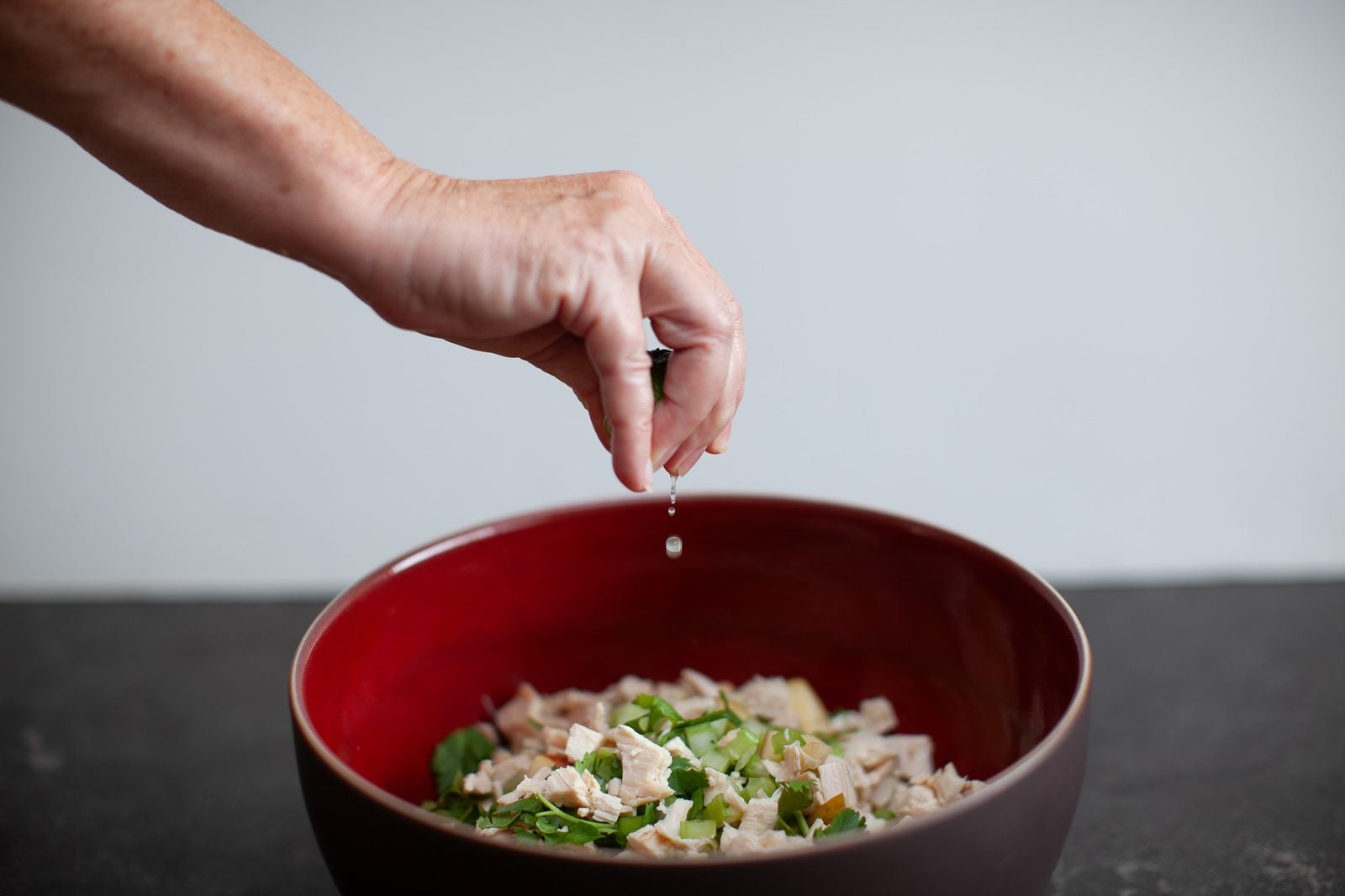
What makes Chicken Salad work: Greek yogurt makes a chicken salad that doesn’t separate or weep in the fridge by Wednesday, which is the single biggest problem with mayo-based chicken salads.
Poach or use leftover chicken breast, then chop it into bite-sized pieces.
Stir together some diced red onion, celery, and apple or grape chunks for crunch and sweetness. Then add a mix of salt and pepper to taste, a splash of lemon juice, some Dijon mustard, and full-fat Greek yogurt. If desired, add fresh dill. Enjoy with some crackers, in a salad, or in a pita.
If you prefer a more savory option rotisserie chicken is great for saving time, you can replace the fruit with walnuts or almonds.
18) Veggie Egg Skillet
Why Veggie Egg Skillet belongs here: Cooking eggs and roasted vegetables in one pan allows you to multitask as you get to do some clean up while cooking to avoid having to wash the dishes after. Moreover, the finished meal is already separated into individual portions.
To facilitate even cooking, chop the zucchini, eggplant, and bell pepper into pieces sized half an inch. Sauté the vegetables in olive oil on medium-high heat for 8-10 minutes until the edges begin browning and the centers have softened. Once the sautéing is complete, push the vegetables to one side and make room for the eggs. Crack 6 eggs into the pan and cook until the egg whites firm up, and the yolks remain runny. Season with salt and pepper, then add feta cheese and parsley.
Swap: Substitute one of the vegetables for spinach and add it at the end. If you want something a little more hearty and with more protein, you can substitute the eggplant for a can of cannellini beans.
19) Roasted Cauliflower
The pitch for Roasted Cauliflower: A vegetarian protein option, this dish features both cauliflower and chickpeas, and has a shelf life of four days in the refrigerator.
Sprinkle salt, and pepper with a drizzle of olive oil on the cauliflower florets and a drained can of chickpeas, and combine with cumin, turmeric, and paprika. Spread the mixture on a sheet pan in a single layer (do not crowd) and roast them for 25 to 30 minutes at 425 degrees Fahrenheit, flipping halfway through. The dish will be done when the cauliflower’s edges are black, with the chickpeas crunchy on the outside and mushy on the inside. Finish it with a squeeze of lemon and chopped parsley.
When serving, consider drizzling tahini or yogurt sauce on top for added creaminess.
20) Mediterranean Snack Plate
This is perfect for especially hot weather or for those weeks when you want to avoid another microwaved lunch.
Build boxes with crunchy vegetables, fresh fruit, a small portion of cheese, and a handful of nuts.
For additional staying power, consider adding hummus or a bean dip. You will want to have enough variety in your portions to make it feel like a meal and not just a snack.
21) Tabbouleh Salad
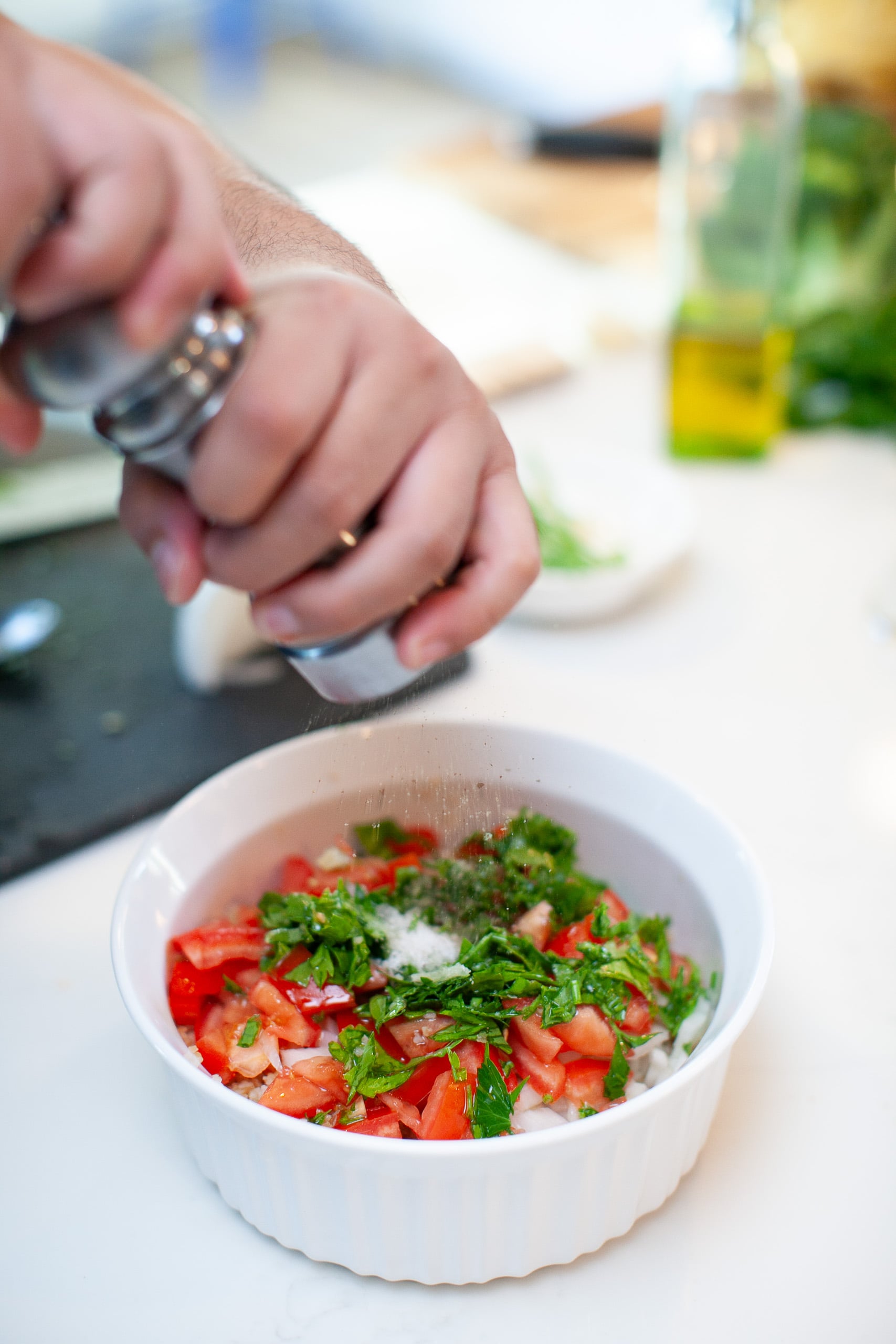
Why Tabbouleh Salad pulls its weight: Tabbouleh is one of the few salads that actually improves after a day or two in the fridge. What causes this unique phenomenon? The bulgur wheat in the salad absorbs the lemon dressing.
Combine 1 cup bulgur with 1.5 cups boiling water, cover it, and set it aside for 15-20 minutes. Stir it, then while the bulgur cooks, chop a whole bunch of parsley, half a bunch of mint, 4 tomatoes, a half cucumber, and 3 scallions. Stir veggies with bulgur, generous amount of olive oil, lemon juice, salt and pepper to taste, and mix. For best results refrigerate for 1 hour and it’s good for several days.
If you need this gluten free, Quinoa is the substitution for Bulgur. While you can use Brown rice, it has a denser texture. More parsley is better than less!
 Nathaniel’s Pantry Notes: Dressing on the Side (A Five-Day Rule)
The first instance I packed five grain bowls for a Sunday, I also prepared the dressings for all of them on Sunday as well. By Tuesday, the greens were brown, the grain became waterlogged, and the dressing looked like algae and had settled to the bottom of the container. I ate it standing at the sink so it wouldn’t count.
I’ve started packaging dressings separately in 2 ounce containers. This process ensures that the dressings are applied as you eat. Dressings with acidic components (including vinegar and lemon or any other citrus based dressing) will ‘cook’ greens overnight similar to a ceviche process. Additionally, the brightness of any food containing herbs will diminish after 12 hours of exposure to a vinaigrette. If you would like to have lunch on Wednesday that’s not reminiscent of lunch on Sunday, then dressings need to be added to the container immediately prior to consuming.
• Acid wilts greens. Lemon, vinegar, citrus. They turn the lettuce limp in twelve hours and brown in twenty-four. Hard rule.
• Salt pulls water out of vegetables. A salted dressing on cucumber overnight gives you a puddle at the bottom of the container. Dress at the desk, not in the kitchen.
• Olive oil flattens once it’s coating other food. The bowl that tasted bright on Monday tastes muted by Wednesday because the oil has been sitting on the surface of everything for three days.
• The two-ounce container is the whole investment. Get a dozen of the little screw-top ones for $8 on Amazon. They live in your meal-prep bag for the rest of your life.
• Some dressings are exceptions. Anything with no acid and no salt (a plain tahini, a pesto with no lemon) holds up dressed-on. The grain in tabbouleh actually wants to sit in the dressing for hours. Know the difference.
Our decision not to include bottled “Sunday-to-Friday” dressings was intentional. These dressings are marketed as fridge-stable for one week after being applied to your salad, and this is true because they contain high amounts of soybean oil and other stabilizing ingredients. What is detrimental to your salad isn’t the dressing’s inability to hold up. It’s the chemical reaction of acid and salt on greens after three days. No dressing on the market is capable of remedying that.
22) Lentil Bolognese
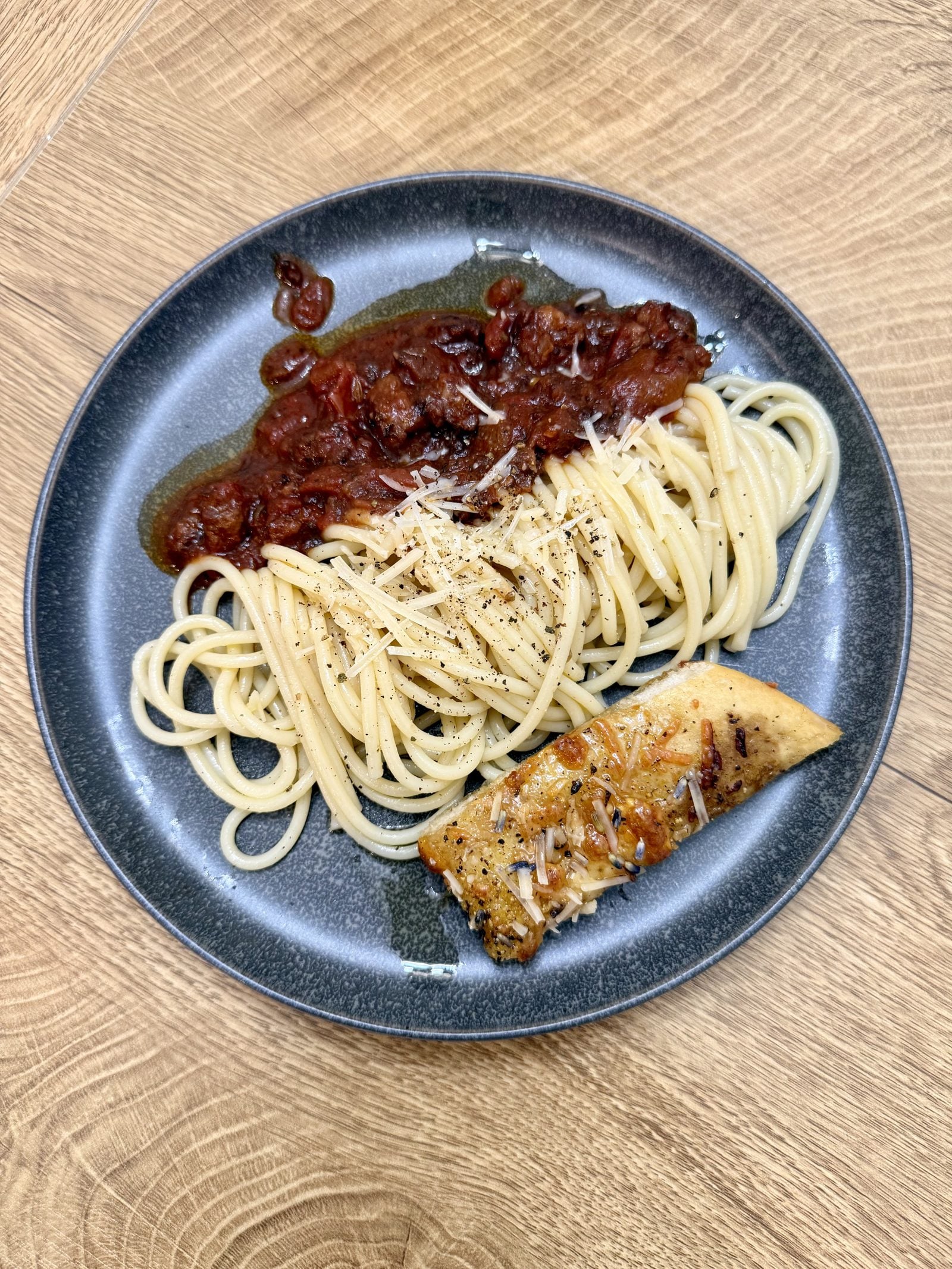
What Lentil Bolognese offers you: Red lentils change into a sauce with the texture of meat, sauce is able to be frozen, and takes 25 minutes to prepare from start to finish.
In olive oil, sauté your diced onion, carrot and garlic for 5 minutes.
Add 1 cup of red lentils, 28 oz of crushed tomatoes, 2 cups of stock, some dried oregano, and any other spices you would like. Then, let it cook on low heat for 15-18 minutes, stirring occasionally. The meal is done when the red lentils have dissolved and mixed with the tomatoes so that the sauce sticks to the back of a spoon. Add some parmesan and stir in the whole wheat pasta.
Replace the carrot with a mushroom to create a sauce that is more earthy and robust. Plus, a splash of red wine with the onions will make the sauce taste like you spent a lot more time on it.
23) Frittata Slices
Why Frittata Slices got the spot: Frittatas are as simple as it gets in terms of preparation and cleanup. They require the use of a single pan for cooking and a maximum of ten ingredients, and, they provide breakfast/lunch for up to three days. Frittatas are simple to slice as they remain intact, and can be reheated in the microwave in just thirty seconds.
Start by cracking 8 eggs in a bowl, and combining them with some milk, salt and pepper, whisk them all together. Then use an oven-safe skillet, and warm up the spinach and chopped roasted red peppers in some olive oil. Pour the eggs over the vegetables, and then add some crumbled feta cheese. Cook on the stove for about 2-3 minutes until the edges are set. After that, take the skillet and place it in the oven at 375°F for 10-12 minutes. The frittata is done when the center is no longer jiggly, and the top is lightly golden brown.
To increase protein content and create a slice that is creamier and milder, substitute cottage cheese for the feta. You may also add cooked sausage or bacon to make it even more hearty.
24) Chickpea Salad
Chickpea Salad is a great choice because the only perishable ingredient should only take five minutes to prepare. You simply pull a can of chickpeas out of your cupboard and mix in some perishable ingredient. You do not need to do any cooking and the salad will last for three days in your refrigerator without any strange texture changes.
To start, open the can of chickpeas and drain it. Then, rinse the chickpeas and use a fork to mash one of every three chickpeas. This will add a nice texture to the salad. Then, mix the cottage cheese with diced cucumbers, sliced cherry tomatoes, red onions, feta cheese, parsley, olive oil, lemon juice, salt, and black pepper. This salad can be eaten as is, put onto pita bread to make a sandwich, or eaten with crackers.
In a salad, using white beans instead of chickpeas will create a creamier texture. The salad dressing will be more cohesive once you add in a spoonful of Dijon.
25) Greens And Beans
Where Greens And Beans earns its spot: It only takes one pan and fifteen minutes (cleanup included) so it is the meal I throw together when I am disorganized and have one bag and one can of greens.
Add sliced garlic and a pinch of red pepper flakes after heating with olive oil in a wide skillet.
Cook for 30 seconds until fragrant (be careful with browning garlic as it can become bitter). Add the can of drained cannellini beans, a good splash of stock, and the whole bag of greens (escarole, spinach, kale, etc.). Cover for 2 minutes to steam. Then uncover and cook for 5 to 7 more minutes until the greens are tender and nearly all of the broth reduce. It is suggested to serve with lemon, salt, and grated parmesan.
If you happen to have cannellini beans, you may use them in place of chickpeas.
Add a chopped Italian sausage at the beginning if you want a meatier version.
Every Sunday, I will continue making lentil bolognese and sheet-pan salmon. The only dish on the menu that I feel is worth eating is the salmon, and it is actually quite good. I also like the bolognese. When I need something quick, it is nice to have and it does freeze well in single servings so I can avoid pizza on the nights where I forget to make dinner.
I think shawarma chicken is good and even my wife requests it, but it is definitely third place. If you haven’t tried any of these, I would recommend starting with those. Try to build the habit more than the process. The first time, it may feel like the effort was wasted and the kitchen will look messy. However, by the third Tuesday you will be asking yourself how you ever had lunch any other way.