
Mediterranean dishes feature on healthy eating lists because they are quick to prepare for weekday meals. These meals follow a simple structure. Protein + grain + vegetable + sauce + olive oil. You can put a Mediterranean spin on any combination of the four categories. Below are 36 of the most commonly prepared Mediterranean meals in my household. They are my favorites, counting down to how many times they’ve been on my Tuesday meal plan.
I’ve figured out a few things about Mediterranean cooking on weeknights: the structure of the meal is more of a focus than the recipes themselves. If you have a few jars of sauce that you can put on a meal prep container, you’re set for a variety of meals for the week. A grocery store rotisserie chicken can be the base protein for almost any meal you want to have. If you want the meal to taste close to fresh, you’re gonna want to squeeze some lemon on it (or use red wine vinegar, sumac, or pomegranate molasses)
Contents
- 1) Greek Salad
- 2) Tzatziki
- 3) Traditional Hummus
- 4) Baba Ghanoush
- 5) Bruschetta
- 6) Panzanella Salad
- 7) Caprese Salad
- 8) Chickpea Salad
- 9) Lentil Salad
- 10) Tuna Bean Salad
- 11) Shakshuka
- 12) Spinach Feta Omelet
- 13) Vegetable Frittata
- 14) Greek Lemon Chicken
- 15) Chicken Souvlaki
- 16) Chicken Shawarma Bowls
- 17) Turkey Kofta
- 18) Meatballs with Lamb
- 19) Puttanesca Pasta
- 20) Spaghetti Aglio e Olio
- 21) Pasta Primavera
- 22) Lemon Orzo
- 23) Lemon Asparagus Risotto
- 24) Vegetable Couscous
- 25) Quinoa Tabbouleh
- 26) Stuffed Peppers
- 27) Spinach Feta Pastries
- 28) Ratatouille
- 29) Roasted Eggplant
- 30) Sheet Pan Vegetables
- 31) Baked Feta
- 32) Garlic Shrimp
- 33) Baked Cod
- 34) Salmon with Yogurt Sauce
- 35) Sardine Toast
- 36) Mediterranean Lentil Soup
1) Greek Salad
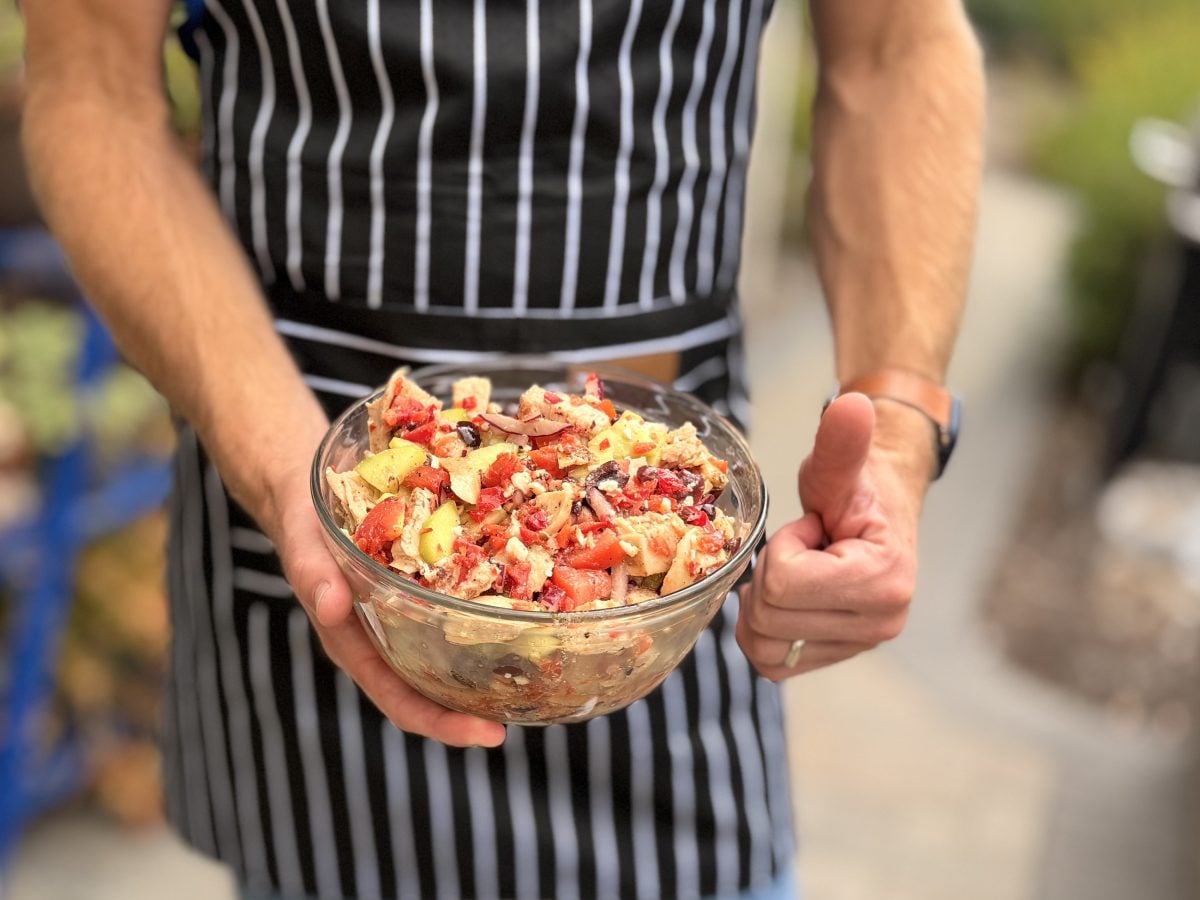
No cooking is involved and Greek Salad only takes five minutes to prepare. It’s the only salad I could eat for lunch three days straight. The trick is to use large pieces of vegetables rather than chop everything into tiny bits. Also, keep the feta intact, don’t crumble it.
For three tomatoes, cut into wedges. For half a cucumber, slice it into thick half-moon pieces. For a quarter of a red onion, cut into rings. Add several Kalamata olives. Place a 4-oz block of feta cheese on top, drizzle some olive oil and red wine vinegar, then sprinkle heavily with Greek oregano (dried), salt, and pepper. The salad will be ready when the feta starts to absorb the vinegar/oil mixture at the bottom.
Swap: Crumbled feta will work in an emergency but it is more about the texture than anything else. Using some chopped roasted red peppers will provide a nice burst of sweetness and color.
2) Tzatziki
What Tzatziki gets you: A cup of tzatziki sauce can transform plain grilled chicken into a proper Greek meal. Moreover, it is the quintessential Mediterranean dip-and-sauce, and is delicious with everything from raw veggies to roasted lamb. This will take 10 minutes.
On a box grater, 1/2 of an English cucumber. Using a clean kitchen towel, squeeze the excess water out. Mix together 2 cups of full-fat Greek yogurt, two cloves of grated garlic, one tablespoon of olive oil, one tablespoon of lemon juice, two tablespoons of chopped dill, and then season with salt and pepper to your liking. The longer you allow it to sit in the refrigerator, the better it will be. (If possible, do this overnight to allow the flavors to develop). The sauce will be done when you can see the outline of your spoon on the surface.
Swap: For a springlike alternative try using mint. Instead of Greek yogurt, incorporate Labneh or skyr for a base that is thicker and more tangy.
3) Traditional Hummus
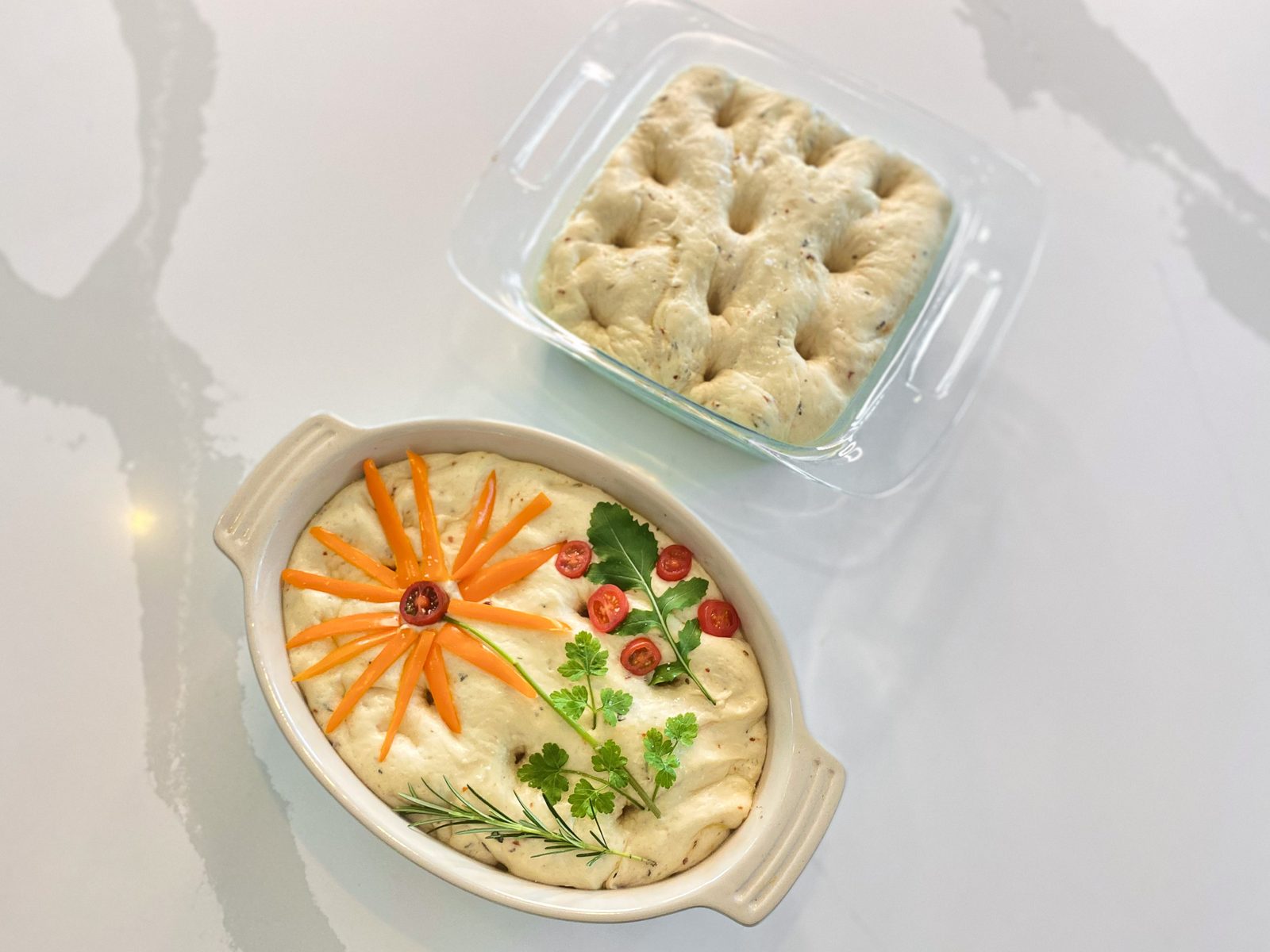
Reasons why Classic Hummus qualifies: Compared to store-bought hummus, homemade hummus is way better, cheaper, and only takes about 8 minutes to make. Give it about $3 worth of ingredients. The difficult part is the amount of tahini used, and it takes a while to blend.
In a food processor, combine 2 cans of drained and rinsed chickpeas, 1/2 cup tahini, 2 garlic cloves, juice of 2 lemons, 1 teaspoon cumin, and salt. Blend for at least 4 minutes. Add ice water (or aquafaba) slowly while the processor is running. The chickpea liquid should be added in equal quantity to 2 or 3 tablespoons. The finished product will be silky, smooth, and light in color. As a final touch, it should leave a peak when a spoon is drawn through it. Olive oil, paprika, and chopped parsley can be added as toppings.
Replace: Chickpeas can also be used to create a nuttier flavor by being roasted for 20 minutes prior to blending. A roasted red pepper can be added to give a twist to the flavor.
4) Baba Ghanoush
Why Baba Ghanoush is worth it: It is a smoky and simple eggplant dip with an added hint of richness compared to Hummus. Hummus may be the popular dip, but after trying this dish you will understand why store bought Hummus is just not acceptable.
On a gas stove, for between 15 and 20 minutes, roast two large eggplants, charring them on all sides (or for 45 minutes do so at 450°F). When ready, the skin of the eggplants should be black and the inside mushy and collapsed. Once cooled, chop off the skin and scooped out flesh. Mix the eggplant with 1/4 cup of tahini, 2 chopped garlic cloves, the squeezed lemon from one lemon, salt, and pepper.
Use a food processor and mix until it’s smooth, but not completely devoid of lumps (so don’t overdo it). For no gas flame option, you can put eggplants in the oven; it won’t be as smoky, and you can use a teaspoon of smoked paprika for a smoky flavor substitute.
5) Bruschetta
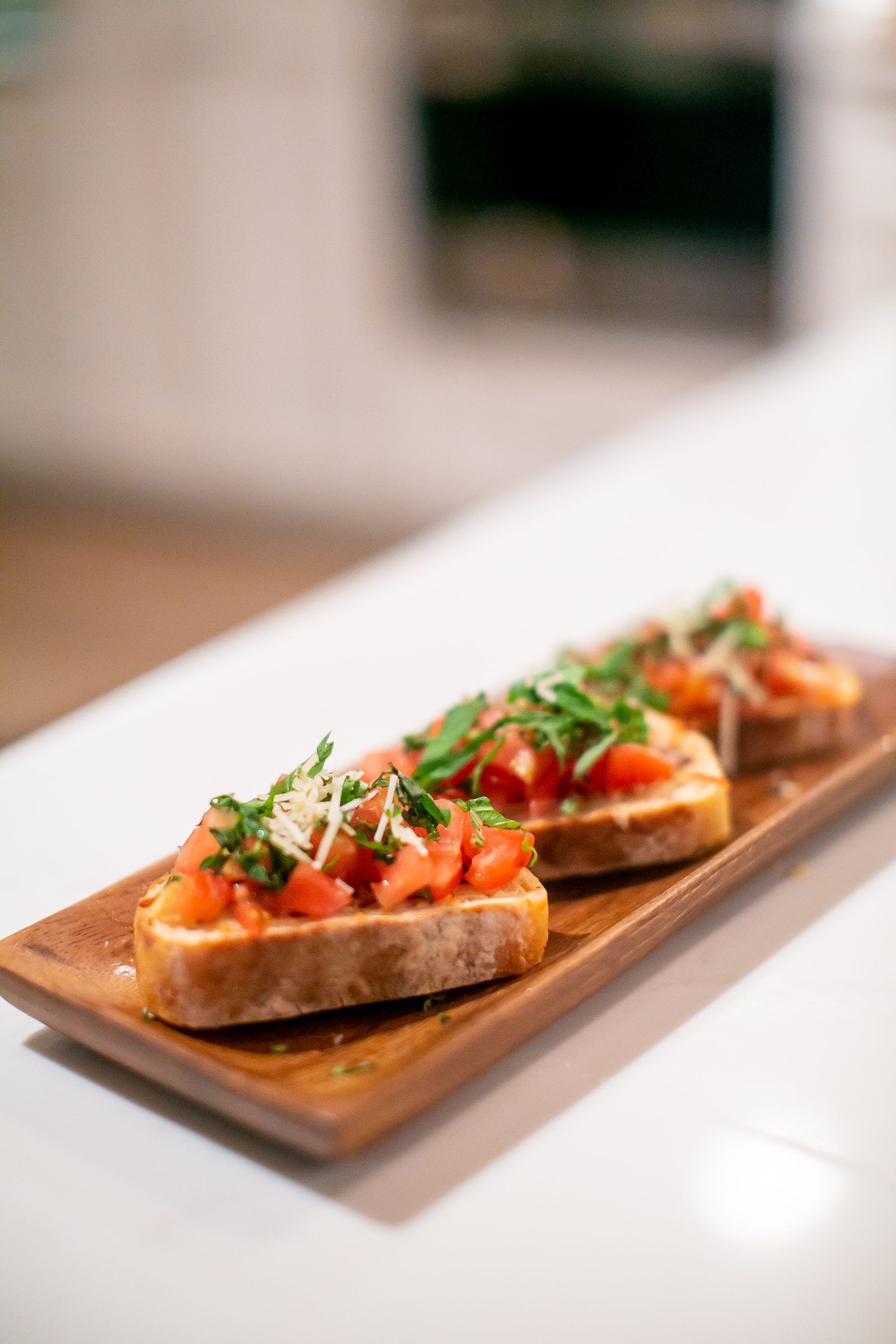
The most reliable summer starter is garlicky, tomatoey, toasted bread – and bruschetta earns its spot. From start to finish, this meal takes only 15 minutes which is why I make it when my tomatoes are at their best.
Cut a baguette or a ciabatta into 1/2 inch thick slices. Brush with olive oil, and then toast or grill until they’re golden and crispy, about 6 to 8 minutes at 400°F. While the slices are still warm, rub each with a raw garlic clove. Finish with some of the diced fresh tomatoes that have been marinated in olive oil, fresh basil, and salt and pepper (the salt pulls out the juices to create a sauce). Bruschetta is ready when the bread is crisp enough to hold the tomatoes that they won’t get soggy.
Swap: For a more substantial version, add a layer of fresh ricotta beneath the tomatoes. Use heirloom tomatoes when they are in season.
6) Panzanella Salad
What makes Panzanella Salad work: Italian bread salad that makes dinner out of yesterday’s heel. The best part of the salad is how the bread absorbs the dressing.
Cut into cubes 4 cups of stale bread (or fresh bread which can be toasted in the oven for 8 minutes at 400°F). Combine 4 chopped ripe tomatoes, 1 diced cucumber, 1/2 cup sliced red onion, a large handful of torn basil, 1/2 cup olive oil, 1/4 cup red wine vinegar, salt, and pepper. Let 20-30 minutes for the bread to soak up the dressing. The bread is ready when it is soft, but still has some firmness (not soggy).
Swap: For a more substantial version, you can add capers, kalamata olives, or a drained can of tuna. Jarred roasted red peppers add a sweet and smoky flavor.
7) Caprese Salad
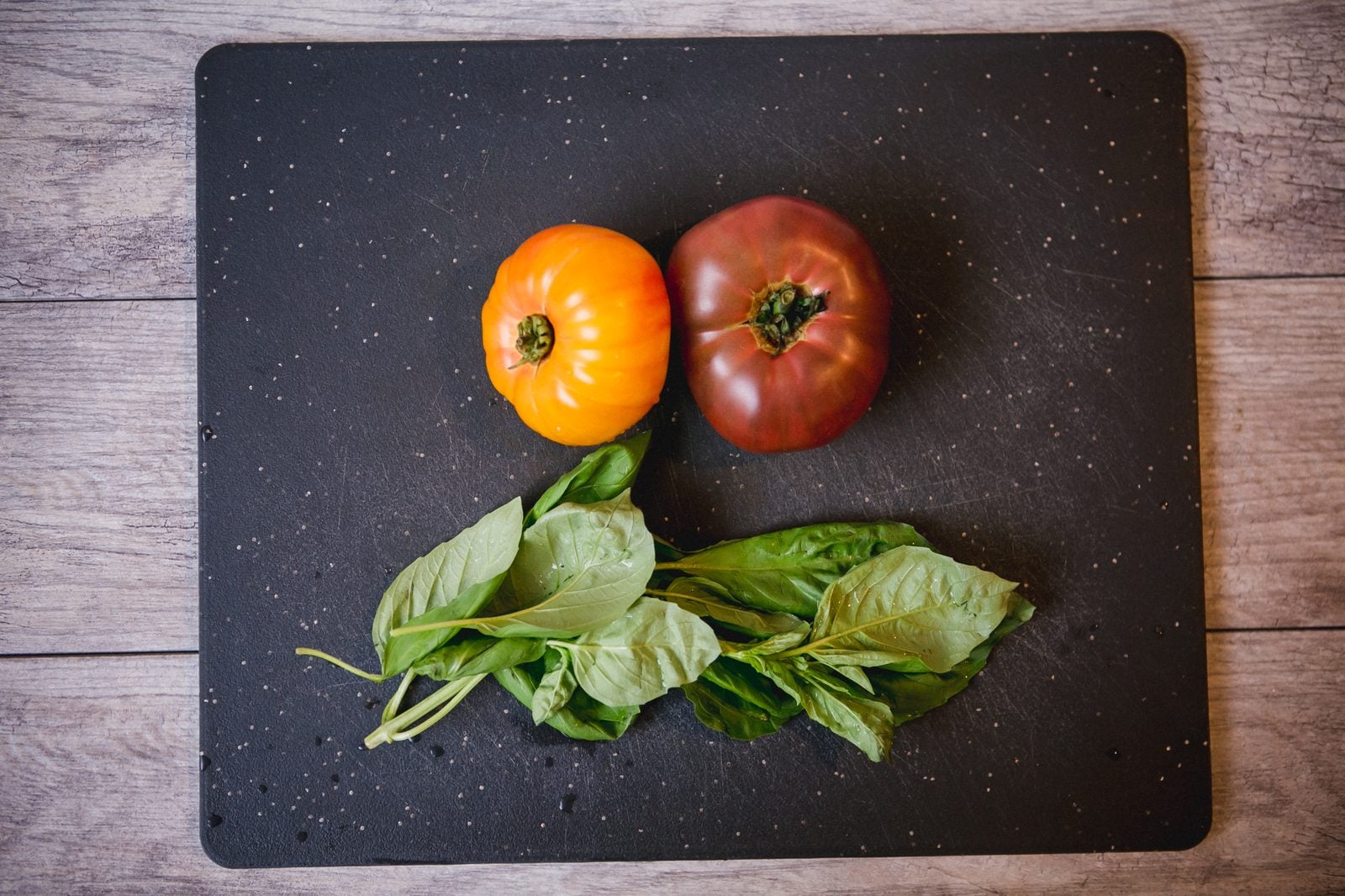
Caprese Salad: Add your love for summer to your plate! With three ingredients and no cooking involved, this is the perfect summer dish. The only rule is to avoid using tomatoes that aren’t in season!
Directions: Make sure to slice 4 fresh tomatoes and an 8-oz ball of fresh mozzarella into 1/2 inch pieces, and alternate the slices on the platter. Then add some torn leaves of basil. Ensure to drizzle generously with olive oil, and add some balsamic vinegar (or a balsamic glaze) on top. Finish it off with flaky salt and cracked pepper. The salad is made to order, as it will release more liquid as it sits. (this will not be a problem if bread is available to mop it up)
Swap: For a creamier and more decadent version, use Burrata instead of mozzarella. To add another layer of basil flavor, use a drizzle of pesto.
8) Chickpea Salad
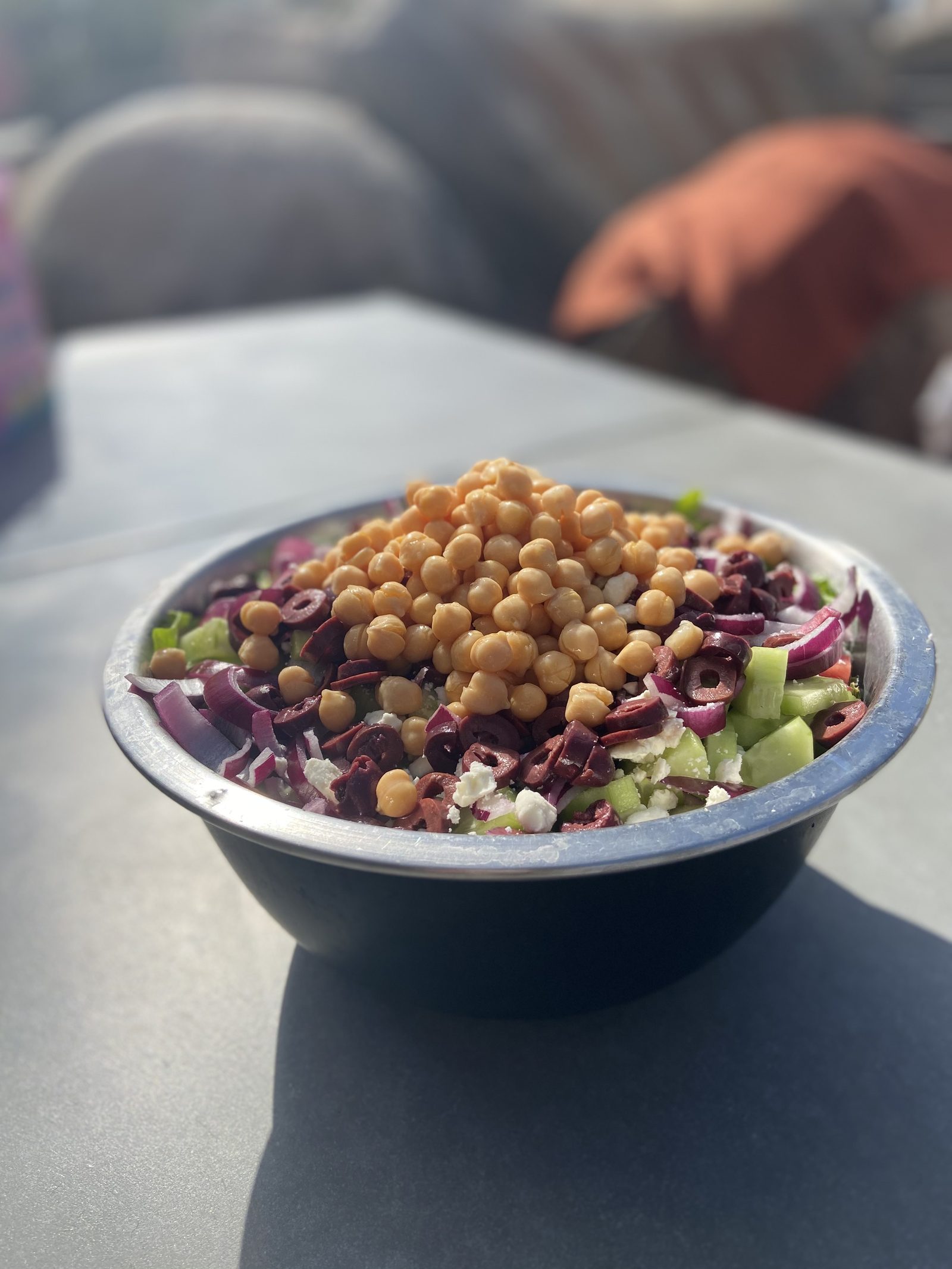
Chickpea Salad, the short case: This is a fresh salad that stays fresh up to 3 days in the fridge. It is satisfying to eat and the lemon makes this dish even better as it sits.
Rinse and drain 2 cans of chickpeas. Mash roughly a third of them to add body to the salad. In a large bowl, mix the chickpeas with chopped cucumber, sliced cherry tomatoes, diced red onion (use 1/2 cup), crumbled feta cheese, chopped parsley, and then add all of the dressing ingredients: 1/4 cup of olive oil, juice from 1 lemon, salt, and pepper to taste. Toss to combine and make sure the dressing is covering all the ingredients. The mashes chickpeas hold the salad together.
Swap: For a heartier option, add 1 drained can of tuna or 2 tbs tahini. If you like a brinier salad, substitute kalamata olives for the cherry tomatoes.
 Nathaniel’s Pantry Notes: The Jar Pantry (5 Jars That Make Weeknight Mediterranean Possible)
- Kalamata olives. Greek salad, pasta puttanesca, tapenade, snack-with-cheese. A jar of pitted ones costs $5 and lasts six weeks in the fridge.
- Capers. The salty-briny accent in puttanesca, salsa verde, baked cod, chicken piccata. A small jar recalls the taste of southern France for six months.
- Sun-dried tomatoes (in oil). The umami bomb. Just a few chopped up into pasta salad, omelet, or grain bowl and you have elevated it. Plus, the oil they sit in is great for cooking.
- Roasted red peppers. For romesco, muhammara, salad, or sandwhich filling. A jar saves you the 40 minute roasting step. About 4 bucks.
- Marinara sauce. Yup, jarred. The good kind (Rao’s, LA San Marzano or whatever is on sale at the premium grocery). Great for shakshuka, baked feta pasta, one-pot pasta, or dipping. Don’t make it from scratch on a weeknight.
9) Lentil Salad
Why Lentil Salad belongs here: The warm lentils will absorb the vinaigrette better than the cold lentils would. This is the side dish that turns roast chicken into a proper meal.
For this, you will need to cook the lentils. In a separate pot, cook 1 cup green or French lentils in salted water for 20-25 minutes so that they are tender, but still hold their shape. Once cooked, drain the lentils. While they are still warm, you may begin mixing in your ¼ cup olive oil, 3 tablespoons red wine vinegar, 2 shallots (minced), 1 tablespoon dijon mustard, chopped parsley, and add salt and pepper to taste. The salad is finished once the lentils absorb the vinaigrette, so ensure you can taste the mustard in every bite.
Swap: For a layered, pigmented flavor and some frostiness, crumble goat cheese over it. A handful of roasted walnuts will add a lot of extra crunch.
10) Tuna Bean Salad
The pitch for Tuna Bean Salad: White beans in a can and oil-packed tuna are combined to make a 5 minute, $3 dinner that has approximately 25g of protein per serving. This is pantry cooking at its laziest-best.
To make this meal, simply drain a can of Cannellini beans, and a can of tuna (in oil). Now combine them in a bowl and add a little bit of lemon juice, some olive oil, salt and pepper, and a half cup of sliced red onion (make sure to rinse it briefly under cold water to reduce the strong flavor). If you have any, also add in some chopped parsley. The salad is done once the beans have soaked up the lemon and oil, and the tuna is shredded into chunks (not paste).
Swap: Use chickpeas instead of Cannellini beans. For a Niçoise-style upgrade, add a drained can of artichoke hearts and a handful of kalamata olives.
11) Shakshuka
Why Shakshuka pulls its weight: It only requires a single pan, and a max of about 25 minutes, and it’s perfectly fine to have it for breakfast, lunch, or dinner. The bread serves as a sponge to soak up all of the deliciousness between each egg as they poach in the spiced-up tomato sauce.
In some olive oil, sauté the chopped onion and the sliced bell pepper for about 8 minutes. Add 4 chopped cloves of garlic, 1 tsp of cumin, 1 tsp of paprika and a small pinch of cayenne pepper. Stir for about 30 seconds. Then add 1 large (28 oz) can of crushed tomatoes as well as some salt and pepper. Allow to simmer for about 10 minutes, or until it thickens.
Make 4 to 6 little holes (indentations) in the sauce and crack an egg in each one. Cover and cook for about 5-7 minutes. The Shakshuka is finished when the egg whites are cooked, but the yolks are still runny. For a meaty option, you can use chopped chorizo or merguez. And a little bit of harissa in place of cayenne is just wonderful.
12) Spinach Feta Omelet
Reason for the choice: Everything from breaking the eggs to plating takes 10 minutes. Dinner that has more vegetables than most dinners. Breakfast for dinner.
Set aside 2 cups of baby spinach while sautéing it in 1 tsp of olive oil for about 90 seconds until it wilts. Next, beat 3 eggs and season them. Take a non-stick pan and put 1 tbsp of butter in and place it over medium/low heat. After about 2-3 minutes, pour in the eggs, and tilt the pan to help spread them. Add the cooked spinach and 1/4 cup of crumbled feta to one side and carefully fold the other half of the omelet. Let it cook for 1 more minute. The omelet is finished when the top is no longer wet from egg and the cheese is just melted.
Substitutions: Instead of feta, use goat cheese. For a Mediterranean-style omelet, try adding diced sun-dried tomatoes.
13) Vegetable Frittata
What Vegetable Frittata gets you: With just one pan and ten ingredients, a frittata can feed you breakfast, lunch, or dinner for 2-3 days. The cold slices can be reheated.
To prepare, chop up a zucchini, bell pepper, and onion. Then, in an oven-safe skillet, sauté them in olive oil until soft. This should take about 6-8 minutes. Add salt and pepper to taste, and beat 8 eggs. Add half a cup of crumbled feta and sprinkle it over the vegetables. Cook on the stove for about 2-3 minutes until the edges start to set. Then place the skillet into the oven for 10-12 minutes at 375°F. The frittata is done when the center is no longer jiggly, and has a light golden brown color on top.
Swap: If you prefer something more filling, you can add cooked sausage or bacon. An option with more protein and that is milder in taste would be to use cottage cheese.
14) Greek Lemon Chicken
Why Greek Lemon Chicken gets to be here: Mediterranean flavors on a sheet-pan dinner. The marinade does all the work and chicken fat flavors the potatoes underneath.
For the marinade, combine the juice and zest of 2 lemons, 4 minced cloves of garlic, and 2 tbsp. of oregano. Season with salt and pepper. Let this sit with the chicken for at least half an hour. Place on a sheet pan on top of a bed of cubed Yukon Gold potatoes. Roast for 35-40 min at 425°F. The chicken is done when the skin is brown and crispy and the thickest part of the chicken is at 175°F.
Swap: Boneless thighs take 25 min to cook. For a complete one-pan meal, add a head of broccoli to the pan during the last 15 min.
15) Chicken Souvlaki
Chicken Souvlaki, the sell: Chicken skewers, 10-minutes grilling time. The yogurt-lemon marinade makes the meat tender, and a hot pan adds that street food char.
Marinate cubed chicken breast. In a bowl, mix together a half cup of Greek yogurt, the juice of 1 lemon, 4 minced garlic cloves, 2 tablespoons of oregano, and some salt and pepper. Coat the chicken breasts with the mixture and marinate for a minimum of 30 minutes (up to overnight). Once marinated, place the chicken onto skewers. Grill the chicken or sear the chicken in a cast iron skillet for 4-5 minutes on each side.
The chicken is ready once the edges have been blackened and when the internal temperature reaches 165°F (use an instant-read thermometer). Serve the chicken with rice, pita bread, tzatziki, and a Greek salad for a complete meal.
For Built in vegetables: Add cubed red onion and bell pepper to the skewers.
16) Chicken Shawarma Bowls
Chicken Shawarma Bowls has certainly earned its keep as it has become a 25-minute weeknight dinner that has a fine dining feel. The spice blend is what makes this dish special, and any remaining components can be reheated for lunch.
Slice the chicken thighs and coat them with olive oil and 1 tablespoon of each: cumin, paprika; and add 1 teaspoon each of coriander, turmeric, and a pinch of cinnamon, then season with salt and pepper. Cook in a hot pan for 3-4 minutes on each side until charred on the edges. Constructa bowl with rice, cucumbers, tomatoes, red onions, hummus, and drizzle with tahini.
Swap: For a 10-minute version, use rotisserie chicken and spice it. For a bowl that is lower in carbohydrates, cauliflower rice is a good substitute for the regular rice.
Nathaniel’s Pantry Notes: The Rotisserie Chicken Strategy (One Bird, Ten Dinners)
- On the day of purchase, strip the meat and sort it into breast meat (for salads and sandwiches), thigh meat (for warm dinners), and skin (for snacking, no judgment). Store them separately so you can pull out what you need.
- Save the carcass for broth. Simmer the bones with an onion, some carrots and celery, and a bay leaf for 90 minutes, then strain. There’s 6 cups of stock for free.
- Warm with shawarma spices. Shred some thigh meat and mix it with cumin, paprika, coriander, garlic, and olive oil, then warm it up in a pan for 3 minutes. Instant shawarma bowls.
- Cold chicken can be added to Greek salad, chickpea salad, or panzanella. It adds protein without changing the temperature of the salad.
- Stretch into soup. Two cups of shredded chicken, your homemade carcass broth, one can of beans, and some pasta equals chicken soup for 6 in 15 minutes.
17) Turkey Kofta
Where Turkey Kofta earns its spot: Seasoned meat patties that take 8 minutes to grill or fry. Turkey keeps them light while the spices make them taste like real kebabs.
In a bowl, mix 1 pound of ground turkey with 1 grated onion, 4 minced garlic cloves, 2 tablespoons of chopped parsley, 2 tablespoons of chopped mint, and seasoning with 1 teaspoon each of cumin and coriander as well as salt and pepper to your liking.
Finish preparing the meat mixture by dividing them into 8 – 10 equal portions. Then cook them for 3 – 4 minutes on each side on a well heated stovetop so that the outside of the patties are a deep brown color and the internal temperature is at least 165°F using a meat thermometer. Serve the patties with pitas, tzatziki sauce, and a fresh chopped salad.
Substitution options: For a more rich taste, ground lamb can be used. For a sweet and tangy flavor, 1 tablespoon of pomegranate molasses can be used.
18) Meatballs with Lamb
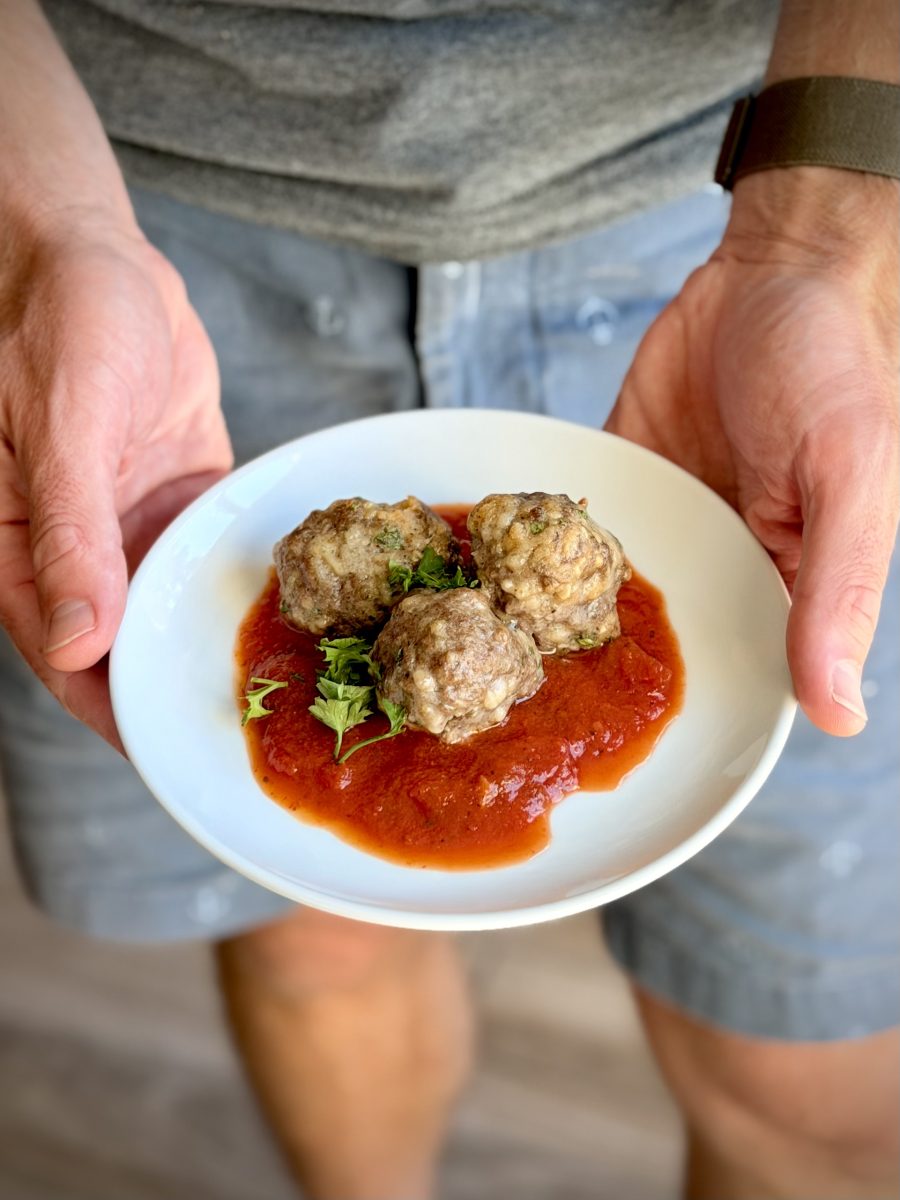
Lamb Meatballs are simple to make and are succulent, tasting like they could be served in a fine dining restaurant. With lamb being such a rich meat, not much will be needed to be added to the mixture. The entire cooking process will have the meatballs ready in 25 minutes and the only other ingredient that you will need apart from the meat and spices will be a pan.
To make the lamb meatballs, the mixture will consist of 1 lb of ground lamb, 1 small onion (grated), 3 cloves of garlic (minced), 1 tsp of cumin, 1 tsp of coriander, 1 tsp of paprika, 1/4 cup of parsley (finely chopped), and salt and pepper. The mixture will need to be rolled in a 1.5 inch circle to create a meatball.
These will then need to be seared in olive oil for about 5 to 6 minutes while being turned on each side to create a browned appearance. The meatballs are done when they have a browned look on the outside and an instant-read thermometer shows a temperature of 160°F. The meatballs can be served alongside rice pilaf, tzatziki, and a Greek salad.
Substitutions: If you want a milder taste, you can use a mix of half lamb and half beef for the meat and for a gooey element, add in a small cube of feta cheese to each meat ball prior to browning them.
Nathaniel’s Pantry Notes – 5 Sauce Strategy: Tzatziki, Lemon-Tahini, Romesco, Salsa Verde, and Harissa
- Tzatziki: Greek yogurt, grated cucumber, garlic, dill, and lemon. Pairs well with grilled meats and roasted vegetables.
- Lemon-Tahini: tahini, lemon, garlic, water, and salt. Great to drizzle on roasted vegetables, salads, grain bowls, and with falafel.
- Romesco: roasted red peppers, almonds, garlic, olive oil, and sherry vinegar. This pesto alternative is great on grilled fish and chicken.
- Salsa Verde (Italian): parsley, capers, anchovies, garlic, olive oil, lemon. This sauce makes basic grilled meats taste like a dish from a restaurant.
- Harissa-yogurt: Greek yogurt, 1 tbsp of harissa, and lemon. Great with roasted carrots, eggs, chicken, lamb.
19) Puttanesca Pasta
Why I chose this: Pantry cooking that is better than most. Olives, tomatoes, capers, anchovies. All jarred or canned food are already in the cupboard.
Boil 1 pound of spaghetti in salted water. While this is happening, heat some olive oil and sauté 4 sliced garlic cloves and 4 anchovy fillets for 2 minutes, until the anchovies dissolve in the oil. Incorporate 1/2 cup of chopped kalamata olives, 3 tbsp of capers, a dash of red pepper flakes, and a 28-oz can of crushed tomatoes. Simmer 10 minutes. Mix the drained pasta with the chopped parsley. The dish will be finished when the pasta sauce has stuck and the flavors combined.
Swap: If you have canned sardines, those can be used in place of the anchovies. Sometimes, canned tomatoes can be too acidic, so if that is the case, you can add a pinch of sugar.
20) Spaghetti Aglio e Olio
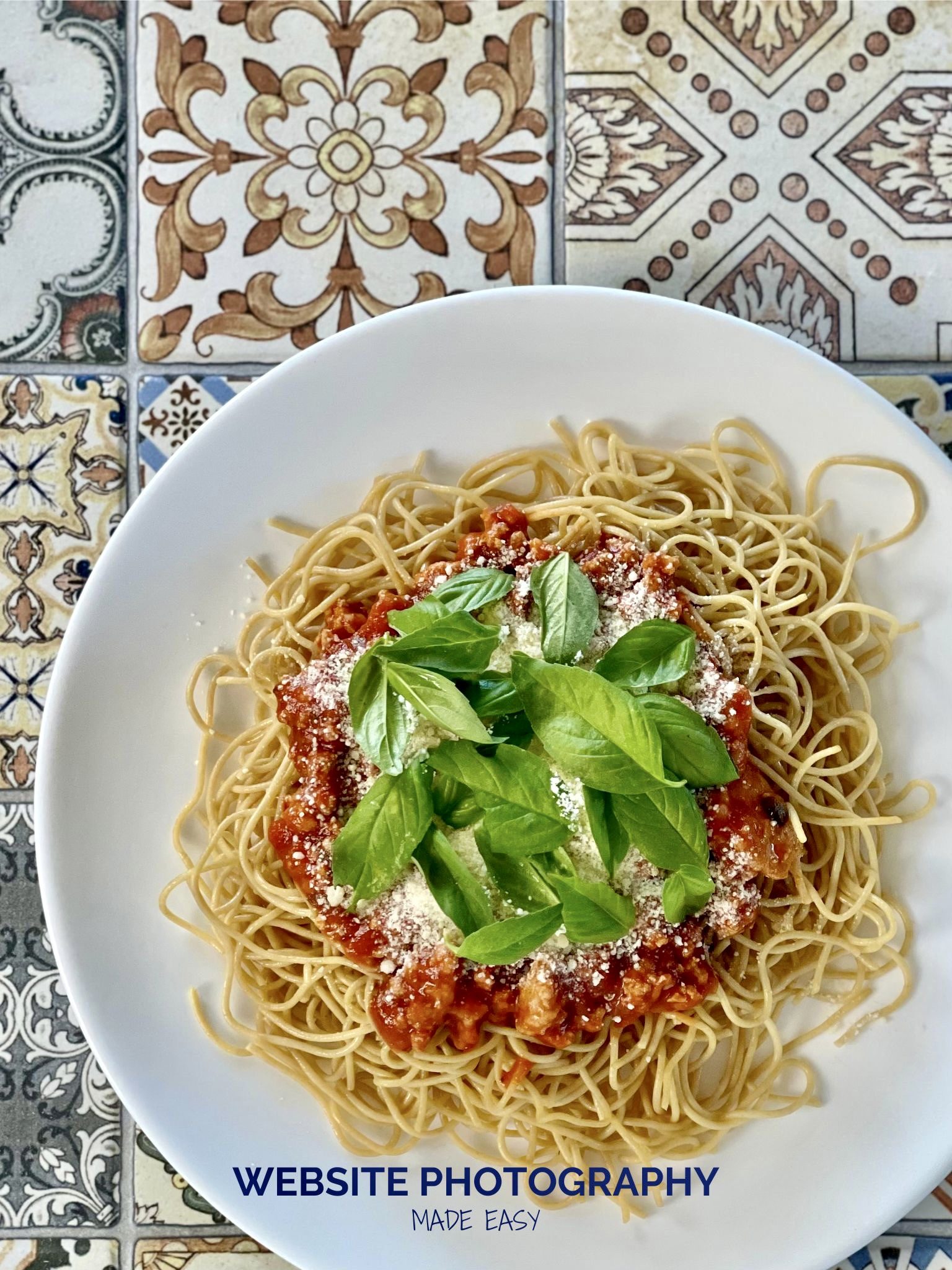
Choice of dish: Garlic, olive oil, pasta, and parsley are the main ingredients of this dish. These four components (five counting the cheese) show that uncomplicated cooking can be a form of artisanal cooking.
Boil 1 pound of spaghetti in salted water until just al dente and reserve 1 cup of the pasta water. While the pasta cooks, heat half a cup of olive oil over 4 to 5 minutes with 6 thinly sliced garlic cloves and a dash of red pepper flakes at medium-low heat.
The garlic should turn barely golden (if it browns it will turn bitter). Once ready, drain the pasta and add it to the pan along with a splash of the reserved pasta water and toss to emulsify the sauce. Top with chopped parsley and grated parmesan.
Substitutions: For added crunch, Sicilians add toasted breadcrumbs (a tradition). For added depth of flavor, a few anchovy fillets cooked down with the garlic provide a nice umami essence.
21) Pasta Primavera
Why Pasta Primavera: pasta and any colorful quick-cooked veggies, an accidental clean-out-the-fridge dinner.
Put a pot of water on to boil for one pound of pasta. In another pan, olive oil and chopped asparagus, peas, zucchini and halved cherry tomatoes for 6-8 minutes so they get a little tender (you want them to be green and bright not grey). After you drain the pasta, add the veggies, some reserved pasta water, a dollop of butter, 1/2 cup parmesan, zest of a lemon, salt and pepper. The dish is done when the cheese has coated the pasta in a shiny sauce.
Swap: For protein, add cooked chicken or shrimp. Use any quick-cooking veggie you have (like broccoli, bell peppers, or green beans).
22) Lemon Orzo
The pitch for Lemon Orzo: Orzo takes 9 minutes and adds a warm element to the veggies and cheese. The lemon brightens the bowl and makes it feel lighter than it is.
To cook the orzo, bring salted water to a boil and cook one pound for 9-10 minutes, then drain the pasta, reserving half a cup of pasta water. Return to the pot and add 2 cups of baby spinach (it’s heat) as it wilts, the juice and zest of 1 lemon, 3 tablespoons of butter, 1/2 cup grated parmesan, and salt and pepper to taste. The sauce should be glossy when the cheese is integrated, and the orzo is done with the spinach. Use reserved pasta water to mix.
To swap add shredded rotisserie chicken for protein. To make it more Greek use crumbled feta instead of parmesan.
23) Lemon Asparagus Risotto
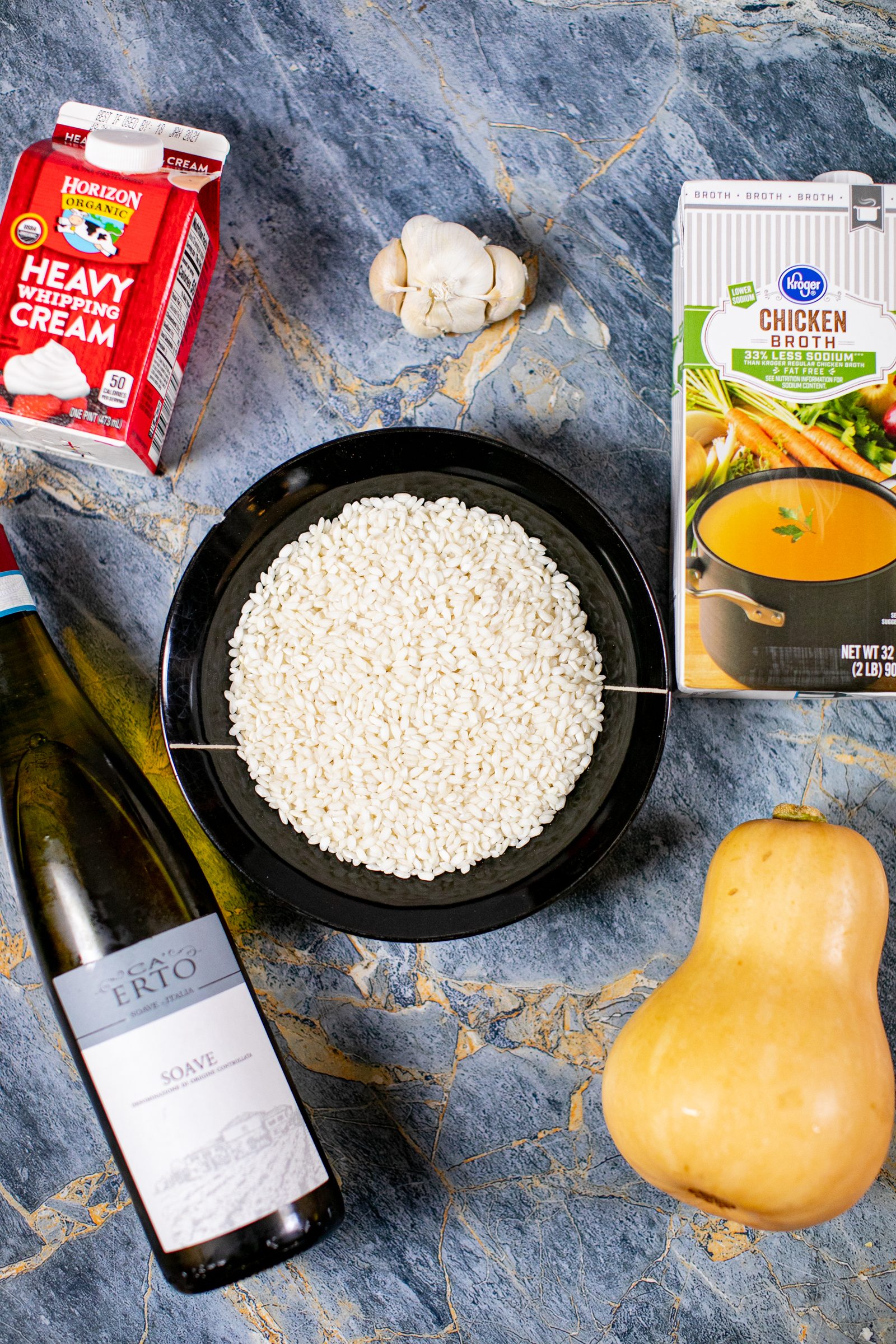
Why Lemon Asparagus Risotto deserves the attention: Risotto is thought by many to be difficult to cook. In reality, it’s just continuous stirring until it reaches the desired consistency.
In thirty minutes or so, you will be able to impress your guests with this deliciously creamy and citrusy rice dish. To start, take a pot and melt some butter in it. Stir fry a chopped onion for 5 minutes, then add 1.5 cups of arborio rice and stir for another minute. This should cause some of the rice to become translucent. Next, pour in 1/2 cup of white wine and cook the rice until the alcohol is absorbed. It is now time to add the stock.
Stir in one ladle of warmed chicken, or vegetable stock. This step will have to be repeated 5 times for the rice to reach the desired consistency. In the last 5 minutes of cooking, add in chopped asparagus, and 1/2 a cup of peas. The cooking process for risotto is done when the rice has a slight bite to it, and the consistency becomes spreadable. Once this is achieved, stir in a risotto-recommended 1/2 cup of grated parmesan cheese, add the juice and lemon zest of 1 lemon, and finish with salt and pepper to taste.
For a variation of this dish, try to add in some cooked shrimp for Italian style seafood risotto. For your winter risotto, you may swap the asparagus for mushrooms.
24) Vegetable Couscous
Couscous prepares in five minutes. Pairing it with the quick-roasted veggies will complete your Mediterranean dinner in under half an hour.
Toss zucchini, bell pepper, red onion, and cherry tomatoes in olive oil, salt, pepper, and oregano. Roast for 20 to 25 minutes at 425°F. While they roast, bring 2 cups stock to a boil, add 2 cups of couscous, and cover. Remove from heat and rest for 5 minutes. Fluff and combine with the roasted vegetables, lemon juice, chopped parsley, and a bit of olive oil. The vegetables should caramelize and all liquid should be absorbed by the couscous.
For more protein, add a drained can of chickpeas to the roasting pan. For a richer version, top with crumbled feta.
25) Quinoa Tabbouleh
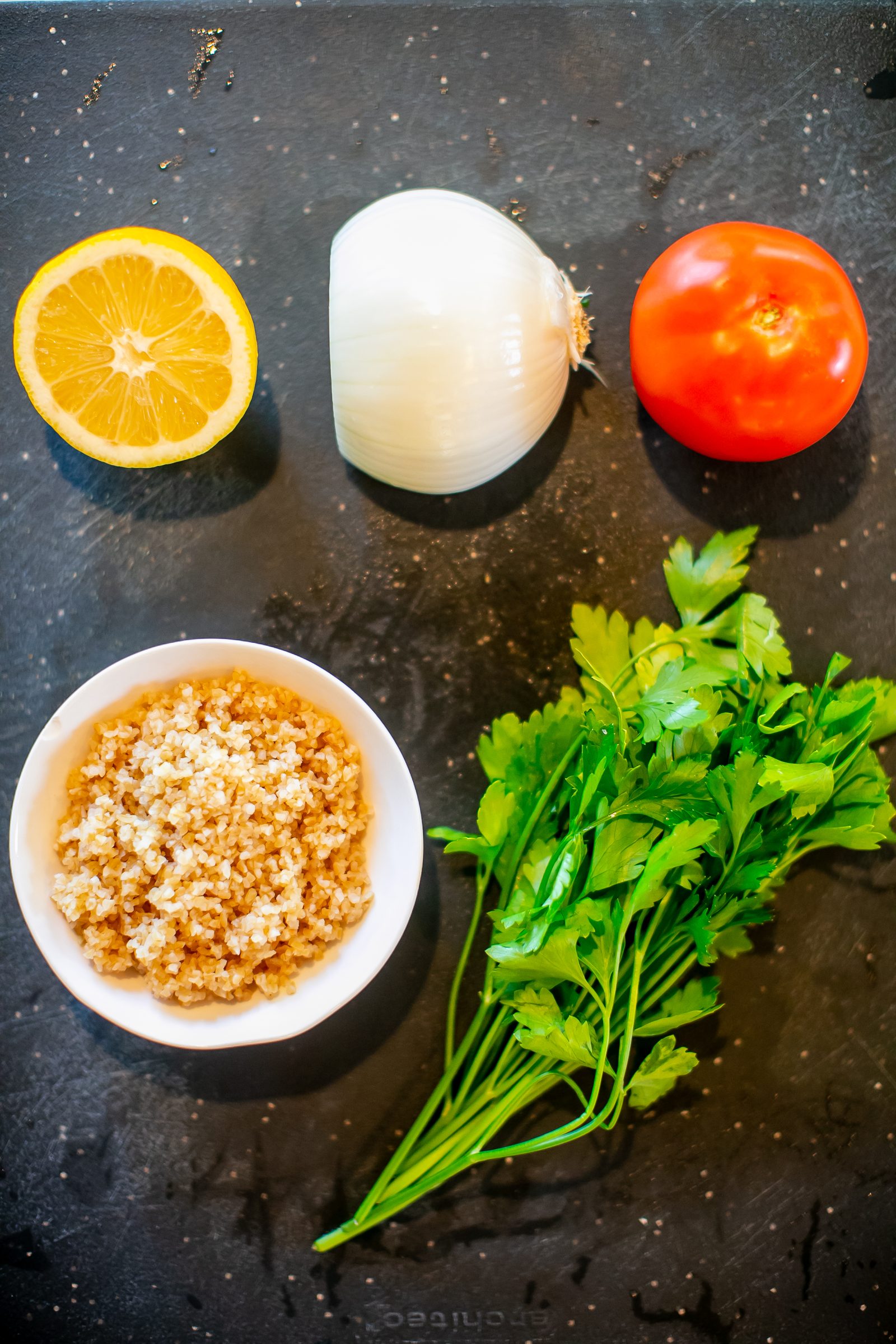
Why Quinoa Tabbouleh makes the cut: Tabbouleh that uses quinoa instead of bulgur is also gluten-free and a touch more filling. The salad gets better as it sits.
In another pot, bring 2 cups of salted water to a boil and add 1 cup of quinoa. Cook for 15 minutes and cool. Chop the parsley, tomatoes, cucumber, and scallions. The mint and at least four small ones; halve the cucumber and three scallions. Mix these into the cooled quinoa.
For the dressing, combine half a cup of olive oil and the juice from two lemons with salt and pepper to taste. Tabbouleh must sit in the fridge for a minimum of 30 minutes. It is finished when the dressing has caused the herbs to wilt and the quinoa has absorbed the lemon flavor.
Swap: If you’re not gluten-free use bulgur (this is closer to traditional). For a splash of color and a little excitement, add some pomegranate seeds.
26) Stuffed Peppers
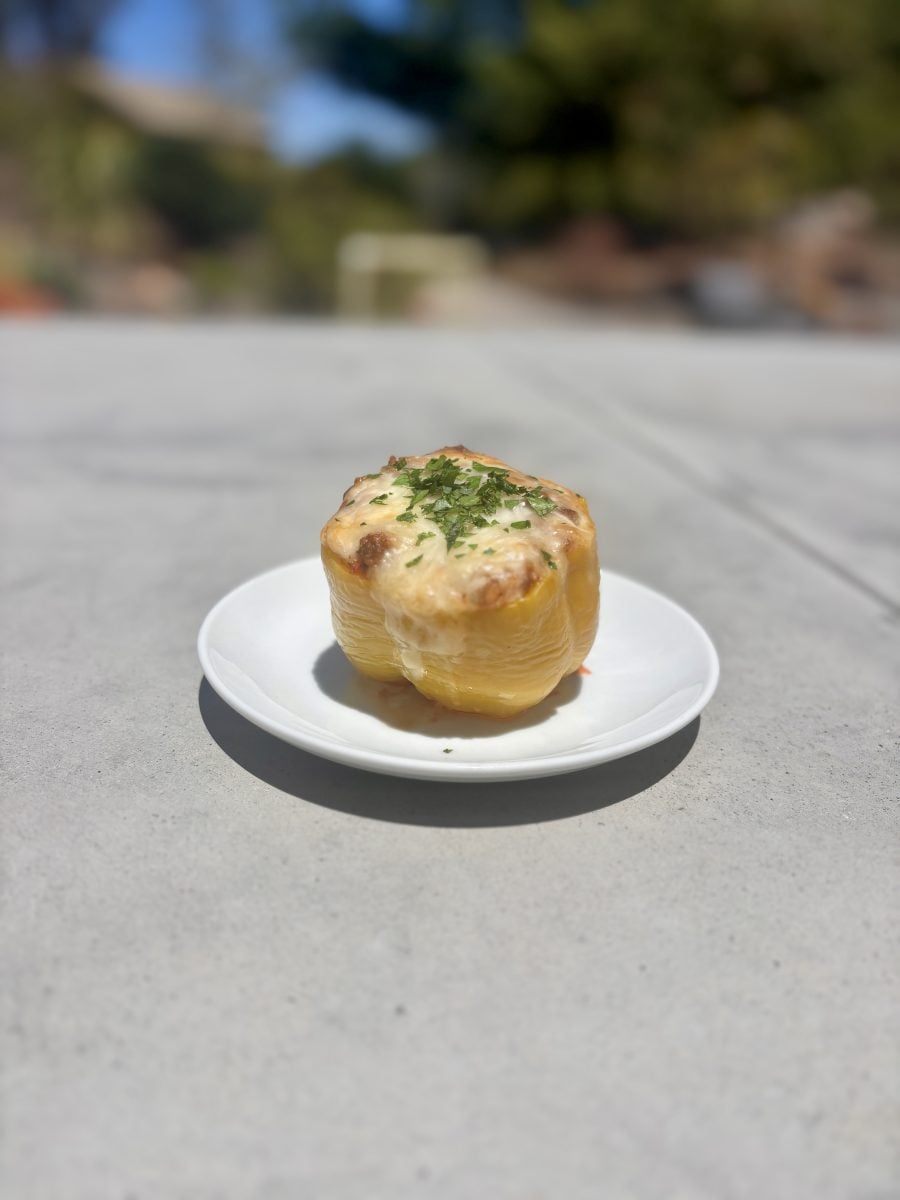
The advantage of Stuffed Peppers is that it is a complete meal and reheats well. To fill the pepper with the rice and meat mixture, remove the tops of the peppers. Then the pepper will become a wrapper after being baked with the filling.
Preparation involves removing the tops and seeds of 4-6 bell peppers. Then in a separate bowl, prepare the filling by browning 1 pound of ground beef or lamb with some chopped onion for 6-8 minutes. Then add 1 cup of cooked rice, 1 cup of marinara sauce, 4 cloves of chopped garlic, 1 teaspoon of cumin, 1/4 cup of chopped parsley, and add salt and pepper to taste.
Put the bell peppers in a casserole dish. Add some mozzarella cheese or feta cheese on top. Then bake it for 35-40 minutes at 375°F. It is ready when the peppers are soft enough to put a knife through and the cheese has melted and is slightly brown.
Substitution suggestion: For a higher-protein option, use quinoa instead of rice. You can also use ground turkey for a lighter filling.
27) Spinach Feta Pastries
What is noteworthy about Spinach Feta Pastries: Using puff pastry instead of phyllo for Spanakopita makes it simpler. It has the same flavor and no stress from layering.
Combine the contents of 1 (10-oz) package of thawed & squeezed dry frozen spinach, add 1.5 cups of crumbled feta cheese, 2 beaten eggs, 1 sliced scallion, 1/4 cup of chopped dill, and add salt and pepper to taste. Then, take your puff pastry sheet and divide it into 4 equal pieces. Add a good amount of filling onto each square and fold them over to create triangles.
Seal the edges with a fork and brush each one with a beaten egg. Bake for 20-25 minutes at 400°F. You will know they are ready when the pastry has fully puffed up and is a deep golden brown color and the filling is hot all the way through.
Swap: If you want even more color and brightness, you can add 1/4 cup of chopped sun-dried tomatoes into the filling. If you are making minis, bake for 15 to 18 minutes.
28) Ratatouille
Ratatouille works amazing here because of the summer vegetables that are slow cooked. These veggies taste even better on day 2. The dish is vegetarian, and it can elevate any plain protein to a full meal.
Dice one eggplant, two zucchinis, and two bell peppers, and slice one onion. Sauté the vegetables in olive oil for 6-8 minutes until they are tender and brown (this is the patience step that makes ratatouille good). After that, pour more oil in the pan, then add the diced onion and 4 minced garlic cloves and cook for 5 minutes.
Put in the can of crushed tomatoes (28-oz), add herbes de Provence, and salt and pepper to taste. Simmer for 10 minutes. Add all the vegetables back in the pot and let it simmer for 10 more minutes. It will be done when the vegetables have combined into the consistency of a stew.
For an easier version (with a little less depth), you could skip the step of cooking each vegetable separately, and instead roast all of them together at 425°F for 35 minutes.
29) Roasted Eggplant
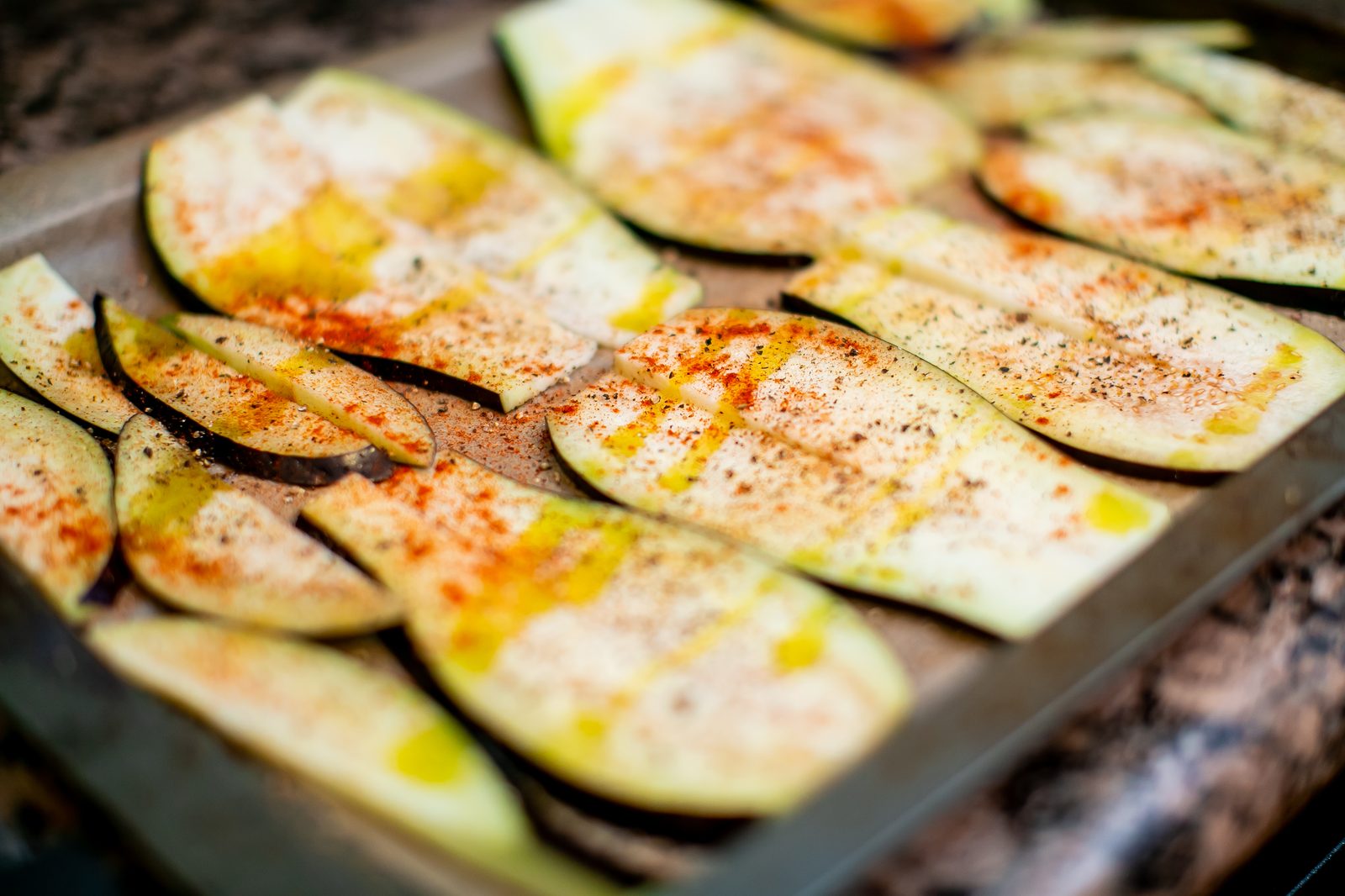
What makes Roasted Eggplant work: Eggplant can be transformed from a disliked vegetable to a loved one with the magic of high roasting. 30 minutes of prep work and time is all is needed.
Take 2 eggplants and cut them into half inch rounds (or cubes). Mix with 3 tablespoons of olive oil, salt, pepper, and cumin. Spread out on a sheet pan so they are in a single layer. Cook for 25-30 minutes at 425°F. Cook and then flip halfway through to ensure they cook evenly. They are done when the edges are dark and burnt while the center is still moist. Finish with tahini sauce, lemon, and parsley.
Swap: For added protein, a can of chickpeas can be added to the pan. Pomegranate molasses can be drizzled on for a sweet and tart finish.
30) Sheet Pan Vegetables
Why Sheet Pan Vegetables are more appropriate: A mix of seasonal vegetables accompanied by cube-sized blocks of haloumi cheese. They don’t melt, they brown. A veggie dinner that gives off a feeling of indulgence.
Dice up zucchini, bell pepper, red onion, and halved cherry tomatoes. Cut an 8oz block of haloumi cheese into 1-inch cubes. Drizzle olive oil over the top of everything, add some salt and pepper, and sprinkle oregano and 1 tsp of cumin. Spread everything in an even layer on a sheet pan. Fantastic! Roast for 20-25 minutes at 425F. They will be ready when the halloumi cheese is deeply golden on most of the haloumi cubes, and the veggies have some burnt edges. Squeeze some lemon juice to finish.
Swaps: For a vegan option, substitute haloumi with drained chickpeas. In the fall, use cubed butternut squash.
31) Baked Feta
Baked Feta, the argument for it: I guess I can understand why some people would not like this offering. This dinner was inspired by TikTok, and I refuse to apologize for that. A block of feta cheese, a pint of cherry tomatoes, and a jar of pasta = an incredible dinner.
Take an eight-ounce block of feta cheese and place it in the center of a baking dish. Surround it with a pint of cherry tomatoes. Drizzle some olive oil and season it with salt, pepper, and oregano. Place in the oven for 25-30 minutes at 400°F. The dish is done when the tomatoes have burst, and the feta cheese has slightly changed color and has become soft. Use a fork to combine everything into a chunky sauce. Combine with the pasta that has been prepared.
Change: Add three cloves of garlic and a pinch of red pepper flakes to the baking dish before it goes in the oven. If you aren’t using the pasta, use the mixture as a dip for some crackers.
32) Garlic Shrimp
Garlic shrimp is an easy choice for tonight’s meal. Like Spanish gambas al ajillo, it’s in the pan and on the table in about 5 minutes. You also serve them with bread to soak the sauce.
In a large skillet, heat half a cup of olive oil over medium heat along with six sliced garlic cloves and a pinch of crushed red pepper. Let the garlic infuse for three to four minutes until it turns light gold. (Be careful to ensure the garlic does not brown as this will add a bitter flavor). Then add one pound of raw peeled shrimp and one teaspoon of paprika. Shrimp should be cooked for a total of 2-3 minutes, turning once. They’re done when they curl into a loose C shape and turn opaque pink. Add some chopped parsley and sherry vinegar or lemon juice to finish it off.
Swap: Considered sweeter, a teaspoon of smoked paprika gives it a different depth. You may serve it over rice to make it a more filling meal.
Nathaniel’s Pantry Notes: The Big Three Acids (Lemon, Red Wine Vinegar, Pomegranate Molasses)
- Lemon. The default option and used in every recipe in this article in some way. Buy them in bulk at the wholsale store. Zest before you juice (the zest is half the flavor and free).
- Red wine vinegar. The Greek and Italian salad workhorse. Sharper than lemon and slightly fruitier. A bottle costs 4 dollars and lasts a year.
- Pomegranate molasses. Sweet-tart with slight bite. The secret ingredient in Middle Eastern dressings, marinades, and glazes. A drizzle transforms roasted carrots, lamb meatballs or yogurt sauce.
- Bonus: sumac. It’s not exactly an acid but behaves like one. These are ground, dried berries that give off a taste similar to that of dried lemon. Use it on hummus, eggs, salads, roasted vegetables.
- Bonus: sherry vinegar. If you use a lot of Spanish recipes, it is worth the cost since it is Spanish leaning, deeper, and more complex than red wine vinegar.
33) Baked Cod
The pitch for Baked Cod: Here’s a virtually effortless option for a fish dinner to prepare on weeknights. The sauce will be prepared in the pan with the bed of olives and cherry tomatoes.
Mix together a pint of cherry tomatoes, a half cup of sliced kalamata olives, sliced garlic and capers, and the oil, salt and oregano to your taste in a baking dish. While that is happening, place the dish in the oven for 12 minutes at 400°F. Then, place 4 cod fillets into the tomatoes, and drizzle them with olive oil and lemon juice. After those 12-15 minutes, the fish should be finished cooking if the thickest part flakes easily, and the color has changed from translucent to opaque.
Substitutes: halibut, haddock, or any firm white fish that requires a similar cooking time. For an even more vibrant sauce, add a touch of white wine to the pan with the tomatoes.
34) Salmon with Yogurt Sauce
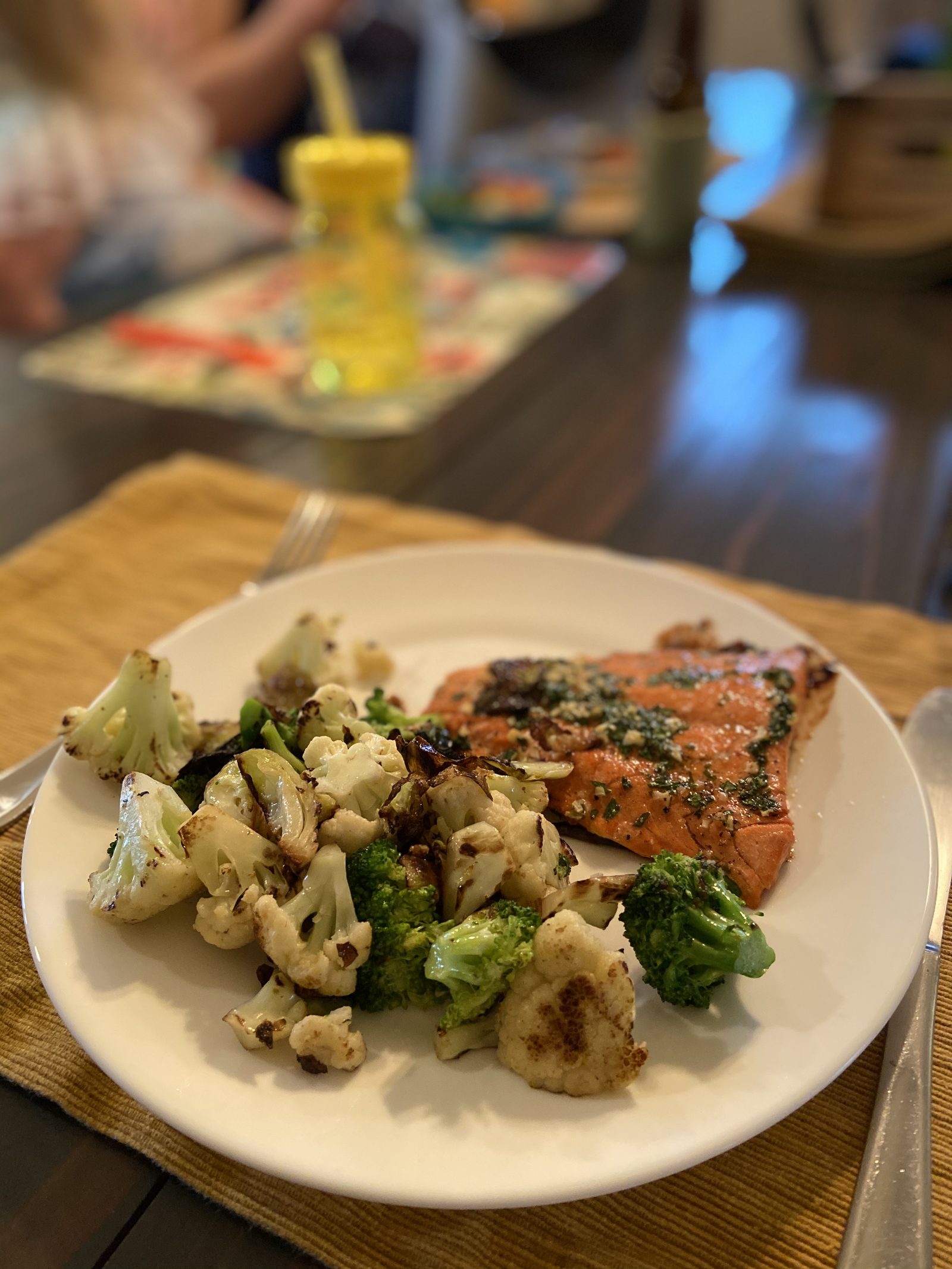
Why Salmon With Yogurt Sauce works: Salmon only needs 12 minutes in the oven. The yogurt sauce takes a maximum of 5 minutes. 17 minutes is all it takes to create a meal that feels like a restaurant quality dish.
For your salmon fillets, which you should have 4, prepare a roast with your favourite oil and seasonings, and add some sliced lemon on top. Roast the salmon for 10-12 minutes at 400°F. You will know the fish is done cooking when it can be fully flaked at the thickest section of the body.
Simultaneously, whisk 1 cup of Greek yogurt, 2 minced garlic cloves, 2 tablespoons of chopped dill, the juice from 1 lemon, then, add some salt and some pepper. Serve the rice with the salmon and top it with lots of yogurt sauce for a good measure. Swap: trout or arctic char can be used as a cheaper alternative. For a more creamy sauce, add 2 tablespoons of tahini into the yogurt and stir it up.
35) Sardine Toast
Sardine toast, what works here: a Mediterranean dinner option of sardines on toast is quick to make, inexpensive and very healthy. 5 minutes, 3 dollars, dinner.
Toast two thick slices of either sourdough or whole grain bread. Take a clove of garlic, split it, and rub each toasted bread slice with it. Take a tin of sardines packed in oil, drain the oil, and then flake the sardines and place them on the toasted bread. Put on a few thin slices of red onion (white onion if that’s what you have will also suffice), some lemon juice, a drizzle of olive oil, salt, pepper, and some chopped parsley. Most likely, the toast will be finished cooking once the sardines have warmed up a bit from the hot bread.
Sardines can be swapped for canned mackerel, as it has a milder flavor. To make it a little bit richer, add a slice of avocado.
36) Mediterranean Lentil Soup
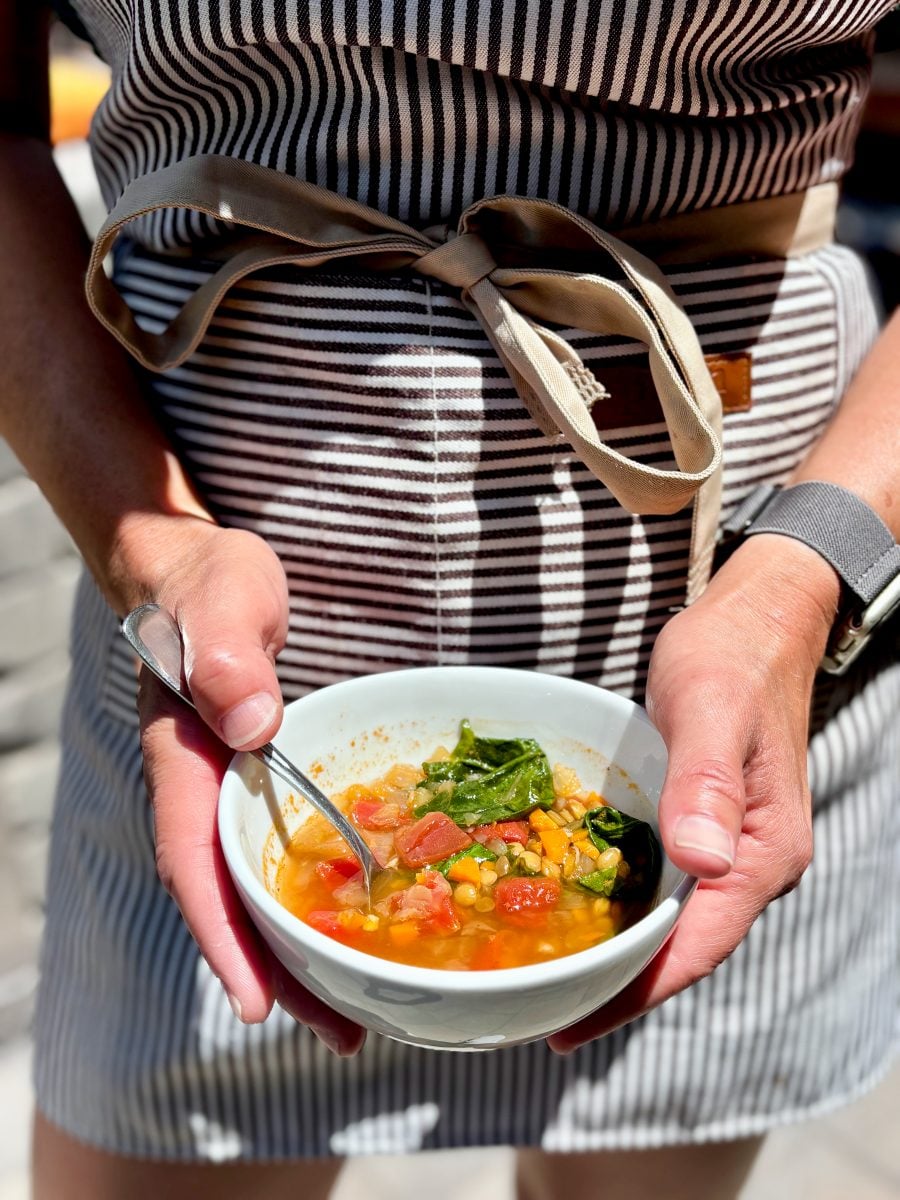
What Mediterranean Lentil Soup gets you: A nutritious meal under $4 (and you’ll have leftovers!) The soup is seasoned with Mediterranean flavor from the spices lemon and cumin.
In a saucepan, heat 3 T of olive oil over medium heat. Once heated, add 1 chopped onion, 1 chopped carrot, and 2 chopped stalks of celery to the pan. Sauté all ingredients for 8 minutes. Next, add 4 cloves of minced garlic and 1 T each of cumin and paprika to the pan.
Sauté for another 30 seconds until fragrant. Next add the remainder of the ingredients: 1.5 cups of dried green or brown lentils, 1 (14-oz) can of diced tomatoes (undrained), 8 cups of any type of stock (vegetable, chicken, etc.), and a sprinkle of salt and pepper. Cover the pan and let it simmer for 30 to 35 minutes or until the lentils are soft and have begun breaking down, which will also thicken the soup. Once finished, squeeze 1-2 lemons into the soup and add a handful of chopped parsley.
You can make swaps to this recipe. For example, use red lentils which will cook in 20 minutes and make the soup creamier. To add extra veggies, toss in 2 cups of chopped spinach in the last 2 minutes of cooking.
