My Mediterranean breakfast includes whole-grain food, a fruit, a vegetable, a bean of some sort, nuts, plain yogurt, and olive oil. Also, I include smoked fish or an egg a few days a week. I probably eat three or four Mediterranean breakfasts a week. I have between five and twenty minutes to prepare and eat breakfast. I like to use my time on food that will keep me full, so I like to keep my breakfasts lighter.
Here are ideas that range from cold assemblies (including yogurt bowls, toasts, and plates) to what I call short cooks (including omelets, pancakes, and shakshuka) and some make-ahead options (including overnight oats, chia pudding, and large batch porridge). You can pick something that is in season, and whatever you feel like eating in the morning. I included an explanation for each breakfast of why I picked this idea, a real-done cue, and a substitute in case we don’t have the same ingredients in our pantry.

1) Veggie Omelet
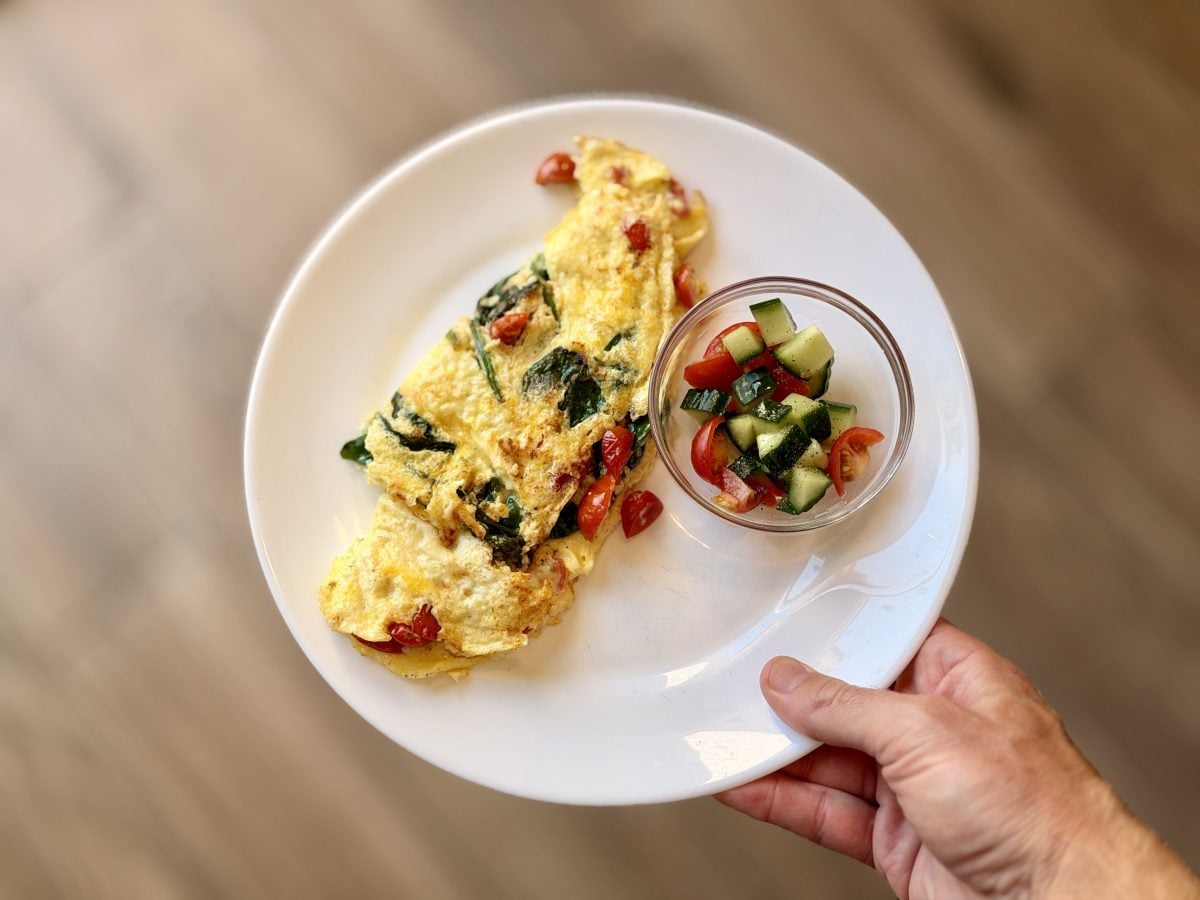
Why Veggie Omelet belongs here: A veggie omelet is a quick option to take charge of your morning, and the best part is it’s ready in under 10 minutes.
Start by cracking 2-3 eggs into a bowl, add a pinch of salt and a splash of water, and whisk to combine (don’t use milk, it will make the eggs fluffy). In a pan over medium heat, add olive oil and for 1-2 minutes, cook a small handful of chopped spinach, sliced cherry tomatoes, and crumbled feta until the spinach has wilted.
Then, turn the heat to low and pour the whisked eggs over the veggies. Let the eggs sit for 30 seconds without stirring. Using a spatula, lift the edges so the uncooked eggs can flow underneath. Cover the pan for 30 seconds to 1 minute so the top can cook without the bottom getting brown.
When the eggs are just set, and there are no shiny wet patches, and no browning, fold the omelet and slide it onto a plate. For color, fresh herbs like dill, chives, or parsley are great.
Swap: Instead of the veggies, feel free to use zucchini, mushrooms, or bell peppers. For a different taste, goat cheese can be substituted for a sharp white cheddar or feta.
2) Breakfast Quesadilla
Why this is good for breakfast: a breakfast quesadilla is unique because, unlike other wraps or sandwiches, it actually contains dinner leftovers. A breakfast quesadilla consists of eggs and cheese, which are rolled in a tortilla and pan-fried until crispy and golden brown.
To prepare it, crack 2 eggs in a small bowl and mix them with a little bit of olive oil. Once done, set the eggs aside. In the same pan, put a whole wheat tortilla, and on one side of the tortilla, add a handful of shredded mozzarella or feta, the eggs, a few leaves of baby spinach, and some diced tomatoes. Then, close the other side of the tortilla over the top, and fry it on medium heat for 2-3 minutes on each side.
Afterwards, the tortilla should be a deep golden brown color and crispy. The cheese should be melted (you can check this by lifting a corner of the tortilla). Finally, use a spatula to gently press to seal. Cut the quesadilla into wedges and serve it with a small bowl of yogurt for dipping.
Replacement: For a vegetarian protein version, replace the eggs with black beans (canned and drained). Also, if you add hummus to your tortilla before putting in the eggs, it also gives it a creamy texture and a Mediterranean taste.
3) Breakfast Salad
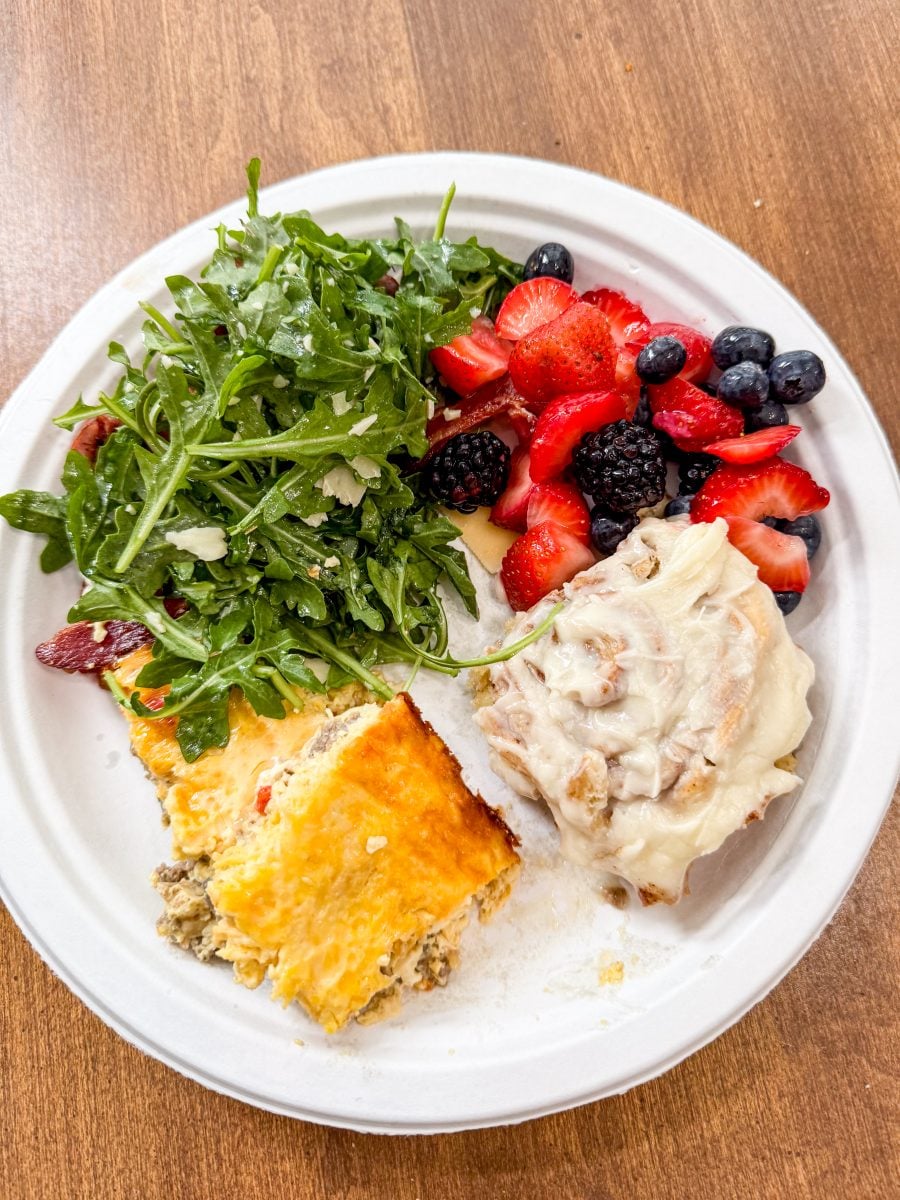
Breakfast salad pitch: At first, a breakfast salad may seem bizarre to the untrained eye, resembling some sort of quirky, summery dish, but trust me, this will quickly transform into the most reasonable meal of your day, especially with the addition of a quality extra virgin olive oil, and, yes, soft-boiled eggs!
To prepare the salad, first grab 2 large handfuls of a mixed greens salad bag, and substitute arugula and/or baby spinach for the base. The arugula and spinach pair is perfect here. Then, oil, vinegar, lemon juice (or any citrus), salt, and pepper to taste.
For the finishing touches, toss in some halved cherry tomatoes, about 1/4 cup of canned (drained) chickpeas, and some crumbled feta cheese. And of course, the pièce de résistance soft-boiled egg!
For the soft-boiled egg, drop it in boiling water for 7 minutes, then place it in an ice bath to stop the cooking process and to make peeling easier. When you slice the egg open, the yolk should run, and this will serve as your dressing. If you happen to have za’atar, olives, or something similar, feel free to toss in a pinch!
Switch: If you’re putting an egg in, a hard-boiled egg is a thickening substitute. Yes, the avocado may be a plant-based egg sub, but we lose the runny yolk action.
4) Caprese Breakfast
The pitch for Caprese Breakfast: Caprese is a three-minute assemble breakfast for a vacation feeling. With fresh mozzarella cheese, tomatoes, and basil on a slice of bread, you have a full meal that can also be enjoyed as a snack.
Slice your best-ripe tomato and fresh mozzarella into 1/4-inch rounds. Spread a layer of basil leaves on top of a slice of toasted whole-grain bread. If you have it, drizzle some balsamic vinegar or glaze on top. Adding a sprinkle of dried oregano to the tomatoes really captures the essence of an Italian breakfast.
Optional: Use burrata or mozzarella for a creamier (and slightly more gourmet) version. Heirloom tomatoes are worth the price when they’re in season.
5) Greek Yogurt Bowl
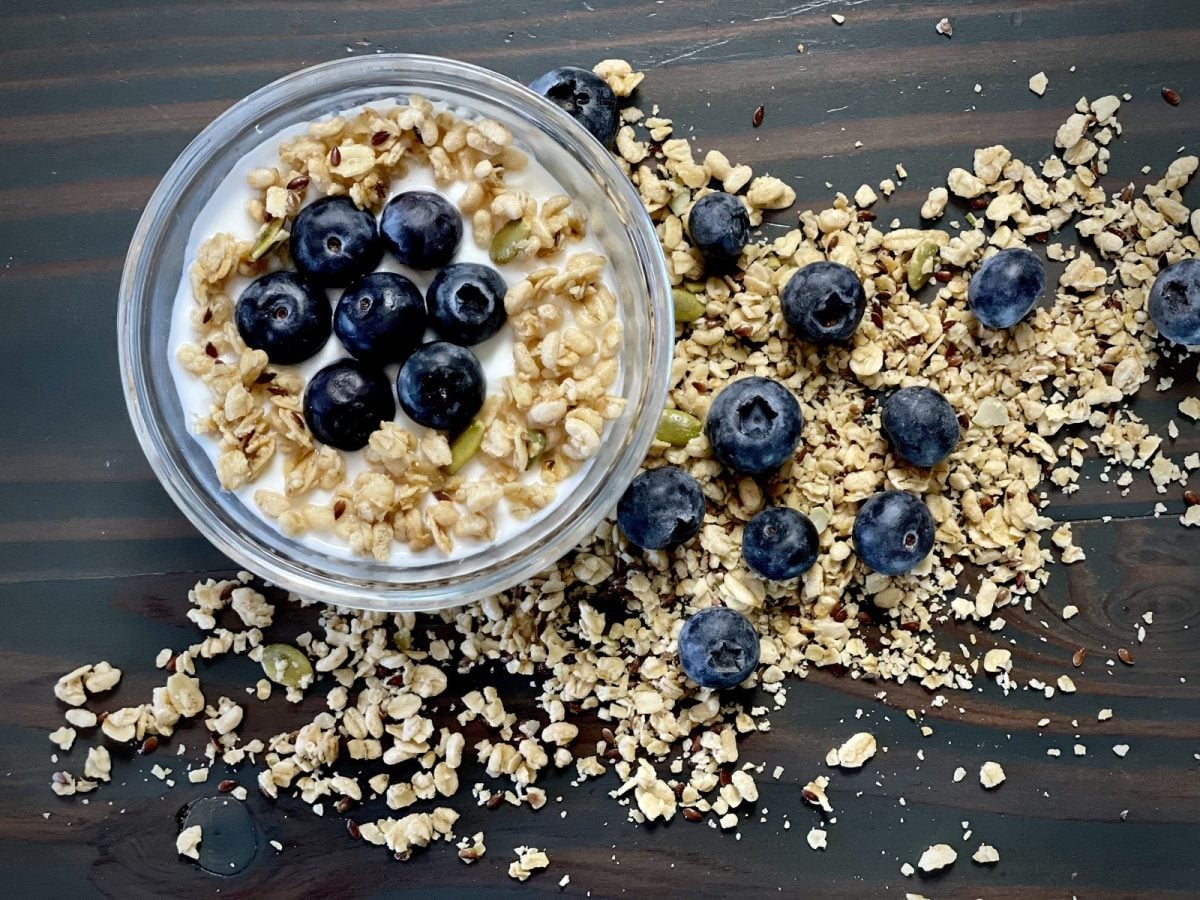
Why Greek Yogurt Bowl pulls its weight: It takes less than a minute to make and really does make you feel good about breakfast. It is high in protein, which will keep you full until lunch, and the variety of toppings means it can be different every day.
Place 3/4 cup of plain full-fat Greek yogurt in a bowl and drizzle 1 tablespoon of honey or maple syrup. Then, top with fresh berries (or banana slices, or in winter, pomegranate seeds), a handful of chopped walnuts or almonds, and a sprinkle of chia or flax seeds.
If you chose the sweeter option, add a dash of cinnamon. The yogurt should keep its shape when you scoop it, which is how you know it’s real Greek yogurt, not just plain yogurt in a jar.
Optional: Other thicker, higher protein alternatives are Skyr (Icelandic) or cottage cheese. They fill the same nutritional niche but have a different texture.
6) Avocado Toast
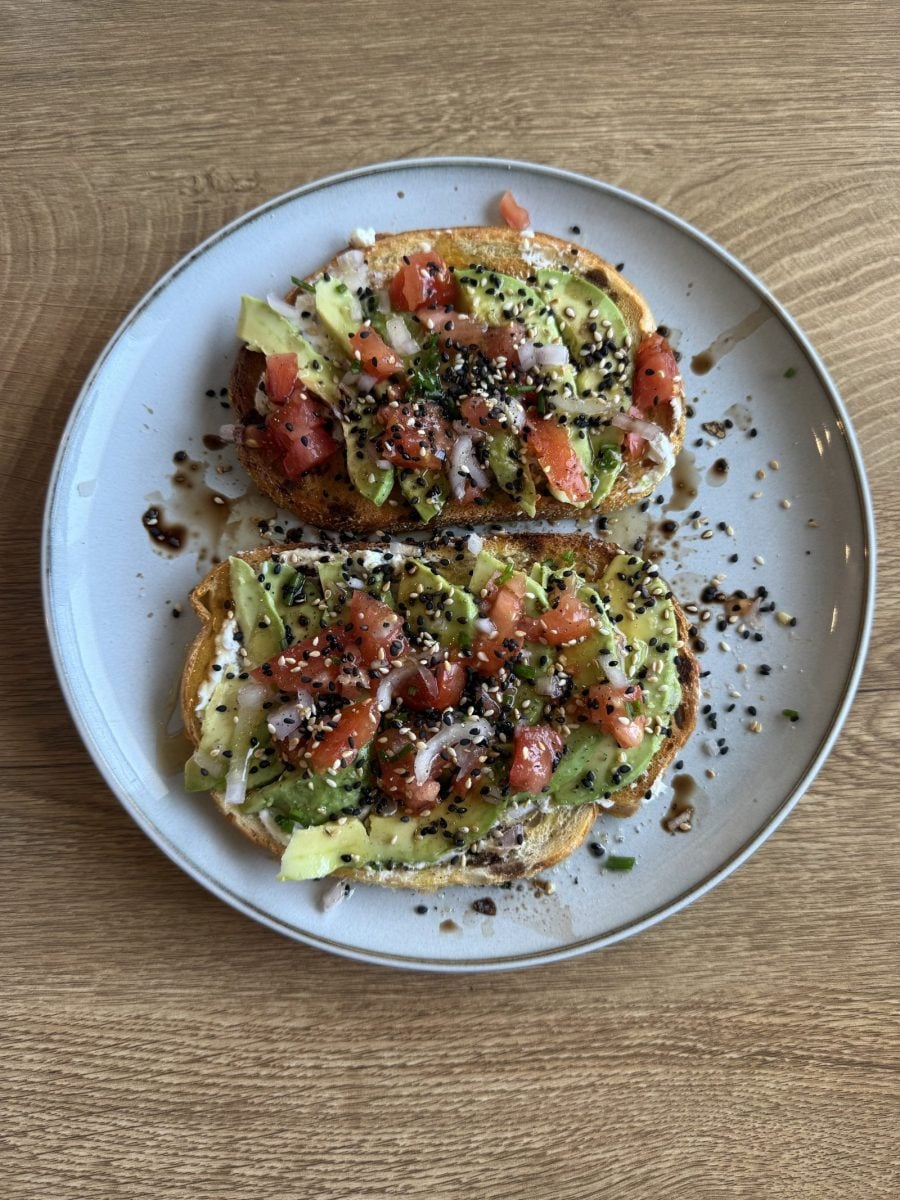
What Avocado Toast gets you: Avocado toast has become a joke because it has gotten boring and mass-produced. When done right, with a nice piece of bread and a few smart toppings, it’s still one of the best breakfast options you can make.
Take a thick slice of whole-grain sourdough and toast it until it is golden and crisp (a wimpy toast will collapse under the weight of the avocado). Mash half a ripe avocado onto the toast. Then add some flaky sea salt, cracked pepper, and a squeeze of lemon.
For more substance, you can add a fried or soft-boiled egg, and some sliced cherry tomatoes, as well as red pepper flakes. People miss the mark with a final drizzle of olive oil.
Swap: If you want, you can also use mashed white beans (cannellini) instead of avocado, and you will have the same thing, which is less trendy but equally satisfying.
7) Apple Cinnamon Oatmeal
Why Apple Cinnamon Oatmeal belongs here: This is my go-to breakfast when I want something warm that I can make in 7 minutes. The whole bowl tastes sweeter, and I didn’t have to add any sugar!
Start with 1 cup of your preferred milk or water, and bring it to a simmer. Add a small quantity of salt. Then, add 1/2 cup of rolled oats (avoid instant oats as they will become gummy) and 1/2 grated apple. Cook for 4 to 5 minutes over medium/low heat, stirring occasionally.
The oats should appear creamy but still retain their shape (not soupy or paste-like). Add 1 teaspoon of cinnamon, 1 tablespoon of maple syrup, and 1 tablespoon of nut butter or chopped walnuts. If you want a nice crunch, add some chopped fresh apple.
Note: Steel-cut oats need (20-25 mins) and have a chewier texture. You can substitute the apple for a pear or a banana.
8) Hummus Toast
Why Hummus Toast makes the cut: Hummus on toast is your savory breakfast dream: quick, filling, and made from stuff you probably already have. Don’t sleep on this one.
Toast a thick slice of whole grain or sourdough bread until crisp. Mix 2-3 tablespoons of hummus (homemade is best, but a good store brand will work) with sliced cucumber, halved cherry tomatoes, (thinly sliced) red onion (if desired), and a sprinkle of za’atar or everything bagel seasoning.
You can top it off with a drizzle of olive oil and a few cracks of black pepper. If you want to increase the protein in this dish, you can add a soft-boiled egg.
Swap: I smashed white beans seasoned with lemon and garlic work the same way.
9) Shakshuka
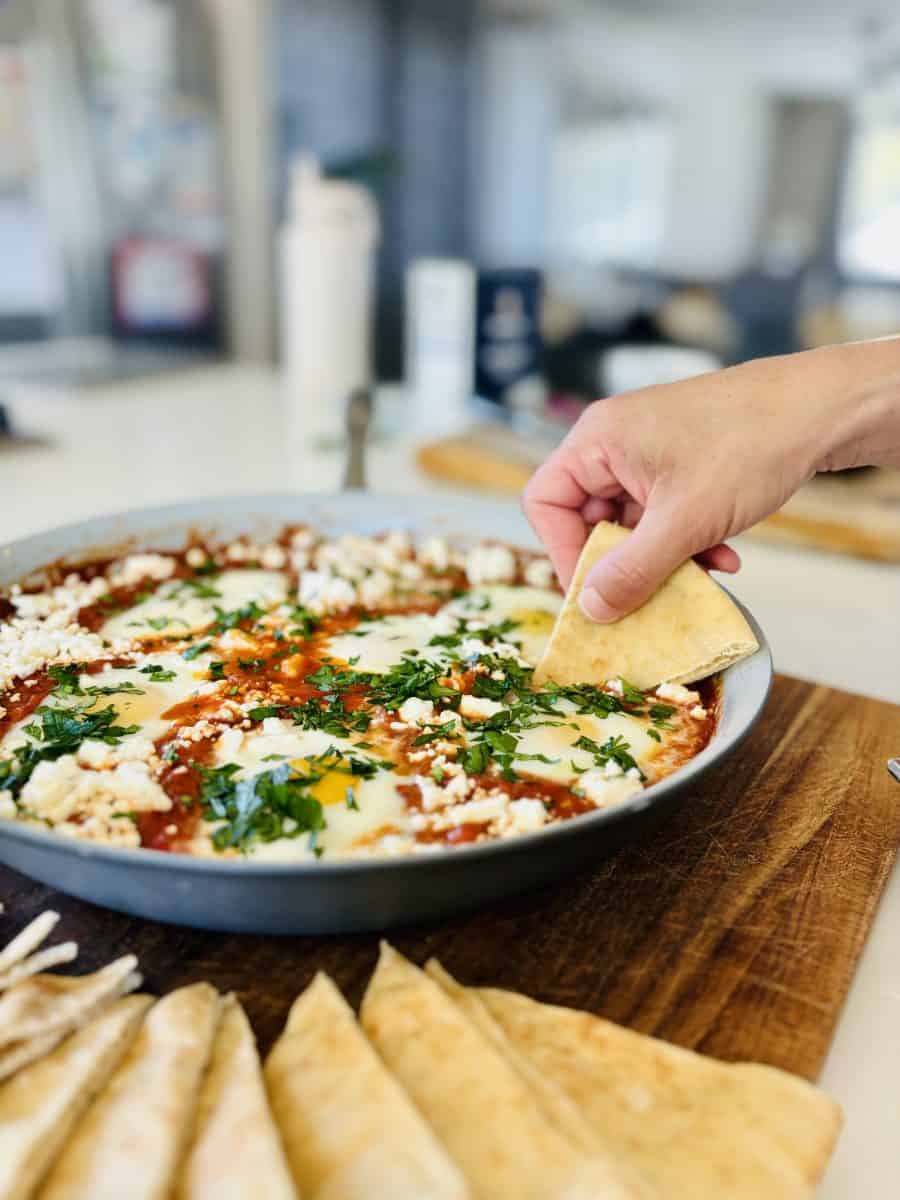
Why Shakshuka pulls its weight: Shakshuka takes 20 minutes and makes you feel fancy. Eggs poached in a spiced tomato sauce are the kind of breakfast that makes a Tuesday feel like it’s time for a weekend brunch.
In a skillet, heat 2 tablespoons of olive oil and then sauté one diced onion and 1 diced bell pepper for 5 to 7 minutes until they soften. Add 4 minced cloves of garlic, 1 teaspoon of cumin, 1 teaspoon of smoked paprika, and 1/4 teaspoon of cayenne (or more if you want additional heat). Stir for 30 seconds.
Add salt to one 28 ounce can of crushed tomatoes and simmer for 10 minutes until thickened. Create 4 indentations in the sauce and break an egg into each one. Cover and cook 5-7 minutes.
Cooking eggs is complete once all of the egg whites are fully solidified and the egg yolks jiggle when the pan is shaken. This is the perfect level of doneness. On top, you can add crumbled feta cheese and chopped parsley. Serve with chunky bread for dipping.
To make the dish more filling, you can add one drained can of chickpeas. In Green shakshuka, instead of using tomatoes, the base is made of spinach, kale, and parsley.
 Nathaniel’s Pantry Notes: Eggs for Breakfast (and How Not to Ruin Them)
Eight of these breakfasts feature eggs in one form or another. They’re the most affordable, flexible, and dependable protein in the Mediterranean morning rotation, and nearly everyone overcooks them.
The key concept to remember is: eggs become rubbery when exposed to high heat. Scrambling, frying, soft-boiling, or poaching, with some patience and lower heat, will give your eggs that hotel buffet taste.
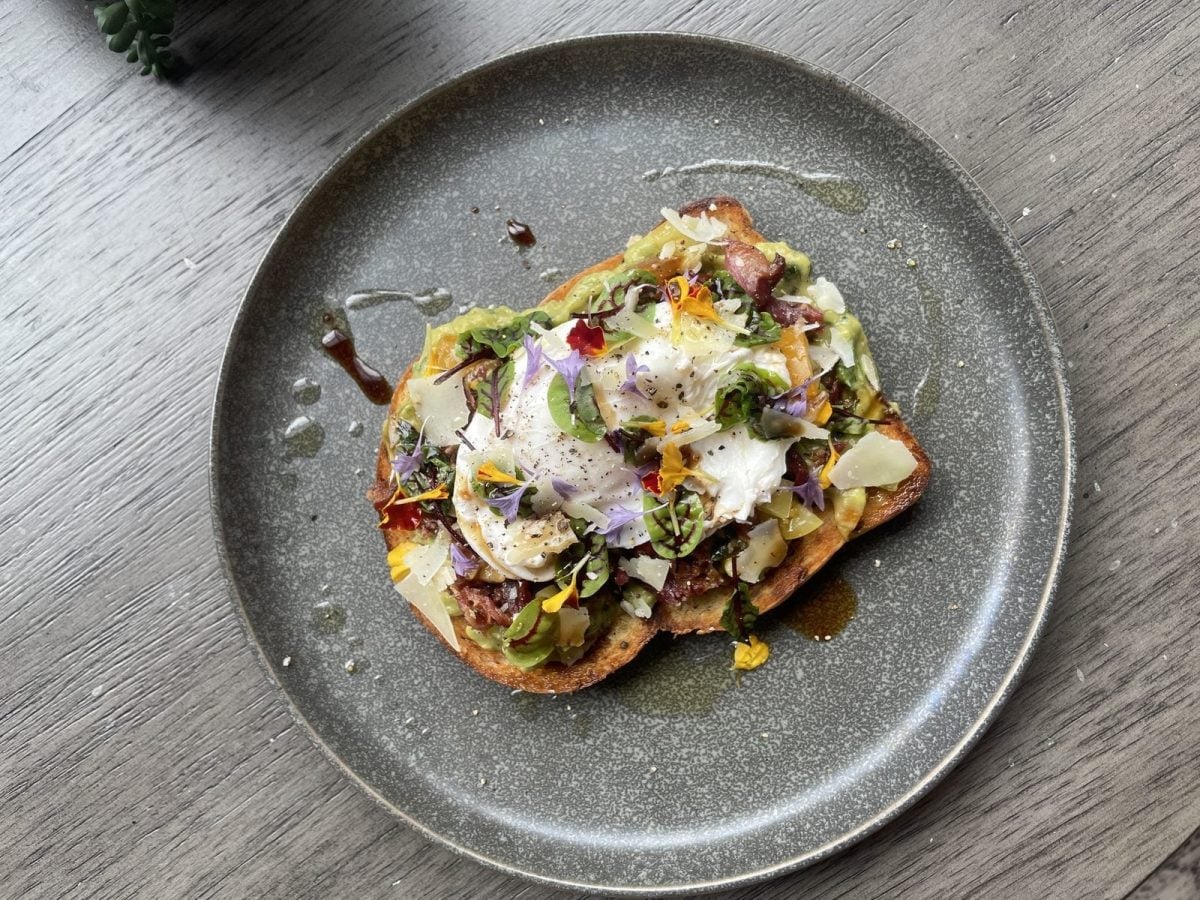
• Scrambled eggs want low heat and constant motion. Medium-low heat, stirring almost constantly with a silicone spatula, for 3-4 minutes. Pull them off when they’re still glossy and slightly underdone, the residual heat finishes them. Salt at the end, not at the start, salting too early draws moisture out.
• Fried eggs are about pan temperature. Heat olive oil in a pan over medium heat until shimmering but not smoking. Crack the egg in, cover with a lid for 2-3 minutes. The white sets, the yolk stays jammy, no flipping needed. If the bottom is brown and crispy, the pan was too hot.
• Soft-boiled and hard-boiled are 4 minutes apart. Lower eggs gently into boiling water with a slotted spoon. 6-7 minutes for soft (jammy yolk), 9-10 minutes for hard (fully set, no chalky gray ring). Immediately into an ice bath for 5 minutes. The shell slides off when the egg is fully cold, peel under running water.
What I buy: Pasture-raised eggs from a farmers market or the better grocery store when I can justify the price (they run about $7-9 a dozen, and I can see and taste the difference in the yolks). Vital Farms pasture-raised is priced at around $5-7. Cheap eggs are fine for baking, but for a breakfast where the egg is the centerpiece, the upgrade is worth it.

10) Bowl of cottage cheese
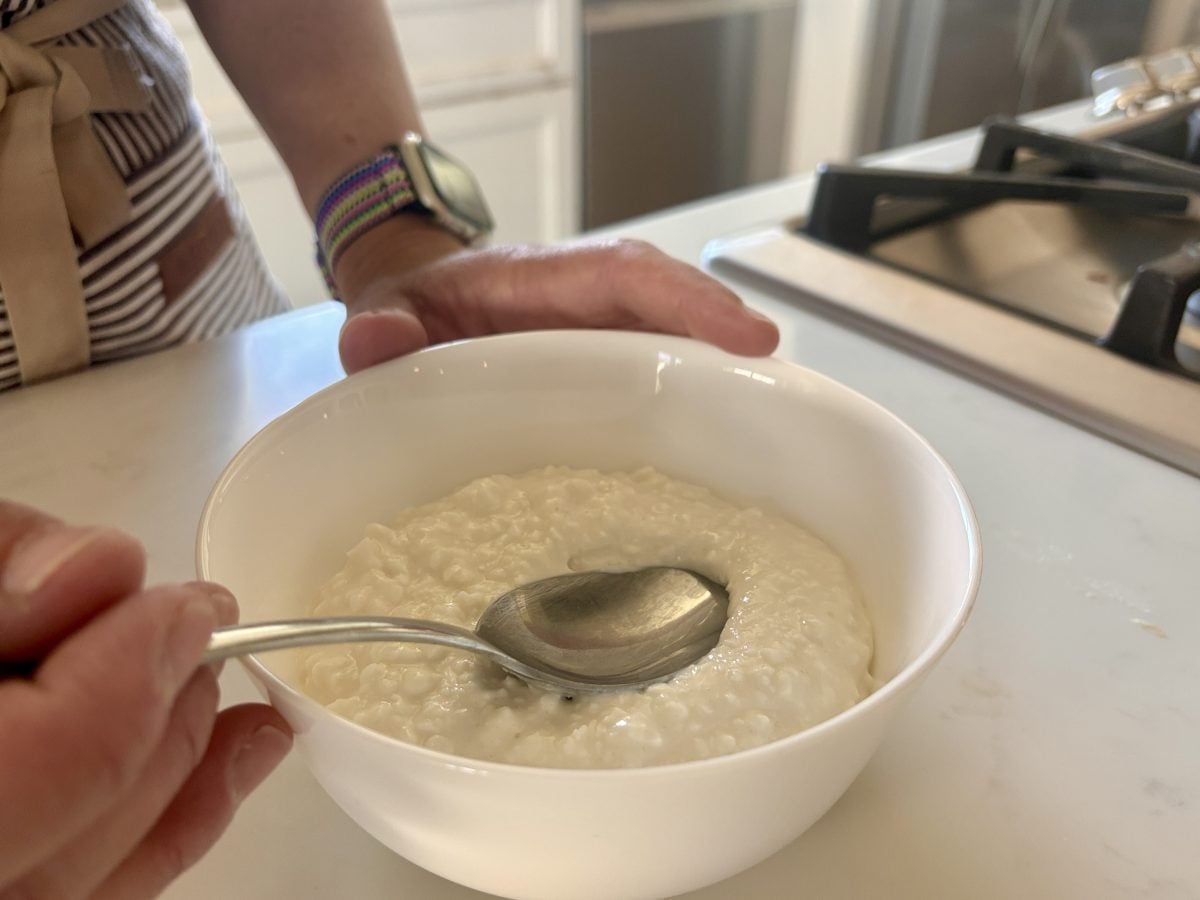
Why bowl of cottage cheese: The quantity of protein in the Bowl of Cottage Cheese is only 10 to 15 grams. Also, there is no preparation involved, so the only protein goal that can be attained is the cottage cheese goal. The Bowl of Cottage Cheese is the option to choose if a larger breakfast is needed.
To make this, get a bowl of your choice and add 3/4 of a cup of cottage cheese (make sure it is not non-fat, because the result will be unappetizing). Next, add a fruit of your choice, such as strawberries, peaches, or pineapple, as well as a few chopped walnuts or pecans. If you want a savory version, you can skip the fruit and use cherry tomatoes, diced cucumbers, olive oil, and a pinch of flaky salt and pepper. The preferred cottage cheese texture is creamy with smaller curds.
Swap: Ricotta is sweeter than Greek yogurt and has a creamier texture, and Greek yogurt has protein.
11) Overnight Oats
Why this for breakfast: If you want a set breakfast and go meal, overnight oats are a great option. You put in 5 minutes of effort and then have breakfast ready to go.
To prepare, you will need a jar or container. Mix ½ cup of rolled oats (do not use instant), ½ cup of your favorite milk or yogurt, 1 tbsp of chia seeds, and 1 tbsp of honey (or maple syrup) along with a pinch of salt and ½ tsp of vanilla extract.
After mixing, cover the bowl and place it in the refrigerator to chill overnight (or at least for 6–8 hours). You’ll know the mixture is ready when a spoon can stand upright without sinking to the bottom of the mixture. In the morning, you may add some fresh fruit, nut butter, and nuts to the oats as desired. The oats can be kept in the refrigerator for 4-5 days. After that, they will taste old.
Swap: Steel-cut oats take longer, as you have to cook them.
12) Smoked Salmon Toast
Smoked Salmon Toast, why it earns dinner: Smoked salmon on toast is the breakfast that turns Tuesday into a Sunday brunch and gives you real protein and omega-3s in a small pouch.
To prepare, toast pumpernickel, rye, or whole-grain bread until it is crisp.
Spread 2 tablespoons of whipped cream cheese or labneh (if you can find it, labneh is the move). Then place 2 to 3 ounces of cold-smoked salmon on top. Add capers, thinly sliced red onion, some fresh dill, and a lemon wedge. Add a few cracks of black pepper. You should still feel the crunch of the edge of the toast. Smoked salmon turns it into mush, fast.
Swap: Smoked trout is often cheaper, and the flavor is nicer. The dairy-free option is avocado instead of cream cheese on the toast.
13) Labneh Plate
Where Labneh Plate earns its spot: A labneh plate is what you get when you take Greek yogurt and let it strain for an even longer period of time. The result is tender and somewhat resembles cheese, and in a way, small-plate breakfast dining.
Smear 1/2 cup of labneh on a small plate and use the back of a spoon to make a swoop. Drizzle 1-2 tablespoons of good-quality olive oil, sprinkle generously with za’atar, and add halved cherry tomatoes, sliced cucumbers, and a handful of olives at the edges.
Along with it, serve warm pita or whole grain crackers for scooping. The olive oil and za’atar ought to sit on top of the labneh and not be stirred in. That’s what makes it look like a labneh plate.
If you’d like to make labneh at home, you can strain Greek yogurt overnight in a fine mesh strainer. Using cream cheese will give you a different texture, but you can use that as well.
14) Nut Butter Pita
What makes Nut Butter Pita work: Nut butter on pita makes a good breakfast. It gives you that warm, toasty feeling but with the nutritional benefits of pita bread. Plus, it’s a perfect option for kids and adults.
First, heat a whole wheat pita in a dry pan for 30 seconds, or in the microwave for 10 seconds. Then, spread two tablespoons of almond butter or peanut butter on it. After that, add sliced banana, a sprinkle of cinnamon, and a drizzle of honey.
Top it off with some chopped nuts or seeds. The mixture of honey, banana, and cinnamon is what makes it so good. You can eat them folded like a sandwich or laid out open like an open-face sandwich.
Note: Substituting a whole-grain tortilla makes it a portable version. If you want a lower sugar, more crunchy snack, you can replace the bananas with sliced apples.
15) Farro Breakfast Bowl
Why the Farro Breakfast Bowl belongs here: A farro breakfast bowl will be a response to the oatmeal breakfast bowls, as it has the chew and some nuttiness that oats lack, and it is good to make a big batch on Sunday and then portion out the bowls for the week.
To prepare it, you must first cook 1 cup of farro in 3 cups of salted water or broth for 25-30 minutes. Once it is tender and chewy, make sure to drain off any excess water.
For one bowl, mix 3/4 cup cooked farro, 1 tbsp olive oil, salt, halved cherry tomatoes, feta, a soft-boiled egg, and some arugula or spinach. Top with a squeeze of lemon and black pepper. You can eat this warm or cold, both are good.
Substitutes: Quinoa is faster to cook (in 15 minutes) and has more protein. Barley takes longer to cook, but has a similar chew to farro.
16) White Bean Toast
The pitch for White Bean Toast: White Bean Toast is perfect for mornings when you’ve run out of eggs and don’t want to have plain buttered toast. This dish adds a great amount of protein, and the addition of lemon really brightens the whole dish.
To prepare this dish, first drain and rinse a 15oz can of either Cannellini or Great Northern beans (these beans are used for the dish). In a separate bowl, combine 2 tablespoons of olive oil, the juice of half a lemon, and 2 cloves of minced garlic. Add your desired amount of salt and pepper to the mixture. Note: Do not puree the mixture, as you want to have a little bit of texture to the mixture.
Toast a thick slice of Sourdough or Whole Grain bread until it is golden brown (toasted bread) and then mash the prepared bean mixture on top. Drizzle a little bit of olive oil on the mixture; you can also add some fresh herbs like parsley, chives, or dill, some red pepper flakes, and a dash of flaky salt on top of the mixture. To increase the protein content, feel free to add a soft-boiled egg.
Replace: Mashed avocado for the beans is rather the more typical toast. If you want, you can add sun-dried tomatoes to the bean mash to make it more complex.
17) Mediterranean Breakfast Wrap
Why Mediterranean Breakfast Wrap pulls its weight: A Mediterranean breakfast wrap does away with the old tradition of breakfasts being deemed as “eggs and bread” and instead gets you to think of breakfast as “anything Mediterranean inside a tortilla”.
For the wrap, you will want to softly scramble to temperature with a little olive oil on medium to low temperature (slow scrambling is the difference between creamy and rubbery and takes 3-4 minutes of continuous stirring).
Next, take a whole wheat tortilla and dry-heat it for 30 seconds on both sides, and then fill the tortilla with whatever Mediterranean-themed mixture you have.
Fill it with eggs, a small handful of spinach, 2-3 tablespoons of hummus, crumbled feta, halved cherry tomatoes, and a few olives. Roll it up tightly. Don’t skip the hummus because it adds flavor and acts as an adhesive.
Swap: for a vegan option, use black beans (canned and drained) instead of eggs. Also, you can add a few thin slices of cucumber for extra crunch.
18) Ricotta Toast
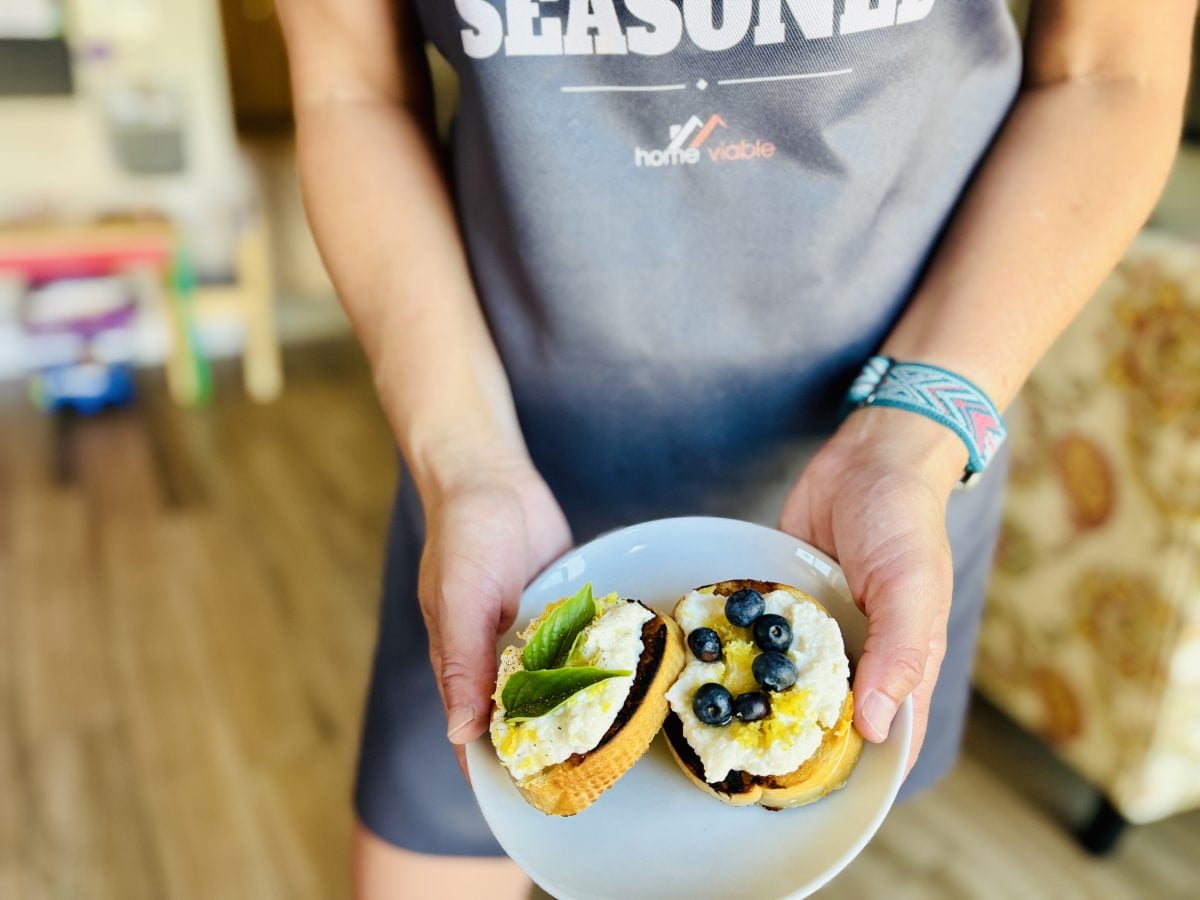
Why this for breakfast: Preparing ricotta on toast takes only two minutes, so it is very simple and quick. Whole-milk ricotta has the soft texture of cheese, but the protein content is equal to that of an egg.
Toast a slice of whole-grain sourdough until crisp, spread 2-3 tablespoons of whole-milk ricotta( don’t spend your money on grainy part-skim), and drizzle with honey.
Top with sliced figs (fresh in summer, dried in winter) or sliced strawberries, along with some crushed pistachios and a touch of flaky salt. Sweet ricotta definitely requires salt. For a savory alternative, replace the honey and fruit with olive oil, cherry tomatoes sliced in half, and chopped fresh basil.
Replace: If you’re looking for something richer (almost dessert-like), mascarpone cheese is an excellent substitute for ricotta. Cottage cheese is certainly an option, though it has a different texture (small curds instead of creamy).

19) Savory Yogurt Bowl
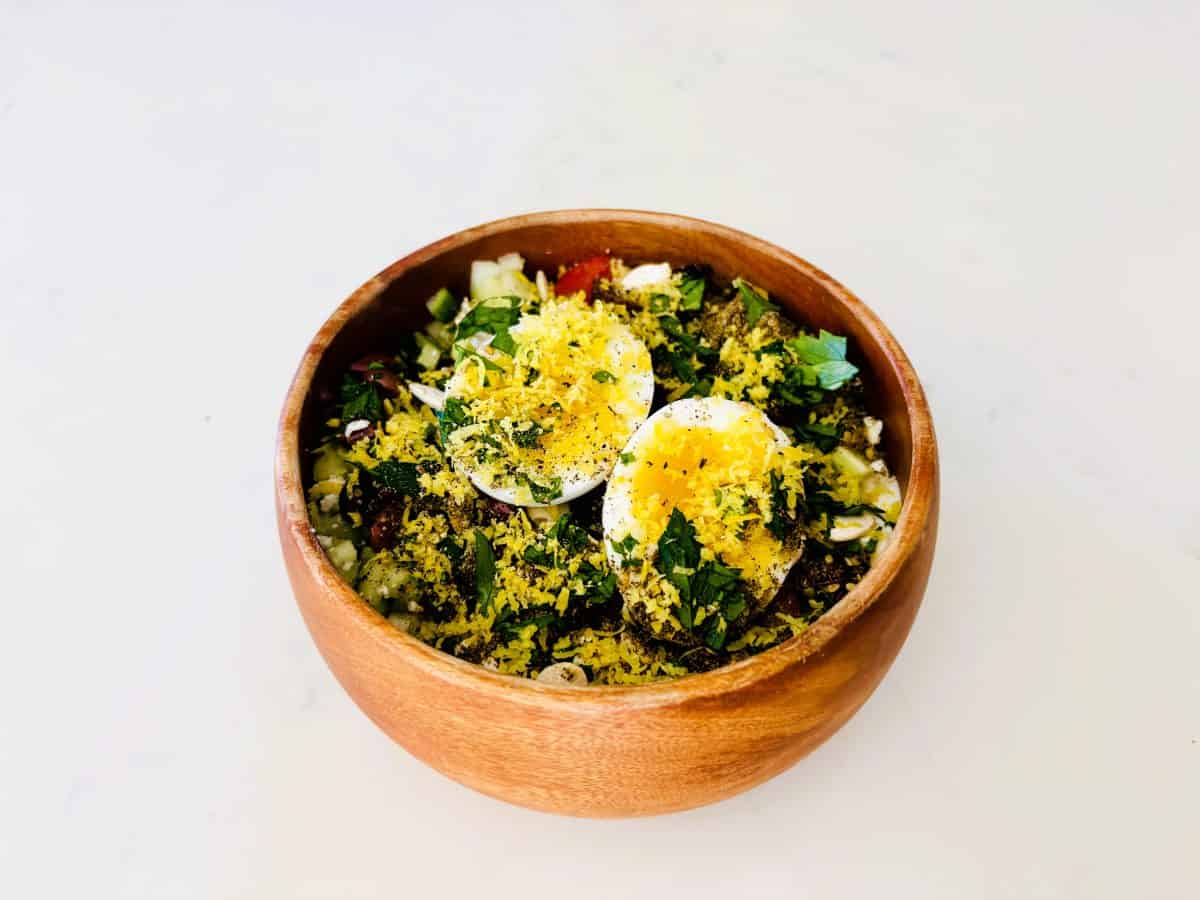
Why this for breakfast: The savory yogurt bowl is filling, quick, and gives you an alternative to sweet yogurt meals.
Grab a bowl and add 3/4 cup of plain full-fat Greek yogurt and use the back of a spoon to create a swoop. Drizzle one to two tablespoons of olive oil. Finish with diced cucumber, halved cherry tomatoes, freshly chopped dill or mint, plus a sprinkle of za’atar or sumac.
Flaky salt and cracked pepper are always welcome. Drizzling honey may seem odd with the savory toppings, but it actually works. Try with warm pita or whole-grain crackers for dipping.
Swap: Labneh for yogurt is richer and creamier. You can also add grilled vegetables and roasted chickpeas on top for more filling options.
20) Fruit And Cheese Plate
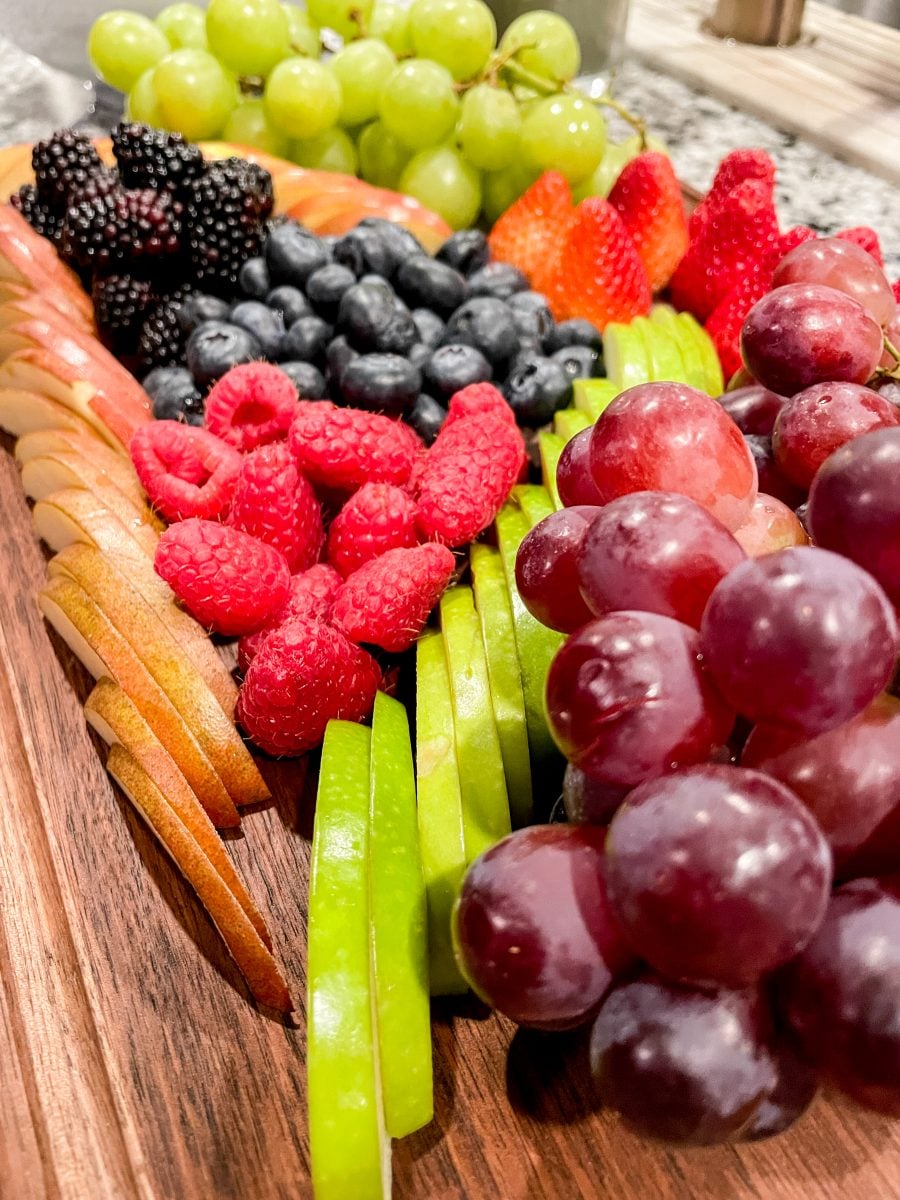
What Fruit And Cheese Plate gets you: A plate with cheese and fruit for breakfast may seem like a snack, but trust me, it is perhaps the most enjoyable meal of the day. The reason this combination works is the contrast of sweetness from the fruit and the acidity from the cheese.
On your plate, place 1–2 ounces of a strongly flavored cheese (this could be manchego, aged cheddar, brie, or blue), sliced fresh fruit (this could be grapes, an apple, a pear, or figs if in season), a small handful of unsalted nuts (almonds or walnuts), and a few whole grain crackers or a slice of seeded bread.
If you like savory options, drizzle some honey over the cheese and add a couple of olives. The variety is the point; every bite is a new experience. Pair with a strong coffee.
Suggestion: consider adding cured meats such as prosciutto or salami for a more filling option. An elegant variation includes goat cheese paired with honey and fresh thyme.
21) Sardine Toast
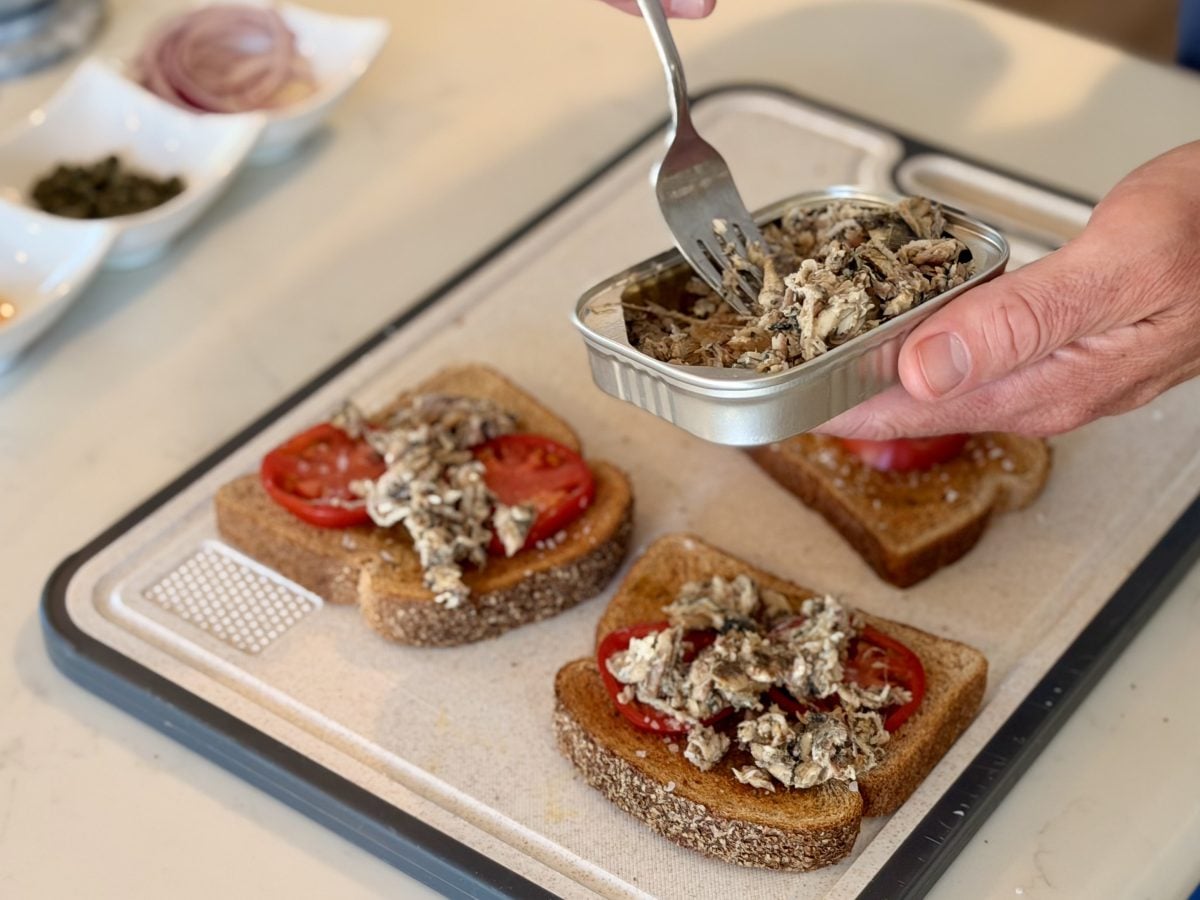
Sardine Toast, tonight’s logic: Although at first glance, choosing sardine toast may seem a little crazy, it is actually a very cheap choice considering the amount of protein you will get from it.
In my recent pantry renovations, jarred sardines packed in oil have been one of the best improvements. Toast a slice of whole-grain or sourdough bread until it is crisp. Spread 1 to 2 tablespoons of butter or labneh.
Place three to four oil-packed sardines on the toast, and add some lemon juice. Garnish with capers, red onion (thinly sliced), and some fresh parsley. Add flaky sea salt on top.
Drizzling sardine oil on top is a great addition. Since bread will be softened due to the sardine oil, use a sturdy bread.
Swap: The same flavor category is covered by smoked mackerel, though with a stronger flavor. Anchovy toast is a more extreme version (less, smaller)
22) Barley Porridge
More about Barley Porridge: Think of it as oatmeal that has a big brother. It is more chewy, nutty, and keeps you full longer. You can prepare a portion and keep it warm throughout the week.
To prepare a porridge-style dish, combine 1 cup of rinsed pearl barley with 4 cups of milk or water and a pinch of salt. Once the mixture is boiling, cover and cook for 35-45 minutes over low heat. The porridge is ready when the barley becomes soft and chewy. (It is acceptable to taste with some chalky center) The liquid is thick enough to reach a creamy texture (definitely not water).
Then add 1 tablespoon of butter, 2 tablespoons of honey or preferred maple syrup, and 1 teaspoon of cinnamon.
You can add fresh fruit, chopped nuts, and a drizzle of milk or cream on top. The refrigerated portions last 4 to 5 days, but be sure to add a drizzle of milk when reheating.
Swap: Steel-cut oats take about a third of the cooking time, and while barley farro porridge has a similar chew, it is slightly sweeter.
23) Quinoa Breakfast Bowl
Why it makes the cut: Quinoa breakfast bowls are an amazing protein source, and can even replace oatmeal! You can make quinoa sweet by adding yogurt and fruit, or you can make it savory by adding egg and feta.
Setup is simple, just cook 1 cup of quinoa with 2 cups of water and a dash of salt. Bring everything to a boil, then lower the heat to a simmer for about 15 minutes. Once done, let it sit for 5 more minutes and fluff it with a fork.
When quinoa is cooked, little spirals should open in the grains.
To get even more protein, grab a bowl and 1/2 cup Greek yogurt, mix it with 3/4 cup of the cooked quinoa, and fresh berries. Top it with a tablespoon of nut butter or some chopped nuts.
For a savory option, you can mix in 3/4 cup and top with a fried egg, halved cherry tomatoes, crumbled feta, a drizzle of olive oil, and chopped parsley.
Swap: Brown rice can be used in the same way, but will have a softer texture. For a nuttier flavor, use bulgur instead. It cooks quicker than quinoa in just 10 minutes.
24) Fried Egg And Greens
Why egg and greens: An easy breakfast is eggs and greens; the secret is the runny yolk that dresses the salad.
For this recipe, you need to grab a skillet, pour in about 1 tablespoon of olive oil, and set the heat to medium-high. Then, take a few handfuls of any combination of baby spinach, arugula, or chopped kale and add a clove of minced garlic. Stir for about a minute or two. With any luck, the greens should turn nice and bright instead of being sad and shriveled.
When that’s done, shift the sautéed vegetables to one side of the skillet and turn the heat down low to set up for a fried egg. Then, after about 2-3 minutes of waiting, crack an egg onto the other side of the skillet. Once the egg white fully cooks and the edges turn crispy white, the yolk should barely be fully cooked. From there, your dish should be totally ready to go, and you can slide everything onto a plate.
Lastly, grab a slice of toasted bread, sprinkle some flaky sea salt, drizzle a little olive oil and some freshly squeezed lemon juice, and top with ground black pepper.
Swap: You might want to consider trying a soft-boiled egg or a poached egg instead of a fried egg, as it would be a milder option. If you want to make this heartier, you could add some chickpeas or white beans to the greens. ‘s task:
25) Chia Pudding
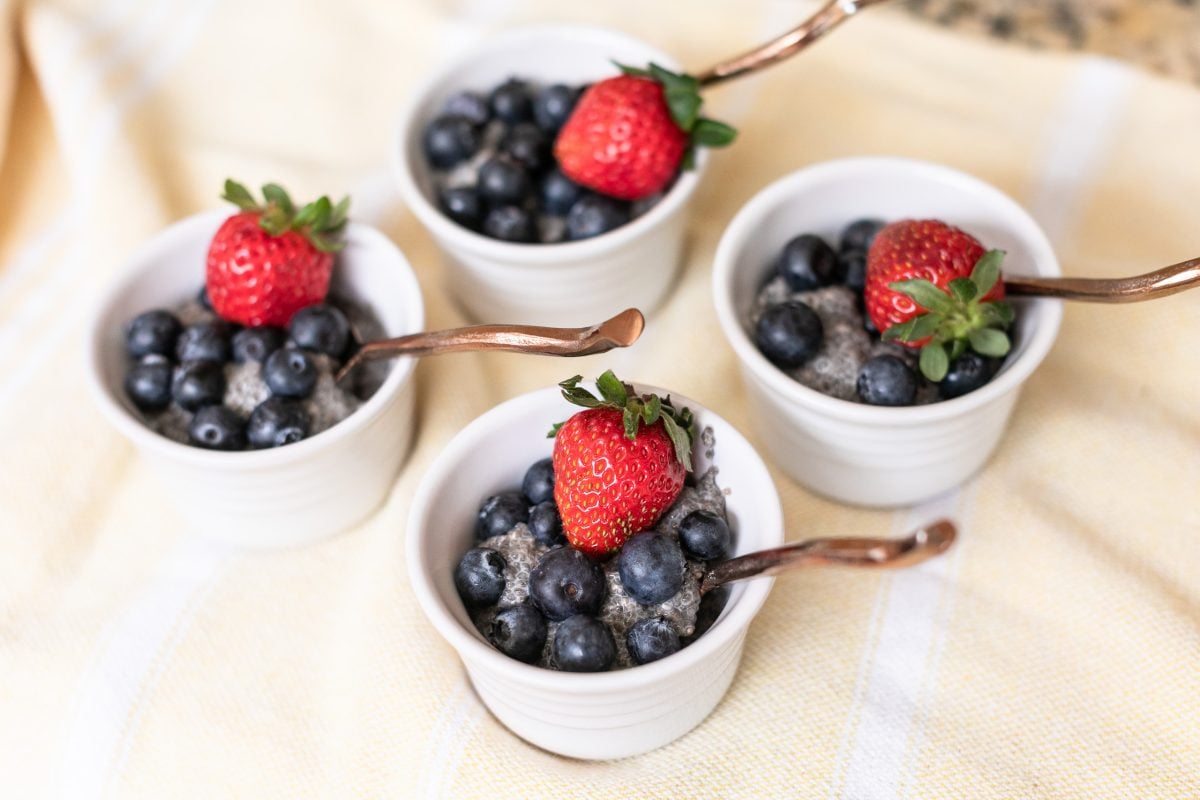
Why Chia Pudding is on this list: To make your chia pudding, combine 3 tablespoons of chia seeds with 1 cup of any type of milk.
If you use full-fat coconut milk or whole dairy milk, your pudding will be thicker. Add 1 tablespoon of maple syrup or honey, a splash of vanilla, and a pinch of salt. Let it sit for 10 minutes, then stir to break up the clumps and refrigerate for 6-8 hours.
Pudding is done when you can streak a spoon through the pudding, and it leaves a trail for a moment. To your 3/4 cup, add fresh berries, a small handful of granola or nuts, and a spoon.
Swap: This is also true for overnight oats, but it is a different consistency. If you add a spoonful of nut butter, it will make it richer and provide protein.
26) Tahini Toast
Where Tahini Toast earns its spot: Tahini on toast is a breakfast that took me by surprise.
I didn’t think that a mixture of whole grain bread, honey, and tahini could be so enjoyable, and this mixture has an added slightly bitter flavor.
First, toast a slice of whole-grain sourdough until it is crunchy to the touch. Spread 2 tablespoons of tahini (stir the jar to mix the oil and tahini), then drizzle with honey (the runnier, the better) and finish with a sprinkle of sea salt flakes along with a few toasted sesame seeds. If you add some sliced strawberries or banana coins, it feels like a real breakfast.
Don’t skip the salt; it will create balance with the bitterness of the tahini and the sweetness of the honey.
Swap: Almond butter can be used in place of tahini. This will add the same texture, but a sweeter taste. For a richer and more complex sweetness, date syrup (“silan”) can be used instead of honey.
27) Lentil Vegetable Soup
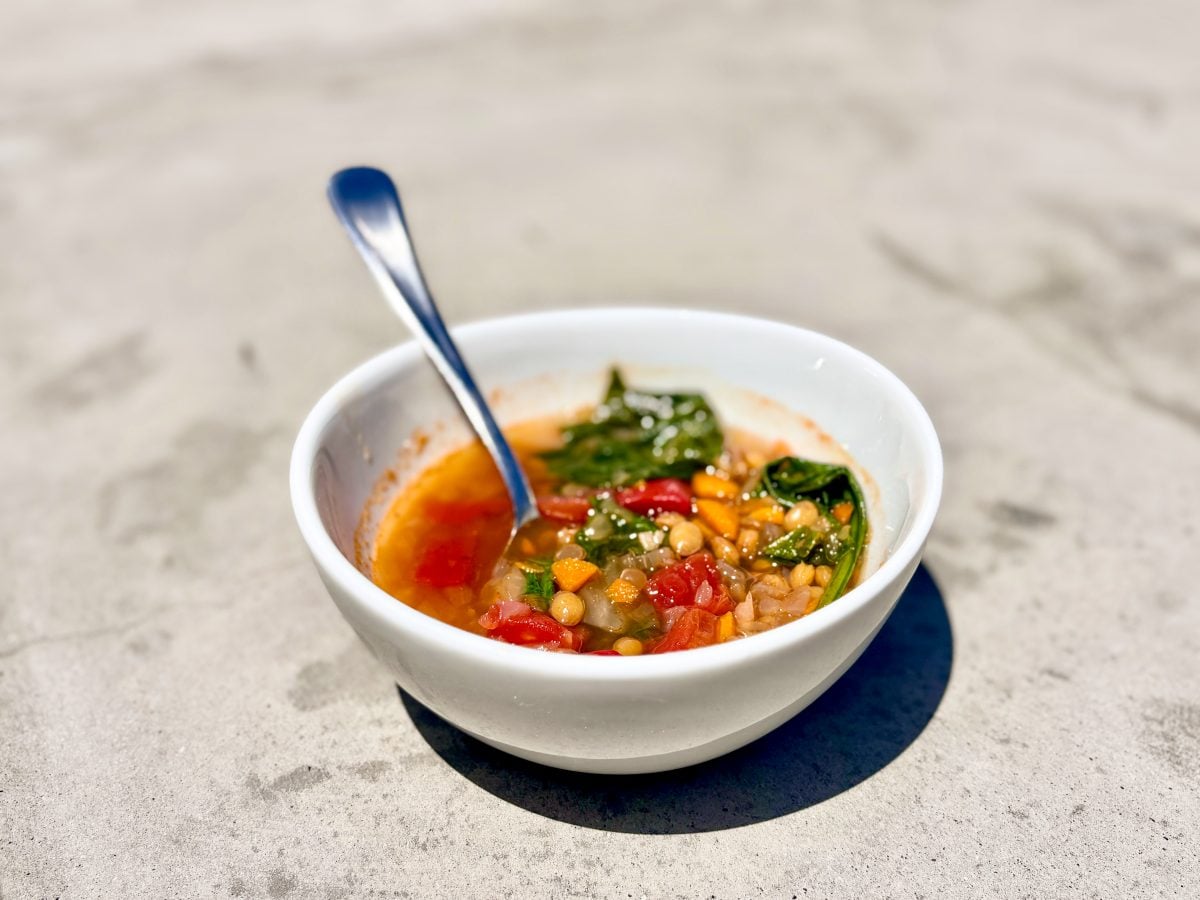
What makes Lentil Vegetable Soup work: More Mediterranean than American, lentil vegetable soup is wholesome and delicious. When you have it for the first time on a chilly morning, you will see why. Made yesterday.
To prepare a pot: combine rinsed and stone removed 1.5 cups of dry lentils (either green or brown), 1 chopped onion, 3 cloves of garlic, 2 diced carrots, 2 diced celery stalks, 1 (14.5 ounce) can of diced tomatoes, 6 cups of vegetable or chicken broth, 2 bay leaves, 1 teaspoon of cumin, and add salt and pepper to your liking.
Cover and simmer for 30-35 minutes. The broth should be slightly thickened, and the lentils should be tender (but still maintain form). Add a slice of lemon and a splash of olive oil. You may reheat for breakfast and enjoy with a piece of toast for dipping.
Option: Red lentils will break down more quickly (within 15 to 20 minutes), allowing for a smoother consistency in the soup. For greens, add chopped kale or spinach in the last 5 minutes of cooking.
28) Banana Oat Pancakes
Justification for Banana Oat Pancakes: These pancakes are completely free of added sugar and flour and still count as pancakes. Three simple ingredients, combine them, and fry them in a pan.
To a blender, add one banana, two eggs, half a cup of rolled oats, a quarter teaspoon of baking powder, half a teaspoon of cinnamon, and a dash of salt. Blend for 30 seconds or until smooth. The consistency of the batter should be about as thick as regular pancake batter; slightly thicker is acceptable.
Prior to beginning, make sure that your non-stick skillet or griddle has been preheated to medium-low.
This is essential since if the temperature is too high, the pancakes can burn. Each pancake should be measured with a quarter cup and cooked on each side for 2 to 3 minutes. It’s best to wait to flip the pancake until small bubbles have formed on top and the edges appear firmer. Suggested toppings include Greek yogurt and any other desired toppings with fruits. Honey or maple syrup is a good topping, also.
Swap: For a nice creamy texture, add a tablespoon of nut butter to the batter. Also, a classic enhancement is adding blueberries to each pancake while they are being cooked.
The shakshuka is the breakfast I return to most often from this list, and it’s a recipe I picked up not that long ago. I make it on weekend mornings when I have 20 minutes and a craving for something that feels like brunch. The other one is the labneh plate. Even though this breakfast feels like the laziest option, I still end up feeling the fullest after having it. If you want somewhere to land, start with either of those two. The other items on the list will be here tomorrow.