I spent most of an afternoon preparing a cream sauce that, despite its glossy and rich appearance, ended up being quite boring. The sauce just sat in the pan, coating everything and adding no flavor to the dish. A friend tasted the sauce, added the juice of half a lemon, and the sauce was completely transformed.
One additional ingredient completely changed the dish. That really emphasized the importance of acidity in cooking. Without some form of acid in a dish, it tastes completely flat. Most home chefs forget to pull the lever of acid.
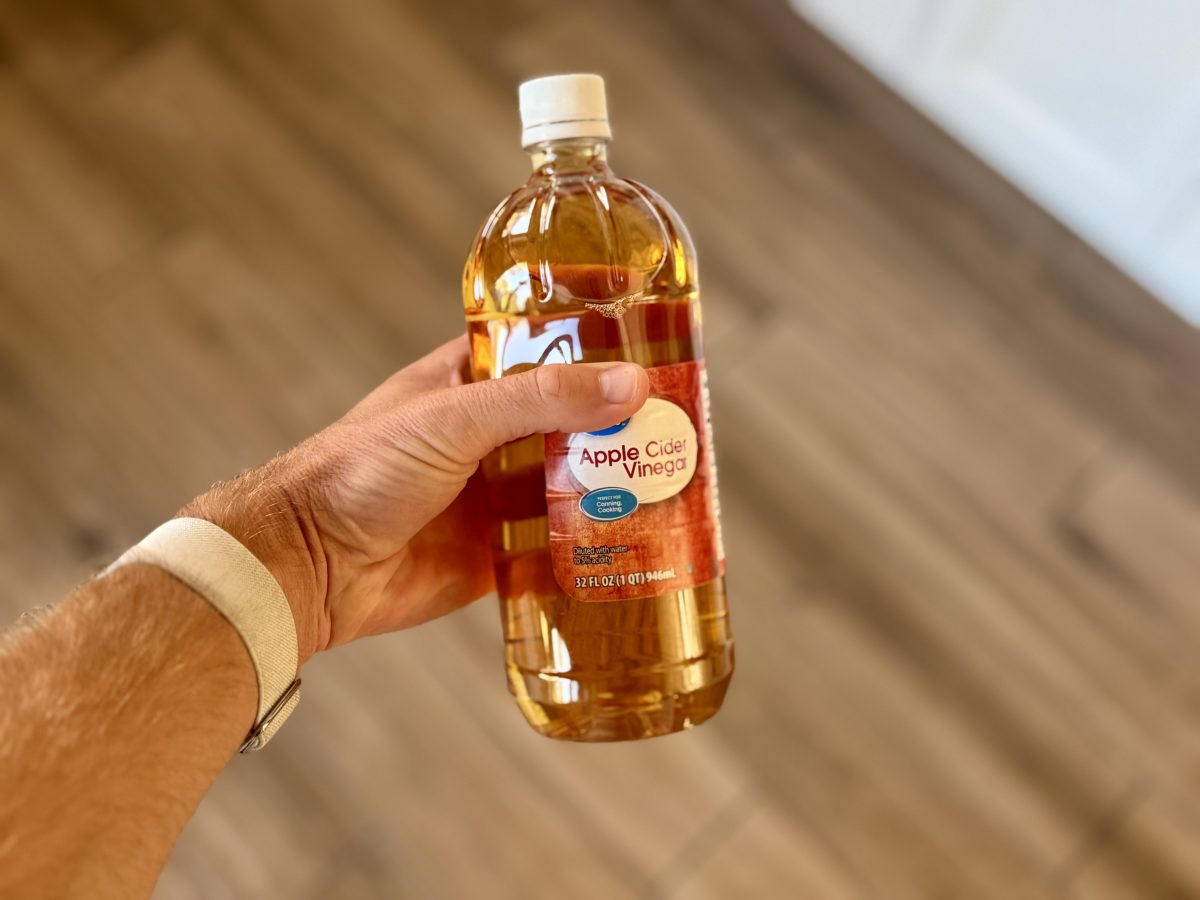
Like salt, fat, and heat, acid is one of the four basic tastes. While salt amplifies a flavor, and fat carries it, acid is the only one that provides a dish with brightness while also cutting richness. Fat and acid are opposites of each other, and therefore, need each other.
Some acids can enhance the flavors in heavier, fat-based dishes and just a touch of fat can round out sharper and more acidic dishes. Which is why cream and lemon belong together, why a vinaigrette works, and why a squeeze of lime over a rich curry pulls the entire bowl into equilibrium.
Fats can add a lot of richness and weight to a dish. Salt and acid, on the other hand, can lighten things up quite a lot.
Nathaniel, HomeViable
Acids do not all have the same taste, and knowing the differences will help you choose the right one.
| Acid | Where it comes from | Character | Best for |
|---|---|---|---|
| Citric | Lemon, lime, orange | Sharp, bright, fleeting | Finishing, dressings, seafood |
| Acetic | Vinegar (wine, sherry, cider) | Pungent, persistent | Deglazing, pan sauces, pickling |
| Lactic | Yogurt, buttermilk, sour cream | Round, mild, creamy | Marinades, cooling rich or spicy dishes |
| Tartaric | Wine and grapes | Firm, structural | Reductions, braises, pan sauces |
| Malic | Apples, stone fruit | Crisp, tart | Slaws, cider sauces, glazes |

How to Add Acid Without Going Overboard
- Start small. A splash or a squeeze, and then taste. You can always add more; however, it’s impossible to remove what you’ve already added.
- Citrus fades fast over heat, so add it right at the end.
- Vinegar and wine hold up to cooking, to allow them time to go in and deglaze as well as reduce.
- If a dish tastes flat or heavy but is already salted, it usually needs acid, not more salt.
Why it Works in a Pan Sauce
As the pan sauce is made, the acid seems to do two jobs simultaneously. After the chicken is seared, the fond, which are the brown bits that are stuck to the pan, also contain the concentrated Maillard flavor.
Deglaze with a dry white wine and that flavor almost gets absorbed into the sauce while the wine transforms the dish with its unique acidity. A touch more sherry vinegar further elevates the flavors. When you finish with a luxurious butter sauce, like a beurre blanc, that acidity is what keeps the richness from becoming one-note and overwhelming to your palate.
The described mechanism is called contrast. The fat from the sauce coats your tongue, then the vinegar cuts through that fat creating a reset for your palate for the next bite. Sauces that have an acidic component stimulate salivation, which is part of the reason a plate with acid is so much livelier than one without. This is the reason a plate of rich food feels muddy, while the same plate with a squeeze of lemon feels clean and well balanced.
Adding vinegar, wine, or lemon juice to a dish can really brighten it up and add that special, attention-grabbing, zing.
Nathaniel, HomeViable
When a dish does not meet expectations, grab something with acid. A quick splash of vinegar, or a squeeze of lemon or another citrus fruit right before serving can elevate your dish.