
Would I trust a recipe that boasts about “juicy chicken”? Not really. It feels like a trick. What do you think of chicken thighs marinated in buttermilk? That one deserves the confidence. The buttermilk has some secret softening the meat without turning it into mush. The salt begins the internal flavoring process. If you cook them at a higher temperature you might get those crispy bronzed edges that lure people to the pan “just to take a look.”
The dinner makes you feel both lucky and talented. The little put in effort and the great return was a great feeling. The first time I tried it, I put the mixture in a zip-top bag and put in the fridge overnight and then pan roasted it while I was still in the kitchen with some coffee. The chicken thighs had a crispy skin and a zesty, savory flavor that was like fried chicken but more elegant and refined.
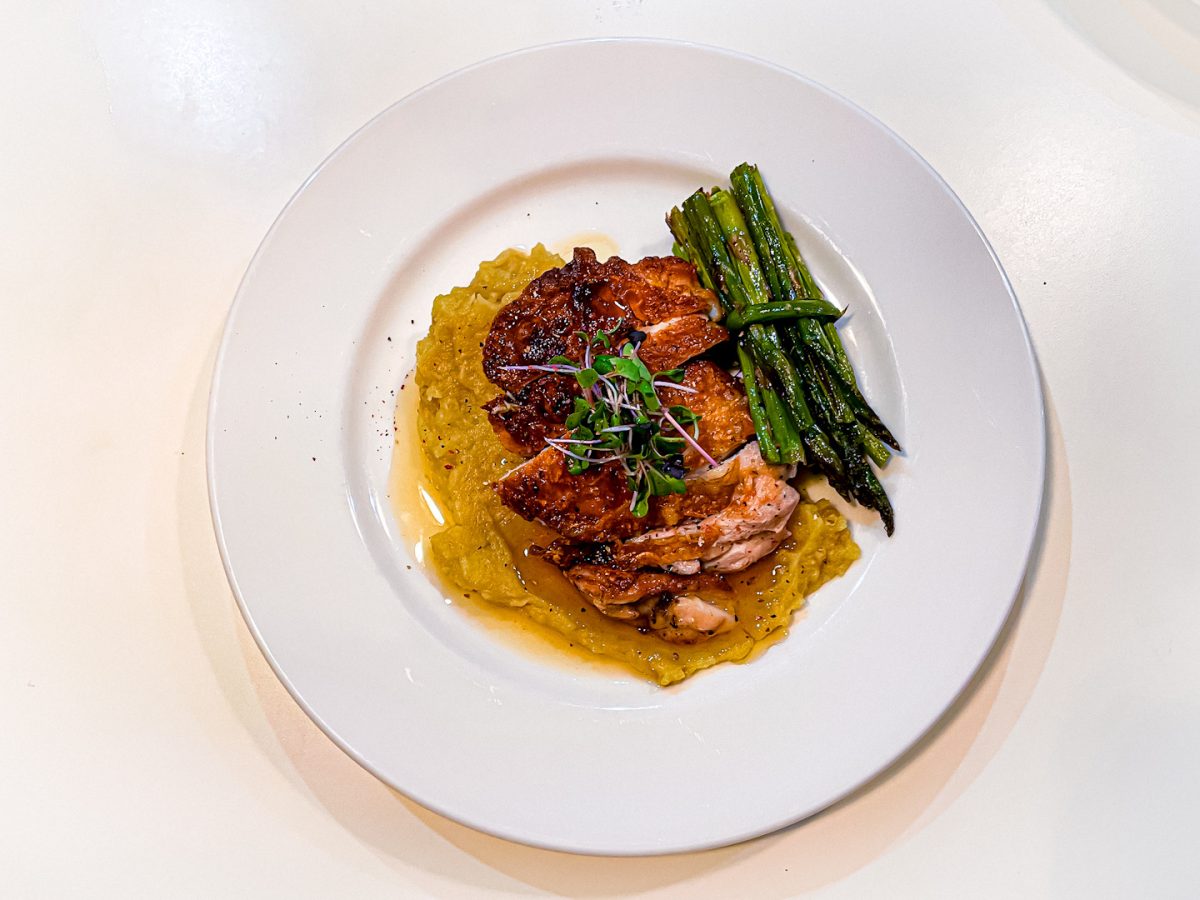

At a Glance
- Buttermilk-Marinated Chicken Thighs, plain and short: Bone-in, skin-on chicken thighs marinated in buttermilk, salt, and aromatics, then roasted (or pan-roasted) until crisp and juicy.
- Why it works: Buttermilk’s acidity tenderizes gently while salt seasons deeply; the marinade also helps browning and keeps the meat forgiving.
- Timing: 10 minutes prep + 2 to 24 hours marinating + 35 to 45 minutes cooking (depending on size and method).
- Flavor profile: Tangy, savory, garlicky-peppery with optional warmth from paprika/cayenne; tastes “fried-chicken adjacent” without the fry oil.
- Key tips: Pat thighs dry before cooking for better crisp; don’t leave thick globs of marinade on the skin; cook to temp (175–195°F for thighs).
Ingredients
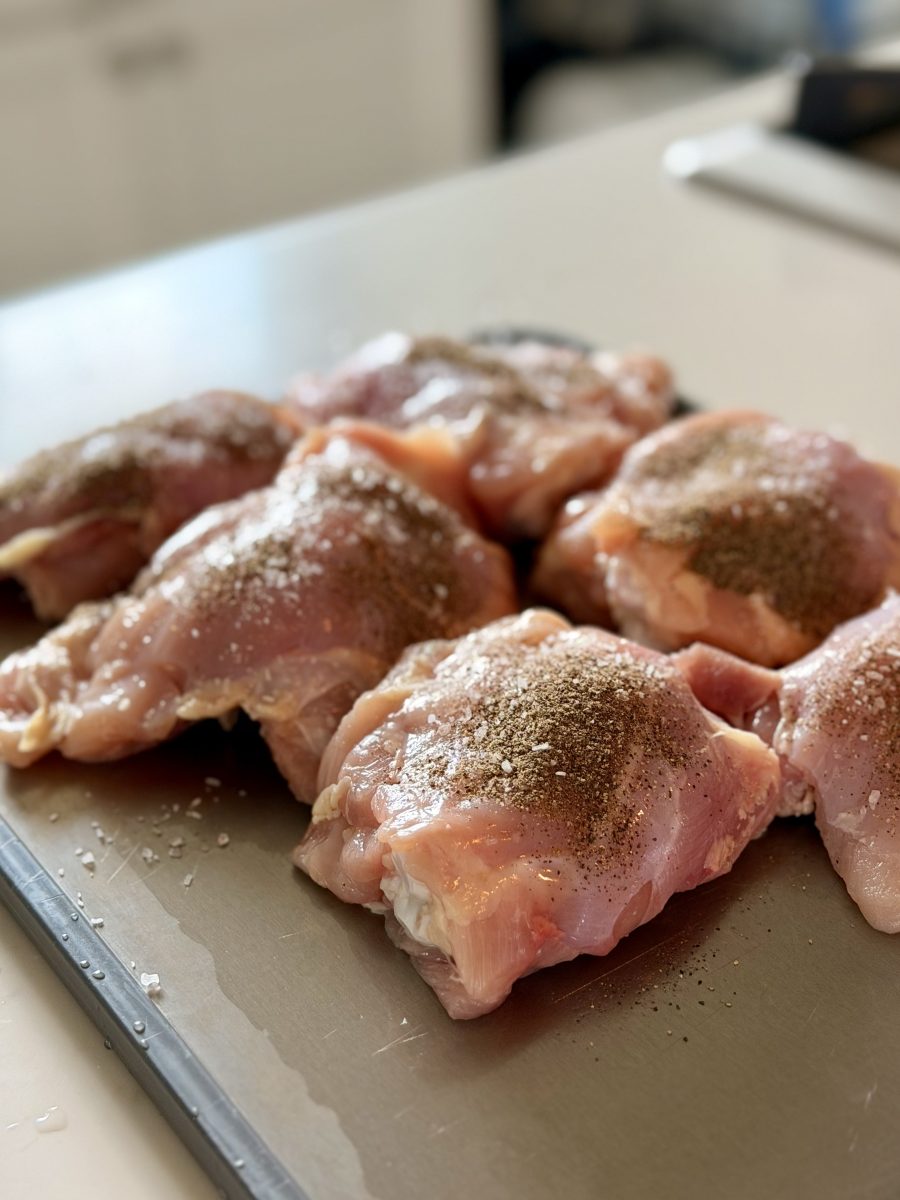
Chicken thighs (bone-in, skin-on): This particular recipe is suited for thighs as they are more forgiving compared to breasts, and with these, you can get away with a longer time for marination. Bone-in thighs will keep more moisture and skin-on will help get an added level of crispiness. You can certainly use just skinless and/or boneless thighs. Just know that you will have to reduce the cooking time, and \\”crispy\\” will be the edges just turning brown, and there will be no crackling skin.
Buttermilk: real, cultured buttermilk has the proper viscosity and tang to serve as a meat tenderizer. It will not make the meat mealy, and will coat and season the meat. If you have tried a buttermilk substitute with lemon and milk, it makes sense that you would think that could work as a buttermilk substitute, but that does not have the necessary qualities and is absolutely not the same.
Salt: When it comes to value, it has more than any other spice. The reason the thighs are seasoned all over instead of being ‘spicy on the outside,’ is because of the salt in the marinade. If possible, use kosher salt, as it is easier to manage.
Master Ratio (Easy To Scale)
- Chicken thighs: 1 pound (about 2 medium bone-in thighs)
- Buttermilk: 1/2 cup (120 ml)
- Kosher salt: 3/4 teaspoon per pound (about 4 g)
- Black pepper: 1/2 teaspoon per pound
- Garlic (minced) or garlic powder: 1 clove or 1/4 teaspoon per pound
Combine 1.5 cups of buttermilk, 2.25 teaspoons of kosher salt, 1.5 teaspoons of pepper, and 3 minced garlic cloves with 3 pounds of meat (6-8 pieces). You can add other spices based on your mood. Just remember that salt is non-negotiable.
Ingredient Choices That Change Flavor
For my ‘default’ version, I include garlic, black pepper, and smoked paprika, and then I diverge from the rest based on how I want the kitchen to smell. For example, a little bit of citrus zest adds brightness; a single spoon of Dijon imparts sharpness and gives it that French bistro flair; and a little sugar helps with browning and balances the acidity.
| Swap / Option | What It Changes | How Much | Notes |
|---|---|---|---|
| Smoked paprika vs. sweet paprika | Smoke and depth vs. clean warmth | 1–2 tsp total | Smoked paprika can dominate; start smaller if you’re sensitive to smoke. |
| Dijon mustard | Sharper tang, more “sauce-y” savor | 1–2 tbsp per cup buttermilk | Helps browning; pairs beautifully with thyme or tarragon. |
| Hot sauce (vinegar-based) | Heat + extra tang | 1–3 tsp per cup buttermilk | Use it as a background note, not a punishment. |
| Fresh herbs (thyme/rosemary) vs. dried | Fresh: perfumey; dried: earthier | Fresh 1–2 tbsp, dried 1–2 tsp | Rosemary can get loud: keep it restrained. |
| Buttermilk substitute (milk + lemon) | Less complexity, thinner cling | 1 cup milk + 1 tbsp lemon/vinegar | Let stand 10 minutes. Works, but cultured buttermilk is better here. |
Optional Finishing Ingredients (Worth It)
- Neutral oil: 1–2 teaspoons to help the skin brown (especially if your thighs are trimmed lean).
- Lemon wedges: For serving; the acidity wakes everything up.
- Flaky salt: A tiny pinch right at the end makes the crispy skin feel extra intentional.
Instructions
**Yield:** 4 servings
**Marinate time:** between 2 – 24 hours (I like to use around 12 hours)
**Duration of cooking:** 35 – 45 minutes
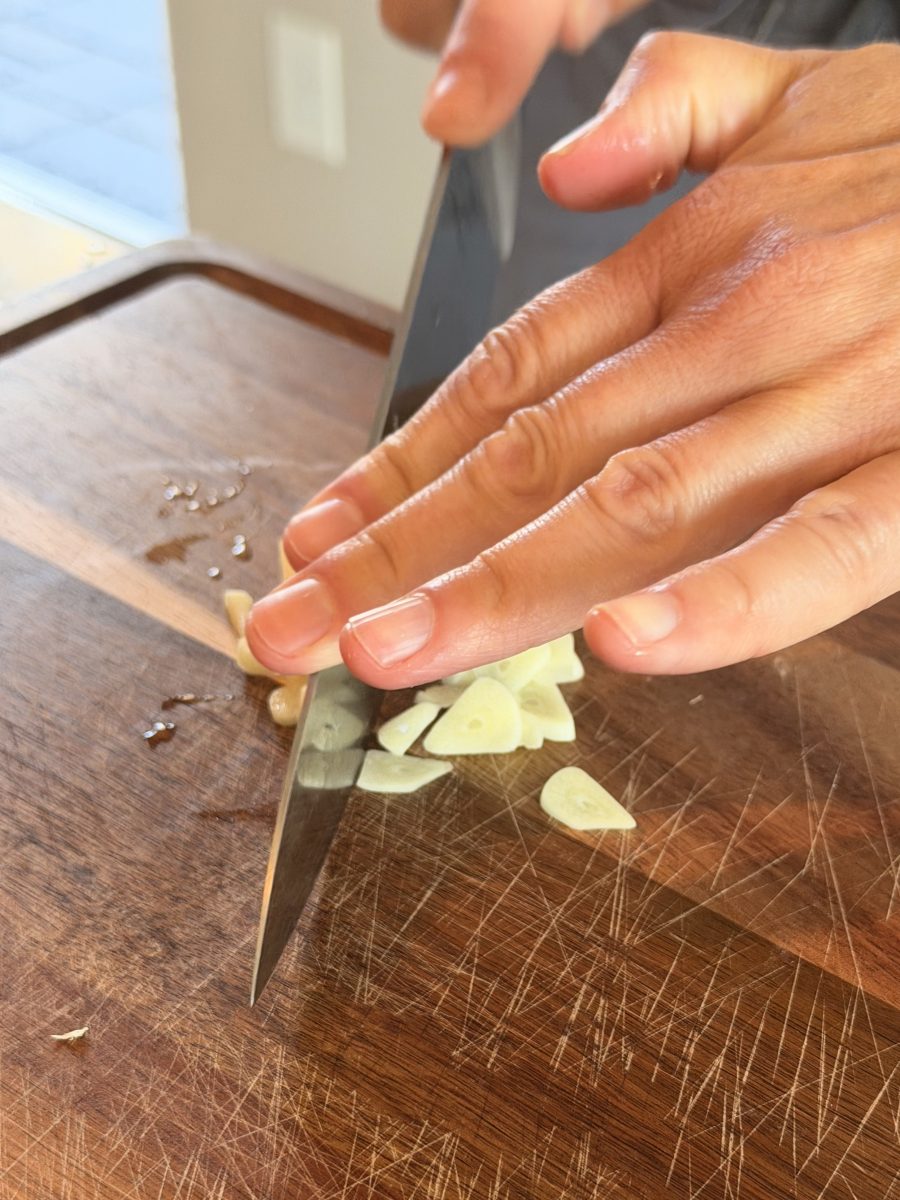
1) Prepare the marinade using buttermilk. In a bowl (or directly in a zip-top bag), combine 1 1/2 cups buttermilk, 2 1/4 teaspoons kosher salt, 1 1/2 teaspoons black pepper, 3 minced garlic cloves, 2 teaspoons smoked (optional) and 1/4 cayenne (optional) pepper. Whisk the ingredients together. For an even stronger flavor, add 1 tablespoon of Dijon.
Include the chicken and let it soak in the flavor. Toss in the chicken thighs (3 pounds, bone-in, skin-on) and blend well. Afterwards, you can cover and let it sit in the fridge for 2 hours, or better yet, overnight. I’ve done 24 hours and I enjoyed it, however too long and the texture will go from tender to too soft around the edges.
3) **Get your oven and pan ready.** Start by preheating your oven to 425°F (220°C) and putting a rimmed baking sheet with a rack (if you have one) in the oven. If you don’t have one, set it up however you would with a sheet pan lined with foil or parchment paper. For all-purpose crisping, a rack is better. If you want more aggressive browning where the thighs touch, go for an uncovered pan. Choose your preferred type of chaos.
4) Dry the thighs (this is the moment for crispiness). Take thighs out of the marinade and let the excess buttermilk drip off. Use a paper towel to dry the skin side. Make sure you remove any large pools of buttermilk on the skin, as this will create steam that will cause the skin to burn in weird areas.
5) Arrange and roast. Place the thighs skin side up. For elbows looking slim, you may drizzle or brush on a total of 1-2 teaspoons of a neutral oil. If your oven has hot spots (mine does and it has no shame) roast for 35-45 minutes and turn the pan once. Thighs are finished when the thickest portion is 175-195°F and the juices run clear; going above 165°F is a plus (not a minus).
\t\tOptional: broiler for crisping. Want some crazy shattery skin? Right before you pull the dish from the oven, you can broil this for 1 to 3 minutes, but keep a hawk’s eye on it because the buttermilk residue goes from beautiful to charred regret in no time.
Once the food has rested, you can serve it. Wait about 5 to 10 minutes. Before you serve, you can add some flaky salt and a drizzle of lemon juice. If you have something to catch drippings, please serve with it.

Spins and Swaps
- Spicy-buttermilk thighs: Add 2 teaspoons hot sauce and 1/2–1 teaspoon cayenne to the marinade; serve with pickles.
- Herb-and-lemon version: Add lemon zest + 1 tablespoon chopped thyme; finish with more lemon and olive oil.
- Garam masala twist: Add 2 teaspoons garam masala and 1 teaspoon ground coriander; serve with yogurt and cucumber.
- Honeyed finish: Warm 1 tablespoon honey with 1 tablespoon lemon juice; brush on in the last 5 minutes of roasting.
- Boneless, skinless thighs: Roast at 425°F for 18–25 minutes, or cook in a hot skillet; aim for 170–185°F for the best texture.
What Goes Alongside
- Something starchy: Buttery mashed potatoes, rice pilaf, or crusty bread to mop up the tangy drippings.
- Something crunchy: Vinegar slaw, cucumber salad, or a pile of shaved fennel with lemon.
- Something green: Garlicky sautéed greens, roasted broccoli, or a big salad with sharp vinaigrette.
- Condiments: Pickles, extra hot sauce, chimichurri, or a yogurt-dill sauce if you lean bright and herby.
- Weeknight move: Serve thighs over a sheet-pan roast of carrots and onions: same oven, same timing, fewer dishes.
Rescue Notes
- Skin not crisping? You probably didn’t dry it enough, or your oven temp is low. Pat dry, use a rack if possible, and verify the oven with a thermometer if you suspect it lies.
- Black spots on the skin? Thick buttermilk blobs can scorch. Let marinade drip off and wipe the skin lightly before roasting; broil only briefly.
- Tastes underseasoned inside? Increase salt in the marinade (or marinate longer). Also, don’t skip resting: flavor settles as juices redistribute.
- Too tangy? Use less buttermilk exposure time (2–6 hours) or add 1 teaspoon sugar/honey to the marinade to round the acidity.
- Thighs “boil” in liquid on the pan? Overcrowding. Give them space; use two pans if needed.
- Uneven doneness? Thigh sizes vary wildly. Pull smaller pieces when done and keep bigger ones cooking; no shame in staggered removals.
- Want max juiciness? Cook to 185–195°F. This is counterintuitive if you’ve been trained to fear higher temps, but thighs reward it with tenderness.
Nutrition and Storage Notes
Nutrition Snapshot: We consider chicken thighs to be more flavorful than chicken breasts because they are higher in fat. While buttermilk does add calories to the marinade, much of it will go uneaten and some sodium, as well as a slight lactic tang, will remain. If you’re watching your sodium, you may want to use less kosher salt. Then, you can finish the dish with lemon and fresh herbs to brighten up the flavors.
Storage: You can keep cooked thighs in an air-tight container for up to four days. When you want to eat them, you can put them back on a sheet pan, and reheat them at 375°F until warm all the way through (about 10 to 15 minutes) to re-crisp the skin. For convenience, you can reheat them in the microwave, but it’s going to make the skin soft. When the skin becomes soft, I take the chance to shred the chicken into a salad or rice bowl so that the crispy skin won’t be included in the dish.

How It’s Gone for Me
Example 1 (I forgot to prepare dinner): I started the marinade at 3. During a quiet workday, I cooked at 6:30 and put together the chicken thighs with a bagged slaw that I dressed with mayo, lime, and a stingy spoon of mustard. Everyone devoured it. The only thing I regret is not making more, because cold buttermilk thigh leftovers are elite and I’ll be standing in front the fridge like a raccoon.
Example 2 (the “company is coming” move): For dinner with friends, I marinated thighs with Dijon and thyme and roasted them on a rack over sliced onions. The onions soaked up all the drippings, turning them jammy and making them salty and tangy. We served them on the mashed potatoes as if it was gravy and someone asked if I had done something fancy. I had not. I just remembered *salt and thyme*.
The Before-You-Cook Rundown
- Buy bone-in, skin-on chicken thighs (about 3 lb for 4 people with leftovers).
- Whisk buttermilk + kosher salt + pepper + garlic (plus paprika/cayenne if using).
- Marinate 2–24 hours in the fridge (aim for 8–12 if you can).
- Heat oven to 425°F and set up a sheet pan (rack optional but helpful).
- Let excess marinade drip off; pat skin dry.
- Roast skin-side up until 175–195°F internal; optional broil 1–3 minutes.
- Rest 5–10 minutes; finish with lemon and flaky salt.
- Store leftovers up to 4 days; reheat in the oven for crispness.
Terms Worth Knowing
- Buttermilk marinade: A cultured dairy soak that tenderizes gently and carries seasoning; especially good for chicken.
- Bone-in, skin-on: Chicken pieces with bone and skin intact; bone protects from drying out, skin crisps when cooked hot.
- Carryover cooking: The temperature continues rising a few degrees after you pull chicken from the oven; resting helps.
- Overcrowding: Placing pieces too close so they steam instead of roast; leads to pale skin and pooled liquid.
- Rack roasting: Elevating chicken so hot air circulates; improves crispness and more even browning.
FAQ
How long should buttermilk chicken thighs be marinated? The chicken should be marinated for at least 2 hours and is able to soak in flavor and tenderness. However, anything from 8 to 12 hours is ideal. A 24-hour period is okay, but may start to break down the surface of the chicken.
Should I rinse buttermilk marinades if I used one? Generally, the answer is no. Allow the buttermilk to drain, and then pat the skin dry. Rinsing creates more mess and waste, which defeats your goal of keeping it crispy.
Are these grillable instead of roasting? Yes, they are. For these, use a two-zone setup. First, place the chicken skin side down over medium direct heat to crisp and render the skin. Then, move to indirect heat until the internal temp reaches 175-195°F. Watch for flare-ups from the dripping fat.
Can the marinade be recycled? In some cases, yes, but it can’t just be taken out of the container and slapped on the dish. Depending on what kind of meal it is, you could either prepare a separate sauce or, for a used marinade, thicken it by boiling it for a few minutes. My favorite one is a quick lemony spoon sauce using pan drippings.
Why is it okay to cook thighs to 175-195 degrees, but safe doneness is at 165? 165 is the safety minimum. Thighs have more connective tissue, and as a result, they become more tender and enjoyable to eat at higher cooking temperatures. 185°F is typically preferred to 165°F.
What if I want to use this marinade with chicken wings or drumsticks?
Absolutely! Drumsticks usually roast for about 35 to 45 minutes, while wings only need about 25 to 35 minutes. Also, wings are best with a quick broil at the end.
One Last Thing
If you keep one “reliably impressive” chicken method in your pocket, make it this: buttermilk, salt, time, heat. The results indicate your involvement is more active than the other passive participants. If you want that crispy skin, you absolutely must do the pat-dry step.
