
My jarred marinara used to go through the same routine: more garlic, more salt, a splash of oil, a pinch of sugar, ten minutes of what I can only describe as sauce CPR. One evening, I timed the whole performance, and the math was backwards. Fiddling with the jar took longer than starting from a good can of tomatoes. Real marinara is quick. It also makes you feel weirdly competent like you pulled a fast one on a weeknight.
I use this homemade marinara sauce recipe when I want to add some sophistication to pasta night. It’s got a rich, deep color and hearty tomato taste, and there’s enough garlic to signal that you mean business. Moreover, there is precisely enough simmering time to mellow the raw, harsh flavors of the canned tomatoes to something more tasteful. It’s not a heavy Sunday gravy, but this sauce has a lovely, aromatic quality. It clings to spaghetti, hides in lasagna, and rounds out the cast with meatballs.
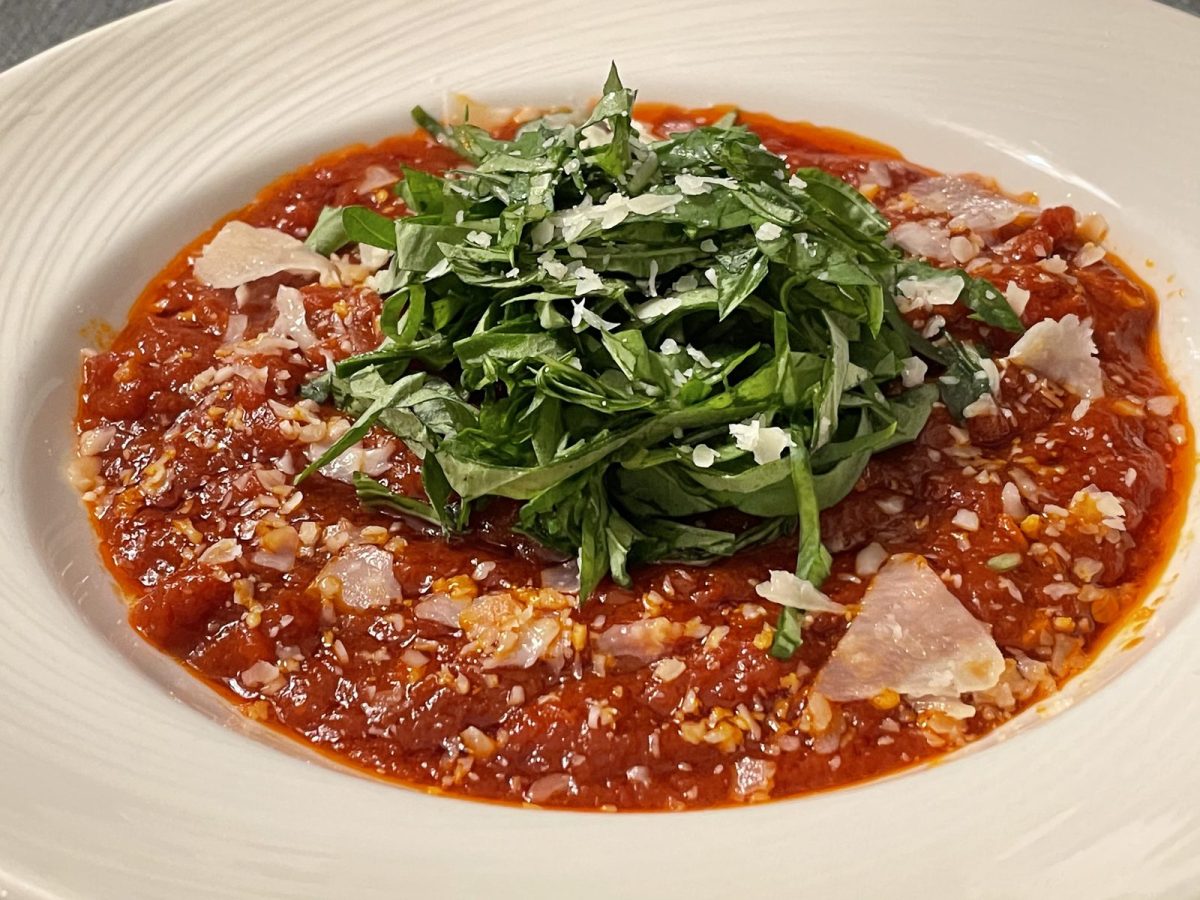

The Quick Rundown
- Weeknight Marinara That Tastes, the essentials: A classic, tomato-driven marinara with garlic, olive oil, and herbs, simmered until glossy.
- Why it works: Quick sautéed aromatics plus a short simmer tames canned tomatoes without dulling their brightness.
- Timing: About 25 to 35 minutes total (10 minutes active, the rest hands-off).
- Flavor profile: Bright tomato, savory garlic, gentle sweetness, and a clean herbal finish (basil/oregano optional).
- Key tips: Use good canned tomatoes, don’t scorch the garlic, and finish with a little fat (olive oil or butter) for a velvety feel.
- Best uses: Pasta, pizza base, chicken parm, meatballs, eggplant, dipping sauce, baked ziti.
Ingredients
People might look at marinara’s recipe and say it’s too short to be a good recipe. As a result, every little detail counts. If the tomatoes are bad, your sauce will be bad. If the garlic is too browned, you sauce will develop a lasting bitterness. I know I’ve done both. Avoid sloppiness. Just do it right and keep it simple.
- Canned whole peeled tomatoes (28 oz / 800 g): Whole tomatoes usually taste fresher than pre-crushed. You’ll crush them yourself for control. San Marzano-style tomatoes are lovely, but any good brand you trust is fine.
- Extra-virgin olive oil (3 tbsp): This is your mouthfeel. Thin, watery marinara is a bummer. Olive oil helps the sauce feel plush and cohesive.
- Garlic (4 to 6 cloves): Sliced for a sweeter, gentler garlic; minced for punchier. I tend to slice because I’m cautious about burning minced garlic.
- Onion (optional, 1/2 small): Not strictly classic in every household, but I like the quiet sweetness it adds. If you hate onion bits, grate it or skip it.
- Tomato paste (1 tbsp, optional): Adds depth and a slightly darker, “cooked” taste without a long simmer.
- Dried oregano (1/2 tsp) or fresh basil (a handful): Oregano reads more pizzeria; basil reads more summer and clean.
- Crushed red pepper flakes (pinch to 1/2 tsp): Optional, but I like a small prickle of heat.
- Salt (start with 1 tsp kosher): Tomatoes need salt to taste like themselves. Adjust at the end.
- Black pepper: A few grinds, mostly for warmth.
- Sugar (0 to 1 tsp, optional): Only if your tomatoes are aggressively acidic. I try to solve acidity with simmering first.
- Butter (1 tbsp, optional finish): Not mandatory, but it rounds the edges and makes the sauce taste a little more “restaurant.”
Master Ratio (Easy To Scale)
- 1 (28 oz / 800 g) can whole peeled tomatoes
- 3 tbsp extra-virgin olive oil
- 4 to 6 garlic cloves
- 1 tsp kosher salt (then adjust)
- 20 to 30 minutes gentle simmer
Doubling the sauce when making baked ziti is simple. For this recipe, use 2 cans of tomatoes, 6 tbsp of olive oil, and 8 to 10 cloves of garlic. You’ll also need a wide pot so that the simmer is gentle and not steamy. To achieve that glossy, cohesive look you may need to add a few extra minutes, although simmer time is pretty much the same.
Ingredient Choices That Change Flavor
| Choice | What it changes | Best for | Notes |
|---|---|---|---|
| Whole peeled tomatoes | Cleaner tomato flavor, better texture control | Classic marinara, pasta | Crush by hand for rustic sauce or use a blender for smooth. |
| Crushed tomatoes | More uniform, faster start | Weeknight speed | Often a bit “processed” tasting; choose a brand you like. |
| Fresh basil | Bright, perfumed finish | Summer vibe, lighter dishes | Add at the end or it can taste dull and stewed. |
| Dried oregano | Earthy, pizzeria-style aroma | Meatballs, subs, baked pasta | Bloom it briefly in oil so it doesn’t taste dusty. |
| Butter finish | Rounder, silkier, less sharp acidity | When tomatoes are bright or a little harsh | Stir in off heat so it emulsifies instead of separating. |
| Pinch of sugar | Reduces perceived acidity | Only if needed | Use sparingly; you’re not making ketchup. |
Optional Add-Ins (Use Restraint)
- Parmesan rind: Simmer it in the sauce for savory depth, then remove before serving.
- A splash of wine (2 to 3 tbsp): Adds aroma, but can pull the sauce away from that pure marinara simplicity if you overdo it.
- Anchovy (1 fillet): It melts and disappears, leaving a deeper savory backbone. Not fishy if used lightly.
Instructions
1) Take the tomatoes and smash them. Open the can, and pour the tomatoes and the juice into a bowl. You can crush them manually (I would recommend this for a chunkier, old school style) or use an immersion blender for a smoother sauce. You can set this bowl aside for now.
***2) Heat the oil and soften the aromatics.*** For this task, you will need a large saucepan or deep skillet. Add olive oil and heat it on medium to low temperature. Get the sliced garlic (and onion if using) ready with some salt. Cook for 2 to 4 minutes, stirring, until the garlic odor is present and the garlic pieces start to turn blonde on the edges. If the garlic is browning quickly, lower the temperature. The entire pot will carry the ghost of burnt garlic, so be careful.
**3) Bloom the seasonings.** Add the oregano and red pepper flakes (if using) and stir for about 15 to 30 seconds. If using tomato paste, add it now and stir for another 30 to 60 seconds until it turns dark and smells toasty, not raw.
4) Be careful while adding the tomatoes. Make sure to add the crushed tomatoes and their juices. Step away from the hot tomatoes as they could splatter. Scrape the bottom and mix the bits of flavor in, and stir well.
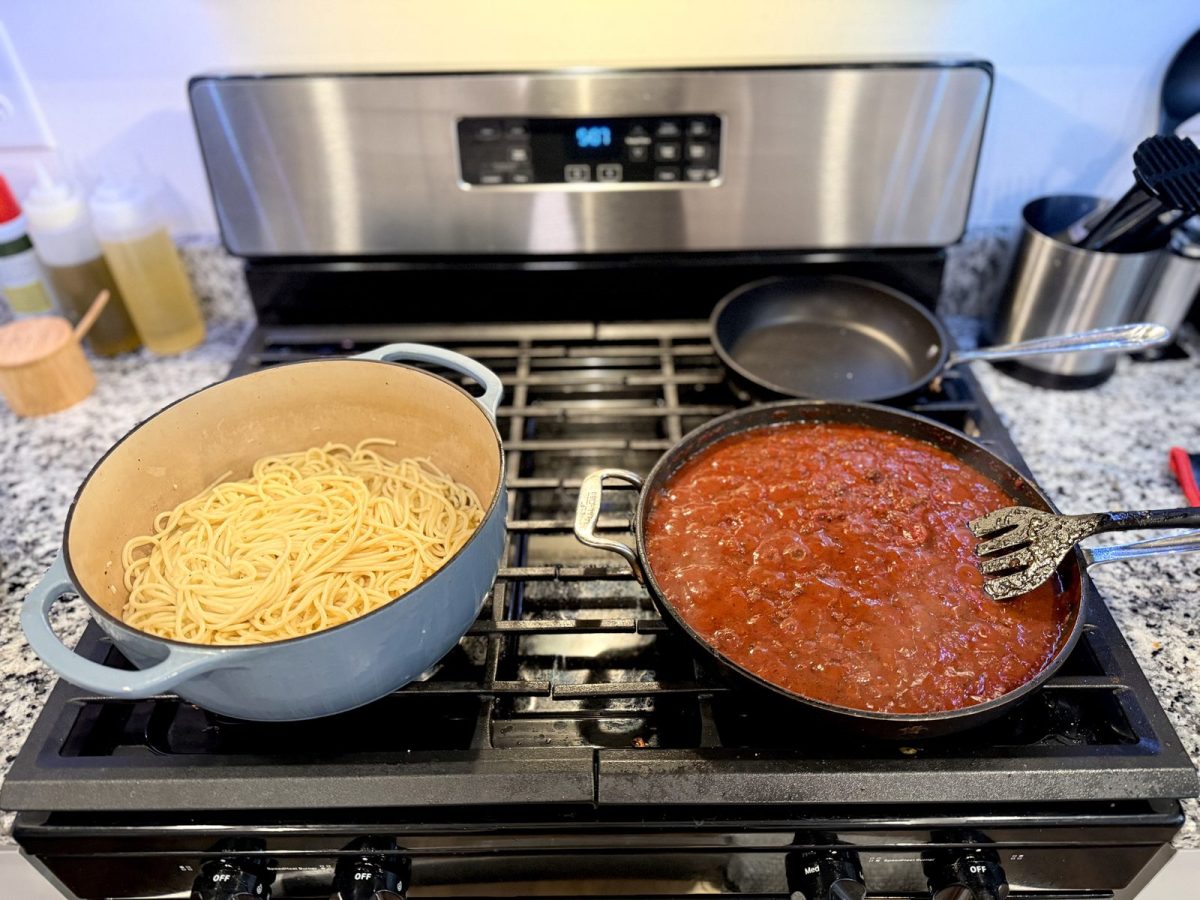
5) Once the sauce reaches the desired color and thickness, you will want to adjust your heat back to a constant simmer and cook it uncovered for about 20 to 30 minutes. Check the sauce regularly, and continue stirring until the sauce becomes thick and dark in color. The sauce should maintain a continuous shiny appearance, and you do not want to see it separate into runny puddles. If you notice that the sauce is reducing way too fast, cover it up to allow it to simmer more.
Taste the dish and season as necessary. If it’s too sharp, you can simmer for 5 minutes before adding sugar, and if it still needs rounding add a teaspoon of sugar. Remove from heat and stir in basil (if used) and butter (if used) until everything is melted and the mixture is silky.
7) Use it like you mean it. When you are tossing with the pasta, add the sauce to the pan along with some pasta water and toss for 30-60 seconds. In those last few moments, it transforms from just “noodles with sauce” to embodying the essence of a full dish.
Make It Yours
- Roasted garlic marinara: Swap raw garlic for a head of roasted garlic stirred in at the end for a sweeter, mellow sauce.
- Spicy arrabbiata-ish: Increase red pepper flakes to 1 to 1 1/2 teaspoons and skip basil; keep it bold and hot.
- Extra-smooth marinara: Blend the finished sauce until silky, then simmer 2 minutes to settle the texture.
- “Pizza parlor” marinara: Use dried oregano, a pinch of fennel seed, and a slightly thicker reduction.
- Vegetable-boosted: Grate in a small carrot with the onion for sweetness, then blend at the end if you want it invisible.
- Garlic-basil butter finish: Finish with butter and a big handful of torn basil for a soft, lush sauce.
What Goes Alongside
- Toss with spaghetti, bucatini, rigatoni, or penne; shower with Parmesan and black pepper.
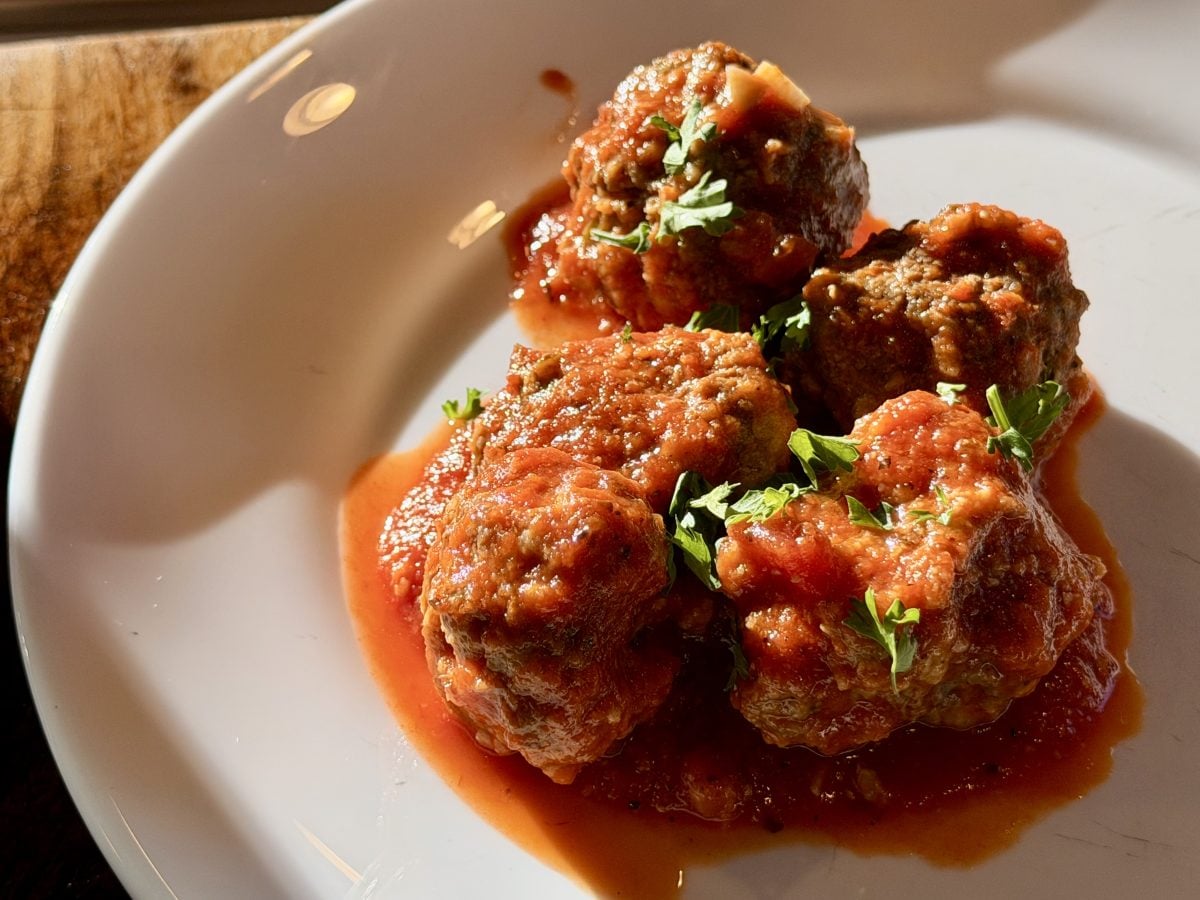
- Spoon over meatballs, sausage, or chicken cutlets for a quick red-sauce dinner.
- Use as a pizza base; reduce 5 extra minutes so it doesn’t make the crust soggy.
- Dip mozzarella sticks, garlic knots, or toasted sourdough into it (the dangerously easy snack).
- Layer into lasagna, baked ziti, or eggplant Parmesan.
- Poach eggs in it (shakshuka-adjacent), then mop up with crusty bread.
Fixes and Pro Moves
- Sauce tastes acidic: Simmer longer first. If it’s still sharp, finish with 1 tbsp butter or a small pinch of sugar.
- Sauce tastes flat: It usually needs salt, not more herbs. Add salt in small increments, tasting each time.
- Garlic turned brown: Start over if it’s truly burnt. If it’s just deeply golden, proceed, but expect a toastier edge.
- Sauce is watery: Simmer uncovered a bit longer in a wide pot. A narrow saucepan traps steam and slows reduction.
- Sauce is too thick: Add a splash of water (or pasta water) and stir until it loosens.
- Tomatoes taste “tinny”: A longer simmer helps. So does a tablespoon of olive oil and a final pinch of salt. Also, consider upgrading your tomato brand next time.
- Herbs taste dull: Add basil at the end. Dried oregano benefits from blooming in oil early.
- Want restaurant sheen: Stir in olive oil or butter off heat, and don’t boil aggressively. A hard boil makes sauce taste harsh.
How It Keeps
From a nutritional perspective, marinara sauce may be the friendliest option because it is primarily composed of tomatoes, and is complemented by a moderate amount of olive oil. While it is naturally vegan, the addition of a butter finish would result in a sauce that is not vegan. Exact nutritional information may vary based on the amount of oil used and whether sugar is added. With that being said, the core components of the sauce and the nutritional contributions and/or sensory characteristics of each component are relatively straightforward: the tomatoes provide a vibrant taste, the lycopene contributes to the sauce’s nutritional profile, the olive oil helps to promote satiety, and the rich aftertaste is a nice touch.
Let the sauce cool then place it in an airtight container. It can be safely stored in the refrigerator for 5 days. It can also be stored in the freezer for about 3 months. I recommend freezing it in single cup portions so that only what you need can be defrosted. To reheat it, simply use the stove on low. Once it has been thawed, if the sauce looks separated, just add a few olive oil to the pan to get it back to normal.
Kitchen Stories
Example 1 (the Tuesday rescue): I once had 28 minutes before my friends arrived, and I had committed to making “pasta, nothing fancy” for everyone. This sauce is no trouble at all. I poured the sauce into the pan and set it to simmer. Then, I boiled the noodles, opened a bag of arugula, and made a salad. I might be a tad insulted, but I have to say it is sort of flattering that so many people were asking what brand of sauce I used. I took it anyway.
For example, I was told that a friend’s child dislikes ‘chunks’ in tomato sauce. I blended the marinara, added a bit of butter, and mixed it with some small pasta. He had two bowls and said, “This one isn’t sour.” Exactly, bright tomato without the irritating chunks.
The Short List
- Buy one can of good whole peeled tomatoes (28 oz / 800 g).
- Slice 4 to 6 garlic cloves (and optionally grate or mince 1/2 small onion).
- Cook garlic gently in 3 tbsp olive oil over medium-low, no browning.
- Bloom oregano and pepper flakes; toast tomato paste if using.
- Add crushed tomatoes carefully; simmer 20 to 30 minutes uncovered.
- Season with salt and pepper; adjust acidity with time, then butter or tiny sugar if needed.
- Finish with basil off heat; store leftovers in the fridge or freeze in portions.
Cook’s Vocabulary
- Bloom: Briefly heating dried spices in oil to wake up aroma and soften harshness.
- Gentle simmer: Small, steady bubbles rather than a rolling boil; keeps flavor clean and prevents scorching.
- Emulsify: When fat (oil or butter) disperses into the sauce, making it look glossy and feel smooth.
- Reduction: Thickening by simmering off water; concentrates flavor.
- Finish: Final additions off heat (like basil or butter) to keep flavors bright and fresh.
Your Questions, Answered
Should I use whole peeled tomatoes or is it acceptable to use crushed?
The sauce will be just as good when using crushed tomatoes. Whole peeled is a bit fresher but gives you the option for chunky vs. smooth tomatoes. If you crushed them, just season and simmer.
***How long should marinara simmer?*** Marinara sauce typically improves in flavor after being simmered for 20 to 30 minutes. Simmering for that duration softens the tomatoes while maintaining the sauce’s freshness. If you prefer a richer and slightly sweeter taste, you can simmer the sauce for up to 45 minutes.
Why Does My Marinara Sauce Have A Bitter Taste? Most likely it is burnt garlic or scorched oregano. When cooking the aromatics, remember to leave the temperature on medium-low, and when adding the dried herbs to the oil, let them stay for just a few seconds.
This can be made without onions, right?
Yes, I usually do when I prefer a stronger tomato and garlic profile. If you’re looking for a sweeter flavor, you might want to add some butter or a little bit of sugar.
To obtain a texture similar to that of a restaurant, blend the sauce and simmer for another 2-3 minutes. An immersion blender works great for this. For a smooth, consistent texture, remove from heat and add one tablespoon of olive oil or butter.
Can this be used for pizza sauce? Yes. If you’d like it thinner, you can let it simmer 5 to 10 minutes longer or thin it down using a wider pan. Watery sauce is disliked by pizza.
Parting Notes
This is the kind of recipe that quietly upgrades your whole week: make a pot, and suddenly you’re 10 minutes away from pasta, meatball subs, or a decent plate of chicken parm. Have fun and follow your taste buds, not the rules. Marinara may be understanding, but it can also sense when you are being inattentive.
