
I learned this lesson the night I was ready to cook a steak. My cast iron pan was ready for action and as I poured in my pricey extra virgin olive oil, it started to smoke. In a mere forty seconds, I burned twelve dollars. That little disaster taught me what most of the kitchens get wrong about olive oil and that is, regardless of what’s most convenient to grab, the bottle should depend on what you’re doing.
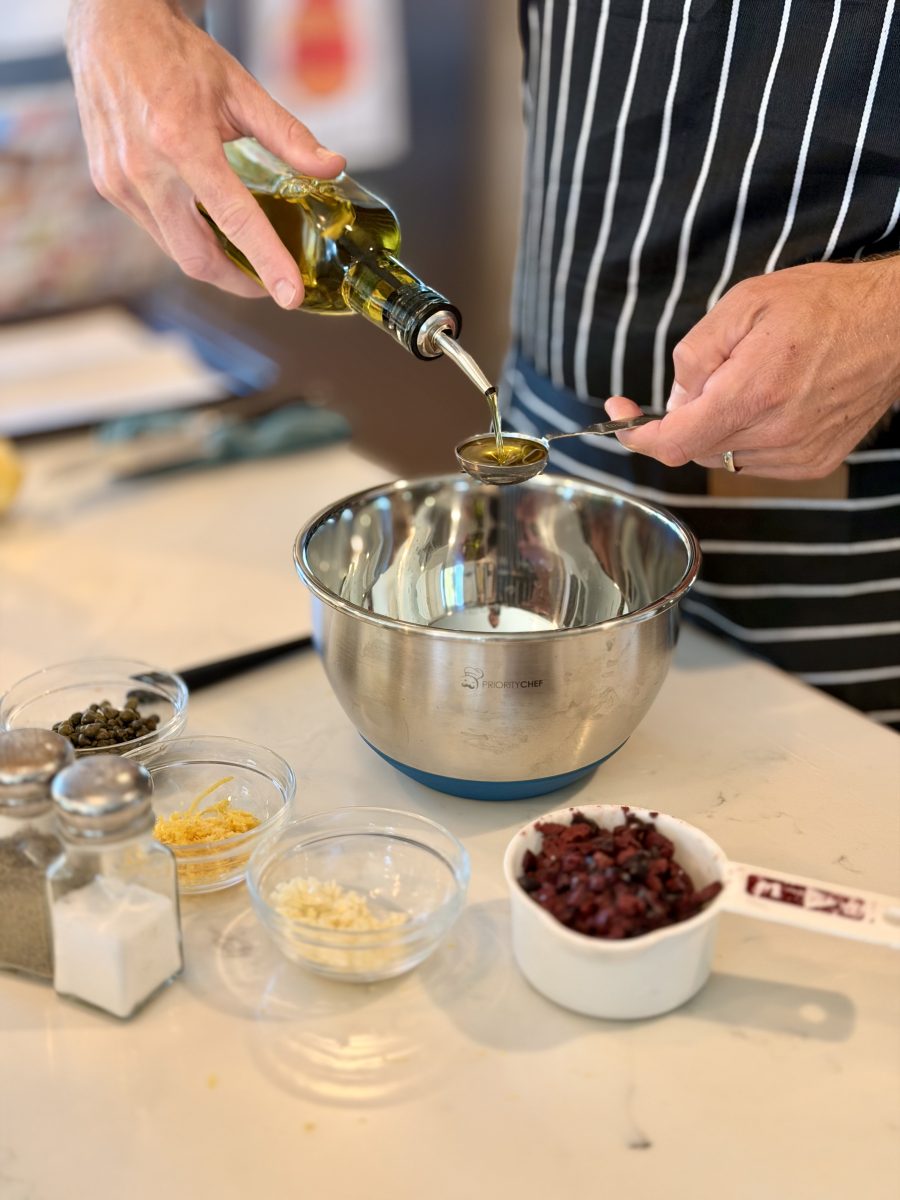
Extra virgin olive oil is simply juice from olives. The grade of the olive oil is indicative of how it was processed. The details of the two bottles worth keeping are as follows:
| Extra Virgin | Light | |
|---|---|---|
| How it’s made | First press, least processing | More refined |
| Flavor | Grassy, peppery, full | Close to neutral |
| Smoke point | ~410°F | ~450°F |
| Best for | Dressings, finishing, everyday sauté | Higher-heat cooking, baking, mayo |
Just a quick clarification about the word “light.” It is referring to the color and taste being light, not the calories.

Buy fresh, store it right
Most olive oils can go stale before they actually go bad, and you can prevent that at the shelf.
Look for the following on the label:
- A harvest date, not just a “best by” stamp. The freshest oils were pressed within the last year.
- Dark glass. It shields the oil from the light that turns it stale.
- A single country of origin.
Store it at home in a cool, dark pantry. Don’t put it next to your stovetop or keep it in your refrigerator. If you don’t plan to use it within a few months, just toss it! If you notice a crayon-like smell, or if it smells like moldy walnuts, throw it away.
Use a good extra virgin olive oil whenever olive oil flavor is what you are looking for. This is the case for vinaigrettes. Shake together vinegar, herbs, a generous glug of extra virgin, and a bit of mustard to help it emulsify and stay together. Drizzling over toasted sourdough or completing a soup functions identically. For these raw jobs, reserve your finest bottle and for cooking, use supermarket oil.
The smoke point myth
Many people believe that you cannot cook with extra virgin. This is not true. The test kitchen for my favorite Mediterranean cookbook discovered the same thing as the video shows: good extra virgin withstands about 410°F, which covers most cooking. The trick is matching the oil to the heat.
| Cooking move | Pan temp | Best oil |
|---|---|---|
| Sauté onions, stir-fry veg | 300 to 350°F | Extra virgin |
| Roast, shallow cook | 350 to 410°F | Extra virgin |
| Sear steak, screaming-hot wok | 450°F+ | Light or neutral |
| Olive oil cake, mayonnaise | no olive flavor wanted | Light or neutral |
The sound you hear when you are sautéing food is simply water evaporating from the food being cooked. You only go over 410°F with actual high-heat techniques, and after that, the oil starts to degrade and become bitter. This is where light olive oil (~450°F) or neutral oil (500°F+) comes into play.
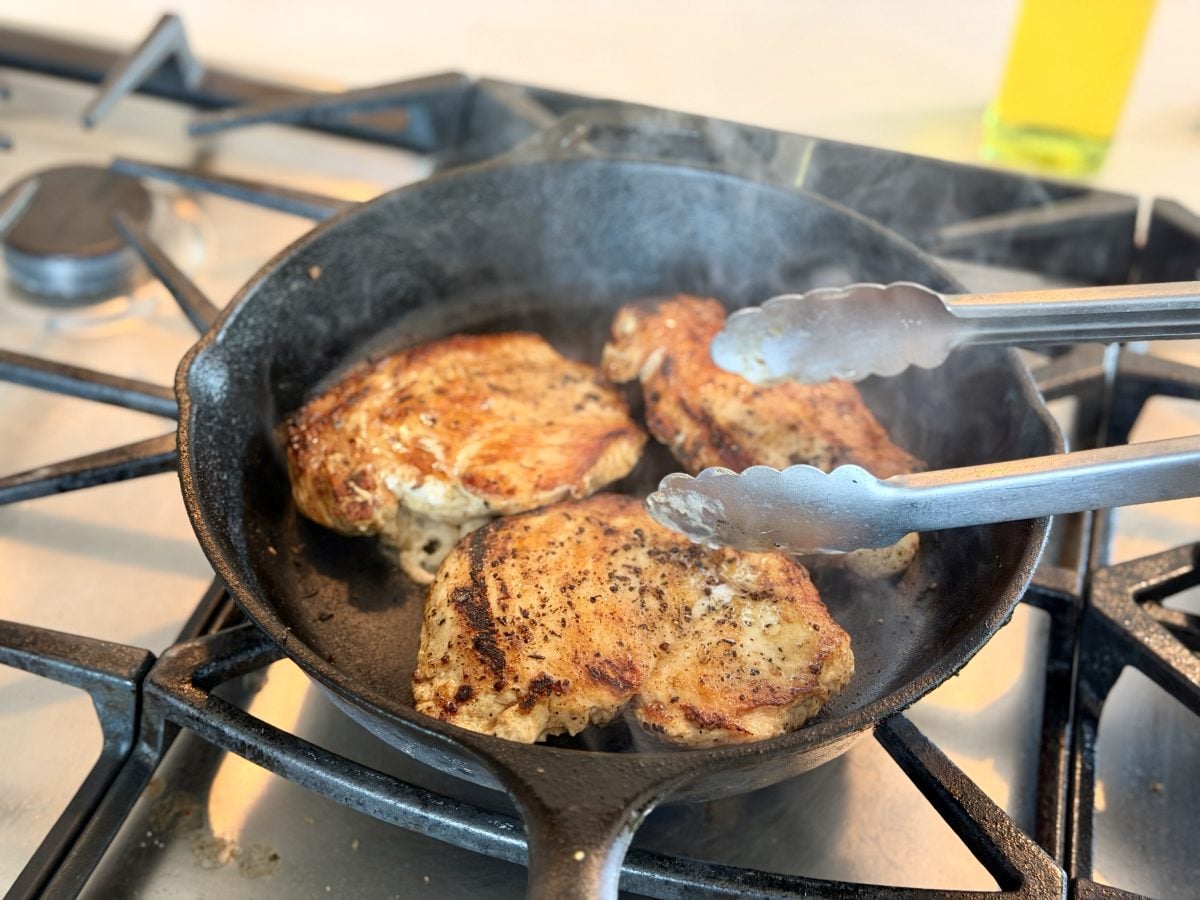
To avoid using good oils on less complicated recipes, keep on hand extra virgin olive oil (EVOO) for flavor and light or neutral oils for heat. They give more options when cooking.
To save money, check the olive oil. Your sense of smell detects bad oil before you do. Fresh extra virgin olive oil (EVOO) smells green and fresh, similar to cut grass, and has a slight peppery scent. When olive oil goes rancid, it smells like crayons or old putty.
Sniff it to know what it smells like when it’s fresh, and use it within a couple of months of opening as it will lose its freshness quickly. Keep it capped. Store it away from the stove in a dark cupboard (away from heat) to prolong its life. The best oils go off when stored in places near the stove.
