
I used to side-eye the idea of “salad as pasta.” It felt like one of those internet fads that look good but are not that great to eat. One night, I had leftover rotisserie chicken, half a bottle of Caesar dressing, and exactly zero inclination to prepare anything that required me to chop more than one ingredient. I mixed it with hot pasta, added some lemon, a shocking quantity of Parmesan cheese, and all of a sudden, I had a dinner that made it seem like I had a plan.
This Chicken Caesar Pasta recipe is what happens when Caesar salad grows up and puts on a cozy sweater. You still get that garlicky tang, salty Parmesan punch, and the peppery bite, but the sauce really clings to the noodles. The secret is regarding it like a real pasta dish. Using the starchy water for body and using proper heat control so nothing breaks, and having just the right amount of crunch on top to remind you where it came from.

Before You Start: The Gist
- Chicken Caesar Pasta, the heart of it: A creamy, tangy pasta with Caesar-style sauce, juicy chicken, Parmesan, and crunchy breadcrumbs or croutons.
- Why it works: Caesar dressing becomes a fast sauce when loosened with pasta water and enriched with Parmesan; lemon brightens; black pepper keeps it sharp.
- Timing: About 25 to 35 minutes total (faster if using pre-cooked chicken).
- Flavor profile: Garlicky, lemony, salty-cheesy, peppery, with a crisp topping for contrast.
- Key tips: Reserve extra pasta water, keep the heat low when adding dressing, and finish with crunch (toasted breadcrumbs or crushed croutons).
Ingredients
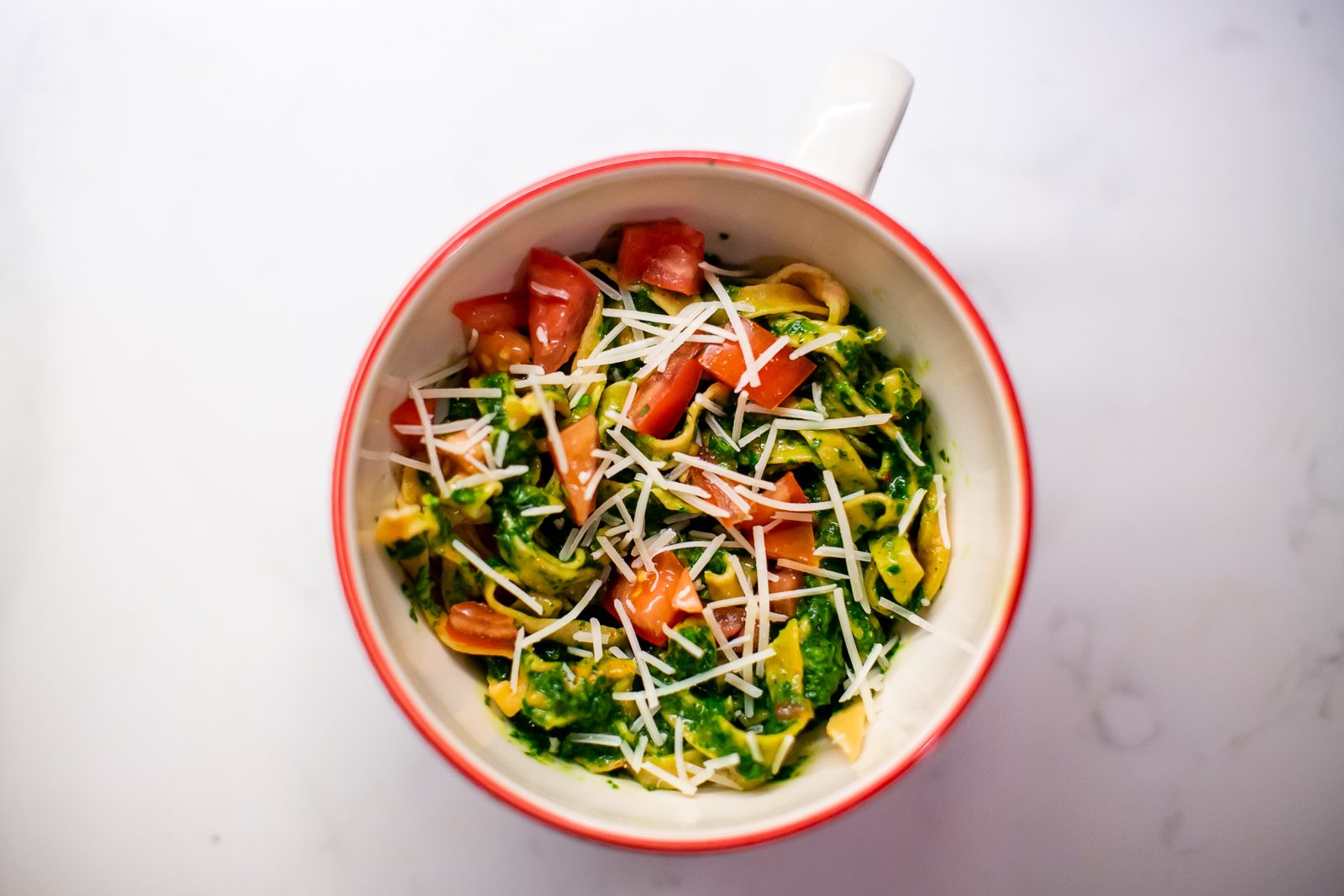
Consider this as three components: pasta, chicken, and a Caesar-like sauce that acts like a proper pasta sauce (meaning: it clings). I will give some specifics, but as good weeknight dinners go, this recipe is quite forgiving.
- Pasta (12 oz / 340 g): Short shapes like penne, fusilli, or rigatoni catch the sauce in their grooves. Long noodles work too, but you lose some of that “scoopable” satisfaction.
- Chicken (about 2 cups cooked, shredded or sliced): Rotisserie is my usual shortcut. If you cook it fresh, thighs stay juicier than breasts, but either is fine.
- Caesar dressing (1/2 cup): Use a good refrigerated one if you can. Shelf-stable works, but the flavor can be flatter. (If your dressing is very thick, you’ll just use a bit more pasta water.)
- Parmesan (3/4 cup finely grated, plus more to finish): Freshly grated melts smoother. Pre-grated can get a bit sandy, but I won’t call the pasta police.
- Garlic (1 to 2 cloves, finely grated or minced): Optional if your dressing is already very garlicky, but I almost always add at least one clove.
- Lemon (1): Zest and 1 to 2 tablespoons juice. This is what keeps the sauce from tasting heavy.
- Olive oil (1 to 2 tablespoons): For sautéing the garlic and to help the sauce feel silky.
- Black pepper (a lot, to taste): Caesar likes a peppery edge. I go heavier than I think I should, then I’m glad I did.
- Romaine (optional, 2 cups chopped): If you want the “salad” part to show up, toss it in right at the end so it barely wilts.
- Crunch topping: Choose one:
- Toasted breadcrumbs: 1/2 cup panko + 1 tablespoon olive oil + pinch salt
- Crushed croutons: 3/4 cup, lightly crushed
Master Ratio (Easy To Scale)
- 1 pound (16 oz) pasta
- 2 1/2 to 3 cups cooked chicken
- 2/3 cup Caesar dressing
- 1 cup finely grated Parmesan
- 3/4 to 1 cup pasta water (added gradually)
- 1 lemon (zest + juice to taste)
Example: If you are having a smaller dinner for two, use 8 oz pasta, about 1 – 1 1/2 cups chicken, 1/3 cup dressing, and 1/2 cup Parmesan. You’ll loosen it with pasta water until it looks glossy and generous, not dry and clumpy.
Ingredient Choices That Change Flavor
You could think of this dish as a personality test using ingredients. A few changes shift it from “salad-ish and bright” to “rich and cozy.”
| Choice | Best Option | Swap | What Changes |
|---|---|---|---|
| Chicken | Rotisserie, dark meat included | Leftover grilled chicken; pan-seared breast | Rotisserie adds savory depth; grilled adds smoky notes; breast can be drier so add a touch more sauce. |
| Caesar dressing | Refrigerated, garlicky, anchovy-forward | Shelf-stable; homemade Caesar | Refrigerated tastes brighter; shelf-stable can be sweeter. Homemade gives the sharpest “real Caesar” bite. |
| Cheese | Parmigiano-Reggiano, finely grated | Grana Padano; Pecorino Romano (partial) | Grana is milder; Pecorino is saltier and more aggressive (use half Pecorino, half Parmesan if you like drama). |
| Crunch | Toasted panko in olive oil | Crushed garlicky croutons | Panko gives clean crunch; croutons push it closer to Caesar salad nostalgia. |
| Greens | Romaine added at the end | Baby kale; arugula | Romaine stays crisp; kale adds chew; arugula adds peppery bite that can compete with black pepper (not bad, just loud). |
Optional Add-Ins (If You Want More Than Beige-on-Beige)
- Cherry tomatoes: Halved, tossed in at the end for sweet acid.
- Capers: A tablespoon, rinsed, for briny snap (especially if your dressing is mild).
- Roasted broccoli: Not classic Caesar, but it’s good, and I won’t apologize.
Instructions
Makes: 4 large servings
Total time: 25 to 35 minutes
1) Cook the pasta.
Fill a large pot with water and bring to a boil. Prepare 12 oz of pasta for just under al dente (about 1 minute less than what is stated on the packaging). Prior to draining, save a minimum of 1 1/2 cups water from the pasta. Set the drained pasta aside.
2) Prepare the crunch (this is optional but highly recommended). As the pasta is cooking, heat 1 tablespoon of olive oil in a frying pan over medium heat. Incorporate a half cup of panko along with a small amount of salt. Toast, stirring, until golden and nutty, 2 to 4 minutes. (Pale to scorched like a toddler with mood swings, so stay nearby.) Move to another bowl.
3) Heat the chicken and awaken the garlic. In the same skillet, add 1 tablespoon of olive oil. Incorporate 1 to 2 minced or grated garlic cloves and sauté for 20 to 30 seconds until you can smell the aroma. Incorporate the cooked chicken (approximately 2 cups) and several grinds of black pepper. Stir until warmed through.
4) Build the Caesar pasta sauce gently. Lower the heat. Combine 1/2 cup of reserved pasta water with 1/2 cup of the Caesar dressing. Stir until even and steaming, without boiling. Sprinkle in 3/4 cup finely grated Parmesan cheese and stir constantly so it melts instead of clumping. Add more pasta water, a splash at a time, until the sauce looks glossy and coats the back of a spoon.
5) Toss and finish. Add the drained pasta to the skillet and toss until all pieces are coated. Incorporez le zeste de citron et 1 cuillère à soupe de jus de citron. Taste. You can modify it by adding more lemon juice, more pepper, or a pinch of salt, although Caesar and Parmesan can be salty, so salt is usually not necessary. If you are using romaine, fold in 2 cups of chopped romaine at the very end so it wilts as little as possible.
Serve sincerely. Plate it right away. Add toasted breadcrumbs or crushed croutons, along with some extra Parmesan cheese and black pepper. If you’re feeling a bit more fancy, adding a little more lemon zest to the top will brighten the smells even before taking a bite.
Riffs That Work
- Blackened Chicken Caesar Pasta: Toss chicken with paprika, cayenne, garlic powder, and salt; sear hard for a spicy crust.
- Bacon Caesar Pasta: Crisp 4 slices bacon, use a little bacon fat in the pan, and sprinkle bacon over the top (this is not subtle).
- Garlicky Shrimp Caesar Pasta: Swap chicken for quick-sautéed shrimp; keep heat low when adding dressing.
- Extra-Green Caesar Pasta: Add peas, chopped broccoli, or sautéed spinach; finish with more lemon to keep it lively.
- Lightened-Up (but still satisfying): Use 1/3 cup dressing + 1/3 cup plain Greek yogurt, then loosen with pasta water.
- Spicy Caesar: Add Calabrian chili paste or a pinch of red pepper flakes to the garlic oil.
What to Serve With It
- Simple side salad: Yes, salad with salad-pasta. Keep it sharp: arugula, lemon, olive oil, shaved Parmesan.
- Roasted vegetables: Broccolini, asparagus, or Brussels sprouts with charred edges.
- Bread situation: Garlic bread is slightly ridiculous here and also correct.
- Soup pairing: A light tomato soup or a lemony chicken broth if you want a cozy two-course vibe.
- Drink: Crisp white wine (Sauvignon Blanc, Pinot Grigio) or a fizzy lemon soda with lots of ice.
Rescue Notes
- Sauce looks greasy or “broken”: The pan was too hot. Pull off heat, add a few tablespoons pasta water, and stir like you’re trying to save a friendship.
- Sauce is too thick: Add more pasta water a splash at a time. Caesar dressing is thick by nature, so don’t be shy.
- Sauce is too thin: Add another handful of Parmesan and simmer very gently for 30 to 60 seconds. Keep the heat low.
- It tastes flat: Add lemon juice and black pepper first. Salt is last, not first, because the dressing and cheese can sneak up on you.
- Chicken is dry: Toss it into the sauce earlier and let it warm in the liquid, not in a dry pan. Or use thighs next time.
- Want it more “real Caesar”: Add 1 teaspoon Worcestershire sauce and a tiny pinch of anchovy paste (or a mashed anchovy fillet) to the sauce.
- Crunch gets soggy: Keep breadcrumbs or croutons separate and top each bowl at the table.
- Don’t skip reserving water: Pasta water is the difference between “pasta coated in dressing” and “actual sauce.”
Keeping It and Reheating It
Since it contains chicken and Parmesan, Chicken Caesar pasta is naturally protein-forward and quite filling. More than any other factor, portion size matters here because of the dressing and cheese. To keep it refreshing, try tossing in some romaine or another green at the end, adding extra lemon and keeping the palate awake.
Store leftovers in an airtight container in the refrigerator for up to 3 days. To help the sauce loosen, reheat gently on the stove or microwave and add a splash of water (or milk). Anticipate that the sauce will thicken the longer that it sits. It is best to store the crunch topping separately since it will otherwise turn into soft pillows. This is not a tragedy, but it’s not really the point.
Making It a Little More Nutritious (Without Ruining the Fun)
Here’s the good news before we start tinkering: this dish is already doing more for you than a lot of weeknight pastas. Between the chicken and a generous hand of Parmesan, it’s properly protein-forward, which is the thing that makes a bowl of pasta feel like actual dinner instead of a snack you’ll regret an hour later. The place where it can tip heavy is the sauce and the cheese, both of which are delicious and both of which are calorie-dense, so the smartest moves aren’t about stripping flavor out. They’re about adding good stuff back in. Swapping in a whole-grain, chickpea, or lentil pasta is the easiest upgrade, since you’ll pick up a real bump in fiber and protein, and with a sauce this bold nobody at the table is going to interrogate the noodle. From there, bulk it out with vegetables you’d actually want to eat, like roasted broccoli, charred asparagus, wilted spinach, halved cherry tomatoes, or a couple of cups of chopped romaine folded in at the very end. More volume for the same amount of dressing means every forkful stretches a little further and lands a little lighter.
If you want to lighten the sauce itself, the trick is to cut the dressing rather than replace it. Stir a few spoonfuls of plain Greek yogurt or blended cottage cheese into the Caesar, loosen the whole thing with pasta water, and you keep the tang and the cling while quietly trimming the richness. I promise it doesn’t read as sad diet pasta, because the lemon, garlic, and black pepper are still doing the heavy lifting. The least glamorous tip is also the most effective one, though, and that’s minding your portion. Caesar dressing and Parmesan are the kind of ingredients that sneak up on you, so a sensible scoop of pasta next to a big pile of greens will leave you more satisfied than an enormous bowl of straight noodles. Treat the pasta as the delivery system and the protein and vegetables as the actual point, and this lands somewhere between comfort food and something you’d feel good about making on a Tuesday.
Give the Leftovers a Second Life
Reheating a bowl the next day is fine, but the more interesting move is to stop thinking of the leftovers as the same dinner again and start treating them as a head start on something new. Cold, this pasta makes a shockingly good lunch. Pull it straight from the fridge, hit it with a fresh squeeze of lemon and a little extra pepper to wake it back up, toss in some crunchy romaine or arugula, and you’ve essentially got a Caesar pasta salad that tastes deliberate rather than left over. Because the sauce firms up as it chills, you may want to loosen it with a teaspoon of olive oil or a splash of water first, but the flavor actually deepens overnight, which works in your favor here. If you’d rather have it warm and don’t want to babysit a skillet, spread the leftovers in a small baking dish, scatter a handful of panko and a little more Parmesan over the top, and run it under the broiler for a few minutes until the top crisps. It’s a lazy, five-minute pasta bake that hides the fact it started life as a Tuesday-night scramble.
There’s also the mix-and-match route, which is where a cup of leftover pasta quietly becomes a whole other meal. Fold it into a wrap or a warm tortilla with extra greens for a portable lunch, spoon it over a grain bowl of farro or rice to stretch a small amount across two servings, or do the thing I reach for most often and crown a bowl with a fried or jammy egg, letting the runny yolk melt into the sauce until yesterday’s dinner feels intentional and a little indulgent. None of this takes real cooking. It’s mostly about keeping the crunch topping stored separately so it stays crisp, and letting the lemon and pepper do the work of making day-two taste like you meant it all along.
Field Notes
Maiden voyage: A Tuesday night, no plan situation: I used supermarket Caesar, cold rotisserie chicken, and any pasta in the jar (fusilli). It all happened in the time my partner took to “just check one thing” on their phone. To be honest, the lemon zest made me feel like I did more than just throw together a bunch of random stuff from the pantry.
Later, again: A bit more upscale for friends: I pan-seared chicken thighs with a nice peppery crust, used a refrigerated Caesar with pronounced anchovy notes, and finished the bowls with toasted panko and shaved Parmesan. Someone inquired if I had prepared the dressing. I did not. I appreciated the compliment regardless.
Your Game Plan
- Pick a pasta shape that grabs sauce (penne, rigatoni, fusilli).
- Cook pasta 1 minute shy of al dente and reserve 1 1/2 cups pasta water.
- Toast panko (or crush croutons) for crunch.
- Warm chicken with a quick garlic sizzle.
- On low heat, stir in Caesar dressing + pasta water, then melt in Parmesan.
- Toss pasta, brighten with lemon zest and juice, and pepper aggressively.
- Top each bowl with crunch and extra Parmesan right before serving.
Cook’s Vocabulary
- Al dente: Pasta cooked until tender but still with a firm bite; it finishes cooking in the sauce.
- Pasta water: The starchy cooking water that helps emulsify and thicken sauce so it clings.
- Emulsify: To combine fat and water into a cohesive sauce (instead of oily separation).
- Finely grated Parmesan: The fluffy, snow-like grate that melts smoothly (as opposed to thicker shreds).
- Break (a sauce): When a sauce separates into oily and watery parts, often from too much heat.
- Zest: The fragrant outer peel of citrus; adds aroma without extra acidity.
Asked and Answered
Are bottled caesar dressings acceptable?
Yes. Select one that you like on salad. You may need to add more pasta water and a bit more lemon to balance it out if it is overly thick or salty.
Do I need anchovies?
No. Lots of dressings already include anchovies or Worcestershire sauce. If the sauce seems to be lacking that classic Caesar taste, add a small amount of anchovy paste or Worcestershire sauce.
Can I make it ahead?
Sure, but fresh is always better. When making in advance, keep the sauce a little looser than you normally would and remember to save some pasta water so you can revive the sauce when it’s time to reheat. Add crunch at the last moment.
What is the best pasta shape for Chicken Caesar Pasta? My top two are rigatoni and fusilli because they hold onto the sauce. Penne is reliable. Spaghetti is fine, but you’ll want to add more sauce and give it a good toss to coat everything evenly.
How can I prevent the sauce from curdling or separating?
Keep the dressing and cheese at a low temperature while mixing. When it begins to appear oily, you should remove it from the heat, add some pasta water, and stir until it comes back together.
Is adding romaine too weird?
Nope! Just add it at the end, off the heat and give it a toss. It should soften a little, like a warm salad, not collapse into sadness.
Closing Thoughts
Thank goodness Chicken Caesar Pasta isn’t trying to be authentic Italian. It’s an intelligent, warm hybrid that hits all the right pleasure points like a Caesar salad, but arrives with genuine dinner energy. Write it once, then start changing: more lemon, more pepper, different crunch, extra greens. This type of meal makes you feel lucky and competent, and that is pretty much what I want from a weeknight.
