
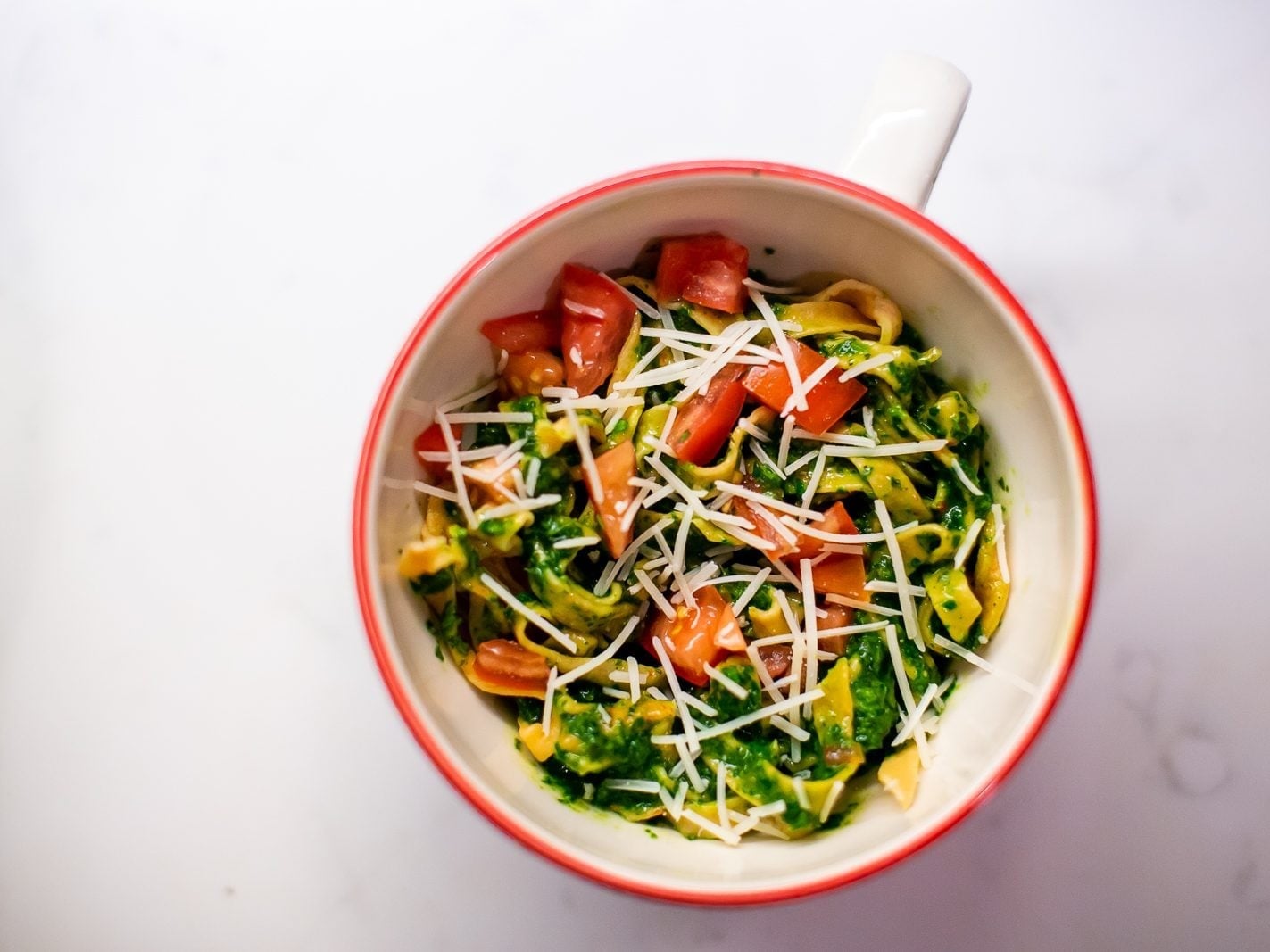
Nothing captures the essence of spring like a classic pasta primavera recipe. With a spring in our step and a burst of color and flavor in our kitchen, we celebrate the season with this dish. As a passionate home cook, I’ve come to appreciate this lively Italian-American dish which is a joyous tribute to seasonal vegetables and elevates humble ingredients.
Its beauty lies in its celebration of fresh, crisp vegetables at their peak. My version of pasta primavera is more than a recipe; it is an experience that takes you on a trip to a garden. Every mouthful describes the essence of spring, renewal and freshness.
The unique aspect of this dish is how versatile it is. Pasta primavera is versatile, whether you’re making a family dinner or hosting a spring gathering. It allows you to express your creativity with all the colorful vegetables that are fresh and in season at the market.
In the upcoming sections, I’ll cover all the details on how to make the ideal pasta primavera, including tips on how to choose the best possible ingredients and other techniques that will help improve your skills. Prepare to convert your kitchen to a spring flavor paradise!
Contents
- What Makes Pasta Primavera a Perfect Spring Dish
- Essential Ingredients for the Perfect Pasta Primavera
- My Fool-Proof Step-by-Step Cooking Method
- Customizing Your Pasta Primavera Experience
- Tips for Achieving Restaurant-Quality Results
- Storing and Reheating Leftover Pasta Primavera
- Pairing Suggestions for a Complete Meal
What Makes Pasta Primavera a Perfect Spring Dish
As the spring season blooms, chefs are able to showcase this vibrant season in their creations. No dish personifies the brightness of the season as well as pasta primavera. Being an enthusiastic home cook, I have found that this fresh pasta recipe embodies the very essence of seasonal cooking. Its brilliance is in the transforming of simple, fresh, seasonal ingredients into an extraordinary dish.
The Origins of This Vibrant Recipe
Originating in the American cuisine scene in 1970s NYC, the first creations of pasta primavera were made. Chefs at this point in time were trying to come up with a dish that was light and colorful that would highlight fresh seasonal ingredients. What began as a spontaneous creation turned into a culinary phenomenon that inspired both home cooks and professional chefs.
Why Fresh Vegetables Matter
Vegetables are the essence of pasta primavera. Choosing peak-season produce opens up a level of taste that is impossible to achieve with out-of-season produce. Spring vegetables elevate a typical pasta dish into an incredible meal due to their fresh crunch and bright colors.
Seasonal Ingredient Selection Guide
- Look for bright, firm asparagus with tight tips
- Choose baby carrots with fresh, green tops
- Select sugar snap peas that are plump and glossy
- Pick zucchini that are small and firm
- Seek out fresh herbs like basil and parsley
The secret to an outstanding pasta primavera is knowing how to work with seasonal produce. Picking veggies at their finest will allow you to create a meal that embodies the essence of spring, bursting with freshness and flavor.
Essential Ingredients for the Perfect Pasta Primavera
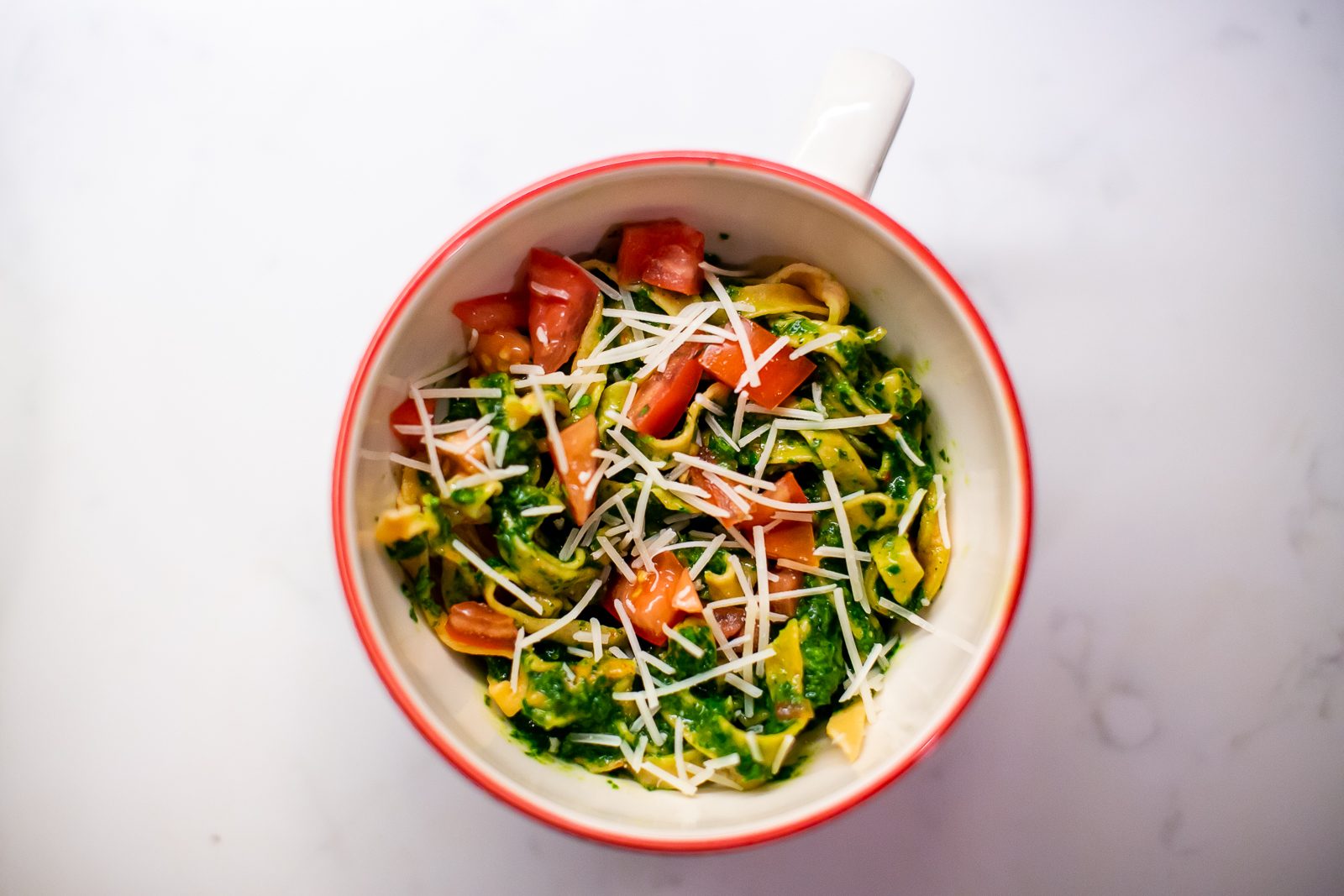
Choosing the best ingredients for pasta primavera is the first step toward an excellent vegetable pasta recipe. I’ll guide you through the basic elements that elevate a basic dish to a masterpiece.
I suggest using medium-sized pasta shapes like penne or farfalle for the pasta base. The various textures are perfect for snuggling vegetables and holding the garlic herb sauce.
- Pasta Options:
- Penne
- Farfalle
- Rotini
Choosing the right vegetables is essential for authentic pasta primavera. I like a vibrant blend that adds both taste and health benefits to the meal.
- Fresh Vegetables:
- Zucchini
- Bell peppers (red, yellow, green)
- Cherry tomatoes
- Asparagus
- Broccoli florets
Several important ingredients transform the overall dish in my signature garlic herb sauce. Using fresh herbs helps develop a flavor profile that is of a restaurant-quality.
- Garlic Herb Sauce Ingredients:
- Extra virgin olive oil
- Fresh garlic (minced)
- Chopped basil
- Fresh parsley
- Grated Parmesan cheese
- Red pepper flakes (optional)
For your pasta primavera, remember to use seasonal and fresh vegetables, as they will enhance both the flavor and nutrition.
My Fool-Proof Step-by-Step Cooking Method
Making the perfect pasta primavera takes precision and care. My proven cooking instructions will guide you from basic ingredients to a fine dining experience with fresh vegetables and perfectly cooked pasta.
Prepping Your Ingredients with Precision
When making pasta primavera, preparing the ingredients is very important. I suggest that you get all of your ingredients together before you begin. This guarantees a seamless cooking experience while also aiding in the prevention of overcooking.
- Wash and chop vegetables uniformly
- Select fresh, seasonal produce
- Have all cooking tools ready
Mastering Pasta Cooking Techniques
Cooking pasta to be al dente is an art. I always use a large pot of salted water and take these critical steps to guarantee perfect texture each time.
- Fill pot with 4-6 quarts of water
- Add 1-2 tablespoons of kosher salt
- Bring water to a rolling boil
- Add pasta and stir immediately
- Cook 1-2 minutes less than package instructions
Crafting the Signature Sauce
The sauce elevates your pasta primavera from great to phenomenal. I use a light flavorful combo that complements the vegetables, not overwhelms.
| Ingredient | Quantity | Purpose |
|---|---|---|
| Olive Oil | 1/4 cup | Base for sauce |
| Garlic | 3 cloves | Aromatic flavor |
| Fresh Herbs | 2 tablespoons | Brightness and depth |
Following these cooking directions will help you prepare a colorful and tasty pasta primavera that looks and tastes professionally made.
Customizing Your Pasta Primavera Experience
One of the most thrilling aspects of pasta primavera is how many different ways it can be adapted. I enjoy demonstrating to home cooks how they can take this classic vegetarian pasta recipe and make it into a unique culinary creation. Many different combinations work in the dish. You could add protein, or try different combinations of vegetables to customize the dish to best fit your taste.
For those looking to add more protein to their diet, I suggest these tasty choices:
- Grilled chicken breast, sliced thin
- Sautéed shrimp for a seafood twist
- Crispy tofu cubes for a vegetarian protein boost
- Roasted chickpeas for extra texture
There are endless possibilities for variations on pasta primavera. The use of seasonal vegetables can entirely transform the character of a dish. In summer I like to use yellow squash, zucchini, and cherry tomatoes. Asparagus and fresh peas are both nutritious, and beautiful. The two create a vivid palette of greens in spring.
No need to worry readers with dietary restrictions! Adapting this recipe is easy. And with the addition of plant-based cheese alternatives or nutritional yeast for a rich and cheesy flavor, the gluten free pasta can be made vegan.
The secret to a great pasta primavera is trying different things until you find a combination you love. My advice? Begin with the basic recipe and then begin to discover new ingredients that may be more stimulating to your palate.
Tips for Achieving Restaurant-Quality Results
Simply following a recipe is not enough for making an impressive Pasta Primavera. As an enthusiastic home cook, I have picked up a few professional chef techniques that will take your dish from average to exceptional. I want to give you some insider tips for cooking pasta that will take your skills to the next level.
To truly wow your guests, you need to master food presentation. Renowned chefs understand that a dish’s flavor is equally as important as it’s aesthetic value. I will show you some expert-level tricks to make your Pasta Primavera look like it came from a five-star restaurant.
Common Mistakes to Avoid
- Never overcook your pasta – it should be al dente
- Avoid using cold vegetables in your sauce
- Don’t rinse pasta after cooking
- Skip using pre-cut, frozen vegetables when possible
Professional Chef Secrets
- Reserve some pasta water to help create a silky sauce
- Finish cooking pasta directly in the sauce for maximum flavor absorption
- Use high-quality extra virgin olive oil
- Season each component of the dish separately
Plating Techniques
| Technique | Description |
|---|---|
| Height Variation | Use tongs to create height and dimension on the plate |
| Garnish Placement | Strategically place fresh herbs for color and freshness |
| Sauce Drizzling | Create elegant sauce patterns around the pasta |
These professional chef techniques will elevate your Pasta Primavera to new restaurant-quality heights. Don’t forget that cooking is an art and the way you present it is your canvas.
Storing and Reheating Leftover Pasta Primavera
La delusione non deve derivare dalla pasta primavera avanzata. If you want to keep your dish fresh and tasty for several days, try some proper leftover pasta storage methods. I will provide you with my top meal prep strategies so you can get the most out of the flavor and quality of the pasta you have left.
The right way to refrigerate pasta primavera is very important. For the best storage of leftover pasta, follow these guidelines:
- Cool the pasta completely before storing
- Use airtight containers to prevent moisture loss
- Store in the refrigerator within two hours of cooking
- Consume within 3-4 days for best quality
Pasta primavera needs to be reheated with care so that its texture remains the same. My preferred way to reheat pasta primavera is in a skillet with a little water or olive oil. This helps rejuvenate the vegetables and keeps the pasta from drying out and becoming tough.
Inspiring leftover meal preparation can turn leftover food into new, interesting, and exciting meals. Attempt these quick changes:
- Cold pasta salad with fresh herbs
- Frittata with leftover pasta and vegetables
- Soup base with additional broth and fresh ingredients
- Stuffed bell peppers with pasta filling
When storing, keep pasta and vegetables separate to avoid soggy textures. For the best flavor and consistency, mix them back again when reheating.
Pairing Suggestions for a Complete Meal
The goal I have for my Pasta Primavera is to provide a wholesome and delightful experience. The best wine and pasta pairing can transform your meal from great to amazing. This dish’s light and vegetal ingredients pair exquisitely with a crisp Pinot Grigio which contrasts the creaminess of the sauce and enriches the flavors of the fresh components.
Your Pasta Primavera can be elevated into a fully immersive dining experience with the addition of Italian sides. I enjoy serving a simple arugula salad with a lemon vinaigrette, and I also like to offer garlic toast as a sid dish. These additions provide balance to meal ideas and satisfy hunger and palate. A small antipasto plate with marinated olives and fresh mozzarella can also provide delightful contrast.
Sparkling water with a hint of lemon or a homemade iced tea with fresh herbs are great non-alcoholic options. The secret is to choose accompaniments that complement and do not overpower the subtle flavors of Pasta Primavera. I advise keeping the sides light, fresh, and complementary to the main dish.
Keep in mind that a wonderful dining experience is all about making sure there is balance on the plate. The aim is to craft a dining experience that honors the spirited, seasonal essence of Pasta Primavera, whether it be wine or a refreshing drink you’ve selected.
