
After browning chicken, fish, beef, or pork, there’s probably a layer of browned residue sticking to the bottom of your pan.
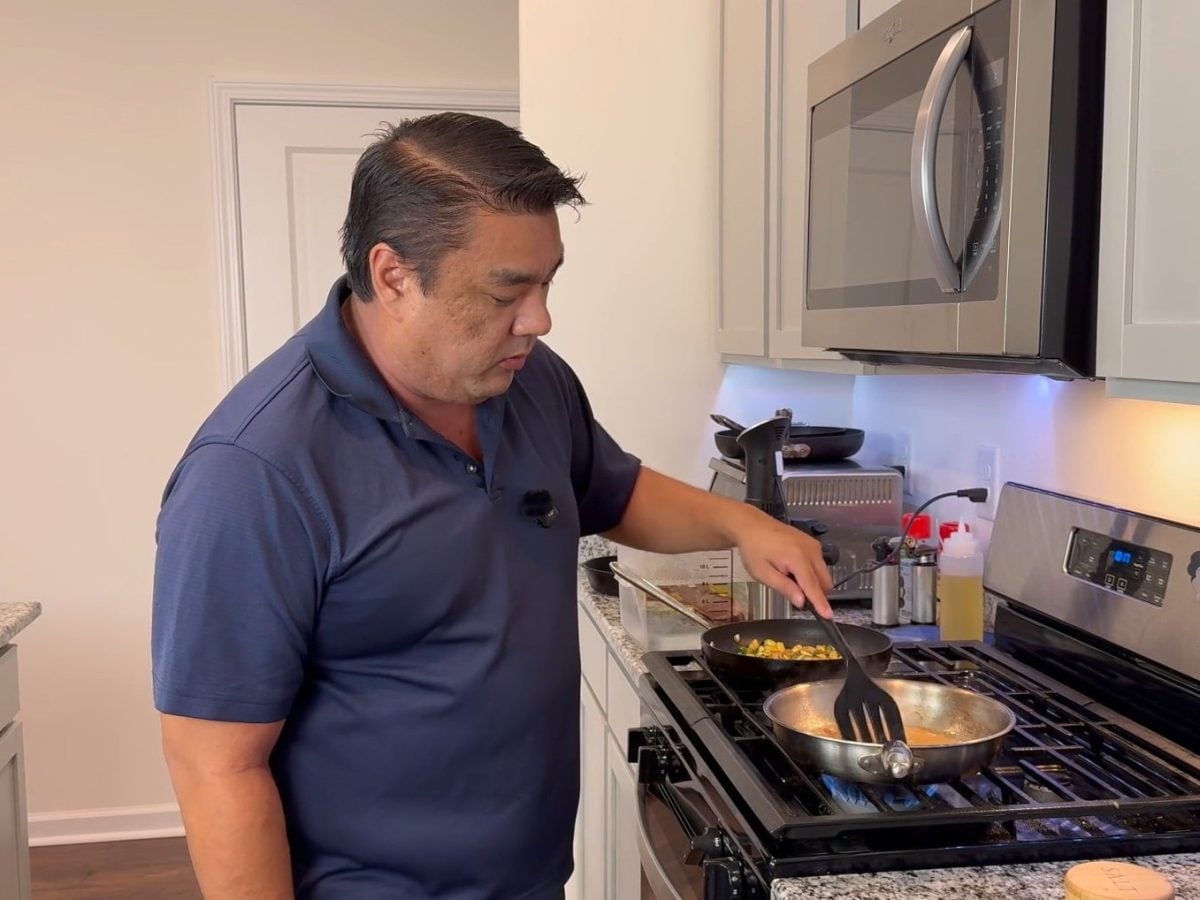
Deglaze to save flavor. There’s a reason chefs deglaze a pan. Deglazing isn’t just about making cleanup easier, although it sure does help with that, it’s about making the most of all the hard work you put into browning meat in a pan. See, when you brown proteins in a pan, you’re developing flavor via a process called the Maillard reaction, which occurs when proteins and sugars are exposed to heat. All of those delicious flavors stick to the pan as a residue known as fond, and deglazing allows you to scrape that fond up and incorporate it into a sauce. What is deglazing? Deglazing is a quick technique for incorporating all of the flavors you developed while browning proteins in a pan into a sauce. That’s fond, bits of protein, fat, and salt that browned while you cooked. How do you deglaze a pan? Deglazing is super easy. That’s it! Why should you deglaze a pan? Deglazing allows you to scrape up all of the delicious browned fond from your pan and incorporate it into a pan sauce. Serve!
It’s basically little cooked pieces of protein, salt, fat. That’s all the flavor.
Nathaniel, HomeViableSave this article for laterEnter your email and we will send you the link to this article.
Free. Unsubscribe any time.
The liquid you choose sets the character of the sauce.
| Liquid | What it brings | Good for |
|---|---|---|
| Dry white wine | Acidity and brightness | Chicken, fish, cream sauces |
| Red wine | Body and depth | Beef and hearty dishes |
| Stock or broth | Savory roundness | Gravies and all-purpose pan sauces |
| Splash of vinegar | Sharp lift | Cutting through a rich, fatty pan |
| Water or juice | Neutral or fruity | When you want the fond itself to lead |
Deglaze in four moves
- Pull the meat out and pour off excess fat, leaving the browned bits behind.
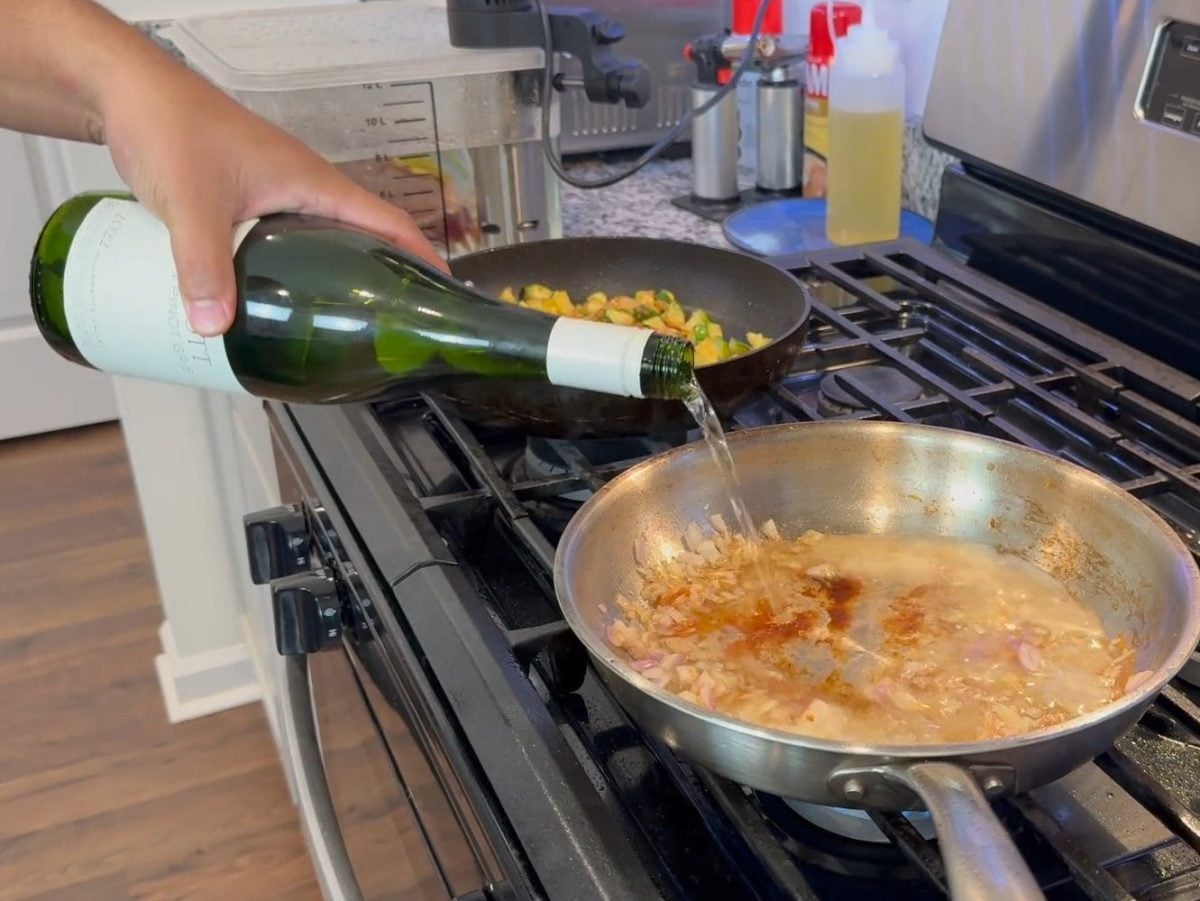
- Take the pan off high heat, then add a splash of your liquid.
- Scrape the bottom with a spoon until every brown bit lifts and dissolves.
- Simmer to reduce, then enrich with cream, butter, or herbs and spoon it over.


Why it works
Fond is incredibly flavorful because of the Maillard reaction, and you can use it to make a quick pan sauce by deglazing, which involves cooking liquid into which the fond dissolves and flavors. Fond dissolves into cooking liquid, and as that liquid reduces, the flavors intensify. That’s why pan sauces made from deglazing are so incredibly flavorful and so quick to make! Remove the pan from the heat. The flavors will intensify as the sauce reduces.
It is also why you should never reach for the sink first. Scrubbing the pan throws away the most flavorful thing in it.
Don’t throw that stuff out. Don’t scrub out that pan. Use it to enhance the dish that you’re serving.
Nathaniel, HomeViable
Remove your protein from the pan, add wine or stock, and scrape up all of that delicious browned fond. You just made a sauce. Add cooking liquid such as wine or stock to your hot pan after cooking proteins. Scrape the bottom of the pan with a wooden spoon to incorporate the fond. Simmer until reduced by half.
