
I used to think stew was what you made when you had nothing better planned, and I have come all the way around on that. A good stew is the most efficient dinner there is: cheap cuts, a single pot, and a few hours where the stove does the work while the house starts to smell incredible. Most of these taste better on day 2, so I make them on Sunday and eat well through Wednesday. That is the real appeal.
1) Beef Bourguignon
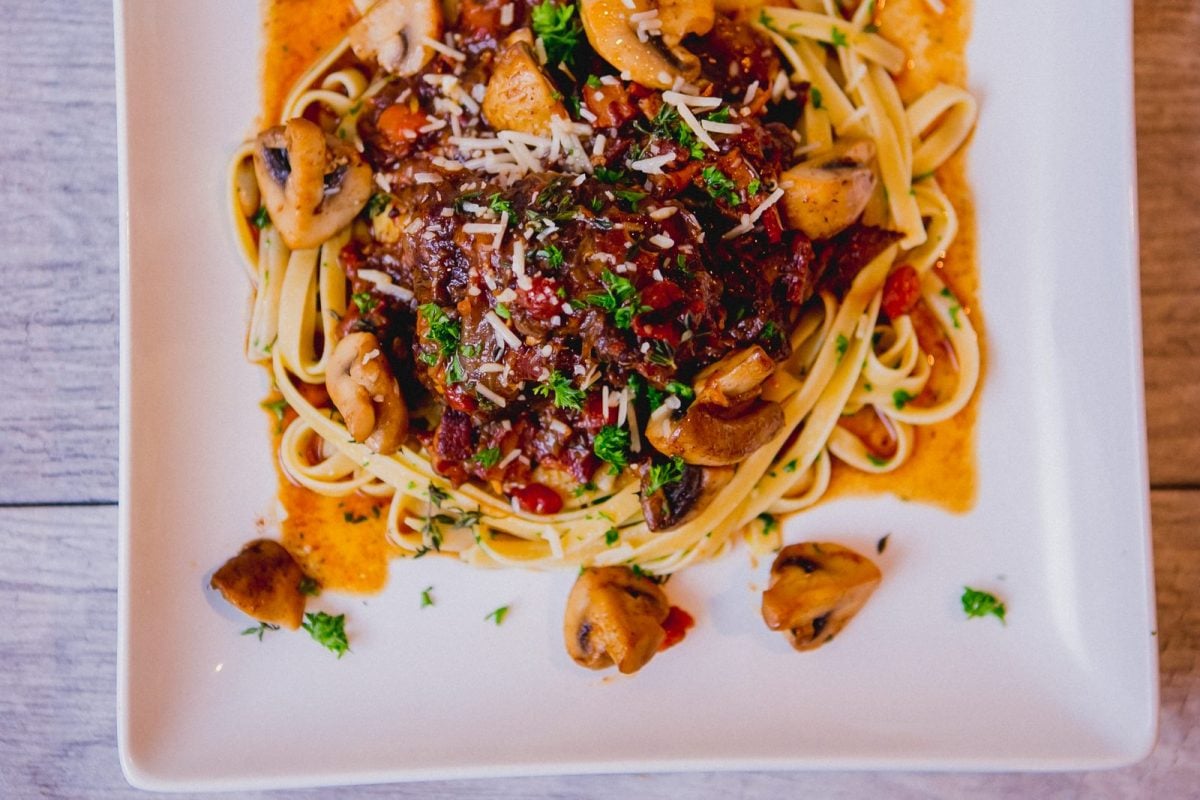
Julia Child made this famous, and the method has not needed updating since. Brown the beef in batches, then braise it in a full bottle of red wine with bacon, pearl onions, and mushrooms at 325°F (165°C) for about 3 hours. Crowd the pan and the beef steams grey instead of browning, which is the mistake I see most often. I serve it over buttered egg noodles.
2) Chicken Stew

This is the stew I make when beef feels like too much and chicken soup feels like too little. Bone-in thighs simmer with potatoes, carrots, celery, and thyme in a broth thickened with a little flour, until the meat pulls away from the bone. Pull the bones out before serving, which nobody will thank you for but everyone will notice. It is on the table in about 90 minutes.
3) Sweet Potato and Black Bean Stew
Sweet potatoes and black beans are a combination I stumbled into and have not stopped making. Cubed sweet potato, black beans, onion, garlic, cumin, and chipotle simmer in vegetable broth until the potatoes are just tender, about 25 minutes. Blend 1 cup of the stew and stir it back in for a thicker body. Serve it with toast or warm cornbread.
4) Meat and Potato Stew

Chuck roast, potatoes, carrots, onion, and beef broth. I resisted adding anything else to this one for years, and I still think the short list is the right call. Cut the potatoes into big chunks so they hold their shape over 2 hours of simmering. Serve it with thick slices of buttered toast for dragging through the bottom of the bowl.
5) Irish Beef Stew
Irish stew is built for the long simmer, with chuck roast, potatoes, carrots, and a bottle of stout that turns the broth dark and slightly bitter in the best way. Toss the beef in flour before browning so the stew thickens itself as it cooks. Give it 2.5 hours on low heat. I make it every March, and again whenever it is cold enough to justify it.
6) White Bean, Tomato, and Rosemary Stew
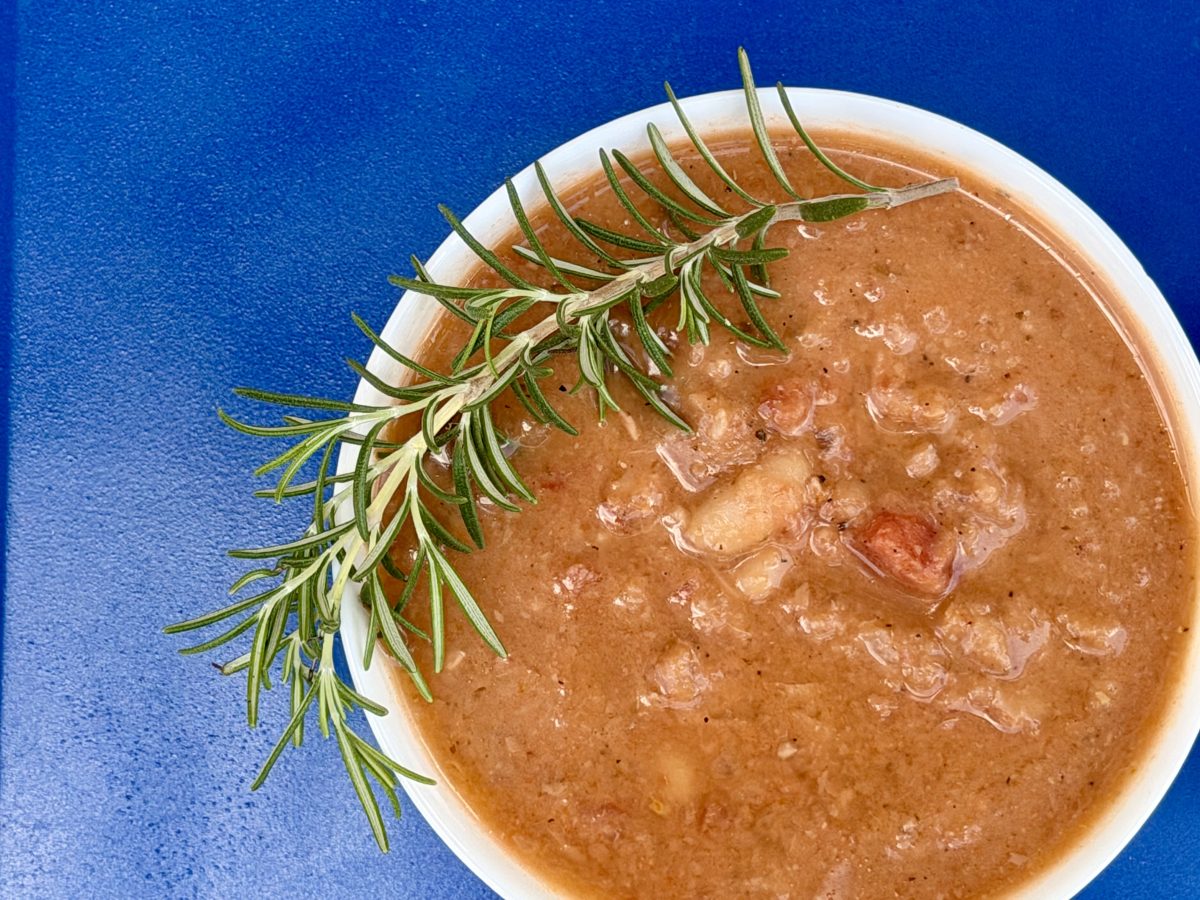
This is a vegetarian stew that nobody at my table has ever noticed was vegetarian. Cannellini beans, crushed tomatoes, garlic, and a couple of rosemary sprigs go into the slow cooker for 6 hours on low. Mash 1 cup of the beans against the side of the pot near the end, which thickens the whole thing without any cream. A drizzle of good olive oil on top is non-negotiable.
7) Seafood and Snap Pea Stew
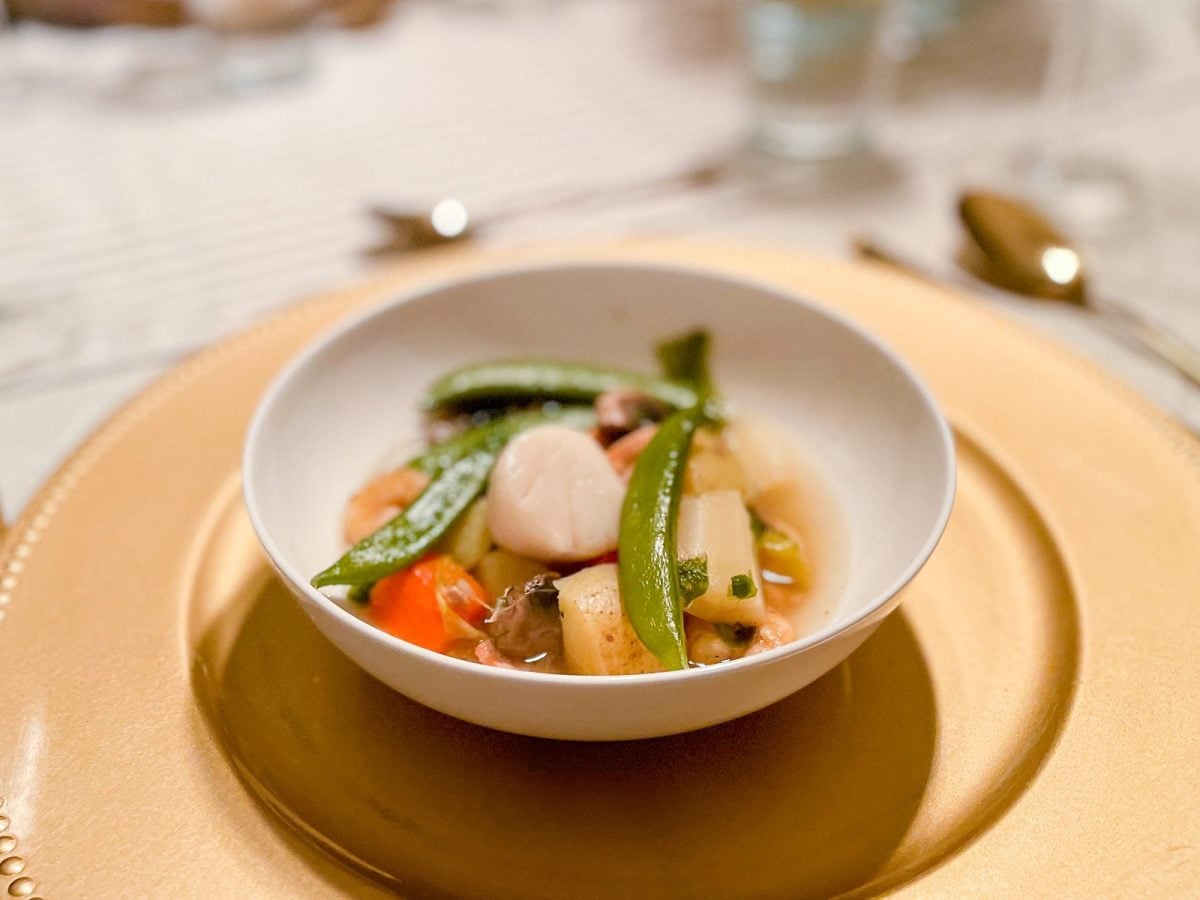
Seafood stew sounds fancy, but it is one of the fastest stews here because the seafood cooks in about 5 minutes. Build a quick broth with shallots, garlic, white wine, and seafood stock, then add scallops and shrimp right at the end. Snap peas go in for the last 2 minutes so they stay crisp and bright. Overcooked scallops turn to rubber, so I pull the pot off the heat a little before I think it is done.
8) Hungarian Goulash
Goulash lives on paprika, and it needs more than you think, at least 3 tablespoons of good sweet Hungarian paprika. Bloom it in the fat off the heat, because paprika burns in seconds and turns bitter. Beef, onions, peppers, and caraway then simmer for 2 hours. I serve it over boiled potatoes with a spoonful of sour cream.
9) Shrimp Etouffee
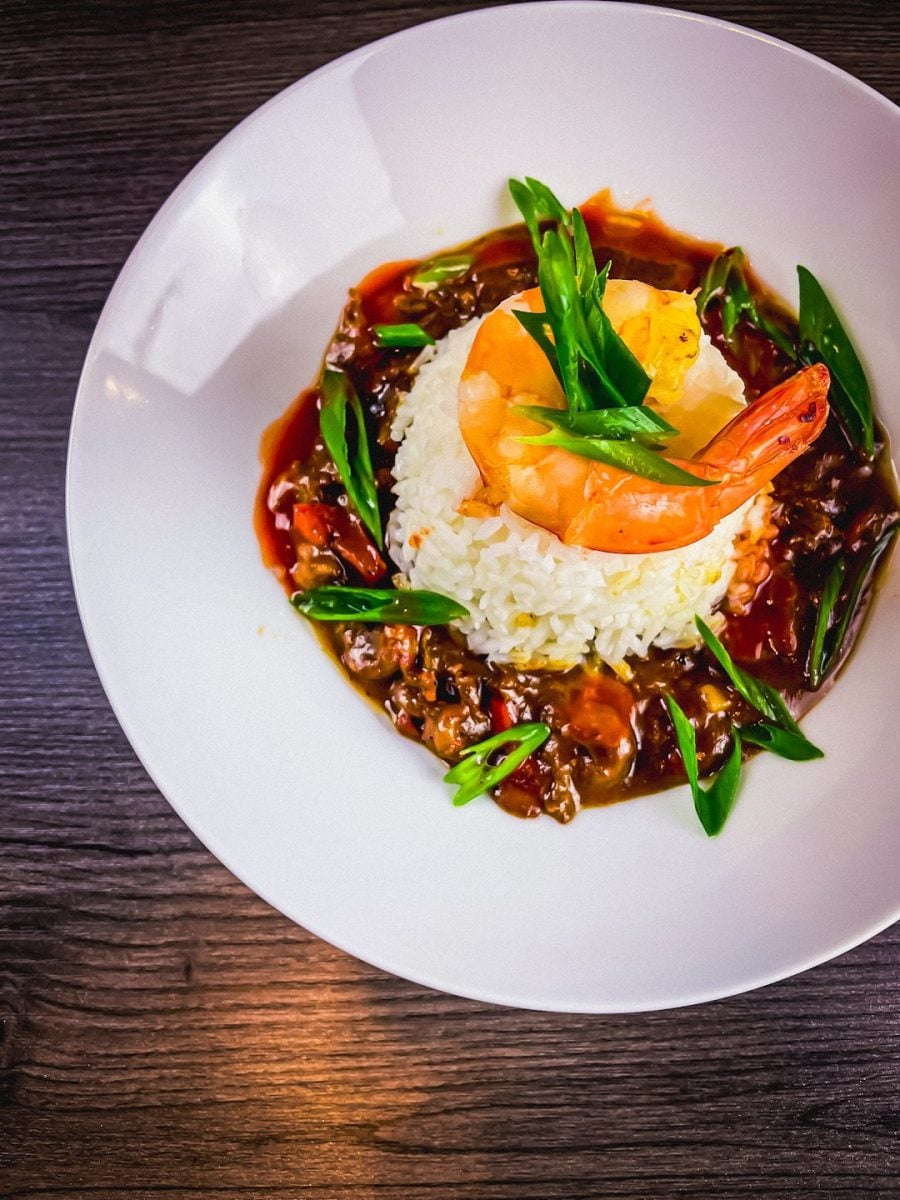
Etouffee is technically a stew, and I will take any excuse to include it. The base is a dark roux, the Cajun trinity of onion, celery, and bell pepper, and a shrimp stock made from the shells you would otherwise throw away. That homemade stock is the step most people skip, and it is the difference between good etouffee and great etouffee. Spoon it over white rice.
10) Chicken and Dumplings
This is the most comforting thing I know how to make, and I make it the lazy way. A creamy chicken stew simmers with carrots and celery, then drop biscuit dough gets spooned right on top. Cover the pot and do not lift the lid for 15 minutes. Peeking lets the steam out, and the dumplings come out dense instead of fluffy.
11) Pozole Rojo
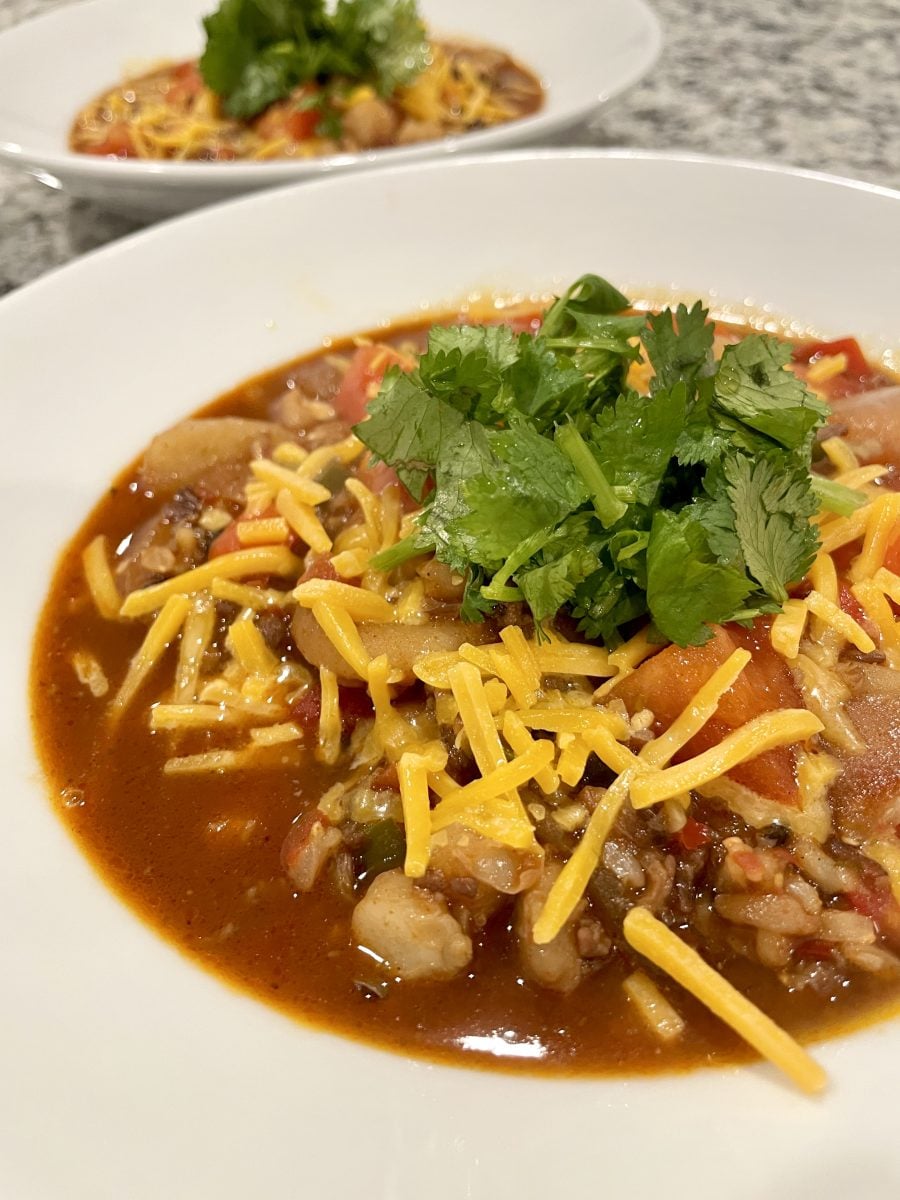
Pozole is a Mexican stew of pork and hominy in a deep red chile broth, and it is what I make for a crowd in the dead of winter. Toast dried guajillo and ancho chiles, soak them, and blend them into a sauce that goes in with slow-simmered pork shoulder. The toppings are half the meal: shredded cabbage, radish, lime, oregano, and tostadas. A big pot feeds 10 people for about $30.
12) Chicken and Sausage Gumbo
Gumbo is an all-afternoon project, and I have made my peace with that. The roux needs 30 to 45 minutes of steady stirring until it turns the color of milk chocolate. Then the trinity, chicken thighs, andouille, and stock go in for another hour. Serve it over rice with filé powder and hot sauce on the side.
13) Chicken Chili Verde
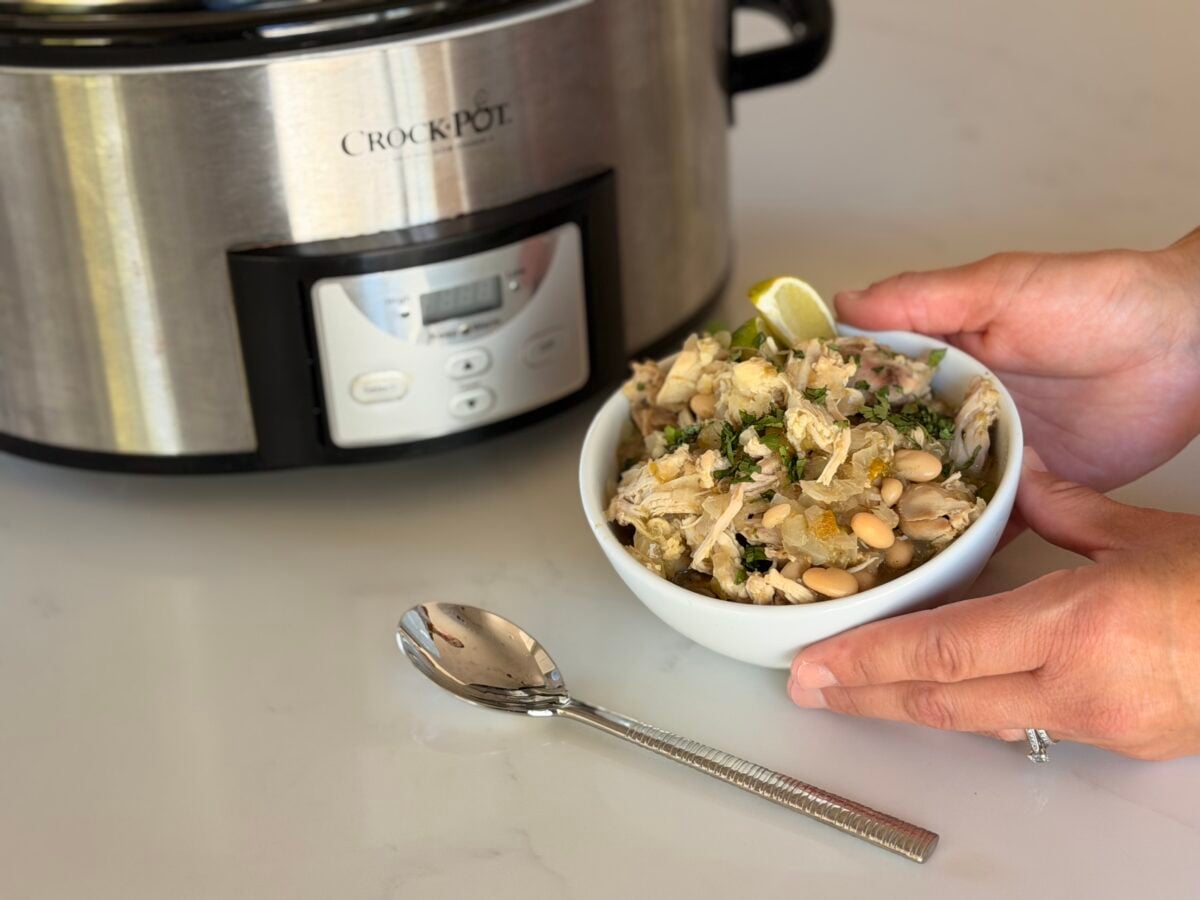
Chili verde is a green stew, and I have never understood why it gets less attention than the red kind. Chicken thighs cook in the slow cooker with salsa verde, roasted poblanos, onion, garlic, and cumin for 6 hours on low. Shred the chicken right in the pot. Serve it with warm tortillas, sour cream, and plenty of cilantro.
14) Chickpea and Spinach Curry
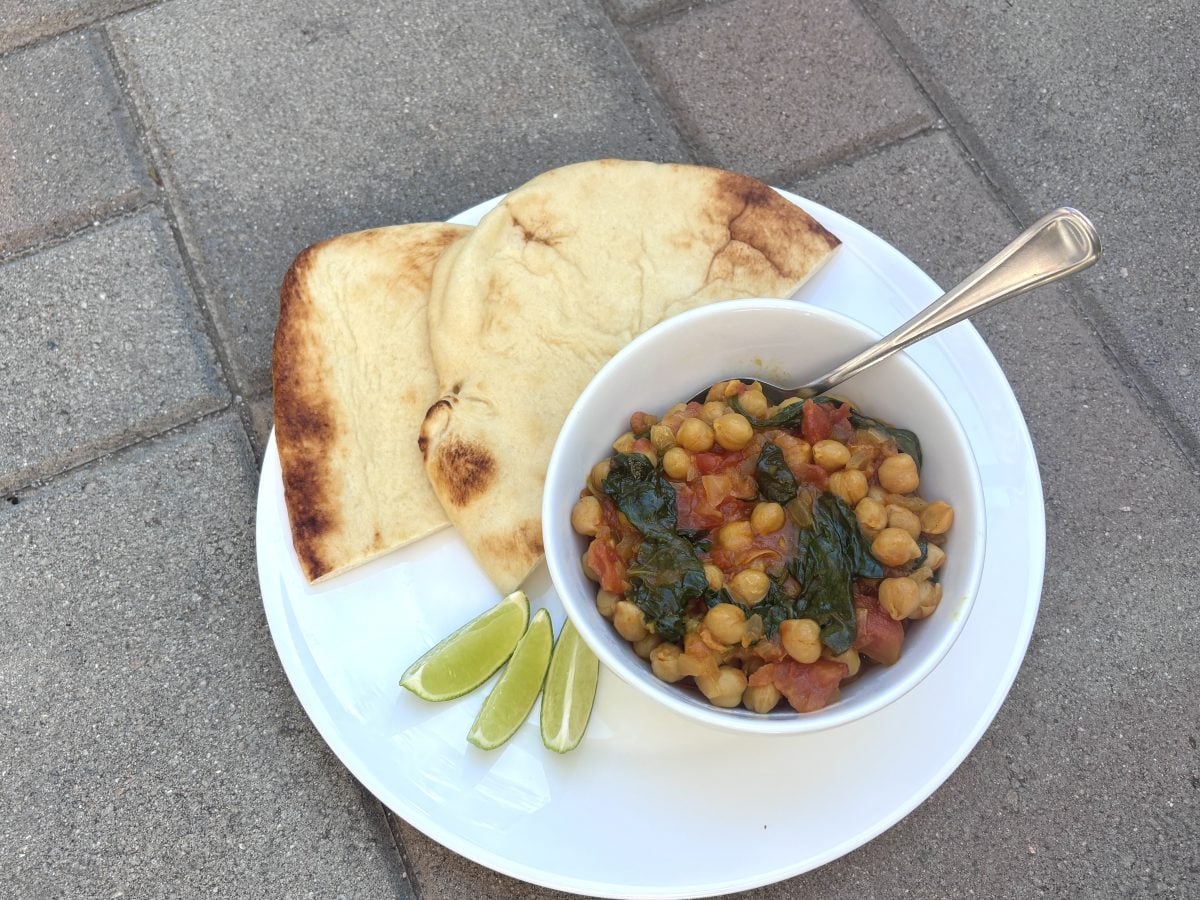
A pot of chickpea curry costs about $8 and feeds 4 people with leftovers, which is why it stays in my rotation from October on. Onion, garlic, ginger, curry powder, tomatoes, and coconut milk simmer with 2 cans of chickpeas until thick. I stir in a few big handfuls of spinach at the end. It is even better the next day over rice.
15) Mushroom and Barley Stew
Barley is the most underrated grain in the pantry, and in a stew it turns chewy and creamy at the same time. Brown 2 pounds of mixed mushrooms hard, in batches, before anything else goes in. That browning is where all the meaty flavor comes from. Add pearl barley, broth, thyme, and a splash of soy sauce and simmer for 45 minutes.
16) Butternut Squash and Broccoli Curry
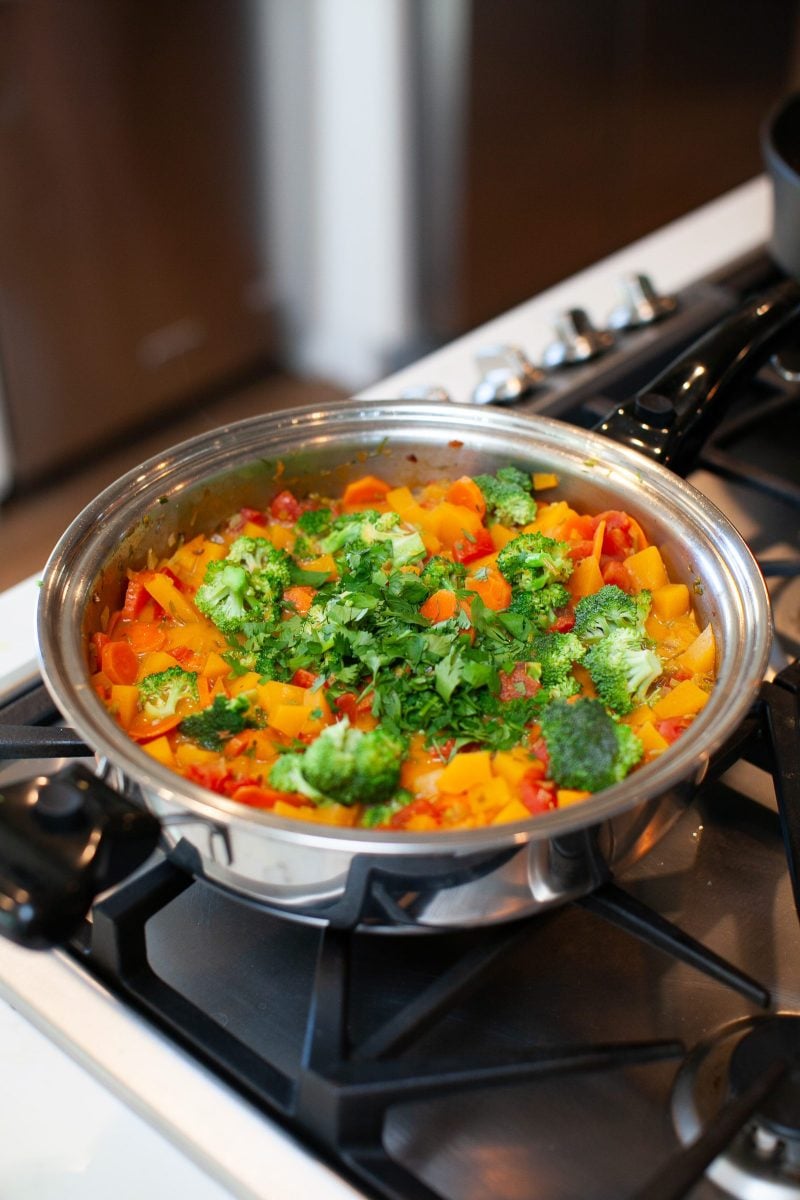
Butternut squash breaks down just enough in a curry to thicken the sauce on its own. Cube it small, about 3/4 inch, so it cooks through in 20 minutes instead of 40. Red curry paste, coconut milk, and a splash of fish sauce do most of the work. Add the broccoli for the last 5 minutes so it stays green, and finish with a big handful of cilantro.
17) Brunswick Stew
Brunswick stew is a Southern barbecue-joint classic, thick with shredded pork or chicken, lima beans, corn, and a tangy tomato base. It is the best possible use for leftover pulled pork. I simmer it for 1 hour so the flavors meld and the corn sweetens the sauce. A little vinegar at the end keeps it from tasting flat.
18) Tuscan Vegetable and Bean Stew
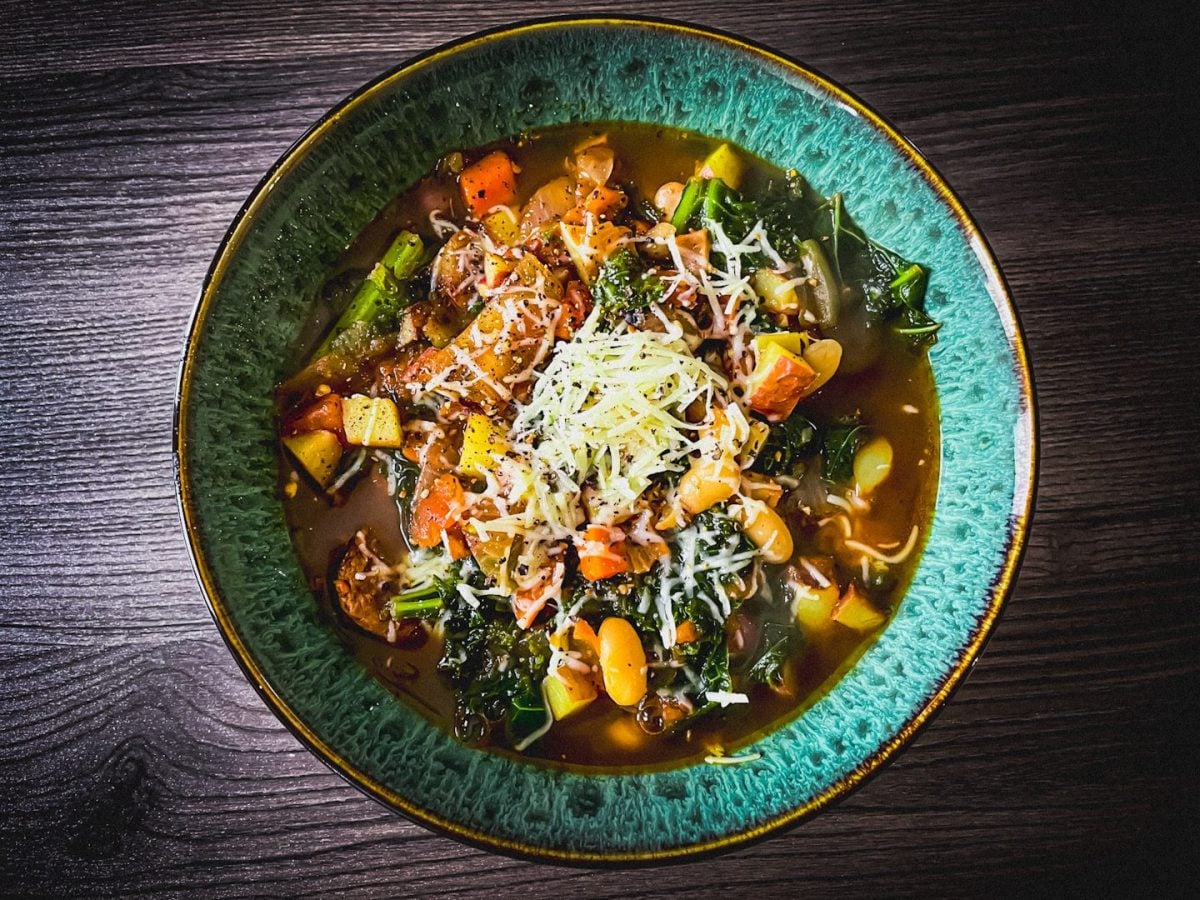
This is ribollita’s easier cousin, a thick Tuscan stew of white beans, kale, carrots, tomatoes, and a Parmesan rind for depth. I keep a bag of rinds in the freezer specifically for pots like this one. Let it simmer for at least 45 minutes so the beans start to break down. Day-old bread torn into the bowl turns it into a full meal.
19) Kielbasa and Potato Stew
This is the cheapest stew here and possibly the fastest, ready in about 40 minutes. Brown sliced kielbasa, then add potatoes, cabbage, onion, and chicken broth. The smoky sausage seasons everything around it, so go easy on the salt. A dollop of grainy mustard on top is my favorite finishing touch.
20) Lentil Stew
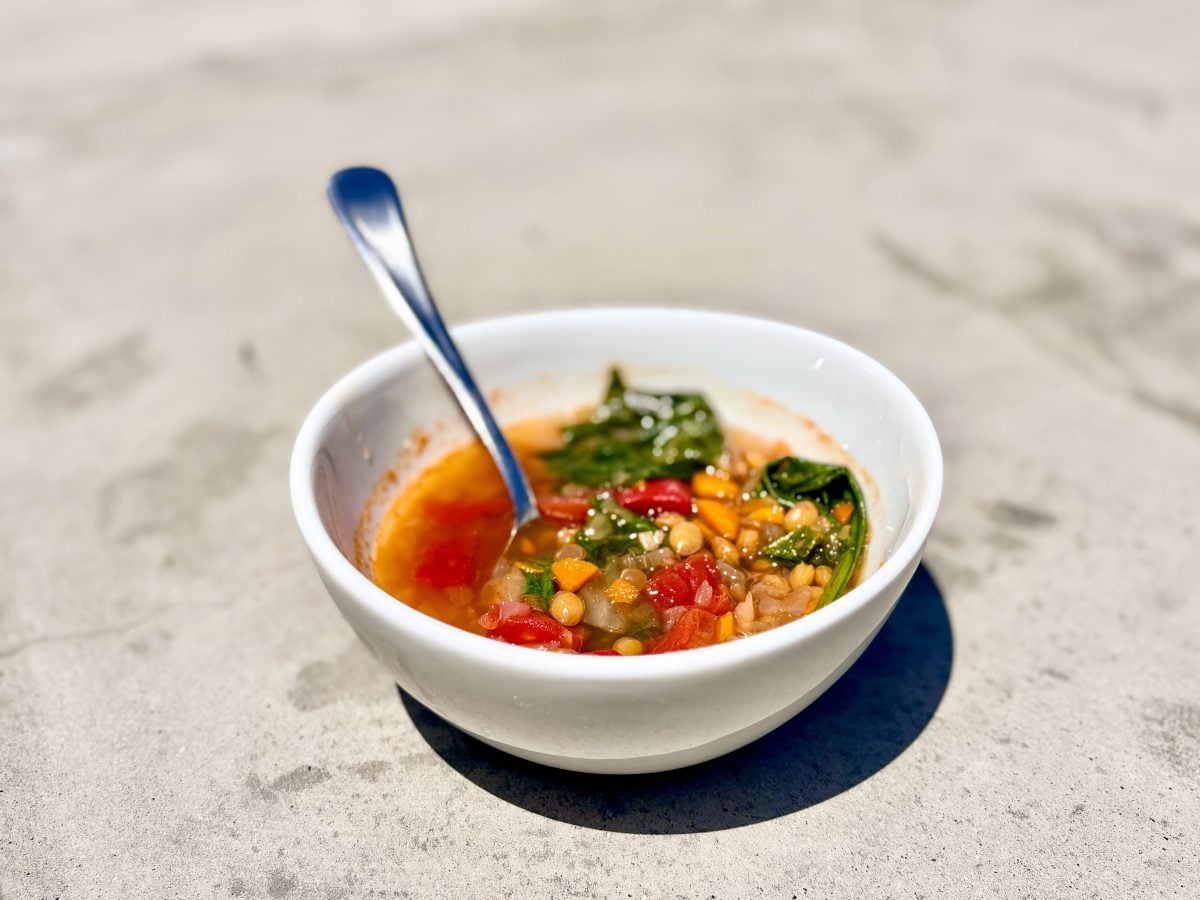
Lentils are the cheapest protein in the grocery store and they cook in 25 minutes without soaking, which makes this my favorite weeknight stew. Brown lentils hold their shape, while red ones dissolve into mush. Simmer them with carrots, celery, tomato, cumin, and smoked paprika. A squeeze of lemon right before serving wakes the whole pot up.
21) Beef and Butternut Squash Chili

This sits right on the line between chili and stew, and on a cold night I do not care which one it is. Ground beef, cubed butternut squash, black beans, and tomatoes simmer with chili powder and a pinch of cinnamon in the slow cooker for 6 hours. The squash goes soft and sweet against the heat of the spices. Top with sour cream and pepitas.
22) Ratatouille
Ratatouille is a summer dish that I make in October with the last of the eggplant and zucchini, and it doubles as a vegetarian stew. Cook the vegetables separately before combining them. It is the step most people skip, and it is why their ratatouille turns into a uniform mush. Serve it over polenta or with a fried egg on top.
23) Hearty Vegetable Stew
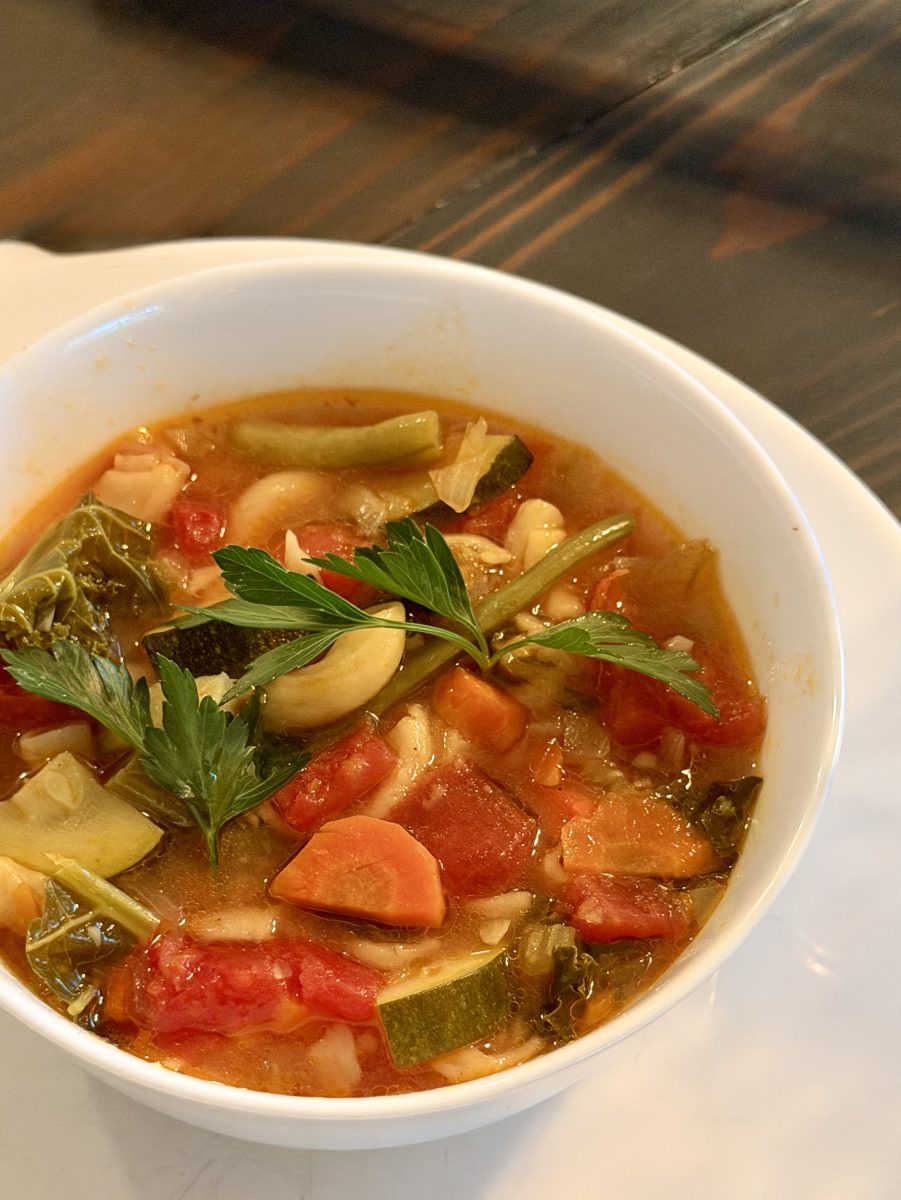
I make this at the end of the week with whatever is still in the crisper drawer, and it has never turned out the same way twice. Start with onion, carrot, and celery, then add potatoes, green beans, zucchini, canned tomatoes, and broth. Let it go for 40 minutes so the potatoes thicken the broth. A spoonful of pesto stirred into each bowl makes it taste like more effort than it was.
24) Moroccan Lamb Stew
Lamb shoulder, chickpeas, apricots, and warm spices like cumin, cinnamon, and ginger make a stew that tastes nothing like anything else here. I let it go for 2 hours at a low simmer until the lamb falls apart. The dried apricots plump up and sweeten the broth. Serve it over couscous with toasted almonds.
25) Chicken Curry over Yellow Rice
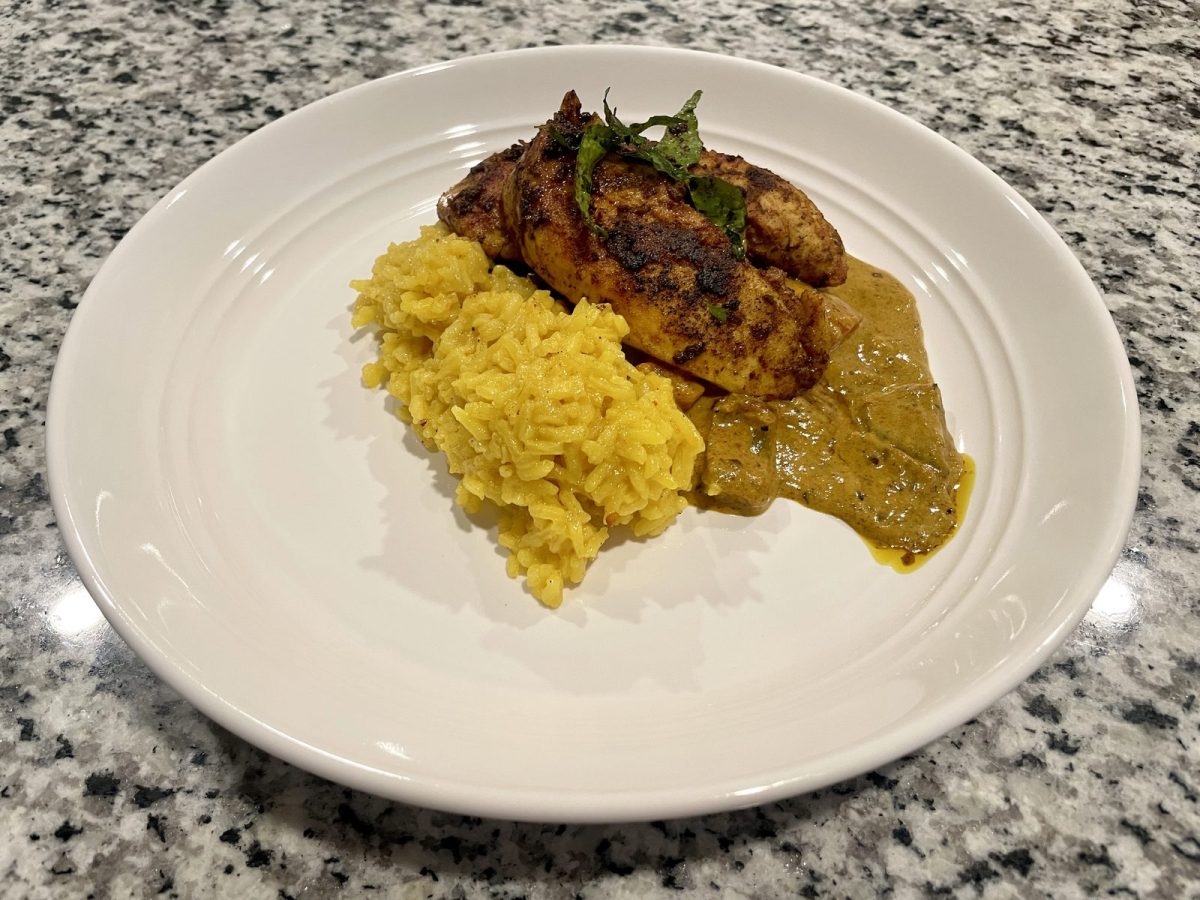
This is a mild, golden chicken curry that even the pickiest eater in my house will finish. Chicken thighs simmer in coconut milk with onion, garlic, ginger, turmeric, and a little curry powder until tender, about 30 minutes. Cook the rice with turmeric and a bay leaf so it turns yellow and fragrant. Leftovers pack beautifully for lunch.
26) Coq au Vin
Coq au vin is beef bourguignon’s chicken counterpart, braised in red wine with bacon, mushrooms, and pearl onions. Bone-in thighs are more forgiving than a whole cut-up chicken, and they stay juicy over 90 minutes of braising. Brown them skin-side down first until deeply golden. I serve it with crusty bread for the sauce, which is honestly the best part.
