
You know when it’s cold enough that salad isn’t dinner? This is one of those dinners (most of these, actually), and these are the sorts of meals that tend to end up on my table November through February. Bread is strongly recommended.
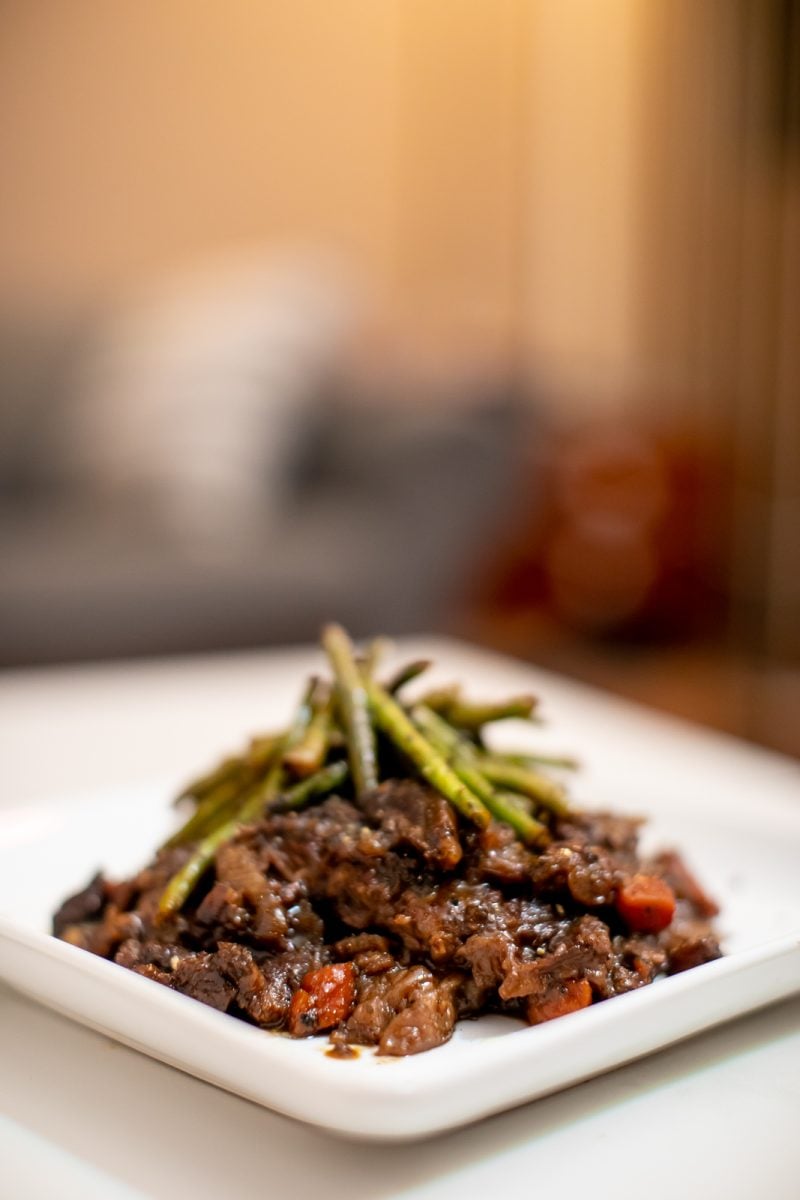
Pot roast is what I make when I want my house to smell like I have my shit together. I like to sear the chuck roast until it’s browned well on all sides (this step is often skipped, but it’s the difference between boiled beef and pot roast), then braise it low and slow (3 hours at 300°F/150°C) with onions, carrots, potatoes, and enough broth to come halfway up the meat.
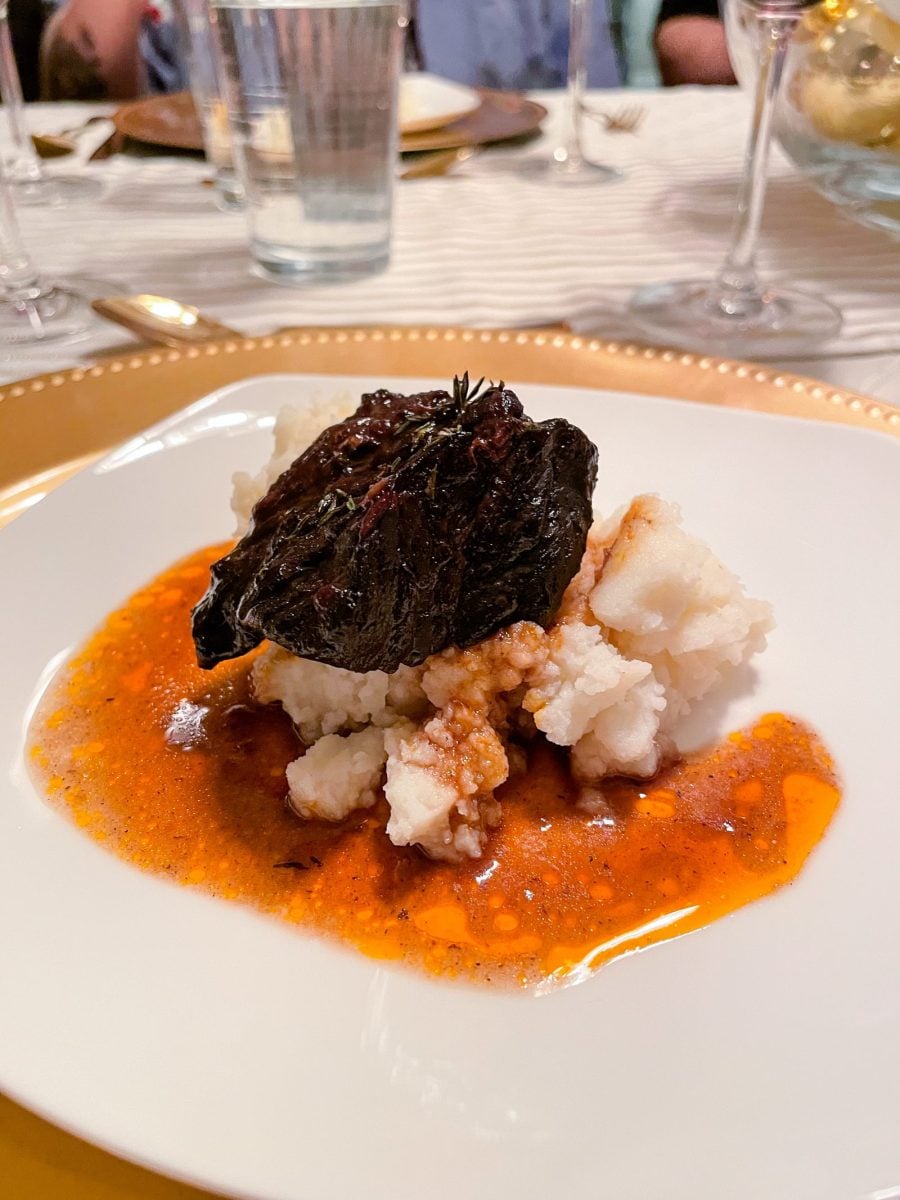
Chuck roast, red wine, mashed potatoes. That’s basically it. Braised low and slow until the meat practically dissolves between your fork tines, this is my favorite cold-weather meal. Make the braise the day before, reheat it before serving (and skim off the congealed fat that will float to the top), make the potatoes the night of, and you’ll be eating in under an hour. This soup is easy to make ahead and freeze, but I’m not sure freezing affects the texture of the bread and cheese in a good way.
Enter your email and we will send you the link to this article.
Free. Unsubscribe any time.
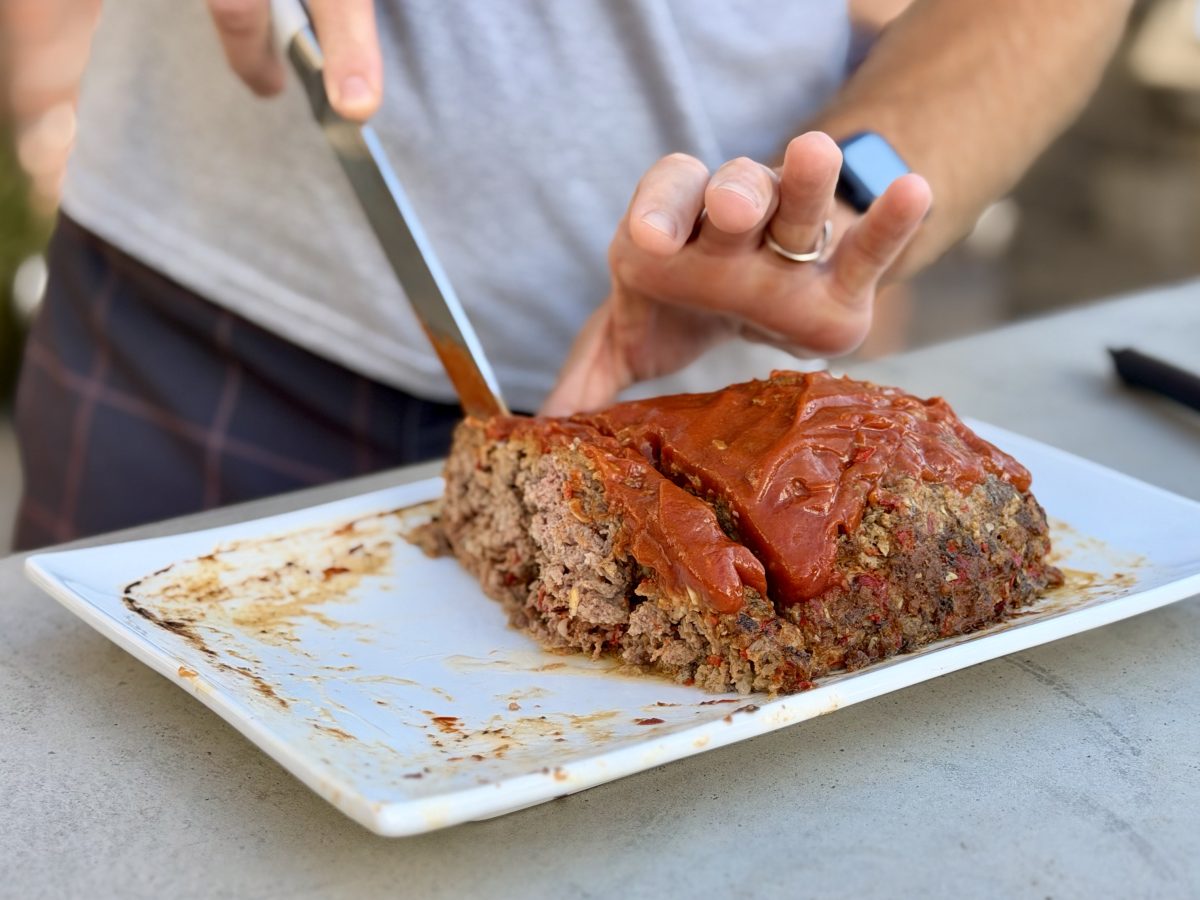
If you’ve never made meatloaf, you’re missing out on one of my favorite weeknight dinners. The key to a good meatloaf is a panade (bread or crackers soaked in milk) to keep it from drying out and becoming a meat brick. I prefer to shape mine into a loaf on a sheet pan rather than in a loaf pan so it gets browned all over. Glaze it with ketchup and brown sugar for the last 15 minutes of cooking. The next day, make a sandwich with it. It’s better than most sandwiches.
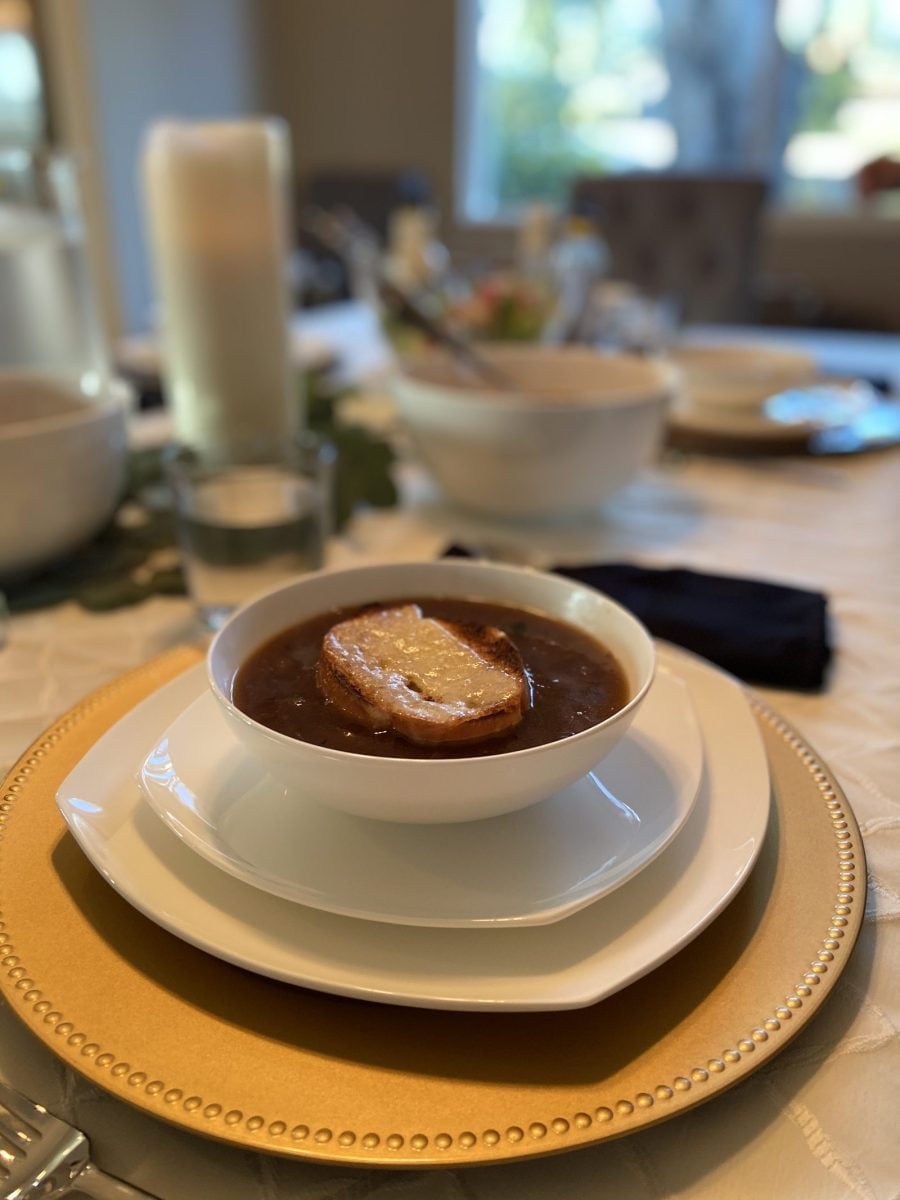
Caramelized onions take 45 minutes, not the 10 most recipes claim. Believe me, I don’t believe it either, but they do. Cook them low and slow with a little butter until they’re the color of strong tea, then add beef broth, a splash of sherry, and a little thyme. Ladle the soup into oven-safe bowls, top with sliced baguette and Gruyère, and broil until bubbly and browned.
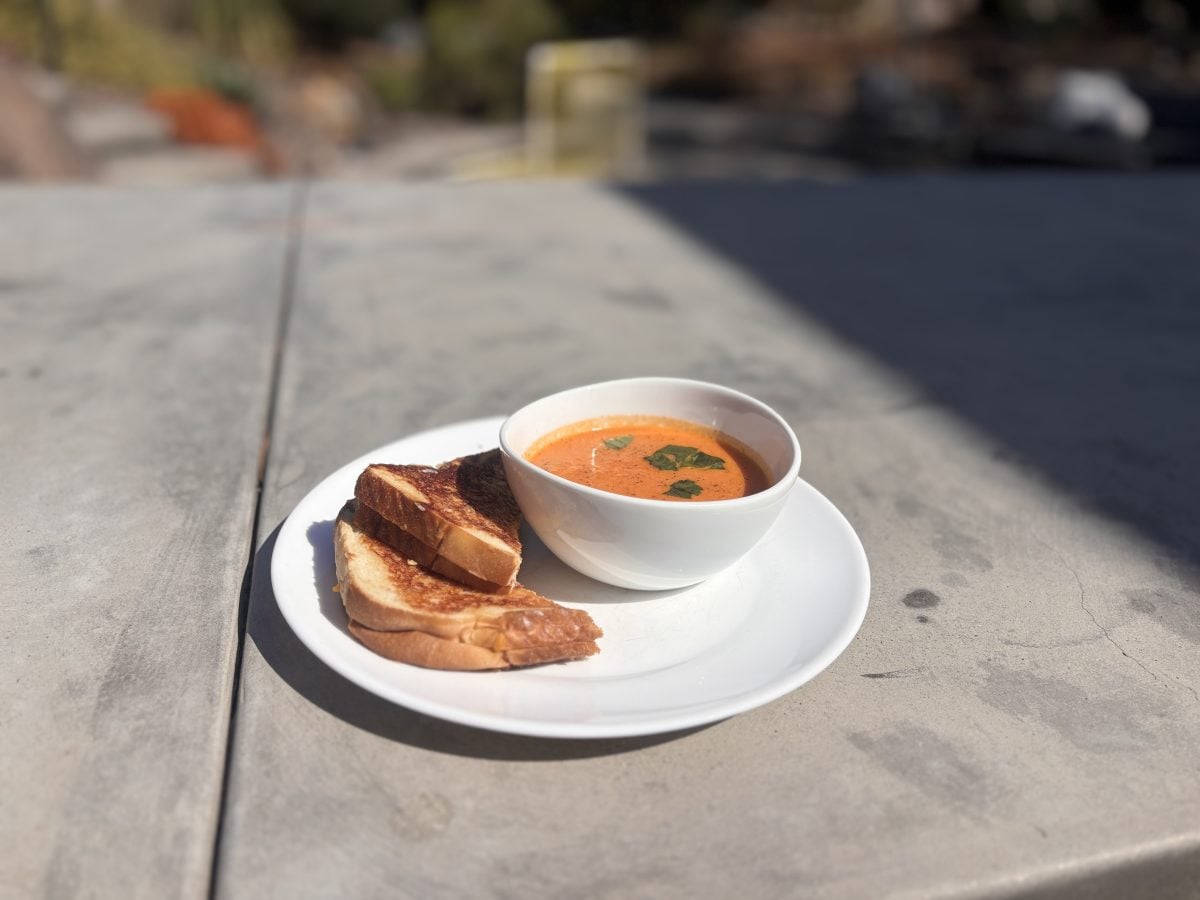
Somehow, tomatoes, garlic, onion, and cream tastes even better as soup than as sauce. This recipe comes together in 25 minutes using nothing but canned San Marzano tomatoes. For the grilled cheese: butter the bread, not the pan, and cook on medium-low heat so the cheese melts before the bread burns.
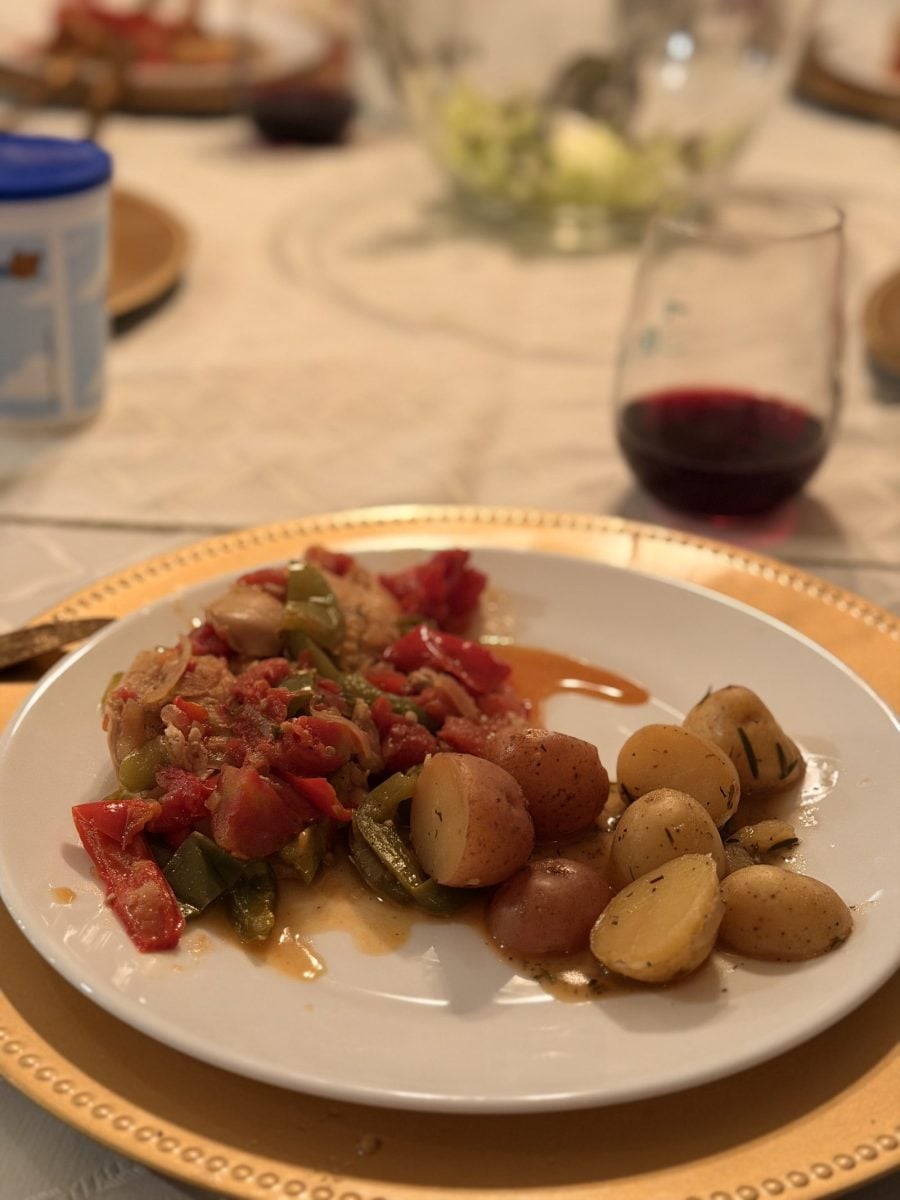
I like to use bone-in chicken thighs for this recipe, braised low and slow until fall-apart tender in a mixture of peppers, onions, tomatoes, and a splash of red wine. Total cooking time: about an hour. I like to serve these with pan sauce of some kind (mine typically includes white wine, garlic, and a lot of butter) and a salad or simple side of roasted or steamed vegetables.
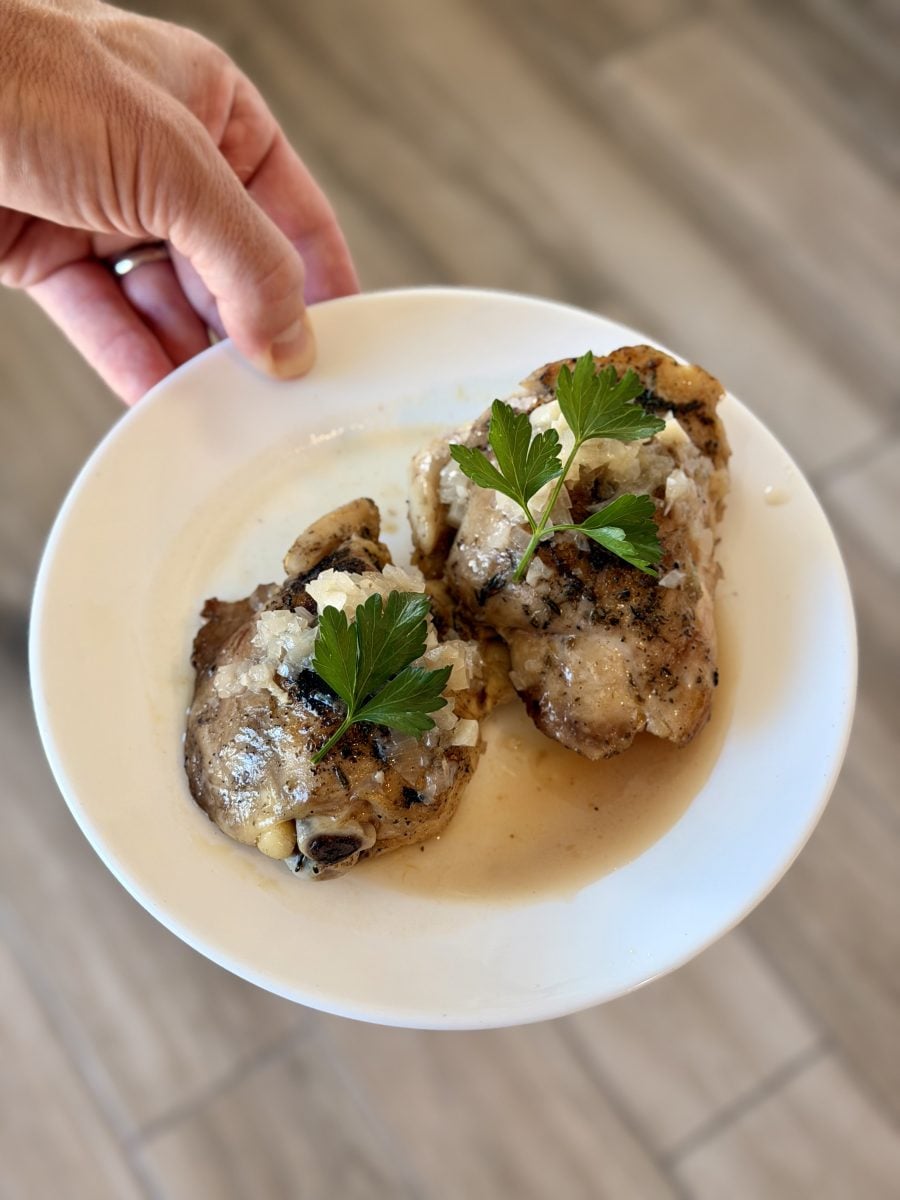
I serve mine over rice or mashed potatoes, but if you’re like me, you’ll probably just eat the saucy peppers and onions. Chicken seared in a skillet until browned and crisp, served with a simple mushroom gravy made from the pan drippings. (Don’t skip browning the mushrooms! Deglaze the pan with some chicken broth, and whisk in a little flour and cream until the gravy coats the back of a spoon.) It’s Sunday dinner with none of the fuss.
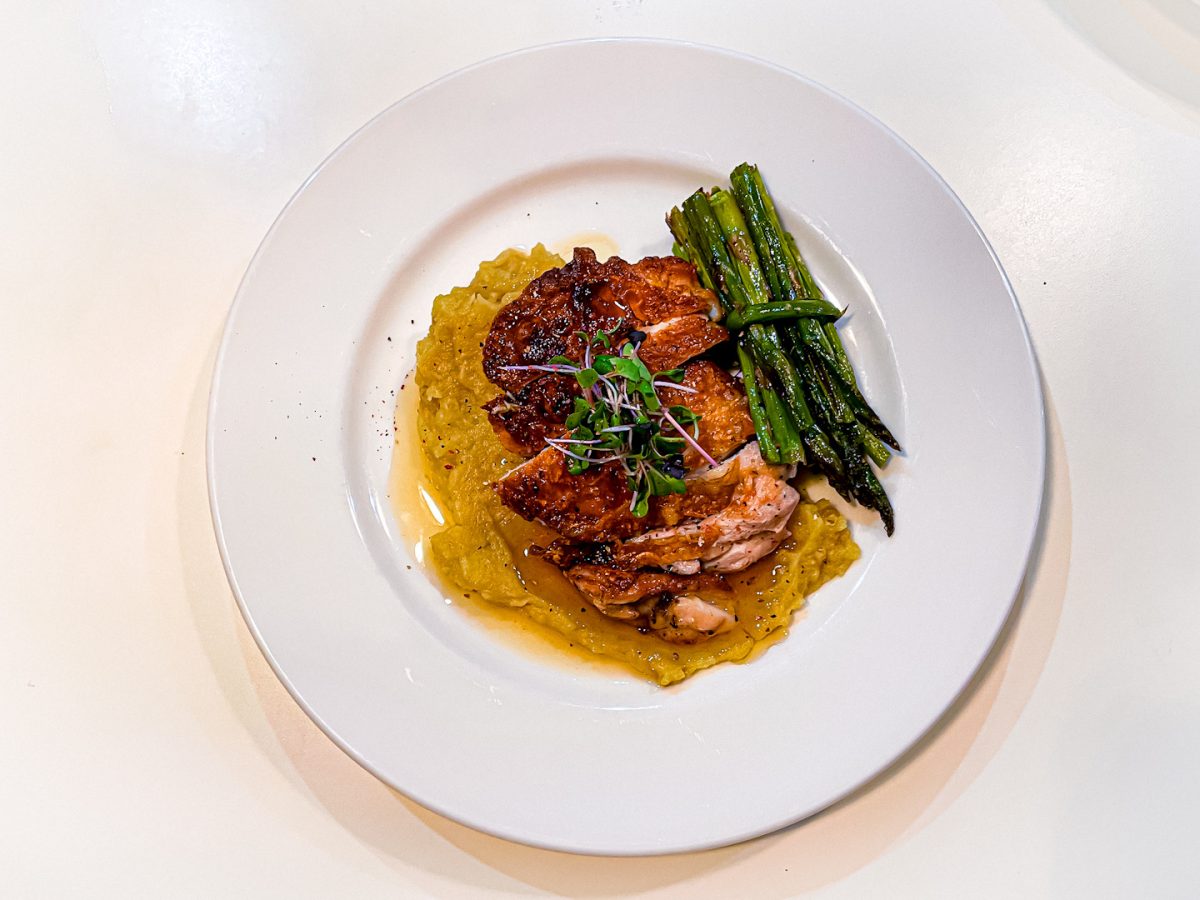
Cooked properly, the skin should be browned and crisp and practically shatter when you bite into it. To do this, place the thighs skin-side down in a cold pan and cook low and slow until the skin releases from the pan on its own (about 12 minutes). Then flip and cook for a few more minutes until the chicken is cooked through.
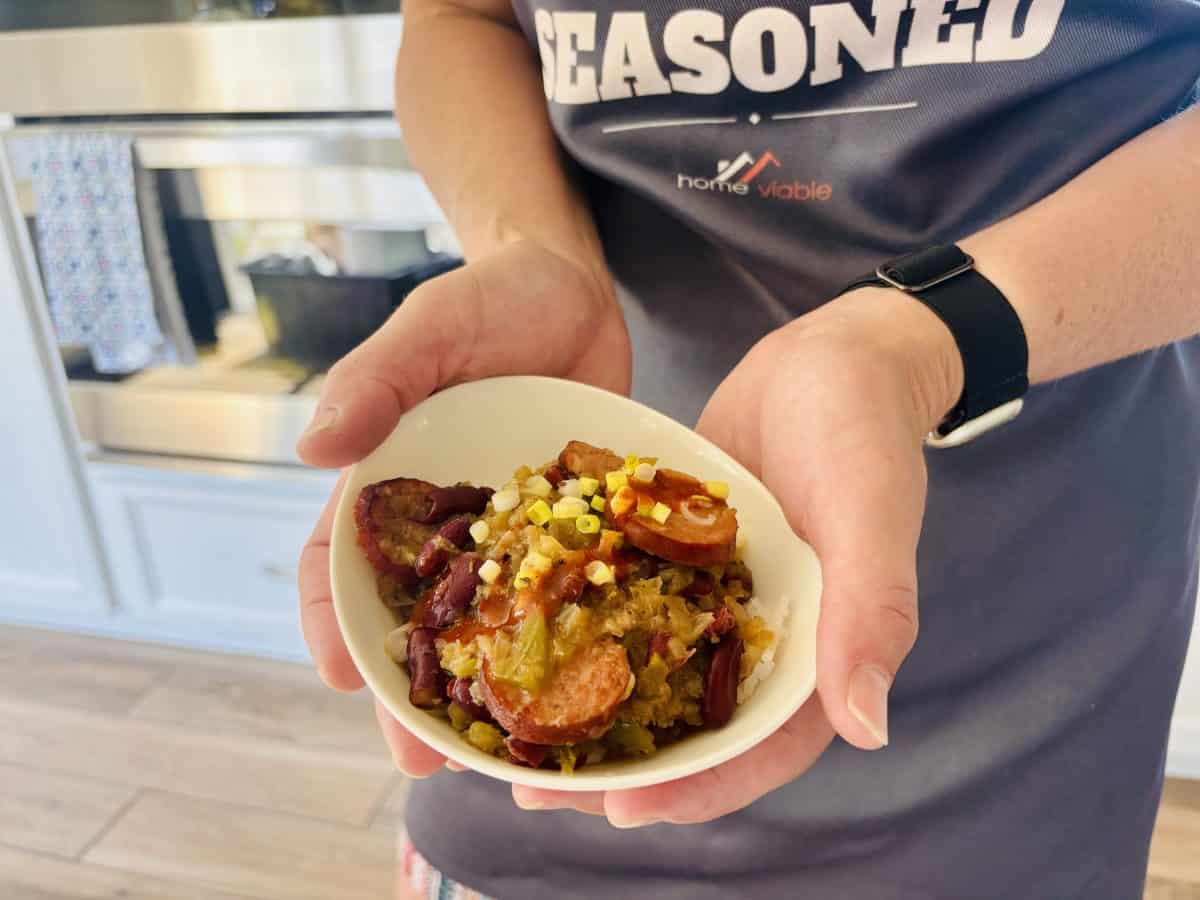
Effort level: about five minutes. In New Orleans, red beans and rice is traditionally a Monday meal: the dried beans simmer for hours with the Sunday ham bone. Simmer dried red kidney beans on low for about 2.5 hours with andouille sausage, onion, celery, and bell pepper. Stir in Cajun seasoning and simmer until most of the beans are tender and some have broken down. Serves 6 for well under $15.
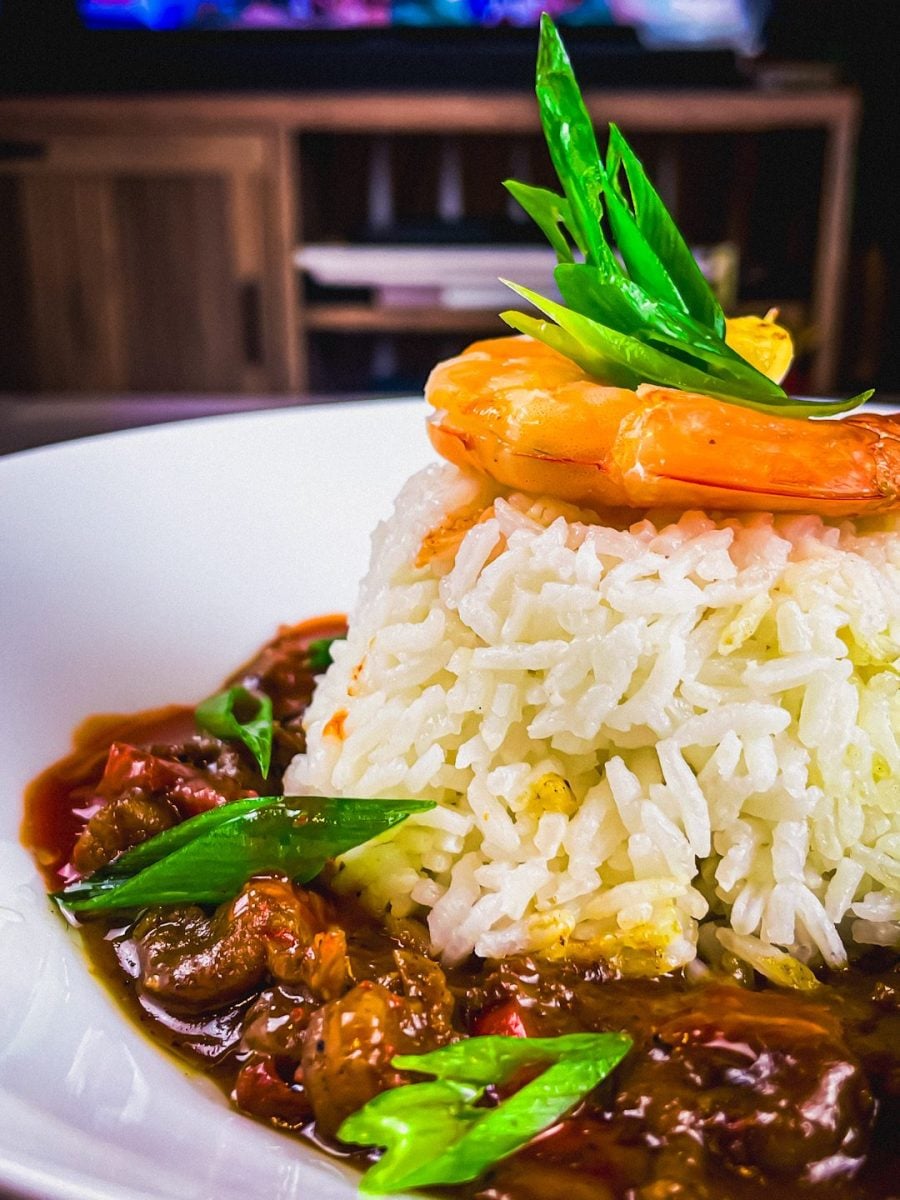
The key is cooking the roux (fat and flour) until it is the color of peanut butter, and this will take a few minutes over medium heat, stirring the whole time. If you burn it, the etouffee will taste bitter and there’s nothing you can do. (I learned the hard way, and the expensive way.) Add the shrimp during the last five minutes of cooking so they stay tender.
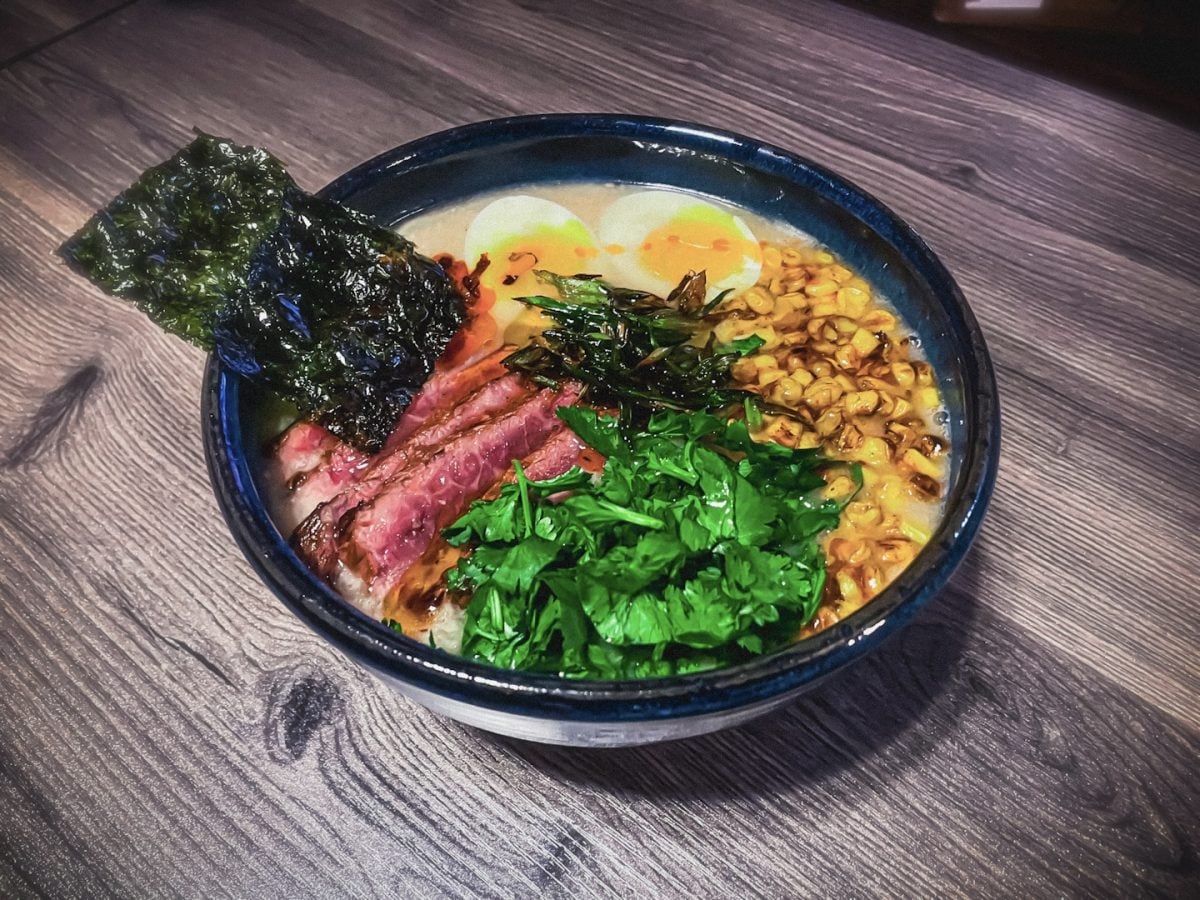
This is one of those meals that seems too good to be a weeknight meal. The real tonkutsu ramen broth is made by simmering pork bones for 12 hours. I don’t pretend that I’m making tonkutsu broth when I make mine, and I am just doctoring a good store-bought broth with garlic, ginger, soy sauce, and a spoonful of miso. But the toppings are legit: crispy pan-fried pork belly, jammy eggs (boiled for exactly 6.5 minutes), sliced scallions, and noodles. It is one of the best values in the meat aisle, as it will feed four for about $12, and it’s so easy to cook.
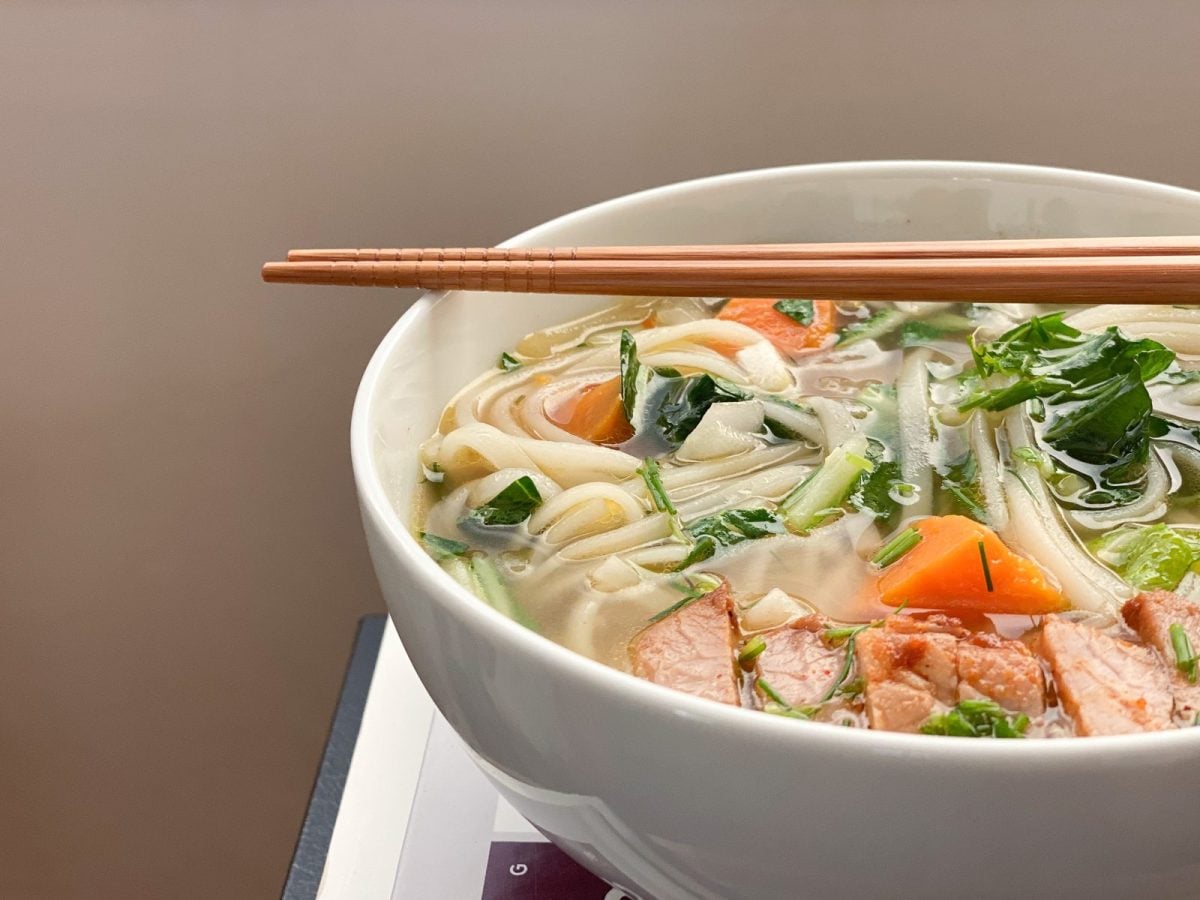
This recipe is basically beef pho: beef broth, charred onion and garlic (charred onion and garlic is essential — without it, you’ll have a nice beef soup, but it won’t be pho), and beef sirloin sliced thin enough to cook in the broth. You can also toast spices — star anise, cinnamon, cloves — in a dry pan before adding them to the broth for an even more pho-like flavor. Simmer everything together for at least 45 minutes, then ladle into bowls and top with the beef.
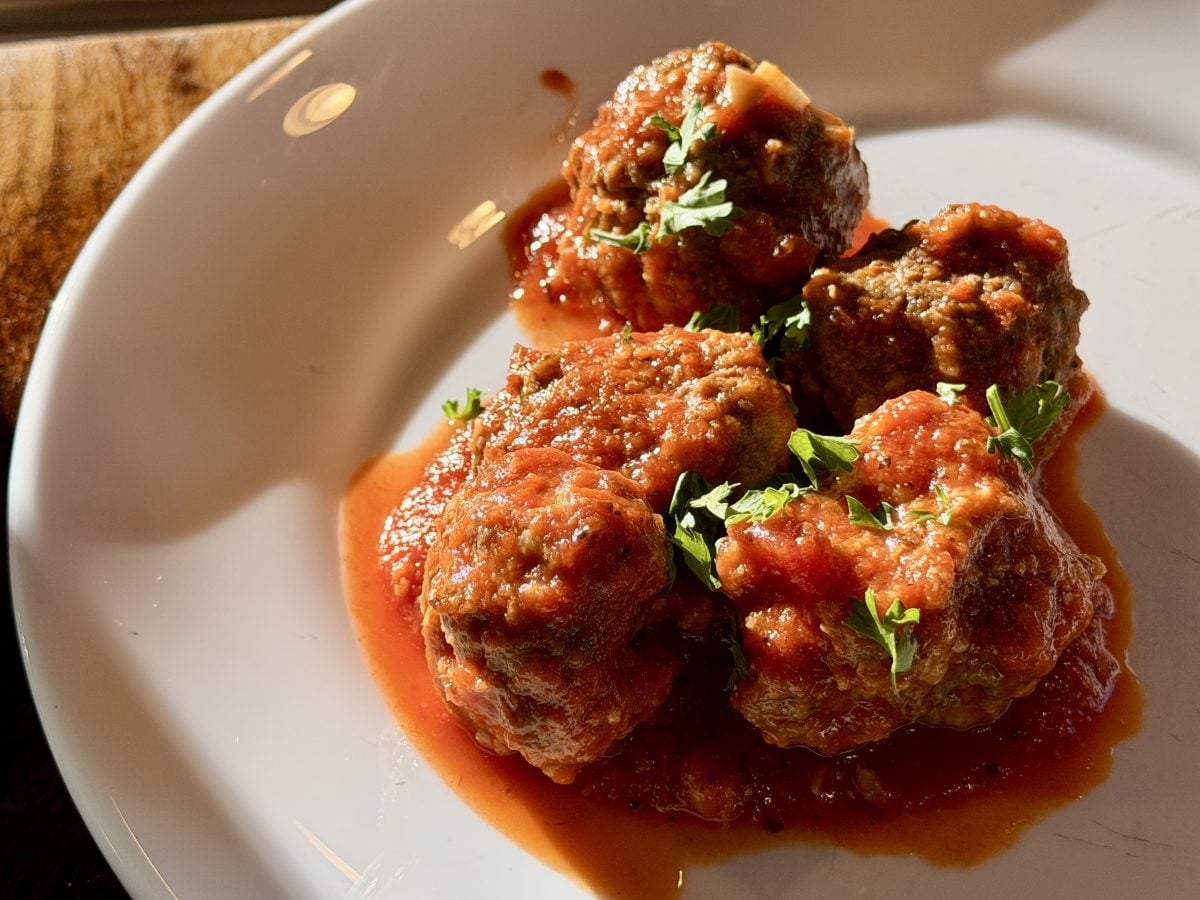
Baked meatballs. I mix ground beef and ground pork with a panade (bread crumbs soaked in milk), grated Parmesan, garlic, and parsley, then roll into balls a bit larger than golf balls and bake at 400°F (200°C) for 18 minutes. After that, they simmer in a pot of marinara for another 20 minutes to absorb all of the sauce’s flavor. I like these on pasta, but they’re also great in a toasted sandwich with provolone cheese.
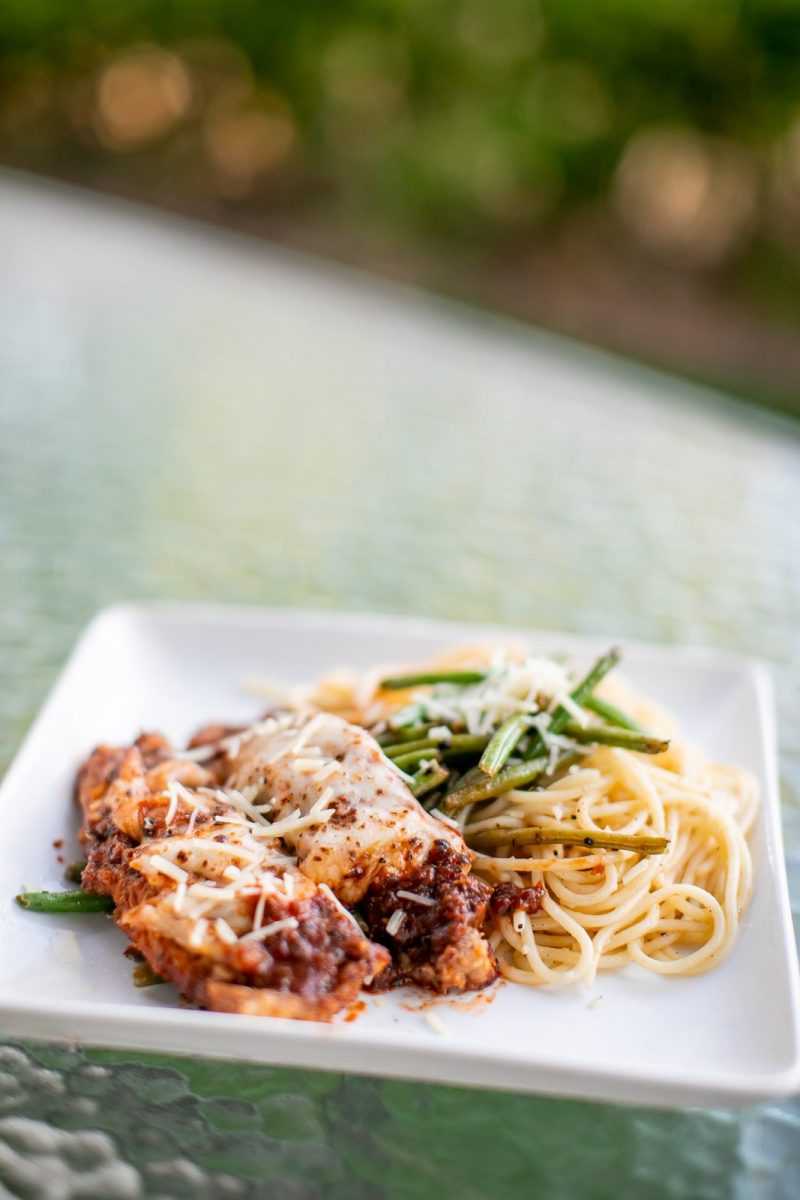
Breaded, pan-fried cutlets of chicken breast or thigh, topped with marinara and mozzarella and broiled until bubbly and golden. (You can make this with veal cutlets if you want to go all-in; pound them out to 1/4 inch thickness so they’ll cook through.) Serve over spaghetti with a little extra sauce.
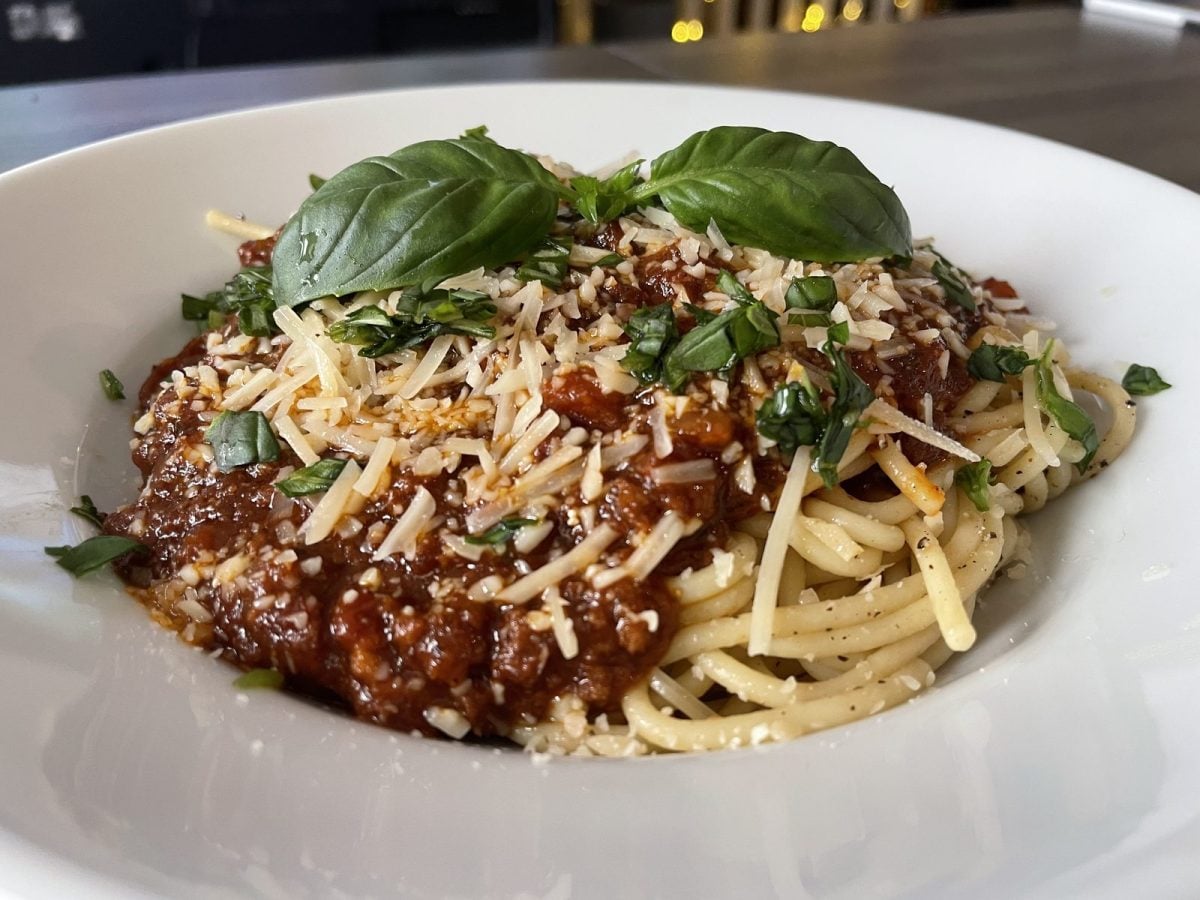
If you think of bolognese as basically the sauce in that jar, think again. There’s very little tomato in bolognese. Instead, the flavor comes from browning the ground beef and pork, adding milk and simmering until it evaporates, and then adding red wine and simmering until most of it evaporates, and finally adding tomato paste and crushed tomatoes. At that point, it needs to simmer, gently, for at least another hour (two is better). I make a double batch and freeze half for another rainy day.
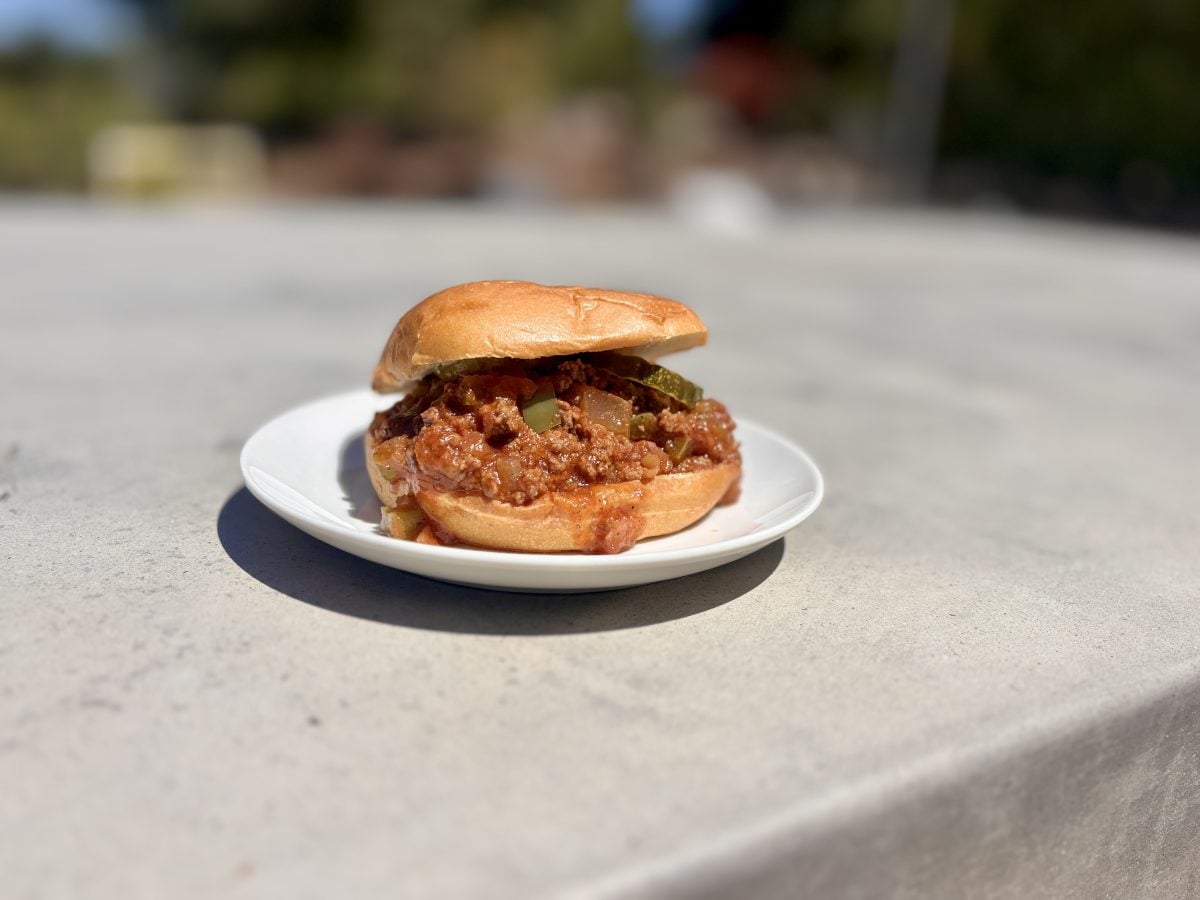
Sloppy joes. These are better than they have a right to be and I stand by that. I cook 1 pound of ground beef with diced onion and bell pepper, then add ketchup, Worcestershire, mustard, and a little brown sugar, and simmer for 15 minutes until the sauce is thickened. I like to toast the buns (yes, that makes all the difference, and soggy buns are sloppy joe’s kryptonite).
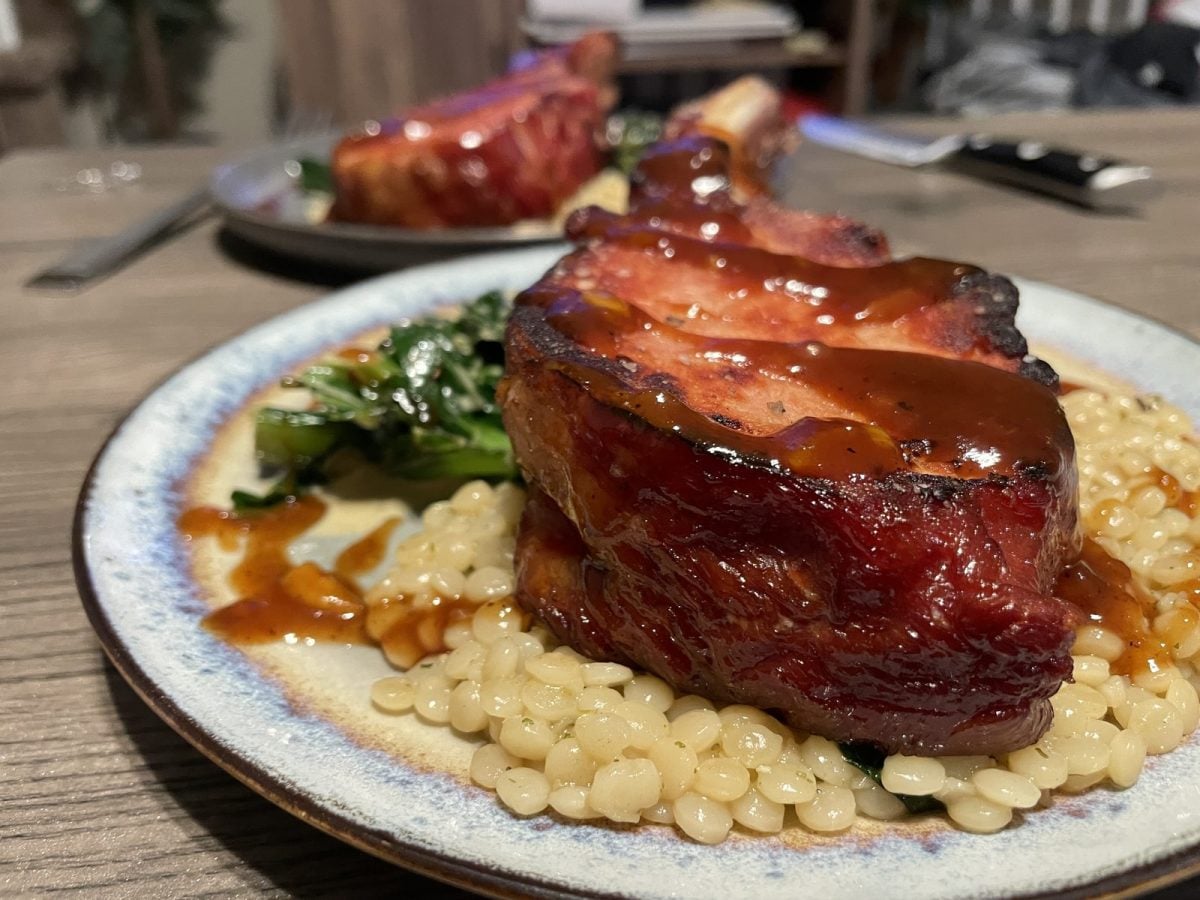
Pork chops, especially the thicker, bone-in chops (which are usually cheaper per pound than boneless cuts) benefit from a two-step cooking method: brown them in a hot skillet (cast iron is best), then transfer to a 400°F (200°C) oven until they reach 140°F (60°C) in the center. During the last few minutes, brush them with a glaze of maple syrup, Dijon mustard, and cider vinegar. Let them rest for 5 minutes (their temperature will continue to rise) before slicing and serving.
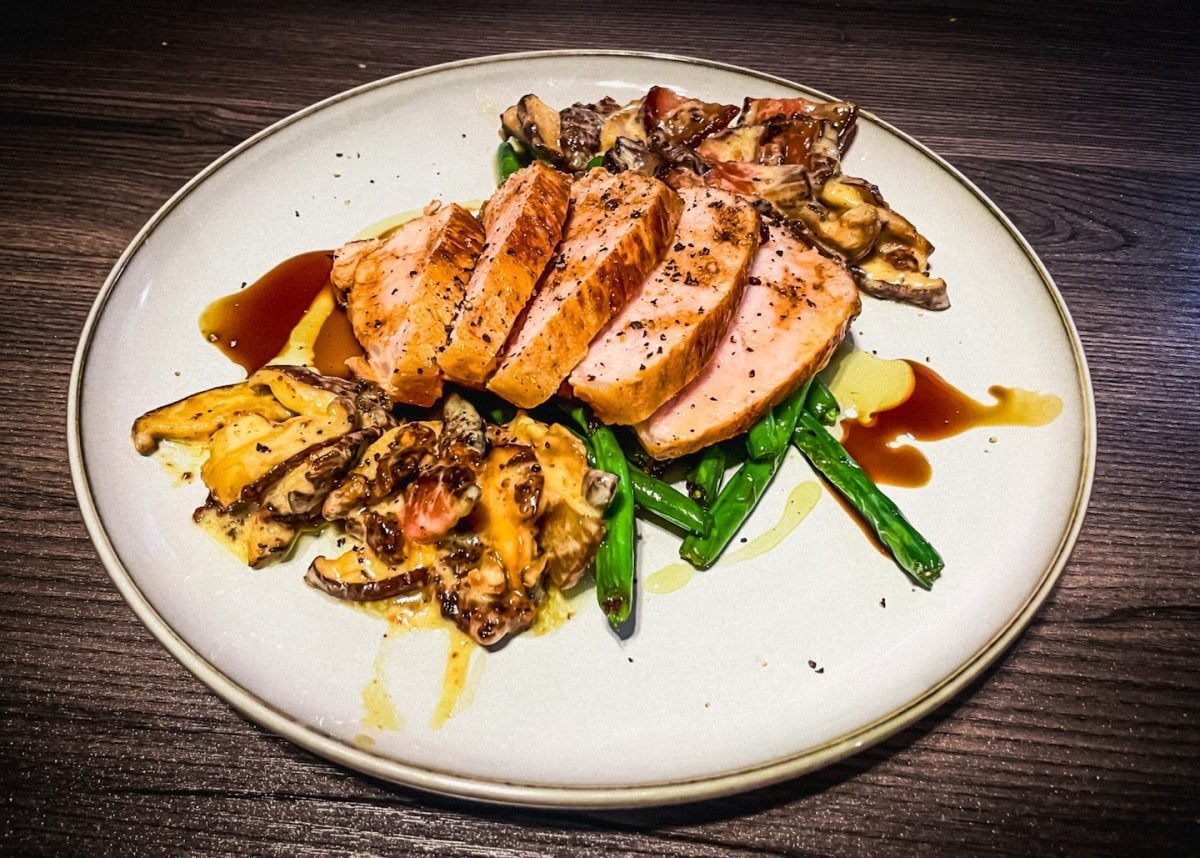
Pork tenderloin is criminally underrated. I pan-sear the tenderloin and then roast it until it reaches 145°F (63°C) in the center. While the tenderloin rests, I deglaze the pan with broth, add cream and sliced mushrooms, and simmer until the sauce is thickened. Then I slice the tenderloin into medallions and serve with the sauce. It looks like a restaurant plate and costs about $12 for 4 people.
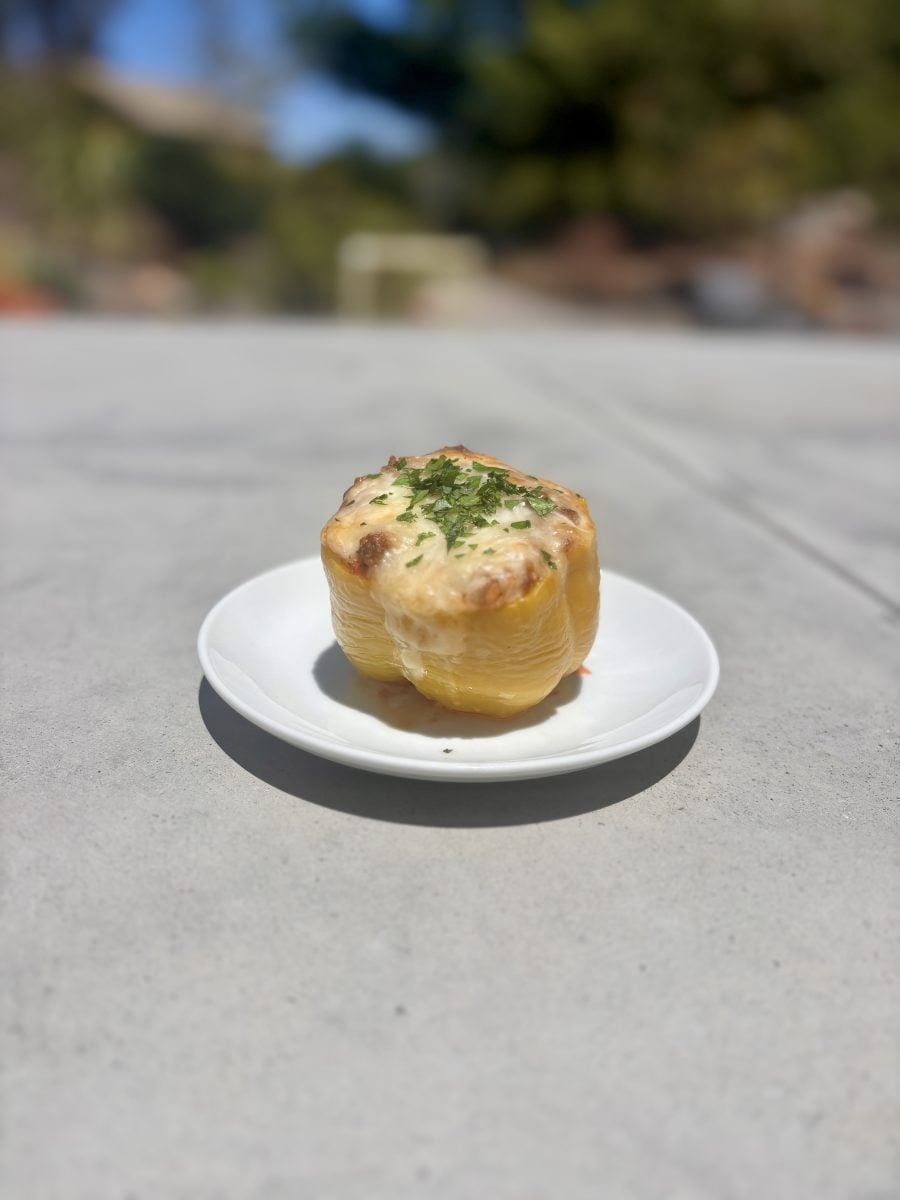
Stuffed peppers. I roast the peppers for 10 minutes before stuffing them with ground beef, rice, tomato sauce, and grated cheese (otherwise they’re not as cooked through as I like them to be). Then I bake them at 375°F (190°C) for another 25 minutes. Stuffed peppers look more impressive than they are, and they’re great reheated for lunch the next day. (Otherwise they’ll turn to mush when you reheat the soup.)
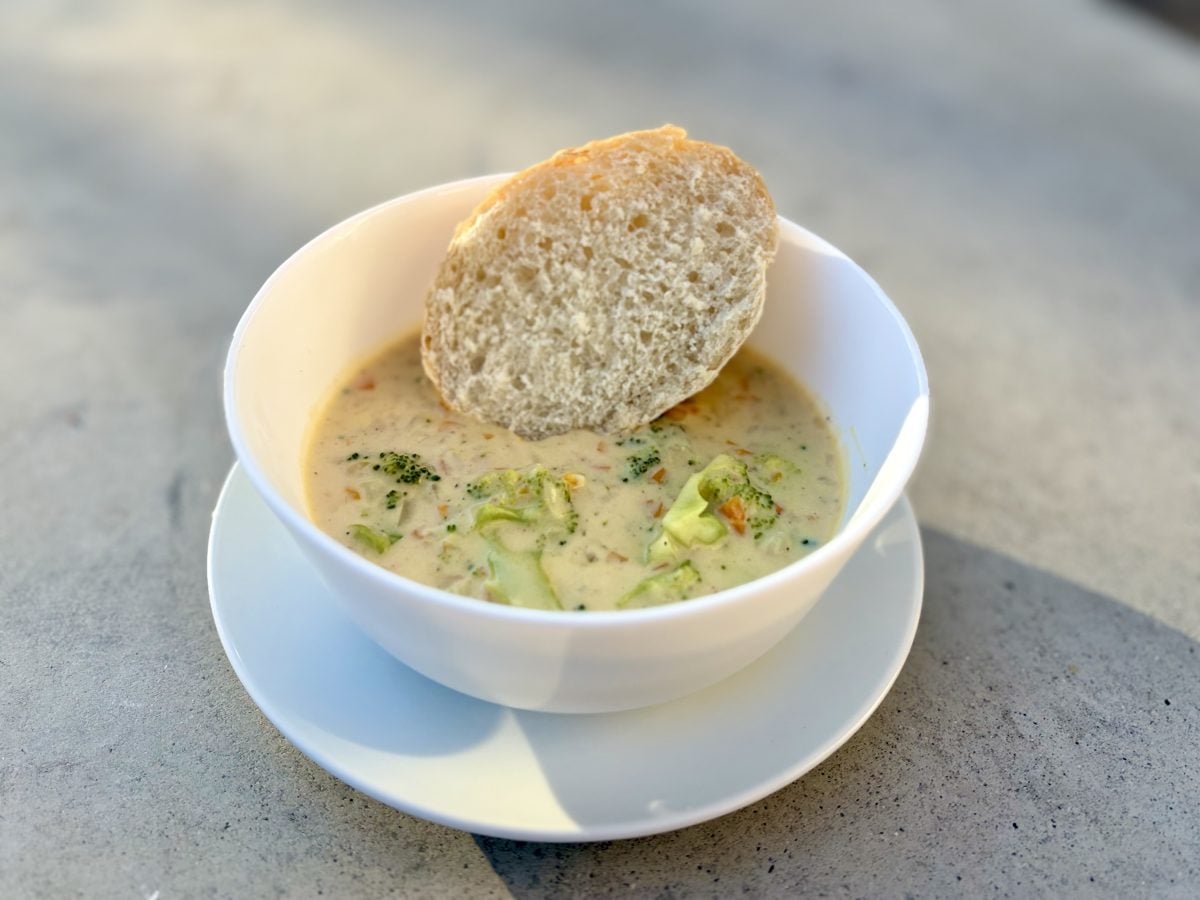
This is my go-to soup when someone’s feeling under the weather (or when no one’s feeling under the weather). Sauté diced onion and carrot in butter, whisk in flour, then cook until golden. Whisk in chicken stock and whole milk, then add broccoli florets and cook until tender. Remove from heat and stir in grated sharp cheddar cheese until melted. (Do not add the cheese while the soup is still boiling or it will seize up and turn grainy, which is the cardinal sin of broccoli cheese soup.)
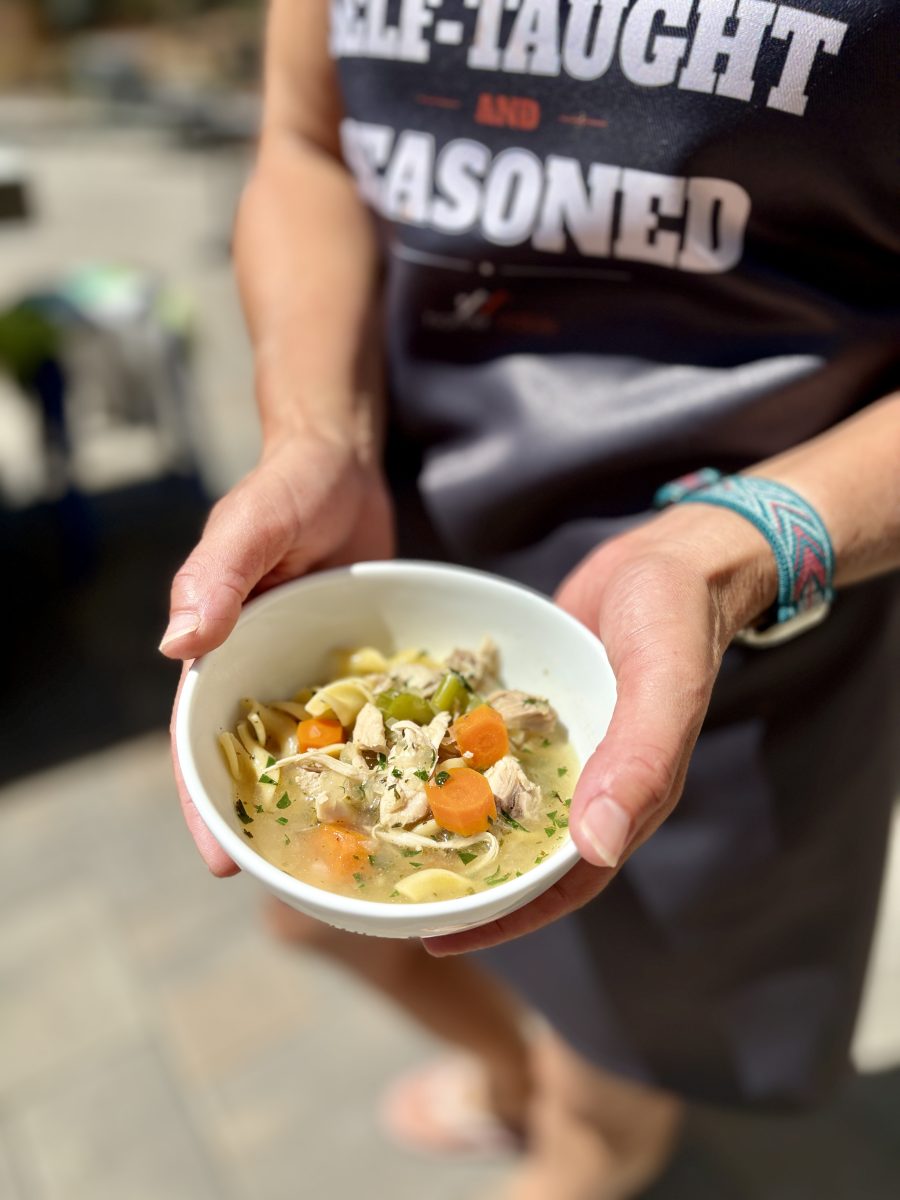
I use bone-in chicken thighs and simmer them along with onion, carrot, celery, and bay leaves for 40 minutes. Then I shred the chicken and return it to the pot and finish the soup with fresh dill and a squeeze of lemon juice. I cook the noodles separately and add them to the soup at serving time. It freezes well, by the way (sans noodles).
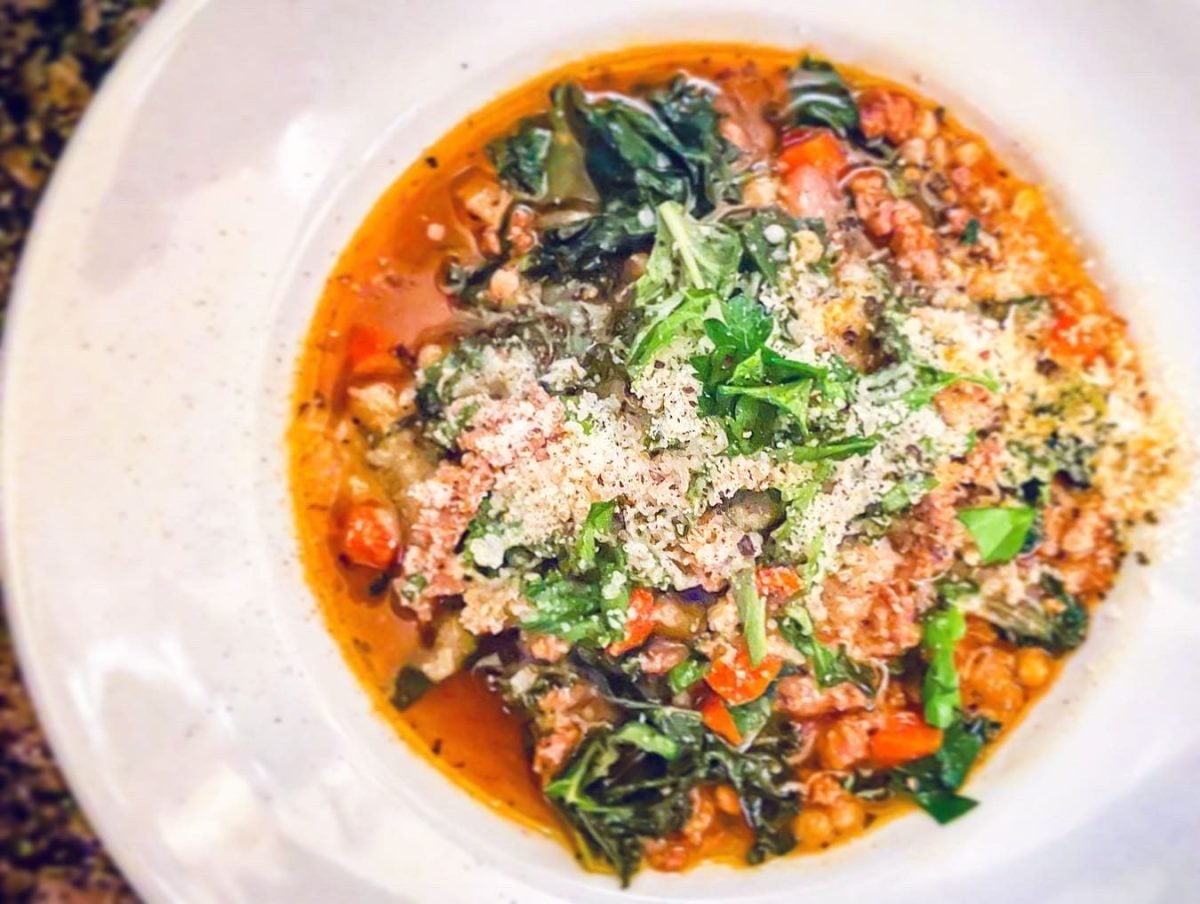
I brown Italian sausage until deeply browned and crispy, add diced potatoes, broth, kale, and cream, and simmer until the potatoes are tender. I add the kale at the very end so it’s wilted but still vibrant green. Serve with crusty bread and dinner’s taken care of.
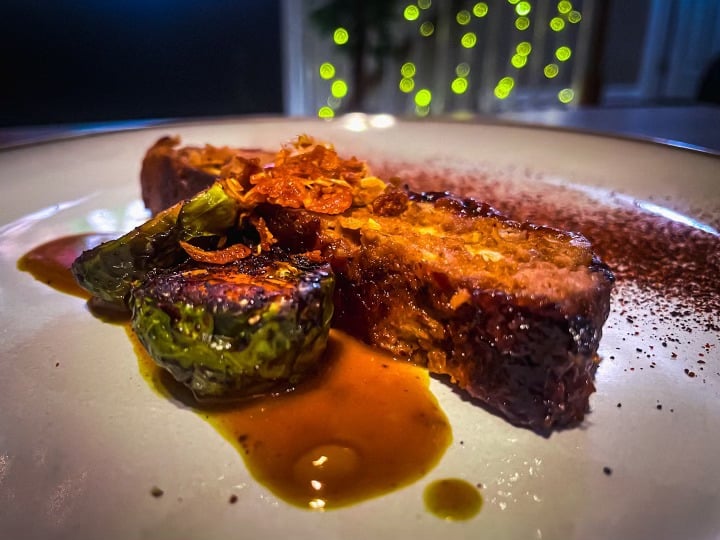
Short ribs are the ultimate cold weather braise, and the epitome of Sunday cooking (make it on Saturday; it’s better on Sunday). Brown the ribs, braise them in beef broth and red wine at 325°F (165°C) for 3 hours (until they slide off the bone with ease). Serve with roasted brussels sprouts (to offset all that richness).
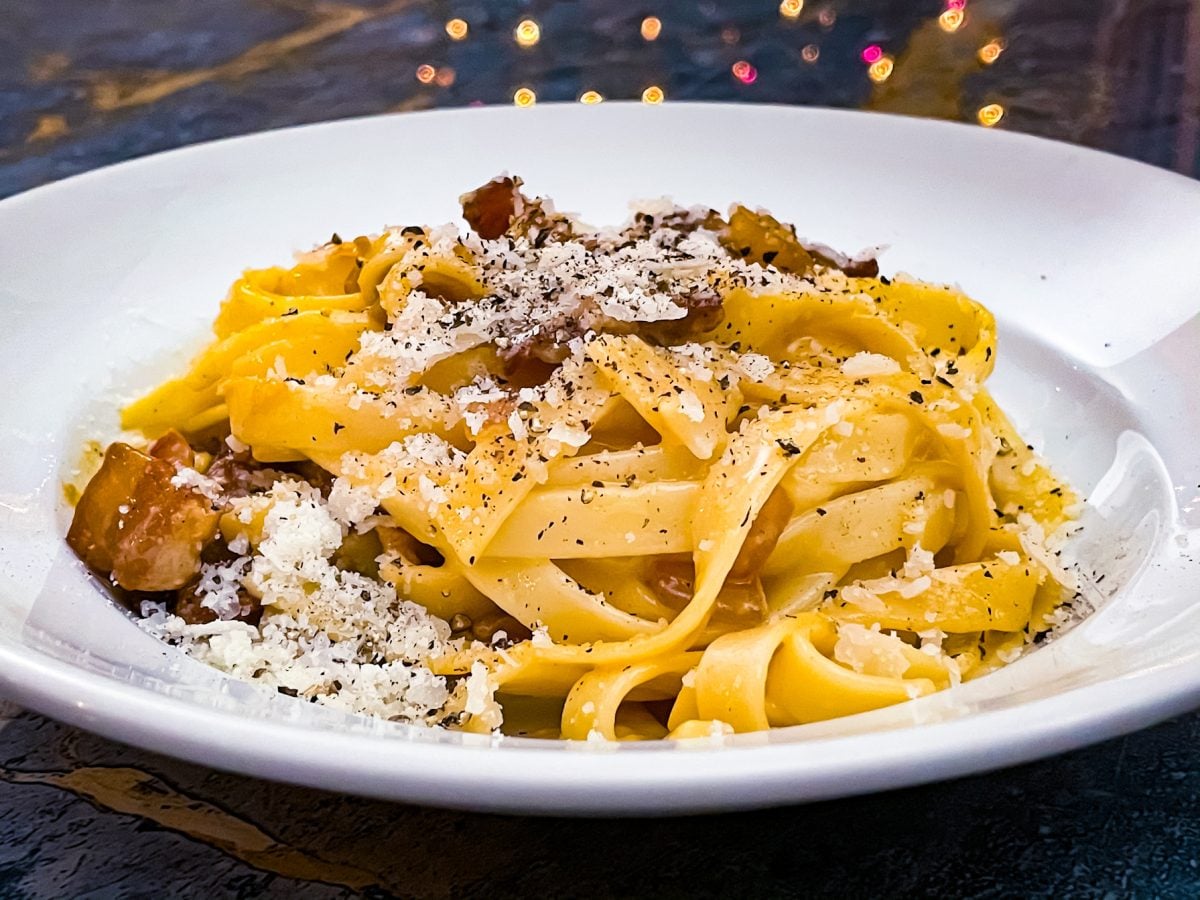
Total time: 30 minutes. It’s elegant and impressive and takes 25 minutes. Carbonara requires only five ingredients, but the technique is tricky: You’re adding the egg-Pecorino Romano cheese mixture to the hot pasta, along with crispy pancetta and a splash of starchy pasta water, and stirring fast. Do it too slowly or with too-hot pasta and you’ll end up with scrambled eggs. (I’ve done it more than once.) The whole thing takes 20 minutes.
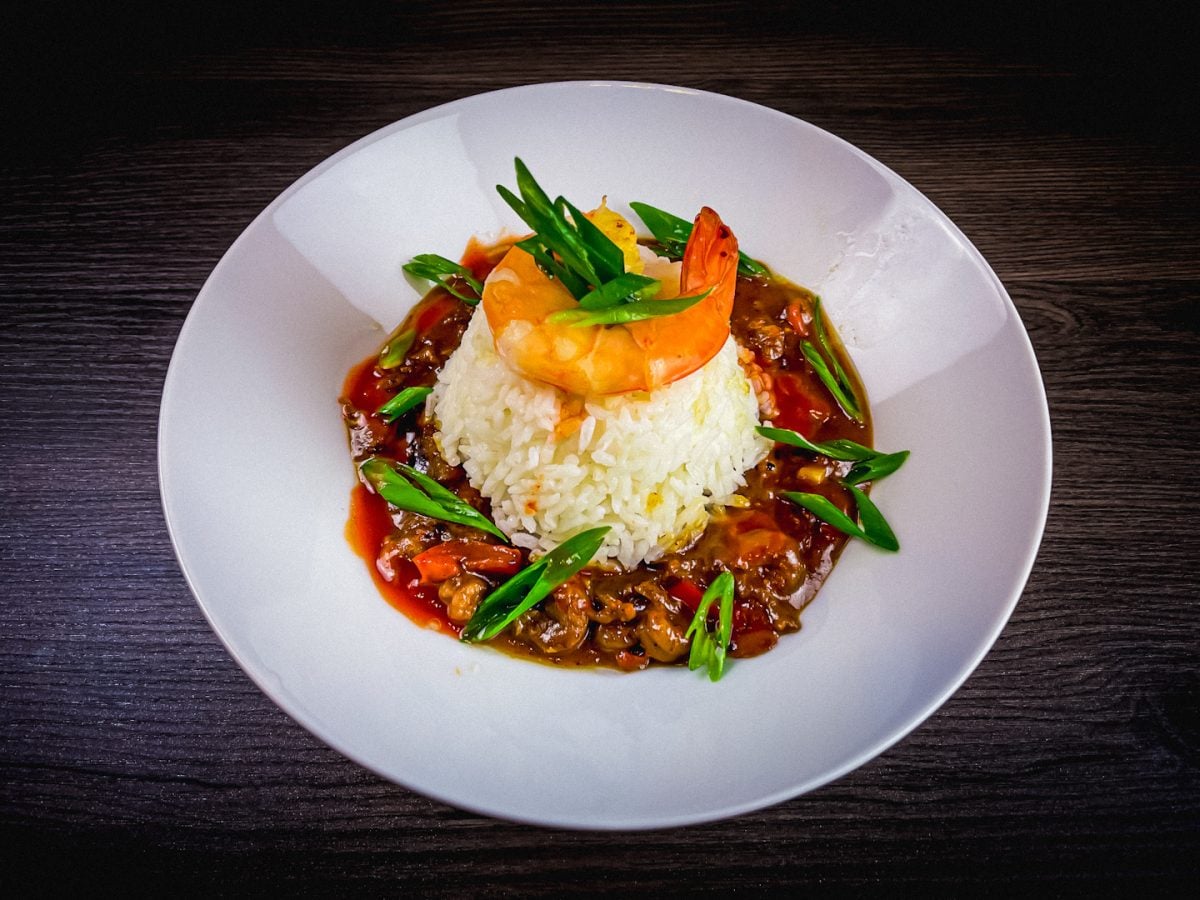
This classic Creole dish of stewed shrimp and vegetables might seem fussy, but it’s actually quite simple. Serve over white rice. Creole is like etouffee’s spicier, faster, tomato-forward sister dish. Cook onion, celery, and bell pepper, add garlic, Creole seasoning, and canned tomatoes, and simmer for 20 minutes. Add shrimp and cook for 3 minutes. Serve over rice with hot sauce on the side.
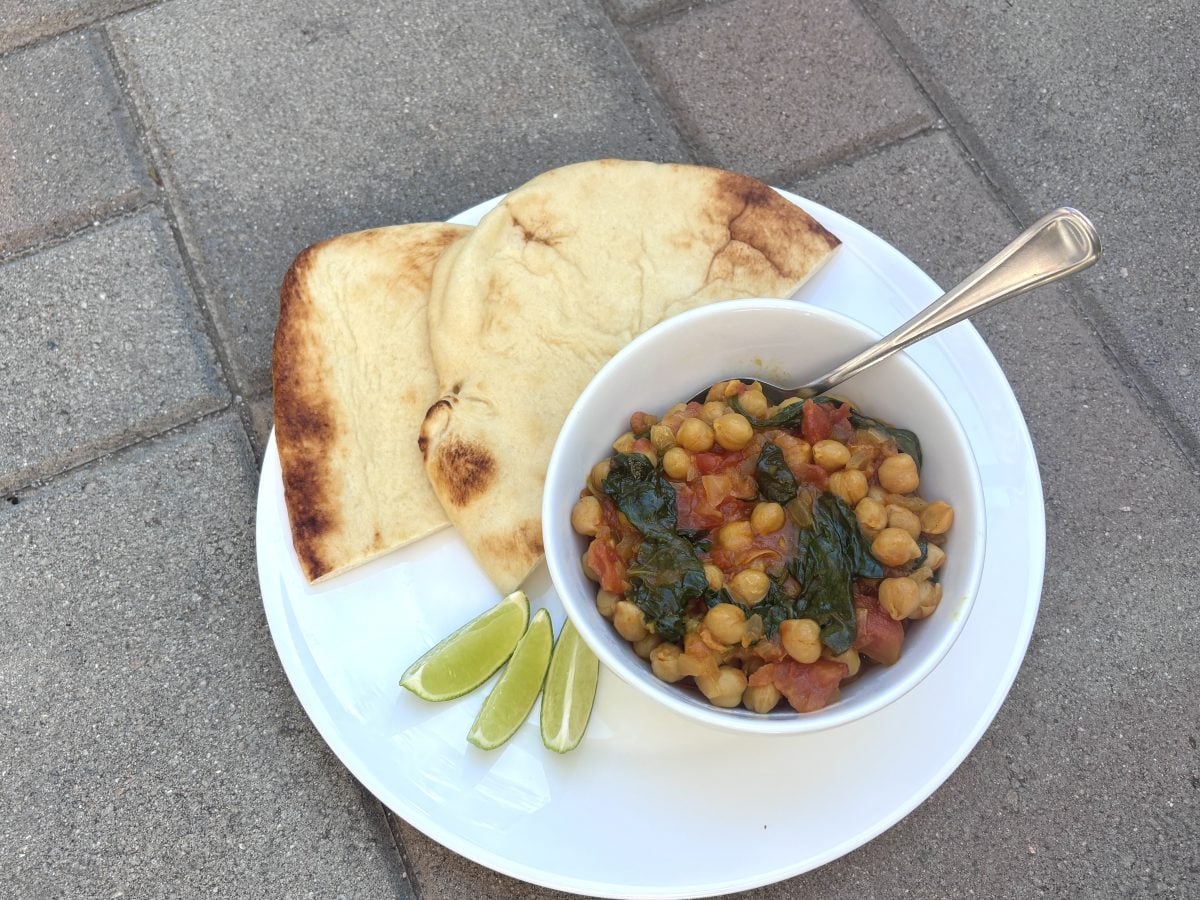
When it’s too cold to go to the grocery store, I make a coconut chickpea curry with whatever I have in the pantry: onion, garlic, ginger, canned tomatoes, coconut milk, curry powder, and two cans of chickpeas. I cook the curry powder in the oil for a full minute to bloom before adding any wet ingredients, and this is the difference between a curry that tastes like curry powder and a curry that tastes like curry.
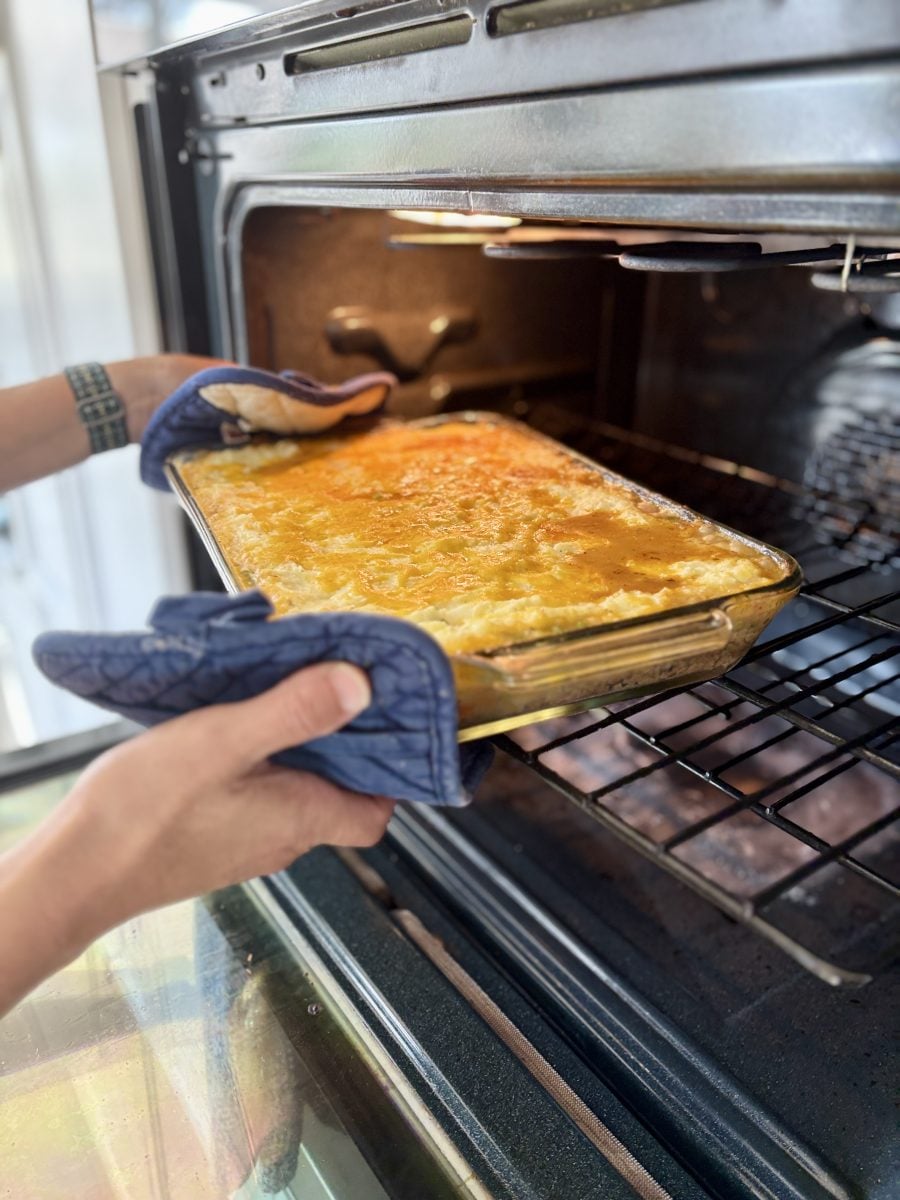
On dark winter weeknights I often make shepherd’s pie because it’s a whole dinner in one dish. Cook up some ground lamb or beef with onion, carrots, peas, tomato paste, and Worcestershire sauce until the sauce has thickened and you can stand a spoon in it. Pile mashed potatoes on top, make some divots with a fork so they’ll brown, then bake at 400°F (200°C) for 25 minutes. Let shepherd’s pie rest for at least 10 minutes before serving or it’ll collapse.
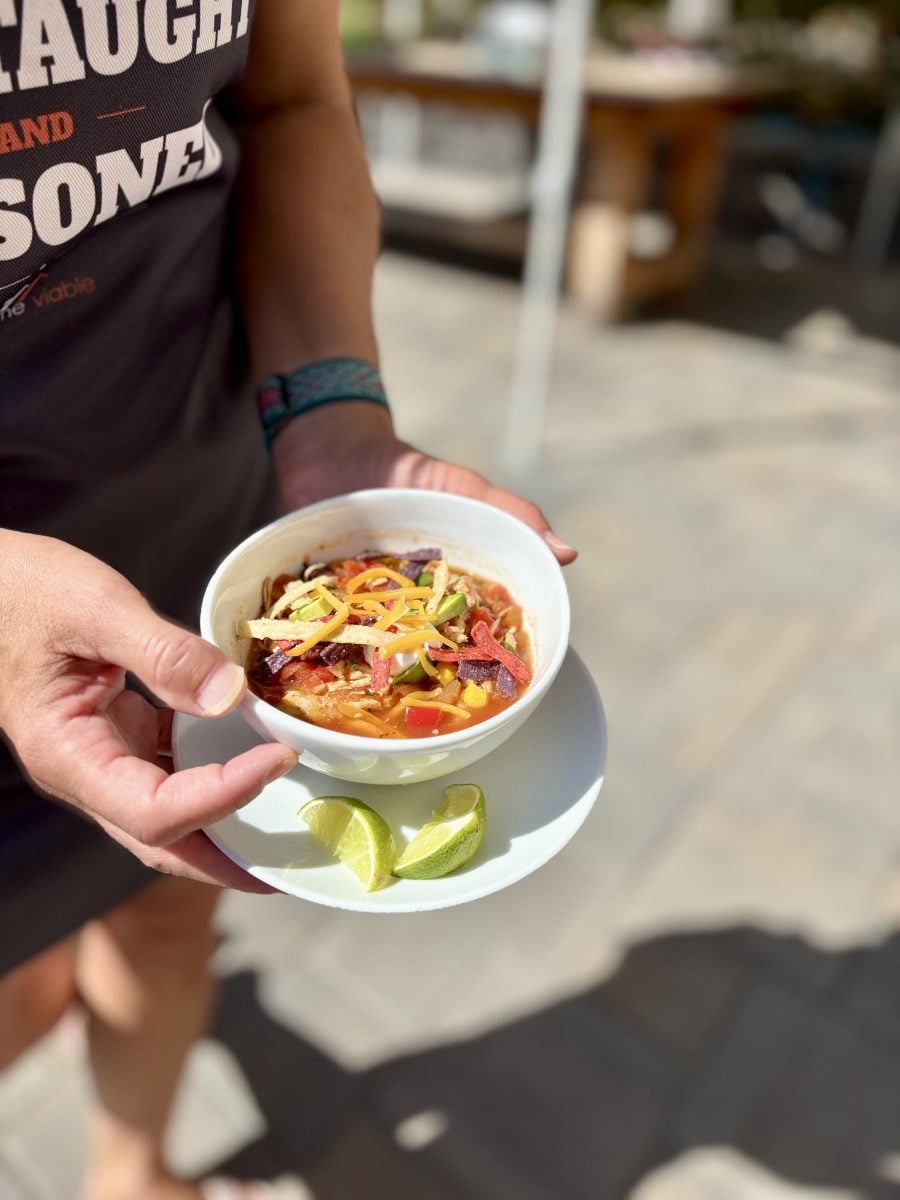
Chicken tortilla soup. I provide lots of toppings. Chicken tortilla soup is essentially a vehicle for all the fixings: avocado, cotija cheese, lime juice, and cilantro, for starters. For the soup I simmer chicken with onion, garlic, cumin, canned tomatoes, and chipotle until it’s falling-apart tender. Top with crispy tortilla strips (I fry corn tortilla strips myself; store-bought tortilla chips turn to soup mush within 30 seconds of going in).
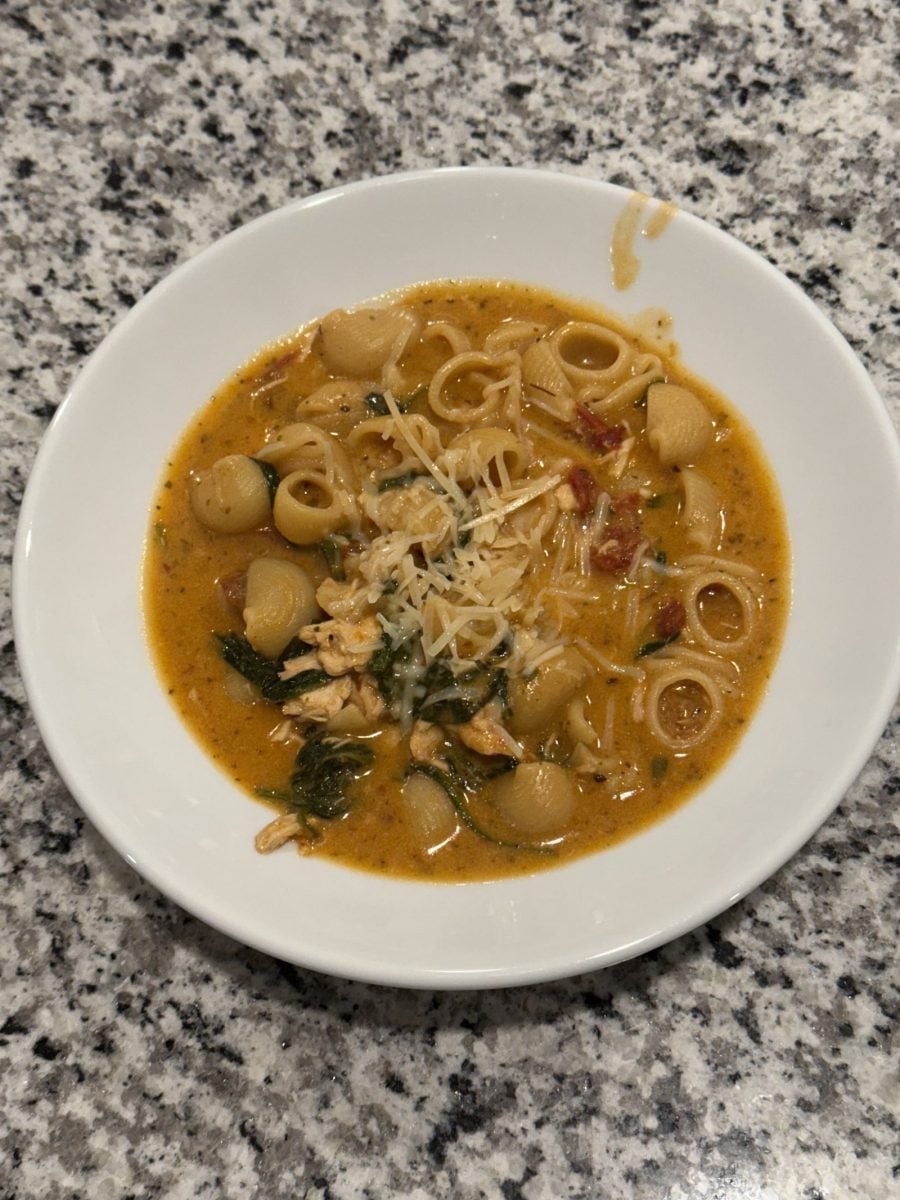
Dill chicken noodle soup is chicken noodle soup elevated. When it gets cold out and I have a rotisserie chicken in the fridge, I make creamy chicken noodle soup, chicken noodle soup’s fancy cousin. It’s got short pasta, like ditalini or small shells, which I cook right in the soup pot for the last 10 minutes of cooking, so the starchy pasta water thickens up the broth. Total cooking time, 35 minutes.
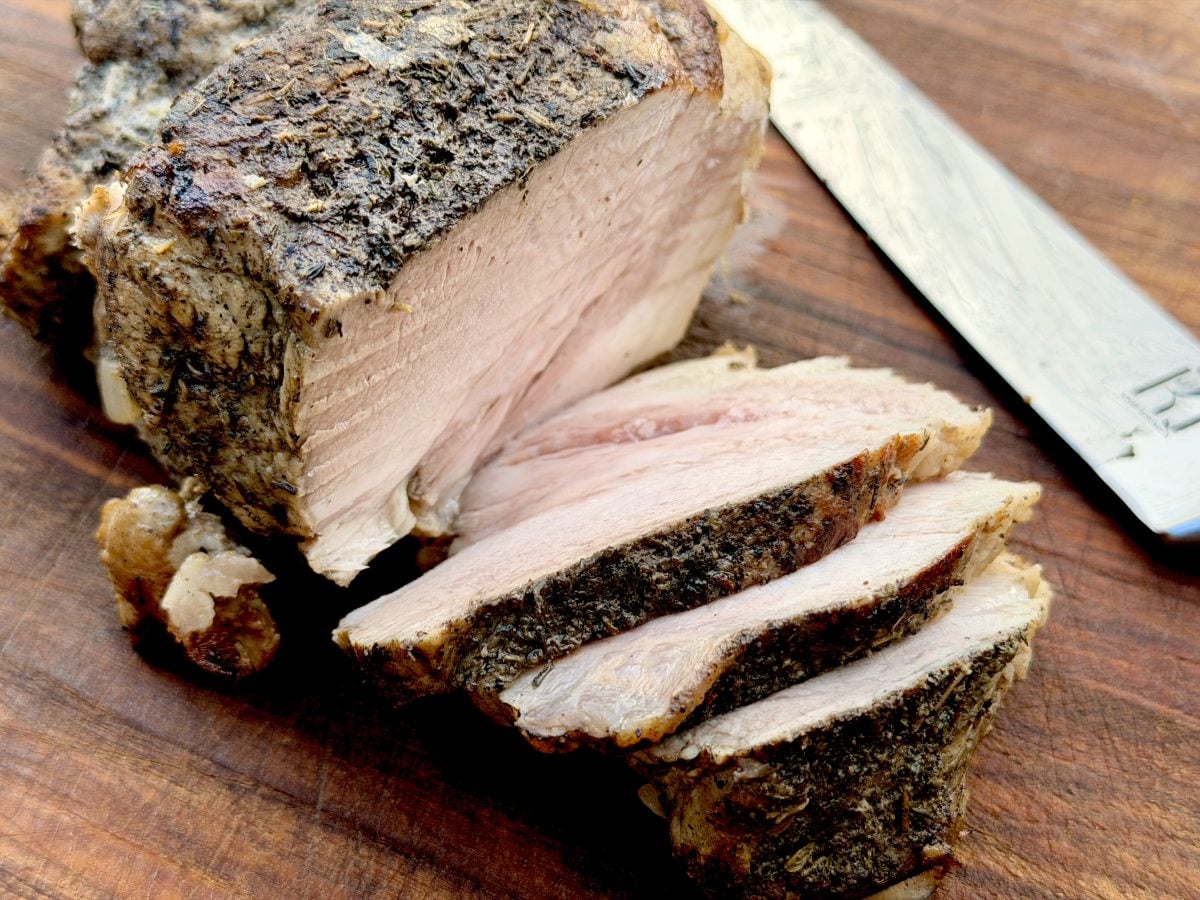
On extra-cold winter mornings, I put pork shoulder in the slow cooker with onion and seasonings (garlic, paprika, brown sugar, salt) and let it cook on low for 8 hours. By the time I get home from work, the pork can be pulled apart with two forks. I eat it over mashed potatoes for dinner one night and make sandwiches with the leftovers the next day.
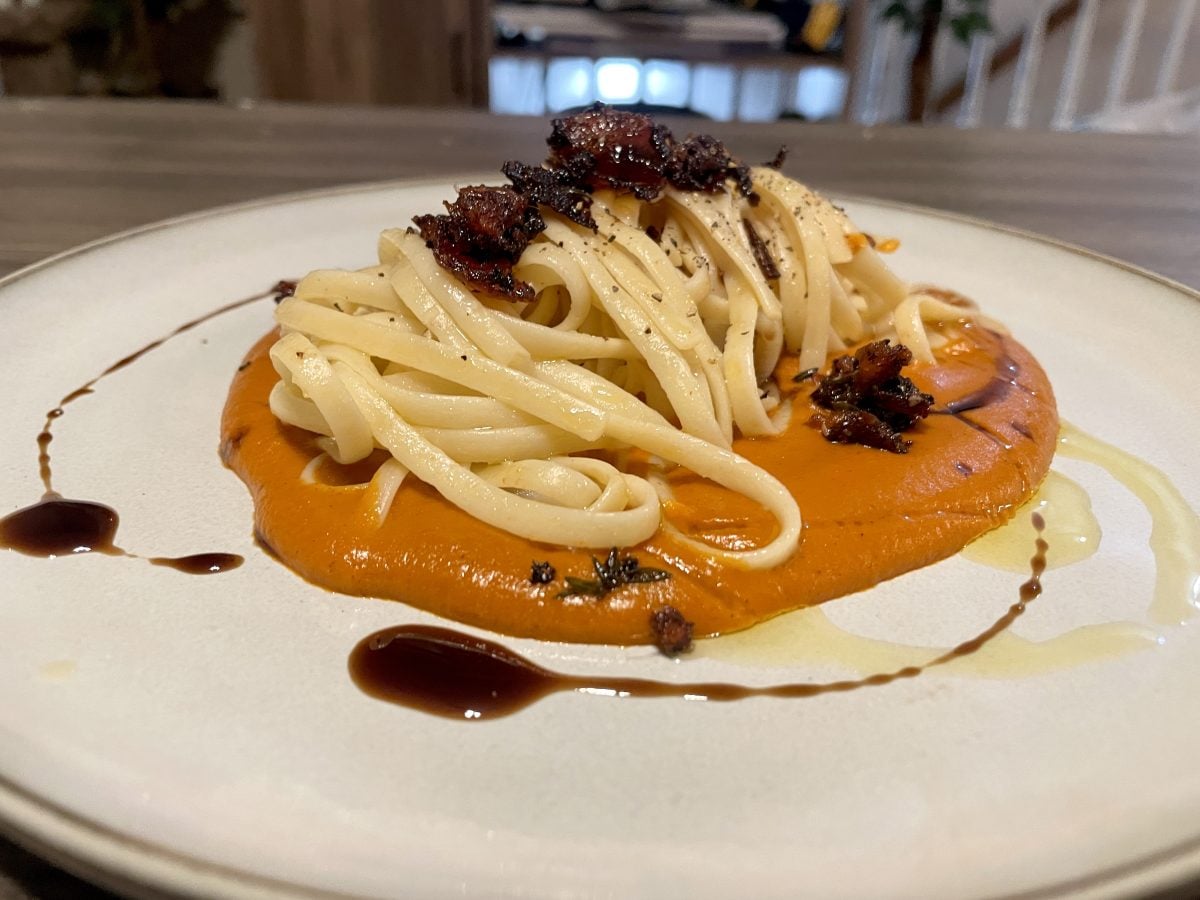
This is the easiest, most forgiving tomato sauce I know. Cook garlic in butter until fragrant, add canned crushed tomatoes and a pinch of red pepper flakes, and simmer for 10 minutes. Add some Parmesan and heavy cream, and stir until melted and combined. Before you drain your pasta (linguine is my favorite for this), scoop out about a cup of pasta water. If your sauce is too thick, loosen it up with a few splashes of pasta water so it clings to the pasta instead of balling up.
