
I used to think the only way to describe Irish soda bread was wholesome and it would be the type of bread that would get made once a year, baked, sliced, and forgotten in the back of the pantry. Then I started making the bread how I wanted it and with pieces of tart cranberry and bits of orange. I want to cut it while it’s warm so I can melt the butter on contact. Suddenly, I turned it into a “why didn’t I make two?” bread instead of a “holiday bread”.
This recipe is going to test your cooking confidence, but it is also going to bring you some luck! There is no yeast, there’s basically no rising, and there’s no kneading (or very little). Mix some ingredients and make a dough that is ready to be finished when your oven is nice and hot.
It will come out with a beautiful crust that is brown and golden and an interior that is soft and a little tangy. The cranberries will burst like mini tart fireworks and even though you just mixed some random ingredients, the orange zest will help your kitchen to smell fancy. The cross on top is practical and just a tad theatrical to help you get nice evenly spaced wedges!
The 30-Second Summary
- Cranberry Orange Irish Soda, distilled: A fast Irish Soda bread recipe that doesn’t require yeast, and combines orange zest with dried cranberries for a fresh-from-the-bakery taste.
- Why it works: Mixing should be done carefully and minimally in order to keep the batter tender. This is also the reason buttermilk is added; while buttermilk and baking soda create a chemical reaction that helps to lift and aerate the batter, this reaction occurs very quickly.
- Time: Prep time ~15 minutes, baking time 40 to 50 minutes, and cooling time is 10 to 20 minutes.
- Flavor profile: Lightly sweet and tangy with chewy tart cranberries and a toasted crust.
- Key tips: Keep the dough shaggy. Don’t over knead it. Zest the orange right into the flour and bake until the center is about 200-205°F.
- Best use: You can enjoy it with breakfast along with salted butter, afternoon tea, or soup if you want something “bread-like” without the commitment.
Ingredients
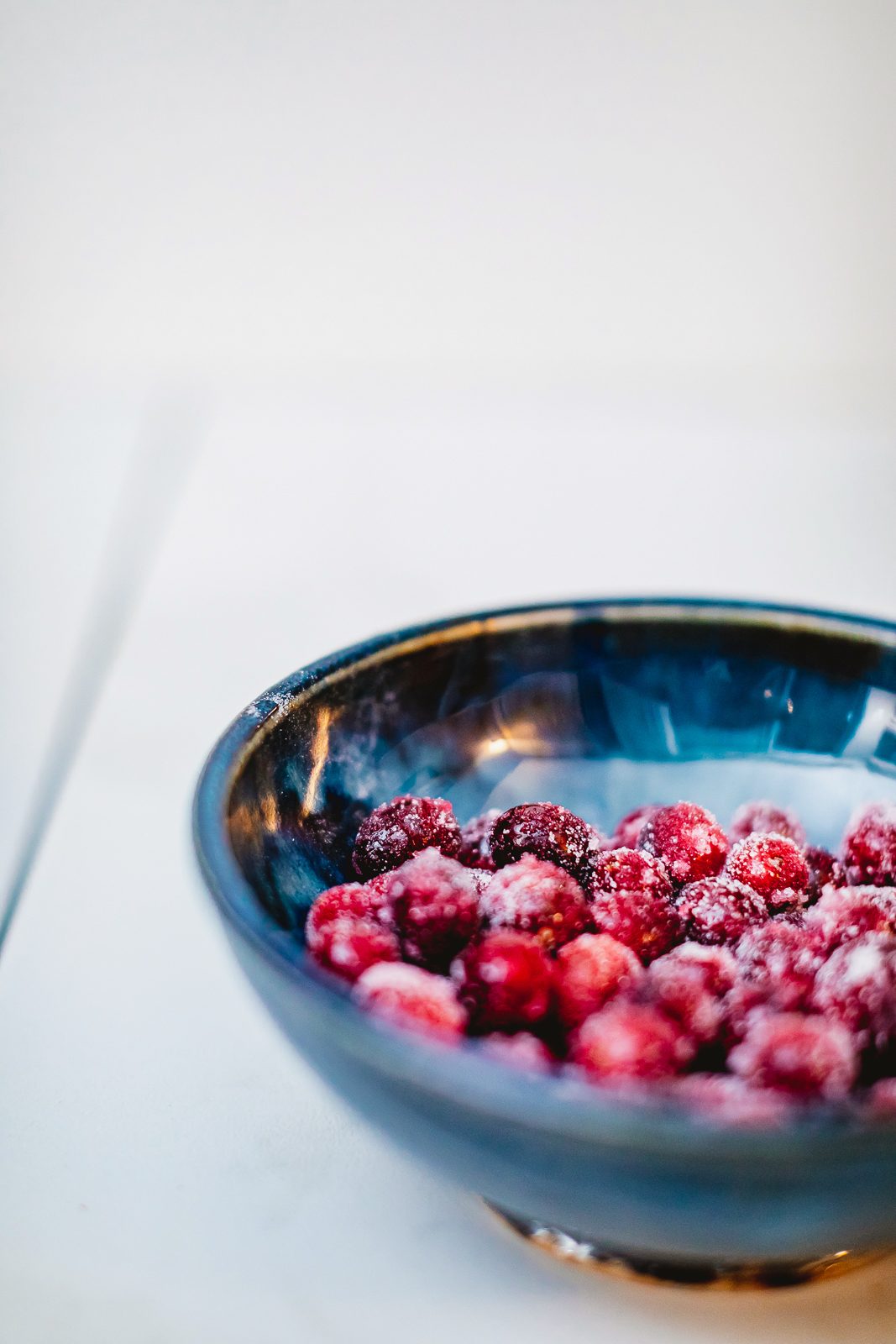
Irish soda bread is about 5 ingredients and is made with minimal effort and care. Instead of building gluten as you would for a baguette, think about making a soft crumb that is sliceable, with just enough structure to hold all those cranberries. When I rush or improperly handle the dough, I feel that it bakes up tough and sulky. I know that’s vague, but be gentle and generous with the dough, and it’ll bake up soft.
- All-purpose flour: Standard AP is the sweet spot. Using bread flour here would make it too chewy.
- Baking soda: This is your leavening agent: be sure to use fresh ones. Old baking soda can leave an off taste and may even leave a soapy taste.
- Salt: Soda bread actually needs more salt than you’d think. It’s what prevents “quick bread” from tasting like a blank sweater.
- Sugar: Just enough to curve the tang and give the cranberries a sense of purpose.
- Cold butter: Cut the mixture in like you would for scones. The butter pieces create a tender crumb.
- Buttermilk: It’s the acid that brings that lovely faint tang and activates the baking soda.
- Orange zest: Zest only. The oils are the whole point; zest transforms “nice bread” into “what is that smell?”
- Dried cranberries: Soak yours quickly if they’re extremely dry.
- Optional egg (for richer crumb): While not traditional, I prefer using it when I want a little bit of a softer interior. You can leave it out.
Master Ratio (Easy To Scale)
- Flour: 3 cups (about 360g)
- Buttermilk: 1 1/2 cups (360g/ml)
- Baking soda: 1 teaspoon
- Salt: 1 teaspoon
- Butter: 4 tablespoons (56g), cold
- Add-ins (cranberries, zest, etc.): 1 to 1 1/2 cups total
Example: If you want to make two mini loaves, use half the ingredients and place the two pans side by side in the oven. Remember to begin checking them sooner (start checking at 30 to 35 minutes). If you want to make a “honkingly huge” loaf for a crowd, increase the recipe by 1.5 times, shape the dough into a round that is wider, and increase the baking time. Rather than trusting the time, trust the internal temperature.
Ingredient Choices That Change Flavor
This loaf has some specific preferences, but it is still flexible. Using another citrus and a darker sweetener, this loaf will take on a more toasted flavor. One time, I zested a lemon that had been sitting in my crisper drawer for a while, and the bread seemed to transform completely. It gained a more lively presence and was less musty. Not bad, just not this.
| Ingredient Choice | Best Option | Substitution | What Changes |
|---|---|---|---|
| Buttermilk | Real cultured buttermilk | Milk + 1 1/2 tbsp lemon juice or vinegar (rest 10 min) | Real buttermilk tastes tangier and bakes a bit more tender; DIY works but is slightly thinner and less complex. |
| Cranberries | Dried cranberries | Chopped dried cherries or raisins | Cherries get winey; raisins get rounder and sweeter. Cranberries keep the loaf bright and tart. |
| Sugar | Granulated | Light brown sugar | Brown sugar adds molasses warmth and a deeper crust color; granulated keeps it clean and citrus-forward. |
| Butter | Unsalted butter | Salted butter (reduce added salt by 1/4 tsp) | Salted butter is fine, just watch total salt so the orange doesn’t taste muted. |
| Orange | Fresh zest | 1 tsp orange extract (in a pinch) | Zest tastes vivid and natural; extract can read “candy” if heavy-handed. |
Optional Add-Ins (Worth Considering)
- Chopped toasted walnuts or pecans (1/2 cup): Provides a nice crunch along with a subtle bitterness that complements orange beautifully.
- Vanilla (1 tsp): Dulls the tang and makes the loaf feel more “breakfast pastry” like.
- Turbinado sugar (1 tbsp for topping): A little bit of crackle, and a hint of sparkle. Unnecessary, but delightful.
Instructions
Makes: 1 round loaf (approximately 8 wedges)
Oven: 400°F
Pan: Sheet pan or cast-iron skillet (for easy cleanup, line with parchment)
1) Keep in mind the heating of your setup first. First, with your oven rack in the middle, preheat your oven to 400°F. While waiting, grab a sheet of parchment paper to place onto your sheet pan. If you are using a cast iron skillet, you can prepare your skillet by adding a little bit of flour. For easier clean-up, I suggest using the parchment paper because metal can cause the cranberries to stick and caramelize and become really friendly with the metal.
2) Before starting mixing, you can take a moment to measure and prepare your dry ingredients to make things easier while you move through the recipe. Grab a larger bowl, and add your ingredients: 1 cup (360g), 1 teaspoon of baking soda, 1 teaspoon of salt, and 1/3 cup (65g) of sugar. Also, to help add some popped up fragrance to your dough, grab a large orange, and using a grater, get the zest of the orange; then, add the zest to the flour mixture.
It may seem inexplicable, but the result of this step along with the zest will provide a much more pleasant fragrance to the loaf. Once you complete the zesting step, take your fingers, and mix the orange zest into the flour mixture. Do that for 10 to 15 seconds. A good trick is to rub the zest in while leaning over the bowl, so you can breathe in the aroma coming off the flour.
3) Incorporate the butter. Take 4 tablespoons (56 g) cold unsalted butter, diced. Use your fingers, a pastry cutter, or two forks to mix it until it is a combination of pea-sized pieces with smaller pieces that look sandy. Don’t worry. Exact sizing isn’t critical, since the butter will melt into the dough as it bakes.
4) Add the cranberries (and nuts, if using). Stir in 1 cup (about 120-140g) dried cranberries. If using nuts, add 1/2 cup chopped toasted walnuts or pecans at this point. If you find some dried cranberries to be quite tough, you can soak them for 5 minutes in either warm water or warm orange juice. Make sure you drain them and pat them dry after soaking. Moist fruits can trap gummy pockets in the mixture, so be careful.
5) Gently add the buttermilk and combine. Make a well at the center and add 1 1/2 cups (360ml) buttermilk. If an egg is to be included, then beforehand, beat 1 large egg and combine it with the buttermilk. Using a fork or a wooden spoon, stir until a rough and ragged dough has formed. It should appear rough and slightly sticky rather than smooth and pliable.
6) Kneed and form quickly . Put down some flour on your surface and then put your dough on top of it. Kneed it about 6 to 10 times until it sticks together. Then make it into a circle that has a diameter of 6 to 7 inches and is 1 and a half to 2 inches tall. If your hands are sticky from the dough, put more flour down on the surface. If the dough is really dry and crumbly then it is probably too dry so fold it gently and put 1 or 2 tablespoons of buttermilk in it.
7) Score the cross. After placing the dough in your pan, take a sharp knife and make a deep cross on the top about 1/2 to 3/4 inch deep. Not only is this a tradition, but it will help the center bake evenly and give you clean wedges. (Again, I am very partial to the loaf looking like something out of a fairytale storybook.)
8) Bake. Bake for 40-50 minutes until the top is a deep golden brown and the bottom sounds hollow when tapped. If using a thermometer, the target internal temperature is 200-205°F. Loosely cover with foil for the last 10 minutes if the top is starting to brown too much.
9) It’s enticing to want to cut into the bread now. However, you should wait for the loaf to cool for 10-20 minutes on a rack first. Warm bread is nice, but bread that’s too hot is also too crumbly. The very first time I made this I cut into it right away and steam was escaping as if the bread was protesting. It did end up being rather gummy in the center, but we still ate it. Of course, you deserve better.
Spins and Swaps
- Cranberry Orange Walnut Soda Bread: For a more sophisticated flavor with a slightly bitter touch, add one-half cup of toasted walnuts.
- Orange-Poppy Seed Twist: Include 1 1/2 tablespoons of poppy seeds and decrease the cranberries to 3/4 cup.
- Chocolate-Cranberry Orange: Add 1/2 cup of mini chocolate chips (yes, it is a little ridiculous, but yes, it is good).
- Spiced Winter Loaf: Substitute white sugar for brown and add 1 teaspoon cinnamon and a pinch of cloves.
- Mini Loaves: Split into two smaller rounds and begin checking at 30 to 35 minutes.
On the Table Together
- Salted butter (non-negotiable in my kitchen) and a smear of orange marmalade.
- Whipped cream cheese Honey makes it taste like brunch at someone else’s house.
- Sharp cheddar The mix of tangy cheese with orange zest is somehow very appealing.
- With soup: Cranberries and sweet-tart tastes are loved by which? Tomato soup or carrot-ginger soup?
- Toasted next day: Thick slices of bread lightly toasted with butter that seeps into the crevices.
- Tea pairing: Tea feels more intentional than coffee; so I’ll go with an Earl Grey or an Irish breakfast tea.
Fixes and Pro Moves
- Loaf is dense: You probably mixed or kneaded the dough too much. Next time, stop mixing as soon as the dough starts to hold together. Shaggy is correct.
- Soapy/chemical taste: Baking soda is tricky. It comes down to improper measuring or mixing. Be sure to do both carefully and make sure to whisk all of your dry ingredients together very thoroughly!
- Dry crumb: If you scoop flour straight from the bag, you will almost always end up with an excess of flour. Use the spoon and level method or weigh the flour out for a more accurate measurement. Overbaking can also be an issue.
- Gummy center: Use the temperature check (200-205°F) and give it a short rest.
- Cranberries sinking or clumping: Prior to adding, toss the cranberries in a teaspoon of flour and ensure that they are dry if they have been soaked.
- Crust too dark before center bakes: Tent loosely with foil after 30-35 minutes.
- Want a slightly sweeter loaf: Increase the sugar to 1/2 cup (100g) and 1 teaspoon of vanilla. Don’t go much higher or it starts reading as “cake”.
- Best texture tip: Butter should be kept cold, and the cooking process should be done quickly. If butter becomes too warm, it will blend into the flour and you will lose the tenderness benefits.
Storage and Leftovers
Your nutrition will be affected primarily by sugar levels, the addition of an egg or nuts, and how liberal you are with butter at the table (no judgment, just math). This moderate sugar quick bread (more a breakfast loaf than dessert cake) is rich, especially due to the butter and buttermilk.
The wrapped loaf can be kept for up to 2 days at room temperature.
After this time period, the bread will still be safe to eat, but will be better off toasted.
For long-term storage, slice the loaf, put it in an airtight bag, and freeze it for up to 2 months. The slices can be toasted straight from frozen, or you can defrost for 15 minutes. The orange scent will diminish over time, but can be revived with toasting.
From My Kitchen
A buddy came over for ‘coffee,’ which is the adult way of saying, ‘I’m hungry but don’t want to be the one to say anything.’ After I pulled the loaf from the oven, we did the customary ritual of hovering and sniffing around the aromas. I covered the wedges in salted butter, and the cranberries acted like little punctuation marks. The only feedback I care about is someone asking for the recipe with a full mouth.
The second time I made this, it was rainy out, and the fruit I had folded in came out a little leathery. The next round, one small change fixed it: I warmed the orange juice and soaked the cranberries in it for five minutes first. The fruit came out plumper and more evenly distributed, with no dry pockets. Small change, big difference.
Step-by-Step Recap
- Set your oven to preheat at 400°F and prepare a lined baking pan.
- Combine the flour, baking soda, salt, and sugar in a bowl. Zest an orange and incorporate it into the dry mixture.
- Cut in the butter until you have pea sized chunks.
- Add in the dried cranberries (and the nuts if you’re using them); toss with flour if needed.
- Add buttermilk (and egg if using) and stir just until shaggy.
- Knead for 6-10 minutes and shape into a round of about 6-7 inches.
- Score and cross the dough; bake for 40-50 minutes until the internal temperature is 200-205°F.
- Wait 10-20 minutes before slicing and go heavy on the butter!
Words You’ll See Above
- Cut in: When mixed with cold butter, the flour produces small fragments which creates tenderness and lightness.
- Shaggy dough: Slightly sticky dough that is visually rough and has a few dry bits is optimal for making tender soda bread.
- Score: Cutting dough before baking allows the baker to better control the expansion of the bread and also helps it bake evenly throughout.
- Leavening: The lift mechanism is baking soda reacting with the acidity of the buttermilk.
- Overmixing: Too much stirring or kneading will develop gluten and make quick breads tough.
- Zest: Citrus peels are colorful and have aromatic oils (but avoid the bitter white pith).
Questions I Get
Can cranberry orange soda bread be made without buttermilk? Yes, you can make a buttermilk substitute by combining 1 1/2 cups of milk with 1 1/2 tablespoons of lemon juice, or white vinegar. Allow it to sit for about 10 minutes after mixing. This mixture won’t be as tangy as true buttermilk, but it will be adequate for your recipe.
Do I need to include an egg? No, that is completely up to you. An egg gives some softness to the crumb and a little richness. If you decide to stay home, you can have all of the buttermilk.
Are fresh cranberries acceptable? Sure, but keep in mind the recipe will create a different loaf. Using fresh cranberries will create a loaf that is more moist due to the added juice and may contribute to a more bitter taste due to the natural acidity of the cranberries. When using fresh cranberries, be sure to chop them coarsely, add an additional 1-2 tablespoons of sugar, and expect a slight increase in moisture within the bread.
What is the purpose of scoring a cross on soda bread? It provides space for the loaf to grow in that way, helps the heat transfer to the center, and helps achieve uniform wedges. It appears to have a sort of structure.
How can I tell when it’s done if I don’t have a thermometer? It should have a deep golden brown color and if you gently tap the bottom of the pan, it should sound hollow. Not sure if it’s done? Leave it for another five minutes. Nobody wants sad, undercooked soda bread.
Can I make this in a loaf pan? The most optimal texture will be obtained by using a free form round though for a loaf pan, you’ll want to bake it for 45-65 minutes at 375°F. Depending on the specifics of your loaf pan, your time may differ, but check at 45 minutes to see if your loaf is done.
Before You Go
I love the scent of freshly baked bread. Baking some Cranberry Orange Irish Soda Bread creates a lovely atmosphere in my home when I need to be cozy in my old sweater and cover up the mugs in the sink. The best part is that the recipe is simple and quick. Also, the bread can be cut into wedges to add some festivity to a plain breakfast. Once you bake it, I am sure you will notice how often an orange has expanded in your home.
