
Of all the summer recipes that can be cooked on the grill, summer skewers are sure to be a crowd favorite! One recipe I often depend on is chicken kabobs with veggies. It is an easy yet delightful meal that consists of juicy chicken and fresh soft veggies.
These chicken and veggie kabobs provide more than a meal. It is a one of a kind culinary experience. They take simple, ordinary ingredients and turn them into something extraordinary. The chicken, marinated and grilled, along with the crunchy vegetables, offers a mean that is wholesome and well-balanced. Such meals are great for family dinners and backyard parties.
These grilled chicken kabobs are special because their versatility allows for easy modifications. Changing the marinade, adjusting the vegetables, or customizing a meal to cater to specific preferences are all easy to do. These summer skewers make a crowd-pleasing meal, and are great for a quick weeknight dinner as well.
The upcoming sections will describe my favorite recipe and provide tips for grilling and making restaurant-quality chicken and veggie kabobs right in your backyard.

Why These Chicken and Veggie Kabobs Are My Go-To Summer Meal
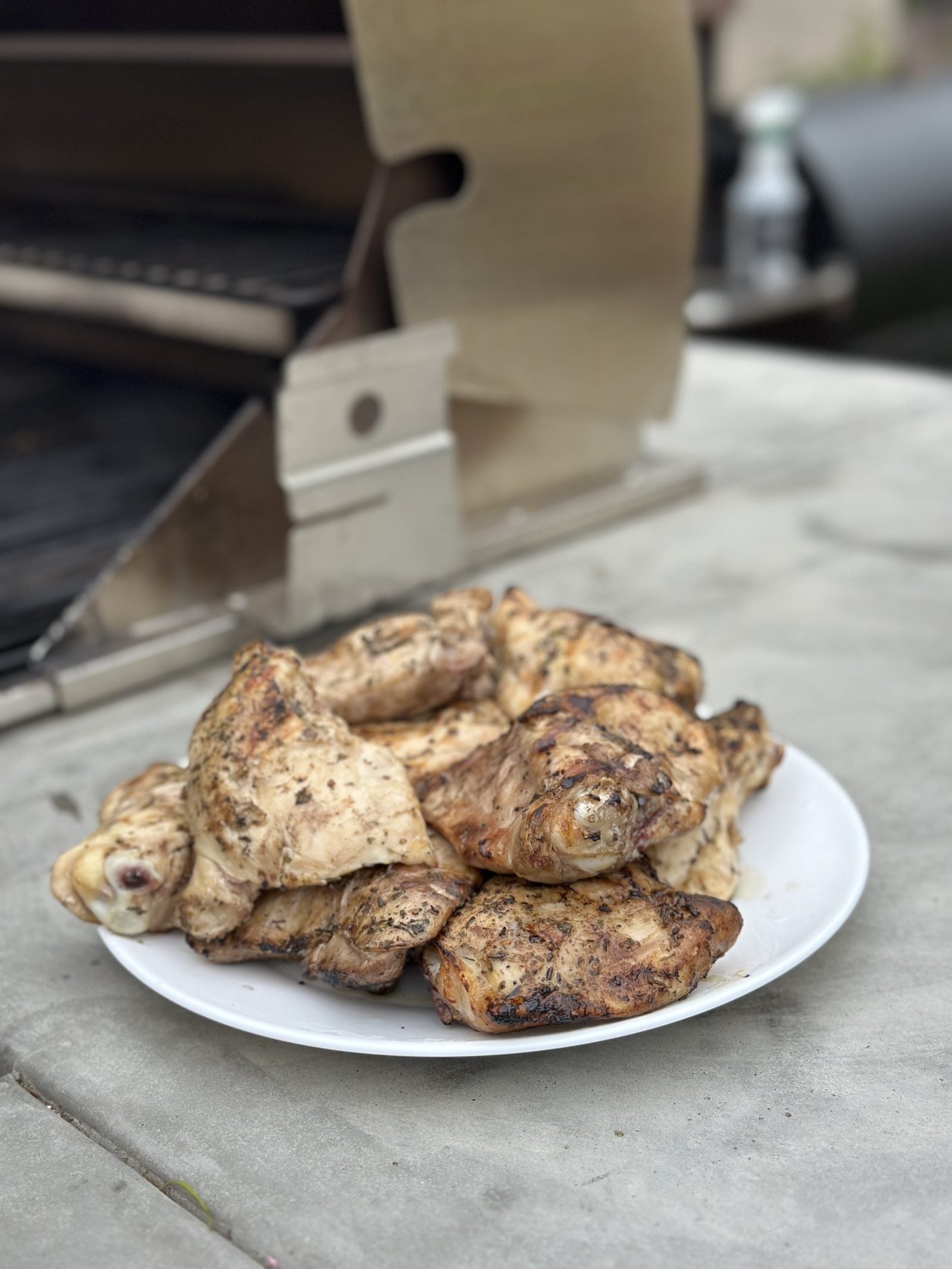
Summer is an ideal season for meals that are quick, easy, healthy, and appeal to the whole family, so what’s my secret? Grilled kabobs! Not only are they easy to make, but they are also full of flavor. They are my favorite type of summer cooking because I can use basic, everyday ingredients and turn them into something extraordinary with these fun and colorful skewers.
Health Benefits of Grilled Kabobs
Meal prepping with kabobs is a great option for eating clean and staying healthy. Grilled lean chicken and fresh vegetables is also a great meal selection for your healthy goals. The method of cooking by grilling helps:
- Retain essential nutrients in vegetables
- Reduce excess fat compared to pan-frying
- Provide a balanced protein and vegetable combination
Time-Saving Meal Prep Benefits
For home chefs with busy calendars, batch cooking is a great way to save time. For those with a lot going on, kabob assembly can be a big time saver when entertaining guests or having dinner during the week. I assemble multiple skewers every Sunday, which provides me with a variety of quick protein choices throughout the week.
Perfect for Entertaining Groups
When socializing and dining, these kabobs are ideal. They are great for backyard parties and potluck gatherings because guests can personalize their skewers. The opportunity to create your own kabob encourages lively and fun conversation, as each guest can have precisely what they want.
Essential Ingredients for Restaurant-Quality Kabobs
Using meat and vegetables of quality ingredients will guarantee the success of your chicken kabobs. In this guide I will describe the essential components of kabobs that will increase your grilling expertise.
Protein Selection
My suggestion would be to use skinless and boneless chicken breast or thighs. Although breast meat is a leaner option, chicken thighs provide better flavor and tenderness. For optimal results, look for fresh organic chicken that has been processed as little as possible.
Best Vegetables for Kabobs
- Bell peppers (red, yellow, and green)
- Red onions
- Zucchini
- Cherry tomatoes
- Mushrooms
The vegetables you choose to include in your kabobs will provide nutrition, taste, and a variety of colors. When choosing vegetables, make sure to select fresh produce that will hold up during the grilling process.
Additional Essential Ingredients
| Category | Recommended Ingredients |
|---|---|
| Marinade Base | Olive oil, lemon juice, garlic |
| Herbs & Spices | Oregano, paprika, salt, black pepper |
| Optional Extras | Fresh cilantro, mint leaves |
To ensure even cooking, it’s best to cut your chicken and vegetables to similar sizes. By following this easy technique, you can create kabobs with the quality of a restaurant right in your own backyard.
Perfect Marinade Recipe for Juicy Chicken Kabobs
Marinades transform standard grilled chicken into something amazing. When it comes to chicken kabob marinades, you should embrace a bit of creativity. The best marinades will take your kabobs from average to outstanding by tenderizing the meat and infusing it with mouthwatering flavor.
Best Marinating Tips for Optimal Flavor
There are several techniques to master the marinade on chicken kabobs. Typically, the optimal time to marinate is anywhere from 30 minutes to 4 hours. Acidic marinades can actually be detrimental to your chicken. While some people do prefer their meats to be marinated for longer periods of time to let the flavors of the marinade fully develop, It us important to note that the meat will develop a mushy texture because the connective tissue and collagin will be broken down.
- Use a non-reactive container for marinating
- Always marinate in the refrigerator
- Reserve some marinade for basting
- Discard used marinade that has touched raw chicken
Exciting Kabob Flavor Variations
It is beneficial to experiment with different flavor combinations in your kabobs, as it helps keep the grilling experience fresh. Personally, I enjoy making a wide variety of marinades that take my taste buds on a trip around the world.
| Flavor Profile | Key Ingredients | Taste Characteristics |
|---|---|---|
| Mediterranean | Olive oil, lemon, oregano, garlic | Bright, herbaceous, tangy |
| Asian-Inspired | Soy sauce, ginger, sesame oil | Umami, slightly sweet, complex |
| Spicy Southwest | Chipotle, lime, cumin | Smoky, spicy, zesty |
Storage and Make-Ahead Strategies
To save time on a weeknight dinner, you can make the marinade for the chicken kabobs ahead of time, and store it in the fridge for up to 3 days in a sealed container. Because marinated chicken is good for 24 hours, it can be convenient to prepare it in advance.
How to Make Grilled Chicken Kabobs with Veggies
Barbecuing chicken kabobs offers the opportunity to pair great taste with easy methodologies. I’ll show you how to prepare kabobs, step by step, that are sure to wow your friends and family. When it comes to vegetable kabobs, you need to take careful steps.
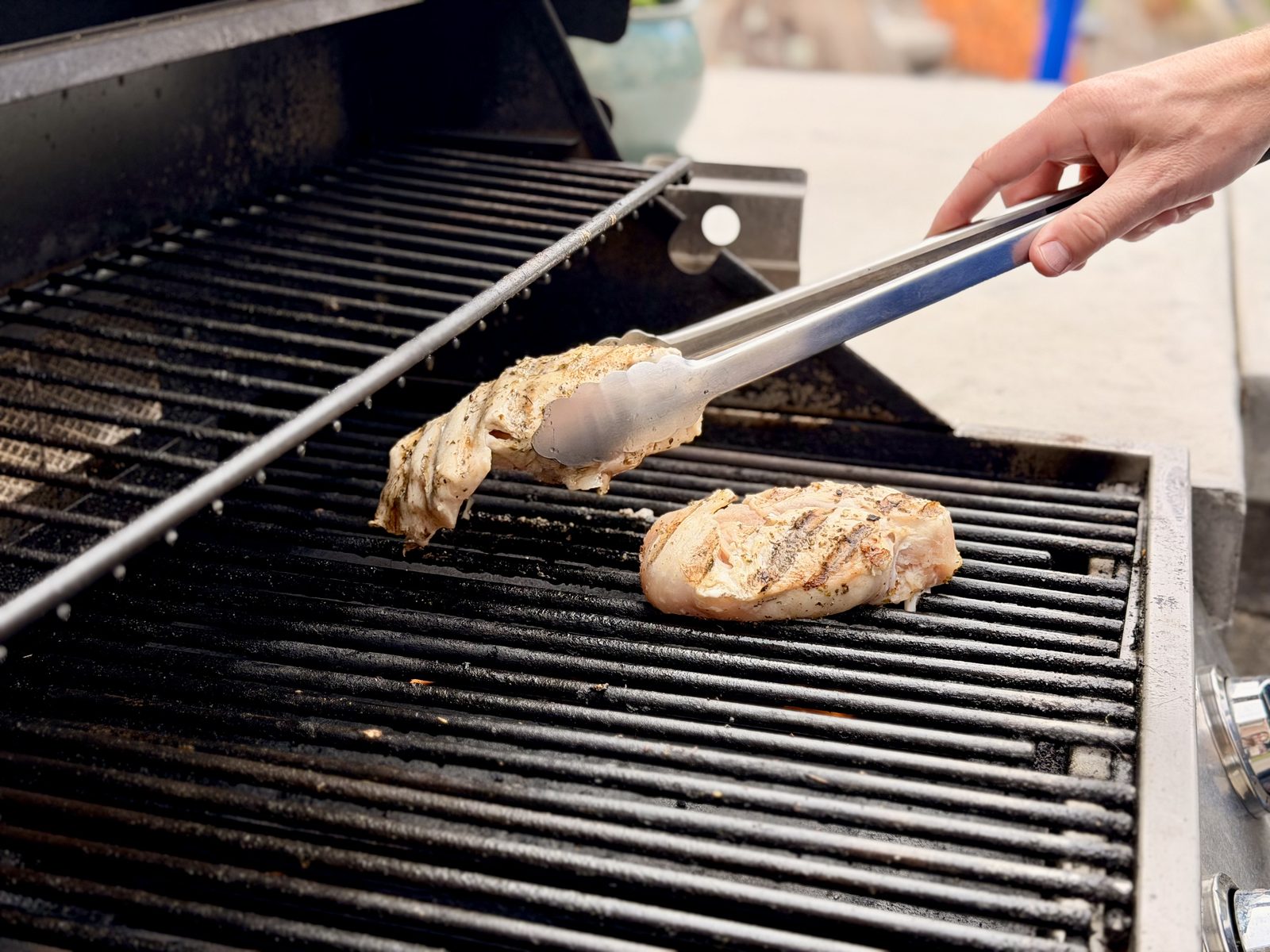
Let’s begin with the necessary preparations. Gather the ingredients needed, then follow the steps to grill chicken kabobs:
- Prepare your ingredients by washing and cutting vegetables into uniform chunks
- Cut chicken into consistent 1-inch cubes for even cooking
- Soak wooden skewers in water for 30 minutes to prevent burning
I recommend using bell peppers, zucchinis, and red onions for the veggie kabobs. They are bright and can be used for alternating colors. The secret to perfect kabob cooking instructions is to keep an even consistency so they all cook evenly.
An adequate technique exists for threading the kebabs, as an evenly colored skewer will require you to start by placing a piece of chicken onto the skewer and then followed by a vegetable. Make sure to leave gaps between the ingredients to allow for grilling and the circulation of heat.
When grilling chicken kebabs, I recommend preheating your grill to medium-high temperature, which is about 400-450°F. At this temperature, the chicken will stay juicy and be charred perfectly. It should be cooked for about 10 to 12 minutes. Make sure to turn the kebabs frequently so that they cook evenly on all sides.
- Check chicken internal temperature reaches 165°F
- Let kabobs rest for 3-5 minutes after grilling
- Brush with extra marinade for added flavor
By adhering to these instructions in the recipe, you can prepare a tasty meal suitable for family dinners and summer gatherings.
Tips for Perfectly Grilled Kabobs Every Time
To master grilling kabobs, one has to improve their cooking skills and follow a few important pointers. After years of gathering numerous tips, I can say that it is possible to improve standard skewers to the level of fine dining meals. From choosing the right skewers to preparing your vegetables, these kabob grilling tips will guarantee that you make impressive and delicious masterpieces.
Selecting the Best Skewers for Kabobs
The two main types of skewer for kabobs are metal and wood. Metal skewers are more durable and allow for more even heat distribution. Before using wooden skewers, you must soak them in water so that they do not burn. I recommend:
- Flat metal skewers to prevent food rotation
- Stainless steel skewers for long-lasting use
- Wooden skewers soaked in water for 30 minutes before grilling
Precision Temperature Control
An even temperature on the grill is essential for perfect kabob cooking. If you want better control over the cooking time of various food items, consider creating different temperature zones on your grill. For best results, try to keep your heat setting at medium high (around 375 – 400 degrees F).
Expert Vegetable Prep for Kabobs
When preppng the vegetables for the kabobs, it is essential to cut them the same size to make sure they cook properly. Aim for pieces that are approximately one to one-and-a-half inches in thickness. Doing so will help ensure that:
- Vegetables cook evenly
- Pieces are easy to eat
- Skewers look visually appealing
When arranging the skewers, try to place the vegetables with the same cooking durations together. For example, squash takes a shorter time to cook than bell peppers.
Best Side Dishes to Serve with Chicken Kabobs
Choosing the correct side dishes to serve with your grilled chicken kabobs will take them from great to unforgettable. Keep this in mind as you prepare your menu for the summer barbecue. I prefer to complement the smoky grilled tastes of the skewers with lighter, more refreshing choices.
I would pair grilled chicken with a Greek salad that contains feta cheese, cucumbers, and red onions. I appreciate the chilled tzatziki dip as it contrasts with the warm kabobs. If you’re looking to enhance your summer barbecue, I would suggest the Mediterranean couscous salad and the roasted garlic potatoes.
Your guests will enjoy the interesting flavors! Something like a mint and watermelon salad or even grilled pineapple could be a good sweet and tangy addition to the meal. With these colorful sides, your chicken kebabs will really pop and your family and friends will appreciate the effort even more!
The most suitable side dishes will enrich the flavor and mouthfeel of the main dish. The perfect accompaniment for your summer meal has arrived! Try out every possible combination and see what keeps drawing the customers back.
