
Usually when you hear pot roast or something like that, you think of something that’s going to take all day to cook, filling your kitchen with nice smells. But when you want something like that on a weeknight, you don’t necessarily have time to pull off a meal like that or make all the big mess in the prep.
So the following recipes are ways that you can pull off a dinner like this on a weeknight without all the extra work.
1) Classic Pot Roast
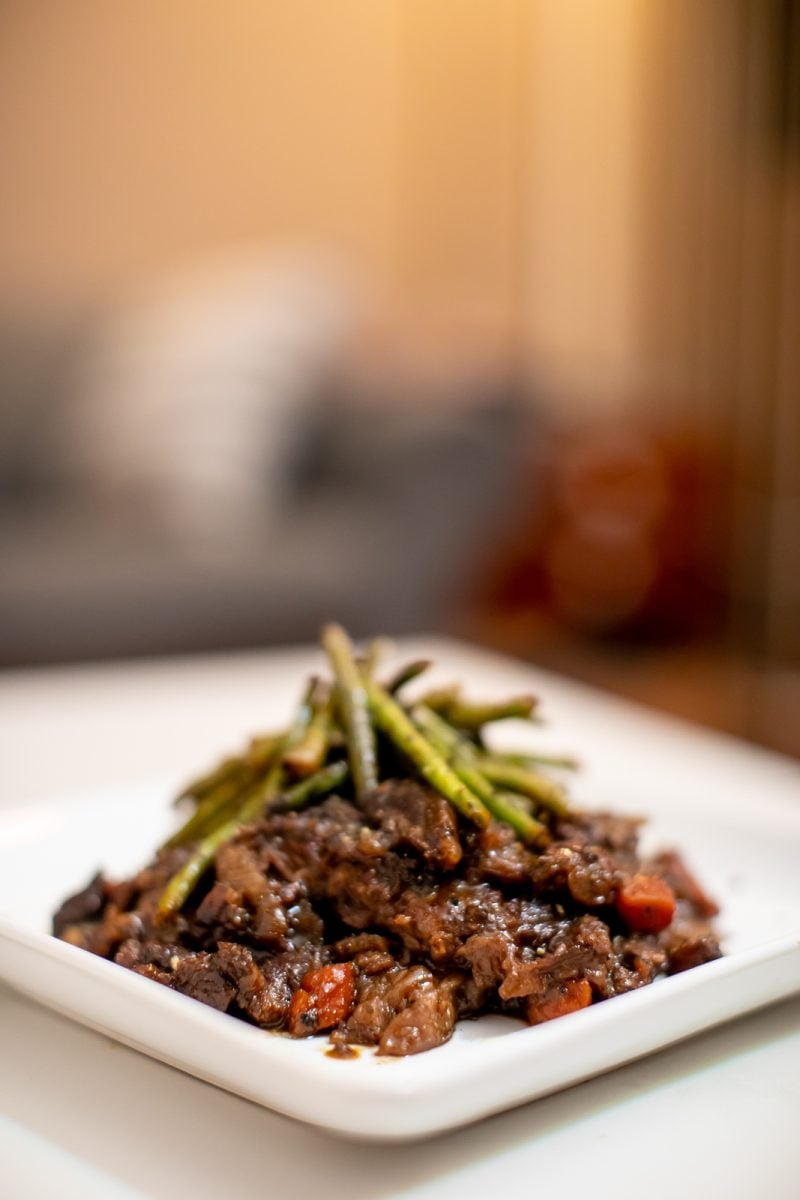
This is chuck roast, carrots, potatoes, and onions cooked in the oven at 300 degrees for three hours. To make this one in a hurry on a weeknight, cut your chuck roast into cubes, season it with salt and pepper and flour and garlic powder, sear it hard in the pan, and then add your vegetables and liquid before putting it in the oven.
I do my best to cut the beef into even size cubes, one to two inches, maybe a little bit bigger, and then leave them whole instead of pulling them apart. So when the person’s eating it, they can shred up the beef in their bowl themselves. Make sure to keep your carrots and potatoes in larger pieces, as they tend to get kind of mushy during the long cook time and you still want them to have a little bit of bite to them.
Once I’ve seared all my beef and veggies, I like to add a little bit of red wine and then beef stock. The little bit of flour that comes off of the chuck roast cubes helps to thicken up the beef stock into a nice stew as it roasts in the oven.
2) Braised Beef over Garlic Mashed Potatoes
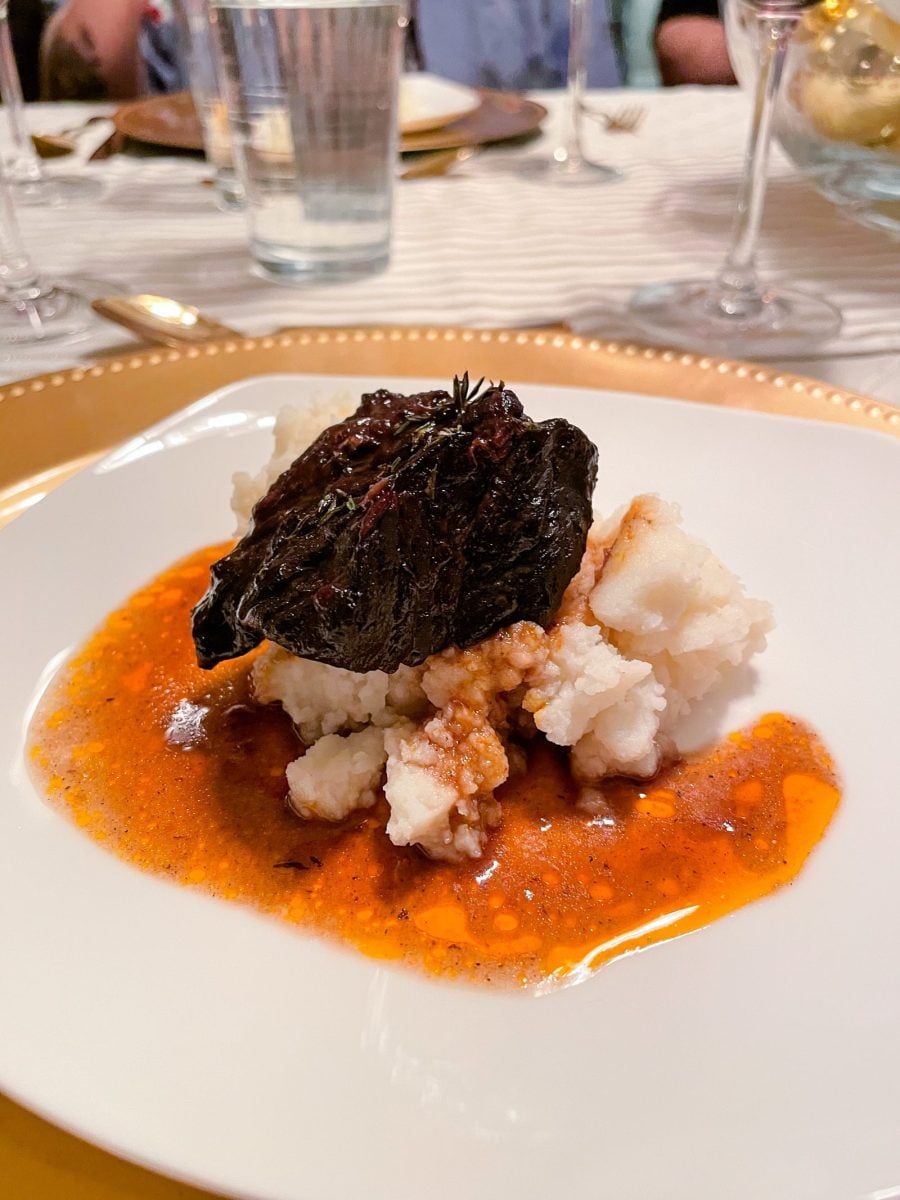
This is chuck or short ribs cooked in red wine and stock until they fall apart, served over mashed potatoes. If you do short ribs for this preparation, you’re going to want to cook them the same way, but then shred the meat before you serve it instead of serving them on the bone.
I like to add plenty of butter to my mashed potatoes, but in this case I wouldn’t whip them until they’re really thin. You’re going to have some liquid left over from the beef, and your mashed potatoes need to be a little bit thicker to stand up to that.
Take the beef out of the liquid, save some of the liquid, and put it in a small saute pan. Cook it on a low simmer until it thickens up to make a really nice gravy.
3) Cracker Barrel-Style Meatloaf
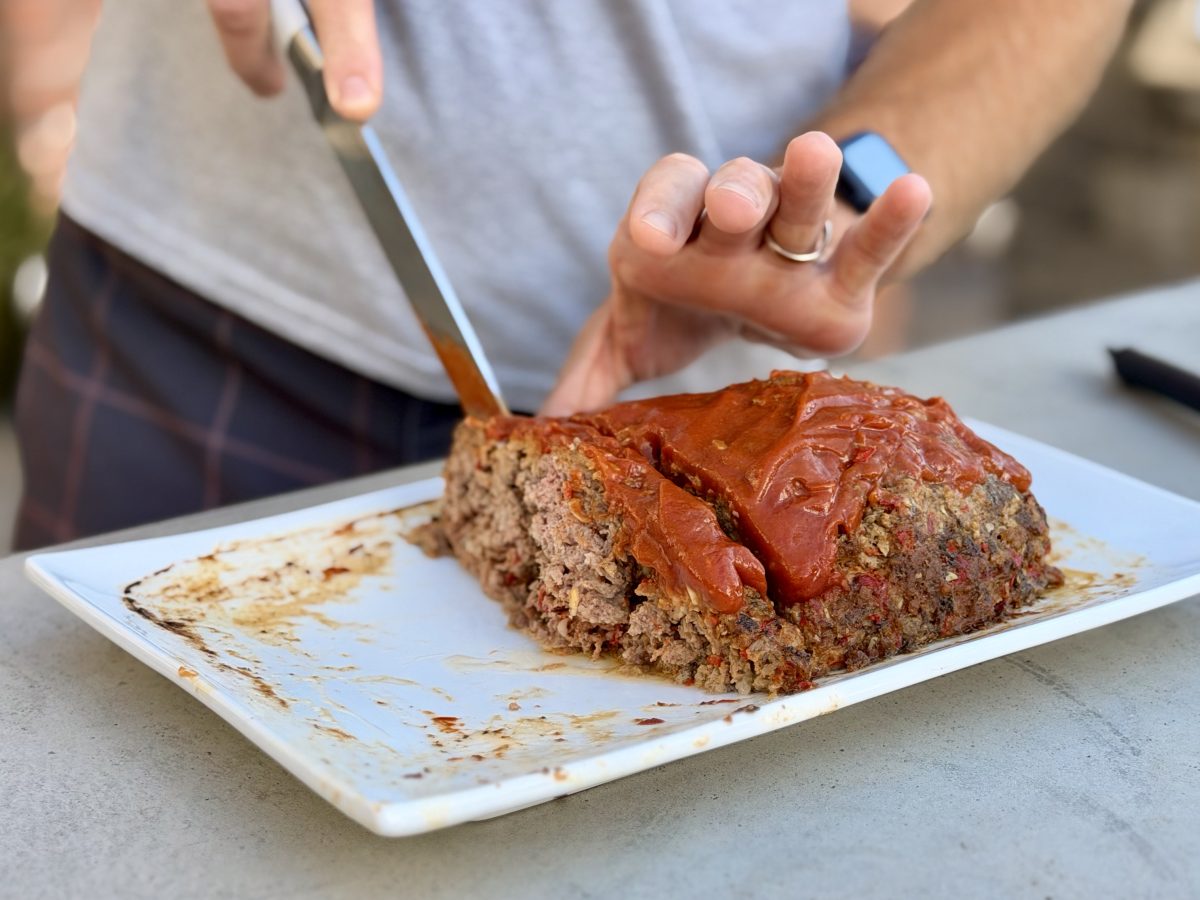
This is a meatloaf with a ketchup and brown sugar glaze, roasted at a low temperature in the oven and then turned up at the end to make a crust. I like to take vegetables like onions and carrots and blend them up in a food processor until they’re finely minced, and then mix them into my meatloaf for a little bit of extra health benefits and veggies for the family.
Baking this one at a low temperature will keep it from drying out too much, and then when you turn it up at the end is when you’re going to want to start adding your glaze to it. Brush it on every few minutes to really get a nice thick layer.
For my meatloaf glaze, I like to do ketchup and brown sugar and a little bit of Worcestershire sauce, some minced garlic, and just a tiny bit of yellow mustard.
4) Prime Rib with Crispy Potatoes
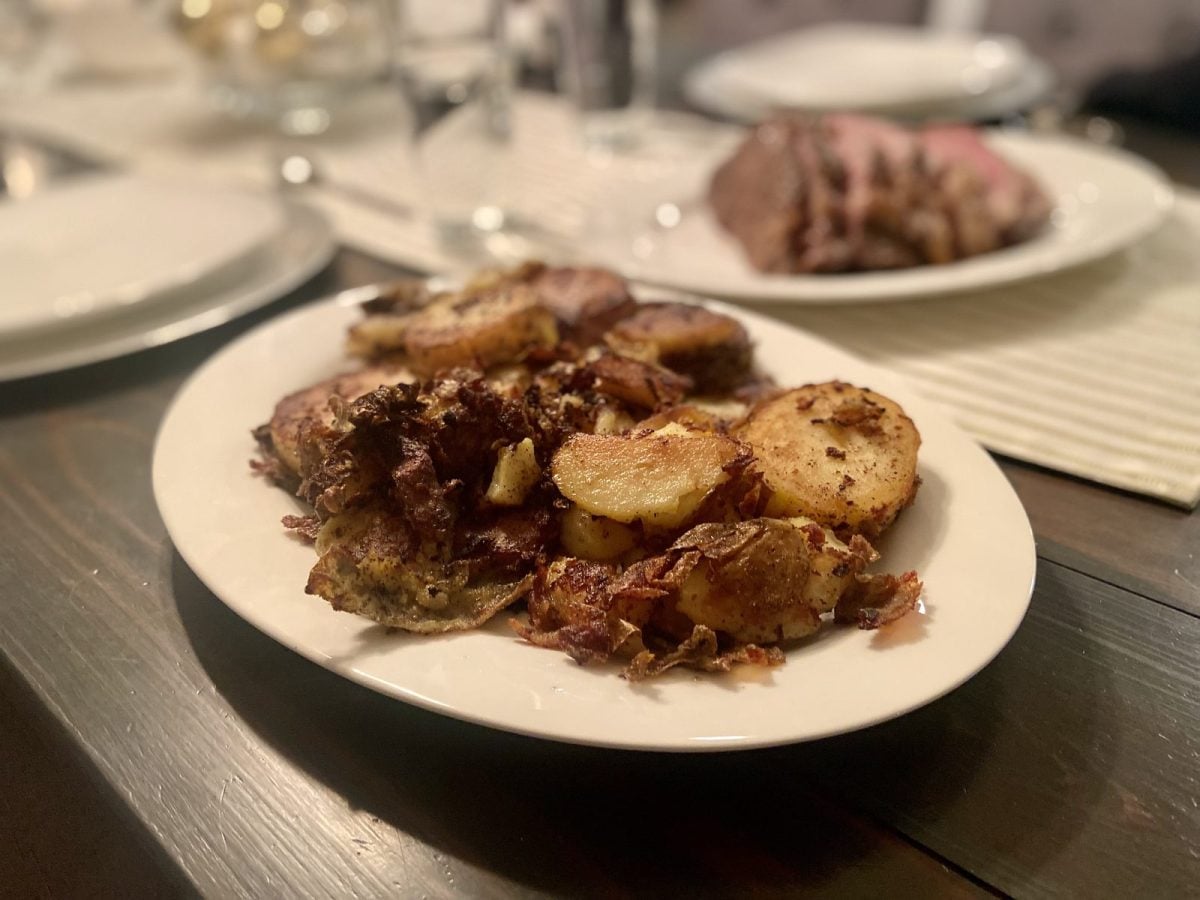
This is a whole prime rib that has been dry-aged in the fridge for a day before roasting on low, served with crispy potatoes. Dry aging in your fridge can be intimidating at first if you’ve never done it before. Heavily salt and pepper your prime rib and then set it on a sheet pan with a cooling rack on it. This will allow airflow underneath, and anything that drips off will be caught on the sheet pan. You can actually dry age in your fridge for up to a week, as long as there’s not too high of a moisture content and there’s consistent airflow.
A great trick for crispy potatoes that I like to do is to cut up your potatoes and boil them in water with baking soda in it. This will change the pH. When you drain the potatoes, toss them around in the pot or a bowl a little bit to build up a little layer of almost like mashed potatoes on the outside, and then when you bake them in the oven, that will get super crispy.
Typically you’re shooting for medium rare with a prime rib, which is right around 120, and then you turn the oven up until you get some nice color on the outside, and then pull it out and rest it.
5) Shepherd’s Pie
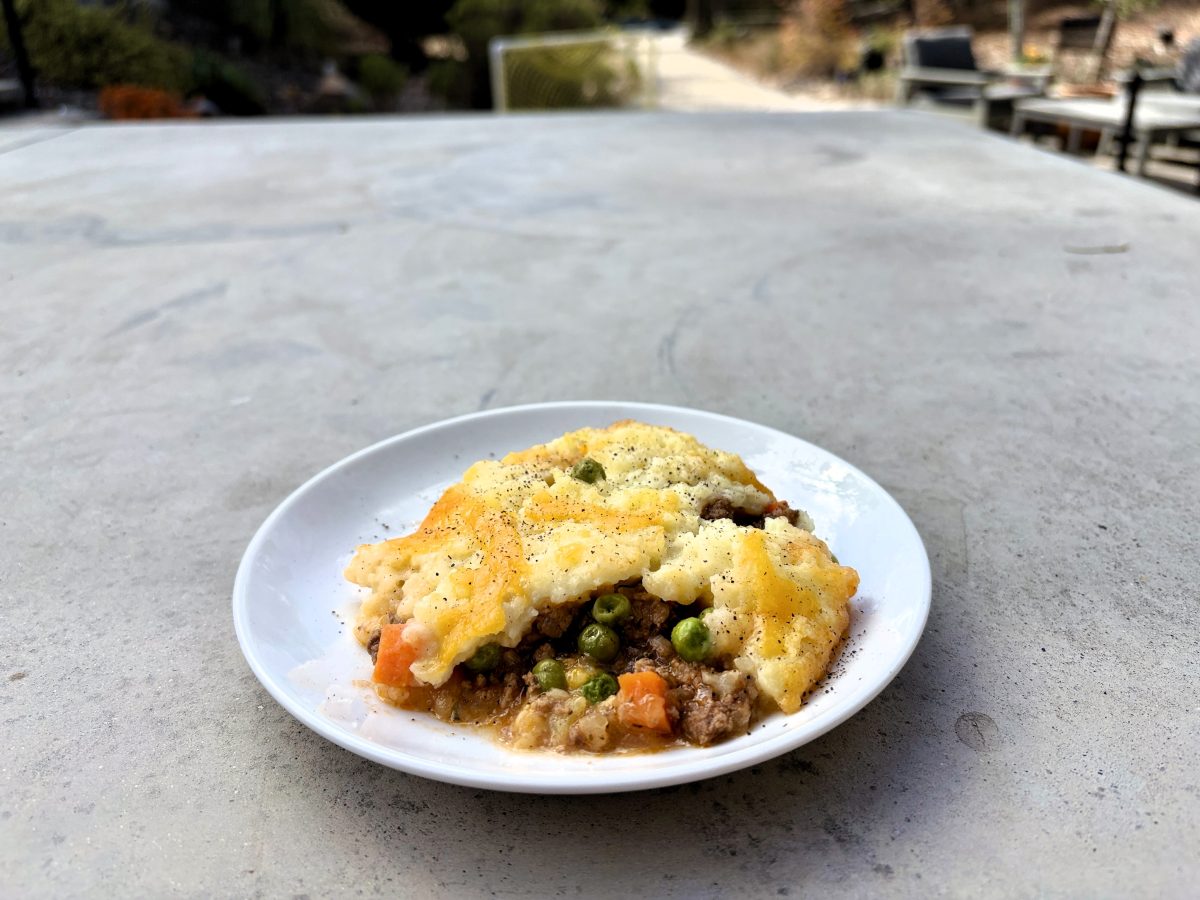
This is ground lamb and vegetables mixed together with a little bit of a gravy sort of sauce, and then topped with mashed potatoes and cheese and baked in the oven. Shepherd’s pie is technically lamb, and when you use beef it’s cottage pie, but whatever meat you’re using, you’re going to want to brown it first and then deglaze with a little red wine and add your vegetables. I like to put some beef stock and tomato paste in it and let that thicken.
You need to let your filling cool off before you build your shepherd’s pie with the mashed potatoes on top, otherwise the mashed potatoes can get too loose. When I make mashed potatoes for this, I like to leave some lumps in there, making sure the potatoes are cooked all the way. It’s going to go back in the oven and cook again, so that will cook them the rest of the way until they’re really soft and falling apart.
Make sure with your mashed potato layer to get a good seal around the edges of whatever dish you’re baking it in, so all the gravy doesn’t boil out while it’s baking.
6) Steak Frites
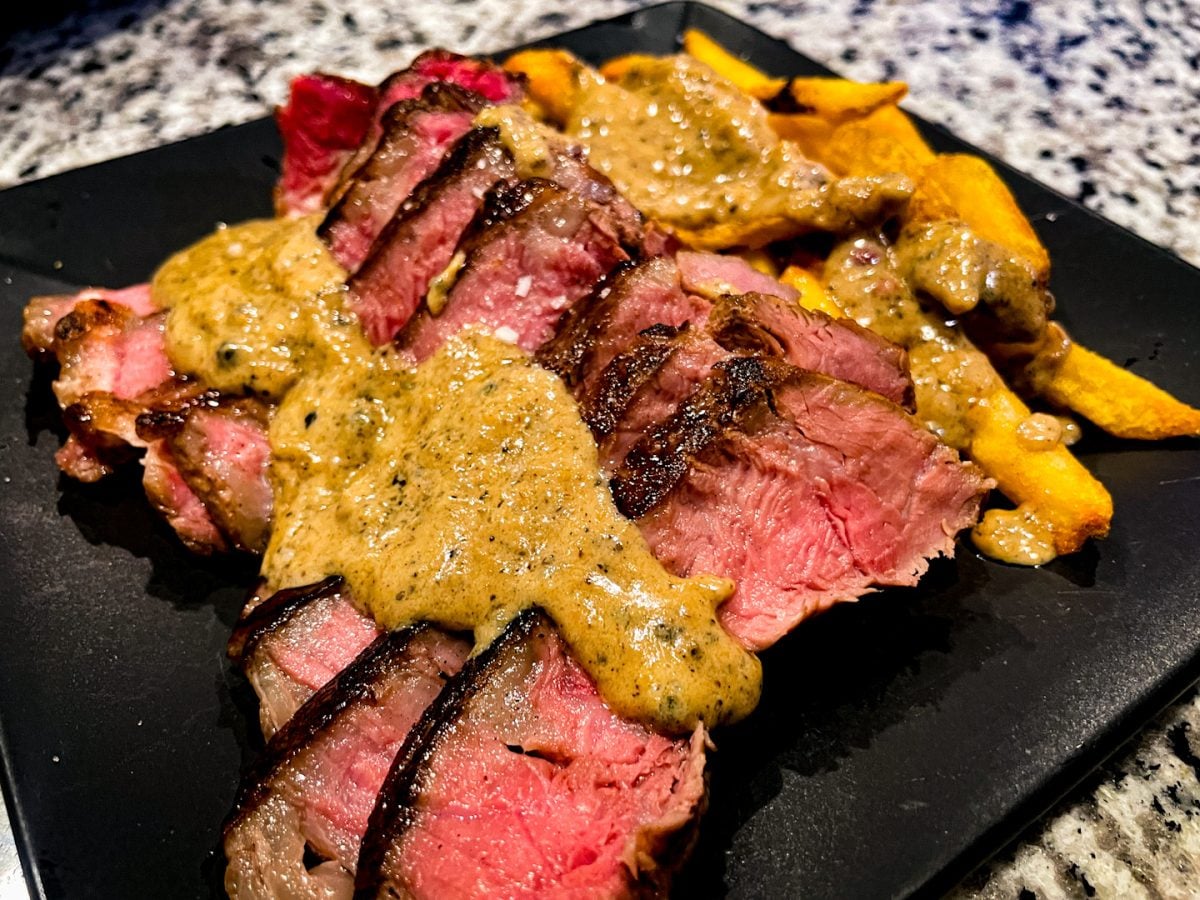
This is steak that has been cooked and sliced, served either on top of or alongside french fries. I love to do bavette steak for this one, it’s also called flap meat. Season it heavily, sear it hard on all sides, and finish it in the oven, just making sure to slice it against the grain so it stays tender.
This one’s really good served with a horseradish aioli with just a little bit of mayo, salt, pepper, garlic, and some horseradish mixed together. I also like to do a homemade chimichurri with steak frites. Make sure to cook your fries on the crispier side so they stand up to the moisture that comes from the steak and the sauces.
There’s also an option to make a quick poutine here, which is cheese curds and fries and gravy. With your steak, make a simple beef gravy out of the drippings in the pan, and then take your fries and melt some shredded cheese on them in the oven, or cheese curds if you have them, and then put your steak and gravy over top.
7) Herb-Crusted Pork Tenderloin
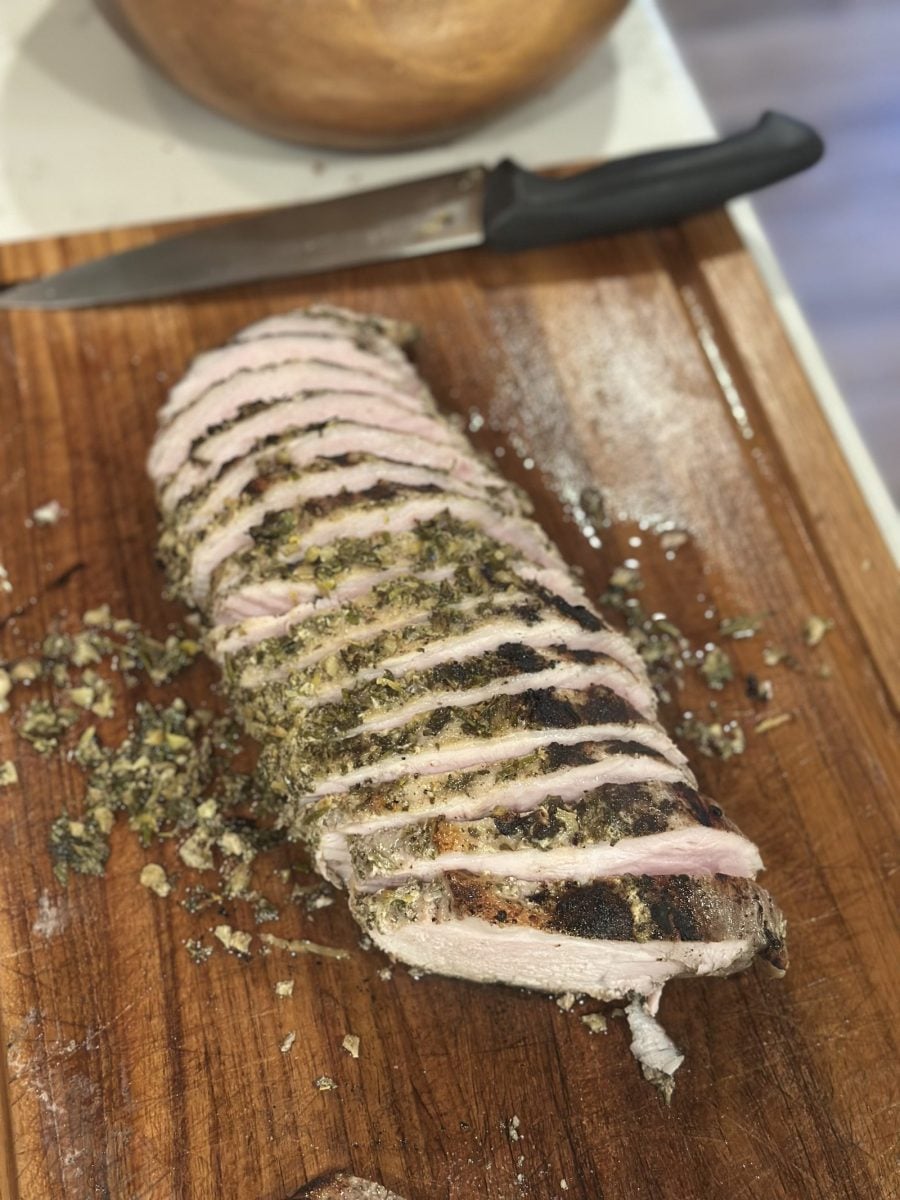
This is a pork tenderloin that has been crusted with seasoning, seared in a pan, and then finished in the oven. Pork tenderloin can be tricky. It doesn’t have a lot of fat content, so it’s easy to dry it out, so you’re going to want to take care to not bake it for too long once you get a good sear on it. You still want it to be a little bit pink in the middle, and that’s perfectly normal. It’s not like chicken where it’s not safe to eat.
I find when I’m crusting a pork tenderloin, if I rub some Dijon mustard on the outside, all of the seasonings I add to it stick a lot better and it gives it a really nice crust. Make sure your pan is plenty hot for searing, otherwise your crust might come off and just stick to the pan.
Another trick I like to do is I’ll use a cast iron skillet, sear the pork on all sides, and then just pop the whole cast iron skillet right in the oven until it’s done. You definitely want to let your pork tenderloin rest for a while before you slice it, otherwise you’ll wind up with tons of juice on the plate.
8) Seared Chicken with Mashed Potatoes
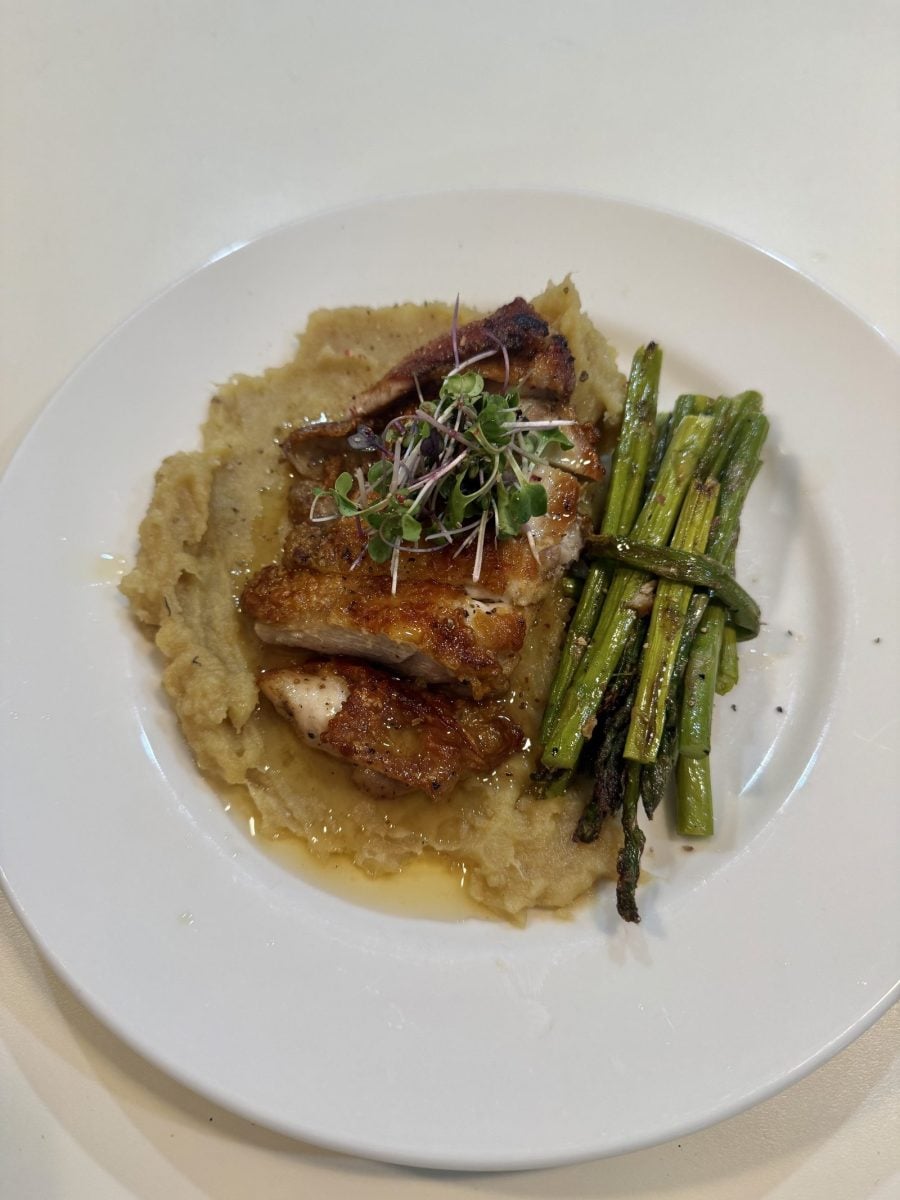
This is skin-on chicken thighs that have been seared in a hot pan, served over mashed potatoes with the juices from the chicken. I would sear my chicken on all sides, cooking it all the way, and then remove the chicken from the pan, and with the fat left over, build a simple pan sauce with maybe garlic or onion, some fresh cherry tomatoes, a little bit of heavy cream, and maybe a splash of Dijon mustard, and cook it until it’s thick.
When I’m making mashed potatoes, I like to take whole garlic cloves and a little bit of butter and roast it in the oven for about 15 minutes until it gets nice and golden brown, and then put it in my small food processor with butter and heavy cream and blend it into a nice smooth paste. That way you can mix the roasted garlic into your mashed potatoes without winding up with big chewy kind of chunks that stick to your teeth.
I love bone-in, skin-on chicken thighs just because they have so much more flavor. When you’re searing your chicken thighs, you want to start with the skin side down to really get it crispy, and you want to have nothing in the pan, no oil or anything. All the fat will come out of the chicken skin and it’ll render in its own fat and get really crispy, and then flip it over.
This one is a great application for a more whipped or creamier or smoother mashed potato, because you’re going to have some pan sauce left over from the chicken, but it won’t be as much like a gravy from, say, a pot roast. So a saucier mashed potato would go great, especially against the crispy contrasting texture of the chicken.
9) Glazed Bone-In Pork Chops
These are pork chops that have been either pan seared or cooked in the oven with a maple mustard glaze. Bone-in pork chops are great. They have a lot more flavor and they tend not to dry out as much. They can be a little intimidating to cook, but you’re still looking for a nice medium pink color.
I like to sear them hard in the pan and then finish them in the oven. This is an easier way to control the cooking process instead of just cooking them hard on either side and maybe drying out the middle. Any glaze like this that has a sugar in it, it’s probably best to add it while it’s in the oven and brush it on several times over the last few minutes, as opposed to putting it on first and then searing it in the pan, because the maple can kind of burn and give you a burnt, sticky, not so great taste.
I like to do a Dijon or a stone ground mustard as opposed to a yellow with this one. I feel like those mustards are a little bit more mild on the vinegar side, and the yellow mustard kind of fights the maple syrup. A little bit of brown sugar and smoked paprika mixed in here go a long way too. Another trick I like to do for a glaze is I’ll throw a little bit of soy sauce in to add some saltiness. You don’t really notice the flavor, but it does add a little bit of depth.
10) Slow-Roasted Beef, Medium Rare
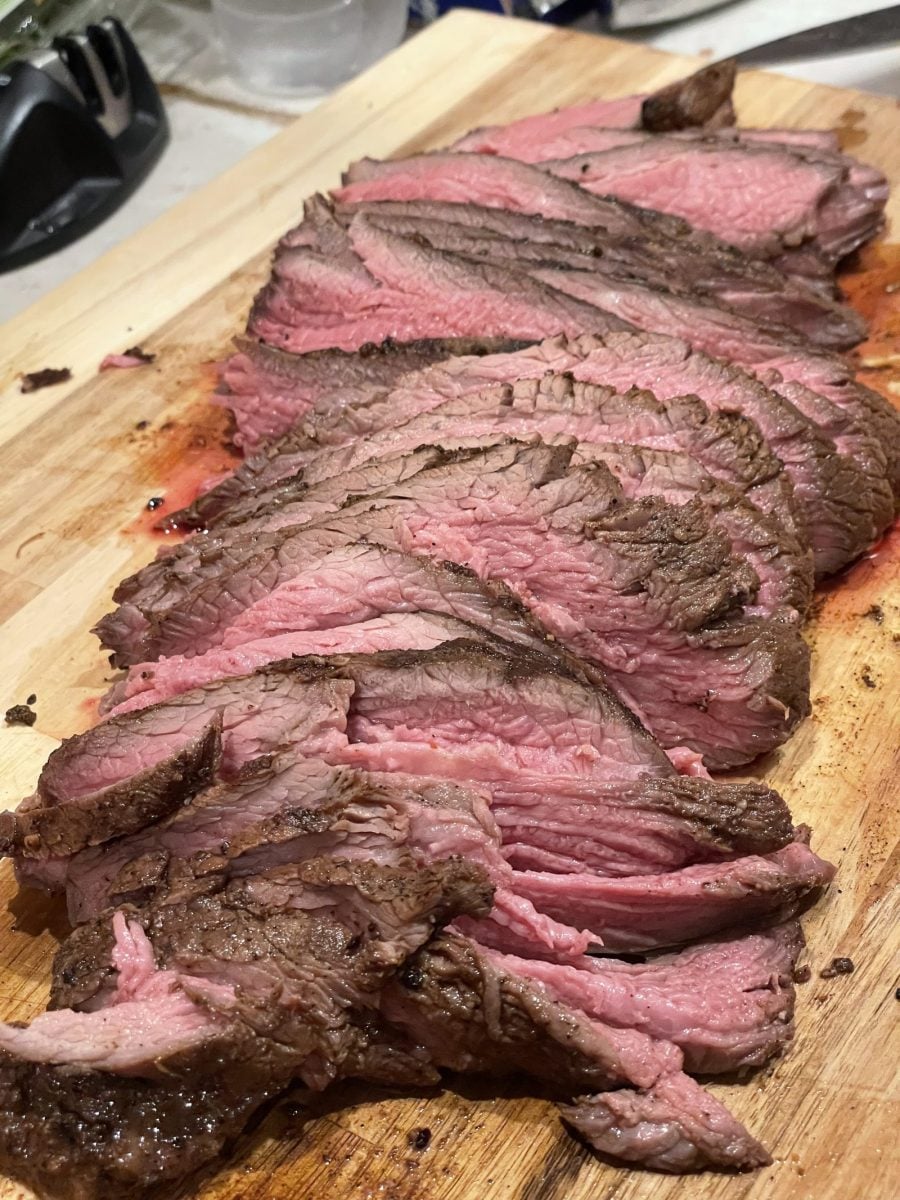
This is beef that has been roasted in the oven at 250 degrees until the internal temperature reads 125, then the oven is cranked up for a hard blast to brown the outside, and it’s sliced thin against the grain. You can get a lot of variation with different cuts of beef in this preparation, so it depends on what you’re using. If you’re trying to get it to be tender at the end, I would recommend leaving your beef whole, whatever you’re using for this process. Otherwise, if it’s something like a chuck, maybe cut it up small and cook it in a little bit of liquid in the oven.
Roasting beef in the oven is a really great way to hit your target temperature without overdoing it, as opposed to grilling, which can flash with fire, or you can really overcook it if you’re not paying attention. If you have access to a remote digital probe thermometer, you can put the thermometer in the beef while it’s cooking in the oven, and the display is on the outside of the oven, it kind of sticks like a magnet, and then it will set off an alarm when it reaches that internal temperature. Those can be super helpful.
Generously season your beef for this preparation. You’re going to want a really good crust on the outside, and that’ll come from when you turn it up at the end. Beef really loves salt, so you can pile it on.
This one I would probably serve with roasted veggies because I’ve got the oven going, so some onions, carrots, potatoes, really whatever you’ve got laying around. Throw those on another sheet pan, and towards the end of your cooking process, just throw them in alongside it. This would be great with a simple horseradish sauce: sour cream, mayo, horseradish, lemon juice, and Worcestershire. I really love mushrooms with steak too, so I would even maybe season some and sprinkle them around in the roasting dish with the beef.
11) Baby Back Ribs
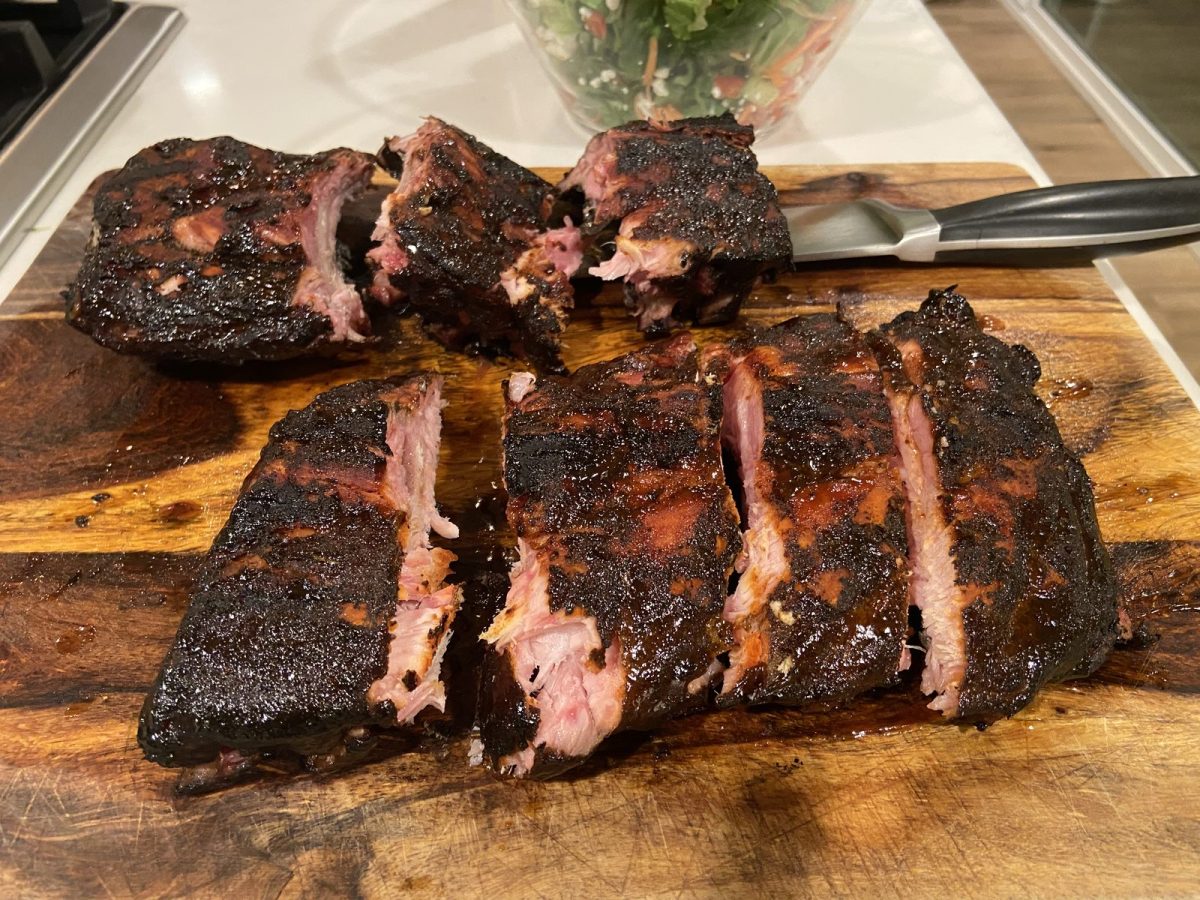
These are pork ribs that have been slow roasted in the oven until they fall apart. With pork ribs, you’re going to want to remove the silver skin off of the back. This is kind of like a thin layer that almost looks like saran wrap. Sometimes you have to use a little bit of a paring knife, but you want to take all of this off, otherwise it’s not going to eat very well.
When I make pork ribs, I like to give them a quick boil in maybe beer or stock or something like that, and then take them out and give them a very liberal seasoning, and then wrap them in foil and bake them meat side down, bone side up. For the last half an hour of the cooking process, I like to take the foil off of the ribs and place them meat side up on a sheet pan, and then begin brushing them with my barbecue sauce. Every five or ten minutes, add a little bit more to get a really nice sticky layer on it.
Serve this one with the barbecue sauce on the side as well, and plenty of napkins, because it’s going to be a mess. Make sure you’re getting baby back ribs instead of St. Louis style ribs. St. Louis style ribs can have a weird sort of chewy piece of cartilage in them, whereas baby back ribs are going to be all bone.
Ribs can be pretty forgiving too. You can cook them almost as long as you want, as long as you’re keeping the oven temperature low. I like to pull all the bones out of the leftover ones and shred it all up and serve it with mashed potatoes or coleslaw or on a sandwich the next day.
12) Loaded Baked Potato Bar
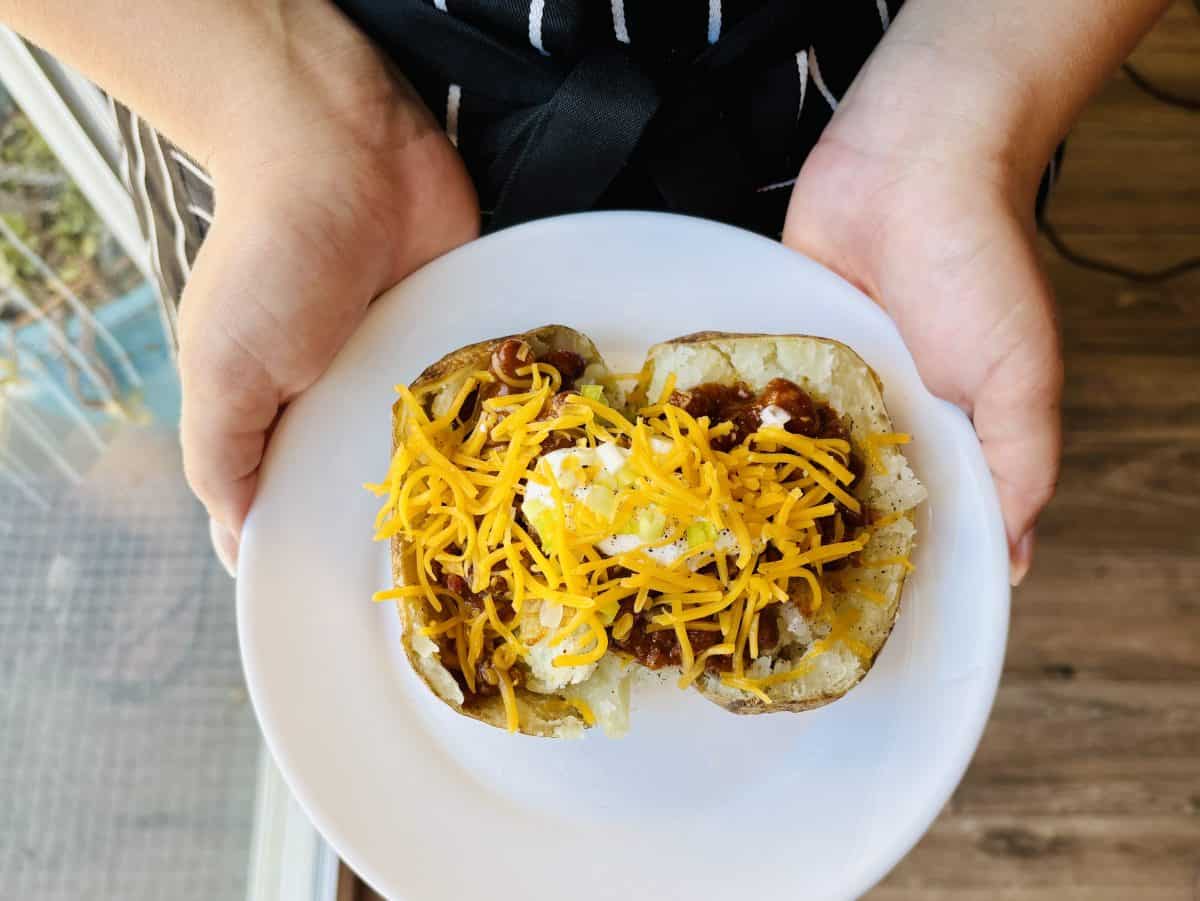
These are baked potatoes that are cooked until they’re crispy, served with all the toppings on the side, such as cheddar, sour cream, bacon, chives, or even leftover chili. My favorite way to make baked potatoes is to take your potatoes, wash them, poke them all over with a fork, and then put them in a gallon Ziploc bag. Throw some neutral oil in there like an avocado oil, not olive oil or anything too strong, plus salt, pepper, and garlic powder.
Seal the bag up and toss them very vigorously. This gets oil everywhere and works all the seasoning into the little holes, and then just bake them in the oven uncovered until they’re fork tender.
I like to cut broccoli kind of small and roast it in the oven and then serve it on the side with this. Kids love that with cheese on their baked potatoes. An easy way to get a little bit more protein into somebody’s diet without them knowing is to swap out the sour cream for Greek yogurt. This one’s always a favorite in my house too, and if we have anything leftover like steak or rotisserie chicken, I’ll just pan fry that for a second in a little bit of butter and set it on the side as well.
