
Mediterranean cuisine is one of my favorite ways to cook. It’s fresh, light, healthy, flavorful, and very focused around highlighting the ingredients without overdoing them.
The following recipes are Mediterranean soups that focus on using pantry staples that you already have and save you a trip to the store, to make a delicious flavor that your family will keep coming back for.
1) Greek Lentil Soup
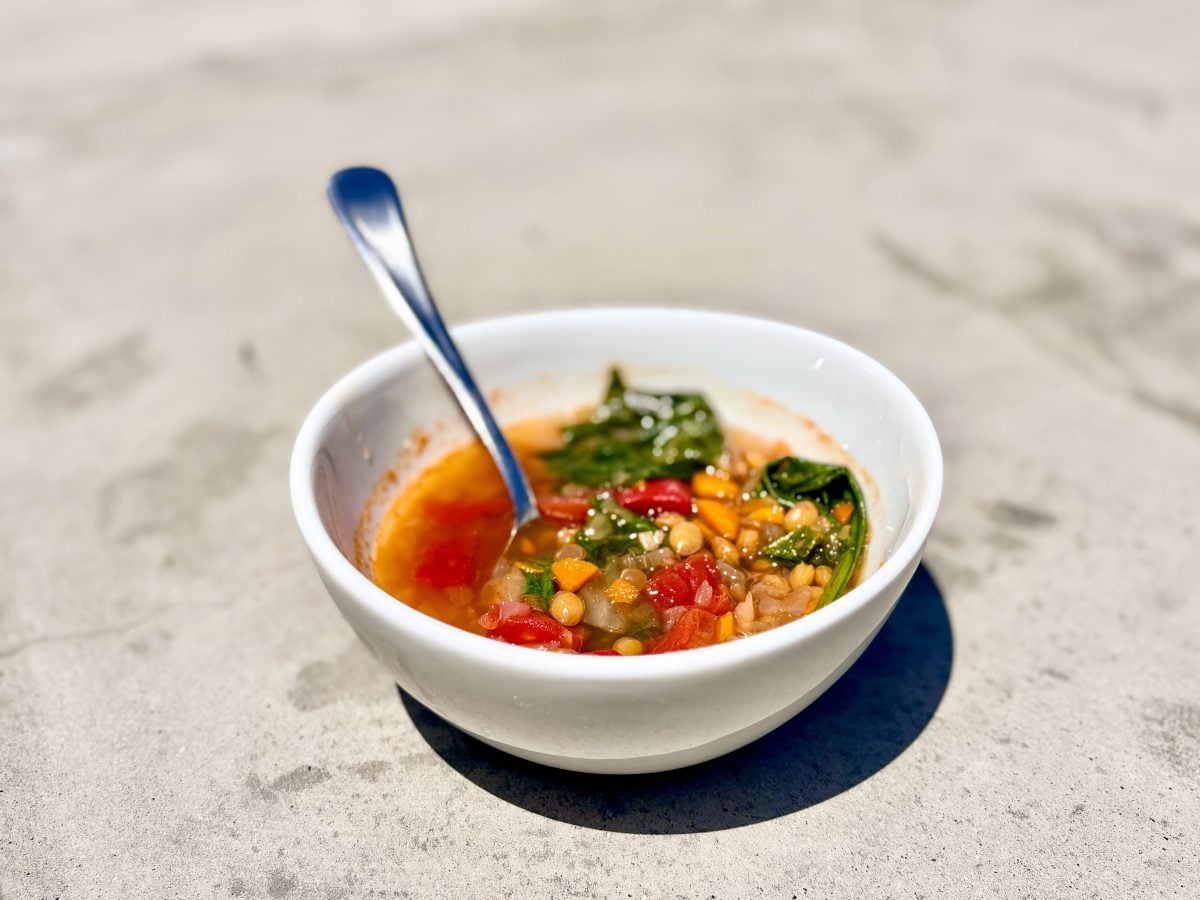
This is lentils that have been cooked with onion and garlic, bay, and olive oil, a little splash of red wine vinegar, served with crusty bread. I always make sure to rinse my lentils really thoroughly before I cook them, making sure that no small stones have made it through the screening process.
I like to brown my onions thoroughly in the bottom of the pot and then add my garlic at the last second, cooking it just slightly. It tends to burn very fast, so you want to be careful not to do that. And then add the lentils, cooking them without anything else except for a little olive oil to get a good browning on them.
I like to use an immersion blender to puree my lentil soup once the lentils are nice and tender. This one’s great with crusty bread and also really good with warmed pita bread.
2) Avgolemono
This is a lemon chicken rice soup. The name is Greek for egg and lemon. When done right, it’s a very lemony, rich, creamy soup. The trick is that you want to separate egg whites from the yolks and whisk them until they make soft peaks before gently folding them into the soup, being careful not to overcook them.
I like to cook whole chicken breasts and then take them out of the soup and then shred them up and add them back in. I feel that this is a better texture for eating.
I serve this one with fresh parsley on top and extra lemon wedges on the side because personally I feel like it can’t get enough lemon.
3) Tuscan White Bean Soup
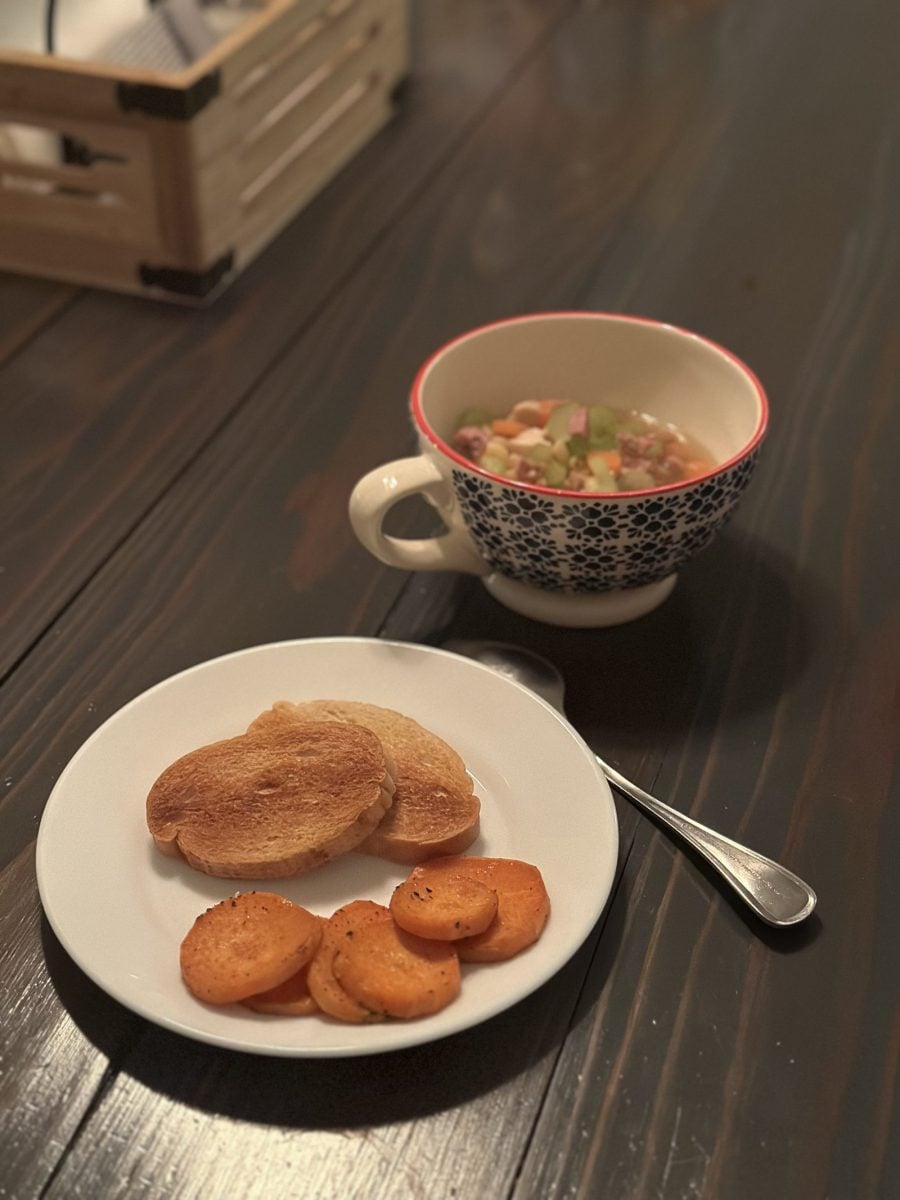
This is a soup made with cannellini beans, garlic, and rosemary, drizzled with olive oil on top. I like to do a little bit of bacon or any sort of cured ham like pancetta or even prosciutto if it’s extra fatty. Cut it up really small and saute it first before you add the garlic and the rosemary and the whole beans.
Once your soup is mostly cooked all the way through, you’re going to want to puree a little bit of it. I like to take some out, put it in a small pot, and blend it with an immersion blender, or just pour it into a blender and then add it back to the soup, stirring it.
Be careful not to go too heavy on the rosemary because it has a very intense flavor.
4) Ribollita
This is a Tuscan stew with beans and vegetables that has been cooked and thickened with day-old bread. I like to use cannellini beans for this one because of their soft texture.
If at the end when you’re done making the soup it’s a little bit too watery, just go ahead and add some more of the day-old bread and let it dissolve to help thicken. I like to add kale or a similar green to this, just making sure to tear it up really small and adding it in for the last half an hour of the cooking process.
I also like to garnish it with grated parmesan, or shaved if I have it.
5) Tuscan Vegetable and Bean Soup
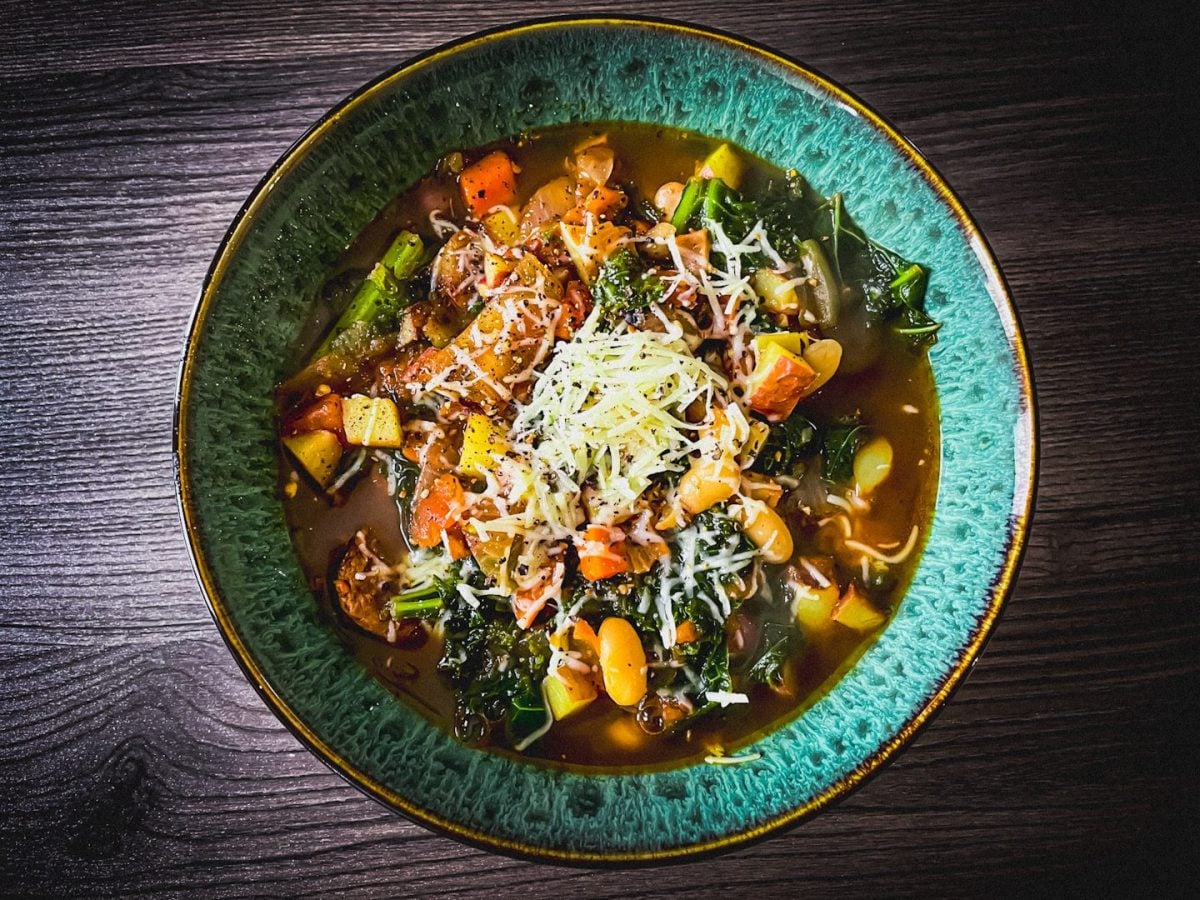
This is a soup of beans, vegetables, whatever you have on hand, and a parmesan rind. Parmesan rinds are a great way to impart flavor in your soup. You can put them in as long as you like, just make sure you fish it out before you eat it because it does not eat very well.
I like to do carrots, canned tomatoes, onions, celery, and any other veggies I have laying around, along with cannellini or great northern beans.
I love a good tomato stock or tomato sauce for this as well, so I like to do canned tomatoes and leave the liquid in when I’m cooking the soup.
6) Pasta e Fagioli
This is Italian for pasta and beans. This is a soup of onion, carrot, celery, tomato, and beans with small pasta added. I like to make the small pasta on the side, and then when I’m heating up the soup or ready to eat the soup, I will fill the bowls with the soup and then add pasta to the top. I find that leaving the pasta in the soup makes the leftovers pretty terrible because it drinks up all the liquid and it gets really mushy.
When you cook your pasta, make sure you save some of the extra water. It’s a really nice addition to your soup, or really any kind of Italian cooking, to add that flavorful pasta water and mix it back in.
This is almost more of a heartier stew than a soup, so you want to make sure to cook it till most of the liquid’s gone and it’s really thick. I like to do big chunks of Italian crusty bread that you can just tear up and dip right in the soup.
7) Chilled Tomato Gazpacho

This is a cold tomato soup with cucumber, pepper, garlic, and olive oil blended raw. This one you want to make sure to let rest in the fridge for as long as you can. The flavor will really start to develop and it’s meant to be eaten cold, as odd as that seems.
When you’re adding your cucumbers, cut them in half lengthways and seed them so you get some of the extra moisture out.
This is also a great soup to serve with crusty bread or sliced baguette that’s been slightly toasted and served warm for a nice contrast to the cold soup.
8) Italian Wedding Soup
This is a brothy soup with tiny meatballs and really small pasta. I remember the first time I had this, I loved it, and I’ve never forgotten the name of the pasta, acini di pepe. It’s tiny little pasta almost like rice that complements the meatballs really well.
For this one, if you’re hand making the meatballs, try your best not to overwork them and keep them really small. And what I like to do is put them on a sheet pan in the oven and bake them on parchment paper, and then just give them a little shake every five minutes to help brown all the surfaces.
This is another one where cooking your pasta separately is a good idea, and then adding it in per serving as opposed to the entire pot. Go heavily on the dried Italian herbs for this one too, and a nice drizzle of olive oil on top.
9) Green Gazpacho

This is another chilled soup made with cucumber, green peppers, and herbs served in shot glasses. When you’re making this one, you’re going to want to use a blender as opposed to a food processor. Food processors tend to not be able to chop things up quite as fine as you’re looking for with this one.
What I like to do with a soup like this is blend it as fine as I can in a blender, and then pass it through a fine mesh sieve into the container that I want to store it in. Sometimes you have to use a spatula to push some of the pulp around, letting the liquid drip through.
If you’re serving these in little shot glasses or any small glass, it’s fun to take a thin slice of cucumber and make a little notch in the bottom to stick on the glass for a nice garnish.
10) Stracciatella
This is a brothy soup typically with shredded meat like chicken in it, along with thin strands of egg. It’s very similar to an Italian version of egg drop soup. What you want to do is whisk your raw eggs together with grated parmesan cheese, and then you’re pouring them into steaming broth while whisking it heavily. This will give you nice long silky strands of egg.
I like to try to do authentic parmigiano-reggiano for this one because this soup actually comes from the same region of Italy where that cheese does. I also like a little bit of green in here. I’ll either do fresh parsley towards the end, or spinach and let it wilt and then serve it.
Make sure you go slow adding the eggs so you don’t curdle them or overcook them into scrambled eggs. You want a nice slow drizzle pouring into your pot while whisking the pot continuously.
11) Moroccan Harira
This is a very fragrant Moroccan lentil tomato soup with chickpeas, ginger, cinnamon, and cumin, and lemon and cilantro at the end. With all these big spices for a soup like this, I like to warm up a little bit of olive oil on medium heat until it slides around the pan easily, and then throw my spices in and toast them for just 30 seconds to a minute, moving them around with a spatula to really wake up the flavor.
I think fresh tomato and canned tomato would be excellent for this, for the flavor and the texture. This would be great served with some naan bread.
Some harissa paste would be really great as well if you want to make this nice and spicy.
12) Butternut Squash Soup
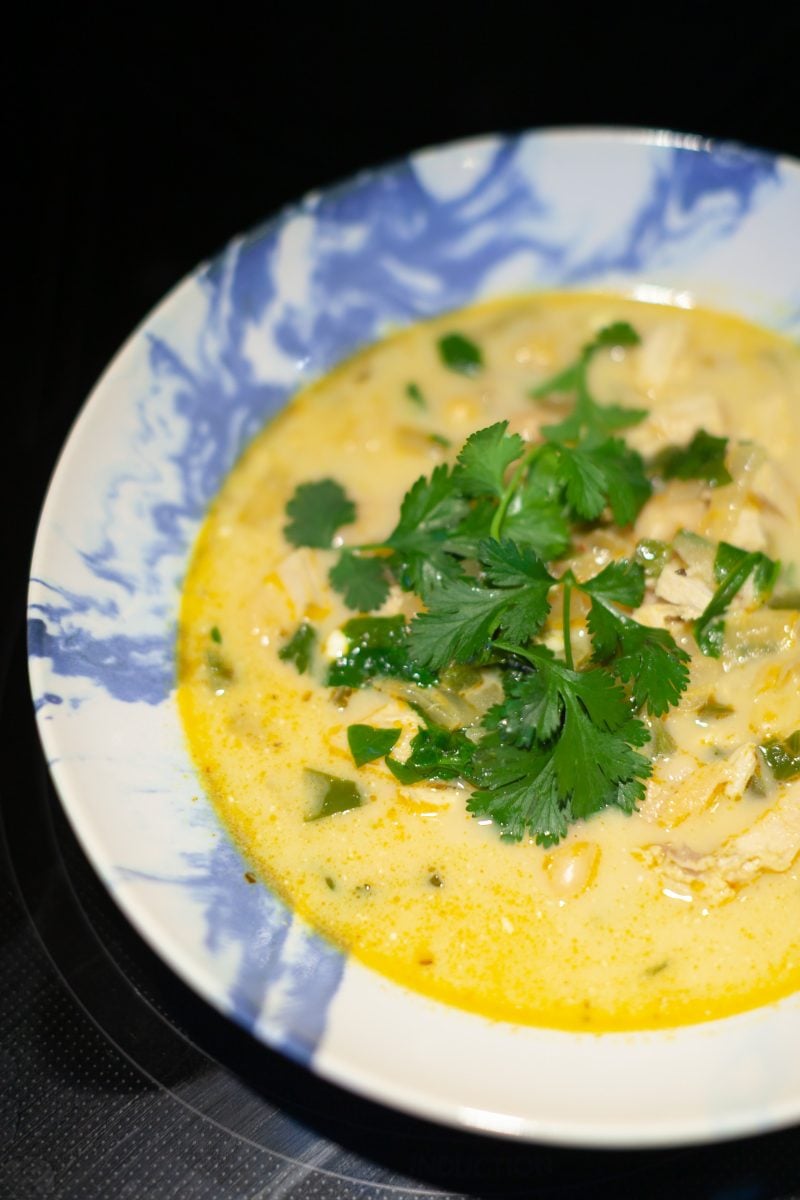
This is a soup of roasted butternut squash that has been blended with broth and spices, typically finished with cream or cilantro or parsley. I’ll cube all my butternut squash pretty large and then season it with salt and pepper, brown sugar, and a little bit of smoked paprika and chili powder. I find that the sweetness of the squash goes really well with the smokiness of the other two flavors.
I’ll take a small squeeze bottle and mix sour cream with a little bit of heavy cream, shake it up, and then I’ve got a nice sour cream drizzle for on top of the soup for a really nice decorative garnish.
I find that a nice chicken stock goes really well with this one as well, to kind of balance out the really sweet flavor that you get from the squash. But what I like to do is use stock that comes in paste form, because then you can dial in how flavorful your broth is, and in this case I would just use a little bit so it’s not too forward of a chicken flavor.
13) Roasted Red Pepper Soup
This is a creamy red pepper soup made with tomato and garlic, finished with yogurt on top. When I picture roasted red pepper soup, I think of something creamy, so I would probably add some heavy cream towards the end of the cooking process and just kind of blend it in.
Red peppers can have a pretty strong flavor even if you blister them and soften them up, so I would probably cut this with some tomato too, so it was more of a tomato basil roasted red pepper soup.
These are really good if you can blister or char your peppers. If you have a gas stove you can do it just right on the stove eye, but before you put it in the soup you want to try to peel that outside burned off layer because it won’t have a ton of great flavor.
14) Zuppa Toscana (Sausage and Kale Soup)
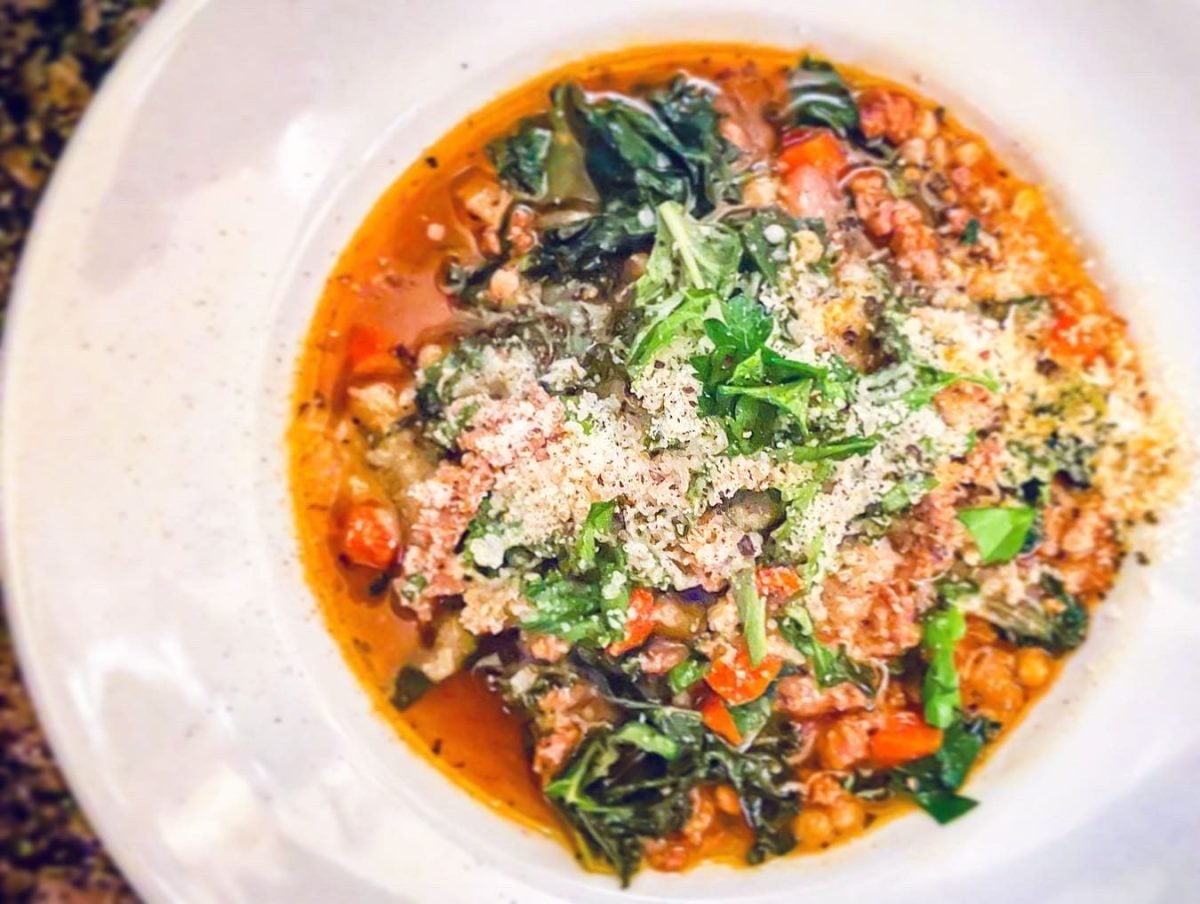
This is an Italian soup with Italian sausage, potatoes, kale, and a light creamy broth. I like to take my sausage and brown it in the bottom of the pot first, crumbling it up not super small but decently small so you get some good sized chunks, but it also fits well in a spoon with the other ingredients.
Once I pull all the fat out of the sausage from browning it in the pot, I’ll throw in my potatoes. Pretty small cubes on the potatoes so again they fit in there with everything else, and then you’re going to do your stock.
Saving the cream for the end, stick with heavy cream as opposed to milk so it doesn’t curdle. Serve this one with lots of parmesan cheese on top of the bowl, and don’t worry about the kale, it’ll hold up just fine in the soup in the fridge.
15) Spanish Chickpea and Spinach Soup
This is a soup with smoked paprika and spinach, garlic, and chickpeas, a splash of sherry vinegar at the end for acidity. I would take the chickpeas and coat them lightly in a little bit of oil in a high-walled saute pan and try to get a good roast and color on them, then add the smoked paprika at the end to really elevate the smoky roasted flavor.
I think you could go ahead and put plenty of other aromatics like leeks or onions in this too, as long as you just cut them small enough, or even just blend the liquid part of the soup before you add the chickpeas back into it.
Instead of sherry vinegar I’d probably go with either champagne vinegar if you have it because it’s just a little fancier, or just good old-fashioned lemon juice.
16) Minestrone
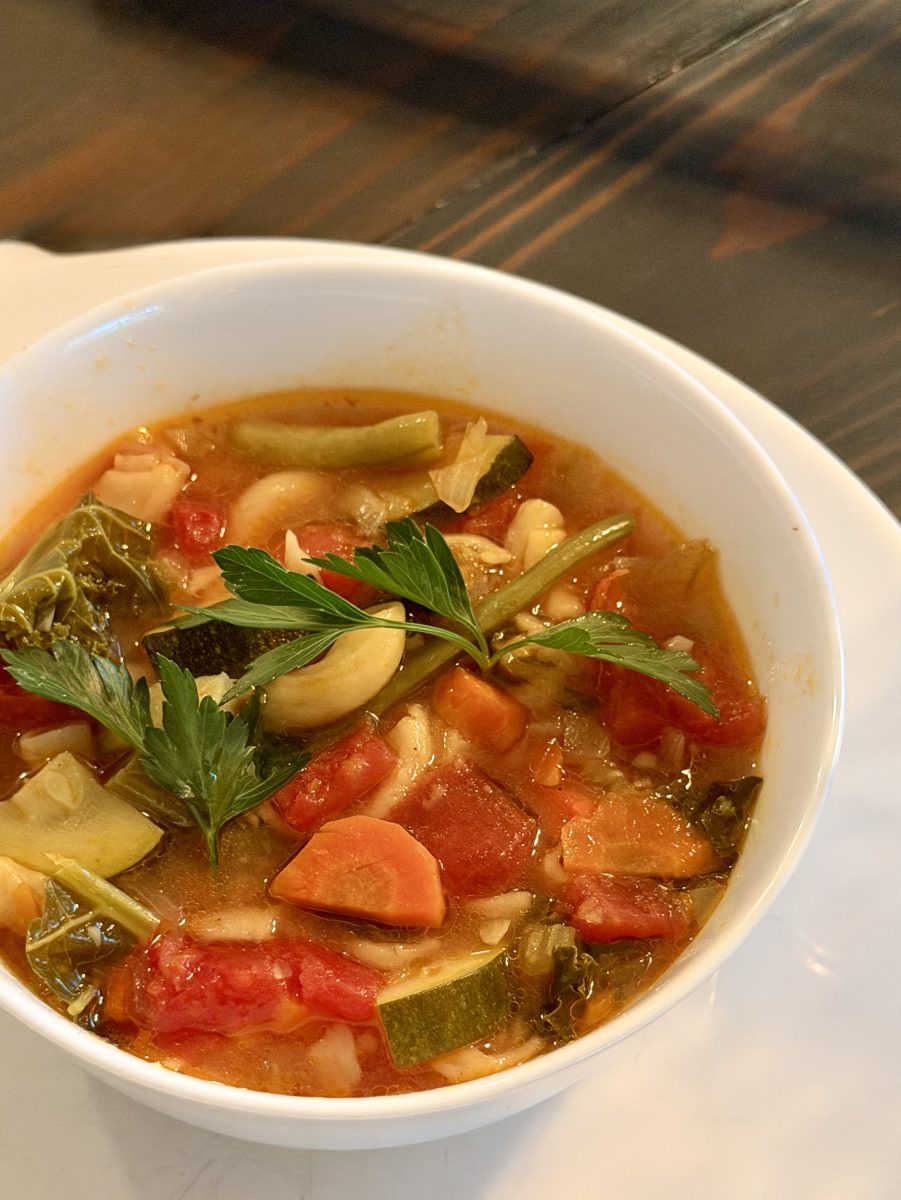
This is a tomato broth based soup with beans, vegetables, parmesan, parmesan rind, and small pasta. You want to cut all your vegetables small enough in this one to fit in a spoon. That’s typically a good rule of thumb to use when you’re making any kind of soup, is just keep your dice small enough, and you can adjust your cook times based on how hard your veggies are.
Something like a zucchini you want to put in at the end, whereas a carrot or an onion or a bell pepper you could throw in the beginning and saute in the pan before you add the liquid, and it’ll hold up without breaking down too much.
I like to do pasta in my minestrone as well, so I will make some small pasta on the side and then just add a little bit to the bowl as opposed to putting it in the soup itself. Reserve a little bit of pasta water too, because sometimes all the beans and the veggies will drink up a lot of your broth, and you can just add a little bit of pasta water to bring it back from a stew to more of a soup consistency.
17) Fasolada
This is a soup from Greece of vegetables and white beans cooked in broth and olive oil. For this one you want a nice long simmer of tomatoes and beans and carrots and celery and lots of olive oil.
I think you can’t go wrong adding almost any fresh herb to this. Basil or parsley would be really nice, dried thyme or fresh thyme, fresh oregano.
Cannellini beans are a great white bean to use for this because they’re readily available in the United States and they also have a really great soft texture for soup.
18) Mediterranean Scallop and Vegetable Soup
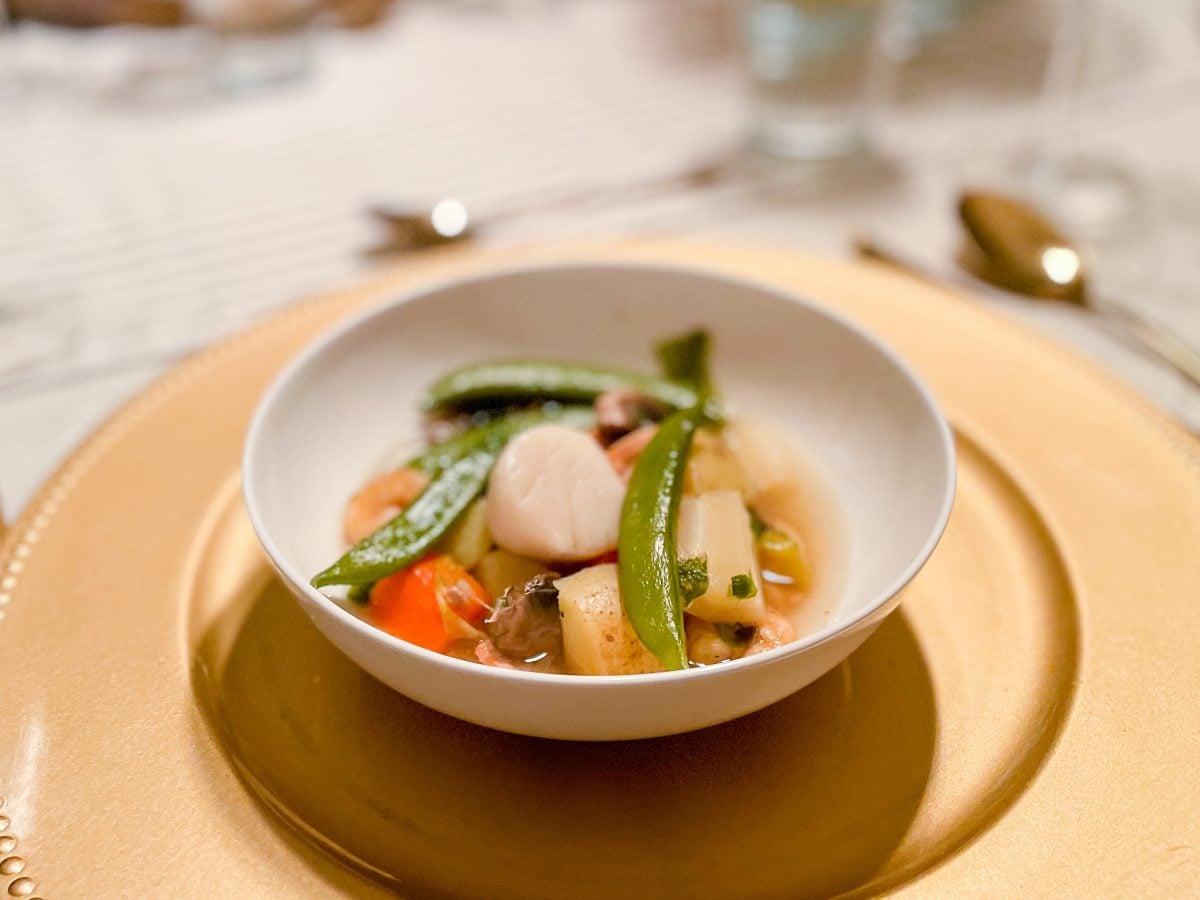
This is a soup with a light tomato vegetable broth and scallops finished and thrown in at the end, served with bread on the side. For this one I would try to keep the veggies light or small, or maybe make a nice hearty veggie stock and then strain everything out so you’ve got nothing in the way of the scallop texture when you’re eating them.
I would do my scallops in a pan on the side, not throw them in the soup to finish them, because you can’t just put them in there. They’ll just keep cooking in your leftover soup and they won’t be good the next day, or might add too much of a fish flavor to the stock in general. So I’d probably just sear them on each side in a hot pan with butter and salt and pepper, a little bit of lemon, but you don’t want to overcook them.
Tarragon or thyme or chives would be some great herbs to infuse into your broth for this, as they would go pretty well with the delicate flavor of scallops, and you could also finish this one with a wedge of lemon.
19) Portuguese Caldo Verde
This is a soup with potatoes pureed into the broth with kale and smoky sausage. For this one, if you’re using smoked sausage that’s been sliced into little coins or medallions, you could fry it in the bottom of the pot first and then take it out, set it aside, and then build the rest of your soup and add your potatoes in.
This one you’re going to want to let the potatoes cook down until they kind of turn into a really mushy, falling apart consistency so they help make the soup creamy, and then I would add the ripped up kale back in and the sausage at the end to finish the process.
Cut your potatoes evenly to about the same size. It doesn’t matter how big or how small, as long as they’re all roughly the same size, and then you can count on them cooking at the same time, so you’re not wound up with big chunks of potato that aren’t cooked and small ones that just disappear.
20) Spanish Garlic Soup (Sopa de Ajo)
This is a soup with roasted garlic, smoked paprika, and day-old toasted bread put in the soup to thicken it. An egg is slipped in at the end to poach in the liquid. This is a soup that’s born out of peasant food, so it’s made with basic ingredients you can find in just about any kitchen.
I would roast the garlic in whole heads, where you cut the top off or just the bottom off, in olive oil, and salt it and wrap it in foil and roast it in the oven. This gives it a really creamy, smashable consistency to blend into your broth. If your soup isn’t quite thick enough, you can just add more bread. Just be careful not to overdo it.
When you’re just starting your soup, throw a little bit of olive oil in the pan to warm it up on a medium heat and then add your smoked paprika to that to really wake up the flavor before adding your broth and your garlic and your bread.
A trick for adding eggs to soup to poach that I like is I’ll crack three or four eggs into a bowl, just trying not to break the yolks, and then you just pour the whole bowl right into the soup, and the eggs for the most part tend to hold together and hold their shape.
