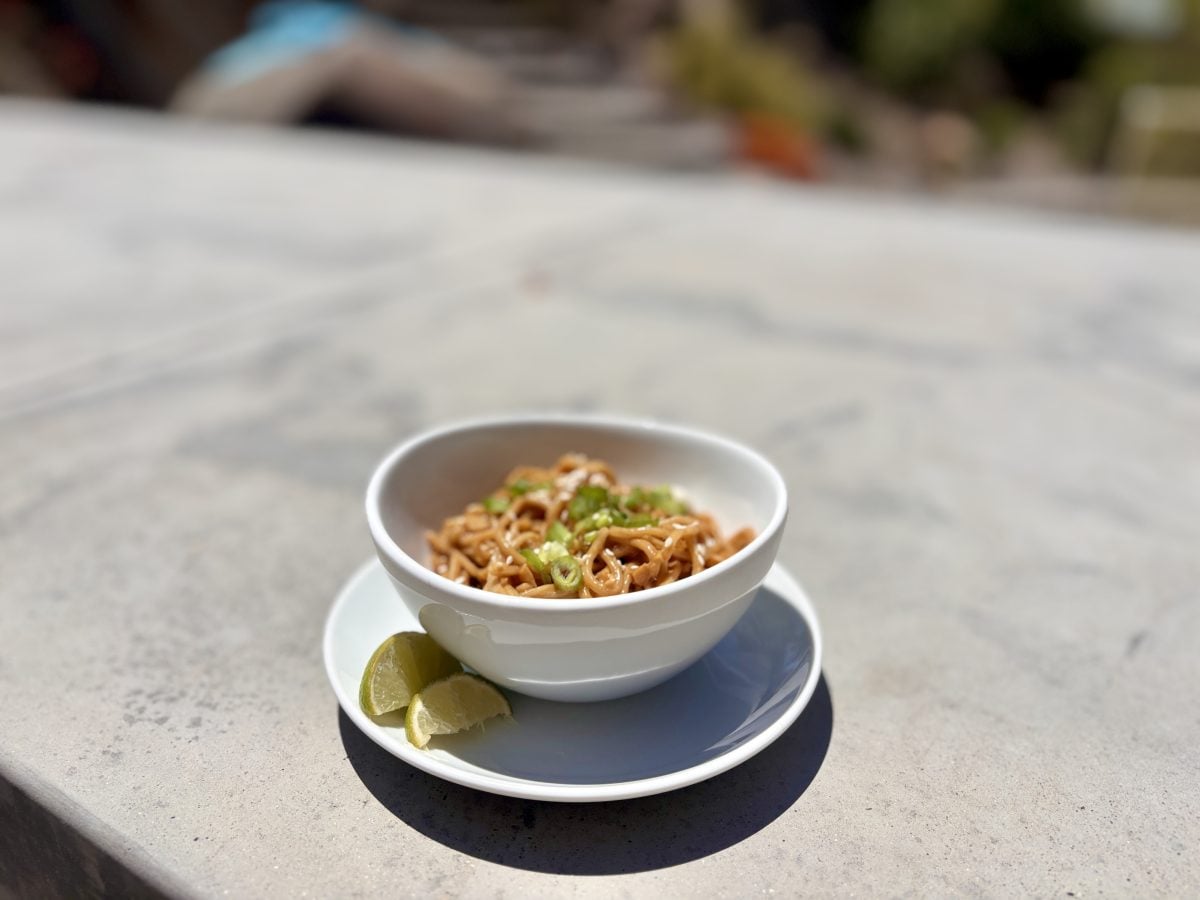
This is true: peanut noodles are one of my laziest-dinner go-tos. I can still boil noodles and whisk a sauce even when my brain is too fried to “cook.” Somehow, the outcome seems deliberate: smooth strands, a salty-sweet and nutty shine, a touch of tang, a hint of heat. The type of bowl that you can’t resist continuing to twirl your fork in, even when you’ve made the decision that you’re actually full.
This version is made for real life. It uses pantry ingredients, and only one bowl for the sauce. Plus you get a few easy options to customize the flavor (more lime?). more soy? more chili crunch? yes). I’ve prepared this for friends who “don’t like peanut butter” (they finished the bowl) and for nights when the only fresh veggie in the house was a sad little cucumber. It still works.

The 30-Second Summary
- Silky Noodles in Peanut, stripped to basics: Noodles tossed in a creamy, punchy peanut sauce with lime, soy, garlic, and optional chili.
- Why it works: Peanut butter emulsifies with hot noodle water into a glossy sauce that clings instead of pooling.
- Timing: 15–20 minutes total, including noodle boil time.
- Flavor profile: Nutty, savory, tangy, lightly sweet, with adjustable heat.
- Key tips: Use hot starchy noodle water to loosen the sauce; taste and adjust acid/salt at the end; toss while noodles are warm.
- Best noodles: Wheat noodles (ramen, lo mein), rice noodles, or spaghetti in a pinch.
Ingredients
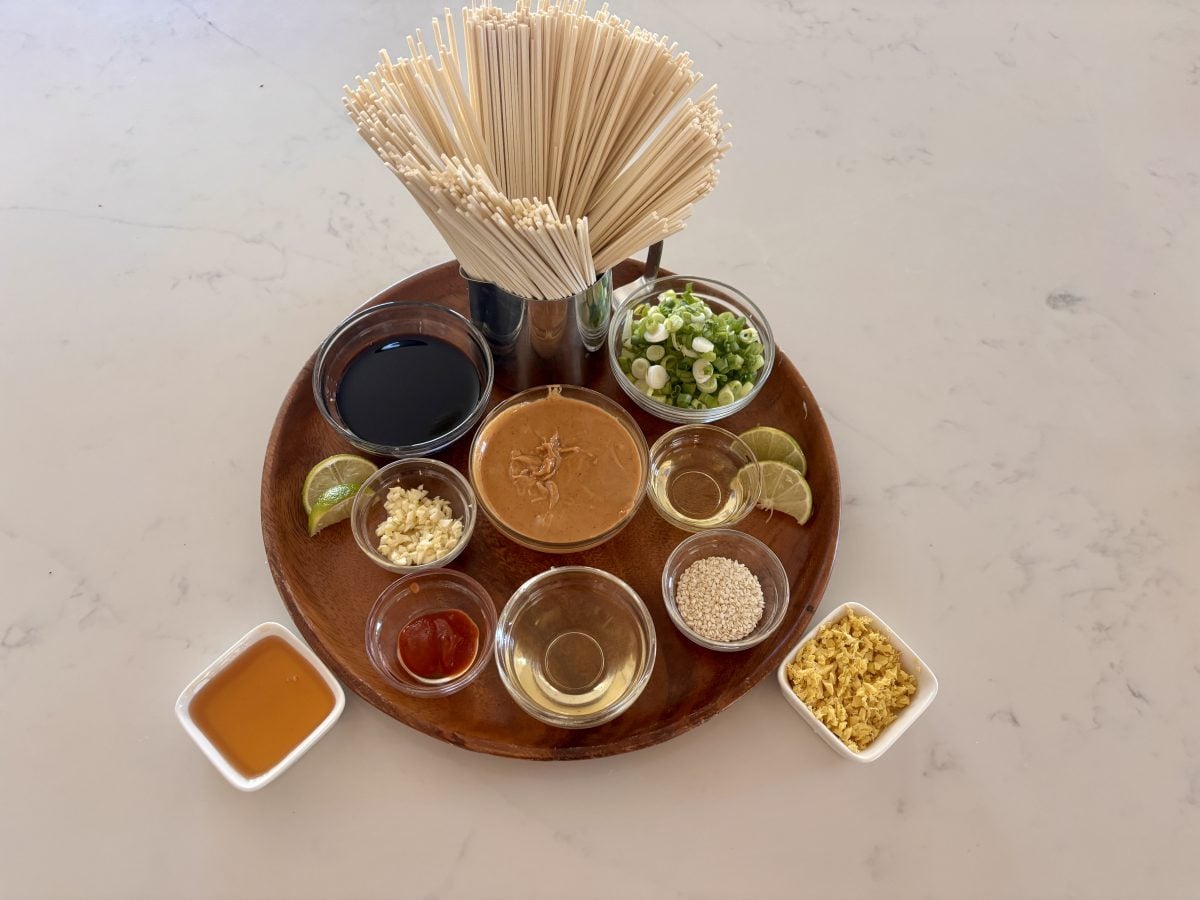
This recipe is quite flexible, but a few things are important. Pick a peanut butter that you actually like to eat: either natural or conventional works, though natural usually requires a little more stirring and a little more sweetener. Lime juice brings everything together, and soy sauce (or tamari) will be your main source of salt, so season with purpose, not hope.
- Noodles (8 oz / 225 g): Ramen, lo mein, udon, rice noodles, or even spaghetti. Choose something with surface area and a little chew.
- Peanut butter (1/2 cup / 120 g): Creamy is easiest; crunchy is charming if you like texture.
- Soy sauce (3 tbsp): Use regular soy for balanced salt; low-sodium if you’re sensitive, but you may need more.
- Lime juice (2 tbsp, plus more to finish): Fresh tastes cleaner; bottled works if that’s the night you’re having.
- Sweetener (1–2 tbsp): Honey, maple syrup, or brown sugar. This isn’t dessert: think “roundness,” not candy.
- Sesame oil (1 tbsp): Toasted sesame oil gives that “oh, this is legit” aroma. Measure it; it can bully.
- Garlic (1–2 cloves, finely grated): Raw garlic is punchy. If you’re garlic-shy, use 1 clove or swap for 1/2 tsp garlic powder.
- Ginger (1 tsp, finely grated, optional): Not mandatory, but it adds lift and warmth.
- Chili (to taste): Sriracha, chili garlic sauce, sambal oelek, gochujang, or chili crisp.
- Hot noodle water (1/3 to 3/4 cup): This is the secret lever for silkiness.
- To finish: Scallions, sesame seeds, chopped peanuts, cucumber, shredded carrots, cilantro, lime wedges.
Master Ratio (Easy To Scale)
- For each 4 oz (115 g) dry noodles:
- 1/4 cup (60 g) peanut butter
- 1 1/2 tbsp soy sauce
- 1 tbsp lime juice
- 1–2 tsp sweetener
- 1 1/2 tsp toasted sesame oil
- 1 small garlic clove (or 1/4–1/2 tsp garlic powder)
- 2–6 tbsp hot noodle water, to loosen
How would you cook noodles for two people if you have 8 oz of noodles? Double everything above. Are you cooking for one and only want 3 oz of noodles? Complete 3 out of the 4 ounces of the ratio, and make a personal commitment that you will still keep a spoonful of sauce for next day’s salad. (You might not. I rarely do.)
Ingredient Choices That Change Flavor
This sauce is essentially a miniature mixing console. Adding a little more lime enhances the sharp flavor; Adding a little more sweetener makes it taste like peanut sauce from a restaurant; A little gochujang adds depth and a slight smokiness. If you’ve ever had someone’s peanut noodles and thought, “Why are these… kind of flat?” the answer is usually not enough acid or not enough salt.
| Ingredient | Option | What it does | How to adjust |
|---|---|---|---|
| Peanut butter | Natural (stirred) | More peanut-forward, less sweet; can seize slightly | Add a touch more sweetener and extra hot noodle water |
| Peanut butter | Conventional (no-stir) | Smoother, sweeter, easier to emulsify | Cut sweetener slightly; add extra lime if needed |
| Acid | Lime juice | Bright, clean, classic | Add at the end if the sauce tastes heavy |
| Acid | Rice vinegar | Softer tang, less “citrus pop” | Use 1 1/2 tbsp vinegar + 1/2 tbsp lime (best of both) |
| Heat | Sambal oelek / chili garlic sauce | Direct heat and garlic punch | Start with 1 tsp, then creep up |
| Heat | Chili crisp | Toasty, crunchy, aromatic heat | Stir in at the end so the crisp stays crisp |
| Salt/umami | Tamari | Gluten-free, slightly richer | Use same amount as soy sauce |
| Salt/umami | Fish sauce (a splash) | Funky depth (in a good way) | Add 1/2–1 tsp and reduce soy slightly |
Add-Ins (Vegetables + Protein)
I prefer these noodles with something crunchy or fresh like cucumber, snap peas, or shredded cabbage. Protein is optional but highly encouraged: leftover rotisserie chicken, tofu, shrimp, or if you’re feeling a little “breakfast for dinner but it’s noodles” kind of vibe, a jammy boiled egg.
Instructions
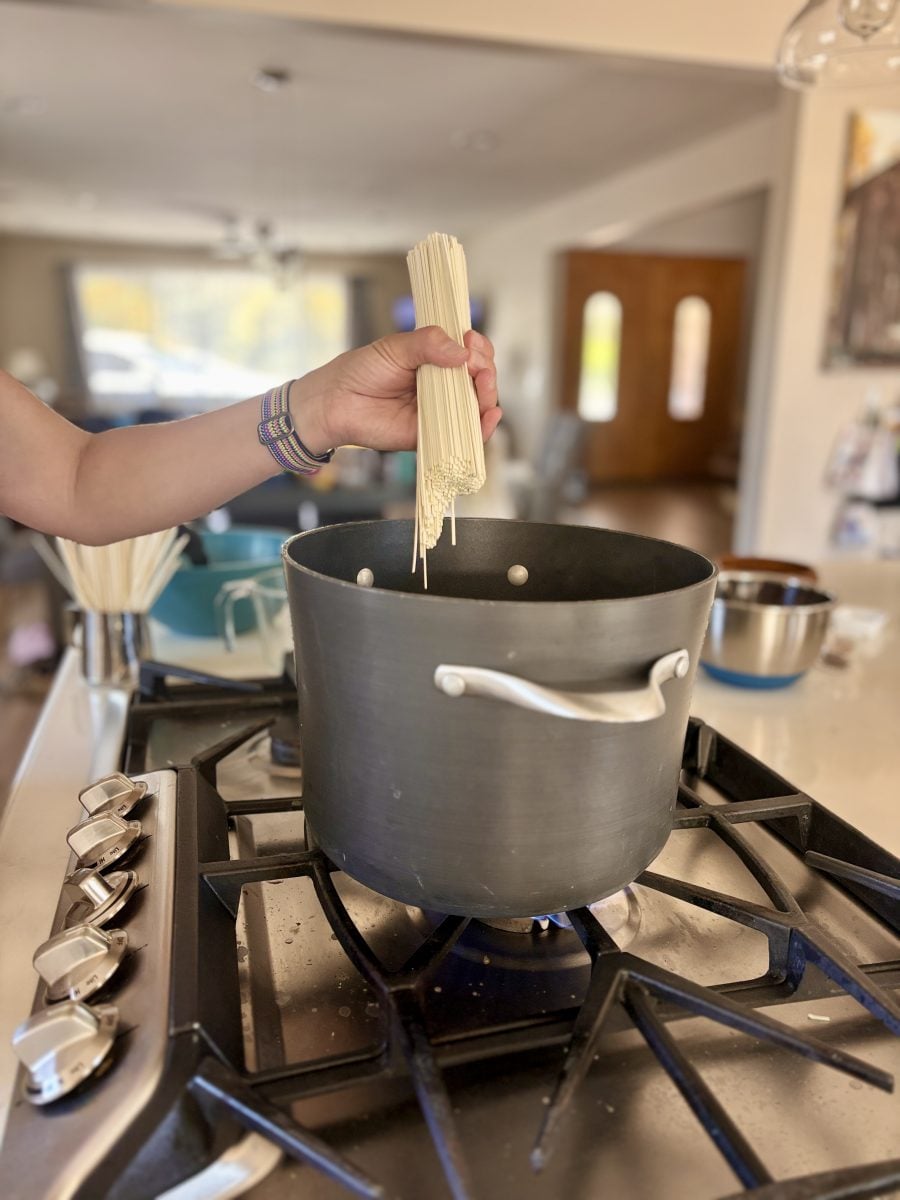
1) Boiling the noodles. Heat a pot with water to a vigorous boil then add the noodles and cook according to the instructions on the package. Don’t think too hard, but try to avoid overcooking them: peanut sauce loves bouncy noodles. Before draining, get at least 1 cup of the hot, starchy noodle water and set it aside.
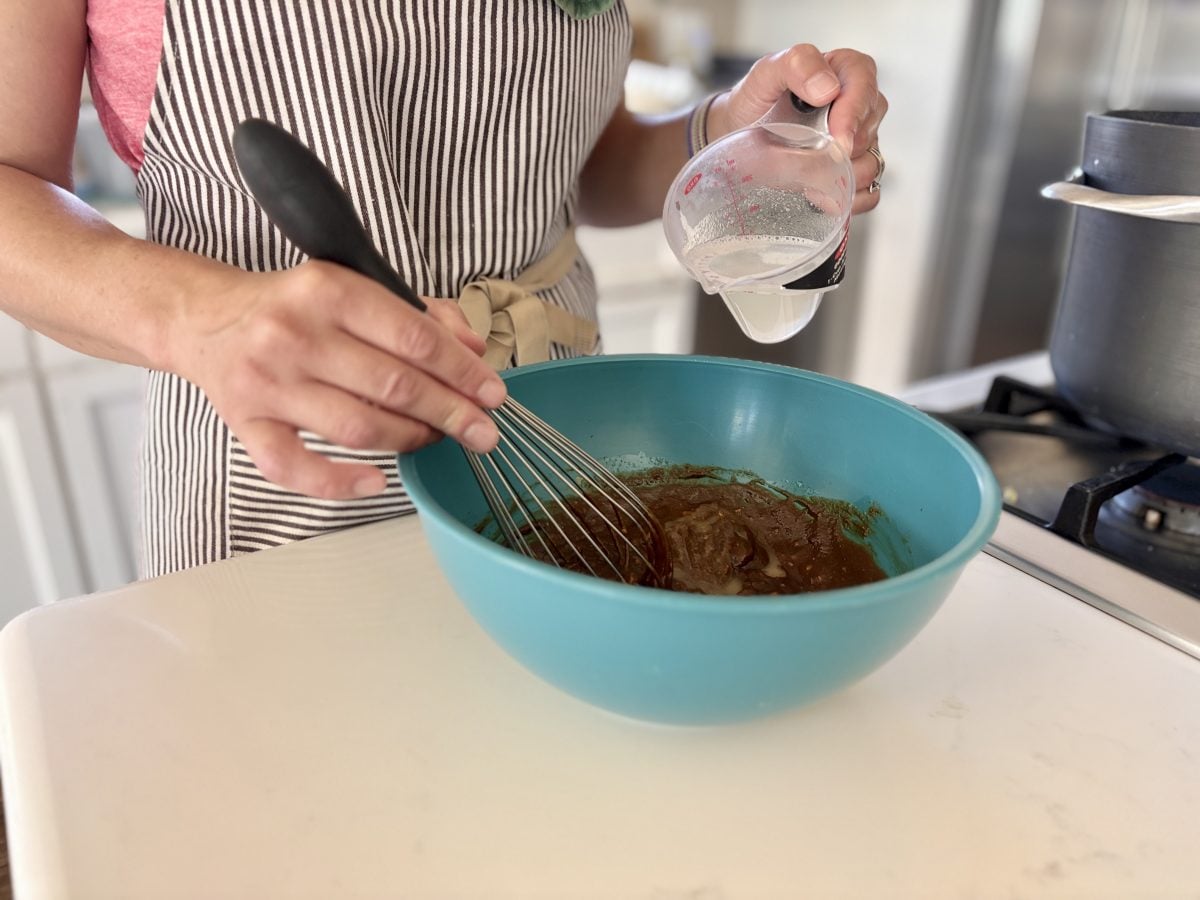
2) Mix the peanut sauce. In a large bowl (sufficient to toss the noodles), combine the peanut butter, soy sauce, lime juice, sweetener, sesame oil, garlic, ginger (if using), and chili, and whisk. It may look a little thick and stubborn at the beginning. Add 3 tablespoons of hot noodle water and whisk again. Repeat this until the sauce becomes glossy and pourable like warm honey instead of cement.
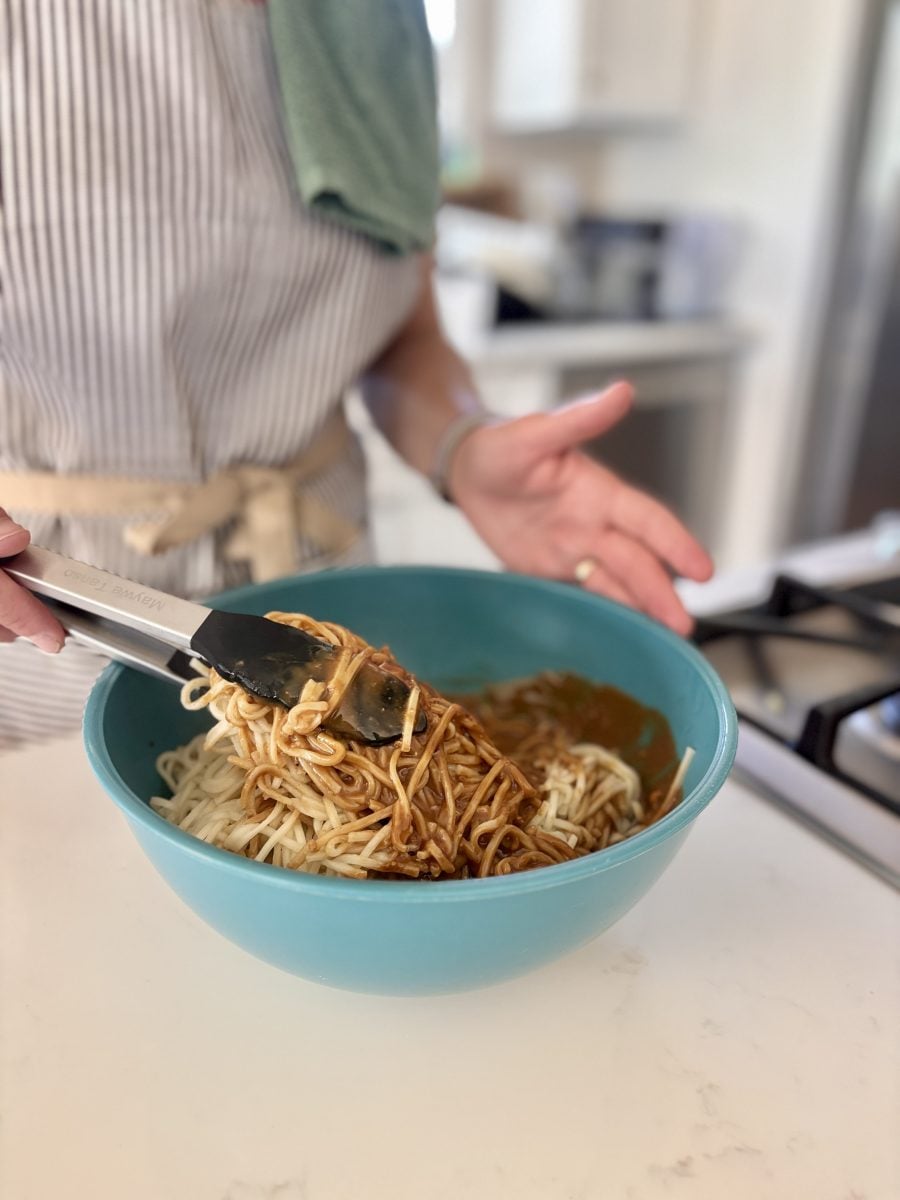
3) Toss while noodles are warm. Drain the noodles, shake off the excess water, and quickly add them to your sauce and mix. Mix well (using tongs will be helpful) so all strands are coated. Continue to loosen the mixture by adding hot noodle water, little by little, and tossing. (This portion always gives me an uneasiness which lasts about ten seconds. Then all of a sudden it becomes silky.) Trust the process.)
4) Taste and tune. Just take a bite, and decide what else it needs. Is it missing some lime to brighten it up? Maybe some soy sauce to add the salty element? Perhaps a little more sweetener to round it out? How about a little more chili to add some swagger? I usually add one more squeeze of lime at the end.
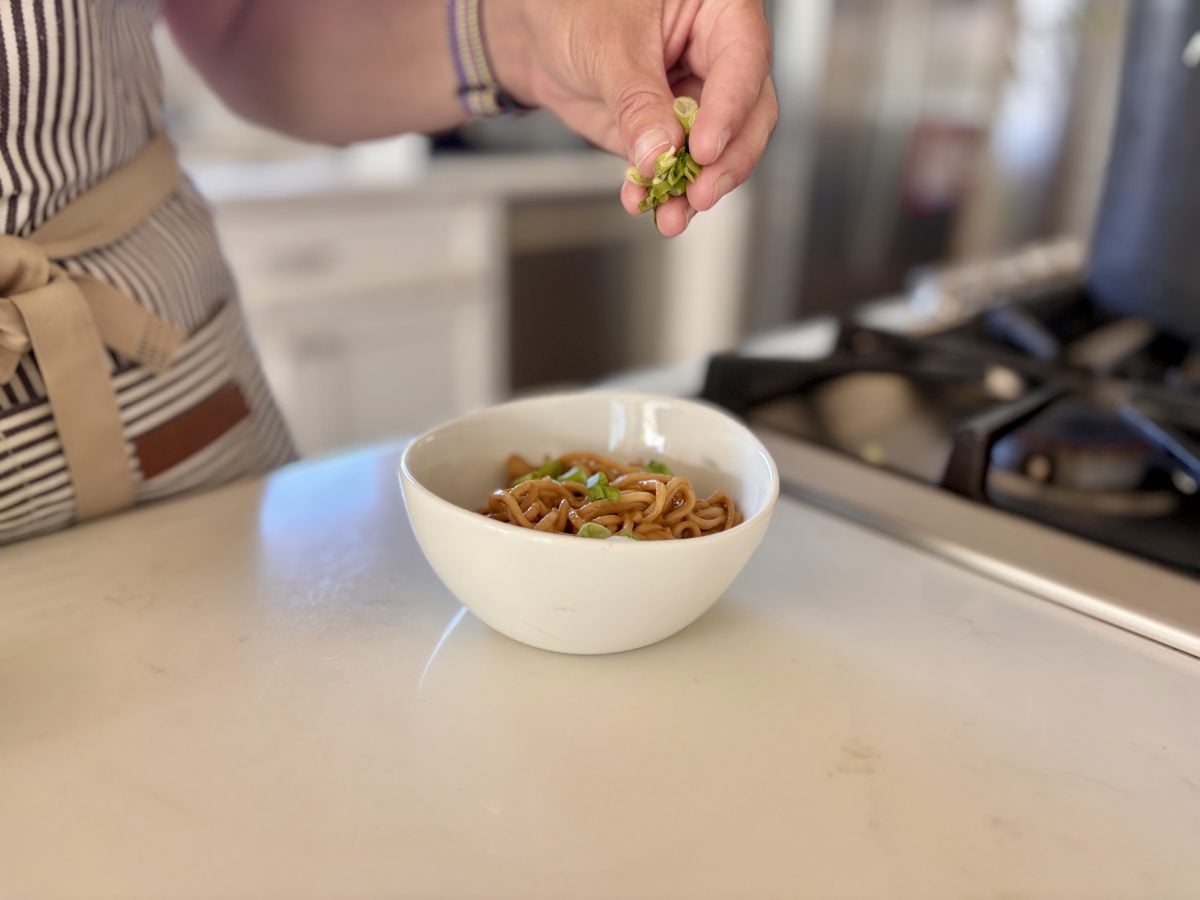
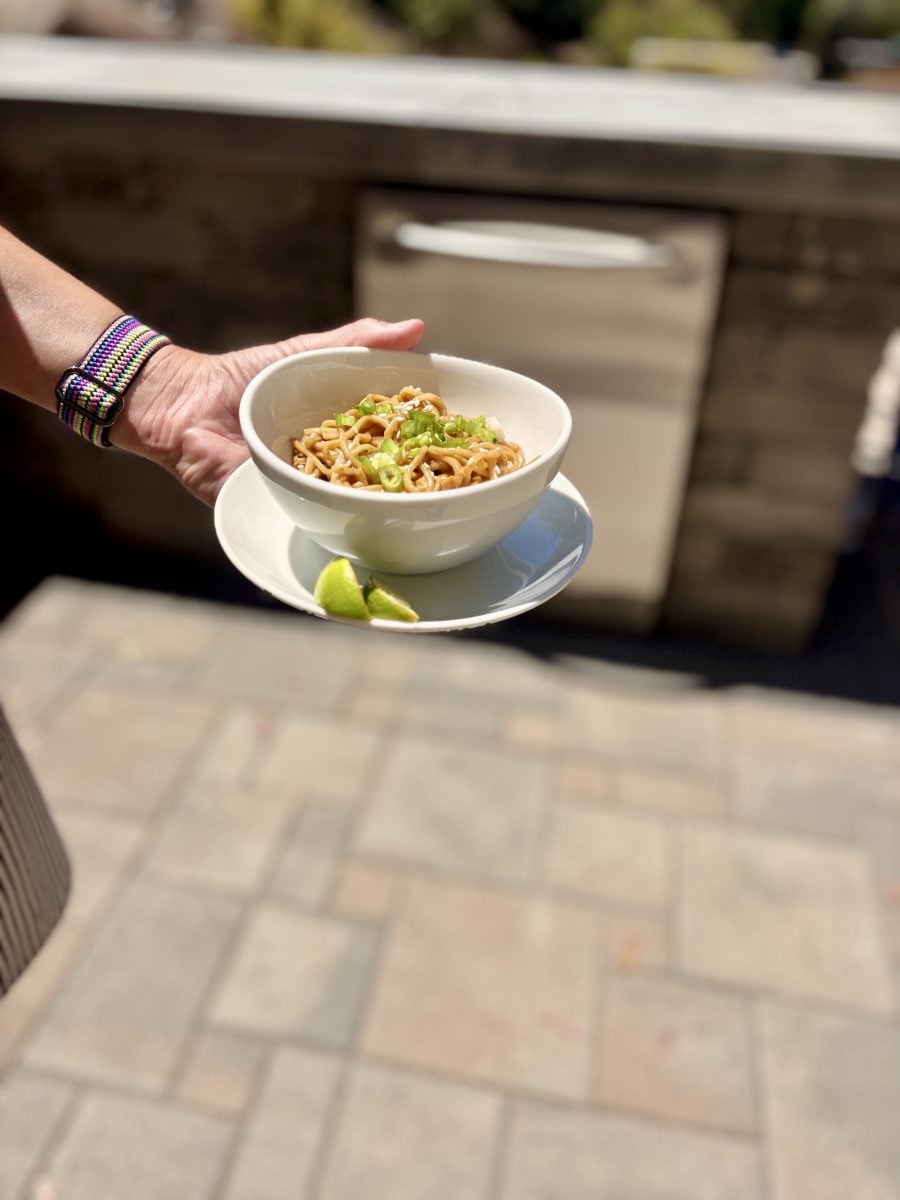
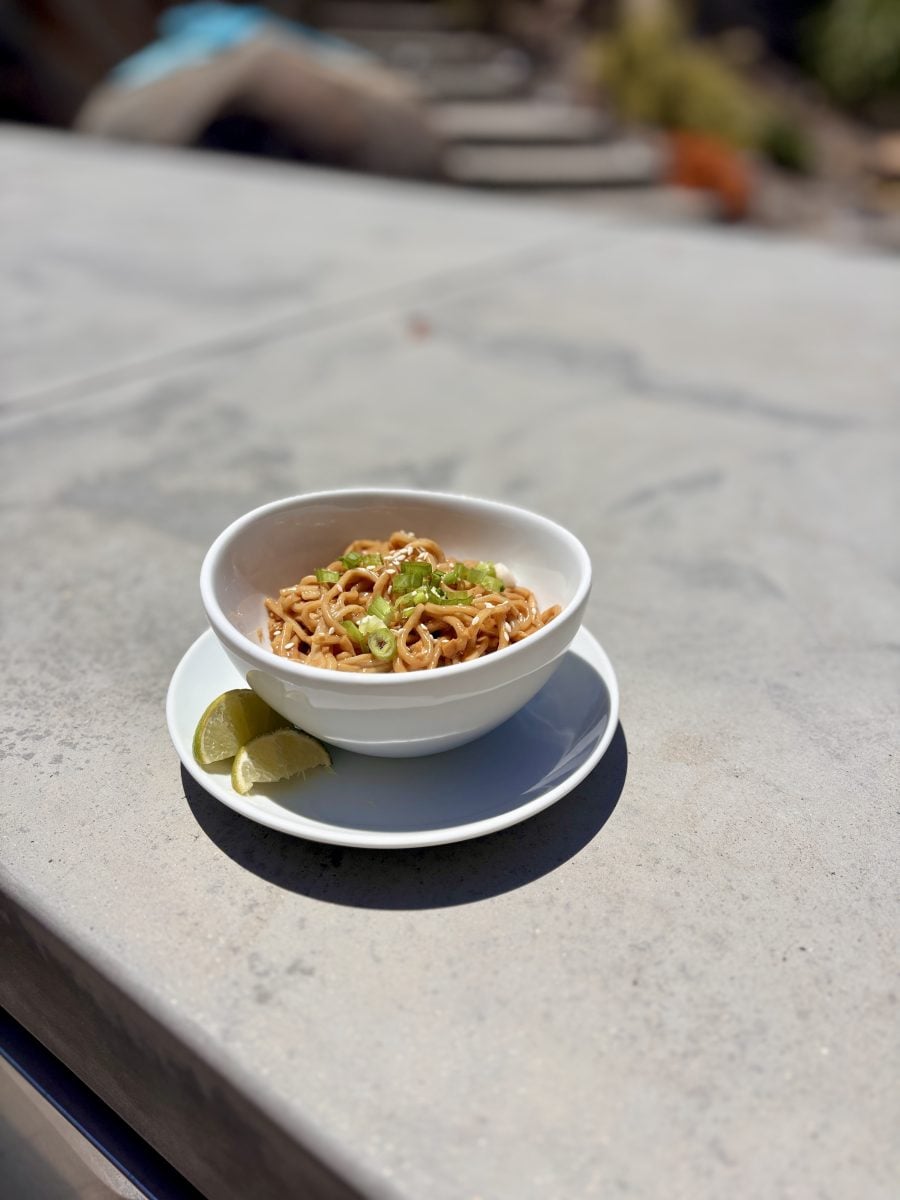
5) Complete the dish and serve. Finish with sliced scallions, chopped peanuts, and sesame seeds, as well as something fresh and crunchy (I use cucumber ribbons as a luxury on weekdays). Can be served warm, at room temperature, or cold. Yes, it’s good cold: maybe even better on day two.
Spins and Swaps
- Spicy peanut noodles: Add 1–2 tbsp chili crisp plus an extra squeeze of lime.
- Thai-leaning version: Use lime + a splash of fish sauce, and finish with cilantro and crushed peanuts.
- Gochujang peanut noodles: Replace half the chili sauce with 1 tbsp gochujang for deeper heat.
- Sesame-forward: Add 1 tbsp tahini and bump sesame oil to 1 1/2 tbsp (carefully).
- Vegetable-heavy: Toss in shredded cabbage, carrots, and quick-blanched broccoli; serve as a noodle salad.
- Peanut-free: Use sunflower seed butter and add a little extra soy and lime to balance the sweetness.
What Goes Alongside
- Crunchy side: Smashed cucumber salad with rice vinegar and sesame.
- Simple protein: Pan-seared tofu, rotisserie chicken, or shrimp quickly sautéed with garlic.
- Greens: A pile of quick-sautéed bok choy or spinach with a pinch of salt.
- Party move: Serve at room temp on a platter with extra sauce on the side and a blizzard of herbs.
- Soup pairing: A light miso soup or clear broth to cut the richness.
Common Stumbles, Easy Saves
- Sauce is too thick or clumpy: Keep whisking and add hot noodle water gradually. Peanut butter can “seize” before it emulsifies; heat and water fix it.
- Sauce tastes flat: Add lime juice (first) or a pinch more salt/soy (second). Nine times out of ten, it’s acid.
- Too salty: Add more peanut butter or a little sweetener, then loosen with water. You can also toss in extra noodles or vegetables to dilute.
- Too sweet: Add more lime and a tiny bit more soy; finish with sliced scallions and herbs to freshen it up.
- Noodles drinking up sauce: Normal. Loosen with more hot water right before serving. If you’re making ahead, reserve extra sauce or plan on refreshing with water + lime.
- Garlic too sharp: Use less next time, or mellow it by microwaving the sauce for 10–15 seconds (sounds odd, works). Alternatively, use garlic powder.
- Want it restaurant-glossy: Don’t skip the starchy noodle water. It’s the difference between “coated” and “lacquered.”
Storage, Reheating, and Nutrition
Peanut noodles are honest about their energy density – neither peanut butter nor noodles hide their caloric density. On the positive side, they’re pretty satisfying, and especially with some crunchy veggies and a protein, a small bowl goes a long way. If you want a lighter version, use more vegetables, cut back on the sesame oil, and use lime and chili for more impact.
Storing leftovers is simple: just keep them in a sealed container in the refrigerator and they will stay good for 4 days. The sauce thickens while sitting, so add a splash of warm water (or hot tap water), along with a squeeze of lime and stir again. You can eat it cold like a noodle salad. If you want to reheat it, you can do so, but make sure to do it gently. You should use a microwave and do short bursts while stirring in between so the sauce doesn’t become pasty.
Kitchen Stories
Weeknight rescue: One Tuesday I remembered that I had committed to making dinner and I had… noodles, peanut butter, and a disturbing quantity of scallions. I put some garlic in the bowl, added soy and lime, and then added a bag of shredded coleslaw mix. A friend of mine took a bite, stopped for a second and said, “This tasted like you planned.” I didn’t plan. I boiled water and prayed.
Lunchbox win: Another time I packed these cold with cucumber ribbons and some leftover chicken. By noon, the sauce had thickened, so I added a tablespoon of water from my bottle (very classy) and a squeeze of the lime wedge I’d left behind. In just ten seconds, the texture changed from sticky to silky. That’s the sort of small miracle I don’t mind having on a workday.
The Prep Checklist
- Choose noodles with some chew (ramen, lo mein, udon, rice noodles, or spaghetti).
- Reserve 1 cup hot noodle water before draining.
- Whisk peanut sauce in a large bowl: peanut butter, soy, lime, sweetener, sesame oil, garlic (plus ginger/chili if using).
- Loosen with hot noodle water until glossy and pourable.
- Toss warm noodles with sauce; add more hot water as needed.
- Taste: adjust lime, soy, sweetener, and heat.
- Finish with scallions, peanuts, sesame, and a crunchy vegetable.
- For leftovers: refresh with water + lime before eating.
Terms Worth Knowing
- Emulsify: When fat (peanut butter, sesame oil) and water (noodle water, lime juice) whisk into a smooth, unified sauce instead of separating.
- Starchy noodle water: The cooking water you save from boiling noodles; it helps sauces cling and turn silky.
- Toasted sesame oil: Dark, aromatic sesame oil used as a finishing flavor (not a high-heat frying oil).
- Sambal oelek: A chili paste with a clean, sharp heat; great for adjustable spice.
- Gochujang: Korean fermented chili paste: sweet, savory, and deep, with a slow-building heat.
- Balance (in sauce): The push-pull of salt, acid, sweet, and heat that makes flavors feel “complete.”
Common Questions
Can noodles with peanut sauce be prepared in advance?
Yes. Throw everything together, chill, and plan to refesh before serving with some water and extra lime. Stay crunchy toppings separate until the final moment.
What kind of peanut butter is the best?
Use whichever one you prefer. Natural peanut butter tastes more roasted and less sweet. It may need a bit more water and maybe a touch more sweetener. Sure. Conventional no-stir sauces are generally the easiest and smoothest sauces.
How do I make it gluten-free?
Use rice noodles (or other gluten-free noodles), and use tamari or soy sauce that is certified gluten-free.
Is this served hot or cold?
Both. Warm feels more like dinner; cold feels more like noodle salad. For a more refreshing taste, add lime and scallions if serving cold.
My sauce broke or looks oily: what happened?
Usually not enough water or not enough whisking. A tablespoon at a time, add the hot noodle water and whisk until it comes back together. Sugar can also smooth rough edges.
Can you make this peanut-free?
Yes! You can use sunflower seed butter or tahini (or a combination). You may find sunflower seed butter to be a bit sweeter; to balance, add more soy and lime.
One Last Thing
These noodles are the rare kind of “easy” that doesn’t feel like a compromise. The sauce is also flexible and once you learn to loosen it with some hot noodle water you will feel competent and lucky, and start using that trick all over the place. If you have limes and peanut butter at home you can prepare a pretty good meal in under 20 minutes.