
One of the best meals to have on a cold day is homemade split pea soup. My easy split pea soup recipe transforms simple ingredients into a hearty, comforting meal that will warm your soul. By using a slow cooker, you will be able to achieve that depth and creaminess that makes the soup so irresistible.
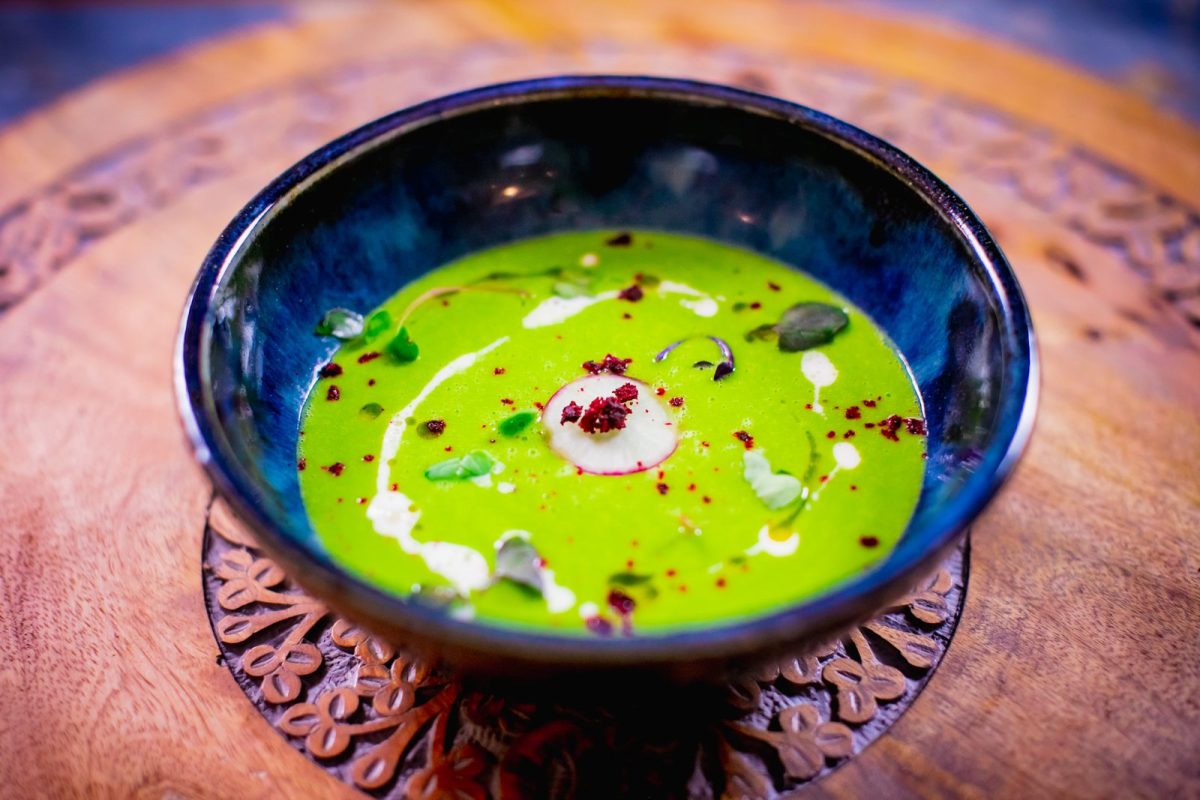
The goal is to make the recipes and the meal prep as easy as possible while still keeping the flavors and taste at a maximum, using the crock pot to create a smoky and tender split pea soup. The most important part of this recipe is to ensure that your ingredients cook for the adequate time needed, and then sit and meld together for an extended period of time, to create a dish that is balanced and nutritious and takes no effort to make.
This meal is more than just a food; it’s an iconic comfort dish that brings people together. Making this soup is so simple and can be done right from your home. All you have to do is grab some ingredients and make your slow cooker. Get ready to find out why split pea soup is one of the most loved meals in our household!

Why This Split Pea Soup Will Become Your Family Favorite
Discovering the perfect split pea soup recipe can transform your meal planning and nutrition. Any family looking to eat healthier and save money will benefit from my slow cooker split pea soup recipe.
Health Benefits of Split Peas
Peas are very nutritious. Health-conscious home cooks love using peas as an ingredient. They are so nutritious that they enhance the beauty of the soup too.
- Contains up to 8 grams of plant-based protein per 1/2 cup
- Excellent source of dietary fiber
- Low in fat
- Rich in vitamins and minerals
Perfect for Meal Prep and Freezing
When it comes to meal prep, my split pea soup recipe really stands out. The easiest way to simplify weeknight dinners is to make advance meal prep and freeze individual portions.
| Meal Prep Benefit | Details |
|---|---|
| Freezer Storage | Keeps well for up to 3 months |
| Batch Size | 6-8 servings per recipe |
| Reheating | Easy microwave or stovetop method |
Budget-Friendly Comfort Food
Soup can be both delicious and inexpensive! Split peas are quite inexpensive and allow families to eat healthy and save more money.
- Ingredients cost less than $10 per batch
- Feeds multiple people
- Minimal expensive ingredients required
Essential Ingredients for Split Pea Soup Success
To start making amazing split pea soup, you need to select the right ingredients. The flavors and textures will be a direct result from the quality of ingredients. While the ingredients may appear to be basic, they add great appeal to the soup.
To make yummy split pea soup, you need to have some good quality split peas. If you want the soup to have an even better earthy flavor, use green or yellow split peas. Holiday hams and ham hocks can improve and deepen the flavor of the soup even more. When thinking about split pea soup, the kind of ham is very important since it can add a lot of richness and flavor to the soup.
- Dried split peas (green or yellow)
- Ham hock or leftover ham
- Fresh vegetables for split pea soup
These are the vegetables you might consider adding to your split pea soup recipe:
| Vegetable | Purpose | Recommended Amount |
|---|---|---|
| Onions | Adds sweet base flavor | 1 large onion, diced |
| Carrots | Provides natural sweetness | 2-3 medium carrots, chopped |
| Celery | Enhances savory notes | 2-3 stalks, finely chopped |
| Garlic | Deepens overall flavor | 3-4 cloves, minced |
Show your love by making this recipe! It will warm their hearts and fill their bellies! For the finishing touch to the taste profile, bay leaves, black pepper, and a touch of salt will do the trick!
How to Prepare Ham Hock for Maximum Flavor
Great split pea soup begins with great preparation of the ham hock. Elevating your average soup this way will warm your soul.
The biggest things affecting how well the ham hock shines are the different types of meat and the seasonings. There are also a variety of ham hocks and knowing how to work this can really elevate the soup.
Selecting the Perfect Ham Hock
Here are some tips on what ham hocks are best for soup:
- Meaty texture with visible fat marbling
- Fresh, pink-colored meat without discoloration
- Minimal processing and preferably from local butchers
- Smoked varieties offer deeper flavor profiles
Seasoning Ham for Split Pea Soup
Ham hocks take some practice to season correctly. Here is an easy way to accent their natural smokiness.
- Rinse the ham hock under cold water
- Pat dry with paper towels
- Create a dry rub with:
- Cracked black pepper
- Smoked paprika
- Garlic powder
- Dried thyme
- Massage the seasoning into the ham hock
- Let it sit for about 30 minutes before you start cooking.
These steps for preparing ham hock will help you make a delicious and hearty base for split pea soup that everyone will enjoy!

Slow Cooker Split Pea Soup Recipe
Making Slow Cooker Split Pea Soup may seem intimidating, but it isn’t meant to scare you! I will show you the steps to making split pea soup in the slow cooker. You will learn to make an awesome soup that is healthy for your body and soul using just a couple of basic ingredients.
You will need these ingredients to get started on the split pea soup:
- 1 pound dried green split peas
- 1 meaty ham hock
- 2 carrots, diced
- 2 celery stalks, chopped
- 1 medium onion, diced
- 4 cups chicken broth
- 2 cups water
- 2 bay leaves
- Salt and pepper to taste
Here’s how to make split pea soup:
- Rinse split peas thoroughly and drain
- Chop vegetables into uniform pieces
- Put the ingredients in the slow cooker with vegetables on the bottom and the ham hock on top.
- Pour broth and water over ingredients
- Add seasonings
For finished soup with tender peas and for the ham to fall off the bone, cook split pea soup for 6 to 8 hours on the low setting or 3 to 4 hours on the high setting.
To have the best result, be sure to stir your soup while it is still cooking, and remember to take the bay leaves out before serving. The longer the soup cooks, the richer and creamier the texture will be. Thick soup is also so much more comforting and delicious!
Tips for Achieving the Perfect Soup Consistency
When using split peas for soup, you should pay attention to those that are split since they will thicken your soup. The ability to control the consistency at each stage will help achieve your desired consistency.
When cooking split pea soup, the texture of the soup changes quite a bit. The main thing to really focus on is how you can adjust the thickness of the soup to your liking.
Troubleshooting Texture Problems
It is difficult to get the correct consistency when cooking split-pea soup. Managing the thickness can be complicated, but here are a few of my tricks.
- To make the split pea soup thinner: Gradually add warm chicken broth or water.
- To thicken split pea soup, you can either increase the cooking time or add some mashed potatoes.
- You can achieve a smoother texture by using a potato masher to break down the peas.
- Let the soup rest for 15-20 minutes to allow for natural thickening.
Adjusting Thickness to Your Taste
There are many factors that come into play when making soup. It can depend on people’s preferences. Some people like thicker and stew-like soups and others like broth based soups. Remember the soup will thicken as it cools.
To loosen split pea soup, simply add broth, or if it’s too thick add a little water. Be sure to add just a tablespoon at a time, and stir to check if the soup is at the preferred consistency.
Serving Suggestions and Garnish Ideas
Split pea soup can be enhanced with some fun serving suggestions and toppings. I’d like to highlight a few ideas I’ve encountered to add a little extra something to the soup and wow your family and guests.
Classic Split Pea Soup Garnishes
- Crispy croutons for added crunch
- Fresh chopped herbs like parsley or thyme
- A tablespoon of sour cream or Greek yogurt
- Crispy bacon bits
As you prepare split pea soup, I recommend considering side dishes that complement the soup’s flavors. A few modifications can transform the basic soup recipe into a complete meal.
Perfect Pairings
- Crusty artisan bread
- Grilled cheese sandwiches
- Light green salad with vinaigrette
- Rustic cornbread
I enjoy my split pea soup garnishes because they add extra flavor and texture. Also, having a unique garnish for each bowl adds more individuality and variety to each soup.
| Garnish | Flavor Profile | Texture Impact |
|---|---|---|
| Crispy Pancetta | Salty, Rich | Crunchy |
| Fresh Chives | Mild Onion | Delicate |
| Roasted Pumpkin Seeds | Nutty | Crunchy |
Before you make split pea soup, think about what you want to add to it. You can also think of fun ways to serve the soup and what garnishes you may want.
Storage Tips and Reheating Instructions
When keeping split pea soup for future meals while maintaining flavor and texture, there are a few methods to properly preserve it. First, you should let the soup cool down, but only a little. Not letting it cool down could cause unwanted bacterial growth, and putting hot soup in the fridge takes up a lot of space.
Then, you should store the split pea soup in an airtight container, either glass or plastic, and store it in the refrigerator. Split pea soup is safe to eat for 3-4 days, so that is plenty of time to prep for dinners during the week.
You can freeze split pea soup. Try saving the soup in different individual portions by packing them into containers or bags that are safe for the freezer. Leave one inch at the top for expansion space. Soup is good for 3 months in the freezer. A good habit is writing the date on the container for tracking purposes.
When reheating split pea soup, it is most important to remember how to preserve the soup’s creaminess. If the soup is cold, your first step is to pour it into a pot. After that, you need to stir the soup several times to avoid the risk of some of the soup sticking to the bottom of the pot. If the soup is thicker than you want it to be, you can resolve that by adding a little bit of water or broth.
For frozen split pea soup, you will first have to defrost it by putting it in the fridge for a night. After that, you can reheat it on the stove. And when it comes to soup, you really should try to avoid using the microwave. If you really have to use it, at least know that your soup will be unevenly heated and have a lumpy texture. Worst of all, the creaminess will likely be gone.
Make sure that soup is heated all the way through before serving. To check if your soup is safe to eat, you can use a food thermometer, and it should be 165°F. These storage and reheating tips will help your homemade split pea soup taste as good as it did the day you made it.
