
When I first cooked a nine-pound pork loin, I assumed I could treat it like one giant roast and put the whole thing in the oven. When the time was up, it looked like the roast was gray and chalky on the outside and still nervous in the middle, and my kitchen was full of people politely chewing their food.
My father-in-law, who has eaten a lot of pork in his life, set down his fork and asked, Did you boil this? I had not boiled it. I had simply asked one slab of meat to cook evenly over its length, which is a thing pork loin will refuse to do.
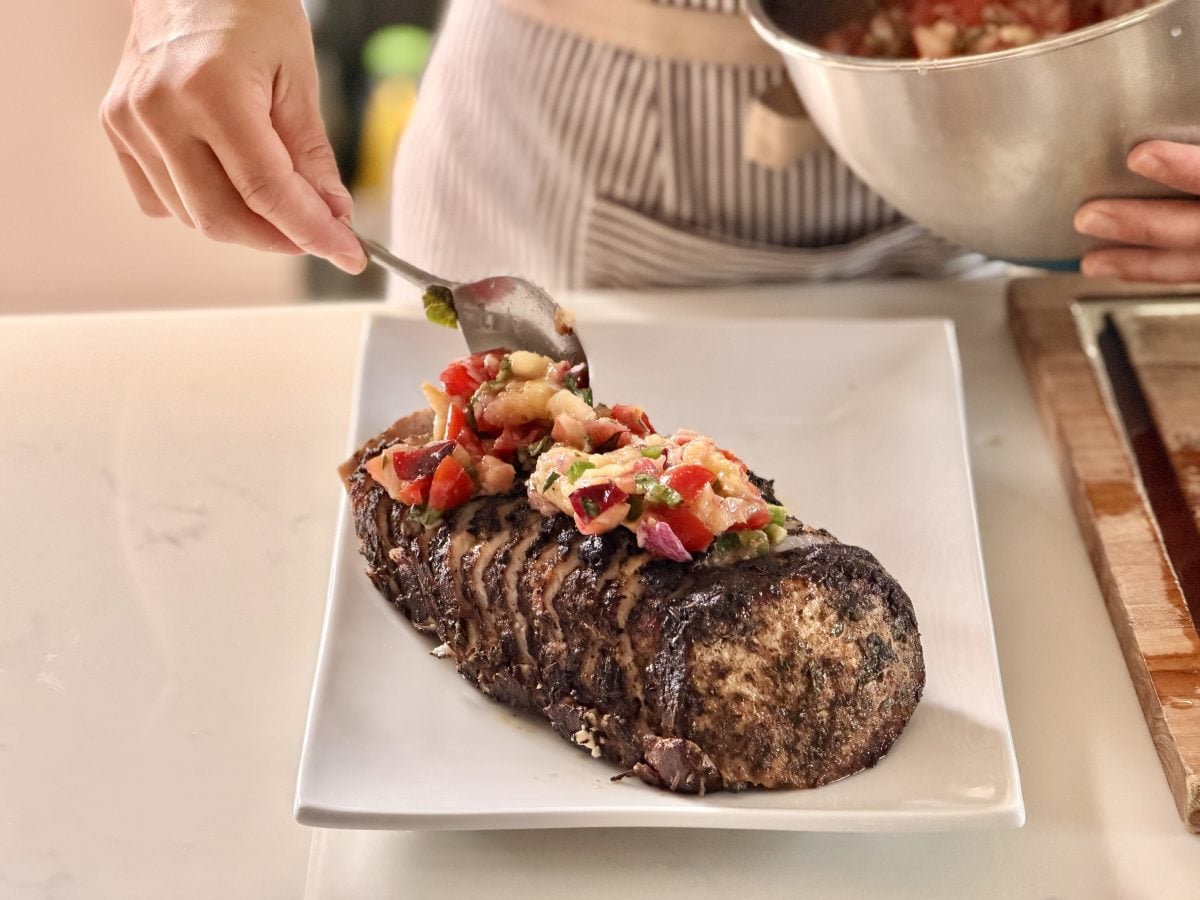
The solution is almost painfully simple. Just slice that long loin crosswise into three roasts of about three pounds each and every problem from that first dinner will solve itself: more surface area for crust, more cut sides to catch the herb paste, and three compact pieces that will reach temperature at about the same time instead of one log that will overcook at the ends to reach the center.
Add a bright peach-tomato relish on top and you have a summer dinner that still slices juicy and feeds a crowd. This is the version I make now and nobody asks if I boiled it.

TL;DR (Quick Summary)
- What it is: A large, boneless pork loin is sectioned into three roasts which are rubbed with a lemon herb paste, seared, and roasted. The dish is finished with a fresh peach and tomato relish and an optional Dijon pan sauce.
- Why it works: Dividing the loin into thirds allows for more even cooking, more crust, and significantly reduces the chances of the pork drying out. The pork is pulled at 140°F and resting increases the temperature to a perfect 145°F.
- Time: Approximately two hours total including 25 minutes of preparation, 60 to 80 minutes baking time and a 15 minute resting period.
- Flavor profile: Rich roasted meat with bright lemon and basil accompaniment, and the harmony of sweet, tangy, and mildly spicy relish.
- Key tips: Firstly, the pork has to be cut into three roasts and then patted very dry. After that, you sear it and then go on to roast it. You need to pull it at 140°F and let it rest for 15 minutes. Meanwhile, you can make the relish while the pork is resting.
- Yield: This is a good holiday-table or backyard-gathering recipe as it serves 12 to 16 people.
Ingredients
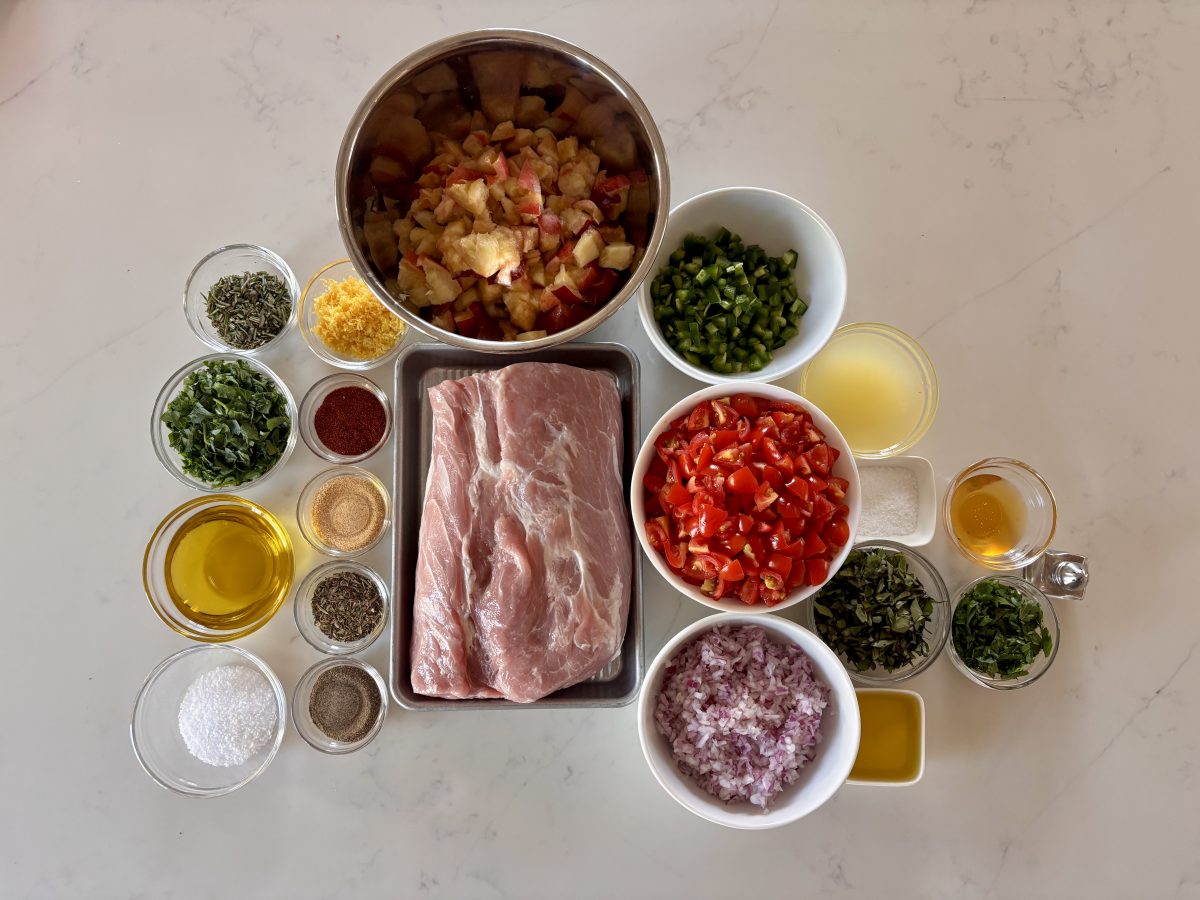
This recipe hinges critically on two decisions: the portioning of the loin and the ripeness of the peaches. If you cut the pork into three equal roasts and pull it at the optimal temperature, the meat will take care of itself. Use peaches that are truly fragrant and a bit soft and the relish will do the rest. Everything else is just seasoning and assembly.
Pork
- Boneless pork loin, about 9 lb (cut into three 3 lb roasts): Loin, not tenderloin. The loin is the wide, lean, roast. The entire trick is to cut it into thirds.
- Olive oil (6 tablespoons): A primary component of the herb paste and what aids the seasoning to adhere to all surfaces.
- Kosher salt (4 1/2 teaspoons): Salt, if you like, but this much across three roasts seasons the meat properly without going over.
- Black pepper (1 tablespoon): Freshly ground if you have it.
- Garlic powder (1 tablespoon): Even, all-over savoriness that fresh garlic can burn attempting to deliver during a sear.
- Smoked paprika (1 tablespoon): The presence of warmth, color, and even a hint of grilling, from an indoor oven.
- Dried oregano or Italian seasoning (1 tablespoon): The dried-herb backbone of the rub.
- Lemon zest (from 3 lemons): The brightness keeps rich pork feeling lighter.
- Fresh parsley (6 tablespoons, chopped): The paste is applied to the green, grassy surface.
- Fresh rosemary or thyme (3 tablespoons, chopped): Piney and bold explains rosemary; thyme is gentler and more flowery. Both are good.
Peach-Tomato Relish
- Ripe peaches (6, diced): The star. They should give off the scent of peaches and be slightly soft to the touch.
- Cherry tomatoes (3 cups, quartered): Balanced sweetness of the fruit is provided by acidity and juice.
- Red onion (3/4 cup, finely diced): If you would like a milder bite, rinse it under cold water first.
- Jalapenos (2, finely diced, optional): Gentle heat. More time in the heat with seeds, less time without seeds.
- Fresh basil (6 tablespoons, chopped): The herb that gives the relish a summertime flavor.
- Fresh parsley or mint (3 tablespoons, chopped): If you want your dish to have a more savory tone, then parsley is the herb to use. If you want the dish to be cooler, brighter, and more refreshing, then you should use mint.
- Lemon juice (from 3 lemons): The acid that unifies the entire bowl.
- Olive oil (3 tablespoons): Rounds the edges and carries the flavors.
- Honey (1 tablespoon): There is a small lift if the peaches require assistance.
- Kosher salt (1 1/2 teaspoons) and black pepper to taste.
Optional Pan Drizzle
- Low-sodium chicken broth (1 1/2 cups): Makes a quick sauce by lifting the browned bits from the searing pan.
- Dijon mustard (3 tablespoons): Sharpness and body.
- Honey (2 tablespoons): Balances the mustard.
- Unsalted butter (3 tablespoons): Whisked in at the finish for added gloss and richness.
- Squeeze of fresh lemon juice: A final hit of brightness.
Why Three Roasts Instead of One
The reason you purchased a large loin was to save time and feed a crowd. The mistake is cooking it whole. A nine-pound log will cause the thin ends to overcook before the thicker center reaches temperature.
This is the perfect recipe for dry pork. Instead, cut it crosswise into three roasts of about three pounds each. This way, you get even cooking, three times the seared surface for a crust, and pieces small enough to rest and slice cleanly. It will require the same oven and the same amount of meat, just a more efficient shape.
Ingredient Choices That Change Flavor
| Choice | What you’ll notice | Best for |
|---|---|---|
| Rosemary in the rub | Piney, bold, holiday-roast aroma | When you want the pork to feel like an occasion |
| Thyme in the rub | Softer, floral, more delicate | A lighter summer plate |
| Smoked paprika | Warm color and a hint of grill | Indoor cooking that should taste outdoorsy |
| Jalapeno in the relish | Bright heat against the sweet fruit | Anyone who likes a little kick |
| No jalapeno | Pure sweet-tart fruit and herbs | Kids’ tables and milder palates |
| Mint in the relish | Cooler, brighter, almost like a salad | Hot-weather serving |
| Parsley in the relish | Savory and grounded | Keeping the focus on the pork |
| Dijon pan drizzle | A warm, savory layer under the cool relish | When you want a fuller, saucier plate |
Equipment
An instant-read thermometer is the most valuable tool. You cannot guess cooking times when working with pork loin, so the thermometer is the key to ensuring the meat remains juicy, as opposed to dry and chalky. You will also need the following items: Large cutting board and sharp knife to break down the loin.
Large skillet (preferably cast iron or stainless steel, as those create the best variety of browned bits for an optional sauce) for searing, as well as a roasting or sheet pan (or a couple of oven-safe skillets) with enough space to avoid overcrowding the roasts.
Instructions
Oven: 350°F. When placing the three roasts in the pan, be sure to give them space so that air moves freely around them. If the pork is crowded, it will steam instead of roasting.
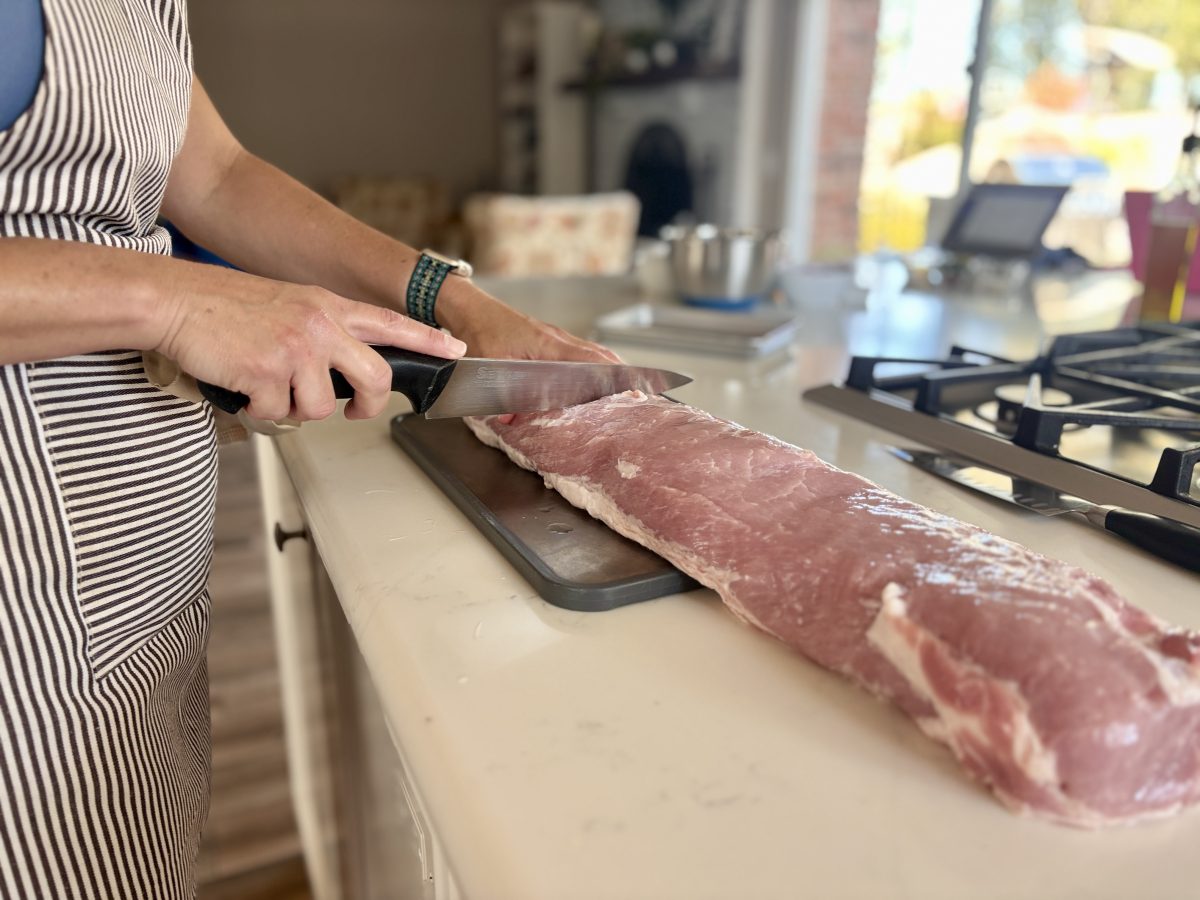
1) Cut the pork loin. Put the loin on a big cutting board and slice it crosswise into three loins of approximately three pounds. With a paper towel, dry each roast thoroughly. The drier the pork, the better it browns, and the better crust you will achieve, so do not skip this step.
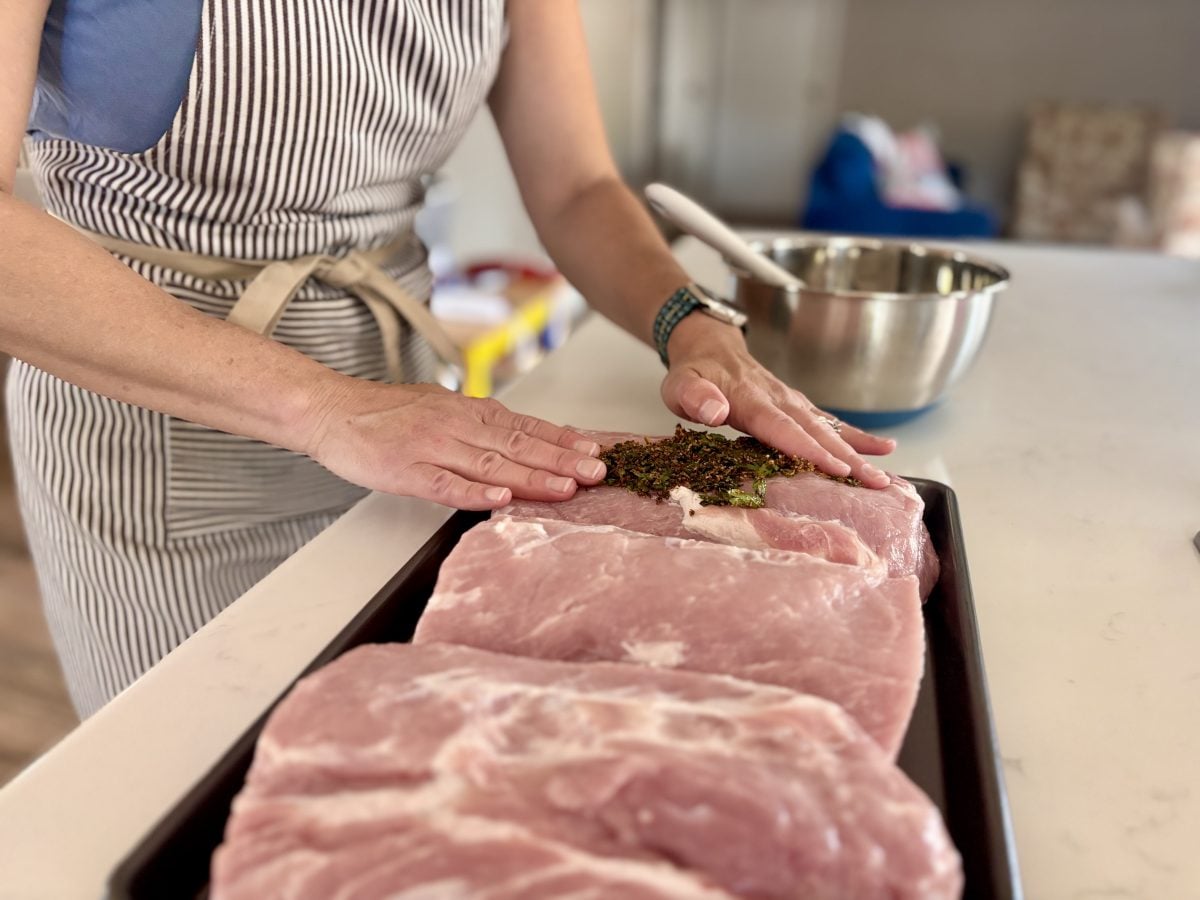
2) Make the seasoning paste. In a bowl, mix the olive oil, kosher salt, black pepper, garlic powder, smoked paprika, oregano (or Italian seasoning), lemon zest, parsley, and rosemary (or thyme). Stir until it becomes a thick herb paste. Rub this mixture all over the three roasts, coating the top, bottom, and sides. For even better flavor, let the seasoned pork rest for 30-45 minutes at room temperature before cooking. Do not leave it out any longer than that.
3) Preheat the oven. Preheat the oven to 350°F. Prepare a large roasting pan, a sheet pan, or two oven-safe skillets. Make sure the pork pieces have some space around them rather than being packed together.

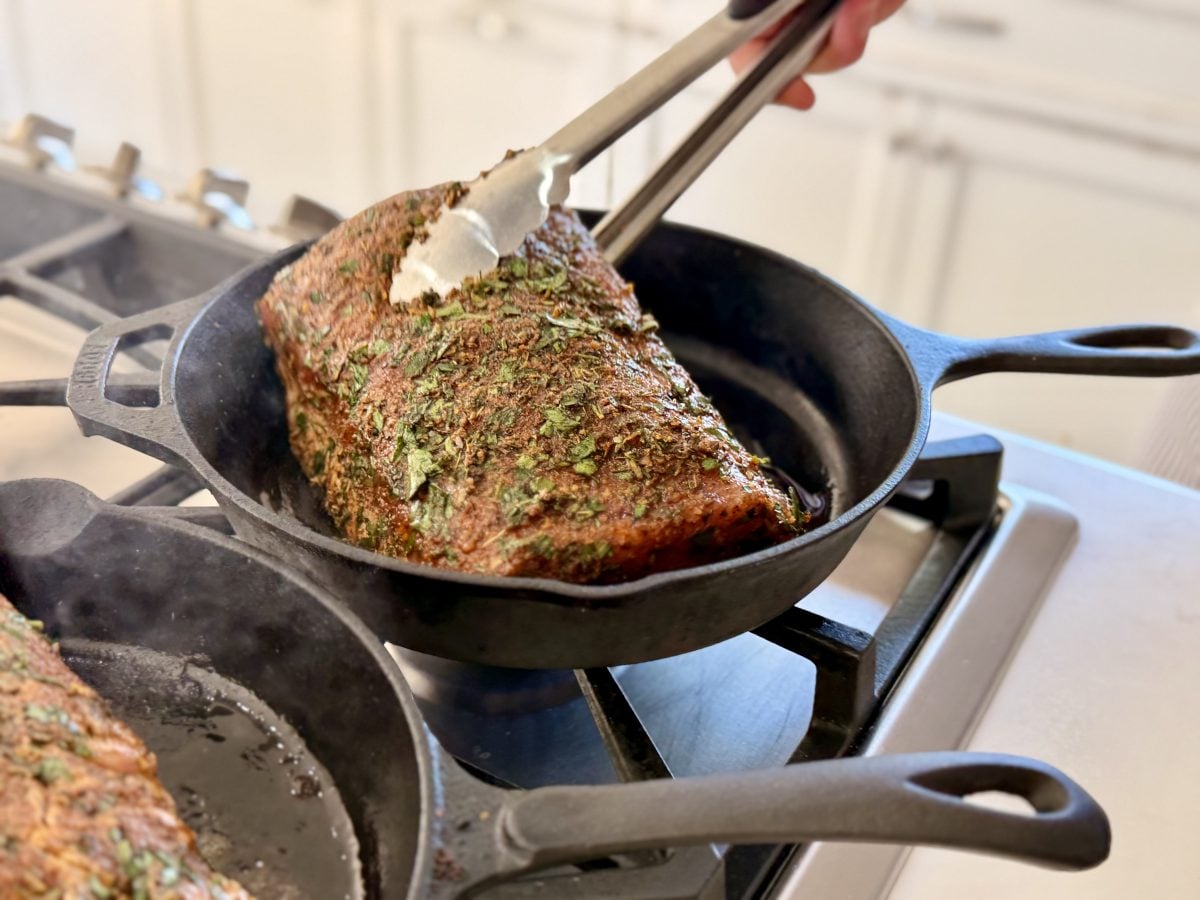
4) Sear the pork. First, preheat a large skillet over medium-high heat and add some olive oil if needed. Brown each roast by searing it for about 2-3 minutes per side, and turn the roast so that it is browned on all sides. If you need to, work in batches because crowding the pan will cause steaming and not browning. Move the seared roasts to the roasting pan or sheet pan.
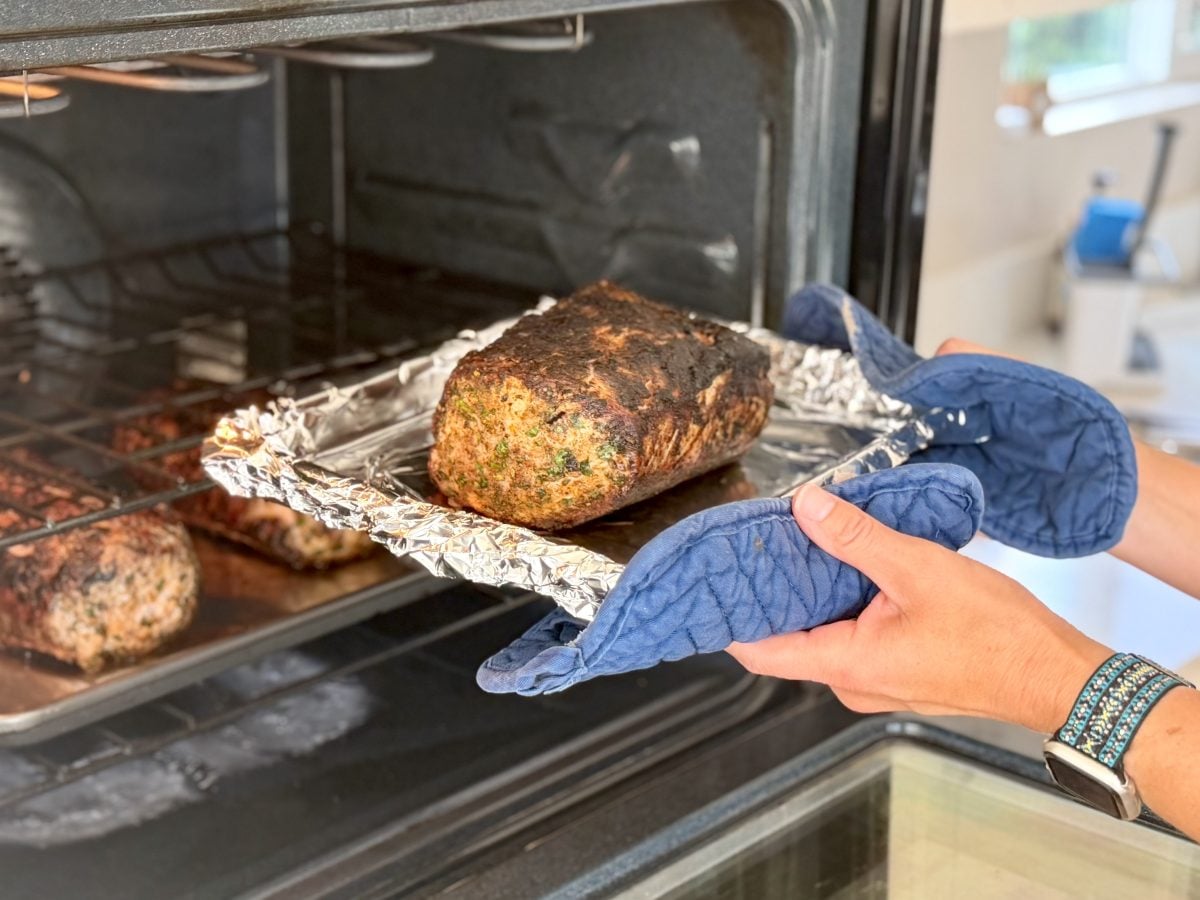
5) Roast. When the pork reaches 140°F in the thickest area of the roast, remove it from the oven. Start checking the roast after 55 minutes as roasts typically take between 60-80 minutes. Depending on your oven, the shape of the roast, and the temperature of the pork when you put it in, it will take a different time to reach 140°F. Remember, 18-20 minutes after removing the roast, it will carryover cook to a maximum of 145°F. If you want a really dry pork, cook it to 160°F.
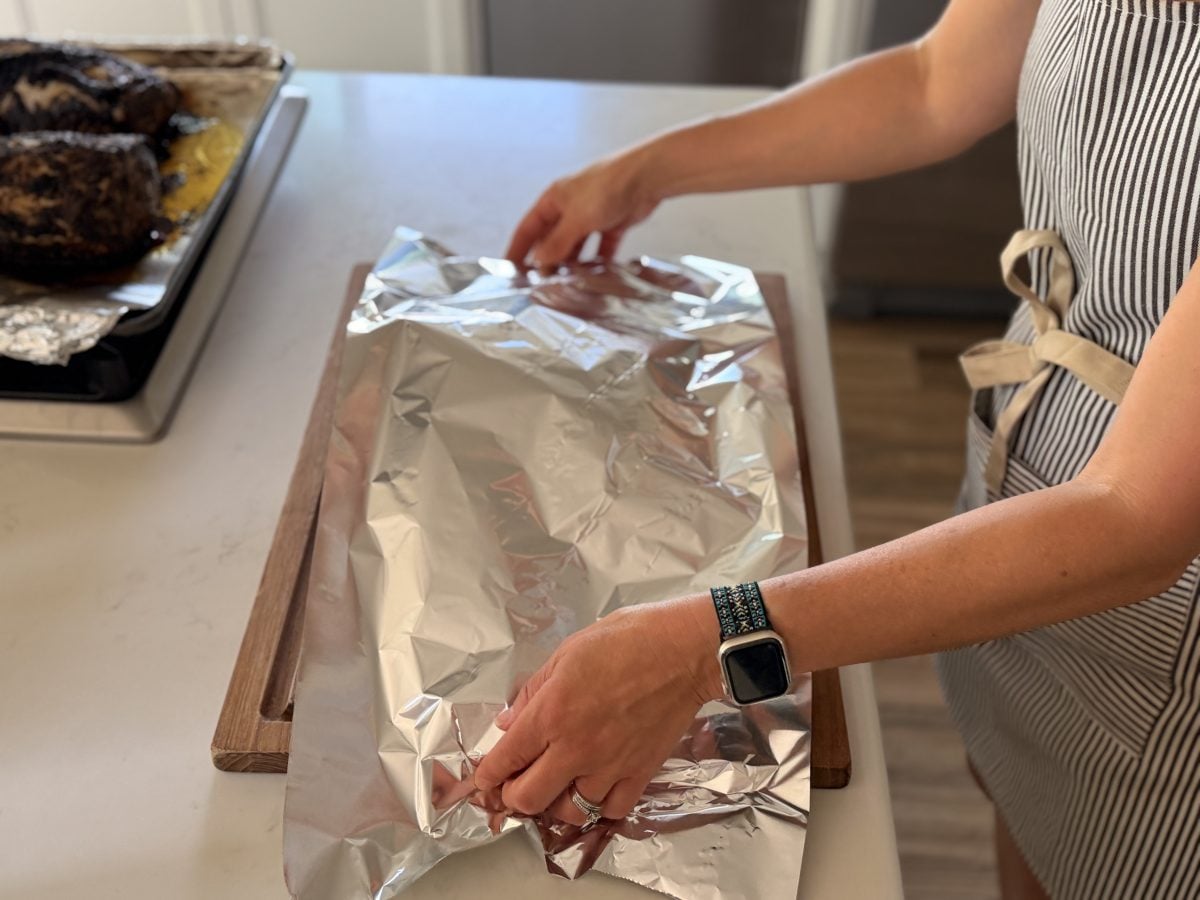
6) Rest the pork. After transferring the roasts onto a cutting board, loosely cover them with foil and allow them to rest for 15 minutes. This step is important as the juices need to settle, the pork continues to cook gently because of carryover heat, and the final texture improves after the wait.
7) Make the peach-tomato relish. While the pork is resting, prepare a large bowl, adding the diced peaches, cherry tomatoes, red onion, jalapenos (if using), herbs (basil, parsley, or mint), lemon juice, olive oil, honey, kosher salt, and black pepper. Carefully combine and leave to sit for 10 – 15 minutes. This will allow the peaches and tomatoes to release some of their juice. Taste and adjust as necessary; add more lemon to brighten the flavor, more honey if the peaches are shy, and more salt if the flavor is flat.
8) Make the optional pan drizzle. To make a warm sauce, use the skillet in which you seared the pork, and place it over medium heat. Pour in the chicken broth and scrape the fond off the bottom of the pan. Then, whisk in the Dijon, and honey, and let it simmer for 4 to 6 minutes, or until it is slightly reduced. Remove it from the heat, and whisk in some butter and the juice of a lemon. This will give you a savory drizzle to go underneath the fresh relish.
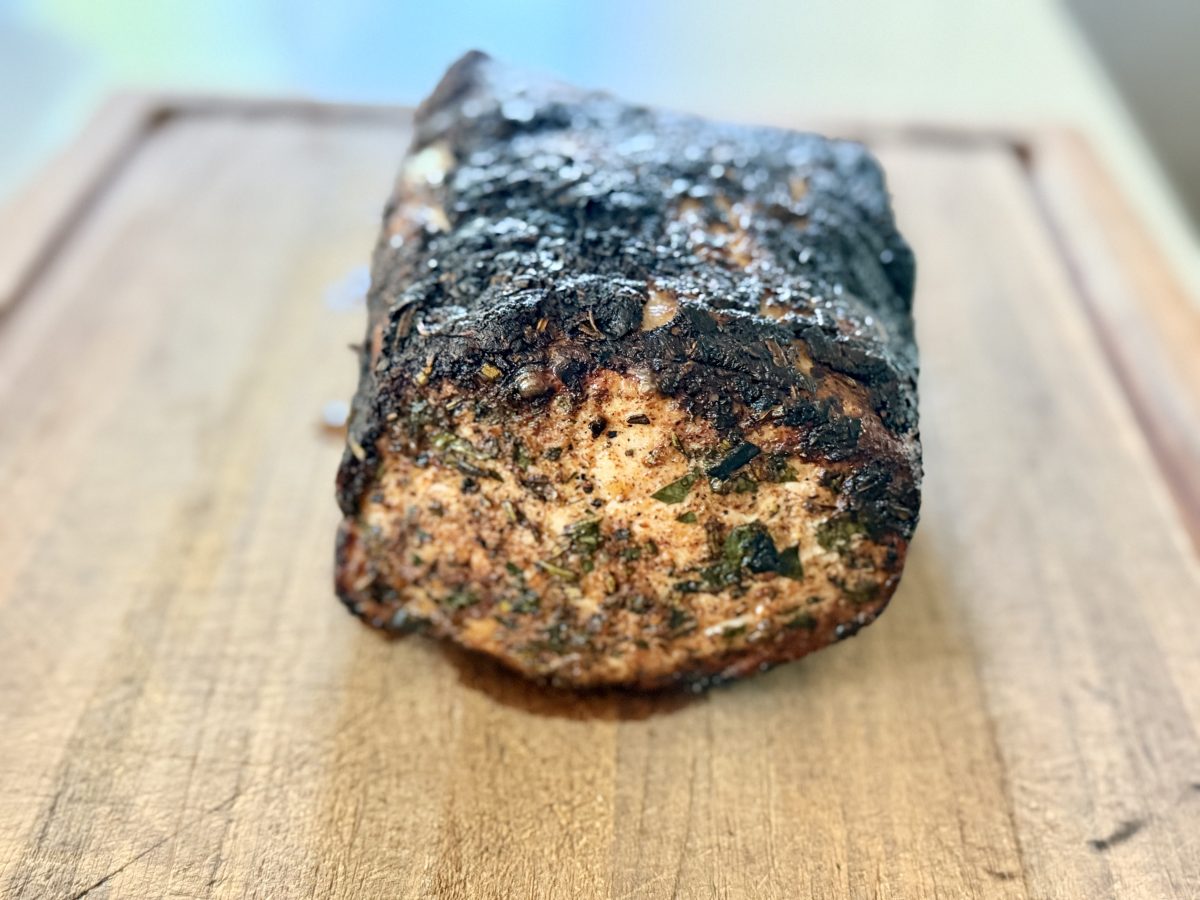
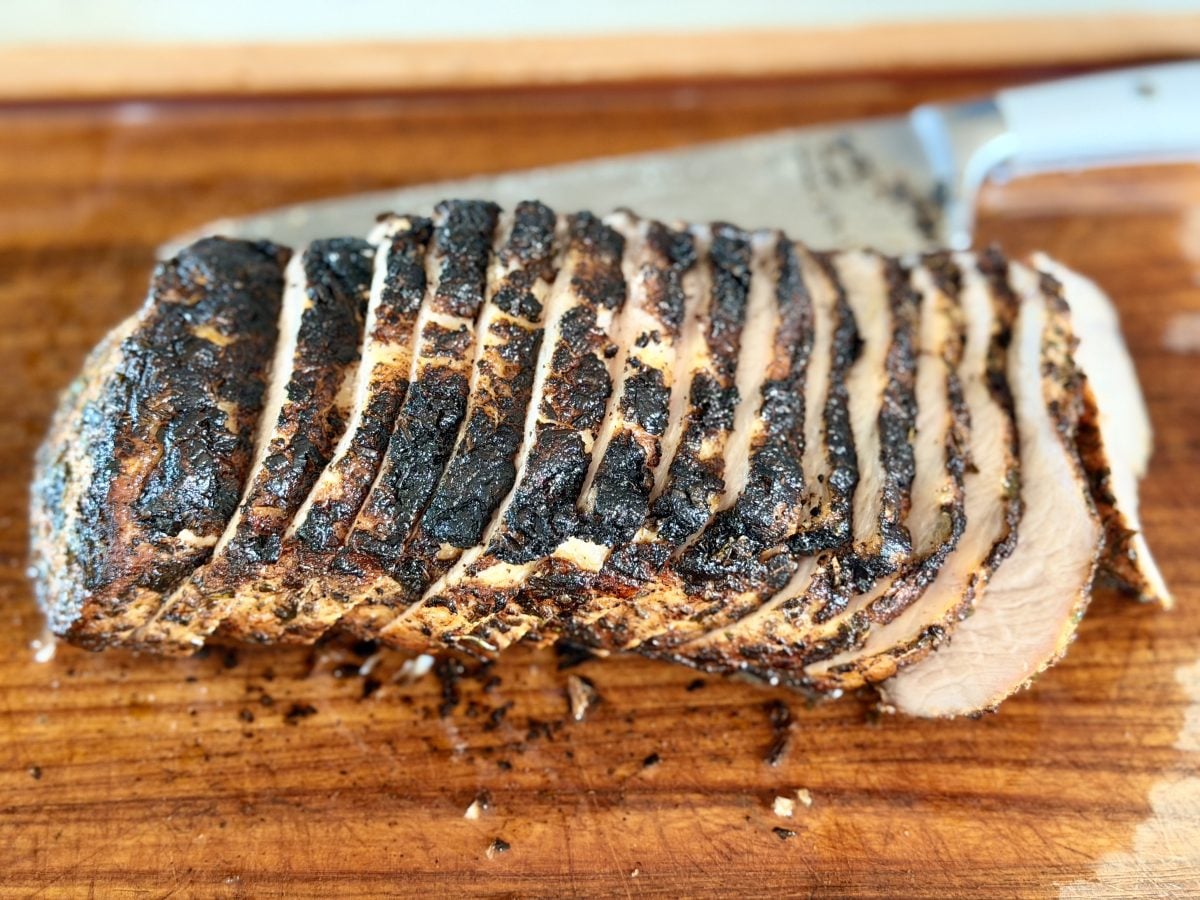
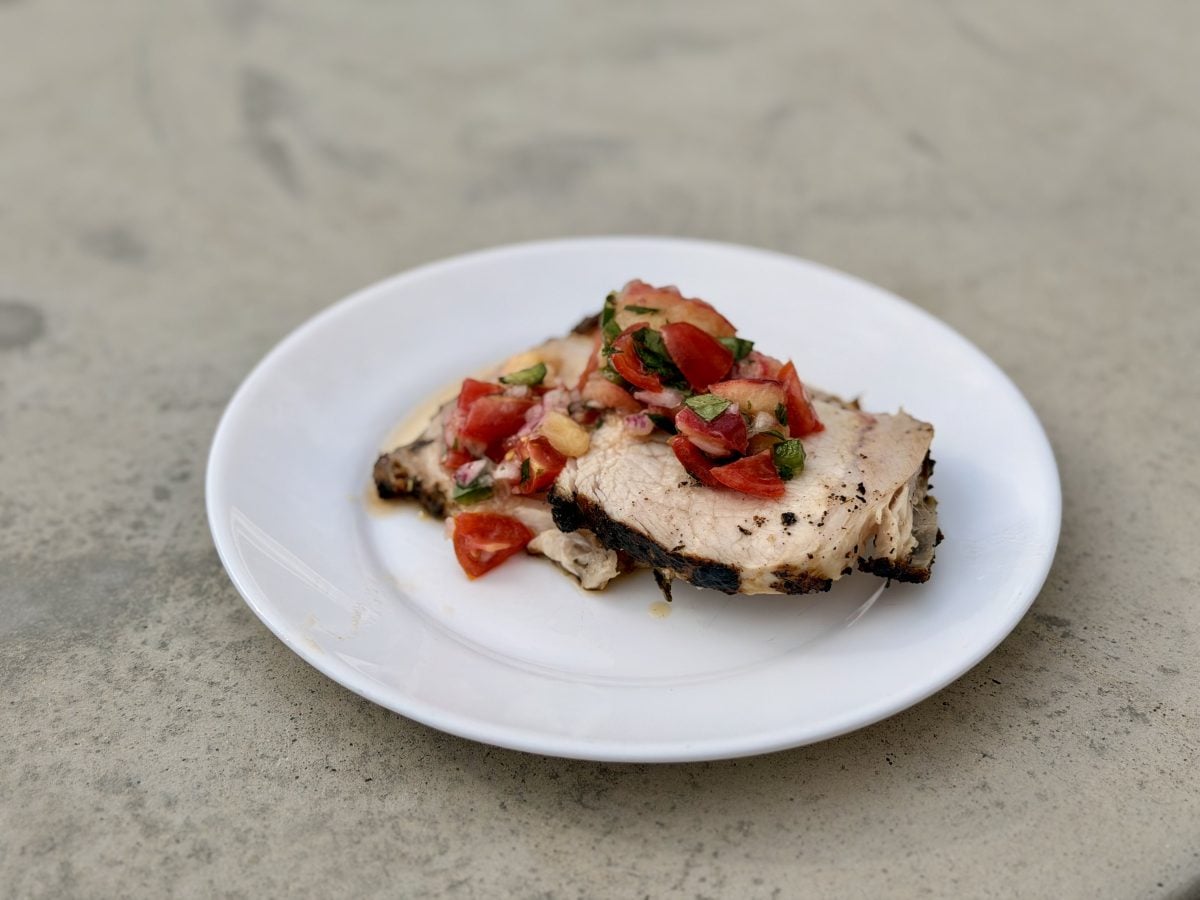
9) Slice and serve. Cut the rested pork crosswise into half-inch slices and place them on a serving platter. Spoon the peach-tomato relish over the slices, or place it on the side for serving. If desired, drizzle some warm Dijon pan sauce over the pork.

Popular Variations
There are many different methods you can use here. Personally, I love using the sous vide here, because I can control the cook temperature and get it to my desired doneness. Here are a few other options:
- Grilled version: Take the seared and seasoned roasts to the grill over indirect heat instead of the oven. Same target temperatures, plus they will get some smoke. The relish becomes the obvious topping for a cookout.
- Nectarine or plum relish: When the market has them, substitute peaches with nectarines or ripe plums. Plums are beautifully tart and nectarines are basically peaches.
- Mango-tomato relish: For a more tropical, and slightly firmer relish that holds up well on a buffet, consider swapping the peaches for diced mango.
- Garlic-herb crust: For a more intense garlicky flavor during roasting, add a few cloves of minced fresh garlic into the paste with the powder.
- Spicy honey finish: To create a sweet and spicy glaze for the relish, warm the honey with a pinch of chili flakes and brush it over the sliced pork.
- Herb-swap rub: You can achieve an autumnal stuffing adjacent flavor that still works underneath the bright relish by using sage and thyme instead of rosemary.
- Make-ahead relish: Prepare the relish a few hours in advance and refrigerate it. Stir in the basil just before serving to keep the basil green.
If you wish to allow the rub to work its magic, then there is no real need for a relish.
Pairing And Serving Ideas
I would suggest that you treat this as your main entree and pair it with some complimentary sides. However, you could also serve it as one meat option in a meat-and-three configuration.
- As a centerpiece: This is considered a platter dish. Arrange the sliced pork in the center, add some relish to it, and let guests help themselves.
- With grains: Couscous, orzo, rice, or an herby grain salad will catch the relish juice and the pan sauce wonderfully.
- With vegetables: To maintain the summery vibe of the plate, consider adding grilled zucchini, charred corn, green beans, or an arugula salad with lemon.
- With potatoes: Roasted baby potatoes or a creamy potato salad turn this into a full holiday or Sunday spread.
- For a crowd: Since this recipe serves 12 to 16 people, it is perfect for backyard parties, graduation dinners, or potlucks. You can double the relish so that everyone has some to enjoy!
- Leftover idea: For an awesome sandwich the next day, stack some cold sliced pork and a spoonful of relish in a crusty roll with a bit of mayo.
To be honest, my favorite is chopping up the leftover meat and putting it on nachos!
Troubleshooting And Pro Tips
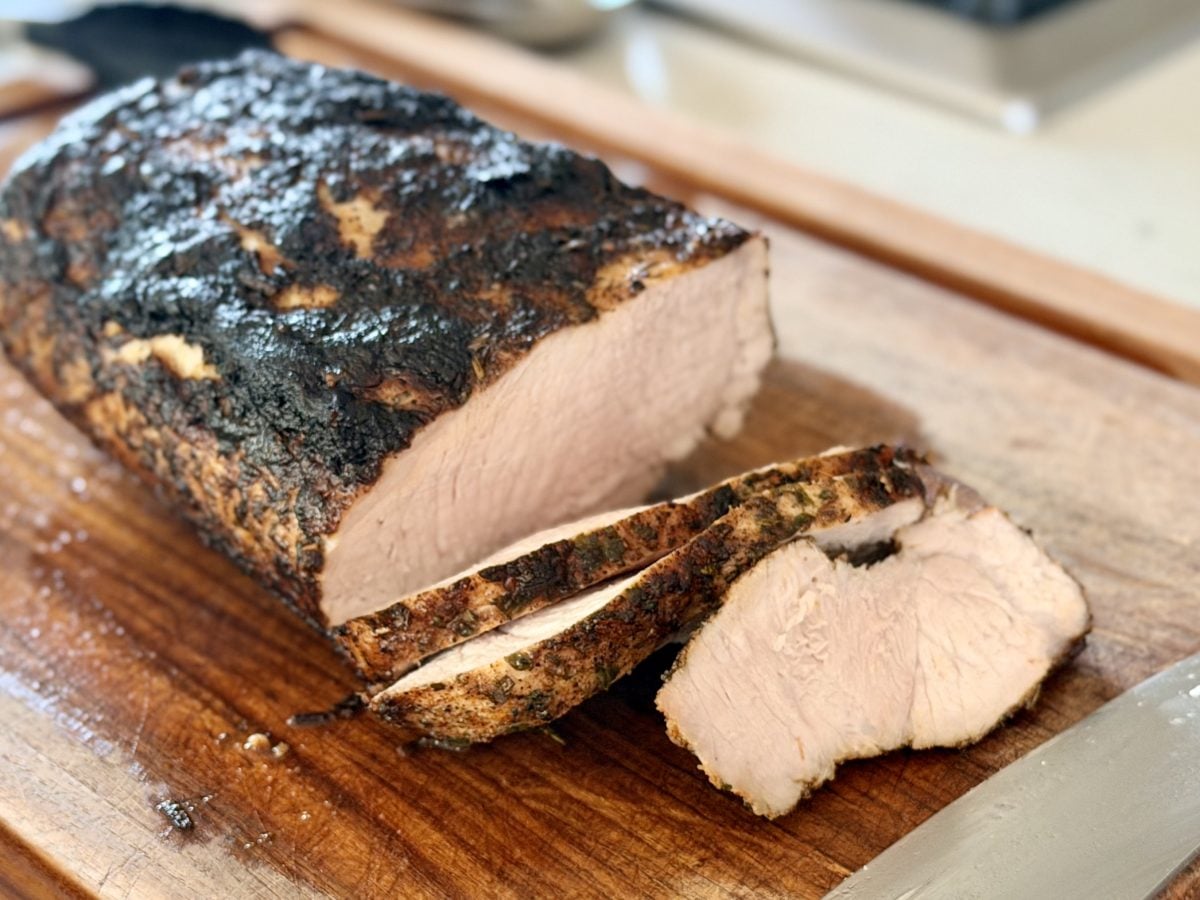
Pork can be somewhat temperamental in regards to cooking times and temperatures. One minute, the meat may be at 130°F, and then you let it rest another 10 minutes and it jumps up to 145°F. Argh! I can relate to that (in fact, that happened to me while preparing the pork loin for this recipe post).
- The pork came out dry: It most likely exceeded 145°F. Pork loin is unforgiving and it is lean. Remove it at 140°F, let it rest for 15 minutes, and trust that carryover heat will finish the cooking. The whole game here is an instant read thermometer.
- The roasts cooked unevenly: Each may differ in size or perhaps one is significantly colder than the others. Chop the loin into thirds as evenly as possible, then allow all three to rest at room temperature for 30 to 45 minutes before cooking.
- No crust formed: The meat was wet, the searing pan may not have been hot enough, or the pan may have been crowded. Make sure to pat the roasts dry, adequately heat the pan, and sear in batches with enough space around each piece.
- The relish is watery: Tomatoes and peaches produce a considerable amount of liquid. After letting it rest, you can either take out the relish using a slotted spoon and discard the excess liquid, or you can pour that bright liquid onto some rice where it belongs.
- The relish tastes flat: It requires an acid or a salt. Add some lemon juice a bit at a time, and a pinch of salt while tasting until it ‘snaps.’
- The relish is too sweet: Your peaches were very ripe. Adding more lemon and tomato would help push it more savory, and skip the honey.
- I cooked it whole and it dried out: This is the typical large-loin error. Next time, divide it into three roasts prior to seasoning. It is the same meat, but the outcome will be much better.

Nutrition And Storage Basics
The nutritional value of this dish is supported by the pork loin which is a lean cut of meat meaning there will be a lot of protein and very little fat including the olive oil used in the rub. The peach and tomato relish adds vitamin C and fiber while also adding a lot of flavor and very little fat to the dish.
This also keeps the portion feeling light. To keep things a little lighter, the relish can be served over the pork, and the butter pan sauce can be skipped. To make it more of a feast, add the Dijon drizzle along with a side of potatoes.
Store slices of pork and relish in different containers. The sliced pork can be stored in the fridge for 3-4 days and reheated using low power in the microwave or cover and place in the oven at 300°F so that the heat doesn’t dry the food further. The relish can be stored for up to a day or two due to the basil fading and the tomatoes softening, but still nice in a grain bowl. The cooked pork loin can also be frozen for 3 months but the relish will not be able to be frozen so make that fresh.
Examples
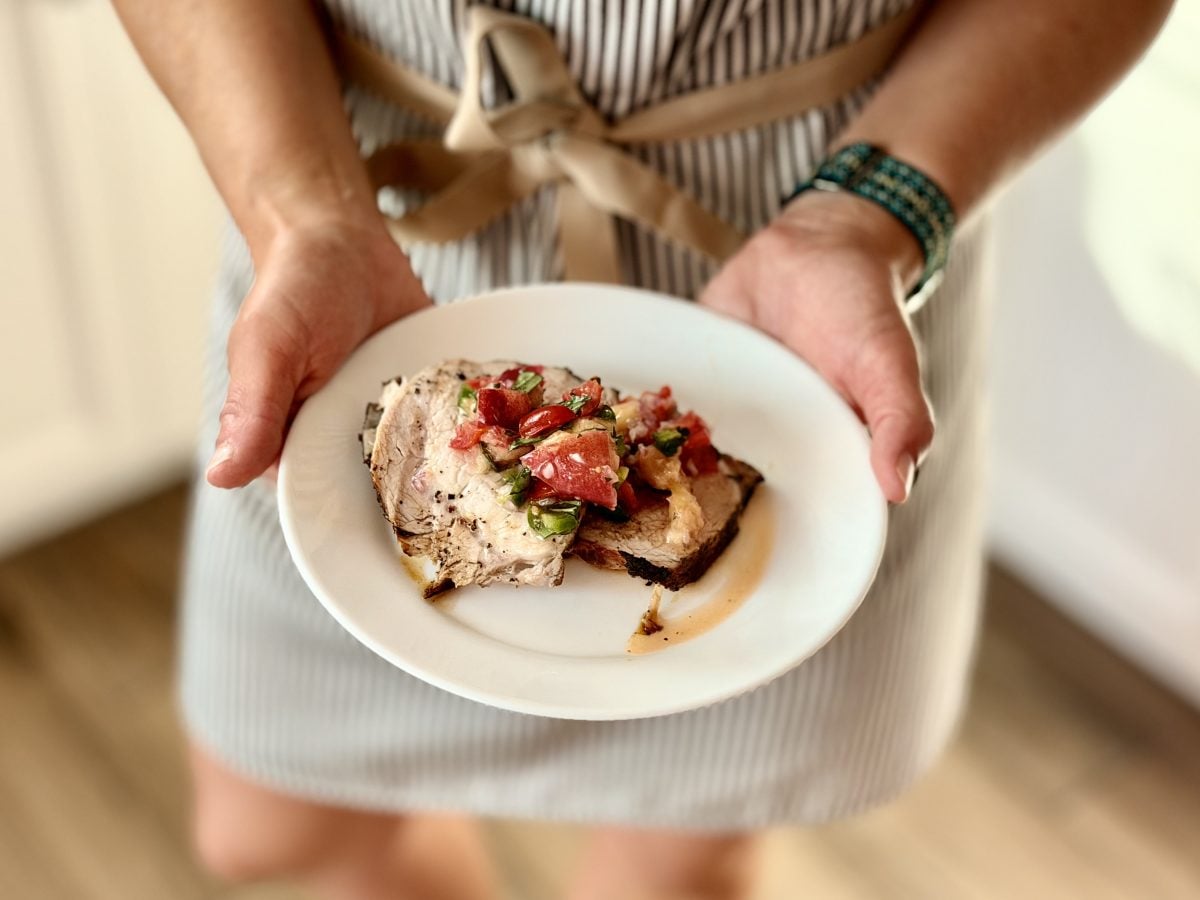
Example 1: I prepared this for a table of fourteen on the Fourth of July, thinking the brisket someone else was bringing would be the headliner. The relish was the real draw; one neighbor described it as “salsa that went to finishing school.” I had cut the pork loin into three roasts that morning, seared them in two batches, and they all came up to temp within a couple of minutes of each other. No one believed it was the same cut they overcook at home.
Example 2: The first time I tried to rush the process to see how it would work, I didn’t let the pork rest and started slicing it the moment it came out of the oven. Juice went everywhere, the slices looked uneven and the meat actually felt drier than it really was. For my next roast, I let it rest for a full fifteen minutes and covered it with foil. It sliced perfectly and was still juicy when I put it on the platter. That quarter hour of waiting is the best improvement you can make to this recipe.
Actionable Steps / Checklist
- Purchase the following items: a large boneless pork loin, ripe peaches, cherry tomatoes, lemons, and fresh herbs.
- Divide the loin into three equal roasts and make sure to dry them thoroughly.
- Rub the lemon-herb paste mixture on all sides of each roast.
- Allow the seasoned pork to sit out for 30 to 45 minutes while you preheat the oven to 350°F.
- Sear each roast on all sides, and do it in batches to keep the pan hot.
- Check from 55 minutes onwards for the thickest point of the roast to reach 140°F.
- Cover the pork loosely with foil and allow it to rest for 15 minutes.
- Prepare the relish while the pork is resting. Taste and adjust the amounts of lemon, honey, and salt to your preference.
- Prepare the optional Dijon pan sauce in the skillet used for searing.
- Slice against the grain, add relish and drizzle with sauce (if using).
Glossary
- Pork loin: This cut is from the wider, elongated portion that runs along the back of the pig and is different from the small narrow tenderloin and from the chops that are cut from the same muscle.
- Carryover cooking: The increased internal temperature is why you pull pork at 140°F and allow the temp to rise to 145°F during resting.
- Resting: Allowing cooked meat to sit before cutting it will give the juices time to redistribute and stay in the meat rather than run out onto the cutting board.
- Searing: Prior to roasting, develop flavor and color by scorching the surface of the meat in a hot pan.
- Fond: The brown bits stuck to the pan after searing are flavorful and dissolve when you deglaze the pan with broth to create a quick sauce.
- Relish: A thick and fresh assortment of fruits, vegetables, herbs, and acids is spooned over the main course for additional brightness and contrast.
- Against the grain: Cutting in a perpendicular direction to the muscle fibers increases tenderness.
FAQ
Do I really have to cut the loin into three pieces? Considering the size of the loin, yes, if you want it to cook evenly and remain juicy. The ends of a nine-pound loin will overcook before the center is done. Using three smaller roasts will give you more crust and they rest and slice much more cleanly.
What temperature should pork loin be cooked to? It is advised to pull the meat at 140°F at its thickest point and allow it to rest. The carryover heat will take it to a safe and juicy 145°F. The primary reason that pork loin ends up dry is because it is cooked all the way to 160°F.
Can I make this ahead for a party? Partially. The relish can be prepared a few hours in advance and kept refrigerated; add the basil just before serving. The pork is best cooked as near to serving as possible, however, you can sear the seasoned roasts earlier in the day and then roast them when guests arrive.
My peaches are not very ripe. Can I still make the relish? Yes, underripe peaches need a little more attention. So consider adding honey and allowing the relish to sit for a longer period. This will enable the firmer fruit to soften and release more juice. A touch more lemon will keep it zesty.
What sides go best with this? Anything that can catch the relish juice includes couscous, orzo, rice, or roasted potatoes. To round it out without competing, a crisp green salad or grilled summer vegetables can be included.
Can I grill the roasts instead of using the oven? Without a doubt. Sear and season as instructed and cook over indirect heat on the grill to the same target of 140°F. You will get a hint of smoke and the fresh relish becomes the perfect topping for a cookout.
How many people does this feed? About 12 to 16, which is why it is great for holidays, graduations, and backyard gatherings. If you are feeding the higher end of that range, scale the relish up.
Final Thoughts
While a large pork loin may seem daunting, it’s really about how you choose to prepare it. Before you even turn on the heat, you can make the decision to split it into three separate roasts instead of cooking it as one large piece. After that, all you need to do is get a nice sear, roast the loins gently to 140°F, and let the meat rest for 15 minutes.
Then, you can prepare a refreshing peach-tomato relish that will provide a nice contrast to the heaviness of the dish. Using a good cooking thermometer will help you make sure that your pork is perfectly cooked. Give the relish a few minutes to meld while the pork is resting. You’ll be left with an impressive, crowd-pleasing platter. This will be the type of dinner that may eventually help your father-in-law forget the days of being served dried pork.
