
A common appetizer at restaurants is a Caprese salad. While waiting for the main course, one of the diners may say, ‘this is so simple but so good’. The appetizer consists of sliced tomato, mozzarella, fresh basil, and a sprinkle of olive oil. With this recipe, caprese gets its due.
Dinner can be ready in 15 minutes, and this will give you something nice to show off to friends and family during the week. It does take a bit of chicken work, but the meal stays filling and light with the fresh veggies. The fresh basil makes the choice healthier. Simply season the chicken with salt and pepper.
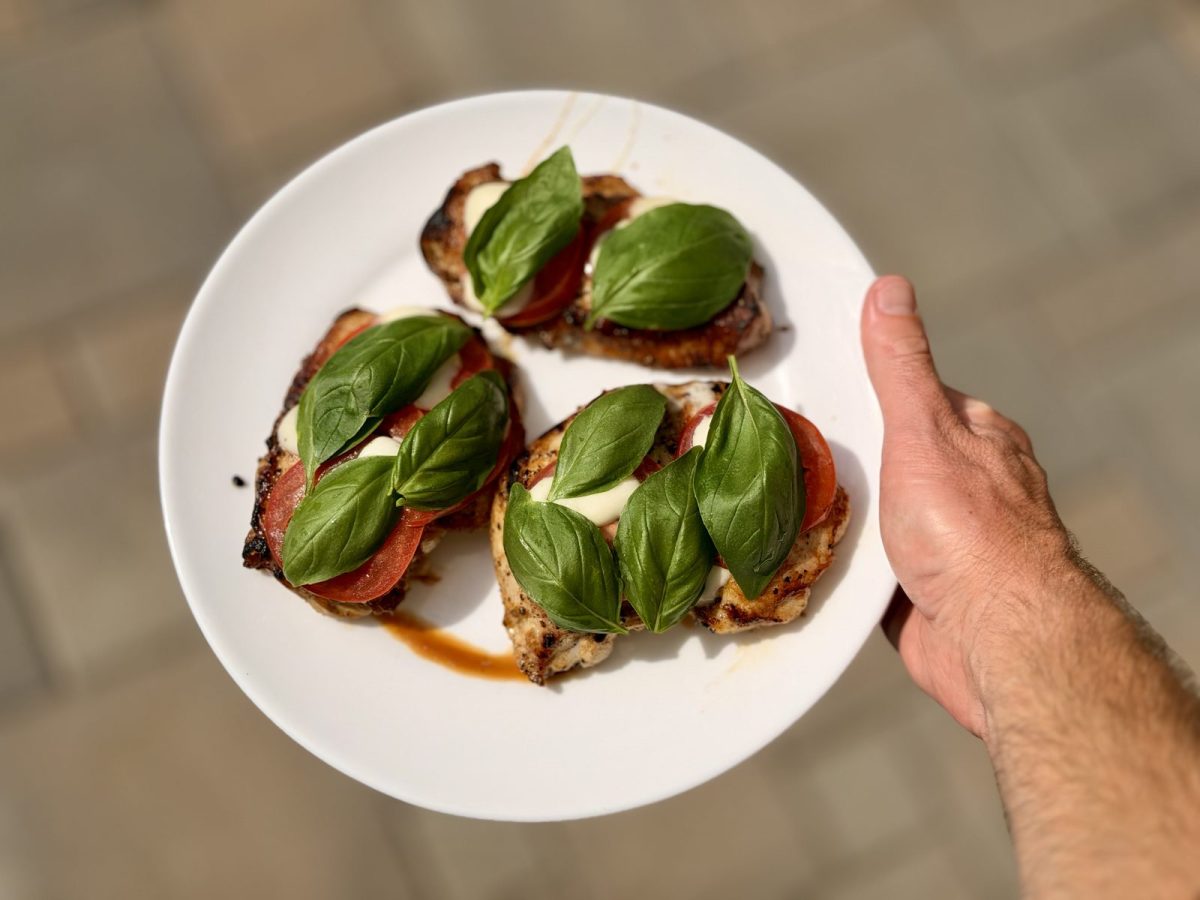
During the meal prep, the chicken will smell amazing and become soft along with the tomatoes. The mozzarella will be melted as well. The basil will bring the meal to completion.
I created this for a Tuesday with only some chicken breast in the fridge for a friend who says she “doesn’t really cook” and once for a dinner when I wanted to look like I planned something without being too obvious. It worked all three times.

The Quick Rundown
- What you’re making: Pan-seared chicken breast with fresh mozzarella, basil, and ripe tomato. Can we say Caprese vibes? These meals pack some serious calorie content.
- Why it works: The hot pan crisps the chicken, while the lid traps steam to melt the cheese without overcooking the meat. Only five real ingredients make the entire thing.
- Timing: If you decide to bake, the estimated total time will be around 25 minutes. Otherwise, the stovetop method takes around 15 minutes from start to finish.
- Flavor profile: With the option for a balsamic finish to add a slight tang, the dish features savory chicken, sweet tomato, milky mozzarella, and peppery basil.
- Key tips: Pat the chicken dry and don’t overcrowd the pan. Butterfly thick breasts so they cook evenly all the way through.
- Best uses: Quick weeknight dinners for two, low-carb (but it doesn’t feel like it), summer cooking while the tomatoes are at their prime.
Ingredients
For what it is, this five-ingredient dinner is great! It shows us that quality ingredients beat out technique. Just out-of-their-minds fresh mozzarella cheese and perfectly ripe tomatoes will outshine your fancy knife skills!
Master Ratio (Easy To Scale)
- 2 chicken breasts (about 6 to 8 oz each)
- 1 tablespoon olive oil
- ½ teaspoon salt
- ¼ teaspoon black pepper , plus more to finish
- 1 large tomato, sliced (or 2 small)
- 4 oz fresh mozzarella , sliced into ¼-inch rounds (or pearls/ciliegine)
- 8 to 10 fresh basil leaves
- Optional: balsamic glaze for drizzling
Serves 2. Scales directly up by the breast: 1 average-sized tomato seems like a fairly reasonable portion.
Ingredient Choices That Change Flavor
- Chicken: Boneless skinless breasts are the most versatile option. If you enjoy dark meat, boneless thighs are also a great choice. They will need to be cooked a little longer, and there is no need to butterfly them.
- Tomato: A true summer tomato is critical to this recipe. If you’re not using a summer tomato, Roma tomatoes are acceptable (they have a tighter texture and fewer seeds). If you don’t have a slicer, you can use halved cherry or grape tomatoes.
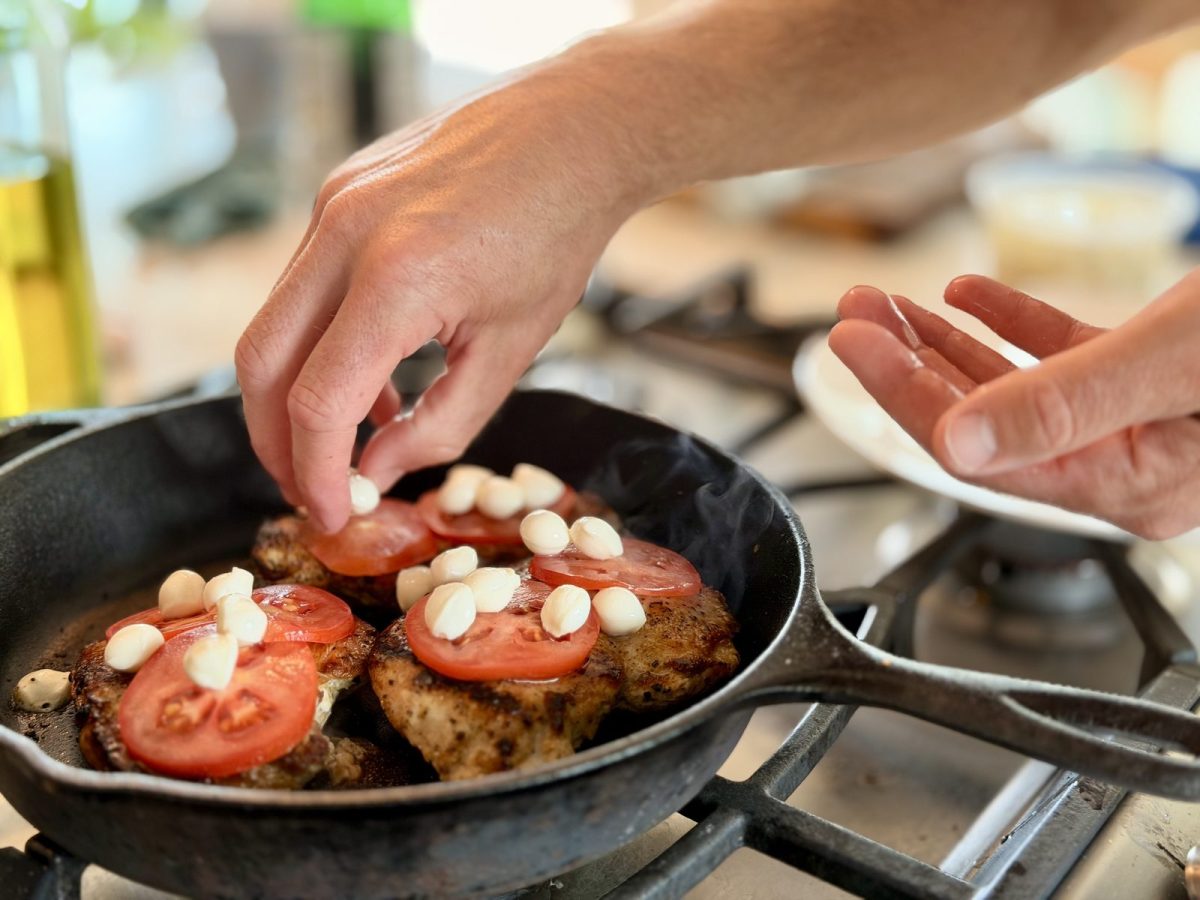
- Mozzarella: Mozzarella, the kind that’s still in water, is quite soft and squishy and is preferred to the harder, low-moisture mozzarella used for pizza. You can use sliced rounds, ciliegine pearls (as pictured), or even pieces that have been torn apart. The pearls melt the quickest and look just like little pebbles, in a very good way.
- Basil: Use a generous amount at the very end. This is not a garnish; it is an ingredient.
- Balsamic glaze: Feel free to include this ingredient if you like. It can also be omitted without any issue, store-bought variations are completely fine. The dish is still a complete thought without it.
For Serving (Optional, but Highly Encouraged)
- Add a drizzle of balsamic glaze prior to consumption
- Flaky sea salt, right at the very end.
- A larger amount of cracked pepper than you might assume is necessary.
- A portion of roasted asparagus, a heel of bread to soak up the juices, or a farro salad.
Instructions
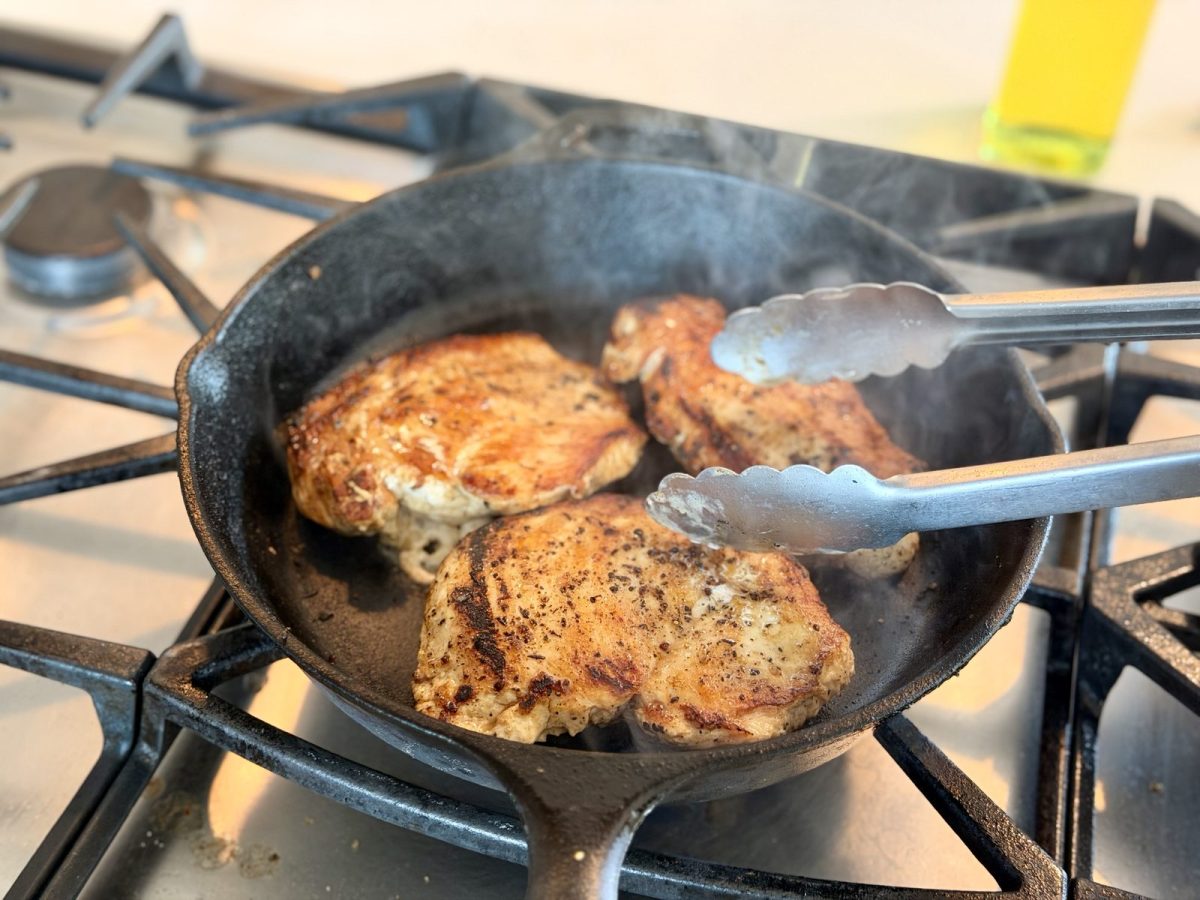
You can use the cast iron skillet on the stovetop (which creates a better overall crust, and is quicker) or bake it (which will be easier, and you won’t need to flip it). The stovetop version is what is pictured above. Either way you choose to make it, the important things to remember is don’t move the chicken until it is time to move it.
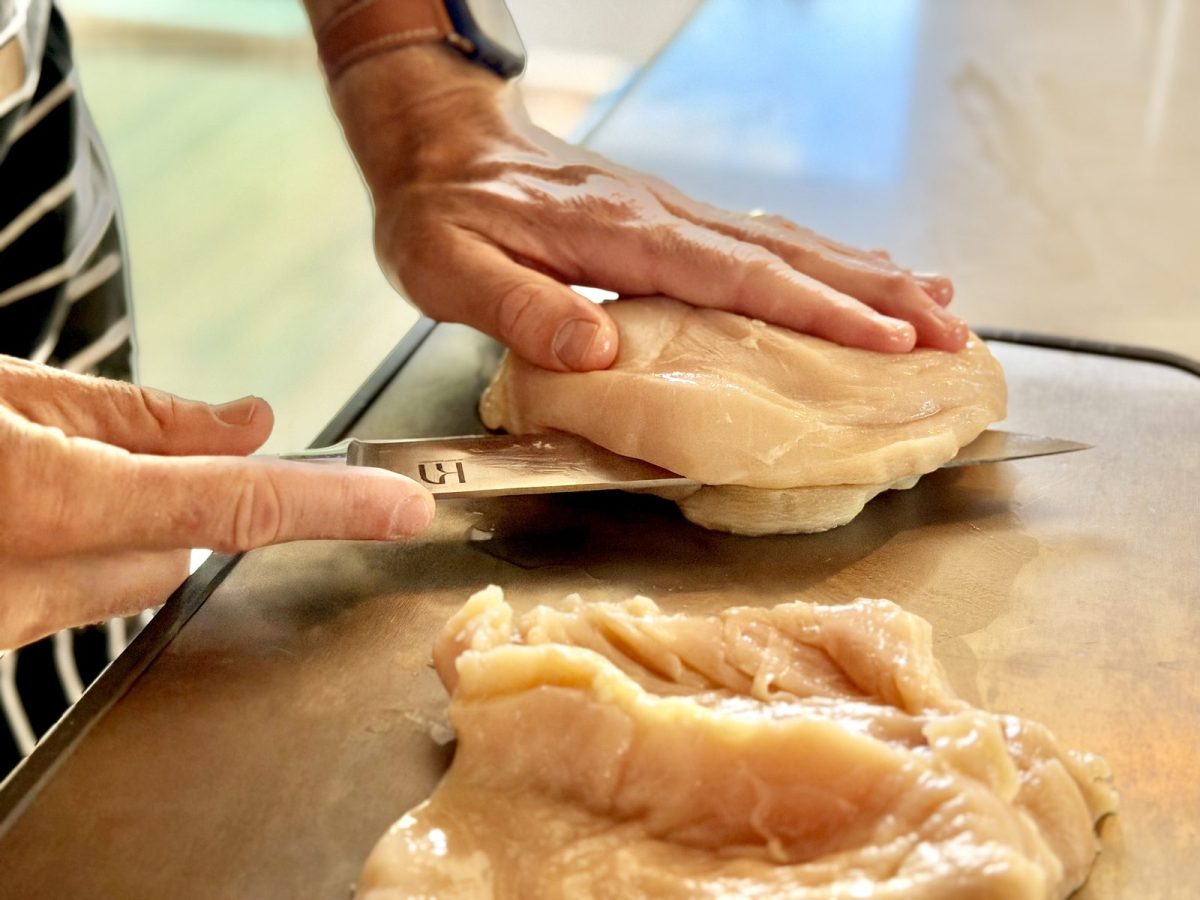
1) Isolate the chicken. Use paper towels to dry the chicken breast. This is necessary when searing the chicken as steaming is undesirable. For uniformity in cooking, chicken breast should be butterflied or pounded to achieve an even thickness. Both sides of the chicken breast should be liberally seasoned with salt and pepper.
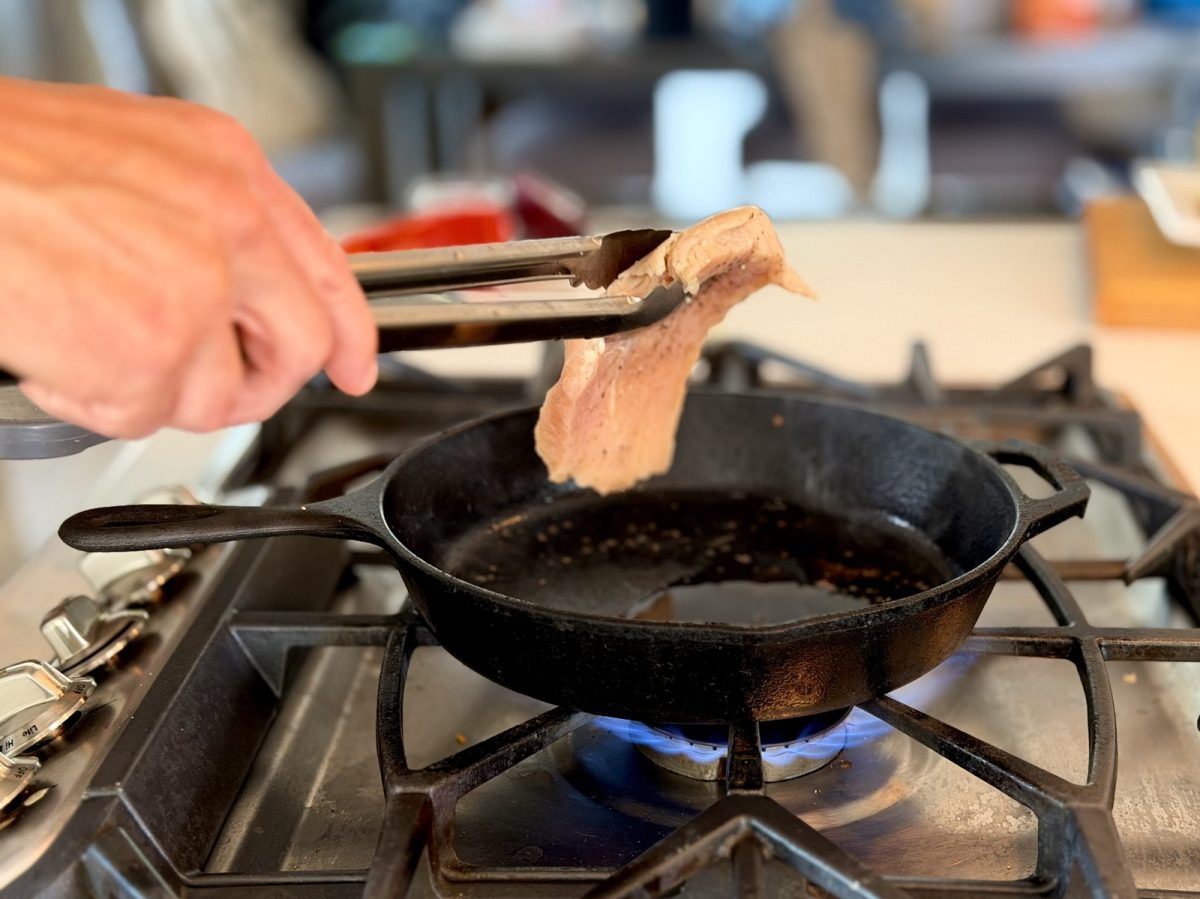
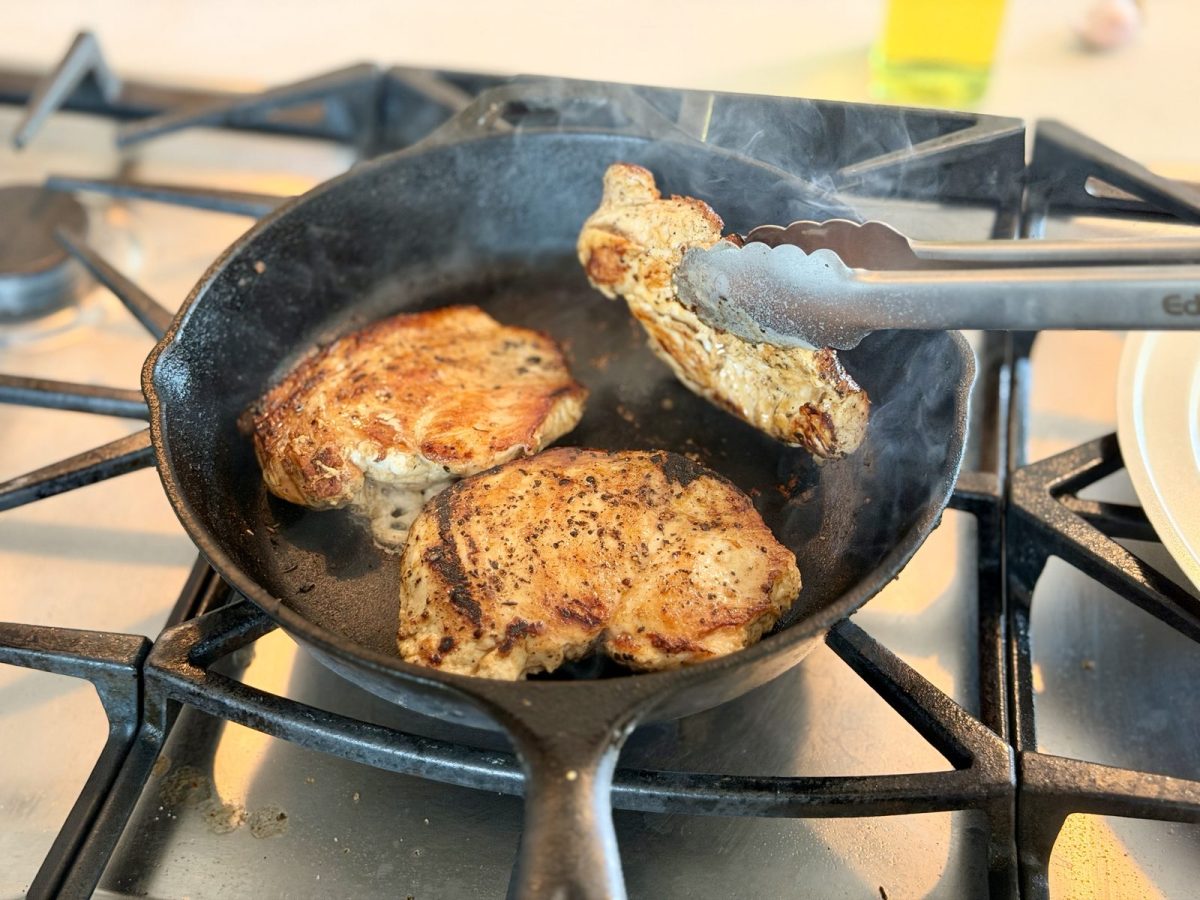
2) Sear (stovetop method). Add the olive oil to a large skillet and warm it over medium-high heat until it starts to shimmer. Add the chicken and let it cook for about 5 to 6 minutes. The underside of the chicken will become a deep golden. Once the underside is deep golden, flip the chicken and let it cook for another 5 to 6 minutes or until it is 165°F on the inside.
Alternatively, you can bake the chicken by preheating the oven to 400°F. Drizzle some oil on the chicken and season it with any spices of your choice. 20 to 25 minutes is approximately the time for the chicken to attain an inside temperature of 165°F.
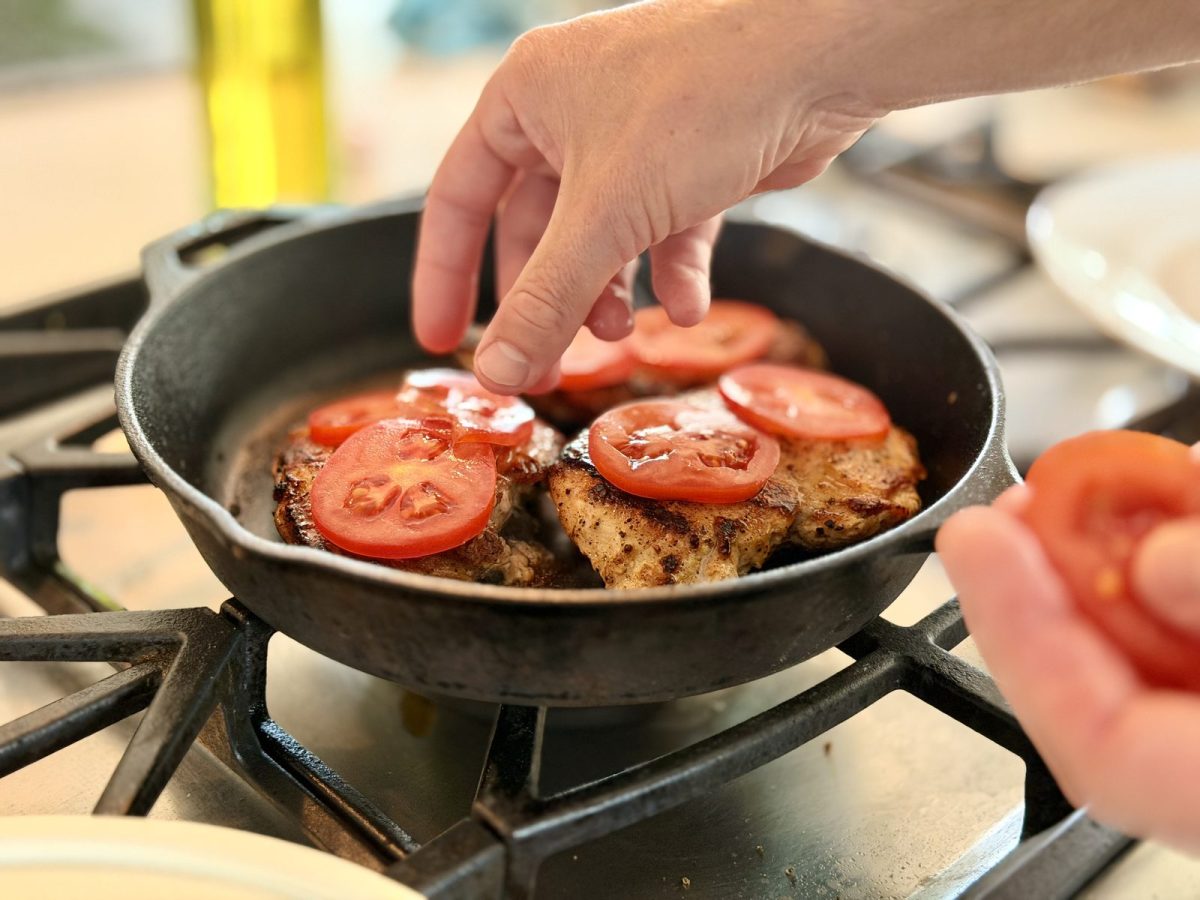
3) The chicken is to have tomato and mozzarella added. After you finish cooking the chicken, put 2 to 3 slices of tomato on every breast and then 2 to 3 slices of mozzarella on top of the tomatoes. Don’t worry if some of the chicken is exposed.
4) To melt the cheese, cover the pan with a lid and turn down the heat to its lowest setting. Allow the mozzarella 2 to 3 minutes to soften and sink down. (If you baked, place the pan back into the oven for 2 to 3 minutes.) You don’t want a full cheese melt but the cheese should look somewhat melted and the tomato sauce should begin to glaze the chicken.
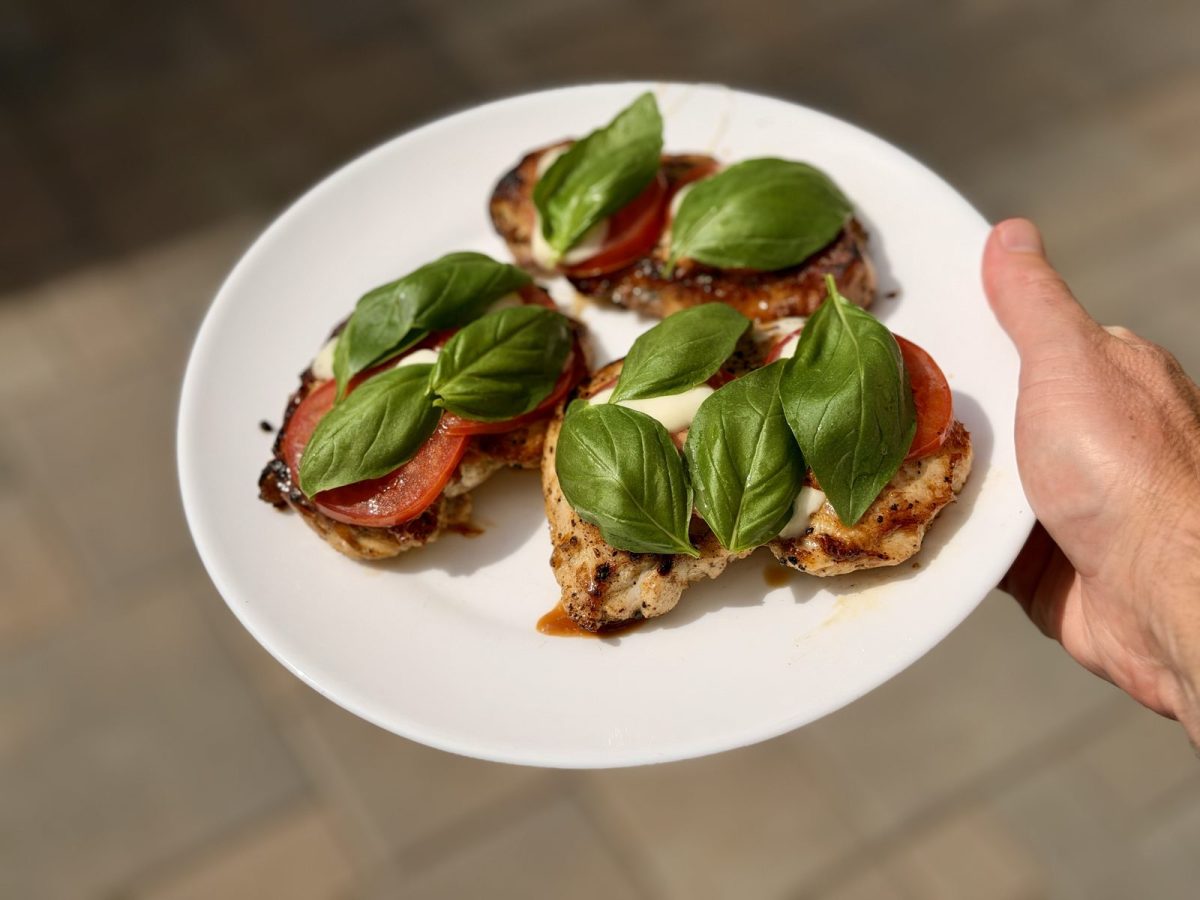
5) Finish and serve. Now, put the chicken on the plates and top them with fresh basil (which can be left whole or torn) and black pepper. You may wish to to add some balsamic glaze. Serve while hot, and pair with either the farro salad or the roasted asparagus.
Riffs That Work
- Pesto twist: Before adding the tomato, spread a small amount of pesto on the chicken. It increases the amount of basil and makes the entire plate a green-gold color.
- Bruschetta-style topping: Omit the sliced tomato and instead, add diced tomatoes that have been combined with olive oil, garlic, salt, and basil. This can be enjoyed on pasta or grain bowls.
- Prosciutto layer: A fold of prosciutto under the cheese makes this a little bit richer and turns it into a dinner party version.
- Chicken thighs instead: Boneless skinless thighs cook in the same manner and provide more flavor. Slightly longer cooking time is required and there is no need for butterflying.
Good Company for This Dish
- Drinks: A chilled Lambrusco, Italian-style Lager, sparkling water with lemon, or a crisp Pinot Grigio.
- Vegetable side: Arugula with lemon and olive oil, blistered green beans, sautéed zucchini, and roasted asparagus.
- Carb side: A slice of focaccia to pair with the juices, garlic bread, or lemony orzo. Or, try the farro salad.
- Make it a board: Slice the chicken and arrange it on a platter along with additional mozzarella balls, halved tomatoes, and torn basil. Drizzle the entire platter with olive oil and balsamic. Family style Caprese with chicken as the main.
Common Stumbles, Easy Saves
- Chicken came out dry. The breasts may have been too thick or overcooked. Butterfly the breasts next time and pull them off the heat at 160°F (carryover cooking will take it to 165°F).
- No crust on the sear. It’s possible that the pan wasn’t hot enough or the chicken was wet. Make sure to heat the pan until the oil is shimmering, and make sure to pat the chicken very dry before putting it in.
- Mozzarella didn’t melt. The lid either wasn’t on, or the heat was set too low. Cover it and give it another minute; the pearls will melt much faster than the slices.
- Tomato is watery. Place the slices on a paper towel for a minute before adding toppings. This pulls just enough liquid so the chicken does not end up swimming.

Nutrition and Storage Notes
Depending on how big your chicken breast is and how much mozzarella you use, each serving has approximately 380 to 450 calories. Each chicken breast also has a good 45g of protein and low carbs which in conjunction with the olive oil adds fat-soluble nutrients as well as the chicken and tomato which provide antioxidants and vitamin C.
Leftovers in the refrigerator can be saved for up to 2 to 3 days. Be sure to store them covered. When it comes to reheating, use an oven and set it to 325°F. Alternatively, you can do this using low heat on a covered pan. Try not to microwave it, since doing so will cause the cheese to become rubbery. The day after is also a nice time to eat the salad.
How It’s Gone for Me
This recipe varies by the day:
- Date-night version: In a careful manner, layer the food, and then use a balsamic glaze to drizzle over the food. Make concentric circles and then add some flaky salt. Finally, light a candle and pour yourself an ice-cold drink. It appears like you have put in the restaurant effort, however, it has only taken you an extra 10 seconds.
- Tuesday version: Even with the one pan meal made without balsamic and eaten at the counter while waiting for the shower, it still feels like dinner.
- Meal-prep version: Prepare 4 to 6 chicken breasts at the same time. Once you have leftovers, you can slice them and use them over salad greens, put them in a wrap, or mix them with some additional mozzarella into the pasta you have the next night.
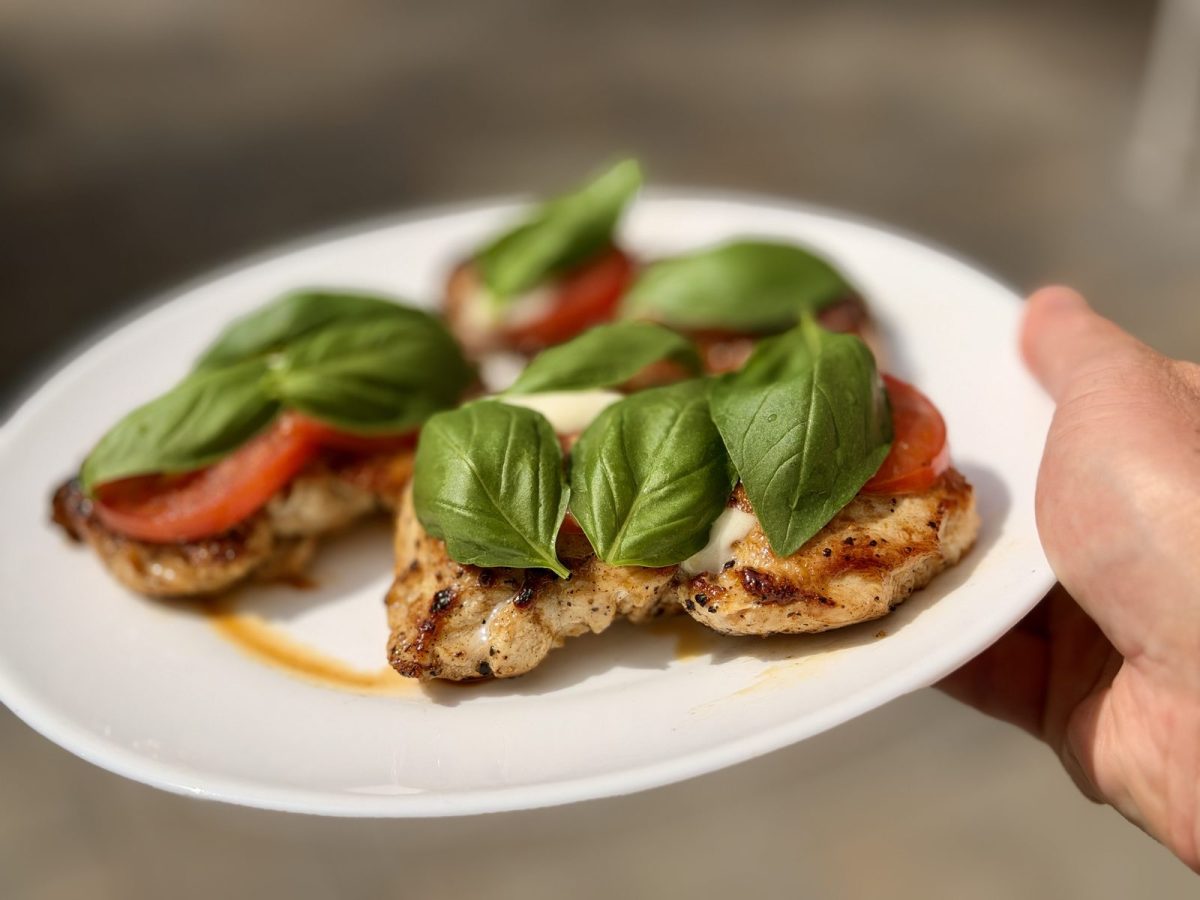
The Before-You-Cook Rundown
- Fresh mozzarella, basil, and an olive oil & balsamic glaze (optional) will be picked up along with chicken breasts, and a ripe tomato.
- If the chicken is thick, butterfly it and then pat it dry. After doing so, season using salt and pepper.
- Preheat your skillet and sear the meat for 5 to 6 minutes on each side until is has an internal temperature of 165°F.
- Place slices of tomato and then slices of mozzarella on top of each breast.
- Cover and reduce the heat to low for 2-3 minutes to allow the cheese to melt.
- In reference to the plate, the specific ingredients are torn basil, cracked pepper, and a balsamic drizzle for those who want it.
- Serve with asparagus, farro salad, or bread
Terms Worth Knowing
- Butterflying: Cutting a thick piece of meat horizontally almost all the way through so the meat opens like a book results in a thinner, more uniform cutlet that will cook quicker and more evenly.
- Fresh mozzarella: Unlike low-moisture mozzarella (the firm shredded type used on pizza), soft and milky mozzarella is sold in water or whey.
- Ciliegine: Melt quickly, look great, and save you a knife! These are cherry-sized pearls of fresh mozzarella. Italian for “little cherries.”
- Carryover cooking: The residual heat from the stove continues to cook meat after it has been removed from the heat source. This usually adds an additional five to ten degrees Fahrenheit worth of cooking. This is why pulling chicken at 160 degrees Fahrenheit is acceptable because it will reach the safe serving temperature of 165 degrees Fahrenheit when it reaches the table.
Asked and Answered
Can I use chicken thighs instead of breasts?
They could possibly be better. Skinless thighs (boneless) provide more flavor and are more forgiving to overcooking. Sear each side for 6 to 7 minutes and don’t bother butterflying. Don’t even temp check. Take them off as soon as they look cooked through with a bit of crust.
What if I don’t have fresh mozzarella?
Adding burrata is a nice touch. Provolone has a more refined flavor profile and melts wonderfully. Low-moisture mozzarella is an option, but don’t expect it to be as oozy as other cheeses. Pre-shredded cheese will have a strange appearance and texture on your chicken due to the anti-caking agent, so avoid it.
Can I make this ahead?
Cooked chicken can be kept in the fridge for 2 to 3 days, but basil and tomatoes are best consumed the same day as preparation. For instructional purposes, first, you need to cook the chicken, then store it in the fridge for a while. Following that, you can prepare the basil and use it to top the dish right before you are ready to serve.
Is this keto / low-carb?
Most strictly speaking, all the mentioned ingredients: chicken, mozzarella, tomatoes, basil, and olive oil are low in carbs. If tracking carbs is your priority, you should skip the balsamic glaze (it’s got added sugar) and have it with a non-starchy vegetable.
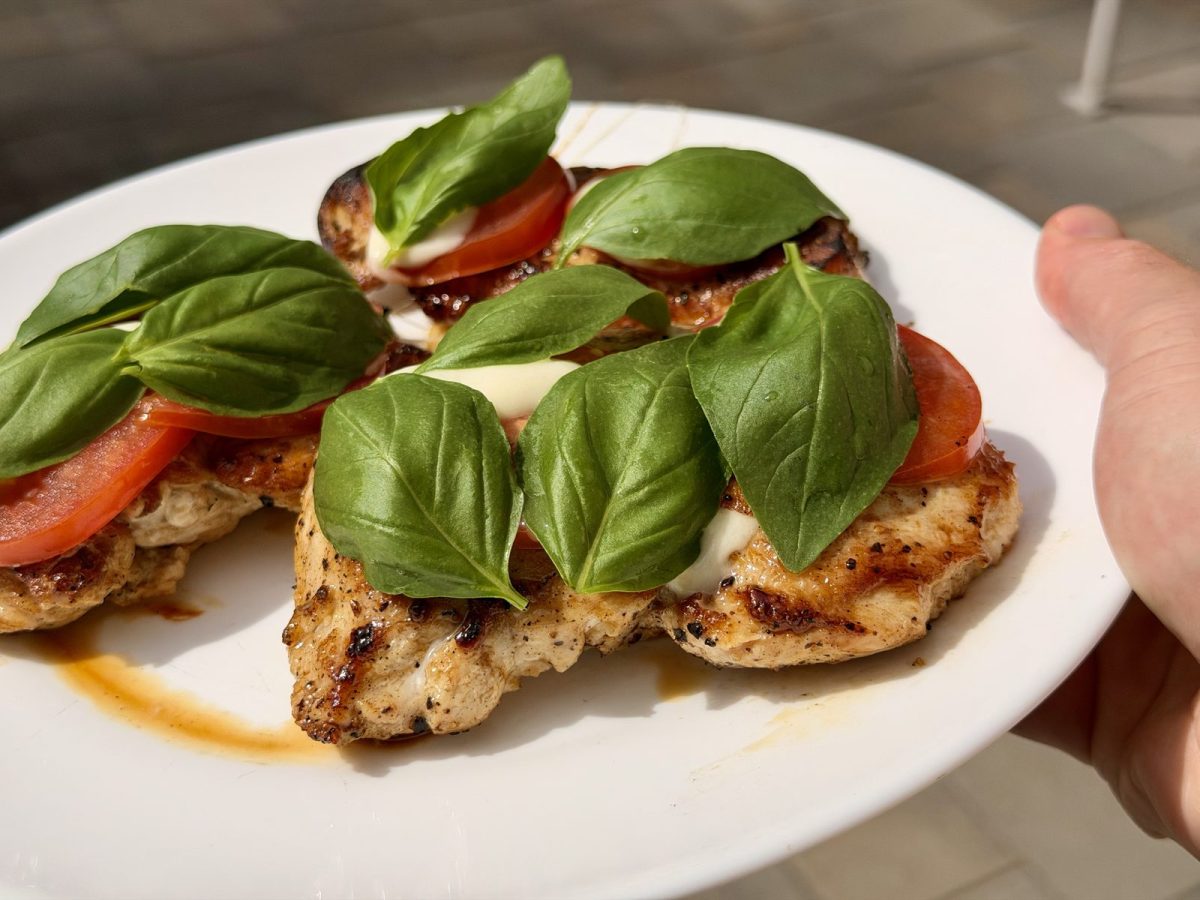
Wrapping Up
Dinner like this on a Tuesday gives off the impression that you’ve got your life together. It takes 15 minutes and 5 ingredients to throw together, and it most likely seems to others that it took much more effort than it actually did. Assuming you rotate your chicken, fresh mozzarella, and tomatoes, you can do this at your fridge’s demands whenever you don’t feel like arguing.
