
I will be honest; I remain unconvinced of the so-called ‘creamy’ vegan pasta recipes that rely on cashews for their supposed creaminess. The texture of cashews is more akin to a poorly made smoothie. What I want is a sauce that clings, glosses, and feels a bit luxurious, but still is tomato-garlic-herb. The kind of sauce where you stir in fresh herbs you chopped yourself with a knife that’s a little dull from a recent sharpening.
The sauce for this vegan creamy tomato pasta has a little trick up its sleeve. The base is sustainably made and friendly to weeknight cooking, with no compromises. The first time I made vegan creamy pasta I made sure to serve it to a friend who “doesn’t do vegan” and he returned for a second bowl in complete silence, and it was the greatest compliment.

The 30-Second Summary
- Silky Vegan Tomato Pasta, condensed: A creamy and herby tomato pasta with a velvety fully vegan sauce.
- Why it works: We toast the tomato paste for extra depth of flavor, while the other tomatoes are simmered to help reduce their sharper notes, and the plant cream rounds off the edges without covering the tomato.
- Time: It will take from 25 to 35 minutes to complete.
- Flavor profile: Garlic warmth and gentle sweetness combine with fresh herbs and bright tomatoes.
- Key tips: Be sure to salt the pasta water generously, save some water from the pasta, and add the herbs at the end so they’re fresher (not stewed).
- Best pasta shapes: The glossy coat option includes rigatoni, penne, fusilli, and spaghetti.
Ingredients
While this recipe is flexible, some specifics about the ingredients are important. Choose a reasonable can of tomatoes (No need for fancy tomatoes, just avoid the cheapest and most metallic cans). Don’t skip the tomato paste, it’s the bass note. Also, select a plant cream that you enjoy the flavor of because it won’t hide in the mix.
- Pasta: Use 12 ounces (340 g) of short pasta such as rigatoni or penne. Spaghetti also works. For this recipe, please use bronze-cut pasta if possible.
- Olive oil: Use 2 tablespoons, and maybe more if needed. This forms part of the “creaminess” so use something you would dip bread into.
- Onion: 1 small yellow onion, chopped. Shallots are even more sweet.
- Garlic: I understand that this seems like a lot; that’s because it is.
- Tomato paste: 2 tablespoons. The only thing that differentiates “tomato sauce,” from “tomato sauce with shoulders,” is that sauce being toasted in oil.
- Canned tomatoes: 1 can (28 ounces / 800 g) of whole peeled or crushed. Whole peeled gives you more control; you can crush them by hand if you want to.
- Plant cream: Between 1/2 and 3/4 a cup (120 to 180 ml) of oat cream, soy cream, cashew cream, or canned cream coconut milk (see table below).
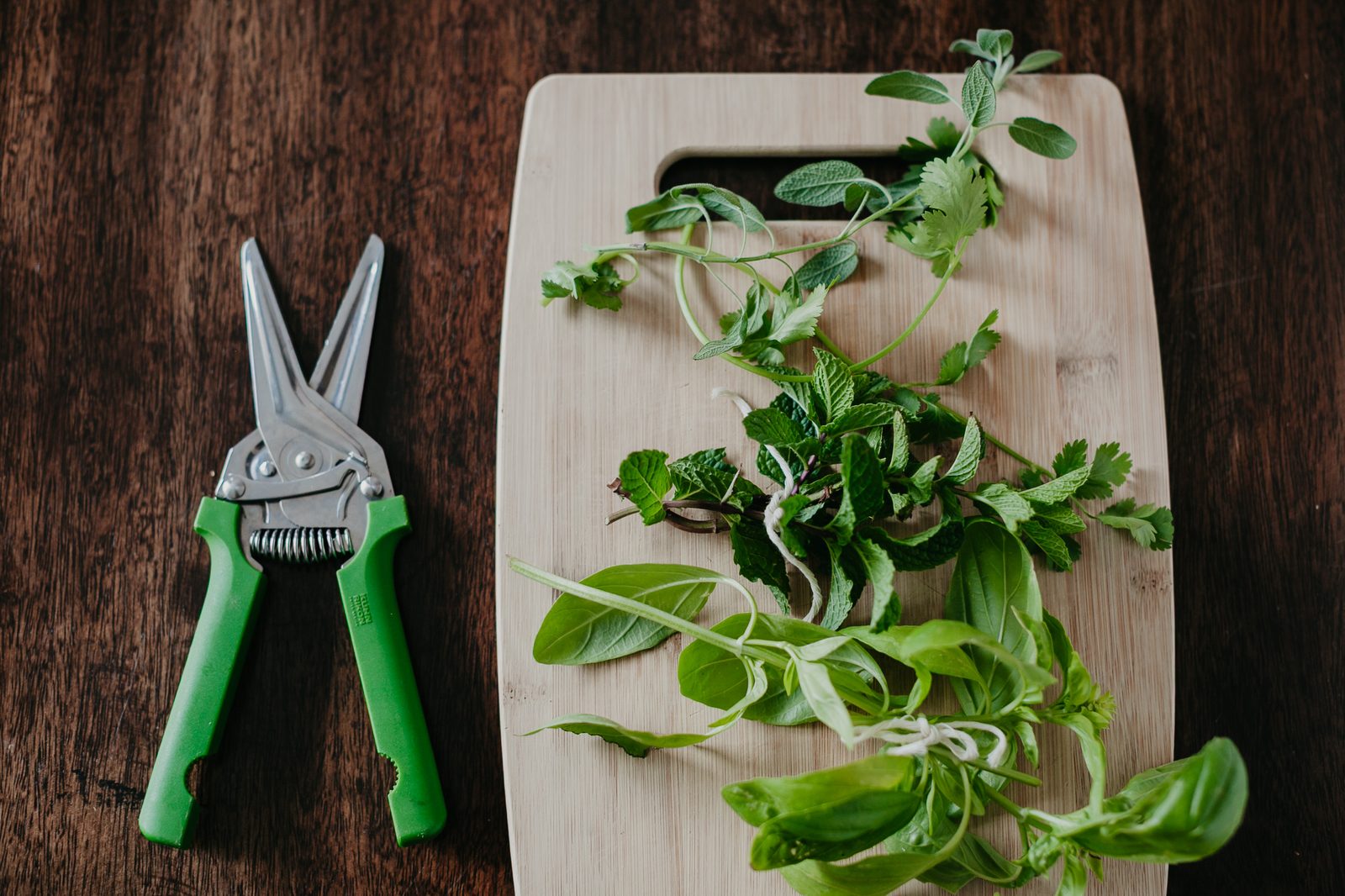
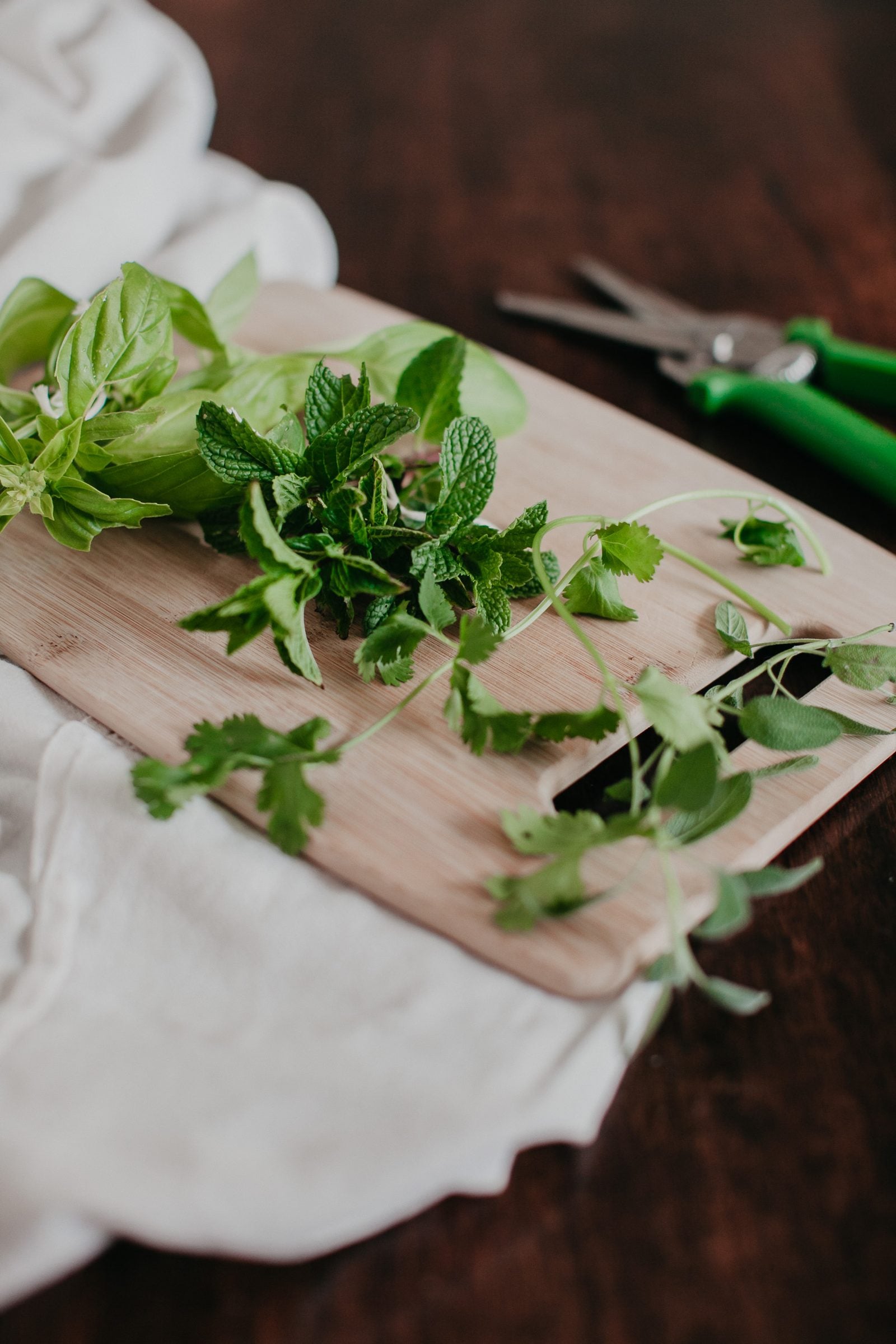
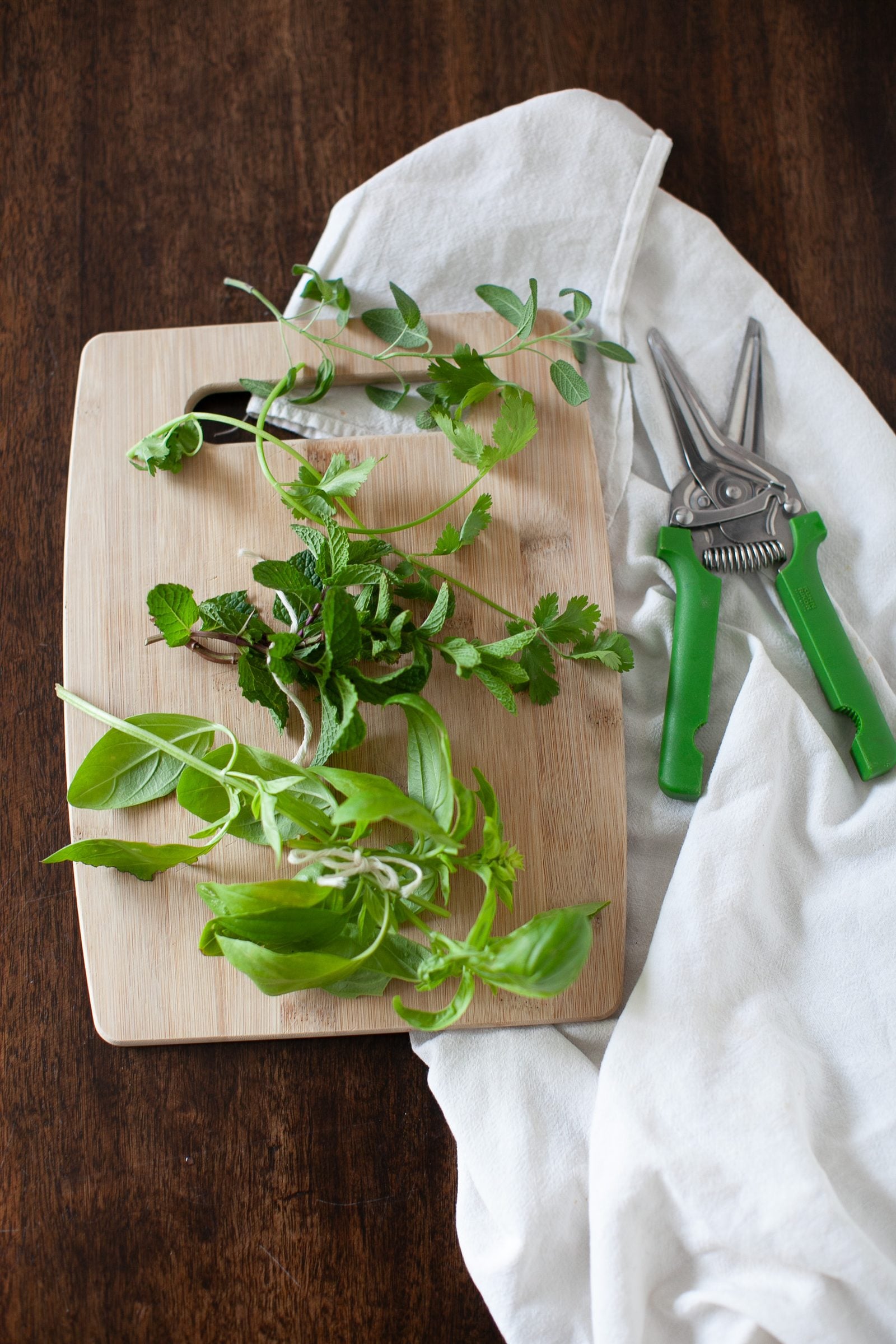
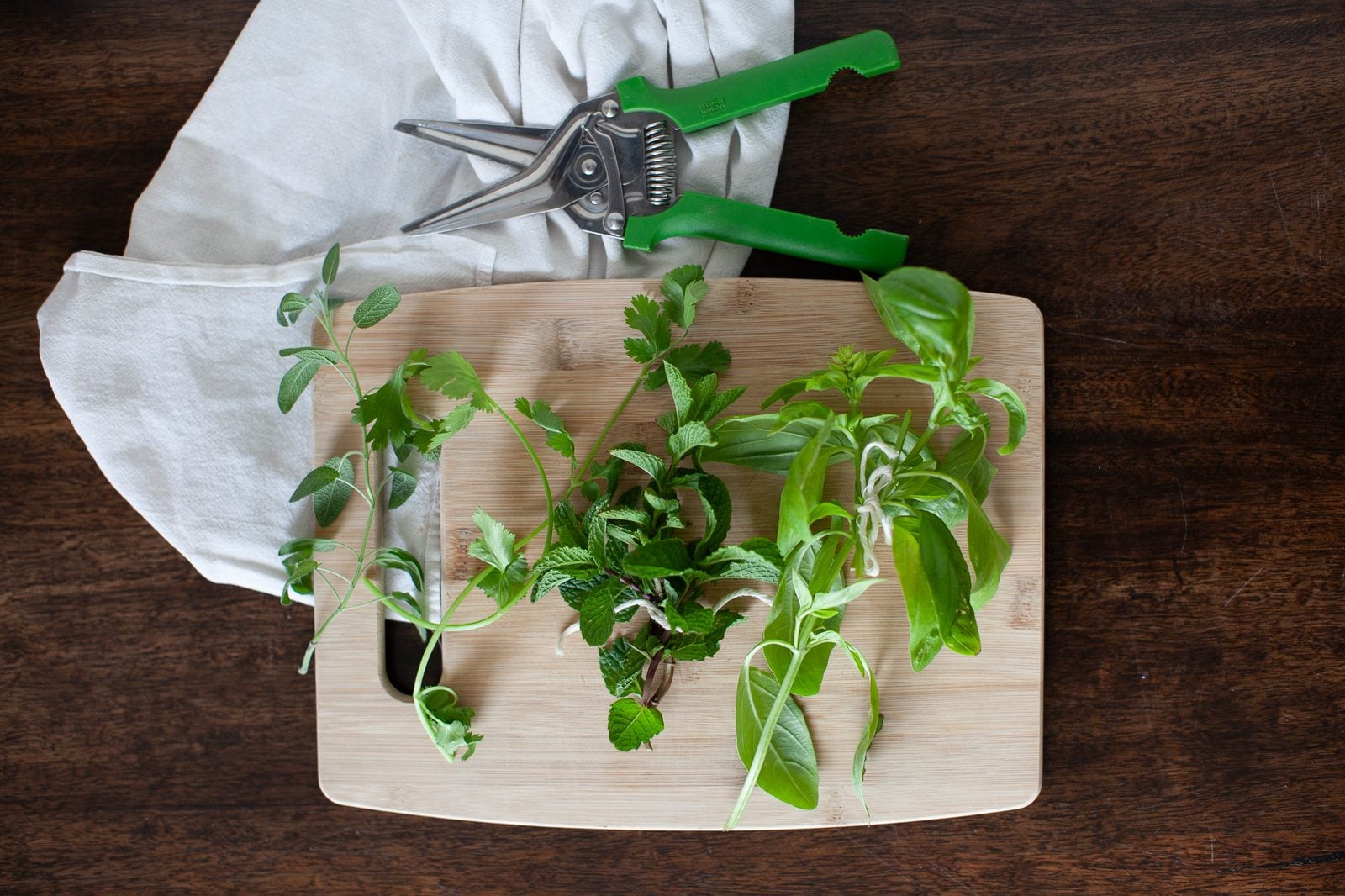
- Herbs: 1/2 cup of chopped fresh basil and/or parsley. Optional: If you want a sharper, greener note, add a bit of fresh dill.
- Dried oregano: 1/2 teaspoon (optional: but it gives the best “Italian-ish” flavour).
- Red pepper flakes: 1/4 to 1/2 teaspoon, to taste.
- Salt and black pepper: Non-negotiable. Taste and adjust.
- Pasta water: 1 to 1 1/2 cups reserved. This will be your secret sauce adjuster.
- Lemon: 1 to 2 teaspoons of juice (optional) if your tomatoes are bland or too sweet.
- Optional finishing extras: Good olive oil, toasted breadcrumbs, and vegan parmesan.
Master Ratio (Easy To Scale)
- 1 pound pasta
- 2 tablespoons olive oil
- 1 small onion + 4 to 6 garlic cloves
- 2 tablespoons tomato paste
- 1 (28-ounce) can tomatoes
- 1/2 to 3/4 cup plant cream
- 1/2 cup chopped fresh herbs
- 1 cup reserved pasta water (more as needed)
Example: For two people, you should use 6 ounces of dry pasta, around 1 tablespoon of tomato paste, and about 1/4 to 1/3 cup of plant cream. The sauce may look a little too thick in the pan to be saucy, but it’ll loosen up nicely when you add in the pasta plus pasta water. That moment always feels like a bit of magic. A magic trick I didn’t truly deserve.
Ingredient Choices That Change Flavor
| Choice | Best for | Flavor impact | Notes |
|---|---|---|---|
| Oat cream | Neutral, classic “restaurant creamy” vibe | Soft, lightly sweet, very smooth | Great default. Choose unsweetened. |
| Soy cream | High protein, sturdy sauce | Clean, slightly tangy | Less likely to split; excellent for reheating. |
| Cashew cream | Silkiest texture, thicker sauce | Nutty richness | Blend soaked cashews with water and a pinch of salt until smooth. |
| Coconut milk (canned) | When you want plush richness fast | Noticeable coconut undertone | Use sparingly (1/3 to 1/2 cup). Works best with extra herbs and chili. |
| Unsweetened almond milk + olive oil | Lightest option | Less creamy, more “tomato-forward” | Whisk 1/2 cup milk with 1 to 2 tablespoons olive oil; add gradually. |
Herbs (How I Actually Choose)
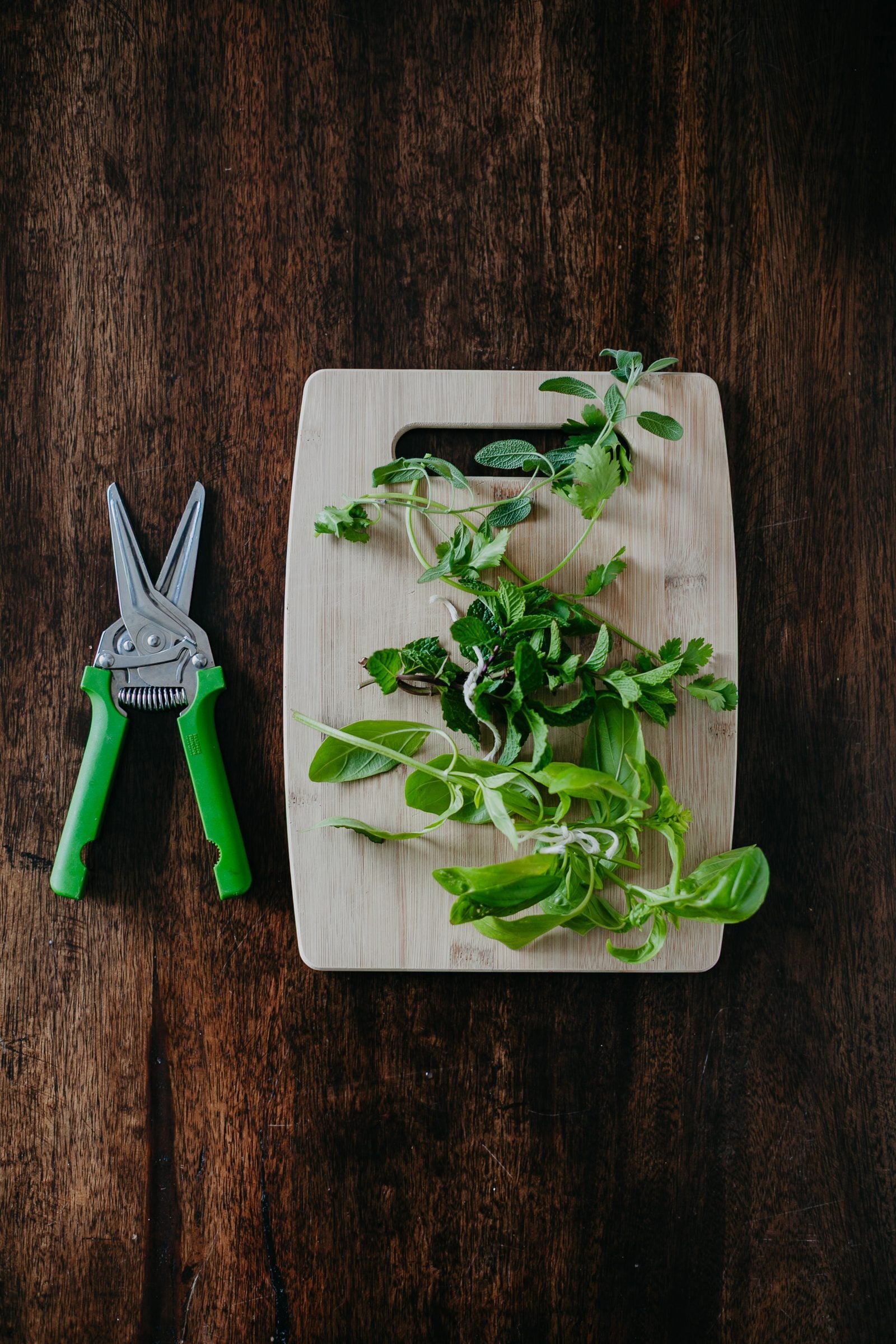
My preference is to always use basil. If I only have parsley, I use parsley and still feel good about it. If I have basil and parsley, I feel even better. The only rule is to add most of your fresh herbs at the very end. Cooked basil is just sad.
Instructions
1) Begin by boiling the water for the pasta. In a large pot, bring water to a boil and add salt until it is as salty as the sea (or as you would consider it flavorful). Then, add the pasta and cook for one minute less than the time indicated on the instructions for al dente. Before draining the pasta, reserve 1 to 1 1/2 cups of the pasta water. Then, drain and set the pasta aside.
2) Build the base. As the pasta is cooking, heat the olive oil in a large skillet or Dutch oven over medium heat. Mix the chopped onions with a small amount of salt; cook them for 5 to 7 minutes until softened and turned translucent. If the onions start to brown more than they should, lower the temperature. We want them to be smooth & sweet, not burnt.
3) Incorporate the garlic and roast the tomato paste. Mix in the garlic and red pepper flakes, and cook for about 30 to 60 seconds until they become aromatic. While cooking the tomato paste, stir continuously for 1-2 minutes. You will want a minor darkening and an aroma deeper than “raw tomato paste from the tube.” This step always gives me a little bit of confidence.
4) Tomatoes need a little simmering. If you’re using the whole tomatoes, either crush them with a spoon or your hands beforehand, or break them up in the pan. You can add the canned whole tomatoes, just be careful as they may splatter. If desired, add oregano here.
5) You will want to simmer for 8 to 12 minutes uncovered, stirring occasionally, to have the sharpness of the sauce dull and the thickness increase. After adding salt and black pepper to taste, if you taste it and it seems too acidic to you, it might not be a good idea to “fix” something right now, so I’d wait a few minutes.
6) Make it creamy. Lower the heat to medium-low and slowly incorporate the plant cream, beginning with 1/2 cup. The sauce should transition to a warm, rosy coloration and appear glossy. If the sauce appears too thick, add a small amount of the reserved pasta water (begin with 1/4 cup). Once again, taste the sauce and make any necessary adjustments for salt, pepper, and chili. If the sauce is slightly bland or overly sweet, add 1 or 2 teaspoons of lemon juice.
7) Combine the pasta with the sauce. Add the drained pasta to the skillet and mix. To give the sauce a clumpy appearance, add pasta water in small increments until it coats all the noodles. Let this simmer for 1 to 2 minutes to allow the pasta to take in the sauce. This is when it starts to transform from “pasta with sauce” into an actual dish.
8) Add the herbs last. Remove the pan from the heat and add most of the chopped herbs, reserving a small amount for garnish. If you want some crunch, you can also add more herbs, a splash of olive oil, and some toasted breadcrumbs or vegan parmesan, and serve immediately.
Make It Yours
- Roasted tomato version: To get some sweet blistered pockets, you can fold in the finished sauce after roasting halved cherry tomatoes with some olive oil and salt.
- Spinach and lemon: At the end, stir in several large handfuls of spinach and finish with additional lemon for a fresher and greener bowl.
- Vodka-ish (no vodka needed): Use one teaspoon of smoked paprika and add another tablespoon of olive oil to create a richer “pink sauce” vibe.
- Mushroom umami: Sauté 8 ounces of sliced mushrooms until they are browned, and just before or at the same time as, the mushrooms are added, brown the onion. The sauce will become darker and more savory.
- Arrabbiata-leaning: Increase the quantity of chili flakes to your desired amount, and add only a small amount of sugar if the tomatoes necessitate it. Finally toss in some generous amounts of parsley.
- Protein bump: Add baked tofu cubes or white beans (make sure to rinse them). It may seem strange to add beans, but they are cozy in a canteen sort of way.
What to Serve With It
- Salad: A salad of arugula with lemon and olive oil dressing and shaved fennel makes an excellent pairing with creamy pasta.
- Vegetable side: Roasted broccolini with garlic and chili. The char is lovely with the sauce.
- Bread situation: Crusty sourdough or garlicky toasted baguette for wiping the last streaks.
- Wine: Choose Sangiovese, Nero d’Avola, or a dry rose. You need acidity to cut the cream.
- Weeknight upgrade: A bowl of olives, along with a shower of fresh basil, creates the illusion that you made a significant effort.
If Something Looks Off
- Sauce tastes too acidic: First, simmer for a longer time. With heat and time, the tomatoes will calm down. If it is still sharp, add some more cream, and a very small pinch of sugar (around 1/4 teaspoon), then taste again.
- Sauce is too thick: Include reserved pasta water one tablespoon at a time. Pasta water is preferable to regular water because it helps the sauce to stay cohesive.
- Sauce is too thin: Simmer for 2 to 4 minutes uncovered before adding the pasta, or use a little less plant cream next time.
- It tastes bland (the heartbreak): Include salt before adding a squeeze of lemon and then generously add more herbs. It is also important to remember to salt your pasta water.
- Herbs taste dull: You overcooked them. For freshness, add a sprinkle right in the bowl.
- Garlic burned: Unfortunately, you will have to start again if it is actually burnt. If it’s only slightly burnt, add tomatoes quickly and carry on. (I’ve ‘saved’ worse).
- Make it cling: For an entire minute, mix the pasta and sauce together while adding a bit of the pasta water. Do not simply scoop sauce on top and expect it to be mixed.
Storage and Leftovers
The type of plant cream and pasta selected will dictate the nutrition profile and overall nutrition will include: a filling carbohydrate base, some healthy fats from the olive oil and plant cream, and a good serving of lycopene from the tomatoes. If you want to add even more protein to this dish and avoid turning this dish into a health lecture, some suggestions would be to include soy cream, white beans, tofu, or chickpea pasta.
You can keep them in the refrigerator for 3 to 4 days in an airtight container. You can reheat them on the stove to loosen the sauce (the sauce thickens as it sits) and add a bit of water or plant milk to help with that. You can also microwave them, but be sure to stir them halfway through so that you don’t get hot spots and dried edges on the pasta.
Overall I don’t love freezing pasta, and it may not be the best option, but feel free to give it a try. The cream may give the pasta a bit of a grainy texture after freezing depending on what type of cream was used.
How It’s Gone for Me
Run one: I created this on a Tuesday with a single herb in the fridge. My sad rubber-banded parsley was droopy, but I still chopped some and added lemon at the end, and the entire bowl ‘tasted bright and intentional.’ My partner asked what I did differently. I didn’t. That shows the power of finishing touches.
Round two: Once my friend cooked it with coconut milk (because that’s what they had) and then panicked thinking it would taste like curry. Not really. It was a bit tropical. We fixed it by adding more garlic, more basil, and a little extra chili. The lesson is: you can redirect the sauce with herbs and heat.
The Checklist
- Purchase 1 can of tomatoes, 1 can of tomato paste, 1 carton of plant cream, and some fresh basil or parsley.
- Before draining, remember to reserve at least one cup of salted water from the pasta.
- Cook onion until soft, not browned.
- In oil, toast the tomato paste for 1 to 2 minutes.
- Cook the tomatoes for 8 to 12 minutes to soften their acidity.
- Stir in the plant cream and remove from the heat. Add pasta water to achieve desired silkiness.
- Finish by tossing the pasta in sauce for one to two minutes.
- Towards the end of the dish, add fresh herbs, and then taste and make adjustments to the salt and lemon.
Words You’ll See Above
- Al dente: Pasta should be cooked so that it is tender but still firm in the center; it will finish cooking in the sauce.
- Reserved pasta water: Starchy water from cooking pasta also helps emulsify sauces and loosen them without adding excess water.
- Toasting tomato paste: Sautéing the paste in oil until it darkens a bit will enhance its flavor and lessen the sharpness associated with raw, uncooked paste.
- Emulsify: Here, starch from the pasta water aids in emulsifying the fat and water into a smooth and cohesive sauce.
- Finish: The final additions of herbs, lemon, and olive oil are added just before serving to enhance the flavor.
FAQ
Can plant cream be skipped? Yes. Rely on the pasta water for body, and use 1/2 cup of unsweetened plant milk and 1 to 2 extra tablespoons of olive oil (added gradually). While it won’t be as plush, it will be shiny and still satisfying.
Which tomatoes are better: whole, crushed, or passata? Since they are less processed, whole peeled tomatoes may have a rounder taste and seem like they are less aggressive in processing. Crushing the tomatoes yourself allows for more control over the process. Crushed tomatoes are the most dependable, and easy to use. Even though Passata is quick and simple, it tends to be bland and requires you to toast the paste and allow it to simmer a bit to really bring out a good flavor.
What can I do to prevent the sauce from tasting “raw”? To eliminate the “raw” taste from the sauce, ensure you toast the tomato paste and simmer the tomatoes uncovered until the sauce thickens and develops a sweet aroma instead of a tin can smell. If you rush this step, you will notice it.
Can I add vegetables without watering down the sauce? Yes. Add quick-cooking greens such as spinach or arugula towards the end, or for vegetables with high water content like zucchini or tomatoes, roast them separately and then fold them in. If you brown the mushrooms first, they will add richness rather than moisture.
Is this child-friendly? As a general rule, yes. If your audience seems to be suspicious of the chunks of onion, keep the chili flakes down and consider blending the sauce quickly. This may help to avoid some of the vegan Parmesan.
Can I make this ahead of time? Certainly! You can make the sauce three days in advance and store it in the refrigerator. When you are ready to eat it, reheat the sauce by adding a little water or plant milk and warming it gently. For the best texture, combine the pasta with the sauce just prior to serving.
Before You Go
I feel quiet victory when I make this vegan pasta recipe. It’s so easy and has no precision involved. The tomatoes and herbs create a fresh flavor unlike the recipe “substitutes” a lot of people use. It gives you a shiny bowl and helps ease your conscience (or at least your conscience won’t feel as bad). Give it a go and start changing it to your liking: more basil, more spice, more cream, and less fuss. That’s the real point.
