
For years, I kept the same small, tin container of pre-ground black pepper in my kitchen and wondered why pepper always seemed to do so little. However, at one dinner, someone handed me a pepper mill.
After cranking the mill a couple of times over my plate, I realized the pepper I’d been using was completely different, no longer dull, but bright, floral, and fresh. The tin, by comparison, held only a faint, generic version of what freshly ground black pepper actually tastes like.
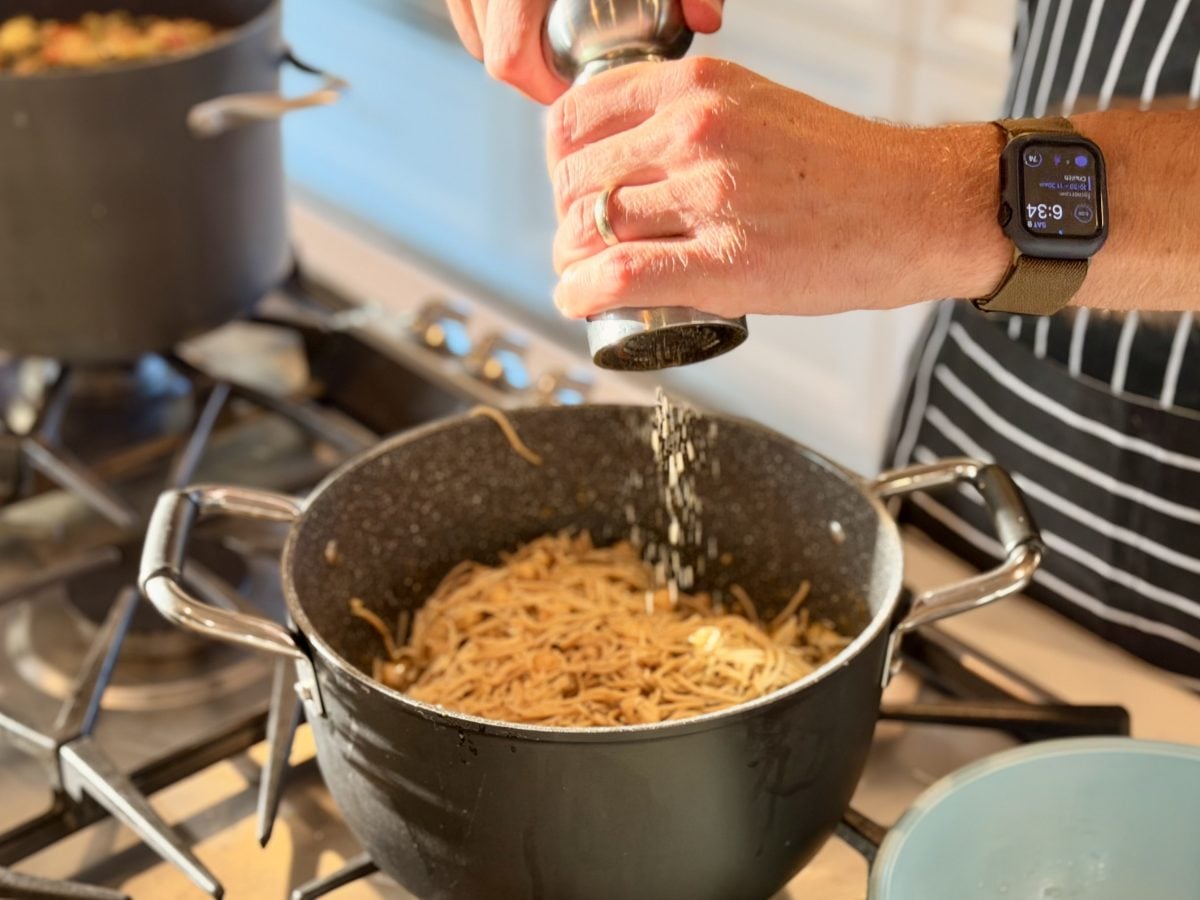
Here is an explanation. Pepper’s flavor is encapsulated in volatile aromatic oils located in the kernel. When you grind them, those oils begin to evaporate. As a result, pre-ground pepper loses these oils during the months of storage, which is why it tastes so flat that people dump it on food. However, grinding it fresh will increase the amount of flavor and complexity in your dish so you will likely use less.
You won’t believe how much stronger that tastes than this stuff.
Nathaniel, HomeViable
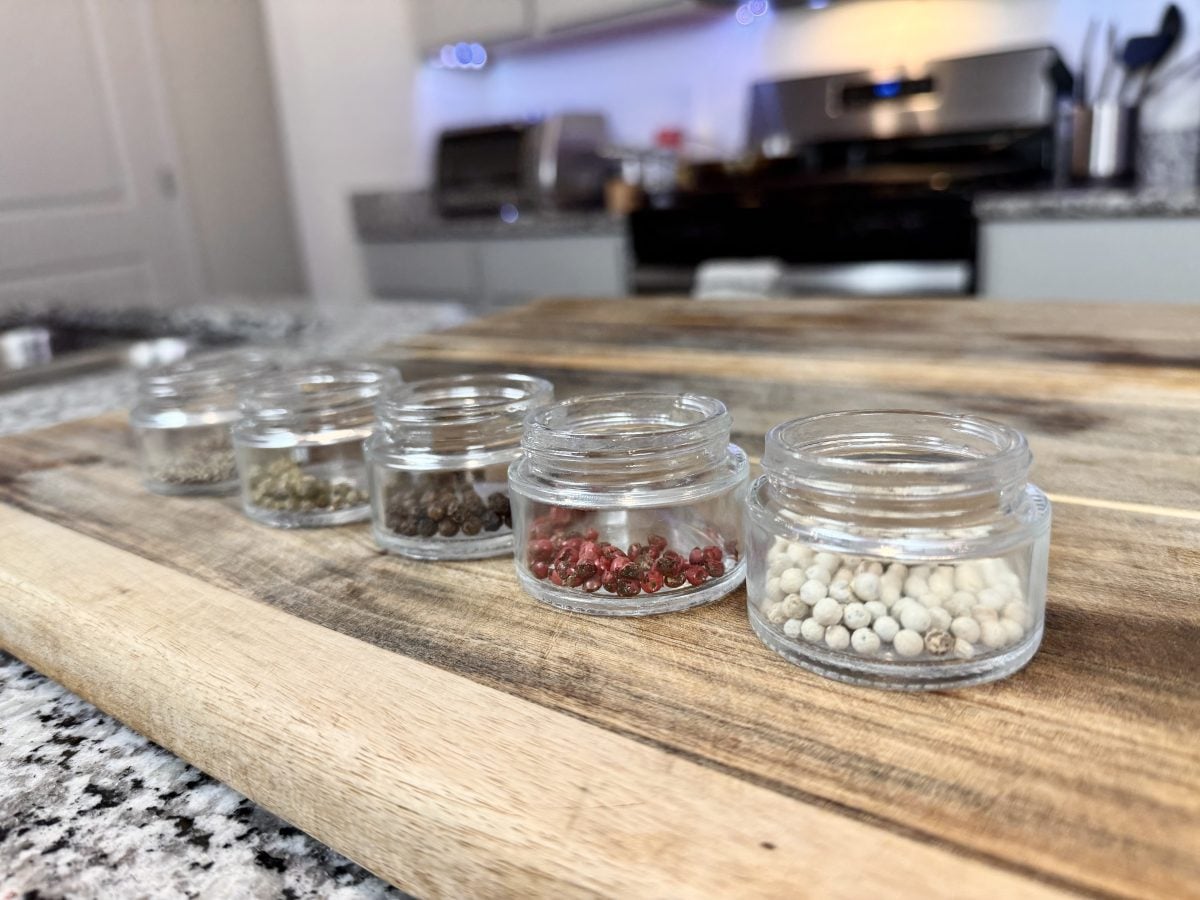
Another interesting fact is that green, black, red, and white peppercorns come from the same plant. They just undergo different processes of harvesting and ripening.
| Peppercorn | What it is | Flavor | Best for |
|---|---|---|---|
| Green | Unripe, dried young | Mild and delicate | Peppercorn cream sauces, fish |
| Black | Unripe, dried | Bold, all-purpose | Everyday seasoning and finishing |
| Red | Fully ripe, lightly dried | Mellow, fruity, berry-like | Sauces, cheese, cream dishes |
| White | Ripe with the skin removed | Earthy, smoky, complex | White sauces, Asian and French cooking |
White pepper deserves a mention because it adds that deep, mellow pepper note under everything, and because the dark skin is removed, it vanishes into a white or cream sauce.

Maximizing your pepper
- Grind it fresh. A mill brings back the volatile oils a tin has lost, so a little goes much further.
- Keep it under about 350°F. Pepper’s oils scorch over long, hot cooking and turn bitter.
- A quick sear is fine, and low, slow smoking under about 300°F actually drives pepper flavor deep into meat.
- Finish with a few fresh grinds right before serving for the brightest hit.
Why heat is an enemy to pepper
The volatile oils that give a fresh pepper its flavor are very sensitive to temperature. A quick sear will not give the oils enough time to break down but when the temperature is sustained at 400°F or more, then the oils literally cook out leaving the pepper closer to char than flavor. This is why it is best to add pepper at the end or to keep it at low heat instead of adding it to something that is going to be roasted for an hour.
Pepper actually does burn, and then you’re just eating burnt stuff.
Nathaniel, HomeViable
If you have to, keep the tin for emergencies. However, invest in a mill and grind on the go. As for the peppercorns, make them match the dish. Add them in places where the heat won’t ruin them, and pepper will stop being background dust and become a real ingredient.
