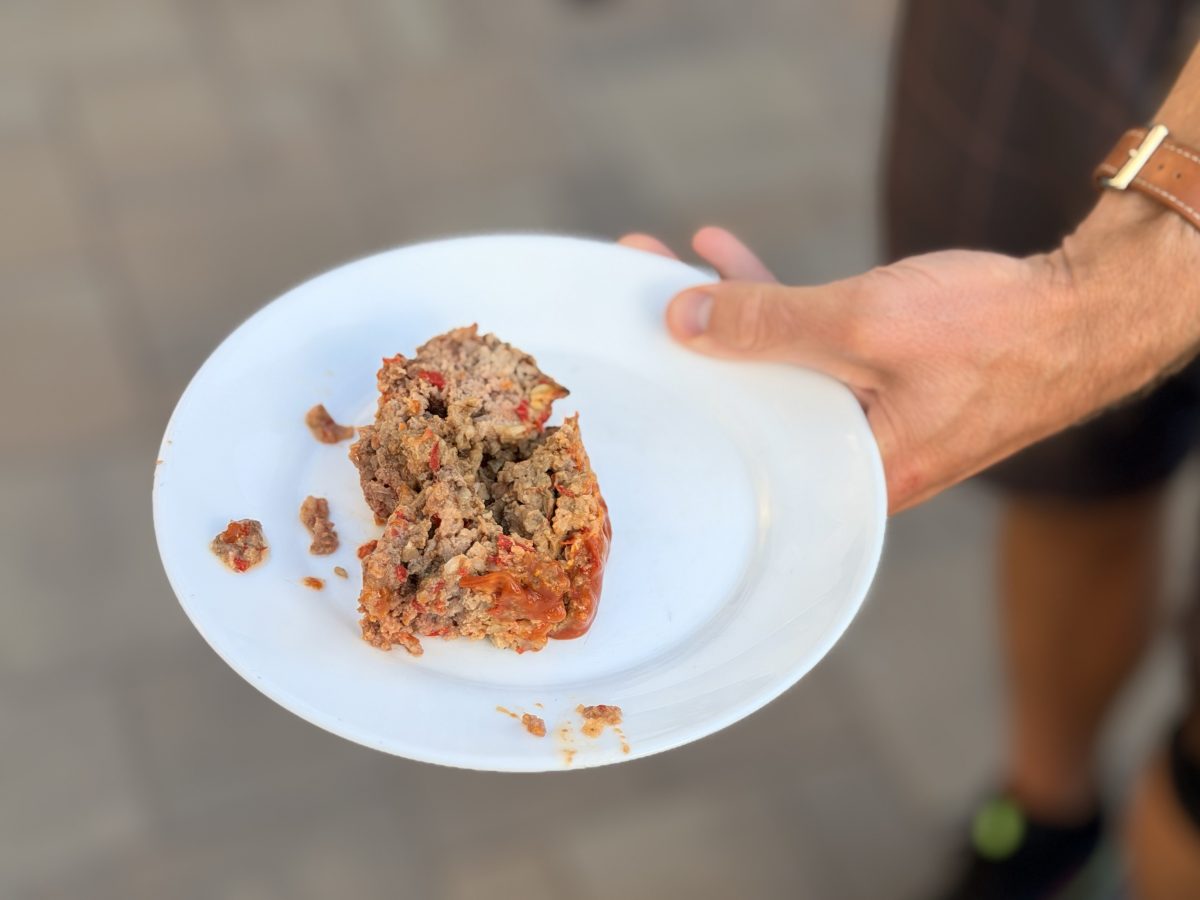
I can admit that I have been more than a little doubtful about this and other similar recipes. Many recipes try and get gimmicky and end up missing the most critical aspects of cooking, like texture. Or that ever-so-good bottom-of-the-jar sauce that has that perfect blend of sweet and savory that makes you want to reach for another bite before you finish the first. Cracker Barrel meatloaf is unlike other meatloafs.
It is unique in that it is not mushy at all, yet still maintains that tenderness, and it is perfectly seasoned and has the right amount of that old fashioned sweet and tangy sauce on top.
This option maintains the charm and ambience of a small diner, without the laminated menus or the requirement of waiting for a booth to open up. I have done it so many times that I can almost do it on auto-pilot (though auto-pilot can be risky: the last time, I forgot the eggs and made something more like a beefy crumble than a loaf).
If you adhere to the ratios and do not overmix, you will be rewarded with slices that are juicy and intact, and the leftovers will be surprisingly good.

Before You Start: The Gist
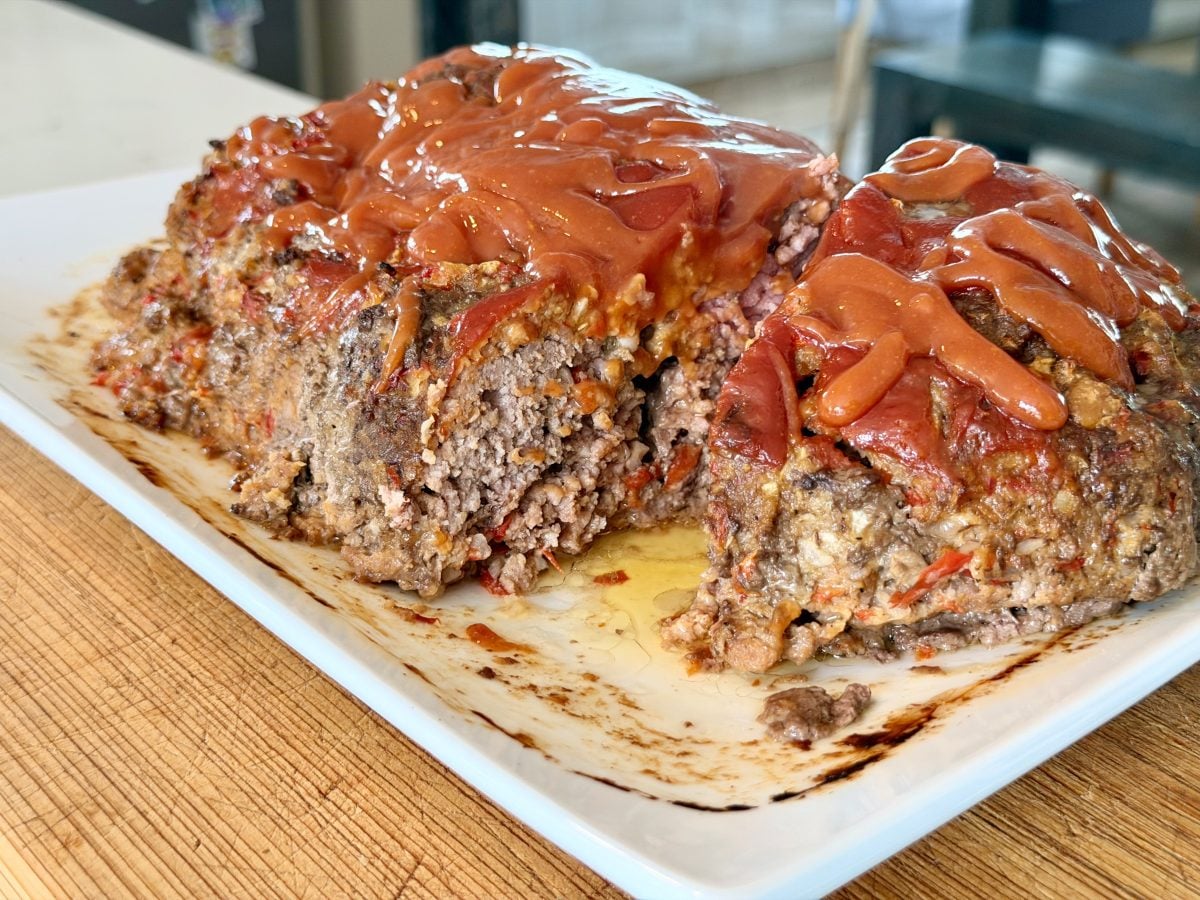
- Cracker Barrel-Style Meatloaf, plain and short: A Cracker Barrel-style meatloaf: tender beef-and-cracker loaf with a sweet, tangy tomato glaze.
- Why it works: Cracker crumbs + milk keep it moist; gentle mixing prevents toughness; a two-stage glaze gives sticky shine without burning.
- Time: ~15 minutes prep, 55-70 minutes bake, 10 minutes rest.
- Flavor profile: Savory onion and garlic, peppery beef, a little sweetness, and that ketchup-brown sugar tang on top.
- Key tips: Use 80/20 beef, crush crackers fine, don’t pack the loaf, and rest before slicing (seriously, walk away for 10 minutes).
Ingredients
Let’s think of this as a meatloaf based on three principles: moisture, structure, glaze. The moisture comes from the combination of egg and milk with the crumbs. The correct amount of binder gives the meatloaf its proper structure; too much and you’ll have meat pâté. The glaze is the reward for having turned the oven on.
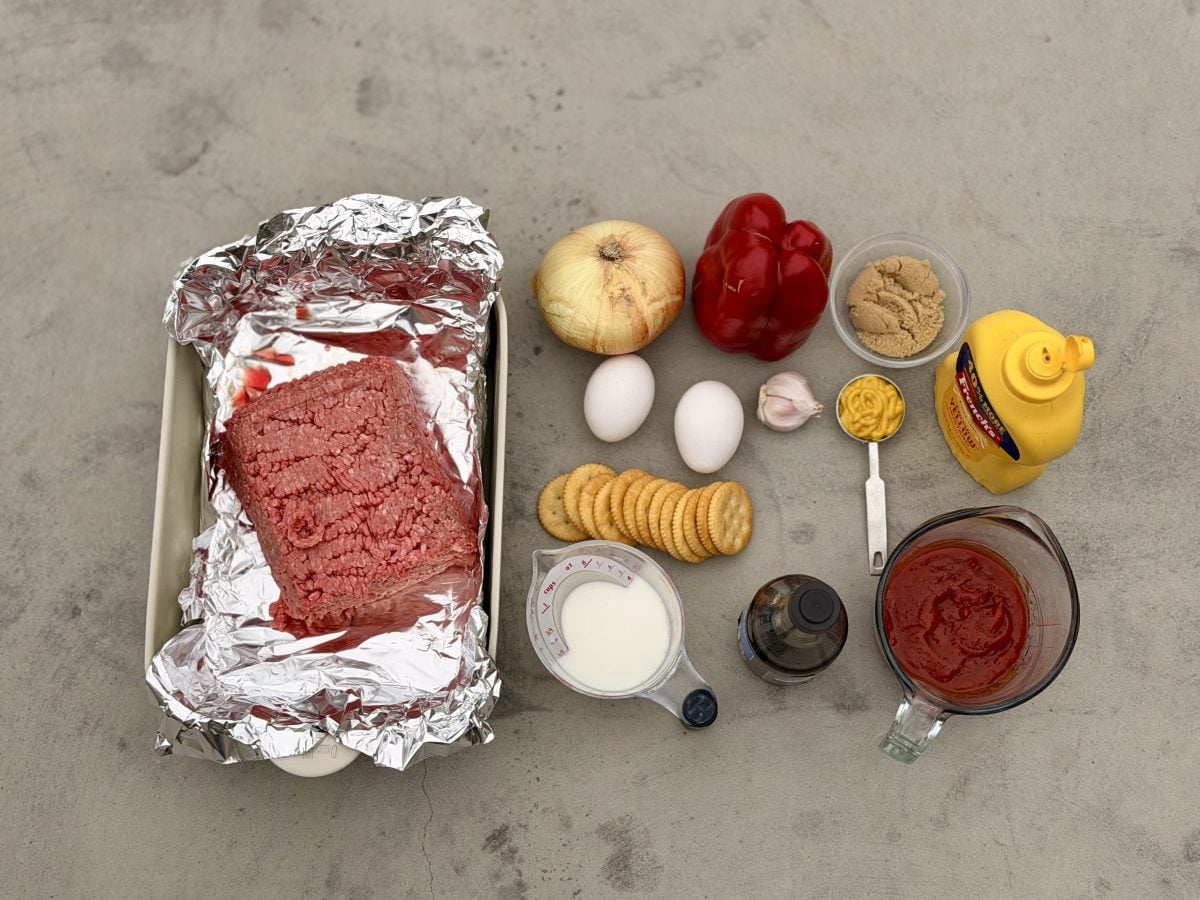
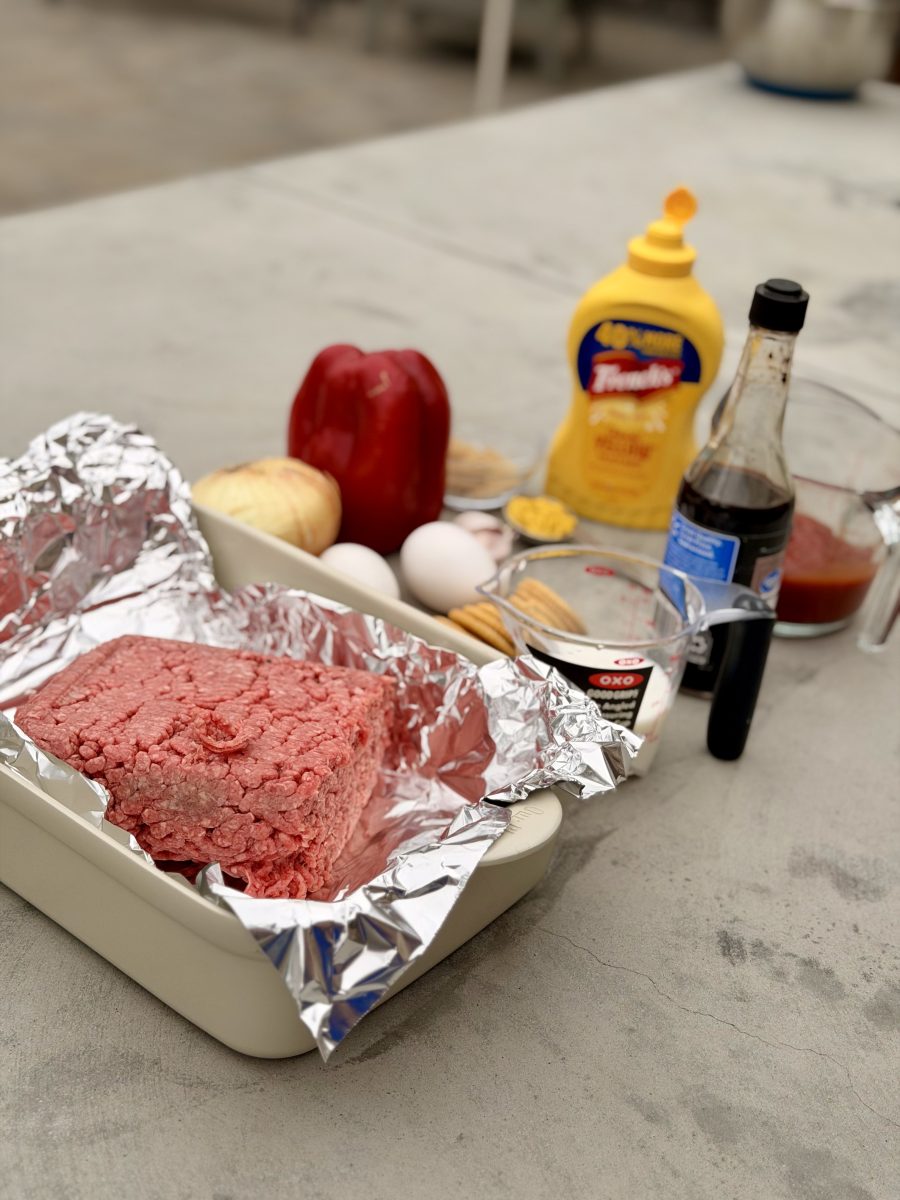
- Ground beef (2 lb, ideally 80/20): A little fat is the point. Lean beef makes a dry, tight loaf that tastes like regret.
- Ritz-style buttery crackers (about 30 crackers / 1 sleeve): Crushed fine so they disappear into the meat. This is a very “Cracker Barrel” detail, soft, tender crumb, not bready.
- Milk (1/2 cup): Hydrates the cracker crumbs; keeps slices plush.
- Eggs (2): Binder. They help the loaf slice cleanly without turning rubbery.
- Onion (1 small, finely minced): Finely is non-negotiable unless you enjoy onion boulders in your slice.
- Garlic (2 cloves, minced) or garlic powder: A small nudge of savoriness.
- Worcestershire sauce (1 tbsp): That quietly nostalgic steakhouse note.
- Salt & black pepper: Meatloaf needs more seasoning than you think; fat mutes salt.
- Optional: bell pepper (finely minced): Not required, but it’s a common diner-style addition and adds sweetness.
Master Ratio (Easy To Scale)
- 1 lb ground beef
- 15 buttery crackers, crushed fine (or 1/2 cup fine crumbs)
- 1/4 cup milk
- 1 egg
- 1/4 small onion, very finely minced (about 2-3 tbsp)
- 1/2 tbsp Worcestershire
- 3/4 tsp kosher salt (or 1/2 tsp fine salt)
- 1/4 tsp black pepper
What is the prep for a smaller loaf with 1.5 lb beef? Please adjust all amounts so they increase by 1.5. Example: about 33-34 crackers, 9 tablespoons of milk, and 2.25 eggs (I use 1 whole egg plus 1 yolk), etc. To ensure it is sticky just add a bit more glaze.
Ingredient Choices That Change Flavor
| Choice | What you’ll notice | Best for |
|---|---|---|
| 80/20 ground beef | Juicy, tender, classic diner texture | Most Cracker Barrel-like result |
| 90/10 ground beef | Leaner, can bake up firm and a bit dry | If you insist on lean add 1-2 tbsp extra milk |
| Half beef, half pork | Richer, softer, slightly sweeter | When you want a more “Sunday supper” loaf |
| Ritz-style crackers | Buttery, very tender crumb; mild sweetness | Closest vibe to the restaurant |
| Saltines | Cleaner, more savory; slightly firmer slice | If you like a tighter, less rich meatloaf |
| Panko or breadcrumbs | More bready; less “melt-in” tenderness | In a pinch, but expect a different texture |
| Ketchup + brown sugar glaze | Sweet-tangy, sticky, familiar | Classic Cracker Barrel-style |
| BBQ sauce glaze | Smokier, more assertive | If your household likes big flavors |
For the Signature Glaze
- Ketchup (3/4 cup): The base, tomatoey and sweet.
- Brown sugar (2 tbsp): Adds sticky sheen and that old-school sweetness.
- Yellow mustard (1 tbsp): Tang and zip; cuts the sweetness.
- Optional: apple cider vinegar (1 tsp): If your ketchup is very sweet, this keeps the glaze from feeling candy-ish.
Instructions
1) Prep the pans. Preheat the oven to 350°F (175°C). For easier cleanup and better caramelized edges, line a sheet pan with parchment paper (foil works too). You can use a loaf pan instead; it takes up less space and gives softer edges. Grease it lightly and use a parchment sling to lift it out.
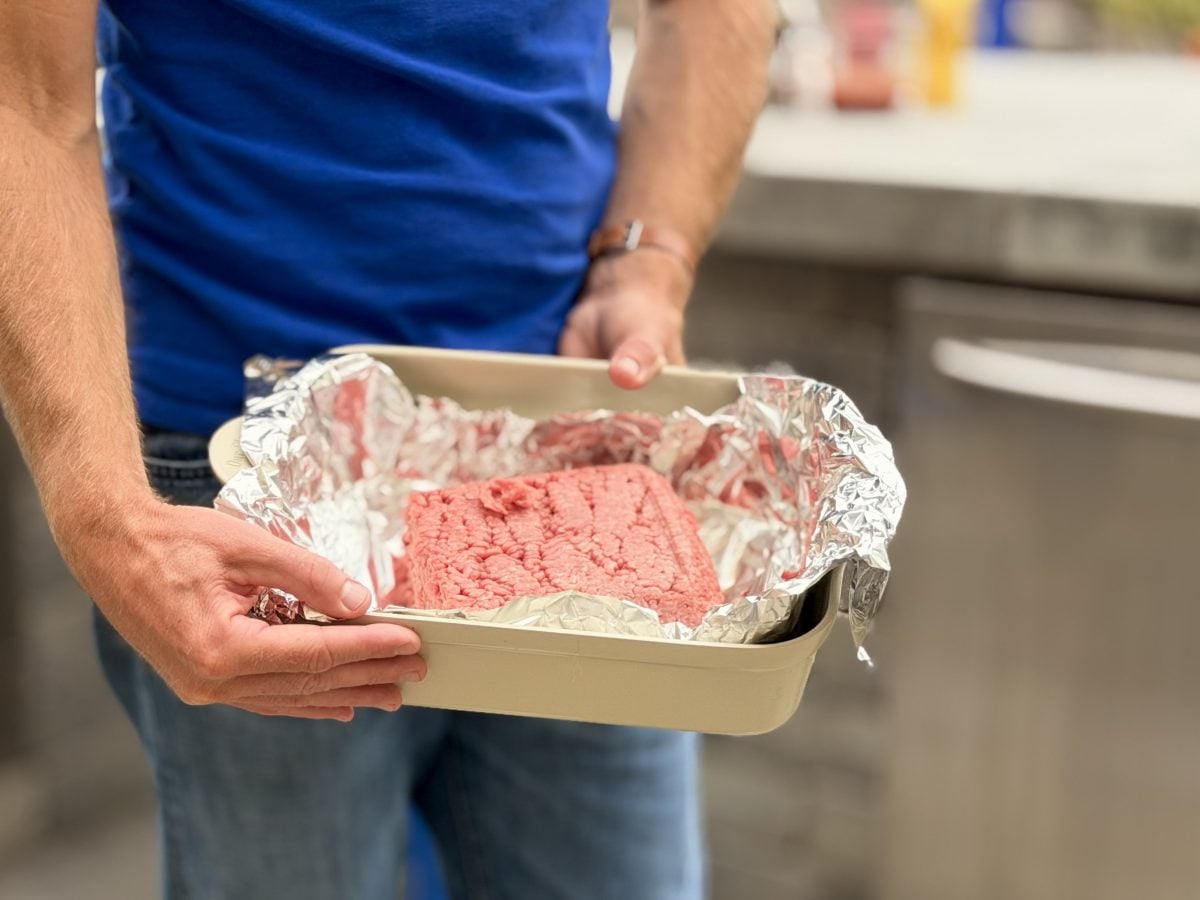
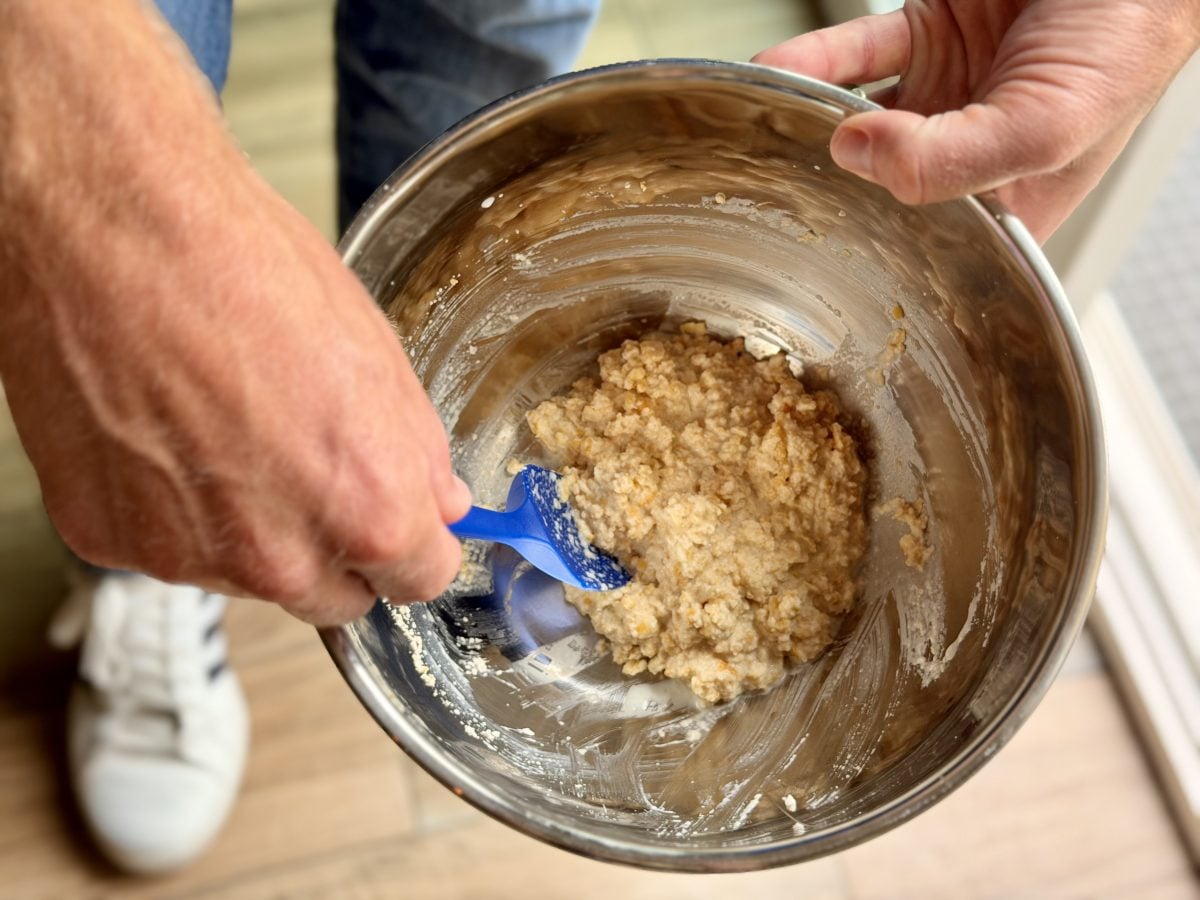
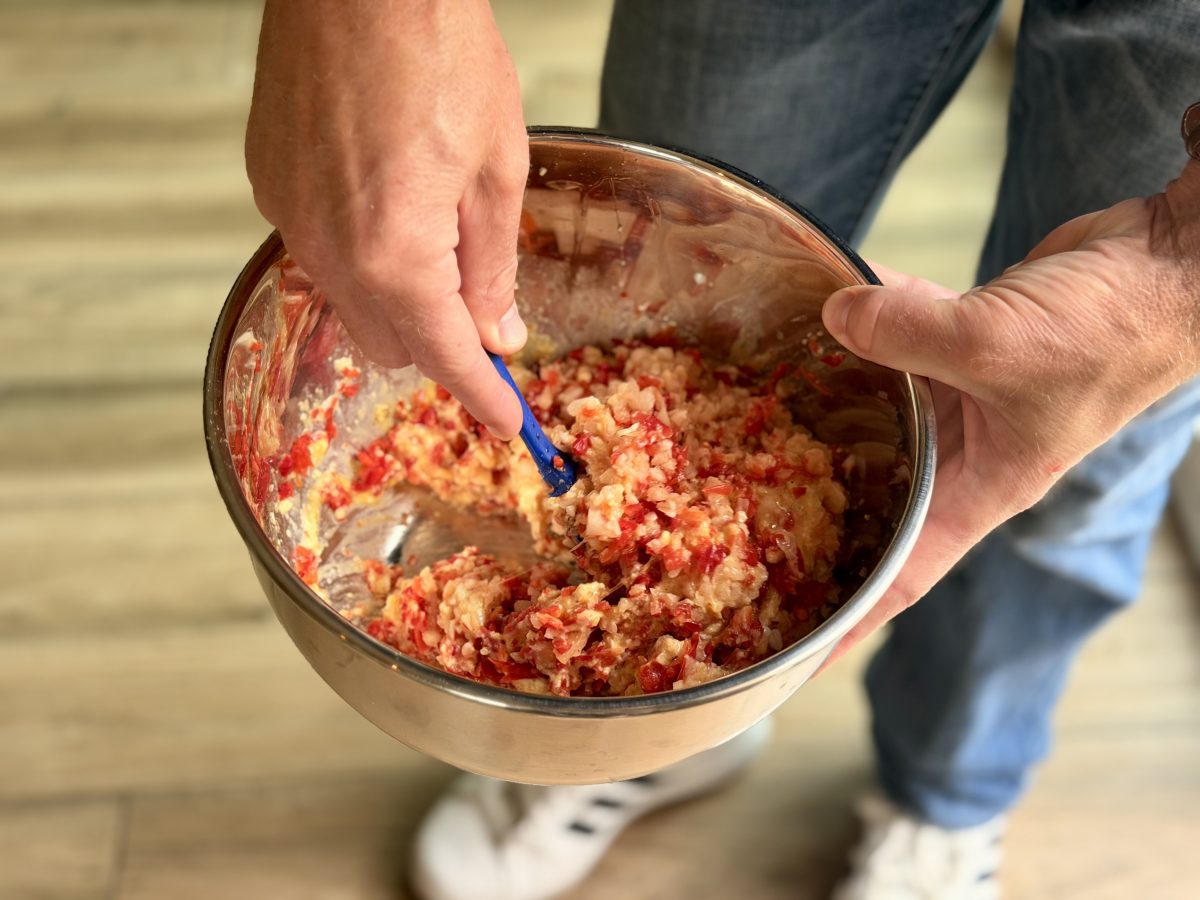
2) Make the panade. Finely crush the crackers using a zip-top bag and rolling pin, or pulse them briefly in a food processor. In a big bowl, mix the milk and cracker crumbs and let them sit 2-3 minutes to thicken. The mixture should be as thick as wet sand, not as runny as soup.
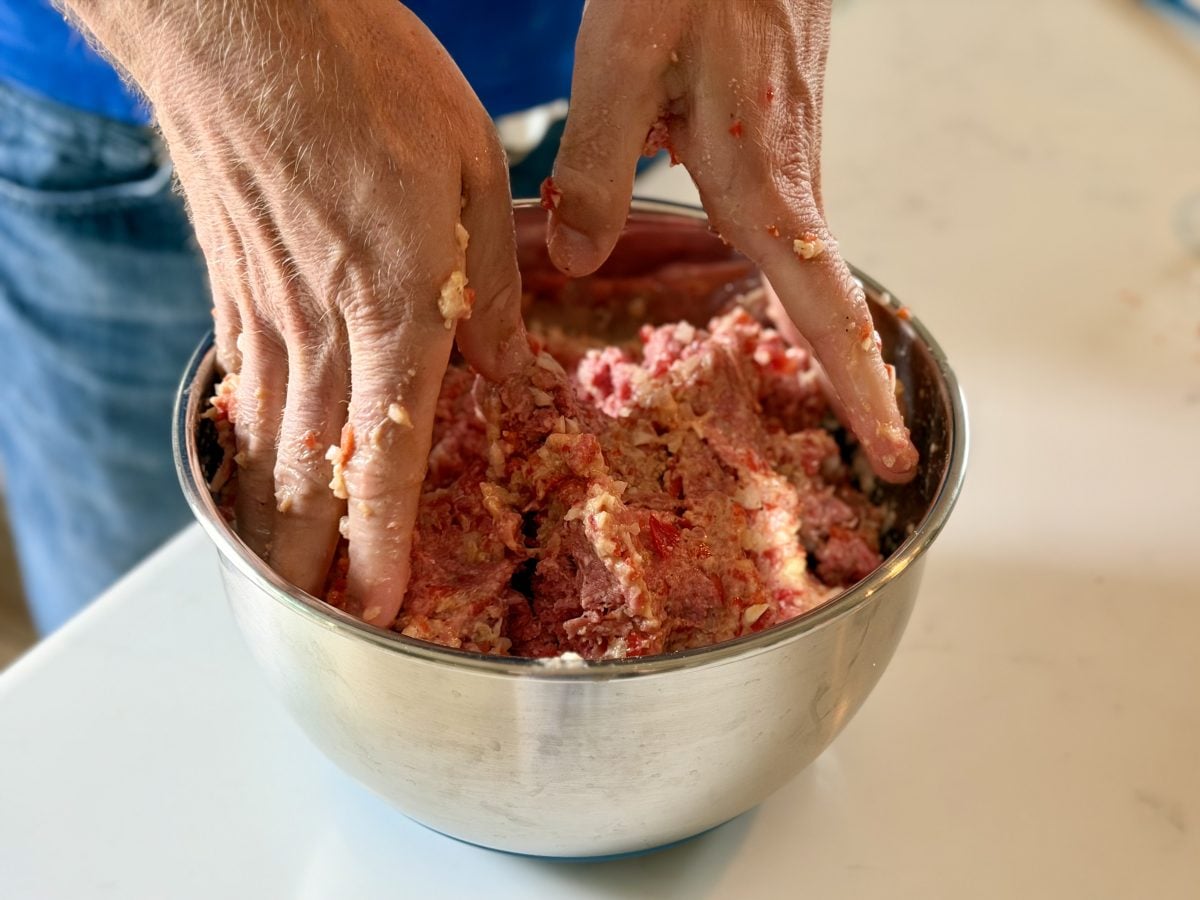
3) Mix in the meat and seasonings. Add the ground beef to the bowl with the rest of the ingredients and combine by hand. Once the mixture is uniform, stop. Overmixing turns meatloaf into a dense, heavy brick.
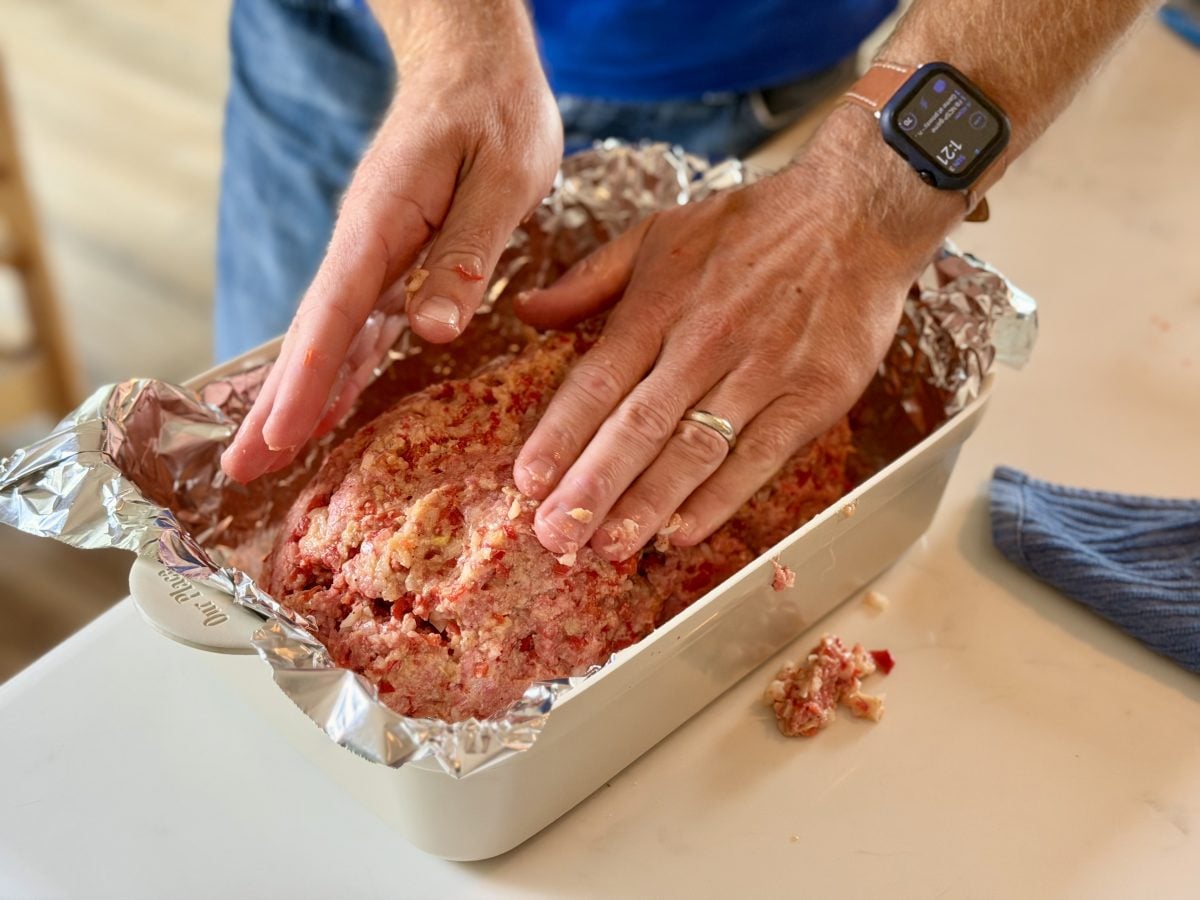
4) Shape the loaf (don’t pack it). Put the mixture onto the lined sheet pan and shape it into a loaf about 9 inches long and 4 inches wide, with a slightly rounded top. Don’t pack it like a snowball; a loosely shaped loaf cooks more evenly and stays tender.
5) Make the glaze. In a smaller bowl, mix the ketchup, brown sugar, mustard, and vinegar (if using). Taste it: add more mustard for complexity, more brown sugar for a stickier, sweeter glaze, or a little salt if it tastes off.
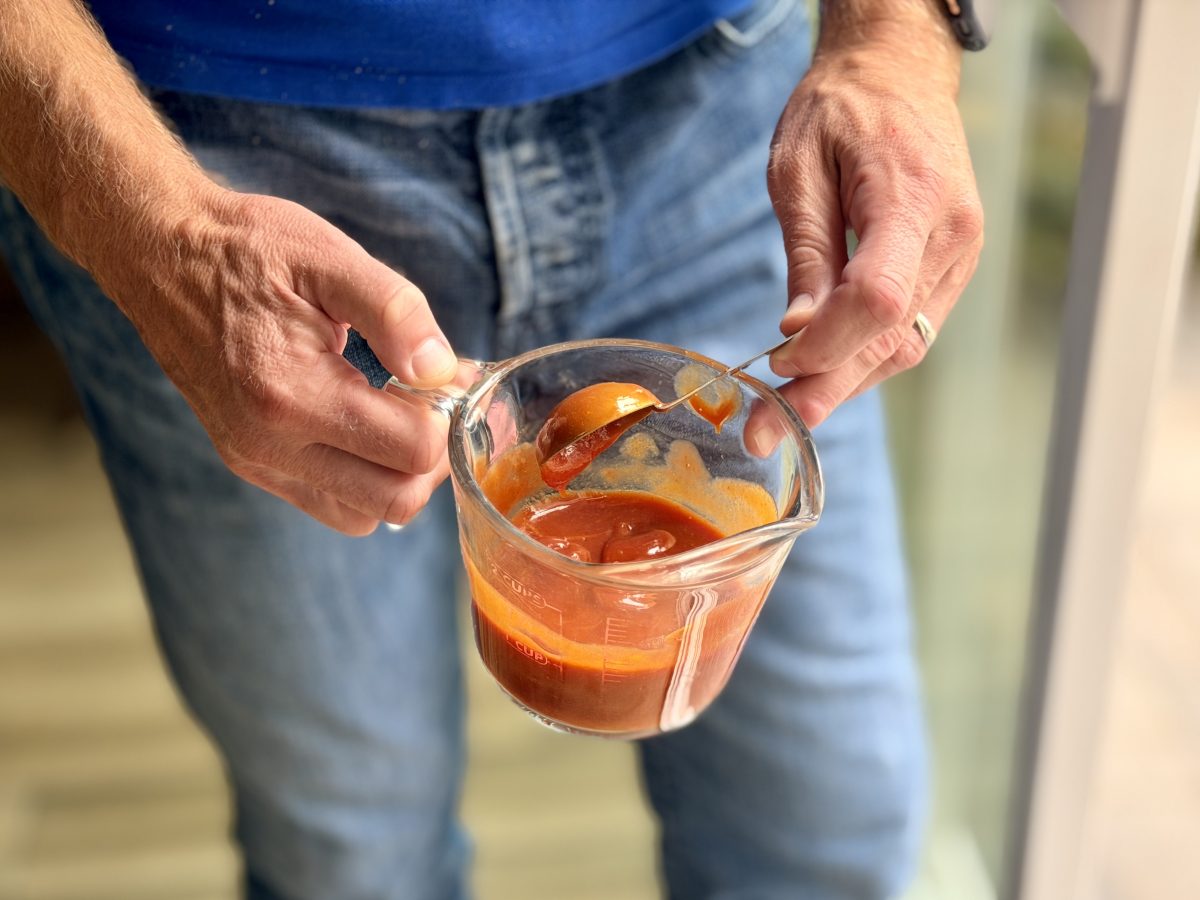
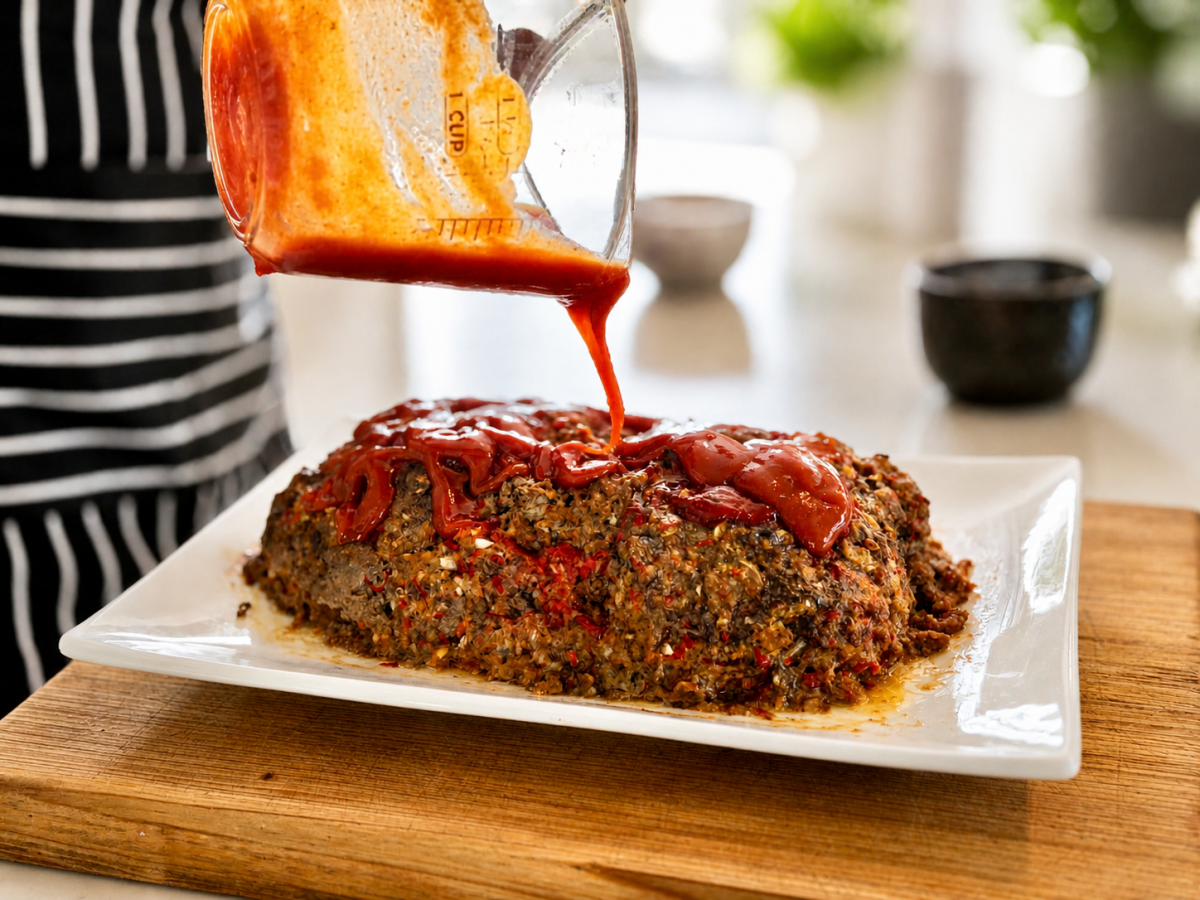
6) Bake in stages. Bake the meatloaf for 40 minutes, then remove it and spread about half the glaze on top. Return it to the oven and bake another 15-25 minutes, until an instant-read thermometer in the center reads 160°F. For an extra-glossy, lacquered finish, add the rest of the glaze during the last 5-10 minutes.
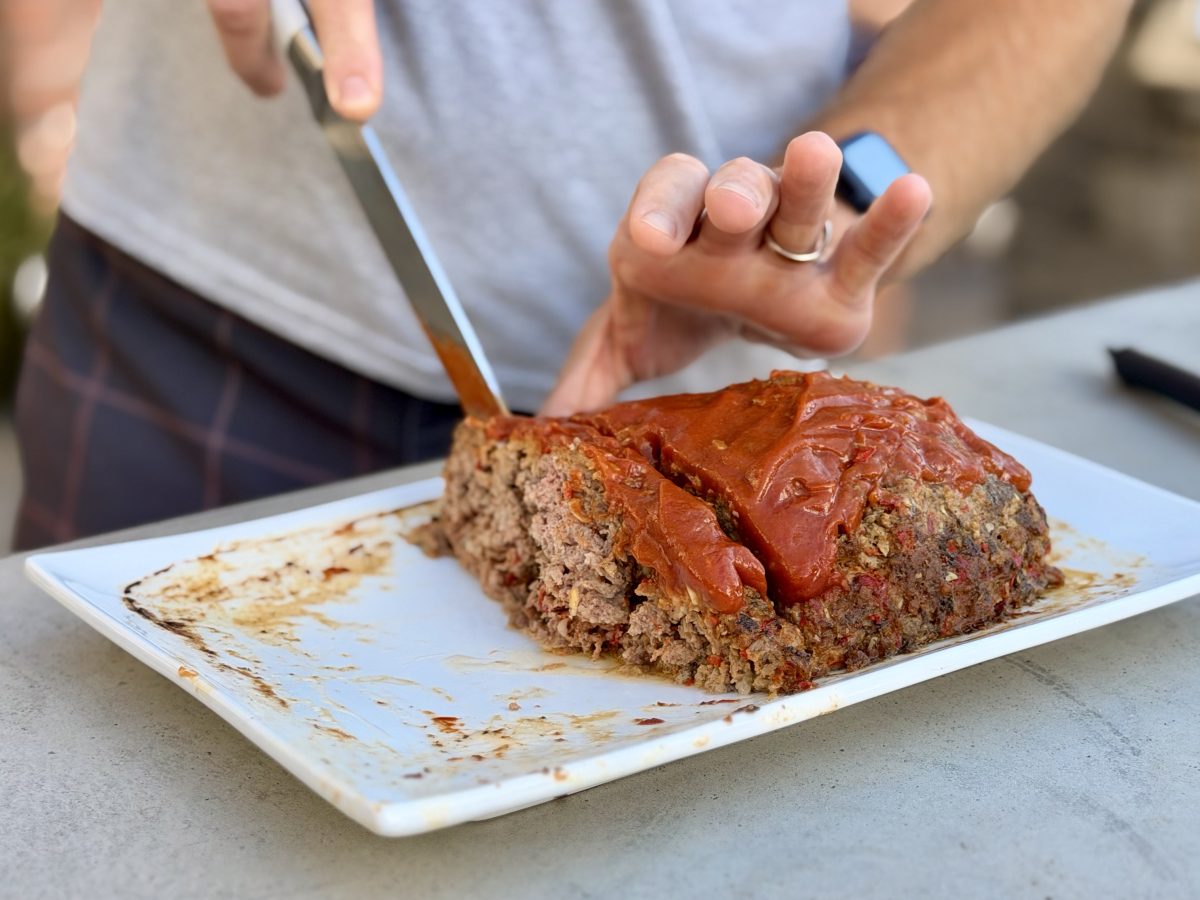
7) Rest, then slice. Let the meatloaf rest 10-15 minutes so it slices into clean pieces instead of crumbling into a messy pile. Slice thickly, drizzle with pan juices, and serve.
Ways to Change It Up
- Turkey “Cracker Barrel-ish” meatloaf: Use ground turkey (93/7), add 2 tbsp extra milk and 1 tbsp olive oil; don’t skip the glaze.
- Cheddar-stuffed center: Lay the mix flat, add a line of shredded cheddar down the middle, fold and seal; bake as directed.
- Onion-sauté version: Sauté the onion (and bell pepper) in a little butter until soft; cool before mixing for a sweeter, gentler bite.
- Spicy-sweet glaze: Add 1-2 tsp hot sauce or a pinch of cayenne to the glaze.
- Mini meatloaves: Shape 4-6 small loaves; start checking temp at 25 minutes, glaze midway.
What to Serve With Cracker Barrel-Style Meatloaf
- Classic plate: mashed potatoes, brown gravy, and green beans (the full Cracker Barrel mood).
- Skillet corn: buttered corn with a crack of black pepper and a little sugar.
- Mac and cheese: the creamy kind, not the sharp-and-fancy kind (this meatloaf likes simple friends).
- Something crisp: vinegar-dressed coleslaw or cucumber salad to cut the sweetness of the glaze.
- Leftover sandwich: thick slice, white bread, mayo, pickles; toast it if you’re feeling civilized.
When Things Go Sideways
- Meatloaf falls apart when slicing: It likely needed more rest time, or the crumbs were too coarse. Next time crush finer and rest 15 minutes.
- Dense, tough texture: Overmixed, or baked too long. Mix only until combined and pull at 160°F.
- Dry meatloaf: Beef was too lean or loaf overbaked. Use 80/20 and check temperature early; add 1-2 tbsp milk if using 90/10.
- Greasy pan: Normal with 80/20. Shape on a sheet pan so fat can render away; avoid a deep loaf pan if you don’t like it swimming.
- Glaze burning: Your oven runs hot or you glazed too early. Apply glaze after 35-40 minutes, and consider lowering oven temp by 15-25°F if it’s aggressive.
- Onion chunks: Mince smaller than you think you need. I’ve learned this the hard way when a kid at the table pulled out an onion piece like it was evidence.
- Want cleaner slices: Chill leftovers before slicing; cold meatloaf cuts like a dream, then reheats without crumbling.
Leftovers, Storage, and Reheating
Your selection of cracker brands and how much glaze you choose to use (judgment-free) affects the nutrition of the meal. An example is if you’re using 80/20 beef, and your classic topping of ketchup and brown sugar, you’ll be getting a dish that is meaty and has a lot of protein, with low carbs coming from the crackers and glaze. If you want to keep it a little lighter, but don’t want to ruin the vibe, you can do 85/15 beef and hold the glaze to a light coat.
The fridge keeps leftovers safe to eat for a maximum of 3-4 days. When reheating leftovers in the microwave, remember to cover the dish with a paper towel, and adjust the power level to a low setting, about 50 to 70 percent. You can cover the bread with a damp paper towel and microwave it (it’s best to steam the bread by placing it in the oven and preheating the oven to 325°F until warm).
You can keep slices of meatloaf in the freezer for 2-3 months, but make sure to wrap each slice individually. When it comes to thawing them out, be sure to place them in the fridge overnight to preserve the quality of the meatloaf.
Times I’ve Made This
One of my friends claims he “doesn’t like meatloaf,” which I interpret as “somebody served me a dry wedge one time in 2009.” But this one is made with 80/20 beef, full glaze, and mashed potatoes, and he went up for seconds and then tried to act like he was “evening out the leftovers.” The crackers are the underappreciated part of this one: the texture is more tender than bready.
I’m not joking, I made this for my parents who are in their seventies. My mom had a similar reaction. She said, “I assumed it would be thick and heavy, like the meatloaf I’d gotten used to. But this one is light.” She took another round.
The redo: I got a little overconfident and decided to use a loaf pan this time hoping to get a nice neat tall shape. I liked the flavor despite the sides being overcooked and a bit greasy on the bottom. After that I returned to the sheet pan method and got those lovely caramelized edges which enhance the flavor of the glaze. New personality, same recipe.
The Short List
- Buy 80/20 ground beef and buttery crackers.
- Preheat oven to 350°F; line a sheet pan.
- Crush crackers fine; soak with milk for 2-3 minutes.
- Mix in eggs, onion, garlic, Worcestershire, salt, pepper.
- Add beef; mix gently until just combined.
- Shape a loose loaf on the pan.
- Bake 40 minutes, glaze, then bake to 160°F.
- Rest 10-15 minutes; slice thick.
- Refrigerate leftovers within 2 hours.
Words You’ll See Above
- Panade: A starch (here, cracker crumbs) soaked with liquid to keep ground meat mixtures moist and tender.
- Binder: Ingredients like egg and crumbs that help the loaf hold together when sliced.
- Overmixing: Working ground meat too much, which tightens proteins and makes the texture dense.
- Carryover cooking: The temperature continues to rise slightly after the meatloaf leaves the oven, especially during the rest.
- Glaze: The sweet-tangy topping applied during baking to form a shiny, flavorful crust.
FAQ
Do I have to use Ritz-style crackers?
They are the closest to the light richness and tenderness of Cracker Barrel. (A little more savory) saltines and (a little more bready) panko are good. If swapping, try to maintain the texture and ratio of the crumb.
Can I make this ahead?
Sure! You can form and/or combine the mixture 24 hours in advance, as long as you cover the mixture securely and put it in the fridge. When it’s time to bake the mixture, take it out of the fridge and let it sit for 20-30 minutes so that it can reach room temperature. Then, bake it according to the provided guidelines.
What internal temperature should meatloaf be?
If there is beef in the meatloaf, cook until the thickest part is 160°F. If the meatloaf is made of chicken or turkey, cook until the temperature is 165°F.
Why bake on a sheet pan instead of a loaf pan?
Sheet pans allow for improved browning and less self-steaming compared to loaf pans. A loaf pan is arguably more organized than a sheet pan but it also means losing some edge caramelization. I prefer sheet pans too, although I understand why clean slices would be an attractive reason to go for loaf pans.
How do I keep the glaze from sliding off?
A great way to develop a nice crust is to bake the loaf before the glaze goes on. Then at the 40-minute mark, add the glaze. Brown sugar helps the glaze adhere better.
The Last Word
This Cracker Barrel meatloaf is not trying to be fancy, and that’s exactly why it works. A warm oven and a sweet-tangy glaze are all it takes for this kind of dinner success: sweet, tender slices. In addition, those leftovers are a present from your past self to enjoy for lunch. Since you’re using the oven, you can make yourself something extra cozy while you’re at it!
Pantry & Tools I Reach For When Making This Meatloaf
This is the kit I reach for whenever I make this meatloaf. Affiliate links: if you buy through them, HomeViable earns a tiny commission from you.
- HONGBAKE Nonstick Baking Sheet. The primary recipe method: a lined sheet pan beats a loaf pan for caramelized edges and renders the fat out instead of pooling it.
- Rubbermaid Box Grater. For grating the onion fine enough that it disappears into the meatloaf rather than showing up as awkward translucent chunks in every slice.