
I’ll admit I used to be suspicious of baked spaghetti. I imagined a school cafeteria slushy casserole type meal with overcooked pasta and a soupy ‘red’ sauce. The cheese looks like a damp sweater. I’ve started doing it on purpose, and with a couple of rules, it made the meal one of those where you feel both lucky and skilled.
This variation has a lot of flavors and is unapologetically cozy. The bottom layer has a beefy tomato sauce with spaghetti, a rich layer of cottage cheese (or ricotta cheese), and an oozy and crisp browned mozzarella on top. The very best part is that all the ingredients can be prepared ahead of time and stored overnight in the fridge or frozen to be used at a later time. 5:43 p.m. You will be a little smug and appreciative.

At a Glance
- Baked Spaghetti That Reheats, the one-liner: A layered spaghetti casserole with meat sauce, ricotta, and mozzarella baked until bubbly and sliceable.
- Why it works: Slightly undercooked pasta + a sauce that’s not watery = baked spaghetti that reheats without turning to paste.
- Timing: About 25–35 minutes to prep, 35–45 minutes to bake (plus rest time). Make-ahead options included.
- Flavor profile: Classic Italian-American comfort: garlic, oregano, fennel-kissed meat, bright tomato, creamy cheese, browned edges.
- Key tips: Salt the pasta water, simmer the sauce to thicken, cool before freezing, and let the bake rest 10–15 minutes so it slices cleanly.
- Make-ahead/freezer: Assemble and refrigerate up to 24 hours; freeze up to 3 months (bake from thawed or straight from frozen with extra time).
Ingredients
Think of baked spaghetti as a texture issue masquerading as a dish of comfort food. The goal is to formulate noodles that maintain their structure and create a sauce that stays on the noodles and doesn’t puddle. Also, please add some layered, melting cheese that doesn’t just disappear. Here’s what matters.
- Spaghetti: Regular spaghetti is perfect. If you use thin spaghetti, shave a minute off the boil. If you use whole wheat, expect a slightly nuttier, firmer bite (I like it, but it’s a mood).
- Ground meat: I like a mix: beef for richness, Italian sausage for perfume. All-beef is totally fine; all-sausage is delicious but louder.
- Onion + garlic: Non-negotiable for me. The onion sweetens the sauce, and the garlic gives it that “yes, this is dinner” smell.
- Crushed tomatoes + tomato paste: Crushed tomatoes give body; paste adds depth and helps thicken so the casserole doesn’t weep.
- Ricotta: Creates a creamy layer that keeps the whole thing from tasting like straight marinara-and-noodles. Cottage cheese works too (see table below).
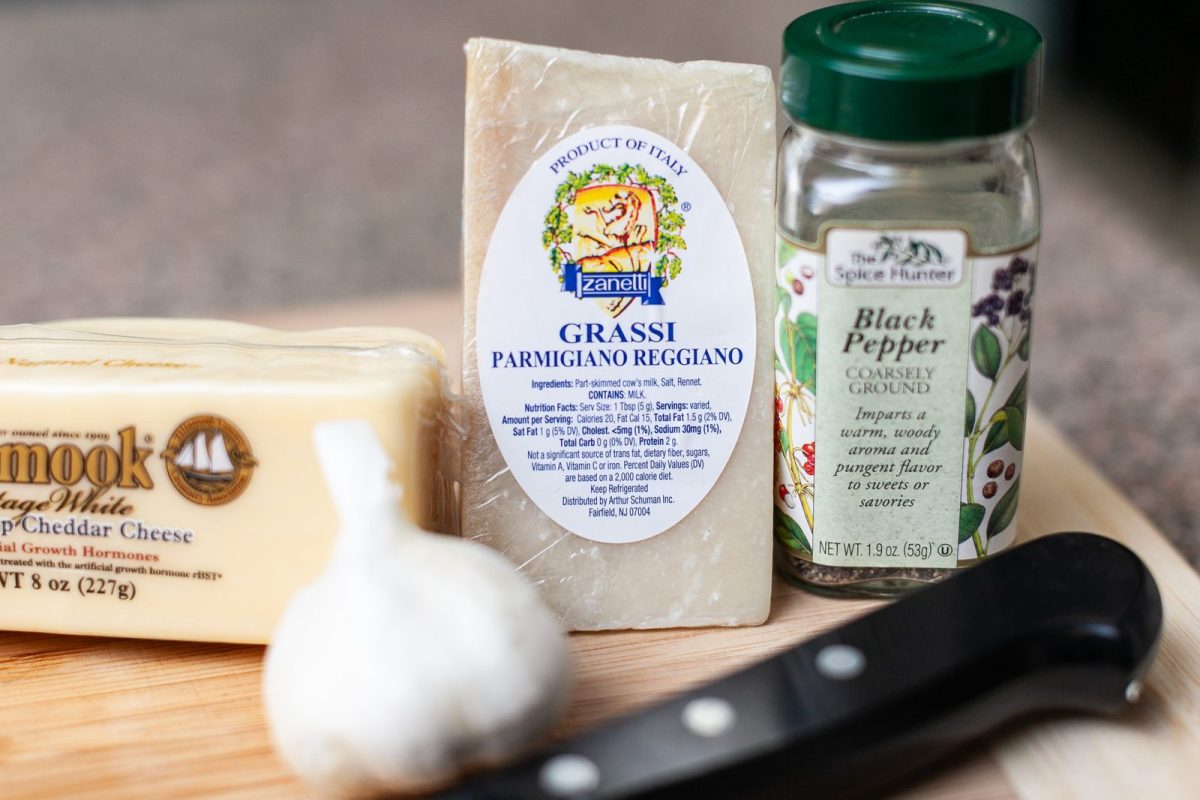
- Mozzarella + Parmesan: Mozz for melt, Parm for salt and bite. Please don’t skip the Parm; it’s the little black dress of baked pasta.
- Egg (optional but recommended): Mixed into ricotta, it helps the layer set so slices don’t slump.
- Seasoning: Dried oregano, basil, and a pinch of fennel seed make the sauce taste like it had more time than it did. Red pepper flakes if you want a gentle sting.
Master Ratio (Easy To Scale)
- 1 pound (450g) spaghetti
- 1 to 1 1/4 pounds (450–570g) ground meat
- 4 to 5 cups thick tomato-meat sauce
- 2 cups ricotta (or cottage cheese)
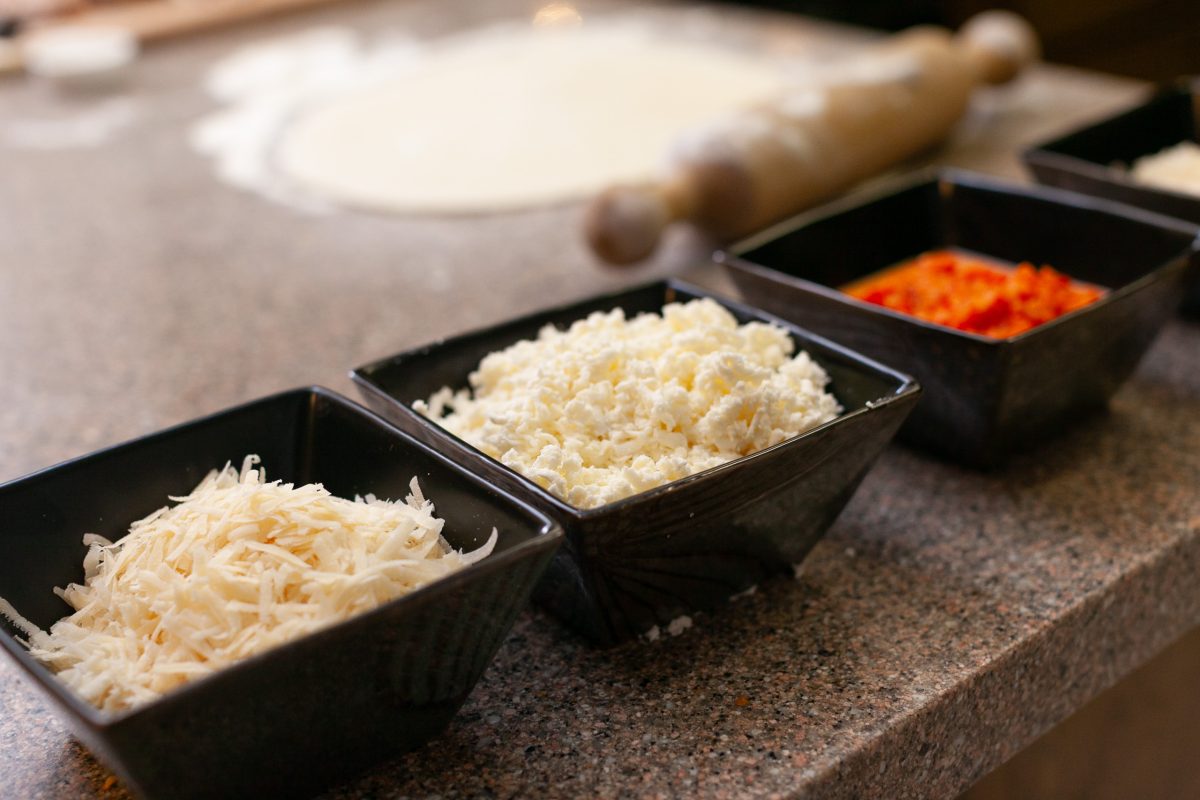
- 3 cups shredded mozzarella
- 1/2 to 3/4 cup grated Parmesan
**Scaling example:** Cooking for a smaller crew? For an 8×8-inch baking pan, use 1/2 pound to 3/4 pound of meat and 8 ounces of spaghetti. Feeding a crowd? If that’s how you roll, use one deep hotel pan or two 9×13 pans and double the ingredients.
Ingredient Choices That Change Flavor
| Choice | Best for | Flavor/Texture effect | Notes |
|---|---|---|---|
| All ground beef (80/20) | Classic, kid-friendly | Rich, straightforward, beefy | Drain excess fat if it looks greasy; a little is good, a lot is sad. |
| Half beef + half Italian sausage | Big flavor with minimal effort | Fennel/garlic spice, “pizzeria” vibes | Use mild or hot sausage depending on your household politics. |
| Ricotta | Traditional baked pasta feel | Creamy, slightly sweet dairy layer | Whole-milk ricotta is plush; part-skim can be a little chalky. |
| Cottage cheese | Extra protein, lighter feel | Tangier, looser curds; still creamy when baked | Small-curd works best; blend briefly if you hate curds on principle. |
| Jarred marinara (in place of crushed tomatoes + paste) | Fastest weeknight version | Depends on brand; can be sweet or thin | Simmer it down a bit so it doesn’t waterlog the bake. |
Cheese Layer Options (For Different Moods)
- All mozzarella: Maximum stretch, mild flavor.
- Mozzarella + provolone: A little sharper, more “Italian sub” aroma (in a good way).
- Add a handful of pecorino: Salty, sheepy edge that makes the tomato taste brighter.
Instructions
Serves 8-10 people, makes 1 (9×13-inch) pan.
Oven 375°F (190°C)
1) Boiling the Pasta (you should probably listen to your instincts). To do this, you will need to get a large pot, fill it with water, and add a generous handful of salt. Bring it to a rolling boil. The last water should be salty enough to taste like sea water. The difference will be clear to you when you eat unsalted pasta. \textbf{1 pound of spaghetti} should boil in the pot for \textbf{1-2 minutes} to get to al dente stage. It should be a little under as the oven will complete the cooking. Mix with 1 tablespoon of olive oil to prevent sticking and drain in the meantime.
2) Make a meat sauce that is thick and sticky. In a big skillet or Dutch oven, on medium-high heat, add one tablespoon of olive oil. Add 1 diced onion and cook them for about 4 to 6 minutes or until the onion has softened. Include 4–5 cloves minced garlic and stir-fry for 30 seconds until fragrant (garlic burns fast, and that’s all you’ll taste, trust me). Mix and cook 1 to 1 1/4 lbs. of ground meat, breaking it up as it cooks until it’s sufficiently browned. If you need to, you can remove any excess grease.
Stir in 2 tablespoons of tomato paste, and cook for a minute so you can get some caramelization. Add one 28-ounce can of crushed tomatoes and half a cup of water or broth. Season with 1 1/2 teaspoons of kosher salt, 1 teaspoon of dried oregano, 1 teaspoon of dried basil, and 1/2 teaspoon of optional fennel seeds (I love it), and a pinch of red pepper flakes. You should simmer for about 10-15 minutes. However, depending on the sauce, it may take longer, you want the sauce to coat the back of a spoon. Keep simmering the sauce until it thickens. This is the point where the baked spaghetti can either be won or lost.
3) For the ricotta mixture, grab a mixing bowl and add in 2 cups of ricotta cheese, 1 egg (this is optional but helps), 1/2 cup of grated parmesan cheese, 1/2 teaspoon of salt, and some black pepper. You can even add some chopped parsley or baby spinach to the ricotta mixture if you want to make it a little healthier! But if that is not your thing, then that is okay.
We are going to assume they will be fantastic. First, spray the bottom and sides of a 9-by-13 baking pan with non-stick spray and spread a little sauce on the bottom (this will help with sticking, and will give you some saucy corners). Pour half of the bag of spaghetti, then add half of the remaining sauce. Spoon the ricotta mixture on top of the sauce (this may be a bit tricky). Then, add 1 cup of mozzarella cheese on top. Finish with the rest of the spaghetti and sauce, and then top with 2 cups of mozzarella and the remaining 1/4 cup of parmesan cheese.
5) First, bake the dish and then let it rest. I know how frustrating this can be, but it is important; so, you will have to cover it with tin foil, and place it in the oven for 25 minutes. After that, you will have to continue baking for another 10 to 15 minutes, or, until your dish starts to bubble and the top becomes brown. You’ll have to let it rest for around 10 to 15 minutes before cutting into it. The difference is clear with the neat boxes instead of the lovely landslide. I regret the choice of skipping my break. I stood there eating over the sink.
You can assemble the dish and refrigerate it for 24 hours before baking. Be aware that if the casserole is cold from the fridge when you place it in the oven, you may need to increase the baking time. For cooking to completion, cover the dish and bake for 30-35 minutes. Then, uncover and bake for another 10-15 minutes.
Variations Worth Trying
- Vegetarian baked spaghetti: Swap meat for sautéed mushrooms + lentils, or use a plant-based crumble. Add a splash of balsamic to deepen the sauce.
- Chicken Parmesan vibe: Use ground chicken or turkey, add extra Parmesan, and top with a few spoonfuls of pesto before baking.
- Extra saucy “Sunday” style: Add 1 more cup crushed tomatoes and simmer longer; increase mozzarella by 1 cup.
- Spicy baked spaghetti: Use hot Italian sausage and bump red pepper flakes; finish with chili oil after baking.
- Veggie-loaded: Stir sautéed zucchini, bell pepper, or spinach into the sauce (cook off moisture first).
- Cheese swap: Replace half the mozzarella with smoked mozzarella for a faint campfire note.
Good Company for This Dish
- Garlic bread or buttery toasted baguette for sauce-mopping.
- Big salad with crunchy romaine, pepperoncini, and a sharp vinaigrette to cut the richness.
- Roasted broccoli with lemon zest and Parmesan: green, bright, and not fussy.
- Simple sautéed greens (garlicky spinach or kale) if you want the plate to look like you have your life together.
- For a party: Serve with a bowl of extra warmed marinara on the side; people love choosing their own level of sauciness.
Rescue Notes
- If it’s watery: Your sauce wasn’t thick enough or your veggies released moisture. Simmer sauce longer next time; sauté watery vegetables separately first.
- If it’s dry: You under-sauced or overbaked. Add 1/2–1 cup extra sauce before baking, or splash a little warm marinara over leftovers.
- If the top burns before the center is hot: Keep it covered longer, or tent foil loosely at the end.
- If it won’t slice cleanly: Let it rest longer. Also, the egg in the ricotta helps set the layer.
- If your spaghetti clumps: Toss drained noodles with a little oil and assemble promptly. Clumps create dry pockets.
- For deeper flavor without extra work: Brown the tomato paste for a full minute and add a pinch of sugar only if your tomatoes taste aggressively sharp.
- Pan choice matters: A deeper ceramic dish bakes more gently; a metal pan browns faster. Adjust uncovered time accordingly.
How It Keeps
Baked spaghetti is warm and comforting and has some nutrition. With cheese it has some calcium and protein, and the other nutrients are carbs and fats. Since there are lots of other ways to make it, you could use part-skim ricotta, lean meat, and add more veggies to make it a bit better. I won’t pretend you’re making spa cuisine or something like that. That’s the point. It’s warmth in a pan.
Storage: Leftover food can be stored in the fridge for 4 days. For reheating, do it in the microwave using water/sauce to cover OR in the oven at 350 degrees until heated through. To freeze the unbaked casserole, first wrap it in foil, then in plastic wrap. It can stay in the freezer for 3 months. Prior to baking, it needs to be thawed in the fridge overnight. If baking from frozen, cover it and bake it until the center is steaming (about 75-90 minutes to steam, then uncover to brown).
From My Kitchen
Example 1 (Save for the weeknight): For the Tuesday lunch hour I got ready. The dog was on standby, the sauce was ready, and the pasta was drained. By six I didn’t feel like doing any “cookings so I just magically slid a baking pan that was ready to go into the oven. Dinner looked like it was bubbling and bronzed and it seemed like I put way more effort into it than I actually did.
Example 2 (freezer flex): Last week, I took a frozen casserole to a friend of mine who had a new baby. The next week I get this message: ‘We ate it straight from the pan with forks, and no shame.’ How do I respond to this? Honestly, I had written an instruction sticker on the container and a note that said, ‘Remove the foil when you smell it.’ Clever.
The Prep Checklist
- Salt a big pot of water and cook spaghetti 1–2 minutes under al dente.
- Brown meat with onion and garlic; drain excess fat.
- Caramelize tomato paste, then simmer crushed tomatoes until thick.
- Mix ricotta + Parmesan (+ egg if using) and season it.
- Layer: sauce → spaghetti → sauce → ricotta → mozzarella; repeat; finish with cheese.
- Bake covered 25 minutes, uncovered 10–15 minutes; rest 10–15 minutes.
- For make-ahead: assemble, refrigerate up to 24 hours; add 5–10 minutes to covered bake time.
- For freezer: cool fully, wrap tightly, label with date + bake directions.
Kitchen Words, Decoded
- Al dente: Pasta that’s cooked through but still has a firm bite; for baked pasta, aim slightly under al dente.
- Caramelize tomato paste: Cooking tomato paste in hot fat until it darkens slightly, boosting savory depth.
- Tent with foil: Loosely cover with foil so the top doesn’t over-brown while the center heats.
- Rest time: A short wait after baking that lets sauces thicken and layers set for cleaner slices.
- Weeping: When a casserole releases liquid after baking (usually from thin sauce or watery vegetables).
Quick Answers
**Can baked spaghetti be made the day before?** Yes. You can keep it in the fridge for a maximum of 24 hours. When you’re ready to bake it, cover it and bake it for 30-35 minutes at 375 degrees. Then uncover it and bake for another 10-15 minutes so it can brown. If your dish is especially cold (like if it just came from the back of the fridge), then add an additional 5 minutes to the bake time.
Is ricotta cheese necessary?
Not at all! If you replace it with cottage cheese, it will give a nice level of creaminess and works fabulously as a substitute. You could even try a béchamel if you want to create a completely different feel, but that is a whole other thing.
Baked spaghetti storage – When storing your baked spaghetti, be sure the sauce is a little thicker than your usual. Spend an extra minute or two undercooking the pasta to avoid it getting mushy when reheating. The primary issue is runny sauce. Aim to have the sauce so it is able to cling to the side of the container instead of freely moving about.
Can this be frozen baked or unbaked?
When it comes to freezing, either option works, but I like to freeze them before baking for optimal texture. When you freeze leftovers, be sure to let the dish cool completely before dividing. To avoid drying out the dish, cover it while reheating.
How can I keep the crust tender when I reheat a slice?
Try microwaving your slice (covered) with a spoon of water or marinara on top and letting it steam for 1 minute. If you’d like a crispier edge, cover it and reheat it in an oven or toaster oven at 350 degrees Fahrenheit.
One Last Thing
Just because something is simple, doesn’t mean it is bad, and baked spaghetti is simple. But, when it’s done well, baked spaghetti is good at being dependable. On a calm day, a frozen one is good for the more hectic ones and the *brown cheesy corners* are to be adored because they really are.
