
I would be dishonest if I said I was not once skeptical of pink sauce pasta. I thought it looked like a dish from one of those chain restaurants that you order when you can’t make up your mind and choose an alfredo or marinara sauce. But one Tuesday I decided to make it and I realized the whole dish is the opposite of indecision. It’s about harmony. The complete sauce has a deep, rounded, and full elegance, and with boiling pasta water, the brightness of the tomatoes is lost.
Here’s what I do during the week at night: I use some tomatoes, a clove or two of garlic, cream, and some melted parmesan (which does wonders for the sauce). A tip is to save some of the pasta water. There’s no reason to let an expensive culinary degree or a six hour simmer get in your way. For the next twelve minutes, please pay attention to the sauce. It will reward you with a glossy, clingy coating that will make you feel like you have some skills.

The Cheat Sheet
- The quick sketch: A sauce made of tomatoes and cream and blended with Parmesan to add a silky blush-pink coating to the pasta.
- Why it works: Combining the acidity of tomatoes and the fat of dairy makes a difference when it comes to chemistry. The water from the pasta helps emulsify everything in a way that truly helps the sauce stick to the pasta.
- Time: Boiling the pasta, it should take about 20 to 25 total minutes.
- Flavor profile: A bright, creamy, garlicky, slightly sweet sauce that has a savory finish from Parmesan.
- Key tips: For added complexity of flavor, use tomato paste. Before adding the cream, lightly simmer the tomatoes. Lastly, be sure to reserve more pasta water than you think you may need.
- Best pasta shapes: If you want to be a little dramatic, you could go with fettuccine, but how about penne, rigatoni, mezze rigatoni, or shell pasta?
Ingredients
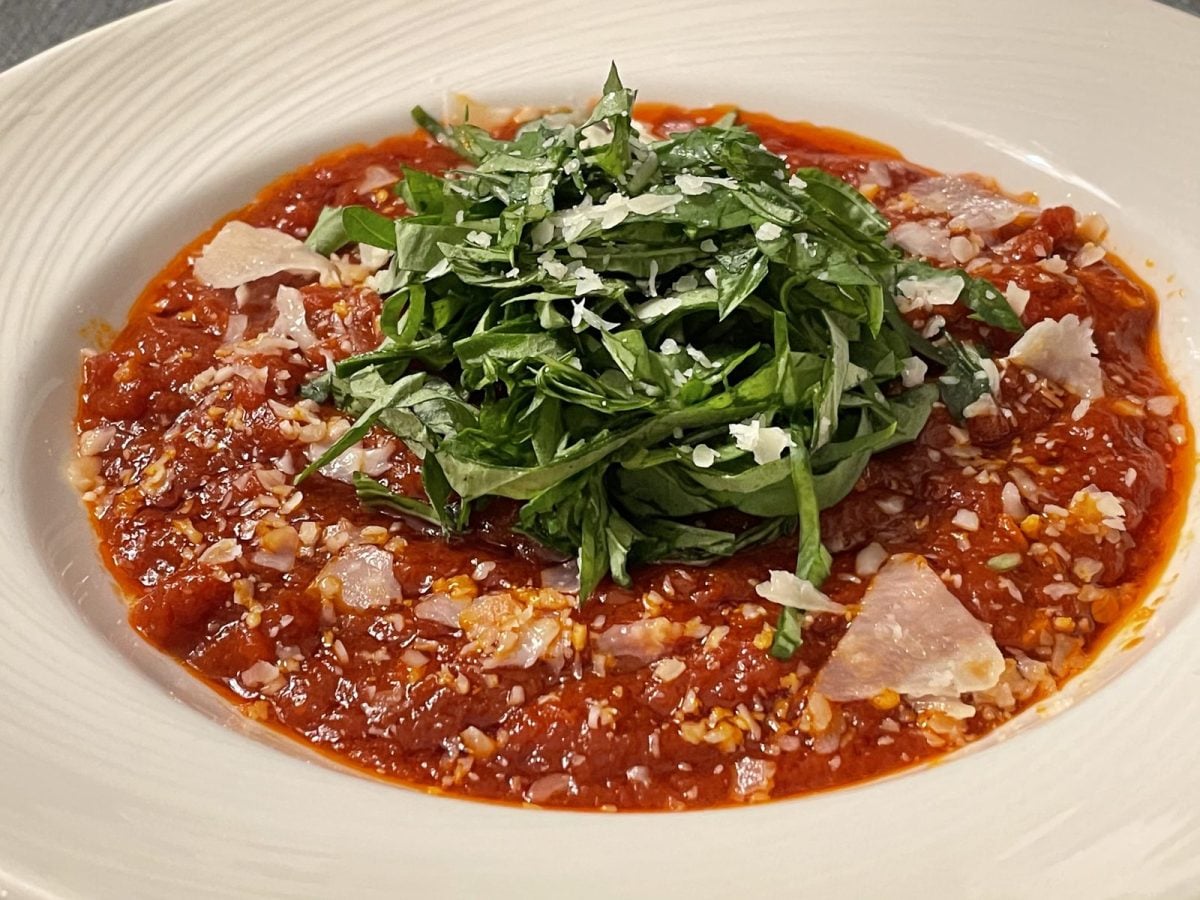
This recipe depends on several specific steps, so I will explain the most important ones. If you have had pink sauce that was thin or oddly sweet, it was probably because the tomatoes weren’t reduced enough or the cream was added too early. These are the principles I follow and what you need to consider.
- Pasta (12 oz / 340 g): If you’re feeling fancy, go for the long noodles. If you prefer to catch the sauce with short tubes and ridged shapes, those are your best bet!
- Olive oil (2 tbsp): Garlic and tomato paste is a great sauce starter. We can add butter but oil keeps it from feeling too heavy.
- Garlic (3 to 4 cloves): Minced or sliced? I personally like sliced because it feels like it cooks a little more evenly, and doesn’t burn as quick when I lose track of time.
- Tomato paste (2 tbsp): This is the bass note. It provides a roasted, concentrated tomato flavor that you can’t always get from canned tomatoes alone.
- Crushed tomatoes or passata (1 cup): Crushed tomatoes provide a bit of a rustic feel while passata is smoother and more “restaurant.”
- Heavy cream (1/2 cup): The classic. You could lighten it, but heavy cream is the most stable and the least likely to curdle.
- Parmesan (3/4 cup, finely grated): Use authentic or real and for pre-shredded it can become tough and grainy.
- Salt and black pepper: Make sure to salt the pasta water more than you think is necessary. If the water is properly seasoned the sauce will need less salt.
- Optional heat: For me, it is not required, but I always add a small amount of red pepper flakes.
- Optional finish: You may also add basil or parsley to the mix, and perhaps a little squirt of lemon juice if your tomatoes taste dull.
Master Ratio (Easy To Scale)
- Per 8 oz (225 g) pasta: 1 tablespoon olive oil, 1 to 2 cloves of garlic, 1 tablespoon of tomato paste, 2/3 cup of crushed tomatoes, 1/3 cup of cream, 1/2 cup of Parmesan cheese (grated), 1/3 to 1/2 cup of pasta water (as needed).
What would be the approach to cooking for a large group of people using a 1 lb (16 oz / 450 g) box of pasta? For everything, start with 3/4 cup of cream and adjust at the end. The pink sauce should not taste like cream mixed with tomatoes, but rather tomatoes in cashmere.
Ingredient Choices That Change Flavor
Here is where you get to decide if you want the sauce to be creamier, zestier, spicier, or even a little fancier, while the base can stay the same.
| Swap or Choice | What Changes | My Notes |
|---|---|---|
| Heavy cream vs half-and-half | Richness and stability | Heavy cream emulsifies like a dream. Half-and-half works but keep heat low to avoid splitting. |
| Crushed tomatoes vs passata | Texture | Crushed is slightly chunky and homey. Passata gives a smoother, silkier “pink.” |
| Parmesan vs Pecorino Romano | Saltiness and tang | Pecorino is sharper and saltier. If using it, taste before adding extra salt. |
| Olive oil vs butter | Flavor and mouthfeel | Butter tastes plush and a little sweet. I often do 1 tbsp oil + 1 tbsp butter. |
| Vodka (1 to 2 tbsp) | Aroma and “restaurant” vibe | Add after tomato paste, cook 30 seconds. It’s subtle but makes the sauce smell grown-up. |
Add-Ins (Protein and Veg)
- Chicken: At the end, we will add pieces of rotisserie chicken that have been shredded, or pan-seared sliced rotisserie chicken.
- Sausage: Browned Italian sausage makes this taste like a Friday night.
- Greens: The cream wilts baby spinach really well.
- Mushrooms: If you don’t want them to taste sad and watery, make sure to sauté them until they are deeply browned before you start making the sauce.
Instructions
Yield: approximately 4 large servings
Total time: around 20 to 25 minutes
1) Boil the pasta. Take a large pot and fill it with water. When the water reaches a boil, add as much salt as the sea. To prepare twelve ounces of pasta, cook it until it is almost al dente. Ensure you reserve 1 1/2 cups of the pasta cooking water before draining the pasta. Once you have drained the pasta, set it aside.
2) Bloom the garlic. While the pasta is boiling, pour 2 tablespoons of olive oil (or 1 tbsp oil and 1 tbsp butter) into a big frying pan and set it on the stove. If you have any, put in the garlic and a couple of red pepper flakes, too. Now that it’s heating, you should lower the stove and wait until you smell the garlic, which should take about 30 seconds to a minute. If the garlic starts to smell burnt, you’re going to need to lower the heat even more. This is a really stressful step to do because the garlic goes golden to burnt in a matter of seconds.
3) Toast the tomato paste. Add 2 tbsp of tomato paste into the skillet and stir. Keep an eye on the time! Wait 1 to 2 minutes for the mixture to change to a lighter color and start giving off a sweet, roasted smell. This is when the kitchen will really start to smell amazing.
4) Make the foundation for the tomato base. Take one cup of either crushed tomato or passata. For some flavor, add a pinch of salt as well as a dash of black pepper. Let it simmer for around 3 to 5 minutes, stirring occasionally to allow the mixture to thicken and let the taste of the canned ingredients cook down.
5) Turn it pink. Lower the temperature to medium-low and pour in 1/2 cup of heavy cream. Please let it warm up for about 1 to 2 minutes, it doesn’t need to boil; this isn’t a challenge.
6) Combine and emulsify. Add 3/4 cup grated Parmesan cheese and stir to melt and emulsify the cheese into the sauce. If the sauce is too thick, add some of the reserved pasta cooking water. Start with a splash (about 1/4 cup). We’re not looking for cement; we want something glossy coating the pasta.
7) Combine with the pasta. Add the drained pasta to the pan and stir for 1 to 2 minutes over low heat. If needed, add a splash of pasta water to help sauce to coat all the noodles. Add seasoning and adjust spice levels to your preferences. Top with basil or parsley.
8) Serve immediately. Pink sauce does not like waiting. While it’s still silky smooth, it’s best with more parmesan. Enjoy!
Make It Yours
- Spicy pink sauce: You can add 1/2 teaspoon of Calabrian chili paste, or if you want, just add a bigger pinch of red pepper flakes.
- Vodka pink sauce: Add 1 to 2 tablespoons of vodka after the tomato paste; cook for 30 seconds before adding the tomatoes.
- Roasted red pepper pink sauce: Incorporate 1/2 cup roasted red peppers into the tomato base for added smoky sweetness.
- One-pan sausage pink pasta: First brown the sausage and remove it. Then create a sauce in the same pan and add the sausage back in at the end.
- “Greenhouse” version: Incorporate a few handfuls of spinach and add a squeeze of lemon just before serving.
- Extra-luxe: At the end, add a knob of butter and a sprinkle of freshly grated nutmeg (just a small amount, or it gets weird).
On the Table Together
- Salad: Romaine crunch with a lemony vinaigrette to cut the cream.
- Vegetable side: Roasted broccolini with garlic and chili or blistered green beans.
- Bread: A torn hunk of crusty bread for swiping the last pink streaks (non-negotiable in my house).
- Protein: Simple chicken cutlets, shrimp sautéed with garlic, or meatballs that are more peppery than sweet.
- Wine: If you’re leaning towards tomato sauce, you can go for a light Sangiovese, dry rosé, or Pinot Grigio.
- Finish: Add basil, extra Parmesan, and lots of black pepper that you grind forcefully.
Rescue Notes
- Sauce looks pale and too “cream-first”: Next time, try to simmer the base for a little longer or add another tablespoon of tomato paste. The tomatoes simply need a little time to cook to taste like tomatoes.
- Sauce is too acidic or sharp: Add a little extra cream or a small bit of sugar to help. Also make sure to check the Parmesan; sometimes the bite you’ve tasted is the salt from the cheese.
- Sauce is grainy: The heat is likely too high when you put in the cheese or perhaps you used pre-shredded cheese. Reduce the heat and add a couple tablespoons of hot pasta water and stir slowly.
- Sauce is too thick: Pasta water instantly fixes this. Gradually add it and toss until glossy.
- Sauce is too thin: Let it simmer for 2 or 3 minutes to get some of the sauce to reduce. If you want to add a little more Parmesan, that is fine too. Just remember that it thickens as it cools.
- Garlic burned: I understand your frustration about wasting ingredients, but if the garlic is burnt it will ruin the sauce, so it is best to start over.
- Want a smoother sauce: Use passata or quickly blend the tomato base before adding the cream (slowly and don’t rush).
- Best habit: The difference between “why is this so good?” and “just fine” is reserving more pasta water than you think.
Storage and Leftovers
What does it say about you that you happily overlook the fact that pink sauce pasta is just soupy noodles? The pasta’s cream and parm combination provides a gut-busting level of richness and creaminess to the dish. The inclusion of tomatoes diminishes the risk of the dish giving you that horrible feeling of having just eaten a bowl of mush. To help mitigate the harm a little, use half and half and increase the tomatoes, just don’t expect it to be as plush.
When kept in the fridge in an airtight container, it will last about 3 to 4 days. Before reheat, add a splash of water or milk to loosen it. Reheat slowly on the stove or at medium power in the microwave. A cooled sauce will get thicker, and high heat will break the sauce. You can freeze pink sauce, but I recommend freezing just the tomato base and adding the crème fraîche later because cream sauces can be a bit grainy.
Real Runs of This Recipe
First pass: A friend of mine said that she does “not like creamy pasta,” so I take comments like that as a personal challenge. I designed the dish keeping the cream components minimal, then layered on the base some tomato paste, and finished it with a light dusting of pepper. She didn’t even ask what the pink slop was before going back for seconds. She made a face as if she just got duped by a magician when I said ‘cream.’ That’s kinda the point.
Here’s the second attempt: One crazy night, I forgot to save the water after I cooked the pasta, and instead, I tried to loosen the sauce using regular old tap water. I guess it worked, but the sauce felt like it was missing something. I feel like someone turned the volume down. I saved an entire mug, and with the sauce, it came back to life. The water from the pasta is not optional, it’s structural.
Step-by-Step Recap
- Reserve pasta water: Save 1 1/2 cups before draining, and salt the water well.
- Sauté tomato paste for about 1 to 2 minutes until it becomes darker and smells good.
- Put the cream in with the tomatoes after allowing the tomatoes to simmer for 3-5 minutes.
- Lower heat before adding cream and Parmesan.
- Add Parmesan gradually, stirring smooth each time.
- Use some pasta water to loosen and emulsify the sauce until it is glossy and clings to the pasta.
- Before serving, toss the pasta in the sauce for 1-2 minutes.
Words You’ll See Above
- Emulsify: To combine fat and water into one consistent mixture, the starch from the pasta water helps to emulsify the cream, tomato, and cheese to make a smooth and even sauce.
- Al dente: The pasta is cooked until tender with a slight bite and will continue cooking in the sauce.
- Bloom: Quickly cooking aromatics such as garlic and chili flakes in some fat helps release their flavor.
- Reduce: When you simmer a liquid, it causes some of the water to evaporate which in turn concentrates the flavors and increases thickness.
- Passata: Tomato puree is smoother than crushed tomatoes and is less chunky than them.
- Carryover cooking: Food keeps cooking due to residual heat even after being taken off the heat; overshooting with pasta means it softens quickly.
Asked and Answered
Can I make pink sauce without heavy cream? Sure. You can use half-and-half if you keep the heat at low. You can use whole milk in a pinch, but it will make your sauce thinner. To make it thicker, use more tomato paste and parmesan.
Why does sauce curdle? It usually happens because the sauce is too hot when the dairy or cheese is added. The solution is simple! Just lower the heat and add some pasta water which will help bind the sauce again.
Is pink sauce the same as vodka sauce? They are cousins. Vodka sauce is a cream and tomato sauce with vodka to alter the scent and enhance the taste of the tomatoes. Pink sauce can taste good without including vodka.
Which pasta goes best with pink sauce? I suggest using rigatoni or penne pasta as they are better at holding sauces. Shells can be useful for scooping the sauce as well. If you want something a bit fancier, go for fettuccine or tagliatelle.
Can I make the sauce ahead of time? Yes, you can prepare the tomato base (garlic, paste, tomatoes) and store it in the fridge for 3 days. When you want to complete the dish, you can reheat the sauce. Then, add the cream and cheese for the smoothest texture.
How do you keep leftovers creamy when you reheat them? While reheating keep some water, milk, or cream to add during the reheating process. It is important to stir often while reheating, and if the mixture is too thick, you can always add more liquid to loosen it up.
Parting Notes
My go-to dish for something easy and warm is pink sauce pasta. It’s yummy and makes everyone stop talking. And, don’t forget to save some pasta water to get the sauce to the perfect color!
