
At one point I thought making meatballs was some sort of personality challenge. After mixing and rolling and tossing the meatballs into the oven, I hoped that they wouldn’t come out like little golf balls.
One night, though, I was low on breadcrumbs but high on stubbornness, so I stirred in a scoop of ricotta instead. The meatballs came out softer and fluffier inside, with just enough browning outside to feel like a real dinner.
The advertising is not misleading, and the ricotta meatballs do not try to pass off as “health food.” They provide a certain level of comfort and class. The ricotta cheese will not give the meatballs a lasagna taste (unless that is the intention). However, it does change the meatballs in a few key ways.
The meatballs remain soft and juicy, even if you overbake them while you are carefully watching a pot of boiling pasta or a child who is snack requesting for the thousandth time. The cooking process for these meatballs is very uncomplicated. I admit I am quite faithful to Forgiving Food.

The 30-Second Summary
- Ricotta Meatballs That Stay, the essentials: Soft on the inside and with a crisp exterior, our tender and pan-seared ricotta meatballs are finished in marinara.
- Why it works: Ricotta contributes to moisture and provides a delicate curd structure, allowing meatballs to remain juicy without the addition of excessive breadcrumbs.
- Timing: Total prep and cooking time should take approximately 35 to 45 minutes. Breakdown is given as 15 minutes to prepare, 10 minutes to sear, and 10 to 15 minutes to simmer.
- Flavor profile: It has a deliciously savory garlic and herb flavor with a hint of cheese and can be adapted from traditional Italian styles to spicy, zesty, and even broth-based variations.
- Key tips: Drain the ricotta, mix it, then chill it if the mixture is too loose, then brown them in batches to avoid steaming.
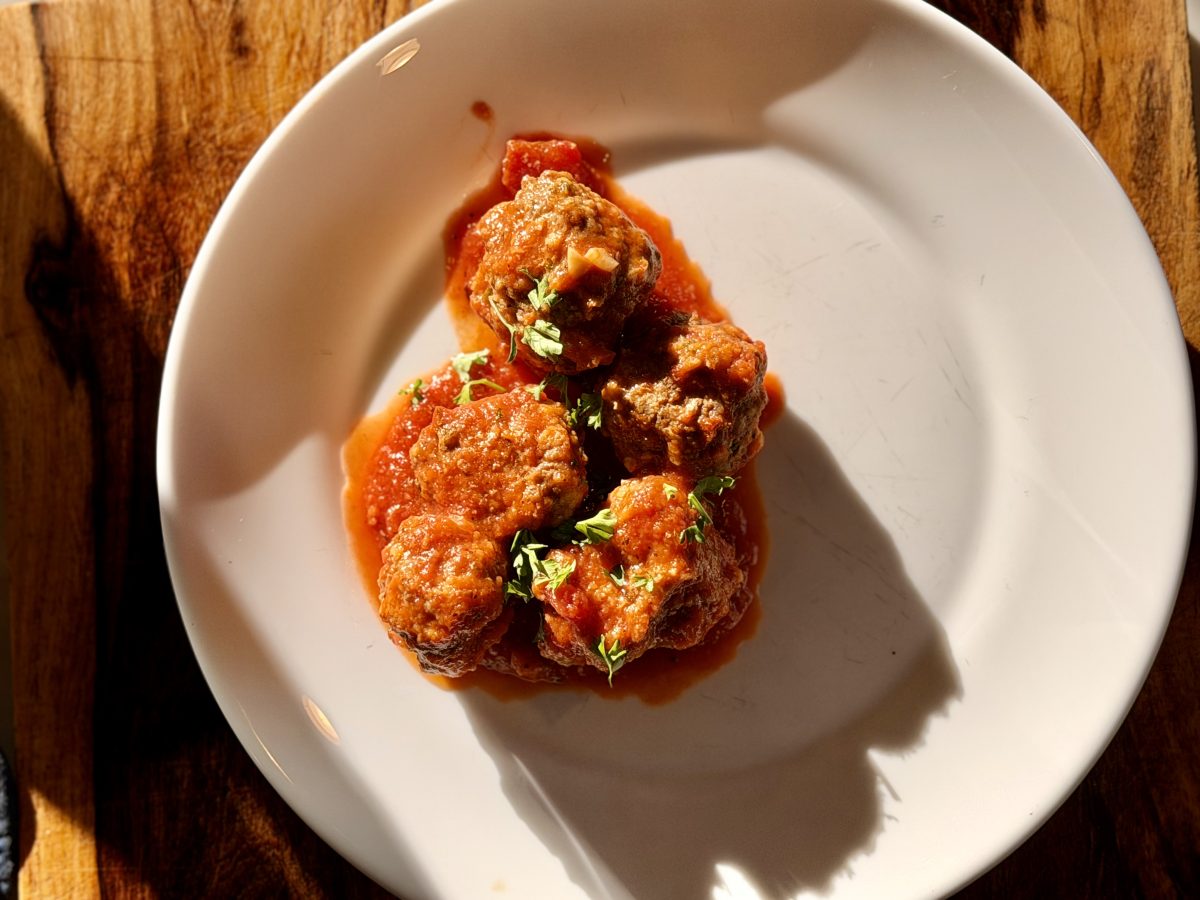
Ingredients
The foundational point is straightforward: meat + ricotta + binder + seasoning. The devil is in the details, however, and ricotta can be a wild card. Some tubs have a mixture that is airy and fluffy, and others can have a more dismal liquid-y situation going on.
In the case where ricotta is runny, you will need to drain it for 10-20 mins in a fine mesh strainer (or squeeze it in cheesecloth). This can be the factor that turns things from “effortlessly tender” to “why are these collapsing like they just heard some terrible news?”
- Ground meat (1 pound / 450 g): Beef provides structure, while pork adds sweetness and fatty richness. Turkey is acceptable, but it requires additional olive oil and more delicate treatment.
- Whole-milk ricotta (1 cup / about 250 g): Whole milk is more beneficial in this case because part skim can become slightly chalky when heated.
- Egg (1 large): The insurance policy helps to set the mix without over-tightening it.
- Breadcrumbs (1/2 cup): Add fine breadcrumbs (or pulsed panko) to the mixture. For the softest meatballs, fresh breadcrumbs are best.
- Parmesan (1/2 cup finely grated): Pecorino is sharper and more aggressive, in a good way. More salty and nutty.
- Garlic (2 cloves, grated or very finely minced): Grating prevents you from biting into a large, hot garlic piece and allows it to mix in completely.
- Parsley (1/3 cup chopped): Not purely for garnishing; it actively enlivens everything.
- Salt and pepper: Many people don’t realize how much salt meatballs actually need. Meatballs that haven’t been sufficiently salted will taste bad.
- Optional heat: Red pepper flakes, to taste.
- To cook: Olive oil will be used for searing, and finishing will use approximately 3 cups of marinara sauce.
Master Ratio (Easy To Scale)
- Meat: 1 pound (450 g) ground meat
- Ricotta: 1 cup (250 g), drained if wet
- Egg: 1 large
- Breadcrumbs: 1/2 cup (about 50 g)
- Hard cheese: 1/2 cup finely grated (about 45 g)
- Herbs: 1/3 cup of chopped parsley (alternatively 2 to 3 tablespoons of a mixed dried herb blend)
- Seasoning: 1 to 1 1/4 teaspoons of kosher salt, and some black pepper
To allow for more attendees, the amounts of some items will have to be doubled (2 lbs of meat, 2 cups of ricotta, 2 eggs). About 40 meatballs can be created when rolled into 1 1/2 inch meatballs. I do this for my friends when they come so it looks like I’ve “cooked all day,” when in fact, I haven’t.
Ingredient Choices That Change Flavor
| Ingredient choice | What changes | Best for | Notes |
|---|---|---|---|
| All beef (80/20) | Deeper, beefier flavor; firmer bite | Classic red-sauce dinners | If very lean, add 1 tablespoon olive oil to the mix. |
| Beef + pork (50/50) | Sweeter, juicier, more “old-school” | Most people’s favorite | Pork fat plays beautifully with ricotta’s softness. |
| Turkey (dark meat) | Lighter flavor; can dry out if overcooked | Leaner weeknight version | Use whole-milk ricotta and don’t skip the simmer in sauce. |
| Parmesan | Nutty, mellow saltiness | All-purpose | Grate finely so it disappears into the mixture. |
| Pecorino Romano | Sharper, saltier punch | Spicy marinara, bitter greens on the side | Reduce added salt slightly if your pecorino is very salty. |
| Fresh breadcrumbs | Extra tender interior | Soft, plush meatballs | Use slightly stale bread, pulsed to crumbs. |
| Panko | A little more structure and spring | Meatballs you want to stay round and tall | Pulse briefly if the flakes are large. |
Sauce and Finish (What I Actually Do Most Nights)
I like a simple marinara: garlic, olive oil, crushed tomatoes, salt, maybe a pinch of chile. Once the meatballs are browned, they should cook for another 10 to 15 minutes. This way, the meatballs can keep cooking without the risk of becoming dry, and the sauce can develop some nice “Sunday” flavors. Feel free to use a jar you’ve got at home. You should not have to do a purity test to see what’s for dinner.
Instructions
Total time: 35 to 45 mins.
Yield: Approx. 18 to 22 meatballs (1.5 inches).
1) It’s best to drain your ricotta ahead of time if it is particularly moist. Drain it by placing it in a fine mesh strainer over a bowl for 10 to 20 minutes. If your ricotta holds stiff peaks, or for a dry ricotta, you can skip this step. (I learned this the hard way: once, when the ricotta was too wet, the mixture ended up with a soupy, oatmealy texture.)
2) Prepare the Panade-like base. In a mixing bowl, combine the ricotta, egg, breadcrumbs, Parmesan, garlic, parsley, 1 tsp of kosher salt, and several cracks of black pepper. If you would like to include heat, add a pinch of red pepper flakes. Mix to obtain a homogeneous mixture.
3) Add the meat, and combine the ingredients using a folding motion; the minced meat goes in last. It’s best to use your hands to mix, but stop once all the ingredients are combined. You want to avoid over mixing. Overmixing leads to dry, tough meatballs, a real letdown.
4) Here’s a quick (and worth it) seasoning test. Take 1 teaspoon of the mixture and either mini-skillet it or microwave it for 20-30 seconds. Then taste it! You’ll be able to make adjustments on the spices, heat, and salt. I know it seems tedious, but it will be faster than making all the meatball meals.
5) To make the meatballs, dampen your hands and form the mixture into balls about 1 1/2 inches wide (approximately 2 tablespoons). Place the meatballs on a tray or plate. If the mixture is too soft to hold its shape, chill it for 10 minutes. I wouldn’t say I always take part in this activity, but when I do, I enjoy myself.
6) To achieve an evenly browned look, a large frying pan or Dutch oven is recommended. Heat to medium high and add 2 to 3 tablespoons of olive oil. Place meatballs in a single layer and give them room to move. Meatballs should be turned every 6 to 8 minutes (for example, in one direction, and then the other) to achieve a uniform color. Smaller batches are better. When larger batches are used, the meatballs are steamed, and steamed meatballs are cafeteria concession stand quality.
7) Finish the dish by completing it in the sauce. If necessary, pour some of the fat off, but leave about a tablespoon. Add about 3 cups of marinara sauce to the pan, or enough to cover the meatballs up to halfway. Then, cover it partially, and bring it to a gentle simmer for about 10 to 15 minutes and turn the meatballs so they are cooked through (165°F for turkey and 160°F for beef/pork blends). The sauce should cling to the meatballs and become a little thicker.
8) Rest, then serve. After cooking the meatballs, take the pot off the burner and let the meatballs rest in the sauce for five minutes. Serve with more parmesan and parsley on top. For an upscale touch, I would add a light drizzle of olive oil on top. If this is not permitted, then I suppose I’ll do one for ‘quality control’ and grab one directly from the pan.
Riffs That Work
- Spicy Calabrian-style: Incorporate 1 to 2 tablespoons of Calabrian chile paste into the meatball mixture, then let it simmer in a garlicky tomato sauce.
- Lemon-herb and broth: Substitute the parsley with dill and mint, incorporate lemon zest, and complete the browned meatballs in chicken broth with a splash of lemon.
- Ricotta-spinach meatballs: Add one cup of finely chopped, well squeezed, and cooked spinach for a greener, and slightly sweeter taste.
- Extra cheesy center: Press a small cube of mozzarella into each meatball (seal well). Probably a little ridiculous, but super satisfying.
- Gluten-free: For optimal shaping, chill the mixture for 15 minutes. You can use gluten-free breadcrumbs or 1/2 cup almond flour.
- Baked version: Place on an oiled sheet at 425°F and bake for 15-18 minutes. Once finished, allow to simmer in sauce for an additional 5-10 minutes.
What to Serve With Ricotta Meatballs That Stay
- Spaghetti or rigatoni: Obvious, yes. Still excellent. Make sure to save a ladle of pasta water to help loosen sauce.
- Polenta: The warmth of the creamy polenta and plushness of the ricotta meatballs make it feel like the most delicious slippers for dinner.
- Crusty bread and a big salad: Using little effort yet reaping the benefits is the optimal solution. Utilize the bread to pursue the sauce.
- Meatball subs: Toasting the rolls with marinara and provolone is done under the broiler until the cheese is bubbly. Then take a nap.
- Roasted broccoli rabe or broccolini: The inclusion of bitter greens prevents the meal from becoming monotonous.
- Simple sides: Roasted zucchini, garlicky green beans, or shaved fennel salad with lemon.
Rescue Notes
- Meatballs are falling apart: Your ricotta may have been too wet or there simply wasn’t enough binder used. For next time, be sure to drain the ricotta, and for now, chill the shaped meatballs for 20 minutes and be gentle in handling them. Additionally, you can stir in 2 more tablespoons of breadcrumbs.
- They’re tough: Most likely they were overmixed or overcooked. When combining ingredients, do so only until they are mixed, and then gently simmer instead of a hard boil.
- They’re bland: Usually it is salt that is the issue. Also consider sharper cheese (pecorino) or add more garlic and parsley. A pinch of fennel seed can help, too.
- They won’t brown: If the pan is not hot enough or there are too many meatballs, ensure you brown meatballs in batches. Wait for the sizzle before lowering the meatballs into the oil.
- Greasy sauce: It is acceptable to use highly fatty meats; however, it is best to spoon off any excess rendered fat prior to adding the marinara.
- Sticky hands while rolling: You may want to keep a small bowl of water nearby to wet your hands, but it is easier to keep hands lightly oiled.
- Make-ahead win: Shape your meatballs and then refrigerate them for up to 24 hours before cooking. The mixture will firm up which will then make them easier to brown.
Storage, Reheating, and Nutrition
Ricotta meatballs offer nutritional value from protein and fat sources such as cheese, meat, and possibly added olive oil. The nutritional value can be considered substantial, but may vary based on the type of meat blend and ricotta used. To keep the recipe tender, the optimum blend is beef and turkey along with whole milk ricotta. Although this may seem counterintuitive, it is protective of the texture.
Storage: Meatballs and sauce can be kept up to 4 days in the refrigerator in an airtight container. For reheating meatballs and sauce, it is recommended to heat them on the stove at low heat. If the sauce has thickened, add water to the sauce to loosen it. Meatballs and sauce can also be frozen for up to three months. For reheating, first thaw in the refrigerator , then heat meatballs and sauce slowly. Avoid microwaving on high, as it can cause the meatballs to seize up; if you do microwave, use 50 to 70% power.
Field Notes
One example is my friend at a roundtable for a culinary school who said in October of 2009 that he disliked ricotta cheese, and I decided that I would enter a discussion with him. I did meatballs with a light sauce and fresh parsley and Parmesan cheese. He was asking what the source of the tenderness was after he demolished three. It was quite childish, I will admit, but it got the desired result.
During my second attempt, I was given a weeknight to prepare it. I attempted to brown all of the ingredients in a single, overstuffed pan. The meatballs looked as if they had been boiled in a sink with pasta water; they were way too soft and far too pale. I added some color the next night by taking the sauce and adding it in small increments to a very hot pan. The difference was enormous. It is very important to brown the meat; it makes all the difference.
Your Game Plan
- Buy whole-milk ricotta and drain if wet.
- First, combine the mixture of ricotta, egg, breadcrumbs, Parmesan, garlic, parsley, salt, and pepper
- Add the meat and mix gently until just combined.
- Prepare a small sample and modify the seasonings.
- If the meatballs are soft, chill them for 10 minutes.
- Brown in batches until deeply golden.
- Allow to rest for 5 minutes after simmering in the marinara for 10 to 15 minutes.
- Complete with Parmesan and parsley, and accompany it with a starch.
The Jargon, Explained
- Binder: An ingredient such as eggs or breadcrumbs which assists in binding the meat mixture in meatballs.
- Panade: Similar to a meatball’s typical moisture binding agent of bread and liquid paste, ricotta, together with the breadcrumbs, provides a binding moisture element.
- Batch cooking: Cook in several batches to avoid pan crowding, which assists in browning.
- Fond: The brown bits on the bottom of the pan that get flavor into the sauce when deglazed or simmered.
- Simmer: Gentle bubbling, not a vigorous rolling boil, is critical for meatball tenderness.
- Carryover cooking: The heat will turn off and the food will keep cooking a little; this is helpful to not overcook the meatballs.
Questions I Get
Can you bake ricotta meatballs instead of frying them? Yes, this is achievable. Simply place the meatballs on a greased sheet pan and bake them for 15 to 18 minutes at 425°F. Afterwards, you can complete cooking them in the sauce for 5 to 10 minutes. While you can get more flavor from pan-searing the meatballs, baking them will obviously make less mess.
Is the flavor of ricotta strong? Not really. Normally ricotta cheese is added to a recipe more for the texture it provides than the flavor. Since it is a soft cheese, the texture will stand out more than any cheesiness when mixed with marinara and parmesan.
My mixture seems too wet. What do I do? Allow it to sit for 10-20 minutes and it should be fine. If it is still too loose after that, add 2-4 tablespoons more of breadcrumbs. Also, next time, please remember to drain the ricotta.
Is it possible to prepare them without breadcrumbs? It can be done, but the end product will likely be more fragile. Crushed crackers, gluten-free breadcrumbs, or even almond flour can be used as substitutes. However, be sure to stay under 1/2 cup of any of these. Additionally, it will help to chill the mixture to help with shaping.
What do you feel is the most ideal size for meatballs? Personally, I think meatballs that are about 1.5 inches are ideal. They are perfect for weekday dinners since they cook quickly and brown nicely and evenly. They are also good for meal prep. While it may be nice to have larger meatballs, it will lead to longer cooking times and the use of lower temperatures.
Will adding them to the sauce without them being browned first change the outcome? This can be done; however, the brown crust will be lost, and the sauce will not develop as deep a flavor. If you are not going to brown them, you should at least bake them for a short time to develop some color before adding them to the simmer.
Parting Notes
Ricotta meatballs are an incredible secret meal that is easy to make. Just adding some dairy to the dish makes a huge difference. Everything becomes softer and more forgiving. Once you make those meatballs, you will definitely look at that tub of ricotta differently. No longer will it just be an accessory for toast, or pasta. It will definitely be your way out of the weeknight dinner rut.
