
To be completely honest, I used to walk by acorn squash thinking it was just a decoration. Pretty, sure. Useful? Questionable. During one cold weeknight, I didn’t have any particular ideas about what to do with my pantry, so I roasted some (insert food item here). Five minutes later, I was standing in front of my blender thinking, “Oh.” “This must be what people mean by silky.” That said, this recipe for acorn squash pasta already has me thinking about (insert food item here) in a new light. Unlike any other (insert food item here}) that I have used before, this recipe leaves me thinking about how it feels to wear a cashmere sweater.
Your sweet roasted squash, garlic, parmesan and sage creation, seems to make the space inviting. Of course, the ambiance here is warm and welcoming, but not overwhelmingly so. My preference is for ridged pasta that catches the sauce in its grooves, and I will admit that I almost always finish the dish with something crunchy (such as toasted walnuts, breadcrumbs, or fried sage) because I think my brain craves that textural contrast. Yours might too.
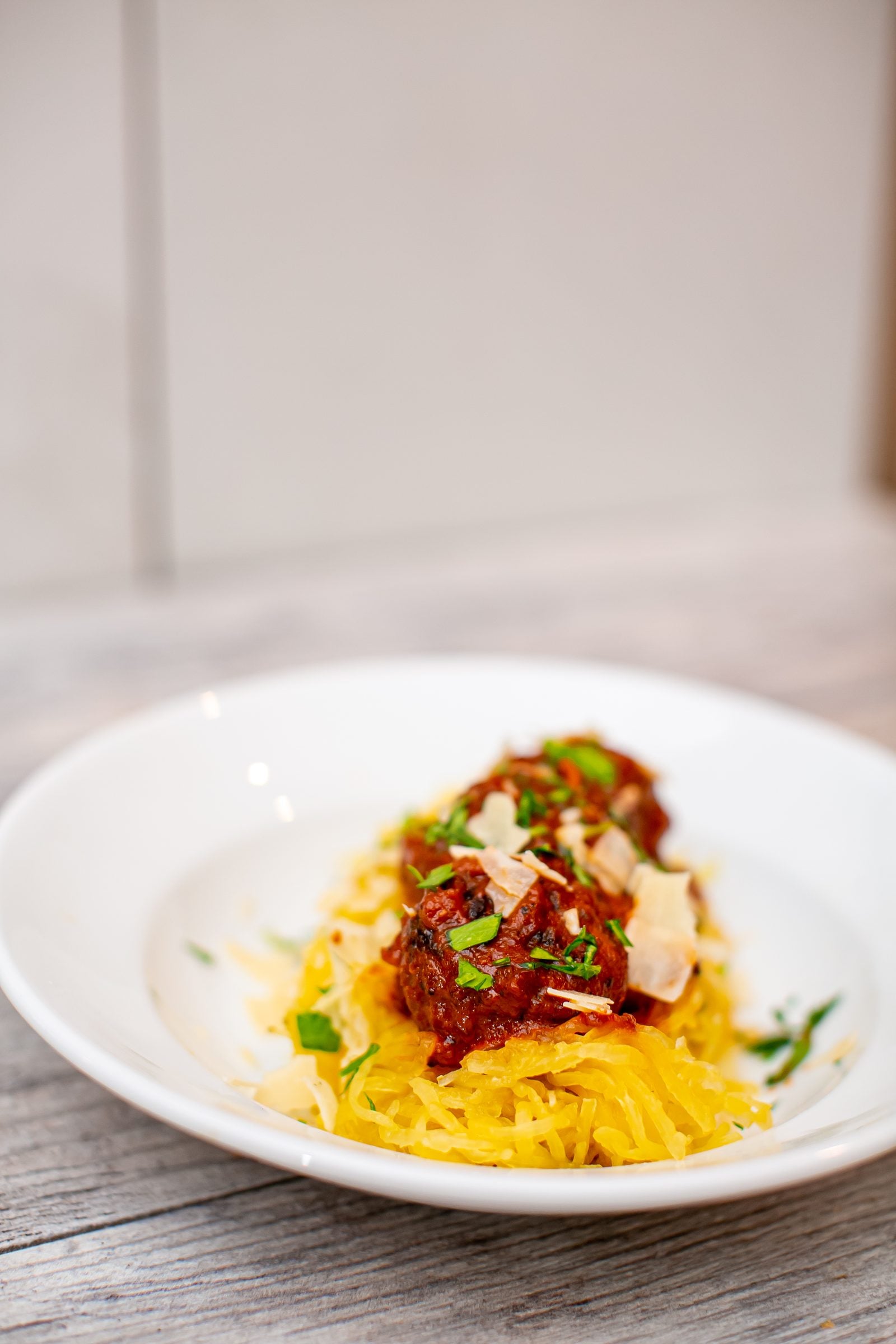

The 30-Second Summary
- Creamy Acorn Squash Pasta, the quick sketch: Roasted acorn squash blended into a creamy, savory pasta sauce with garlic, sage, parmesan, and a splash of broth.
- Why it works: Roasting concentrates squash sweetness; blending makes it velvety; pasta water turns it glossy and clingy.
- Timing: About 45 to 60 minutes total (roast time is the long pole), with ~15 minutes hands-on.
- Flavor profile: Sweet-savory, nutty, herbal, lightly garlicky; feels rich but doesn’t sit like a brick.
- Key tips: Roast until deeply browned; salt the squash; blend with warm broth; use pasta water to dial in sauce texture.
- Best pasta shapes: Rigatoni, penne, shells, or pappardelle if you want drama.
Ingredients
This recipe is easy to follow, but there are a few important things to note. Due to variations in sweetness and moisture content of acorn squash, sauce consistency will vary depending on the batch. There is no reason for concern; your guiding companion is pasta water. Furthermore, prepare the squash until the edges become brown. Pale squash, like a pale sauce, is anemic both in color and in spirit.
- Acorn squash: 1 medium (about 1.5 to 2 pounds). Look for a heavy squash with matte skin. Shiny skin often means it’s a bit undercured.
- Olive oil: For roasting and building the sauce. A fruity one tastes nice here, but don’t overthink it.
- Garlic: 3 to 5 cloves. Roasted garlic gets sweet; sautéed garlic stays punchier. Choose your mood.
- Sage: Fresh is best. Dried works, but fresh sage does that piney, buttery thing that screams “fall pasta.”
- Broth: Vegetable or chicken, low-sodium if possible so you can control the salt.
- Parmesan: Freshly grated. The pre-shredded stuff can go a little dusty in a sauce like this.
- Butter (optional but persuasive): A tablespoon or two for gloss and a rounder finish.
- Lemon juice or apple cider vinegar: Just a little. Acid is the secret handshake that makes squash taste grown-up.
- Pasta: 12 ounces. Short shapes catch the sauce; long shapes feel more elegant. Both are correct.
- Salt and black pepper: Salt in layers: on the squash, in the sauce, and in the pasta water.
- Pinch of nutmeg or chili flakes (optional): Nutmeg leans cozy; chili flakes cut the sweetness.
Master Ratio (Easy To Scale)
- 1 part roasted squash puree (by volume)
- 1/2 to 3/4 part broth (to thin)
- 1/4 part grated parmesan
- 1 tablespoon fat per cup of puree (olive oil and/or butter)
- Pasta water as needed (usually 1/2 to 1 cup per pound of pasta, but you’ll feel it out)
For example, if you have about 2 cups of roasted squash puree, you could start with 1 cup of broth, 1/2 cup of parmesan, and 2 tablespoons of some kind of fat. Blend and gradually incorporate a small amount of pasta water until it achieves a consistency that coats the back of a spoon like warm paint (not soupy, not pasty).
Ingredient Choices That Change Flavor
| Choice | Best Option | Swap | What Changes |
|---|---|---|---|
| Squash | Acorn squash, well-roasted | Butternut, kabocha, delicata | Butternut is sweeter and silkier; kabocha is chestnutty and thicker; delicata is lighter and more delicate. |
| Fat | Olive oil + a little butter | All olive oil or browned butter | Butter rounds and glosses; browned butter adds nutty depth (almost cookie-like, in a good way). |
| Cheese | Parmigiano-Reggiano | Pecorino, aged gouda, nutritional yeast | Pecorino is sharper and saltier; gouda makes it more mellow and rich; nutritional yeast keeps it dairy-light and savory. |
| Herb | Fresh sage | Rosemary, thyme, or no herbs | Rosemary is piney and loud (use less); thyme is soft and cozy; no herbs makes the squash taste sweeter. |
| Brightness | Lemon juice | Apple cider vinegar, white wine | Lemon is clean; cider vinegar adds autumn tang; wine adds a gentle, savory lift. |
For Finishing (Optional But Highly Recommended)
- Toasted walnuts or pepitas: Crunch plus nuttiness that makes squash taste less dessert-adjacent.
- Fried sage leaves: Ridiculously fragrant and pretty, like you planned a dinner party.
- Browned breadcrumbs: The “I want texture” solution when the pantry is sparse.
Instructions
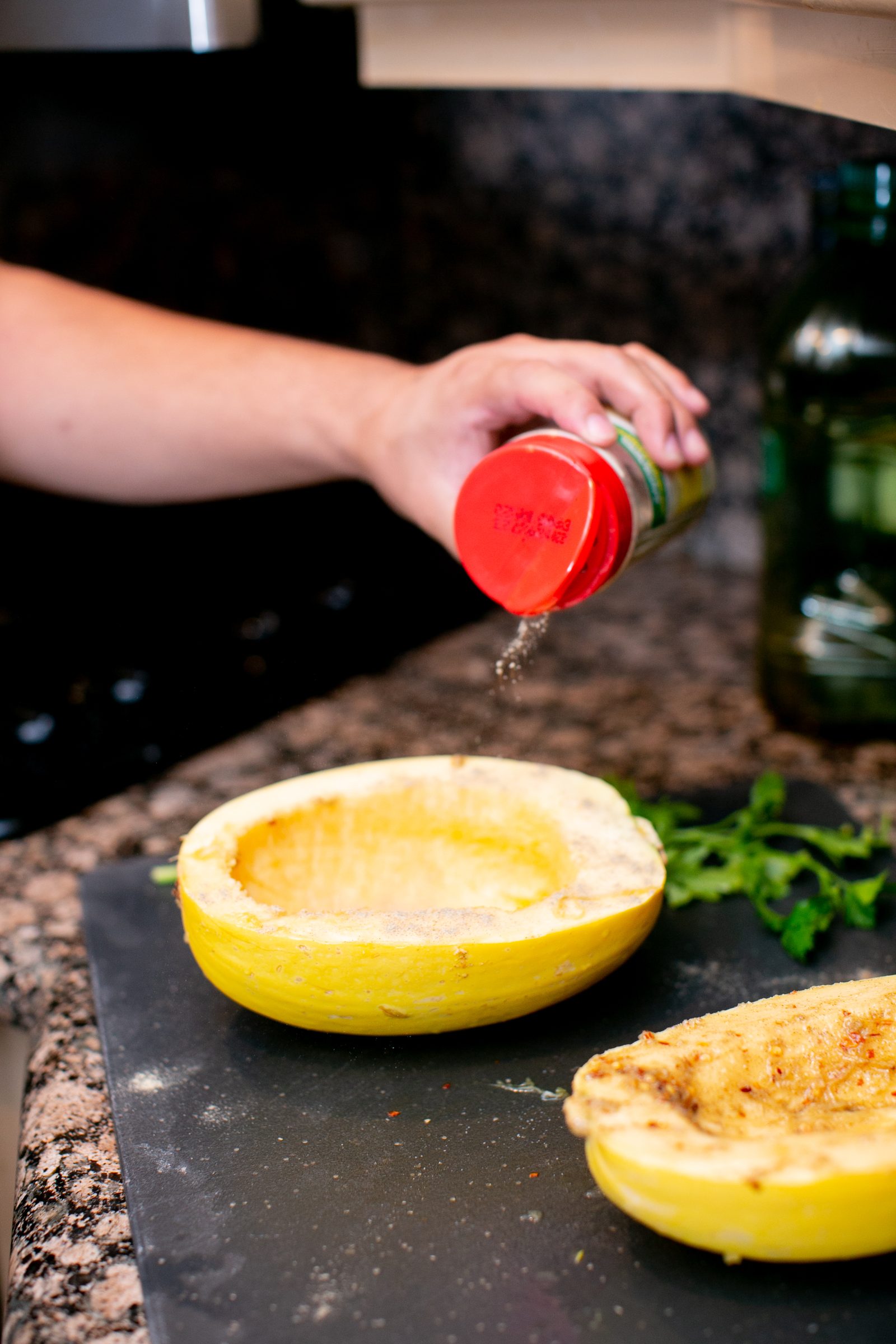
1) Roast the squash. Set your oven to 425 degrees Fahrenheit (or 220 degrees Celsius). Cut the acorn squash in half and remove the seeds. Put the squash, cut side facing up, on a baking sheet. Salt and pepper will be adjusted to taste, and olive oil will be added. If you want your squash to have more flavor and caramelization, try sprinkling a little bit of brown sugar or maple syrup. Bake for 35 to 45 minutes or until the insides are very soft, and the edges are brown and slightly shriveled.. The first time I made this, I pulled it at ‘knife-tender’ and thought to myself, why does the sauce seem shy? Brown matters.)
2) Make the pasta and reserve some of the water used for cooking it. Take a large pot and fill it with water, then add salt until the water tastes like the ocean. Hierve 12 onzas de pasta hasta que esté al dente. Before draining, reserve at least 2 cups of the water used to cook the pasta. Drain and set pasta aside.
3) Prepare the aromatic base. Pour 1 to 2 tablespoons of olive oil (and add 1 tablespoon of butter if you’re using that) to a large skillet at medium heat. Incorporate 3 to 5 cloves of minced garlic along with 6 to 10 leaves of chopped sage. Cook until you begin to smell the aroma, this should take 30 to 60 seconds. If the garlic turns too brown, it will make the squash sauce taste bitter, and that would be a small tragedy.
4) Blend the sauce. Put the roasted squash flesh, with the skins removed, into a blender. You may also choose to incorporate a bit of nutmeg or chili flakes. 3/4 cup of warm broth to start, 1/2 cup of grated parmesan, and the garlic-sage oil that was in the skillet. Blend until very smooth. Season with salt and pepper to your preference. You can add 1 to 2 teaspoons of lemon juice (or a bit of cider vinegar) to incorporate brightness. If the sauce is not thin enough to blend, add broth gradually.
5) Combine the sauce and pasta with passion. Pour the blended sauce back into the skillet and turn the heat to medium-low. Add the cooked pasta. Slowly incorporate reserved pasta water, adding it in small increments and tossing in between until the sauce becomes shiny and evenly coats all the pasta. You want something that’s creamy and smooth, but not thick. Allow it to cook for 1 to 2 minutes to enable the starch to bind the ingredients.
6) Finalize the dish, and present it. Do one last sampling. If the taste is flat, add on some parmesan, black pepper, and a little bit of lemon. Add fried sage, toasted nuts, or fried breadcrumbs on top. If possible, serve in warmed bowls, and consume immediately. This sauce thickens with time like someone settling into a couch.
Variations Worth Trying
- Spicy sausage acorn squash pasta: Brown 8 ounces Italian sausage and fold it in at the end. The fennel and heat play nicely with squash sweetness.
- Vegan-ish creamy squash pasta: Use olive oil only, swap broth for vegetable broth, and replace parmesan with nutritional yeast plus a spoonful of miso.
- Brown butter sage version: Brown 3 tablespoons butter, fry sage in it, and blend that into the squash. It tastes like a fancy restaurant and a campfire had a meeting.
- Roasted garlic overload: Roast a whole head of garlic alongside the squash and squeeze it into the blender. This is for garlic loyalists.
- Greens folded in: Wilt spinach or chopped kale into the sauced pasta for balance and a little self-respect.
- Extra protein: Add shredded rotisserie chicken or crispy chickpeas for a weeknight “actual dinner” feeling.
What to Serve With It
- Salad: Peppery arugula with lemon vinaigrette or a shaved fennel salad. You want crisp and bright next to the creamy sauce.
- Vegetable side: Roasted broccoli, blistered green beans, or charred Brussels sprouts.
- Bread: Garlic bread if you’re leaning indulgent; a crusty sourdough if you’re pretending you’re simple.
- Wine: Pinot noir, dry riesling, or a lightly oaked chardonnay. Anything too tannic can make squash taste oddly metallic.
- Finishes: A drizzle of chili oil, extra parmesan, toasted pepitas, or cracked black pepper that you grind with a little swagger.
Fixes and Pro Moves
- Sauce tastes sweet but not savory: Add more salt, parmesan, and a tiny hit of acid. Squash needs structure.
- Sauce is thick and pasty: Pasta water, little by little, while tossing over heat. Broth works too, but pasta water gives you silk.
- Sauce is watery: Simmer it in the skillet for a few minutes to reduce. Or add more parmesan. Next time, roast the squash longer.
- Grainy texture: Blend longer, and make sure the squash is fully tender. A high-speed blender helps, but time helps too.
- Garlic got bitter: Start over with fresh garlic and lower heat. If you’re stuck, add a teaspoon of honey and more lemon to nudge it back.
- It tastes flat: This is almost always acid and pepper. A teaspoon of lemon juice and a few assertive grinds of black pepper can resurrect it.
- Make-ahead move: Roast and puree the squash up to 3 days ahead. The actual dinner then becomes a 15-minute situation.

Leftovers, Storage, and Reheating
Acorn squash contains fiber, potassium, and enough natural sugars to allow for the reduction or elimination of cream while achieving that rich, creamy mouthfeel. The sauce’s richness is primarily from the olive oil, and, if you use it, the butter and parmesan. To retain the broth’s brightness, you can skip some of the cheese and use extra broth and lemon.
Leftovers can be stored in airtight containers for a maximum of 4 days. Since the sauce will thicken in the fridge, you might want to add a splash of water, broth (or wizard-like, pasta water) to reheat it and loosen the sauce. Heat gently on the stovetop. Overheating the cheese can cause it to tighten. The best results can be achieved by freezing the sauce (up to two months) and then cooking fresh pasta when ready.
Field Notes
Run one: A friend came over claiming they were, “not that hungry”, which is a classic lie people tell before they have two bowls of pasta. I used rigatoni, brown butter, and fried sage leaves. The acorn squash sauce looked like a muted sunset and the whole thing felt like a holiday dinner that didn’t require three hours of family coordination.
The redo: I made this on a Tuesday, and because I was running a little low on energy, I went for a vegan-ish option with miso and nutritional yeast, added some wilted spinach, and topped it off with a sprinkle of toasted pepitas. It wasn’t a compromise. It was just different. And surprisingly, it is good enough to crave it again for lunch the next day.
The Prep Checklist
- Buy 1 medium acorn squash (heavy for its size).
- Roast at 425°F until browned and collapsing at the edges (35 to 45 minutes).
- Cook 12 ounces pasta; reserve 2 cups pasta water.
- Sauté garlic and sage briefly in olive oil (and butter if using).
- Blend squash + garlic-sage oil + broth + parmesan until silky.
- Return sauce to skillet; toss with pasta; loosen with pasta water.
- Adjust with salt, pepper, and a squeeze of lemon.
- Finish with crunch (nuts, breadcrumbs, or fried sage).
Quick Definitions
- Al dente: Pasta cooked until tender but still firm at the center. It will finish cooking slightly when tossed with hot sauce.
- Pasta water: The starchy cooking water that helps emulsify and gloss sauces. It’s not just “water,” it’s an ingredient.
- Emulsify: To combine fat and water into a cohesive, creamy mixture (helped here by starch from pasta water and cheese).
- Caramelization: Browning that develops deeper flavor and sweetness during roasting. This is where squash goes from polite to interesting.
- Reduce: Simmer a liquid to evaporate water and concentrate flavor, useful if your sauce ends up thin.
Quick Answers
Do I have to peel acorn squash?
No, you do not. Once it is roasted, slice it in half and use a spoon to remove the flesh. This recipe includes some subtle pleasures.
Do I need a blender for this?
No, you don’t need to use a blender, but it will be more rustic without one. Ensure that you thoroughly mash the roasted squash before adding some broth and whisking. If you combine a potato masher with a little bit of patience, you will be very close to getting it done; however, an immersion blender used in the skillet will get you even closer.
What can I do to keep the sauce from getting too thick?
Add some reserved pasta water as you toss the pasta while it is still hot. If it thickens after sitting, use a splash of water or broth to loosen it while reheating.
What type of pasta is best to pair with acorn squash sauce?
For this, your best choices would be rigatoni, penne rigate, and shells. Pappardelle will be a special treat for you if you enjoy long pasta.
Can I roast the squash in advance?
Absolutely. You may roast and scoop out the flesh up to three days in advance. On pasta nights, all you do is mix and stir.
The taste of my sauce is undesirable. What’s the quickest remedy? First, add salt, then a teaspoon of lemon juice, and lastly, add black pepper. If the dish lacks flavor, consider sprinkling some parmesan cheese or chili flakes.
The Last Word
Cooking this recipe for acorn squash pasta gives you a strange feeling of achievement. Your homemade roasted squash and sauce transform Tuesday into a candlelit, cloth napkin, upscale restaurant experience. Try to roast it more than you think, remember to save that pasta water, and go wild with the finishing crunch. That’s where the magic lives.
