
I experience a feeling of elevated social status when cooking in the kitchen and wearing any socks. While my clean fork is getting more and more dirty, my advancing dish is able to complete its cooking process, and the pasta is able to become shinier (to stir the pasta is an offense, to sauce it a crime). Finally, chicken is elevated to something that looks like a proper fancy restaurant meal.
I consider this recipe as my comfort food for weeknights because I can make it easily with some sautéed chicken, a zesty lemon sauce and some perfectly browned garlic (not raw or burnt) plus a sprinkle of Parmesan. I have gone alone at 9:30 p.m. and I have gone with friends when they were in the “vicinity” with a drink. In all these cases, I had the same experience: it was warm, sharp, buttery and just enough to still taste the chicken.

Before You Start: The Gist
- Angel Hair Pasta, the short story: Angel hair pasta sautéed with a fast lemon-garlic sauce and seared chicken with Parmesan.
- Why it works: Searing chicken brings added depth to the dish without adding heaviness, and thin pasta clings onto the emulsified sauce of olive oil, butter, lemon, and starchy pasta water.
- Timing: The expected time to prepare is 25 to 35 minutes total. The pasta takes 2 to 4 minutes to cook, so prepare everything else first.
- Flavor profile: You can have it with some added heat, but the base description consists of creamy garlic butter, with the sharpness of parmesan cheese and a touch of zest and a bit of lemon snap.
- Key tips: Salt the water to give the noodles flavor, reserve some water in case you need it later, and slice the chicken thin to cook it faster and toss it off the heat to keep the angel hair from getting mushy.
Ingredients
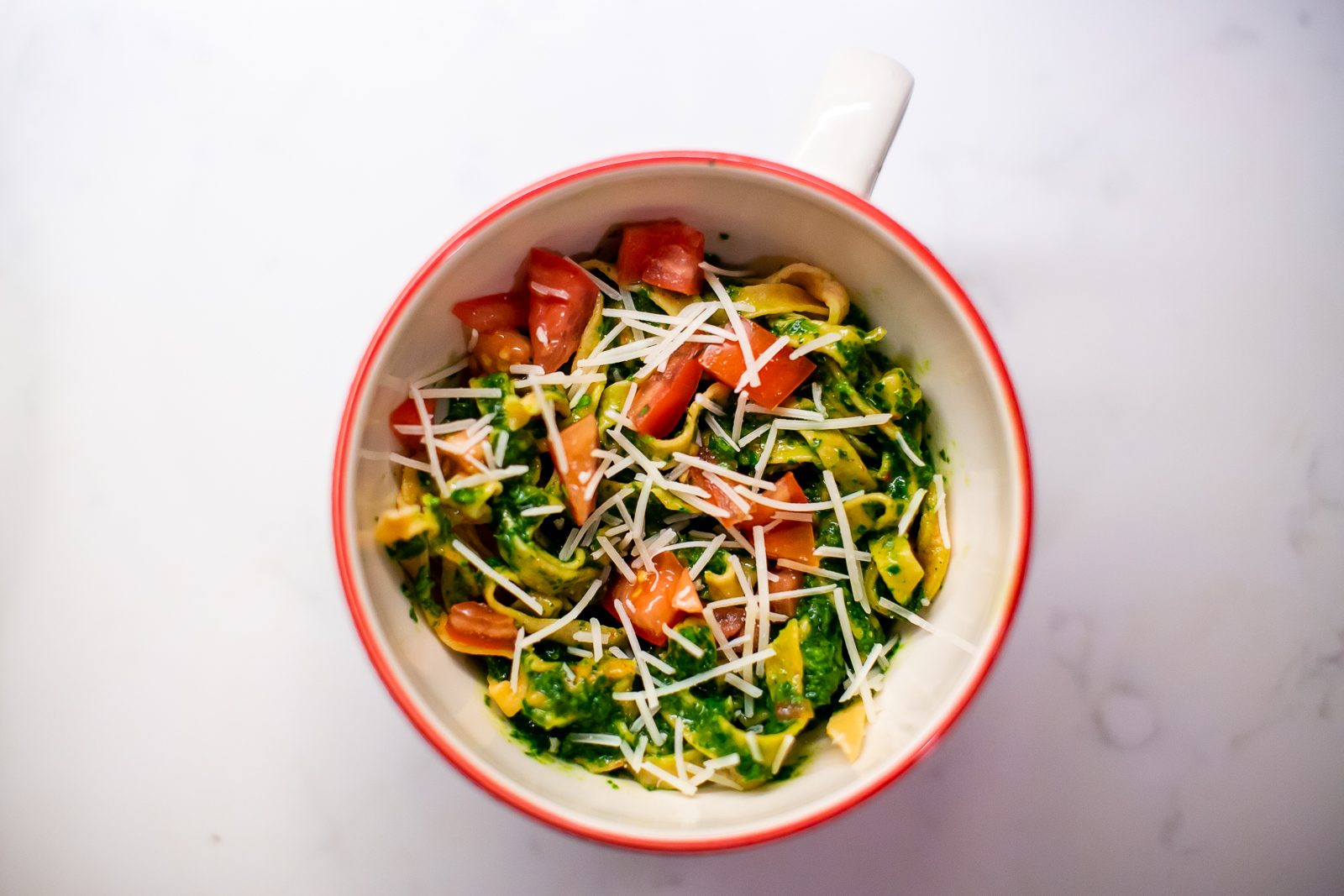
I have a few specific requests regarding the pasta (angel hair pasta cooks differently), the chicken (please make it thin and evenly cooked, not “massive and heroic”), and the lemon (fresh, not lemon cleaning products). Everything else is flexible based on what you have in the pantry.
- Angel hair pasta (capellini): The goal is to achieve the delicate strands that cook quickly. Overcooking is a deal-breaker and can transform elegant to gummy in a blink.
- Chicken breast or cutlets: I enjoy breasts that have been sliced horizontally into thin cutlets. Thighs are also acceptable, though they tend to be richer and less ‘clean’.
- Garlic: There are several options. When sliced, you end up with small sweet, toasted coins, while minced garlic becomes part of the sauce.
- Lemon (zest + juice): The zest brings the perfume; the juice brings the bright pop.
- Olive oil + butter: Oil is used for searing and for the backbone of the sauce, while butter lends more body and provides that beautiful gloss, which helps the sauce cling to the pasta.
- Parmesan: If possible use freshly grated cheese. Pre grated cheese can clump and taste flat, but use it if you have to.
- Parsley (optional but highly recommended): Incorporating this gives a fresh, green lift and makes the bowl look more intentional.
- Red pepper flakes (optional): A slight increase makes the lemon and garlic feel more vibrant.
- Salt + black pepper: Season in layers: chicken, sauce, pasta water.
Master Ratio (Easy To Scale)
- Per 2 servings: 6 oz (170 g) angel hair
- 10 to 12 oz (280 to 340 g) of chicken cutlets/thin-sliced
- 3 tbsp olive oil, divided
- 1 tbsp butter
- 3 to 5 garlic cloves, sliced or minced
- Zest from 1 lemon and 2 to 3 tablespoons of lemon juice (to taste)
- 1/3 cup (approx. 25 to 30 g) grated Parmesan. Extra for serving.
- 1/4 cup chopped parsley (optional)
- 1/2 tsp red pepper flakes (optional)
- 1/2 to 3/4 cup of reserved pasta water (to your preference)
As an illustration, when preparing a meal for 4, you can double all of the ingredients. However, do not double the amount of lemons, as they can vary in flavor. Start by adding the juice from one lemon, toss, and taste. Add more lemon juice if you want.
Ingredient Choices That Change Flavor
This recipe allows for flexibility; however, some replacements may significantly alter the result. Below are the names I can recognize at the table.
| Choice | Best For | Flavor/Texture Effect | Notes |
|---|---|---|---|
| Chicken breast cutlets | Fast weeknights, clean flavor | Lean, mild, lets lemon-garlic lead | Slice thin so it cooks before it dries out. |
| Boneless chicken thighs | Richer, more forgiving meat | Juicier, deeper savory note | Cook a bit longer; trim excess fat if you dislike richness. |
| White wine (splash) instead of extra pasta water | More “restaurant” feel | Sharper, aromatic sauce | Reduce briefly before adding pasta water, or it stays boozy. |
| Butter-heavy (2 to 3 tbsp) vs. olive-oil-forward | Comfort vs. brightness | More silk and richness vs. lighter, fruitier finish | I like a 3:1 oil-to-butter ratio for balance. |
| Parmesan vs. Pecorino Romano | Nutty vs. punchy | Parmesan is round; Pecorino is saltier and sharper | If using Pecorino, dial back salt until the end. |
Optional Add-Ins (When You Want More Than “Simple”)
- Capers: Briny pops that play well with lemon.
- Baby spinach or arugula: Toss it in at the end so it just wilts.
- Cherry tomatoes: When halved and blistered, they turn the sauce pleasantly jammy.
- Mushrooms: For a more complex flavor, you may also choose to brown the items.
Instructions
The order of the steps in the recipe is important due to the cooking time of angel hair pasta. It is best to prepare the sauce and chicken first, then incorporate the pasta.
1) Get the chicken and aromatics ready. Dry the chicken. If you have chicken breasts, slice them into cutlets (or pound them to an even thickness). Season with salt and black pepper. Mince the garlic and juice the lemon (do this before you discard the spent lemon). If using, chop the parsley.
2) Let’s start with the pasta water. Take a large pot and fill it with water. Place the pot on the heat and bring the water to a rolling boil. Once the water starts to boil, add some salt. I may not be getting poetic on this, but salt in the boiling water is what makes the difference between fine and “why is this so good?”
3) Achieve a nice sear on the chicken.
4) Prepare the garlic-lemon base. Turn the heat to medium. Add the last tablespoon of olive oil with the butter. When the butter is fully melted, add the garlic and the optional red pepper flakes. While cooking, stir constantly until fragrant and the mixture is light golden, about 30 to 90 seconds. If the mixture starts to smell strange, remove the pan from the heat for a moment. Garlic can go from fragrant to bitter quickly.
5) Cook the angel hair pasta.
6) Toss and emulsify. If you don’t know how to do this, take the drained pasta and put it directly into the skillet. Add the zest from the lemon, 2 tablespoons of the lemon juice, and about 1/2 cup of the water you used to boil the pasta. Using the tongs, toss for about 30 to 60 seconds. The ideal result is that the strands are coated with a thin layer of sauce that glistens. If they look dry, you can continue to slowly add more of the pasta water.
7) To enjoy this meal even more, add cheese! Once you’ve removed the skillet from the heat, add the Parmesan cheese, and toss again. Feel free to adjust the taste to your preference by adding more lemon juice to increase brightness, more salt for sharper flavor, more pepper for more spice, and a splash of pasta water for a nice silky texture. (As for heat, very high temperatures can cause the cheese to clump and the sauce will become grainy).
8) Begin serving after slicing the chicken.
Riffs That Work
- Creamy lemon-garlic: After the garlic, add 1/4 cup of heavy cream and then loosen it up with the reserved pasta cooking water. Keep the lemon flavor strong so the dish doesn’t venture into “alfredo territory.”
- Piccata-ish: Add 1 to 2 tablespoons of capers, and a small spoonful of caper brine, to the lemon juice.
- Tomato burst: After the garlic, add the halved cherry tomatoes and sauté until they slump and blister, then continue.
- Herb garden: Including basil and chives in addition to parsley gives the concoction the flavor of having a window box that you most certainly do not have.
- Spicy: Add 1 teaspoon of red pepper flakes and finish off with chili oil.
- Gluten-free: Be careful while cooking as the gluten free pasta can overcook and turn from perfect to disgusting paste very quickly. You are going to want to use thin gluten-free spaghetti, like an angel hair style spaghetti.

Good Company for This Dish
- Salad: Arugula salad with shaved fennel, lemon, and olive oil. These peppery greens are great with this pasta.
- Vegetable side: Broccolini or asparagus roasted until tender with lemon juice and flaky sea salt.
- Bread: Crusty bread for mopping the glossy bits left in the bowl (my favorite part, quietly).
- Wine: Crisp white wines such as Pinot Grigio, Vermentino, Sauvignon Blanc or opt for a dry sparkling wine if you wish to feel posh.
- Non-alcoholic: Iced sparkling water, with added lemon peel and a little bit of salt, might sound like a hassle. It’s really not hard to make and it’s great.
- Finishers: Lemon zest, Parmesan cheese, and toasted breadcrumbs for crunch will be at the table for your enjoyment.
When Things Go Sideways
- My angel hair clumped: The water likely was not boiling or you failed to stir it during the first 20 seconds. Additionally, do not let the pasta sit in the colander. Transfer it directly to the sauce.
- The pasta went mushy: Overcooking by even a minute is easy. Cook the pasta just shy of al dente and let it finish in the skillet with the sauce.
- The sauce looks oily, not glossy: More pasta water and you need to toss it more. The starch and agitation is what brings it together.
- The garlic tastes bitter: It has over-browned. Next time you can either lower the heat or pull the pan off the burner once you start to smell it. Garlic burns easily.
- The chicken is dry: If you’re using thick breasts, pounding the meat will help. Otherwise, switch to thighs.
- It tastes flat: Add salt first, then lemon. People tend to add lemon, but a pinch of salt often “turns on the lights.”
- Cheese clumped: When the heat is off, add the parmesan and toss quickly. If the cheese clumps, add a splash of the hot pasta water and keep tossing until the cheese becomes smooth.
- Make it less messy: Use tongs and a large skillet. Angel hair pasta will go airborne and try to escape.
Nutrition and Storage Notes
This dinner has good components as it includes lean protein from the chicken. Additionally, there are healthy fats from the olive oil as well as some butter and a little bit of cheese. You may think there is a small portion of angel hair pasta, but when you eat from the bowl, it can cause you to eat more than you should. If you want to make it more “weeknight sensible”, add a large amount of spinach, arugula, or another type of green, or eat it with a crunchy salad.
Fresh pasta is the best option for more storage options. Angel hair pasta is not meant to sit. Any unused portions should be kept in an airtight container and consumed within three days. When the time comes to reheat the pasta, add some water (or broth) to the pan with the pasta and stir slowly to loosen the noodles.
You can also use the microwave to reheat the pasta, but this may make the noodles a little soggy. If the leftover pasta is cold from the fridge, it isn’t horrible with some lemon and pepper. The leftovers do have somewhat of a “I have a desk job and you wouldn’t understand” kind of vibe.

Real Runs of This Recipe
The first thing that came to mind when my friend texted “I’m nearby” was my kitchen, where I had some pasta, some chicken, and a couple of lemons. You could think this is pretty judgemental, and that would be fair. Regardless, I set out to make the dish, and I even added capers I had no reason for.
I brought out some warmed bowls (I warmed it for a dramatic 5 seconds under hot water). She asked for the “recipe” like it was a huge secret, which is a really nice thing to say. It means she is under the impression that I have been hiding some skill.
The encore: I got a little too confident and tossed the parmesan into the pan that I had just finished heating up. It still formed some odd clumps of cheese pearls, which weren’t ruined, just changed. I did learn my lesson as the dish was salvaged with some hot pasta water and a lot of tossing. Cheese will always go off the heat. It’s clear that certain rules are only memorable once you break them.
The Before-You-Cook Rundown
- Slice chicken into thin cutlets; season well.
- Boil water and salt it generously.
- Cook the chicken until it is golden brown, then place it on a resting plate.
- Toast garlic briefly in oil and butter (do not brown it too much).
- Cook the angel hair, under cooking it by a couple minutes; set aside one cup of the water used to boil the pasta.
- Combine pasta with lemon zest, lemon juice, and pasta water in the skillet and toss until a glossy finish is achieved.
- Remove the pot from the heat, add the Parmesan cheese, toss, and then check the seasoning.
- Cut the chicken and serve it with parsley, additional cheese, and pepper.
Words You’ll See Above
- Al dente: Pasta that is cooked properly but retains a slight pleasant crunch.
- Emulsify: To emulsify fat and water into a smooth, uniform sauce (in this case: oil/butter + starchy pasta water).
- Deglaze (lightly): In this recipe, the pasta water and lemon will be the liquid used to loosen the browned bits from the pan.
- Carryover cooking: Food keeps cooking after it is taken off the heat. In particular, chicken is better after resting for a while.
- Zest: The outer yellow section of the lemon peel which is fragrant and is different from the juice.
- Against the grain: Cutting the meat against the direction of the muscle fibers will help make it more tender.
Common Questions
Is angel hair an acceptable substitute for regular spaghetti? Yes, while spaghetti is more structured, angel hair is more forgiving and is less likely to overcook. However, other than the silky mouthfeel, overcooked angel hair will lose the texture and bite associated with spaghetti. If you boil for longer than the instructed time on the package, you may need to add a little more pasta water to get the same shine.
How can I prevent angel hair from overcooking? The ideal way to prepare this is to keep it cooking the longest. When the cooking time is up on the instructions, take it off the heat and put it to the side until the rest of your food is finished. Do not walk away from the stove, because it is extremely easy to overcook this. It is fair to say that this dish punishes optimism.
Can I do this in advance? Yes! You can pre-cut and pre-marinate the chicken, and you can also pre-chop the garlic and parsley, as well as pre-zest and juice the lemon. For best texture, you should cook the pasta last minute and toss it before serving.
What can I use instead of Parmesan? You may consider Pecorino Romano as a substitute cheese, though your dish will be considerably saltier and sharper than with Parmesan. Grana Padano is the cheese that comes closest to Parmesan. In the interest of expediency, you can skip the cheese altogether and complete the dish with a splash more of olive oil, a little lemon zest, and possibly some toasted breadcrumbs for added crunch.
Is the butter necessary? While this is not strictly necessary, it helps the sauce coat the pasta better and also mellows some of the brightness from the lemon. If you want to skip this step, you can use more olive oil and be more liberal with the pasta water, and mix it more.
How much lemon is the “correct” amount? To begin, use slightly less than you think is necessary, then taste and adjust. In all likelihood, you will want more brightness than acidity. Lemon is a balancing act, but the parmesan and pasta water will help to soften it.
Before You Go
A great example of a low effort, high impact meal is chicken and angel hair pasta. Remember this helpful trick when cooking this dish: thinly slice the chicken; go easy on the garlic; cook the pasta to just under al dente; and make sure the sauce is glossy (you may want to reserve some starch water for this). It’s quick and comforting, giving you an odd sense that dinner has gone to plan.
