
I have to admit, ordering a salad at Olive Garden just for the dressing can be considered a bit embarrassing. The dressing is definitely the best part. The salad greens are mediocre, croutons are fine, and the dressing is just creamy and tangy enough.
I can understand how such a dressing can convince people to become “salad people.” I wanted that dressing to be at home, because it is sharp and creamy with the right amount of heaviness. The dressing has a salty quality and it clings to the lettuce like it means it.
This imitation recipe for Olive Garden salad dressing uses common grocery store ingredients, and comes very close to the actual recipe. It’s not about some secret ingredient. It’s all about balance. The right amount of acid makes everything pop while the added fat rounds it out.
The sweetness helps tame the vinegar and the combination of Parmesan cheese and Italian seasonings gives the dressing that signature taste. It is accurate to say that the dressing will taste better after it has been refrigerated.
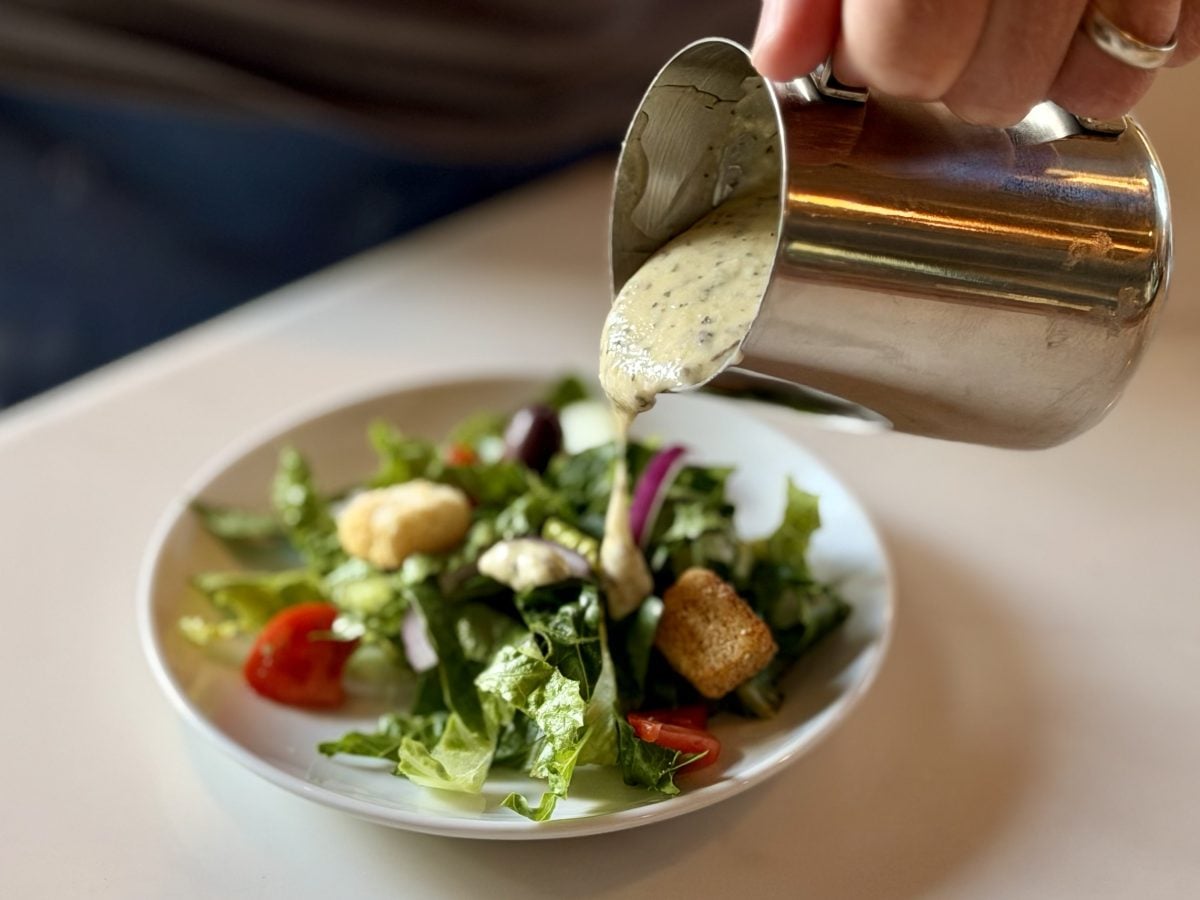
Before You Start: The Gist
- What you’re making: Italian style dressing inspired by Olive Garden with a creamy-tangy flavor and Parmesan cheese as the focus.
- Why it works: Combined mayonnaise and oil create a stable and sticky emulsion while vinegar and lemon add brightness and acidity. The cheese and Italian seasoning make it taste like a restaurant.
- Time: Mix for 5 to 10 minutes and refrigerate for 30 minutes for optimal results (but can be used immediately).
- Flavor profile: A tangy flavor that is complemented by subtle sweetness, garlic, and herbs, along with a salty finish from the Parmesan and a gentle peppery kick.
- Key tips: Use grated Parmesan, not the big shreds. Start with less vinegar and adjust, and shake/ whisk vigorously to emulsify the dressing.
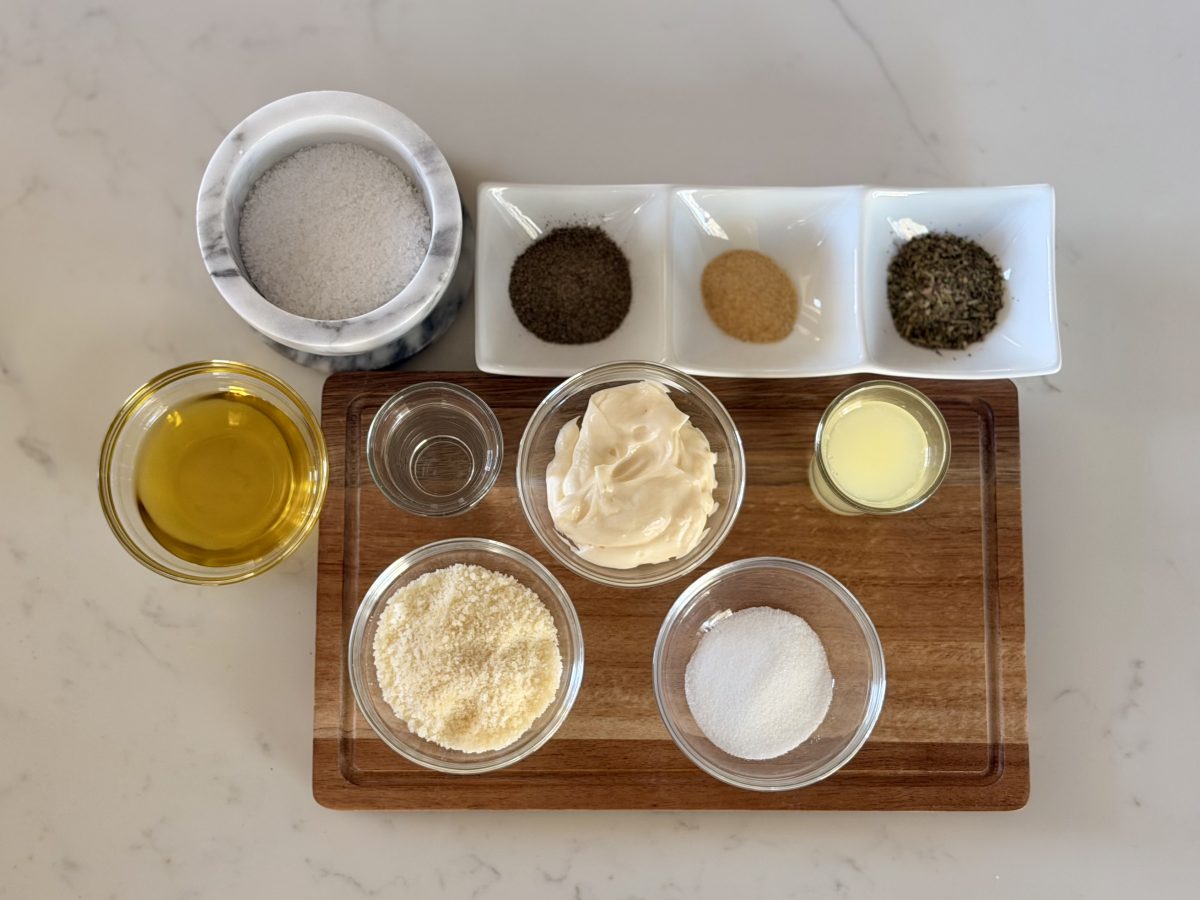
Ingredients
- 1/2 cup mayonnaise
- 1/4 cup olive oil, preferably light olive oil
- 1 tablespoon white vinegar
- 1 tablespoon fresh lemon juice
- 2 tablespoons finely grated Parmesan cheese
- 1 1/2 teaspoons Italian seasoning
- 1 teaspoon sugar
- 1/2 teaspoon garlic powder
- 1/2 teaspoon onion powder
- 3/4 teaspoon kosher salt, or 1/2 teaspoon fine salt, plus more to taste
- 1/4 teaspoon freshly ground black pepper, plus more to taste
- Optional: 1 teaspoon Dijon mustard
- Optional: 1-2 tablespoons water, for a thinner, more pourable consistency
Instructions
1) Make the base. In a medium bowl (or a jar with a tight lid), combine mayonnaise, Parmesan cheese, Italian seasoning, sugar, garlic powder, onion powder, salt, pepper, and (if using) Dijon mustard.
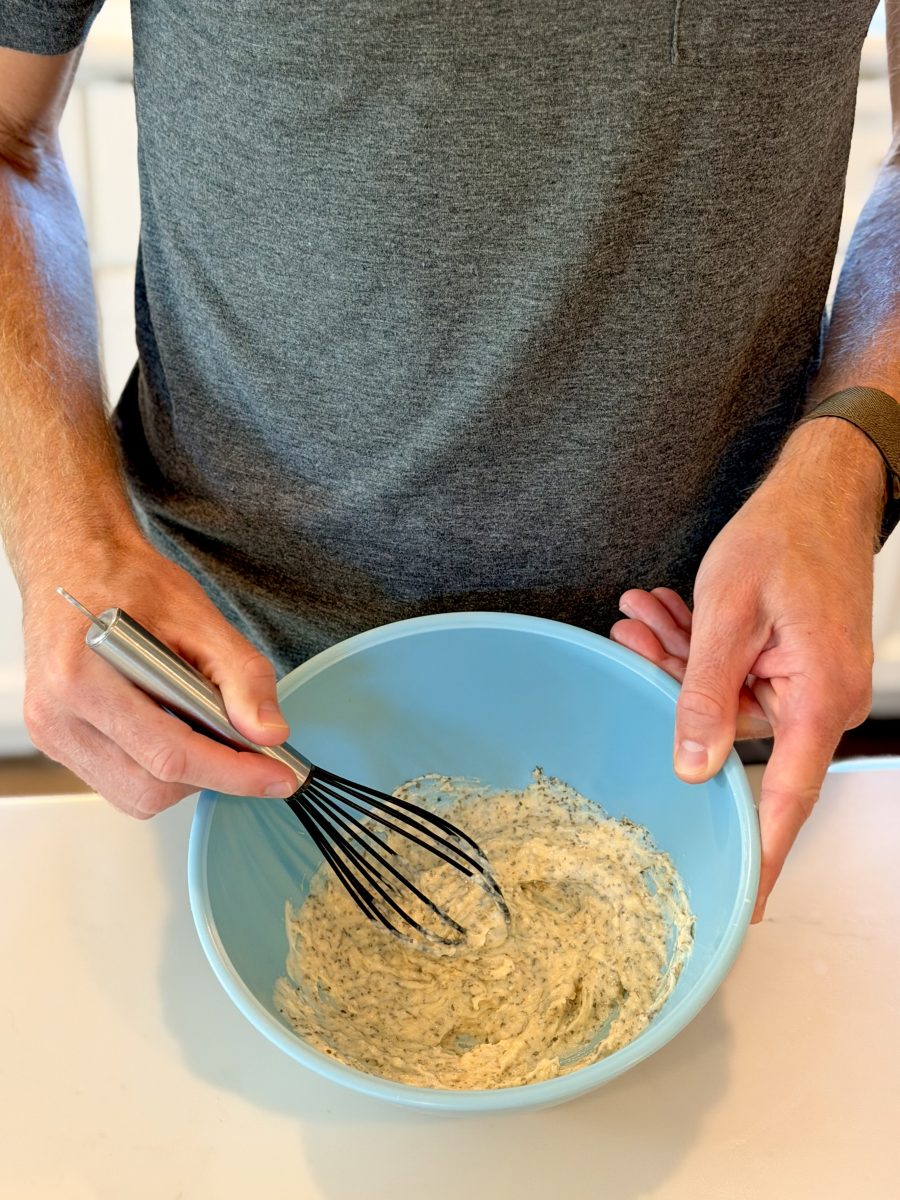
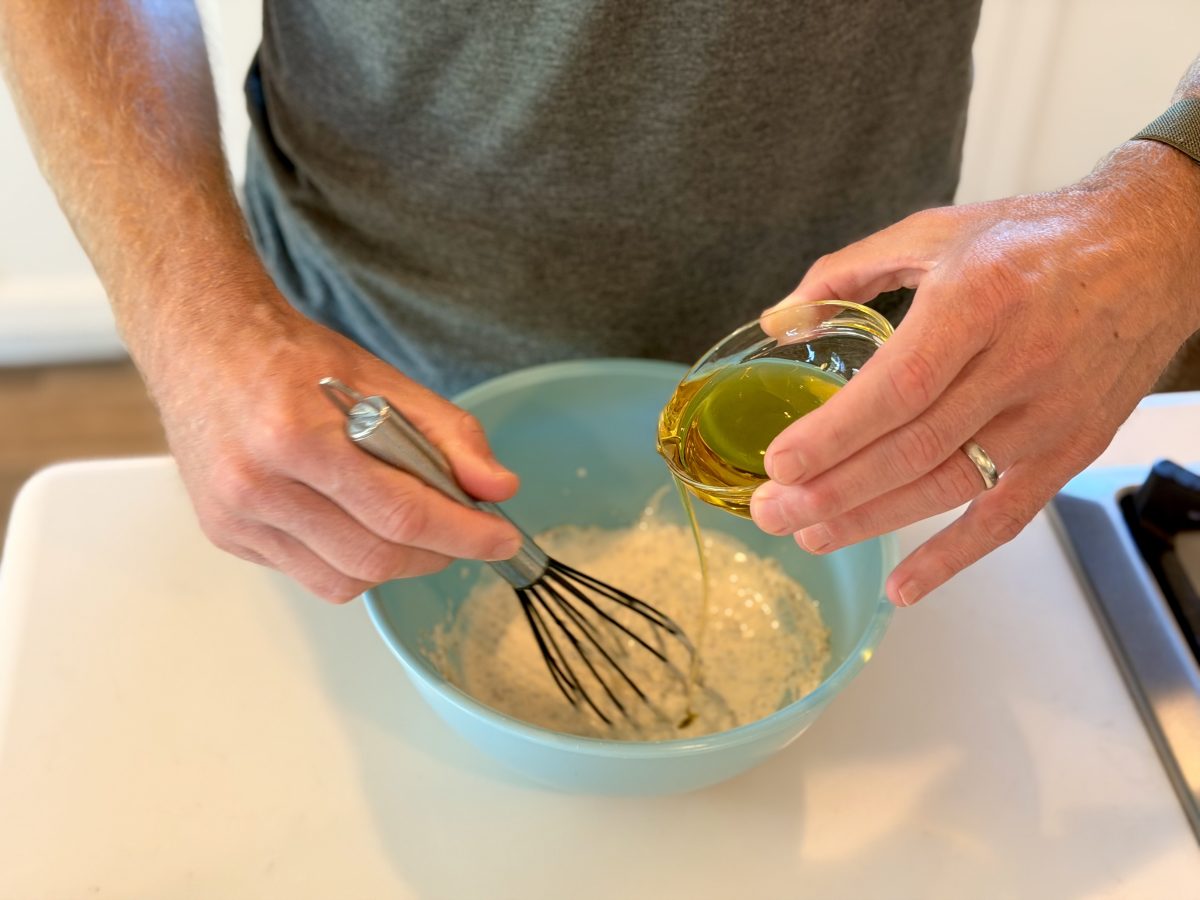
2) Mix until the mayonnaise has incorporated with the cheese and the mixture is uniformly speckled with herbs. Add in the olive oil, and combine until everything is fully mixed together.
Actual Runs of this Recipe
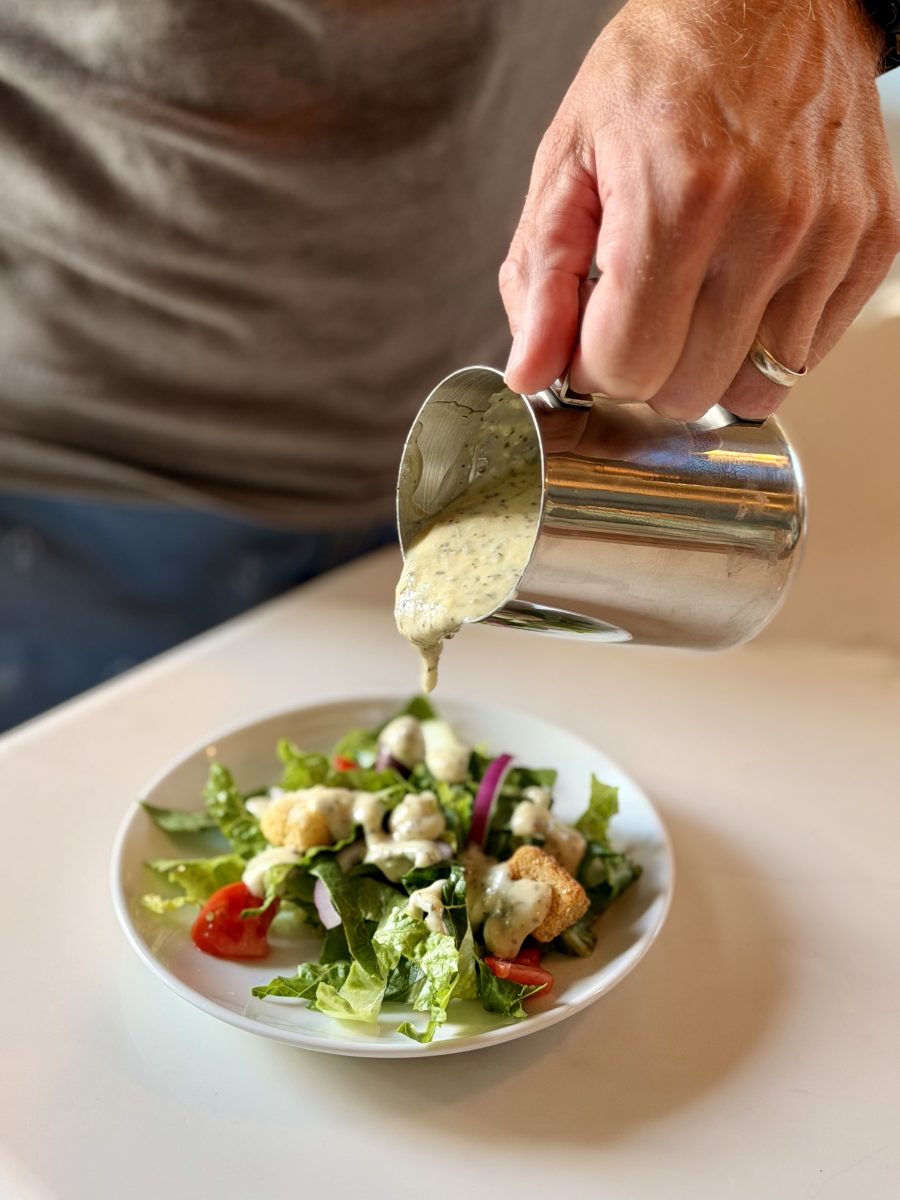
I made a salad on Tuesday with the usual ingredients (romaine, carrot, red onion, and pepperoncini) and I packed the dressing in a little jar. My family casually began “sampling” the salad and its croutons. Almost half the jar had been consumed, and the salad still had not been tossed, ten minutes later. That’s how I knew I’d gotten it right.
On another occasion, I got a little too adventurous and used fancy peppery extra-virgin olive oil. I do not mean to be rude but the dressing still tasted good however it did not taste like Olive Garden anymore. It seems like I had quite a few opinions on that. Try being conservative with the oil if you want the real copycat effect, and let the seasoning do its thing.
The Brief Version
- Use a 2:1:1/2 ratio for mayo, oil, vinegar and lemon.
- Mix the mayo with the dry spices first (more even distribution and less clumping).
- Whisk in the acids and then drizzle in the oil while whisking to emulsify.
- If you want a pourable consistency, thin it with 1-2 tablespoons of water.
It’s very close. People usually continue eating and cease to inquire. The variation in mayonnaise, your vinegar’s sharpness, and your parmesan’s saltiness lead to minor differences.
Typically, this style uses mayonnaise, but if you’d rather not use that, a standard vinaigrette (which is oil and vinegar with some seasoning) will work, or if you prefer a creamier option, you could use Greek yogurt, just be aware this will increase the tang and will give it a more homemade ranch flavor.
Common Questions I Get
What is the purpose of combining vinegar and lemon? Vinegar adds that typical “bottled dressing” sourness while lemon brings a more refreshing and vibrant flavor. When used individually, they tend to taste more like the homemade version than the restaurant version.
My dressing is too salty: is there a way to rectify this? You may also include a little more mayonnaise (and a little more oil to maintain the balance), and a bit of lemon to keep it fresh. To minimize the salty taste, you can thin it with water. Next time, be a little more cautious when adding salt as Parmesan has sneaky-salty qualities.
Can I use a blender? Yes. A miniature blender or immersion blender creates a very smooth dressing quickly. Just don’t go too far with the oil if it is particularly peppery; the bitterness may become more pronounced when combined.
How long should it be chilled? A half-hour is the optimum duration for the herbs to become tender and the flavours to meld. It’s even better to make the salad the night before, but if the salad mood strikes you, it’s perfectly fine to go immediately.
Final Thoughts
After you make this recipe, you’ll feel as if you’ve been missing out by not making it sooner.
If I have a jar in the fridge, it makes having a salad during the week a more tolerable experience. You are not the only one who has dipped croutons in the container with the fridge door still open.
