The first time I was asked to have someone’s eggs “over medium,” I pretended like I understood what that meant and ended up giving them something that resembled a rubber disc. For years, I thought the phrases sunny side up, over easy, and over medium were some type of secret code. They aren’t. Once you know what is going on in the pan, the menu really just comes down to two questions: are the whites set and how wobbly is the yolk?
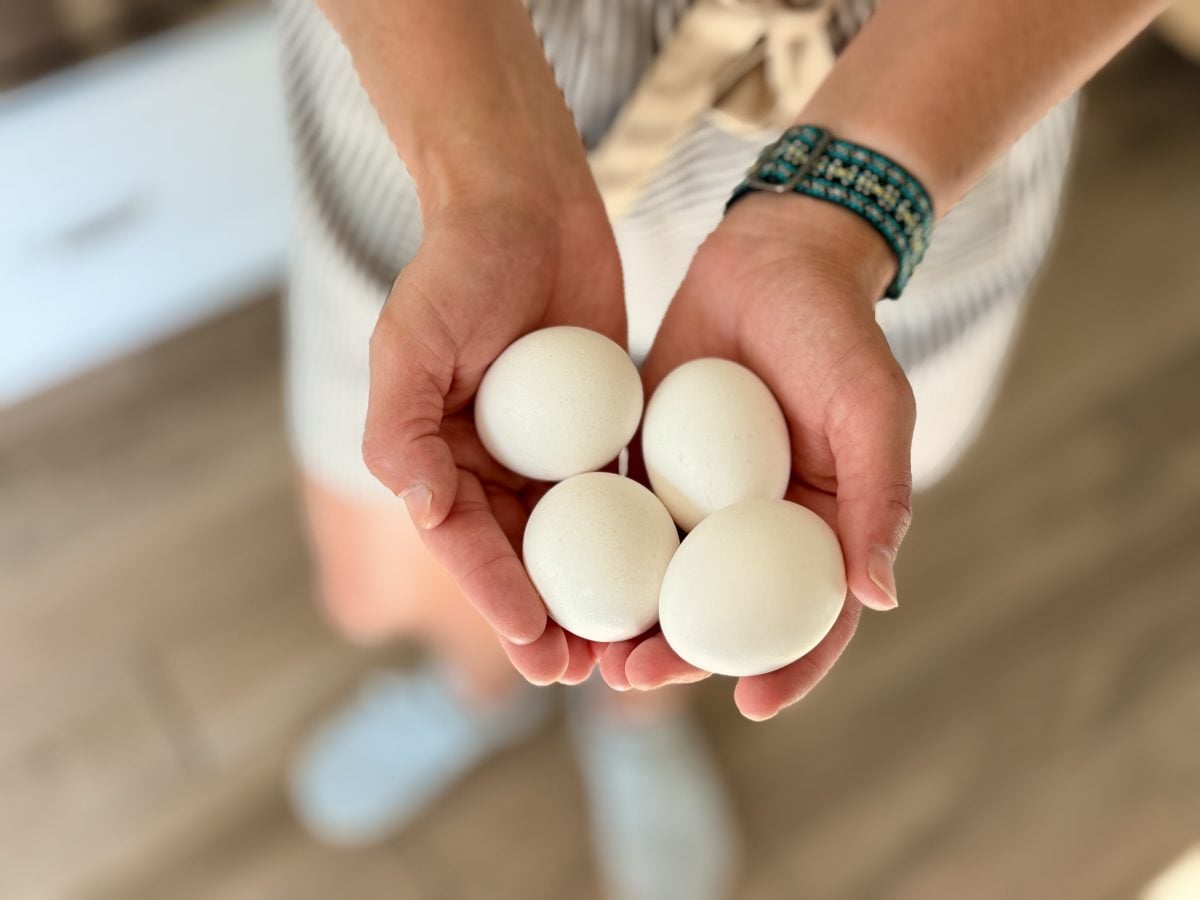
The answer hinges on that second question. While egg whites and egg yolks solidify at different temperatures, it is possible to have completely firm whites while the yolk is still liquid.
As cooks continue to prepare the egg, the yolk transitions from a runny state to a jelly-like state and then ultimately to a solid state. Each of the styles listed below is simply a different cooking duration along that yolk consistency continuum.
| Style | After the whites set | Yolk | Tell |
|---|---|---|---|
| Sunny side up | Don’t flip; cover to steam the top | Runny | Bright dome, never turned over |
| Over easy | Flip for just a few seconds | Runny | Light browning, cooked both sides |
| Over medium | Flip until the top barely wobbles | Jellied, not flowing | Set through, custardy center |
Over hard, fully cooked yolks, is one style to skip here. As Nathaniel says in the video, you don’t really need a guide for that one.

Get the whites and yolk right
A few small moves make all three styles easier. Let’s go through the setup for these.
The setup
- Crack each egg into a ramekin first. It keeps the yolk centered and catches any stray shell, so you place the egg instead of dropping it.
- Let the pan come up to a steady medium heat before the egg goes in, so the white sets on contact instead of spreading thin. The pan is about 160°F when the egg goes down.
- Egg whites set around 150°F, before the yolk does (about 158°F), which is exactly why you can get firm whites and a runny yolk. A whole egg is fully set near 165°F. To finish the top of a sunny side up without flipping, cover the pan to trap steam, and a few drops of water help.
- Judge doneness by the yolk’s wobble, not the clock.
How the Wobble Test Works
Eggs are made of surfaces and insides that do different things at different temperatures. When the eggs are cooked, the whites and yolks will be set at different times. So when you look at the surface of your cooking eggs, you know what’s happening inside.
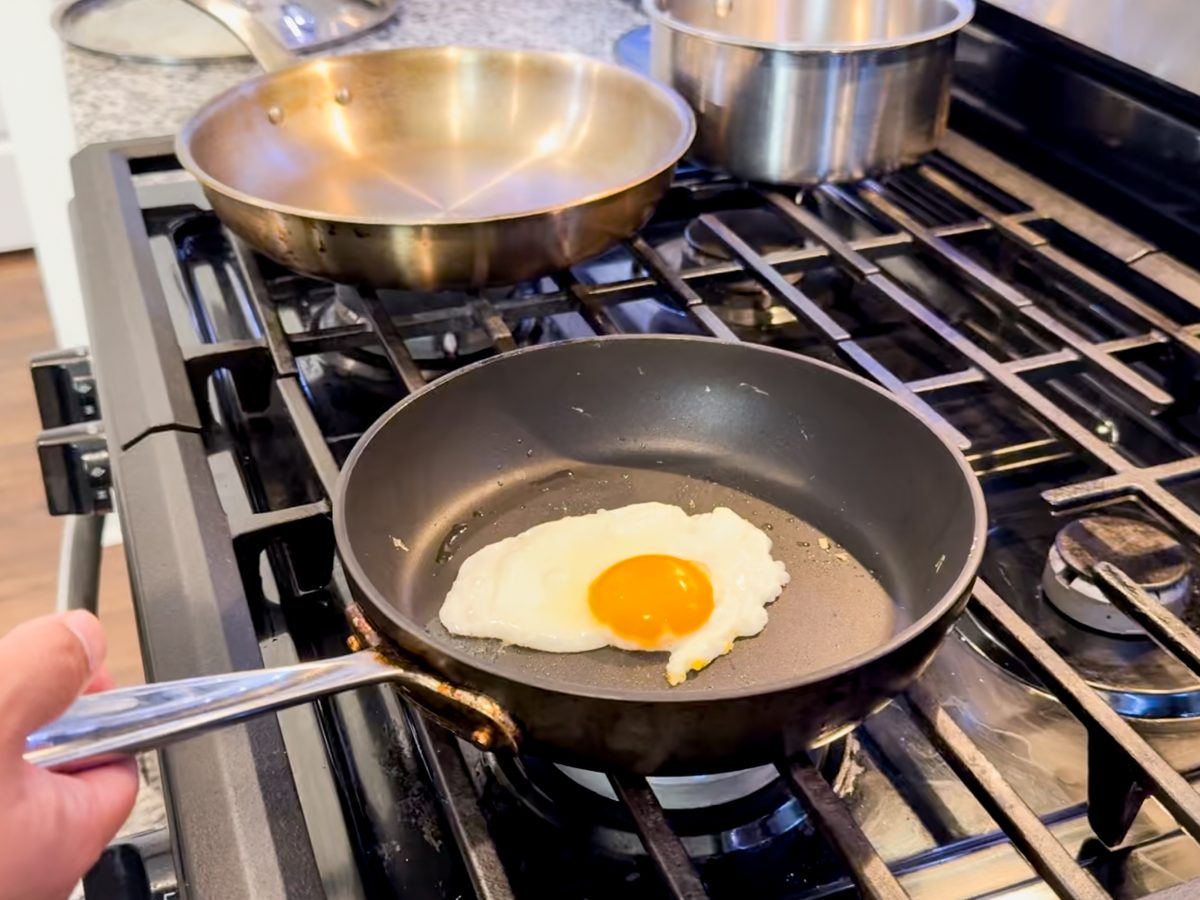
One gentle shake of your pan is all the checking for doneness you need. If the yolk is loose and jiggly, it is considered runny. If it quivers, like firm custard, not loose jelly and not solid, then it is considered over medium.
Once the egg whites are set, you have to make a decision of how you want to finish it. You can leave it and steam the top so it is sunny-side up, you can flip it for a few seconds so it is over easy, or you can flip it until the wobble stops for over medium.
We want the egg whites to be fully set and the yolk to be nicely wobbly.
Nathaniel, HomeViable
Next time someone orders eggs a certain way, you don’t need a code book. When the whites are set, you read the yolk. The wobble tells you everything. Where you stop is the only difference between one style and the next.