
I admit that there are times when I want to ‘cook’ just to do it for fun. Ina Garten’s roast chicken is my favorite kind of kitchen theater: minimal fuss, maximal aroma, and that crisp-skinned, lemony, herby payoff that makes everyone wander in and “just check” what’s happening in the oven. Regardless of what you call this kind of dinner, it always boosts your confidence a little.
I’m about to get into some aggressive-approach seasoned-meal chicken cooking, but first, what makes “good” chicken? Well, good chicken is seasoned with a purpose, kept in the oven for an hour so that it becomes juicy, and takes on a nice skin color, dark brown, almost leather looking. This chicken includes lemon, some garlic, and right before it goes in the oven, we toss in a ton of different onions. That might look like a lot of germs but trust the process.\nThe skin, the salt, the drippings, and how they transform the onions… The transformed onions become a dish and while you eat, I’ll be standing at the stove, sampling away with the oven door opened.

At a Glance
- Ina Garten’s Roast Chicken,, short and straight: Ina Garten-style roast chicken with lemon, garlic, herbs, and onions: simple, deeply savory, and faintly glamorous.
- Why it works: High heat + dry skin = crackly, bronzed skin; lemon/garlic/herbs perfume the meat; onions act like an edible roasting rack and soak up drippings.
- Timing: 10–15 minutes prep, 75–90 minutes roasting (plus 10–20 minutes rest).
- Flavor profile: Salty, buttery, citrusy, herby; the pan juices taste like concentrated chicken soup in sauce form.
- Key tips: Dry the chicken well, salt it generously, don’t crowd the pan, and rest before carving so the juices stay put.
Ingredients
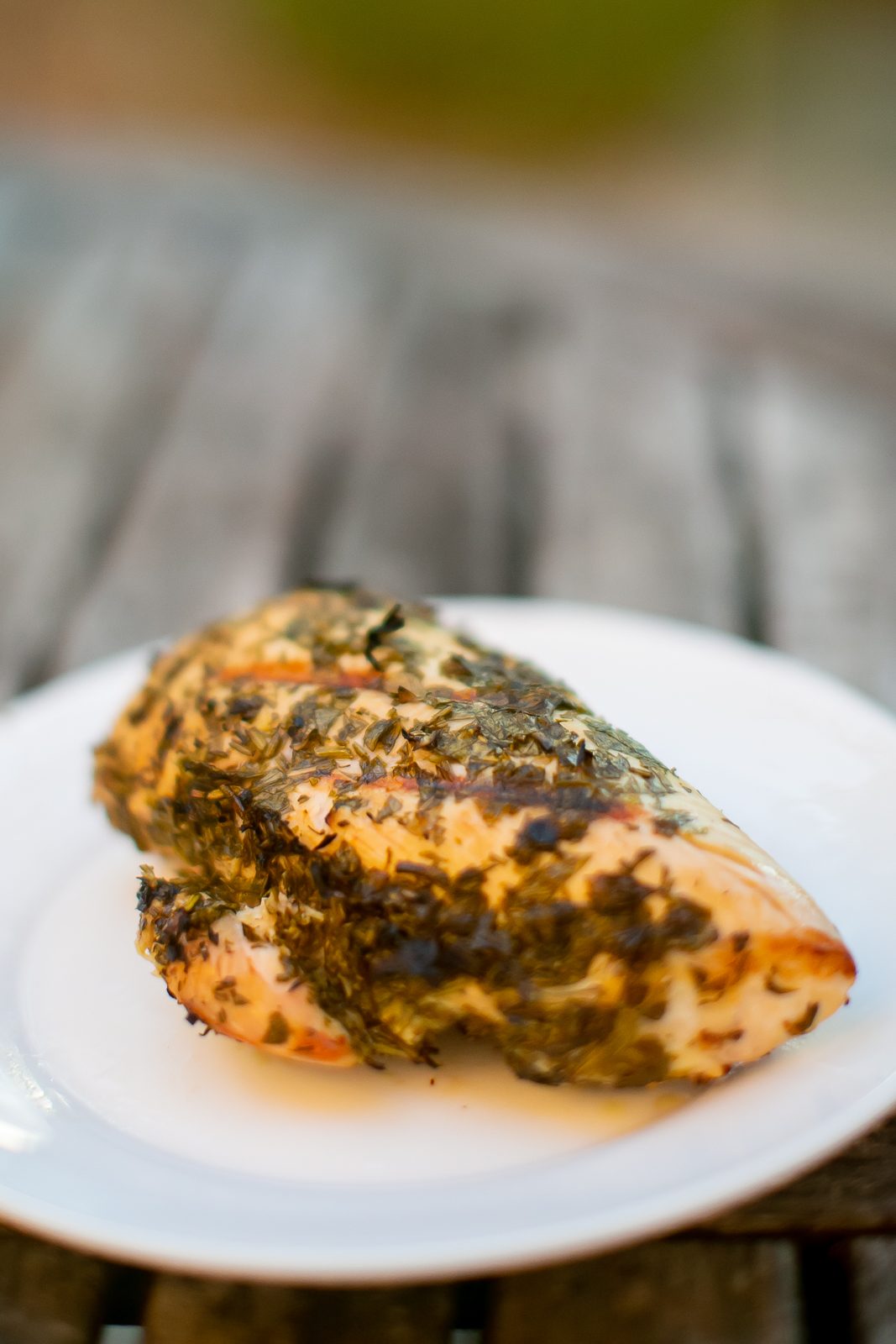
***The chicken:*** Take a whole chicken that weighs between 4 to 6 lbs. This range has its advantages. The larger ones take longer to cook, but you have more ‘protection’ from drying out. The smaller ones are less forgiving, as they can go from juicy to dry ‘oops’ in an instant. If you can find air chilled chicken, go for that as the skin will crisp up a lot better.
**Salt, fats and aromatics:** the recipe demonstrates craft in the art of seasoning. Because kosher salt is less salty by volume compared to table salt, it is easier to sprinkle. Butter is the most common option, but using olive oil is a cleaner option. The only thing that is important in my opinion is butter. Beyond the lemons and garlic, which are the most prominent, thyme contributes a delicate, pine-like aroma.
Master Ratio (Easy To Scale)
- 1 whole chicken (4–6 lb)
- 1 lemon (halved)
- 1 head garlic (cut in half crosswise)
- 1 large onion (thick slices)
- 2–3 tbsp fat (butter, olive oil, or a mix)
- 1–1 1/2 tbsp kosher salt (Diamond Crystal; use less if Morton’s)
- 1–2 tsp black pepper
- Fresh thyme (8–12 sprigs) or other woody herbs
For this recipe, I use 2 tablespoons of softened butter, 1 and 1/4 tablespoons of diamond crystal kosher salt, and for a pinch of additional seasoning, I include pepper and thyme. Additionally, I use 1 lemon, 1 head of garlic, 1 large onion, and for some added flavor I drizzle olive oil.
Ingredient Choices That Change Flavor
| Choice | What it changes | My take |
|---|---|---|
| Butter vs olive oil | Butter gives deeper browning and a richer, “Sunday dinner” vibe; oil is cleaner, a little sharper. | Butter for guests. Oil if I’m also making a buttery side and don’t want the whole meal to be dairy-forward. |
| Thyme vs rosemary | Thyme is gentle and classic; rosemary is louder, more resinous. | If you’re serving people who “don’t like herbs,” thyme is the stealth option. |
| Lemon vs orange | Lemon is bright and traditional; orange gives a sweeter, softer citrus note. | Orange is lovely in winter, especially with a pinch of fennel seed in the pan. |
| Onions vs leeks | Onions caramelize and get jammy; leeks melt into silky sweetness. | Leeks feel fancy but can scorch: add a splash of broth if they’re browning too fast. |
| Whole chicken vs spatchcocked | Whole is classic and dramatic; spatchcocked cooks faster and more evenly. | Whole for the Ina spirit. Spatchcock for weeknights and crisp skin everywhere. |
Optional (But Very Ina) Finishing Touches
- Fresh parsley for a clean, green finish
- A little chicken stock or white wine to deglaze the pan and stretch the juices into a spoonable sauce
- Kitchen twine (helpful, not sacred)
Instructions
To start, you need to set the oven to 425°F (220°C) with one of the racks in the middle of the oven. While waiting for the oven to heat up, grab your heavy-duty roasting pan (or a large cast iron skillet) and some thick slices of onion. Place the onions at the bottom of the pan. This will create a bed for the chicken and help to prevent the chicken from sticking to the bottom of the pan. In the end, the caramelized onions will be a tasty treat!!
**2) Confirm the chicken is dry.**
To begin, remove all the insides and dry off the chicken inside and out with paper towels. (I know some people find it ridiculous to dry off a small animal, but the chicken having dry and crispy skin is extremely important.)
3) Add kosher salt and some pepper to the chicken on both the outside and the inside. Place lemons cut in half, halved garlic heads, and some thyme in the cavity of the chicken. Seasoning the outside is all up to you. If you want to put some butter on, rub some soft butter on the skin (the chest, the legs, and the back) and that’s it. With **olive oil**, just do a drizzle and then spread it with your fingers. For the breasts, if you want to do more for the first time, you can very carefully pull the breast skin back and put some butter and thyme there. If you don’t want to do that, you can do something else with it. The chicken will still taste good.
4) Optional: **tie, place, and roast.** If you want to keep the bird looking nice, you can use kitchen twine to tie the legs. Place the chicken breast-side up on the onions. Depending on the size of the roast, the cooking times will vary, ranging from 75 minutes to 90 minutes. When time is up, check to see if the meat’s juices run clear and the meat has become a dark reddish-brown color on the outside. We suggest using a thermometer. To do this, try to find the semi thickest area of the thigh (do not hit bone) and try to get it to 160-165. If it starts to brown before the baking time is up, cover the top with foil.
Now take a deep breath and try to be patient. After you’re through with the chicken, you need to let it rest on the cutting board for 10 to 20 minutes. This isn’t a superstition that chefs believe; it needs to rest so all the juice doesn’t pour out onto your board. When you slice the chicken, include the onions and the juices from the pan. If your pan is looking nice and dark (and sticky) you wanna put it over the medium heat on the stovetop and add a little bit of stock or white wine to it. You’ll need to add some sauce to it, but you have to scrape the bottom of the pan to get all the good bits because that’s what makes the sauce so amazing.
Ways to Riff on Ina Garten’s Roast Chicken,
- Spatchcocked “faster Ina”: Remove the backbone, flatten the bird, roast at 425°F for about 45–60 minutes. Crisp skin everywhere.
- Herb swap: Rosemary + sage for a more wintry roast; oregano for a Mediterranean edge.
- Citrus trio: Use lemon plus a few wedges of orange in the cavity for a softer, rounder aroma.
- Veg undercarriage: Add carrots and fennel with the onions; they’ll roast in chicken drippings and taste like they had a better childhood than the rest of us.
- Mustard-butter skin: Mix 1 tbsp Dijon into the butter; it doesn’t shout “mustard,” it whispers “restaurant.”

Good Company for This Dish
- Crisp roasted potatoes (tossed in some of the chicken fat: yes, do it)
- Simple green salad with a sharp vinaigrette to cut the richness
- Butter-braised green beans or blistered haricots verts with lemon
- Creamy polenta to catch the pan juices like a sponge with manners
- Warm bread for swiping the oniony drippings (no shame)
- Wine: Chardonnay (if you like it a little plush), Sauvignon Blanc (if you want snap), or a light Pinot Noir
If Something Looks Off
- Skin not crisping? The chicken wasn’t dry enough, or the oven runs cool. Next time, pat drier and consider air-drying uncovered in the fridge for 8–24 hours.
- Breast dry, thighs fine? Pull the bird when the breast hits ~155–160°F and let carryover finish it; or try spatchcocking for even doneness.
- Bottom getting too dark? Add 1/2 cup stock or water to the pan after the first 30 minutes, especially if your roasting pan is thin.
- Onions scorching? Slice them thicker and add a splash of liquid to the pan early. Onions should caramelize, not carbonize.
- Not enough pan juice? Some chickens are stingy. Deglaze with stock or wine and a tiny pinch of salt; it’ll taste intentional.
- Seasoning feels flat? You under-salted. Roast chicken is not the time for timid pinches: salt is the volume knob.
- Carving chaos? Use a sharp knife and let the chicken rest. I’ve tried rushing; it always turns into a small, greasy tragedy.
Nutrition and Storage Notes
No judging on how much nutrition you get from eating the skin! Or how much butt or oil you use. Roast chicken approximated is ‘cheap protein alternative’ and the fat content comes predominantly from skin and cooking fat. If you pair it with something bright and plant based it will be more balanced and feel less like a ‘heavy feast’ and more like a ‘competent home cook’.
Seal the meat and place it in the refrigerator. You must eat it in less than 4 days for safety reasons. When reheating the meat, make sure to take it easy. This can be done by covering the meat with some foil and placing it in the oven at a low temperature. Another option for this is to do it in a pan with some broth. If you want to eat the skin while it is still there, you can pull the skin off and add it to the pan, creating a little chef-snack. Pulled meat is awesome for soup and pot pie, and it can also be good sandwich meat. You can freeze it for 3 months.

Times I’ve Made This
\Weekday “Company” Dinner”: I had the opportunity last Thursday to prepare a meal for 90 minutes. While preparing, I received a text from a friend who said “I’m here”. I quickly put some chicken in the oven, set a salad out on the table, and tried to distract from the lemon and garlic smell that created my signature house smell. I could tell she was impressed, and I hadn’t even told her that my chicken had been basting all day (spoiler alert: I hadn’t).
Leftover redemption story: The next day, I hand-shredded the meat and added juices from the pan with some lemon. I then spread the meat onto toast with mayo and some peppery greens. Now that’s clearly not leftovers. That’s a purposeful meal. The Easter Egg of a great roast chicken is that the sequel is almost an enhancement.
Step-by-Step Recap
- Buy a 4–6 lb whole chicken (air-chilled if possible).
- Preheat oven to 425°F; onions in the pan.
- Pat chicken very dry (including the cavity).
- Stuff with lemon, garlic, thyme.
- Rub skin with butter/oil; season generously with kosher salt + pepper.
- Roast 75–90 minutes to 160–165°F thigh.
- Rest 10–20 minutes before carving.
- Deglaze pan with stock or wine if you want more sauce.
Words You’ll See Above
- Air-chilled: Chicken cooled with cold air rather than water; usually drier skin, better crisping, often more flavorful.
- Carryover cooking: The temperature continues to rise after you pull the chicken from the oven.
- Deglaze: Adding liquid to a hot pan to dissolve browned bits (fond) into a quick sauce.
- Fond: The caramelized browned bits stuck to the pan: pure flavor concentrate.
- Trussing: Tying the legs (and sometimes wings) for a tidier shape and more even roasting.
- Woody herbs: Herbs like thyme and rosemary that hold up to heat and perfume the roast steadily.
Asked and Answered
**Do you need a roasting rack?**
No you do not need a rack. What you may do instead is create a bed of onion which will work as intended and produces something delicious to eat. You may use a rack if you wish, however it is not a necessity to get nice and crispy skin.
**What do I do if my chicken weighs 3 pounds or even 7 pounds?**
If the chicken weighs 3 to 3.5 pounds, it should be checked after 55 to 65 minutes. If the chicken weighs 7 pounds, then the best time to check would be after 95 to 115 minutes. Each time, the timer heats the thermometer.
Definitely! Can I do this beforehand? For the dry brining process, you simply season the chicken and place it into the refrigerator uncovered for 8 to 24 hours. This will help with flavor and also helps to get the skin to crisp up. If you want, you can take it out of the firdg when you are preheating the oven so that it isn’t ice cold when you put it in.
**Can you stuff the inside of the bird?**
For safety reasons, the only things you can use to stuff the bird are lemon and garlic. Be sure not to pack the bird too tightly so that the heat can circulate. Be sure to also follow cooking instructions for the correct temperature.
How do I keep my breast from drying out?
The best way to keep the breast moist is to rest it after cooking and to avoid overcooking it. If you are concerned about uneven cooking, consider spatchcocking The breast can also be kept moist by putting some butter under the skin.
What can I use roasted garlic and lemon for?
Roasted lemons can be squeezed into pan juices for an extra kick of flavor. Also, feel free to smash the garlic and add it to the sauce (or spread it on the bread). It’s not just for decoration, it’s a bonus to your meal!
Before You Go
Ina Garten’s method for roasting chicken is uncomplicated. With her method, she creates chicken that is beautifully golden brown and creates that mouthwatering smell that fills up the entire house. Even more so, the roasted chicken is comforting. You will learn to have confidence in yourself, and when it is time to let the chicken rest, you will see that roasting a chicken will go from being a tedious task to an enjoyable one.
