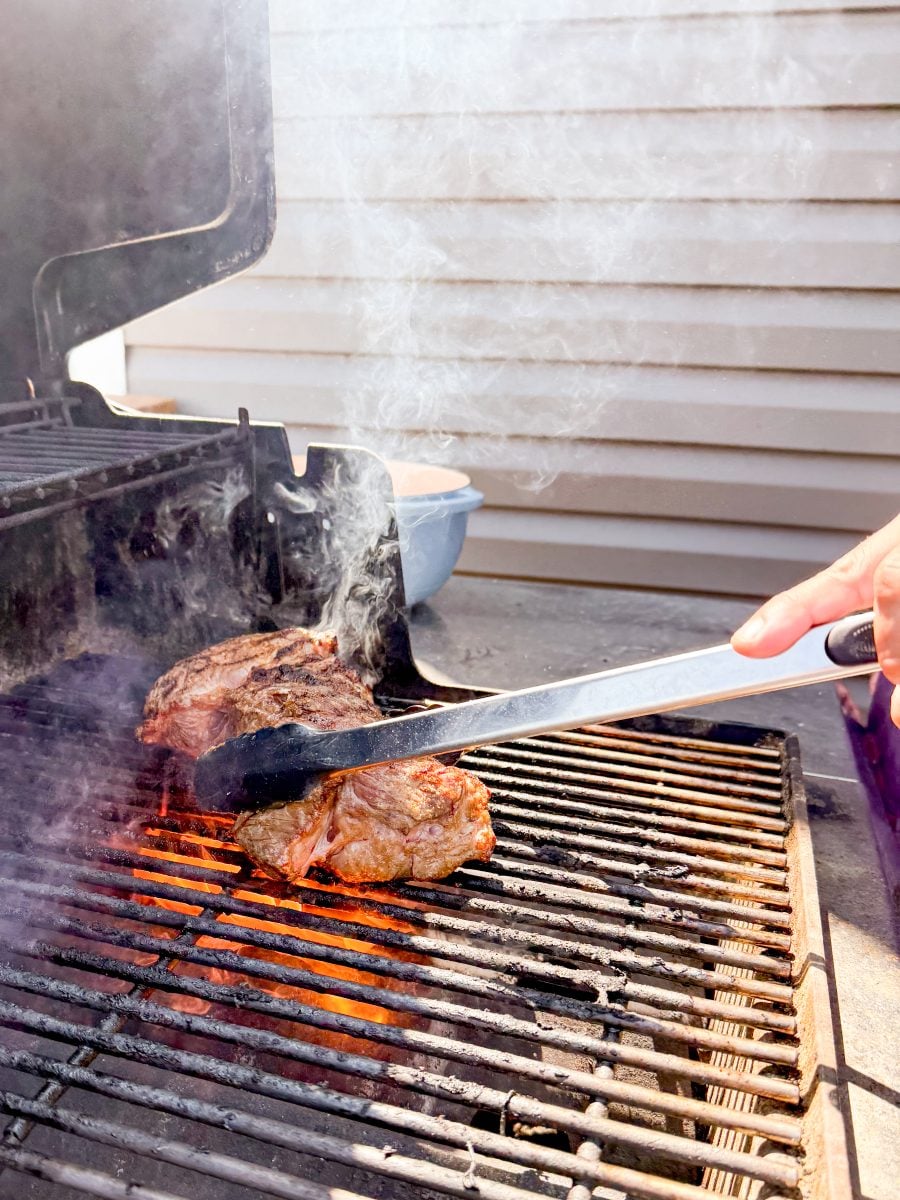
The first time you see a sous vide steak, it sure is strange. It is perfectly cooked edge to edge, with a totally gray and lifeless appearance. However, once you pull it out and give it a hard min sear, it tastes like steak. That dark brown crust? It’s more than just color; it’s a chemical reaction called Maillard browning and it provides most of the umami, roasted, and richly cooked flavors in food.
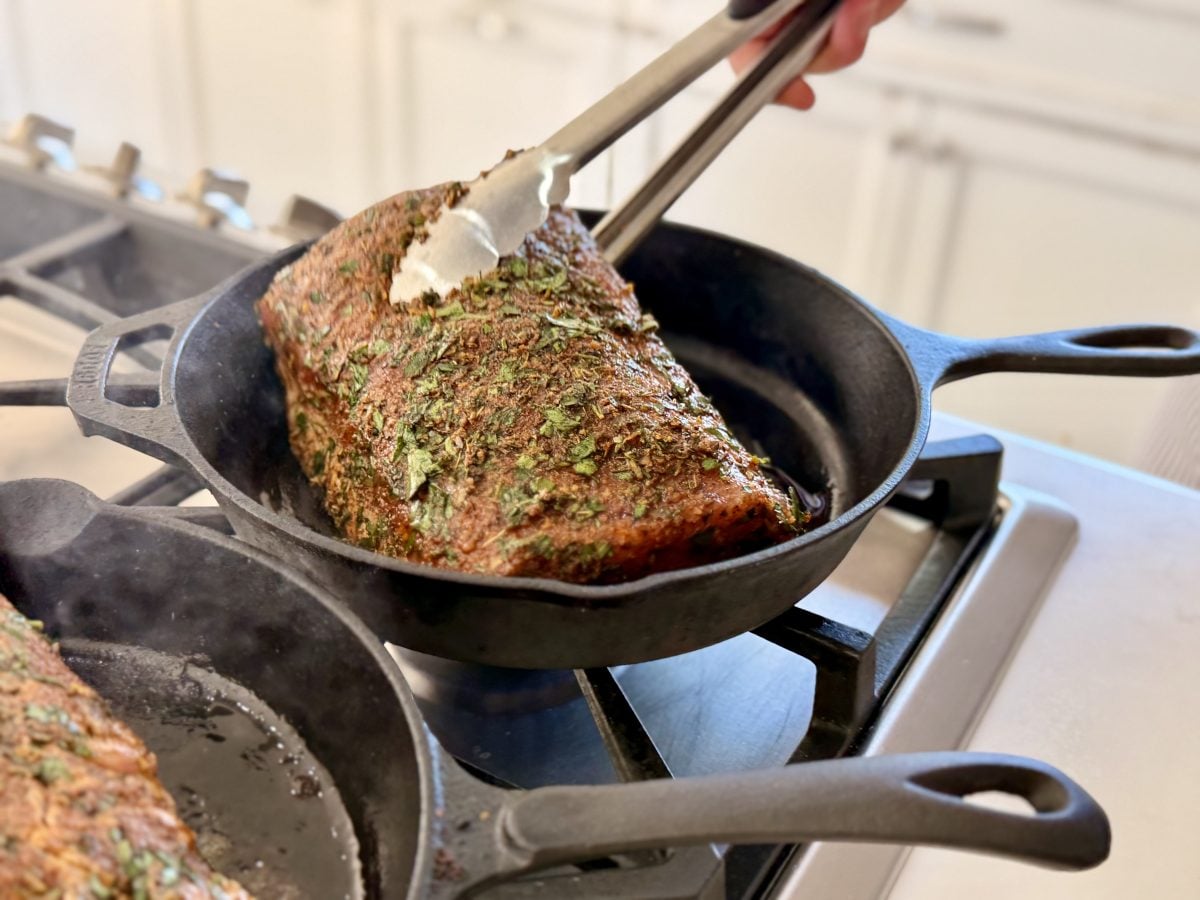
Maillard is often described as the protein version of caramelization. This analogy is close but incorrect and it is worth knowing the difference. Maillard is a reaction of amino acids (the building blocks of protein) and sugar that is initiated by heat. Caramelization, on the other hand, is the breakdown of sugar on its own. While they both build flavor and brown food, they are different reactions resulting in different outcomes.
| Maillard browning | Caramelization | |
|---|---|---|
| What reacts | Amino acids and sugars together | Sugars alone |
| Where you see it | Seared meat, bread crust, roasted coffee | Caramel, jammy onions, toasted sugar |
| Flavor | Savory, roasted, complex | Sweet, nutty, toffee-like |
| Kicks in around | 300°F and up | 340°F and up |
The catch with Maillard is that moisture acts as an enemy towards to both of these conditions. Maillard requires true heat and a dry surface. The water on the surface of your food must first boil off before the temperature can rise into the browning range, which means a wet steak in a cool pan simply steams it gray.
That flavor has to be achieved through heat, and it’s got to be pretty dry, too.
Nathaniel, HomeViable
How to get a good Maillard crust
- Dry the surface. When you pat the meat down, any moisture on the surface will steam instead of allowing it to brown.
- Get the pan genuinely hot Before the food is added, the oil should be hot enough to cause a drop of water to dance.
- Don’t crowd the pan. Steam that becomes trapped will prevent browning on any surface inside the container.
- Don’t fuss with it. Allow the crust to form and expand naturally and then rotate.


Why the crust is the flavor
Browning meat creates a plethora of new aromas and flavors from surface proteins and sugars that were not present in the raw food. This is why a boiled steak and a seared steak, even when using the same cut of meat, have completely different aromas and flavors. The fond left in the pan after searing is a concentrated form of Maillard flavors, which is why they are great for making sauces.
Without that crispy brown crust, we don’t get the flavor and the texture and really that meaty bite that we think of when we think of delicious.
Nathaniel, HomeViable
When you’re making a dish and it seems under-seasoned and flat, the solution is typically to add depth. Create a dried surface, increase the heat, give space, and allow a crust to form. That crust is not just for looks, it is the flavor.