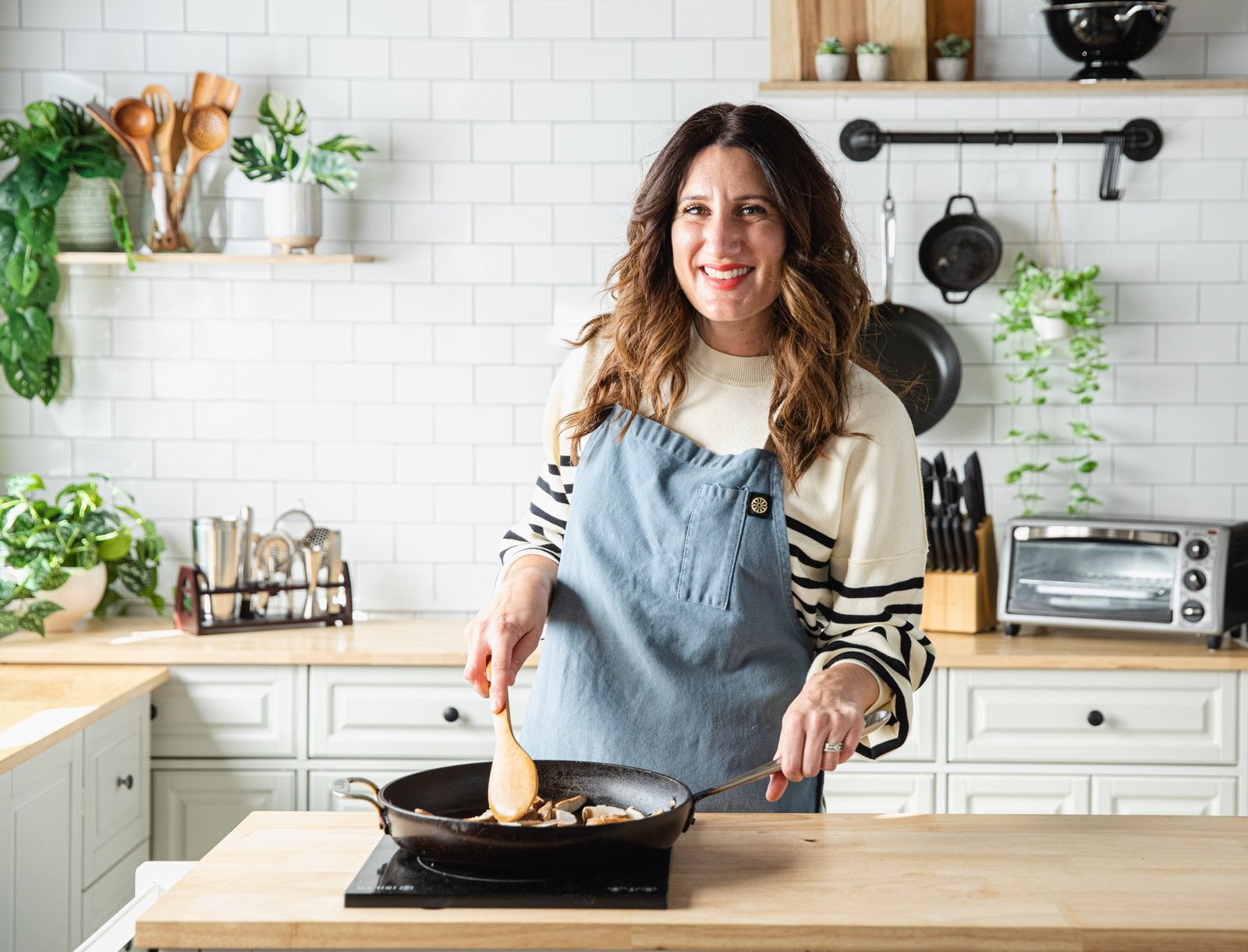
Think of snack boxes as miniature, very thoughtful meals (yes, snacks count as meals too!). When I started meal-prepping snacks (instead of mindlessly grazing on snack wrappers, only to be hungry again an hour later), my afternoon energy levels improved dramatically. At 3 p.m. yesterday, I dug into one of these snack boxes and was blown away by how filling a snack can be when it’s been thoughtfully prepped.
My snack boxes almost always have some form of protein or healthy fat paired with a palate cleanser or something crunchy, and just enough flavor to make them not taste like diet food. I try to pack in all the macronutrients – protein, carbs, fat, and fiber – so I’m not hungry afterward.
My top three rules for building your own snack box: Incorporate a protein (hummus, yogurt, hard-boiled eggs, beans, chicken, etc.). Think about texture – soggy carrots aren’t appetizing, so opt for something crunchy that won’t get soggy (nuts, crackers, snap peas – pack crackers separately in their own divided section to keep them crunchy).
Enter your email and we will send you the link to this article.
Free. Unsubscribe any time.
Give it a flavor “hook” – something to make your snack box less of a chore – a dip or sauce, a sprinkle of cheese, etc. Below are my 31 favorite snack boxes! For each, I’ve included a “reason to pack” (the hook), “how I pack it” (to maintain texture and flavor), and a suggestion for ingredient swaps.
The pitch for Apple Peanut Butter Box: Reason to pack: Salty + sweet. The peanut butter will keep me satiated until dinner (bye-bye 3-hours-later snack!). Reason to pack: Because sometimes you just need something crunchy and salty.
How I pack it: Honeycrisp apple, sliced and drizzled with lemon juice (to help keep it from oxidizing). PB (2 to 3 Tbsp – pack separately in a small container with a secure, leak-proof lid!), chia seeds, whole grain crackers for added crunch. Reason to pack: Protein plus crunch plus fat is a pretty good combination for a snack box!
Note: I like natural (stir it up yourself) PBs better in snack boxes than no-stir PBs – no added sugar means the PB flavor doesn’t overpower the apple.
Swap: In nut-free schools, try sunflower butter. Almond butter works too. Pear snack boxes should be eaten within four hours (pears get soft faster than apples).
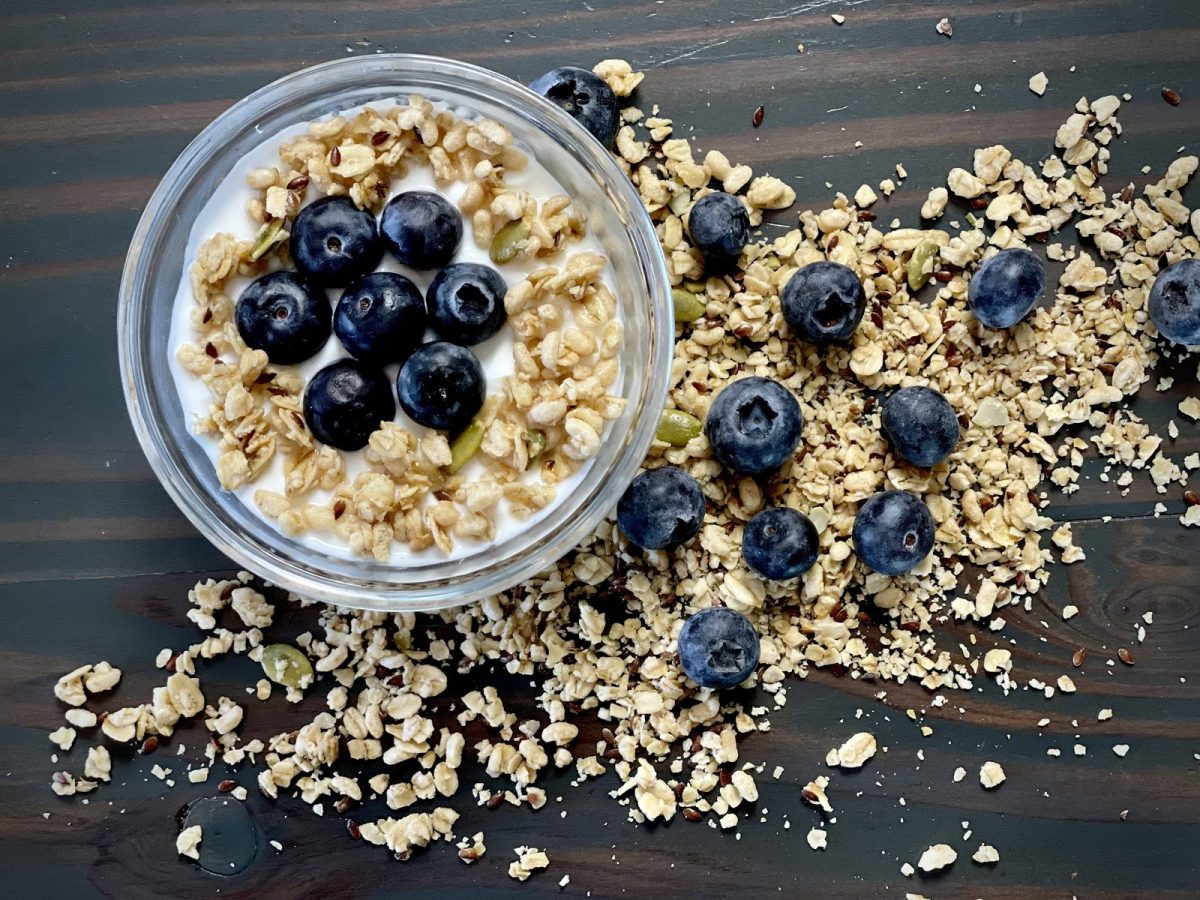
Another reason Greek yogurt is the most efficient protein anchor Yogurt Berry Box is my favorite: protein! Reason to pack: 15-20 grams of protein in a half-cup container, impressive for something that doesn’t require any cooking!
How I pack it: Full-fat or 2% plain yogurt (not the other kinds that are basically desserts) + fresh berries (blueberries, raspberries, strawberries) + (optional) a Tbsp granola or some chopped nuts (pack separately to avoid sogginess) for some crunch + (optional if berries are out of season) honey or a tsp of jam.
Swaps: For a thicker, even higher-protein yogurt, try Skyr (Icelandic-style yogurt). Over yogurt? Swap in cottage cheese (see dairy note below).
Reason to pack: Veggies are more exciting with hummus (the only way my kids will eat red bell pepper – otherwise we’re negotiating!).
How I pack it: Hummus (about 1/3 cup – some store-bought ones taste almost homemade) in its own lidded container + sturdy veggies (cherry tomatoes – whole, so they don’t leak, cucumber and bell pepper slices, snap peas, baby carrots – fresh, not that sad week-old plastic bag of limp ones from the produce aisle) + (optional) whole grain crackers or pita chips.
Swaps: Edamame hummus for an even bigger protein boost. White-bean dip, baba ghanoush, or tzatziki for a change of pace from hummus.
Why Egg And Veggie Box is my top choice: Reason to pack: Cheap, filling, and easy (especially if you boil a batch – 2 eggs = 12 g of protein), eggs can jazz up just about any snack box. Reason to pack: Boring, yes. Filling, high-protein, and needs a snack box buddy (see below), also yes.
Boil for 9-10 minutes (for a completely set yolk with no gray ring). Immediately after, transfer eggs into ice water and let cool for five minutes (will be easier to peel once fully cooled).
How I pack it: Boil water and add eggs. Hard-cooked eggs + something crunchy (crackers, whole grain crackers, pretzels, spear-cut cucumbers, etc.) + something fruity (grapes, cherry tomatoes, etc.) + (optional) olives + (optional, but I’m partial) flaky salt and pepper in a small container.
Reason to pack: Runny yolks are delicious, but only if you plan on eating this within the next two hours. How I pack it: Soft-cooked eggs (boil for 6-7 minutes – texture can get a bit rubbery if refrigerated) + salt and pepper + crackers to dip. Planning way ahead (we’re talking five days ahead)? Opt for pickled eggs.
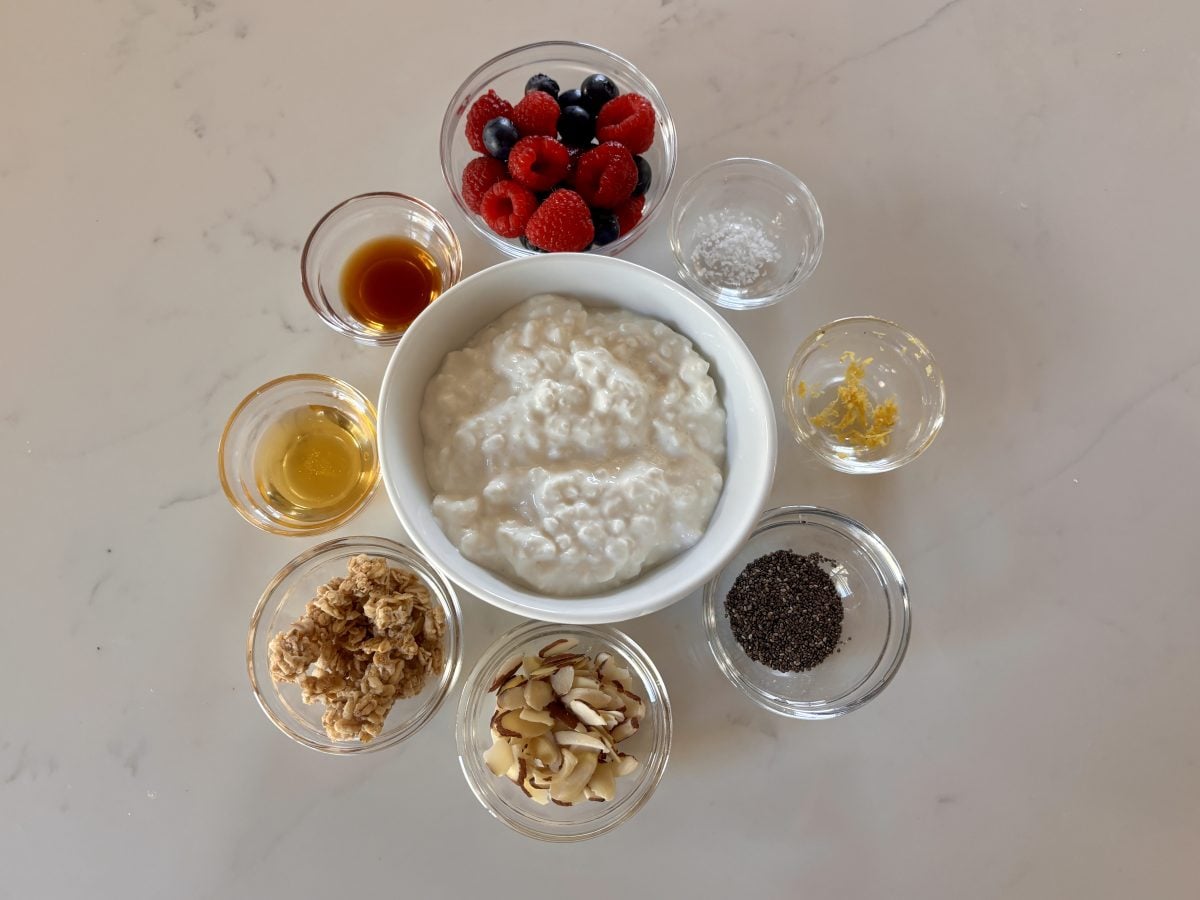
The case for Cottage Cheese Fruit Box: Cottage cheese is the protein-anchor that nobody talks about anymore. Reason to pack: An unsung protein hero (1/2 cup = 12-14 g protein).
How I pack it: Full-fat or 4% cottage cheese (nonfat tastes blah) + fruit (traditionally pineapple – sprinkle it with some black pepper, yes, really – or berries or peaches) + (optional) whole grain crackers.
Swaps: If you’re a cottage cheese hater, swap in yogurt (I know, the textures are different – just try it, ok?). Creamier, sweeter ricotta pairs well with stone fruit.
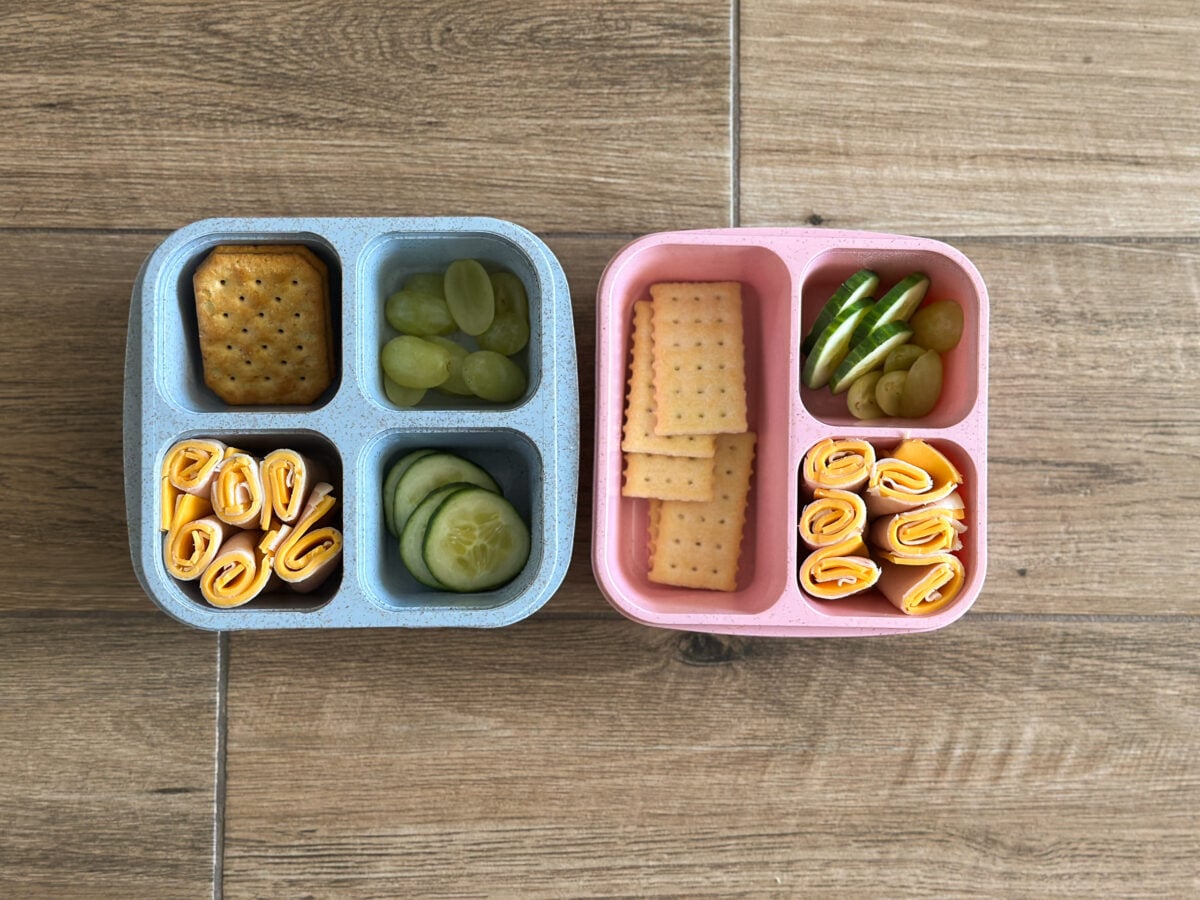
Where Turkey Roll-Up Box earns its spot: Reason to pack: Sandwiches minus the sad, sad bread. Roll-ups travel better than sandwiches. How I pack it: Turkey and cheese roll-ups.
Swaps: Roll-ups are highly adaptable to suit personal preferences and dietary considerations. Beyond the classic combination of turkey and cheese, a myriad of fillings can be incorporated. Consider exploring options such as roast beef paired with horseradish cream or embracing a vegetarian delight with pesto and roasted veggies. For a nutritious twist, opt for leafy greens like collard or spinach leaves as the wrap, adding an extra dose of goodness without the additional carbs. Experiment with an array of herbs and spices to infuse your roll-ups with unique flavors – fresh basil or cilantro can make a delightful difference. Prepare an assortment of roll-ups in advance, ensuring a diverse and appetizing selection for everyone on your travels.
How I pack it: Turkey slices (look for lower sodium versions – turkey is one of the saltiest things you can buy at the store!) spread with hummus or cream cheese + provolone, cheddar, or Havarti cheese + red pepper or cucumber ribbon, tightly rolled (red pepper adds crunch; slice for pinwheels or eat ’em like logs) + (optional) grapes or apple slices.
Swaps: Ham and cheese, roast beef and cheese. Vegetarian? Try hummus on lettuce leaves or low-carb wraps.
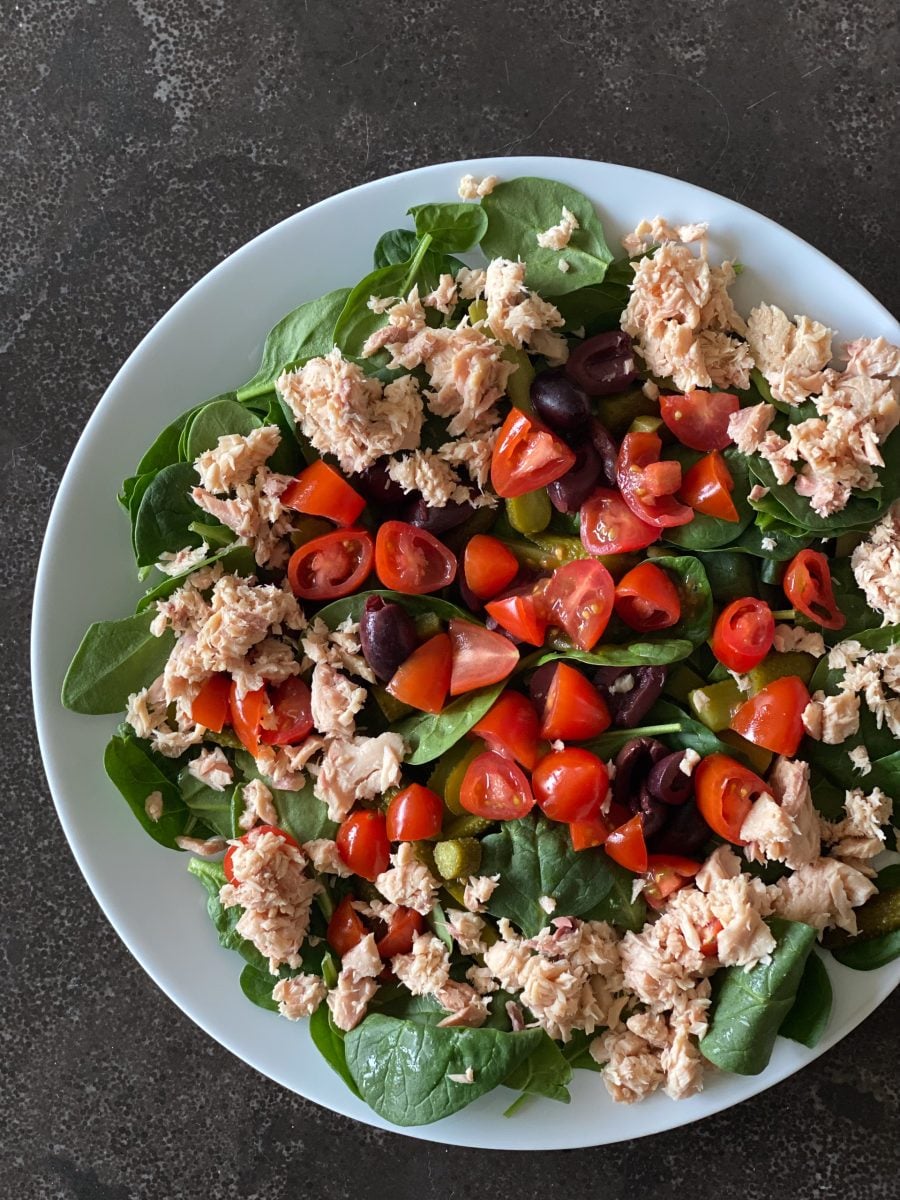
Quick and easy protein, Tuna Salad Box A small tuna salad keeps you full longer does not skimp on flavor! I love recipes like this because they’re simple, but still delicious!
How I pack it: Tuna salad (drained tuna from a 5 oz can + 1 Tbsp mayonnaise + 1 Tbsp yogurt (my secret weapon – lightens it up!), lemon juice, salt and pepper; I like to add capers or chopped celery for crunch – and I prefer olive oil-packed tuna if I can find it; it’s richer and more flavorful than water-packed tuna, which has a smoother texture) + 1/2 cup whole grain crackers (keep ’em in a separate small container) + cucumber slices + (optional) cornichons or olives.
Swaps: Chickpea salad for a vegetarian version. Salmon salad! Drain canned salmon really well, and mash out any little bones (they’re soft and loaded with calcium).
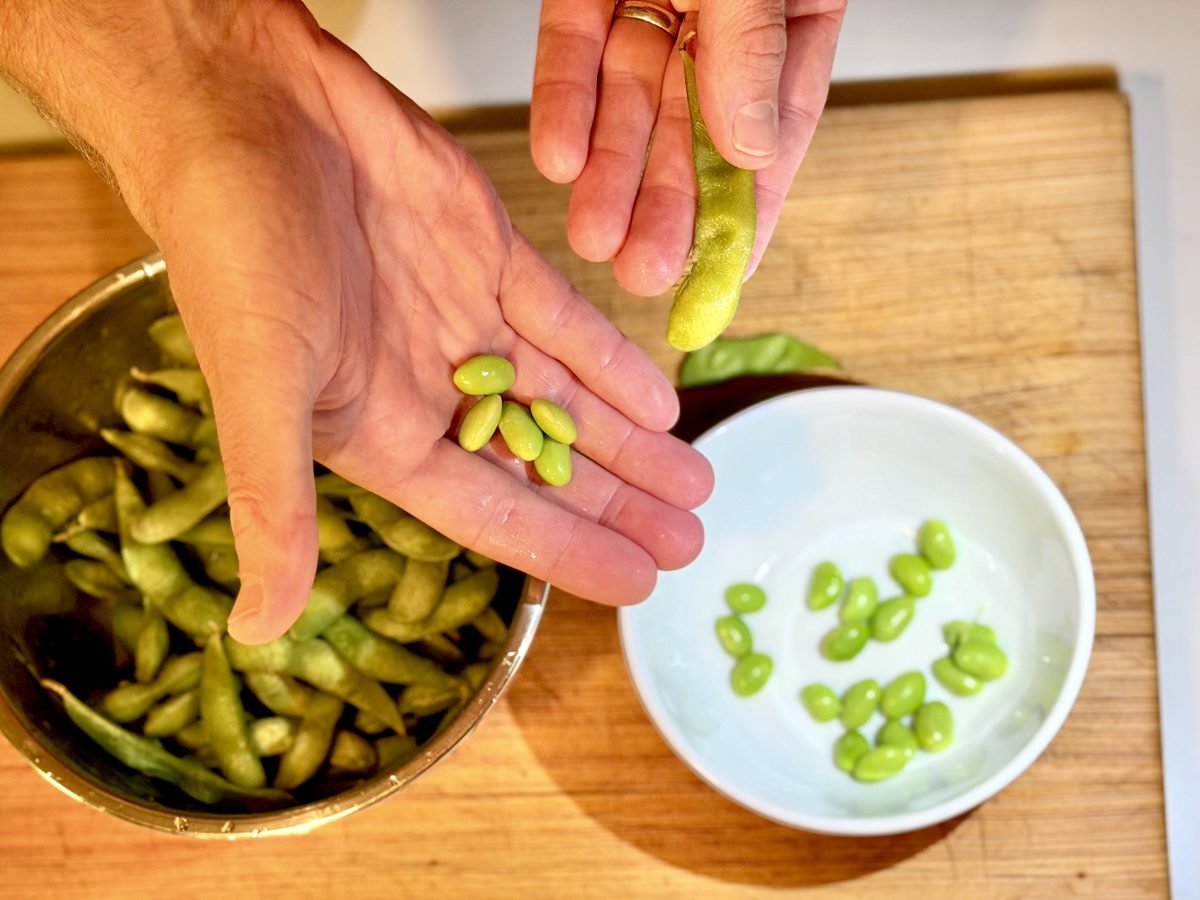
Why Edamame Citrus Box belongs here: Reason to pack: Salty, shelled edamame + citrus = my idea of what they’d serve you at a Japanese highway rest stop (a compliment).
If you want, you can take frozen shelled edamame, and defrost them by running cold water over them for about 30 seconds. Then drain, and mix them with some flaky salt, and a squeeze of lemon or lime (and a small amount of red pepper flakes, if desired).
How I pack it: 3/4 cup shelled edamame (if using frozen edamame, defrost by running under cold water for 30 seconds, then drain) + (optional) red pepper flakes + oranges or mandarins + flaky salt + (optional) sesame seeds.
Swaps: Chickpeas (roasted chickpeas are great; canned chickpeas work well too, as long as you rinse ’em well), lima beans (baby limas work well if you want to use frozen lima beans; larger lima beans can get really starchy)
Nut and seed butters are in 7 of the 31 boxes. There is a reason for that; they are one of the most powerful ways to add staying power to a snack without any cooking!
The truth about peanut butter is that it is usually sold at both low and high prices, and these products are not of the same quality. Surprisingly, what you want is the ‘natural’ version which has just one ingredient (peanuts) and an oil layer on top. Mix it and store it in the refrigerator and that jar will last me for two months. The no-stir jars use palm oil and sugars that are antinutritional to whatever fruit you pair it with.
• Buy nuts from a store with high turnover. Nuts go rancid in 6-12 months at room temp. The bulk bin at a busy co-op is fresher than a sealed bag that’s been on a shelf for a year. Smell them before you commit, fresh nuts smell sweet and a little fatty. Rancid ones smell like old paint.
• Roast your own. Raw almonds at 325°F (165°C) for 12-15 minutes (until they smell toasty and the insides are pale gold when you cut one open) taste like a different food than the pre-roasted ones. Same for walnuts (8-10 minutes), pecans (10-12), and cashews (10-12). Watch closely after minute 8, they go from toasty to burnt in 30 seconds.
• Walnuts go rancid fastest. Of all the common nuts, walnuts have the most polyunsaturated fat, which is what oxidizes. If you’re keeping nuts more than a month, refrigerate or freeze them. This goes triple for walnuts.
I buy Crazy Richard’s or Smucker’s everyday peanut butter (approximately $5 a jar). When I feel fancy I like almond butter from Maranatha. For nuts, I prefer the Kirkland brand at Costco when I can’t get them fresh. Otherwise, I buy mixed nuts from the Whole Foods bulk bins.
Reason to pack: Those avocado fats will satisfy!
How I pack it: 1/2 avocado (leave the pit in; drizzle with lemon juice to prevent browning) + crackers (I like to keep these separate so my avocado won’t soften ’em up – but if you’re planning to eat this within a couple hours and using a sturdy cracker like Wasa or Ryvita, go for it!)
Swaps: When I want to spread on crackers but don’t want to deal with browning, mashed white beans (with olive oil, salt, and lemon juice) or hummus are my go-to avocado substitutes.
Why Chia Pudding Box pulls its weight: Reason to pack: Texture, color, flavor, crunch, saltiness, freshness, citrusy brightness…this snack box has it all. Reason to pack: This is one of those make-ahead snacks I totally forget about! It’s protein- and fiber-rich and makes me feel like I’m eating dessert. 5-minute (the night before!) effort
Chia Pudding with Berries and Granola (or Nuts) In a bowl or storage container, whisk together 3 Tbsp chia seeds, 1 cup of milk (whole or full-fat coconut milk will result in a creamier pudding), 1 Tbsp honey or maple syrup, and a few drops of vanilla. Stir once more after 10 minutes and refrigerate until the next day (stir again if needed, you don’t want clumps!). To serve, transfer to a lidded container (or, if you made too much, spoon some into an ice cube tray and freeze; pop frozen chia pudding cubes into a freezer bag for travel, it’ll thaw out by the time you get to work!). Top with 3/4 cup fresh or thawed frozen berries and granola or nuts. Pack a spoon. To pack: Spoon into a jar or small container.
Swap: For a truly lazy, genius idea that skips the cooking AND waiting, add chia seeds (instead of granola) as the topping, more info here.
Why pack this: One of the most gratifying examples of snack boxes I’ve put together is roasted chickpeas paired with a small amount of genuine cheese, and it costs next to nothing.
Roast the chickpeas: Preheat oven to 400°F (205°C). Drain and rinse 1 can of chickpeas, and pat dry with paper towels (important for maximum crispiness!). Toss with a drizzle of olive oil, salt, smoked paprika, and cumin, and roast on a sheet pan until golden brown and make a rattling noise when you shake the pan, 25 to 30 minutes, shaking pan once or twice during roasting. Let cool completely (important, otherwise they’ll steam and become less-than-crispy). To pack: Add the roasted chickpeas to a container, along with a few 1-inch cubes of cheddar cheese (or handful of grapes or few apple slices).
Swap: You can buy bags of roasted chickpeas in a pinch, but they don’t taste as good. You can also get a similar effect with edamame, lentils, or fava beans.
What Smoked Salmon Box gets you: Sunday brunch vibes, anyone? Smoked salmon is also an excellent source of protein and omega-3 fatty acids.
Buy the smallest container of smoked salmon you can find, if you’re not likely to get through a Costco-sized bag within the week, you’re better off freezing it in smaller bags. To pack: Fill a container with the smoked salmon, a few cucumber slices (optional), and a quarter lemon.
Swap: Smoked trout is often more flavorful and less expensive; canned smoked sardines or oysters are even less expensive (and funkier).
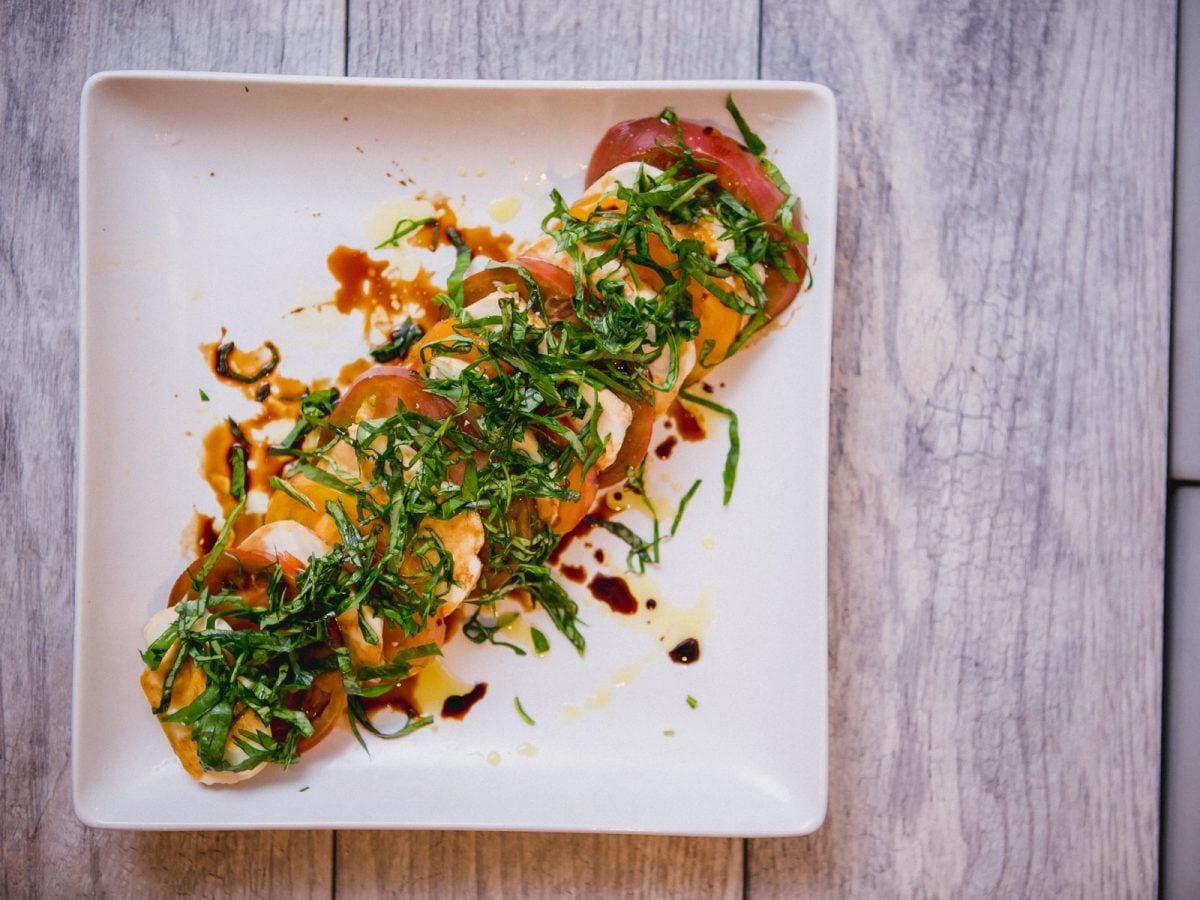
Balanced in flavor and satisfying texture-wise, Caprese Skewers Box Caprese skewers turn three ingredients into something is a well-thought-out snack. The fat from the cheese complements the acidity in the tomatoes for a balanced flavor and surprisingly satiating bite.
Seal container. Add a drizzle of olive oil and balsamic glaze in a small container (to keep the basil perky). Thread 3 or 4 pieces of each ingredient onto small skewers or toothpicks. Pack four or five skewers in a container, along with a small container of balsamic glaze and olive oil for drizzling before eating. Keep pepper handy at your desk (or go for broke and splurge on flaky salt, it takes this from good to great).
Swap: Cubed feta or aged mozzarella and olives also pack well and keep the Mediterranean theme going; in the summertime, watermelon and feta skewers are hard to beat.
hearty enough to pass for lunch, A few ounces of cooked chicken ‘s Chicken And Veggies Box ups the ante. Roasted Chicken and Veggies Sunday: Roast a couple chicken breasts, they’ll last me through lunch on Monday, Tuesday, and Wednesday!
Pat 2 boneless, skinless chicken breasts (or thighs) dry with paper towels. Rub with olive oil and season with salt, pepper, and Italian seasoning (or garlic powder). Roast breasts for 18 to 22 minutes (or skin-on thighs for 25 to 30 minutes, until deeply golden brown), until an instant-read thermometer inserted into the thickest part of the chicken reads 165°F (74°C), juices run clear when pierced with a fork, and the chicken feels firm when pressed.
Monday through Wednesday: Cut up some crunchy veggies (broccoli, snap peas, cherry tomatoes, carrots) and pack with sliced chicken breast.
Swap: You can totally use store-bought rotisserie chicken, it’s convenient and not terrible. And if you grill chicken one night for dinner, use it for lunch the next day!
Where Overnight Oats Box earns its spot: Overnight oats are the snack box Effort: low Cost: moderate Cost: low-to-moderate Effort: very low Cost: low High-fiber oats help you feel fuller for longer and provide slow-release energy throughout the morning. Make 4 jars’ worth on Sunday afternoon/evening and you won’t have to think about breakfast/lunch/snack until Friday! Effort: medium
Combine the following ingredients in four small containers or jars with lids: Pudding or custard (homemade or instant) 1/2 cup rolled oats (not instant oats, or you’ll end up with oat paste) Combine the following ingredients in a small bag or container:
Refrigerate at least 6 to 8 hours (but honestly, the longer the better). Can be kept up to 4 or 5 days, after that they start to turn a little blah. Top with some fruit, nuts, or a smear of peanut butter.
Swap: For a higher-protein version, try this with cooked (and cooled) quinoa (see recipe #15 for my go-to method). You could also try this with steel-cut oats, just cook and cool those first.
Greek yogurt and cottage cheese appear in six of these boxes. Most people only take one and overlook the other.
The key takeaway is that no cooking is needed, and a half-cup serving yields 12-20 grams of protein. That’s also more protein than what you’d get from a hard-boiled egg and comes in a handy container that you can customize with fruit, nuts, or even savory toppings depending on your mood.
• Buy plain, full-fat, or 2%. The flavored cups are dessert dressed up as a snack. Plain whole-milk Greek yogurt with fresh fruit beats vanilla Chobani every time, and you control the sugar. Same logic for cottage cheese, the nonfat is watery and disappointing, full-fat or 4% holds its texture.
• Greek vs. regular vs. skyr. Greek yogurt is strained, regular is not, skyr is strained even longer. More straining means thicker texture and more protein per spoonful. For snack boxes I default to Greek or skyr, regular yogurt is too loose and pools at the bottom.
• Cottage cheese with pepper. Most cottage cheese recipes default to pineapple or peaches. They work. But cottage cheese with a grind of black pepper and a drizzle of olive oil on top is the savory move that nobody talks about, and it’s excellent on toast.
I purchase Fage Total 5% and Stonyfield whole-milk Greek yogurts. For higher protein content, I choose Siggi’s skyr. Good Culture has slightly better ingredients.
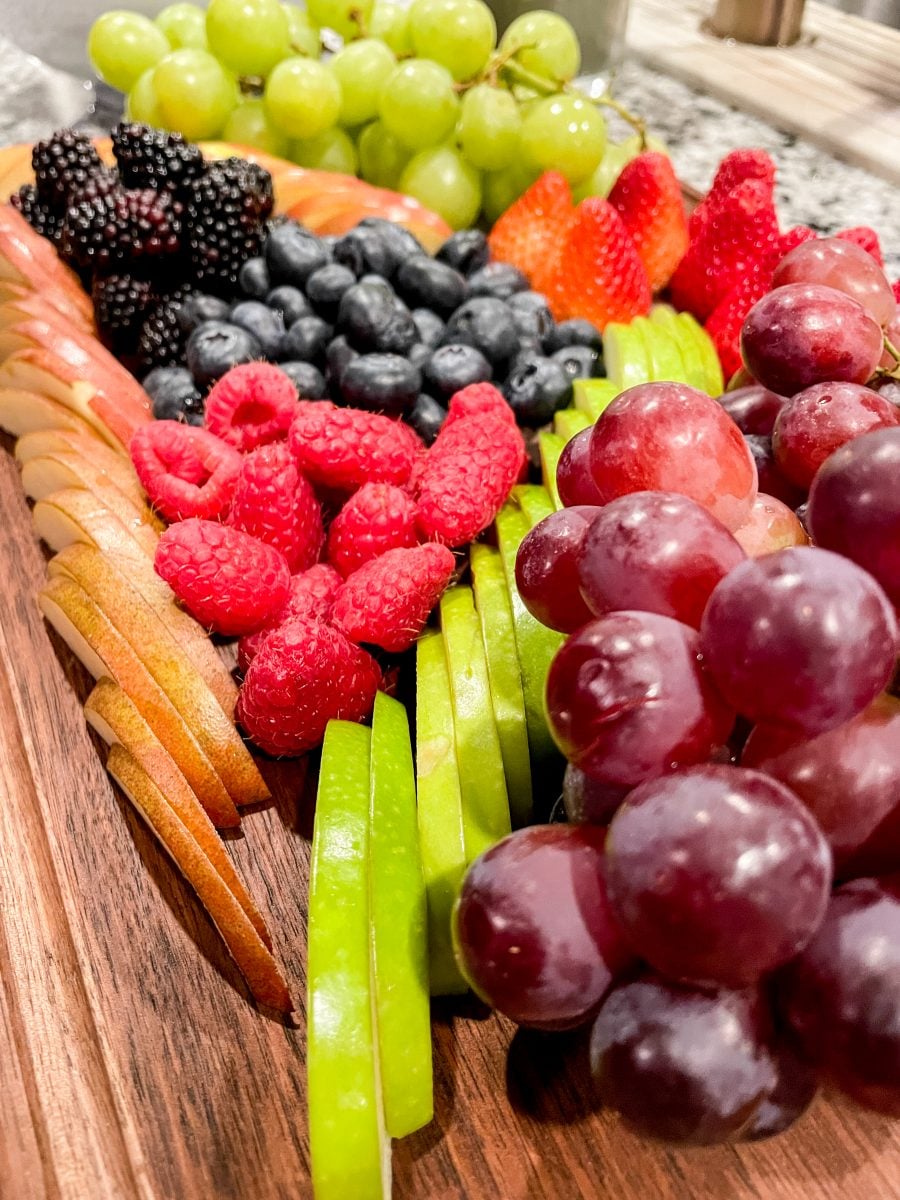
What makes the Fruit And Nut Box effective: The fats in the nuts counteract the sugar in the fruit, so you get a nice boost of energy without a huge spike and crash. I especially like to keep this on hand for travel when I know I won’t have access to a refrigerator.
Creating your own blend of dried fruits and nuts can be a fun and rewarding activity. Start by selecting your preferred nuts; almonds, walnuts, and cashews are popular choices due to their protein content and healthy fats. When choosing dried fruits, opt for those without added sugars or preservatives to maintain a healthy snack option. Apricots, cranberries, and raisins offer natural sweetness and pair excellently with the crunchiness of nuts. You might also experiment with adding seeds such as sunflower or pumpkin for added nutritional value. Packing them in reusable containers or small fabric bags makes them travel-friendly and environmentally conscious. Moreover, with this combination of high-energy ingredients, you’re not just staving off hunger; you’re fueling your body with sustained energy sources ideal for long journeys where food options might be limited.
1/4 cup unsalted nuts (pecans, walnuts, almonds, cashews, mix and match! Just note that walnuts will go bad sooner than the others) 1/3 cup fruit (raisins, dried apricots, apple slices, grapes, melon chunks, mix and match!) Note: Make sure the nuts aren’t roasted in sugar or honey, that totally defeats the purpose of eating nuts in the first place! The chocolate offsets all the healthy stuff and makes this seem less like birdseed.
Swap: If you want to make this even more filling, add cheese cubes, a la French ploughman’s plate. In nut-free schools, seeds (especially pumpkin and sunflower) are a good substitute.
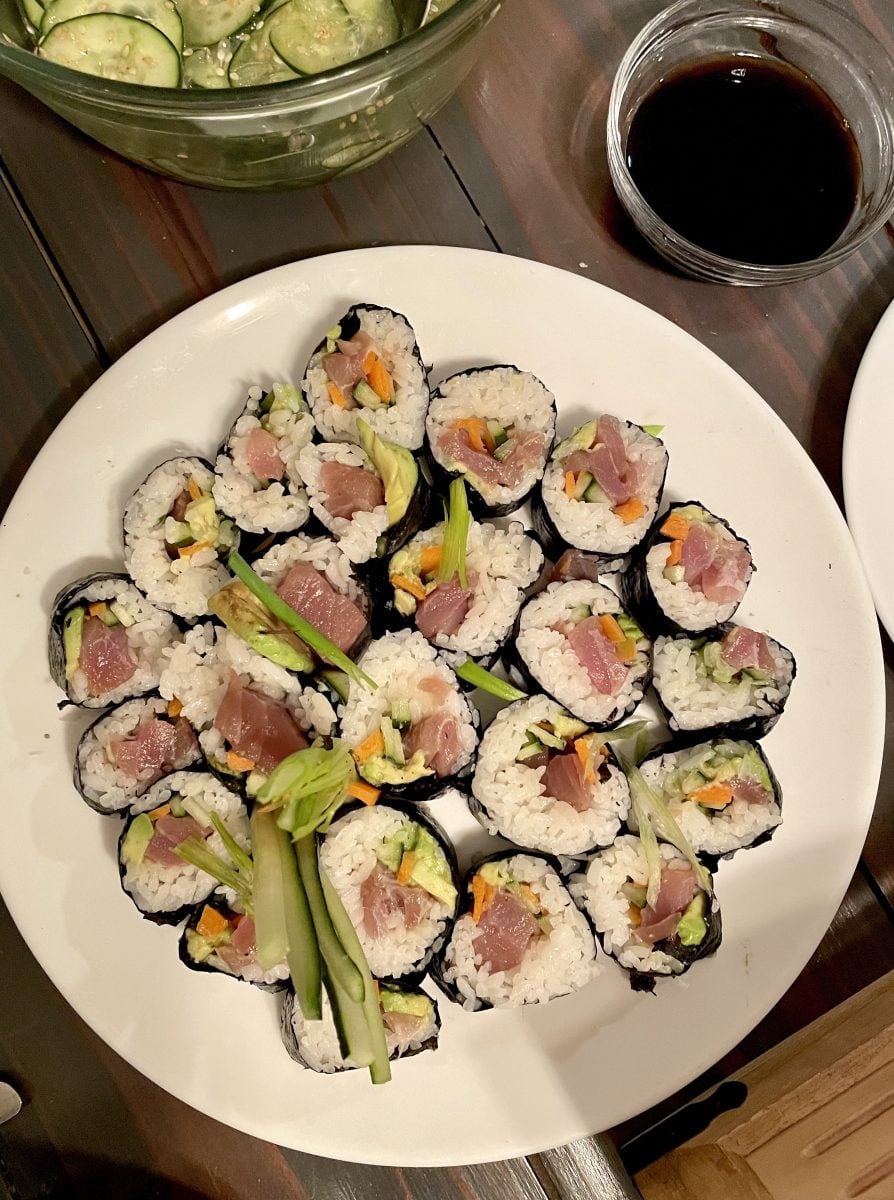
Why Veggie Sushi Box belongs here: The veggie sushi box is easy to transport for several hours and is mostly made of plants and rice, which means it could be considered takeout, and there is just one detail you need to attend to (see below).
Sushi rice, cooked (and seasoned with rice vinegar, salt, and a bit of sugar) and cooled to room temperature Nori (toasted seaweed sheets)
To pack: Cut the veggies into thin strips. Roll up tightly, and cut into “sushi roll” pieces with a dampened knife. Place in container. Pack edamame, ginger, and soy sauce (go easy on the salt!) in a separate container. Note: If you chill this for longer than 6 hours, the rice will firm up.
Place a nori sheet on a cutting board, and lay out some rice and the veggies on top. Swap: For something easier to make (and transport), try a deconstructed sushi bowl with cooked sushi rice, veggies, nori strips, and soy sauce. For a higher-protein version, try making hand rolls with smoked salmon.
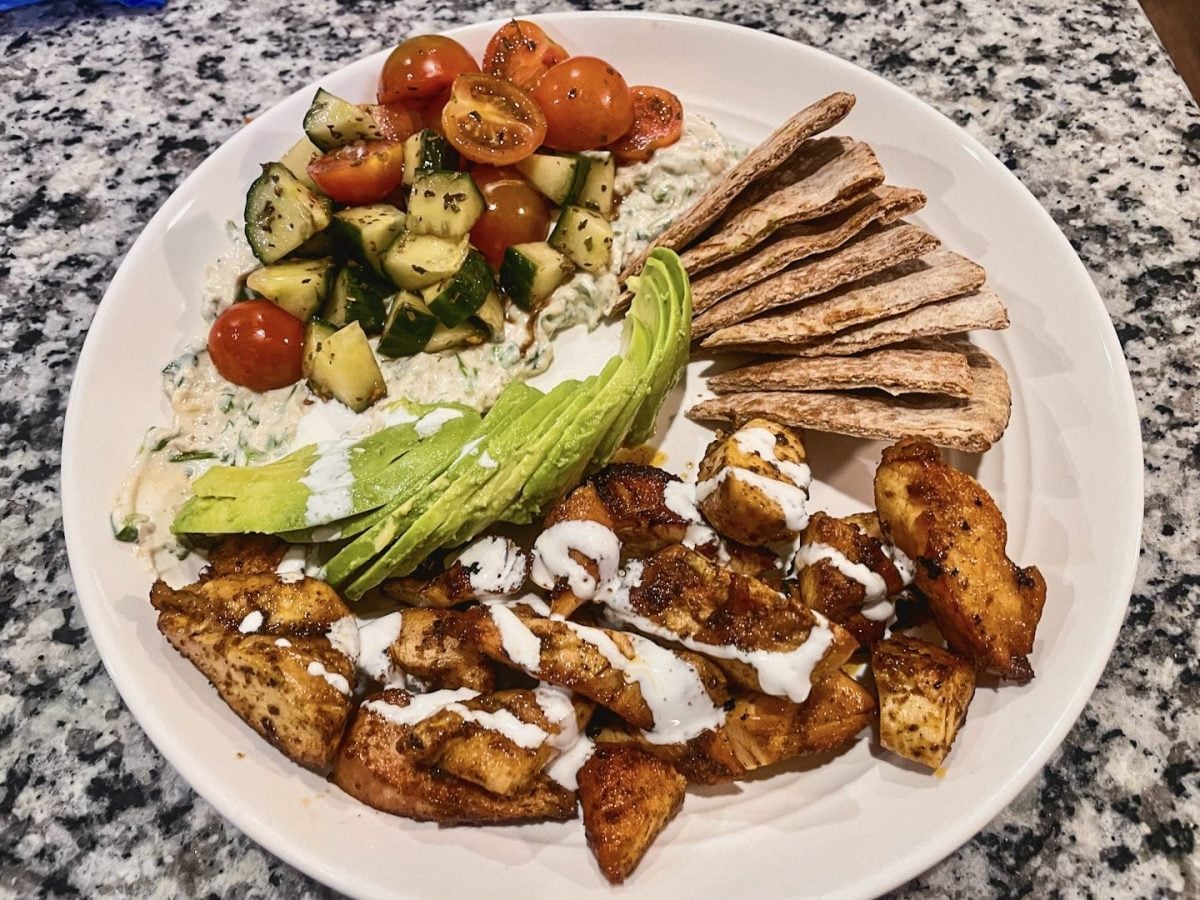
Proposition for Pita And Dip Box: Pita Chips and Dips Mezze Plate
Preheat oven to 425°F (220°C). 1 small pita bread, cut into wedges and baked at 400 degrees F until just golden (5-7 minutes; start checking at 4 minutes because they can go from perfect to charred in a blink), and cooled completely (so they’re nice and crunchy!) Note: For an extra-special touch, add a pinch of za’atar spice to your baba ghanoush or hummus. Don’t skimp on the olives, feta, and veg! To pack: Bake the pita chips and pack in a bag (making sure they’re totally cooled or they’ll get soft in there). Pack hummus or other dips in a separate container, along with the feta, olives, and veg.
Veggies (cucumber, avocado, carrot, snap peas, jicama, whatever you like!) Swap: Try this with some crunchy veg (like snap peas and carrots) instead of the pita for a lighter, lower-carb version. Or, use seedy, crunchy bread like Ryvita or Wasa (or your favorite cracker) in place of the pita.
Why Pear and Cheese Box is worth it: This one’s worth trying because it’s super easy to make, but tastes and looks more complicated than it is.
1 ripe, firm pear (Anjou or Bosc, not Bartlett, which will get mushy), cored and cut into wedges Note: I love pairing sweet fruit like pear with a sharp, strong-flavored cheese. Takes less than 20 seconds to make! If you want to take it over the top into decadence territory, add a few walnuts or almonds drizzled with honey. To pack: Toss the pear with a little lemon juice to keep it from browning, and add the cheese.
1 oz. cheese, cubed (try gruyère, cheddar, brie, or blue)
What Shrimp Cocktail Box gets you: Ketchup (or cocktail sauce)
5-6 shrimp, peeled, deveined, and cooked (either thawed frozen precooked shrimp, which are often less expensive, or precooked shrimp from the grocery store seafood counter) Hot sauce (optional) Note: I like to pack an ice pack with this one. Add some cucumber, feta, olives, and a squirt of lemon juice to make it even more special! To pack: Place shrimp in container with a squirt of lemon juice. Pack ketchup or cocktail sauce and hot sauce (if using) in separate containers.
Swap: For even more flavor (and calories), try crabmeat or crab claws (again, I’d recommend grabbing precooked from your grocery’s seafood counter). For a non-seafood option, try some cold chicken.
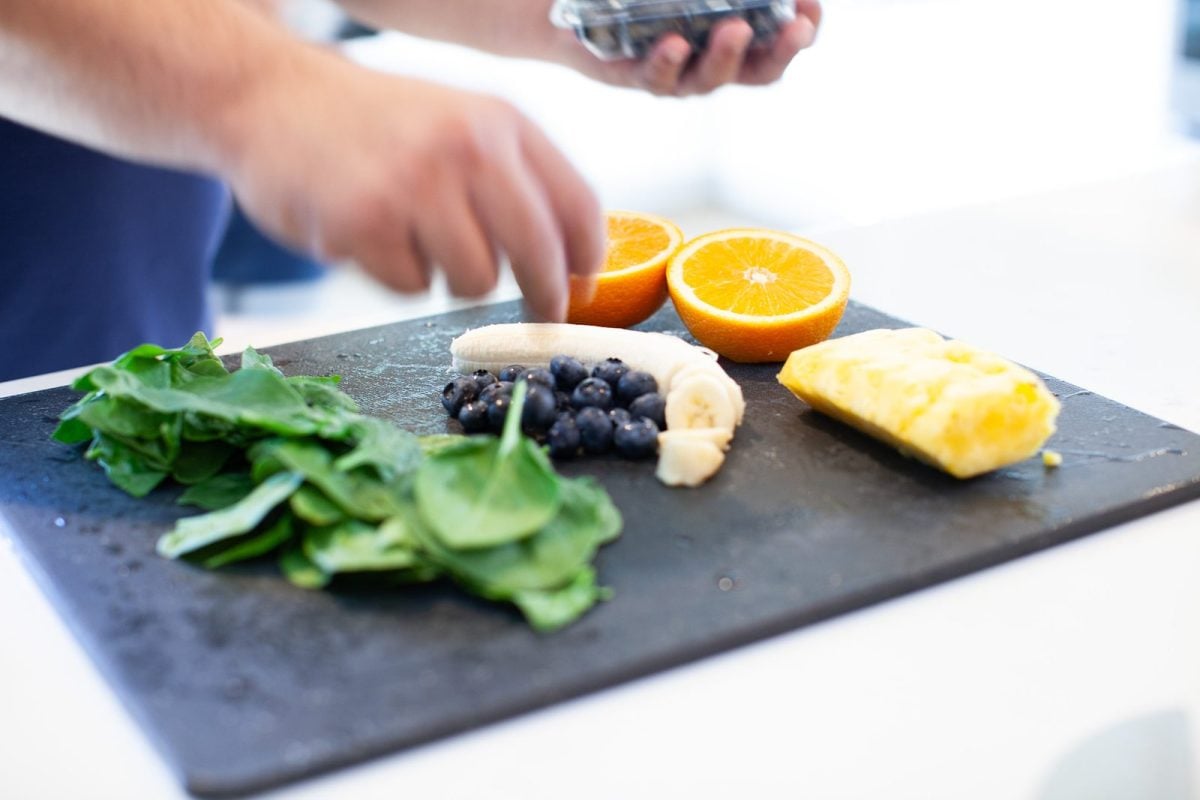
What Berry Smoothie Box offers: Note: I love smoothies as an easy grab-and-go snack. That is what I do some mornings when I am not hungry yet but I know I will be by 10am.
Some spinach (I promise you can’t taste it!) Combine the following ingredients in a small bag or container: To pack: Blend all ingredients together until smooth, and pour into a small insulated container.
Smoothie 1/2 cup berries (or other fruit, see Swap) 1/4 cup plain yogurt (or other liquid, see Swap) Swap: You can use whatever fruit you like, try a tropical combination with some pineapple and/or mango! Swap any liquid (or no liquid) you like for the yogurt, some options include juice, milk, almond milk, or coconut milk. Frozen mango and kale smoothie. Substitute any fruit for the mango (frozen cherries would be really yummy with cacao powder for a chocolate-cherry smoothie) and any leafy green for the kale. You can use any kind of milk, but I find coconut milk to be the most filling. For a snack that’s completely self-contained, try adding some unflavored protein powder.
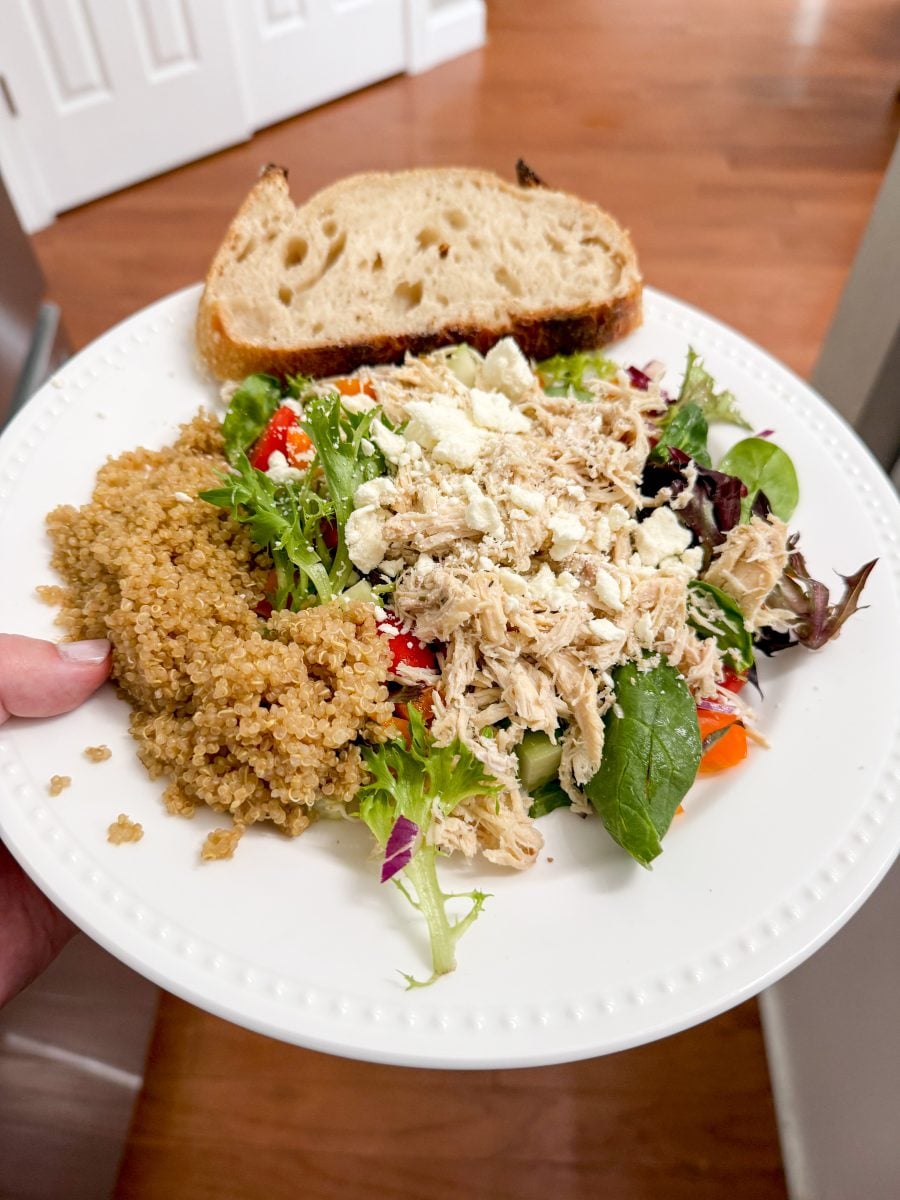
The case for Quinoa Salad Box: Unlike other grains, cooked quinoa actually tastes pretty good cold, making it ideal for lunchboxes. Other grains that work in this salad, though with slightly different textures, are couscous, farro, barley, and brown rice, which is cheaper than quinoa, but unfortunately gets pretty hard after being in the fridge.
Combine cooked quinoa (1 cup dry quinoa cooked according to package directions, and I use a small saucepan and pour in 1 3/4 cups salted water or broth and cook on low for 15 min, remove from heat and let stand for 5 min before fluffing with fork) with cherry tomatoes, cucumber, feta, and parsley. Store in refrigerator up to 3-4 days (without dressing). Pack lemon wedges, salt, pepper and olive oil separately to dress before eating (or just pack lemon wedges to dress with).
Other grains that would work in this recipe: farro, barley or couscous (all have a different texture), brown rice (less expensive, but, unlike the other grains, tends to harden up when refrigerated).
Peanut Butter Banana Box: Bananas and peanut butter have been a classic snack pairing for more than a hundred years for one simple reason: the banana provides natural sweetness and the peanut butter adds some fattiness.
Slice up a banana (pick one that’s still a little green so it won’t get brown and mushy before snack time) and pack in container with some PB for dipping (or spread a thin layer of PB on one slice and place another on top for a PB banana “sandwich”). PB banana “sandwiches” with some granola or nuts crumbled on top are especially yummy. Pack PB separately to go with whole-grain crackers or a rice cake.
Swap: Apple or pear slices instead of banana (not as sweet), almond or sunflower seed butter (if your school is nut-free).
What makes Ants On A Log work: Peanut butter adds fattiness, celery adds hydration and crunch, and raisins add a little something extra flavor-wise. This was our go-to PB snack for two years straight, and forgive me adults, I know you can eat this, too.
Cut up some celery (the fresher the better, since limp celery means a sad snack; if yours is older than a week, try sticking in some ice water for 20 min to perk it back up) into 4 inch pieces, spread 1 Tbsp PB in the middle, and top with 5-6 raisins. Boil water in a pot.
Fancier versions: Almond butter and dried cherries instead of PB and raisins. Chive cream cheese “logs” (spread cream cheese in celery pieces and sprinkle with some chopped chives).
The container is the part of the snack box that people don’t really care about, but it determines whether your snack box will be good at 3 p.m. or a sad mush.
Key idea: Snack box dividers save space. After four hours, a bag with crackers, cheese, and grapes will be a sad, wet mess. With sectioned containers, the same components will stay crispy, dry, and separated.
• Compartmented over single-cavity. A bento box with 3-5 sections, even a cheap plastic one, separates wet from dry. Crackers don’t go soft from cheese. Hummus doesn’t bleed into apple slices. This is the single biggest upgrade you can make.
• Glass beats plastic for anything wet. Yogurt, cottage cheese, dips, and anything tomato-based hold their flavor better in glass, plastic can pick up flavors and odors over time. For dry-only boxes, plastic is fine and lighter.
• Match container size to actual snack size. A 5-cup container with a half-cup of snack rolling around feels depressing and the food slides into a corner. A right-sized container makes the same snack feel intentional. I have three sizes: a tiny one for nuts or dips, a medium two-section for most boxes, and a larger 3-4 section for a heartier lunchbox-style snack.
• Ice pack matters for protein. Anything with cooked meat, fish, or eggs needs an ice pack if it’ll sit more than two hours at room temp. The skinny flat ones that lay flat against the box work better than the chunky lunch-cooler kind.
What I buy: For compartmented use, I get PackIt or Bentgo bento boxes (cost between $15-$25). For yogurt-based products, I use glass containers with snap lids, either from Weck or Pyrex. I use ice packs from the thin Kontainer brand.
Don’t just follow recipes; learn how to comprehend them.
20 video lessons with Nathaniel for a one-time payment of $27 for lifetime access.
Why Frittata Muffins Box belongs here: Frittata muffins are the most efficient meal-prep snack Egg Muffins: Eggs are a great source of protein which makes them a very filling snack, which is why I make 12 at a time, representing 2 weeks worth of snacks.
Whisk eggs, milk, salt and pepper together in a large bowl. Stir in cheese and remaining ingredients.
Pour into well greased 12-cup muffin tin, filling each cup about 3/4 full. Bake at 350°F (175°C) for 18-22 min or until tops are nice and puffy and golden brown and a toothpick inserted in center comes out clean. Let cool in muffin tin for 5 min before loosening with butter knife. Store in refrigerator up to 5 days. Pack 2-3 muffins with cherry tomatoes, some pickles/olives, and some fruit. Drain and let cool. Let cool. When egg is done, run under cold water, peel, and set aside.
Crustless egg/quiche squares (or just plain ol’ hard-boiled eggs, which are not as convenient, but just as protein-y and filling)
The pitch for Lentil Dip Box: Red Lentil Dip: This dip is creamy beyond belief (I never would have pegged red lentils as the creamy type!), and is just as protein-y as hummus.
Add salt and lentils and simmer for 15-18 min until nicely cooked down, and there will still be some liquid, but that is fine since you are draining them anyways, and they have broken down to a coarse puree. Add to food processor/blender with remaining ingredients and puree until smooth. Refrigerate until completely cool. Serve with some raw veg (carrots, snap peas, cucumber, etc.), feta cheese, and olives stuffed in some toasted pita. Drizzle with olive oil and some za’atar or sumac before serving.
Swap: white bean dip, hummus, muhammara, or, as my most under-rated dip, roasted carrot dip.
Muhammara is a Middle-Eastern red pepper and walnut dip that’s a bit spicy and has a subtle smokiness that pairs well with pita chips or raw veg. Hummus is a tried and true for good reason, because it is infinitely adaptable to all kinds of additions and spices like roasted garlic, lemon zest, and beets for a fun pop of color. White bean dip is another creamy option that’s a tad less common than hummus, and you can add in some sage or rosemary for extra flavor. Roasted carrot dip is earthy and a bit sweet, and can be kicked up a notch with some cumin or smoked paprika. All of these dips have great mineral and fiber contents and can liven up a snack board or everyday meal!
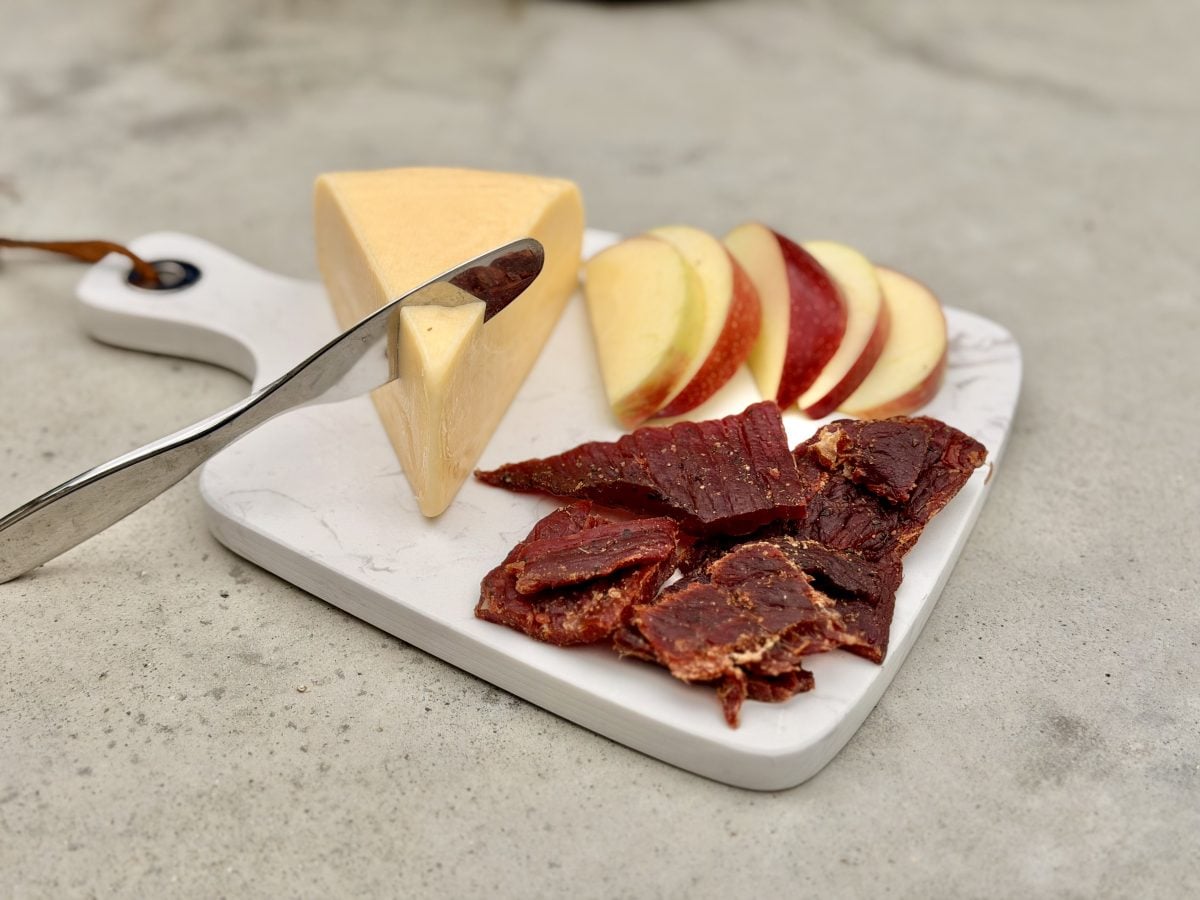
Reason why Adult Lunchable Box is worth it: This next one may be reminiscent of Lunchables without the sad cheese plate.
Add some quality cheese (gouda, manchego, sharp cheddar, brie, etc.), some cured meat (prosciutto, salami, capicola, etc.), a few crackers/bread, olives/pickles, and some fruit. 1-2 oz nice cheese (brie, manchego, sharp cheddar, gouda, etc.) 1-1.5 oz nice cured meat (prosciutto, salami, capicola, etc.) Some fruit (apples sliced, grapes, etc.) I’m calling this a charcuterie box because of the olives and pickles, since their vinegar kick takes it from a sad cheese plate to a charcuterie box. Although, I will admit, the image of pickle and olive juice on crackers is the epitome of lunch sadness.
Swap: For a veggie option, try some bocconcini and basil for an Italian spin. For a no-pork option, try some smoked turkey. For an under-rated deli meat, try pistachio mortadella (baked!).
This combo is almost too good to be categorized as a snack, as it is practically a meal!
Preheat oven to 425°F (220°C). Peel and cube sweet potato (about 1/2” cubes) and add to bowl with olive oil, salt, pepper, smoked paprika, and teeny pinch of cumin. Toss until evenly coated and add to baking sheet. Bake 22-28 min, giving potatoes a stir half-way through, until fork tender and edges are nicely caramelized (nobody likes starchy sad potatoes).
Once the potatoes are done, it will have a lot of caramelization on the edges of the potatoes and should be soft enough for a fork to slide through them. No one wants undercooked sweet potato, that would just be sad and starchy.
Sweet potato and black beans: Add 1/2 cup black beans (rinsed and drained from can), sweet potato, lime juice, and cilantro (to preference) to bowl and stir to combine. Add to lunch with some cubed avocado (if you have a ripe one!) and some salsa/pico (in separate container so it doesn’t get soggy).
Swap: Pinto, kidney, and white beans all work well here too! I also love to make this with roasted butternut squash, which is a little sweeter, though using the same process.
The flavors of kimchi still come through nicely when served cold, and the neutral flavor of rice pairs so nicely with kimchi, especially when the rice is cold.
Kimchi fried rice with a soft boiled egg: Add short grain rice (jasmine or sushi) to pot with water and cook according to package directions (you’ll want about 1 cup cooked). Meanwhile, soft boil an egg (6 min will do it!). When rice is cool, add to bowl with 1/2 cup chopped kimchi and a splash of the kimchi juice it comes in. Add 1 tsp toasted sesame oil and stir to combine. Add to lunch with some cucumber spears. When ready to eat, cut egg in half and add on top of rice with some sliced scallions and sesame seeds. Add some gochujang or soy sauce if you’d like an extra kick.
Swap: Try sauerkraut (another fermented veg!) instead of kimchi! I also love to do this with farro or quinoa for a higher protein option.
Why Ricotta And Fruit Box makes the cut: Add 1/2 cup ricotta cheese (whole milk is creamier, but some part-skim ricottas can get a little gritty) to bowl. Ricotta is criminally underutilized in the snack world. It’s got more protein than yogurt (thus more filling!), is super creamy, and tastes almost like dessert.
Ricotta and fruit: Add sliced/sectioned fruit (peaches, strawberries, figs, whatever’s in season!) to taste. Add honey or jam/preserves to taste. Add some pistachios/almonds/whatever nuts you’ve got lying around.
I like to add a couple pinches of flakey salt on top, too (weird but good!). Eat with some toasted whole-grain bread or seedy crackers to make it more filling.
Swap: Cottage cheese (shelf stable, different texture), mascarpone (extra creamy/dessert-y), and Greek yogurt (a little less fat) all work well here!
The case for Trail Mix Box: Trail mix can sneak up on you cal wise, and I once devoured 800 calories of trail mix in one sitting, so I like to portion mine out on Sundays to have on hand throughout the week to stay prepped and armed for snack o’clock at school or work. You can adjust portions to your liking, as I just like knowing exactly how much I’m snacking on that way!
DIY trail mix: Add 1 cup mixed nuts (pecans, almonds, cashews…whatever you like! Just stick to roasted or raw, unsalted varieties), 1/2 cup mixed seeds (pumpkin seeds, sunflower seeds…), 1/3 cup coconut flakes (unsweetened), 1/3 cup freeze dried/dried fruit (I love freeze dried strawberries or blueberries), and 1/4 cup dark chocolate chips to a bowl and stir to combine.
Portion out and store in airtight containers! Swap: Add a pinch of flakey salt to the entire mixture!
For a tropical twist try cashews, dried mango, and a sprinkle of chili powder! Swap in some cacao nibs if you want extra chocolate power!
Roasted chickpeas and cheese: Roasted chickpeas (I like to make mine extra crunchy using this recipe, which involves roasting them twice) are great paired with just about any cheese!
Pineapple and pepper: Seriously, pineapple slices with a little pepper on top are so dang good and a super easy snack idea! Choose a few of these ideas and get ahead by prepping as much as possible!