Most people don’t realize the impact of a high protein lunch for the workday until they have done it for a week. The 3 pm crash, 4 pm vending machine visits, and the feeling of starving by the time dinner is finally ready to eat at home are all symptoms of a poor lunch choice. Lunches that have 60 percent rice and only 10 grams of protein.
These lunches, which only take 1 hour of meal prep on a Sunday, and several take 5 minutes of prep or assembly time, contain at least 20 grams of protein per portion. Most contain 25 to 35 grams of protein per portion.
Building a lunch around a protein first is a good rule of thumb. Since there is not enough protein to sustain one until lunch, it’s common to feel hungry by three. Here are lunches that I rotate through.
1) Sheet Pan Chicken
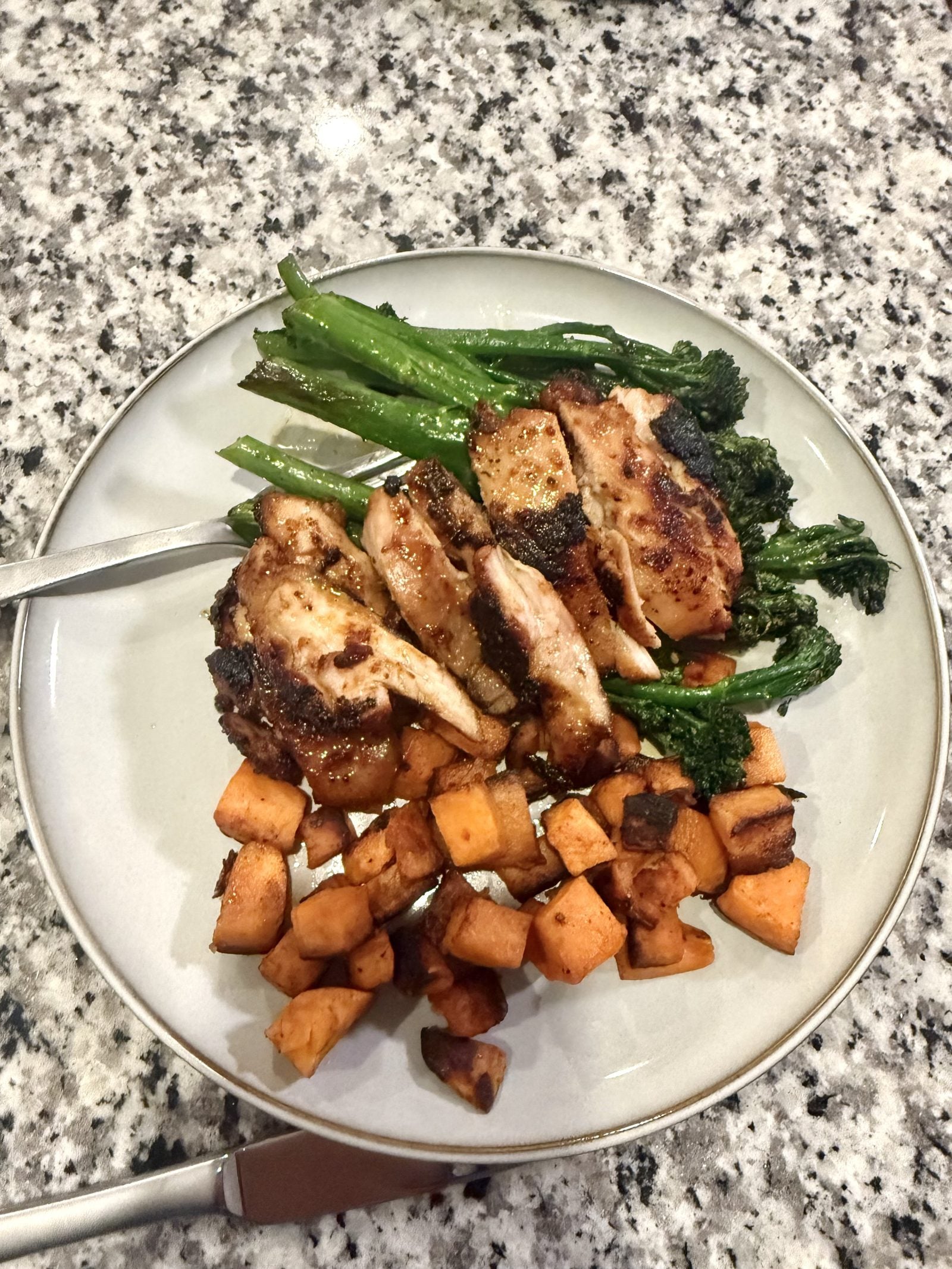
Why include this in your lunch? Sheet-pan chicken allows you to prepare 4 meals at once with one sheet pan, plus each cooked chicken thigh is 28g of protein, which will keep you full until 5pm!
Preheat your oven to 425°F. Place 1.5 pounds of boneless, skinless chicken thighs, 1 pound of cubed sweet potatoes or russet potatoes, 2 sliced bell peppers, and 1 sliced red onion on a sheet pan with 3 tablespoons of olive oil, 1 tablespoon of paprika, 2 teaspoons of garlic powder, 1 teaspoon of dried oregano, salt, and pepper. Roast for 25 to 30 minutes.
The chicken is done when it can be sliced easily and has no pink in the middle (the thickest part of the chicken should be 165°F) and the veggies should have a deep caramelization. Let them cool for 15 minutes before placing them in 4 lunch containers. The chicken will stay juicy in the fridge for 4 days, and it can be reheated in the microwave (covered with a damp paper towel) in 90 seconds.
Alternatives: Thighs are the best for the most forgiving cook. Breasts are ok but use them to pull at 22 minutes to prevent dryness. Also, you can add broccoli florets into the oven for the last 15 minutes to add in some green veggies.
2) Chicken Pasta Salad
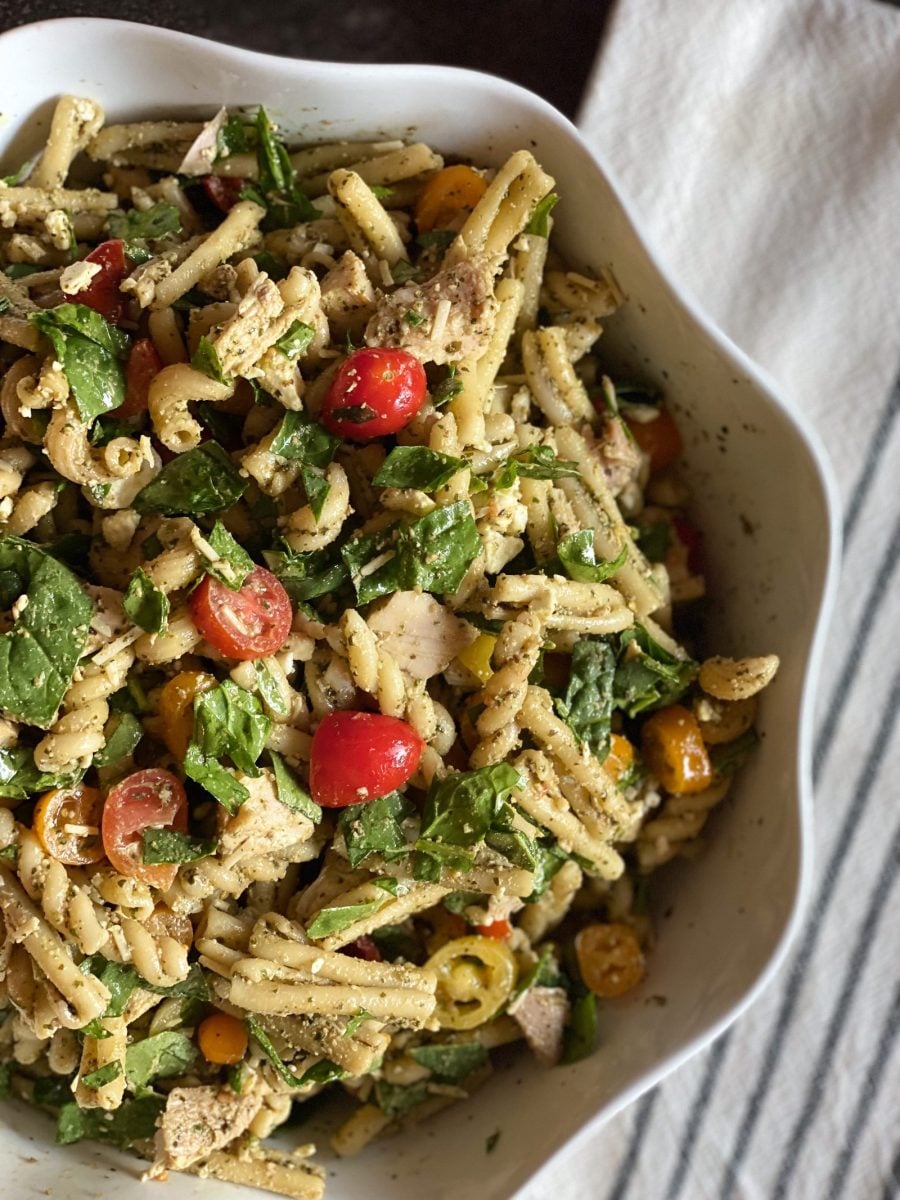
Why would you want this for lunch? Chicken pasta salad only gets better as the days go on, and this 1.5 cup portion provides about 30g of protein as well as carbohydrates from the chicken and pasta that will keep you energized during the meeting.
First, cook 1 pound of rotini, fusilli, or penne (but make sure to cook it to an al dente texture), then drain the pasta and rinse it in cold water to stop the cooking. Next, combine 4 cups of chicken (it’s best to use rotisserie chicken for its ease of use) with the pasta and 2 cups of halved cherry tomatoes, 1 diced cucumber, 1/2 cup of red onion (finely diced), 1 cup of crumbled feta cheese, 1/2 cup of fresh basil (finely chopped), and 1/3 cup of olive oil (it’s best to make an emulsified dressing by combining this with 1/4 cup of red wine vinegar, 1 minced garlic clove, 1 tsp of Italian seasoning, as well as salt and pepper to taste).
The salad will be ready when all of the ingredients are well dressed and slightly cold. You’ll especially like this salad after it has sat in the fridge and the pasta gets more and more dressed as the days go on.
This recipe divides nicely into 4 to 5 portions and will last in your fridge for 4 days. You can also make this salad vegetarian by adding chickpeas instead of chicken; keep in mind that chickpeas have about 14g of protein per cup. You can also add diced bell pepper or sliced black olives for additional color and texture.
3) Turkey Hummus Wrap
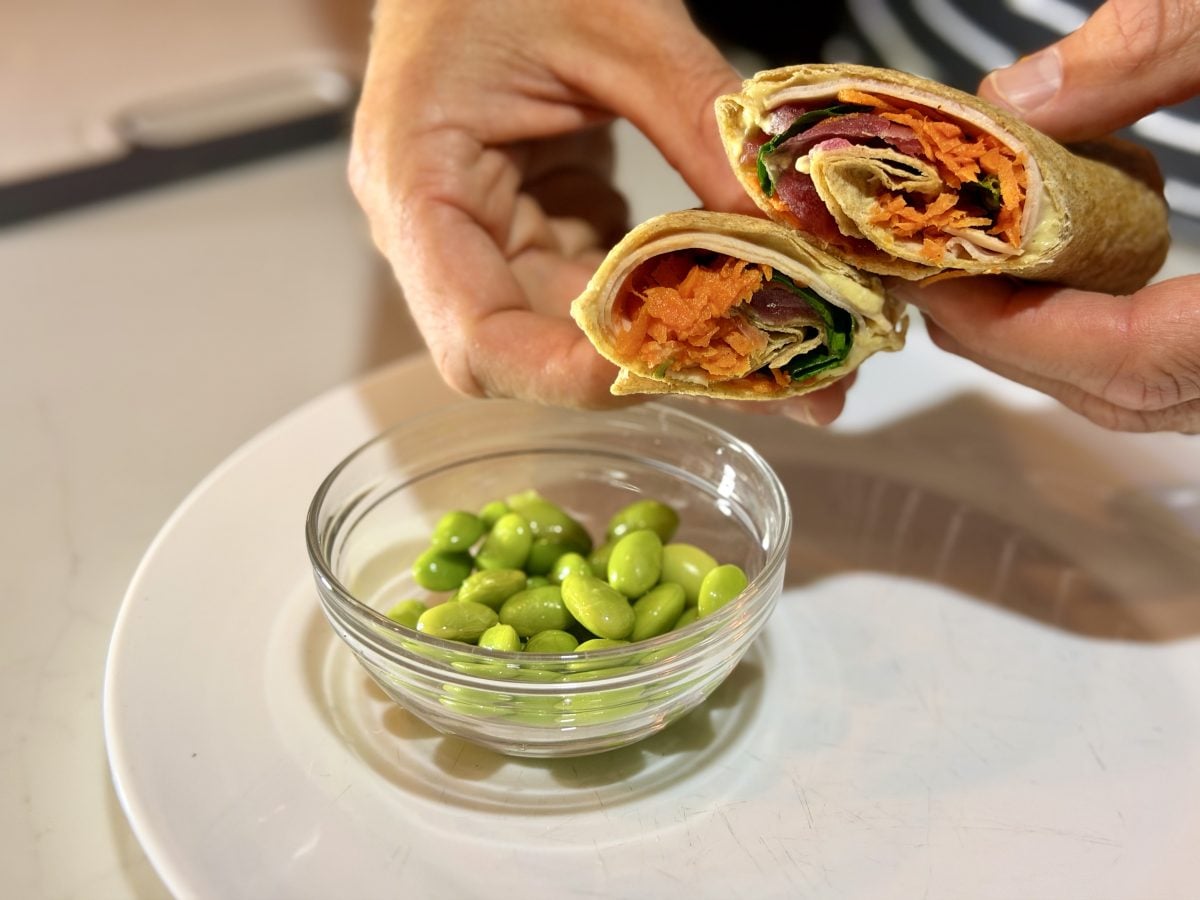
Why pack this for lunch: A turkey hummus wrap is the 5-minute meal-prep lunch that brings about 28 grams of protein when you don’t overthink it, and the hummus does the work of both binder and flavor.
Take a large whole wheat or spinach tortilla and spread some hummus on it. Next, add 4 slices of deli turkey, 1 slice of cheese (either cheddar, provolone, or havarti), a handful of baby spinach, sliced cucumber, sliced bell pepper, and thin slices of red onion (if you prefer).
Carrots can also be added to the mixture. Make sure to roll the tortilla tight; fold in the sides and roll from the bottom to the top. Next, wrap the tortilla in parchment paper or foil and put it in the fridge for at least 30 minutes. This will cause the wrap to hold together when it’s cut. Finally, cut it diagonally to prevent the filling from spilling.
Low-carb Option: roasted bell pepper hummus, beet hummus, or baba ghanoush can be used instead for a variation.
4) Chicken Rice Bowls
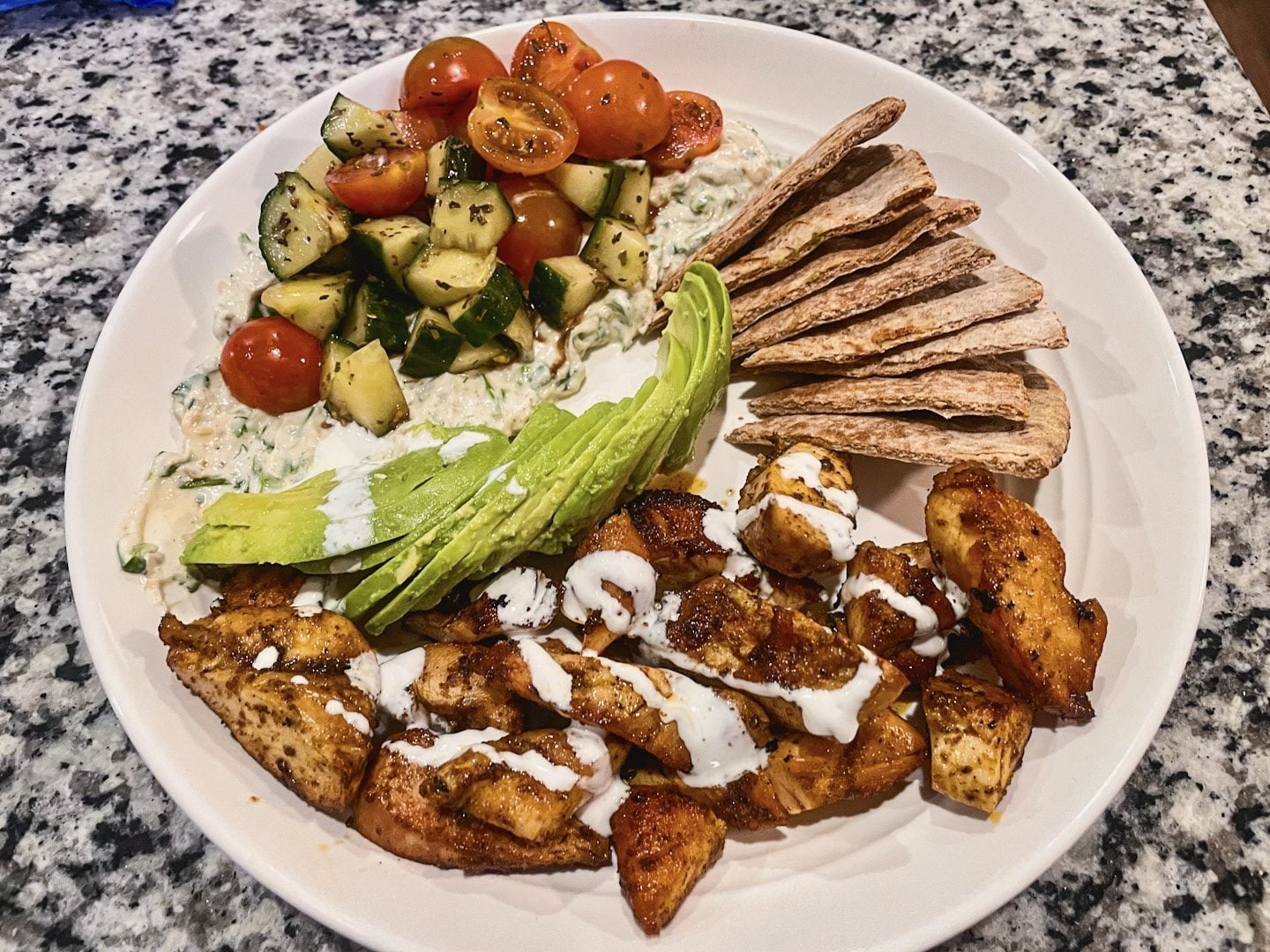
Why pack this for lunch: Meal prepping a chicken rice bowl is perfect as you can easily scale this to 4-5 lunches with just 30 minutes of prep work on a Sunday.
Not to mention that a 1.5 cup serving gives you over 30 grams of protein, while also giving you a good amount of carbs from the rice to keep you full. To cook the rice, place 1.5 cups of rice in 2.25 cups of boiling salted water for 18 minutes and then fluff. For the chicken, marinate 1.5 pounds of boneless skinless chicken thighs in 1/4 cup soy sauce, 2 tbsp honey, 2 tbsp rice vinegar, 4 cloves minced garlic, and 1 tbsp grated ginger for at least 30 minutes (you can do this the night before).
Cook in a skillet over medium high heat for 5-7 minutes on each side until fully cooked and there is no pink. Once cooked, slice the chicken. For the bowls, add the rice, chicken, steamed/roasted broccoli, shredded carrots, sliced cucumbers, sesame seeds, and a drizzle of sriracha mayo (3 tbsp mayo + 1 tbsp sriracha). It is recommended to pack the sauce on the side to prevent soggy bowls. For a lower carb option, you can also use cauliflower rice. To add vegetarian protein, you can use edamame or seared tofu.
5) Tuna Bean Salad
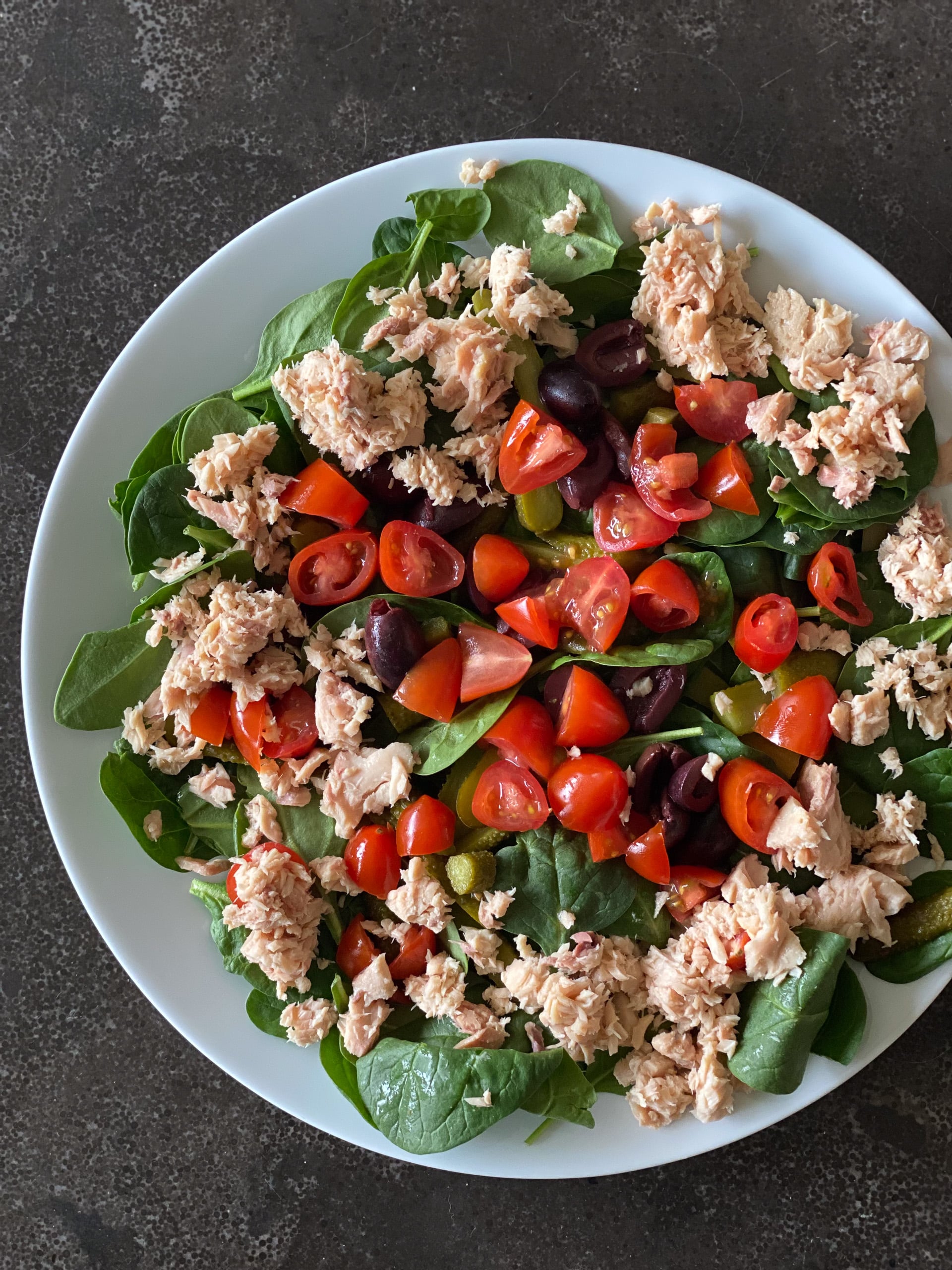
Why make this for lunch? Tuna and white bean salad is the perfect no-cook recipe that provides 25-30 grams of protein from the canned tuna and beans, and it gets even more delicious after sitting in the fridge.
Take one 5 ounce can of either oil-packed or water-packed tuna, drain it, and crumble it into a bowl. Next, add one 15 ounce can of cannellini beans or great northern beans (drained), 1/2 cup of cherry tomatoes cut in half, 1/3 cup of red onion diced finely, 1/4 cup of fresh parsley chopped, 2 tablespoons of capers, and 2 tablespoons of chopped olives. Now, whisk 3 tablespoons of olive oil together with 2 tablespoons of lemon juice, 1 clove of garlic minced, and add salt and pepper to your liking.
Pour the mixture over the salad and toss it gently. You should be done when everything is covered in dressing and the beans have absorbed some of the lemon. Store the salad in a lidded container and refrigerate. You can eat it cold or at room temperature. The salad will last in the fridge for three days and the flavor will deepen.
Substitutes: For a different version, use canned salmon (it has a more robust flavor and slightly higher omega-3’s), and add a hard-boiled egg for more protein and some additional texture.
6) Chicken Salad
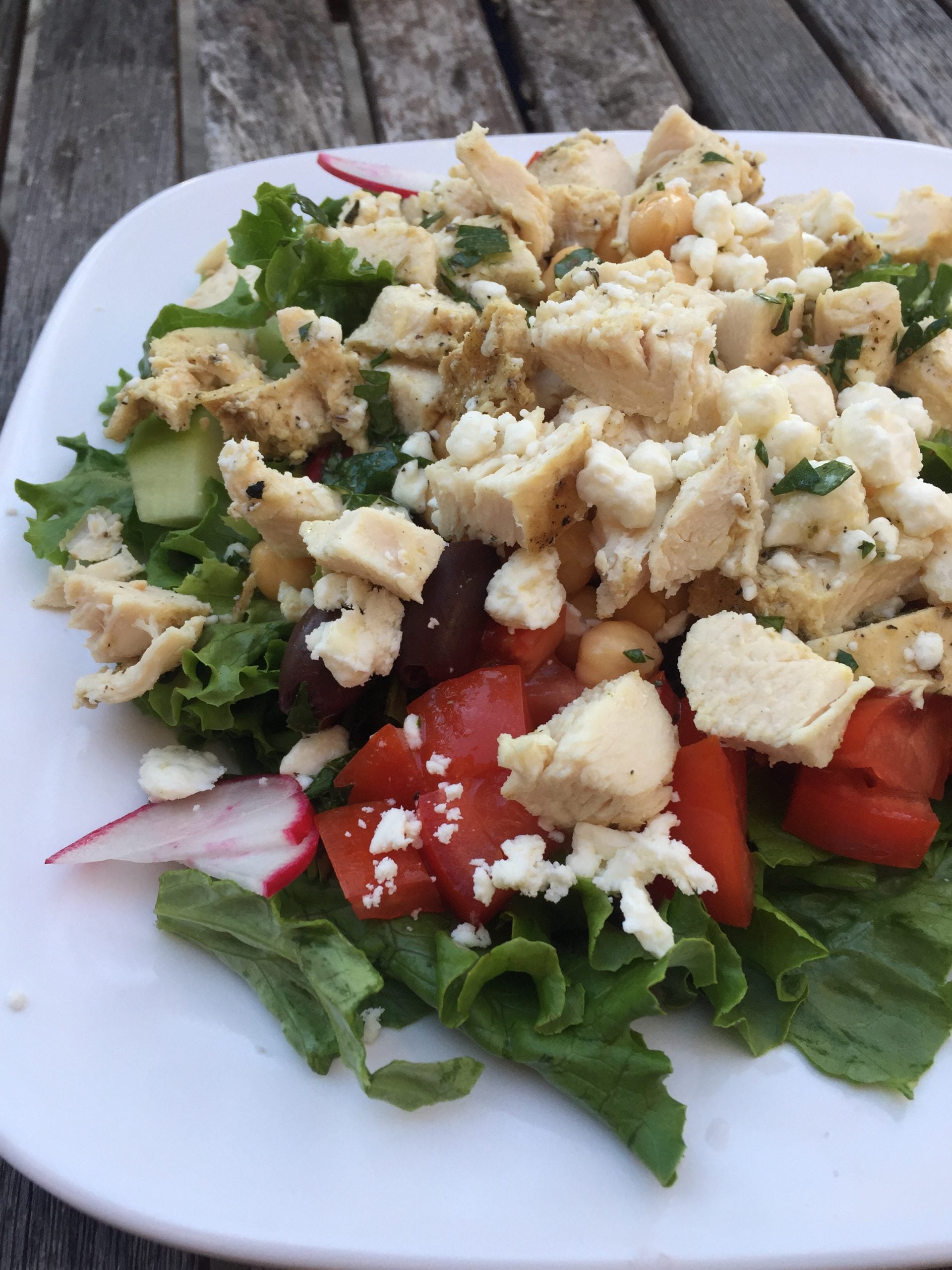
Why pack this for lunch: A classic chicken salad packed in lettuce cups or on bread brings about 25 grams of protein, and the celery and grapes add the crunch that keeps it from being one-note.
In one large bowl, combine three cups of cooked and diced chicken (the fastest option is rotisserie), with one third cup of mayonnaise, a quarter cup of plain Greek yogurt (the yogurt is a secret that helps it not feel so heavy), half a cup of celery (diced and finely chopped), a third of a cup of red grapes (halved), a quarter cup of pecans (or walnuts) (toast them if you have the time), two tablespoons of red onion (or chives, finely chopped), salt and black pepper.
A teaspoon of Dijon mustard is the secret that makes it all come together. The salad is done when the chicken and the sauce are completely blended and all the flavors have come together (this salad is better the longer it sits, but 15 minutes is the minimum). It can be served on croissants, in lettuce wraps, on crackers, or on a bed of lettuce. It can be stored in the fridge for upto 4 days and still be eaten.
To make it even faster, you can use canned chicken, and to make it a curried chicken salad, you can put in a teaspoon of curry powder instead of the dijon mustard.
7) Salmon Quinoa Bowl
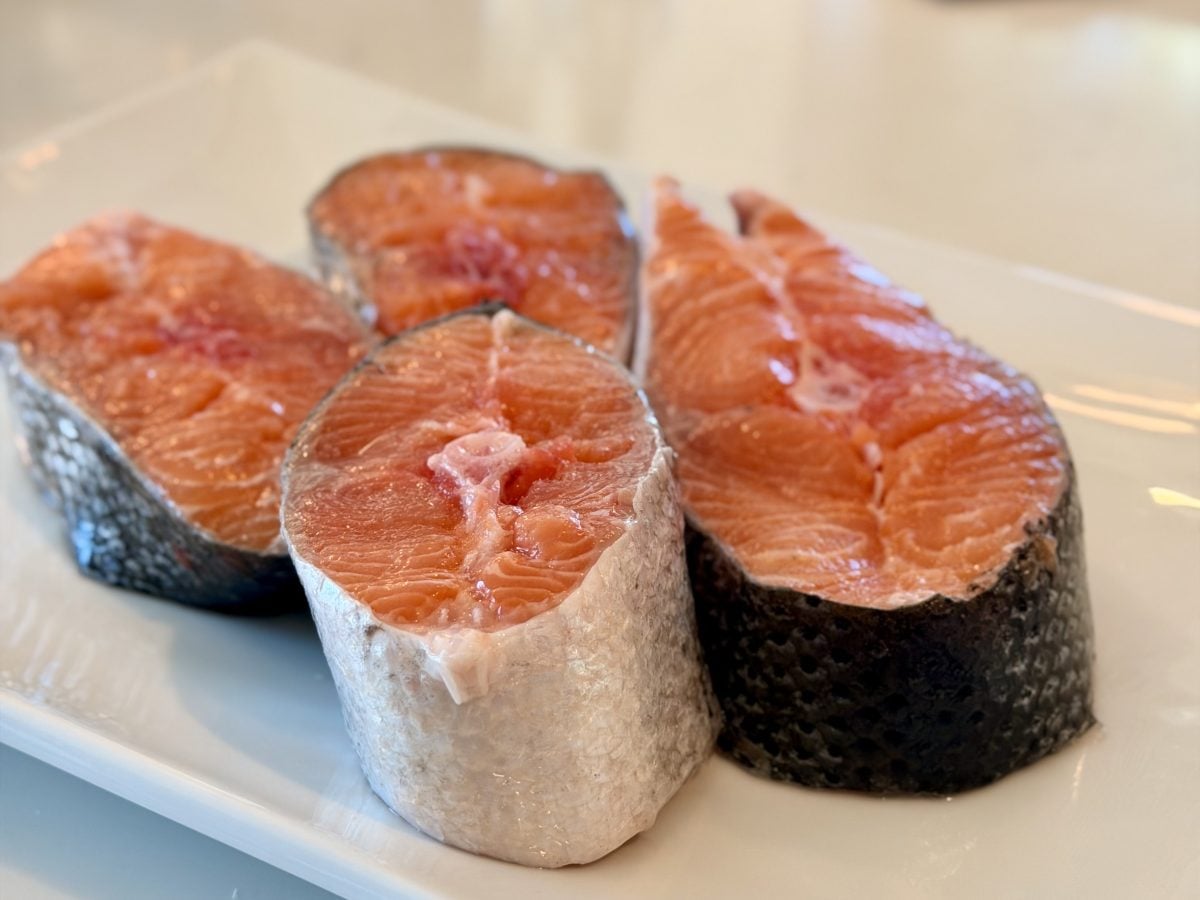
Why is it a good idea to pack this for lunch? Salmon quinoa bowls provide over 30g of protein from both salmon and quinoa, and pack omega-3s that are often missing from weeknight lunches.
To prepare the quinoa, add 1 cup to 2 cups of boiling salted water, turn the heat down to a simmer, and set a timer for 15 minutes. Once the timer goes off, fluff and let cool. For the salmon, take 4 salmon fillets (6 ounces each) and place them on a sheet pan. For the marinade, use 2 tablespoons of olive oil, the juice of 1 lemon, 4 minced garlic cloves, 1 teaspoon of dried dill, and salt and pepper to taste.
Roast at 425F for 10-12 minutes until the salmon flakes and it is barely translucent in the center. To build the bowls, put in 3/4 cup of quinoa, 1 salmon fillet (flaked or whole), 1 cup of mixed greens, 1/2 cup of diced cucumber, 1/4 cup of halved cherry tomatoes, 2 tablespoons of feta, and drizzle olive oil and lemon.
For packaging instructions, store salmon and quinoa together; the greens, vegetables, and dressing should be mixed to separate them until lunch. For no-cook versions, use salmon from a can (drained). Any grains like brown rice or farro can be used instead of quinoa.
8) Lentil Soup
Why pack this for lunch: Lentil soup is the bring-to-work lunch that warms up in 90 seconds and delivers 20+ grams of protein per bowl, and it gets better the second day.
Heat two tablespoons of olive oil in a large pot over medium heat. Once hot, add one diced onion, two chopped carrots, and two chopped celery stalks, and cook for six minutes. Then add four minced garlic cloves, two tablespoons of tomato paste, one teaspoon of cumin, one teaspoon of smoked paprika, and some salt and pepper to taste.
Cook for one minute until the paste blooms (it should darken). Then, add 1.5 cups of rinsed dried green or brown lentils, 6 cups of broth, one 14.5 ounce can of diced tomatoes, and 2 bay leaves. Let this simmer for 30 to 35 minutes. The soup is finished when the lentils are tender (but still hold their shape) and the broth has thickened slightly. Finish the soup with some lemon juice and chopped parsley. Divide the soup into 4 to 5 lunch containers (1.5 cups each). It reheats perfectly so you can also include a slice of crusty bread on the side.
Substitution: Use red lentils to break down quicker (20 minutes) for a smoother, more pureed soup. Add 2 cups of chopped kale or spinach in the last 5 minutes for greens.
 Nathaniel’s Pantry Notes: How Much Protein Your Lunch Actually Needs
I tracked my actual lunch protein for a week once just to see, and the numbers were grim. A turkey sandwich on regular bread with a slice of cheese: 17 grams. A small green salad with a half-can of tuna: 14 grams. A bagel with cream cheese: 9 grams. No wonder I was clawing at the vending machine by 3:30.
The big idea: most lunches in the wild hit somewhere between 10 and 18 grams of protein, and most adults need 25-35 grams per meal to stay full until dinner. The gap is exactly the difference between “I’m starving” at 4 pm and “I could honestly skip a snack” at 5 pm.
• The rough target is 25-35 grams of protein per lunch. Active adults toward the higher end, sedentary office workers toward the lower. This is what keeps blood sugar steady and the afternoon-crash hunger away.
• Animal proteins are the densest. 4 ounces of cooked chicken thigh: 28 grams. 4 ounces of cooked salmon: 23 grams. 2 large eggs: 12 grams. 1 cup of cottage cheese: 24 grams. 1 cup of Greek yogurt: 18-22 grams. A 5-ounce can of tuna: 22 grams. Most “real meat” portions get you 60-80 percent of the way there in one ingredient.
• Plant proteins need to stack. 1 cup of cooked lentils: 18 grams. 1 cup of chickpeas: 15 grams. 1 cup of tofu: 15-20 grams. A serving of tempeh: 16 grams. A plant-based lunch usually needs two protein sources (chickpeas + cheese, lentils + nuts, tofu + edamame) to hit the target.
• Carbs are not protein. Bread, rice, pasta, oats, all contain small amounts of protein (3-6 grams per serving), but they’re not the protein anchor of the meal, no matter how much cheese-and-bread the dish involves.
The 5-second math: When packing lunch, count the protein anchor first (the meat, fish, eggs, or major plant protein). If it’s under 20 grams, add a second source: a hard-boiled egg, an extra ounce of cheese, half a can of beans, a spoon of cottage cheese. The extras are usually negligible additions; the difference they make is enormous.
9) Egg Muffins
Why should you pack this for lunch? Egg muffins are the easy, grab-and-go breakfasts (or lunches) that provide 14 grams of protein for every 2 muffins.
Plus, you can make a dozen muffins in advance to cover almost a whole work week. To make these egg muffins, start by preheating your oven to 350°F. In a large bowl, whisk together 8 eggs and 1/4 cup of milk, then season with salt and pepper to your liking, and add 1/2 tsp of garlic powder. For the main mixture, add 1.5 cups of filling of your choice. You can use cooked and squeezed dry spinach, chopped bell pepper, sliced cherry tomatoes, green onions, crumbled bacon or sausage, diced ham, or any shredded cheese (1/2 cup is perfect, more is greasy).
Grease each cup of a muffin tin (this is super important so the muffins do not stick). Pour the mixture into each muffin cup until they are 3/4 full. Bake the muffins for 18-22 minutes or until the tops look puffy and golden, and when a toothpick comes out clean. Once done, cool in the pan for 5 minutes, then use a butter knife to loosen them from the sides of the muffin tin. They can be stored in the refrigerator for 5 days. Before eating, heat them in the microwave for 30 seconds.
For an easy protein boost, you can substitute 1/2 cup of milk with cottage cheese to make the mixture thicker. Also, you can add cooked and diced sweet potatoes to make the muffins a little sweeter.
10) Crunch Salad
Why include this in your lunch: this crunch salad is perfect because they can handle several hours in the lunchbox without going limp to have a satisfying crunch, and the chickpeas, cheese, and sunflower seeds provide over 20 grams of plant-based protein per serving!
For the salad, take a large bowl and combine 4 cups of mixed greens (baby spinach and arugula are better than the softer greens), 1 cup of shredded purple cabbage, 1 grated carrot, 1 sliced bell pepper, 1 (15-ounce) can of chickpeas (drained and dried with paper towels), 1/2 cup of crumbled feta cheese, and 1/4 cup of either toasted pumpkin or sunflower seeds, and 1/4 cup of chopped herbs (fresh parsley, dill, and mint). In a separate small bowl, mix 1/3 cup of olive oil, 3 tablespoons of red wine vinegar, 1 minced garlic clove, 1 teaspoon of Dijon mustard, and 1 teaspoon of honey (add salt and pepper to taste).
Before serving, pour the dressing over, and your salad will stay crisp for 2 days if dressed or 4 days undressed. For the salad, you can add protein like cooked chicken, hard-boiled eggs, or salmon. For more of a meal, roasted sweet potato (cubed) can also be added.
11) Cottage Cheese Toast Box
Why pack this for lunch: A cottage cheese toast box is the savory lunch that delivers 20+ grams of protein from cottage cheese and bread, and the topping combinations turn it into something that doesn’t feel like cottage cheese.
Toast 4 slices of seedy whole-grain or sourdough bread and let them crisp up. Spread each one with 1/2 cup of full-fat or 4% cottage cheese (drained slightly to thicken). Top each toast with a different combination of toppings: For Mediterranean, add cherry tomatoes and drizzle flaky salt, olive oil, and black pepper. For Greek, spread some cucumber, dill, and lemon. For Cali, do avocado and everything bagel seasoning.
Deluxe is for smoked salmon, capers, and red onion. Pack cottage cheese and toast separately, and eat for lunch. Alternatively, for a quicker pre-packed version use 1 cup of cottage cheese in a container with sliced cucumber, halved cherry tomatoes, and a small handful of seeds. Then, pack a seedy crispbread on the side.
Substitute: use stiff cottage cheese instead of ricotta (creamier, slightly sweeter), or use Greek yogurt instead which will cover the same protein-anchor slot but with a different texture.
12) Beef Broccoli Stir Fry
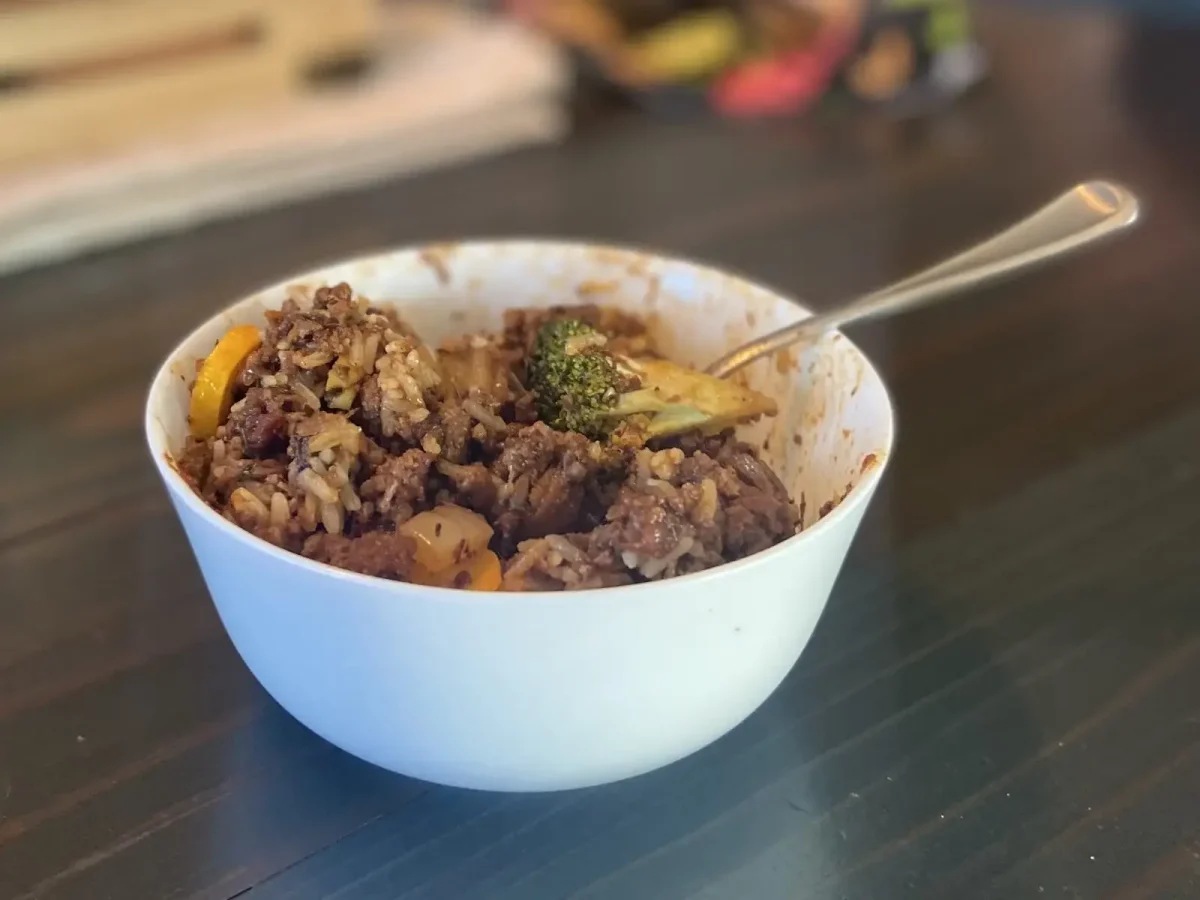
Why pack this for lunch: Beef and broccoli stir-fry is the meal-prep lunch that scales to 4 portions easily, and each cup of sliced beef gives you about 25 grams of protein.
Cut 1.5 pounds of flank steak into thin slices against the grain (doing this will keep the meat tender). Marinate the meat with 1 tablespoon of soy sauce and 1 tablespoon of cornstarch. In a large skillet, heat 2 tablespoons of oil over high heat. Add the beef (do not overcrowd the pan, and if necessary, work in batches) and cook for 1-2 minutes per side. Remove from the heat.
Then add 4 cups of broccoli florets and 1/4 cup of water, cover the pan and steam for 3 minutes. After that add in 3 minced garlic cloves and 1 tablespoon of minced ginger, and cook for 30 seconds. Combine 2 tablespoons of brown sugar, 1/4 cup of soy sauce, 1 tablespoon of rice vinegar, 1 tablespoon of cornstarch, and 3/4 cup of beef broth. Add the beef back into the pan, pour in the sauce, and simmer for 2 minutes until the sauce becomes glossy. Divide the stir fry into 4 containers with 1 cup of cooked rice each. It will take 90 seconds to reheat.
For the meat substitute swap: sirloin or skirt steak. For a chicken version, sliced chicken thighs work the same way.
13) Pasta With Meat Sauce
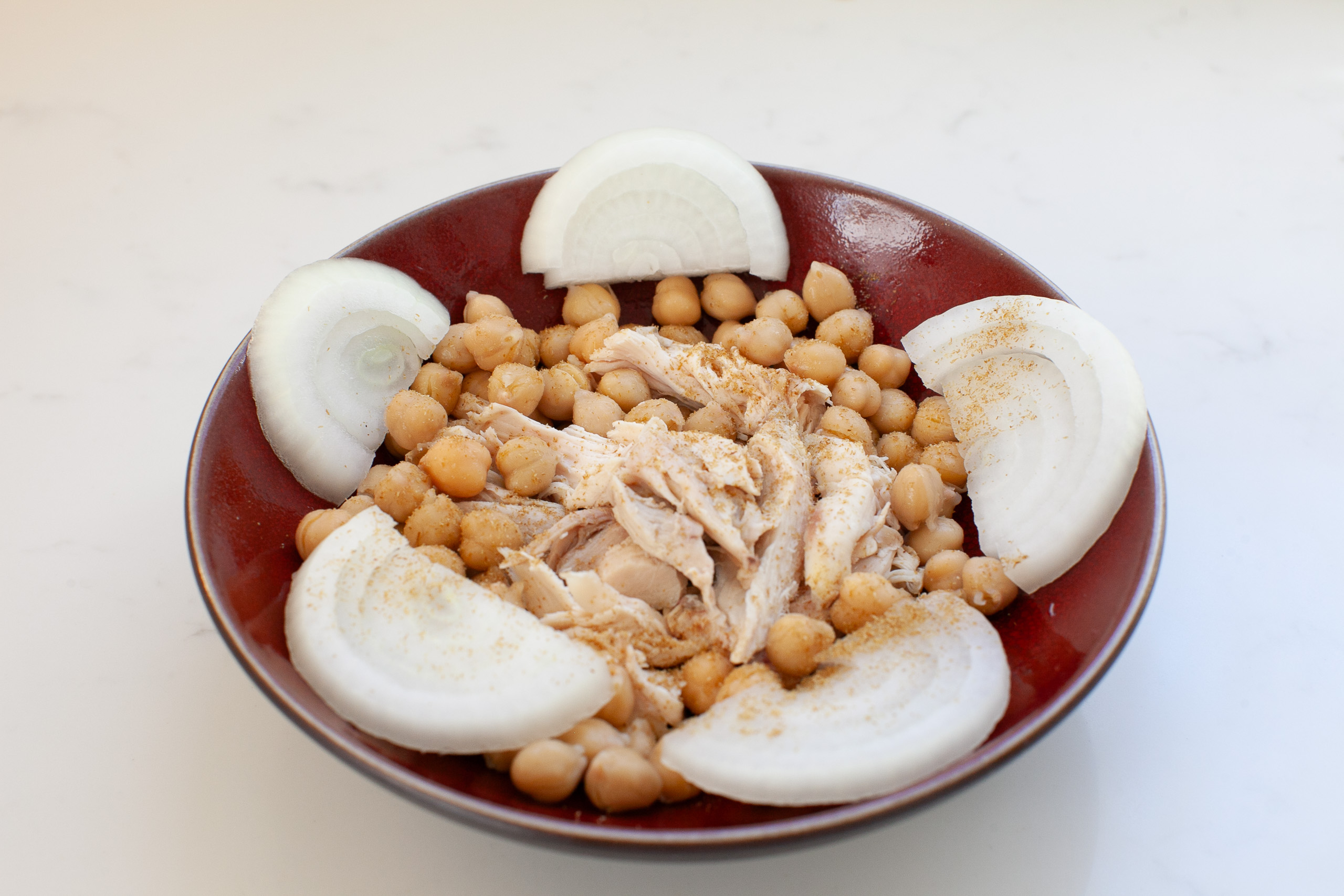
Reasons to pack: When packing lunches, an advantage to packing pasta with meat sauce is that the meat sauce is better after sitting overnight and the pasta can be portioned to provide an option with 25 + grams of protein (from the ground beef) along with carbohydrates from the pasta.
Recipe: Cook 1 pound of penne or rotini until al dente. Once the pasta is done, heat 2 tablespoons of olive oil in a large skillet at medium-high heat. Brown 1 pound of 80/20 ground beef with 1 chopped onion for 7-8 minutes. Let the beef sit for a little while and don’t break up the chunks so the meat gets brown. After that, drain the fat (leave about 2 tablespoons).
Add 4 cloves of minced garlic, 2 tablespoons of tomato paste, 1 tablespoon of Italian seasoning, and season with salt and pepper, Cook for 1 minute. After, add 1 can (28 oz) of crushed tomatoes and let it simmer for 8-10 minutes. Combine with pasta and a little bit of pasta water. Top with grated parmesan. This will be 4-5 lunch containers. The taste will get better after resting overnight in the fridge. To reheat it, take off the cover and put a damp paper towel on it (microwave for 90 seconds)
Substitutions: For a more rich and diverse flavor, use Italian sausage (that has been browned beforehand). If you want some greens, add a handful of chopped spinach during the last 3 minutes of the simmering process.
14) Tofu Noodle Box
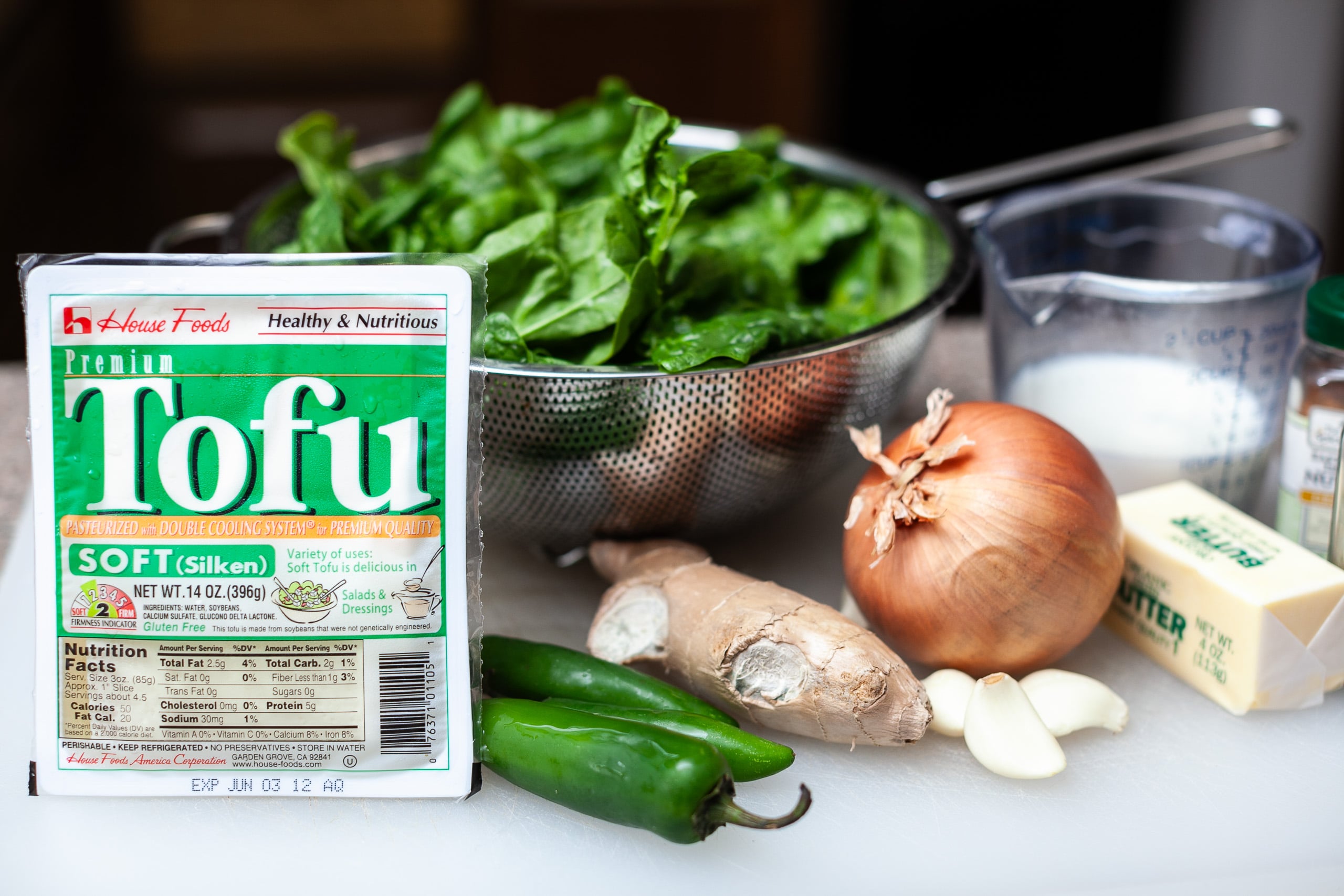
What makes this a great lunch option? The Tofu Noodle Box is a great choice because it is plant based and provides 20+ grams of protein!
Also, the noodles taste good cold! To prepare the noodles, start by cooking 8 ounces of soba noodles as instructed on the package. After cooking, drain the noodles then rinse them in cold water. Next, press the tofu for 15 minutes, and then cut the tofu into cubes. After you’ve pressed the tofu, toss it with 2 tablespoons cornstarch, and then sprinkle on some salt and pepper. Heat 3 tablespoons of oil in a frying pan/skillet over medium/high heat.
Then, cook the tofu in a single layer for 8-10 minutes, flipping the tofu every 2 minutes. Once the tofu is cooked, make your sauce by whisking the following ingredients together: 3 tablespoons soy sauce, 1 tablespoon rice vinegar, 1 tablespoon honey, 1 teaspoon sesame oil, 1 tablespoon of grated ginger, and 2 cloves of garlic. Toss the sauce with the noodles and tofu, and add your choice of 1 cup of shredded carrots, 1 sliced cucumber, 1/2 cup of thawed frozen edamame, and 1/4 cup of chopped peanuts. Split evenly into 4 containers and pack for lunch! Your meal can be enjoyed cold, or warm.
You may swap the following ingredients: If you want to make the dish gluten free, replace the tofu with rice noodles, chicken, or shrimp.
15) Shrimp Avocado Bowl
Why pack this for lunch? The shrimp avocado bowl has 25 grams of protein below pre-cooked shrimp, making it an excellent source of quick protein, and every meal shrimp avocado bowl has a single bowl meal container.
Prepare 1.5 cups of rice following the package instructions. Purchase 1 pound of cooked shrimp from the seafood counter or thawed frozen shrimp. Cooked shrimp can be used to save time. Combine the shrimp with 2 teaspoons of olive oil, the juice of 1 lime, 1 minced garlic clove, 1 teaspoon smoked paprika, and season with salt and pepper to taste.
Distribute the rice evenly between the 4 bowls (3/4 cup of rice) and then add 6-7 shrimp, 1/2 sliced avocado, 1/2 cup halved cherry tomatoes, 1/4 cup of black beans (drained), a small handful of fresh cilantro, lime wedges, and a sprinkle of crumbled feta or cotija. Put the avocado in a separate container and slice it into the bowl when you get to work so it doesn’t turn brown. For additional flavor, you can add some crunchy sriracha mayo or chipotle yogurt.
Replacements: For a canned version, use chunks of canned salmon or tuna for a more stable alternative. For the rice option, you can use brown rice or quinoa instead of the white rice option.
16) Chicken Burrito Bowl
Why should you pack this for lunch? Each bowl of this chicken burrito bowl recipe provides 30+ grams of protein from chicken and beans.
Plus, this recipe can be easily scaled to feed 4-5 portions. To make the chicken, first combine 1.5 pounds of boneless skinless chicken thighs (cut into bite-sized pieces) with 1/4 cup lime juice, 2 tablespoons of olive oil, 4 minced garlic cloves, 1 tablespoon of chili powder, 1 teaspoon of cumin, 1 teaspoon of smoked paprika, salt, and pepper and let this marinate for at least 30 minutes. Once marinated, cook the chicken in a skillet over medium heat for about 5-7 minutes, or until the chicken has no pink and is 165°F.
Then, slice the chicken into strips. For the rice, combine 1.5 cups of cooked white rice, the juice of 1 lime, and a handful of chopped, cooked cilantro (for cilantro-lime rice). For each bowl, add 3/4 cups of rice, the sliced chicken, 1/2 cup of drained and warmed black beans, 1/2 cup of corn, salsa, shredded cheese, and finally, a dollop of sour cream (which should be packed separately from the other ingredients). These bowls can be refrigerated for up to 4 days.
To make this recipe even easier, simply use store bought shredded rotisserie chicken. To add more healthy fats to this meal, consider adding diced avocado (right before serving).
17) Protein Bento Box
Why pack this for lunch: A protein bento box is the adult version of a kid lunchable, and it can hit 30+ grams of protein when you build it right: one protein anchor, one carbohydrate, one fruit, one vegetable, one fat.
For each compartment, pack 4 ounces of sliced turkey or roast beef (alternatively, 2 hard-boiled eggs, or a pre-packaged 4 oz piece of cheese), 1/3 cup of seedy crackers or one piece of crusty bread, 1 cup of sliced cucumbers or carrot and bell pepper sticks accompanied by 2 tablespoons of hummus, 1 cup of grapes, sliced apples, or orange pieces, and a small handful of nuts or olives. The compartments are important because mixing wet and dry ingredients results in soggy crackers and sad carrots. A bento box with 4 or 5 sections works well.
Optional add: 2 squares of dark chocolate as the small treat that makes it feel like more than a “healthy” lunch.
Swap: Add cubed leftover roast chicken or grilled steak for variety.
Substitute cottage cheese (1/2 cup) for cheese to increase protein and achieve a creamier consistency.
 Nathaniel’s Pantry Notes: The Sunday Protein Hour (One Cook, Four Lunches)
The single highest-leverage thing I do for my workweek is spend 45 minutes on Sunday afternoon cooking one big batch of protein. It’s not a meal-prep marathon. It’s one thing in the oven and another on the stove, and by the time I’m done I have enough cooked protein to anchor 4-5 different lunches that week.
The big idea: protein is the bottleneck of every lunch, and protein is the slowest thing to cook (chicken takes 25 minutes, beans take an hour, eggs take 10). Cook the protein once, on a day when you have time, and the rest of the week’s lunches turn into 5-minute assemblies.
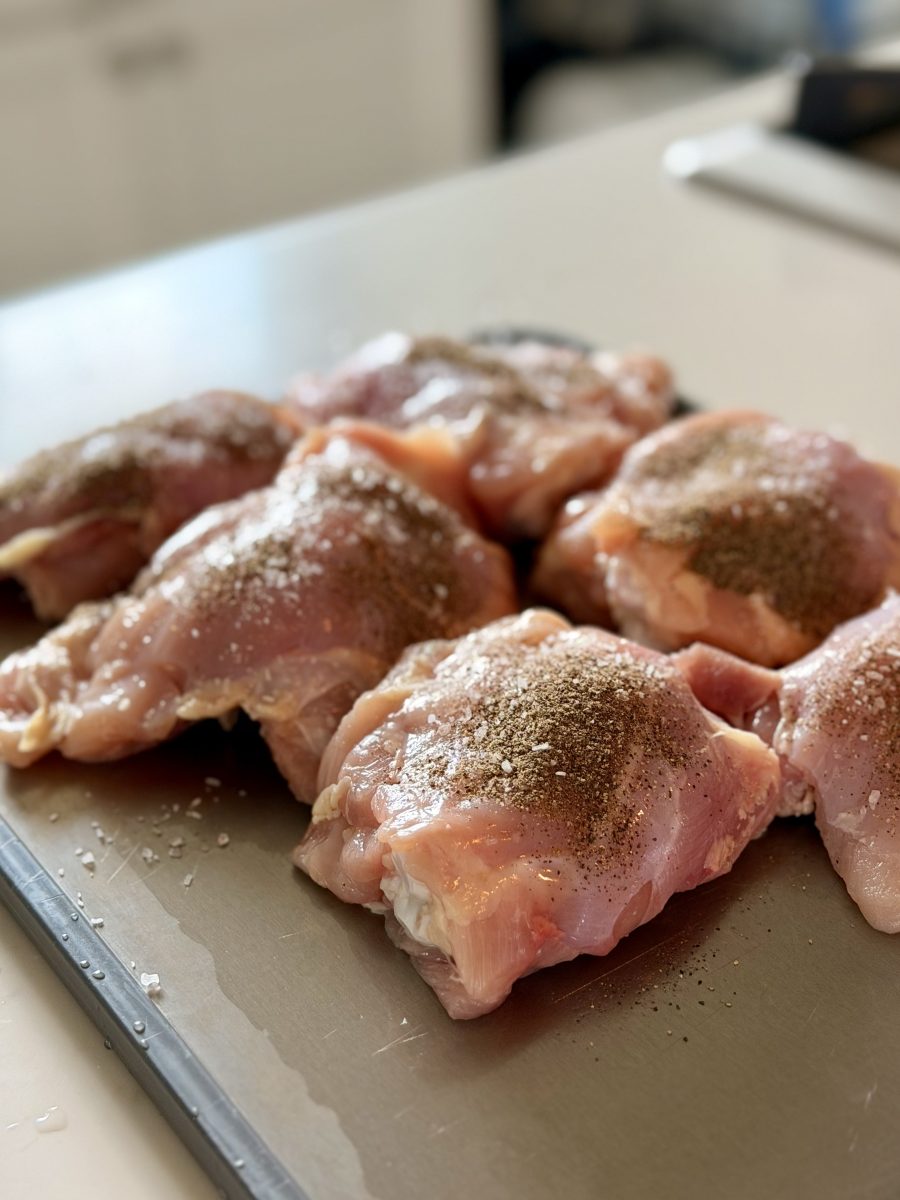
• The sheet-pan chicken move. 1.5 pounds of bone-in or boneless chicken thighs on a sheet pan, 25 minutes at 425°F. That’s 4 lunch portions of cooked protein for the week, ready to slice or shred into bowls, salads, wraps, or rice. Total active work: 5 minutes.
• The hard-boiled egg backup. While the chicken roasts, hard-boil 6-8 eggs on the stove (9-10 minutes in boiling water, ice bath, peel). Two eggs in a lunch box is 12 grams of additional protein; six eggs covers 3 lunches as the protein anchor on their own.
• The plant-protein add-on. If you eat plant-based occasionally, cook a pot of lentils or roast a can of chickpeas at the same time. Same oven, no extra work. Now you have 4-5 lunches of plant protein ready to grab.
• Don’t overcommit on day-of meal prep. Cook the protein on Sunday and the carbs/vegetables/sauces fresh each day if you can. Rice and quinoa cook in 15-18 minutes; vegetables sauté in 4. The protein is the time-sink. Solve that one and everything else is a 10-minute lunch.
The Sunday hour checklist: Pre-heat oven (5 min). Season and pan chicken (3 min). Roast (25 min, hands-off). Hard-boil eggs while chicken cooks (10 min, hands-off). Portion into containers (5 min). Done. You’ve just covered the protein for 4-5 weekday lunches in 45 minutes of mostly walking around the kitchen.
18) Steak Salad
What makes this worthy of a lunch bag? It involves leftover steak from dinner which means you get a packed lunch that is very filling steak salad and of course with protein (more than 30 grams) coming from the 4-5 ounces of sliced steak.
For flank steak, sirloin, or even ribeye, prepare 1 pound. Simply season with salt and pepper, then, in a hot cast iron pan, sear for 4-5 minutes on each side so that you get an internal temperature of 130 degrees, which is medium rare. After this, let it rest for 10 minutes, then slice it thinly against the grain. Prepare 4 containers for lunch: in each, place 2 cups of mixed greens (arugula and spinach hold up better than soft greens).
Then, add 1 cup of halved cherry tomatoes, 1/2 cup of crumbled blue cheese or feta, 1/4 cup of thinly sliced red onion, and 2 tablespoons of toasted pecans. Finish it off with the steak slices (4 ounces each). For the dressing, mix your own: 1/4 cup olive oil, 2 tablespoons of balsamic vinegar, 1 teaspoon of Dijon, add salt and pepper. Dressed salad lasts for 3 days, but the greens won’t be so crisp. An undressed salad lasts for 4-5 days.
Substitutes: leftover grilled chicken or pork tenderloin. For a more filling salad, add roasted sweet potato.
19) Tempeh BLT Sandwich
Why put this on your lunch menu: A Tempeh BLT sandwich is a filling alternative to traditional BLTs and is healthy as tempeh (cured soybean cake) has a high protein content – over 20 grams per serving.
For the sandwich, you will need to cut 8 ounces of tempeh into 1/4 inch thick slabs. Then mix together 3 tablespoons of soy sauce, 2 tablespoons of maple syrup, 1 tablespoon of liquid smoke (the BLT trick), 1 tablespoon of olive oil, 1 teaspoon of smoked paprika and whisk to combine.
Marinate the tempeh slabs for at least 15 minutes. Meanwhile, heat 2 tablespoons of oil in a skillet over medium heat and cook the tempeh for about 3-4 minutes on each side. The tempeh slabs should have a deep golden color with slightly charred edges. Now you can build 4 sandwiches – spread avocado mash (or mayo) on both slices of toast and add the marinated tempeh, some lettuce, sliced tomato, and cucumber. Wrap it whole in parchment paper to pack it for lunch.
Just before eating, slice it diagonally to keep all the fillings from falling out. For variation, you can also put cooked and drained bacon on the sandwich, or for extra protein, add a fried egg.
20) Turkey Chili
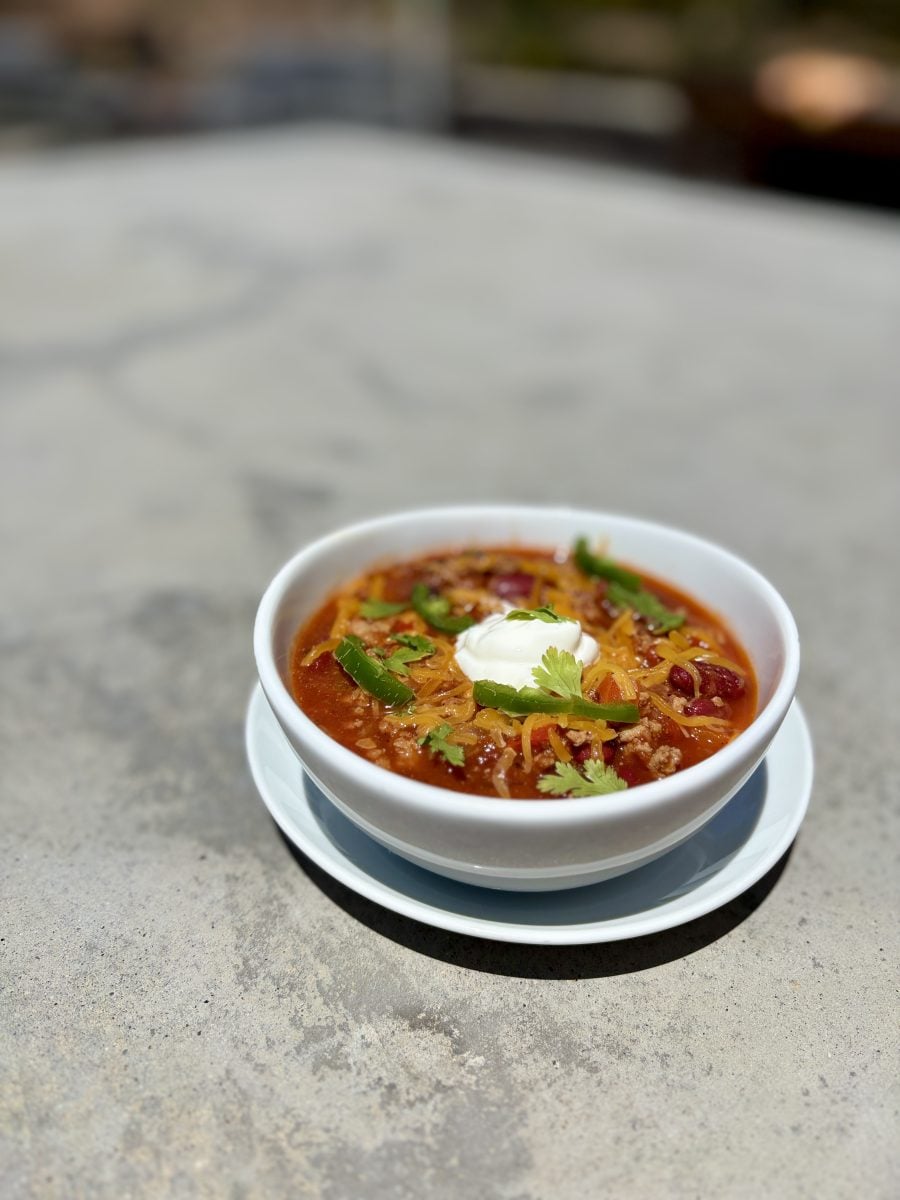
Why pack this for lunch: Turkey chili is the meal-prep lunch that scales to 6-8 portions easily, and a 1.5-cup serving brings 30+ grams of protein from turkey plus beans.
The meal will have the same great taste when it is warmed up again. To make the turkey chili, first heat two tablespoons of oil in a large pot, and add one and a half pounds of lean ground turkey (93/7) and one chopped onion, which should be cooked for about six to seven minutes. The turkey is leaner than ground beef, so it will need to be drained less. Once this has finished cooking, add four cloves of minced garlic and one diced bell pepper, 2 tablespoons of chili powder, 1 tablespoon of cumin, 1 teaspoon of smoked paprika, 1 teaspoon of oregano, and 2 tablespoons of tomato paste. Cook this for one minute, which allows the spices to ‘bloom’.
Then, make sure to add one drained can of black beans and of pinto beans, 28 ounces of crushed tomatoes, and two cups of chicken broth (along with any added salt). Bring this to a simmer, and then partially cover the pot and cook for 30 to 40 minutes. This is done when the chili has thickened to the point that it can coat the back of a spoon. This should be divided into 4-5 lunch containers, and then can be topped with cheese, sour cream, and lime wedges.
Some changes that can be made to the recipe include using ground chicken instead of turkey for a different flavor, and adding 1 cup of frozen corn for sweetness and color, which will make the chili look better.
21) Protein Overnight Oats
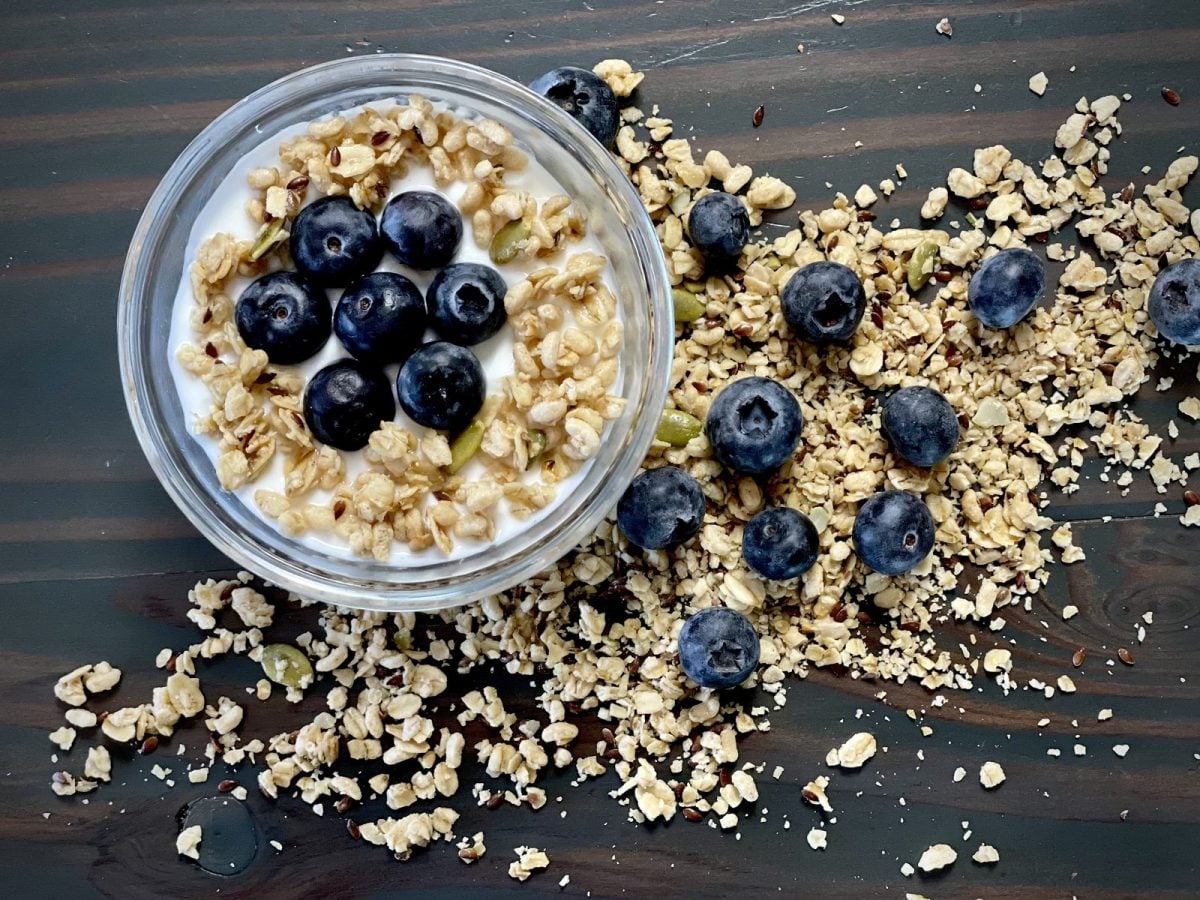
Why pack this for lunch: Protein overnight oats are the breakfast that doubles as lunch when you want something sweet and filling.
Using Greek yogurt and protein powder, each jar can contain 25+ grams of protein. For this, you will need a 16 oz (or 1 pint) mason jar or container. Start by adding 1/2 cup of rolled oats (no instant), 1/2 cup of plain Greek yogurt, 1/2 cup of milk, 1 scoop (about 25-30 grams) of protein powder (use vanilla or unflavored), 1 tablespoon of chia seeds, 1 tablespoon of maple syrup or honey, and a pinch of salt. Mix well in the jar and refrigerate for a minimum of 6-8 hours. The oats are ready to eat when a spoon can stand in them for a second then sink.
Your toppings will be packed separately (to keep your granola crunchy) in a small container, and will include: 1/4 cup fresh berries, 1 tablespoon of nut butter, and a small handful of granola or chopped nuts. You can switch things up by replacing the Greek yogurt with cottage cheese (1/2 cup), for an even higher protein option. You can also add a tablespoon of cocoa powder to the yogurt for a chocolate version.
22) Sardine Snack Plate
Why pack this for lunch: A sardine snack plate is the savory protein lunch that uses pantry staples to hit 25+ grams of protein in 5 minutes, and modern oil-packed sardines are the most underrated canned fish.
Grab 1 or 2 4-5 ounce tins of oil-packed sardines (make sure they are in olive oil, not water) and pack them in a container or in a box. Then add 4-5 whole-grain crackers or a slice of seedy bread, a handful of olives, sliced cucumber, halved cherry tomatoes, a hard-boiled egg (if allowed), a lemon wedge, and a tiny cup of mustard or aioli. For the bread or crackers, use some of the sardine oil. The combination of sardines, crunchy, and the lemon = more than the sum of its parts! Can be made 2-3 days before, sardines may get some extra oil but that is okay.
Swap: For the protein, you can use smoked mackerel or canned tuna (oil-packed) and get a similar result. You can also add a bit of strong cheese (manchego, aged cheddar) for fun.
23) BBQ Chicken Salad
Why is this a good lunch option? The BBQ chicken salad turns leftover BBQ chicken into a lunch you can prepare in 5 minutes!
The BBQ sauce in the dressing is what makes this different than other chicken salads. For 4 lunches: shred 3 cups of leftover chicken (you can use any rotisserie chicken, or chicken that you quick-poached). Combine chicken with 1/2 cup BBQ sauce, 1 tablespoon of apple cider vinegar, and 1 minced garlic clove.
Prepare 4 containers with 2 cups of chopped lettuce (can be romaine or any spring mix), 1/2 cup of corn (this can be frozen, or canned), 1/2 cup of black beans (drained), 1/2 cup of halved cherry tomatoes, add 1/4 cup of thinly sliced red onion, 1/4 cup of blue cheese or cheddar, and finally, add a small handful of crushed tortilla chips and BBQ chicken on top. You can add ranch dressing, or combine BBQ sauce with ranch to use as a dressing (to make the ranch add 3 tablespoons of mayo, 1 tablespoon of BBQ sauce, and 1 teaspoon of vinegar, and thin it with buttermilk).
As a swap: you can use leftover pulled pork or even smoked brisket, and for an added kick, include diced jalapeños.
24) Feta Chickpea Bowl
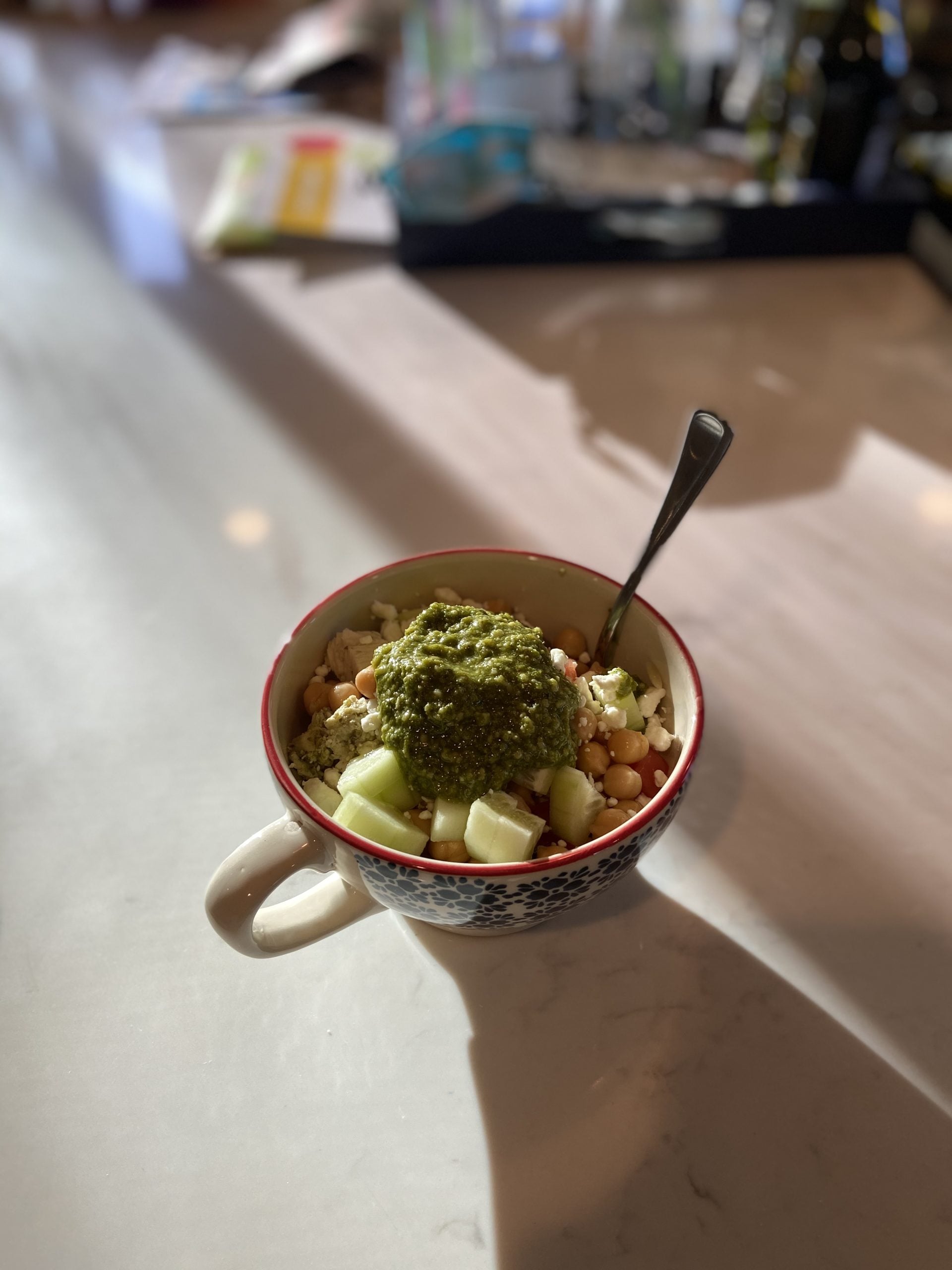
Why pack this for lunch? Feta chickpea bowls get better overnight! Plus, they provide 18-20 grams of protein from the feta and chickpeas.
This Mediterranean plant-based meal is super quick and easy to make. To make four lunches, first prepare two 15-ounce cans of chickpeas. Drain & dry them using paper towels. Next, mix the chickpeas with 1.5 cups halved cherry tomatoes, 1 cup diced cucumber, 1/2 cup red onion (finely chopped), 1/2 cup pitted Kalamata olives, 1 cup crumbled feta, 1/4 cup chopped parsley, and 1/4 dill (fresh) or mint.
In a separate bowl, whisk together 1/3 cup olive oil, 1/4 cup red wine vinegar, 2 minced garlic cloves, 1 tsp dried oregano, salt, & pepper to taste. Toss these ingredients together, refrigerate, and enjoy! The flavor of the dressing soaked into the chickpeas overnight, enhancing the salad. Divide into four containers and pack a small warm pita with each. You can also tweak this recipe for your liking!
For more protein, try adding quinoa. If you prefer a creamier texture, you can swap out the chickpeas for cannellini (white) beans.
 Nathaniel’s Pantry Notes: What Survives 4 Hours in a Lunchbox
The first time I packed a fancy lunch for work, I made a beautiful grain bowl with crisp roasted vegetables and a creamy tahini drizzle and felt very smug about it. By noon, the vegetables were limp and steaming, the tahini had soaked into the grains, and the whole bowl tasted like one homogenous mush. I’d ignored the most important rule of lunch packing: not everything holds up the same way over four hours.
The big idea: a lunchbox is a small humid environment for several hours. Things that are crispy go soggy. Things that are dressed wilt. Things that are warm cool down and get worse. But some foods (grain salads, bean salads, marinated vegetables) actually get better. Knowing which is which is what separates a sad lunch from a good one.
• Foods that get better overnight: Bean salads, grain salads, marinated vegetables, pasta salad, chili, soup, stews, anything braised. The flavors meld, the dressing absorbs, the meat tenderizes. These are the dishes to make on Sunday for Friday’s lunch.
• Foods that hold steady: Roasted chicken, hard-boiled eggs, hummus, cheese cubes, dried meats, raw cut vegetables (cucumber, bell pepper, snap peas), most fruits. These can be packed together or separately without losing much.
• Foods that degrade fast: Anything crispy (croutons, granola, tortilla chips, fried foods), tender leafy greens (especially baby spinach, arugula loses crunch), avocado (browns within hours), tomato slices on bread (turn it pink and soggy), anything with crispy skin.
• The pack-separately rule. Dressing in a small container, croutons in a small bag, avocado in chunks (toss with lime juice) to add at lunch. Wet ingredients in glass containers, dry ingredients in plastic. Sauces always separate. Five minutes of packing strategy saves a sad-lunch moment at noon.
The freezer-to-fridge trick for soups and stews: Make a big batch on Sunday, portion into 5 lunch containers. Freeze 3 of them. The fridge containers cover Monday and Tuesday. By Wednesday morning, move a frozen one to the fridge for Thursday’s lunch (24 hours to thaw). Friday’s container thaws on Thursday. This solves the “I’m sick of leftovers by Wednesday” problem by spacing them out across the week.
25) Chicken Fried Rice
Why pack this for lunch: Chicken fried rice is the meal-prep lunch that uses leftover rice to make a takeout-style dinner that reheats beautifully, and 4-5 ounces of chicken plus the eggs brings 30+ grams of protein.
The night before: cook 1.5 cups of rice and refrigerate (cold rice is the only kind that works for fried rice).
The following day: add 2 tablespoons of oil into a large skillet or wok over high heat. Then, add 1 pound of diced boneless, skinless chicken thighs and cook for 5-6 minutes until fully cooked and starting to brown. Push to one side. Beat 3 eggs and pour them into the empty side. Scramble them for 30 seconds.
Then, add 4 cups of cold rice spread into an even layer. Allow to cook undisturbed for 1 minute. After that, add everything together along with 1.5 cups of frozen mixed vegetables, 3 minced garlic cloves, and 4 chopped green onions. Then, drizzle 1/4 cup soy sauce, 1 tablespoon sesame oil, and 1 teaspoon fish sauce. Then, portion them into 4 containers. It should reheat in 90 seconds.
For swaps: use shrimp, pork, or tofu instead of chicken. For low carb options use cooked and cold cauliflower rice.
26) Ranch Dip Box
Why is this a good choice for lunch? A ranch dip box is a protein snack that combines dippers with ranch dip made using cottage cheese or Greek yogurt (both are high in protein).
The dippers also provide fiber and a nice crunch! To make the dip, combine and mix until blended 1 cup of cottage cheese or plain Greek yogurt (you do not have to add yogurt if you want a lower fat dip), 1/3 cup of mayo, 1 tablespoon (you can substitute fresh for dried) of dried dill, 2 tsp of garlic powder, 1 tsp of onion powder, 1 tablespoon of chopped chives, and salt and pepper to taste. Adding raw veggies to increase crunch and fiber is encouraged.
For the box, you will need a small container that holds 1/3 cup of dip and 1 cup of raw veggies such as (carrots) sticks, celery, cucumbers, snap peas, bell peppers, and baby tomatoes. You also are allowed to include 1 hard-boiled egg, 5-6 olives, and a small handful of whole-grain crackers. The cottage cheese ranch dip has approximately 18 grams of protein.
As a substitute for the ranch dip, try the blended silken tofu (substitute for a dairy-based version of the dip) and add 1 tablespoon of buffalo sauce for a ‘buffalo ranch’ flavor.
27) Roast Beef Roll Ups
Why pack this for lunch: Roast beef roll-ups are the no-cook protein lunch that takes 5 minutes to assemble and brings about 25 grams of protein per serving, and the format makes them portable.
For each roll-up, arrange 2-3 slices of deli roast beef (approximately 3 ounces) horizontally. Horizontally spread a thin layer of horseradish cream on each slice (1 tablespoon sour cream, 1 teaspoon prepared horseradish, and a pinch of salt). Place a slice of provolone or muenster cheese, a thin cut of cucumber, and a few baby spinach leaves. Wrap them really tight, like mini burritos.
Either cut them into pieces or leave them as whole “logs”. For lunches, pack 4-5 roll ups along with carrot sticks, halved cherry tomatoes, and a small piece of fruit. Look for a lower sodium option for the deli roast beef, as it tends to be salty. You can also substitute turkey or ham for the beef, and use sliced bell peppers instead of cucumber for some additional crunch.
28) Chicken Caesar Salad
Why pack this for lunch: A chicken Caesar salad is the lunch that uses leftover or rotisserie chicken to hit 30+ grams of protein, and the Caesar dressing keeps the salad from getting boring by day three.
For 4 lunches, chop 4 cups of romaine hearts. Put each heart in separate piles in 4 large containers. Add 1 cup of sliced or shredded cooked chicken (the fastest option is rotisserie chicken) to each container. Top each with 2 tablespoons of grated Parmesan cheese, 1/4 cup of croutons, or seedy crackers (make sure to pack these separately so they stay crisp), and add 1 hard-boiled egg (halved) to each container. For the dressing, pack it separately.
Mix 1/3 cup of mayo + 2 tablespoons of Parmesan + 1 tablespoon of lemon juice + 1 teaspoon of Dijon + 1 teaspoon of Worcestershire + add 1 squeeze of anchovy paste + add 1 minced clove of garlic. Once dressed, the salad lasts 3 days (the greens will lose their crispy texture over time) or 4-5 days undressed. For a different protein option, you can use grilled shrimp or salmon. To make the salad heartier, you can also add roasted sweet potato cubes.
29) Miso Soup
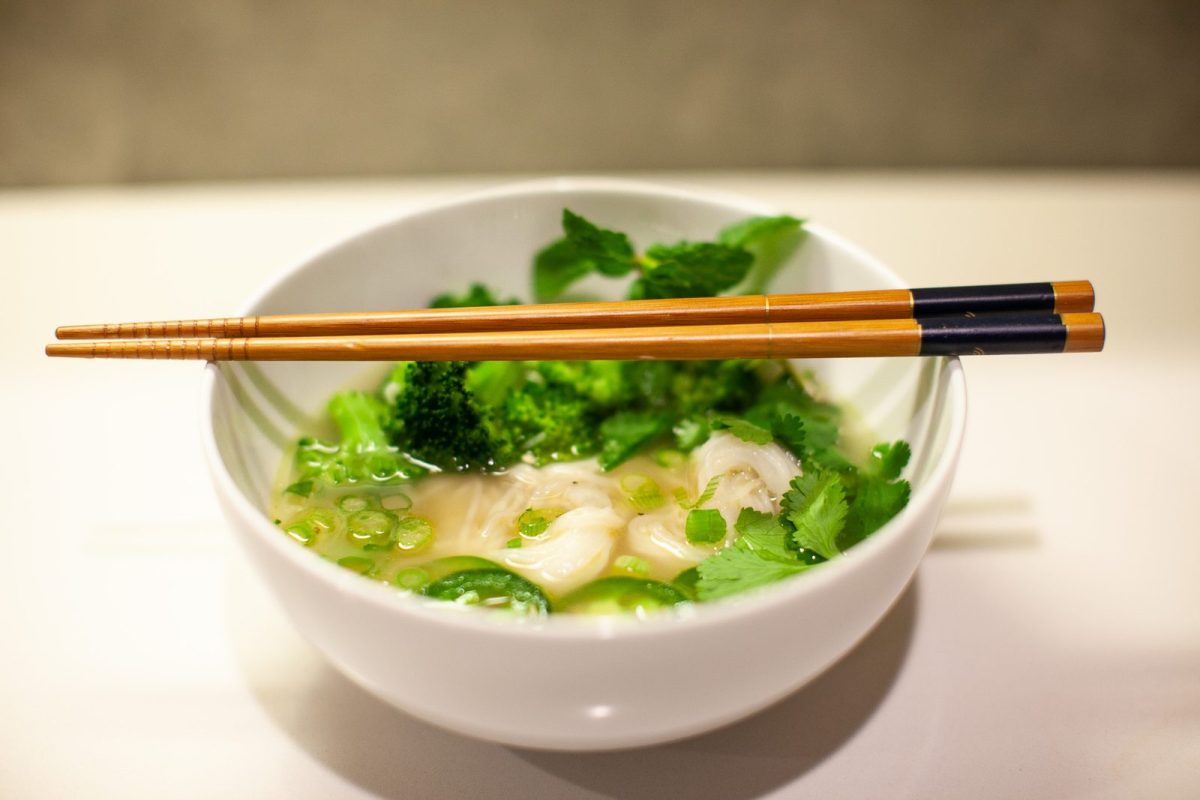
Miso soup is a great warm option to pack as it has about 12-15 grams of protein when combined with tofu, edamame, and an egg. A thermos will keep it hot for hours. To prepare a thermos lunch, take 2 cups of water or vegetable broth and bring it to a simmer in a small pot. Then, add ½ cup of cubed firm tofu, ½ cup of shelled frozen edamame, 1 cup of baby spinach, 2 sliced green onions, and ½ tsp of grated ginger.
Allow it to simmer for 3 minutes. Once it has simmered, remove it from the heat. Whisk 2 tablespoons of either white or red miso paste with a ladle of the hot broth in a bowl until it is smooth, then stir it back into the soup. Pour the soup into a pre-warmed thermos. To do this, fill the thermos with boiling water for 1 minute, then drain it and add the soup. Your soup will stay hot for 4-5 hours.
You can also add a soft boiled egg for extra protein, or stir it in for a richer broth. To change up this recipe, you can add rice noodles or cooked and drained soba noodles to the soup to make it more filling. You can also use chicken broth and shredded chicken for protein if you are not vegetarian.
30) Peanut Butter Sandwich
This one is great for days you need lunch in two minutes. Use whole-grain bread, spread a generous layer of peanut butter, and add sliced banana for sweetness. It’s more filling than it sounds, especially with a glass of milk or a yogurt on the side. If you want extra crunch, sprinkle in chia seeds or chopped nuts before closing the sandwich.
The meal I repeat most often from this list is definitely the sheet pan chicken. For 35 minutes on a Sunday, I get 4 lunches (with 28 grams of protein each) plus zero thinking to do between Monday and Thursday, so this is the best meal-prep move I can make. The protein bento box is the other one. I don’t know what it is about the bento style, but it elevates a 15 minute put together lunch to feel like more. I recommend starting there if you want a landing spot.
High-protein lunches don’t have to be cold chicken breast on lettuce.
The goal is to make deciding what to have for lunch a weekly decision instead of a daily one.