
Honey mustard is one of those sauces I would buy on autopilot too. I didn’t really want another jar taking up space in the fridge. Then one evening, I was making a quick batch while chicken thighs were sizzling on the skillet. I had to stop because I felt like I discovered a new color. It had a brightness store-bought sauces didn’t, and a sweet, sharp, creamy flavor.
I want honey mustard that is not too sweet. If it is less watery and not as overly sweet it can be used for more dishes. For example, if I get some nuggets I can dip them in honey mustard, if I get a salad that has some bitterness I can use honey mustard as a dressing, or if I want to pretend that I have my life together (I don’t) I can slap some honey mustard glaze on a salmon fillet.
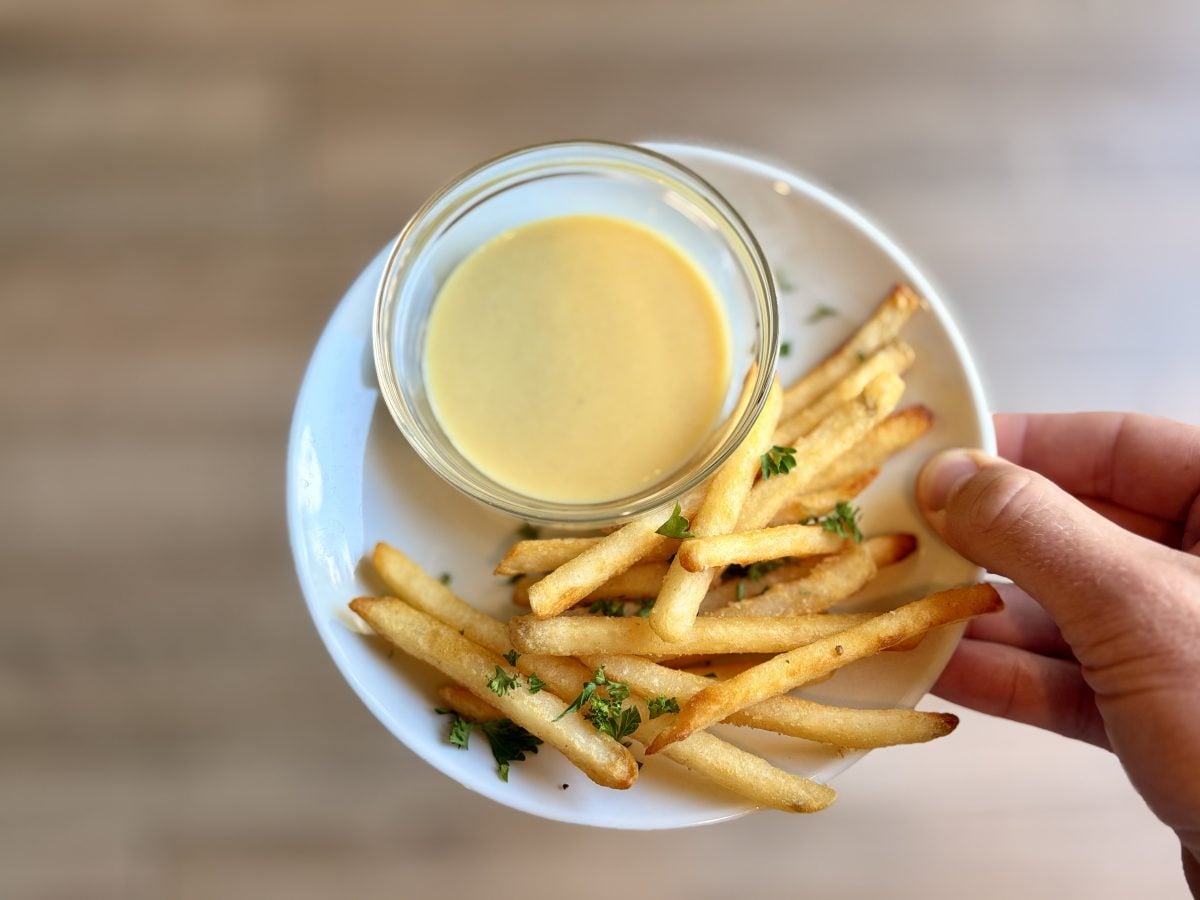
Before You Start: The Gist
- Homemade Honey Mustard, before the details: A fast, whisked honey mustard sauce that doubles as dip, spread, dressing, and quick glaze.
- Why it works: Honey brings round sweetness; mustard brings bite; mayo makes it creamy; a splash of vinegar/lemon wakes it up so it doesn’t taste flat.
- Timing: 5 minutes to mix, 10–30 minutes to “mellow” (optional but nice).
- Flavor profile: Sweet-tangy with mustard heat; creamy; clean finish.
- Key tips: Use good Dijon, salt it lightly, and start with less honey than you think, you can always sweeten.
- Makes: About 3/4 cup (enough for 4–6 people as a dip or 2–3 salads as dressing).
Ingredients
Honey mustard can be considered a diplomatic sauce because of its sweetness, mild sharpness, and creaminess. Each ingredient is crucial to the overall balance and harmony of the sauce. And with such a short ingredient list, you can be sure that if one ingredient is out of balance, the sauce will reflect it. (politely, if not harshly).
- Dijon mustard: The backbone. Look for a Dijon that tastes punchy but not bitter. (Gray Poupon-style works; so do many store brands.)
- Honey: Use a honey you’d happily put on toast. Clover is mild; wildflower is more perfumed; buckwheat is assertive and earthy.
- Mayonnaise: Makes it creamy and “dip-able.” A good mayo tastes clean, not overly sweet.
- Apple cider vinegar or fresh lemon juice: A little acid keeps the sweetness from feeling sticky and helps the mustard pop.
- Kosher salt: A pinch brings the whole thing into focus.
- Optional: garlic powder, smoked paprika, black pepper, or a touch of hot sauce: For personality.
Master Ratio (Easy To Scale)
- 2 parts Dijon mustard
- 2 parts mayonnaise
- 1 part honey
- Acid to taste: about 1–2 teaspoons vinegar or lemon per 1/2 cup sauce
- Salt: a pinch, then adjust
Lets try making a smaller batch. Your base mix will start with 2 tablespoons of honey, 2 tablespoons of apple cider vinegar, and a pinch of salt. After making your base mix, mix 2 tablespoons of mayonnaise and 2 tablespoons of Dijon mustard. After this step, you can increase the amounts of all the ingredients for a bigger batch. If you want a milder salad drizzle, you can use more water. Add 1-2 teaspoons of water to do this.
Ingredient Choices That Change Flavor
| Ingredient Choice | What It Does | Best For | My Note |
|---|---|---|---|
| Dijon mustard | Sharp, smooth heat; classic honey mustard “snap” | All-purpose dipping and dressing | If your Dijon is very strong, start with slightly less and build. |
| Whole grain mustard | Textured, more winey; pops of mustard seed | Sandwich spread, charcuterie, roasted meats | Great when you want it to look rustic and intentional. |
| Yellow mustard | Brighter, more nostalgic; less complex | Nuggets, fries, backyard-food vibes | Works, but can skew “canteen.” Add more vinegar and a pinch more salt. |
| Hot honey | Sweet heat with a chili backnote | Fried chicken, Brussels sprouts, pizza crust dipping | My weakness. Don’t tell anyone. |
| Greek yogurt (swap for some mayo) | Tangier, lighter, slightly looser | Salad dressing, wraps, lunch meal-prep | Do half mayo, half yogurt for the best texture. |
| Lemon juice (instead of vinegar) | Brighter, fresher acidity | Seafood, salads, grilled chicken | Use fresh if you can; bottled can taste a little metallic. |
Optional Flavor Boosters (Use With Restraint)
I usually like things simple, but honey mustard is different.
- Garlic powder: 1/8 to 1/4 teaspoon for a gentle savory note.
- Smoked paprika: 1/8 teaspoon for a faint campfire whisper (especially good with roasted potatoes).
- Cayenne or hot sauce: A couple dashes if you want it to bite back.
- Worcestershire: 1/4 teaspoon for depth: oddly good, a bit grown-up.
Instructions
You can run your fingers through it and taste it. This isn’t a soufflé, it’s a sauce you’ll want to swipe when no one is looking.
**Combine the base:** In a separate small bowl, whisk together 1/4 cup of Dijon mustard, 1/4 cup of mayonnaise, and 2 tablespoons of honey. If the honey is stiff, you can microwave it for 5 to 10 seconds. Continue whisking until everything is completely smooth and glossy.
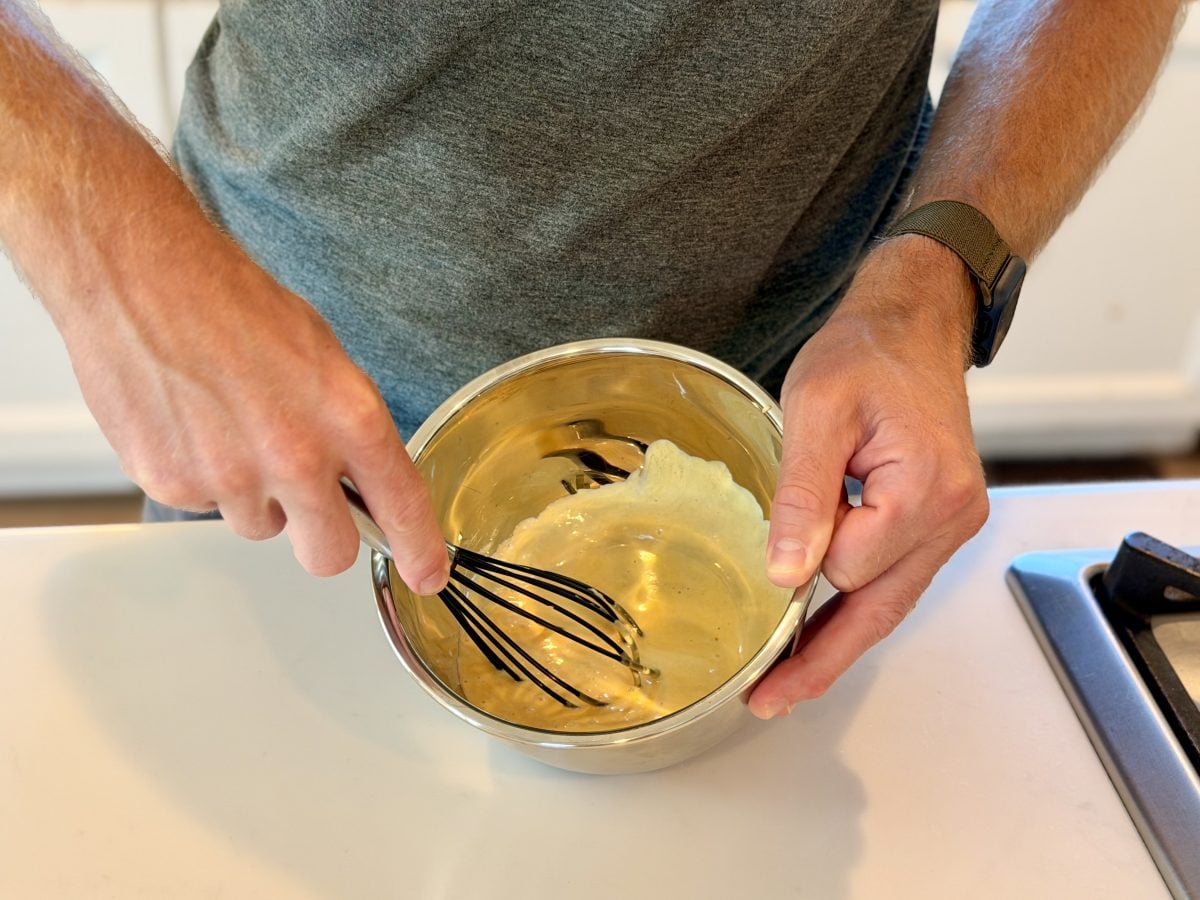
2) **Add acid:** Whisk in **1 teaspoon of apple cider vinegar** (or fresh lemon juice). This is when the sauce truly comes alive.
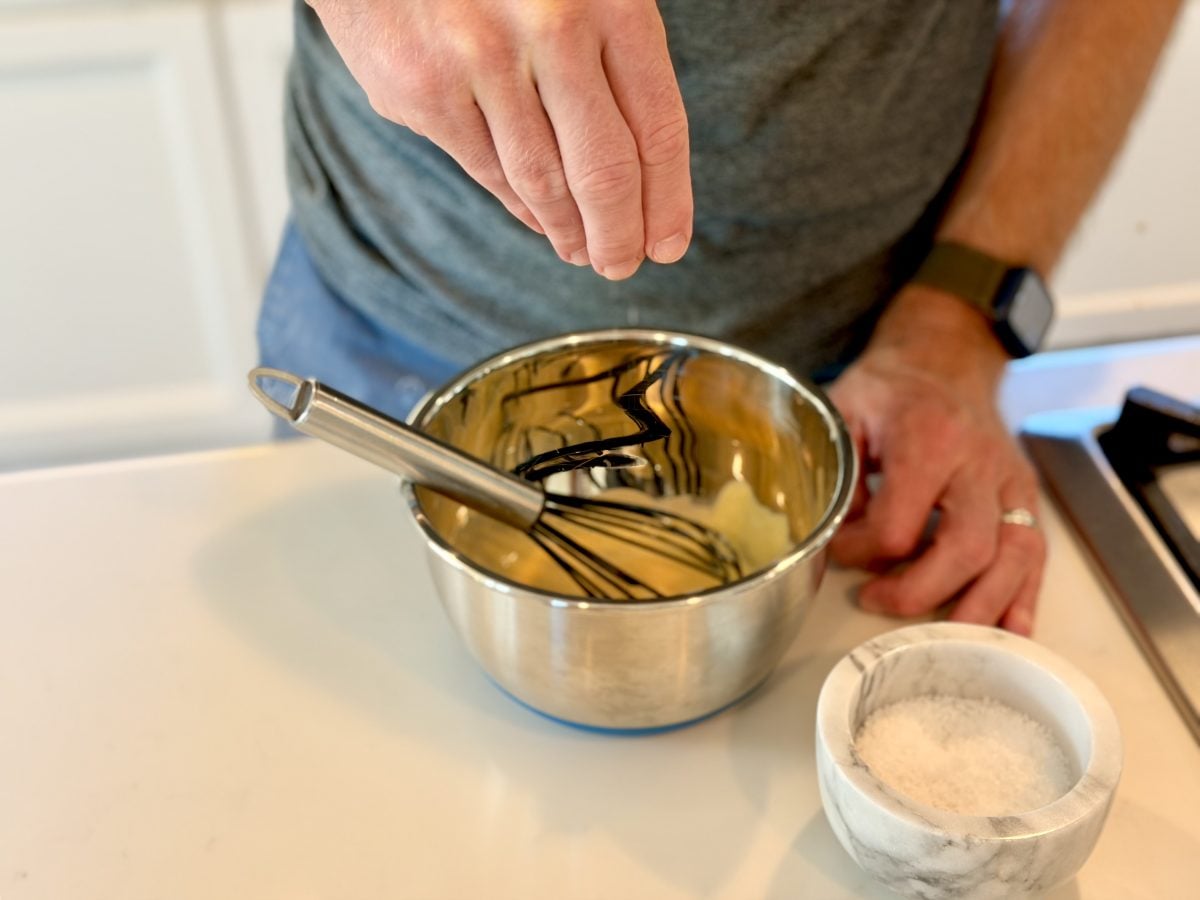
3. Season: Again add firm salt, then whisk. Taste it! If it seems too lean, salt more. If it tastes sweet add some vinegar and lemon. If you want to soften it, depending on your choice, add more mayo or honey.
**Rest (optional but recommended):** For at least 10 minutes up to 30 minutes, I recommend covering the container and putting it in the fridge.Most of the time, I tend to “just taste it once more,” and for some reason I end up eating a half spoonful. As the mustard becomes less sharp, the honey becomes incorporated and everything tastes more cohesive.
5) Adjusting Texture: If this is a dip, you can leave the texture as is. If this is a dressing, add and stir 1-2 teaspoons of water (or more lemon juice) until it can drizzle off the spoon.
Riffs That Work
- Hot Honey Mustard: Use hot honey, add a pinch of cayenne, and finish with black pepper.
- Maple Mustard: Swap honey for real maple syrup (not pancake syrup). Softer sweetness, very good on pork.
- Honey Mustard Vinaigrette: Replace half the mayo with olive oil and double the vinegar/lemon; whisk hard for emulsification.
- Herby Honey Mustard: Add finely chopped dill, parsley, or chives. Lovely with salmon and potatoes.
- BBQ-ish Honey Mustard: Add smoked paprika and a tiny splash of Worcestershire.
- Carolina-ish (tang-forward): Use yellow mustard + apple cider vinegar + less mayo; keep it thinner for pulled pork.
On the Table Together
- Chicken: As a dip for tenders, a drizzle over grilled thighs, or a quick glaze brushed on in the last 5 minutes of roasting.
- Sandwiches: Turkey, ham, crispy tofu, or roasted veg: especially anything with a salty edge.
- Salads: Bitter greens (endive, arugula, radicchio) with apples, walnuts, and sharp cheddar.
- Roasted vegetables: Brussels sprouts, carrots, sweet potatoes: serve on the side like a “dressing” rather than tossing (less soggy, more control).
- Pretzels and fries: Obvious, yes, but still worth saying.
- Cheese boards: A little bowl next to cheddar, gouda, or a funky blue.
Trouble Spots and Tips
- Too sweet: Add a few drops more vinegar/lemon, then a pinch of salt. Sweetness generally needs to be countered with acidity and salt.
- Too sharp/hot: add more mayonnaise (for a creamier texture) or a bit of honey (for more roundness). Allow the mixture to stand for 20 minutes. The Dijon flavor will soften. To thicken: Whisk in water one teaspoon at a time. When dressing is mixed with water, the water doesn’t change the flavor of the dressing very much but helps thin it out. – **Too thin**: Put in an extra spoonful of mayo or mustard. It could also loosen because you used yogurt and that would be another reason to taste it before serving. Grainy texture: When honey has crystallized, or when a bowl hasn’t been whisked enough. Gently warm up the honey and whisk again.
“Nothing tastes like” This is most likely just a regular mustard, or a salt. Add a little salt and an extra splash of Dijon.
**Make it ahead**: It tastes even better after a short break and still tastes good the next day.
### Storage and Leftovers
The nutrition of honey mustard is mostly going to depend on the mayo you use and the quantity of honey. While this version is still a very rich sauce, the intention is to make it more balanced (not a dessert dip masquerading as a condiment). I think of it as a tool for construction. Very useful but should be used with caution. You can store homemade honey mustard in the fridge up to 10 days. The best flavor and texture can be expected in 5-7 days if Greek yogurt was used. Before you use it, remember to stir because it may get a little looser over time. I wouldn’t freeze it. A sauce with mayonnaise, once frozen and thawed, may look weird and unappetizing due to separation.

## Count of Times I Have Done This
**Example 1 (rescue from mediocrity weeknight chicken):** This Tuesday, I had some roasted chicken, which was fine but emotionally, it’s pretty much rock bottom. I mixed the honey mustard together and let the pan sit for a bit. After that, I poured the mixture on the chicken and added some lemon juice. Surprisingly, I grabbed my phone thinking I had set a dinner appointment instead of just meeting the urge. It was even more awesome eating the leftovers straight out of the container because I got to dump the last of the sauce on everything.
Example 2 (punishment salad): I made a quick dressing by thinning honey mustard with a little bit of water. Then, I combined the arugula and radicchio with sliced apples, toasted walnuts, and shredded cheddar. This salad is special because of the combination of sweet and tangy flavors with the bitterness of the greens. It is both an ability and a matter of luck.
What You Need to Do
– Using a whisk, mix together 1/4 cup dijon, 1/4 cup mayonnaise, and 2 tablespoons of honey. – Pour in 1 teaspoon of apple cider vinegar (or lemon). Add a little kosher salt, taste it, and see if it needs more. If you can, take a break for 10-30 minutes. To make your dressing thinner, add 1-2 teaspoons of water. – Label and date; use within a week to ten days.
Definitions of Terms Used
– **Dijon Mustard:** A smooth mustard made with mustard seeds and white wine (or vinegar) that has a clean heat and is popular. – **Emulsion:** This type of mixture combines water and fat together in a stable manner. An example is mayonnaise. It provides the sauce with a creamy consistency. Resting is when a sauce is allowed to sit so the flavors blend and stronger tastes mellow out. – **Seasoning:** Normally means just adding a little salt (and pepper) to bring out the flavors. If you want something lighter, you might try Greek Yogurt (or sour cream) instead of mayonnaise. To create a honey mustard vinaigrette, combine olive oil with vinegar in a greater proportion and mix to blend.
What mustard do you think is best for honey mustard? I believe dijon is the most balanced and most `restaurant familiar’. Whole grains are an okay option if you enjoy texture. Yellow mustard does give it that fast food look; however, there seems to be an abundance of vinegar, and not enough sodium for the average joe. Let me know how it works out if you add some sugar and corn starch to create a glaze! If you are going to use this in a glaze, put it on thicker and don’t mix it with water. As an alternative, apply it to the proteins in the last 5 to 10 minutes of cooking to prevent the honey from burning. This goes super well with roasted chicken, salmon, and even pork chops!
Why does my mustard taste so sharp?
Mustard can taste different based on the type used, some are intentionally made to be spicier than others. Add more mayo, let the mixture sit for 20-30 minutes, then check the flavor again. If it’s still a little sharp, try adding more honey and a little salt.What is the shelf life for honey mustard that you make yourself? Generally, it will last about 7-10 days in the refrigerator in an airtight container. When using yogurt, try to use it within 5-7 days. Can I make this vegan? Yes! You can replace the honey with maple syrup or agave and use vegan mayo. Maple gets my vote for being the least \”sticky sweet\” among the choices. \n\nFinal Thought \n\n\n\nMaking honey mustard is so simple that it doesn’t even require you to be a decent cook. You can get started with a bowl and whisk! (Plus, you can always make some adjustments as you go along). Once you make this dish a couple times, you’ll begin adjusting it to complement other foods; for example, making it sharper for fries, brighter for a salad, or sweeter for a glaze. The bottle at the back of the fridge doesn’t matter anymore.
