
Restaurant Alfredo gets treated like a guarded secret, but the truth is almost disappointing: it is butter, cream, and real Parmesan, and the only real trick is heat control. Push it too hot and the cheese seizes into grit. Keep it gentle and it turns glossy and clings to every noodle. In about fifteen minutes you can match the Olive Garden version in your own kitchen, no steam kettle or dairy contract required.
This is my take on the Olive Garden Alfredo sauce recipe. It is smooth, creamy, and garlicky with a balanced mixture of salt and cheese that will have you saying, \”just one more bite,\” even when you are full. This is not an overly fussy “Roman” Alfredo, (which is just butter, parmesan and some technique.) For a more stable and self-sufficient feeling finish to your Tuesday, if you add some cream cheese and a little bit of garlic, you can feel the gloss finish. This represents the classic comfort of Italian-American cuisine.
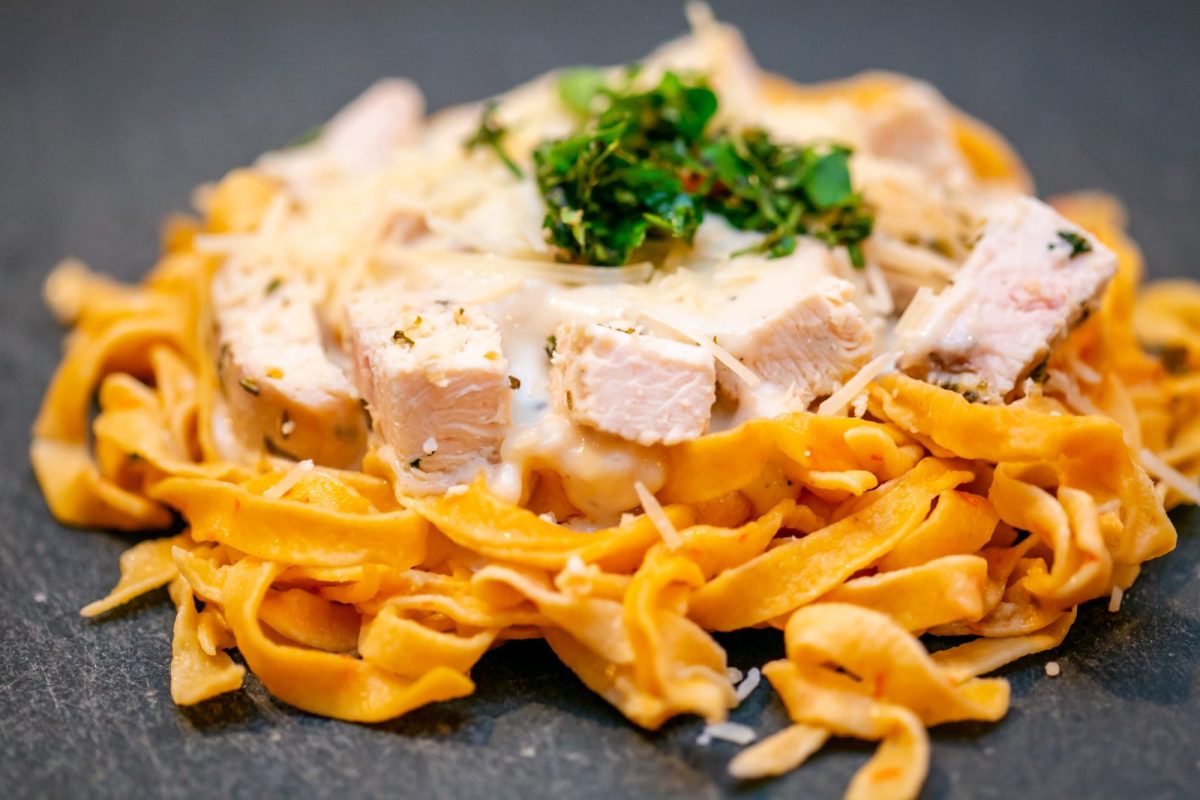

The Quick Rundown
- What you’re making: Olive Garden–style Alfredo: thick, velvety, garlic-kissed, and cheesy.
- Why it works: Butter + cream create body; cream cheese adds insurance against splitting; Parmesan brings the savory “restaurant” edge.
- Timing: About 15 minutes active time (no long simmering).
- Flavor profile: Rich dairy, mellow garlic, salty Parmesan, a whisper of pepper.
- Key tips: Keep heat low when adding cheese; grate your own Parmesan; thin with hot pasta water or warm cream, not cold milk.
- Best use: Fettuccine Alfredo, chicken Alfredo, dipping sauce for breadsticks, or a decadent drizzle over roasted broccoli.
Ingredients
This recipe highlights a distinct type of richness. It’s not just ‘creamy’; it’s clinging and has a spoon coating consistency like Olive Garden’s Alfredo that hugs the noodles. Because there is no room to compromise, the quality of the ingredients is particularly important. Use real butter. Use real cheese. And do me a favor and keep the green can Parmesan off this one. Save it for the popcorn where it belongs. (No judgment – I’ve done it too).
- Unsalted butter: Gives you control over salt. If you only have salted butter, just go lighter on added salt until the end.
- Heavy cream: This is your foundation. Half-and-half can work, but the sauce will be thinner and a little more fragile.
- Cream cheese: The not-so-secret stabilizer. It adds a faint tang and helps the sauce stay smooth even if your heat creeps up.
- Garlic (fresh minced): Olive Garden–style Alfredo tastes like it saw garlic across the room and decided to say hello. Fresh matters.
- Parmesan cheese (freshly grated): For salty depth and the classic Alfredo finish. Grate it yourself for better melt and less graininess.
- Salt and black pepper: Pepper is subtle here: don’t turn it into cacio e pepe by accident.
- Optional: a pinch of nutmeg: Not traditional for everyone, but it adds that “why does this taste so cozy?” note.
Master Ratio (Easy To Scale)
- 2 parts heavy cream
- 1 part Parmesan (by volume, freshly grated)
- 1/2 part butter
- 1/4 part cream cheese
For a pasta recipe serving 4 people, the ingredients needed are 2 cups of cream, 1 cup of grated Parmesan cheese, 1/2 cup (1 stick) of butter, and 4 ounces of cream cheese. If you choose to do a smaller batch, such as dinner for two, simply halve all the ingredients. The cooking process will remain the same. However, be mindful to keep the heat gentle so that the smaller quantity does not overcook.
Ingredient Choices That Change Flavor
I’ve prepared this with both cheap Parmesan and the more expensive stuff from the cheese counter, and while that’s inconvenient to admit, it results in a better sauce. This is not just more sophisticated, but authentic. How you handle this also depends on how strong you want the garlic flavor to be. If you sauté the garlic, it will become sweet. If you burn it, you will ruin your Alfredo sauce.
| Ingredient | Best Choice | Swap | What Changes |
|---|---|---|---|
| Heavy cream | 36% heavy cream | Half-and-half | Thinner sauce; more likely to break if overheated; less “restaurant” body. |
| Parmesan | Freshly grated Parmigiano-Reggiano | Pre-shredded Parmesan | Pre-shredded can melt a little grainy due to anti-caking agents; flavor is flatter. |
| Cream cheese | Full-fat block cream cheese | Mascarpone | Mascarpone is richer and sweeter; less tang; even silkier texture. |
| Butter | Unsalted butter | Salted butter | Totally workable, just reduce added salt and taste at the end. |
| Garlic | Fresh minced garlic | Garlic paste or a pinch of garlic powder | Paste works well; powder is milder and less aromatic (use sparingly). |
For Serving (Optional, But Highly Recommended)
- Fettuccine or linguine: Wide noodles carry thick sauce like champs.
- Hot pasta water: The quiet hero for loosening sauce while keeping it glossy.
- Chopped parsley: Not mandatory, but it makes the whole plate look awake.
- Grilled chicken or sautéed shrimp: If you want the full Olive Garden energy.
Instructions
**Yield**: 2 1/2 to 3 cups of sauce (for 12-16 oz pasta)
Time: 15 minutes
Carefully melt the butter. In a medium saucepan over medium-low heat, melt 1/2 cup (1 stick) of unsalted butter. Don’t rush this. You want the butter melted, not browned.
2) **Soften the garlic.** Add **2-3 cloves of minced garlic** and sauté for **30-60 seconds**. Stir often so the garlic doesn’t burn. When the color of the food changes, lower the temperature immediately. (I’ll be honest, I’ve burned the garlic in a ‘quick sauce’ a good number of times, it really does go that fast.)
3) Include the cream and cream cheese. Start with 2 cups of heavy cream and add 4 oz. of cream cheese (cut into chunks), then whisk together. Keep the heat at `medium-low` for 3 to 5 minutes and stir to melt the cream cheese and smooth out the mixture.
Thicken the mixture briefly without reaching a full boil. Then reduce to a gentle simmer, with only a few small bubbles breaking the surface. For 3-4 minutes, give the mixture an occasional stir. You’re aiming to provide some body to the mixture, not turn it into a dairy brick.
5) Reduce heat and add the Parmesan cheese. Set your heat to low and, while you whisk, add the freshly grated Parmesan cheese in small handfuls. If you’re using nutmeg, add a pinch of it along with 1/8 to 1/4 teaspoon black pepper and 1/4 teaspoon kosher salt (start there). The salt content in Parmesan cheese can vary, so keep that in mind.
6) Finish to the texture you want. When adjusting the texture of the sauce, it may be too thick to whisk easily. Try incorporating warm cream or hot pasta water (start with 1 tablespoon). If the sauce is too thin, simply let it sit on low heat for another minute or two, stirring often, and it will thicken up.
Alfredo sauce doesn’t like to wait. It should be blended with the pasta and then served right after. It is also a nice touch to slice chicken and lay the slices on top for Chicken Alfredo.
Variations Worth Trying
- Chicken Alfredo (Olive Garden–style): Add sliced grilled or pan-seared chicken breast, plus extra pepper and a shower of Parmesan.
- Shrimp Alfredo: Sauté shrimp in butter and garlic, then fold into the finished sauce (don’t overcook: shrimp go rubbery the second you look away).
- Garlic lover’s Alfredo: Double the garlic and add a tiny pinch of red pepper flakes for a warm back-of-the-throat glow.
- Extra “restaurant” thickness: Increase cream cheese to 6 oz, or add 1–2 tablespoons more Parmesan. (This is indulgent. Also: yes.)
- Lighter (but still good): Use half-and-half and reduce the butter to 6 tablespoons; expect a looser sauce and serve immediately.
- Broccoli Alfredo: Toss in steamed or roasted broccoli florets; the green bitterness cuts the richness nicely.
What Goes Alongside
- Classic: Fettuccine, a pile of Parmesan, and a simple green salad with a sharp vinaigrette (you need the acid).
- Olive Garden mood: Warm breadsticks or garlic bread for swiping the plate clean.
- Vegetable side: Roasted broccoli, asparagus, or blistered green beans with lemon.
- Protein: Blackened chicken, grilled shrimp, or crispy pancetta (if you’re leaning into decadent).
- Wine: Crisp Pinot Grigio or an unoaked Chardonnay; avoid heavy oaky monsters, this sauce is already the main character.
- Non-alcoholic: Sparkling water with lemon, or iced tea: something that doesn’t compete.
When Things Go Sideways
- Grainy sauce? Usually it’s the cheese. Use freshly grated Parmesan and add it off the heat or on very low heat. Pre-shredded often melts rough.
- Sauce broke (greasy pools)? Heat was too high. Pull it off the burner and whisk in 1–2 tablespoons warm cream to bring it back together.
- Too thick after a few minutes? That’s normal, Alfredo tightens as it cools. Loosen with hot pasta water, a spoonful at a time, whisking.
- Too thin? Simmer gently a couple more minutes, stirring. Or add a little more Parmesan. Avoid cranking the heat; you’ll risk splitting.
- Not “restaurant” enough? Add a pinch more salt and another small handful of Parmesan. Rich foods need assertive seasoning.
- Garlic tastes harsh? You cooked it too fast or too hot. Next time, keep it at medium-low and stop at “fragrant,” not “golden.”
- Make it cling: Toss sauce with pasta in a warm pan for 30 seconds, adding a splash of pasta water. That emulsified, glossy coating is the whole point.

Nutrition and Storage Notes
This sauce is rich, and it’s hard to put it delicately. With its use of butter, cream, and cheese, it is more calorie-rich and has more saturated fats than a tomato sauce. Conversely, especially if you mix it with pasta water and let it coat the noodles instead of drowning the noodles, it is true that a little bit is enough.
Keep it in an airtight container in the fridge for up to three days. To reheat, do it slowly using a saucepan over low heat and add a splash of warm cream or milk to loosen it. When using a microwave, adjust the power settings to lower levels and do smaller time intervals to reduce the possibility of splattering. Remember to stir often and avoid the mixture from boiling.
Real Runs of This Recipe
Before the chaos of the night began, I had a mere twenty minutes of spare time. While I was boiling the pasta, I sauce and mixed in some rotisserie chicken leftovers. I had some salad on the side which was extra, but to be honest, it made the meal seem a lot less like a joke with a lot of dairy involved. The ultimate expression of gratitude my family gives me for all my efforts is the sound of their plates being scraped clean.
Example 2 (Dinner-with-Friends Move): I served this with sautéed shrimp and roasted asparagus for friends who “aren’t into heavy food.” Poured the portions modestly, added a good amount of pepper to make it a bit spicier, and threw on some parsley + lemon zest. Everyone asked for the recipe. People say they want restraint, what they really want is restraint and some butter on it.
The Checklist
- Grate Parmesan before you start (don’t try to do it mid-simmer).
- Keep the heat at medium-low; avoid boiling once dairy is in the pan.
- Whisk cream cheese until completely smooth before adding Parmesan.
- Add Parmesan gradually on low heat, whisking constantly.
- Taste for salt at the end, Parmesan is unpredictable.
- Use hot pasta water to adjust thickness and boost cling.
- Serve immediately; reheat gently if needed.
Quick Definitions
- Emulsion: A stable blend of fat and water-based ingredients; in Alfredo, it’s what makes the sauce glossy instead of greasy.
- Gentle simmer: Small bubbles around the edges, not a rolling boil: critical for keeping dairy smooth.
- Cling: The sauce’s ability to coat noodles instead of sliding off into a puddle.
- Split/break: When the sauce separates into oily fat and watery liquid, often from overheating or aggressive boiling.
- Anti-caking agents: Additives on pre-shredded cheese that prevent clumping but can cause grainy melting.
Common Questions
Is this the exact Alfredo sauce from Olive Garden?
While I cannot say for certain this is Olive Garden’s exact Alfredo sauce, it is nearly a copy cat of the flavor profile, the texture, the creaminess, the thickness, the garlic (forward) richness in parmesan. While restaurants likely use different ratios or proprietary blends, this allows you to experience the same comforting flavors in the comfort of your own home.
Is it possible to make it without cream cheese?
Yes, you will just be getting the traditional butter cream Parmesan sauce, and it is a little more unforgiving as far preparation goes, so avoid high heat. If you’d like, you can add some more Parmesan which can help with thickening.
What caused clumping in my Parmesan? Clumping occurs when cheese is pre-shredded. Additionally, if the sauce has cooled, clumping will occur. Reduce the temperature, add cheese gradually, and stir vigorously.
Can I make Alfredo sauce ahead of time?
You can, however, fresh sauce will always be better. If you made it beforehand, it can be reheated at a low temperature. To restore the consistency, slowly incorporate warm cream or milk. It will be restored to a silky consistency.
What type of pasta best represents Olive Garden? It’s got to be fettuccine. Linguine works too. While other shorter pasta shapes can be fun to eat, wider ribbon noodles showcase the sauce more.
What is the best way to keep the sauce creamy when adding chicken?
If possible, take the pot off the heat and add warm chicken slices at the very end. The temperature of the sauce will drop and begin to thicken as the chicken is added. Also remember to save some pasta water to loosen the sauce.
Wrapping Up
This Olive Garden-style Alfredo provides a particular sense-memory with the rich cream and garlic, the countless grams of Parmesan, the slickness on the noodles that makes you feel like you want to linger over the dish instead of being in a hurry to finish. Once you cook it for the first time, you will see Alfredo as something you can get at restaurants, but also as a little hack. All it takes is one pot, a low flame, and a little patience while the cheese is melting.
