The most difficult element of preparing a quality steak is doing nothing. Taking it off the heat is accompanied by an amazing aroma, and all of your instincts tell you to cut it right then. Don’t. If you cut it too soon, you will lose all the juice that you worked so hard for, leaving the meat dry. A few minutes of waiting is the difference between juicy and disappointing.
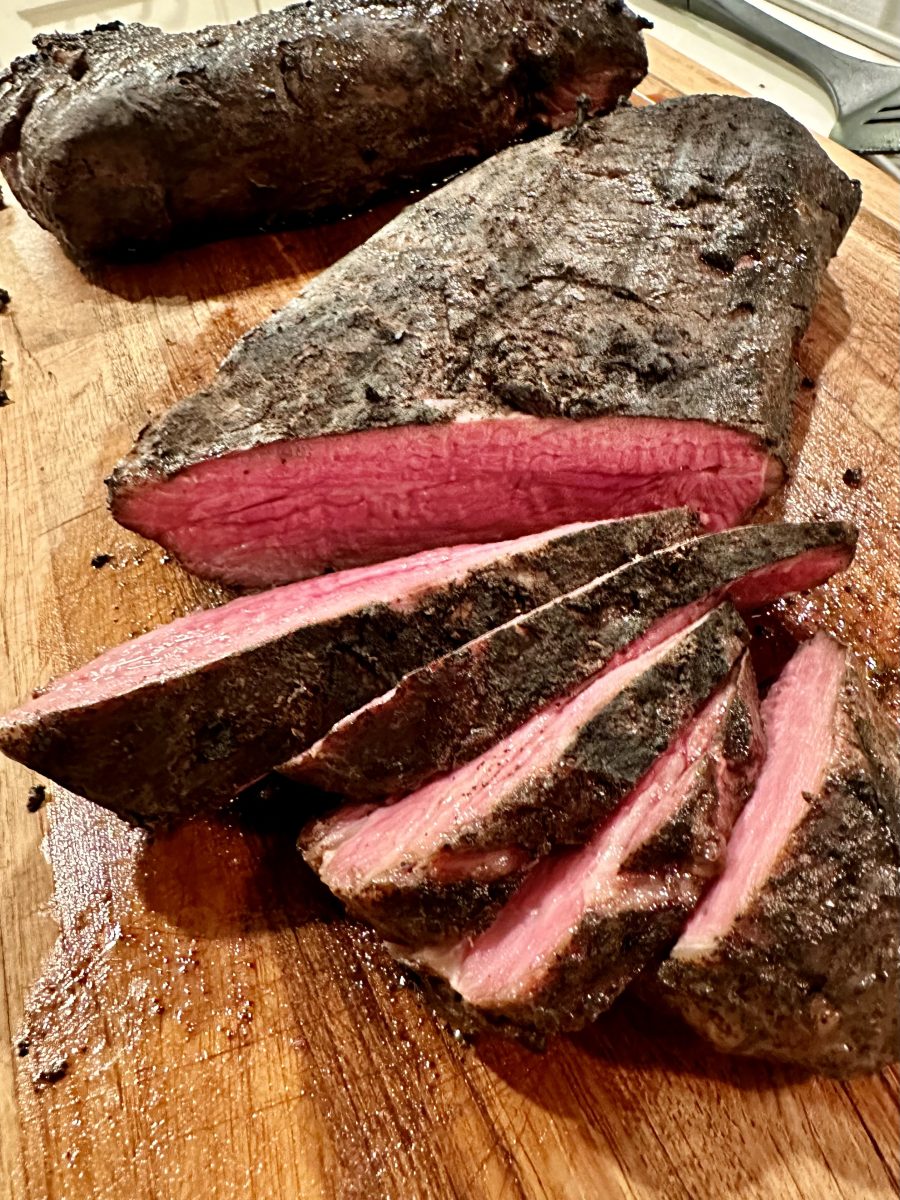
When meat is resting, two things are happening. The first things is that the meat is still cooking. Heat keeps traveling from the hot outer layer toward the cooler center even off the burner, a process called carryover cooking, and it nudges the middle up to its final temperature.
The second reason is that the meat needs to rest. When meat is exposed to high temperatures, the muscle fibers contract and expel the juices within. Resting allows those fibers to relax and cool so that the liquid doesn’t flood out as soon as the meat is sliced.
If I cut into this too early, those juices and all the flavor are just going to wash out, and then we’re going to end up with a very dry piece of chicken.
Nathaniel, HomeViable
| Cut immediately | Rested | |
|---|---|---|
| Juices | Run out onto the board | Stay in the meat |
| Center | Uneven, cooler middle | Evened out by carryover |
| Texture | Drier and tighter | Juicier and more relaxed |
| Rough timing | None | ~5 min for a steak, 10+ for a roast or whole bird |
How to rest meat
- Pull it a few degrees early. While your cooking method may be devising a way to optimize the cooking of the center of the food, it is advisable to stop as this will prevent it from being overcooked.
- Rest somewhere warm, If you prefer, you can loosely tent it with foil so it does not cool down.
- Give it time to match the cut: roughly 5 minutes for a steak, 10 or more for a roast chicken, longer for big roasts.
- Slice against the grain when you finally cut, for the most tender bite.

Why it works
When meat rests after cooking it cools, and as it cools the muscle fibers will relax. The meat will begin to thicken its juices, meaning that less liquid will be forced out when it is cut. This explains why a rested steak will leave very little liquid on the cutting board as opposed to one that is cut straight off the heat.
Carryover will do the rest, as it will even out the temperature so that there is no hot edge and a cold center. It also pairs with a fast, hot sear: the less time the meat spends on high heat, the thinner that overcooked gray band stays, so you get a clean line from crisp crust straight to a juicy medium-rare middle. Once you slice a steak, the cut surface will brighten to a red color as oxygen comes into contact with the meat.
Incorporate the rest into your cooking rather than treating it as an afterthought. When pulling the meat, take it off the heat a touch early, set it aside in a warm place, and walk away for a few minutes. During that short wait, a good piece of meat transforms into a great one.