
There’s a stubborn myth in cooking that saving seasoning until the end is a good practice. Some think a dish can be put together without any seasoning and that it can be rescued with salt at the end of cooking. This is not true. Salt added at the end does something completely different than salt added at the beginning and no last minute sprinkling will close the gap.
In professional kitchens, cooks use salt at almost every step of the cooking process. It’s not superstition. Each addition of salt causes a unique physical reaction that can only happen at that stage of the cooking process.
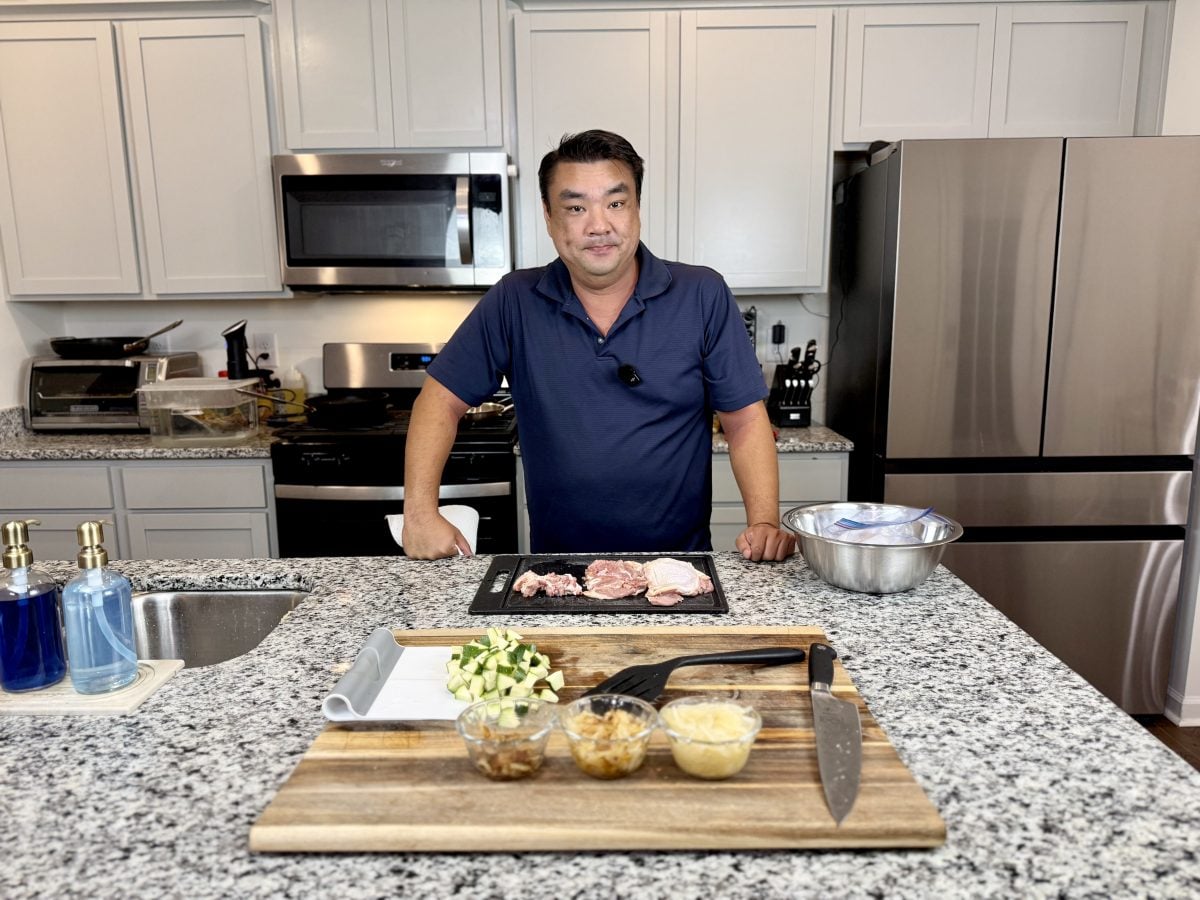

What late salt cannot do
Salt added to a meal after its cooked is only going to impart flavor to the surface. This means a thick chicken breast for example, is going to feel salty on the outside, but bland on the inside and is going to end up looking and feeling worse, because you can’t make a dried out chicken skin that didn’t crisp up a whole lot better. You also won’t be able to assist soft brown vegetables in getting better colors. Most of the texture issues are finished by the time the salt shaker is out.
The split, over-seasoned on the outside and flat on the inside, betrays an end-only seasoning technique. If you’ve ever been on the unfortunate end of a dish that has your salt and wondered why it never got better, you’ve encountered it.

What early salt does
Salting food in advance does more than just add flavor. It alters the cooking process. For proteins, salting prior to applying heat acts like a dry brine. It seasons the interior of the protein and draws moisture from the skin so that the surface can become crispy. It is also the step where precision pays, which is why salt is worth measuring by weight instead of volume.
When added to cooking vegetables, salt draws out moisture and allows it to evaporate, resulting in vegetables changing color rather than becoming steamed. In sauces, salt gets added while cooking and reduces in stages. This ensures the finished sauce is seasoned rather than seasoned at the end. And seasoning is bigger than salt alone: a dish that tastes heavy at the finish usually needs something bright at the end, not another pinch.
| Layer | When to season | What the salt does beyond flavor |
|---|---|---|
| Protein | Brine or salt ahead of time | Seasons all the way through, dries the skin for crisping |
| Vegetables | Salt as they cook | Pulls out water so they brown instead of steam |
| Sauce | Season as it reduces | Balances and ties the components together |
| Finish | Taste and adjust | A small correction, not a rescue |
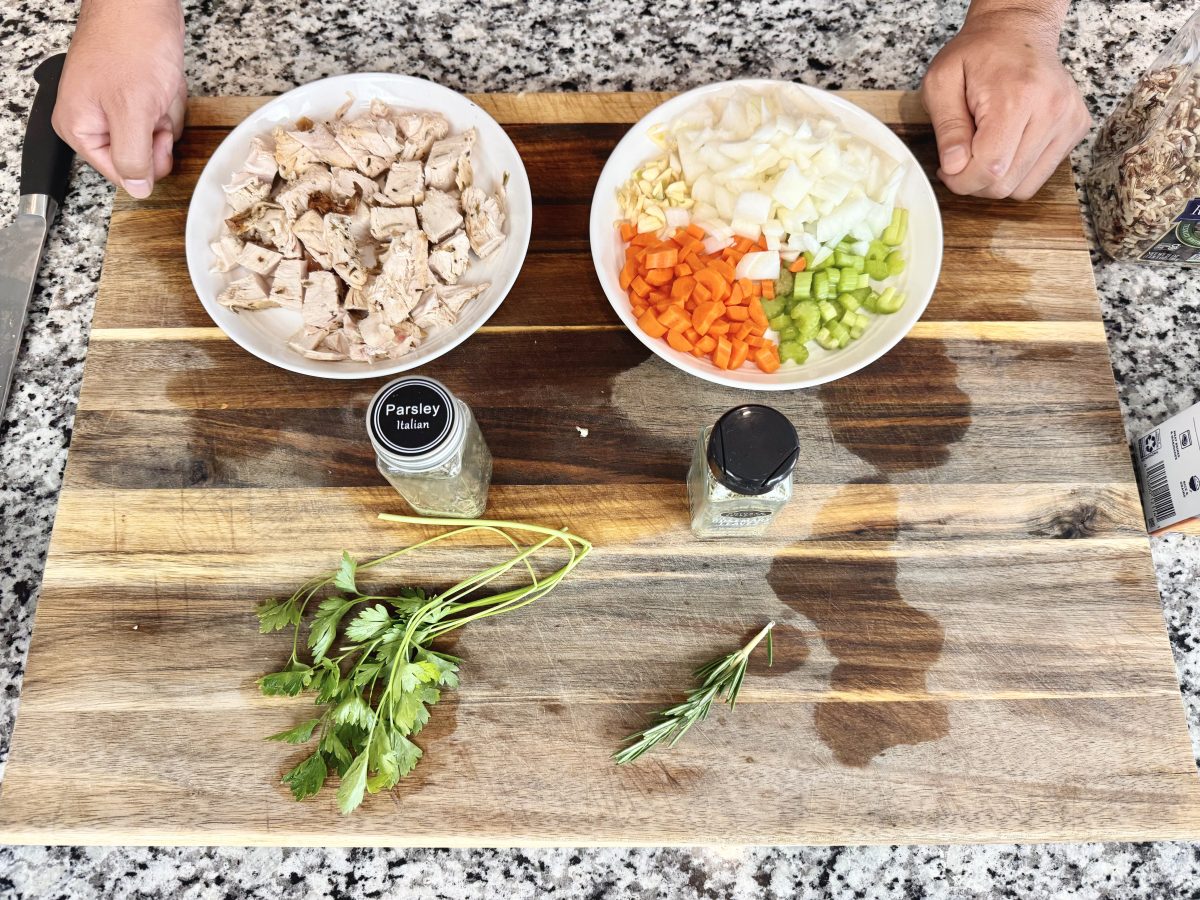
The layer habit
Developing this habit is easier than it seems. If you can, season the protein as far in advance as possible. When you cook the veggies, hit them with some salt. While the sauce is reducing, be sure to season it and taste it. By the time the dish is done, it should need little adjusting – a correction to the flavors by pinches, not a rescue operation.
Layers are more than just protein, vegetables, and sauce. Before the pasta goes in, the water should be seasoned–a good pasta water should taste even better than the cooked pasta. It’s the only chance at seasoning the actual pasta. Beans and grains expect salt in the cooking water because they want the same thing. Even a pot of rice has a different character when the water is seasoned, not the finished bowl.
The end taste is still important, it is just the last 10% of the task rather than the full task.
To watch the habit play out in a full dish, follow the steps in our roast chicken: the salt goes on long before the oven, and the pan sauce gets seasoned as it reduces. The number of times seasoning is mentioned in the instructions is how many times you will make this recipe.
