
I must say I am skeptical about creamy pasta recipes that don’t picture some kind of dairy disaster on the stovetop. However, this will give you that soft, clingy sauce you want with broccoli that is balanced and won’t turn into soup or, heaven forbid, an over-reduced, gluey disaster. This is easy enough for a weeknight meal, uses things you probably have lying around, and transforms sad little side dish broccoli into the star of the show.
There is a certain type of dinner I prepare when I want comfort food but also want to feel virtuous. The secret is that the broccoli is cooked down to the point that it can be mashed into the sauce so the florets aren’t just sitting on top of the sauce, but are actually part of the creaminess. With garlic, parmesan, and lemon, there is no doubt that you will be eating straight from the pan while telling yourself just one more bite as you stand at the stove. Not that I have done that. Often.

At a Glance
- Creamy Broccoli Pasta, the essentials: Pasta tossed in a creamy garlic-parmesan sauce built from broccoli, pasta water, and a splash of cream (or cream cheese if you like it extra lush).
- Why it works: Overcooked broccoli partially breaks down, thickening the sauce naturally; starchy pasta water helps everything emulsify and cling.
- Timing: About 25 to 35 minutes, start to finish.
- Flavor profile: Savory, gently sweet broccoli, nutty parmesan, bright lemon, a whisper of heat if you add chili flakes.
- Key tips: Salt the pasta water properly; reserve more pasta water than you think; don’t add parmesan to a violently boiling sauce; finish with lemon off heat for freshness.
Ingredients
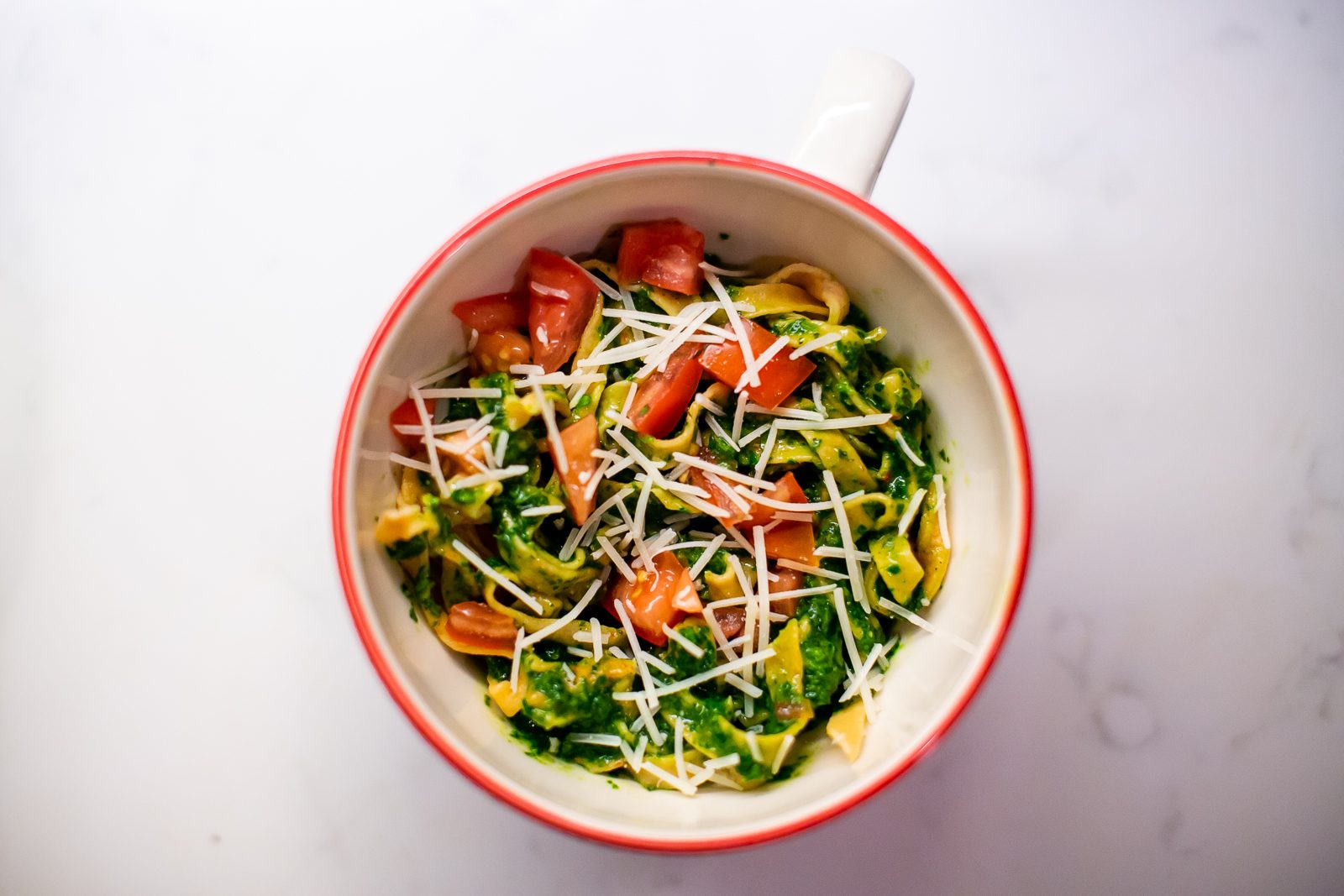
Although this recipe appears easy, there are important things to consider. The broccoli should be fresh (not yellowing) and firm (not limp). For the wedges, the Parmesan should be at least decent and authentic (it’s best if you get some Parmigiano-Reggiano). The grated pre-shredded Parmesan cheese therefore has poor melting characteristics due to the anti-caking agents. And for the shape of the pasta? Choose something that has a lot of nooks and crannies so that the sauce gets into all of them!
- Pasta (12 oz / 340 g): Short shapes like rigatoni, penne, fusilli, or shells hold the sauce and broccoli bits. Long pasta works too, but you’ll want to chop the broccoli smaller.
- Broccoli (1 large head, about 1 to 1 1/2 lb / 450 to 680 g): Florets plus tender stem slices. The stems are sweet and worth using if you peel the tough outer layer.
- Olive oil (2 tbsp): The base fat for sautéing garlic and blooming chili flakes.
- Butter (1 tbsp, optional but encouraged): Rounds out the sauce and helps with that glossy finish.
- Garlic (4 to 6 cloves, minced): I like it assertive here. If you’re garlic-shy, use 3 cloves and call it a day.
- Red pepper flakes (1/4 to 1/2 tsp, optional): Not “spicy pasta,” just a little lift.
- Cream (1/2 cup / 120 ml): Heavy cream is the smoothest. Half-and-half works, but you’ll rely more on pasta water for body.
- Parmesan (3/4 cup packed, finely grated, about 60 to 70 g): Adds salt, depth, and thickening power.
- Lemon (1): Zest (optional but excellent) and 1 to 2 tbsp juice to brighten everything.
- Salt and black pepper: Salt the pasta water like you mean it; pepper should be freshly cracked if possible.
- Pasta water: Not an “ingredient” you buy, but it’s the hinge the whole recipe swings on. Reserve at least 1 1/2 cups.
Master Ratio (Easy To Scale)
- Per 4 servings: 12 oz pasta + 1 to 1 1/2 lb broccoli + 1/2 cup cream + 3/4 cup grated parmesan + 1 to 1 1/2 cups reserved pasta water
- Garlic and lemon: Add to taste, but start with 4 cloves garlic and 1 tbsp lemon juice per 4 servings.
Example: cooking for two? Use about 6 oz of pasta, 3/4 lb of broccoli, 1/4 cup of cream, and between 1/3 and 1/2 cup of parmesan. And save some amount of pasta water. It does not “scale down” as nicely, for the sauce to look right, you will be using the pasta water until it looks right.
Ingredient Choices That Change Flavor
Though this pasta dish is quite versatile, it does change personality depending on your selections. Cream brings that old-school restaurant softness to the dish. Cream cheese adds a tang, and makes the sauce feel denser and more ‘coaty’. Pecorino cheese has a sharper and saltier profile. Lemon increases brightness and modernizes the dish. Without lemon, it is rather cozy and mellow; the pasta dish equivalent of sweatpants.
| Swap or Choice | What Changes | How to Use It | Watch Outs |
|---|---|---|---|
| Heavy cream vs half-and-half | Heavy cream is silkier and more stable; half-and-half is lighter | Use same amount; add extra pasta water for half-and-half | Half-and-half can look thinner and may split if boiled hard |
| Cream cheese (2 to 3 tbsp) instead of cream | Tangier, thicker sauce with more body | Whisk into hot pasta water before adding cheese | Can overpower if you use too much; thin with pasta water |
| Parmigiano-Reggiano vs Pecorino Romano | Parmesan is nutty and balanced; pecorino is punchy and salty | Use pecorino for up to half the cheese | Salt levels jump fast; taste before adding extra salt |
| Broccoli rabe instead of broccoli | More bitter, grown-up flavor | Blanch rabe briefly; chop; keep lemon | Bitterness can dominate without enough cheese and fat |
| Add anchovy (1 to 2 fillets) | Deeper savory backbone (not fishy) | Mash into oil with garlic | Easy to oversalt; ease up on parmesan at first |
Optional Add-Ins (If You Want It Heartier)
- Protein: Crispy pancetta, shredded rotisserie chicken, or white beans (especially cannellini).
- Crunch: Toasted breadcrumbs or chopped toasted walnuts.
- Greens: A handful of spinach stirred in at the end.
Instructions
1) To cook the pasta, first, take a large pot and fill it with water. Once the pot is full, place it on a burner and turn the heat to a higher setting. Wait for the water to come to a rolling boil. Once the water is boiling, add a generous amount of salt to the water. I will not give you any measurements, but there should be a slightly salty taste to the water. Do not make the water taste like the ocean or like tears. Once the water is boiling and you have added your salt, add your pasta to the pot. You will need to cook it for one minute less than the time indicated on the box for al dente. After you have cooked the pasta, be sure to save a minimum of 1 and a half cups of pasta water before you drain the pasta.
2) If you’re being more lazy, you can cook them in the same pot, but if you want, you can cook them separately. If you’re more patient (in terms of timing), you can put the broccoli florets in the pasta water when there are 3 to 4 minutes left of boiling, that way, everything will be ready at the same time. The broccoli should be pretty soft and not crispy. That gentle touch is what brings it to the sauce stage. Your control will increase if you boil or steam the broccoli until it is soft.
3) Create the Base of Flavor. As the pasta cooks, drizzle olive oil (and butter, if using) into a large saucepan and heat on medium. Add crushed red pepper and the garlic. Cook for another 30-60 seconds or until aromatic. If the garlic starts to turn brown, take the pan off the heat. Rancid garlic is an instant atmosphere killer.
4) Begin to prepare the sauce. Slowly add approximately 3/4 cup of the set-aside pasta water to the pan (you may see some steam). Stir and then add in the cream. Adjust the temperature to a gentle simmer; do not let it boil. Add in the cooked broccoli and use the backside of the spoon to smash some of the broccoli. There is no need to puree the broccoli; just break up the pieces enough so that the sauce becomes a light green color and thicker.
5) Combine the emulsion of pasta and cheese with the contents of the skillet along with the pasta that has been drained. Lower the heat. As you toss the pasta, add more parmesan cheese and starchy pasta water, little by little. Continue to do this until the sauce clings to the pasta and has a glossy finish. If the sauce feels tight or sticky, add more water. On the other hand, if the sauce seems too thin, let it cook a little longer to reduce the consistency.
6) Finish like you mean it. Take off the heat and stir in the lemon juice (start with 1 tablespoon) and optional lemon zest. Add black pepper and stir. Be cautious when adding salt as the dish is very flavorful with the cheese. Serve while hot. It will turn casserole-like if left to sit for too long, so you may want to keep some hot water handy to loosen it up.
Spins and Swaps
- Creamy broccoli lemon pasta: Double the lemon zest and add an extra tablespoon of juice for a brighter, almost springy finish.
- Broccoli cheddar vibe: Replace up to half the parmesan with sharp white cheddar (add off heat). It’s not Italian. It is comforting.
- Spicy broccoli pasta: Add 1 tsp Calabrian chili paste with the garlic, plus extra pepper flakes.
- Vegan-ish creamy broccoli pasta: Use olive oil only, swap cream for cashew cream or unsweetened oat cream, and use a good vegan parmesan alternative. Add extra lemon and nutritional yeast if you like that nutty note.
- With sausage: Brown Italian sausage in the skillet first, then cook the garlic in the rendered fat (drain excess if it’s a lot).
- Extra green: Add peas in the last minute of boiling, or fold in spinach at the end.
What Goes Alongside
- Salad: A sharp arugula salad with lemon and shaved fennel cuts the creaminess beautifully.
- Bread: Garlic bread is obvious, but a crusty loaf with olive oil is actually better because it doesn’t compete.
- Wine: Crisp white wine like Pinot Grigio or Sauvignon Blanc; for red, go light and chillable like a young Barbera.
- Finishers: More parmesan at the table, toasted breadcrumbs, or a drizzle of good olive oil.
- Protein on the side: Simple roasted chicken thighs, seared salmon, or a fried egg if it’s one of those nights.
Fixes and Pro Moves
- Sauce looks thin: Toss over low heat for 1 to 2 minutes to reduce, or add a bit more parmesan. Give it time to cling before you panic.
- Sauce looks clumpy: Heat was too high when you added cheese. Lower the heat, add warm pasta water, and toss vigorously to smooth it out.
- Sauce feels gluey: Usually under-watered. Add more pasta water and keep tossing. Starch needs dilution to become silky.
- Broccoli is too chunky: Smash more of it in the skillet, or blitz a portion with a little pasta water (carefully) then stir back in.
- Flavor feels flat: Add lemon, pepper, and a pinch more salt. Sometimes it’s not “missing seasoning,” it’s missing acidity.
- Garlic tasted harsh: Next time, lower the heat and cook it briefly. You can mellow harshness now by adding a tiny pinch of sugar or extra cream, but it won’t fully disappear.
- Best pasta water habit: Reserve more than you need. I like 2 cups because I always end up wanting a splash at the end.
- Don’t rinse pasta: You want that surface starch. Rinsing is how you make a sauce slide right off like it has better plans.
How It Keeps
This is food that is feel good in the sustainable and environmentally conscious sense. Broccoli is a good source of fiber and vitamin C. Also, the distinct sensation that one gets from having consumed a vegetable will not be missed. There is no question that the sauce is rich from cheese and cream. It is, however, less heavy, as compared to a straight-up alfredo, because the sauce is stretched with some broccoli and pasta water.
The fridge can keep airtight containers and their contents fresh for about three days. If you and your family want leftovers to be silky and fresh again, you could use a splash of water or milk to loosen the sauce. As for the sauce, you would pour it into a skillet. If you want to avoid encountering textures and hot pockets, reheating with a microwave can be effective. However, you will want to do so in short intervals, and it is recommended to stir the food often.
Times I’ve Made This
This was made on a Tuesday and I was a touch hungry and rather impatient which is the type of time you should try and avoid doing anything too fussy. I put the broccoli in the pasta pot during the last few minutes so it could cook through. When I added it to the sauce, it changed to this really dull green color and instead of the feeling like the noodles with guilt I was going for, it turned into a restaurant “vegetable pasta” dish.
Night two: A friend dropped by for “a quick bite,” but she ended up staying long enough to ask for the recipe. Apart from that, I also added lemon zest and toasted breadcrumbs. The addition of breadcrumbs created a pleasing effect. It seems to me that I’m doing this intentionally. I did not. Herein lies the magic: this recipe will reward you even if you didn’t plan ahead.
The Before-You-Cook Rundown
- Choose a sauce-grabbing pasta shape (rigatoni, shells, fusilli).
- Salt the pasta water generously and reserve at least 1 1/2 cups before draining.
- Cook broccoli until very tender so it can help thicken the sauce.
- Sauté garlic briefly (fragrant, not browned) with olive oil and optional chili flakes.
- Build sauce with pasta water + cream, then mash some broccoli into it.
- Toss pasta in sauce; add parmesan off high heat and loosen with pasta water as needed.
- Finish with lemon juice (and zest if you like), plus lots of black pepper.
- Serve immediately; loosen leftovers with a splash of water or milk when reheating.
Terms Worth Knowing
- Al dente: Pasta cooked until tender but still slightly firm in the center. Here, you want just shy of al dente before finishing in the sauce.
- Emulsify: When fat and water combine into a smooth, cohesive sauce. Pasta water starch helps this happen.
- Reserved pasta water: Starchy cooking water saved before draining; it loosens sauces and helps them cling.
- Bloom (spices): Warming chili flakes briefly in oil to release flavor without burning.
- Reduce: Simmering a liquid to evaporate water and concentrate, thickening the sauce.
- Zest: The thin outer skin of citrus; adds aroma without extra acidity.
Your Questions, Answered
Can you prepare creamy broccoli pasta without using cream?
Yes. Include more mashed broccoli and extra pasta water to thicken the consistency, and then mix in parmesan cheese along with a drizzle of olive oil. It may lack abundance, but it will still be glossy and satisfying all the same. An appropriate compromise could be a tablespoon of cream cheese or mascarpone.
May I use frozen broccoli? Yes, you may. Partially thawing is actually good for the sauce since it will break down quicker. To prevent the sauce from becoming watery, drain some extra water. You could also consider adding more cheese.
Why did my parmesan clump instead of melting? Most likely the pan was too hot, or the cheese was pre-shredded and coated. Take the skillet off of the heat, add the warm pasta water, and toss until it is smooth. For future reference, shred the cheese directly from the wedge and reduce the heat.
What is the best pasta shape? My favorite shape of pasta is rigatoni or shells because they have little bits of broccoli and sauce. Fusilli is a close second. Using spaghetti is acceptable; however, it is a bit more challenging to evenly distribute the broccoli.
How do I keep leftovers creamy?
Take your leftovers and reheat them on the stovetop and add a splash of water, milk or broth. Stir patiently. Heat causes the sauce to thicken and the cheese to behave unpredictably.
Is it OK to add protein without compromising the sauce?
Yes. After loosening with pasta water, stir in shredded chicken, white beans, or browned sausage at the end. Just watch your salt intake specifically regarding the sausage and extra cheese.
Closing Thoughts
This creamy broccoli pasta is the sort of dinner that makes you feel competent and lucky at once: one pot of water, one pan, a head of broccoli you might have ignored, and suddenly you’re eating something that tastes intentional. Do not dispose of the pasta water, do not burn the garlic, and allow the broccoli to do its thing. The rest is a matter of trial and error until you hit that sweet spot of cozy.
