I’ve had a few requests to share my go-to lazy dinners, so here they are, in no particular order. Sheet pan dinners. Assembly dinners. When I’m beyond tired of making decisions about what I want for dinner, these are the meals I rotate through: Whatever’s in the freezer, on a sheet pan with whatever else is in the freezer.
Dumplings! There are frozen dumplings. Rotisserie chicken tacos with shredded lettuce (or any crunchy lettuce), sliced avocado, and hot sauce. Dumplings from the freezer, dressed up with sesame seeds and sriracha and whatever else.
Enter your email and we will send you the link to this article.
Free. Unsubscribe any time.
What’s for dinner? The easiest of easy dinners. Pantry dinners. As in, whatever’s in your pantry. You are not an animal eating kibble.
When you’re running on fumes, these are the dinners I make:

Why Rotisserie Chicken makes the cut: Your job is to decide where it contacts a plate.
Fancy toast with avocado or jam or butter or cheese or tomato slices. Dress it up with fruit or seeds or nuts or cheese. Toast with butter, cheese, jam, avocado, tomato, whatever. Tuna or chicken pouches with caesar salad kit mix (I shred it into shaggy pieces, not tiny precise ones) or over salad or with crackers. Eating dinner standing up at the counter because it’s warm and the skin is still crunchy. The chef’s tax. Freezing the carcass for stock, which you will make one of these Sundays.
The chicken is already cooked. Tuna pouches are the laziest protein. I keep shredded chicken in pouches in the tune aisle because unlike the tuna pouches there’s no crunchy skin. It’s also cheaper and lasts longer. The chicken:
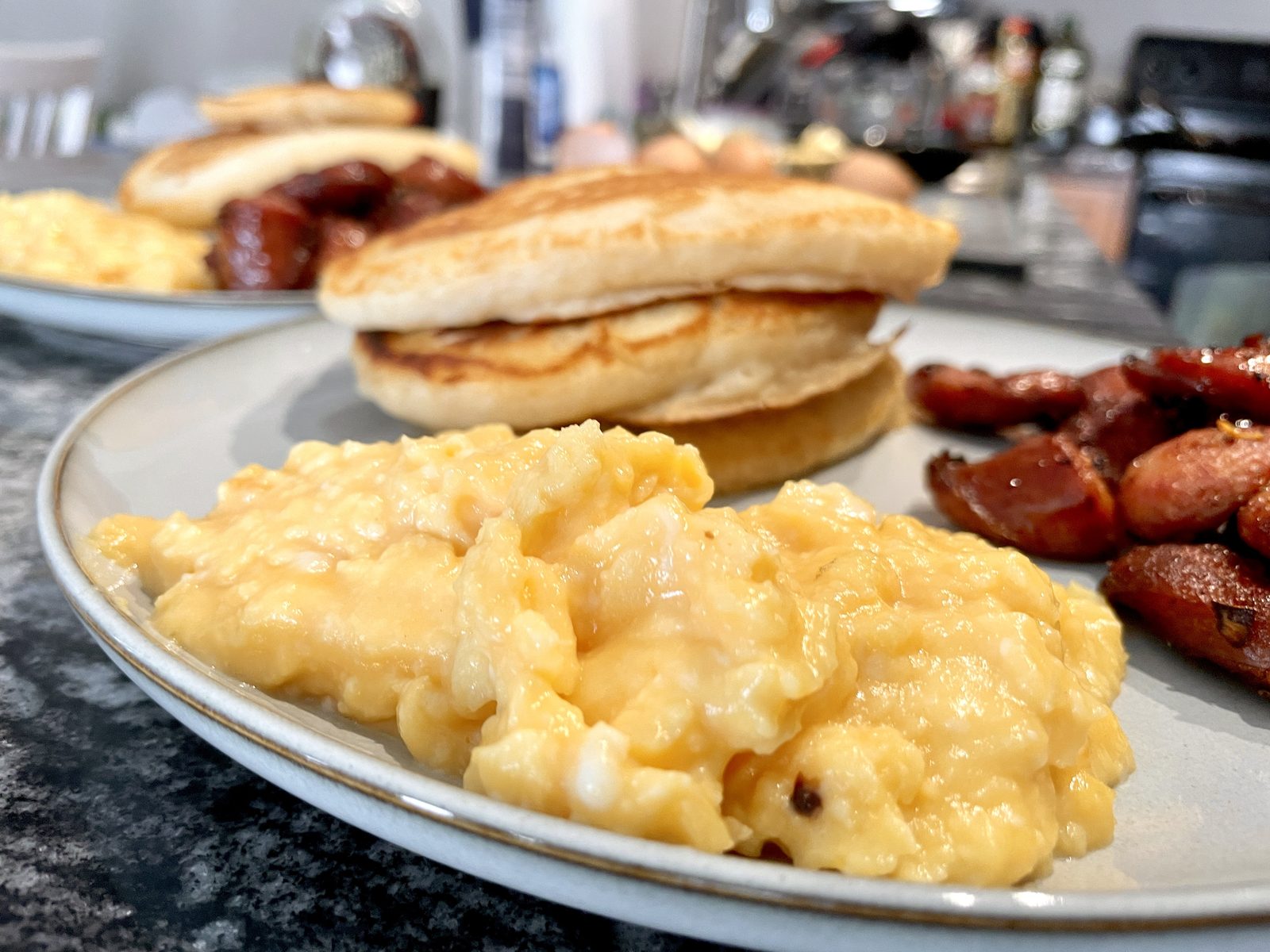
The case for Breakfast for Dinner: Dinner will be done in 2 minutes. No dishes were used in the making of this dinner.
Toast with butter. Or cheese tortillas. Or into a bowl with hot sauce. Scrambled (cooked low and slow, for maximum curds) and served over toast. If there’s sad spinach in the crisper drawer, toss it into the pan for the last 30 seconds of cooking, because sad spinach likes to be in scrambles. The salad: Whatever sad vegetables are hanging on for life in the crisper drawer get thrown together for salad, because sad vegetables like to be in salad. Add an egg or two.
Scrambled eggs. Scrambled eggs and toast. The eggs: Two or three eggs, cooked sunny side up (two or three minutes, until the whites are set and the yolks are still runny) and slid onto toast. Microwaved scrambled eggs in a mug for 45 seconds (whisking in the middle), which are more rubbery than scrambled eggs but you didn’t have to use a pan.
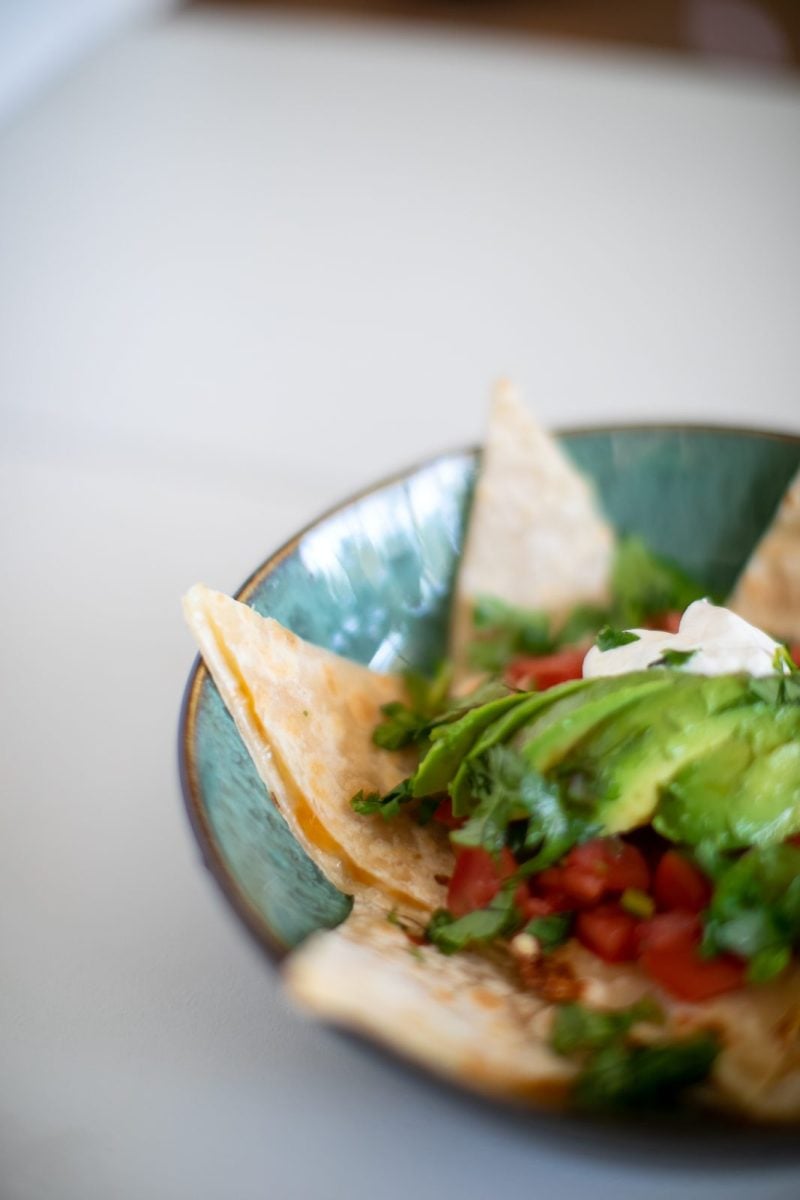
Where Quesadillas earn their spot: We are having a cheese flour tortilla for dinner, other parts are ornamental.
The quesadilla: Two flour tortillas and cheese (monterey jack melts best, sharp cheddar tastes best) cooked in a skillet over medium heat until the tortillas have brown spots and the cheese is oozing (90 seconds per side). Eat them off the cutting board.
If you use corn tortillas and refried beans instead of cheese, you get a heartier (and less soggy) quesadilla, but the quesadilla keeps and the melted cheese does not.
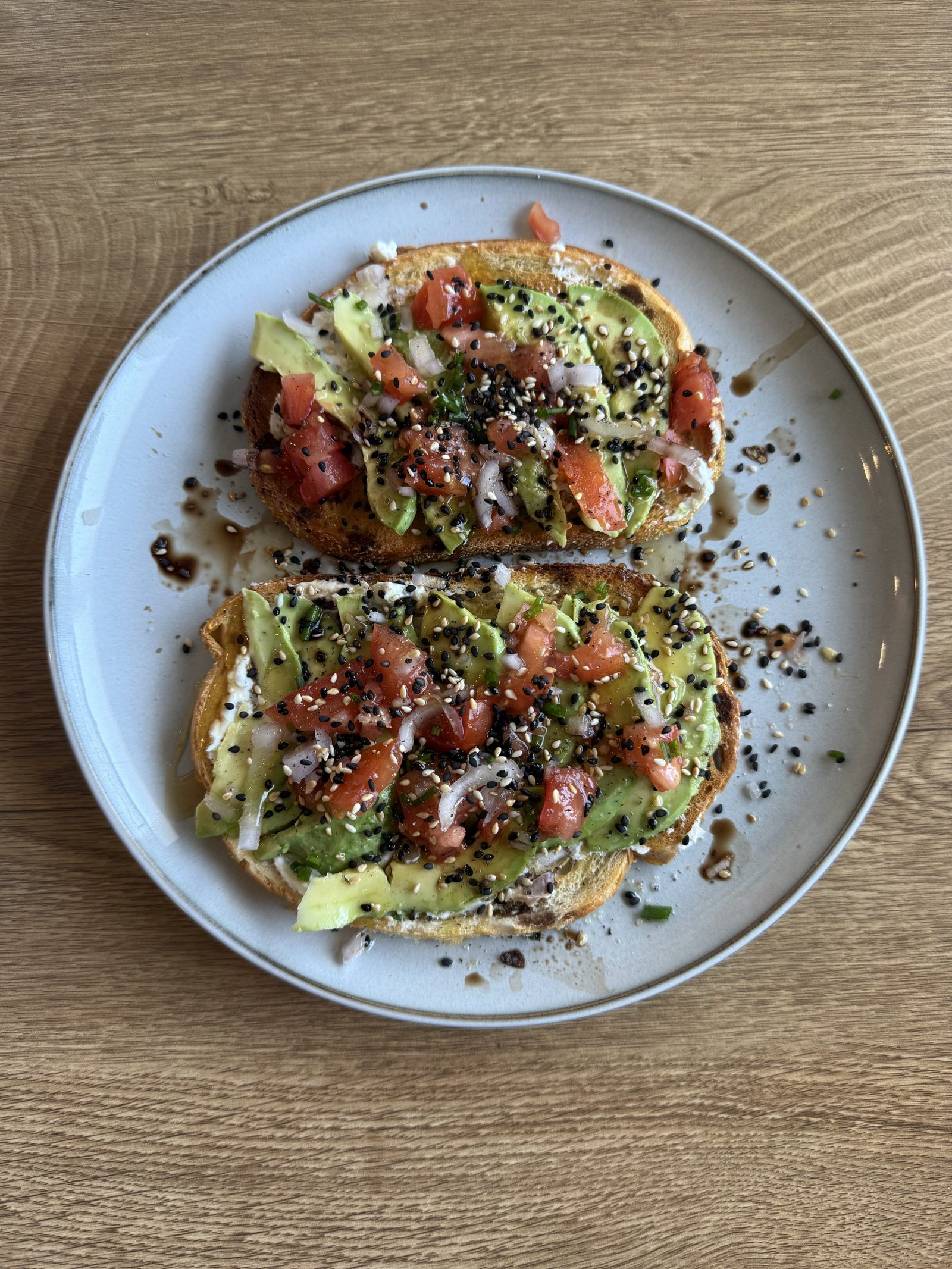
What makes Toast Toppings work: 80% of the work is in the bread, 20% in the toaster.
Toast. The toast: Almost burnt. Sourdough. Whole grain. Rub a halved clove of garlic (shreds of toast and garlic will hang from your garlic clove) over it while it’s still warm. Two pieces of toast. Crush avocado with flaky salt and lemon; add topping of choice (peanut butter, sliced banana and cinnamon or ricotta cheese, sliced tomatoes and pepper).
English muffins, toasted, which count as one piece of toast per muffin (two muffins = four pieces of toast = dinner).
I once considered toast to be a side dish. After tracking my meals for a month, I noticed that the main course for at least eight dinners was toast, and each one of those nights, I called it fine dining.
The toast is often underappreciated in the kitchen. This is because it actually performs three functions. First, it’s a carbohydrate source; second, it’s the vessel that carries everything else; third, it performs the essential salt-fat-acid role that complements all other ingredients. Consider it a show rather than a warmup.
• Use real bread. Good sourdough or a country loaf with a chewy crumb takes toppings without collapsing. Sandwich bread bends and dies.
• Toast it longer than feels right. Color is flavor. Pale beige bread is a regret.
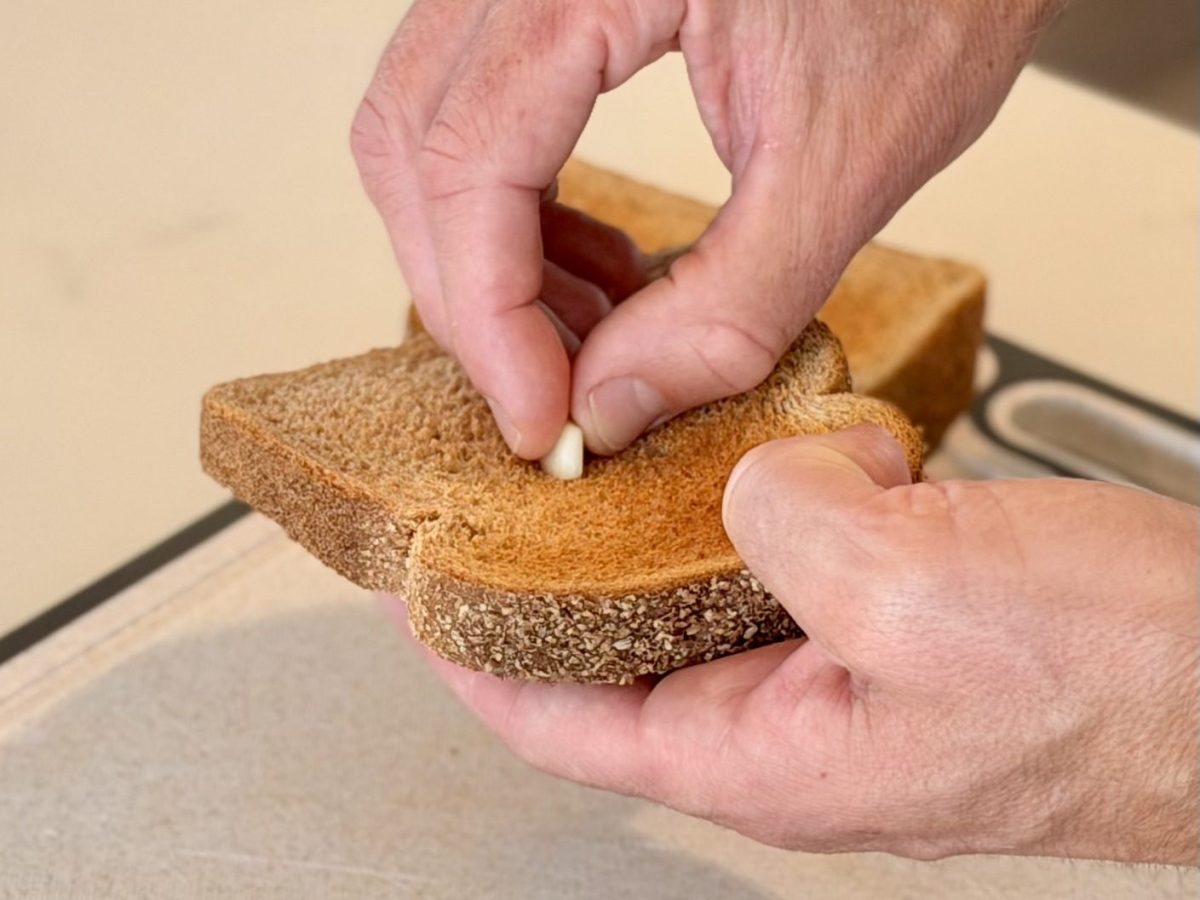
• Rub it with raw garlic. While the toast is still warm, drag a halved garlic clove across the rough surface. The crumb grates the garlic for you (the toast is the grater).
• Salt and oil go on first, toppings second. Flaky salt and a drizzle of olive oil prep the surface so toppings stick and taste seasoned all the way down.
• Two pieces, not one. One piece is a snack. Two is dinner.
What’s NOT on this list is the old grocery store sandwich bread that gets soggy with any topping. Hot-dog buns (too sweet). Bagels (holes are a logistical issue). Keep the good bread for the night you really need it.
Toast is also an easy way to work more whole grains into your day. Look for a loaf that lists whole grain or whole wheat as the first ingredient on the label.
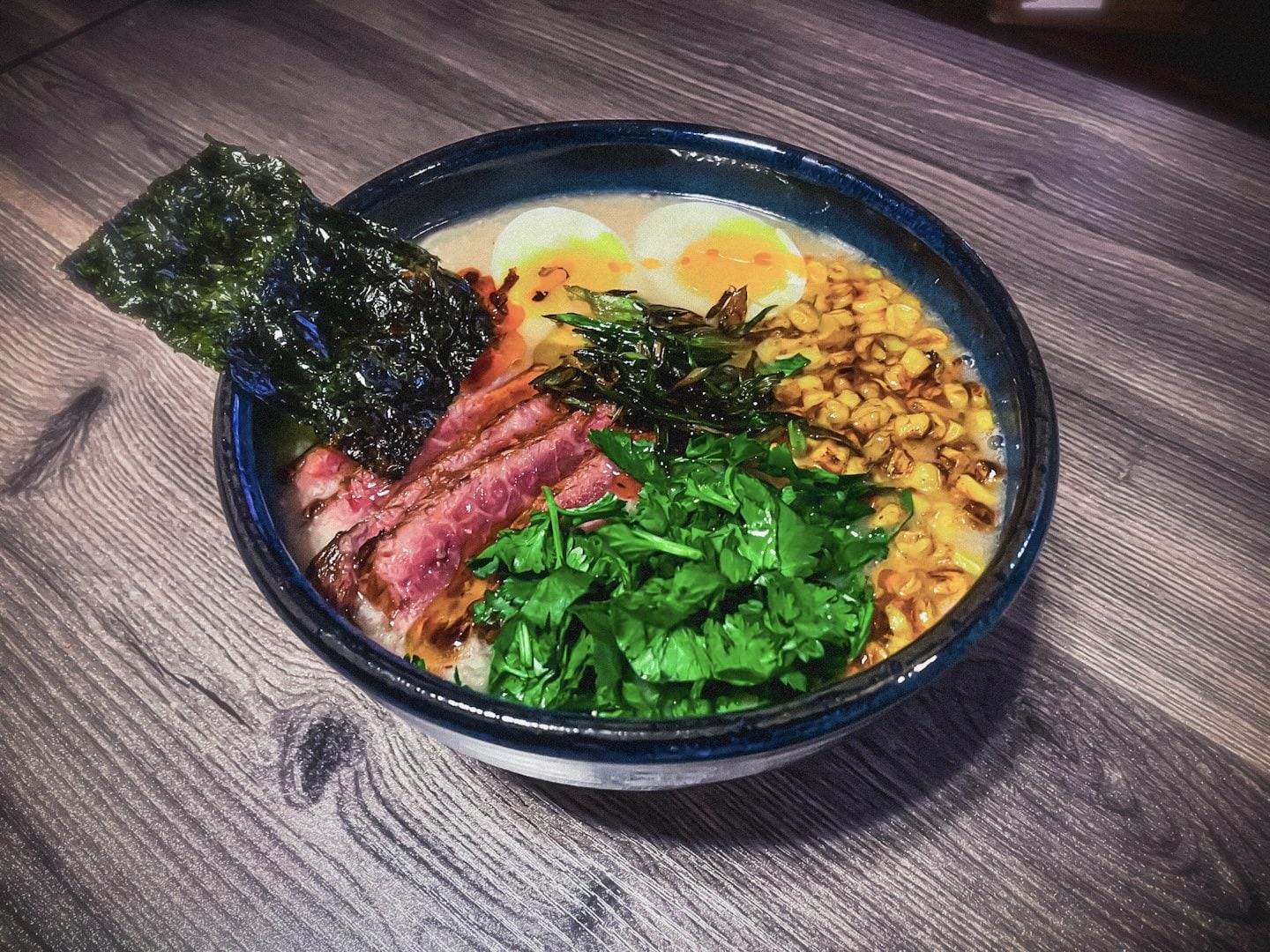
Why Ramen Bowl makes the cut: Three. The brick of noodles: The brick of noodles (half of the seasoning packet, the entire seasoning packet is a salt bomb) gets boiled for two or three minutes until tender, stirred together with frozen peas until they’re thawed out, a pat of butter until it’s melted, a few splashes of soy sauce, and a raw egg until the egg white is cooked through but the yolk is still runny.
Boiled things that take six minutes or less.
Eat it out of the pot with chopsticks or a spoon. Garnish with scallions, if you have ’em.
Sub shredded rotisserie chicken for the egg if you want heartier noodles (they won’t be as silky but you’ll be stuffed).
Why Marinara Pasta belongs here: The mug:
The pasta: Boil pasta for one minute less than the directions on the package call for in a well-salted pot of boiling water (salted like the ocean, because this is your only chance to add flavor to the actual pasta and you want it to be flavorful from the inside out). Boil pasta for one minute less than the directions on the package call for in a well-salted pot of boiling water (salted like the ocean, because this is your only chance to add flavor to the actual pasta and you want it to be flavorful from the inside out). Bring a large pot of salted water to a boil. The noodles: The sauce:
If the sauce is especially thick, or you’ve incorporated other elements into the sauce (like sautéed veggies or ground beef) that might have caused it to thicken even further, pour in some of that saved pasta water.
Drain, saving a cup of the pasta water for loosening up the sauce later if need be. Reserve 1/4 cup of the pasta water and drain the pasta. Whisk together pasta water with a drizzle of olive oil, Parmesan cheese (use more than you think you need), and a basil leaf if you have one.
Sub a can of crushed tomatoes plus garlic and butter for jarred marinara sauce. Everything tastes more refined.
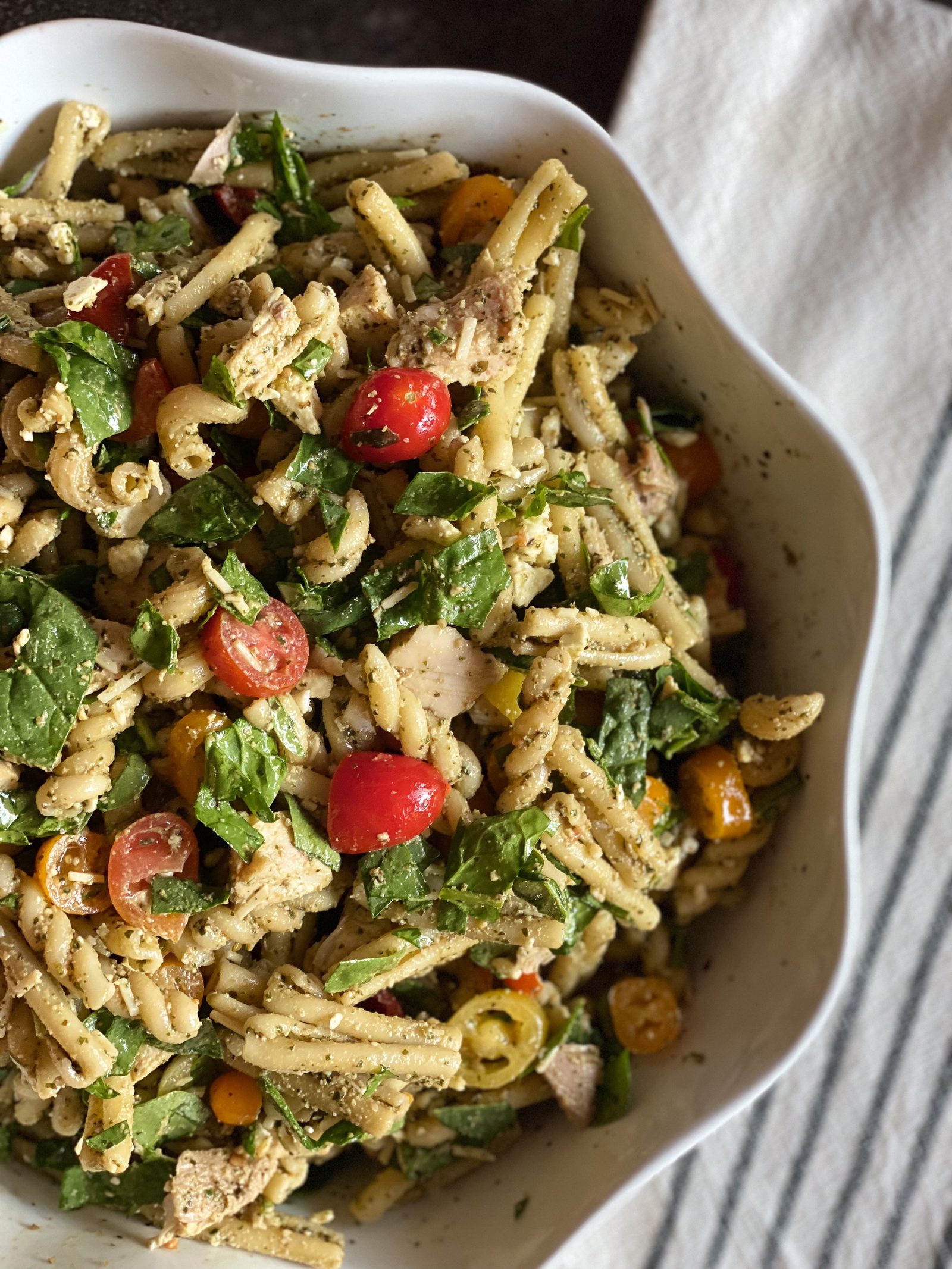
The case for Pesto Pasta: Pantry pasta. Toss with jarred marinara sauce that’s been warmed in a large pot on low heat while the pasta cooked (and possibly spiked with other things like garlic or herbs, stirring the sauce while it heats will help incorporate those flavors). This pasta is 80% jar of marinara sauce. The pesto: Jarred pasta sauce! You can make it fancier still by spooning the sauce into hollowed out tomatoes and broiling, but you could also just pour it over the noodles.
It’s got all that starch from the pasta, so it’ll help bind everything together and thin the sauce out just enough for it to cling to every piece of pasta. The fancier bits (like tossing drained pasta into the pot so it’ll absorb sauce flavor as it steeps and finishing with a splash of pasta water to thin the sauce) are responsible for that last 20%. Add pasta to the cheese mixture, tossing to coat. Dump in 8 ounces of pasta and cook until al dente. Fill a bowl with hot water and set aside (this’ll keep everything nice and warm). Dump the pasta into the warm bowl along with 4-5 tablespoons of pesto and the reserved pasta water. Add Parmesan cheese, black pepper, and cherry tomatoes if you have them. Stir to combine. Whatever protein you’ve got on hand, roast it (along with vegetables) in the oven until browned and crisp: Arrange on a sheet pan, drizzle with olive oil, season with salt and pepper, and roast.
Sub pesto stirred into a cup of ricotta cheese for jarred pesto. It’s creamier and richer and you can taste less of the pesto.
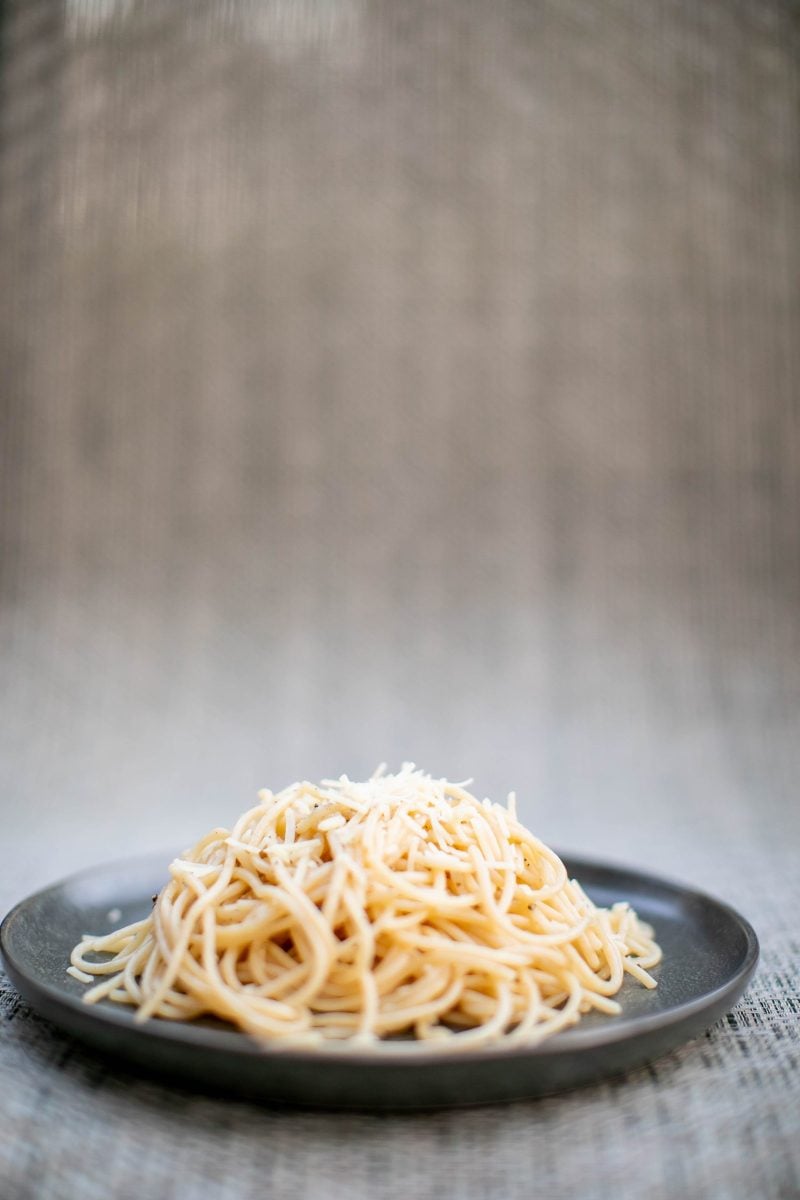
The pitch for Buttered Noodles: If you’ve got noodles and butter, you can still make this even if you have a completely empty fridge.
Cut into triangles. Dump in a pound of spaghetti (or linguine or whatever long noodle you’ve got) and cook until just tender. Drain well. Add 2-3 tablespoons of cold butter, cut into triangles, to the still warm pot of noodles and stir until melted. Add salt and pepper (and cheese if you’ve got it). This is dinner. Add to the butter noodles. Add a splash of chili oil and whisk to combine.
Toast, toasted until it’s brown. Brown brown. Melt butter in a small saucepan over medium heat. Once it’s foaming and bubbling, keep cooking, stirring, for another 3-4 minutes, until it’s hazelnut colored (that means the amber color and nuttiness you’re aiming for). Brown it.
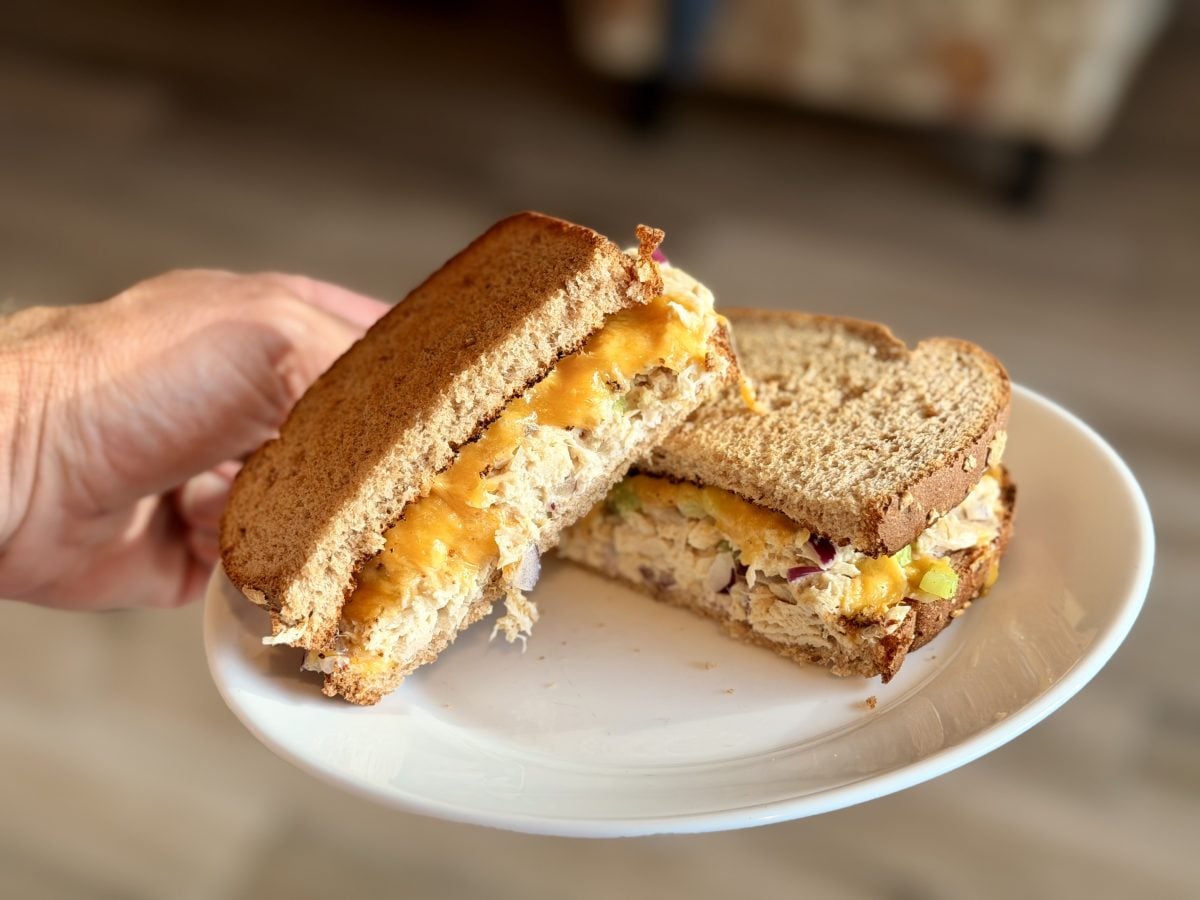
Reason for picking this tonight: The cheese is cheese.
In a bowl, stir together a can of drained tuna, about 1 tablespoon of mayonnaise, a splash of lemon juice, a chopped up dill pickle (or about 1 tablespoon of relish), and salt and pepper. Spread tuna mixture on one slice of bread. Top with a slice of cheddar cheese and the other slice of buttered bread. Put cheese on it.
The sandwich: The bread is bread.
Sub canned salmon for the tuna. The tuna is in a can.
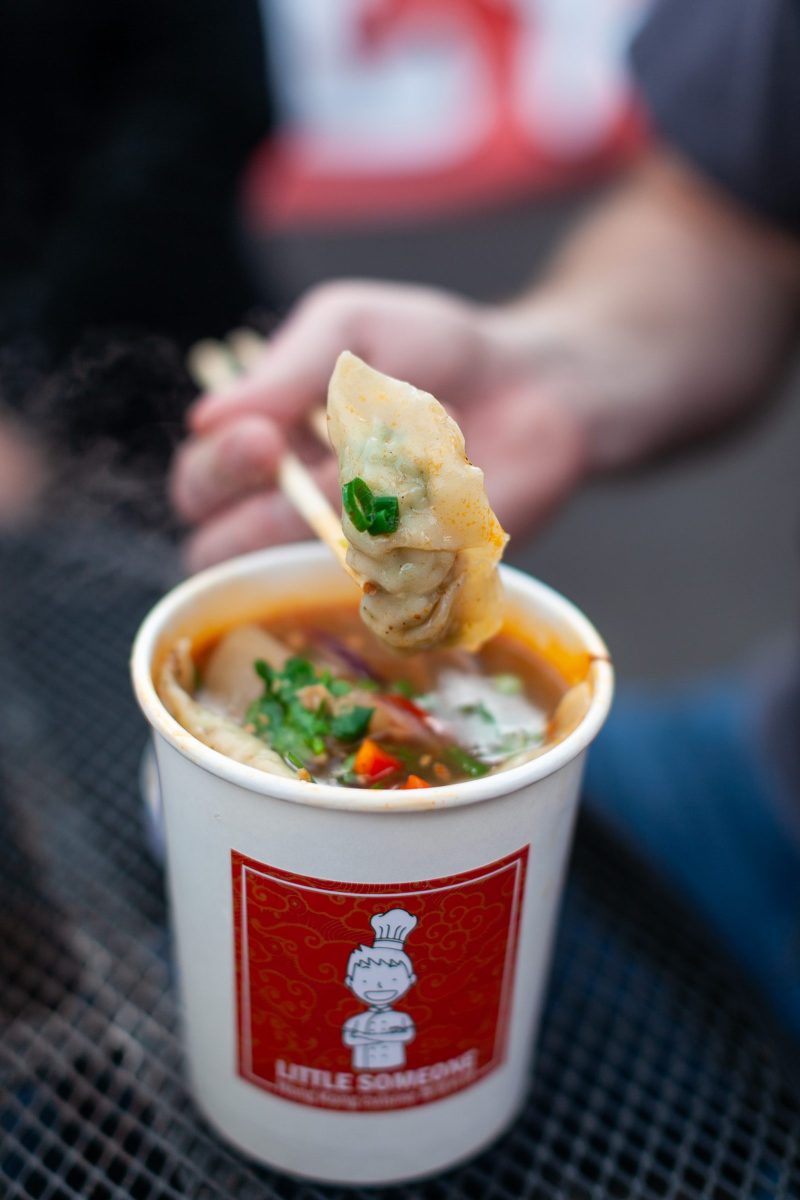
Why Dumplings pull their weight: Dinner will be ready in eight minutes using a maximum of two pans since all you need is a bag of frozen dumplings.
The dumplings: Heat a thin film of oil in a nonstick skillet over medium-high heat. Add the dumplings in a single layer (don’t crowd them) flat side down. Cook for 2-3 minutes until the bottoms are golden brown. Add 1/4 cup of water, cover, and steam for 5-6 minutes, until the water has evaporated and the dumplings are shiny and translucent. Heat 1/4 teaspoon of oil in a nonstick skillet over medium heat. Cook for 2 minutes, until set but still slightly glossy.
Put equal parts soy sauce and rice vinegar in a small bowl.
Toss with a little bit of the brown butter, cream, and parmesan (or pesto!). Boiling tortellini in water for 5-6 minutes and tossing with a little bit of butter, cream, and parmesan (or pesto!) means no splattery oil to clean up and one less pan to wash.
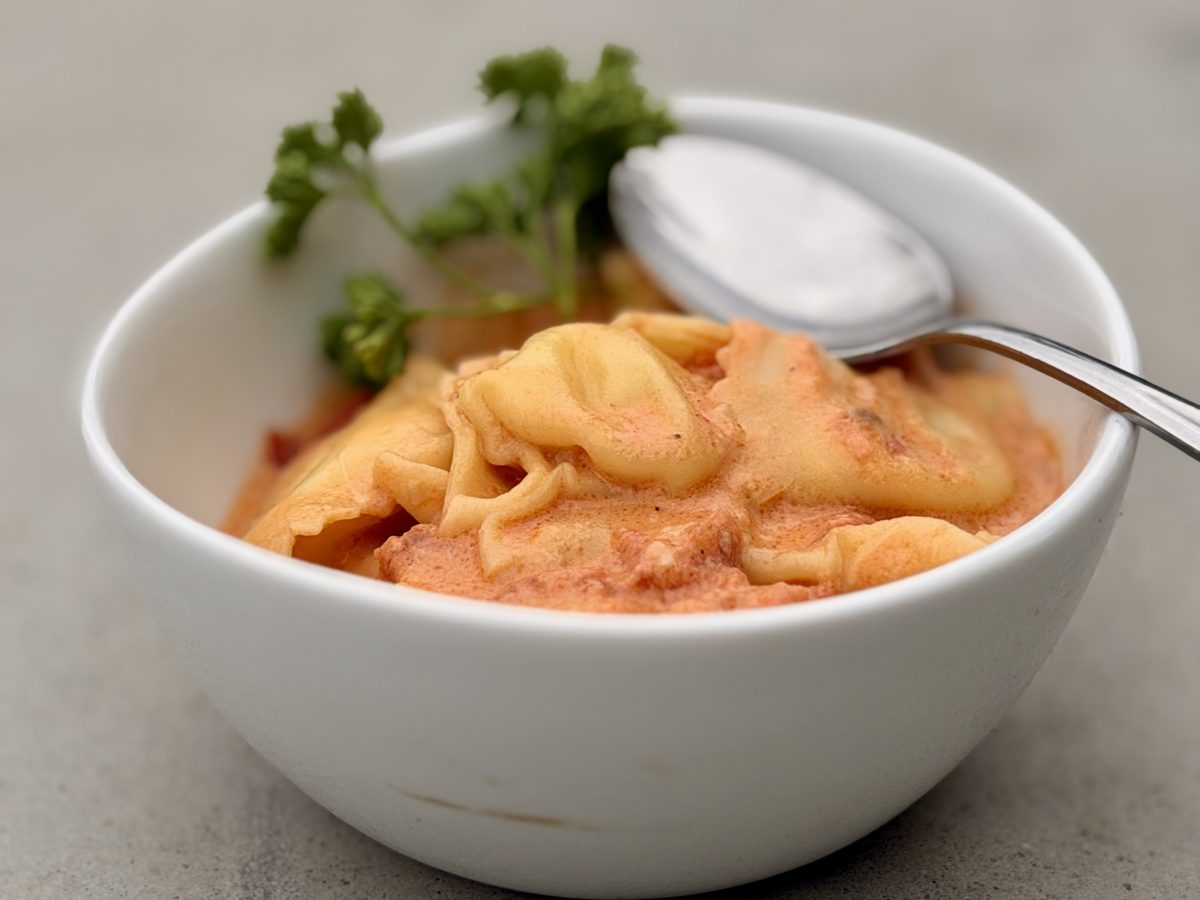
What Tortellini gets you: Stuffed pasta creates a sauce automatically (or by itself). Not much else can be elaborated.
Boil a pot of salted water. Add the tortellini (refrigerated for 3-5 minutes; frozen for 7-9 minutes) and cook until tender and floating.
The pasta: The egg: Crack the egg in a bowl with 1/2 teaspoon of water and pour into the pan. Add frozen peas during the last minute of cooking. Add 2 tablespoons of butter, a splash of cream and a handful of grated Parmesan cheese (or a dollop of pesto) to the pot and stir to combine. Add a handful of frozen peas during the last minute of cooking.
Toss into a bowl with some chicken broth and spinach. Toss into a mug with some chicken broth and spinach.
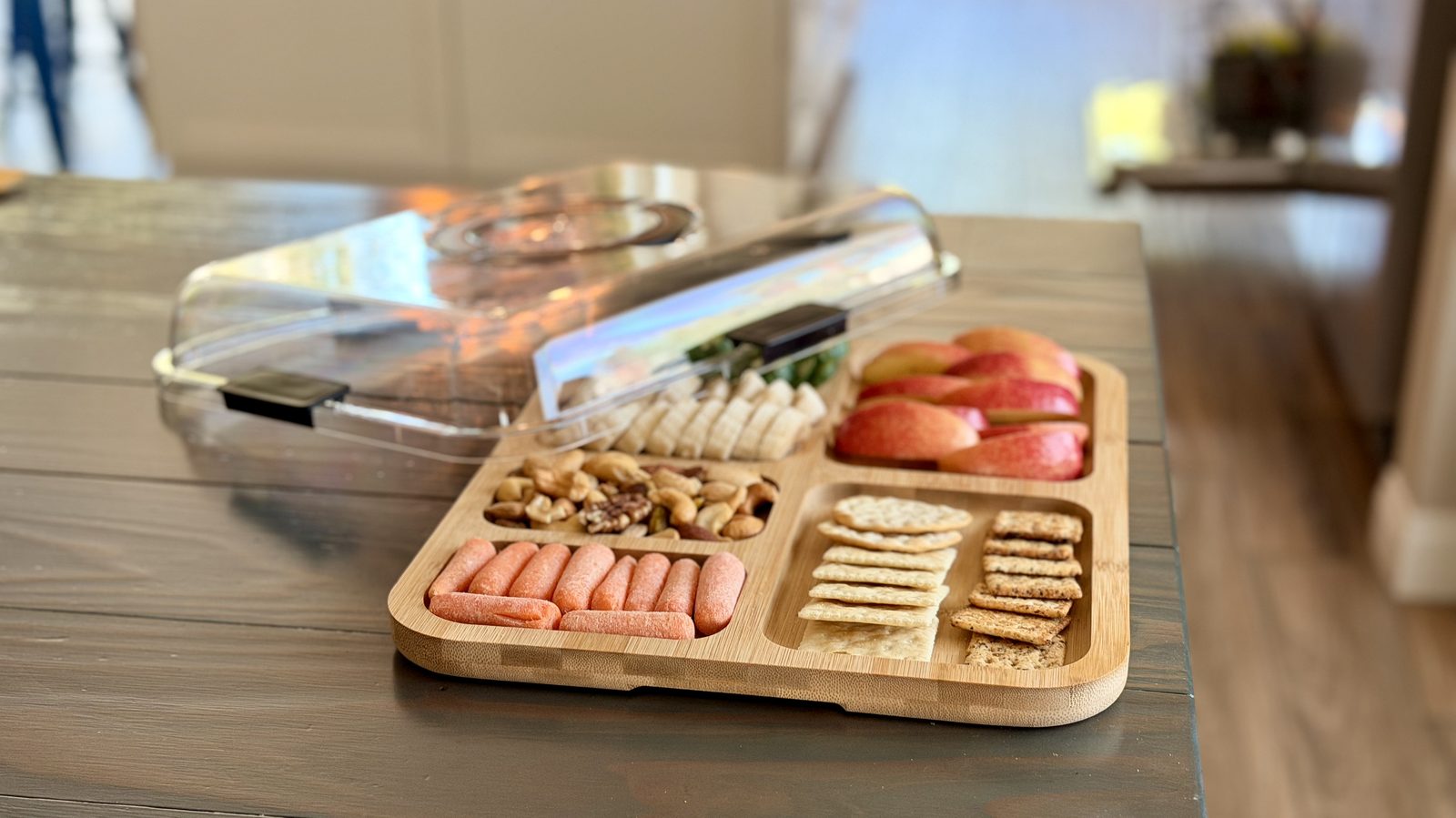
Why Snack Plate makes the cut: You won’t actually make this meal. It will be made up of things you already have in your refrigerator and pantry.
The board: Pick out some cheese (cheddar, gouda), meat (prosciutto, ham, or salami), pickles (olives, cornichons, pickled onions), something fresh (tomatoes, grapes, apple, cucumber), and lay it all out on a wooden board. Add crackers or baguette and you’ve got yourself a charcuterie board. Nuts, mustard, jam.
Slide onto a plate.
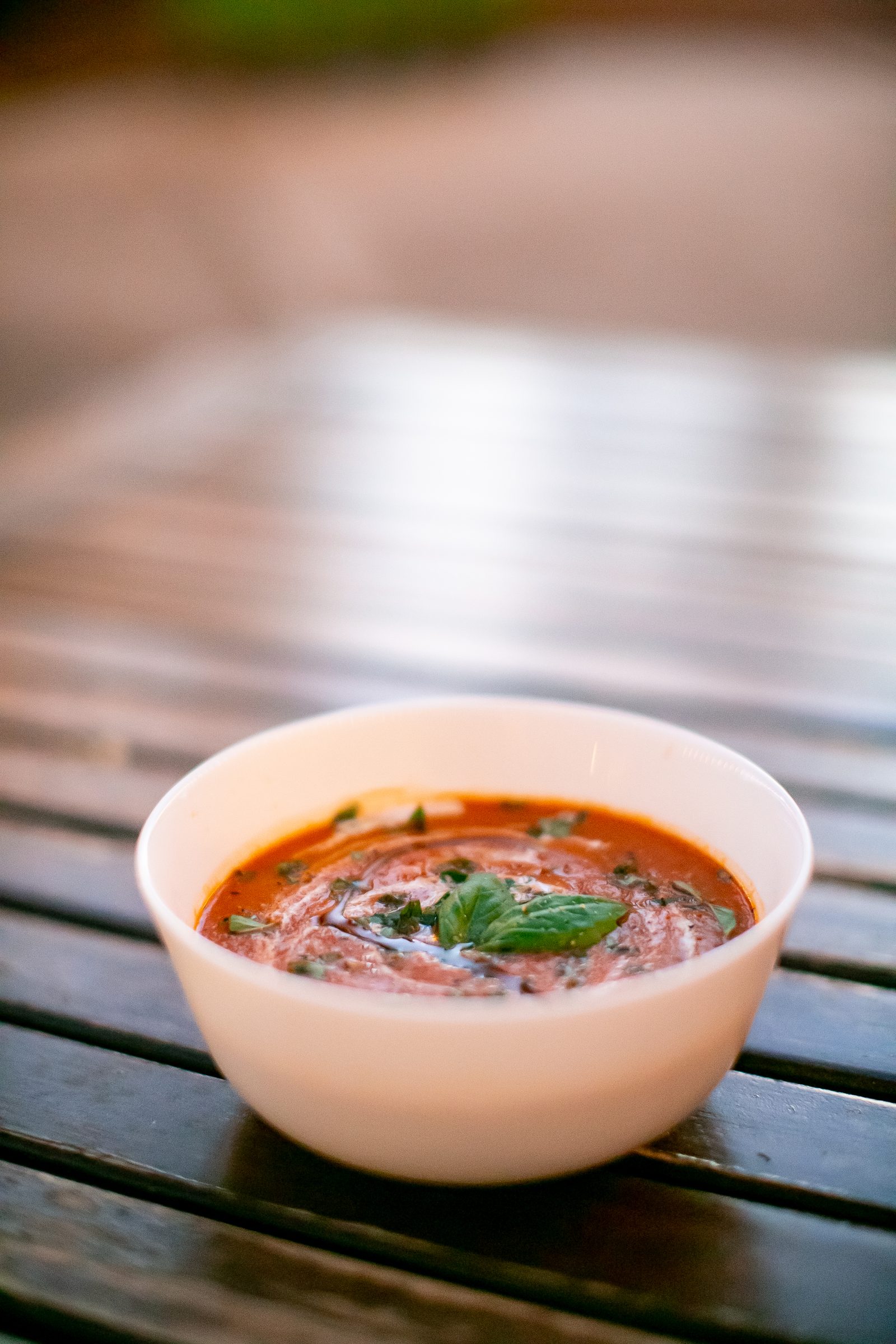
The case for Grilled Cheese And Soup: These are the kinds of meals kids like and adults don’t outgrow.
Butter both sides of two slices of bread. If you want to make grilled cheese and tomato soup night a little bit better, use a melty cheese (Gruyère!) and butter the outsides of the bread instead of just the insides.
-2 slices of buttered bread, melty cheese (Gruyère!), and more butter on the outsides of the bread (this is the secret to taking grilled cheese sandwiches to the next level), sautéed in a buttered skillet over medium heat until melty and golden brown (3-4 minutes per side) Cook until browned on both sides and the cheese is melty.
-90 seconds in the microwave for Tetra Pak tomato soup (Pacific Foods) If you’re making your own tomato soup, thin it out with a little milk or cream.
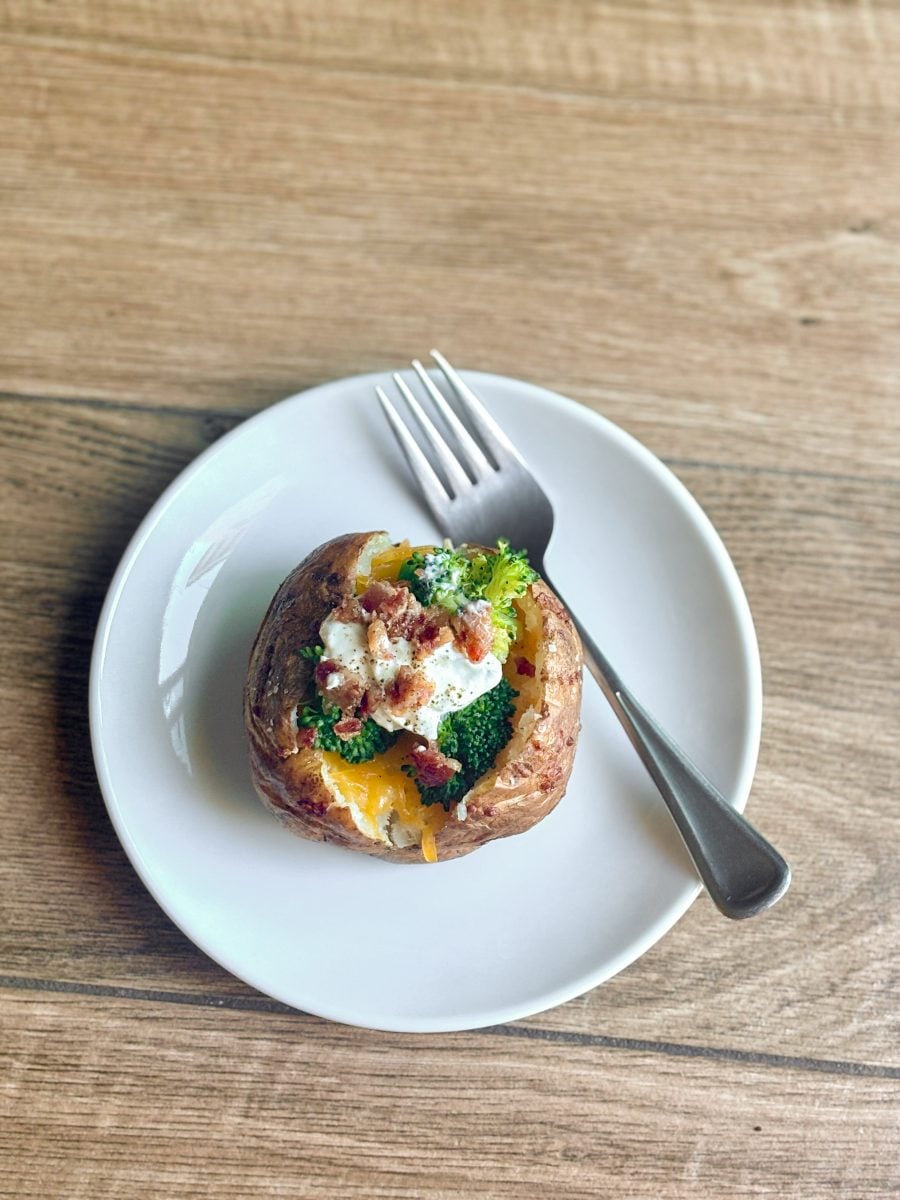
Where Loaded Baked Potato earns its spot: Sometimes all you need for dinner is a potato. Don’t forget the microwave and the toppings. Those will For a fancier (read: less lazy) take on the potato, try sweet potato.
-8 to 10 minutes in the microwave on high (turn over half way through), until squeezeable (through an oven mitt). Poke a potato with a fork, all over, then microwave.
-6 to 8 minutes in the microwave (poke holes all over with a fork first), fluff with a fork and top with yogurt or sour cream, hot sauce, and black beans. Top with chili (canned is fine), broccoli (steamed, duh), bacon, scallions, sharp cheddar cheese, sour cream and/or butter.
What makes Tortilla Pizza work: 8-Minute Tortilla Pizza -425°F for 7 to 9 minutes for a pizza with no proofing time or pizza stone required.
Preheat oven to 425°F. Spread jarred marinara (or pesto!) on a tortilla (pita and naan work too—naan might take a minute or two longer because it’s thicker, but I prefer it since it’s a little chewier and closer to pizza dough), top with mozz, oregano, and whatever else you want (roasted vegetables, pepperoni, tomatoes halved so they don’t fall through the tortilla, etc.) and cook on a sheet pan until bubbly and the edges of the tortilla are crispy and dark brown.
Slice into quarters with scissors.
You can also use pita or naan in place of the tortilla. I like naan better because it’s thicker and chewier and more like pizza dough. It might take an extra minute or two to get crunchy on the bottom.
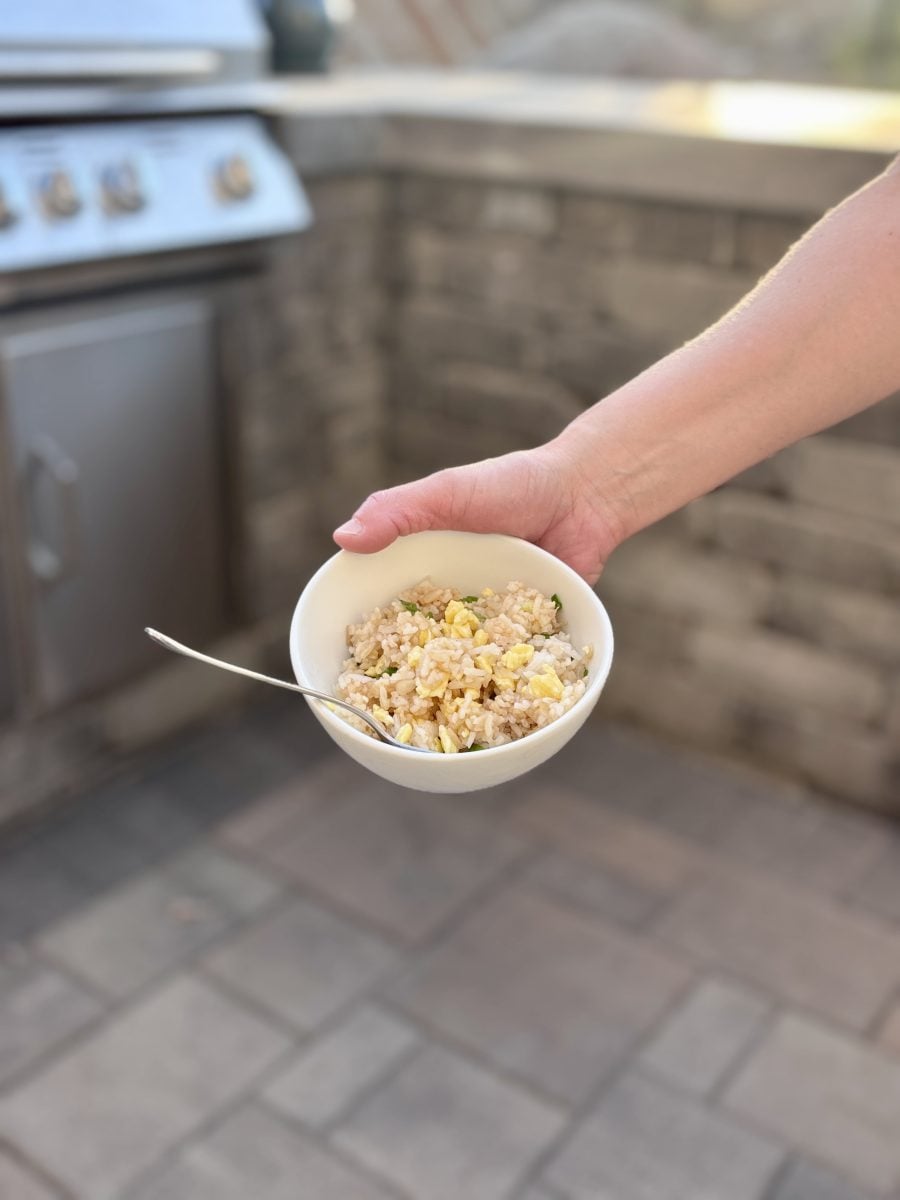
Why Fried Rice belongs here: -Tbsp oil, cold leftover rice (microwavable rice pouches don’t hold up as well since they’re not as firm), cooked in the same skillet over high heat, breaking up rice clumps with a spatula and flattening rice into an even layer that covers the entire surface of the pan, cooking undisturbed for 30-60 seconds until crackly/toasty around the edges
-Tbsp oil, 1 egg, cracked into a screaming hot (smoke alarm about to go off hot) skillet with a splash of sesame oil, cooked until just set, then removed to a plate and broken into chunks
You’ll know it’s ready when you can hear it crackling away. Toss in some soy sauce, frozen carrots and peas, the scrambled egg you cooked earlier, scallions, and sesame oil.
I would recommend not using one of those pouches of rice that you microwave to make fried rice. The rice isn’t as firm and the edges don’t get as nicely toasty.
The pitch for Bean and Cheese Burritos: All you need are two things from your pantry to whip up this five-minute portable hot meal.
-90 seconds per side seam-side down in a nonstick skillet over medium heat for quesadillas that only require 2 things you already have in the pantry: tortillas and refried beans (microwave for 1 minute, stir, then 30 seconds more). Add cheese, pickled jalapeños, salsa, whatever. Slice on the diagonal and drizzle with hot sauce.
Black beans work too—just drain, mash with a fork, and add cumin. They’re drier (and therefore healthier), but can make for a less cohesive quesadilla.
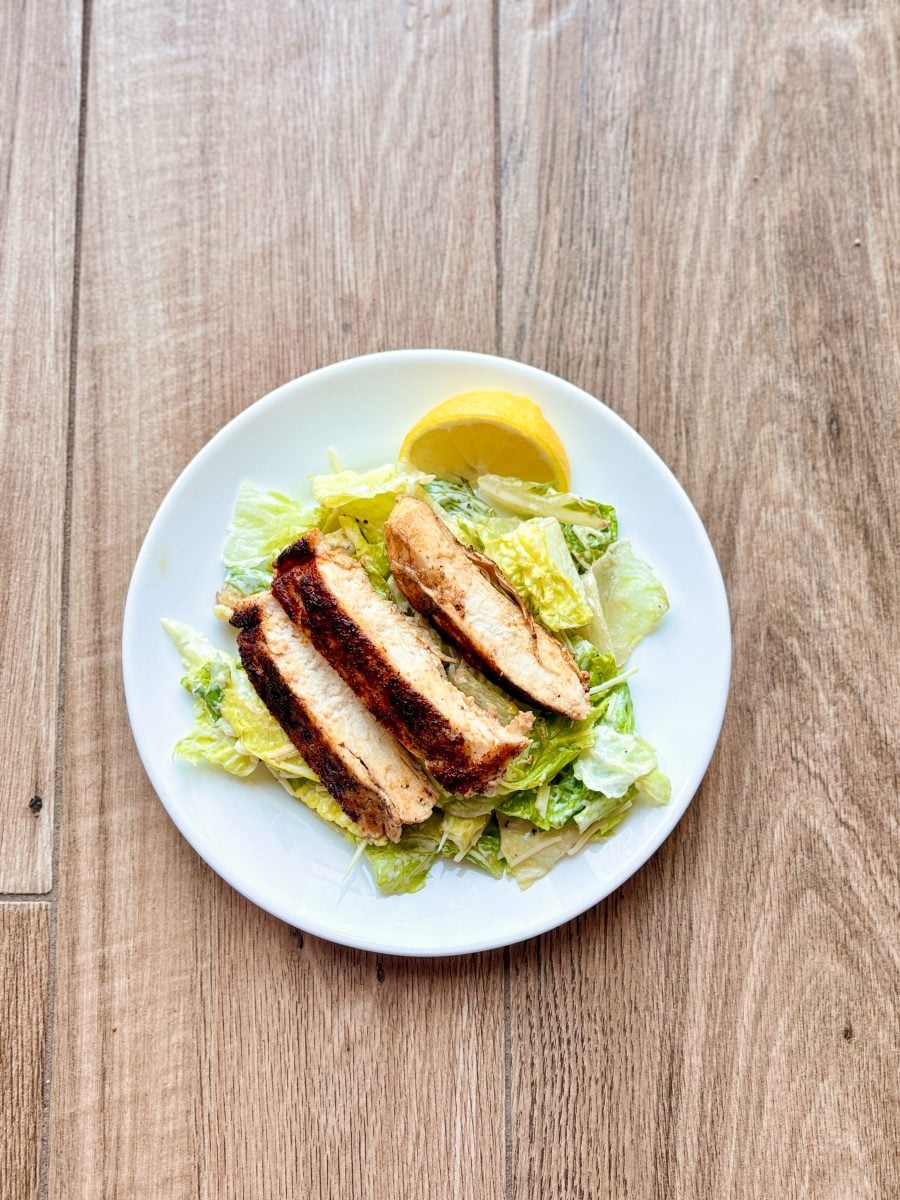
Where Chicken Caesar Salad earns its spot: 30-Minute Rotisserie Chicken Caesar Salad
-shredded rotisserie chicken, caesar salad kit (use only half the dressing—it always comes with way too much; add more if you want), croutons, parmesan cheese (from the kit), and a ton of pepper, tossed in a bowl and finished with the juice of half a lemon (this cuts through all the fat and makes everything taste brighter)
Swap: Tuna (canned, drained) or anchovies (from a jar) instead of rotisserie chicken. It’s saltier and fishier and different than everyone else’s answers. Use less caesar.
What makes Noodle Salad work: 4-Minute No-Cook Cucumber, Carrot, and Peanut Soba Salad
-6 ounces soba or rice noodles, cooked according to package directions (usually 3-5 minutes), drained, and rinsed with cold water until completely cool, then drained again Combine soy sauce (2 tbsp), rice vinegar (1 tbsp), sesame oil (1 tsp), honey (1 tsp), and 1 clove of finely grated garlic.
-shredded carrots and cucumber (any shape is fine—I cut mine into half moons), peanuts (or sesame seeds), and a ridiculous amount of chopped cilantro (or mint) Serve chilled or at room temperature.
Swap: You can use spaghetti, but it’s less authentic and a little heavier.
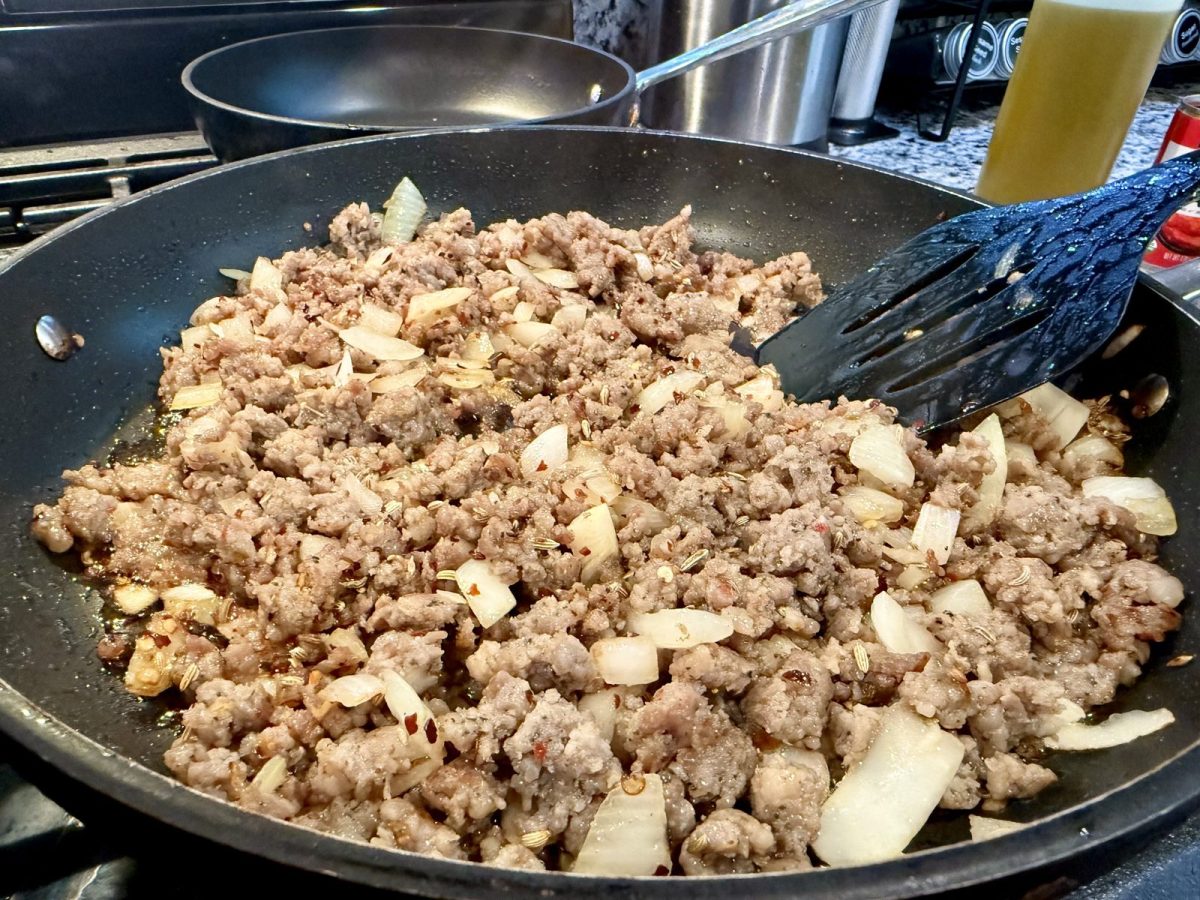
Why Sheet Pan Sausage pulls its weight: 25-Minute One-Pan Lemon-Oregano Sausage and Baby Potatoes
-sliced sausage (kielbasa, chicken sausage, Italian sausage, whatever you’ve got)
Toss everything together on a sheet pan and roast for 25-30 minutes, stirring halfway through, until crispy at the edges and fork tender in the center. Finish with lemon juice.
Swap: Frozen pierogis can be substituted for the potatoes—add during the last 15 minutes of cooking.
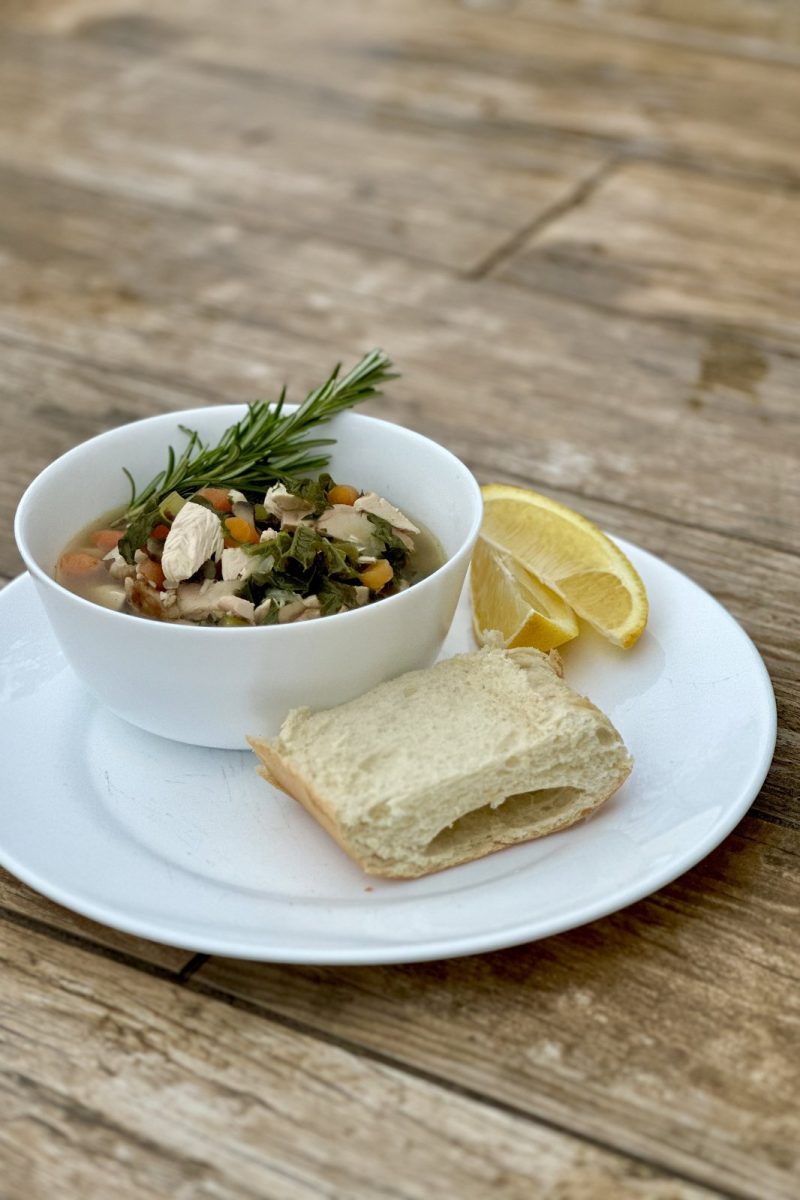
What Soup and Toast get you: Brothy Tomato Soup and Garlic Toast
-can of tomato soup (lentil, minestrone, white bean, etc.), warmed in a small pot over medium heat -country or sourdough bread, sliced on the thick side and toasted until very dark brown, then rubbed with a clove of garlic and drizzled with olive oil and sprinkled with salt Rub a clove of garlic on toasted bread, then add olive oil and salt. Add avocado, arugula, an egg, whatever. Tear over soup, let it get a little soggy, then top with the other half of the toast.
Swap: Top thick slices of bread with 1/4 cup of parmesan cheese and broil for about 90 seconds until bubbly and browned, then tear over soup. It’s kind of like french onion soup without the onions.
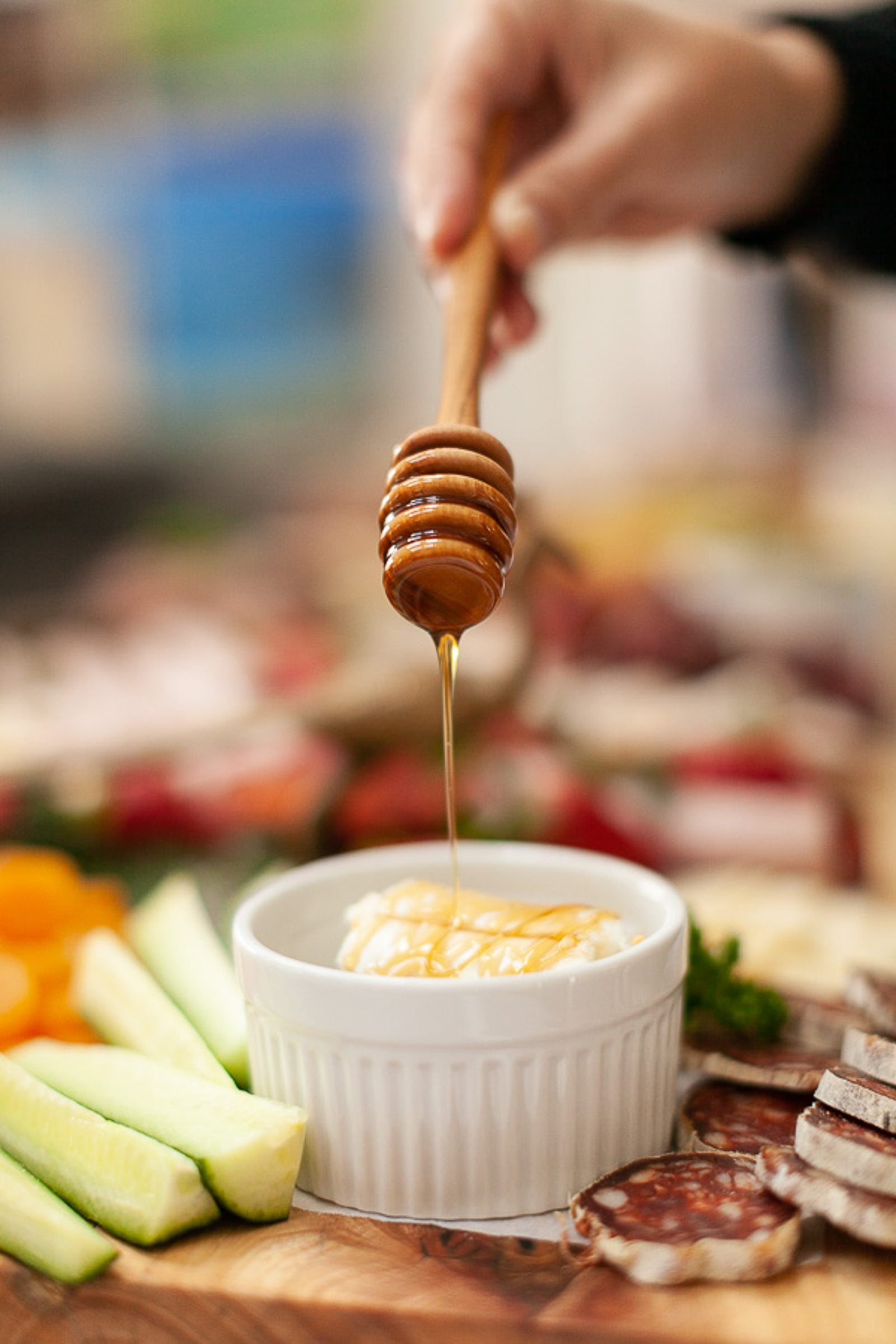
Why this is so easy: The meats are already cooked; the cheeses are already made; the olives have been pickled; even the nuts are already shelled.
-at least three different kinds of cheese (a soft, a hard, a funky one) Pile everything onto a charcuterie board (or plate). Top with nuts and grainy mustard. There’s no shame in this.
Swap: Serve on a plate (charcuterie dries out on a board). Swap: Use bagged slaw (you can amp it up with other ingredients, like red onions, cilantro, nuts, etc.).
What makes this special: A bagged coleslaw and a piece of fish is about as simple as it gets.
For a healthy and easy meal, all it takes is a great choice of fish to turn fish and coleslaw into a restaurant-quality meal. -pre-packaged coleslaw mix (typically shredded cabbage, shredded carrots, and other veggies, and a tangy dressing) Serve with coleslaw. Swap: Instead of pan-searing, the fish can be baked or grilled. It can also be swapped for sustainable fish (tilapia, rainbow trout, or wild-caught salmon are all sustainable options). For extra omega-3 goodness and nutrients, stick with sustainable fish. Serve with bagged slaw, amped up with additional ingredients, like red onions, cilantro, nuts, etc. Season fish with salt and pepper.
-1 pound white fish fillets (such as mahi mahi, tilapia, or cod), patted dry Pat fish dry with paper towels and season with salt and pepper. Heat 1 tablespoon oil in a nonstick skillet over medium-high heat. Add fish and cook, undisturbed, until lightly golden and just cooked through, 3 to 4 minutes. Heat oil in a large skillet over medium-high heat until shimmering. Add fish to skillet and cook, undisturbed, until deeply golden and crisp, 8 to 10 minutes.
Mix and match away! Meanwhile, combine slaw with half of the dressing (from the kit), some lime juice, and a pinch of cumin in a bowl. Serve on top of the slaw.
Swap: Use frozen fish (it’s even easier than fresh).
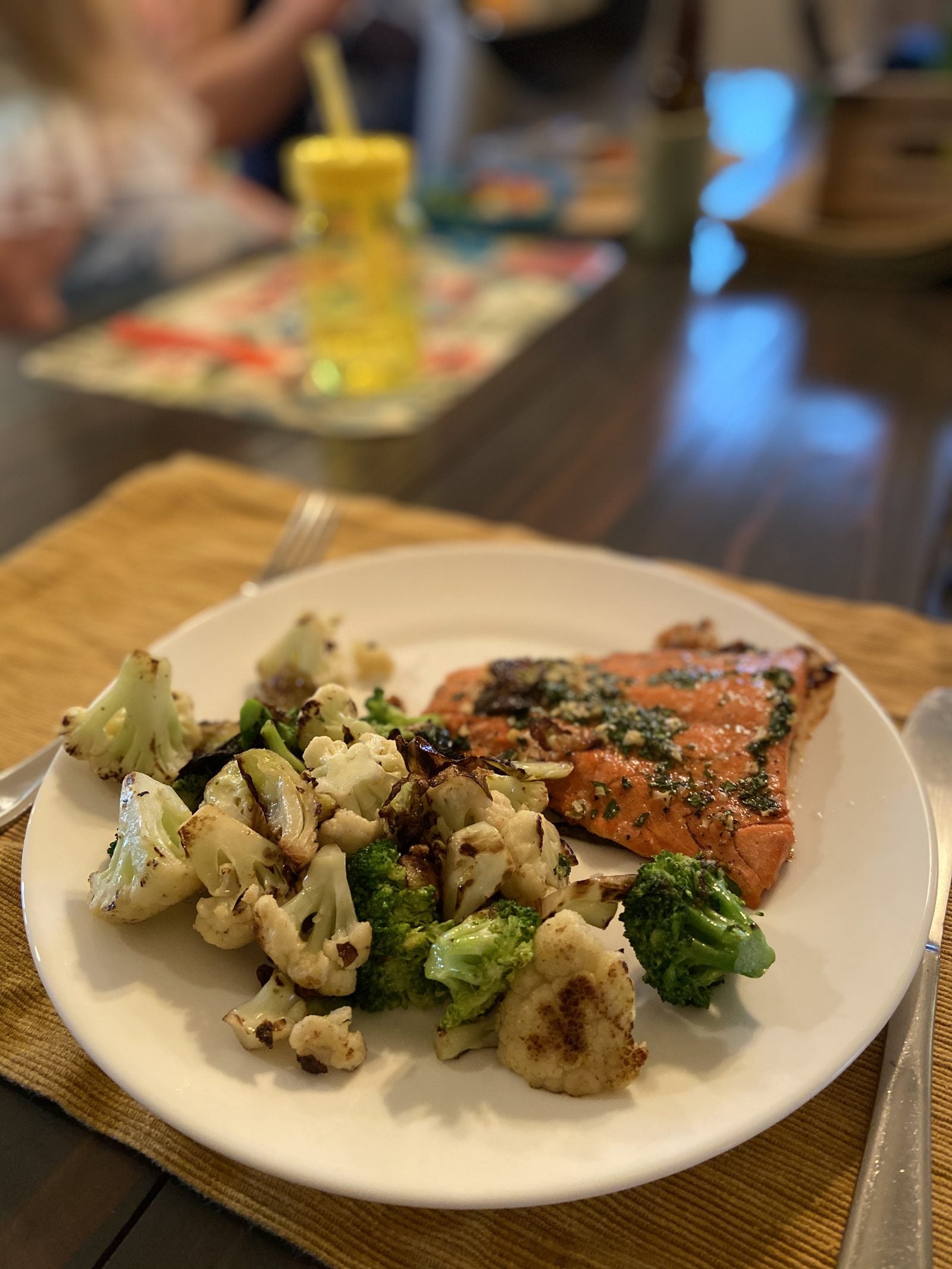
Why Air Fryer Fish makes the cut: An intentional meal is created by the air fryer transforming the frozen fillet.
Lemon wedges, for serving (optional) Flip and cook until just cooked through, another 3 to 4 minutes. -2 to 3 frozen fish fillets (such as cod, tilapia, or halibut), breaded or not Tartar sauce (or slather on some mayo with a squeeze of lemon juice and a spoonful of dill pickle relish) Flip and cook until crisp and deeply golden on the other side, another 8 to 10 minutes. Heat the air fryer to 400°F. Place the fillets in the basket (do not stack). Air fry until deep golden brown and crisp on the outside, but flakey on the inside, 10-12 minutes, turning the fish over half-way through cooking.
Swap: Skip the frying and bake the fish (breaded or not) on a parchment paper-lined baking sheet in a 425°F oven until crisp and deeply golden, 14 to 16 minutes. Swap: Use an air fryer!
I used to view a stocked freezer as a sign of disorganization. Like I had just thrown in the towel on making real food. It was then that I realized that all of the good cooks I knew had a better organized freezer than pantry, and it was the freezer that salvaged them on the tough evenings.
Do not consider your freezer as a place where food goes to die. It’s the bench you visit when the lineup needs a break. The trick is to keep a specific small collection of items in rotation, not to stockpile random bags of mystery vegetables until everything freezes.
• Dumplings or potstickers. Eight minutes from frozen to dinner. Worth the freezer real estate.
• Frozen shrimp (peeled and deveined). Thaws under cold water in 5 minutes, cooks in 4. The fastest protein you can keep on hand.
• A bag of frozen peas. Goes into ramen, fried rice, pasta, soup. Adds a sweet pop and a green note in 60 seconds.
• Sausage links. Italian or chorizo, individually wrapped. Sears off frozen with a splash of water in the pan to steam them through.
• Good bread, sliced. A loaf of sourdough sliced and frozen pulls out one piece at a time and toasts straight from frozen (add a minute).
Frozen family-size meals (mostly sodium and disappointment) are also, deliberately, not on this list. Dinner as ice cream (I won’t tell). Unidentifiable frozen vegetables purchased a year ago. The freezer benefits plans, not hoarding.
The case for Ravioli: All you’re doing is putting together a plate.
-12 ounces ravioli (refrigerated or frozen) Cook ravioli in a large pot of well-salted boiling water, stirring occasionally, until shiny and floating (check package directions for timing; refrigerated ravioli will take about 3 to 4 minutes and frozen will take about 5 to 7 minutes).
Melt butter with sage leaves in a sauté pan over medium heat. Toss ravioli with brown butter and sage until ravioli are well-coated. Meanwhile, melt butter in a large skillet over medium heat. Add sage and cook until fragrant and just starting to crisp, 30 seconds to 1 minute. Add ravioli and toss to coat. Serve topped with Parmesan and cracked pepper.
-6 sage leaves
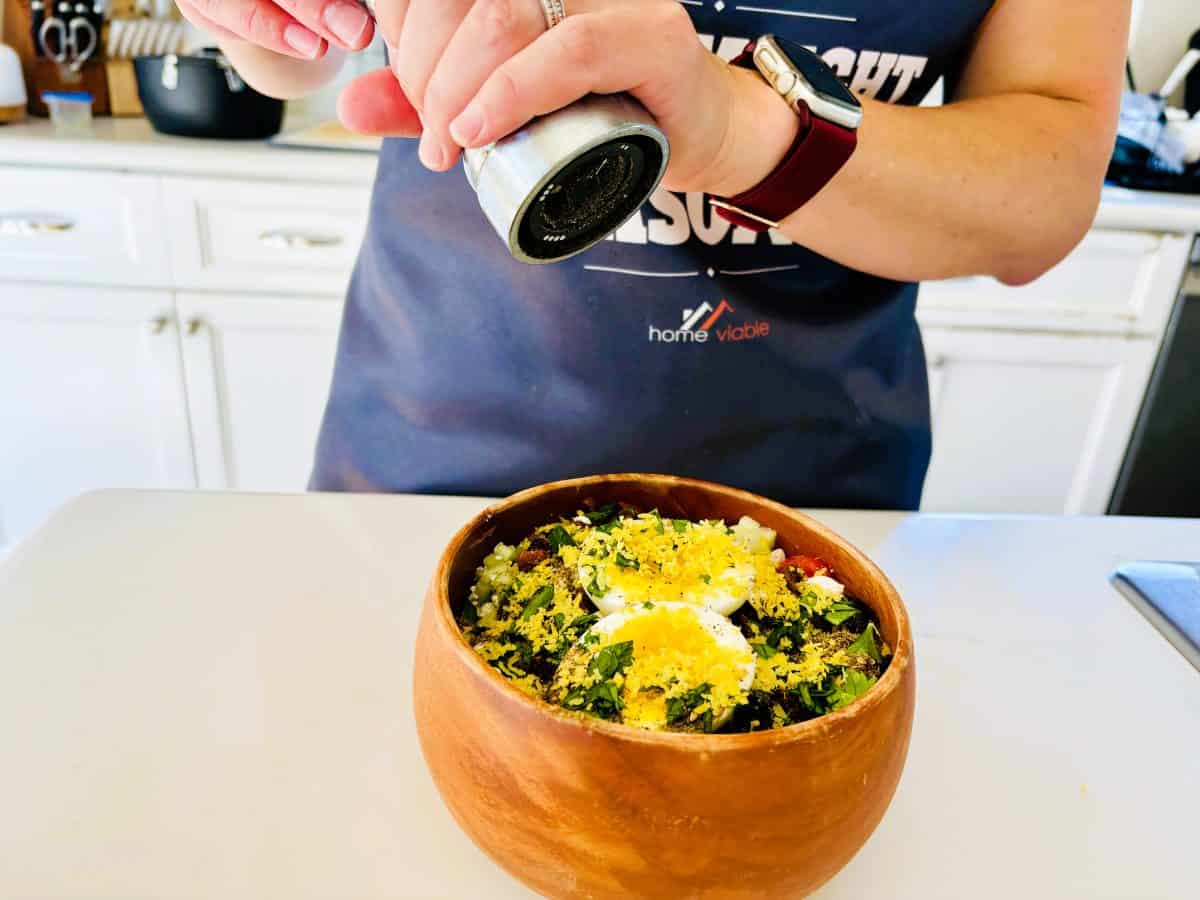
Where Savory Yogurt Bowl earns its spot: -1 cup Greek yogurt
Add yogurt to a shallow, wide bowl and use the back of a spoon to make a swoop. Top with cucumber, tomato, feta, za’atar, herbs, a drizzle of olive oil, flaky salt, and lemon zest. Eat with crackers or pita for scooping.
Swap: Use labneh in lieu of Greek yogurt for a more tangy, concentrated flavor.
Why PBJ belongs here: When you stop saying sorry for it, peanut butter and jelly really does become a dinner.
Spread peanut butter on one piece of toasted bread. -1 small banana, sliced (or apple slices, for crunch) Spread peanut butter on 1 slice and top with jelly and banana.
Toast bread. Swap: Toast in a buttered skillet until golden browned, about 2 minutes per side, and finish with a drizzle of honey and a pinch of flaky sea salt.
-2 tablespoons peanut butter (or almond butter or sunflower seed butter)
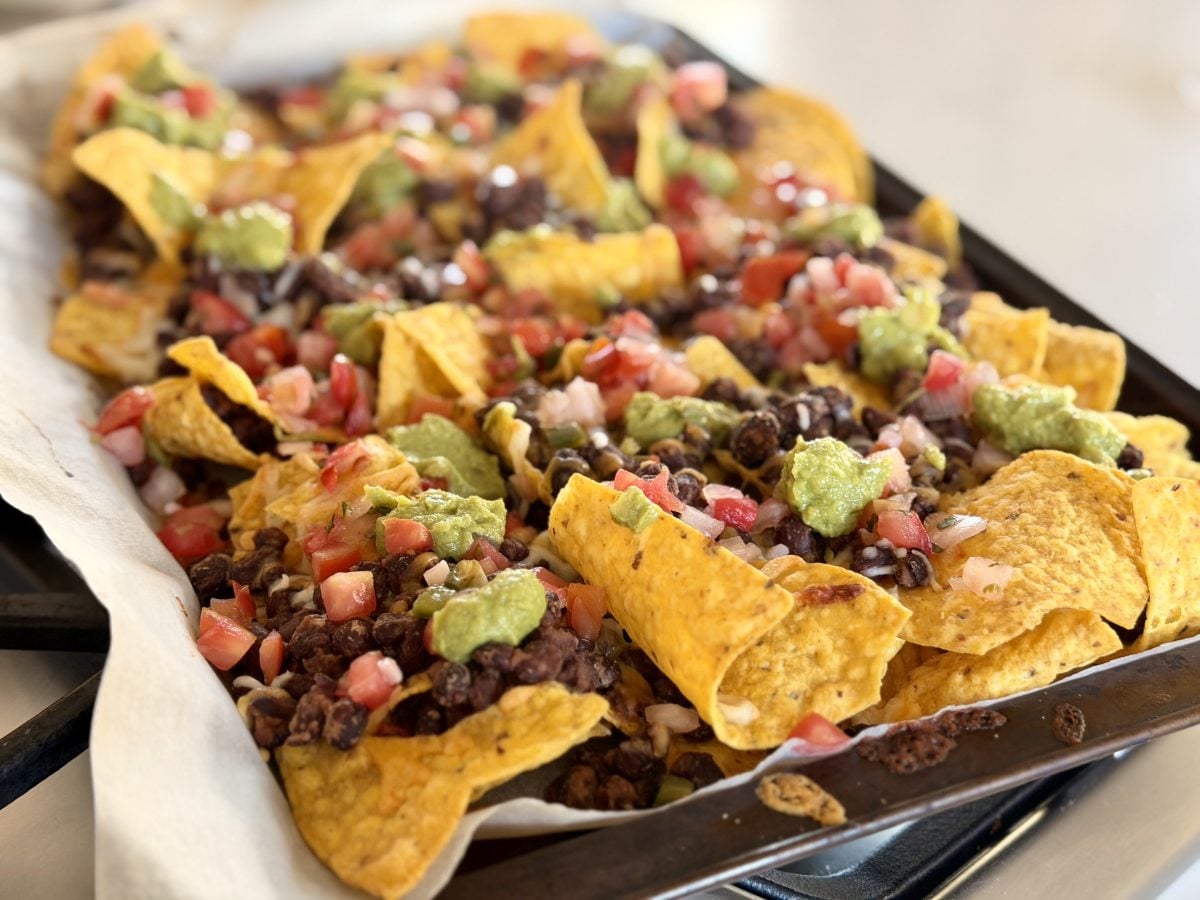
What makes Sheet Pan Nachos work: Pile ’em high, make sure the middle gets hot, and then you’ve got yourself a dinner.
Heat the oven to 425°F. Line a baking sheet with Chips Top with cheese, refried beans, jalapeños, and salsa.
Bake until cheese is melted and chips are browned around the edges, 8 to 10 minutes. Remove from oven and top with avocado, cilantro, scallions, and crema. Eat straight out of the pan!
Swap: For a more protein-packed version, add a handful of crumbled sausage or ground turkey (already cooked) before the cheese. For a salad, crumbled chorizo or ground beef. It’ll take an extra 10 minutes for the meat to brown, but it’s worth it for the satisfaction factor.
The pitch for Couscous Bowl: Couscous Couscous is my favorite side dish to whip up because it’s ready in just five minutes and it absorbs so much flavor.
To make couscous: Bring 1 cup of water (or stock) to a boil in a small pot with a drizzle of olive oil and a pinch of salt. Take pot off heat, add 1 cup of couscous, cover, and let sit for 5 minutes. Uncover and fluff with a fork.
For a couscous salad, top with a can of chickpeas (simply sauté in a small skillet with a squeeze of lemon and a pinch of cumin for an extra kick), diced cucumber and tomato, some feta, and torn mint or parsley leaves. Drizzle with olive oil and a pinch of salt. Season with salt and pepper to taste.
If you’ve got an extra 12-15 minutes, I highly recommend farro or quick-cooking quinoa. They’re a little more work but have a nicer chewy texture.
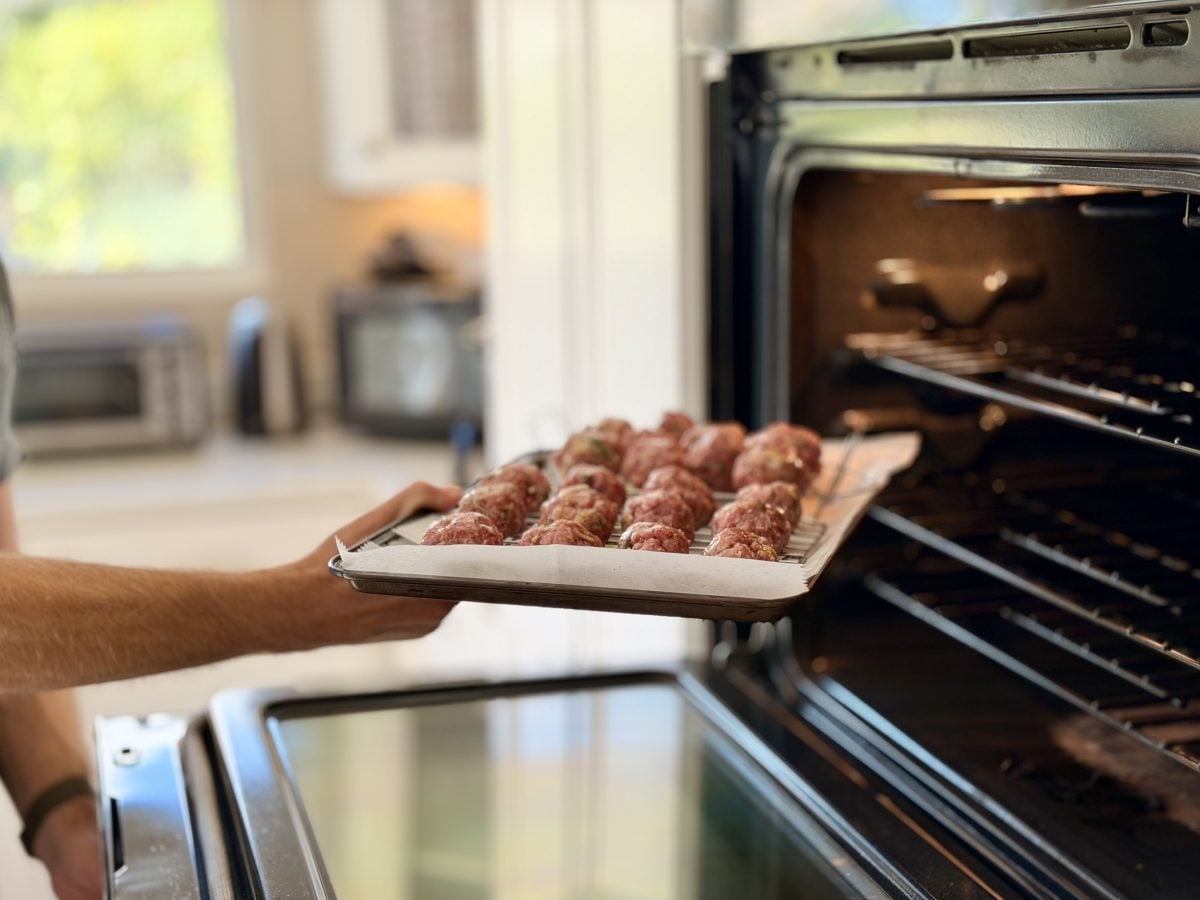
Why it works here: What’s easier than meatballs? Frozen meatballs! And what pairs better with meatballs than marinara sauce? A jar of marinara sauce!
To make meatball subs: Warm up some marinara sauce in a small skillet on medium heat. Add 8-10 frozen meatballs, cover, and let simmer until meatballs are cooked through, 10-12 minutes. Meanwhile, bring some marinara sauce to a simmer in a small pan over medium heat. Add 8-10 frozen meatballs to the pan, cover, and let simmer until cooked through, 10-12 minutes.
Slice a sub roll lengthwise and lightly brush olive oil on both cut sides. Place under a broiler until golden brown, about 1 minute.
Spoon meatballs and sauce over the sub roll and top with some shredded mozzarella cheese. Place under the broiler until cheese is bubbly and melted, about 90 seconds. Season meatballs with salt and pepper and top with some torn basil leaves if you have some.
Meatball subs Mini meatball subs are super cute but harder to assemble.
Reasons to choose this tonight: Frozen shrimp takes only about 4 minutes to thaw and 4 minutes to cook so this meal comes together about as quickly as a bag of rice from the microwave (which would be perfect to eat alongside this!).
To make shrimp and rice: Pat shrimp dry and season with salt, pepper and garlic powder or paprika. Thaw shrimp under cold water for 4-5 minutes. Drain well and pat dry. Season shrimp with salt, pepper, and garlic powder or paprika. When water evaporates, shrimp should be cooked.
Sauté shrimp until pink and just curled into a C shape, about 2 minutes per side. Serve over rice. Meanwhile, cook up a pot of rice (or microwave the pouch kind for an even faster side).
Swap: Next time try a bag of frozen seafood mix (usually includes shrimp, mussels, and calamari)!
Why Hummus Pasta pulls its weight: Hummus pasta The hummus turns into a dreamy sauce when it melts into the warm pasta. This recipe is basically just stirring stuff around!
To make hummus pasta: Cook 8 oz of pasta in salted water. Drain, reserving 1/2 cup of the pasta water. Add 1/2 cup of hummus to the (warm) pot and stir until creamy. Add pasta back into pot and stir to combine. Season with lemon juice, olive oil, and lots of black pepper. Cook 8 oz of pasta in salted water until al dente. Before draining, scoop out 1/2 cup of the starchy pasta water and set aside. Drain pasta. Turn burner off, and add pasta water and 1/2 cup of hummus to pot. Add pasta back to pot and toss to combine. Serve topped with a squeeze of lemon juice, drizzle of olive oil, lots of black pepper, and toasted pine nuts (if you’re feeling fancy). Add some spinach or arugula at the end if you’d like. Stir to combine.
Swap: Roasted red pepper hummus (or whatever flavor you like) would be delish here, too. I actually think it tastes better since it’s a bit smoky and it’s just flashier when served.
I couldn’t understand why my weeknight dinners felt boring for several months. I was using good ingredients. I was salting correctly. A friend who actually cooks saw me putting a plate together and said, “Where’s the acid?” and it all just clicked.
Acid is what makes a tired dinner taste like you cared. A sauce isn’t necessary when you can use lemon, vinegar, a couple of pickles on the side, or a touch of hot sauce. The meals still feel finished because of the acid.
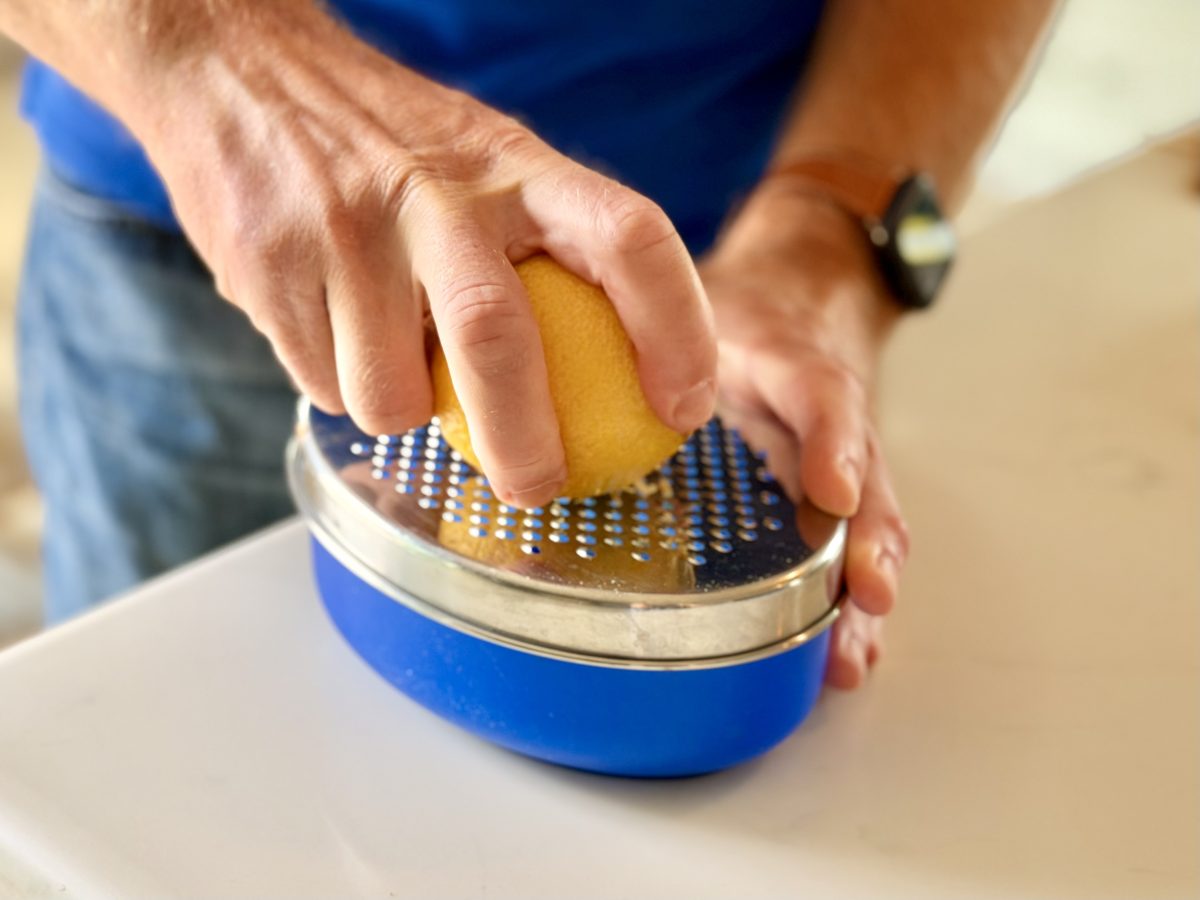
• Lemon. Half a lemon, squeezed at the end, fixes more dinners than salt does. Keep one in the fridge at all times.
• Vinegar. A teaspoon of red wine vinegar or rice vinegar splashed into a bowl of soup, a salad, or fried rice wakes up the whole bowl.
• Pickled things. Pickled jalapeños, banana peppers, cornichons, kimchi. A small pile on the plate gives you brightness in every bite.
• Hot sauce. Not for the heat, for the vinegar in it. Cholula, Tapatío, Crystal. They’re acid bombs with a chili kick.
• Yogurt or sour cream. A dollop of plain yogurt counts as acid. It brightens, cools, and adds creaminess in one move.
What is not on this list, on purpose: balsamic glaze (too sweet, more candy than acid). Pre-packaged salad dressing (mainly vinegar and sugar). Lemon juice from a green plastic bottle (it tastes like vitamin C tablets dissolved in water). The difference lies in the freshness.
Rachael’s Nutrition Note
A great plant-based (or vegan) option.
Why it earns dinner: Only two ingredients in this dinner but don’t let that fool ya: They’re both frozen!
Line a baking sheet with parchment paper and arrange chips in a single layer. Preheat oven to 425°F. Lay out frozen french fries in a single layer on a baking sheet.
Bake for 10 minutes, flip, and bake until fries are nice and golden brown and crispy at the edges, 10 more minutes. Cook up a veggie burger in the meantime! Brown for 3-4 minutes per side. Remove fries from oven carefully and enjoy with the veggie burger!
Toast a brioche bun. I like to top one side with mustard and the other with mayo. Top with the veggie patty, cheese, lettuce, tomato, pickles, etc. I like to mix ketchup and mayo for a burger dipping sauce (trust me, it’s better than just ketchup!).
Swap: Black bean burger.
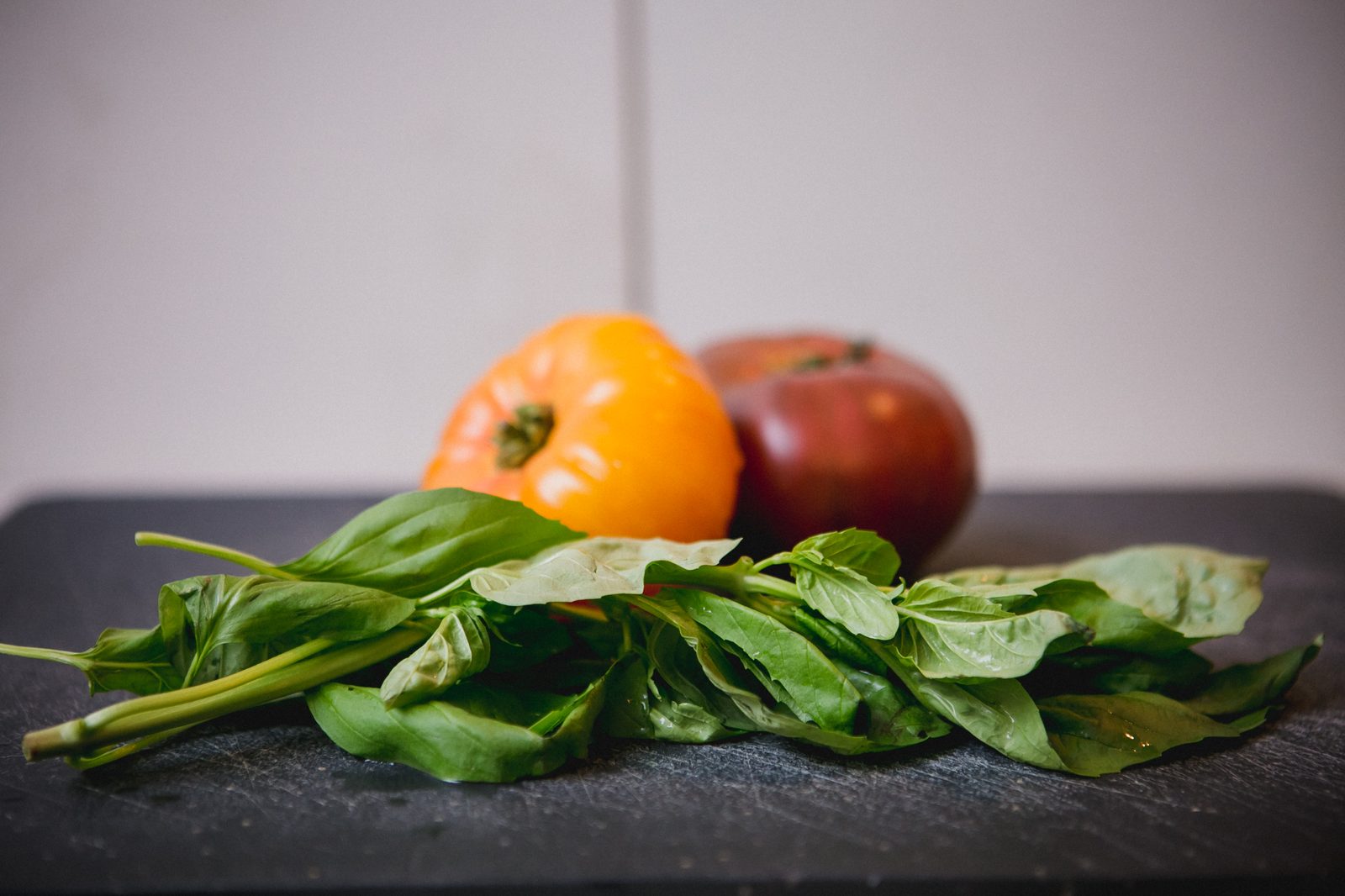
Caprese Salad, the short case: This salad requires no cooking, and with tomatoes at peak season, it’s about as easy as it gets.
Quality ingredients make a tomato salad really sing. Vine-ripened or heirloom tomatoes are richly flavored and gorgeously hued. Slices of these juicy beauties pair wonderfully with aromatic basil leaves and a drizzle of extra-virgin olive oil and a squeeze of lemon plus sea salt and freshly ground black pepper. Creamy avocado or fresh mozzarella cheese adds richness while crunchy croutons or toasted pine nuts provide texture. This simple yet elegant salad is a celebration of fresh flavors. Serve with grilled meats or as an accompaniment to heartier dishes for a refreshing contrast. Ideal for picnics, outdoor barbecues or as a light lunch, tomato salad proves that sometimes the simplest dishes made from quality ingredients can be the most delicious.
Slice up cherry tomatoes or heirloom tomatoes (I like to slice large heirloom tomatoes into thick 1/4-inch slices). Arrange overlapping on a plate. Add some torn (not chopped!) basil leaves and finish with balsamic glaze (or just splashes of balsamic vinegar). Other things you will need: good olive oil, flaky salt and freshly ground black pepper. Serve with some crusty bread to soak up all the juices!
I also sliced some fresh mozzarella. Swap: Next time try burrata instead of fresh mozzarella. Just tear into big chunks instead of slicing.
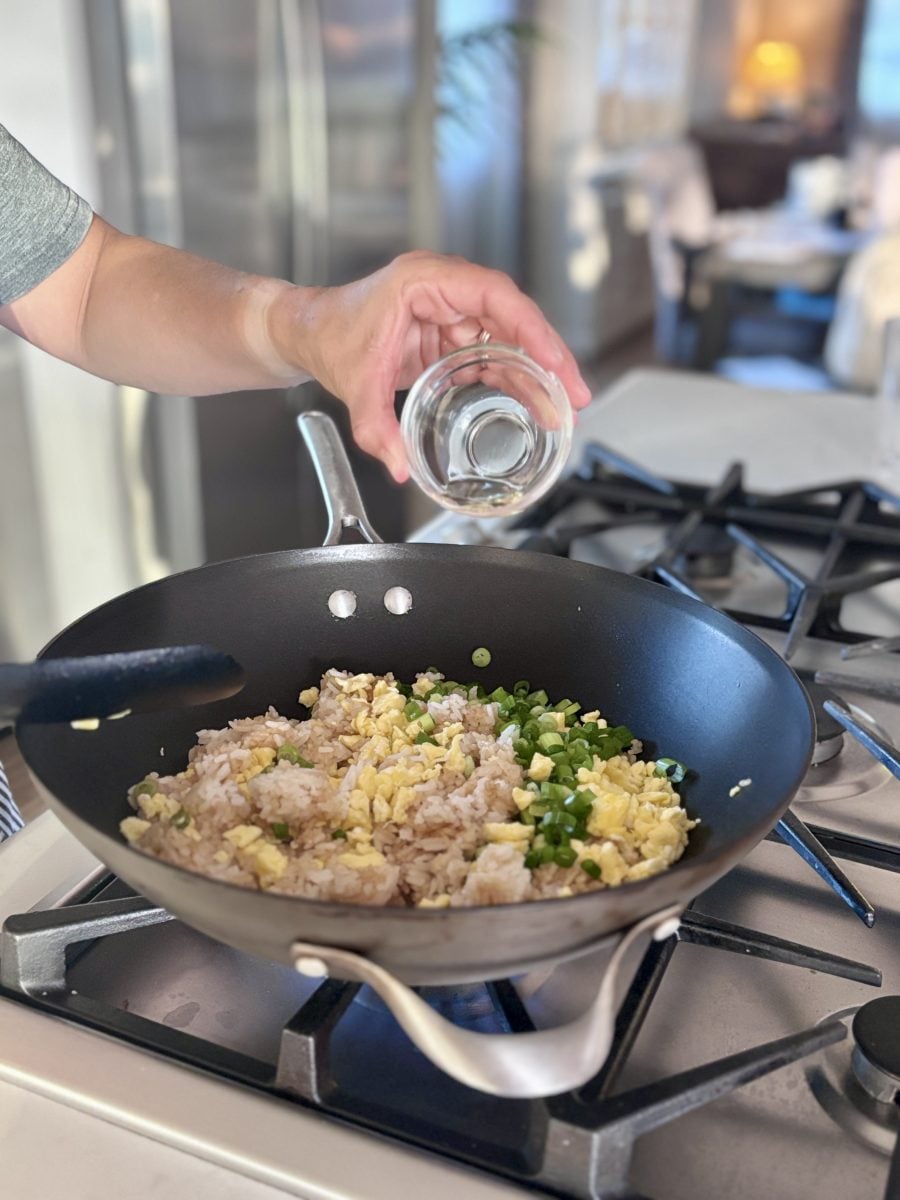
Why Leftover Fried Rice belongs here: The eggs turn the leftovers into something more like a meal.
Heat 1 tablespoon of oil in a large skillet over medium-high heat until shimmering. Add rice (I used cold leftover rice), breaking up any clumps, and press into an even layer with a spatula. Allow to crisp for 60 to 90 seconds, then stir rice and push to one side of the pan. Stir eggs into rice until eggs are scrambled into the rice.
Swap: Add any leftover or sad-looking produce from the fridge (like frozen peas or chopped up veggies from the crisper drawer). I also love adding a handful of shredded cooked chicken or diced ham (this takes it from a side to a main dish) and finishing with a drizzle of soy sauce, toasted sesame oil, sliced scallions and/or chili crisp!
Add a handful of leftover rotisserie chicken or diced ham. That will change the dish from a side to a much more substantial main.
What Hot Dogs and Slaw get you: Hot dog and coleslaw sandwich
Cook hot dogs in a skillet over medium heat, turning frequently, until nicely charred all over, 5 to 7 minutes total. (If you like your hot dogs more on the tender side, you can also cook them by boiling for 4 to 5 minutes.)
Add a squeeze of lime and a sprinkle of celery seed (if you have it!) to a bag of coleslaw along with half of the dressing. Butter some buns and toast. Top toasted buns with coleslaw, hot dog, mustard and sliced pickled jalapeños!
It’ll take an extra minute or so to cook. Swap: Kielbasa or bratwurst. These are more flavorful and filling versions of the classic hot dog (and yes, filling was a pun). Follow same directions as above (except they will take a little longer to cook, 8 to 10 minutes total cooking time, 12 minutes start to finish).
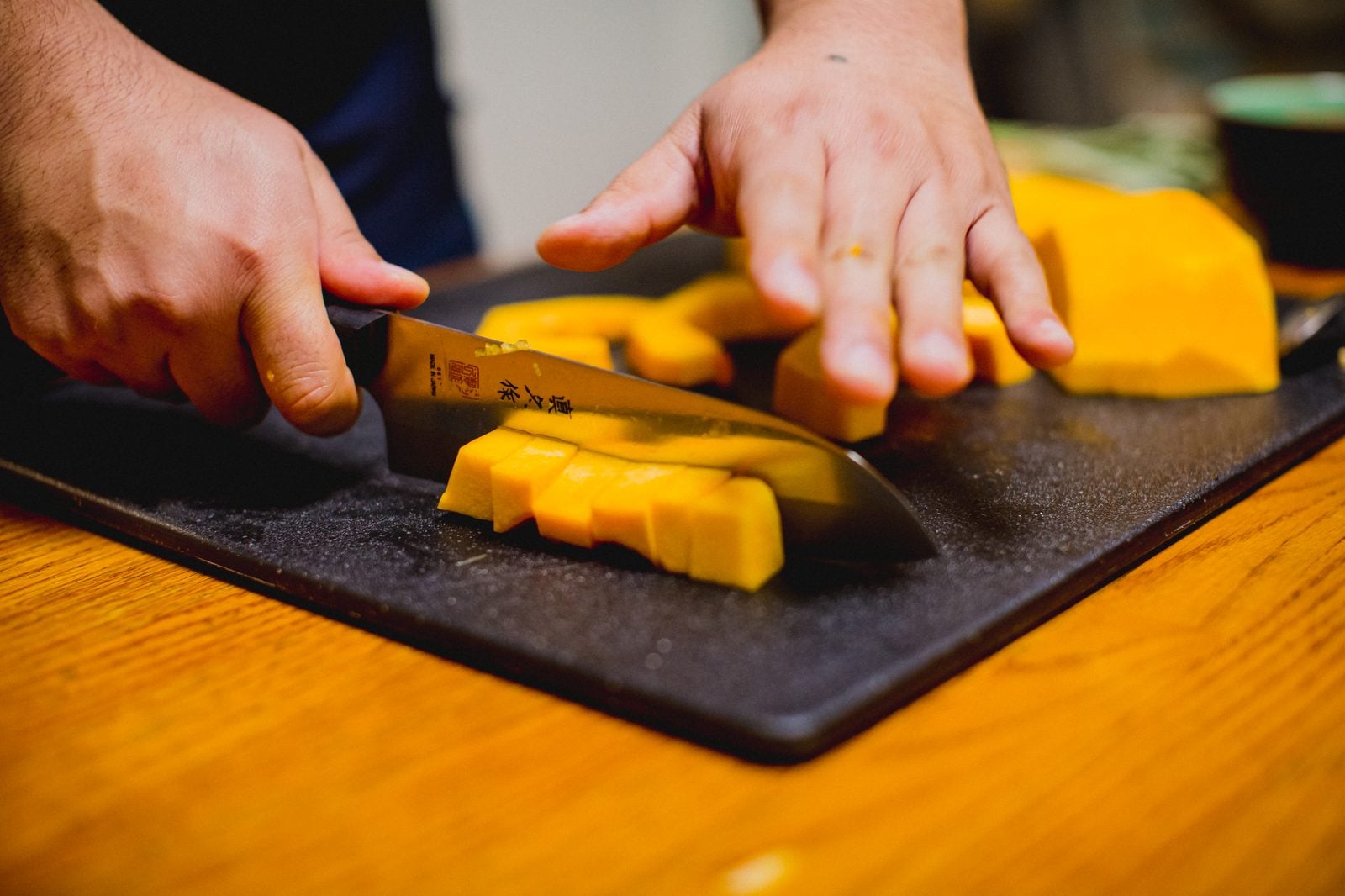
The pitch for Crispy Gnocchi: *Gnocchi that does not require refrigeration.
Heat a generous drizzle of extra-virgin olive oil or 2 tablespoons of butter in a large nonstick skillet over medium-high heat until shimmering (or foaming, if using butter). Add uncooked shelf-stable gnocchi* in a single layer and cook, stirring occasionally, until crisp and golden, 10 to 12 minutes. Heat a drizzle of sesame or vegetable oil in a wok or large skillet over medium-high heat.
Stir the spinach, Parm and lemon juice into the gnocchi. Remove from heat and immediately add spinach (it’ll cook down super fast!), 1/4 cup grated Parmesan and a squeeze of lemon.
Swap: Cherry tomatoes, halved and added in during the last 4 minutes of gnocchi cooking time until blistered and collapsed (this adds a summery, mini-tomato sauce).
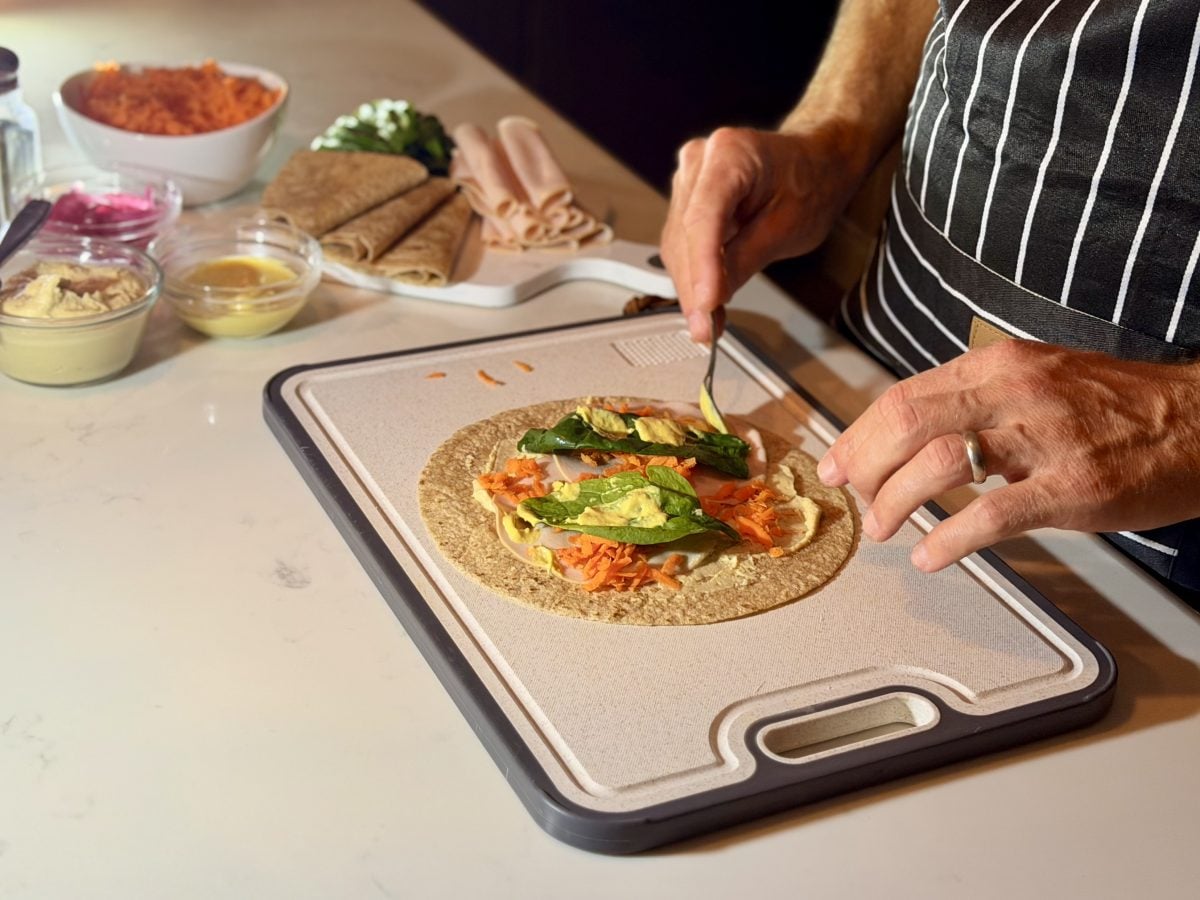
Why Deli Wrap pulls its weight: Build and roll a sandwich in a tortilla.
Lay out a large tortilla and spread with a thin layer of hummus, mayo or pesto. Layer with 1 to 2 slices of cheese, sliced deli ham or turkey, lettuce, tomato and pickles or banana peppers. Roll tortilla up from bottom to top (not too tightly, or it will be nearly impossible to roll). Slice in half on the diagonal (and have a plate ready to catch any oozing goodness).
Swap: Sun-dried tomato or spinach tortillas (subtle flavor-wise, but great for photos, which is important).
Why Egg Stir Fry makes the cut: Eggs and any vegetables that are about to expire make a satisfying meal in under ten minutes.
Stir until creamy. Add chopped up veggies (any combo of peppers, onions, broccoli, mushrooms, zucchini, you name it!) and stir fry until just tender and starting to char in spots, 3 to 4 minutes.
Add 2 eggs to other side of the pan and allow to set for a minute or so, then use a spatula to break into smaller pieces. Push veggies to one side of the pan and add 2 cracked eggs. Scramble eggs until just set, then toss to combine with veggies. Toss egg and veg stir fry with a splash of soy sauce, toasted sesame oil and Sriracha (optional). Serve over rice (grab a pouch from the freezer) or toast, or straight out of the pan with a fork. Serve immediately!
Swap: Use frozen stir fry veggies instead of fresh (less chopping and food waste). Just stir fry for an extra minute to evaporate off any excess water.
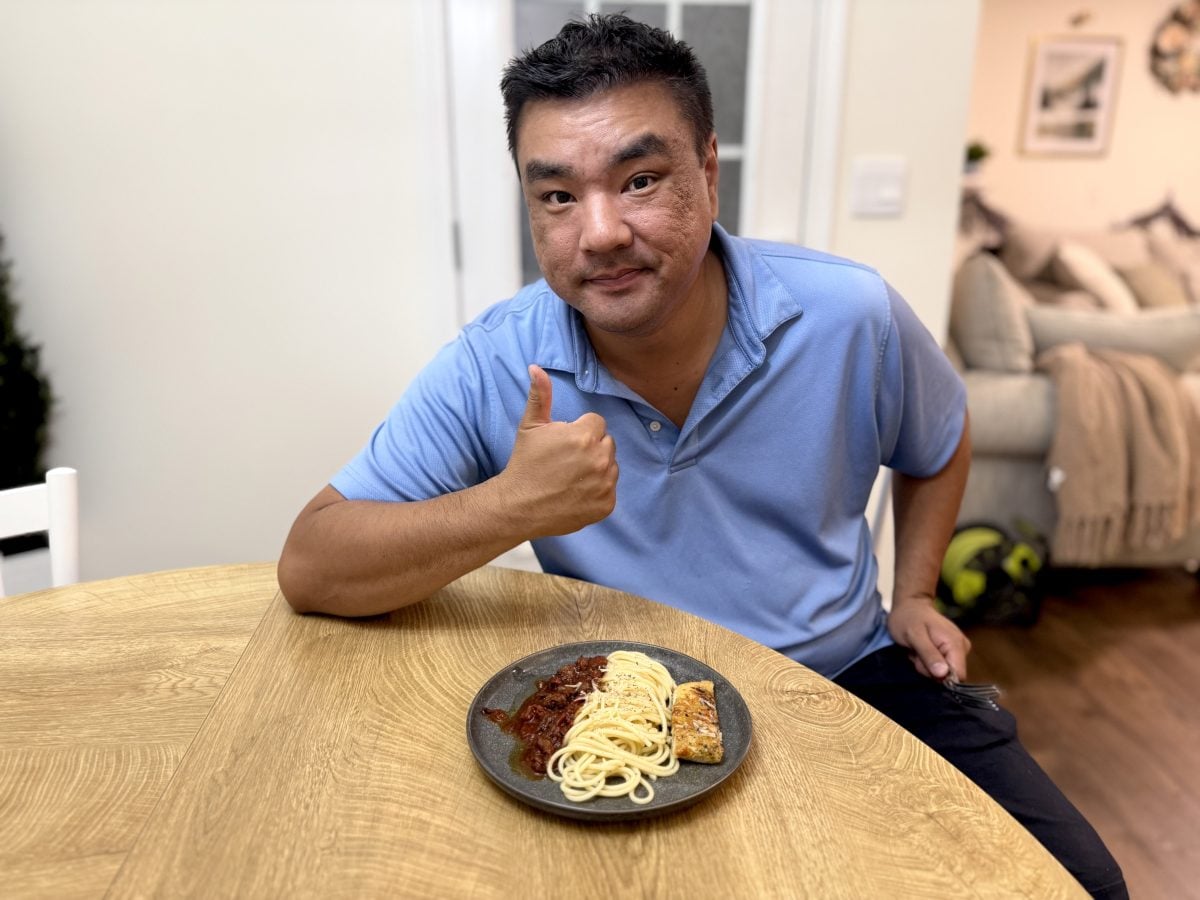
What Pantry Pasta gets you: Aglio olio
Bring a large pot of well-salted water to a boil. Add pasta and cook according to package directions for al dente (I usually opt for spaghetti or linguine for aglio olio). Reserve 1 cup of the pasta water, then drain pasta. Meanwhile, heat 1/4 cup of extra-virgin olive oil and 3 to 4 thinly sliced garlic cloves in a large skillet over medium heat until garlic is just starting to brown (not brown, or it will taste bitter), 3 to 4 minutes.
Toss to combine and season with salt and pepper to taste. Add pasta along with a splash of the reserved cooking water, red pepper flakes and some grated hard cheese (like Parm or pecorino Romano) and toss to combine. Add more pasta water or cheese as desired and season with salt and pepper to taste.
Swap: Add a few anchovies or a can of drained, canned tuna to the mix for something more funky and salty.
Of the recipes above, the two I’ve most often returned to are the rotisserie chicken (which I’ve also later turned into a Caesar salad) and egg stir fry (I’ve made some kind of sad veggie egg stir fry at least three times this month alone, I just walk into my kitchen, open up the fridge and go from there).
I’ve also made the aglio olio more than I thought I would, there’s something about the smell of garlic cooking in olive oil that can shift the energy of your kitchen at 7 p.m., and I’m not over it anytime soon. Start here if you’re looking for a jumping-off point for what to make for dinner. More ideas to follow Wednesday.
The antidote to “I don’t wanna cook.” Affiliate links may earn us a fee, which helps fund more projects like this one.
- JINCHUFURI Pre-Seasoned Cast Iron Skillet. The pan used for the breakfast-for-dinner eggs, quesadillas, grilled cheese, and crispy gnocchi.
- ThermoMaven Instant-Read Meat Thermometer. Captures the rotisserie chicken at the correct temperature, the shrimp prior to it becoming rubbery, and the air-fryer fish before the breading browns darker than golden.
- Rubbermaid Box Grater. The loaded potato, pasta marinara, and leftover fried rice with parmesan have all made their money on cheese-on-toast night.