
I packed a hot lunch exactly once, in a thermos I had preheated with boiling water the way the instructions said to, and the report back was that it arrived somewhere between warm and disappointing. That was the end of my hot lunch era. Most schools do not have a microwave a student can actually get to, so the food has to be genuinely good at room temperature rather than merely tolerable.
Everything here is built for cold: salads that improve sitting in their dressing, grains that do not care how long they wait, and a few things that were never meant to be hot in the first place.
1) Chicken, Cucumber, and Tomato Salad
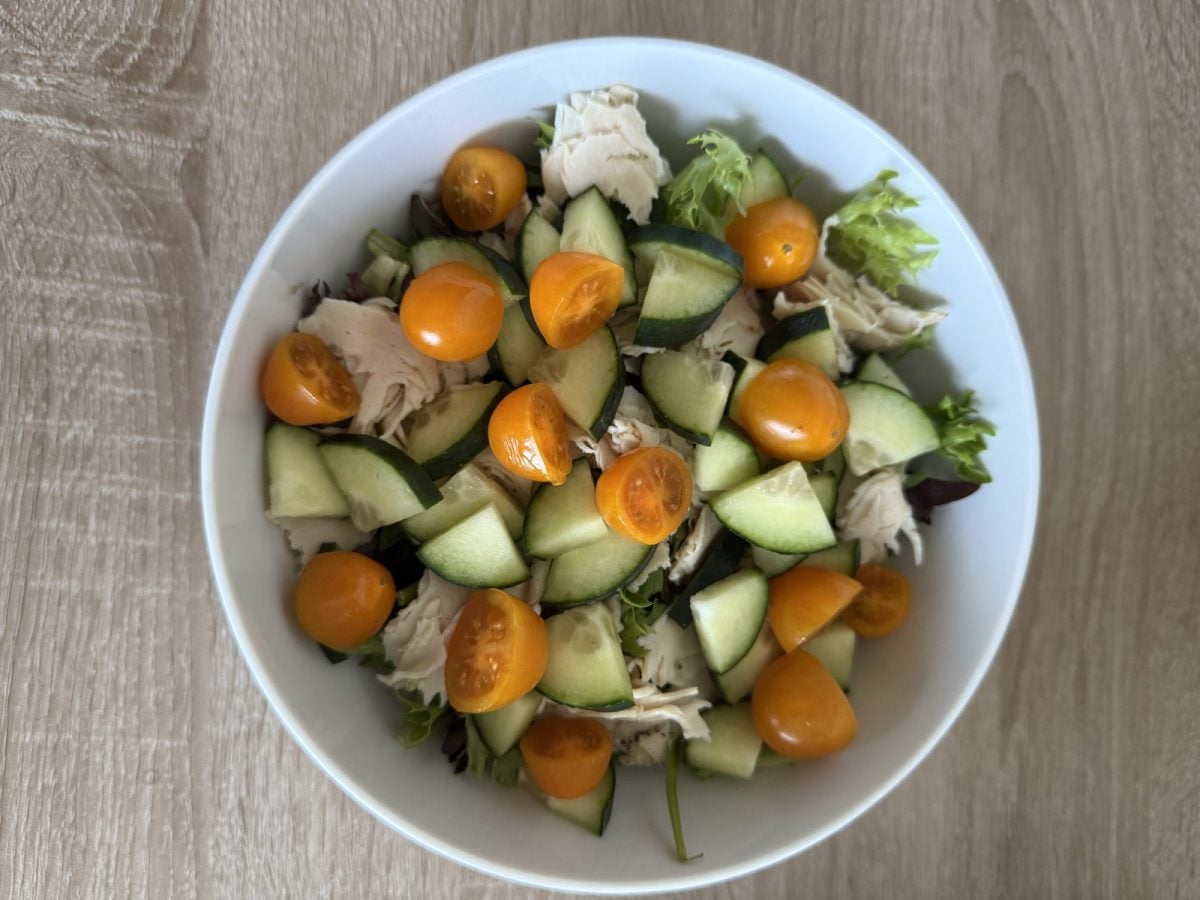
Cold chicken over cucumber and tomato is what I default to when I have poached a couple of breasts on Sunday and want them gone by Wednesday. Salt the cucumber and tomato separately, let them sit ten minutes, then pour off the liquid before anything else goes in. This is the step most people skip and then they open a container at noon and find soup. Dress it in the morning, or send the dressing in its own small pot.
2) Greek Chicken Salad with Feta and Radish
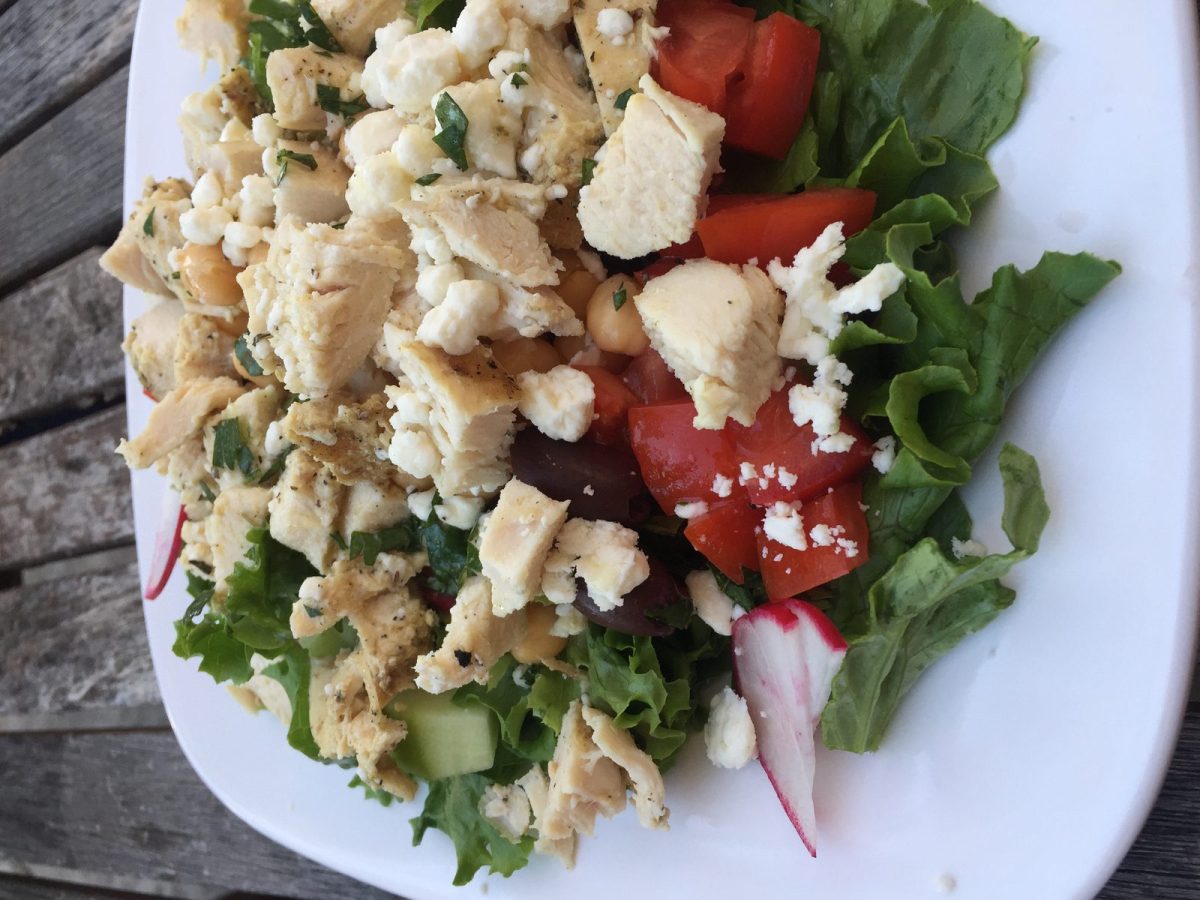
Feta is the rare cheese that gets better sitting in dressing, which makes it the right one for a lunch packed twelve hours early. Radish holds its snap longer than almost any other raw vegetable in a container. Build it in layers with the chicken on the bottom and the greens on top so nothing wilts from below. Shake it into itself at the table.
3) Mediterranean Chickpea Salad Bowl
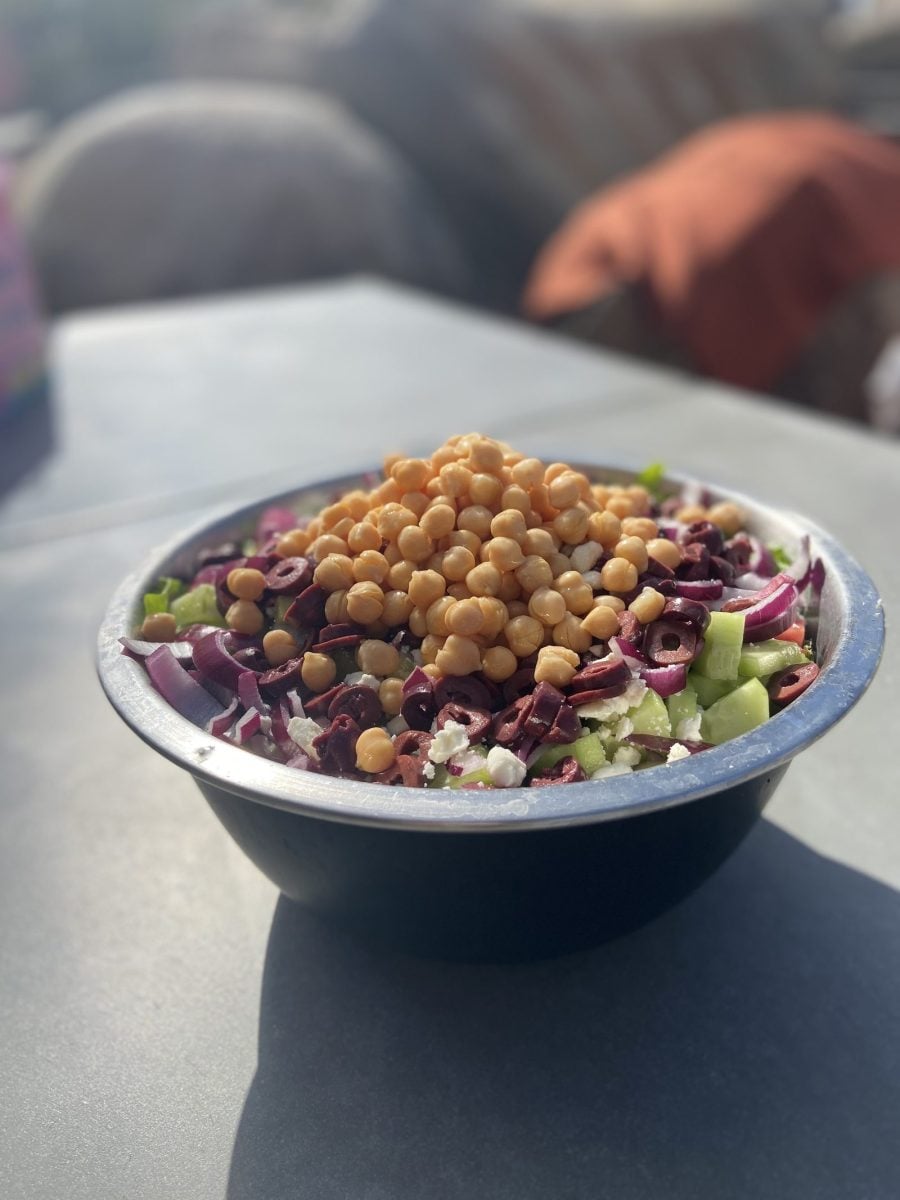
I keep two cans of chickpeas in the pantry specifically for mornings when I have planned nothing at all. Drain, rinse, and dry them properly on a towel, because wet chickpeas thin the dressing into something sad. Cucumber, tomato, red onion, olive oil, lemon, and whatever herb is still alive in the fridge. It lands under $1 a serving and holds all day without complaint.
4) Cold Noodle Bowl with Radishes
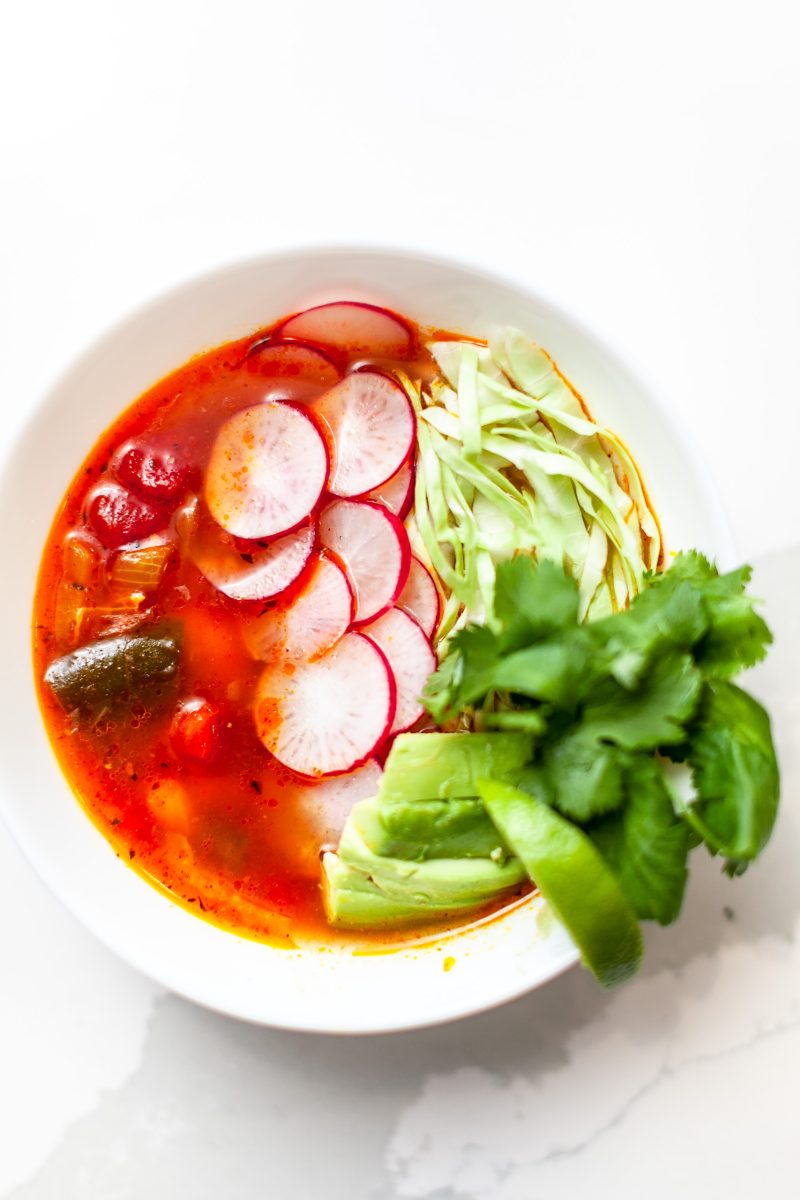
Rinse the noodles under cold water the second they are done and keep rinsing until they are actually cold rather than lukewarm. Warm noodles keep cooking inside a closed container and arrive at noon as one brick. Toss them with a spoonful of oil before anything else touches them, which is the only reliable way to keep the strands separate. Radishes and scallions go on top and the sauce travels separately.
5) Tuna Pasta with Lemon and Parsley
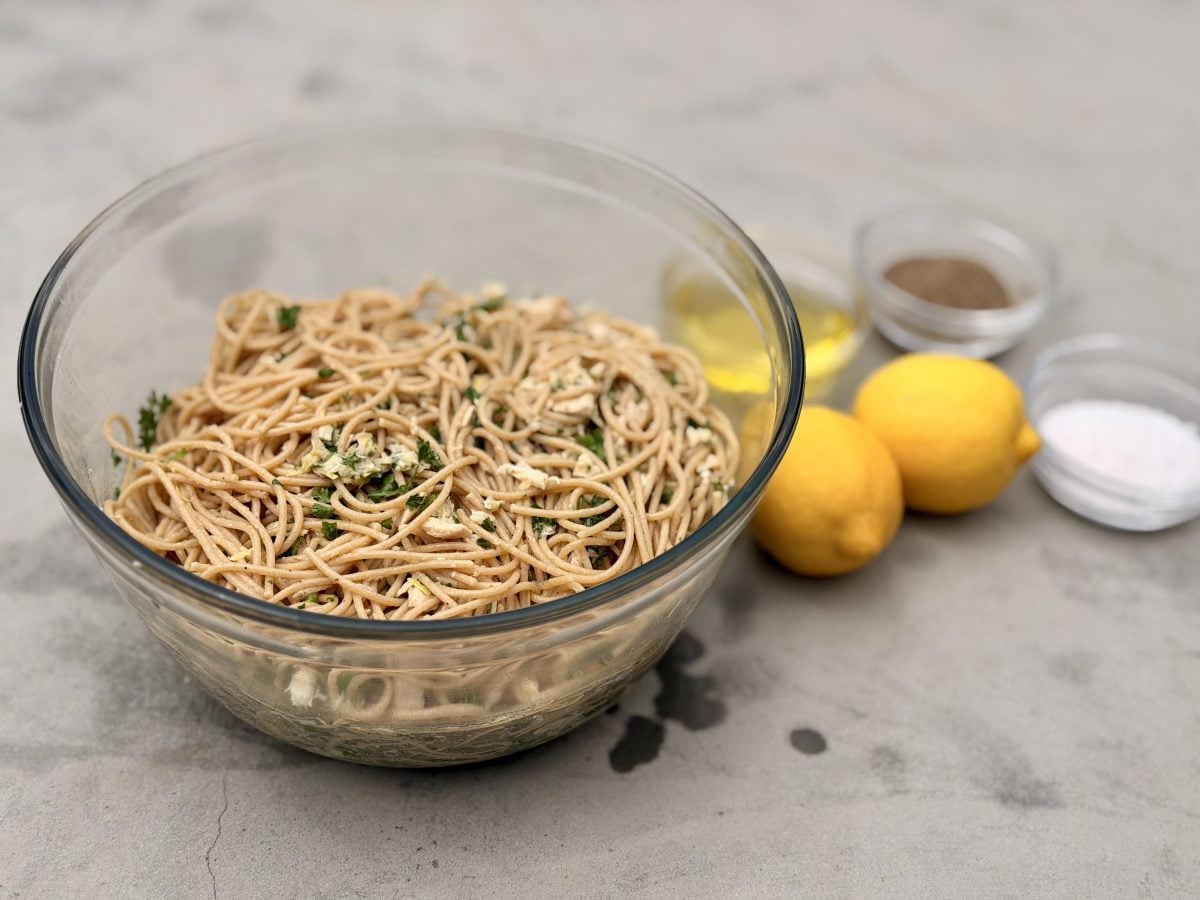
This is what I make when there are exactly four things left in the kitchen and one of them is a tin of tuna. Use oil-packed tuna, lemon, parsley, and short pasta cooked a minute past al dente, since pasta firms up as it cools. The oil from the tin becomes part of the dressing instead of going down the drain. It tastes better on day two than it does hot, which is not something I can say about most pasta.
6) Sweet Potato and Arugula Salad
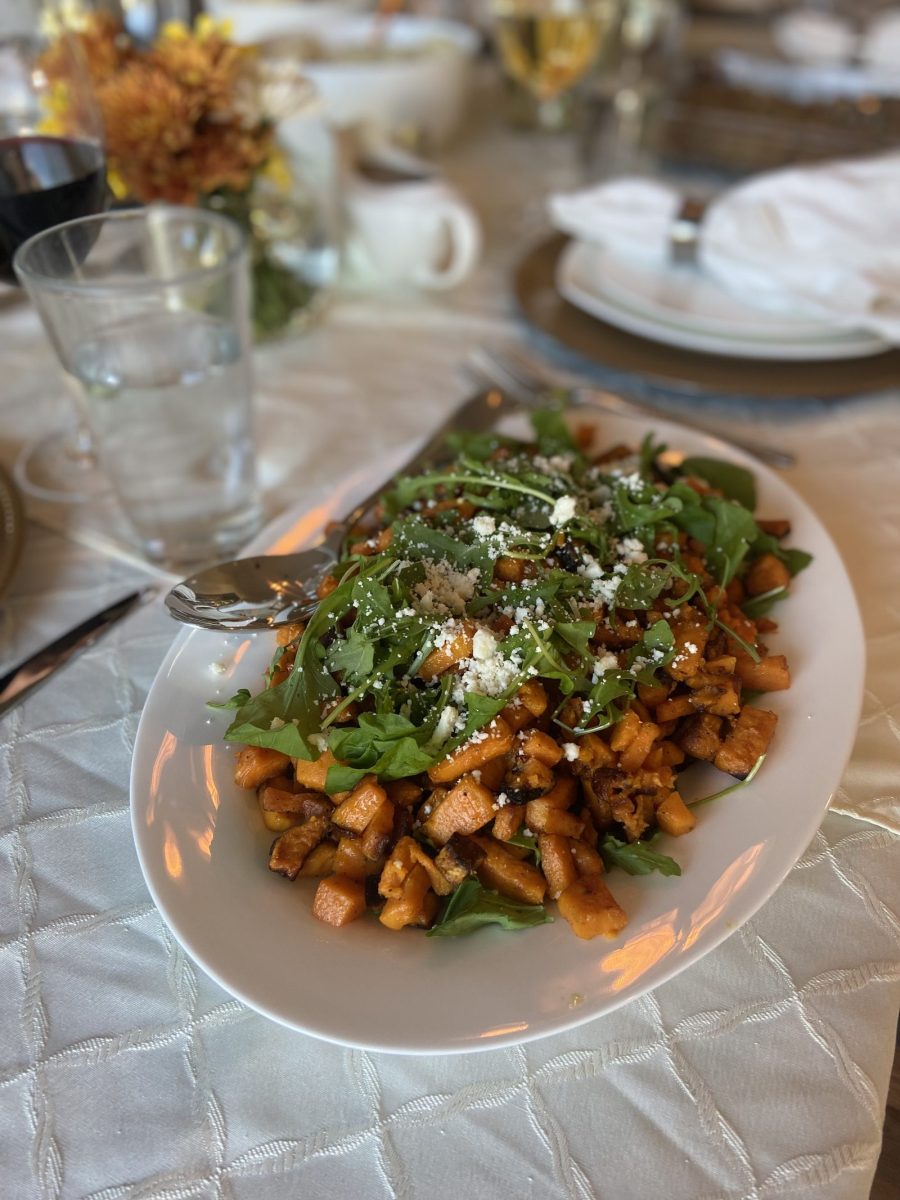
Roast the sweet potato cubes at 425°F (220°C) for about 25 minutes, until the edges go deep brown and slightly crisp. Underroasted sweet potato turns to paste in a lunch container and there is no coming back from it. Let them cool completely before they meet the arugula. A handful of pumpkin seeds gives it the crunch a cold vegetable salad otherwise lacks.
7) Potato Salad
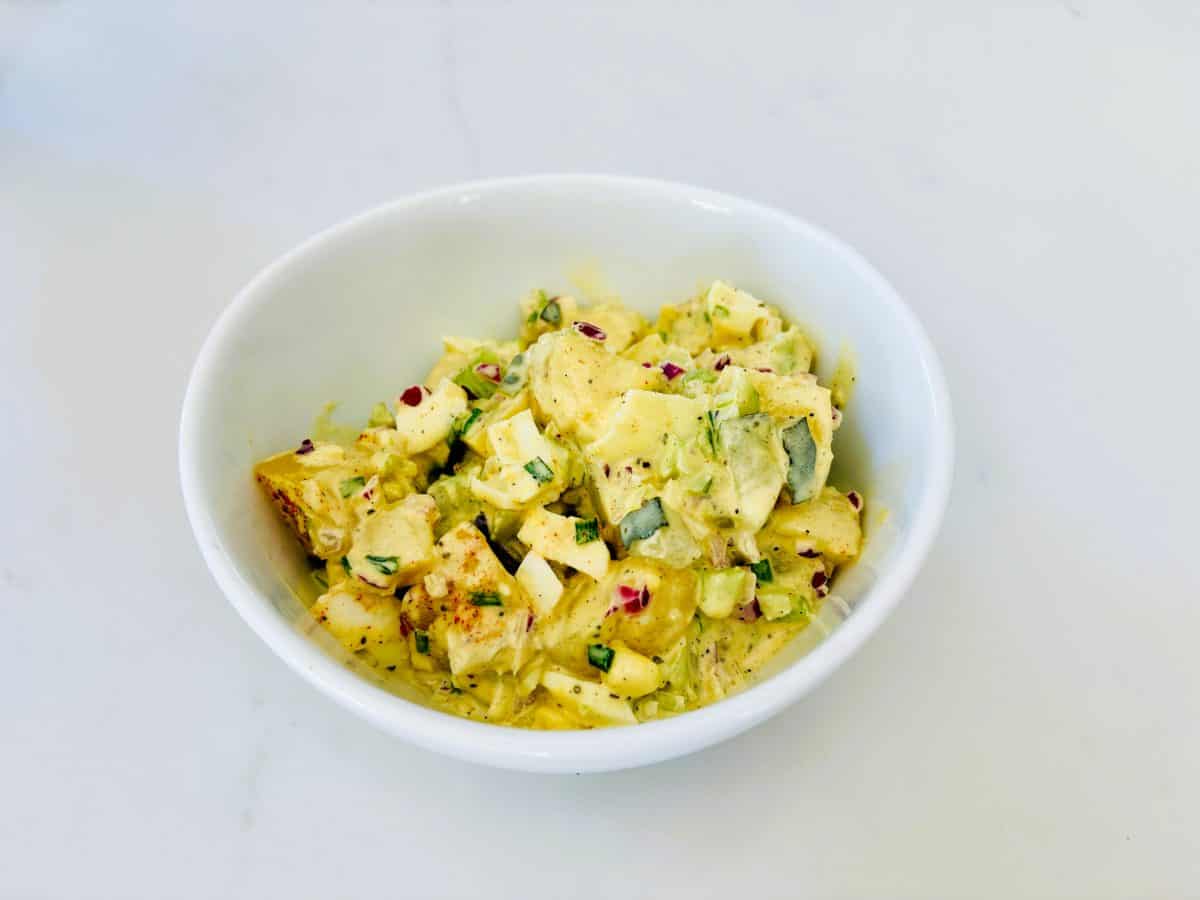
Potato salad is a lunch and not just a side, and I have stopped pretending otherwise. Dress the potatoes while they are still warm so they drink the vinegar instead of sitting in it. Then chill it hard before it goes near a lunchbox, because a mayonnaise salad packed lukewarm is the one item here that can genuinely go wrong. An ice pack is non-negotiable.
8) Caprese Salad
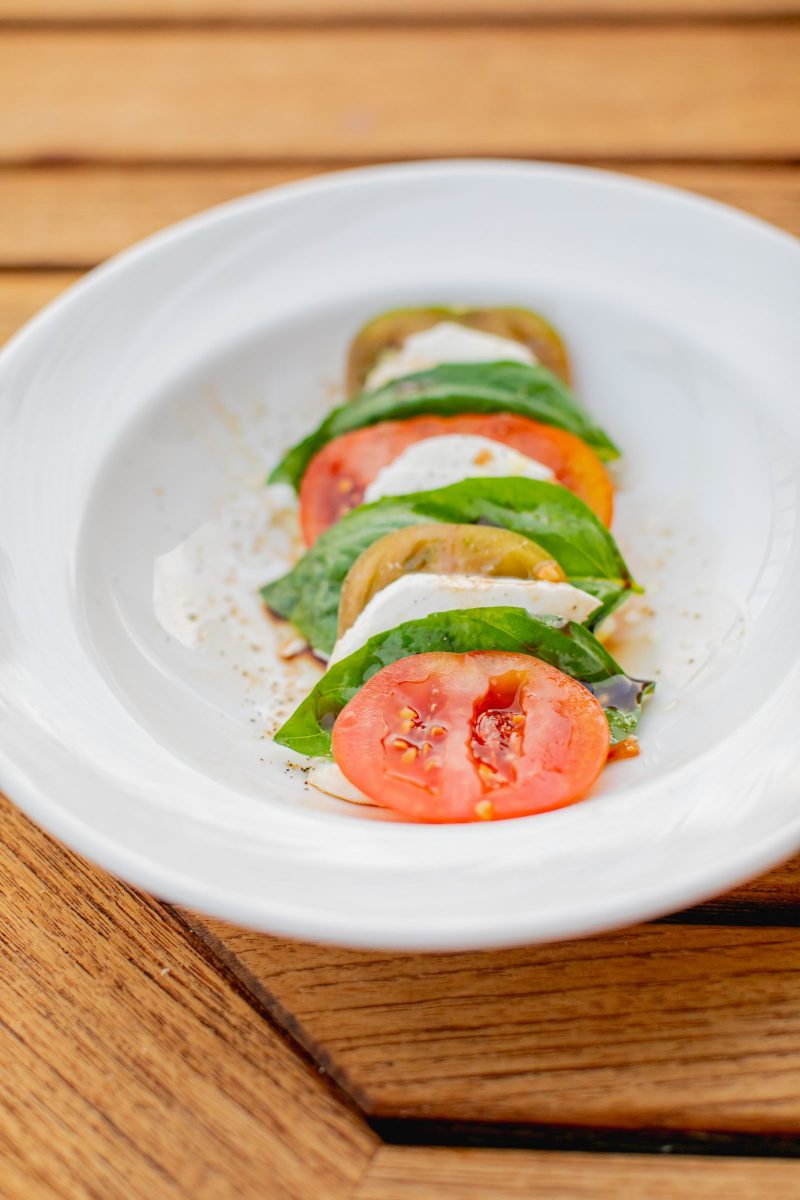
Tomato, mozzarella, basil, olive oil, salt, and nothing else pretending to help. Salt the tomatoes fifteen minutes ahead and pour off what comes out, or the container fills with pink water by lunchtime. Use the small mozzarella balls rather than slices, because they do not tear when a bag gets jostled. Basil goes in as whole leaves, since torn basil blackens within the hour.
9) Tomato, Cucumber, and Feta Salad
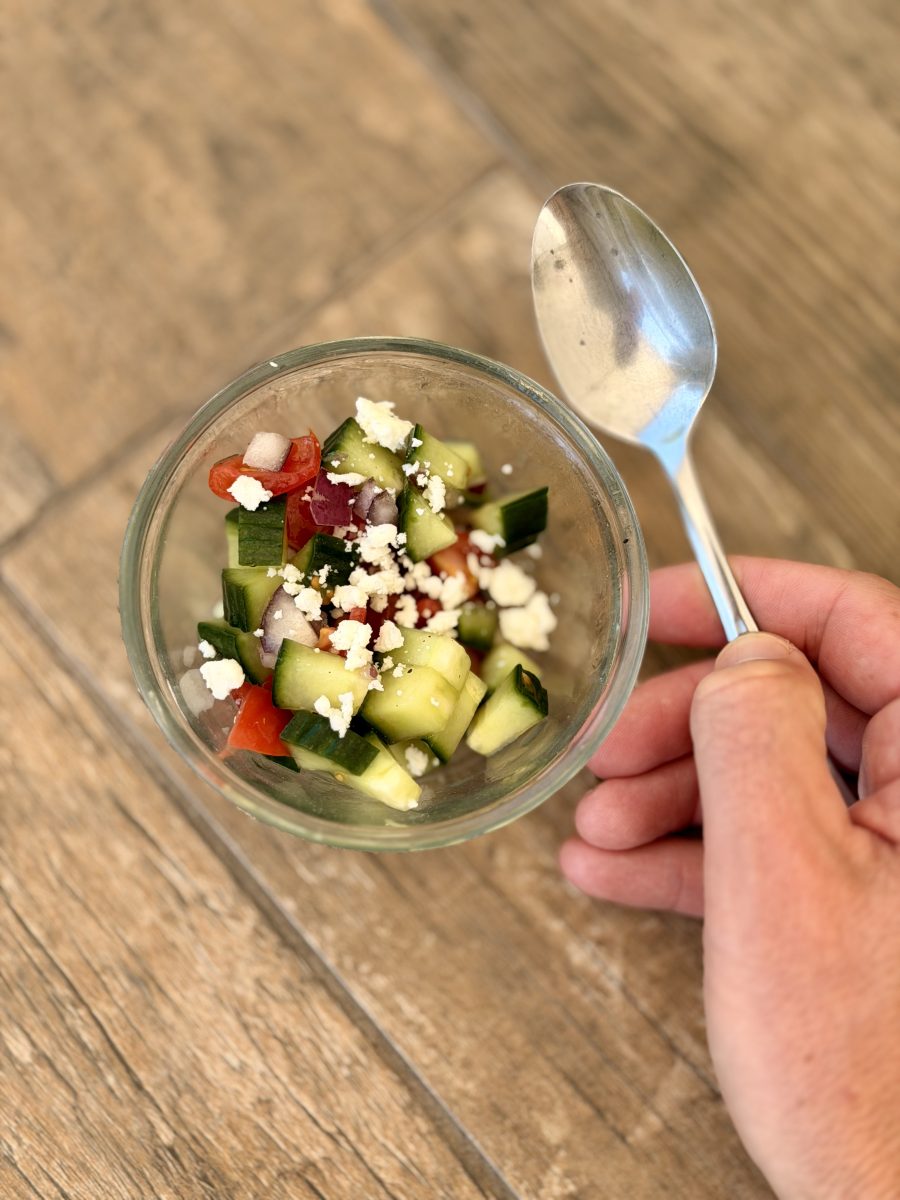
There is a version of this in my fridge from roughly June to September and I have made peace with the repetition. Cut everything to about the same size so a fork picks up one of each. The feta brine does most of the seasoning work, so go easy on added salt until you have tasted it. In tomato season it costs well under $1 a portion.
10) Deviled Eggs
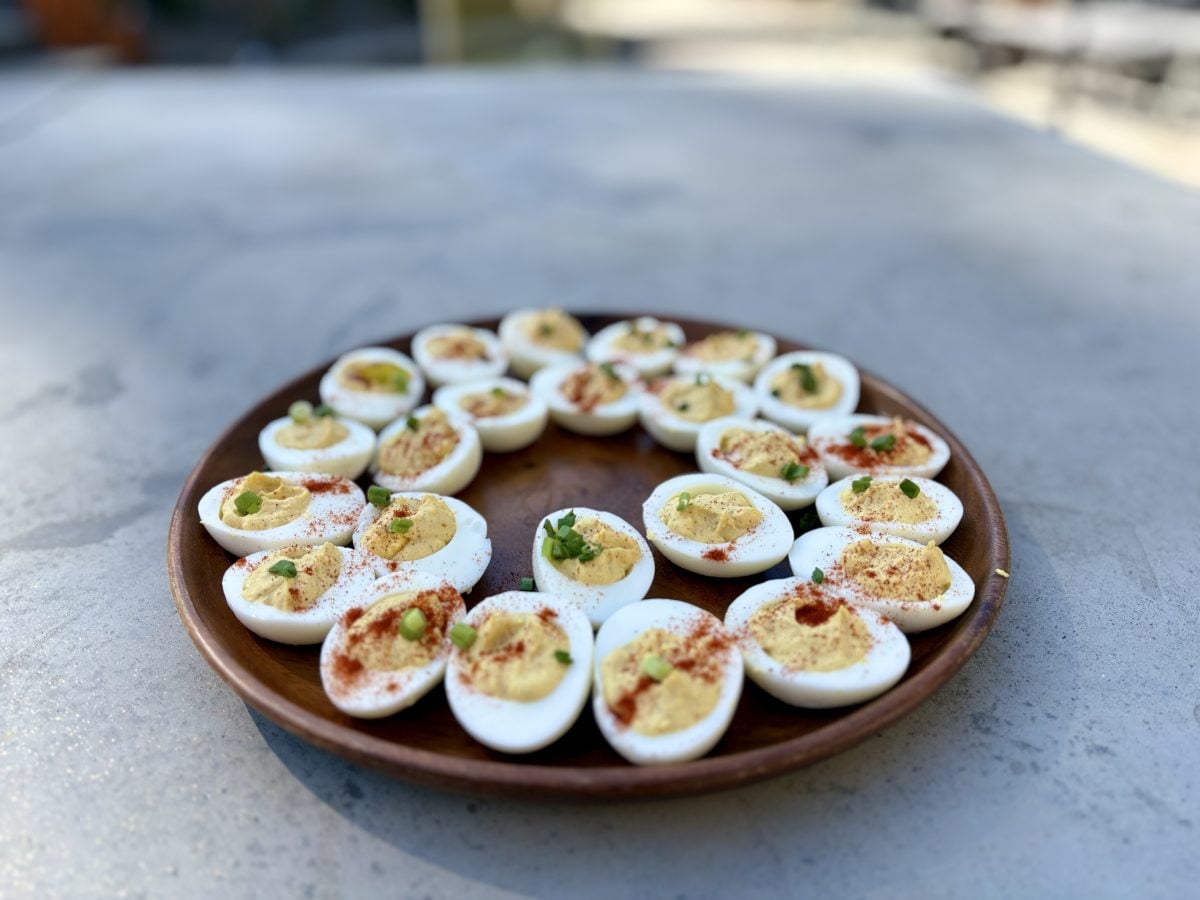
Deviled eggs travel far better than their reputation suggests, as long as they are packed flat in a container that is actually full. Half empty containers let them slide and you get filling on the lid. Boil the eggs days ahead if you want, but fill them the night before at the earliest. The paprika on top is purely for looks and I put it on anyway.
11) Chicken Lettuce Wraps
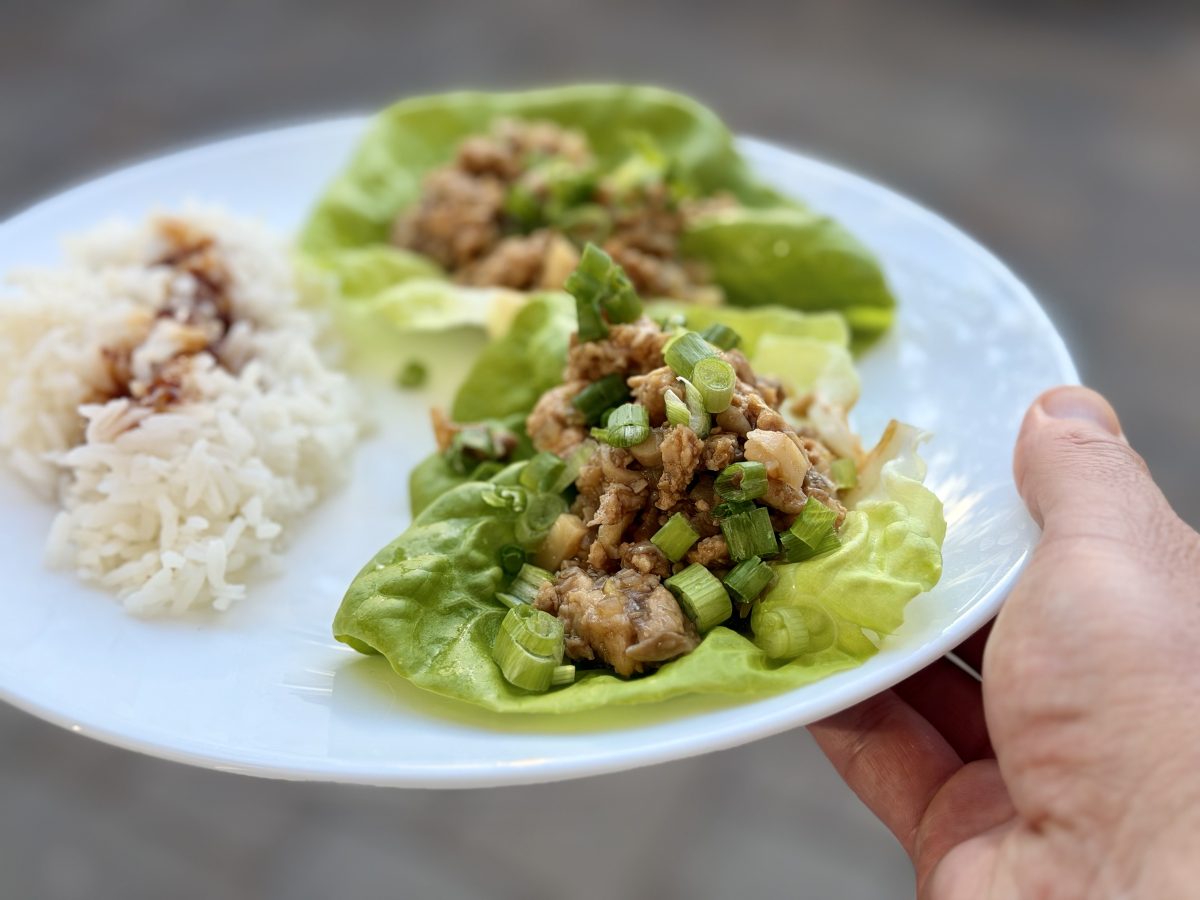
Send the filling and the lettuce in separate containers and let the assembly happen at the table. Wraps filled at 7 a.m. arrive as wet lettuce, and nobody eats wet lettuce. The filling is better cold than warm in my opinion, which is a minority position I will defend. Butter lettuce tears less than iceberg and takes up half the space.
12) Egg Crepe Pinwheels
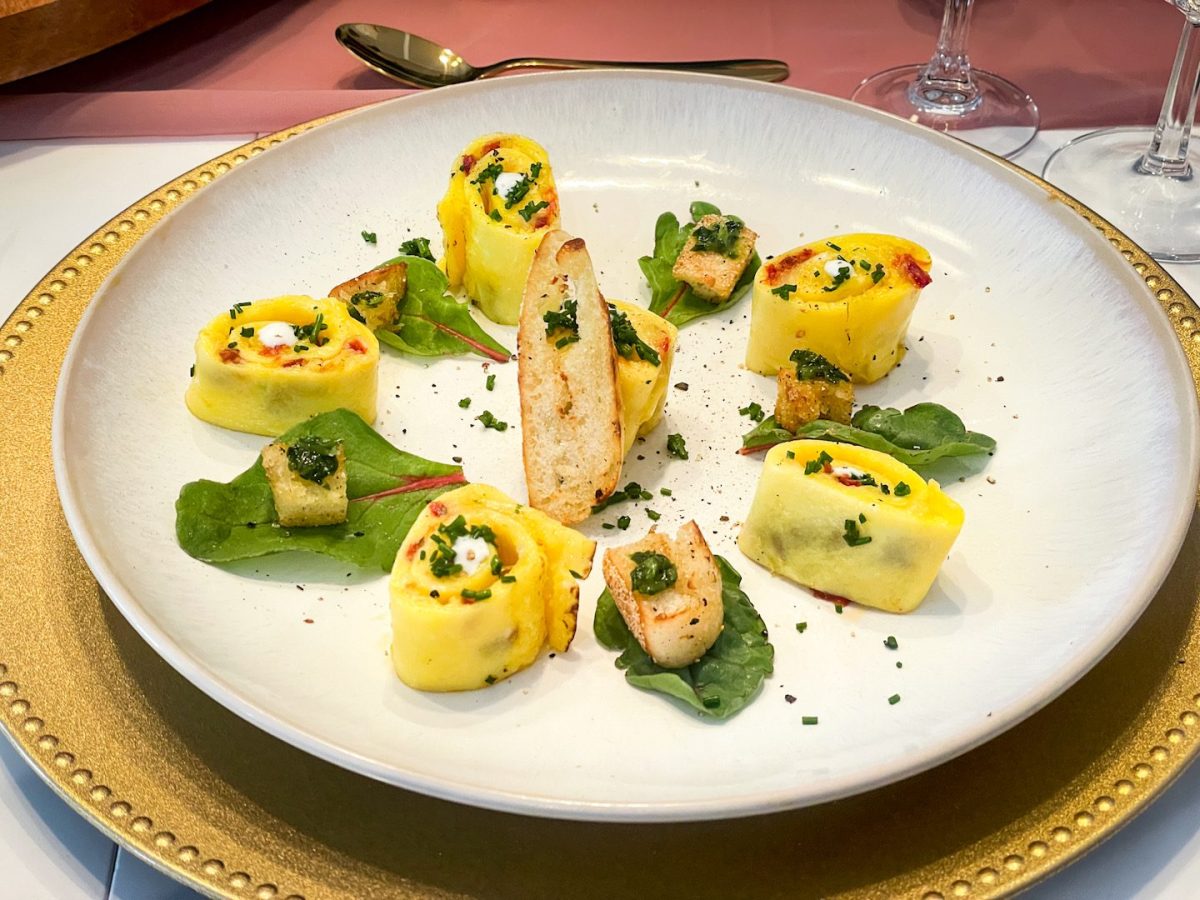
Thin egg crepes rolled around cream cheese and spinach, then sliced into rounds, make the sturdiest protein on this list. Cook the egg in the widest pan you own over low heat so it sets into a sheet rather than a scramble. Roll it tight while it is still slightly warm and chill the log whole before slicing. Slicing a warm roll is how you end up with twelve pieces of scrambled egg.
13) Pesto Grain Bowl
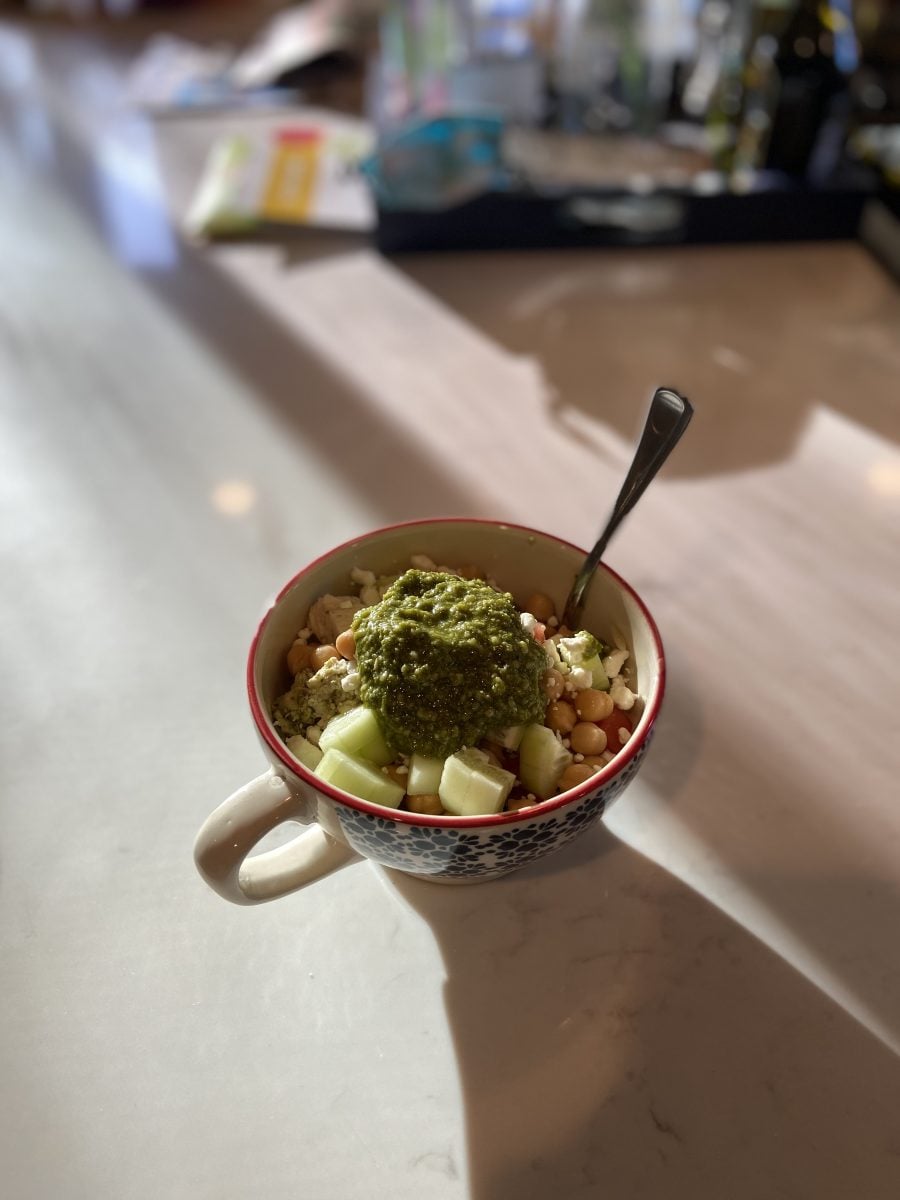
Cooked grains, pesto, and a few vegetables require no assembly and no heat, which is most of the job. Farro and barley hold their texture cold in a way that rice mostly does not. Thin the pesto with a spoonful of the grain cooking water so it coats instead of clumping. I make a double batch and eat the other half standing at the counter.
14) Shredded Chicken Salad with Quinoa
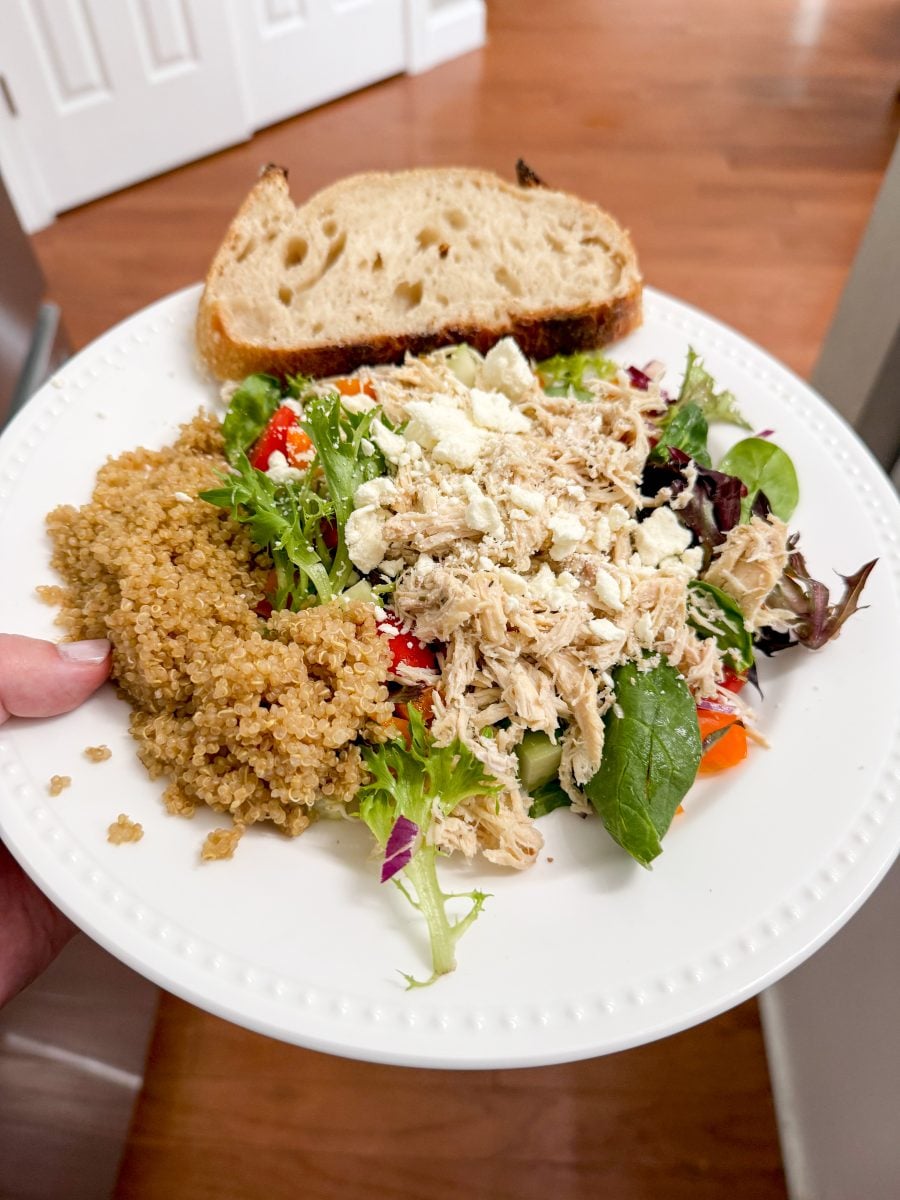
Shredded chicken has more surface area than cubed, so it picks up dressing better and stays interesting after a night in the fridge. The quinoa underneath soaks up whatever runs off. Rinse the quinoa before cooking or it carries a soapy bitterness that cold food does nothing to hide. A slice of good sourdough on the side turns it into a real meal rather than a container of salad.
15) Dino Nuggets, Apple Slices, and Cucumber
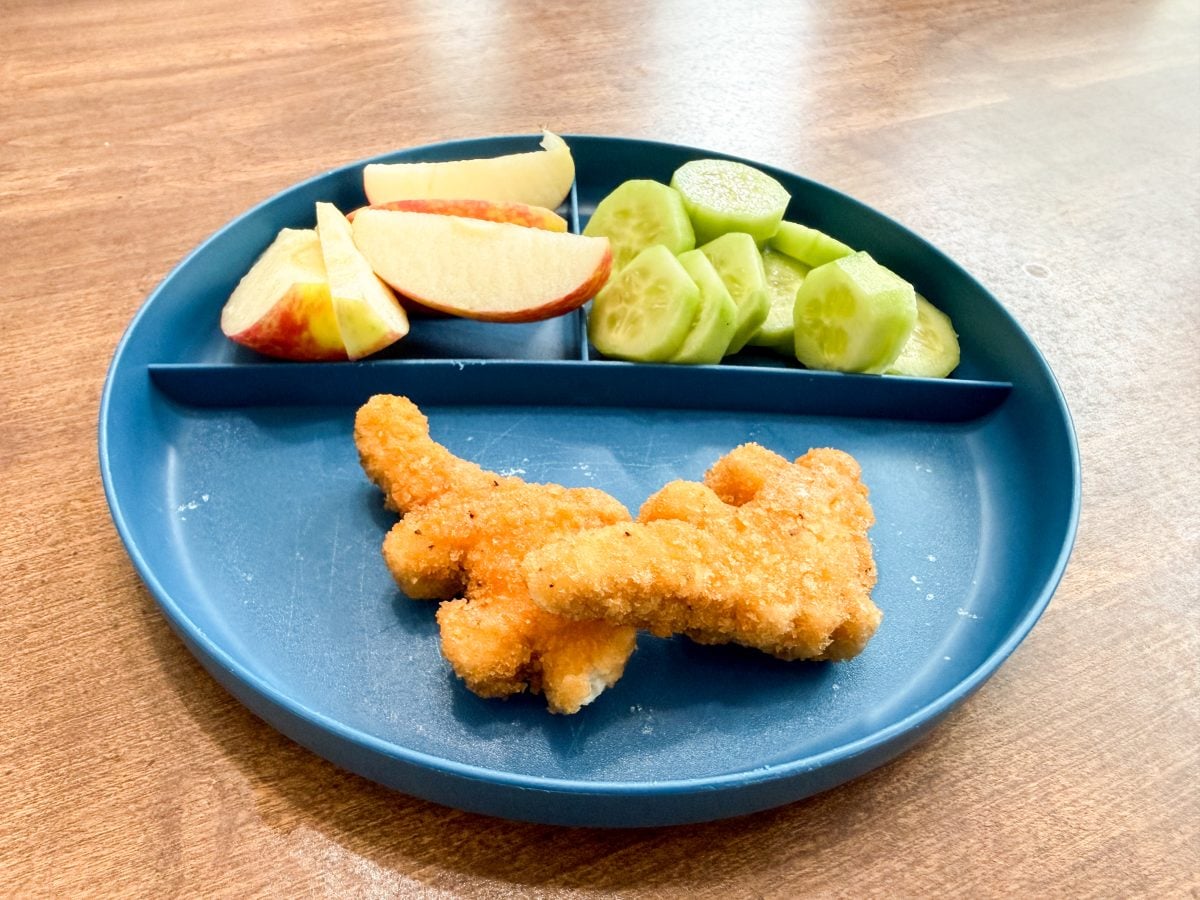
Cold chicken nuggets are a legitimate lunch and I stopped fighting that battle years ago. Bake them, cool them completely on a rack, and pack them in a container that is not fully airtight or they steam themselves soggy. Apple slices go in with a squeeze of lemon and cucumber spears fill the gap. This is the lunch that comes home empty.
16) Cold Flatbread Pizza Squares
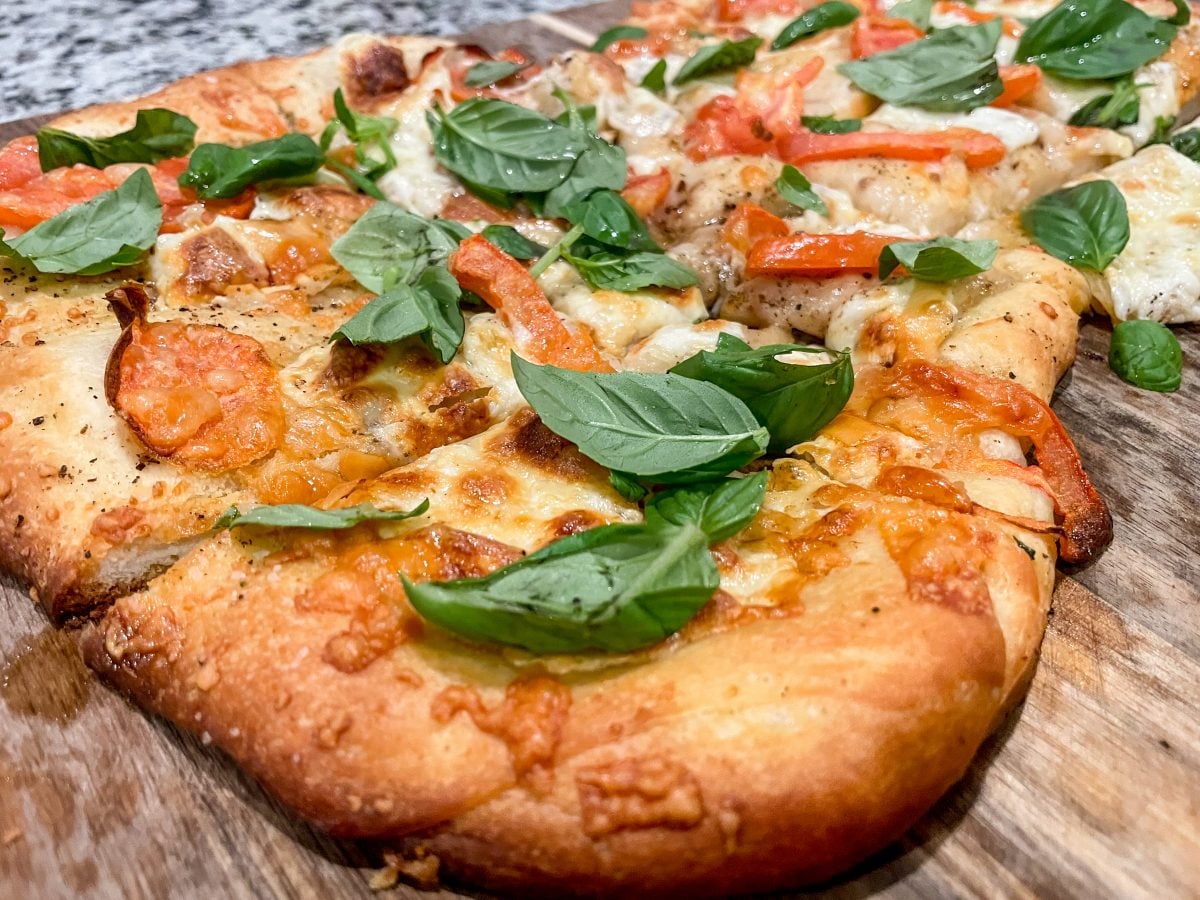
Flatbread pizza is better cold than most people are willing to admit. Bake it a few minutes longer than you would for dinner so the base is genuinely crisp rather than merely cooked. Let it cool completely on a rack before it goes into a container, because a warm slice steams itself limp in about four minutes. Cut it into squares instead of wedges so it stacks flat.
17) Salami, Goat Cheese, and Olive Bites
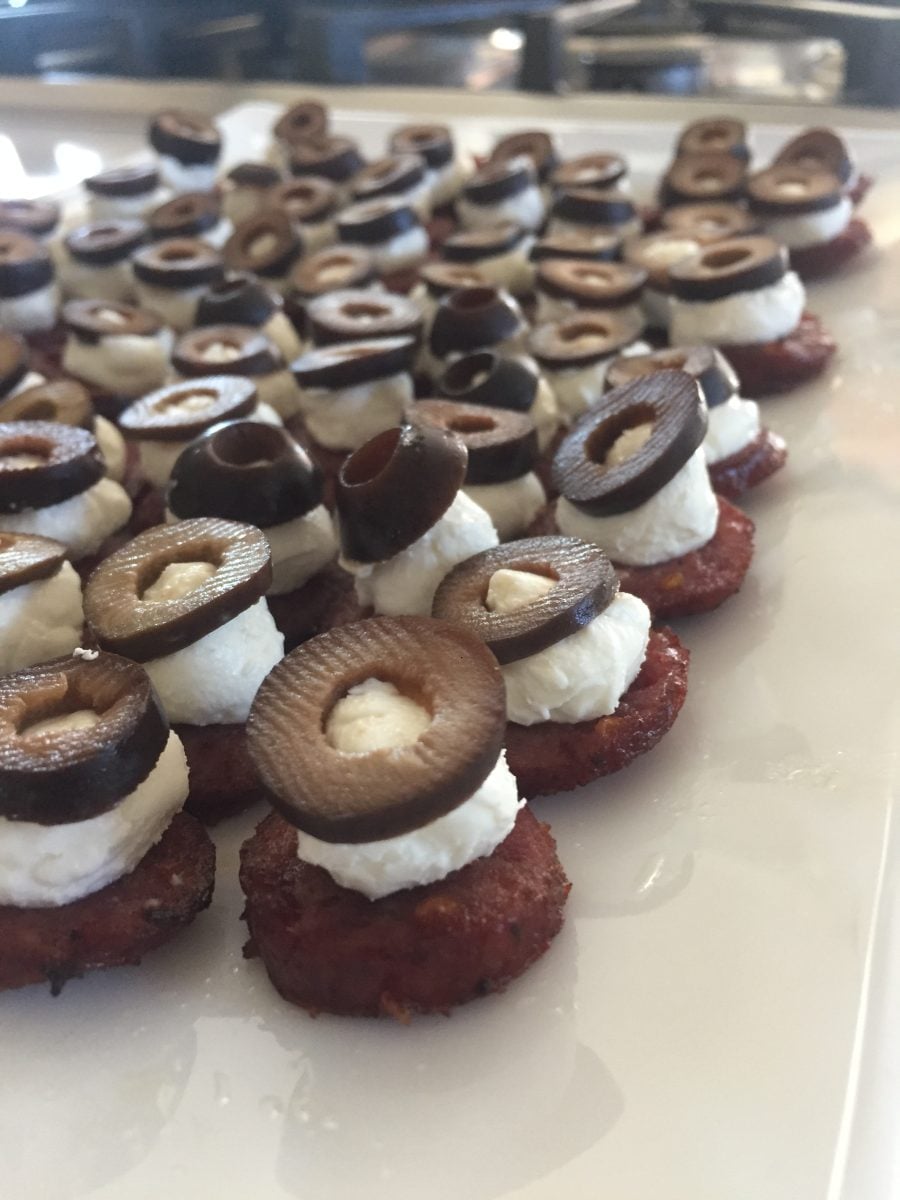
Spread a little goat cheese onto a folded round of salami, top it with an olive, and you have the fanciest thing in the cafeteria for about 40 cents a piece. Make them the night before so they firm up in the fridge into something that actually holds together. Use a firm goat cheese rather than the soft spreadable kind, since the soft stuff weeps overnight and slides off. Pack them in a single layer or the bottom row arrives flattened.
18) Hummus with Focaccia Squares
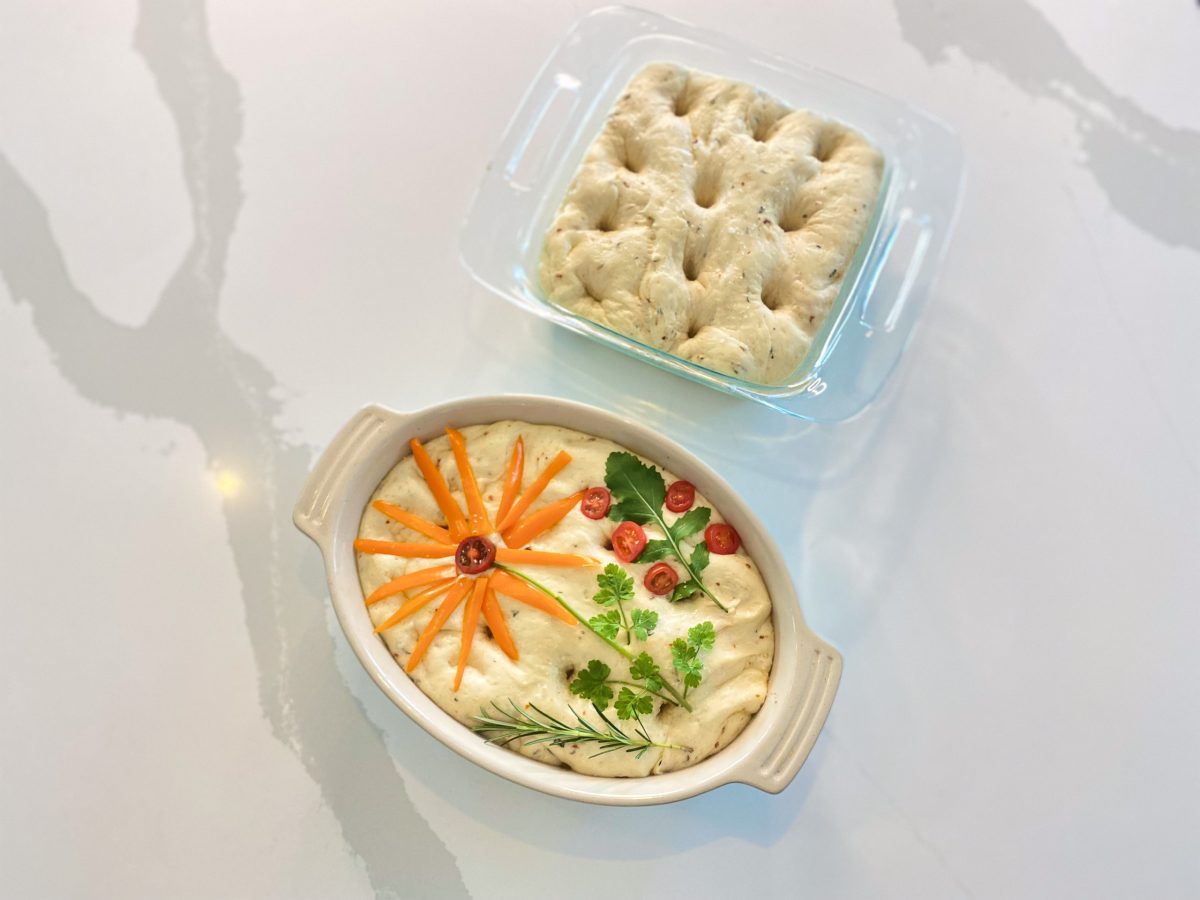
Hummus is the most reliable thing you can put in a lunchbox, and cutting focaccia into squares turns it from a dip into a meal. Make the hummus looser than you think you should, because it firms up in the fridge and stiff hummus tears soft bread. A slick of olive oil on top keeps a skin from forming. Carrots and cucumber round it out for almost nothing.
19) Mozzarella and Celery Salad
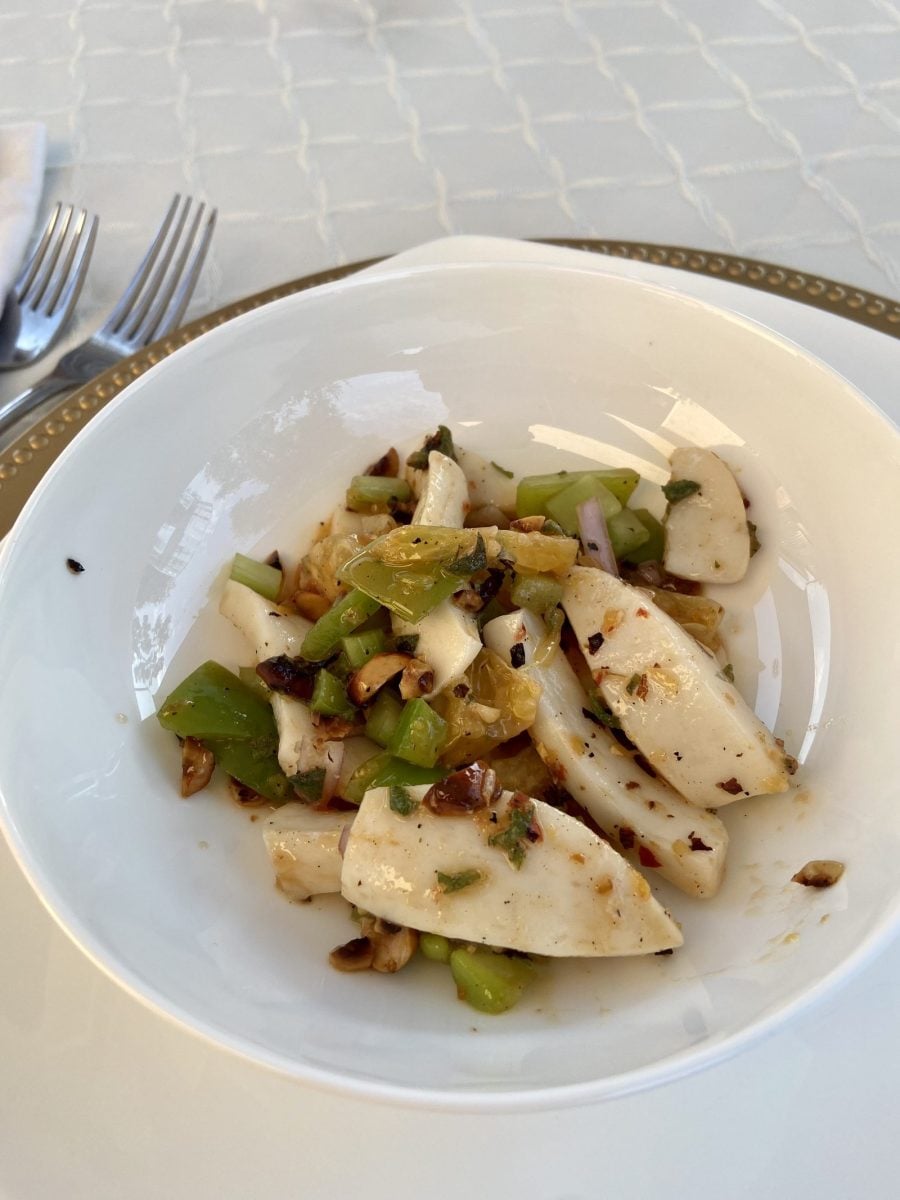
Celery is the most underrated lunchbox vegetable, because it is still crunchy eight hours later and almost nothing else is. Cut it on a sharp angle so the pieces are big enough to feel deliberate. Mozzarella pearls, good olive oil, lemon, and more black pepper than seems reasonable. It takes four minutes and reads as something far more considered than that.
20) Cheddar Bay Biscuit Sandwiches
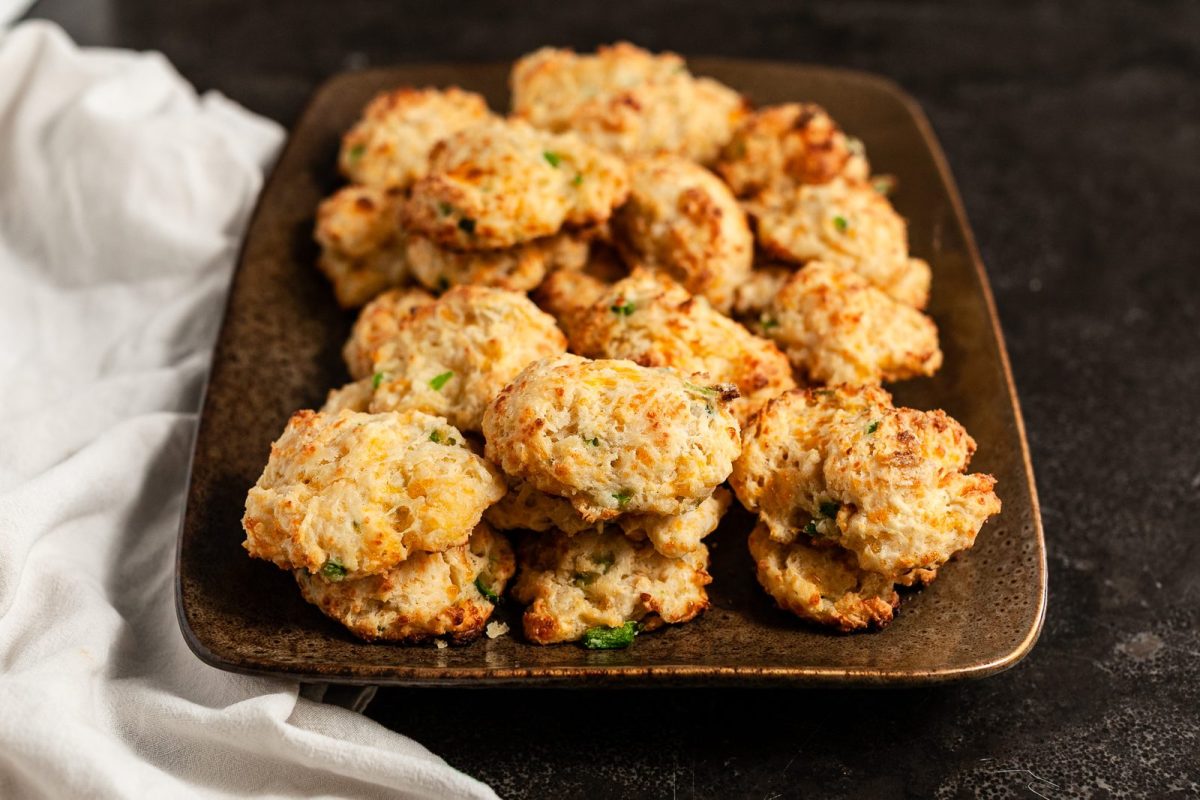
Split a cooled biscuit, lay in ham or turkey and a slice of cheese, and you have a sandwich that will not go soggy the way sliced bread does. Bake the biscuits the night before and leave them uncovered until fully cool. Covering them warm is the step most people skip past and then they wonder why the tops went gummy. Butter both cut faces, which is what keeps moisture from the filling out of the crumb.
21) Spinach Salad with Feta

Baby spinach survives a backpack better than any lettuce, and it is the only green I trust to be dressed in the morning. Dress it lightly and toss it thoroughly rather than pouring dressing on at the last second. Feta, red onion, and toasted nuts handle the rest. Pack it in a tall container instead of a wide one so the leaves at the bottom are not carrying the weight of the whole salad.
22) Watermelon and Feta Salad
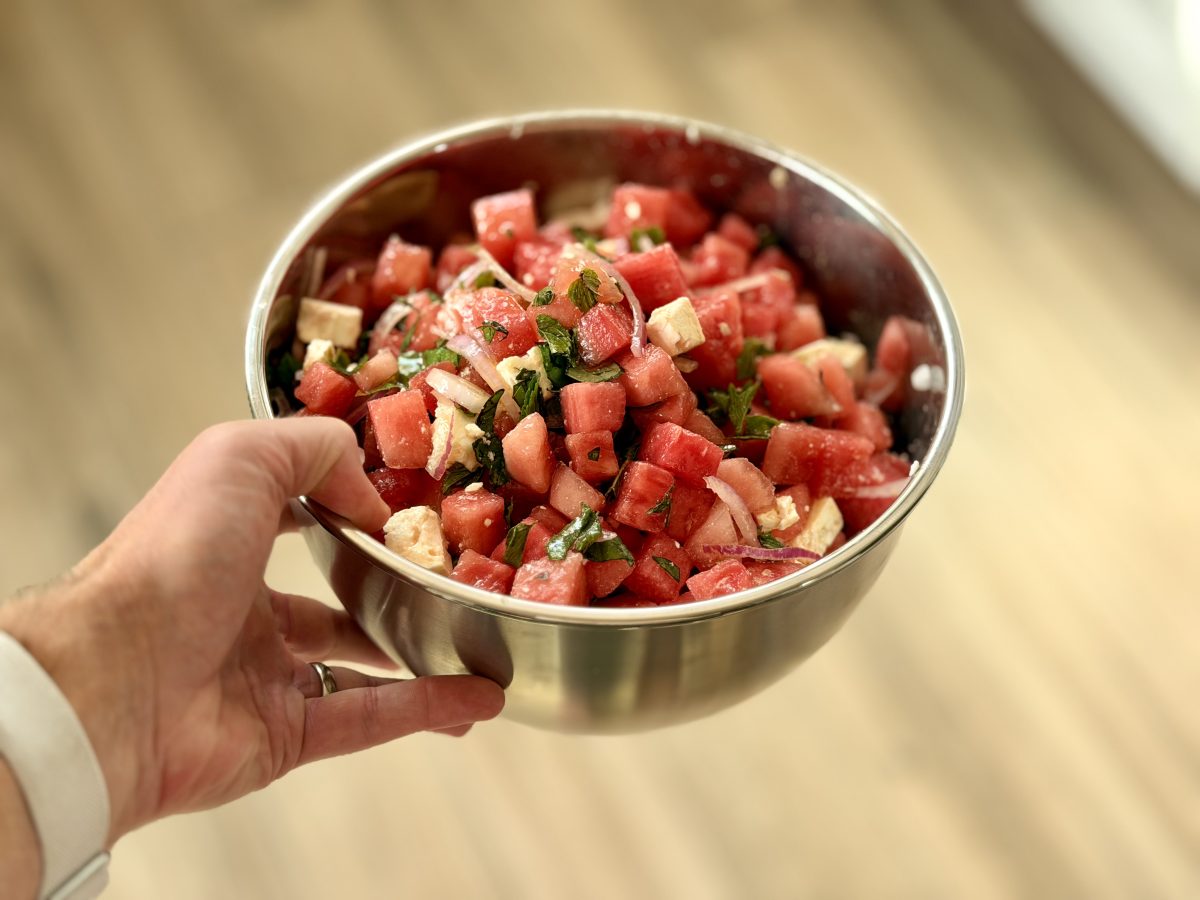
Drain the cubed watermelon in a colander for twenty minutes before it goes anywhere near the feta, or the container fills with juice by lunchtime. Salty and sweet in the same bite is what makes a cold lunch feel like a choice rather than a compromise. Mint, lime, and a grind of black pepper finish it. Skip the olive oil here, since it goes cloudy and unappealing once it is cold.
23) Pinto Beans with Chile Lime Rice
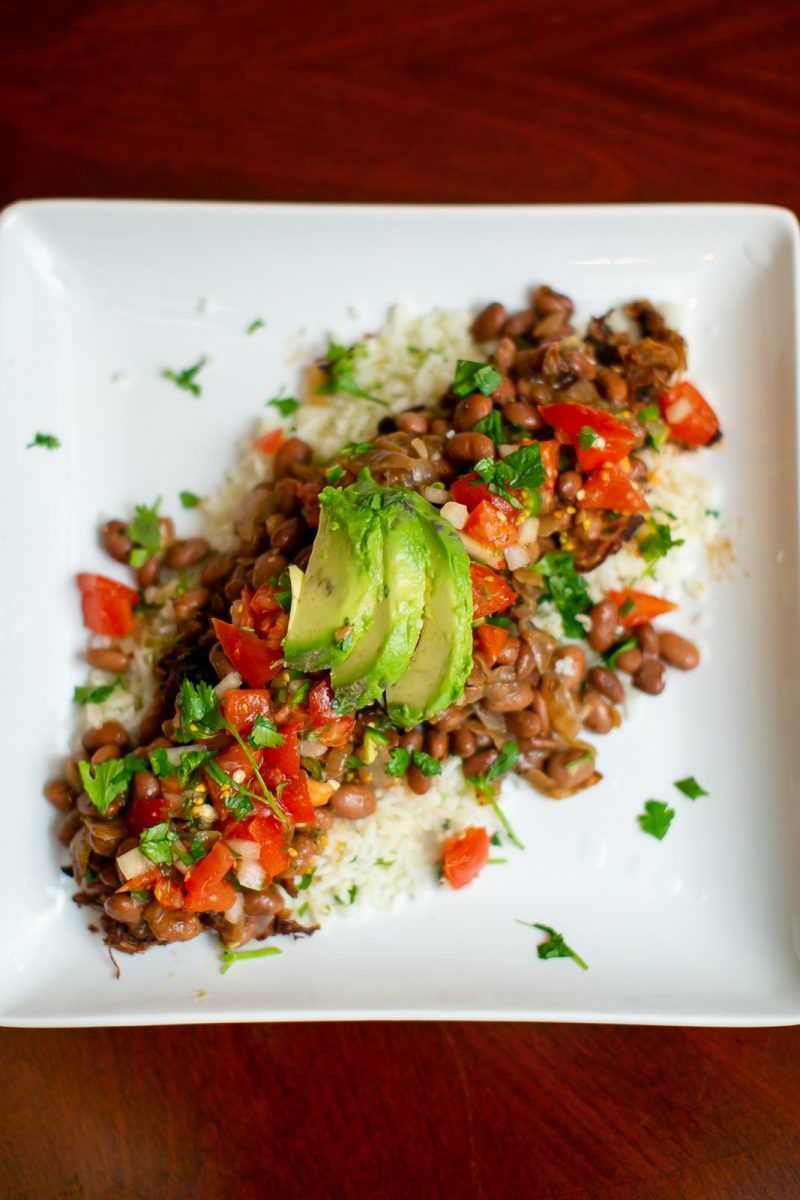
I ate beans and rice at room temperature for most of one summer and never once thought of it as settling. Cook the rice with lime zest and a pinch of chile so the flavor lives in the grain rather than sitting on top. Season the beans while they are hot, because cold beans absorb nothing. Cotija or a spoonful of salsa on the side and it holds up to the last bite.
